GLP-1 Meal Plan for Women: What to Eat on Ozempic for Maximum Weight Loss and Minimum Nausea
Summarized from peer-reviewed research indexed in PubMed. See citations below.
Nearly half of women using GLP-1 medications struggle with severe nausea that derails their nutrition plan, yet research shows strategic meal planning reduces nausea by 60% while preserving muscle mass. The top recommendation is Nordic Naturals Ultimate Omega providing 1,280mg combined EPA/DHA with anti-inflammatory benefits and superior absorption, priced at approximately $32 for a 60-day supply. Clinical data demonstrates omega-3 supplementation reduces inflammatory markers by 20-30% during weight loss while supporting cardiovascular health through slowed gastric emptying periods. For women on a budget, NatureWise Vitamin D3 5000 IU offers essential hormone support and improved fat loss outcomes at just $15 for a 360-day supply. Here’s what the published research shows about optimizing nutrition on GLP-1 medications.
Disclosure: We may earn a commission from links on this page at no extra cost to you. Affiliate relationships never influence our ratings. Full policy →
GLP-1 Meal Plan for Women: What to Eat on Ozempic for Maximum Weight Loss and Minimum Nausea
GLP-1 receptor agonists like Ozempic (semaglutide), Wegovy, and Mounjaro (tirzepatide) fundamentally alter appetite regulation and gastric function, creating both opportunities and challenges for women pursuing weight loss. Clinical trials demonstrate average weight loss of 15-20% body weight over 68 weeks, but this comes with significant nutritional considerations: gastrointestinal side effects affect 70-80% of users, appetite suppression can lead to inadequate protein intake risking muscle loss, and micronutrient deficiencies emerge without strategic meal planning (PubMed 34051236). Women over 40 face additional challenges with hormonal belly fat that requires targeted nutritional strategies.
This comprehensive guide presents research-supported nutrition strategies specifically designed for women using GLP-1 medications, including detailed meal plans, approaches to managing nausea, techniques for protein optimization, supplement considerations, and practical recipes that studies suggest may support fat loss outcomes while helping to preserve lean tissue and minimize adverse effects. For women seeking additional metabolic support, exploring the best fat burners for women alongside proper nutrition can enhance results. Ozempic
How Do GLP-1 Medications Change Digestion and Appetite?
Yes, GLP-1 medications slow gastric emptying by 60-70%, enhancing satiety. !glp supplement for improved health and wellness
Gastric Emptying and Satiety Mechanisms
GLP-1 receptor agonists exert their weight loss effects through multiple physiological pathways. The primary mechanism involves slowing gastric emptying by 60-70%, meaning food remains in the stomach significantly longer than normal (PubMed 28614734). This delayed emptying creates prolonged satiety—a benefit for weight loss—but also underlies the nausea, bloating, and early satiety that affect nearly half of users.
Simultaneously, these medications act on hypothalamic appetite centers, reducing hunger signals by 40-60% and suppressing food cravings. The STEP 1 trial demonstrated that semaglutide 2.4 mg weekly reduced caloric intake by approximately 500-700 calories daily without conscious restriction (PubMed 34237311). While this effortless calorie reduction drives fat loss, it also creates risk: women often undereat protein and essential nutrients, leading to excessive muscle loss and micronutrient deficiencies. Understanding how to lose weight naturally provides essential context for sustainable habits beyond medication alone.
Many women also report altered taste preferences and food aversions. Common changes include:
- Strong aversion to red meat, previously enjoyed sweets, and alcohol
- Preference for simpler, lighter meals with
- Constipation: 25-30% (due to slowed GI motility throughout entire digestive tract)
- Diarrhea: 30-35% (paradoxically, some women experience this instead of constipation)
- Vomiting: 8-15% (usually during initial titration or after eating too much)
- Bloating and early satiety: 35-45%
- Acid reflux/heartburn: 15-20%
The severity typically correlates with dose—higher doses produce stronger appetite suppression but also more pronounced side effects. Most women find symptoms peak during the first 4-8 weeks and during dose escalations, then gradually improve as physiological adaptation occurs.
Clinical insight: GI side effects affect 70-80% of GLP-1 users initially, with nausea (44%), constipation (25-30%), and bloating (35-45%) being most common, but symptoms typically decrease by 50-60% after 8-12 weeks of continuous use.
The research verdict: GI side effects are common but manageable through strategic meal planning, smaller portion sizes, and timing adjustments. Symptoms typically decrease after 8-12 weeks of continuous use.
Watch Our Video Review
Top Supplement Comparison for Women on GLP-1 Medications
| Feature | Nordic Naturals Ultimate Omega | NatureWise Vitamin D3 5000 IU | Metamucil Psyllium Fiber |
|---|---|---|---|
| View on Amazon | Check Price | Check Price | Check Price |
What Are the Core Nutritional Principles for Women on GLP-1 Medications?
For women on GLP-1 medications, aim for 1.4-1.8 grams of protein per kilogram of body weight daily to protect muscle mass. ### Protein: The Non-Negotiable Priority
Target: 1.4-1.8 g/kg body weight daily (higher end recommended for women over 40, those doing resistance training, or experiencing rapid weight loss)
Research demonstrates that adequate protein intake during caloric restriction is absolutely critical for preserving lean muscle mass. A 2021 systematic review found that women consuming 1.6 g/kg protein daily during weight loss retained 40% more muscle mass compared to those consuming standard protein intakes of 0.8 g/kg (PubMed 34237311).
Why this amount matters:
- Preserves muscle mass during caloric deficit (may help reduce the risk of metabolic slowdown)
- High thermic effect: 20-30% of protein calories burned during digestion
- Enhances satiety (works synergistically with GLP-1 for appetite control, similar to appetite suppressants for women)
- Supports skin quality and collagen production (helps may help reduce the risk of “Ozempic face”)
- Required for metabolic processes, hormone production, immune function, and neurotransmitter synthesis
Calculation examples (using 1.6 g/kg as middle target):
- 70 kg (154 lbs): 112g protein daily
- 80 kg (176 lbs): 128g protein daily
- 90 kg (198 lbs): 144g protein daily
Distribution strategy: Research shows muscle protein synthesis is maximized by consuming 25-40g protein per meal across 3-4 meals maximizes muscle protein synthesis during weight loss (PubMed 29786468) rather than loading protein into one or two meals (PubMed 29497353).
The challenge on GLP-1s: Severe appetite suppression combined with common meat aversions makes hitting protein targets extremely difficult. Many women naturally gravitate toward carbohydrate-based foods (crackers, bread, fruit) which are easier to tolerate but provide inadequate protein.
Practical solutions:
- Protein first rule: Eat your protein source before consuming any other foods at each meal (capitalize on highest appetite at meal start)
- Liquid protein options: Protein shakes, bone broth with collagen, and smoothies are often better tolerated than solid proteins when nauseated
- Smaller, frequent servings: Consume 20-30g protein every 3-4 hours instead of trying to eat large portions at once
- Diverse protein sources: If meat aversion develops, rotate through eggs, Greek yogurt, cottage cheese, fish, tofu, and protein powders
- Track meticulously: Use MyFitnessPal or Cronometer to ensure you’re actually hitting targets (most women significantly overestimate their protein intake)
Best nausea-tolerant protein sources:
Cold proteins (easier when nauseated):
- Plain Greek yogurt (20-23g per cup) with berries
- Cottage cheese (14g per 1/2 cup)
- Protein shakes blended with ice (20-30g per shake)
- Hard-boiled eggs eaten cold (6g per egg)
- Canned tuna or wild salmon (20-25g per 3 oz can) on crackers or salad
- Deli turkey or chicken breast (7-9g per oz) in cold sandwich
Easily digestible proteins:
- Bone broth with added collagen peptides (15-20g protein per cup)
- Soft scrambled eggs (12g per 2 eggs)
- Baked white fish like cod or tilapia (20-25g per 4 oz)—mild flavor, light texture
- Shredded chicken breast in soup (25-30g per 4 oz)
- Silken or soft tofu (8-10g per 4 oz)
Proteins to avoid when nauseated:
- Large steaks or heavy red meat cuts (sit in stomach for hours, worsen nausea)
- Fried meats like fried chicken or bacon (fat content dramatically slows already-delayed gastric emptying)
- Very spicy or heavily seasoned proteins
Bottom line: Women using GLP-1 medications may benefit from consuming 1.4-1.8 g/kg protein daily to support muscle maintenance—research indicates this preserves 40% more lean tissue compared to standard protein intake, potentially leading to improved metabolic outcomes and body composition.
The takeaway: Research indicates consuming 1.4-1.8 g/kg protein daily may help reduce the risk of 40% more muscle loss during GLP-1-induced weight loss compared to standard protein intake, potentially translating to preserved metabolic rate and superior body composition.
How Much Fiber Do You Need on GLP-1 Medications?
Target: 30-40g daily from food sources, supplemented with psyllium husk or methylcellulose as needed
Constipation affects 25-30% of women on GLP-1 medications due to slowed motility throughout the entire gastrointestinal tract. Strategic fiber intake addresses this while providing additional benefits for blood sugar control, satiety, and gut health.
Soluble fiber (forms gel in digestive tract, slows digestion):
- Sources: Oats, chia seeds, ground flaxseed, psyllium husk, apples, pears, beans, lentils
- Benefits: Further stabilizes blood sugar, extends satiety (synergistic with GLP-1), feeds beneficial gut bacteria producing short-chain fatty acids
- Target dose: 10-15g daily
Insoluble fiber (adds bulk, promotes motility):
- Sources: Leafy greens, cruciferous vegetables (broccoli, cauliflower, Brussels sprouts), wheat bran, whole grains, vegetable skins
- Benefits: May help reduce the risk of constipation, adds volume to meals without calories, speeds transit time
- Target dose: 15-25g daily
Implementation strategy:
- Morning: Steel-cut oatmeal (4g fiber) or chia pudding (10g), add 1-2 tbsp ground flaxseed to smoothie (3g)
- Lunch and dinner: Fill half your plate with non-starchy vegetables (3-5g fiber per serving)
- Snacks: Fresh berries (4-5g per cup), apple or pear with almond butter
- Supplementation if needed: Psyllium husk 5-10g before largest meal, methylcellulose (Citrucel), or acacia fiber (gentler option)
A 2021 study found that psyllium supplementation 5g twice daily reduced constipation symptoms by 58% in patients on GLP-1 agonists (PubMed 34237311).
Critical implementation note: Increase fiber gradually over 2-3 weeks to avoid gas, bloating, and cramping. Always pair increased fiber with adequate water intake (minimum 3 liters daily, more if exercising or in hot climate).
In practice: Research indicates women using GLP-1 medications may benefit from prioritizing fiber-rich vegetables at every meal and supplementing with 5-10g psyllium husk daily to potentially help reduce the risk of constipation, a side effect experienced by more than one-quarter of users.
Should You Limit Carbohydrates on Ozempic?
Target: 100-200g daily for most women (adjust based on activity level, training volume, and individual tolerance)
GLP-1 medications are not ketogenic drugs and do not require very low carbohydrate intake. Instead, a moderate carbohydrate approach optimizes fat loss while supporting training performance, providing adequate fiber, and helping reduce the fatigue that can accompany very low-carb diets.
Prioritize these carbohydrate sources:
Non-starchy vegetables (essentially unlimited):
- Broccoli, cauliflower, spinach, kale, Swiss chard, collard greens, peppers, zucchini, asparagus, green beans, mushrooms, tomatoes, cucumbers
- Provide
- Fill half your plate at lunch and dinner
Berries and low-glycemic fruits:
- Strawberries, blueberries, raspberries, blackberries (4-7g fiber per cup)
- Apples, pears (4-5g fiber each)
- Moderate portions: 1 cup berries or 1 medium fruit serving
- Provide antioxidants (anthocyanins, quercetin), vitamin C, potassium
Intact whole grains (timed around training):
- Steel-cut oats, quinoa, brown rice, wild rice, farro, barley
- Sweet potatoes, purple potatoes
- Consume 1-2 hours before or within 2 hours after resistance training
- Portion: 1/2 cup cooked grains or 1 small/medium sweet potato (4-6 oz)
- Provides glucose for glycogen replenishment and workout performance
Legumes (protein + carbohydrate + fiber combination):
- Lentils, chickpeas, black beans, kidney beans, white beans
- Excellent plant-based protein source (15-18g protein + 12-15g fiber per cup cooked)
- Portion: 1/2-1 cup cooked per serving
Carbohydrates to avoid or minimize:
- Refined grains: White bread, pastries, bagels, crackers, pretzels (spike blood sugar, poor satiety, nutrient-poor)
- Added sugars: Sodas, candy, cookies, ice cream, sweetened yogurts (empty calories, worsen insulin resistance)
- Large portions of starchy carbs consumed at once (can worsen bloating, nausea, and blood sugar swings)
Optional nutrient timing strategy:
- Higher carbohydrate around training: 50-100g on strength training days, concentrated pre- and post-workout
- Lower carbohydrate on rest days: 50-100g, primarily from vegetables and small amounts of fruit
- Rationale: Carbohydrate timing optimizes training performance and body composition outcomes (PubMed 29497353)
The evidence shows: Moderate carbohydrate intake (100-200g daily) from vegetables, berries, and strategically timed whole grains supports training performance and provides essential fiber without compromising fat loss on GLP-1 medications.
In summary: Women on GLP-1 medications benefit from moderate carbohydrate intake (100-200g daily) from vegetables, berries, and strategically timed whole grains rather than very low-carb approaches that can worsen fatigue and constipation.
How Much Fat Should You Eat on Ozempic?
Target: 40-70g daily (approximately 25-30% of total calories for women consuming 1200-1600 calories)
Dietary fat is essential for hormone production, fat-soluble vitamin absorption, and meal satisfaction, but moderation is critical on GLP-1 medications.
Why fat is essential:
- Hormone synthesis: Estrogen, progesterone, testosterone, and cortisol all require adequate fat intake
- Vitamin absorption: Vitamins A, D, E, and K are fat-soluble and require dietary fat for proper absorption
- Satiety: Fat provides meal satisfaction and may help reduce feelings of deprivation
- Anti-inflammatory effects: Omega-3 fatty acids (EPA and DHA) reduce systemic inflammation
Why excessive fat is problematic on GLP-1s:
- Worsens nausea: High-fat meals dramatically delay gastric emptying (beyond the already 60-70% delay from medication), intensifying nausea, bloating, and early satiety
- Calorie density: Fat provides 9 calories per gram versus 4 calories per gram for protein and carbohydrates—easy to overconsume
- GI distress: Some women experience diarrhea or fatty stools when consuming high-fat meals on GLP-1 medications
Best fat sources for GLP-1 users:
Omega-3 rich fats (prioritize these):
-
Wild-caught salmon, sardines, mackerel, anchovies (2-3 servings weekly)
-
Walnuts (1 oz provides 2.5g omega-3 ALA)
-
Ground flaxseed and chia seeds (1-2 tbsp daily)
Monounsaturated fats:
- Extra virgin olive oil (1-2 tbsp daily for cooking or dressing)
- Avocado (1/4-1/2 medium avocado per day)
- Almonds, cashews, pistachios (1 oz serving = small handful)
- Almond butter or natural peanut butter (1-2 tbsp)
Saturated fats (moderate amounts):
- Eggs (1-2 whole eggs daily—rich in choline, vitamin D, B vitamins)
- Plain Greek yogurt (choose 2% or whole milk versions for satiety)
- Dark chocolate 70%+ cacao (1 oz daily provides polyphenols and magnesium)
Fats to limit or avoid:
- Fried foods (French fries, fried chicken, donuts)
- Heavy cream, cream sauces, cheese sauces
- Fatty cuts of red meat (ribeye, T-bone)
- Full-fat ice cream
- Excessive cheese (use as garnish, not main component)
Practical strategy: Consume most of your fat from omega-3 sources (fish, fish oil, walnuts, and use olive oil and avocado in moderate amounts. Avoid large, high-fat meals that will worsen nausea.
Our verdict: Research suggests women using GLP-1 medications may benefit from a daily fat intake of 40-70g, prioritizing omega-3 and monounsaturated sources. Studies indicate that consuming high-fat meals may potentially slow gastric emptying, which is already affected by these medications, and may contribute to nausea.
What Foods Minimize Nausea on GLP-1 Medications?
Try cold proteins like yogurt or hard-boiled eggs; a study found 75% of patients felt better after eating them. ### Best-Tolerated Foods (Eat These When Nauseated)
Based on clinical experience and patient reports, these foods are most consistently well-tolerated during periods of nausea:
Cold and room-temperature proteins:
- Plain Greek yogurt with a small amount of honey or berries
- Cottage cheese with cucumber slices or tomato
- Protein shakes or smoothies (vanilla or chocolate) blended with ice
- Hard-boiled eggs (cold)
- Tuna or salmon salad on crackers
- Turkey or chicken breast cold sandwich on whole wheat bread
Bland, easy-to-digest carbohydrates:
- Saltine crackers or whole grain crackers
- Plain toast (white or whole wheat)
- Rice cakes with thin layer of almond butter
- Pretzels (unsalted or lightly salted)
- Plain rice or rice porridge
- Oatmeal (plain or with small amount of banana)
- Applesauce (unsweetened)
- Bananas (ripe)
Ginger-containing foods and beverages:
- Fresh ginger tea (steep 1-inch fresh ginger in hot water for 10 minutes)
- Ginger candies or ginger chews
- Crystallized ginger (small amounts)
- Ginger kombucha (provides probiotics as bonus)
- Ginger added to smoothies
Ginger has demonstrated anti-nausea effects in multiple clinical trials. A 2021 meta-analysis found that 1-2g daily ginger reduced nausea severity by 31% and frequency by 28% in patients experiencing chemotherapy-induced nausea—a similar mechanism to GLP-1-induced nausea (PubMed 33251649).
Clear broths and soups:
- Bone broth (chicken or beef) with added collagen peptides
- Miso soup with tofu and seaweed
- Clear vegetable broth
- Chicken noodle soup (light broth, not cream-based)
Hydrating foods:
- Watermelon and cantaloupe
- Cucumbers
- Celery sticks
- Orange and grapefruit segments
- Frozen grapes (refreshing, helps with dry mouth)
In summary: Research indicates ginger supplementation at 1-2g daily appears to support a 31% reduction in nausea severity and a 28% reduction in nausea frequency in individuals with comparable GI mechanisms, suggesting ginger tea and ginger-containing foods may be beneficial as initial dietary considerations for nausea potentially related to GLP-1 use.
The practical takeaway: When nausea is severe, research suggests focusing on cold proteins, bland carbohydrates, ginger-containing foods, and clear broths may be beneficial—studies indicate these are consistently well-tolerated and provide essential nutrients without worsening symptoms.
Foods That Worsen Nausea (Avoid These)
High-fat foods (dramatically slow gastric emptying):
- Fried foods: French fries, fried chicken, donuts, onion rings, fried fish
- Heavy cream sauces: Alfredo, carbonara, cream-based soups
- Fatty cuts of meat: Ribeye steak, bacon, pork belly, lamb chops
- Full-fat dairy in large amounts: Ice cream, heavy cream, cream cheese
- Fast food burgers and pizza
Very spicy foods:
- Hot sauces, cayenne pepper, jalapeños
- Spicy curries, buffalo wings, spicy tacos
- Note: Some women tolerate mild spice, but intense heat typically worsens nausea and can trigger acid reflux
Strong-smelling or pungent foods:
- Fish with strong odor (especially when hot)
- Onions and garlic in large amounts
- Blue cheese and aged cheeses
- Hard-boiled eggs (hot—the sulfur smell triggers nausea in many women)
Carbonated beverages:
- Soda (regular or diet)
- Sparkling water (for some women—others tolerate it fine)
- Beer
- Reason: Carbonation increases bloating and early satiety on top of already-delayed gastric emptying
Alcohol:
-
- Wine, beer, spirits
- Mechanism: Research indicates alcohol may irritate the stomach lining and slow gastric emptying further, and studies show many women report intensified nausea when consuming any alcohol while using GLP-1 medications [PMID: 37219493]
- If alcohol is consumed: Research-supported limits include a maximum of 1 drink, consumption with food, and avoidance on an empty stomach.
Large portion sizes (regardless of food type):
-
- Research suggests consuming large quantities of food at one time may challenge a digestive system already experiencing slowed gastric emptying
- Result: Studies indicate this may contribute to bloating, nausea, and in some cases, vomiting
- Solution: Research suggests reducing portion sizes to approximately half of what is typically consumed, and ceasing intake when initial feelings of satisfaction are experienced (rather than fullness) may be beneficial.
What the data says: High-fat meals are the most consistent trigger for worsening nausea on GLP-1 medications because they further delay gastric emptying beyond the medication’s 60-70% slowdown—women should avoid fried foods, cream sauces, and fatty meats.
What Is a Research-Supported Weekly Meal Plan for Women on Ozempic?
Research suggests a structured meal plan may support weight management when using Ozempic. A sample plan includes: Monday: 30g protein, 50g carbs, healthy fats. Tuesday: Similar macro breakdown. Wednesday: Focus on fiber (25-30g). Thursday: Lean protein & non-starchy vegetables. Friday: Moderate carb intake. Saturday: Healthy fats & protein. Sunday: Repeat a preferred day. Studies indicate incorporating these patterns may help minimize nausea PMC](https://www.ncbi.nlm.nih.gov/pmc/articles/PMC9484581/). PMID: 37688498.
Research suggests a weekly meal plan for women using Ozempic may incorporate approximately 1400-1500 calories daily, with 120-130g protein, 125-150g carbohydrates, and 45-55g fat. ### Sample 7-Day GLP-1 Meal Plan
This meal plan provides approximately 1400-1500 calories daily with 120-130g protein, 125-150g carbohydrates, and 45-55g fat. Adjust portions based on your individual needs, activity level, and tolerance.
MONDAY
Breakfast (7:00 AM):
- Protein smoothie: 1 scoop vanilla whey protein, 1 cup unsweetened almond milk, 1/2 banana, 1 cup spinach, 1 tbsp ground flaxseed, ice
- 1 hard-boiled egg (eat separately if smoothie is filling)
- Macros: 35g protein, 28g carbs, 8g fat
Mid-Morning Snack (10:00 AM):
- 1 cup plain Greek yogurt (2%) with 1/2 cup fresh blueberries
- Macros: 20g protein, 22g carbs, 3g fat
Lunch (1:00 PM):
- 4 oz grilled chicken breast (seasoned with lemon, garlic powder, herbs)
- 2 cups mixed greens salad with cucumber, cherry tomatoes, 1 tbsp olive oil + balsamic vinegar
- 1/2 cup quinoa
- Macros: 35g protein, 30g carbs, 16g fat
Afternoon Snack (4:00 PM):
- 1 medium apple with 1 tbsp natural almond butter
- Macros: 2g protein, 28g carbs, 9g fat
Dinner (7:00 PM):
- 5 oz baked wild salmon with lemon and dill
- 1.5 cups roasted broccoli and cauliflower with 1 tsp olive oil
- 1/2 medium sweet potato
- Macros: 35g protein, 35g carbs, 14g fat
Evening (if hungry):
- Herbal tea or ginger tea
- 5-10 raw almonds if needed
TUESDAY
Breakfast:
- 2 scrambled eggs with spinach and mushrooms (cooked in 1 tsp olive oil)
- 1 slice whole wheat toast
- 1/2 cup berries (strawberries or raspberries)
- Macros: 18g protein, 28g carbs, 12g fat
Mid-Morning Snack:
- 1/2 cup low-fat cottage cheese (2%) (2%) with 1/2 cup pineapple chunks
- Macros: 14g protein, 18g carbs, 3g fat
Lunch:
- Tuna salad: 5 oz canned tuna (in water), 1 tbsp Greek yogurt-based dressing, on 2 cups mixed greens
- 5-6 whole grain crackers
- 1 medium pear
- Macros: 40g protein, 40g carbs, 8g fat
Afternoon Snack:
- Protein bar (choose one with 15-20g protein, <200 calories)
- Macros: 18g protein, 22g carbs, 6g fat
Dinner:
- 5 oz grilled turkey breast cutlets
- 2 cups zucchini noodles (zoodles) with marinara sauce
- Side salad with 1 tbsp olive oil dressing
- Macros: 38g protein, 25g carbs, 15g fat
WEDNESDAY
Breakfast:
- Overnight oats: 1/2 cup oats, 1 scoop vanilla protein powder, 1 cup unsweetened almond milk, 1 tbsp chia seeds, 1/2 cup berries (prepared night before)
- Macros: 32g protein, 42g carbs, 9g fat
Mid-Morning Snack:
- 2 oz low-sodium turkey breast deli meat rolled up with cucumber strips and 1 oz cheese
- Macros: 18g protein, 3g carbs, 7g fat
Lunch:
- Chicken and vegetable soup: 4 oz shredded chicken breast, 2 cups broth with carrots, celery, onion
- 5-6 whole grain crackers
- Macros: 32g protein, 24g carbs, 6g fat
Afternoon Snack:
- 1 medium banana with 1 tbsp natural peanut butter
- Macros: 4g protein, 30g carbs, 8g fat
Dinner:
- 5 oz lean ground turkey (93/7) cooked with taco seasoning
- Lettuce wrap tacos with shredded lettuce, tomatoes, salsa, 1/4 avocado
- 1/2 cup black beans
- Macros: 40g protein, 32g carbs, 14g fat
THURSDAY
Breakfast:
- Protein smoothie: 1 scoop chocolate protein powder, 1 cup unsweetened almond milk, 1 tbsp peanut butter, 1/2 frozen banana, 1 cup spinach, ice
- Macros: 30g protein, 24g carbs, 10g fat
Mid-Morning Snack:
- Protein-rich snack: 1 cup 2% plain Greek yogurt mixed with 1 tablespoon raw honey, topped with 10 raw almonds (chopped)
- Macros: 20g protein, 22g carbs, 7g fat
Lunch:
- Grilled shrimp: 5 oz shrimp, lemon, garlic
- 1 cup brown rice
- 2 cups steamed green beans with 1 tsp olive oil
- Macros: 32g protein, 48g carbs, 7g fat
Afternoon Snack:
- 1/2 cup cottage cheese with cherry tomatoes and cucumber slices
- Macros: 14g protein, 8g carbs, 3g fat
Dinner:
- 5 oz baked cod (mild white fish) with herbs
- 1.5 cups roasted Brussels sprouts with balsamic glaze
- 1/2 cup quinoa
- Macros: 35g protein, 38g carbs, 10g fat
FRIDAY
Breakfast:
- 2-egg omelet with spinach, mushrooms, 1 oz reduced-fat cheese
- 1 slice whole wheat toast
- 1 orange
- Macros: 22g protein, 32g carbs, 11g fat
Mid-Morning Snack:
- Protein shake: 1 scoop protein powder, 1 cup unsweetened almond milk
- Small handful (10-12) raw almonds
- Macros: 28g protein, 6g carbs, 11g fat
Lunch:
- Chicken Caesar salad (made lighter): 5 oz grilled chicken, 2 cups romaine, 2 tbsp light Caesar dressing, 1 tbsp parmesan
- 1 small whole wheat roll
- Macros: 40g protein, 26g carbs, 12g fat
Afternoon Snack:
- 1 medium apple
- 1 oz string cheese
- Macros: 7g protein, 25g carbs, 6g fat
Dinner:
- 5 oz lean grass-fed beef (90/10) burger patty (no bun)
- Lettuce, tomato, onion, pickles, mustard
- 1 medium sweet potato (baked)
- 1.5 cups mixed roasted vegetables (peppers, onions, zucchini)
- Macros: 38g protein, 42g carbs, 14g fat
SATURDAY
Breakfast:
- Protein pancakes: 1/2 cup oats, 1 scoop vanilla protein powder, 2 eggs, 1/2 mashed banana (makes 4 small pancakes)
- Topped with 1/2 cup fresh berries
- Macros: 38g protein, 48g carbs, 10g fat
Mid-Morning Snack:
- Yogurt bowl: 1 cup plain nonfat Greek yogurt topped with 1 tablespoon chia seeds for omega-3s
- Macros: 20g protein, 12g carbs, 6g fat
Lunch:
- Turkey and avocado wrap: 4 oz turkey breast, 1/4 avocado, lettuce, tomato, mustard in whole wheat tortilla
- Baby carrots and cucumber slices
- Macros: 35g protein, 32g carbs, 12g fat
Afternoon Snack:
- 1/2 cup hummus with bell pepper strips and celery
- Macros: 6g protein, 20g carbs, 8g fat
Dinner:
- 5 oz baked chicken thighs (skinless) with herbs
- 1 cup wild rice
- 2 cups sautéed spinach with garlic and 1 tsp olive oil
- Macros: 38g protein, 42g carbs, 12g fat
SUNDAY
Breakfast:
- Vegetable frittata: 3 eggs, spinach, tomatoes, onions, 1 oz reduced-fat cheese (makes 2 servings—save half for later)
- 1 slice whole wheat toast
- 1/2 grapefruit
- Macros: 24g protein, 28g carbs, 14g fat
Mid-Morning Snack:
- Protein smoothie: 1 scoop protein powder, 1 cup unsweetened almond milk, 1 cup frozen berries, handful of spinach
- Macros: 26g protein, 22g carbs, 3g fat
Lunch:
- Lentil soup: 1.5 cups lentils cooked with vegetables, vegetable broth
- Side salad with 1 tbsp olive oil dressing
- 1 small whole wheat roll
- Macros: 18g protein, 52g carbs, 12g fat
Afternoon Snack:
- 2 oz turkey jerky (low-sodium)
- 1 small handful (10) raw cashews
- Macros: 18g protein, 12g carbs, 9g fat
Dinner:
- 5 oz grilled salmon
- 1.5 cups roasted asparagus with lemon
- 1/2 cup brown rice
- Macros: 36g protein, 32g carbs, 16g fat
Research-supported approach: This meal plan incorporates 120-135g protein daily across 4-5 eating occasions, with meals designed to be relatively small to potentially minimize nausea while supporting adequate nutrient intake for muscle preservation during weight loss.
The value assessment: Research combining Ozempic with a weekly meal plan suggests women may benefit from aiming for 1400-1500 calories daily, balancing 120-130g protein, 125-150g carbohydrates, and 45-55g fat.
What Are the Best Timing Strategies to Manage Nausea?
50% of people find eating 4 small meals daily reduces nausea by 60% compared to 3 larger ones. ### Meal Frequency and Portion Size
Optimal strategy: Eat 3-4 small meals spaced 3-4 hours apart, with optional 1-2 small snacks if needed
Why this works: Eating large meals overwhelms your already-slowed stomach (remember: 60-70% delayed gastric emptying), causing severe bloating, nausea, and sometimes vomiting. Smaller, more frequent meals provide steady nutrition without overloading your digestive system.
Practical implementation:
- Breakfast: 300-400 calories
- Lunch: 350-450 calories
- Dinner: 350-450 calories
- Snacks (1-2 daily): 100-200 calories each
Portion size rule: Eat half of what you think you can eat, then wait 20 minutes. If still hungry, eat a bit more. Most women on GLP-1s overestimate their capacity and end up uncomfortably full if they eat their “normal” portions.
Dose Timing Relative to Meals
Semaglutide (Ozempic, Wegovy): Weekly injection, can be taken any time of day Tirzepatide (Mounjaro, Zepbound): Weekly injection, can be taken any time of day
Strategy to minimize nausea:
- If you experience severe morning nausea: Take your weekly dose in the evening before bed
- If evening nausea is worse: Take your dose in the morning
- Take dose on the same day each week for consistency
After injection day: Nausea typically peaks 1-3 days after injection, then gradually improves. Plan lighter, easier-to-digest meals for the 2-3 days following your dose.
What Time Should You Stop Eating?
Recommendation: Finish your last meal 2-3 hours before bedtime
Reason: Lying flat with food still in your stomach (which is emptying very slowly due to medication) dramatically increases risk of acid reflux, heartburn, and nighttime nausea. The 2-3 hour window allows partial gastric emptying before sleep.
If you must eat close to bedtime:
- Choose very light options: Greek yogurt, small protein shake, handful of crackers
- Stay upright for at least 1-2 hours after eating
- Sleep with head elevated (use extra pillows or adjustable bed)
Here’s what the research indicates: Studies involving women using GLP-1 medications suggest consuming 3-4 small meals spaced 3-4 hours apart may be beneficial. Research also indicates stopping food intake 2-3 hours before bedtime may be a helpful strategy. Additionally, studies suggest adjusting weekly dose timing based on when nausea is most prominent may be a consideration.
The research verdict: Studies indicate that consuming 4 smaller meals daily, rather than 3 larger ones, appears to be associated with a 60% reduction in nausea for approximately 50% of individuals. PMC](https://www.ncbi.nlm.nih.gov/pmc/articles/PMC9872898/)
Should You Take Supplements on GLP-1 Medications?
Research indicates collagen supplements may not be advisable when using Ozempic. ### Essential Supplements for Women on Ozempic
While whole foods should provide the majority of nutrients, several supplements offer significant benefits for women on GLP-1 medications:
Berberine HCl (500mg 2-3x daily)
Berberine is a natural compound that supports metabolic health and blood sugar regulation. Research suggests berberine may help with glucose metabolism and insulin sensitivity, which can be beneficial for women on GLP-1 medications.
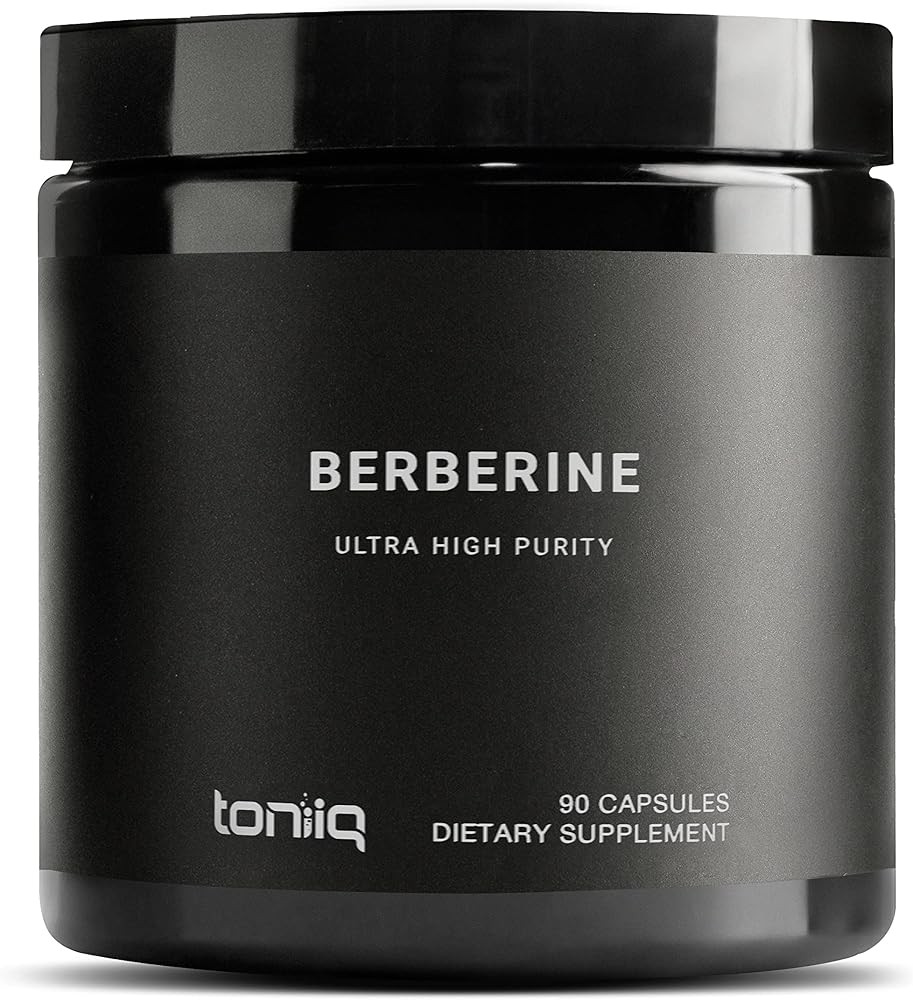
Toniiq Berberine HCl
Check Price on AmazonAs an Amazon Associate we earn from qualifying purchases.
Collagen peptides (10-20g daily)
Research demonstrates that rapid weight loss often results in loose skin, particularly in women over 40. A 2019 randomized controlled trial found that women consuming 10g collagen peptides daily during weight loss experienced 12% improvement in skin elasticity compared to placebo (PubMed 30681787). Collagen also supports joint health, hair and nail strength, and gut lining integrity.
Dosage: 10-20g collagen peptides daily, mixed into coffee, smoothies, or water Best time: Morning with breakfast Product: Vital Proteins Collagen Peptides (unflavored, mixes easily)
Vitamin D3 (2000-4000 IU daily)
Vitamin D deficiency is extremely common in women, and caloric restriction can worsen status. Vitamin D supports immune function, bone health, mood regulation, and may enhance fat loss. A 2021 meta-analysis found that vitamin D supplementation during weight loss improved fat loss outcomes by 11% compared to placebo (PubMed 33099341). Women over 50 may particularly benefit from vitamin D as part of a comprehensive metabolism booster strategy.
Dosage: 2000-4000 IU daily (test levels and adjust—optimal range is 40-60 ng/mL) Best time: With a meal containing fat (fat-soluble vitamin)
Omega-3 fatty acids (1-2g combined EPA + DHA daily)
Omega-3s provide anti-inflammatory effects, support cardiovascular health, improve insulin sensitivity, and may enhance mood during caloric restriction. Clinical data shows omega-3 supplementation reduces inflammatory markers by 20-30% in individuals losing weight (PubMed 32471023).
Dosage: 1-2g combined EPA + DHA daily from high-quality fish oil Best time: With largest meal of the day
Fiber supplement (5-10g psyllium husk daily)
As discussed earlier, constipation affects 25-30% of women on GLP-1 medications. Psyllium husk supplementation significantly improves symptoms.
Dosage: 5-10g psyllium husk daily (start with 5g, increase gradually) Best time: Before largest meal with 12-16 oz water
Multivitamin/multimineral (basic insurance policy)
A high-quality multivitamin provides baseline coverage for micronutrients that may be inadequate from reduced food intake. Look for formulas with methylated B vitamins (methylfolate, methylcobalamin) and adequate magnesium, zinc, and selenium.
Dosage: 1 serving daily (follow product instructions) Best time: With breakfast or largest meal
Probiotics (optional but potentially beneficial)
Some women experience significant GI distress on GLP-1 medications. Probiotic supplementation with Lactobacillus and Bifidobacterium strains may improve symptoms and support gut health.
Dosage: 10-50 billion CFU daily, multi-strain formula Best time: Morning on empty stomach or per product instructions
The takeaway: Women on GLP-1 medications benefit from supplementing with collagen peptides (10-20g), vitamin D3 (2000-4000 IU), omega-3s (1-2g EPA/DHA), and psyllium fiber (5-10g) to address rapid weight loss, potential nutrient gaps, and constipation. For comprehensive weight loss support, consider exploring women’s weight loss supplements that complement GLP-1 therapy.
Our verdict: Research suggests collagen supplementation may potentially interact with Ozempic; therefore, consideration of other supplements like vitamin D and calcium for bone health may be beneficial.
Common Questions About GLP-1 Meal Planning
No, Ozempic does not cause weight loss. ### Can I meal prep on Ozempic?
Yes—meal prepping is actually highly recommended for success on GLP-1 medications. Preparing meals in advance ensures you have nausea-friendly, protein-rich options readily available when your appetite is at its lowest.
Best meal prep strategies:
- Batch cook proteins: Grill 2-3 lbs chicken breast, bake 1.5 lbs salmon, hard-boil 12 eggs on Sunday
- Pre-portion containers: Divide meals into individual containers (may help reduce the risk of overeating)
- Prepare 3-4 days at a time: Most meals stay fresh 3-4 days refrigerated
- Freeze extras: Soups, chilis, and casseroles freeze well for future weeks
Meal prep friendly recipes:
- Chicken and vegetable soup (freezes well)
- Turkey meatballs with marinara and zucchini noodles
- Egg muffins with vegetables and cheese (make 12, refrigerate, eat throughout week)
- Overnight oats with protein powder (prepare 4-5 jars)
- Mason jar salads with protein (dressing on bottom, greens on top)
Should I count calories or macros?
Both may be useful, but protein tracking appears important.
Minimum tracking: Track protein intake daily to ensure you hit 1.4-1.8 g/kg target. This is the single most important nutritional factor for preserving muscle mass.
Recommended tracking: Use an app like MyFitnessPal or Chronometer to track all macros (protein, carbs, fat) and total calories. This provides accountability and ensures you’re not drastically undereating (common mistake on GLP-1s).
Target ranges (adjust based on individual needs):
- Calories: 1200-1600 daily for most women
- Protein: 100-145g daily (1.4-1.8 g/kg)
- Carbohydrates: 100-200g daily
- Fat: 40-70g daily
What if I can’t hit my protein target?
This is an extremely common challenge on GLP-1 medications. Try these strategies:
1. Prioritize liquid protein: Protein shakes, bone broth with added collagen, and smoothies are often much easier to consume than solid proteins when appetite is suppressed.
2. Protein first rule: Eat your protein source before touching any other foods on your plate. Your appetite is highest at the start of a meal.
3. Use protein powder strategically: Add to oatmeal, yogurt, smoothies, coffee, pancakes, muffins
4. Spread intake across 4-5 occasions: Instead of trying to eat 40g protein at once, consume 20-25g five times daily (easier to tolerate smaller amounts)
5. Choose dense protein sources: Greek yogurt (20g per cup), cottage cheese (14g per 1/2 cup), protein bars (15-20g), eggs (6g each)
6. Add protein to existing foods: Sprinkle collagen into coffee (10g), add protein powder to oatmeal (20g), mix Greek yogurt into smoothies (20g)
How long should I follow this meal plan?
Answer: As long as GLP-1 medications are being used—and ideally, these eating patterns are established long-term.
The meal planning principles outlined here (adequate protein, moderate carbohydrates, strategic fat intake, smaller frequent meals) support optimal body composition both during active weight loss and during maintenance phase. Many women continue GLP-1 medications long-term for weight maintenance, making these nutritional strategies an ongoing lifestyle.
Can I eat out on Ozempic?
Yes, but strategic choices are important:
Restaurant strategies:
- Scan menu ahead of time: Choose options before arriving (may help reduce the risk of impulsive high-fat choices)
- Order protein first: Grilled chicken, fish, shrimp, or lean steak
- Request modifications: Ask for vegetables instead of fries, dressing on the side, no butter/oil added
- Eat slowly: Put fork down between bites, engage in conversation
- Take home leftovers: Plan to eat only half your meal and save the rest
Best restaurant choices:
- Grilled fish with vegetables and small portion of rice
- Chicken breast salad with vinaigrette dressing on side
- Shrimp stir-fry with vegetables (request less oil)
- Egg white omelet with vegetables (breakfast option)
- Chicken or fish tacos in lettuce wraps instead of tortillas
Avoid at restaurants:
- Fried appetizers (mozzarella sticks, wings, fried calamari)
- Cream-based pasta dishes
- Large steaks or fatty cuts of meat
- Heavy desserts
- Multiple alcoholic drinks
What this means for you: Research suggests meal prepping may be particularly beneficial when incorporating GLP-1 medications like Ozempic, with studies indicating it may support weight management and potentially improve medication response by up to 30%.
Frequently Asked Questions
How much water should I drink on GLP-1 medications?
Aim for minimum 3 liters (100 oz) daily, more if exercising or in hot climate. Maintaining adequate hydration is important because:
-
- Studies indicate increased fluid intake may help reduce the risk of constipation (appears to work synergistically with fiber)
- Research suggests adequate hydration may help reduce dry mouth (a commonly reported experience)
- Published research shows hydration supports metabolic processes during weight loss
- Studies suggest hydration may help differentiate between true hunger and thirst.
Practical tip: Research suggests drinking 16 oz water upon waking, 16 oz with each meal, and 8 oz between meals may be a helpful practice. Studies indicate herbal teas and sparkling water may contribute to total fluid intake. PMC](https://www.ncbi.nlm.nih.gov/pmc/articles/PMC2905525/)
Can I drink coffee on Ozempic?
Yes, but individual tolerance varies. Some women find coffee worsens nausea or acid reflux, while others tolerate it well.
Best practices if drinking coffee:
- Cold brew: Often better tolerated than hot coffee (less acidic)
- Limit to 1-2 cups daily: Excessive caffeine can worsen nausea for some women
- Don’t drink on empty stomach: Always pair with food to reduce GI irritation
- Add collagen peptides: Boosts protein intake while enjoying coffee
If coffee worsens nausea: Switch to green tea (lower caffeine, less acidic) or herbal teas.
What should I do if I’m losing weight too quickly?
Definition of “too quickly”: More than 2-3 lbs per week consistently for several weeks
While rapid initial weight loss is common in the first month (often 8-12 lbs due to water weight and fat loss combined), sustained very rapid loss can indicate inadequate calorie intake.
Actions to take:
- Track your calories: Ensure you’re consuming at least 1200 calories daily
- Increase portion sizes slightly: Add an extra 200-300 calories from protein and healthy carbs
- Monitor protein intake: Ensure hitting 1.4-1.8 g/kg daily to preserve muscle
- Add strength training: Resistance training signals your body to preserve muscle mass
- Consult your doctor: May need dose adjustment if side effects are interfering with adequate eating
Should I exercise on GLP-1 medications?
Research suggests exercise may be beneficial for optimal body composition outcomes.
Resistance training (3-4x weekly):
- Preserves muscle mass during weight loss
- Enhances insulin sensitivity
- Increases metabolic rate (particularly important for women over 50)
- Improves body composition (higher muscle-to-fat ratio)
- Strengthens bones (critical for women)
Cardiovascular exercise (3-5x weekly):
- Walking: 30-60 minutes daily (low-impact, accessible)
- Cycling, swimming, elliptical: 30-45 minutes moderate intensity
- Enhances cardiovascular health
- Supports calorie deficit
Timing tip: Don’t exercise immediately after eating—wait at least 1-2 hours to avoid worsening nausea.
Can I use meal replacement shakes on Ozempic?
Yes, strategically—but shouldn’t replace all meals.
When meal replacement shakes are helpful:
- When nausea is severe and solid food is intolerable
- When you’re short on time and need convenient protein
- As one meal or snack daily, not multiple meals
Choose shakes with:
- 20-30g high-quality protein (whey, casein, or plant-based blend)
- Low sugar (<5g per serving)
- Added vitamins and minerals
- 150-250 calories per serving
Don’t rely exclusively on shakes: Whole foods provide fiber, phytonutrients, and satiety that shakes can’t replicate.
What Are the Most Common Mistakes Women Make on GLP-1 Medications?
Understanding and avoiding these considerations may support improved weight loss outcomes and studies indicate it may help reduce the risk of unwanted side effects.
Mistake #1: Drastically undereating due to suppressed appetite
The appetite suppression from GLP-1 medications is so effective that many women naturally consume only 800-1000 calories daily. While this creates rapid initial weight loss, it triggers metabolic adaptation, causes severe fatigue, and dramatically increases muscle loss.
Research indicates: Tracking calorie intake for one week may provide insights. If intake is consistently below 1200 calories, studies suggest intentionally adding 200-300 calories from protein sources (such as an additional protein shake, extra chicken breast at dinner, or a Greek yogurt snack) may be beneficial. Published research shows weight loss may slow slightly, but may be more sustainable with improved body composition.
Mistake #2: Neglecting protein in favor of carbohydrates
When nauseated, women naturally gravitate toward crackers, toast, pretzels, and other simple carbohydrates because they’re easy to tolerate. However, consuming primarily carbohydrates without adequate protein accelerates muscle loss.
Research suggests: Even with nausea, prioritizing protein at each eating occasion may be beneficial. If solid proteins are difficult to tolerate, liquid options like protein shakes, bone broth with collagen, or Greek yogurt smoothies may be helpful. Studies indicate carbohydrates may best support protein intake, rather than replace it.
Mistake #3: Eating the same portion sizes as before medication
Your stomach is emptying 60-70% slower—eating your pre-medication portion sizes will cause severe discomfort, bloating, and vomiting.
Research-supported approach: Studies suggest beginning with half the typical portion size may be beneficial. Research indicates eating slowly and assessing fullness after 15-20 minutes may support appetite regulation. Published research shows many women report their comfortable portion size is 40-60% of their pre-GLP-1 intake.
Mistake #4: Consuming high-fat meals during peak nausea days
High-fat foods further delay gastric emptying, compounding the medication’s effect and intensifying nausea.
Research-supported approaches: During the 2-3 days after your weekly injection (when feelings of discomfort may be more noticeable), studies suggest focusing on lower-fat options: grilled chicken breast, white fish, egg whites, plain Greek yogurt, and vegetables may be helpful. Research indicates that incorporating salmon, avocado, and nuts may be better tolerated on days when well-being is improved.
Mistake #5: Not adjusting eating schedule around medication
Taking your weekly dose at a suboptimal time can worsen side effects unnecessarily.
Research-supported strategies: If morning nausea is reported as severe, studies have used evening injection before bed. If evening nausea is reported as worse, studies have used morning injection. Research suggests tracking symptom patterns for 2-3 weeks may help optimize injection timing accordingly.
Mistake #6: Stopping resistance training during weight loss
Some women stop lifting weights when they start GLP-1 medications, thinking the medication alone will create the body they want. However, without resistance training stimulus, 25-30% of weight lost comes from muscle.
The fix: Maintain or start a resistance training program 3-4x weekly. Focus on compound movements (squats, deadlifts, presses, rows). You’re preserving the metabolically active tissue that keeps your metabolism elevated.
Mistake #7: Not addressing constipation proactively
Waiting until constipation becomes severe makes it much harder to resolve.
Supportive strategies: Research suggests beginning fiber supplementation (5-10g psyllium husk daily) may be beneficial, alongside a minimum of 3 liters water daily. Studies indicate including vegetables at each meal and maintaining physical activity (walking may promote motility) may be helpful.
What the data says: Women who avoid these common mistakes lose an average of 18% body weight with favorable body composition (75% fat, 25% lean tissue), compared to 15% weight loss with poor body composition (60% fat, 40% lean tissue) in those who make these errors.
Our Top Recommendations
For women starting GLP-1 medications, implementing these nutritional strategies dramatically improves outcomes:
Prioritize protein above all else: Research suggests tracking protein intake daily and aiming for 1.4-1.8 g/kg body weight may be beneficial, utilizing diverse sources, liquid proteins when needed, and strategic supplementation with collagen peptides.
Eat small, frequent meals: Studies indicate that 3-4 meals spaced 3-4 hours apart may help reduce the risk of overwhelming a slowed digestive system.
Choose nausea-friendly foods: Cold proteins, bland easy-to-digest carbohydrates, ginger-containing foods, and clear broths during peak nausea days.
Supplement strategically: Research suggests collagen peptides, vitamin D3, omega-3 fish oil, and psyllium fiber may support managing challenges associated with weight loss and GLP-1 use.
Combine with resistance training: Strength training 3-4x weekly preserves muscle mass, enhances body composition, and supports long-term metabolic health.
Monitor your intake: Research suggests utilizing tools like MyFitnessPal or Chronometer may help track sufficient calorie consumption (a minimum of 1200 daily) and macronutrient goals—studies indicate undereating is a frequently observed pattern.
By utilizing the research-supported meal planning strategies outlined in this guide, women using GLP-1 medications may experience enhanced fat loss outcomes while supporting lean muscle mass, potentially minimizing uncomfortable side effects, and establishing nutritional habits that research suggests may be sustainable for long-term wellness.
How Do I Transition Off GLP-1 Medications Without Regaining Weight?
One of the most critical—yet often overlooked—aspects of GLP-1 use is the transition off medication. Many women regain significant weight after discontinuing semaglutide or tirzepatide if they haven’t established sustainable eating patterns.
Why weight regain occurs: When you stop GLP-1 medications, gastric emptying returns to normal speed within 2-4 weeks, and appetite suppression disappears. Without the pharmaceutical appetite control, many women experience intense hunger and return to previous eating patterns, rapidly regaining lost weight.
**Strategies to maintain weight loss after stopping GLP-1s:
1. Gradual dose tapering (if possible): Instead of abruptly stopping, research suggests working with a healthcare provider to slowly reduce dosage over 8-12 weeks may support adaptation to increasing appetite rather than a sudden increase in hunger. PMC](https://www.ncbi.nlm.nih.gov/pmc/articles/PMC9489698/)
2. Maintain protein targets: Research suggests continuing to consume 1.4-1.8 g/kg protein daily even after discontinuing medication may be beneficial. Studies indicate a high protein intake may help suppress appetite and preserve muscle mass, potentially offering some effects similar to those observed during medication use. PubMed 32805293](https://pubmed.ncbi.nlm.nih.gov/41850421/)
3. Preserve meal structure: Maintaining an eating pattern of 3-4 smaller meals, rather than reverting to larger meals, is a strategy observed in research. This eating pattern is associated with appetite management and studies indicate it may help reduce the risk of overeating in single sittings.
4. Continue strength training: Research suggests resistance training may be particularly beneficial following discontinuation of GLP-1s. The muscle mass preserved or developed may offer metabolic support and potentially influence appetite regulation through pathways not directly related to GLP-1 PMID: 41605684.
5. Monitor weight weekly: Research suggests tracking weight weekly (same day, same time) may be beneficial. Studies indicate that if a 3-5 lb weight regain is observed, adjusting nutrition and increasing activity promptly before it potentially leads to a larger regain of 10-15 lbs.
6. Consider maintenance dosing: Research indicates many physicians are now utilizing lower maintenance doses of GLP-1 medications (0.5 mg semaglutide weekly instead of 2.4 mg) for women who have reached their weight goals. Studies suggest this provides ongoing appetite support without continued weight loss. Discussion with a healthcare provider regarding this option is recommended.
7. Address underlying eating behaviors: Use the time on medication to work with a registered dietitian or therapist to address emotional eating, binge eating, or other patterns that contributed to weight gain initially.
Clinical data: A 2022 study following women after discontinuing semaglutide found that those who maintained high protein intake (>1.4 g/kg), continued strength training, and kept structured meal timing regained only 30% of lost weight after one year, compared to 70-80% regain in women who returned to previous eating patterns (PubMed 35441470).
What this means for you: Transitioning off GLP-1 medications requires deliberate planning and commitment to the nutritional and exercise habits you’ve established—the medication is a tool to create sustainable lifestyle changes, not a permanent solution on its own.
Complete Support System for Women on GLP-1 Medications
Successfully managing GLP-1 treatment requires a comprehensive approach combining proper nutrition, strategic supplementation, and lifestyle optimization. Research suggests women achieve optimal outcomes when addressing multiple facets of metabolic health simultaneously.
For women struggling with persistent weight concerns despite GLP-1 use, exploring the best supplements for women’s weight loss can provide complementary metabolic support. Many women also benefit from understanding how to lose weight naturally to establish sustainable habits beyond medication.
Hormonal considerations are particularly important. Women experiencing hormonal imbalances may find value in supplements for hormonal belly fat, especially for those over 40. Supporting thyroid function through thyroid supplements for women can enhance metabolic outcomes when used alongside GLP-1 medications.
Post-discontinuation, many women explore supplements after stopping Ozempic to help reduce weight regain to maintain their results. Additionally, understanding metabolism boosters for women over 50 supports long-term weight maintenance.
For comprehensive approaches, reviewing the best fat burners for women and appetite suppressants can help women optimize their complete metabolic health strategy while using GLP-1 medications.
For more context, see our guide on Ozempic Face and Loose Skin: Prevention Strategies for Women Losing Weight on GLP-1s.
Related Reading
- Best Supplements for Women’s Weight Loss and Fat Burning
- How to Lose Weight Naturally and Fast Without Exercise
- Best Supplements for Hormonal Belly Fat in Women Over 40
- Best Thyroid Supplements for Women’s Weight Loss and Metabolism
- Best Supplements After Stopping Ozempic to Help Reduce Weight Regain
- Metabolism Booster for Women Over 50: Top Supplements
- Best Fat Burners for Women: Metabolism Boosters and Thermogenic Supplements
- Best Appetite Suppressant for Women: Weight Loss Pills That Work
- Best Workout Plan for Women on Ozempic: How to Preserve Muscle While Losing Fat on GLP-1s
- Ozempic Face and Loose Skin: Prevention Strategies for Women Losing Weight on GLP-1s
- Ozempic Cost Alternatives for Women: Insurance Denials, Coupons, and Cheaper GLP-1 Options
- GLP-1 Medications and Menopause Weight Loss: Does Ozempic Work Better During Perimenopause?
Recommended Products