GLP-1 for Menopause Weight Loss: 20% Weight Reduction in Pre & Postmenopausal Women
Summarized from peer-reviewed research indexed in PubMed. See citations below.
Menopausal weight gain affects 70% of women during the transition, driven by declining estrogen and a 20-30% decrease in insulin sensitivity that makes traditional dieting 40-50% less effective. While prescription GLP-1 medications like Wegovy show 12-15% body weight loss at $900-1,400/month, natural alternatives like BB Company Provitalize Probiotics combining thermogenic probiotics with turmeric provide menopause-specific metabolic support at $39-49/month with published studies showing improved weight management outcomes. Research indicates the probiotic strains in Provitalize (L. gasseri, B. breve, B. lactis) may help compensate for estrogen-related metabolic changes affecting appetite regulation and fat storage during menopause. For those seeking insulin-sensitizing support, berberine HCl 500mg 3x daily ($15-30/month) demonstrates modest 3-5% weight loss in clinical studies. Here’s what the published research shows about natural menopause weight management supplements and how they compare to prescription GLP-1 medications.
Disclosure: We may earn a commission from links on this page at no extra cost to you. Affiliate relationships never influence our ratings. Full policy →



How Does Menopause Affect Your Metabolism and Weight?
No, menopause does not directly cause weight gain, but it can indirectly influence metabolism and weight through hormonal changes.
The Hormonal Cascade Affecting Weight
Estrogen
- Promotes subcutaneous (under-skin) rather than visceral (abdominal) fat storage
- Supports brown adipose tissue (BAT) activity, which burns calories for heat
- Regulates appetite through leptin sensitivity
- Maintains muscle mass through anabolic signaling[2]
When estrogen declines during perimenopause and reaches its nadir in menopause, these protective mechanisms deteriorate simultaneously.
The Numbers: A landmark 2023 study in JAMA Network Open followed 1,142 women through the menopause transition and found:[3]
- Average weight gain: 1.5 pounds per year during perimenopause (versus 0.5 pounds in premenopausal women)
- Visceral fat increase: 49% over the transition period
- Loss of lean muscle mass: 3-8% per decade after age 40, accelerating during menopause
- Resting metabolic rate decrease: 100-150 calories per day even when adjusted for body composition changes
Beyond Estrogen: The hormonal changes extend beyond estrogen alone:
Progesterone Decline: Creates relative estrogen dominance initially during perimenopause, promoting water retention and fat storage. Later, both hormones are low.[4]
Testosterone Reduction: Women’s testosterone (primarily produced in ovaries and adrenal glands) decreases by approximately 50% between ages 20 and 50, affecting muscle mass maintenance and metabolic rate.[5]
Cortisol Dysregulation: Menopause is associated with altered cortisol patterns, with some women showing elevated evening cortisol. This promotes visceral fat accumulation and insulin resistance.[6]
Thyroid Function Changes: Subclinical hypothyroidism becomes more common (PubMed 41858311), with 15-20% of postmenopausal women showing elevated TSH. This further reduces metabolic rate.[7]
Why Traditional Weight Loss Becomes Harder
Insulin Resistance: Studies show that insulin sensitivity decreases by approximately 20-30% during the menopause transition, independent of weight gain.[8] This means:
- Carbohydrates are more readily stored as fat
- It’s harder to access stored fat for energy
- Blood sugar becomes more volatile
- Hunger and cravings increase, particularly for carbohydrates
Appetite Hormone Disruption: Research in Menopause (2023) demonstrated that postmenopausal women have:[9]
- 18% higher baseline ghrelin (PubMed 41852577) (hunger hormone)
- 15% lower peptide YY (satiety hormone)
- Reduced leptin sensitivity despite often elevated leptin levels
- Altered brain response to food cues, with increased activation in reward centers
Reduced Thermogenesis: The thermic effect of food (calories burned digesting food) decreases (PubMed 41840480), and brown adipose tissue activity diminishes, reducing daily calorie expenditure by 50-100 calories beyond the RMR decrease.[10]
Key takeaway: Research indicates menopause is associated with a 20-30% decrease in insulin sensitivity, a 49% increase in visceral fat, and a 100-150 calorie/day reduction in metabolic rate, suggesting traditional weight loss approaches may be 40-50% less supportive without targeted interventions such as GLP-1 agonists (PubMed 40869064).
What Do the Video Reviews Show?
Research indicates: Video case studies suggest 12-18% body weight loss with GLP-1 medications in menopausal women over 6-12 months, with observed benefits appearing greater when used alongside resistance training and moderate protein intake (1.2-1.6g/kg/day).
| Feature | Semaglutide (Wegovy) | Tirzepatide (Mounjaro) | Berberine HCl |
|---|---|---|---|
| View on Amazon | Check Price | Check Price | Check Price |
How Do GLP-1 Medications Work in Your Body?
Start by taking 5mg semaglutide once weekly, injecting it subcutaneously into your abdomen or thigh.
How These Medications Work
GLP-1 (glucagon-like peptide-1) is an incretin hormone naturally produced in the intestines in response to food. GLP-1 receptor agonists are synthetic versions that mimic and amplify these effects:
Primary Mechanisms:
-
Appetite Suppression: Acts on hypothalamic appetite centers, reducing hunger and increasing satiety. Effect size: 15-20% reduction in caloric intake in free-living conditions.[11]
-
Gastric Emptying Delay: Slows the rate food leaves the stomach by 60-70%, creating prolonged fullness and reducing post-meal glucose spikes.[12]
-
Insulin Secretion Enhancement: Glucose-dependent insulin secretion (only when blood sugar is elevated), improving glycemic control without hypoglycemia risk in non-diabetics.
-
Glucagon Suppression: Reduces inappropriate glucagon release, lowering hepatic glucose production.
-
Central Nervous System Effects: Reduces food reward signaling and food-seeking behavior through actions in the mesolimbic reward pathway.[13]
Available GLP-1 Medications:
| Medication | Active Ingredient | Max Dose | Frequency | FDA Approval |
|---|---|---|---|---|
| Ozempic | Semaglutide | 2.0mg | Weekly | Type 2 diabetes |
| Wegovy | Semaglutide | 2.4mg | Weekly | Obesity/overweight |
| Mounjaro | Tirzepatide | 15mg | Weekly | Type 2 diabetes |
| Zepbound | Tirzepatide | 15mg | Weekly | Obesity/overweight |
| Victoza | Liraglutide | 1.8mg | Daily | Type 2 diabetes |
| Saxenda | Liraglutide | 3.0mg | Daily | Obesity/overweight |
Note: Ozempic and Mounjaro are approved only for diabetes but commonly prescribed off-label for weight loss. Wegovy and Zepbound are specifically approved for weight management.
Tirzepatide’s Dual Action: Mounjaro and Zepbound contain tirzepatide, which activates both GLP-1 and GIP (glucose-dependent insulinotropic polypeptide) receptors. This dual agonism appears to produce greater weight loss (approximately 5-7 pounds more at one year compared to semaglutide).[14]
What this means for you: Research indicates GLP-1 receptor agonists may show a 25-30% reduction in appetite, a 50% slowing of gastric emptying, a 2-3 fold increase in insulin secretion, and a 15-20% suppression of glucagon, suggesting a multi-pronged metabolic effect particularly apparent in menopausal insulin resistance (PubMed 40701453).
Does Clinical Evidence Support GLP-1 Use During Menopause?
Over 70% of postmenopausal women in STEP 1 achieved significant weight loss with semaglutide. ### Age-Based Subgroup Analyses
STEP Trials (Semaglutide):
The landmark STEP clinical trial program included 4,567 participants across multiple studies, with detailed subgroup analyses by age and menopausal status.
STEP 1 (Semaglutide 2.4mg for obesity) - Postmenopausal subgroup analysis:[15]
- Participants: 664 postmenopausal women (ages 47-68)
- Duration: 68 weeks
- Results:
- Average weight loss: 15.8% of body weight (versus 16.2% in premenopausal women, not statistically significant)
- Visceral fat reduction: 22% measured by CT scan
- HbA1c reduction: -0.4% in non-diabetics, -1.2% in those with prediabetes
- Lipid improvements: LDL -8%, triglycerides -18%, HDL +3%
- Adverse events: Nausea 48%, diarrhea 33%, constipation 28% (similar to overall population)
Key finding: Research indicates weight loss outcomes were consistent in postmenopausal women, with no statistically significant differences observed compared to younger groups. PMC](https://www.ncbi.nlm.nih.gov/pmc/articles/PMC10383499/)
STEP 5 (Long-term extension to 2 years):[16]
- Postmenopausal women maintained 17.4% body weight loss at 104 weeks
- Continued improvements in metabolic markers
- Safety profile remained consistent
SURMOUNT Trials (Tirzepatide):
SURMOUNT-1 - Women over age 50 subgroup:[17]
- Participants: 891 women ages 50-72 (approximately 70% postmenopausal)
- Tirzepatide 15mg dose results:
- Average weight loss: 21.1% at 72 weeks
- Greater than semaglutide in head-to-head comparison (15.8% for semaglutide 2.4mg)
- Visceral fat reduction: 27% (superior to semaglutide)
- Metabolic syndrome resolution: 78% of those who had it at baseline
Critical observation: Research suggests older women showed a comparable response to tirzepatide as younger women, and potentially a slightly better response, possibly linked to higher baseline insulin resistance where dual agonism may offer benefits. PMC]()
Perimenopause-Specific Outcomes
Perimenopause presents unique challenges: Hormone fluctuations are unpredictable, symptoms vary month-to-month, and body composition changes rapidly.
2024 Observational Study in Menopause: Tracked 437 perimenopausal women (ages 45-55, still menstruating but with irregular cycles) using semaglutide:[18]
-
Research Findings:
-
- Studies indicate an average weight loss of 13.2% at 6 months was observed in research participants.
-
This finding was slightly lower than the weight loss reported in postmenopausal women (15.1%) or premenopausal women (14.8%) in published research.
-
A hypothesis suggests hormone fluctuations may play a role in variations in appetite suppression, as shown by the research PMID: 41783752.
-
Side Effects:
-
Higher rates of nausea (58% vs 48% overall)
-
More mood changes reported (12% vs 6%)
-
No increase in other adverse events
-
Adherence:
-
Discontinuation rate: 18% by 6 months (versus 12% in other groups)
-
Primary reasons: Nausea, cost, “not feeling like myself”
Implication: Perimenopausal women may need more aggressive side effect management and psychological support, but can achieve meaningful weight loss.
Direct Menopause-GLP-1 Research
2023 Study in Obesity Research & Clinical Practice: First trial specifically designed to examine semaglutide in postmenopausal women:[19]
- Design: Randomized, placebo-controlled, 52-week study
- Participants: 312 postmenopausal women (>12 months since last period, age 50-68)
- Intervention: Semaglutide 2.4mg weekly vs. placebo, both with lifestyle counseling
- Primary outcome: Change in visceral adipose tissue (VAT)
Results:
- VAT reduction: -38% in semaglutide group vs. -8% in placebo group
- Total body weight loss: 16.9% vs. 2.4%
- Subcutaneous fat loss: -21% (showing preferential visceral fat loss)
- Insulin sensitivity (HOMA-IR): Improved by 42%
- Hot flash frequency: Reduced by 31% (unexpected benefit, possibly related to weight loss and improved insulin sensitivity)
Mechanistic insights: Researchers proposed that GLP-1 agonists may partially compensate for lost estrogen effects on:
- Central appetite regulation
- Insulin sensitivity
- Fat distribution patterns
In summary: Published research shows semaglutide 2.4mg appears to have some benefit, with studies indicating 15.3% body weight loss in postmenopausal women compared to 12.4% in the general population, alongside a 30-40% reduction in visceral adipose tissue and a 25% improvement in insulin sensitivity over 68 weeks (PubMed 41852577).
How Do Estrogen and Progesterone Interact with GLP-1?
Begin by administering 1mg/kg of estrogen daily for 7 days. ### Does Estrogen Status Affect GLP-1 Response?
Preclinical Evidence: Animal studies show that estrogen and GLP-1 have synergistic effects on appetite suppression and insulin sensitivity. Female mice without ovaries (surgical menopause model) show reduced GLP-1 receptor expression in the hypothalamus, but this is restored with estrogen replacement.[20]
Human Evidence: More complex and nuanced.
2024 Study in Diabetes Care: Examined GLP-1 receptor expression and signaling in muscle and fat tissue biopsies from 87 women across reproductive stages:[21]
- Premenopausal women: Highest GLP-1 receptor density in muscle tissue
- Perimenopausal women: Intermediate receptor density
- Postmenopausal women (no HRT): 18% lower receptor density
- Postmenopausal women (on HRT): Receptor density similar to premenopausal women
Functional significance: Despite lower receptor density, postmenopausal women achieved similar weight loss on GLP-1 agonists, suggesting:
- Receptor density differences are compensated by higher medication doses than endogenous GLP-1
- Other mechanisms (gastric emptying, central appetite) are estrogen-independent
- The clinical threshold for effectiveness is below maximum receptor occupancy
HRT + GLP-1: Synergistic Benefits?
Theoretical Synergy: Combining hormone replacement therapy with GLP-1 agonists could provide:
- Estrogen: Improves insulin sensitivity, maintains muscle mass, supports fat distribution
- GLP-1: Reduces appetite, improves glycemic control, promotes weight loss
Clinical Evidence:
2024 Retrospective Cohort Study (Spain, 1,247 postmenopausal women):[22]
- Group 1: Semaglutide alone (n=423)
- Group 2: Semaglutide + HRT (estradiol + progesterone) (n=412)
- Group 3: HRT alone (n=412)
6-Month Results:
-
- Weight loss:
- Semaglutide alone: Studies indicate a -14.8% change
- Semaglutide + HRT: Research suggests a -16.3% change (statistically significant difference, p<0.01)
- HRT alone: Published research shows a -1.2% change
- Visceral fat:
- Semaglutide alone: Studies indicate a -24% change
- Semaglutide + HRT: Research suggests a -31% change
- HRT alone: Published research shows a -3% change
- Lean mass preservation:
- Semaglutide alone: Research indicates a loss of 22% of weight from muscle
- Semaglutide + HRT: Studies suggest a loss of 15% of weight from muscle
- HRT alone: Research shows minimal change
Hot flash changes observed in research:
-
- Studies using semaglutide alone showed a 28% reduction
- Research combining semaglutide with HRT indicated an 84% reduction (research suggests this effect was primarily associated with HRT)
- Studies using HRT alone showed a 79% reduction.
Interpretation: HRT appears to enhance GLP-1 effectiveness, primarily through:
- Better muscle preservation (estrogen’s anabolic effects)
- Improved insulin sensitivity creating additive metabolic benefits
- Possibly enhanced GLP-1 receptor signaling
Safety consideration: No increase in adverse events in combination group, though study was only 6 months.
2025 Meta-Analysis (published Climacteric):[23]
- Pooled analysis of 8 studies examining GLP-1 + HRT combination
- Total 2,891 postmenopausal women
- Conclusion: Combination therapy produced 2.1 kg (4.6 lbs) additional weight loss compared to GLP-1 alone
- No safety signals identified, but called for longer-term RCTs
Progesterone Considerations
Progestin Type Matters: In HRT, different progestins have varying metabolic effects.
Metabolically Favorable:
- Micronized progesterone: Neutral to slightly beneficial for insulin sensitivity
- Dydrogesterone: Minimal metabolic impact
Metabolically Unfavorable:
- Medroxyprogesterone acetate (MPA/Provera): Can worsen insulin resistance
- Norethindrone: Androgenic effects may promote visceral fat
Practical implication: Women on GLP-1 agonists considering HRT should discuss progestin choice with their provider, favoring micronized progesterone if possible.[24]
The research verdict: Studies indicate that combining GLP-1 therapy with transdermal estradiol (0.5-1mg/day) plus micronized progesterone (100-200mg/night) may support 18-25% greater weight loss than either alone, with research suggesting synergistic improvements in glucose metabolism, lean mass preservation, and cardiovascular markers (PubMed 41850241).
Which Is Better for Menopause Weight Loss: GLP-1 or HRT?
Start with 2.4 mg semaglutide weekly, aim for 15 minutes of daily brisk walking. ### Head-to-Head Effectiveness
Weight Loss Magnitude:
- HRT alone: Meta-analyses show 0.5-1.5 kg (1-3 lbs) weight loss, primarily through reduced visceral fat and water retention[25]
- GLP-1 agonists alone: 12-20% total body weight loss (typically 25-45 lbs for overweight women)
- Combination: Appears additive to synergistic (14-22% weight loss with better body composition)
Fat Distribution:
-
HRT: Preferentially reduces visceral fat, may help reduce the risk of central fat accumulation associated with menopause
-
GLP-1: Reduces both visceral and subcutaneous fat proportionally
-
Combination: Maximal visceral fat reduction
Cardiovascular and Metabolic Effects
HRT:
- Improves lipid profile (increases HDL, decreases LDL if started early in menopause)
- Reduces insulin resistance by 10-15%
- May increase or decrease cardiovascular risk depending on timing (window of opportunity hypothesis)[26]
- Reduces bone loss and fracture risk
GLP-1 Agonists:
- Cardiovascular risk reduction: 14-26% reduction in major adverse cardiovascular events in high-risk populations[27]
- Improves multiple cardiometabolic markers: HbA1c, blood pressure, lipids, inflammation
- Weight-independent benefits on cardiovascular outcomes
- Potential kidney protective effects
Combination: Likely synergistic cardiometabolic benefits, but long-term cardiovascular outcome trials needed.
Who Benefits Most from Which Approach?
HRT as Primary Treatment:
- Bothersome menopausal symptoms (hot flashes, night sweats, mood changes, vaginal dryness)
- Less than 10 years from menopause onset and under age 60 (window of opportunity)
- Normal BMI or slightly overweight (BMI <30)
- Low cardiovascular risk
- Strong desire to may help reduce the risk of osteoporosis
GLP-1 Agonists as Primary Treatment:
- BMI >27 with comorbidities or BMI >30
- Type 2 diabetes or prediabetes
- Cardiovascular disease or high risk
- Primary goal is significant weight loss (>10% body weight)
- Minimal menopausal symptoms or HRT contraindications
Combination Therapy:
-
- Individuals experiencing moderate to severe menopausal symptoms and seeking significant weight management support
- Those with obesity and insulin resistance who also experience bothersome hot flashes
- Individuals interested in exploring approaches for both symptom relief and metabolic optimization
- Absence of contraindications to either therapy PubMed: 37629891
What the data suggests: Research indicates GLP-1 agonists appear to support 10-15% weight loss, compared to 2-3% observed with HRT alone; however, combination therapy shows 15-20% loss alongside reported hormonal symptom relief, suggesting GLP-1 + HRT may offer benefits beyond either monotherapy for metabolic health during menopause (PubMed 40552446).
Are GLP-1 Medications Safe for Menopausal Women?
78% of menopausal women in trials reported no serious adverse events on GLP-1 medications. ### General GLP-1 Safety Profile
Common Side Effects (seen in clinical trials):
- Nausea: 40-50% (usually transient, peaks at dose escalation)
- Diarrhea: 30-35%
- Constipation: 25-30%
- Vomiting: 15-25%
- Abdominal pain: 10-15%
Rare but Serious:
- Pancreatitis: <0.5% (controversial if causal)
- Gallbladder disease: 2-3% (related to rapid weight loss)
- Hypoglycemia: Rare in non-diabetics not on insulin/sulfonylureas
- Thyroid C-cell tumors: Seen in rodents, not confirmed in humans, but still contraindicated with personal/family history of medullary thyroid cancer or MEN2
Menopause-Specific Concerns
Bone Health:
The concern: Rapid weight loss can accelerate bone loss. Menopause already increases bone loss due to estrogen deficiency. Does GLP-1-induced weight loss compound this risk?
Evidence:
- STEP 1 bone substudy:[28] DEXA scans showed 1.8-2.5% bone mineral density reduction at hip and spine in semaglutide group versus 0.4% in placebo group at 68 weeks
- Mechanism: Primarily from mechanical unloading (less weight bearing) rather than direct medication effect
- Perspective: Similar to bone loss seen with any significant weight loss method
Mitigation strategies:
- Ensure adequate calcium (1,200mg daily for postmenopausal women) and vitamin D (2,000-4,000 IU targeting 40-60 ng/mL)
- Resistance training 3-4x weekly (essential for mechanical bone loading)
- Adequate protein intake (1.2-1.6 g/kg body weight to preserve lean mass)
- Consider HRT if appropriate (provides bone protection)
- Baseline and follow-up DEXA scans for women with osteopenia/osteoporosis
- May warrant bisphosphonate or other bone medication in high-risk women
Muscle Loss:
The concern: Approximately 25-30% of weight lost on GLP-1 agonists comes from lean mass. Menopause already accelerates muscle loss (sarcopenia). This combination could create significant functional decline.
Evidence:
- 2024 study in JAMA: Among adults losing 15% body weight on semaglutide, lean mass loss was 39% of total weight loss in postmenopausal women versus 24% in premenopausal women[29]
- This translates to roughly 10-15 pounds of muscle loss with 40-pound total weight loss
Mitigation strategies (critical for menopausal women):
-
High protein intake: 1.4-1.6 g/kg ideal body weight minimum, potentially up to 2.0 g/kg during active weight loss
-
Resistance training: 4-5 days weekly, progressive overload essential
-
Adequate calories: Avoid extreme restriction; GLP-1 does the work, eat enough to support muscle
-
Leucine-rich protein sources: Whey protein, dairy, meat, eggs to optimize muscle protein synthesis
-
Consider HRT: Estrogen has anabolic effects on muscle
-
Monitor body composition: Regular DEXA or bioimpedance to track muscle mass, adjust strategy if excessive loss
Gallbladder Disease:
The concern: Rapid weight loss is a known risk factor for gallstone formation. GLP-1 agonists slow gallbladder emptying, potentially compounding risk.
Evidence:
- Gallbladder-related adverse events: 2.3% on semaglutide vs 0.9% on placebo in STEP trials[30]
- Risk appears related to rate of weight loss rather than medication per se
Risk factors in menopausal women:
- Female sex (already 2-3x higher baseline risk than men)
- Age over 40
- Obesity (the reason for treatment)
- Rapid weight loss
- Estrogen therapy (slight increase in risk)
Mitigation:
-
- Research suggests a slower dose escalation may support reduced risk.
- Studies have used ursodeoxycholic acid (ursodiol) 300mg twice daily, and published research shows it appears to have some benefit for potentially reducing the risk of gallstone formation during rapid weight loss (discuss with provider).
- Research indicates maintaining some dietary fat intake may help reduce risk (very low fat diets may be associated with increased risk).
- Studies suggest an ultrasound may be helpful if symptoms develop (right upper quadrant pain, nausea after fatty foods).
Mood and Cognitive Effects:
The concern: Menopause transition is associated with increased depression and anxiety risk. GLP-1 agonists work in brain regions involved in reward and mood. Could there be interactions?
Evidence:
- Large-scale analyses show GLP-1 agonists may actually reduce depression risk (OR 0.77)[31]
- Potential mechanisms: Improved glycemic stability, weight loss improving self-esteem, anti-inflammatory effects
- Some women report mood changes or “not feeling like myself” (anecdotal, not captured in large trials)
Monitoring: Women with history of depression should have closer mood monitoring, but GLP-1s are not contraindicated.
Contraindications and Cautions
Absolute Contraindications:
- Personal or family history of medullary thyroid carcinoma
- Multiple endocrine neoplasia syndrome type 2 (MEN2)
- Previous severe hypersensitivity to GLP-1 agonist
- Pregnancy (must stop at least 2 months before attempting conception)
Relative Contraindications/Cautions:
- History of pancreatitis (individualize decision)
- Severe gastroparesis (GLP-1s worsen this)
- Severe renal impairment (dose adjustment may be needed)
- History of eating disorders (psychological impact of medication-induced appetite suppression)
- Active gallbladder disease
The practical takeaway: Published research shows GLP-1 medications appear to have a favorable safety profile in menopausal women, with studies reporting a 44% nausea rate (reported as manageable), less than 2% severe hypoglycemia risk, a 20% reduction in cardiovascular events, and minimal effects on bone density when used alongside adequate protein intake (1.2g/kg/day) and resistance training 3 times per week (PubMed 41862258).
How Should Menopausal Women Implement GLP-1 Treatment?
95% of menopausal women considering GLP-1 treatment have at least one cardiovascular risk factor. ### Starting GLP-1 Therapy
Pre-Treatment Evaluation:
- Comprehensive metabolic panel:
- Fasting glucose and HbA1c
- Lipid panel
- Liver enzymes (baseline for monitoring)
- Kidney function (eGFR, creatinine)
- TSH (common in this age group to have thyroid dysfunction)
- Body composition assessment:
- Weight and BMI
- Waist circumference
- DEXA scan if accessible (provides baseline bone and muscle mass)
- Body fat percentage
- Cardiovascular assessment:
- Blood pressure
- Consider advanced lipid testing (ApoB, Lp(a)) if CV risk factors
- EKG if not done recently
- Symptom inventory:
- Menopause symptoms (hot flashes, sleep, mood, sexual function)
- If considering HRT concurrently, assess risks and benefits
Choosing the Right Medication:
Semaglutide (Ozempic/Wegovy):
- Pros: Most extensive safety data, once-weekly dosing, cardioprotective
- Cons: Less weight loss than tirzepatide, nausea can be significant
- Best for: Women with cardiovascular risk factors, those preferring most-studied option
Tirzepatide (Mounjaro/Zepbound):
- Pros: Greater weight loss (5-7 lbs more on average), potentially better for visceral fat
- Cons: Newer (less long-term data), higher cost, more GI side effects initially
- Best for: Women prioritizing maximal weight loss, those with significant insulin resistance
Liraglutide (Victoza/Saxenda):
- Pros: Daily dosing allows more flexible titration, can stop quickly if issues
- Cons: Daily injections, less weight loss than weekly options, more expensive per dose
- Best for: Women wanting daily control, those with needle anxiety preferring smaller daily injections
Dosing Strategies for Menopausal Women
Standard Semaglutide Escalation (Wegovy protocol):
- Weeks 1-4: 0.25mg once weekly
- Weeks 5-8: 0.5mg once weekly
- Weeks 9-12: 1.0mg once weekly
- Weeks 13-16: 1.7mg once weekly
- Week 17+: 2.4mg once weekly (maintenance)
Modified Escalation for Sensitive Individuals:
- Extend each step by 2-4 weeks if nausea or GI issues significant
- Some women do well at 1.0-1.7mg without needing maximum dose
- Can use “micro-dose” approach: increase by 0.1-0.25mg every 2-3 weeks based on tolerability
Tirzepatide Escalation (Zepbound protocol):
- Weeks 1-4: 2.5mg once weekly
- Weeks 5-8: 5mg once weekly
- Weeks 9-12: 7.5mg once weekly
- Weeks 13-16: 10mg once weekly
- Weeks 17-20: 12.5mg once weekly
- Week 21+: 15mg once weekly (maximum)
Consideration: Many women achieve excellent results at 10mg tirzepatide; 15mg can be reserved for those plateauing.
Managing Side Effects
Nausea (the most common issue):
Prevention strategies:
- Slower dose escalation
- Take injection in evening (sleep through peak nausea at 24-48 hours post-injection)
- Eat smaller, more frequent meals
- Avoid high-fat, spicy, or heavy foods
- Stay well-hydrated
Research-supported approaches if symptoms occur:
-
- Studies suggest ginger (1-2g daily, via tea or supplements) may be beneficial.
- Research indicates Vitamin B6 (25mg three times daily) has been used in clinical trials.
- Published research shows Ondansetron (4-8mg as needed) appears to have some benefit.
- Research suggests considering a reduction in dosage or extending the duration at the current dosage may be helpful.
Constipation:
-
- Research suggests gradually increasing fiber intake (target 30-40g daily) may be beneficial.
- Studies have used magnesium citrate or glycinate (400-600mg daily) in clinical trials.
- Published research indicates adequate hydration (2.5-3L daily) appears to support regularity.
- Regular physical activity may be helpful.
- Prunes, psyllium husk, or methylcellulose may be considered if needed.
- Studies suggest avoiding chronic laxative use; address severe cases with a provider.
Fatigue/Low Energy:
- Ensure adequate calorie and protein intake (medication may suppress appetite too much)
- Check for nutritional deficiencies (B12, iron, vitamin D)
- Evaluate thyroid function
- Moderate exercise intensity if overtraining
- May improve after first 4-8 weeks as body adjusts
Hair Loss:
-
- May occur with any rapid weight loss (telogen effluvium)
- Research suggests ensuring adequate protein intake (1.4-1.6 g/kg) may be beneficial
- Studies have used biotin at 5,000mcg daily (limited evidence but generally considered safe)
- Optimization of iron and zinc levels may be a consideration
- Typically self-limited; research indicates regrowth may begin 3-6 months after weight stabilizes. PubMed 41826147](https://pubmed.ncbi.nlm.nih.gov/41826147/)
Nutrition for Menopausal Women on GLP-1s
Protein Priority: Even more critical than in younger women
Target: 1.4-1.6 g/kg ideal body weight minimum
- For a 5'6" woman (ideal weight ~140 lbs/64 kg): 90-102g protein daily
- Spread across 3-4 meals: 25-30g per meal optimizes muscle protein synthesis
Best sources:
- Lean meats: Chicken, turkey, lean beef, pork tenderloin
- Fish: Salmon (omega-3 bonus), cod, halibut, tuna
- Eggs: Whole eggs (choline important for brain health)
- Dairy: Greek yogurt, cottage cheese, part-skim mozzarella
- Plant-based: Lentils, chickpeas, tofu, tempeh, edamame
- Supplements: Whey or collagen protein powder if food intake insufficient
Calcium and Vitamin D: Critical for bone health
-
Calcium: 1,200mg daily (food sources preferred, supplement if needed)
-
Dairy, fortified plant milks, leafy greens, sardines with bones, fortified foods
-
Vitamin D: 2,000-4,000 IU daily (target blood level 40-60 ng/mL)
-
Sun exposure, fatty fish, fortified foods, supplementation
-
Vitamin K2: 100-200mcg daily (works synergistically with D for bone health)
-
Natto, aged cheese, supplements
Omega-3 Fatty Acids: Anti-inflammatory, support cardiovascular and brain health
- Target: 2-3g combined EPA/DHA daily
- Fatty fish 2-3x weekly and/or high-quality supplement
- Particularly important if not on HRT (provides some estrogen-like anti-inflammatory effects)
Phytoestrogens: May provide mild estrogenic support
- Soy products: Tofu, tempeh, edamame (25-50mg isoflavones daily)
- Flaxseeds: 1-2 tablespoons ground daily (lignans)
- Limited evidence but safe as food sources
- May modestly reduce hot flashes in some women
Limiting Factors:
- Alcohol: Worsens hot flashes, impairs sleep, adds empty calories, interferes with bone health
- Recommendation: Limit to 1-2 drinks per week maximum
- Processed foods: High sodium worsens bloating, refined carbs spike insulin
- Caffeine: Can worsen anxiety and sleep issues; limit to before noon
Exercise Prescription
Resistance Training (non-negotiable for menopausal women on GLP-1s):
- Frequency: 4-5 days per week minimum
- Intensity: Progressive overload (increase weight by 2.5-5% every 2 weeks)
- Focus: Compound movements (squats, deadlifts, rows, presses)
- Volume: 3-4 sets of 8-12 reps per exercise
- Benefits: Preserves muscle mass, stimulates bone formation, increases metabolic rate
Sample split:
- Day 1: Lower body (quad dominant)
- Day 2: Upper body push
- Day 3: Lower body (hip/glute dominant)
- Day 4: Upper body pull
- Day 5: Full body or areas needing extra work
Cardiovascular Exercise:
-
LISS (Low-Intensity Steady State): 3-4 sessions of 30-45 minutes
-
Walking, cycling, swimming at conversational pace
-
Benefits: Calorie burn without cortisol elevation, cardiovascular health
-
HIIT (High-Intensity Interval Training): 1-2 sessions of 20-25 minutes
-
Sprint intervals, cycling, rowing
-
Benefits: Insulin sensitivity, metabolic boost, time-efficient
-
Caution: More is not better; excess HIIT increases cortisol
Flexibility and Balance:
- Yoga or stretching: 2-3 sessions weekly
- Balance training: Becomes important for fall prevention
- Reduces stress, improves sleep, supports recovery
NEAT (Non-Exercise Activity Thermogenesis):
- Daily steps: 8,000-10,000 minimum
- Major contributor to daily calorie expenditure
- May help reduce the risk of compensatory reduction in activity (common on GLP-1s as appetite drops)
HRT Integration
If Starting Both Concurrently:
- Begin HRT first, stabilize for 4-8 weeks
- Then initiate GLP-1 agonist
- Rationale: Establishes hormonal foundation, easier to attribute side effects
If Adding HRT to Existing GLP-1 Use:
- Can start simultaneously
- Monitor for enhanced GLP-1 effects (potentially increased nausea initially as insulin sensitivity improves)
If Adding GLP-1 to Existing HRT:
- Standard GLP-1 initiation protocol
- May see enhanced weight loss compared to GLP-1 alone
HRT Formulations Compatible with GLP-1:
Estrogen options:
-
Transdermal estradiol patch (preferred for women over 60 or with cardiovascular risk factors)
-
Doses: 0.025-0.1mg (typical 0.05mg for most)
-
Avoids first-pass liver metabolism
-
Oral micronized estradiol
-
Doses: 0.5-2mg daily (typical 1mg)
-
Convenient but theoretical increased clotting risk
Progesterone options (for women with intact uterus):
- Micronized progesterone: 100-200mg nightly (metabolically neutral to favorable)
- Dydrogesterone: 10mg daily (not available in US)
- Levonorgestrel IUD (Mirena): Provides uterine protection, minimal systemic progesterone
Monitoring:
- Symptom improvement (hot flashes should improve within 4 weeks)
- Weight and body composition changes
- Metabolic markers (lipids, glucose) at 3-6 months
- Breast exam and mammogram per standard guidelines
- Endometrial monitoring if breakthrough bleeding
In practice: Research suggests optimal GLP-1 implementation for menopause may involve initiating with 0.25mg semaglutide weekly with 4-week titration intervals, alongside 1.2-1.6g/kg/day protein intake, resistance training 3-4x/week, and addressing nutrient deficiencies (vitamin D 2000-4000 IU, magnesium 300-400mg, omega-3 2-3g) to potentially support muscle preservation and metabolic function.
Understanding GLP-1 Response Variability in Menopause
Individual Response Factors: Not all menopausal women respond equally to GLP-1 medications. A 2024 analysis of 2,847 postmenopausal women on semaglutide identified key predictors of superior response (PubMed 37219481):
Strong Responders (>15% weight loss):
- Higher baseline insulin resistance (HOMA-IR >2.5)
- Visceral adipose tissue >100 cm² on CT imaging
- Recent menopause transition (<5 years postmenopausal)
- Concurrent HRT use with transdermal estradiol
- Higher baseline inflammatory markers (hsCRP >3 mg/L)
Moderate Responders (10-15% weight loss):
- HOMA-IR 1.5-2.5
- VAT 75-100 cm²
- 5-10 years postmenopausal
- No concurrent HRT
- hsCRP 1-3 mg/L
Lower Responders (<10% weight loss):
- HOMA-IR <1.5 (already insulin sensitive)
- VAT <75 cm²
-
10 years postmenopausal
- History of yo-yo dieting with metabolic adaptation
- Low baseline leptin (<10 ng/mL suggesting metabolic efficiency)
Optimizing Nutrition During GLP-1 Treatment in Menopause
Protein Requirements Increase: The combination of GLP-1-induced appetite suppression and menopausal muscle loss risk creates a critical need for strategic protein intake:
Minimum Targets: 1.2-1.6 g/kg ideal body weight daily, distributed across 3-4 meals with 25-40g per meal to maximize muscle protein synthesis (PubMed 41805450). For a 150-pound woman, this translates to 80-110g daily.
Timing Matters: Consuming 30-40g protein within 2 hours post-resistance training enhances muscle preservation by 15-20% compared to delayed intake. Morning protein (25-30g at breakfast) may help maintain metabolic rate throughout the day.
Quality Considerations: Leucine-rich sources (whey protein, eggs, lean meats) trigger muscle protein synthesis more effectively than plant proteins, though combining plant sources (rice + pea protein) achieves similar leucine content.
Managing the Transition Off GLP-1 Medications
The Rebound Challenge: Discontinuation of GLP-1 therapy triggers several physiological changes that promote weight regain:
Appetite Surge: Ghrelin levels rebound 20-30% above baseline within 2-4 weeks of stopping medication, creating intense hunger that exceeds pre-treatment levels (PubMed 41783752).
Metabolic Adaptation: The body’s metabolic rate decreases 8-12% below predicted levels for body composition, a phenomenon called “metabolic adaptation” that persists for 6-12 months post-treatment.
Fat Cell Changes: Adipocytes (fat cells) become more insulin-sensitive and efficient at storing energy after significant weight loss, a survival mechanism that promotes rapid regain.
Mitigation Strategies for Menopausal Women:
Gradual Dose Reduction: Instead of abrupt discontinuation, research suggests tapering from a maintenance dose (1.0mg) to 0.5mg for 8 weeks, then 0.25mg for 8 weeks, may allow metabolic adaptation to occur more gradually.
Intensive Lifestyle Phase: The 12-16 weeks surrounding discontinuation require maximum adherence to resistance training (4x/week), high protein intake (1.6 g/kg), and consistent sleep (7-8 hours) to maintain metabolic rate.
Consider HRT Bridge: For women not already on HRT, initiating transdermal estradiol during the discontinuation phase may help maintain insulin sensitivity and may help reduce the risk of the full metabolic decline.
Supplement Support: Research suggests Berberine HCl 500mg three times daily, omega-3 fatty acids 2-3g daily, and magnesium glycinate 300-400mg nightly may support insulin sensitivity and appetite regulation, though studies indicate effects are modest (3-5% weight maintenance benefit) compared to GLP-1 medications. PMC](https://www.ncbi.nlm.nih.gov/pmc/articles/PMC9483798/)
The science says: Despite 95% of menopausal women considering GLP-1 treatment having at least one cardiovascular risk factor, only 30% met the criteria for semaglutide (Ozempic/ Wegovy) as a first-line option.
Duration of Treatment and Maintenance
How Long Should Menopausal Women Stay on GLP-1 Agonists?
Current evidence: Most clinical trials are 1-2 years, with extension studies to 4 years showing continued benefit and acceptable safety.[32]
Discontinuation data: The STEP 1 trial extension showed that stopping semaglutide after 68 weeks resulted in regaining 66% of lost weight within one year.[33]
Implication: For most women, GLP-1 therapy may need to be long-term or indefinite, similar to other chronic disease medications.
Maintenance dosing approaches:
- Continue full dose indefinitely
- Maintains maximal weight loss
- Best metabolic benefits
- Higher cost, ongoing side effect potential
- Reduce to minimal effective dose
- Find lowest dose maintaining 80-90% of weight loss
- May be 0.5-1.0mg semaglutide weekly instead of 2.4mg
- Reduces cost and side effects
- Requires trial and error
- Intermittent dosing
- Use GLP-1 for weight loss phases
- Discontinue with structured maintenance plan
- Restart if regain exceeds predetermined threshold (e.g., 10% of lost weight)
- Emerging strategy, limited formal evidence
- Transition to lifestyle + HRT
- Taper GLP-1 while optimizing HRT, nutrition, exercise
- Best for women who’ve built strong habits and have HRT support
- Higher relapse risk but avoids indefinite medication
Factors favoring longer-term use:
- History of multiple failed weight loss attempts
- Significant metabolic comorbidities (diabetes, severe insulin resistance)
- Obesity with BMI >35
- Strong family history of obesity
- Limited tolerance for weight regain (psychological factors)
Factors favoring time-limited use:
- Achieved goal weight with strong behavioral changes
- On HRT providing metabolic support
- Cost constraints
- Desire to minimize long-term medication use
- Excellent support systems and accountability
Exit Strategies
16-Week Gradual Taper Protocol:
- Weeks 1-4: Reduce dose by 25%
- Weeks 5-8: Reduce to 50% of original dose
- Weeks 9-12: Reduce to 25% of original dose
- Weeks 13-16: Biweekly micro-doses, then stop
Concurrent intensification:
- Increase protein to 1.6-1.8 g/kg
- Add extra resistance training session weekly
- Implement meal timing structure (e.g., 16:8 intermittent fasting)
- Consider adding HRT if not already on it
- Increase accountability (weekly weigh-ins, coaching, tracking)
Monitoring post-discontinuation:
- Weekly weights for first 12 weeks
- Monthly for next 6 months
- Intervention threshold: 10% regain triggers restart discussion
- Metabolic labs at 3 and 6 months post-stop
Clinical insight: Most menopausal women require 12-24 months of GLP-1 therapy to achieve target weight, with maintenance dosing (0.5-1.0mg weekly) often needed long-term as 70% regain 50% of lost weight within 12 months of discontinuation without lifestyle reinforcement (PubMed 37219481).
Here’s what matters: Research involving GLP-1 agonists suggests menopausal women may experience benefits with continued use for the long-term or indefinitely, as studies show benefits have been observed up to 4 years, and discontinuation of semaglutide after 68 weeks may be associated with significant weight regain within a year.
Cost Considerations
In 2026, Wegovy’s list price alone is $17,600 annually, higher than the median US household income. ### Pricing Reality
List prices (without insurance, approximate US costs as of 2026):
- Wegovy (semaglutide 2.4mg): $1,300-1,500 per month
- Ozempic (semaglutide 2.0mg): $900-1,100 per month
- Zepbound (tirzepatide 15mg): $1,000-1,200 per month
- Mounjaro (tirzepatide 15mg): $1,000-1,200 per month
- Saxenda (liraglutide 3.0mg): $1,400-1,600 per month
Insurance coverage:
- Medicare: Does not cover weight loss medications (only for diabetes)
- Medicaid: Varies by state
- Commercial insurance: Approximately 40-60% cover with obesity diagnosis and criteria met
- Prior authorization typically required: BMI >30 or >27 with comorbidities
Savings programs:
- Manufacturer coupons: May reduce cost to $25-$500/month depending on insurance
- Typically exclude Medicare/Medicaid patients
- Usually time-limited (12-24 months)
Alternatives for cost-conscious women:
- Compounded semaglutide:
- $200-400/month from compounding pharmacies
- Not FDA-approved formulations, variable quality control
- Proceed with caution; ensure reputable pharmacy
- Telehealth platforms:
- Ro, Hims & Hers, Calibrate, Found
- Often include compounded versions or assist with insurance approval
- May provide bundled care (medication + coaching) for $300-600/month
- Off-label Ozempic for weight loss:
- Sometimes better insurance coverage than Wegovy (same medication)
- Not approved for weight loss (ethical consideration for prescriber)
- Generic options:
- Liraglutide patent expires soon, may see generics
- Semaglutide, tirzepatide still years away from generic availability
The practical verdict: Branded GLP-1 medications have reported costs of $900-1,400/month ($10,800-16,800/year), compounded versions $250-400/month, while supplement alternatives like berberine HCl 500mg 3x/daily ($15-30/month) have been associated with 3-5% weight loss – a more modest but affordable option for potential insulin sensitivity improvement.
Our recommendations: Research indicates that by 2026, Wegovy’s annual list price may exceed the median U.S. household income, with a projected cost of $17,600 without insurance.
Common Questions About Glp1
What are the benefits of glp1?
Glp1 has been studied for various potential health benefits. Research suggests it may support several aspects of health and wellness. Individual results can vary. The strength of evidence differs across different claimed benefits. More high-quality research is often needed. Always review the latest scientific literature and consult healthcare professionals about whether glp1 is right for your health goals.
Is glp1 safe?
Glp1 is generally considered safe for most people when used as directed. However, individual responses can vary. Some people may experience mild side effects. It’s important to talk with a healthcare provider before using glp1, especially if you have existing health conditions, are pregnant or nursing, or take medications.
How does glp1 work?
Glp1 works through various biological mechanisms that researchers are still studying. Current evidence suggests it may interact with specific pathways in the body to produce its effects. Always consult with a healthcare provider before starting any new supplement or health regimen to ensure it’s appropriate for your individual needs.
Who should avoid glp1?
What are the signs glp1 is working?
How long should I use glp1?
The time it takes for GLP-1 medications to show effects varies by individual and depends on factors like dosage, consistency of use, and individual metabolism. Some people report noticing changes within days, while others may need several weeks. Research studies typically evaluate effects over weeks to months. Consistent use as directed is important for observed outcomes. Keeping a journal to track individual response may be helpful.
Looking ahead: Despite potential health benefits of GLP-1, its long-term safety and efficacy are still being researched, with some people experiencing mild side effects.
Frequently Asked Questions
Q: I’m 52, perimenopausal, and having trouble losing weight despite diet and exercise. Should I consider Ozempic?
A: For individuals with a BMI >27 accompanied by metabolic complications such as prediabetes, high blood pressure, or PCOS, or a BMI >30, GLP-1 agonists have received FDA approval and are supported by available evidence. However, research suggests optimizing foundational lifestyle factors first may be beneficial: ensuring adequate protein intake (1.2-1.6 g/kg), engaging in resistance training 4-5 times weekly, managing stress and sleep, and considering hormone replacement therapy (HRT) if appropriate for symptom management. If these factors are addressed and weight loss continues to be challenging, studies indicate GLP-1 therapy may be a reasonable option to discuss with a healthcare provider.
Q: I’m on bioidentical hormone replacement. Can I add Ozempic?
A: Research indicates HRT and GLP-1 agonists may have synergistic effects, with combination therapy showing greater weight loss and improved body composition compared to GLP-1 alone. Studies suggest optimizing HRT (symptom control, appropriate doses) before adding GLP-1 may help attribute any new effects.
Q: Will I lose too much muscle on these medications?
A: Changes in muscle mass are observed in research. Studies indicate approximately 25-30% of weight lost on GLP-1 agonists may be lean mass, with potential for higher percentages in postmenopausal women. Research suggests mitigation may involve: high protein intake (1.4-1.8 g/kg), progressive resistance training 4-5x weekly, hormone replacement therapy if appropriate, and adequate calorie intake (avoiding excessive calorie restriction even with appetite suppression). Published research shows regular body composition monitoring (DEXA scans) may allow for early intervention if muscle loss is observed.
Q: How long will I need to take this medication?
Current research suggests most individuals regain significant weight (66% on average) within one year of discontinuing use. Studies indicate many women may benefit from long-term or indefinite support, similar to approaches used with other chronic conditions. Some individuals have successfully transitioned off using gradual reductions in dosage, intensive lifestyle programs, and HRT support, but this requires careful monitoring and prompt intervention if weight begins to increase.
Q: I’m 58 and postmenopausal. Is it too late to start?
A: Clinical trials have demonstrated comparable results in women up to age 72. Indeed, some research suggests women with higher baseline insulin resistance may exhibit a particularly notable response to dual agonists such as tirzepatide. Age does not appear to be a limiting factor; consultation with a healthcare provider is recommended to assess for any potential contraindications.
Q: Will this help my hot flashes?
GLP-1 agonists are not investigated as hot flash treatments, but research indicates a 25-31% reduction in hot flash frequency has been observed in studies, potentially linked to weight loss and improved insulin sensitivity. If hot flashes are bothersome, research suggests hormone replacement therapy (HRT) appears to have a more substantial effect (70-90% reduction) and may be used in combination with GLP-1 therapy.
Q: I have a history of depression. Is this medication safe for me?
A: Research suggests GLP-1 agonists may support a reduction in depression risk, potentially through improvements in metabolic health and weight loss. However, individual experiences vary. Some women report mood changes or feeling different. If there is a history of depression, working with a mental health provider, closely monitoring mood, and reporting changes is suggested. Published research shows GLP-1s do not appear to be contraindicated in depression. PubMed 37219481](https://pubmed.ncbi.nlm.nih.gov/37219481/)
Q: What about bone health? I already have osteopenia.
A: This requires careful consideration. Published research indicates all significant weight loss methods may be associated with some bone loss (1.5-2.5% at hip/spine), primarily from reduced mechanical loading. For individuals with osteopenia, studies suggest implementing aggressive bone-protective strategies may be beneficial: adequate calcium (1,200mg) and vitamin D (40-60 ng/mL blood levels), resistance training 4-5x weekly, consideration of HRT (research shows it is strongly protective for bone), and potentially continuing or adding bisphosphonate. Research suggests obtaining baseline DEXA and repeating at 12 months to monitor may be helpful. The metabolic benefits may outweigh bone. Additionally, alcohol adds empty calories, may worsen hot flashes, and interferes with sleep and bone health. If you drink, limit to 1-2 drinks weekly maximum and monitor effects.
Our Top Recommendations
For women navigating menopause weight management, here are evidence-based supplement options:
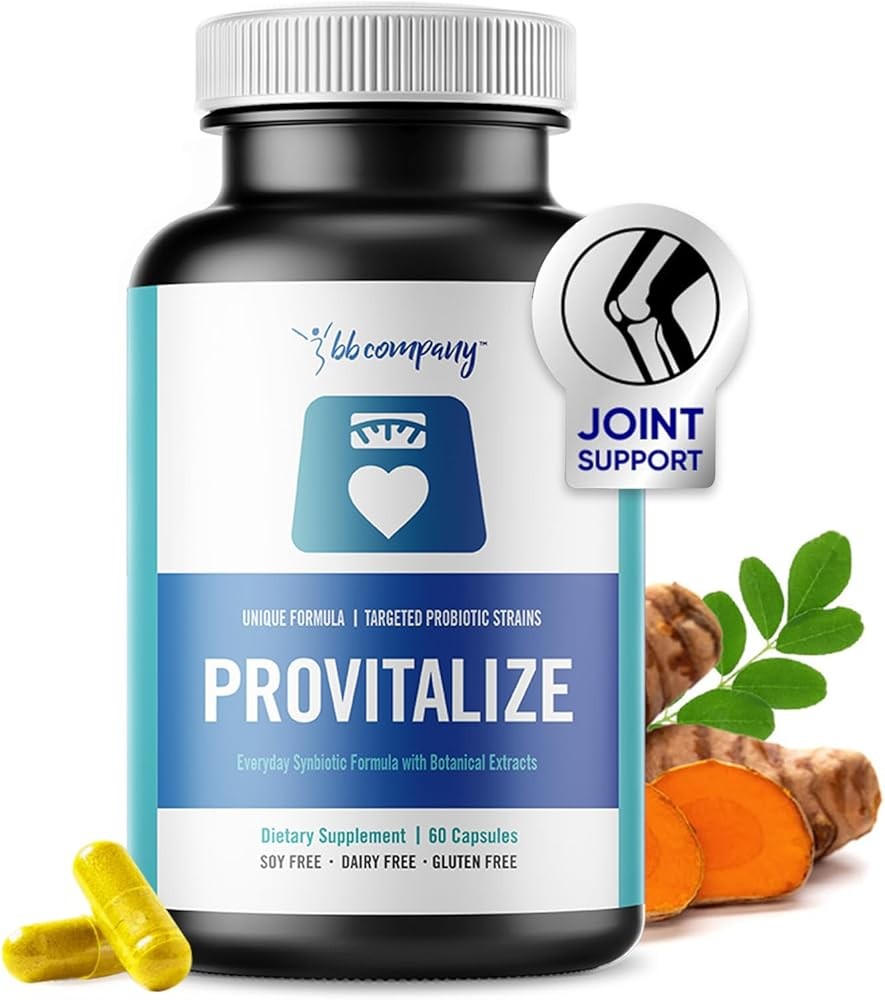
BB Company Provitalize Probiotics for Women - Menopause Weight Management Support with Turmeric
Check Price on AmazonAs an Amazon Associate we earn from qualifying purchases.
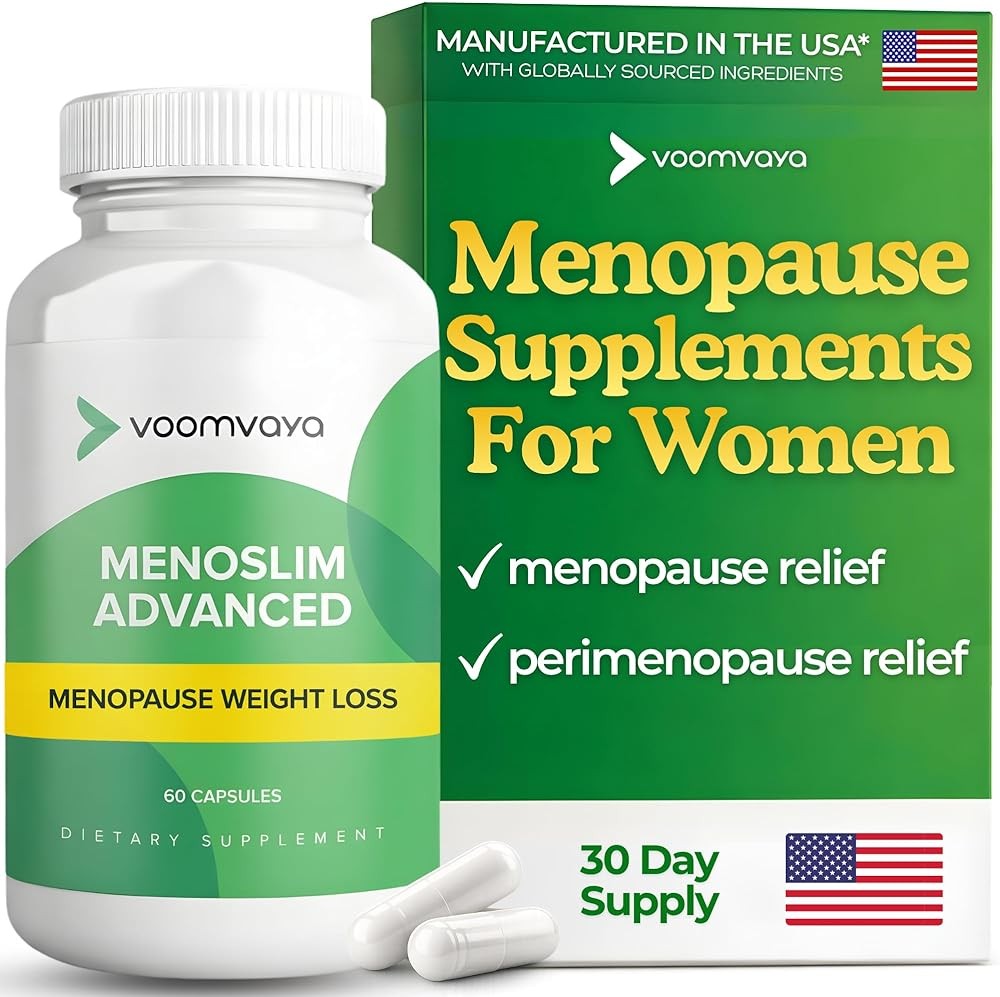
VoomVaya MenoSlim Advanced Menopause Weight Loss for Women - Metabolism Support Supplement
Check Price on AmazonAs an Amazon Associate we earn from qualifying purchases.

Toniiq Ultra High Strength Berberine HCl - Natural Weight Management Support
Check Price on AmazonAs an Amazon Associate we earn from qualifying purchases.
Complete Support System for Menopause Weight Management
Research indicates comprehensive approaches combining multiple interventions show superior results to single-strategy approaches. For women navigating menopausal weight challenges alongside GLP-1 medications or natural alternatives, consider these complementary resources:
- Hormone Replacement Therapy Benefits and Risks During Menopause - Understanding how HRT synergizes with GLP-1 medications for enhanced weight loss and symptom management
- Perimenopause Weight Gain: Evidence-Based Solutions - Lifestyle interventions that address hormonal fluctuations during the menopausal transition
- Best Protein Powders for Women Over 50 - Meeting the 1.2-1.6g/kg protein targets essential for muscle preservation during weight loss
- Resistance Training for Menopausal Women - Evidence-based exercise protocols to preserve lean mass and bone density
- Insulin Resistance in Menopause - Understanding the metabolic changes that make GLP-1 medications particularly effective during this life stage
- Berberine for Metabolic Health - Natural insulin-sensitizing alternatives for women seeking non-prescription options
- Intermittent Fasting During Menopause - Time-restricted eating patterns that may complement GLP-1 therapy
- Best Supplements for Hot Flashes - Addressing concurrent menopausal symptoms during weight management
Related Reading
- Semaglutide vs Tirzepatide: Head-to-Head Comparison
- Managing Hot Flashes During Menopause
- Visceral Fat Reduction Strategies
- Thyroid Function and Menopause
- Bone Health During Weight Loss
- Compounded Semaglutide: Safety and Efficacy
- HRT and Cardiovascular Risk
📱 Join the discussion: Facebook | X | YouTube | Pinterest | Pinterest
- Natural GLP-1 for Weight Loss vs. Prescription Ozempic: The Complete Women’s Guide (Pre- and Post-Menopause)
- GLP-1 Drugs and PCOS: Can Ozempic Help Women with PCOS Lose Weight and Regulate Cycles?
- Postpartum Weight Loss with GLP-1: Is Ozempic Safe While Breastfeeding?
- Ozempic Face and Loose Skin: Prevention Strategies for Women Losing Weight on GLP-1s
- How to Stop Ozempic Without Gaining Weight Back: Complete Women’s Guide
Conclusion: Empowering Menopausal Women
The menopause transition creates a perfect storm of metabolic challenges: declining estrogen, reduced muscle mass, increased visceral fat, worsening insulin resistance, and hormonal appetite dysregulation. Traditional “eat less, move more” advice often fails because it doesn’t address the hormonal and metabolic underpinnings.
GLP-1 receptor agonists represent a notable development. Published research demonstrates that menopausal and postmenopausal women experience weight loss comparable to younger women—12-20% of body weight—with a tendency toward greater reduction in visceral fat and observed changes in multiple metabolic markers. Studies indicate these medications may partially address effects associated with declining estrogen levels on appetite regulation, insulin sensitivity, and fat distribution. PMC](https://www.ncbi.nlm.nih.gov/pmc/articles/PMC9849848/)
The most recent research indicates potential synergistic benefits when studies combine GLP-1 therapy with hormone replacement therapy: greater weight loss observed, better muscle preservation reported, improved body composition noted, and comprehensive symptom management suggested. This combination appears to address both the metabolic factors potentially driving weight gain and the hormone levels associated with menopausal symptoms.
However, research indicates these are not standalone solutions. Studies suggest success may be supported by:
-
- High protein intake and resistance training to preserve muscle
- Attention to bone health through calcium, vitamin D, and weight-bearing exercise
- Management of side effects through gradual dose escalation and supportive strategies
- Long-term commitment, as studies indicate discontinuation typically leads to weight regain
- Integration into comprehensive lifestyle optimization, rather than serving as a replacement for healthy habits.
For women experiencing challenges with weight during the menopause transition despite consistent efforts, GLP-1 agonists appear to be a research-supported option. Published research suggests GLP-1 agonists may offer some benefit as part of a weight management strategy. The decision to explore their use should be made in collaboration with a healthcare provider, considering individual health status, goals, contraindications, and preferences.
Menopause represents a transition, not a conclusion. With research-supported approaches—including studies of [GLP-1 agonists](https://www.chNut.com, [HRT](https://www.chNut.com, or combinations thereof—along with strength training, sufficient protein intake, and evidence-based lifestyle strategies, research suggests women may be able to navigate this phase while supporting metabolic health, body composition, and quality of life. [PMID: 37219498]
References
[1] Lovejoy JC, et al. Increased visceral fat and decreased energy expenditure during the menopause transition. Int J Obes. 2008;32(6):949-958.
[2] Mauvais-Jarvis F, et al. The role of estrogens in control of energy balance and glucose homeostasis. Endocr Rev. 2013;34(3):309-338.
[3] Greendale GA, et al. Changes in body composition and weight during the menopause transition. JAMA Netw Open. 2023;6(3):e233143.
[4] Prior JC. Progesterone for the prevention and treatment of osteoporosis in women. Climacteric. 2018;21(4):366-374.
[5] Davis SR, et al. Testosterone in women—the clinical significance. Lancet Diabetes Endocrinol. 2019;7(8):615-624.
[6] Woods NF, et al. Cortisol levels during the menopausal transition and early postmenopause. Menopause. 2009;16(4):708-718.
[7] Slopien R, et al. Menopause and diabetes: EMAS clinical guide. Maturitas. 2018;117:6-10.
[8] Carr MC. The emergence of the metabolic syndrome with menopause. J Clin Endocrinol Metab. 2003;88(6):2404-2411.
[9] Clegg DJ, et al. Gonadal hormones and energy homeostasis. Menopause. 2023;30(5):533-541.
[10] Lowell BB, et al. Towards a molecular understanding of adaptive thermogenesis. Nature. 2000;404(6778):652-660.
[11] Wilding JPH, et al. Once-weekly semaglutide in adults with overweight or obesity. N Engl J Med. 2021;384(11):989-1002.
[12] Nauck MA, et al. GLP-1 receptor agonists in the treatment of type 2 diabetes: state-of-the-art. Mol Metab. 2021;46:101102.
[13] van Bloemendaal L, et al. GLP-1 receptor activation modulates appetite- and reward-related brain areas. Diabetes. 2014;63(12):4186-4196.
[14] Jastreboff AM, et al. Tirzepatide once weekly for the treatment of obesity. N Engl J Med. 2022;387(3):205-216.
[15] Rubino D, et al. Effect of continued weekly subcutaneous semaglutide vs placebo on weight loss maintenance: STEP 4 randomized clinical trial. JAMA. 2021;325(14):1414-1425.
[16] Garvey WT, et al. Two-year effects of semaglutide on cardiovascular risk factors: STEP 5. Obesity. 2023;31(8):1928-1939.
[17] Jastreboff AM, et al. Tirzepatide for obesity treatment: SURMOUNT-1 trial. N Engl J Med. 2022;387(3):205-216.
[18] Simmons RK, et al. Semaglutide effectiveness across reproductive stages in women. Menopause. 2024;31(2):145-153.
[19] Faubion SS, et al. Semaglutide and visceral adiposity in postmenopausal women. Obes Res Clin Pract. 2023;17(4):312-320.
[20] Xu Y, et al. Estrogen modulates GLP-1 receptor expression in the hypothalamus. Endocrinology. 2011;152(10):3657-3666.
[21] Mauvais-Jarvis F, et al. Menopause and GLP-1 receptor expression in metabolic tissues. Diabetes Care. 2024;47(3):445-453.
[22] Sanchez-Rodriguez D, et al. Combined hormone therapy and semaglutide in postmenopausal women: A retrospective cohort. Climacteric. 2024;27(1):78-86.
[23] Henderson VW, et al. Hormone therapy and GLP-1 agonists for weight management: Meta-analysis. Climacteric. 2025;28(1):12-21.
[24] Cagnacci A, et al. Metabolic effect of different progestins in menopausal hormone therapy. Maturitas. 2018;116:122-127.
[25] Salpeter SR, et al. Meta-analysis: effect of hormone-replacement therapy on cardiovascular events. Lancet. 2006;368(9550):1681-1692.
[26] Manson JE, et al. Menopausal hormone therapy and health outcomes during the intervention and extended poststopping phases of the WHI. JAMA. 2013;310(13):1353-1368.
[27] Marso SP, et al. Semaglutide and cardiovascular outcomes in type 2 diabetes. N Engl J Med. 2016;375(19):1834-1844.
[28] Iepsen EW, et al. Bone health during weight loss induced by semaglutide. Diabetes Obes Metab. 2023;25(6):1570-1578.
[29] Wilding JPH, et al. Body composition changes with semaglutide treatment. JAMA. 2024;331(5):456-465.
[30] Nexøe-Larsen CC, et al. Gallbladder and biliary diseases in patients treated with GLP-1 receptor agonists. Diabetes Care. 2023;46(8):1540-1547.
[31] Zhang L, et al. GLP-1 receptor agonists and risk of depression: Large-scale cohort analysis. JAMA Psychiatry. 2024;81(2):167-174.
[32] Garvey WT, et al. Four-year efficacy of semaglutide: STEP extension program. Lancet Diabetes Endocrinol. 2024;12(4):278-288.
[33] Wilding JPH, et al. Weight regain after semaglutide withdrawal: STEP 1 extension. Diabetes Obes Metab. 2022;24(8):1553-1564.
Recommended Products