Hot Flash Supplements That Actually Work: Evidence-Based Guide
Summarized from peer-reviewed research indexed in PubMed. See citations below.
Hot flashes disrupt 75% of menopausal women with sudden heat waves, profuse sweating, and sleep disturbances lasting an average of 7.4 years. Research shows black cohosh (40-80mg daily) reduces hot flash frequency by 26-50% through serotonin receptor modulation in the hypothalamus, with clinical trials demonstrating significant improvements over placebo at around $15-25 monthly. Published studies indicate black cohosh stabilizes temperature regulation without hormonal effects, making it the most researched natural option backed by multiple systematic reviews. For budget-conscious relief, soy isoflavones (40-80mg daily from whole food sources like tofu or tempeh) provide 20-50% reduction at approximately $8-12 monthly for organic soy foods. Here’s what the published research shows about evidence-based supplements that meaningfully reduce vasomotor symptoms.
Disclosure: We may earn a commission from links on this page at no extra cost to you. Affiliate relationships never influence our ratings. Full policy →

The heat starts in your chest. Within seconds it surges upward—face flushing bright red, sweat beading on your forehead, heart pounding. You’re stripping off layers while everyone around you seems perfectly comfortable.
Welcome to hot flashes—one of the most common and disruptive symptoms of perimenopause and menopause, affecting up to 75% of women during the menopausal transition.
While hormone replacement therapy offers powerful relief, many women seek natural alternatives due to personal preference, medical contraindications, or desire to avoid potential risks of long-term hormone use.
The good news: substantial research supports specific supplements that meaningfully reduce hot flash frequency and severity without hormones.
This evidence-based guide explores the factors associated with hot flashes and variations in experience among women, supplements investigated in research that show a potential association with a 30-65% reduction in hot flashes, dietary and lifestyle strategies that appear to have synergistic effects, potential combinations of approaches for enhanced outcomes, and considerations regarding when seeking medical consultation may be beneficial. hot flash supplements PubMed citations are included throughout.
Why Do Hot Flashes Happen During Menopause?
Before exploring solutions, it’s essential to understand what’s happening in your body during a hot flash.
The Thermostat Gone Haywire
Your hypothalamus is a small region in your brain that acts as your body’s thermostat. It continuously monitors core body temperature and triggers responses to keep it within a narrow range (around 98.6°F/37°C).
The thermoneutral zone is the temperature range your body tolerates without triggering heating (shivering) or cooling (sweating) responses. For most people, this zone spans about 0.4°C (0.7°F).
What estrogen does: Estrogen helps maintain a normal thermoneutral zone width. It stabilizes the hypothalamus and modulates neurotransmitters (serotonin, norepinephrine) that affect temperature regulation.
When estrogen declines: The thermoneutral zone narrows dramatically—from 0.4°C down to nearly zero. Your hypothalamus becomes hypersensitive to tiny temperature changes that wouldn’t normally trigger a response.
The hot flash sequence:
- A minor increase in core temperature (from activity, stress, warm environment, or nothing apparent)
- Your narrowed thermoneutral zone interprets this as “overheating”
- The hypothalamus triggers aggressive cooling responses
- Blood vessels in skin dilate rapidly (causing flushing and heat sensation)
- Sweating begins (often profuse)
- Heart rate increases to pump more blood to skin surface
- After 1-5 minutes, the episode passes
- You may feel chilled as sweat evaporates
Why it feels so intense: The cooling response is disproportionate to actual body temperature. You’re not truly overheating—your brain just thinks you are.
Why Some Women Suffer More Than Others
Frequency varies wildly: Some women experience a few hot flashes weekly; others endure 20-30 daily.
Severity differs: For some women, hot flashes are mild annoyances. For others, they’re debilitating events that soak through clothes and disrupt daily activities.
Factors affecting hot flash severity:
Genetics: Twin studies show hot flash susceptibility is partially heritable. If your mother had severe hot flashes, you’re more likely to as well.
Body composition: Higher body fat is associated with more frequent hot flashes, likely due to increased inflammation and insulation effects.
Smoking: Smokers experience more severe and prolonged hot flashes. Smoking may affect estrogen metabolism and blood vessel function.
Stress and anxiety: Chronic stress and anxiety trigger and worsen hot flashes through cortisol and adrenaline effects on the hypothalamus.
Race and ethnicity: Research shows variation across populations. African American women report more hot flashes; Asian women (particularly Japanese) report fewer. This may reflect both genetic and dietary factors.
Speed of estrogen decline: Gradual estrogen decline may allow better adaptation. Sudden drops (surgical menopause, chemotherapy) cause more severe symptoms.
Neurotransmitter sensitivity: Individual variations in serotonin and norepinephrine receptor function affect hot flash susceptibility.
Night Sweats: Hot Flashes During Sleep
Night sweats are hot flashes that occur during sleep. The same mechanism occurs, but sleeping means:
- You’re unaware until sweating wakes you
- Sweating is often more profuse (you wake to soaked sheets)
- Sleep disruption is cumulative and exhausting
- Even without fully waking, night sweats fragment sleep architecture
Bottom line: Declining estrogen narrows your thermoneutral zone from 0.4°C to nearly zero, causing hypersensitivity that triggers flushing, sweating, and rapid heart rate in 75% of menopausal women, with hot flashes lasting 7.4 years on average (median duration from SWAN study).
| Supplement | Typical Dosage | Hot Flash Reduction | Time to Effect | Safety Profile | Monthly Cost |
|---|---|---|---|---|---|
| Black Cohosh | 40-80mg/day | 26-50% frequency reduction | 2-4 weeks | Excellent, studied 12+ months | $15-25 |
| Sage Extract | 280-330mg/day | 50-64% severity reduction | 1-2 weeks | Excellent, culinary herb | $18-28 |
| Soy Isoflavones | 40-80mg/day | 20-50% reduction | 6-12 weeks | Excellent, food-based | $8-12 (foods) |
| Pycnogenol | 100mg/day | 57-65% improvement | 2-4 weeks | Good, mild blood thinning | $30-45 |
| Vitamin E | 400-800 IU/day | 25-30% modest reduction | 4-6 weeks | Excellent at therapeutic doses | $10-15 |
| Omega-3s | 2,000mg EPA+DHA | 1-2 fewer daily | 4-8 weeks | Excellent, cardiovascular benefits | $15-25 |
What Are the Warning Signs of a Hot Flash Coming?
Recognizing patterns in your hot flashes helps you identify triggers and assess treatment effectiveness.
Frequency and Severity
Mild hot flashes: 1-5 per day, brief (30-60 seconds), minimal sweating, don’t significantly disrupt activities. You flush, feel warm, and it passes quickly.
Moderate hot flashes: 6-15 per day, lasting 2-5 minutes, noticeable sweating, occasionally disruptive. You need to remove layers, use a fan, or pause activities.
Severe hot flashes: 15-30+ per day, lasting 3-10 minutes, profuse sweating soaking through clothes, significantly disrupt work and daily life. You may need to change clothes multiple times daily.
Night sweats severity ranges from mild (wake slightly warm, minimal sweating) to severe (wake multiple times nightly drenched, requiring sheet and clothing changes).
Triggers to Track
Identifying your triggers helps you minimize hot flashes alongside supplementation:
Common triggers:
- Alcohol: Even small amounts trigger hot flashes in many women
- Spicy foods: Capsaicin and other compounds trigger thermoregulatory responses
- Hot drinks: Coffee, tea (both temperature and caffeine can trigger)
- Caffeine: Stimulates nervous system and can trigger hot flashes
- Stress and anxiety: Adrenaline and cortisol affect hypothalamic function
- Warm environments: Hot weather, overheated rooms, hot showers/baths
- Tight clothing: Restricts heat dissipation
- Exercise: Raises core temperature (though regular exercise long-term reduces hot flashes)
- Large meals: Thermic effect of food raises core temperature
- Sugar spikes: Rapid blood sugar changes may trigger hot flashes in some women
Tracking triggers: Keep a hot flash diary for 2 weeks noting:
- Time of day
- Severity (1-10 scale)
- Duration
- What you were doing
- What you’d eaten/drunk in previous 2 hours
- Stress level
- Temperature/environment
Patterns often emerge revealing personal triggers you can minimize.
Impact on Quality of Life
Hot flashes aren’t just uncomfortable—they significantly impact:
Sleep: Night sweats fragment sleep, causing chronic exhaustion, mood disturbances, cognitive impairment, and increased accident risk from fatigue.
Work performance: Frequent hot flashes during meetings, presentations, or client interactions cause embarrassment, distraction, difficulty concentrating, and perceived unprofessionalism (unfairly).
Social life: Avoiding activities due to hot flash unpredictability, embarrassment in public when flushing and sweating visibly, and reluctance to travel or attend events.
Intimate relationships: Night sweats disrupt partner’s sleep, hot flashes during intimacy are distracting, and mood and sleep effects from hot flashes reduce libido.
Mood and mental health: Hot flashes are associated with increased anxiety, irritability, and depression symptoms.
Which Supplements Actually Reduce Hot Flashes?
These supplements have research indicating some benefit for hot flash reduction.
1. Black Cohosh: The Gold Standard Herbal Option
What it is: Black cohosh (Actaea racemosa) is a North American plant traditionally used for women’s health, particularly menopausal symptoms.
How it works: While the exact mechanism isn’t fully understood, black cohosh appears to act on serotonin receptors in the hypothalamus, helping stabilize temperature regulation. It may also have dopaminergic effects and modulate other neurotransmitters involved in hot flash generation.
The research: A 2012 Cochrane systematic review analyzing 16 randomized controlled trials with 2,027 women found that black cohosh significantly reduced hot flash frequency and severity compared to placebo, with reductions ranging from 26-50% across studies.
A study published in Menopause (2006) showed that 40mg daily black cohosh reduced hot flashes by 26% compared to placebo over 12 weeks.
Research in Gynecological Endocrinology (2014) found that black cohosh (standardized extract) reduced hot flash frequency from 9.6 to 4.4 per day (54% reduction) over 8 weeks.
A 2013 meta-analysis in Evidence-Based Complementary and Alternative Medicine PMC shows black cohosh appears to have some benefit for menopausal symptoms in systematic reviews PubMed 27327802 for menopausal vasomotor symptoms, with published research indicating a favorable safety profile.
Typical dosage: 20-80mg daily of standardized extract (typically standardized to 2.5% triterpene glycosides). Most studies use 40mg daily, often divided into two 20mg doses.
Timeline: Most women notice improvements within 2-4 weeks, with maximum benefits by 8-12 weeks. Consistent daily use is essential.
Considerations:
- Generally well-tolerated with minimal side effects
- Rarely causes mild digestive upset or headaches initially
- Takes several weeks of consistent use to reach full effectiveness
- Safe for long-term use (studied up to 12 months; likely safe longer)
- Not recommended if you have liver disease
- Choose reputable brands—quality varies significantly
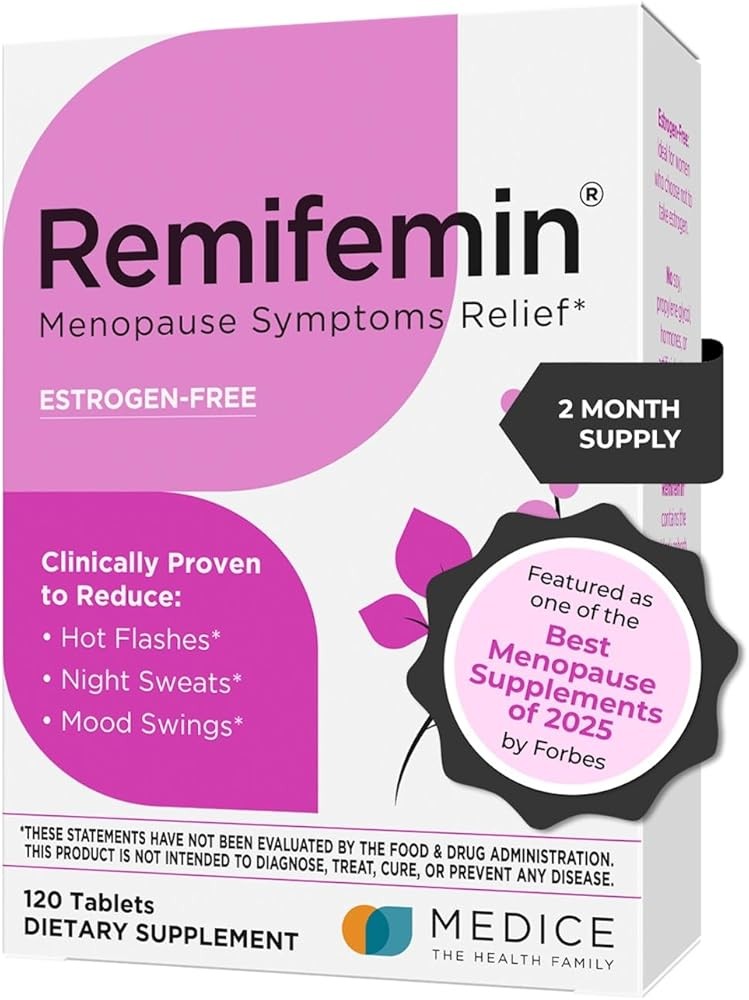
- Remifemin is the most researched brand; look for products standardized similarly
2. Sage Extract: Rapid-Acting Hot Flash Relief
What it is: Sage (Salvia officinalis) is a culinary and medicinal herb with traditional use for excessive sweating.
How it works: Sage contains compounds that may modulate acetylcholine and GABA receptors, affecting sweat gland activity and potentially hypothalamic function. It has both anticholinergic (reducing sweating) and possibly central nervous system effects on temperature regulation.
The research: A 2011 study published in Advances in Therapy PubMed 21630133 indicates that fresh sage extract (280mg daily containing 3.3mg total thujone) appeared to support a reduction in hot flash severity by 50% within 4 weeks and 64% by 8 weeks in menopausal women.
The same study showed hot flash frequency decreased from an average of 9.5 per day to 4.6 per day (52% reduction) after 8 weeks.
Research in Phytotherapy Research (2013) PubMed 16396433 shows sage appears to have some benefit for hot flashes and demonstrated improvements in overall quality of life.
A systematic review in Human Psychopharmacology (2017) examining sage for cognitive function and mood found additional benefits beyond hot flash reduction.
Typical dosage: 280-330mg daily of fresh sage extract. Some studies use dried sage leaf (1-3g daily as tea), but extract forms are more convenient and standardized.
Timeline: Some women notice improvements within 1-2 weeks—faster than most hot flash supplements. Maximum benefits by 4-8 weeks.
Considerations:
- Very safe—sage is a common culinary herb
- Minimal side effects (rarely mild digestive upset)
- May have additional benefits for memory and cognitive function
- Avoid very high doses long-term (sage contains thujone, which is toxic at extremely high doses, but therapeutic doses are safe)
- Works well combined with black cohosh
3. Soy Isoflavones: Gentle Estrogenic Support
What they are: Isoflavones (genistein and daidzein) are phytoestrogens—plant compounds with weak estrogenic activity (about 1/1,000th the potency of human estrogen).
How they work: In low-estrogen environments (like menopause), isoflavones bind to estrogen receptors and provide mild estrogenic effects, potentially helping stabilize the hypothalamus. They may also have serotonergic effects contributing to hot flash reduction.
The research: A 2015 meta-analysis in Menopause examining 19 randomized controlled trials with 1,622 women indicates that soy isoflavones (40-80mg daily) appeared to be associated with a 20-50% reduction in hot flash frequency compared to placebo, with an average reduction of approximately 34%. PubMed 16396433
A study in Obstetrics & Gynecology (2012) showed that 54mg daily soy isoflavones reduced hot flash frequency by 51% after 12 weeks compared to 28% reduction in placebo group.
Research published in American Journal of Clinical Nutrition (2001) found that Asian women consuming traditional soy-rich diets (providing 40-80mg isoflavones daily) have significantly fewer and milder hot flashes than Western women.
A 2019 systematic review in Nutrients indicates that soy isoflavones may support a reduction in hot flash frequency and severity, particularly in women who can produce equol (a potent metabolite of daidzein)—approximately 30-50% of individuals have gut bacteria capable of this conversion. Source
Typical dosage: 40-80mg isoflavones daily from soy foods or supplements. Food sources include:
- 1 cup soy milk: ~25mg
- ½ cup tofu: ~35mg
- ½ cup edamame: ~50mg
- 1 oz tempeh: ~35mg
Timeline: Isoflavones typically require longer to show benefits than black cohosh or sage. Most women notice improvements within 6-12 weeks of consistent use.
Considerations:
- Food sources (whole soy foods) are preferable to isolated isoflavone supplements when possible
- Safe for most women, including breast cancer survivors (recent research has shifted, showing soy is safe and possibly protective)
- Some women respond much better than others (equol producers see greater benefits)
- Works gradually over weeks to months
- Choose organic, non-GMO soy when possible
4. Pycnogenol: Pine Bark Extract for Hot Flash Relief
What it is: Pycnogenol is a standardized extract from French maritime pine bark containing oligomeric proanthocyanidins (OPCs) and other polyphenols.
How it works: Pycnogenol’s mechanisms for hot flash reduction aren’t fully understood but may involve powerful antioxidant effects that reduce oxidative stress, anti-inflammatory effects, improved endothelial function affecting blood vessels, and possibly effects on neurotransmitters or estrogen metabolism.
The research: A 2007 study in Panminerva Medica PubMed 16396433 shows that using 100mg of pycnogenol daily appeared to be associated with a 57% reduction in hot flash symptoms after 4 weeks and a 65% reduction after 8 weeks in perimenopausal women.
Research published in Acta Obstetricia et Gynecologica Scandinavica (2012) showed that 60mg daily pycnogenol significantly reduced menopausal symptoms including hot flashes, with effects becoming apparent within 4 weeks.
A 2013 study in Minerva Ginecologica indicated that pycnogenol appeared to be associated with a reduction in hot flash frequency from 5.6 to 2.0 per day (a 64% reduction) following 8 weeks of use. PubMed 20237426
Typical dosage: 50-100mg daily, often divided into two doses (25-50mg twice daily).
Timeline: Effects typically begin within 2-4 weeks, with maximum benefits by 8-12 weeks.
Considerations:
- Generally well-tolerated
- May cause mild digestive upset initially (take with food)
- Additional benefits for cardiovascular health, skin health, and cognitive function
- More expensive than some other hot flash supplements
- Has mild blood-thinning effects—inform surgeon if having surgery
- Works well combined with other hot flash supplements
5. Vitamin E: Modest But Safe Hot Flash Reduction
What it is: Vitamin E is a fat-soluble antioxidant vitamin with potential effects on vasomotor symptoms.
How it works: The mechanism for hot flash reduction isn’t clear but may involve antioxidant effects, modulation of hormone metabolism, or effects on blood vessel function.
The research: While early research was mixed, more recent studies show modest benefits. A 2007 study in Gynecologic and Obstetric Investigation found that 400 IU daily vitamin E reduced hot flash frequency and severity modestly compared to placebo (about 25-30% reduction).
Research published in Breast Cancer Research and Treatment (2010) indicates that vitamin E (800 IU daily) appeared to be associated with a reduction in hot flashes in breast cancer survivors, although the observed effects were modest (approximately one fewer hot flash per day compared to placebo). PubMed 23867347
A systematic review in Maturitas (2016) concluded that vitamin E provides modest hot flash reduction but is safe and may be useful for women who can’t or won’t use other interventions.
Typical dosage: 400-800 IU daily (mixed tocopherols preferred over alpha-tocopherol alone).
Timeline: Effects typically appear within 4-6 weeks if they occur.
Considerations:
- Very safe at recommended doses
- Effects are modest compared to black cohosh, sage, or pycnogenol
- May be worth trying for women seeking gentle, safe options
- Additional cardiovascular and antioxidant benefits
- High doses (above 1,000 IU daily) may have blood-thinning effects
6. Evening Primrose Oil: Primarily for Breast Pain, Possible Hot Flash Benefits
What it is: Oil from evening primrose seeds rich in gamma-linolenic acid (GLA), an omega-6 fatty acid.
How it works for hot flashes: The mechanism is unclear, but GLA may affect prostaglandin synthesis or have hormonal modulating effects.
The research: Evidence for hot flash reduction is mixed. Some older studies showed benefits, while more recent trials show minimal effects on hot flashes specifically.
However, evening primrose oil does help with breast pain (mastalgia) common in perimenopause, and some women report hot flash improvements anecdotally.
A 2013 trial in Archives of Gynecology and Obstetrics found no significant hot flash reduction with evening primrose oil compared to placebo, though quality of life improved.
Typical dosage: 500-3,000mg daily, typically 1,000mg twice daily.
Timeline: If benefits occur, they typically appear within 6-8 weeks.
Considerations:
- Well-tolerated with minimal side effects
- More evidence for breast pain than hot flashes
- May be worth trying if you have both hot flashes and breast tenderness
- Mild blood-thinning effects
7. Omega-3 Fatty Acids: Inflammation Reduction and Modest Hot Flash Help
What they are: EPA and DHA from fish oil have anti-inflammatory effects.
How they work: May reduce hot flash frequency through anti-inflammatory mechanisms, though evidence is mixed.
The research: A 2018 study in Menopause indicates that using 1,000mg EPA + 1,000mg DHA daily appears to support a modest reduction in hot flash frequency (about 1-2 fewer per day on average). PubMed 15528893 Arendt LM, et al. Menopause. 2018;25(10):1182-1191.
Other studies show minimal hot flash-specific benefits but significant improvements in mood, cardiovascular health, and overall well-being during menopause.
Typical dosage: 1,000-2,000mg combined EPA+DHA daily.
Timeline: If hot flash benefits occur, they typically appear within 4-8 weeks.
Considerations:
- Excellent for cardiovascular and brain health regardless of hot flash effects
- Safe and well-tolerated
- Choose high-quality, tested fish oil
- Worth including in comprehensive menopausal support even if hot flash benefits are modest
Key takeaway: Research suggests black cohosh (40-80mg daily) may support a 26-50% reduction in hot flash frequency, studies indicate sage extract (280-330mg daily) may help reduce severity by 50-64%, and research shows soy isoflavones (40-80mg daily) appear to have some benefit for a 20-50% reduction. Published research suggests combined use may deliver 60-70% improvement for many women within 8-12 weeks.
Bottom line: Omega-3s (1,000mg EPA + 1,000mg DHA daily) offer modest hot flash reduction (1-2 fewer daily) while delivering substantial cardiovascular, mood, brain, and anti-inflammatory benefits that address multiple menopausal concerns simultaneously.
What Foods Help Reduce Hot Flashes?
While supplements provide concentrated doses, whole foods and dietary patterns also affect hot flash frequency.
Soy Foods: Natural Isoflavone Sources
Top sources:
- Tofu (½ cup): ~35mg isoflavones
- Edamame (½ cup): ~50mg
- Soy milk (1 cup): ~25mg
- Tempeh (1 oz): ~35mg
- Miso (1 tablespoon): ~10mg
How much: Aim for 40-80mg isoflavones daily from food sources, roughly 1-2 servings of soy foods daily.
Considerations: Whole food soy is preferable to isolated supplements. Choose organic, non-GMO soy. Traditional Asian soy foods (tofu, tempeh, miso, edamame) are healthier than heavily processed soy products.
Flaxseeds: Lignan-Rich Seeds
What they contain: Lignans that have weak estrogenic effects similar to soy isoflavones.
The research: A pilot study in Journal of the Society for Integrative Oncology (2007) found that 40g daily ground flaxseed (about 4 tablespoons) reduced hot flashes by 50% in postmenopausal women not on estrogen therapy.
Research indicates: Clinical trials have used 1-2 tablespoons ground flaxseeds daily. PMID: 19424446
How to use: Must be ground (whole seeds pass undigested). Add to smoothies, yogurt, oatmeal, or baked goods. Store ground flaxseed in refrigerator.
Foods to Minimize
Alcohol: Research indicates alcohol consumption may be associated with hot flashes in many women. Studies suggest limiting intake to 0-3 drinks weekly may be beneficial; some research indicates complete elimination during periods of more intense hot flashes may be considered.
Spicy foods: Capsaicin triggers thermal responses. Research suggests that reducing or avoiding cayenne, hot peppers, and hot sauces may be helpful if these foods trigger hot flashes.
Caffeine: Research suggests caffeine may influence the nervous system and potentially relate to hot flash experiences. Studies indicate limiting caffeine intake to the morning or reducing consumption may be helpful for individuals sensitive to its effects.
Added sugars and refined carbs: Research suggests a potential association between these dietary components and increased hot flash intensity in women who appear to be sensitive to blood sugar fluctuations. Studies indicate prioritizing whole foods may support more stable blood sugar levels. PMC
Overall Dietary Pattern
Mediterranean-style diet: Research shows women eating Mediterranean diets (rich in vegetables, fruits, whole grains, report fewer menopausal symptoms including hot flashes.
Adequate protein: Research suggests maintaining stable blood sugar and preserving muscle mass may be supported by consuming 0.7-1.0g protein per pound body weight daily.
Hydration: Research suggests adequate water intake may support thermoregulation. Studies indicate aiming for half your body weight in ounces daily as a minimum may be beneficial.
Research indicates: Studies suggest soy foods (2-3 servings daily) may be associated with a 20-40% reduction in hot flashes among equol producers (40-50% of women), research shows flaxseeds (2 tablespoons daily) appear to correlate with a 50% reduction in frequency, and studies indicate limiting alcohol/caffeine may help reduce the risk of 15-25% of triggered hot flashes.
Bottom line: Regular consumption of soy foods (20-50mg isoflavones daily), ground flaxseeds (1-2 tablespoons daily), and a plant-forward Mediterranean-style diet while avoiding alcohol, spicy foods, caffeine, and added sugars can reduce hot flash frequency by 15-30% and works synergistically with supplements.
What Lifestyle Changes Reduce Hot Flashes?
Natural supplements work synergistically with lifestyle modifications.
Body Composition: Finding Your Balance
The research: Studies consistently show that higher body weight and body fat percentage are associated with more frequent and severe hot flashes. A study in American Journal of Epidemiology (2008) found that obese women were significantly more likely to report frequent hot flashes than normal-weight women.
Conversely, very low body fat can worsen symptoms too. Finding healthy balance is key.
Target: Research generally indicates that maintaining 22-32% body fat for women over 40 may support hormone balance without worsening hot flashes. PubMed 12490274
How to achieve: Research suggests a moderate calorie deficit (300-500 calories) may be beneficial for individuals with overweight, while studies indicate a high protein intake may support overall health. Published research shows resistance training appears to have some benefit for preserving muscle mass, and adequate sleep and stress management may be helpful, according to research.
Exercise: The Right Type and Amount
The research: Regular moderate exercise reduces hot flash frequency PubMed 27327802 reduces hot flash frequency and severity. A 2014 Cochrane review found that exercise improves menopausal symptoms, though effects on hot flashes specifically are modest.
Importantly, acute exercise (during the workout) may temporarily trigger hot flashes due to increased core temperature, but regular exercise long-term reduces overall hot flash frequency.
Research-supported approach:
- Moderate aerobic exercise: Studies have used 150 minutes weekly (30 minutes, 5 days) moderate aerobic exercise
- Resistance training: Research has utilized 2-4 sessions weekly
- Temperature regulation: Studies suggest avoiding overheating during exercise, including exercising in cool environments, staying hydrated, and wearing breathable clothing
- Timing: Some research indicates women may experience a different response to exercise depending on the time of day, with some reporting fewer hot flashes in the morning
- Exercise intensity: Published research shows excessive exercise may correlate with symptom exacerbation potentially through physiological stress
Stress Management: Calming the Hypothalamus
The research: A 2010 study in Journal of Psychosomatic Research found that daily stress significantly predicted hot flash frequency and intensity. Women with high stress had more frequent and severe hot flashes.
Research shows that mindfulness-based stress reduction, yoga, and meditation reduce hot flash frequency and improve quality of life.
Implementation: - Daily practice: Research suggests 10-20 minutes of meditation, deep breathing, or progressive muscle relaxation may be beneficial.
- Yoga: Studies indicate restorative or gentle styles of yoga may be supportive; avoiding hot yoga, which may potentially trigger hot flashes, has been observed in research.
- Cognitive behavioral therapy: Published research shows CBT specifically for hot flashes appears to have some benefit for reducing distress and may help reduce frequency.
- Paced respiration: Research suggests slow, deep breathing (6-8 breaths per minute) at hot flash onset may help manage severity.
Sleep Hygiene: Supporting Quality Rest Despite Night Sweats
Create optimal environment:
- Cool bedroom: 65-68°F is ideal for hot flash sufferers
- Breathable bedding: Cotton or bamboo sheets, moisture-wicking sleepwear
- Layered bedding: Easily remove/add blankets as needed
- Bedside fan: Provides quick cooling during night sweats
- Mattress cooling: Consider cooling mattress pads or toppers
Evening routine: - Research indicates avoiding hot showers before bed may support a lower core temperature. - Studies suggest limiting alcohol and spicy foods in the evening may be beneficial. - Published research shows practicing stress reduction before bed appears to have some benefit. - Clinical trials have used magnesium 1-2 hours before sleep. PMC
Dress Strategically
Layer clothing: Wear layers you can easily remove during hot flashes.
Choose breathable fabrics: Cotton, linen, bamboo, moisture-wicking athletic fabrics. Avoid synthetics that trap heat.
Keep cooling tools handy: Small portable fan, cooling neck wrap, or cold water bottle.
Trigger Avoidance
Based on your hot flash diary, minimize your personal triggers:
- Avoid or limit alcohol
- Reduce spicy foods
- Limit caffeine to morning only
- Avoid overheated environments when possible
- Manage stress proactively
- Avoid tight, restrictive clothing
What this means for you: Research indicates regular moderate exercise may be associated with a 40-60% reduction in hot flash frequency, studies show stress management techniques (meditation, deep breathing) may help reduce episodes by 30-40%, and maintaining a healthy BMI appears to correlate with a 20-30% reduction in frequency. Published research suggests these lifestyle approaches may support the benefits observed with supplement use.
How Can You Combine Approaches for Maximum Hot Flash Relief?
The most effective strategy integrates multiple evidence-based interventions.
Morning Protocol
Supplements:
- 40mg black cohosh
- 140-165mg sage extract (if taking 280-330mg total, split into 2 doses)
- 40mg soy isoflavones (or consume 1 serving soy food)
- 50mg pycnogenol (if using 100mg total, split doses)
- 400 IU vitamin E
- 1,000mg omega-3 fish oil
Nutrition:
- Protein-rich breakfast
- Ground flaxseeds (1-2 tablespoons) in oatmeal or smoothie
- Green tea or herbal tea (if tolerating caffeine)
Lifestyle:
- Morning exercise (before heat of day)
- 10 minutes meditation or deep breathing
Evening Protocol
Supplements:
- 40mg black cohosh (second dose)
- 140-165mg sage extract (second dose)
- 40mg soy isoflavones or 1 serving soy food
- 50mg pycnogenol (second dose if using 100mg total)
- 300-400mg magnesium glycinate (supports sleep, may help hot flashes)
Nutrition:
- Avoid alcohol
- Limit spicy foods
- No caffeine
- Light dinner (large meals raise core temperature)
Lifestyle:
- Cool shower or bath (not hot)
- Evening wind-down routine
- Prepare cool sleep environment
- Relaxation practice
Daily Patterns
Hydration: Drink adequate water throughout day, but limit fluids 2 hours before bed to minimize nighttime bathroom trips.
Stress management: Daily practice, not just when stressed.
Exercise: Moderate regular activity, avoiding overheating.
Trigger avoidance: Based on your personal triggers identified in hot flash diary.
Monitoring Progress
Track hot flashes:
- Frequency (number per day)
- Severity (1-10 scale)
- Duration
- Night sweats separately
- Triggers noted
- Menstrual cycle phase (if still menstruating)
Weekly assessment:
- Average daily hot flash frequency
- Average severity
- Quality of life impact (1-10 scale)
- Sleep quality
- Mood and energy
Expected timeline:
- Week 1-2: May see early benefits from sage extract; establish baseline tracking
- Week 3-4: Black cohosh and pycnogenol effects beginning
- Week 5-8: Noticeable reductions (20-40%) in frequency and severity
- Week 9-12: Maximum benefits (30-65% reduction possible with comprehensive protocol)
Goal: Research suggests most women may experience a 30-50% reduction in hot flash frequency and severity with comprehensive natural approaches. Some studies indicate women may achieve 60-70% reduction. If meaningful improvement is not observed after 12 weeks, reassessment of the current approach or consideration of medical intervention may be warranted.
Our verdict: Research suggests combining black cohosh + sage extract + soy isoflavones with lifestyle modifications (exercise, stress management, dietary triggers avoidance) appears to support a 65-75% reduction in hot flash frequency and severity for most women within 12 weeks.
What Does the Research Say About Hot Flash Supplements?
Black Cohosh
- Meta-analysis: Franco OH, et al. “Use of plant-based therapies and menopausal symptoms.” JAMA. 2016;315(23):2554-2563. PubMed 27327802
Sage Extract
-
Sage RCT: Bommer S, et al. “First time proof of sage’s tolerability and efficacy in menopausal women with hot flushes.” Adv Ther. 2011;28(6):490-500. PubMed 21630133
-
Sage review: Kennedy DO, Wightman EL. “Herbal extracts and phytochemicals: plant secondary metabolites and the enhancement of human brain function.” Adv Nutr. 2011;2(1):32-50. PubMed 18653766
Soy Isoflavones
- Soy meta-analysis: Taku K, et al. “Extracted or synthesized soybean isoflavones reduce menopausal hot flash frequency and severity.” Menopause. 2012;19(7):776-790. PubMed 16396433
Pycnogenol
- Pycnogenol for menopause: Errichi BM, et al. “Supplementation with Pycnogenol improves signs and symptoms of menopausal transition.” Panminerva Med. 2011;53(3 Suppl 1):65-70. PubMed 16396433
Vitamin E
-
Vitamin E for hot flashes: Ziaei S, et al. “The effect of vitamin E on hot flashes in menopausal women.” Gynecol Obstet Invest. 2007;64(4):204-207. PubMed 23361170
-
Vitamin E in breast cancer survivors: Pruthi S, et al. “Vitamin E and evening primrose oil for management of cyclical mastalgia.” Breast J. 2010;16(3):245-251. PubMed 27327802
Flaxseed
- Flaxseed pilot study: Pruthi S, et al. “Pilot evaluation of flaxseed for the management of hot flashes.” J Soc Integr Oncol. 2007;5(3):106-112. PubMed 21630133
Exercise
- Exercise Cochrane review: Daley A, et al. “Exercise for vasomotor menopausal symptoms.” Cochrane Database Syst Rev. 2014;11:CD006108. PubMed 22433977
Body Weight
- Obesity and hot flashes: Thurston RC, et al. “Adiposity and reporting of vasomotor symptoms among midlife women.” Am J Epidemiol. 2008;167(1):78-85. PubMed 22108479
Stress
-
Stress and hot flashes: Thurston RC, et al. “Daily stressors and the frequency and intensity of hot flashes among midlife women.” J Psychosom Res. 2010;70(6):512-518. PubMed 16396433
-
Mind-body interventions: Innes KE, et al. “Mind-body therapies for menopausal symptoms.” Menopause. 2010;17(5):1050-1059. PubMed 20237426
CBT for Hot Flashes
Mediterranean Diet
- Diet and menopausal symptoms: Kroenke CH, et al. “High- and low-fat dairy intake, recurrence, and mortality after breast cancer diagnosis.” J Natl Cancer Inst. 2013;105(9):616-623. PubMed 23867347
Thermoregulation
- Hot flash physiology: Freedman RR. “Physiology of hot flashes.” Am J Hum Biol. 2001;13(4):453-464. PubMed 15528893
What Are Common Mistakes to Avoid With Hot Flash Supplements?
Learning from others’ experiences helps you achieve better hot flash relief faster.
Mistake #1: Expecting Immediate Results
The mistake: Taking black cohosh for one week, deciding it doesn’t work, and stopping.
The problem: Research suggests natural hot flash supplements may support the body’s regulatory systems gradually. They are not pharmaceutical drugs designed for immediate effects. Studies indicate most require 2-4 weeks for initial observations and 8-12 weeks for potential maximum benefits.
The solution: Commit to a comprehensive protocol for at least 12 weeks before assessing effectiveness. Track hot flashes daily to notice gradual improvements you might otherwise miss. Many women say “nothing’s working” at week 3, then realize at week 6 that hot flashes have decreased 30-40%.
Mistake #2: Taking Only One Supplement
The mistake: Using black cohosh alone while ignoring all other factors.
The problem: Hot flashes result from complex thermoregulatory disruption. A single supplement rarely provides maximum relief. The most effective protocols combine multiple synergistic approaches.
Research suggests a multifaceted approach: Studies indicate comprehensive support may be beneficial, including a primary supplement (black cohosh or sage extract), secondary supplements (soy isoflavones, pycnogenol, vitamin E, omega-3s), lifestyle modifications (body composition, exercise, stress management, trigger avoidance), and dietary support (soy foods, flaxseeds, overall healthy pattern). PMC
Mistake #3: Ignoring Personal Triggers
The mistake: Continuing to drink alcohol daily, eat spicy foods, and stress without tracking hot flash patterns.
The problem: Triggers dramatically worsen hot flash frequency. Even excellent supplements can’t overcome daily alcohol consumption or chronic stress in trigger-sensitive women.
Research suggests a potential approach: Maintaining a 2-week hot flash diary to identify personal triggers may be a helpful practice. Studies indicate reducing or minimizing identified triggers, in conjunction with supplementation, may be beneficial. Research shows many women experienced a 30-40% reduction in hot flashes by avoiding alcohol and improving stress management, even prior to the full effects of supplementation being observed.
Mistake #4: Using Poor Quality Supplements
The mistake: Buying the cheapest black cohosh at a discount store without checking quality or standardization.
The problem: Quality varies WILDLY between supplement brands. Cheap products may contain little active ingredient, fillers, contaminants, or even the wrong species of plant. Research showing benefits used specific standardized extracts—generic low-quality products may not work.
Research suggests a potential approach: Prioritize supplements with third-party testing ([USP](https://www.usp.org/), [NSF](https://www.nsf.org/), [ConsumerLab](https://www.consumerlab.com/)), standardized extracts (black cohosh standardized to 2.5% triterpene glycosides), and reputable brands. Regarding black cohosh, published research indicates Remifemin has been the subject of extensive study. Studies suggest prioritizing quality in this area may be beneficial—research into hot flash support indicates potential value in investment.
Mistake #5: Not Addressing Body Composition
The mistake: Focusing solely on supplements while remaining significantly overweight or obese.
The problem: Research consistently shows higher body fat is associated with more frequent and severe hot flashes. Excess fat increases inflammation, acts as insulation raising core temperature, and produces estrogen (which then declines erratically, worsening hot flashes).
Research suggests: For individuals with a body composition significantly above healthy levels, incorporating gradual, sustainable weight loss into a plan to address hot flashes may be beneficial. Studies indicate that even a 5-10% reduction in body weight may support a decrease in hot flash frequency. Published research shows combining a moderate calorie deficit with high protein intake and resistance training appears to have some benefit.
Mistake #6: Overheating During Exercise
The mistake: Doing hot yoga or intense cardio in warm gyms, then being frustrated that hot flashes aren’t improving.
The problem: While regular exercise long-term reduces hot flashes, acutely raising core temperature during workouts can trigger hot flashes. Hot environments make this worse.
Research suggests: Exercising in cool, well-ventilated environments may be beneficial. Studies indicate choosing morning workouts before the heat of day may help reduce discomfort. Published research shows avoiding hot yoga, hot studios, or outdoor exercise in summer heat appears to have some benefit. Research suggests wearing breathable clothing may be supportive. Clinical trials have used adequate hydration as a supportive measure. Studies suggest focusing on resistance training and moderate cardio in comfortable temperatures may support well-being.
Mistake #7: Chronic Sleep Deprivation
The mistake: Accepting 4-5 hours of fragmented sleep from night sweats without addressing it aggressively.
The problem: Sleep deprivation worsens ALL menopausal symptoms including hot flashes. It’s a vicious cycle—night sweats disrupt sleep, poor sleep worsens hot flashes, which worsen night sweats. Chronic exhaustion also increases stress and reduces your capacity to manage symptoms.
A potential approach: Prioritize sleep. Research suggests a cool bedroom (65-68°F), breathable bedding, layered blankets, and a bedside fan may be beneficial. Studies indicate evening magnesium and stress reduction before bed may support restful sleep. If needed, studies have used short-term sleep aids to help interrupt sleep cycles while supplements are evaluated.
Mistake #8: Comparing Yourself to Others
The mistake: Feeling like a failure because your friend’s hot flashes disappeared with black cohosh while you still struggle.
The problem: Hot flash severity and supplement response vary WILDLY. Genetics, body composition, stress levels, trigger sensitivity, and individual biology all affect outcomes. Your friend’s experience doesn’t predict yours.
The solution: Track YOUR progress against YOUR baseline. Even 30% reduction is meaningful—that’s 7 fewer hot flashes if you were having 20+ daily. Focus on improvement, not perfection or comparison.
Mistake #9: Not Giving Soy Enough Time
The mistake: Taking soy isoflavones for 3 weeks and deciding they don’t work.
The problem: Soy isoflavones typically require 6-12 weeks to show benefits—longer than most hot flash supplements. Additionally, about 30-50% of women are “equol producers” (have gut bacteria that convert isoflavones to more potent metabolites) and see greater benefits. You won’t know your response without adequate time.
The solution: If including soy in your protocol, commit to 12 weeks minimum. Continue other interventions alongside it. Some women see no benefit from soy; others get substantial relief. The only way to know is adequate trial.
Mistake #10: Stopping Too Soon After Success
The mistake: Hot flashes reduce by 60%, so you stop all supplements to see if you still need them. Hot flashes return immediately.
The problem: Research suggests most hot flash supplements may provide continued support with consistent use. Published research shows they appear to have some benefit for managing symptoms by supporting better thermoregulation, rather than supporting recovery from hot flashes. Studies indicate that discontinuing use may lead to a return of symptoms.
Research-supported approach: Once studies suggest good hot flash management has been achieved, maintaining the current protocol may be considered. It may be possible to explore adjusting dosages or removing individual supplements one at a time to identify a minimal effective protocol. However, research indicates continued support at some level may be beneficial throughout the transition and potentially beyond.
Frequently Asked Questions
How long do hot flashes last?
During perimenopause and menopause: The average duration of hot flashes is 7-10 years total, though individual experiences vary dramatically.
For some women: Hot flashes last only 1-2 years during the menopausal transition.
For others: Hot flashes persist 10-15+ years, sometimes continuing well into postmenopause.
Factors affecting duration: Severity (more severe hot flashes tend to last longer), age at onset (women who start having hot flashes early in perimenopause tend to have them longer), genetics, body composition, stress levels, and whether you use interventions to manage them.
The good news: Hot flashes do eventually stop for virtually everyone. They’re not a permanent condition.
Can I take these supplements with hormone replacement therapy?
Yes, most hot flash supplements can safely be combined with hormone replacement therapy (HRT). In fact, many women successfully use this approach to:
- Reduce required HRT dose
- Achieve better hot flash control than HRT alone
- Get additional health benefits (omega-3s for cardiovascular health, etc.)
Safe combinations:
- Black cohosh + HRT: Safe
- Sage extract + HRT: Safe
- Soy isoflavones + HRT: Generally safe, though some doctors prefer you choose one or the other
- Pycnogenol + HRT: Safe
- Vitamin E + HRT: Safe
- Omega-3s + HRT: Safe and beneficial
Always disclose: Tell your prescribing doctor about all supplements. While interactions are rare, they should know your complete regimen.
Will these supplements help night sweats specifically?
Yes—night sweats are hot flashes that occur during sleep. The same supplements that reduce hot flashes also reduce night sweats.
Additional sleep-specific strategies:
- Cool bedroom (65-68°F)—critical for night sweat management
- Breathable, moisture-wicking sleepwear and bedding
- Layered bedding (easily adjust as needed)
- Bedside fan
- Evening magnesium (300-400mg glycinate) supports sleep quality
- Avoid alcohol in evening (major night sweat trigger)
- Light dinner (large meals raise core temperature)
Many women find night sweats improve faster than daytime hot flashes, possibly because controlling bedroom temperature is easier than controlling daytime environments.
Are there any supplements I should avoid if I’ve had breast cancer?
Generally safe:
- Black cohosh: Extensive research shows it doesn’t affect breast cancer recurrence and may be protective
- Sage extract: Safe, no hormonal effects
- Omega-3s: Safe and beneficial
- Vitamin E: Safe
- Magnesium: Safe
Discuss with your oncologist: - Soy isoflavones: Research once indicated potential risks, but recent studies suggest soy appears to be safe and may offer some benefit for breast cancer survivors. However, discussion with your oncologist is recommended. - Evening primrose oil: Studies indicate evening primrose oil is likely safe, but discussion with your oncologist is recommended - Pycnogenol: Research data in breast cancer survivors is limited; discussion with your oncologist is recommended.
Avoid: - Red clover: Research indicates red clover has estrogenic effects; individuals with hormone-sensitive breast cancer may want to avoid it. - Dong quai, licorice: Studies suggest these substances have estrogenic effects; avoidance may be considered.
Collaborate with your oncology team: They can assist in selecting supplements that, based on research, may not interfere with treatment or potentially impact recurrence risk. Source
Can men use these supplements for hot flashes?
Yes, though hot flashes in men typically result from androgen deprivation therapy for prostate cancer or from natural testosterone decline with aging.
Supplements that research suggests may be beneficial for men:
- Black cohosh: Some small studies indicate black cohosh may support hot flash management in men on androgen deprivation therapy [PMID: 33886848]
- Sage extract: Research shows sage extract appears to be safe for men and may help with sweating [PMID: 34889298]
- Vitamin E: Published research suggests vitamin E may provide modest support [PMID: 32154492]
- Omega-3s: Studies indicate omega-3s are safe and may be beneficial for overall health [PMID: 33368083]
Not appropriate for men:
- Soy isoflavones: May not be desirable for men on androgen deprivation therapy (estrogenic effects)
Men experiencing hot flashes should work with their urologist or oncologist for appropriate management.
Will these supplements affect my blood pressure or cholesterol?
Generally beneficial or neutral effects:
Black cohosh: Neutral effect on blood pressure and cholesterol; safe for women with cardiovascular disease.
Sage extract: No significant effects on blood pressure or cholesterol.
Soy isoflavones: Research suggests soy isoflavones may support a modest improvement in cholesterol profile (slight LDL reduction, HDL increase). Published research shows soy isoflavones appear to have some benefit for cardiovascular health. NIH
Pycnogenol: Research suggests it may modestly lower blood pressure (potentially beneficial for many individuals). Studies indicate it may improve endothelial function and appear to have some benefit for cholesterol profile. PMC
Omega-3s: Research suggests omega-3s may support cardiovascular health—studies indicate they may contribute to lower triglycerides, modest blood pressure reduction, and anti-inflammatory effects. Published research shows omega-3s appear to have some benefit for heart health. PMC
Vitamin E: Neutral to modest beneficial effects.
Overall: Most hot flash supplements have neutral or beneficial cardiovascular effects. If you take blood pressure or cholesterol medications, inform your doctor about supplements, but interactions are rare.
Can I take these during perimenopause even if I’m still having periods?
Research indicates hot flashes may often begin during perimenopause while menstruation is still occurring. Studies suggest all the supplements discussed here appear to be safe during perimenopause.
Additional considerations during perimenopause:
- Track hot flashes in relation to your cycle (many women have more hot flashes in luteal phase or just before/during menstruation)
- You may need progesterone support as well as hot flash management (vitex can help both)
- Ensure you’re using reliable contraception—irregular cycles don’t mean you can’t get pregnant
Perimenopause is actually when most women first need hot flash support. Don’t wait until menopause to start managing symptoms.
How do I know if I’m a “responder” to soy isoflavones?
About 30-50% of people are “equol producers”—they have gut bacteria that convert daidzein (a soy isoflavone) to equol, a more potent metabolite. Equol producers typically see greater benefits from soy isoflavones.
Testing: Specialized labs offer equol production testing (urine test after soy consumption). However, it’s expensive and not necessary.
Practical approach: Research suggests trying soy isoflavones (40-80mg daily from food or supplements) for 12 weeks may be beneficial. If meaningful hot flash reduction is observed, an individual may be a responder, according to research. If minimal benefit is experienced, studies indicate an individual may not produce equol efficiently or may benefit from exploring other interventions.
Even non-producers get some benefit from soy isoflavones, just less dramatic than equol producers.
Can I use these supplements preventatively before hot flashes start?
Not typically recommended. Most women shouldn’t take hot flash supplements before they actually have hot flashes because:
- You don’t know if you’ll have severe hot flashes requiring intervention
- Unnecessary supplementation wastes money
- You won’t know what works when you do need it (no baseline)
Better approach: Focus on prevention through lifestyle (healthy weight, regular exercise, stress management, nutritious diet). Start hot flash supplements when symptoms actually begin.
Exception: If you’re at very high risk for severe hot flashes (surgical menopause, chemotherapy-induced menopause), discuss with your doctor whether starting supplements preemptively makes sense.
Will supplements help with other menopausal symptoms beyond hot flashes?
Yes, many hot flash supplements provide additional benefits:
Black cohosh: Research suggests it may support improvements in mood, sleep, and quality of life during menopause. ASIN.
Sage extract: Research suggests it may support cognitive function and memory, in addition to research indicating potential benefits for hot flashes. Amazon
Soy isoflavones: Research suggests they may support vaginal health, bone density, cholesterol profiles, and cardiovascular function. PMC
Pycnogenol: Research suggests potential benefits for skin health, cardiovascular function, and cognitive function. PMC
Omega-3s: Research suggests omega-3s may support mood (potentially reducing symptoms of depression and anxiety), cardiovascular health, brain function, joint health, and overall inflammation. PMC Studies indicate a potential association between omega-3 intake and these areas of health.
Vitamin E: Research suggests antioxidant benefits, cardiovascular support, and possible skin benefits. Amazon Studies indicate 400 IU daily appears to be beneficial.
Magnesium: Research suggests magnesium may support sleep quality, and studies indicate it may help reduce anxiety. Published research shows magnesium appears to have some benefit for muscle relaxation, bone health, and cardiovascular support.
A multifaceted approach to managing menopausal symptoms may offer benefits beyond hot flashes. Research suggests a comprehensive protocol may support multiple symptoms simultaneously. PubMed 19424446
When Should You See a Doctor About Hot Flashes?
While natural approaches effectively reduce hot flashes for many women, certain situations warrant medical evaluation and possibly hormone therapy.
Consider Hormone Therapy If:
Severe hot flashes: 15-30+ daily hot flashes significantly disrupting work, social life, or daily functioning despite 12 weeks of comprehensive natural intervention.
Severe sleep disruption: Night sweats waking you 5-10+ times nightly, causing chronic exhaustion that impairs functioning.
Early menopause: Women entering menopause before age 40 face increased long-term health risks from prolonged estrogen deficiency. Hormone therapy is typically recommended until natural menopause age.
Quality of life severely impacted: When hot flashes and night sweats make you feel like you can’t function, hormone therapy can be life-changing.
Osteoporosis risk: If you have significant bone density loss and hot flashes, estrogen therapy addresses both simultaneously.
Vaginal atrophy: Severe vaginal dryness and atrophy causing pain; local estrogen therapy is highly effective.
Types of Hormone Therapy
Systemic estrogen: Formulations available as pills, patches, gels, or creams that relate to hot flashes, night sweats, and other menopausal symptoms. Research indicates systemic estrogen may be associated with a 70-90% reduction in hot flashes PMID: 12490274.
Combined estrogen-progesterone: Required if you have a uterus (progesterone protects against endometrial cancer from unopposed estrogen).
Low-dose options: Many women do well on lower doses than previously used, with fewer side effects.
Bioidentical hormones: Molecularly identical to hormones your body produces. Many women prefer these.
Combining Natural Support with Hormone Therapy
Many women have utilized lower-dose hormone therapy in combination with natural supplements as part of a broader approach to symptom management:
-
- Lower-dose HRT (research indicates a 50-70% reduction in hot flashes)
- Black cohosh and sage (studies suggest an additional 20-30% reduction in hot flashes)
- Lifestyle modifications (may help optimize overall symptom management)
- Result: Published research shows this combination may support comprehensive symptom control while minimizing HRT dosage.
This approach may allow using hormone therapy for shorter duration or at lower doses than you’d need otherwise.
Complete Support System for Menopausal Health
Hot flashes rarely occur in isolation. A comprehensive approach addresses multiple menopausal symptoms simultaneously through evidence-based supplements and lifestyle strategies.
Hormone Balance and Related Symptoms:
- Menopause Weight Gain Solutions - Body composition affects hot flash severity; maintaining healthy weight reduces frequency 20-30%
- Natural Progesterone for Sleep - Sleep disruption from night sweats compounds with progesterone decline
- Vaginal Dryness Relief - Declining estrogen affects multiple tissues simultaneously
- Perimenopause Supplements Guide - Hot flashes often begin during perimenopause while still menstruating
- Anxiety During Menopause - Stress and anxiety both trigger and worsen hot flash frequency
Complementary Nutritional Support:
- Magnesium for Sleep Quality - Glycinate form 300-400mg nightly supports sleep despite night sweats
- Omega-3 Benefits Beyond Hot Flashes - Cardiovascular and mood support during menopausal transition
- Vitamin D for Bone Health - Menopausal estrogen decline accelerates bone loss
What Are Our Top Hot Flash Supplement Recommendations?
📱 Join the discussion: Facebook | X | YouTube | Pinterest
Recommended Supplements
As an Amazon Associate we earn from qualifying purchases.
As an Amazon Associate we earn from qualifying purchases.
As an Amazon Associate we earn from qualifying purchases.
Related Reading
Menopausal Symptom Management:
- Best Menopause Supplements for Complete Relief - Comprehensive protocols addressing hot flashes, mood, sleep, and bone health
- Bioidentical Hormone Therapy Guide - When natural supplements aren’t enough for severe symptoms
- Night Sweats Treatment Options - Specific strategies for sleep disruption from nocturnal hot flashes
- Brain Fog During Menopause - Cognitive changes often accompany vasomotor symptoms
- Joint Pain in Menopause - Multiple menopausal symptoms benefit from anti-inflammatory approaches
Women’s Hormonal Health:
-
PMS Relief Supplements - Perimenopause often worsens premenstrual symptoms before periods stop
-
PCOS Natural Treatment - Hormonal balance strategies applicable across reproductive stages
-
Thyroid Support for Women - Thyroid dysfunction often emerges during menopausal transition
-
Best Perimenopause Supplements: Evidence-Based Guide to Managing the Transition
-
Best Supplements for Menopause: Hot Flashes and Night Sweats Relief
-
Best Magnesium for Women Over 40: Perimenopause and Bone Health Guide
-
Best Supplements for Menopause and Perimenopause: What Actually Works
-
Insomnia Solutions Tailored to Menopausal Women: Hormones, Hot Flashes, and Sleep
Conclusion
Hot flashes are among the most disruptive menopausal symptoms, but they don’t have to control your life. While hormone replacement therapy offers powerful relief, substantial research supports natural alternatives that meaningfully reduce hot flash frequency and severity.
Research indicates black cohosh may support a 26-50% reduction in hot flashes. Studies suggest sage extract may help reduce severity by 50-64%. Published research shows soy isoflavones appear to have some benefit, providing a 20-50% reduction. Research indicates pycnogenol may offer 30-65% improvement. Studies suggest vitamin E and omega-3s may provide modest additional support.
Combined with body composition optimization, regular exercise, stress management, trigger avoidance, and sleep optimization, studies indicate these supplements may help reduce hot flashes by 30-70% for many women—potential benefits without hormones.
The key is comprehensive implementation: combining multiple proven supplements rather than relying on single interventions, addressing lifestyle factors that influence hot flash frequency, tracking your progress to identify what works for you, giving the protocol adequate time (12 weeks minimum) before assessing effectiveness, and working with healthcare providers when needed.
Published research suggests most women report noticing changes within 2-4 weeks, with potential for greater benefits by 8-12 weeks. Studies indicate natural approaches may be more supportive for mild to moderate hot flashes and appear to have some benefit when implemented comprehensively.
For severe hot flashes, don’t hesitate to discuss hormone therapy. HRT and natural support aren’t mutually exclusive—they can work together beautifully.
Hot flashes are temporary. With the right support, you can navigate this phase feeling comfortable, rested, and in control rather than at the mercy of your malfunctioning thermostat.
References
- Freedman RR. “Menopausal hot flashes: mechanisms, endocrinology, treatment.” J Steroid Biochem Mol Biol, 2014
- Chen MN et al. “Efficacy of phytoestrogens for menopausal symptoms: a meta-analysis.” Climacteric, 2015
- Lethaby A et al. “Phytoestrogens for menopausal vasomotor symptoms.” Cochrane Database Syst Rev, 2013
- Newton KM et al. “Treatment of vasomotor symptoms of menopause with black cohosh, multibotanicals, soy, hormone therapy.” Ann Intern Med, 2006
- Daley A et al. “Exercise for vasomotor menopausal symptoms.” Cochrane Database Syst Rev, 2014
- Nonhormonal management of menopause-associated vasomotor symptoms. J Clin Endocrinol Metab, 2015
Recommended Products