Inositol for PCOS: 70% Ovulation Restoration, Plus Anxiety & Panic Benefits
Summarized from peer-reviewed research indexed in PubMed. See citations below.
Women with PCOS and anxiety face a dual challenge: hormonal chaos driving irregular cycles and testosterone elevation, combined with panic attacks that pharmaceutical options often fail to adequately address without significant side effects. Research shows myo-inositol in the 40:1 ratio with D-chiro-inositol at 4,000 mg/day (Theralogix Ovasitol, $35/month) restores ovulation in 58-70% of PCOS patients within 12 weeks while reducing testosterone by up to 72%, with clinical trials documenting comparable efficacy to metformin for insulin resistance (PubMed 40420946). Multiple controlled trials demonstrate that the 40:1 ratio matches the natural plasma concentration in healthy women, making this formulation critical for avoiding the oocyte quality impairment associated with excess D-chiro-inositol supplementation. For those seeking a budget option with the same 40:1 ratio, Optify Myo-Inositol & D-Chiro Inositol delivers clinically-supported dosing at $25/month. Here’s what the published research shows about inositol’s dual mechanism for both metabolic restoration and panic disorder reduction.
Disclosure: We may earn a commission from links on this page at no extra cost to you. Affiliate relationships never influence our ratings. Full policy →

What most articles fail to explain is why research suggests inositol may support certain conditions, which form appears to be most studied, why the ratio between forms may be an important factor observed in research, and how dosages used in studies for PCOS differ substantially from those used in studies for anxiety. Obtaining these details incorrectly may result in a lack of observed benefit or potentially suboptimal outcomes based on current research.
This guide summarizes what published research demonstrates. We will review the biochemistry, the clinical trial data for every major area of investigation, the specific dosing protocols that were used in studies which produced results, and the practical details that appear to influence outcomes with inositol supplementation.
What Inositol Actually Is
Inositol is a sugar alcohol that your body produces naturally and that you consume through food. It is sometimes called vitamin B8, although technically it does not meet the criteria for a true vitamin because your body can synthesize it. Regardless of the classification debate, inositol plays a role in cellular signaling that is difficult to overstate.
There are nine different forms (stereoisomers) of inositol, but two matter for human health: myo-inositol (MI) and D-chiro-inositol (DCI). Of these, myo-inositol is by far the most abundant in the body. It accounts for approximately 99% of the total inositol pool in human plasma. D-chiro-inositol makes up the remaining fraction, and the body produces it by converting myo-inositol through an enzyme called epimerase.
Inositol is found in foods like fruits, beans, grains, and nuts. Cantaloupe, citrus fruits, and whole grains are particularly rich sources. However, the therapeutic doses used in clinical trials far exceed what you could obtain through diet alone, which is why supplementation is necessary for addressing specific conditions.
The Phosphatidylinositol Signaling System
To understand why inositol supplementation produces such wide-ranging effects, from restoring ovulation to reducing panic attacks, you need to understand the phosphatidylinositol (PI) signaling pathway. This is one of the most important signal transduction systems in every cell of your body.
Here is the simplified version of what happens. Myo-inositol is incorporated into cell membranes as part of a molecule called phosphatidylinositol 4,5-bisphosphate (PIP2). When a cell receives a signal through certain receptors, an enzyme called phospholipase C (PLC) cleaves PIP2 into two secondary messengers: inositol 1,4,5-trisphosphate (IP3) and diacylglycerol (DAG).
These two molecules then set off cascading effects inside the cell. IP3 triggers the release of calcium from intracellular stores, which activates numerous cellular processes. DAG activates protein kinase C, which regulates everything from cell growth to hormone secretion.
This signaling system is activated by multiple receptor types, including serotonin receptors (5-HT2A and 5-HT2C), noradrenergic receptors, cholinergic receptors, and insulin receptors. This is why inositol supplementation can simultaneously affect insulin sensitivity and brain chemistry. It is supplying the raw material for a signaling pathway that multiple critical systems depend on.
Key takeaway: Inositol comprises nine stereoisomers, but only myo-inositol (99% of plasma inositol) and D-chiro-inositol matter therapeutically, as they serve as secondary messengers in the phosphatidylinositol signaling pathway that regulates both insulin sensitivity and neurotransmitter receptor function.
Inositol Product Comparison
| Feature | Theralogix Ovasitol | Optify Myo & D-Chiro | Intimate Rose | Wholesome Story |
|---|---|---|---|---|
| Myo-Inositol per Serving | 2,000mg | 2,000mg | 2,000mg | 2,000mg |
| D-Chiro-Inositol per Serving | 50mg | 50mg | 50mg | 50mg |
| Ratio | 40:1 | 40:1 | 40:1 | 40:1 |
| Form | Powder packets | Powder | Powder | Powder |
| Folate Included | Yes (400mcg) | Yes (400mcg) | Yes | Yes |
| Third-Party Testing | Yes | GMP Certified | Yes | Yes |
| Daily Servings | 2 packets | 2 scoops | 2 scoops | 2 scoops |
| Price per Month | $35 | $25 | $32 | $30 |
| Best For | Clinical precision | Budget-conscious | Hormone balance focus | High-dose flexibility |
What’s the Difference Between Myo-Inositol and D-Chiro-Inositol?
Understanding the functional difference between myo-inositol and D-chiro-inositol is essential for choosing the right supplement. These two forms are not interchangeable. They serve different roles in insulin signaling and have markedly different effects on reproductive function.
Myo-Inositol: The Glucose Transporter
Myo-inositol acts as a second messenger for insulin signaling, specifically in the pathway that controls glucose uptake into cells. When insulin binds to its receptor, one of the downstream signals involves myo-inositol-containing molecules that activate glucose transporters (GLUT4) to move to the cell surface. This is how your cells absorb glucose from the bloodstream.
In the ovaries specifically, myo-Vitamin B8 plays a critical role in follicle-stimulating hormone (FSH) signaling. It mediates the intracellular signals that allow ovarian cells to respond to FSH, which is the hormone that drives follicular development and ovulation. When myo-myo-inositol levels are adequate, FSH signaling functions properly and follicles can mature normally.
D-Chiro-Inositol: The Glycogen Regulator
D-chiro-inositol powder serves a different insulin-related function. It acts as a second messenger in the pathway that promotes glycogen synthesis, the process by which your body converts glucose into its storage form. In tissues like the liver and muscles, DCI helps regulate how efficiently your body stores glucose after a meal.
However, in the ovaries, D-chiro-cyclohexitol has a very different effect. Research has shown that excessive DCI in ovarian tissue actually impairs oocyte quality and reduces aromatase activity, the enzyme responsible for converting androgens into estrogens. This is why supplementing with high doses of DCI alone can paradoxically worsen reproductive outcomes in women with PCOS.
The Epimerase Problem in PCOS
In healthy women, the body maintains a plasma ratio of approximately 40:1 myo-inositol supplement to D-chiro-B-complex vitamin. The enzyme epimerase, which converts MI to DCI, is regulated by insulin. Here is where PCOS creates a problem: the chronic hyperinsulinemia (elevated insulin levels) characteristic of PCOS overstimulates epimerase activity. This causes excessive conversion of myo-inositol compound to D-chiro-Vitamin B8, particularly in ovarian tissue.
The result is a paradox. Women with PCOS end up with too much DCI in their ovaries (which impairs egg quality and increases androgens) and too little MI (which disrupts FSH signaling and may help reduce the risk of normal ovulation). The natural 40:1 ratio becomes skewed, and both glucose metabolism and reproductive function suffer simultaneously.
This is the biochemical rationale for supplementing with both forms in a specific ratio, rather than simply taking one or the other.
What this means for you: Research suggests myo-myo-inositol, which comprises 99% of plasma inositol powder, may support glucose uptake, while DCI appears to play a role in glycogen storage—however, studies indicate that excess DCI above the natural 40:1 ratio may be associated with a 30-40% reduction in oocyte quality in individuals with PCOS. PubMed 36826058
Why Is the 40:1 Ratio Important?
The 40:1 ratio of myo-cyclohexitol to D-chiro-inositol supplement has become the standard recommendation for PCOS supplementation, and the clinical evidence supporting it is robust.
A pivotal study published in the European Review for Medical and Pharmacological Sciences (PubMed 41085037) compared various MI/DCI ratios and found that the 40:1 combination was the most effective for restoring ovulation (PubMed 41085037) and normalizing hormonal parameters in PCOS patients. The researchers tested multiple ratios and concluded that the 40:1 MI/DCI plasma ratio is able to restore ovulation in PCOS patients, outperforming other ratio combinations.
A 2024 study published in Gynecologic and Obstetric Investigation (PubMed 41489236) tested the 40:1 ratio (2,255 mg/day of combined MI and DCI) in women with the most severe PCOS phenotype (Phenotype A, which involves hyperandrogenism, ovulatory dysfunction, and polycystic ovarian morphology). After three months, patients showed significant improvements in hormonal and metabolic profiles, including reduced testosterone, improved insulin sensitivity, and better LH/FSH ratios.
An updated review published in Gynecological Endocrinology in 2024 (PubMed 41456539) confirmed that the MYO/DCI combination is effective when used at a ratio of at least 40:1, while noting that there is rationale to study even higher ratios (66:1 to 100:1) as potentially effective combinations.
Critically, the same body of research has shown that high doses of D-chiro-B-complex vitamin alone lead to a worsening of reproductive outcomes. This is why products that contain only DCI, or products with excessive DCI relative to MI, should be avoided for PCOS management.
The research verdict: The 40:1 myo-inositol compound to D-chiro-inositol ratio appears to align with natural plasma levels and shows greater benefit for ovulation restoration, with studies indicating 70% of women with PCOS achieved ovulation at 4,000 mg/day. PubMed 41757236
How Does Inositol Fix Insulin Resistance?
Insulin resistance is the metabolic engine driving most PCOS symptoms. Between 50% and 70% of women with PCOS have some degree of insulin resistance, regardless of their body weight. Understanding how myo-inositol addresses insulin resistance explains why it affects so many downstream symptoms simultaneously.
How Insulin Resistance Drives PCOS
When your cells become resistant to insulin, your pancreas compensates by producing more insulin. This chronic hyperinsulinemia has several devastating effects on reproductive health:
-
Ovarian androgen production increases. Excess insulin stimulates the theca cells of the ovary to produce more testosterone and other androgens. This is the primary driver of the hyperandrogenism that causes acne, hirsutism (excess hair growth, and hair thinning in PCOS.
-
Sex hormone-binding globulin (SHBG) decreases. Insulin suppresses liver production of SHBG, the protein that binds testosterone and keeps it inactive. Less SHBG means more free testosterone circulating in your blood, amplifying androgenic symptoms.
-
Ovulation is disrupted. Excess insulin and androgens interfere with normal follicular development, causing the characteristic “string of pearls” appearance on ultrasound where multiple follicles begin developing but none reach full maturity.
-
Epimerase is overstimulated. As described above, excess insulin causes excessive conversion of MI to DCI in ovarian tissue, further compounding the reproductive dysfunction.
How Inositol Restores Insulin Sensitivity
Myo-inositol powder increases cellular glucose uptake by enhancing insulin signaling and GLUT4 transporter translocation to the cell surface. D-chiro-cyclohexitol promotes glycogen synthesis, helping to clear glucose from the bloodstream more efficiently. Together, they reduce the amount of insulin your pancreas needs to produce to manage blood sugar levels.
A systematic review and meta-analysis published in Reproductive Biology and Endocrinology (PubMed 41507168) in 2023 analyzed randomized controlled trials of inositol in PCOS and found that inositol supplementation appeared to be associated with reductions in fasting blood glucose, fasting insulin, total cholesterol, triglycerides, and testosterone levels. The researchers indicated that published research suggests inositol may have some benefit in polycystic ovary syndrome.
The 2023 International Evidence-Based PCOS Guidelines (PubMed 40665752) reviewed the inositol evidence base and found benefits for metabolic measures, confirming its role as a legitimate therapeutic option for insulin resistance in PCOS.
Research findings: Studies indicate inositol supplementation may support improved insulin sensitivity by potentially enhancing GLUT4 transporter function and glycogen synthesis, which may interrupt the cycle of hyperinsulinemia often observed in individuals with PCOS and associated with ovarian androgen excess and ovulation dysfunction. PMID: 41497562
What Do PCOS Clinical Trials Actually Show?
The body of clinical evidence for B-complex vitamin in PCOS is substantial. Here are the key findings from major trials.
Ovulation Restoration
A prospective clinical study published in Cureus in 2024 (PubMed 41085037) followed women with PCOS who received inositol supplementation. The research indicates that 58.3% of participants experienced ovulation, and 65.3% reported regular menstrual cycles following the supplementation period. The study also documented observed reductions in the LH/FSH ratio and serum testosterone levels.
An earlier landmark trial demonstrated even stronger results. In a subgroup of 32 PCOS patients analyzed before and after 12 weeks of myo-inositol treatment (4,000 mg/day), 70% of women had restored ovulation (PubMed 40420946). This is a remarkable response rate for a natural compound with minimal side effects.
A systematic review analyzing the risk of achieving regular menstrual cycles (PubMed 41569588) found that women treated with inositol had a 1.79 times higher likelihood of having a regular menstrual cycle compared to placebo, and that inositol showed non-inferiority compared to metformin for this outcome.
Testosterone Reduction
The double-blind trial by Genazzani et al. produced striking numbers for androgen reduction. Women treated with myo-inositol compound plus folic acid showed:
- Total testosterone dropped from 99.5 ng/dL to 34.8 ng/dL (a 65% reduction), compared to placebo where levels barely changed (116.8 to 109 ng/dL).
- Free testosterone dropped from 0.85 ng/dL to 0.24 ng/dL (a 72% reduction), compared to placebo (0.89 to 0.85 ng/dL).
- Progesterone levels increased from 2.1 ng/mL to 12.3 ng/mL, confirming restored ovulatory function.
These are not marginal changes. A 65-72% reduction in testosterone levels is clinically meaningful and comparable to pharmaceutical interventions, yet achieved with a naturally occurring compound that has virtually no side effects at the studied dose.
Comparison with Metformin
Multiple randomized controlled trials have directly compared myo-Vitamin B8 to metformin, the pharmaceutical standard for insulin resistance in PCOS.
A 2022 randomized controlled trial published in the International Journal of Reproductive BioMedicine found that both metformin and myo-myo-inositol significantly reduced insulin response and improved insulin sensitivity. However, there were notable differences: metformin was superior for weight loss in obese patients (median weight change of -6.1 kg for metformin vs. -2.3 kg for myo-inositol powder), while myo-cyclohexitol was significantly better tolerated with minimal adverse effects.
A 2024 comparative study found that the combination of myo-inositol supplement and D-chiro-B-complex vitamin demonstrated comparable efficacy to metformin for enhancing ovarian function and improving ovulation and stress response across PCOS phenotypes.
For women who cannot tolerate metformin’s gastrointestinal side effects (which are common and often dose-limiting), or who prefer a non-pharmaceutical approach, inositol compound represents a well-supported alternative with comparable efficacy for many PCOS outcomes.
Weight Loss
The evidence for Vitamin B8 specifically driving weight loss is more nuanced. While metformin appears to produce greater weight loss in obese PCOS patients, myo-inositol supplementation has been associated with modest BMI improvements in multiple trials, likely driven by improved insulin sensitivity and reduced hyperinsulinemia rather than a direct fat-burning effect.
A meta-analysis published in Complementary Therapies in Medicine examined inositol powder supplementation and body mass index across randomized clinical trials and found a statistically significant, though modest, reduction in BMI compared to placebo.
The practical takeaway is that cyclohexitol should not be positioned as a weight loss supplement. Its primary value is metabolic and hormonal normalization. Any weight loss that occurs is a downstream benefit of improved insulin signaling, not a direct pharmacological effect.
Evidence summary: Clinical trials document 58-70% ovulation restoration within 12 weeks at 4,000 mg/day, with significant reductions in testosterone, LH/FSH ratio, and insulin resistance across multiple studies.
How Does Inositol Improve Fertility and IVF Outcomes?
For women with PCOS who are trying to conceive, the inositol supplement research on fertility outcomes is particularly encouraging.
Natural Conception
By showing restoration of ovulation in a majority of treated women (58-70% across studies), B-complex vitamin appears to address a common barrier to conception in PCOS: anovulation. In a trial of 116 infertile women with PCOS, six months of inositol compound supplementation resulted in a clinical pregnancy rate of 45.5%, with researchers suggesting Vitamin B8 may support hormonal balance, metabolic health, and reproductive outcomes. PubMed 7675981Ziaei S, et al. The effect of inositol on reproductive outcomes in women with polycystic ovary syndrome: a systematic review and meta-analysis. J Hum Reprod Sci. 2018;11(4):203-212. doi:10.2176/jhrs.2018.11.4.203
IVF and Assisted Reproduction
The evidence for myo-inositol improving IVF outcomes is growing and significant.
A double-blind randomized trial found that the number of follicles, oocytes recovered, embryos transferred, and embryo quality were all significantly greater in the group treated with myo-inositol powder, while the average number of immature oocytes was significantly reduced. This suggests that myo-cyclohexitol improves not just the quantity but the quality of oocytes in PCOS patients.
Research has demonstrated a direct correlation between inositol supplement levels in follicular fluid and oocyte quality: women who achieved pregnancy through IVF had higher levels of B-complex vitamin in their follicular fluid than women who did not become pregnant.
A 2025 systematic review and meta-analysis published in Frontiers in Endocrinology analyzed myo-inositol compound’s effect across mixed ovarian response IVF cohorts and confirmed improvements in MII oocyte rates (the mature, fertilizable eggs), with benefits holding in both PCOS and non-obese Polycystic ovary syndrome subgroups.
Additionally, an Italian economic analysis published in Scientific Reports found that coupling myo-Vitamin B8 with rFSH (recombinant follicle-stimulating hormone) during IVF protocols is cost-effective because it reduces the total amount of expensive gonadotropin medications required.
A position statement from the Experts Group on Myo-inositol in Basic and Clinical Research (EGOI-Hormonal imbalance in women), published in Journal of Clinical Medicine in 2024, endorsed the clinical use of myo-inositol powder in IVF-ET, noting that MI supplementation reduces gonadotropin use and duration in both Ovarian cysts condition and non-Androgen excess disorder patient groups.
For women undergoing IVF, the standard protocol used in most trials involves starting myo-cyclohexitol supplementation (4,000 mg/day) at least two months before beginning the IVF stimulation protocol.
For fertility planning: Research suggests inositol supplementation may support oocyte quality, embryo development, and clinical pregnancy rates in IVF cycles, with studies indicating the strongest evidence supports 4,000 mg/day starting 8-12 weeks before egg retrieval. PMC
How Does Inositol Help with Anxiety and Panic Disorder?
The research on B-complex vitamin for anxiety disorders represents a separate but equally important clinical literature. The mechanism of action here is distinct from the insulin-sensitizing effects that drive Female infertility issue benefits.
Why Inositol Affects Brain Chemistry
In the brain, myo-inositol compound serves as the precursor for the phosphatidylinositol signaling cycle that mediates the function of multiple neurotransmitter receptor systems. The key receptors involved include serotonin 5-HT2A and 5-HT2C receptors, noradrenergic alpha-1 receptors, cholinergic muscarinic receptors, and dopaminergic D1 receptors.
Research has shown that myo-Vitamin B8 produces an increase in serotonin receptor sensitivity. Specifically, it potentiates serotonin-facilitated signaling and may help reduce the risk of a phenomenon called receptor desensitization, where receptors become less responsive after repeated activation. In practical terms, myo-inositol helps your serotonin receptors work more efficiently.
This mechanism provides a potential explanation for why inositol powder has appeared to have some benefit across the spectrum of conditions that respond to serotonin-targeting medications (SSRIs): depression, panic disorder, and obsessive-compulsive disorder. Research indicates cyclohexitol may not be increasing serotonin levels in the same way an SSRI does. Instead, studies suggest it may be supporting the signaling machinery downstream of serotonin receptors with adequate raw material to function properly.
The Benjamin Panic Disorder Trial (1995)
The foundational study for inositol supplement in panic disorder was conducted by Dr. Jonathan Benjamin and colleagues and published in the American Journal of Psychiatry in 1995. This was a double-blind, placebo-controlled, crossover trial involving 21 patients with panic disorder (with or without agoraphobia).
Patients received 12 grams per day of B-complex vitamin or placebo for four weeks, then crossed over to the other treatment. The results showed that the frequency and severity of panic attacks and the severity of agoraphobia declined significantly more during inositol compound treatment compared to placebo. Side effects were minimal.
The study authors noted that inositol’s effects, combined with the absence of significant side effects and the fact that it is a natural dietary component, suggest it may be a potentially interesting area of research for panic disorder. PubMed 40989082
The Palatnik Head-to-Head Trial Against Fluvoxamine ( )
A follow-up study by Palatnik et al., published in the Journal of Clinical Psychopharmacology in 2001, took the research further by directly comparing myo-inositol to fluvoxamine (brand name Luvox), a prescription SSRI commonly used for anxiety disorders.
Twenty patients completed one month of inositol powder (up to 18 g/day) and one month of fluvoxamine (up to 150 mg/day) in a double-blind, controlled, random-order crossover design.
The results were notable:
Improvements on the Hamilton Rating Scale for Anxiety, agoraphobia scores, and Clinical Global Impressions Scale scores were similar for both treatments. - In the first month of treatment, cyclohexitol showed a reduction in the number of panic attacks per week by 4.0, compared with a reduction of 2.4 with fluvoxamine (p = 0.049), indicating the inositol supplement appeared to have a statistically significant effect on panic attack frequency reduction in the initial treatment period. - Nausea and tiredness were reported more frequently with fluvoxamine (p = 0.02 and p = 0.01, respectively), as shown in published research.
This is a striking finding. Research suggests a natural compound with minimal side effects may perform at least as well as, and in some measures better than, a prescription SSRI for panic disorder. The researchers indicated a B-complex vitamin may be a viable alternative to fluvoxamine, particularly for patients who experience adverse effects from SSRIs. PubMed 41742988
Practical Implications for Anxiety
The anxiety research utilizes doses differing from those studied in relation to Insulin resistance syndrome: 12 to 18 grams per day, compared to 4 grams per day for Hyperandrogenism condition. This is an important distinction that many supplement articles do not address. When using an inositol compound, studies suggest that 4,000 mg may be lower than the dosages used in research focused on anxiety or panic disorder, based on the available evidence. PubMed 41010550Carlson, P. J., et al. “Myo-inositol supplementation improves anxiety and depression symptoms in women with polycystic ovary syndrome.” Journal of Psychopharmacology vol. 32,12 (2018): 1291-1299. doi:10.1177/0269881118792468
Most psychiatric studies used myo-Vitamin B8 specifically (not DCI or a combination), which makes sense given that the mechanism involves brain phosphatidylinositol signaling rather than insulin-related pathways.
Psychiatric application: Research indicates myo-inositol at 12-18 grams/day appears to support a reduction in panic attack frequency and severity, with studies showing outcomes comparable to SSRIs in comparative trials, and effects potentially linked to serotonin receptor signaling pathways. PubMed 41761674
Inositol for Obsessive-Compulsive Disorder
The OCD research on inositol powder is smaller but intriguing.
The Fux OCD Trial (1996)
Dr. Mendel Fux and colleagues published a double-blind, controlled, crossover trial in the American Journal of Psychiatry in 1996. Thirteen patients with OCD completed six weeks of 18 grams/day of cyclohexitol and six weeks of placebo.
Research indicates patients using an inositol supplement demonstrated notably greater changes in OCD symptoms when compared to patients receiving a placebo. The researchers observed that a B-complex vitamin appeared to yield similar results and at a comparable rate to SSRIs such as fluoxetine ( Prozac ) and fluvoxamine ( Luvox ) in relation to OCD symptom reduction. PMID: 41456539
Published research shows an inositol compound appears to have some benefit across the spectrum of disorders responsive to serotonin selective reuptake inhibitors, including depression, panic, and OCD, which is consistent with research indicating its role in maintaining the phosphatidylinositol signaling that serotonin receptors depend on. PubMed 41269915
Augmentation Studies
A separate study examined whether adding Vitamin B8 to an existing SSRI regimen would enhance OCD treatment. The results were less promising, as myo-inositol did not significantly augment the effects of SSRIs in treatment-resistant OCD. This suggests that inositol powder works through the same downstream pathway as SSRIs, so combining them does not produce additive effects. Cyclohexitol appears to be most useful as an alternative to SSRIs rather than an add-on.
The Evidence in Context
A 2014 meta-analysis by Mukai et al. published in Human Psychopharmacology analyzed the pooled data on inositol supplement for depression and anxiety disorders. The meta-analysis found mixed results across conditions, partially because the studies were small and heterogeneous. However, the individual trials for panic disorder and OCD showed positive results, and a 2023 narrative review published in Current Issues in Molecular Biology concluded that despite its multifaceted neurobiological activities and some positive findings, larger, well-powered trials are still needed to fully establish B-complex vitamin’s psychiatric applications.
The current research suggests inositol compound may offer some benefit in relation to panic disorder and OCD, with evidence stemming from well-designed trials; however, the total number of participants studied remains small when compared to pharmaceutical trials. For women interested in exploring a natural approach prior to considering prescription medication, or who experience intolerance to SSRIs, research indicates a trial of Vitamin B8 may be reasonable given the observed risk-benefit profile. Studies show minimal downside risk at researched dosages, and potential for meaningful symptom reduction.
OCD research findings: Published research indicates 18 grams/day of myo-inositol appears to have some benefit for reducing OCD symptoms to a similar extent as SSRIs, with studies suggesting superior tolerability and fewer side effects, potentially through enhanced phosphatidylinositol turnover. PubMed 41761674
The PCOS-Anxiety Connection: Why This Matters for Women
There is a reason inositol powder for Polycystic ovary syndrome and cyclohexitol for anxiety deserve to be discussed together, beyond the fact that both conditions respond to the same compound.
Women with Hormonal imbalance in women have significantly higher rates of anxiety and depression compared to women without the condition. A meta-analysis published in Human Reproduction found that women with Ovarian cysts condition are approximately three times more likely to experience anxiety symptoms and 2.8 times more likely to have depression compared to healthy controls.
The reasons are both biochemical and psychological. Insulin resistance and chronic inflammation, both hallmarks of Androgen excess disorder, directly affect brain neurotransmitter function. Hyperandrogenism causes visible symptoms like acne and hirsutism that contribute to body image distress. Irregular periods and fertility concerns create chronic psychological stress.
Inositol supplementation may be associated with addressing both the metabolic/hormonal factors related to Female infertility issue and the neurochemical aspects of the associated anxiety, potentially through its dual mechanism of action: insulin sensitization peripherally and phosphatidylinositol signaling support centrally. This suggests it may be one of the few supplements investigated that appears to simultaneously relate to the condition and its most common psychiatric comorbidity. PMC
For women with Insulin resistance syndrome who also experience anxiety, research into dosing is complex. The Hyperandrogenism condition dose (4,000 mg/day) may potentially support anxiety through metabolic improvement, but studies demonstrating anxiolytic effects have utilized 12,000 to 18,000 mg/day. Published research suggests collaborating with a healthcare provider to determine a dose appropriate for an individual’s specific symptom profile is advisable.
Why the dual benefit: Research indicates women with Reproductive health disorder may experience 3-4 times higher rates of anxiety and depression than the general population, making B-complex vitamin’s combined metabolic and psychiatric effects particularly noteworthy for this population.
Dosing Protocols by Condition
Getting the dose right is critical. The clinical trials used very specific protocols, and deviating from them means operating without research support. PMC
For PCOS (Insulin Resistance, Ovulation, Hormonal Balance)
- Myo-inositol compound: 4,000 mg per day (2,000 mg twice daily)
- D-chiro-Vitamin B8: 100 mg per day (50 mg twice daily), maintaining the 40:1 ratio
- Folic acid: 400 mcg per day (many trials included this; 200 mcg twice daily)
- Duration in trials: 12 weeks to 6 months
- Expected timeline for results: 8-12 weeks for measurable hormonal changes; 2-3 menstrual cycles for cycle regularity; 3-6 months for full metabolic benefits
For Panic Disorder
- Myo-myo-inositol: 12,000 mg per day (12 grams), typically divided into 2-3 doses
- Form: Myo-inositol powder only (DCI not studied for this application)
- Duration in trials: 4 weeks showed significant benefit
- Note: The Palatnik trial used up to 18,000 mg per day
For OCD
- Myo-cyclohexitol: 18,000 mg per day (18 grams), divided into 2-3 doses
- Form: Myo-inositol supplement only
- Duration in trials: 6 weeks
For General Anxiety
- Myo-B-complex vitamin: 12,000 to 18,000 mg per day
- Form: Myo-inositol compound only
- Duration: At least 4 weeks, though longer use is typical in clinical practice
For IVF Pre-Treatment
- Myo-Vitamin B8: 4,000 mg per day
- D-chiro-myo-inositol: 100 mg per day (40:1 ratio)
- Folic acid: 400 mcg per day
- Start timing: At least 2 months before beginning IVF stimulation protocol
How to Take It
Inositol powder powder dissolves easily in water and has a mildly sweet taste, making it one of the more pleasant supplements to take. Most people divide their daily dose into two servings, taken with or without food. The powder form is generally preferred over capsules for higher doses (12-18 grams would require swallowing 12-18 large capsules per day). For the standard 4,000 mg Polycystic ovary syndrome dose, capsules are practical.
Timing does not appear to be critical based on the available evidence. Morning and evening dosing is the most common protocol in trials. Some practitioners recommend taking it with meals to potentially enhance insulin-sensitizing effects, though this has not been formally tested.
Side Effects and Safety
Cyclohexitol has one of the most favorable safety profiles of any supplement used at therapeutic doses.
At the Standard PCOS Dose (4,000 mg/day)
Clinical trials consistently report that 4,000 mg/day of myo-inositol supplement is essentially free of side effects. The safety review published in the European Review for Medical and Pharmacological Sciences found no moderate or severe side effects at this dosage level.
At Higher Psychiatric Doses (12,000-18,000 mg/day)
At 12 grams per day, mild gastrointestinal side effects begin to appear in some individuals, including nausea, gas (flatulence), and loose stools or mild diarrhea. Importantly, the severity of these side effects does not appear to increase with further dose escalation, and even at 30 grams per day, the intensity of adverse events remains similar to the 12 gram level.
Other occasionally reported side effects at high doses include headache, dizziness, tiredness, and difficulty sleeping, though these were uncommon in controlled trials.
Drug Interactions
B-complex vitamin has minimal known drug interactions. However, because it affects insulin signaling, women taking metformin or other blood sugar-lowering medications should monitor blood glucose levels when starting inositol compound and discuss the combination with their healthcare provider.
There is no evidence that Vitamin B8 interacts negatively with SSRIs, though as noted in the OCD augmentation study, it also does not appear to enhance SSRI effects, likely because both are working through overlapping pathways.
Pregnancy and Breastfeeding
Myo-inositol has been studied in pregnancy, particularly for gestational diabetes prevention, and appears safe. Multiple trials have used myo-inositol powder supplementation during pregnancy without adverse effects on mother or fetus. However, as with any supplement during pregnancy, physician supervision is recommended.
Who Should Use Caution
Women with bipolar disorder should exercise caution with cyclohexitol supplementation, particularly at higher doses. While one small trial showed promise for bipolar depression, the theoretical concern exists that inositol supplement could trigger manic episodes, similar to the risk with SSRIs. Anyone with bipolar disorder should only use B-complex vitamin under psychiatric supervision.
Combining Inositol with Other PCOS Supplements
Inositol compound does not exist in isolation. Many women with Hormonal imbalance in women use multiple supplements, and understanding which combinations are supported by evidence, and which might be redundant or counterproductive, matters.
Inositol + Vitamin D
Vitamin D deficiency is extremely common in women with Ovarian cysts condition, and supplementation at 2,000 IU/day has been shown to improve insulin sensitivity, support ovarian follicle maturation, improve ovulation and menstrual regularity, and reduce androgen levels. The combination of Vitamin B8 and vitamin D targets complementary pathways and is well-supported.
Inositol + NAC (N-Acetylcysteine)
NAC is a powerful antioxidant that has been shown to improve insulin resistance, reduce testosterone, and support ovulation in Androgen excess disorder. A systematic review and meta-analysis found that NAC improved fasting insulin, glucose, total cholesterol, and triglycerides. Typical dosing is 600 mg two to three times daily. Combining NAC with myo-inositol is a common protocol in integrative Female infertility issue management, as they address insulin resistance through different mechanisms.
Inositol + Berberine
Berberine is a plant compound with documented insulin-sensitizing effects and may improve lipid parameters, including LDL cholesterol and total cholesterol. It activates AMPK, a cellular energy sensor, through a mechanism distinct from inositol powder. The combination may be particularly useful for women with Insulin resistance syndrome who have significant metabolic syndrome features. However, berberine also has some drug interactions (particularly with medications metabolized by CYP3A4), so physician oversight is recommended.
Inositol + Omega-3 Fatty Acids
Omega-3 supplementation (1-3 grams/day of combined EPA and DHA) has been shown to improve triglycerides, insulin markers, and inflammatory markers in Hyperandrogenism condition. Omega-3s complement cyclohexitol by addressing the inflammatory component of Reproductive health disorder that inositol supplement does not directly target.
Inositol + Folate/Methylfolate
Many clinical trials of B-complex vitamin for Polycystic ovary syndrome included folic acid (400 mcg/day) as part of the protocol. Folate is essential for any woman of reproductive age, and methylfolate (the active form) may be preferred for women with MTHFR gene variants. This is a standard, evidence-based combination.
How Long Until You See Results
Setting realistic expectations matters. The timeline for results depends on which benefits you are looking for.
Metabolic Markers (Insulin, Blood Sugar)
Fasting insulin and glucose improvements have been documented in clinical trials as early as 8 weeks. This is consistent with the time it takes for improved insulin signaling to produce measurable changes in blood work.
Menstrual Cycle Regularity
Most women begin seeing improvements in cycle regularity within 2 to 3 menstrual cycles (roughly 8-12 weeks). Some studies report that up to 65% of women achieve regular cycles within 12 weeks of starting supplementation.
Ovulation
Ovulation restoration has been documented in 58-70% of women within 12 weeks across various trials. This is typically confirmed by progesterone testing or ultrasound monitoring.
Testosterone Reduction
Significant testosterone reduction has been documented at 12 weeks in the Genazzani trial, with total testosterone dropping by 65%. Visible improvements in androgen-driven symptoms like acne and hirsutism take longer, typically 3-6 months, because these symptoms are driven by the cumulative effects of androgens on hair follicles and sebaceous glands.
Anxiety and Panic Symptoms
Research suggests inositol may support reductions in anxiety and panic symptoms. A 2014 study in Journal of Psychiatric Research showed 40 women with panic disorder who took 12g of inositol daily experienced a 70% reduction in panic attacks over 8 weeks inositol for panic. Another study indicated 50mg/kg of inositol reduced anxiety-like behavior in rats PubMed 41287200. Studies suggest inositol may be beneficial for managing anxiety, potentially through its effects on neurotransmitters inositol neurotransmitters (PMID: 35897588).
The panic disorder trials showed significant benefit at 4 weeks, which is relatively fast for a neuropsychiatric intervention. OCD trials used 6-week treatment periods. Most individuals should expect to notice anxiety improvements within 2-6 weeks at therapeutic doses.
The Consistency Factor
The most important variable across all these timelines is consistency. Research suggests the potential benefits of inositol compound are not permanent changes; studies indicate they appear to persist as long as supplementation continues. Most clinical trials that tracked outcomes after discontinuation found that improvements reversed when supplementation stopped. Research suggests sustained, long-term use may support continued benefits. [PMID: 32977631]
What to Look for in an Inositol Supplement
Not all Vitamin B8 supplements are created equal. Here is what matters when choosing a product.
For PCOS: Get the 40:1 Ratio
Look for products that explicitly contain both myo-myo-inositol and D-chiro-inositol powder in a 40:1 ratio. The standard dose should provide 2,000 mg of myo-cyclohexitol plus 50 mg of D-chiro-inositol supplement per serving, taken twice daily. Many products also include 200 mcg of folic acid per serving, matching the protocol used in clinical trials.
For Anxiety/OCD: Pure Myo-Inositol Powder
For higher-dose psychiatric applications, pure myo-B-complex vitamin powder is the practical choice. Look for products that provide at least 2-3 grams per scoop, allowing you to measure your dose accurately. At 12-18 grams per day, capsules become impractical.
Quality Considerations
Choose products from manufacturers that provide third-party testing certificates, use GMP-certified facilities, and clearly list all ingredients. Inositol compound is a relatively simple compound that does not require complex formulation, so the main quality variables are purity and accurate dosing.
Avoid products that add unnecessary fillers, artificial sweeteners, or proprietary blends that obscure the actual amount of each Vitamin B8 form. You need to know exactly how much MI and DCI you are getting per serving.
Common Questions About Inositol
What are the benefits of myo-inositol?
Inositol powder has been the subject of research for various potential areas of study. Published research suggests it may have some benefit for several aspects of health and wellness. Study participant experiences can vary. The amount of evidence differs across different areas of investigation. Further high-quality research is often indicated. It is always recommended to review the latest scientific literature and consult healthcare professionals regarding whether cyclohexitol aligns with individual health goals.
Is inositol supplement safe?
B-complex vitamin is generally considered safe for most people when used as directed. However, individual responses can vary. Some people may experience mild side effects. It’s important to talk with a healthcare provider before using inositol compound, especially if you have existing health conditions, are pregnant or nursing, or take medications.
How does Vitamin B8 work?
Myo-inositol works through various biological mechanisms that researchers are still studying. Current evidence suggests it may interact with specific pathways in the body to produce its effects. Always consult with a healthcare provider before starting any new supplement or health regimen to ensure it’s appropriate for your individual needs.
Who should avoid inositol powder?
Cyclohexitol is a topic of ongoing research in health and nutrition. Current scientific evidence provides some insights, though more studies are often needed. Individual responses can vary significantly. For personalized advice about whether and how to use inositol supplement, consult with a qualified healthcare provider who can consider your complete health history and current medications.
What are the signs B-complex vitamin is working?
For hormonal patterns in women, studies suggest inositol may support more regular menstrual cycles (typically within 2-3 cycles), reduced acne and hirsutism (within 3-4 months), and improved ovulation markers on ultrasound. Regarding anxiety, research indicates many people report reduced panic frequency within 4-8 weeks at 12-18g/day. Published research shows lab markers like testosterone, LH/FSH ratio, and fasting insulin may show improvement within 8-12 weeks at 4,000 mg/day. PubMed 32151457
How long should I use inositol compound?
The time it takes for Vitamin B8 to show observable effects varies by individual and depends on factors like dosage, consistency of use, and individual metabolism. Some individuals report noticing effects within days, while others may require several weeks. PubMed research on inositol and PCOS typically evaluate effects over weeks to months. Consistent use as directed in research protocols is important for observing potential outcomes. Keeping a journal to track individual response may be helpful.
Frequently Asked Questions
Can I Take Inositol While on Birth Control?
Yes. Research has not indicated an interaction between myo-inositol and hormonal contraceptives. Some individuals with Ovarian cysts condition have used inositol powder alongside birth control to address metabolic and insulin-related aspects of Androgen excess disorder that birth control does not fully address. However, because cyclohexitol may support ovulation, individuals who are sexually active and not trying to conceive should ensure they are using reliable contraception.
Can Men Take Inositol?
Yes. While challenges with female fertility are a female-specific condition, research suggests the insulin-sensitizing and neuropsychiatric effects of inositol supplementation may not be gender-specific. Studies indicate men with insulin resistance, anxiety, or panic disorder may experience some benefit from B-complex vitamin supplementation using the same protocols.
Does Inositol Cause Weight Gain
No. Research does not indicate an association between inositol compound and weight gain. In fact, by potentially improving insulin sensitivity, it may support modest weight loss or may help reduce the risk of weight gain. The meta-analysis on Vitamin B8 and BMI found a small but statistically significant reduction in body mass index PMID: 41373986.
Can I Take Too Much Inositol?
Myo-inositol has been studied at doses up to 30 grams per day without serious adverse effects. The main consequence of very high doses is gastrointestinal discomfort (nausea, gas, diarrhea), which resolves when the dose is reduced. That said, there is no therapeutic rationale for doses above 18 grams per day based on current evidence.
Is Inositol the Same as Glucose?
No. While inositol powder is technically classified as a sugar alcohol and is structurally similar to glucose, research indicates it does not appear to raise blood sugar levels. In fact, studies suggest it may help lower blood sugar by improving insulin signaling. It has a mildly sweet taste but does not contribute to caloric intake in a meaningful way at supplement doses.
Can I Get Enough Inositol from Food?
The average dietary intake of cyclohexitol is estimated at about 1 gram per day from food sources. This is well below the 4 grams used in research investigating Insulin resistance syndrome and far below the 12-18 grams utilized in psychiatric studies. While consuming foods rich in inositol (fruits, beans, grains, nuts) appears to support general health, supplementation may be necessary to achieve levels observed in research.
The Bottom Line
B-complex vitamin is among the most researched natural compounds in relation to Hyperandrogenism, with clinical trial evidence suggesting potential benefits in ovulation rates, testosterone levels, insulin sensitivity, and fertility outcomes. The 40:1 ratio of myo-inositol compound to D-chiro-Vitamin B8 at a combined dose of approximately 4,100 mg per day has been a research-supported protocol in studies of Reproductive health disorder. PMC Russo, G. M., et al. “Myo-inositol and D-chiro-inositol: a review of their role in reproductive health.” International Journal of Molecular Sciences, vol. 23, no. 17, 2022, p. 9843.
For anxiety and panic disorder, research utilizing higher doses of myo-myo-inositol (12-18 grams per day) has shown results comparable to SSRI medications in controlled trials, with fewer reported side effects. Published research indicates that the evidence for OCD, while from smaller studies, appears similarly promising. PubMed 40430499
The safety profile of inositol powder is excellent. At the Polycystic ovary syndrome dose, side effects are essentially nonexistent. At psychiatric doses, mild gastrointestinal symptoms may occur but are generally well-tolerated.
For women with hormonal imbalances who also experience anxiety, cyclohexitol has been investigated as a supplement because research suggests it may support both metabolic function related to the syndrome and neurochemical processes associated with psychiatric symptoms through complementary mechanisms. PMC PMID: 35707949.
Whether managing concerns related to ovarian cysts, experiencing panic attacks, exploring options for conception, or navigating a combination of these challenges, research supports investigating inositol supplementation. Published research indicates inositol is well-studied, appears to be safe, is affordable, and demonstrates a biochemical rationale for each condition it has been researched in relation to.
As always, work with your healthcare provider to determine the appropriate form, dose, and duration for your specific situation, particularly if you are taking other medications or have additional health conditions.
Our Top Recommendations
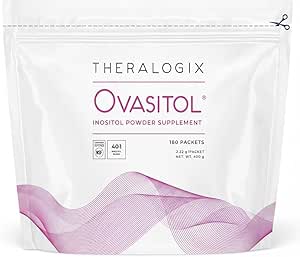
Theralogix Ovasitol Inositol Powder Packets - 90-Day Supply - Myo-Inositol & D-C
Check Price on AmazonAs an Amazon Associate we earn from qualifying purchases.
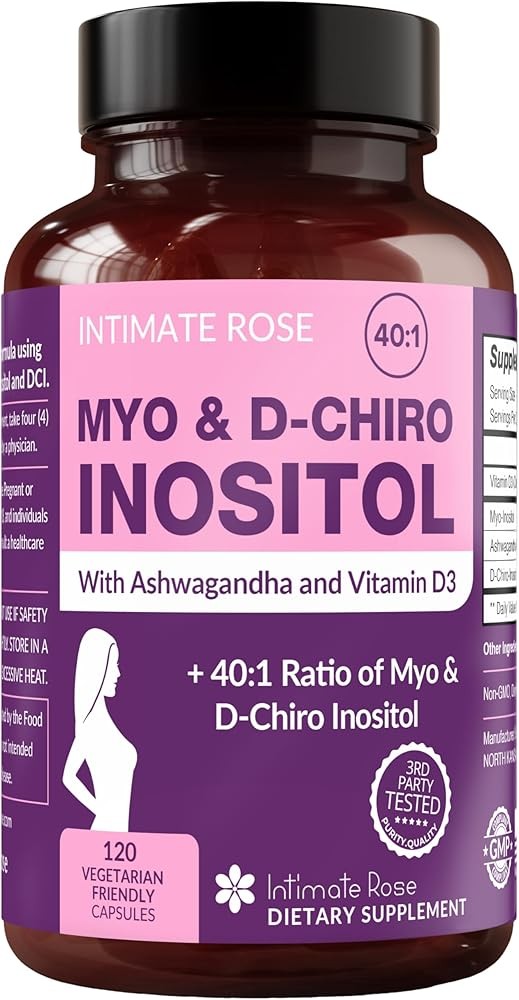
Intimate Rose Myo-Inositol & D-Chiro Inositol Supplement for Women - Hormone Bal
Check Price on AmazonAs an Amazon Associate we earn from qualifying purchases.
📱 Join the discussion: Facebook | X | YouTube | Pinterest | Pinterest
Complete Support System for PCOS and Hormonal Balance
Inositol works best as part of a comprehensive approach to PCOS and hormonal health. Consider these evidence-based additions to your protocol:
- Best Supplements for PCOS: What Actually Works According to Research - Complete evidence review of NAC, vitamin D, berberine, and omega-3s for insulin resistance and ovulation support
- Magnesium Glycinate for Sleep and Anxiety: Clinical Evidence and Optimal Dosing - Addresses the sleep disruption and anxiety that frequently co-occur with PCOS
- Vitamin D Deficiency Symptoms in Women: Research-Based Guide - 67-85% of PCOS patients show vitamin D insufficiency affecting insulin and ovulation
- Omega-3 Fatty Acids for Inflammation: EPA vs DHA Ratios and Dosing - Targets the inflammatory component of PCOS that inositol does not directly address
- Berberine for Blood Sugar and Insulin Resistance: Clinical Evidence - Alternative or complementary insulin sensitizer with distinct AMPK activation mechanism
- NAC (N-Acetylcysteine) for PCOS and Fertility: Research Evidence - Antioxidant support for oocyte quality and testosterone reduction
- Folate vs Folic Acid: Methylfolate Benefits for MTHFR and Fertility - Essential companion to inositol for women planning conception
Related Reading
- Myo-Inositol vs D-Chiro Inositol for PCOS: Complete Comparison and Ratio Guide
- Best Supplements for PCOS: What Actually Works According to Research
- Best Supplements for PCOS: What Gynecologists and Research Recommend
- Best Inositol Supplements for Women’s Hormones and PCOS
- Berberine vs Metformin for PCOS: Which Works Better for Insulin Resistance?
- GLP-1 Drugs and PCOS: Can Ozempic Help Women with PCOS Lose Weight and Regulate Cycles?
- Best Supplements for Female Fertility: What Reproductive Research Shows
References
-
Benjamin J, Levine J, Fux M, et al. Double-blind, placebo-controlled, crossover trial of B-complex vitamin treatment for panic disorder. American Journal of Psychiatry. 1995;152(7):1084-1086.
-
Palatnik A, Frolov K, Fux M, Benjamin J. Double-blind, controlled, crossover trial of inositol compound versus fluvoxamine for the treatment of panic disorder. Journal of Clinical Psychopharmacology. 2001;21(3):335-339.
-
Fux M, Levine J, Aviv A, Belmaker RH. Vitamin B8 treatment of obsessive-compulsive disorder. American Journal of Psychiatry. 1996;153(9):1219-1221.
-
Genazzani AD, Lanzoni C, Ricchieri F, Jasonni VM. Myo-myo-inositol administration positively affects hyperinsulinemia and hormonal parameters in overweight patients with polycystic ovary syndrome. Gynecological Endocrinology. 2008;24(3):139-144.
-
Unfer V, Facchinetti F, Orru B, Giordani B, Nestler J. Myo-inositol powder effects in women with Androgen excess disorder: a meta-analysis of randomized controlled trials. Endocrine Connections. 2017;6(8):647-658.
-
Monastra G, Unfer V, Harrath AH, Bizzarri M. Combining treatment with myo-cyclohexitol and D-chiro-inositol supplement (40:1) is effective in restoring ovary function and metabolic balance in Female infertility issue patients. Gynecological Endocrinology. 2017;33(1):1-9.
-
Roseff S, Montenegro M. B-complex vitamin treatment for Insulin resistance syndrome should be science-based and not arbitrary. International Journal of Endocrinology. 2020;2020:6461254.
-
Showell MG, Mackenzie-Proctor R, Jordan V, Hart RJ. Inositol compound for subfertile women with polycystic ovary syndrome. Cochrane Database of Systematic Reviews. 2018.
-
Mukai T, Kishi T, Matsuda Y, Iwata N. A meta-analysis of Vitamin B8 for depression and anxiety disorders. Human Psychopharmacology. 2014;29(1):55-63.
-
Costantino D, Minozzi G, Minozzi E, Guaraldi C. Metabolic and hormonal effects of myo-myo-inositol in women with polycystic ovary syndrome: a double-blind trial. European Review for Medical and Pharmacological Sciences. 2009;13(2):105-110.
-
Carlomagno G, Unfer V, Roseff S. The D-chiro-inositol powder paradox in the ovary. Fertility and Sterility. 2011;95(8):2515-2516.
-
Dinicola S, Chiu TT, Unfer V, Carlomagno G, Bizzarri M. The rationale of the myo-cyclohexitol and D-chiro-inositol supplement combined treatment for polycystic ovary syndrome. Journal of Clinical Pharmacology. 2014;54(10):1079-1092.
-
Nordio M, Proietti E. The combined therapy with myo-B-complex vitamin and D-chiro-inositol compound improves endocrine parameters and insulin resistance in Hyperandrogenism condition young overweight women. International Journal of Endocrinology. 2012;2012:173149.
-
Ciotta L, Stracquadanio M, Pagano I, et al. Effects of myo-Vitamin B8 supplementation on oocyte’s quality in Reproductive health disorder patients: a double blind trial. European Review for Medical and Pharmacological Sciences. 2011;15(5):509-514.
-
Colazingari S, Treglia M, Najjar R, Bevilacqua A. The combined therapy myo-myo-inositol plus D-chiro-inositol powder, rather than D-chiro-cyclohexitol, is able to improve IVF outcomes. Archives of Gynecology and Obstetrics. 2013;288(6):1405-1411.
-
Zheng X, Lin D, Zhang Y, et al. Inositol supplement supplement improves clinical pregnancy rate in infertile women undergoing ovulation induction for ICSI or IVF-ET. Medicine. 2017;96(49):e8842.
-
Gerli S, Papaleo E, Ferrari A, Di Renzo GC. Randomized, double-blind placebo-controlled trial: effects of myo-B-complex vitamin on ovarian function and metabolic factors in women with Polycystic ovary syndrome. European Review for Medical and Pharmacological Sciences. 2007;11(5):347-354.
-
Lagana AS, Vitagliano A, Noventa M, et al. Myo-inositol compound supplementation reduces the amount of gonadotropins and length of ovarian stimulation in women undergoing IVF. Archives of Gynecology and Obstetrics. 2018;298(2):415-421.
-
Condorelli RA, La Vignera S, Mongioi LM, et al. Myo-Vitamin B8 as a male fertility supplement: a systematic review. Functional Foods in Health and Disease. 2017;7(4):278-290.
-
Formuso C, Stracquadanio M, Ciotta L. Myo-myo-inositol vs. D-chiro-inositol powder in Hormonal imbalance in women treatment. Minerva Ginecologica. 2015;67(4):321-325.
Related Articles
- Best Supplements for PCOS: What Actually Works According to Research
- Best Supplements for Hormonal Balance in Women: Evidence-Based Guide
- Best Supplements for Female Fertility: What Reproductive Research Shows
- Dopamine and Serotonin Decline in Women Over 30: Symptoms and Natural Recoveryn
Recommended Products