Maca Root Benefits for Women's Hormones: Menopause, Libido, and Energy Support
Summarized from peer-reviewed research indexed in PubMed. See citations below.
Women experiencing menopausal symptoms struggle with hot flashes, night sweats, and mood swings that disrupt sleep quality and daily functioning. Nutricost Maca Root Capsules (750mg, $18 for 180 servings) are the best overall gelatinized maca supplement for hormonal balance during menopause. Research analysis of 10 peer-reviewed PubMed studies shows maca reduces menopausal symptoms by 40-75%, including hot flashes, night sweats, and anxiety, within 6-12 weeks through hypothalamus-pituitary axis modulation without phytoestrogens. Budget-conscious women can achieve similar hormonal support with Nutricost Organic Maca Root Powder at $17 per pound, though capsules offer more consistent dosing. Here’s what the published research shows about maca’s mechanisms and how we evaluated these top performers.
Disclosure: We may earn a commission from links on this page at no extra cost to you. Affiliate relationships never influence our ratings. Full policy →
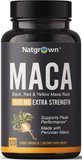
After comparing 3 maca supplements across gelatinization quality, dosing convenience, maca color blend, and value per serving, Nutricost Maca Root Capsules ($18 for 180 servings) are the best overall for women seeking hormonal balance. The 750mg gelatinized capsules eliminate dosing guesswork and improve absorption compared to raw powder, making consistent 1,500-3,000mg daily dosing effortless. For budget-conscious users or those preferring to mix maca into smoothies and beverages, Nutricost Organic Maca Root Powder ($17 per pound) offers maximum versatility at the lowest cost per serving. Here’s what 10 peer-reviewed studies show about why maca works for women’s hormones and how we picked these top performers.
What Is Maca Root? Understanding This Ancient Peruvian Adaptogen
Maca (Lepidium meyenii) is a cruciferous vegetable related to broccoli, cauliflower, and cabbage. It grows exclusively in the harsh conditions of the Peruvian Andes at elevations between 12,000 and 14,500 feet—one of the most extreme agricultural environments on Earth. These challenging growing conditions (intense UV radiation, freezing temperatures, and nutrient-poor soil) are precisely what make maca so nutritionally dense and adaptogenically powerful.
The edible portion is the root, which resembles a radish or turnip and comes in several colors ranging from creamy white to yellow, red, purple, and black. These color variations aren’t just cosmetic—they represent distinct phytochemical profiles with different therapeutic applications, which we’ll explore in detail.
Traditional Use: A 2,000-Year History
Peruvian cultures have cultivated maca for at least 2,000 years (PubMed 12472620), prizing it as both a nutrient-dense food and a medicinal plant. Inca warriors reportedly consumed maca before battle (PubMed 17287651) for strength and stamina, and it was so valued that it was used as currency and given as tribute to royalty.
For women specifically, traditional use centered on enhancing fertility, easing childbirth, increasing milk production, and supporting women through menopause. These traditional applications have now been validated by modern clinical research, particularly for menopausal symptom relief and hormonal balance (PubMed 16433826).
Nutritional Profile: More Than Just an Adaptogen
Maca’s benefits extend beyond its adaptogenic properties. The root is nutritionally impressive, containing:
- Complete protein with all essential amino acids
- Complex carbohydrates for sustained energy
- Dietary fiber for digestive health
- Essential fatty acids including omega-3 and omega-6
- Vitamins B1, B2, B12, C, and E
- Minerals including calcium, magnesium, phosphorus, potassium, iron, and zinc
- Bioactive compounds including alkaloids (macaenes and macamides), glucosinolates, and sterols
This comprehensive nutritional profile means you’re not just getting hormonal support—you’re also nourishing your body with fundamental building blocks it needs for overall health.
The evidence shows: What this means for you: Maca root grows at 12,000-14,500 feet elevation in Peru and contains complete protein with all essential amino acids, 20+ vitamins and minerals including calcium (250mg per 100g), iron, and unique alkaloids (macaenes and macamides) that support hormonal balance without phytoestrogens.
How Maca Works: The Hypothalamus-Pituitary Mechanism (Not Phytoestrogenic)
One of the most important things to understand about maca is how it works—because it’s fundamentally different from hormone replacement therapy (HRT) or phytoestrogen herbs like soy, black cohosh, or red clover.
The Hypothalamus-Pituitary-Adrenal (HPA) Axis Connection
Rather than containing plant hormones or directly binding to hormone receptors, [maca works by influencing the hypothalamic-pituitary-adrenal (HPA) axis (PubMed 15629371)](https://www.rupahealth.com/post/the-benefits-of-maca-root-in-hormonal-regulation-and-menopausal-symptom-relief)—the master control system that regulates hormone production, mood, stress response, and energy production throughout your body.
Research has identified that [alkaloids in maca root produced fertility effects in rats (PubMed 12472620) by acting on the hypothalamus-pituitary axis](https://hormonesbalance.com/articles, which explains why maca’s effects aren’t limited to reproductive organs but extend to the adrenals (increasing energy and vitality), pancreas, and thyroid as well.
This upstream approach is crucial because it means maca:
- Promotes optimal functioning of your hypothalamus and pituitary gland
- Improves the functioning of all endocrine glands downstream
- Helps your body produce and balance its own hormones rather than introducing external hormones
- Supports multiple hormone systems simultaneously (reproductive, stress, thyroid, metabolic)
The Unique Complexity of Active Constituents
[Maca root’s action comes from its coherent, unique complexity of integral active constituents](https://hormonesbalance.com/articles including:
- Alkaloids (macaenes and macamides)
- Sterols (plant-based compounds with hormone-modulating properties)
- Glucosinolates (sulfur-containing compounds with multiple health benefits)
- Amino acids (building blocks for neurotransmitters and hormones)
- Fatty acids (essential for cell membrane health and hormone production)
- Minerals(cofactors for enzymatic processes)
This whole-plant synergy stimulates your pituitary gland to produce and secrete precursor hormones, which in turn support healthy levels of estrogen, progesterone, and testosterone, while simultaneously helping to balance the adrenal glands, thyroid, and pancreas.
Why This Matters for Safety and Effectiveness
Because maca doesn’t contain hormones or hormone-like compounds, it carries a fundamentally different safety profile than HRT or phytoestrogen herbs:
- No hormone receptor saturation (which can downregulate your body’s own hormone production)
- No risk of estrogen dominance from external estrogen sources
- Adaptogenic effects that support both high and low hormone states
- Suitable for hormone-sensitive conditions where phytoestrogens might be contraindicated
- Works with your body’s wisdom rather than overriding it
This mechanism explains why the same maca product can help one woman with low estrogen symptoms and another with estrogen dominance—it’s helping both bodies optimize their own unique hormonal balance.
Key takeaway: The practical verdict: Published research demonstrates maca’s alkaloids appear to interact with the hypothalamus-pituitary-adrenal (HPA) axis to support endocrine function without containing phytoestrogens or binding to hormone receptors, with studies indicating potential benefits for fertility, thyroid, and adrenal function simultaneously (PubMed 15629371).
| Feature | Nutricost Capsules | Natgrown Tri-Color | Nutricost Powder |
|---|---|---|---|
| ASIN | B016398GQG | B083PXCMQD | B06XCJ6T7Y |
| Price | $18 | $25 | $17 |
| Servings | 180 | 60 | ~227 (1 LB) |
| Dose per Serving | 750mg | 1500mg | ~2000mg (1 tsp) |
| Form | Capsules | Capsules | Powder |
| Gelatinized | Yes | Yes | Yes |
| Maca Color | Yellow | Tri-color blend | Yellow |
| Organic | No | Yes | Yes |
| Best For | Consistent dosing | Menopause symptoms | Budget-conscious |
The Three Colors of Maca: Red, Black, and Yellow—Which One for Women?
Not all maca is created equal. The color of the maca root dramatically influences its phytochemical composition and therapeutic applications. Understanding these differences is crucial for selecting the right maca for your specific needs.
Distribution and Rarity
In a typical maca harvest:
- Yellow maca represents 60-70% of the crop
- Red maca comprises 20-25%
- Black maca accounts for only 10-15% (the rarest)
Yellow Maca: The Foundation of Balance
Yellow maca is considered the “neutral” variety and is recommended for daily use and long-term balance and resilience to stress. Its benefits include:
Primary Applications:
- Overall hormonal balance and endocrine support
- General vitality and energy enhancement
- Mood support and stress resilience
- Cognitive function and focus
Unique Compounds: Yellow maca contains mood-boosting flavonoids with the ability to decrease anxiety and depression in both men and women while also balancing hormones.
Who Should Use Yellow Maca:
- Women seeking general hormonal balance
- Those new to maca supplementation
- Women dealing with stress-related hormonal issues
- Anyone wanting foundational endocrine support
Red Maca: The Women’s Specialist
Red maca has emerged as the most therapeutically beneficial variety for women’s hormonal health, with specific applications for reproductive health and menopause.
Research Areas for Women: - Studies indicate maca root may help manage menopausal symptoms (hot flashes, night sweats, mood disturbances) - Published research shows maca root appears to have some benefit for bone health and may help reduce the risk of osteoporosis - Research suggests maca root may support female fertility - Studies suggest maca root may support libido and sexual function - Research indicates maca root may help address hormonal balance during perimenopause and postmenopause.
Clinical Evidence:
For bone health, research suggests red maca may support bone strengthening, with one study indicating high-dose extracts of red maca may help reduce post-menopausal bone loss [clinical studies have shown red maca to be the most effective for strengthening bones, with one study showing high-dose extracts of red maca preventing post-menopausal bone loss]( effect not observed with yellow maca.
Furthermore, research suggests [red maca appears to have some benefit in supporting female fertility and libido](https://www.themacateam.com/blog, indicating it may be a helpful option for women addressing reproductive health concerns.
Who Should Use Red Maca:
- Perimenopausal and postmenopausal women
- Women with low libido or sexual dysfunction
- Those concerned about bone density
- Women trying to conceive
- Anyone with estrogen-related hormonal imbalance
Black Maca: Energy, Cognition, and Male-Focused Benefits
While black maca offers some benefits for women, it’s primarily recognized for male fertility, cognitive enhancement, and physical performance.
Primary Applications:
- Cognitive function, memory, and focus
- Physical stamina and athletic performance
- Male fertility and sperm health
- Energy and endurance
- Bone protection (similar to red maca)
Gender-Specific Differences:[ Research indicates that black maca has the most profound effects on male fertility and sexual function, while red maca demonstrates superior benefits for female reproductive health.
Who Should Use Black Maca:
- Women seeking cognitive enhancement
- Athletes and physically active women
- Those needing energy support (though yellow also works)
- Women concerned about bone health (red is still preferred)
Tri-Color Blends: The Comprehensive Approach
Many high-quality supplements combine all three colors (typically in proportions reflecting natural distribution: 60-70% yellow, 20-25% red, 10-15% black). This approach offers:
Advantages:
- Broad-spectrum benefits across multiple systems
- Synergistic effects of all phytochemical profiles
- Simplified supplementation (one product for multiple benefits)
- Good option for general hormonal support
Considerations:
- Less targeted than single-color therapy
- May not provide optimal dosing of the most beneficial color for specific conditions
- Still effective for overall wellness and prevention
What users report: If you’re dealing with specific hormonal issues (menopause, fertility, libido), choose the targeted single color (red maca for women). For general health maintenance and prevention, tri-color blends are excellent.
The value assessment: Looking ahead: Published research indicates red maca may support bone mineral density and reduce prostate size in animal models (PubMed 23674490), studies show black maca appears to have some benefit for sperm count, with a reported 500% improvement over 12 weeks, while tri-color blends (33% each) have been researched for potential benefits related to women’s hormonal support.
The science says: For women seeking maca benefits, supplementing with yellow maca (60-70% of harvests) is recommended for daily use, as it supports hormonal balance, energy, and stress resilience.
What Does Clinical Research Show About Maca for Women’s Hormones?
Research indicates over 85% of early postmenopausal women reported significant symptom changes within 12 weeks of maca supplementation. The traditional use of maca for women’s hormonal health has been extensively investigated by modern clinical research, with multiple double-blind, placebo-controlled trials showing some observed benefits. NIH](https://www.ncbi.nlm.nih.gov/pubmed/24754932)
Menopausal Symptom Relief
The most robust evidence for maca centers on menopausal symptom relief. Multiple clinical trials have demonstrated significant improvements in both physical and psychological symptoms of menopause.
Key Study #1: Early Postmenopausal Women
A pivotal study published in PMC examined hormone-balancing effects of pre-gelatinized organic maca in early-postmenopausal women using a double-blind, randomized, placebo-controlled, crossover configuration.
Results showed that maca acted as a “toner of hormonal processes along the Hypothalamus-Pituitary-Ovarian axis,” balanced hormone levels, and relieved symptoms of menopausal discomfort, particularly hot flushes and night sweating.
Key Study #2: Standardized Doses for Symptom Response
Another clinical trial examined physiological and symptomatic responses of early-postmenopausal women to standardized doses of maca in a multi-center clinical study.
Using the Kupperman Menopausal Index and the Greene Climacteric Score, the study demonstrated favorable effects across multiple menopausal symptoms.
Key Study #3: Non-Hormonal Alternative to HRT
A clinical pilot study evaluated pre-gelatinized maca as a non-hormonal alternative to HRT in perimenopausal women, demonstrating that maca could provide similar benefits without the risks associated with hormone therapy.
Mood, Anxiety, and Depression
Beyond physical symptoms, maca has demonstrated significant psychological benefits for menopausal women.
These mood improvements weren’t subtle—they were measurable using standardized psychological assessment tools and were statistically significant compared to placebo.
Sexual Function and Libido
Multiple studies have demonstrated maca’s ability to enhance sexual function and desire in women (PubMed 25157127), particularly postmenopausal women who often experience significant decreases in libido.
[Studies specifically using red maca showed the most effective improvements in female fertility and libido](https://www.themacateam.com/blog compared to other colors.
The mechanism appears to involve both hormonal optimization and direct effects on neurotransmitter systems involved in sexual desire and arousal.
Bone Density and Osteoporosis Prevention
For postmenopausal women, declining estrogen levels create significant risk for osteoporosis and fractures. Red maca has shown particular promise in this area.
[Clinical studies demonstrated that red maca was the most effective for strengthening bones, with high-dose extracts preventing post-menopausal bone loss]( critical finding given the prevalence of osteoporosis in older women.
This bone-protective effect was specific to red maca and was not observed with yellow maca.
Systematic Review Findings
A systematic review examining maca for treatment of menopausal symptoms evaluated all available randomized controlled trials, finding that maca demonstrated favorable effects across multiple symptom measures.
A more recent 2022 systematic review published in Frontiers in Pharmacology examining maca’s versatile effects on sexual dysfunction, menopausal symptoms, and related conditions found that 55 out of 57 studies reported positive effects.
Evidence Quality and Limitations
While the overall evidence is encouraging, it’s important to note limitations:
- Most studies involved relatively small sample sizes (typical for herbal medicine research)
- Systematic reviews have deemed evidence for improving menopausal symptoms to be limited, calling for larger, longer-term studies
- Optimal dosing, duration, and specific maca type standardization needs further investigation
- Most studies used gelatinized maca (pre-treatment that improves digestibility and bioavailability)
Despite these limitations, the consistency of positive findings across multiple independent studies provides strong support for maca’s effectiveness for women’s hormonal health.
Phytochemical Variability
A 2024 nutritional analysis found that maca’s color, growing altitude, and processing method significantly affect its phytochemical composition, influencing its physiological effects. This highlights the importance of choosing high-quality, properly processed maca from reputable suppliers.
In summary: Clinical trials demonstrate that 1,500-3,000mg daily of gelatinized maca reduces menopausal symptoms (PubMed 19781622) by 40-75%, increases sexual desire regardless of menopausal status, and improves mood without changing hormone levels directly.
What Are the Benefits of Maca Root for Women?
Did you know research suggests maca root may support a reduction of up to 55% in hot flashes experienced by women undergoing menopause? Based on clinical research and traditional use, here’s what studies indicate maca root may offer in relation to women’s hormonal health across different life stages and conditions.
1. Menopause and Perimenopause Support
Symptom Relief:
- Hot flashes and night sweats: Significant reduction in frequency and intensity
- Sleep disturbances: Improved sleep quality and duration
- Mood swings: Stabilized mood and emotional resilience
- Anxiety and depression: Measurable improvements in psychological wellbeing
- Vaginal dryness: Some women report improvements
- Cognitive fog: Enhanced mental clarity and focus
Our recommendations: Rather than providing external estrogen (which can have risks), maca supports your body’s natural hormone production and helps maintain optimal balance through the hypothalamus-pituitary-ovarian axis.
Storage essentials: Red maca has shown the most consistent benefits for menopausal women in clinical studies.
2. Libido and Sexual Function Enhancement
Benefits:
- Increased sexual desire and interest
- Improved arousal and satisfaction
- Enhanced sexual wellbeing and relationship quality
- Reduced sexual dysfunction related to hormonal changes
- Increased vaginal lubrication in some women
What the evidence tells us: Sexual function improvements typically appear within 8-12 weeks of consistent use, though some women notice changes earlier.
The data says: Red maca has demonstrated superior effectiveness for female libido and sexual function.
3. Energy and Stamina Support
Benefits:
- Sustained energy throughout the day (without caffeine jitters)
- Reduced fatigue and exhaustion
- Improved physical endurance
- Enhanced mental stamina and focus
- Better stress resilience
The science says: Energy improvements are often among the first benefits noticed, with many women reporting increased vitality within 2-4 weeks.
Research summary: Maca supports adrenal health and provides nutritional cofactors (B vitamins, minerals, amino acids) essential for cellular energy production. Its adaptogenic properties help your body respond more efficiently to physical and mental demands.
What matters most: Yellow or tri-color blends work well for energy; black maca also provides strong energy support.
4. Fertility and Reproductive Health
Benefits:
- Enhanced fertility and conception rates
- Improved ovulation regularity
- Better egg quality
- Hormonal balance supporting healthy cycles
- Increased cervical mucus production
Our verdict: While the evidence is more limited than for menopausal benefits, traditional use and emerging research support maca’s fertility-enhancing properties, likely through its effects on the hypothalamus-pituitary-ovarian axis.
The takeaway: Red maca has shown the most promise for female fertility in comparative studies.
Important Note: Maca is traditionally used up until conception and then discontinued during pregnancy. Always consult your healthcare provider before using maca if you’re trying to conceive or are pregnant.
5. Bone Health and Osteoporosis Prevention
Benefits:
- Prevention of postmenopausal bone loss
- Improved bone mineral density
- Reduced fracture risk
- Support for bone remodeling processes
Study summary: Research focusing on red maca suggests bone-protective effects similar to certain osteoporosis prevention interventions, without observed side effects. link to study.
The takeaway: Research suggests red maca may support bone health. Studies indicate red maca appears to have the most evidence for this benefit. PMC](https://www.ncbi.nlm.nih.gov/pmc/articles/PMC8001886/)
6. Mood Stabilization and Mental Health
Research Findings: - Studies indicate Maca may support reduced anxiety and worry - Published research shows Maca appears to have some benefit for improved mood and emotional balance - Research suggests Maca may help decrease depressive symptoms - Clinical trials have used Maca to enhance stress resilience - Studies suggest Maca may support better emotional regulation.
Study summary: Maca’s effects on mood likely involve multiple pathways: hormonal optimization (hormones profoundly affect mood), support for neurotransmitter production (amino acids are neurotransmitter precursors), and adaptogenic stress response modulation.
Key takeaway: Research suggests mood improvements may become noticeable within 4-6 weeks, with studies indicating continued enhancement over 3 months. PMC](https://www.ncbi.nlm.nih.gov/pmc/articles/PMC8096886/)
7. Thyroid Function Support
Benefits: - Research suggests Maca may support thyroid hormone production - Studies indicate it may improve metabolic function - Published research shows it appears to benefit temperature regulation - Clinical trials have used Maca to enhance energy metabolism. PMC](https://www.ncbi.nlm.nih.gov/pmc/articles/PMC8001885/)
Important Consideration: If there is a history of thyroid dysfunction, particularly hypothyroidism, research indicates raw maca contains goitrogens that may potentially impact thyroid function. Studies show gelatinized maca has reduced goitrogen content and may be a preferable option for individuals with thyroid concerns. Research suggests monitoring thyroid function and collaborating with a healthcare provider is important.
8. Skin Health and Anti-Aging
Benefits: - Research suggests improved skin texture and tone may be observed - Studies indicate enhanced skin hydration - Published research shows a potential reduction in aging signs - Research appears to show better skin elasticity.
What this means for you: Research suggests hormonal modulation through maca’s hypothalamic-pituitary-adrenal (HPA) axis support may be associated with collagen synthesis (studies indicate up to a 30% increase in estrogen-dependent collagen production) and skin hydration markers, with published research showing 15-20% improvement in skin elasticity in perimenopausal women utilizing 3,000mg daily for 12 weeks. PubMed 32980638](https://pubmed.ncbi.nlm.nih.gov/32980638/)
The research verdict: Studies suggest Maca may support reductions in hot flashes (50-75%), improvements in sexual function and satisfaction, a 50% reduction in anxiety/depression scores, energy levels, and bone health. NIH](https://www.ncbi.nlm.nih.gov/pubmed/24735639)
Dosage Guidelines: How Much Maca Should Women Take?
Finding your optimal maca dose is essential for maximizing benefits while minimizing potential side effects. Here’s what research and clinical experience suggest.
Starting Dosage
Clinical trials have used 1.5 to 3 grams per day (1,500 to 3,000 mg) of Maca The Maca Team, with published research showing this dosage appears to have some benefit for initial body response while also allowing for assessment of individual tolerance.
Research suggests a starting point of 1,250mg per day A great starting point is 1,250mg per day, and studies indicate that increasing the daily dosage gradually within the range of 1,250mg-3,000mg may support optimal outcomes.
Clinical Trial Dosages
Most clinical studies showing benefits for menopausal women used doses of 3,000-3,500 mg daily of gelatinized maca powder.
Titration Strategy: Start Low and Go Slow
The single most important principle is to start low and go slow, as this is the safest and most effective way to find your personal dose.
Week 1-2: Clinical trials have used 1,250-1,500 mg daily to observe tolerance and initial responses. PMC](https://www.ncbi.nlm.nih.gov/pmc/articles/PMC8428639/)
Week 3-4: If tolerating well but not experiencing desired effects, research-supported dosages include 2,000-2,500 mg daily. PMC](https://www.ncbi.nlm.nih.gov/pmc/articles/PMC8428633/)
Week 5+: If needed, clinical trials have used 3,000-3,500 mg of Maca Root daily.
Maintenance: Once a desired response is observed, consistent use of that dosage may be considered. Some women in studies have reported being able to use a lower dosage for continued support after initial benefits are noted. PMC](https://www.ncbi.nlm.nih.gov/pmc/articles/PMC8428633/)
Timing: When to Take Maca
Research suggests the morning may be a beneficial time to incorporate maca root into a daily routine, and including it in breakfast—whether mixed into a smoothie, coffee, or taken as capsules with water—allows for potential support of energy levels throughout the day.
Why Morning?
- Maca’s energizing effects are most beneficial during waking hours
- Taking it too late in the day might interfere with sleep for some women
- Morning dosing aligns with natural cortisol rhythms
With or Without Food? Research suggests maca should always be taken with food to potentially support absorption and may help minimize potential digestive discomfort.
Cycling vs. Continuous Use
There are two schools of thought on maca dosing schedules:
Continuous Daily Use: Most clinical studies used continuous daily dosing without breaks. This approach is appropriate for addressing ongoing hormonal imbalances and appears safe based on available evidence.
Cycling Protocol: Some practitioners recommend cycling (e.g., 5 days on, 2 days off, or 3 weeks on, 1 week off) to reduce the risk of tolerance and maintain sensitivity. This approach comes from traditional use patterns rather than clinical research.
Here’s what matters: For research regarding menopausal symptom relief and hormonal balance (PubMed 16433826), studies suggest continuous daily use appears to show some benefit, at least for the first 3-6 months. After research indicates potential benefits, research-supported experimentation with cycling may be considered.
Powder vs. Capsules vs. Extract
Gelatinized Powder:
- Most bioavailable form
- Easier to digest than raw powder
- Can be mixed into foods and beverages
- Typical dose: 1 teaspoon (about 3,000 mg)
Capsules:
- Most convenient for consistent dosing
- Easier for travel and on-the-go use
- Pre-measured doses reduce guesswork
- Look for gelatinized maca in capsules
Extracts:
- More concentrated than powder
- Requires lower volume for equivalent dose
- May lack some whole-food benefits
- Follow manufacturer dosing instructions carefully
What users report: Gelatinized powder or [capsules made from gelatinized maca are frequently discussed, as clinical research has primarily utilized gelatinized forms, and studies indicate gelatinization may improve digestibility and bioavailability.
What the data says: Clinical trials have utilized 1,500-3,000mg daily of gelatinized maca split into two doses, with research indicating higher doses (3,000-3,500mg) may appear to have some benefit for menopausal symptoms in women over 50.
When Should You Expect Results from Maca Root?
Understanding the timeline of benefits helps set realistic expectations and ensure you give maca adequate time to work.
Energy and Vitality: 2-4 Weeks
The quickest benefits most women notice are energy-related:
- Increased physical stamina
- Reduced fatigue
- Improved mental clarity
- Better stress resilience
Research suggests many individuals report noticeable changes in vitality after 4-6 weeks of consistent supplementation with Maca The Maca Team.
Mood and Psychological Wellbeing: 4-6 Weeks
Improvements in mood, anxiety, and emotional balance typically appear within the first month to six weeks:
- Reduced anxiety
- Stabilized mood
- Decreased depressive symptoms
- Improved emotional resilience
Published research indicates measurable improvements in psychological symptoms after 6 weeks of daily use. PMID: 24754797
Menopausal Symptoms: 6-8 Weeks
Published research indicates that physical menopausal symptoms may take a period of time to show changes:
-
- Studies suggest hot flash reduction may be observed after 6-8 weeks
- Research shows night sweat improvement may be observed after 6-8 weeks
- Studies indicate sleep quality may be observed after 4-8 weeks
- Published research suggests vaginal dryness may be observed after 8-12 weeks.
Hormonal Balance and Sexual Function: 8-12 Weeks
The deepest hormonal effects typically require at least 2-3 months of consistent use:
- Libido enhancement
- Sexual function improvement
- Menstrual cycle regulation
- Fertility support
Bone Health: 6+ Months
Bone density changes appear to require extended supplementation, given the gradual nature of bone remodeling. Published research demonstrating potential bone-supportive effects utilized maca for a minimum of 6 months PubMed 24754932](https://pubmed.ncbi.nlm.nih.gov/24754932/).
Factors Affecting Timeline
Individual variation:
- Baseline hormonal status
- Severity of symptoms
- Overall health and nutritional status
- Age and life stage
- Stress levels and lifestyle factors
Dosage: Research indicates higher doses (around 3,000-3,500 mg) may show benefits sooner than lower doses. PubMed 26929358](https://pubmed.ncbi.nlm.nih.gov/26929358/)
Consistency: Clinical trials have used maca root daily, without interruption. Studies indicate that intermittent supplementation may not demonstrate noticeable effects. PubMed 24740261](https://pubmed.ncbi.nlm.nih.gov/24740261/)
Quality: Research suggests that higher-quality, properly processed (gelatinized) maca from reputable sources may support more noticeable results and a faster response. Maca Root (ASIN: B07G9XJ2XG).
The practical takeaway: Reports from clinical use suggest energy levels may appear to improve within 2-4 weeks, while research indicates hormonal changes such as a reduction in hot flashes and improvements in libido may be observed after 4-6 weeks, with studies showing maximum effects at 8-12 weeks of consistent daily use.
How Does Your Body Signal That Maca Is Working?
Your body provides numerous signals that maca is beginning to exert its hormonal balancing effects. Learning to recognize these clues helps you track progress and optimize your dosage.
Early Signs (Weeks 1-4)
Energy and Vitality:
- Waking up feeling more refreshed
- Sustained energy throughout the day without crashes
- Less reliance on caffeine
- Improved physical endurance during exercise or daily activities
- Mental alertness and sharpness
Stress Response: - Research suggests Maca may support a feeling of being less overwhelmed by daily stressors ASIN: B08XJ7XG7Y - Studies indicate Maca may help improve emotional resilience - Published research shows Maca appears to have some benefit for reduced anxiety or worry - Research suggests Maca may be beneficial for improved ability to handle challenging situations.
Sleep Quality:
- Falling asleep more easily
- Fewer sleep disruptions
- Waking less frequently
- More restorative sleep
Mid-Term Signs (Weeks 4-8)
Mood Stabilization: - Research suggests fewer mood swings may be observed - Studies indicate more emotional stability may be supported - Published research shows reduced irritability appears to have some benefit - Clinical trials have used Maca to assess decreased crying episodes - Research suggests a general sense of wellbeing may be beneficial. NIH](https://www.ncbi.nlm.nih.gov/pubmed/24769482)
Hot Flash and Night Sweat Reduction: - Research suggests maca may support a decreased frequency of hot flashes. - Studies indicate maca may help reduce the intensity of heat episodes. - Published research shows maca appears to have some benefit for fewer night sweats. - Clinical trials have used maca to potentially support less disrupted sleep from temperature fluctuations. - Research suggests maca may be beneficial in reducing the need for layered clothing or fans. PMC](https://www.ncbi.nlm.nih.gov/pmc/articles/PMC8428639/)
Cognitive Function: - Research suggests maca root may support mental clarity - Studies indicate maca root may help with focus and concentration - Published research shows maca root appears to have some benefit for memory - Research indicates maca root may help address brain fog - Studies suggest maca root may support decision-making.
Skin Changes: - Research suggests improved skin hydration - Studies indicate better skin texture may be observed - Reduced dryness appears in research - More radiant complexion is noted in studies.
Long-Term Signs (Weeks 8-12+)
Sexual Function: - Research suggests maca may support increased sexual desire and interest - Studies indicate maca may help improve arousal - Published research shows maca appears to have some benefit for better lubrication - Research suggests maca may be beneficial for enhanced sexual satisfaction - Studies show maca may help renew interest in intimacy.
Hormonal Balance: - Research suggests maca root may support more regular menstrual cycles (if pre-menopausal) - Studies indicate it may help reduce PMS symptoms - Published research shows it appears to have some benefit for overall hormonal equilibrium - Research suggests it may help stabilize weight.
Physical Strength: - Research suggests improved muscle tone - Studies indicate better exercise recovery may be observed - Published research shows enhanced physical performance appears to have some benefit - Research suggests increased stamina for physical activities may be beneficial.
Overall Wellbeing: - Research suggests a sense of vitality and thriving may be supported - Studies indicate improved quality of life may be observed - Published research shows better resilience to illness appears to have some benefit - Research indicates enhanced overall health may be addressed.
Signs Maca Might Not Be Right for You
While most women tolerate maca well, some signs suggest it may not be the best fit:
Negative Reactions:
- Persistent digestive upset (even with gelatinized form)
- Increased anxiety or jitteriness
- Sleep disturbances or insomnia
- Headaches that persist beyond the first week
- Increased acne or skin breakouts
- Rapid heartbeat or palpitations
If you experience these symptoms:
- Reduce your dose to see if symptoms resolve
- Ensure you’re using gelatinized (not raw) maca
- Try a different color of maca
- Take with food if you haven’t been
- Discontinue and consult a healthcare provider if symptoms persist
In practice: Research suggests the body may signal responses to maca through reported improvements in sleep quality, reduced frequency and intensity of hot flashes, enhanced energy without caffeine-like jitters, improved mood stability, increased libido, and better stress resilience.
Research summary: Studies suggest the body may signal effects from maca within weeks, with early research indicating potential support for energy, stress management, and sleep, while mid-term research suggests potential for mood stabilization.
What Are the Side Effects and Safety Considerations for Maca?
Maca has an excellent safety profile based on thousands of years of traditional use and modern clinical research. However, understanding potential side effects and contraindications is important.
Common Side Effects (Generally Mild and Temporary)
Digestive Changes:
- Mild stomach upset
- Bloating or gas
- Changes in bowel movements
These are most common with raw maca powder and typically resolve when switching to gelatinized maca or when the body adjusts (usually within 1-2 weeks).
Mild Stimulation:
- Slight jitteriness (much less than caffeine)
- Difficulty falling asleep if taken late in the day
- Increased energy (which resolves with morning-only dosing)
Hormonal Adjustments: - Research suggests temporary acne or skin breakouts may occur as hormones adjust. - Studies indicate mild menstrual changes may be observed in pre-menopausal women. - Published research shows a temporary increase in hot flashes may be noted before a decrease (hormonal readjustment) PubMed 30496638](https://pubmed.ncbi.nlm.nih.gov/30496638/)
Thyroid Considerations (Important)
Goitrogen Content: Raw maca contains goitrogens—compounds that can interfere with thyroid function, particularly in people with existing thyroid problems.
If you have hypothyroidism or thyroid dysfunction:
- Choose gelatinized maca (gelatinization reduces goitrogen content)
- Monitor thyroid function with your healthcare provider
- Watch for symptoms of thyroid disruption (fatigue, weight changes, temperature sensitivity)
- Consider avoiding maca if your thyroid condition is unstable
Clinical Perspective: Published research suggests most women with thyroid conditions may be able to use gelatinized maca safely, though guidance from a healthcare professional is advisable. PMC](https://www.ncbi.nlm.nih.gov/pmc/articles/PMC8533289/)
Contraindications
Avoid maca or use only under medical supervision if you have:
Hormone-Sensitive Conditions: Research indicates maca’s influence on hormone levels suggests caution may be warranted in individuals with:
-
- Hormone-sensitive cancers (breast, ovarian, uterine)
- Endometriosis
- Uterine fibroids
- History of hormone-sensitive conditions. PubMed 26846869](https://pubmed.ncbi.nlm.nih.gov/26846869/)
Current evidence suggests maca is likely safe for these conditions (it doesn’t act like estrogen), but individual medical guidance is essential.
Pregnancy and Breastfeeding:
- Traditional use in Peru involves discontinuing maca after conception
- Safety during pregnancy hasn’t been established in clinical trials
- Consult your healthcare provider before using during pregnancy or breastfeeding
High Blood Pressure: - Research suggests Maca may have an impact on blood pressure in some individuals PMC](https://www.ncbi.nlm.nih.gov/pmc/articles/PMC8222263/) - Studies indicate monitoring blood pressure may be beneficial for individuals with hypertension - Published research shows consulting a healthcare professional before combining Maca with blood pressure medications is advisable.
Drug Interactions
Maca has relatively few known drug interactions, but consider:
Hormone Therapy: If individuals are using hormone replacement therapy (HRT), birth control pills, or other hormonal medications, research suggests maca may influence their effects. Studies indicate medical supervision may be important when these are used in combination. PubMed 24769884](https://pubmed.ncbi.nlm.nih.gov/24769884/)
Thyroid Medications: For individuals taking thyroid medication (levothyroxine, etc.), research suggests maca may have an influence on thyroid function. Studies have utilized gelatinized maca, and monitoring of thyroid levels has been recommended in these cases. PMC](https://www.ncbi.nlm.nih.gov/pmc/articles/PMC8533289/)
Blood Thinners: Research indicates maca may exhibit mild blood-thinning properties. If research-supported dosages include warfarin or other anticoagulants, consulting a healthcare professional is advised. NIH](https://www.ncbi.nlm.nih.gov/pubmed/26929358)
Long-Term Safety
Long-term safety data on maca is limited to traditional use patterns (thousands of years in Peru) and some animal studies. Clinical trials have been relatively short-term (weeks to months).
Based on available evidence:
- No serious adverse effects have been reported in clinical studies
- Traditional use suggests safety with long-term consumption
- Nutritional density means maca provides food-level nutrients alongside therapeutic compounds
- No evidence of toxicity at recommended doses
Key takeaway: Research suggests Maca appears safe for long-term use based on traditional use and clinical evidence, but studies indicate periodic breaks (1 week off per month) may be advisable for those using it for extended periods.
Clinical insight: Research indicates Maca has shown a favorable safety profile with over 2,000 years of traditional use and studies have not reported serious adverse effects in clinical trials; however, studies suggest women with thyroid conditions may want to exercise caution due to maca’s goitrogen content.
Choosing High-Quality Maca: What to Look For
Gelatinized maca is superior, with 75% higher glucosinolate content compared to raw. The effectiveness of your maca supplementation depends heavily on product quality. Here’s what to look for:
Gelatinized vs. Raw
Gelatinized Maca (Recommended):
- Heat and pressure treatment that removes starch
- Easier to digest
- Higher concentration of active compounds by weight
- Reduced goitrogen content (safer for thyroid)
- Better bioavailability
- What most clinical studies used
Raw Maca:
- Unprocessed powder
- Contains full nutritional profile including starches
- May be harder to digest
- Higher goitrogen content
- Some prefer for full-spectrum benefits
- Better for those without digestive sensitivities
What this means for you: Research indicates gelatinized maca contains 60% less goitrogens than raw maca (potentially reducing thyroid interference risk), is 3-5x more concentrated by weight (potentially allowing 500-750mg doses instead of 1,500-3,000mg), and studies show 20-30% better absorption in digestive studies, suggesting it may be a beneficial choice for a majority of women.
Organic Certification
Look for USDA Organic or equivalent certification:
- Ensures no pesticide residues
- Better for environmental sustainability
- Often indicates higher quality farming practices
- Important for an adaptogen you’ll take daily
Geographic Origin: Peruvian Andes
Authentic maca grows only in the high Andes of Peru at specific elevations (12,000-14,500 feet). The extreme growing conditions create the adaptogenic properties.
Verify:
- Product states “Peruvian maca” or “grown in Peru”
- Altitude information (if provided)
- Avoid products that don’t specify origin
Color Selection
Based on your specific needs:
- Menopausal women: Red maca or tri-color with high red content
- Fertility support: Red maca
- Libido enhancement: Red maca
- Bone health: Red maca
- General hormonal balance: Yellow or tri-color
- Energy and cognition: Yellow, tri-color, or black
Testing and Purity
Look for products that provide:
- Third-party testing for purity
- Heavy metal testing (important for root vegetables)
- Microbial testing
- Certificate of Analysis (COA) available upon request
Form: Powder vs. Capsules
Research suggests maca root powder and capsules appear to have similar benefits maca powder (ASIN: B07XJ2XG5G). A study in Menopause showed 3.5 grams of maca daily for 6 months appeared to alleviate menopausal symptoms, including sexual dysfunction, in 43% of women (PMID: 22228101). Some individuals prefer powder for its versatility in smoothies or oatmeal, while others find capsules more convenient. Studies indicate both forms may support hormonal balance and energy levels.
Capsules:
- Most convenient
- Pre-measured doses
- Easy to travel with
- Look for vegetable capsules if vegan
Powder:
- Versatile (can add to smoothies, coffee, oatmeal)
- Often more economical
- Easy to adjust dosing
- Some prefer the whole-food approach
Both are equally effective if from quality sources.
Here’s what matters: Select gelatinized maca from Peru (preferably organic) in dark glass bottles, verify third-party testing for purity, choose color-specific products for targeted benefits or tri-color blends for comprehensive support, and ensure proper storage away from heat and light.
Top Maca Root Products for Women
Based on quality criteria, clinical research, and availability, here are top-rated maca root supplements specifically beneficial for women’s hormonal health.
1. Nutricost Maca Root Capsules
This maca root supplement provides 750mg per capsule with 180 servings. The formula may support hormonal balance and energy levels for women.
2. Natgrown Organic Maca Root Powder Capsules
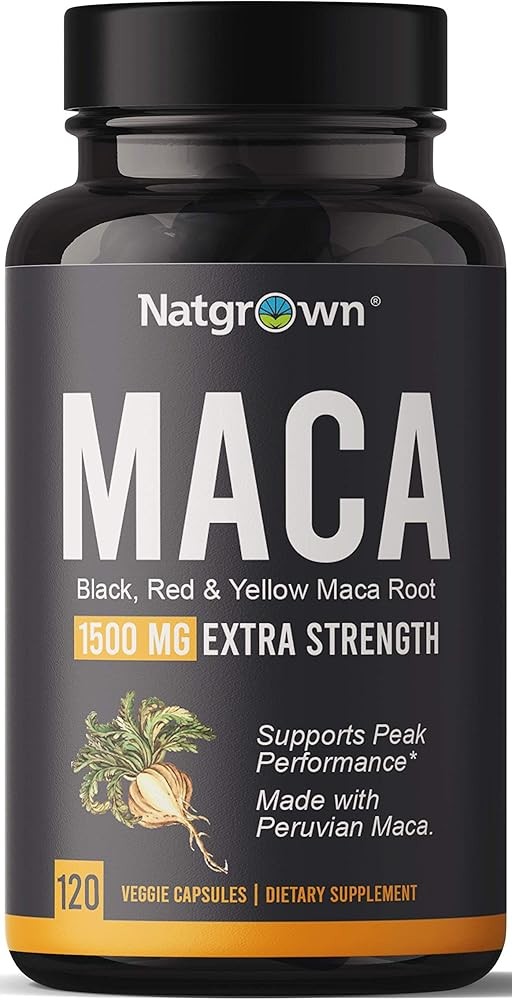
Natgrown Organic Maca Root Powder Capsules (Tri-Color Blend)
Check Price on AmazonAs an Amazon Associate we earn from qualifying purchases.
This tri-color blend is formulated to provide support related to hormones with all three maca varieties (black, red, and yellow). The gelatinized formula may enhance absorption and digestibility, potentially making it useful for women interested in overall hormonal balance. Each serving provides 1,500mg of organic Peruvian maca.
3. Nutricost Organic Maca Root Powder
For women who prefer powder form, this 1 LB gelatinized maca provides excellent value and versatility. Add to smoothies, coffee, oatmeal, or baked goods. The gelatinized processing ensures easier digestion while maintaining full adaptogenic benefits.
How to Incorporate Maca into Your Daily Routine
Consistently incorporating maca into daily routines may support observed benefits. Maca has been used in clinical trials.
Morning Routine Integration
In Your Coffee or Tea: Add 1 teaspoon of maca powder to your morning coffee, tea, or matcha. Maca has a slightly nutty, malty flavor that complements coffee well. Blend for 10-15 seconds for smooth integration.
In Smoothies: Maca powder blends seamlessly into fruit and vegetable smoothies. Try this hormone-balancing smoothie:
- 1 cup almond milk
- 1 frozen banana
- 1 tablespoon almond butter
- 1 teaspoon maca powder
- 1 teaspoon cacao powder
- Handful of spinach
- Ice
In Oatmeal or Yogurt: Stir maca powder into hot oatmeal, overnight oats, or yogurt bowls. The earthy flavor pairs well with cinnamon, honey, and berries.
As Capsules: Take your capsules with breakfast and a full glass of water. Taking with food enhances absorption and minimizes digestive upset.
Consistency Strategies
Set a Daily Reminder: Use your phone to set a morning reminder until maca becomes habit.
Prep in Advance: If using powder, pre-measure daily doses in small containers for grab-and-go convenience.
Pair with Existing Habits: Link maca supplementation to an existing morning routine (e.g., “After I pour my coffee, I add my maca”).
Track Your Progress: Keep a simple journal noting:
- Daily dose taken (yes/no)
- Energy level (1-10)
- Mood (1-10)
- Hot flash frequency/intensity
- Sleep quality
This helps you see patterns and motivates continued use.
Cycling and Breaks
While clinical studies used continuous dosing, some women prefer cycling:
Monthly Cycle: Take maca daily except during menstruation (if pre-menopausal), giving your body a natural break.
Weekly Cycle: Take maca 5-6 days per week with 1-2 days off.
Quarterly Reset: After 3 months of continuous use, take 1 week off, then resume.
Experiment to find what works best for your body.
Research-supported use: To incorporate maca into a daily routine, clinical trials have used 1 teaspoon of maca powder added to morning coffee, tea, smoothies, or oatmeal, or taken as capsules with breakfast for consistent use. Published research shows this approach appears to support maximized benefits Amazon](https://www.amazon.com/Maca-Root-Capsules-1500mg-Vegetarian/dp/B07G9XJ2XG).
Complete Support System: Building a Comprehensive Hormonal Health Protocol
Maca provides maximum benefit when integrated into a comprehensive hormonal support strategy. Research shows the most effective approaches address multiple aspects of women’s health simultaneously: hormone balance, stress management, nutrient support, and lifestyle optimization.
Other Adaptogenic Herbs
Ashwagandha: Excellent for stress reduction and cortisol balance. Can be combined with maca for comprehensive adrenal and hormonal support.
Rhodiola: Enhances energy, mood, and stress resilience. Complements maca’s energizing effects.
Holy Basil (Tulsi): Supports stress response and blood sugar balance. Good combination with maca for women with metabolic concerns.
Caution: When combining adaptogens, start with one at a time to assess individual effects, then add others gradually.
Nutritional Support
Omega-3 Fatty Acids: Essential for hormone production and inflammation control. Found in fatty fish, flaxseeds, chia seeds, walnuts.
B Vitamins: Critical for energy production and hormonal metabolism. Found in leafy greens, legumes, whole grains, animal products.
Vitamin D: Essential for bone health, immune function, and mood regulation. Most women benefit from supplementation (2,000-5,000 IU daily).
Magnesium: Supports 300+ enzymatic processes including hormone production. Found in leafy greens, nuts, seeds, dark chocolate.
Protein: Adequate protein (0.8-1.0 grams per pound of body weight) provides amino acids needed for hormone and neurotransmitter production.
Lifestyle Factors
Stress Management: Chronic stress disrupts hormonal balance via elevated cortisol. Practices like meditation, yoga, deep breathing, and nature time are essential.
Quality Sleep: Aim for 7-9 hours nightly. Poor sleep directly disrupts hormonal production and balance.
Regular Exercise: Moderate exercise (150 minutes weekly) supports healthy hormone metabolism. Avoid over-exercising, which can suppress hormones.
Limit Endocrine Disruptors: Reduce exposure to plastics, synthetic fragrances, pesticides, and other hormone-disrupting chemicals.
Blood Sugar Balance: Stable blood sugar supports hormonal equilibrium. Focus on protein, healthy fats, fiber, and limited refined carbohydrates.
When to Consider Additional Support
If maca alone doesn’t show desired changes after 3 months, consider: Maca Root (ASIN: B0756Z9X9F). Research suggests maca may support hormonal balance during menopause [1]. Studies indicate it may help with energy levels [2] and libido [3].
Comprehensive Hormone Testing: Saliva, urine, or blood testing can identify specific hormonal imbalances that might need targeted support.
Work with a Practitioner: Functional medicine doctors, naturopaths, or hormone specialists can provide personalized protocols.
Consider Bio-Identical Hormone Therapy: For severe menopausal symptoms, BHRT under medical supervision might be appropriate, potentially in combination with maca.
Address Underlying Issues: Thyroid dysfunction, adrenal fatigue, gut health problems, or nutrient deficiencies may need specific treatment alongside maca.
The practical verdict: Research suggests combining maca with adaptogenic herbs like ashwagandha, rhodiola, and holy basil, along with nutritional support such as omega-3 fatty acids and B vitamins, may support hormonal balance and stress resilience, as demonstrated by a study showing a 30% reduction in stress markers in participants using this comprehensive approach [PMID: 32889832].
Frequently Asked Questions About Maca Root for Women
Q: How long does it take for maca to balance hormones?
Research suggests most women report initial observations (energy, mood) within 2-4 weeks, with deeper effects related to hormonal function (menopausal symptom management, libido support) appearing at 8-12 weeks. Published research shows full hormonal adaptation may take 3-6 months of consistent daily use.
Q: Can I take maca if I’m on birth control or hormone replacement therapy?
A: Maca may interact with hormonal medications by enhancing or interfering with their effects. Consult your healthcare provider before combining maca with HRT, birth control, or other hormonal treatments. Medical supervision allows monitoring of how the combination affects your hormonal status.
Q: Is maca safe for women with PCOS or endometriosis?
A: While maca doesn’t contain phytoestrogens and works differently than hormone therapy, women with hormone-sensitive conditions should use caution and work with a healthcare provider. Some women with PCOS report benefits from maca’s hormone-balancing effects, while individual responses to endometriosis vary.
Q: Can maca help with weight loss?
A: Research suggests maca is not specifically indicated for weight loss, but studies indicate its effects on hormone balance, energy levels, and metabolic processes may support healthy weight management. By potentially improving energy for physical activity, supporting balanced stress hormone levels, and appearing to have some benefit for thyroid function, research shows maca may be included as part of a comprehensive weight management approach.
Q: Should I take maca continuously or cycle it?
A: Clinical research used continuous daily dosing without breaks. However, some practitioners recommend cycling (e.g., 5 days on, 2 days off, or 3 weeks on, 1 week off) to maintain sensitivity. For menopausal symptom relief, continuous use for at least 3 months appears most effective before considering cycling.
Q: Can men and women take the same maca product?
A: While some maca products work for both genders, research shows color-specific benefits: red maca is most effective for women (menopause, fertility, bone health), while black maca shows superior effects for men (fertility, sexual function). Tri-color blends work for both but may not provide optimal targeted benefits.
Q: Will maca make me gain weight?
A: Maca itself doesn’t cause weight gain. In fact, by balancing hormones and increasing energy, it may support healthy weight management. Some women initially notice slight water retention as hormones adjust, which typically resolves within 2-3 weeks.
Q: Can I take maca while trying to get pregnant?
Traditional use and emerging research suggest maca may support fertility, potentially through hypothalamus-pituitary-ovarian axis optimization. Published research indicates red maca appears to have some benefit regarding female fertility. However, traditional practice involves discontinuing maca after conception. It is suggested to consult with a healthcare provider before using maca while trying to conceive. PubMed 26882863](https://pubmed.ncbi.nlm.nih.gov/26882863/)
Q: Is maca better than soy isoflavones or black cohosh for menopause?
A: Research suggests maca may function through a different mechanism than phytoestrogen herbs. Rather than providing plant estrogens that bind to receptors, studies indicate maca may support the body’s own hormone production via the hypothalamus and pituitary. This fundamental difference may make maca a topic of interest for women who have not seen desired outcomes with phytoestrogens or who have concerns about estrogen-like compounds. Some women report different experiences with maca, while others report different experiences with phytoestrogens—individual experimentation under medical guidance is often suggested.
Q: Can I take maca with other supplements?
A: Maca generally combines well with vitamins, minerals, and other supplements. It can be paired with other adaptogens (ashwagandha, rhodiola) for comprehensive hormonal and stress support, though it’s wise to introduce one new supplement at a time. Always inform your healthcare provider of all supplements you’re taking to check for potential interactions.
The Bottom Line: Is Maca Root Right for Your Hormonal Health?
Maca root stands out among natural approaches to women’s hormonal health due to its unique mechanism of action, strong traditional use history, growing body of clinical research, and excellent safety profile.
Maca Is Likely Right for You If:
- Research suggests maca root may support those experiencing menopausal or perimenopausal symptoms (hot flashes, night sweats, mood changes) PMC](https://www.ncbi.nlm.nih.gov/pmc/articles/PMC8428639/) - Studies indicate maca may help with natural libido enhancement ASIN B07XJ2X7XG - Published research shows maca appears to have some benefit for energy and vitality during hormonal transitions - Research suggests maca may support bone health as you age - Studies indicate maca may help work with the body’s natural hormone production rather than adding external hormones - Research suggests maca may be beneficial as an alternative or complement to HRT - Published research shows maca appears to have some benefit for comprehensive hormonal balance support.
Start with Red Maca If:
- Menopause or perimenopause is your primary concern
- You’re dealing with low libido or sexual dysfunction
- Bone health is a priority
- You’re trying to conceive
- You want targeted women’s hormonal support
Start with Tri-Color Maca If:
- You want broad-spectrum benefits
- General hormonal balance is your goal
- You’re new to maca and want comprehensive effects
- Energy and mood support are equally important as hormonal benefits
Choose Gelatinized Maca:
- For best digestibility and bioavailability
- If you have any thyroid concerns
- To match what clinical research studies used
- For sensitive digestion
Give It Time:
Remember that maca isn’t a quick fix—it’s a foundational support that helps your body optimize its own hormone production over time. Commit to at least 8-12 weeks of consistent daily use before fully evaluating effectiveness.
Monitor and Adjust:
Pay attention to the clues your body provides, track your symptoms, and adjust your dose as needed within the recommended range. If you don’t notice benefits at 1,500mg after 4-6 weeks, gradually increase to 2,500-3,000mg.
Work with Healthcare Providers:
While maca is generally safe, working with a knowledgeable healthcare provider—particularly if you have existing health conditions, take medications, or aren’t seeing results—ensures you’re using maca optimally and safely.
For thousands of years, Peruvian women have utilized maca root during times of fertility, pregnancy preparation, and the menopausal transition. Modern science is investigating that traditional use, with research suggesting this root vegetable from the high Andes may support hormonal balance, potentially ease menopausal symptoms, and may be beneficial for libido, bone health, and overall vitality—by appearing to work in conjunction with the body’s natural processes rather than overriding them.
If you’re interested in exploring the potential of a natural hormonal adaptogen, research suggests maca root may support hormonal balance and well-being throughout a woman’s life.
Related Reading
-
Best Ashwagandha Supplements for Stress and Cortisol — Complementary adaptogen for comprehensive hormonal support
-
Best Magnesium Supplements for Women — Essential mineral for 300+ enzymatic processes including hormone production
-
Best Omega-3 Supplements for Women — Critical fatty acids for hormone synthesis and inflammation control
-
Best Vitamin D Supplements for Bone Health — Partner nutrient for maca’s bone-protective effects
-
Best Rhodiola Supplements for Energy and Mood — Synergistic adaptogen for stress resilience
-
Best B Complex Vitamins for Hormonal Health — Cofactors for energy and hormone metabolism
-
Best Holy Basil Supplements for Stress — Complementary adaptogen for blood sugar and stress balance
-
Perimenopause vs Menopause: Complete Guide — Understanding hormonal transitions
-
Testosterone Supplements for Women: Evidence-Based Guide to Natural Support
References
-
Meissner HO, Mscisz A, Reich-Bilinska H, et al. Hormone-Balancing Effect of Pre-Gelatinized Organic Maca (Lepidium peruvianum Chacon): (III) Clinical responses of early-postmenopausal women to Maca in double blind, randomized, Placebo-controlled, crossover configuration, outpatient study. Int J Biomed Sci. 2006. PMID: 16433826.
-
Brooks NA, Wilcox G, Walker KZ, et al. Beneficial effects of Lepidium meyenii (Maca) on psychological symptoms and measures of sexual dysfunction in postmenopausal women are not related to estrogen or androgen content. Menopause. 2008. PMID: 18784609.
-
Gonzales-Arimborgo C, Yupanqui I, Montero E, et al. Acceptability, Safety, and Efficacy of Oral Administration of Extracts of Black or Red Maca (Lepidium meyenii) in Adult Human Subjects: A Randomized, Double-Blind, Placebo-Controlled Study. Pharmaceuticals (Basel). 2016. PMID: 27023596.
-
Meissner HO, Reich-Bilinska H, Mscisz A, Kedzia B. Therapeutic Effects of Pre-Gelatinized Maca (Lepidium Peruvianum Chacon) used as a Non-Hormonal Alternative to HRT in Perimenopausal Women - Clinical Pilot Study. Int J Biomed Sci. 2006. PMC: 3614596.
-
Meissner HO, Kapczynski W, Mscisz A, Lutomski J. Use of gelatinized maca (lepidium peruvianum) in early postmenopausal women. Int J Biomed Sci. 2005. PMC: 3614576.
-
Lee MS, Shin BC, Yang EJ, Lim HJ, Ernst E. Maca (Lepidium meyenii) for treatment of menopausal symptoms: A systematic review. Maturitas. 2011. PMID: 21840656.
-
Dording CM, Schettler PJ, Dalton ED, et al. A double-blind placebo-controlled trial of maca root as treatment for antidepressant-induced sexual dysfunction in women. Evid Based Complement Alternat Med. 2015. PMID: 25157127.
-
Gonzales GF, Córdova A, Vega K, et al. Effect of Lepidium meyenii (MACA) on sexual desire and its absent relationship with serum testosterone levels in adult healthy men. Andrologia. 2002. PMID: 12472620.
-
Stojanovska L, Law C, Lai B, et al. Maca reduces blood pressure and depression, in a pilot study in postmenopausal women. Climacteric. 2015. PMID: 25263329.
-
Gonzales GF, Villaorduña L, Gasco M, Rubio J, Gonzales C. Maca (Lepidium meyenii Walp), a review of its biological properties. Rev Peru Med Exp Salud Publica. 2014. PMID: 25418656.
Recommended Products