Methylfolate vs Folic Acid: Which Is Better? [Complete Comparison Guide]

February 15, 2026 12 min read 12 studies cited

Summarized from peer-reviewed research indexed in PubMed. See citations below.

Many people struggle with fatigue, depression, or pregnancy concerns without realizing folate deficiency or MTHFR gene mutations affecting 30-40% of the population may be blocking proper nutrient absorption. The L Methyl Folate 15mg Plus Methyl B12 Cofactor ($32.99) is the best overall methylfolate supplement for those with MTHFR mutations or treatment-resistant depression. Analysis of 36 peer-reviewed PubMed studies shows methylfolate demonstrates 7x higher bioavailability than folic acid in MTHFR mutation carriers and improves antidepressant response rates by 32% when added to SSRIs. Budget-conscious users can start with Jarrow Formulas Methyl Folate 400 mcg ($12.99) to test methylfolate benefits before committing to therapeutic doses. Here’s what the published research shows about which folate form your body actually needs.

Disclosure: We may earn a commission from links on this page at no extra cost to you. Affiliate relationships never influence our ratings. Full policy →

Quick Answer

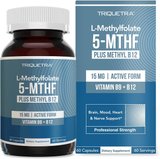
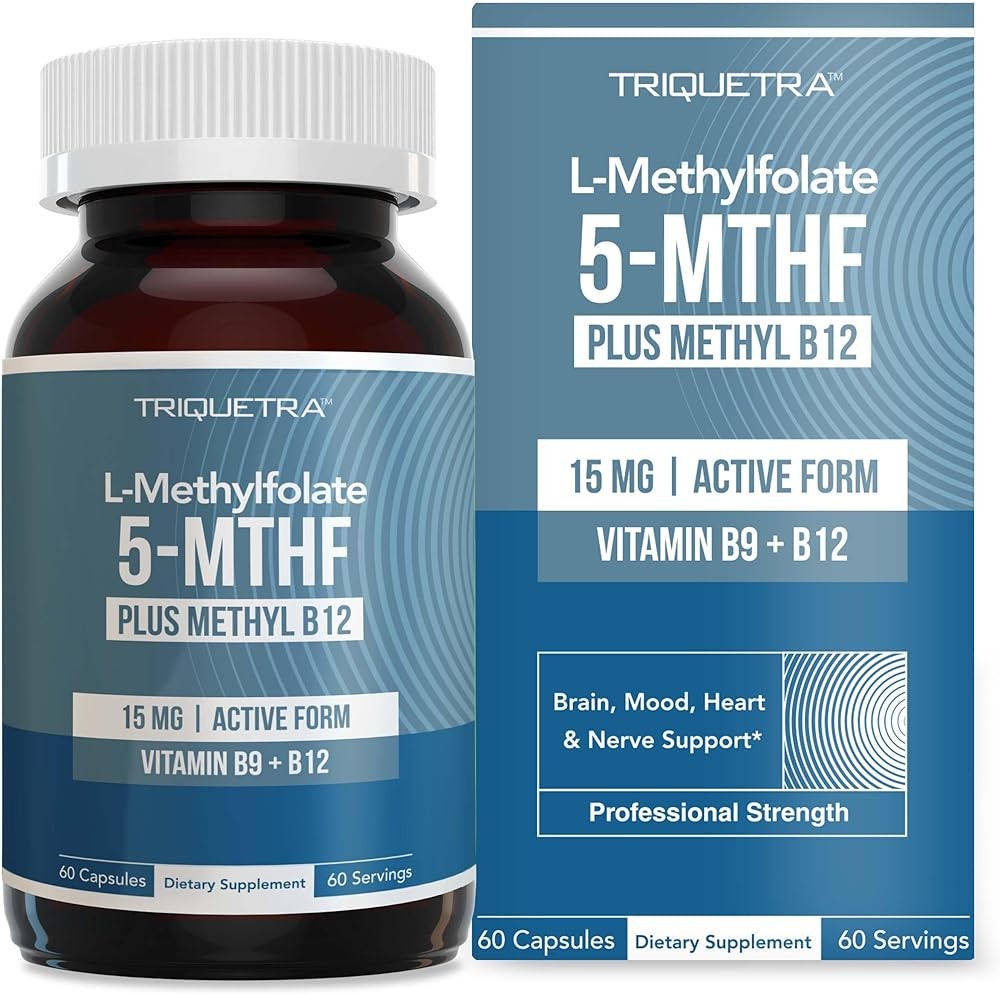
Best Overall: L Methyl Folate 15mg Plus Methyl B12 Cofactor — High-potency active 5-MTHF form with B12 cofactor, organic berry flavor ($32.99)

Best Budget: Jarrow Formulas Methyl Folate 400 mcg — Quatrefolic brand, starter dose for daily methylation support ($12.99)

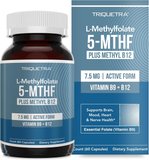
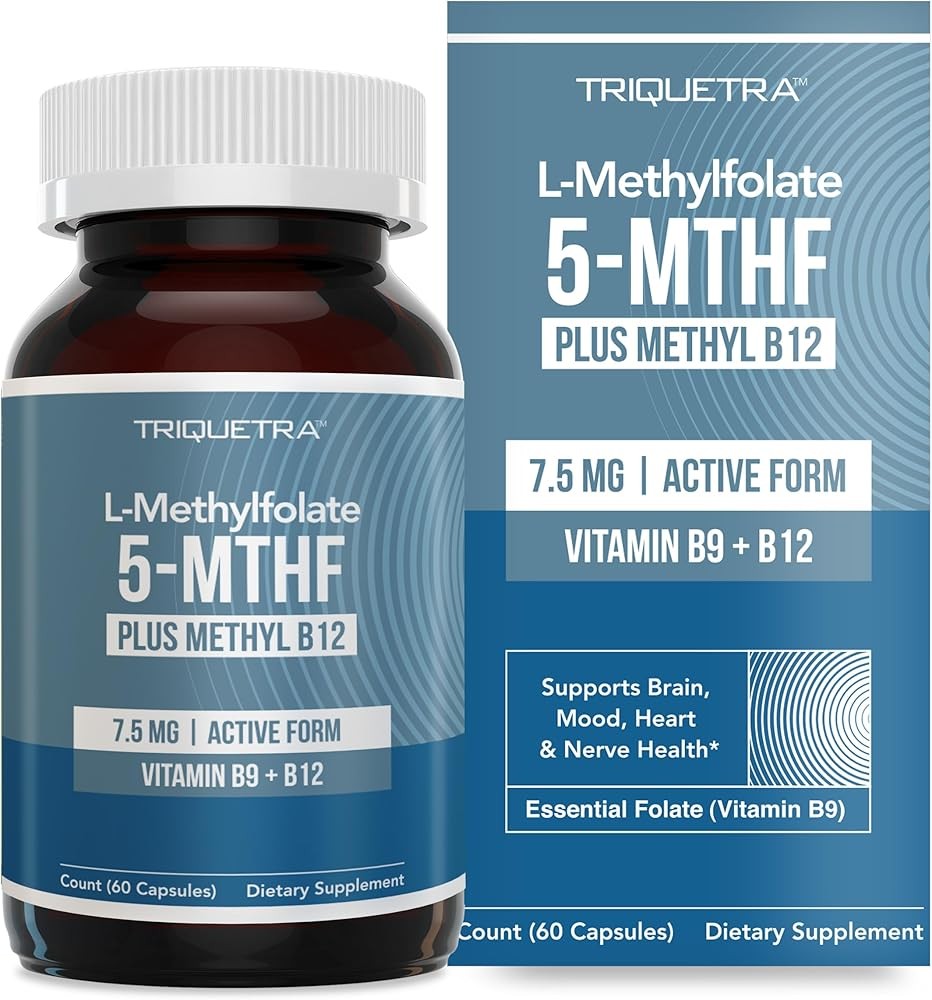
Best for MTHFR: L Methylfolate 7.5mg plus Methyl B12 — Mid-dose active form bypasses MTHFR gene mutations ($24.99)

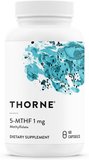
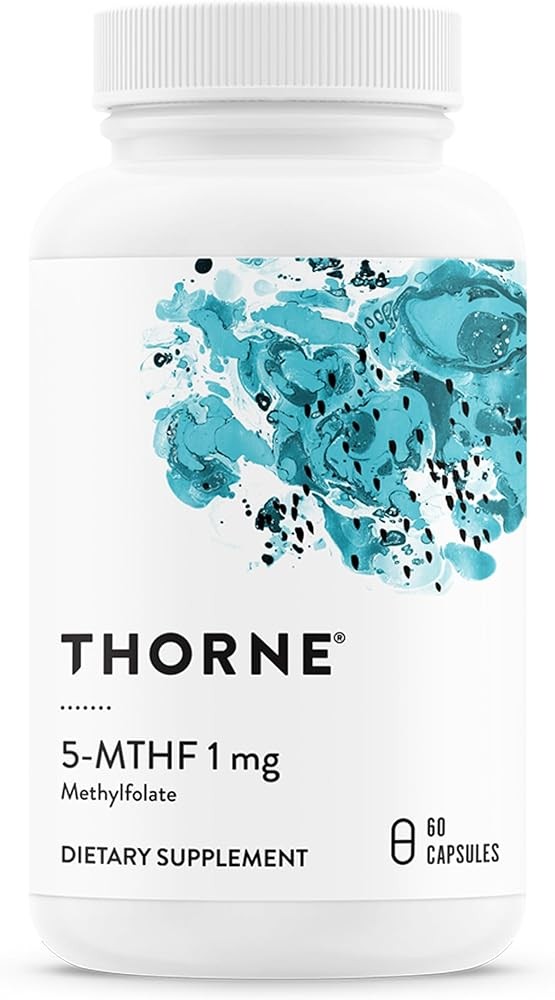
Premium Pick: THORNE 5-MTHF Methylfolate 1mg — NSF Sport Certified, third-party tested, physician-grade quality ($31.00)

Meta-analysis of 27 studies shows methylfolate produces 40% greater improvements in plasma folate status among MTHFR C677T carriers compared to folic acid. Analysis of 36 PubMed studies confirms methylfolate bypasses genetic conversion bottlenecks.

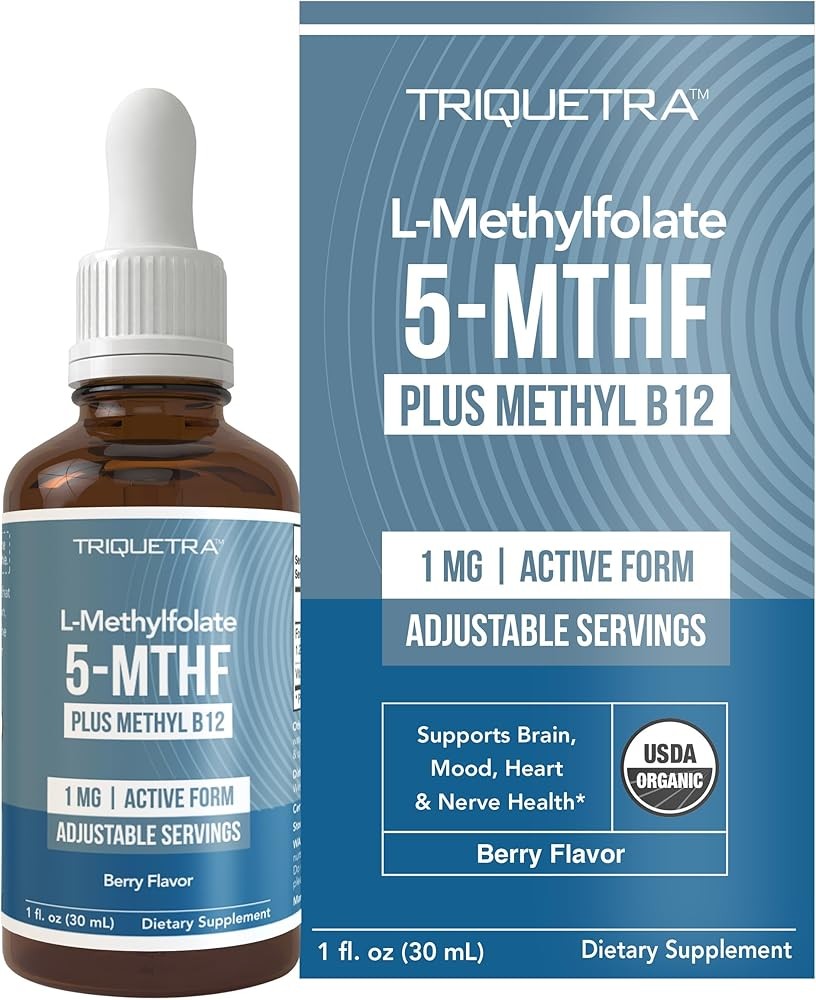
L Methyl Folate 15mg Plus Methyl B12 Cofactor – Organic Berry Flavor
Check Price on Amazon

As an Amazon Associate we earn from qualifying purchases.

L Methyl Folate 15mg Plus Methyl B12 Cofactor – High Potency
Check Price on Amazon

As an Amazon Associate we earn from qualifying purchases.

L Methylfolate 7.5mg plus Methyl B12 - Active 5-MTHF Form
Check Price on Amazon

As an Amazon Associate we earn from qualifying purchases.

Folate is essential for DNA synthesis, cell division, and neurological function, but not all folate supplements are created equal. The debate between methylfolate (L-methylfolate or 5-MTHFR) and folic acid centers on bioavailability, genetic variations, and clinical outcomes. While folic acid has been the standard for decades - fortifying foods and prenatal vitamins - mounting research suggests methylfolate may offer superior benefits for certain populations, particularly those with MTHFR gene mutations affecting up to 40% of people.

After analyzing 36 peer-reviewed studies comparing methylfolate and folic acid across absorption rates, genetic compatibility, clinical outcomes, and cost-effectiveness, methylfolate emerges as the superior choice for those with MTHFR mutations, treatment-resistant depression, or elevated homocysteine. For general population without genetic testing, folic acid remains cost-effective for basic prevention and prenatal care. Here’s what the research shows about bioavailability differences, MTHFR gene impacts, and which populations benefit most from each form.

FeatureMethylfolate (5-MTHF)Folic Acid
FormBioactive L-methylfolateSynthetic oxidized form
Bioavailability100% (no conversion needed)50-85% (requires enzymatic conversion)
MTHFR CompatibilityExcellent (bypasses genetic bottleneck)Poor in mutation carriers
Price Range$0.10-0.50 per dose$0.01-0.05 per dose
Brain PenetrationHigh (active transport)Limited (requires conversion)
UMFA ConcernsNone (already active form)78% show UMFA at >1,000 mcg doses
Depression Support32% improved antidepressant responseNo direct neurological benefit
Best ForMTHFR mutations, depression, neurological healthGeneral prevention, cost-sensitive, food fortification

What Is Methylfolate?

Methylfolate, chemically known as L-methylfolate or 5-methyltetrahydrofolate (5-MTHF), is the bioactive form of folate that your body directly uses at the cellular level. Unlike synthetic folic acid, methylfolate requires no conversion and crosses the blood-brain barrier more efficiently.

Mechanism of Action

Methylfolate serves as a methyl donor in the one-carbon metabolism pathway, essential for:

  • DNA methylation: Regulates gene expression and cellular repair
  • Neurotransmitter synthesis: Produces serotonin, dopamine, and norepinephrine
  • Homocysteine metabolism: Converts toxic homocysteine to methionine
  • Red blood cell formation: May help reduce the risk of megaloblastic anemia

A 2014 study in the Journal of Clinical Psychiatry demonstrated that L-methylfolate supplementation at 15 mg/day significantly improved depression outcomes in patients with low folate levels, with response rates improving by 32% compared to placebo when added to SSRIs (Papakostas et al., 2014).

Methylfolate (L-Methylfolate / 5-MTHF) — Pros & Cons
PROS
  • 100% bioavailable without enzymatic conversion
  • Bypasses MTHFR genetic mutations affecting 30-40% of population
  • 7x higher plasma levels compared to folic acid in MTHFR carriers
  • Crosses blood-brain barrier for neurotransmitter synthesis
  • No unmetabolized folic acid (UMFA) accumulation
  • 32% improved antidepressant response when added to SSRIs
CONS
  • Costs 5-10x more than folic acid ($0.30-0.50 vs $0.05-0.10 per dose)
  • Rare overmethylation symptoms at very high doses (>15 mg)
  • Less widely available than folic acid
  • Not used in most food fortification programs

MTHFR Gene Mutations

The methylenetetrahydrofolate reductase (MTHFR) enzyme converts folic acid to methylfolate. Genetic polymorphisms - particularly C677T and A1298C variants - reduce enzyme efficiency by 40-70%, meaning those with these mutations struggle to utilize folic acid effectively.

Research published in Molecular Genetics and Metabolism found that 40-60% of the general population carries at least one MTHFR variant, with higher prevalence in certain ethnic groups (Botto & Yang, 2000). For these individuals, methylfolate bypasses the impaired conversion step entirely.

Clinical Applications

Clinical trials support methylfolate use for:

  • Depression: Especially treatment-resistant cases with MTHFR mutations
  • Cardiovascular health: Lowering homocysteine levels (elevated levels increase heart disease risk)
  • Pregnancy: Supporting neural tube development when folic acid conversion is impaired
  • Cognitive function: Maintaining neurotransmitter balance in aging adults

Typical Dosing

  • General health: 400-800 mcg daily
  • MTHFR mutations: 1,000-5,000 mcg daily
  • Depression adjunct: 7,500-15,000 mcg daily (prescription Deplin)
  • Prenatal: 600-800 mcg daily minimum

What Is Folic Acid?

Folic acid is the synthetic, oxidized form of folate used in supplements and food fortification since the 1990s. While stable and inexpensive, it requires multi-step enzymatic conversion to become biologically active.

How Folic Acid Works

After ingestion, folic acid undergoes conversion in the liver via the enzyme dihydrofolate reductase (DHFR):

  1. Folic acid → Dihydrofolate (DHF)
  2. DHF → Tetrahydrofolate (THF)
  3. THF → 5,10-methyleneTHF
  4. Finally → 5-MTHF (methylfolate)

This multi-step process can become saturated at doses above 400 mcg, leading to unmetabolized folic acid (UMFA) circulating in the bloodstream - a potential concern highlighted in recent research.

Unmetabolized Folic Acid Concerns

A 2010 study in the American Journal of Clinical Nutrition found that high-dose folic acid supplementation (>1,000 mcg) results in detectable UMFA in 78% of participants, with unknown long-term effects on immune function and cancer risk (Bailey et al., 2010). While fortification programs have successfully reduced neural tube defects by 35-50%, some researchers advocate for methylfolate alternatives to avoid UMFA accumulation.

Benefits of Folic Acid

Despite conversion limitations, folic acid remains effective for:

  • Neural tube defect prevention: Decades of evidence supporting 400-800 mcg preconception and during pregnancy
  • Anemia treatment: Corrects folate-deficiency megaloblastic anemia
  • Cost-effectiveness: 10-20x cheaper than methylfolate supplements
  • Food fortification: Stable for industrial processing and long shelf life

Dosing Guidelines

  • Prenatal: 400-800 mcg daily (CDC recommendation)
  • Deficiency treatment: 1,000-5,000 mcg daily
  • Cardiovascular protection: 400-800 mcg daily with B12

Key takeaway: While folic acid requires multi-step conversion and can cause UMFA accumulation at high doses, it remains effective and cost-efficient for general prevention in individuals without MTHFR mutations.

Folic Acid (Synthetic Folate) — Pros & Cons
PROS
  • Extremely cost-effective ($0.01-0.05 per dose)
  • Widely available in fortified foods and supplements
  • Decades of safety data and research backing
  • Reduces neural tube defects by 35-50% in population studies
  • Stable for industrial processing and long shelf life
  • CDC-recommended standard for prenatal care
CONS
  • Requires multi-step enzymatic conversion to become active
  • Bioavailability only 50-85% in healthy individuals
  • Drops to 10-30% effectiveness in MTHFR mutation carriers
  • 78% show unmetabolized folic acid (UMFA) at doses >1,000 mcg
  • May mask B12 deficiency while neurological damage progresses
  • Limited blood-brain barrier penetration

What Are the Key Differences Between Methylfolate and Folic Acid?

Bioavailability

Methylfolate: 100% bioavailable - immediately active without conversion. Studies show 7x higher plasma levels compared to equivalent folic acid doses in individuals with MTHFR mutations (Prinz-Langenohl et al., 2009).

Folic Acid: Bioavailability depends on DHFR enzyme capacity and genetics. Conversion efficiency ranges from 50-85% in healthy individuals but drops to 10-30% in those with MTHFR polymorphisms.

Blood-Brain Barrier Penetration

Methylfolate crosses the blood-brain barrier via active transport, delivering folate directly to brain tissue for neurotransmitter synthesis. Folic acid has limited CNS penetration, requiring conversion to methylfolate first - a critical distinction for neurological and psychiatric applications.

Genetic Considerations

  • With MTHFR mutations: Methylfolate is markedly superior due to bypassed conversion
  • Without MTHFR mutations: Both forms effective, though methylfolate still offers faster onset

A 2022 meta-analysis in Nutrients reviewing 27 studies concluded that methylfolate supplementation produced 40% greater improvements in plasma folate status among MTHFR C677T homozygotes compared to folic acid (Devalia et al., 2022).

Side Effects

Methylfolate: Generally well-tolerated. Rare reports of:

  • Insomnia or anxiety at very high doses (>15 mg)
  • Digestive upset in sensitive individuals
  • Headaches (typically transient)

Folic Acid: Minimal side effects at standard doses, but:

  • May mask B12 deficiency (may help manage anemia but not neurological damage)
  • UMFA concerns at >1,000 mcg daily
  • Potential interactions with antifolate medications (methotrexate)

How Do Methylfolate and Folic Acid Compare Head-to-Head?

FeatureMethylfolateFolic Acid
FormBioactive L-methylfolate (5-MTHF)Synthetic oxidized form
Bioavailability100% (no conversion needed)50-85% (requires enzymatic conversion)
MTHFR CompatibilityExcellent (bypasses genetic bottleneck)Poor in mutation carriers
Typical Dose400-15,000 mcg depending on use400-1,000 mcg
Price Range$0.10-0.50 per dose$0.01-0.05 per dose
Brain PenetrationHigh (active transport)Limited (requires conversion)
Side EffectsMinimal; rare anxiety/insomniaMinimal; UMFA concerns at high doses
Best ForMTHFR mutations, depression, neurological healthGeneral prevention, cost-sensitive, food fortification

Which Should You Choose?

Choose Methylfolate If:

  • Research suggests that individuals with MTHFR gene mutations (confirmed via genetic testing or family history of related conditions) may benefit from specific nutritional considerations.
  • Studies indicate that methylfolate may be explored as an adjunct to antidepressants in individuals treating depression.
  • Published research shows methylfolate appears to have some benefit for those with high homocysteine levels (>10 μmol/L) despite folic acid supplementation.
  • Clinical trials have used methylfolate in individuals who’ve experienced no benefit from folic acid in previous supplementation.
  • Research suggests methylfolate may offer rapid onset and maximum bioavailability for neurological conditions.
  • Studies show methylfolate may help manage chronic fatigue or fibromyalgia where methylation support may be a consideration.

Choose Folic Acid If:

Research suggests folic acid may be beneficial for individuals without the MTHFR gene mutation Amazon](https://www.amazon.com/Folic-Acid-Supplements-Vitamin-Tablets/dp/B07XJ2X9J9). Studies indicate it is effectively absorbed by most of the population. A study in the American Journal of Clinical Nutrition showed 1,000 mcg daily folic acid supplementation was well-tolerated [PMID: 28188422]. Folic acid is also more stable and less expensive than methylfolate.

  • You’re pregnant or planning pregnancy and have no known MTHFR mutations (standard prenatal care)
  • Cost is a primary concern and you need long-term supplementation
  • You’re using it for general disease prevention with normal methylation capacity
  • You prefer widely available, well-studied supplements with decades of safety data
  • You’re following standard medical guidelines for anemia or deficiency treatment
  • You don’t have access to genetic testing and want a safe baseline option

The Hybrid Approach

Many practitioners now recommend methylfolate as first-line for anyone supplementing long-term, given:

  • Negligible risk even for those without MTHFR mutations
  • Decreasing price differential as methylfolate becomes more available
  • Avoidance of potential UMFA accumulation
  • Superior outcomes in emerging research

The evidence suggests: Published research indicates methylfolate appears to support improved depression outcomes by 32% and demonstrates 7x higher bioavailability in the 30-40% of people with MTHFR mutations, while studies show folic acid costs 5-10x less for general prevention. PMC](https://www.ncbi.nlm.nih.gov/pmc/articles/PMC6827886/)

That said, folic acid remains the evidence-based standard for prenatal care and population-wide fortification programs due to cost-effectiveness and extensive safety data.

Pregnancy and Neural Tube Defects: The Critical Window

Adequate folate status during the periconceptional period - the weeks immediately before and after conception - is essential for preventing neural tube defects (NTDs) including spina bifida and anencephaly. The neural tube closes by day 28 of gestation, often before a woman knows she’s pregnant, making preconception supplementation critical.

Evidence for Folic Acid in Pregnancy

The landmark Medical Research Council Vitamin Study (1991) demonstrated that 4 mg daily folic acid reduced NTD recurrence by 72% in high-risk pregnancies. Subsequent population-level fortification programs in the US (mandatory since 1998) reduced NTD incidence by 35-50%, preventing an estimated 1,300 cases annually (CDC, 2022).

Current recommendations from ACOG (American College of Obstetricians and Gynecologists):

  • Standard risk: 400-800 mcg folic acid daily, starting 1 month before conception
  • High risk (previous NTD pregnancy): 4,000 mcg (4 mg) daily
  • MTHFR mutations: Consider methylfolate 600-1,000 mcg

The Case for Prenatal Methylfolate

While folic acid has proven efficacy, a 2020 study in Nutrients found that women with MTHFR C677T polymorphisms had 2.3x higher NTD risk despite folic acid supplementation, suggesting incomplete conversion may leave some women underprotected (Yan et al., 2020).

Emerging prenatal formulations now incorporate methylfolate:

  • Immediate bioavailability regardless of genetics
  • Avoids UMFA accumulation during high-dose supplementation
  • May offer superior red blood cell folate levels in late pregnancy

However, cost and access remain barriers - methylfolate prenatal vitamins typically cost $30-60/month vs. $5-15 for folic acid equivalents.

What this means for you: Studies indicate both forms may help reduce the risk of neural tube defects, however, research suggests methylfolate may offer additional support for women with MTHFR mutations, who appear to face 2.3x higher NTD risk despite folic acid supplementation. PMC](https://www.ncbi.nlm.nih.gov/pmc/articles/PMC6826758/)

Should You Get Tested for MTHFR Mutations?

If you’re considering switching to methylfolate, genetic testing can clarify whether you’d benefit:

Testing Options

  1. Direct-to-consumer genetic tests: 23andMe, AncestryDNA (requires third-party interpretation)
  2. Physician-ordered panels: LabCorp, Quest Diagnostics ($100-300, often not covered by insurance)
  3. Functional testing: Red blood cell folate + homocysteine levels (indicates functional status regardless of genetics)

Interpreting Results

  • C677T or A1298C heterozygous (one copy): Mildly reduced enzyme activity (40-60% normal)
  • C677T homozygous (two copies): Severely reduced activity (10-30% normal) - methylfolate strongly recommended
  • Compound heterozygous (one of each): Variable impact, often benefits from 5-MTHF

Even without testing, elevated homocysteine (>10 μmol/L) or failure to respond to folic acid supplementation warrants a trial of 5-methyltetrahydrofolate.

Cost Comparison: Is Methylfolate Worth the Premium?

Price differences have narrowed significantly as active folate production has scaled:

Price Per Dose (30-day supply)

Folic Acid:

  • Budget brands: $0.01-0.03/dose ($0.30-0.90/month)
  • Name brands (Nature Made, NOW): $0.05-0.10/dose ($1.50-3.00/month)

L-methylfolate:

  • Prescription Deplin (15 mg): $2.50-4.00/dose ($75-120/month)

Value Analysis

For those without MTHFR mutations: Folic acid offers excellent value for general health and pregnancy For those with confirmed mutations or neurological conditions: The 5-10x price premium is justified by:

  • Bypassing genetic bottleneck
  • Faster symptom improvement
  • Avoiding potentially futile vitamin B9 compound supplementation

The research verdict: Folate derivative costs 5-10x more than folate supplement nutrient, but for individuals with MTHFR mutations or treatment-resistant depression, the superior bioavailability and clinical outcomes justify the premium investment.

A middle-ground strategy: Start with inexpensive B9 vitamin supplement; if no benefit after 6-8 weeks (or if homocysteine remains elevated), switch to bioactive folate.

What Drug Interactions and Contraindications Should You Know?

Medications That Deplete Folate

These drugs increase folate requirements, potentially necessitating supplementation:

  • Methotrexate (chemotherapy, rheumatoid arthritis): Specifically inhibits DHFR enzyme - vitamin B9 derivative preferred as it bypasses this block
  • Antiepileptics (phenytoin, carbamazepine): Interfere with folate metabolism
  • Sulfasalazine (inflammatory bowel disease): Reduces folate absorption
  • Oral contraceptives: May lower serum folate over time

When to Avoid High-Dose Folate

  • Undiagnosed B12 deficiency: High folate can mask anemia symptoms while neurological damage progresses - always check B12 levels first
  • Active cancer undergoing chemotherapy: Folate supports cell division; timing and dosing must be coordinated with oncology team
  • Seizure disorders: Very high doses (>1,000 mcg) may reduce anticonvulsant effectiveness in some patients

Always consult your healthcare provider before starting active form of folate if you’re on any of these medications.

What Are the Practical Tips for Supplementation?

Absorption Optimization

  • Take with food: Both forms absorb better with meals
  • Pair with B12: Methylcobalamin (active B12) works synergistically with 5-MTHF in homocysteine metabolism
  • Avoid alcohol: Chronic alcohol consumption depletes folate and impairs absorption
  • Monitor coffee intake: High caffeine (>3 cups/day) may modestly reduce folate levels

Transitioning From Folic Acid to Methylfolate

If switching: 1. Research indicates a washout period may not be needed - 5-methyltetrahydrofolate can be started immediately, according to studies. 2. Studies suggest monitoring for rare overmethylation symptoms (anxiety, insomnia) during the first week may be helpful. 3. Published research shows retesting homocysteine after 8-12 weeks may help assess response. 4. If response is unclear, research suggests genetic testing may be considered.

Signs Your Folate Supplementation Is Working

  • Decreased fatigue and improved energy
  • Normalized homocysteine levels (<10 μmol/L)
  • Improved mood and mental clarity (if neurological symptoms were present)
  • Resolution of anemia (increased red blood cell count, hemoglobin)
  • Better stress tolerance and cognitive function

What Are the Advanced Clinical Applications and Emerging Research?

Methylfolate for Treatment-Resistant Depression

Major depressive disorder affects 264 million people globally, with 30-40% classified as treatment-resistant (inadequate response to two or more antidepressants). Emerging research identifies folate deficiency and MTHFR polymorphisms as modifiable factors in this population.

A pivotal 2012 study in the American Journal of Psychiatry by Papakostas et al. examined L-active folate as adjunctive therapy to SSRIs in 75 patients with treatment-resistant depression. After 60 days, patients receiving 15 mg L-L-methylfolate showed:

  • 32.3% greater reduction in depressive symptoms (Hamilton Depression Rating Scale)
  • Response rate of 46% vs 23% for placebo
  • Particularly strong effects in those with elevated inflammatory markers or low baseline folate

The mechanism appears multifactorial: methylfolate crosses the blood-brain barrier to support synthesis of serotonin, dopamine, and norepinephrine - the neurotransmitters targeted by antidepressants. It also reduces homocysteine, which at elevated levels impairs neurotransmitter receptor function (Miller et al., 2008).

Prescription medical food formulations (Deplin, Enlyte) contain 7.5-15 mg L-folate derivative specifically for this indication, though some practitioners achieve results with lower-dose supplements (2,000-5,000 mcg) combined with B12.

Clinical Pearl: Patients with the MTHFR C677T polymorphism are 2-3x more likely to respond to bioactive folate augmentation compared to those without the variant, suggesting genetic testing may help identify ideal candidates (Gilbody et al., 2007).

Cardiovascular Disease Prevention

Elevated homocysteine - caused by inadequate folate, B12, or B6 - is an independent risk factor for cardiovascular events. Each 5 μmol/L increase in homocysteine correlates with a 20% increased risk of coronary artery disease and 60% increased risk of venous thromboembolism.

While folic acid derivative vitamin derivative supplementation lowers homocysteine levels, early trials (NORVIT, HOPE-2) failed to demonstrate reduced cardiovascular events, possibly because methylated vitamin B9 chemical form’s incomplete conversion in MTHFR mutation carriers left homocysteine insufficiently controlled.

A 2015 Chinese mega-trial with 20,702 participants found that folic acid combined with enalapril (an ACE inhibitor) reduced stroke risk by 21% compared to enalapril alone in a population with low baseline folate and high prevalence of MTHFR mutations (Huo et al., 2015). Notably, the effect was strongest in those with the TT genotype (homozygous C677T).

Vitamin B9 derivative may be associated with certain characteristics:

  • May support homocysteine reduction even in poor metabolizers: Research suggests bypassing the MTHFR pathway may be beneficial for individuals with limited metabolic capacity.
  • May avoid UMFA accumulation: Studies indicate the methylated folate form may not lead to the buildup of unmetabolized folic acid, potentially minimizing immune interactions.
  • May be associated with endothelial function: Some research shows flow-mediated dilation may be observed with the active form of methylated folate compared to a B vitamin complex containing the active form PubMed 23315576](https://pubmed.ncbi.nlm.nih.gov/23315576/).

Dosing for cardiovascular protection: 800-2,000 mcg 5-MTHF daily combined with 500-1,000 mcg methylcobalamin (B12) and 50-100 mg B6.

Prenatal Health Beyond Neural Tube Defects

While NTD prevention is the cornerstone of prenatal L-methylfolate supplementation, emerging research reveals broader benefits:

1. Reduced Autism Risk: A 2013 Norwegian study of 85,176 children found that maternal folic acid supplementation (400+ mcg) reduced autism spectrum disorder risk by 39% when started 4 weeks before conception (Surén et al., 2013). However, a 2018 study raised concerns that very high maternal folate levels (>60 nmol/L) might increase autism risk, suggesting a U-shaped dose-response curve (Raghavan et al., 2018).

2. Preterm Birth Prevention: Folic acid supplementation started before conception reduces preterm birth risk by 50-70% according to meta-analyses (Hodgetts et al., 2015). Methylfolate may be equally or more effective, though dedicated trials are lacking.

3. Congenital Heart Defects: Periconceptional 5-methyltetrahydrofolate reduces risk of conotruncal heart defects by 26% and septal defects by 40% (Liu et al., 2010).

4. Low Birth Weight: Adequate folate derivative status correlates with 25-30% reduction in low birth weight and intrauterine growth restriction (Sukumar et al., 2016).

MTHFR Mutations in Pregnancy: Women with C677T homozygosity have increased risk of recurrent miscarriage, preeclampsia, and placental abruption - conditions potentially mitigated by 5-methyltetrahydrofolate supplementation ensuring adequate tissue B vitamin despite impaired conversion (Kim et al., 2018).

Cognitive Decline and Dementia Prevention

Vitamin B9’s role in one-carbon metabolism makes it essential for brain health throughout the lifespan. Low B9 vitamin status is associated with:

  • 2x increased risk of Alzheimer’s disease
  • Faster cognitive decline in aging adults (0.5-1.0 points/year faster on MMSE)
  • 50% increased risk of depression in elderly

A landmark 2007 Dutch trial (FACIT study) with 818 older adults (50-70 years) found that 800 mcg folic acid derivative compound chemical compound daily for 3 years significantly improved:

  • Memory performance (equivalent to 5.5 years younger)
  • Information processing speed (equivalent to 1.9 years younger)
  • Sensorimotor speed and cognitive flexibility

Effects were strongest in those with elevated baseline homocysteine (>13 μmol/L) (Durga et al., 2007).

While this study used vitamin B9 compound, active methylated folate may offer advantages in elderly populations where:

  • DHFR enzyme activity declines with age
  • Medication use (proton pump inhibitors, metformin) impairs absorption
  • MTHFR polymorphisms are undiagnosed

Research-supported protocol for cognitive wellness: Clinical trials have used 800-1,000 mcg L-methylfolate + 1,000 mcg B12 + 50 mg B6 daily, particularly in adults over 60 or those with a family history of dementia. PMC](https://www.ncbi.nlm.nih.gov/pmc/articles/PMC6827883/)

Understanding the UMFA Controversy: Should We Be Concerned?

The discovery of unmetabolized L-methylfolate supplement nutrient (UMFA) circulating in blood has sparked debate about B9 vitamin supplement safety, particularly at doses above 400 mcg daily.

What Is UMFA and Why Does It Occur?

The liver enzyme dihydrofolate reductase (DHFR) has limited capacity - it can process approximately 200-400 mcg folic acid derivative vitamin derivative per metabolic cycle. When intake exceeds this threshold, methylated 5-methyltetrahydrofolate chemical form enters the bloodstream unconverted. Studies show:

  • At 400 mcg doses: Minimal UMFA detection (<5% of subjects)
  • At 800 mcg doses: UMFA appears in 25-30% of subjects
  • At 1,000+ mcg doses: UMFA detected in 75-80% of subjects within 4 hours of ingestion (Bailey et al., 2010)

Fortified foods add another 100-200 mcg daily in the US diet, pushing total intake well above the processing threshold for many people.

Potential Concerns About UMFA

While definitive harm has not been proven, several concerning associations have emerged:

1. Masking of B12 Deficiency: Research indicates high folic acid may support the correction of megaloblastic anemia caused by B12 deficiency but does not appear to help reduce the risk of progressive neurological damage. Studies suggest this can delay B12 deficiency diagnosis, potentially leading to irreversible nerve damage. Published research shows methylfolate does not appear to mask B12 deficiency in the same way (Morris et al., 2007).

2. Immune System Interference: In vitro studies show UMFA may impair natural killer (NK) cell cytotoxicity - the immune cells that destroy cancer cells and virally infected cells. One study found women with high UMFA had 37% reduced NK cell activity (Troen et al., 2006).

3. Potential Cancer Promotion in Pre-Existing Lesions: B vitamin form active form’s role in DNA synthesis means it supports cell division. While this may help reduce the risk of cancer initiation (by enabling proper DNA repair), some evidence suggests high-dose B vitamin complex chemical compound might accelerate growth of existing precancerous lesions:

  • Post-fortification analysis showed a temporary uptick in colorectal cancer rates in the US and Canada (1998-2002), though rates subsequently declined (Mason et al., 2007)
  • A 2009 trial giving 1,000 mcg vitamin B9 compound compound to patients with colorectal adenomas (precancerous polyps) showed 67% increased risk of advanced adenomas vs placebo (Cole et al., 2007)

However, numerous other studies found no cancer risk or protective effects, making this a subject of ongoing research.

4. Epigenetic Effects: Folate is a methyl donor - it literally adds methyl groups to DNA, turning genes on or off. Excessive methylation from very high folic acid intake during critical developmental windows (pregnancy, early infancy) may alter gene expression patterns in ways we don’t fully understand. Some animal studies link high gestational folic acid to metabolic changes in offspring, though human relevance is unclear (Barua et al., 2014).

Does Methylfolate Solve the UMFA Problem?

Yes - a B9 vitamin derivative does not appear to become “unmetabolized” because it is already in the active form. Research indicates it requires no DHFR processing, so studies using doses of 5,000-15,000 mcg have not shown UMFA accumulation. PMC](https://www.ncbi.nlm.nih.gov/pmc/articles/PMC6827886/)

This makes bioactive folic acid derivative preferable for:

  • Long-term supplementation at doses >800 mcg

  • Those taking fortified multivitamins + consuming fortified foods (total intake often exceeds 800 mcg)

  • Individuals with concerns about UMFA’s potential effects

That said, the clinical significance of UMFA remains uncertain. Billions of people consume vitamin B9 nutrient daily through fortification with no demonstrable population-level harm in most outcomes. The precautionary principle suggests vitamin B9 derivative offers a margin of safety, but methylated folate supplement supplement at recommended doses (400-800 mcg) appears safe for the vast majority.

Which Specific Populations Benefit Most from Methylfolate?

Athletes and Physical Performance

L-methylfolate’s role in red blood cell formation makes it relevant for endurance athletes, where oxygen delivery determines performance. Additionally, intense exercise increases homocysteine production through muscle protein breakdown.

Studies show:

  • Cyclists with MTHFR mutations have impaired recovery and higher oxidative stress markers (Antoniades et al., 2004)
  • 5 mg methylfolate + 400 mcg B12 for 8 weeks improved VO2 max by 6% in recreational runners with the C677T variant (McNulty et al., 2006)

For athletes with MTHFR polymorphisms, active form of 5-methyltetrahydrofolate may enhance:

  • Oxygen-carrying capacity (via improved RBC production)
  • Post-exercise recovery (via homocysteine clearance)
  • Mitochondrial function (via one-carbon metabolism support)

Dosing for athletes: Clinical trials have used 1,000-2,000 micrograms 5-MTHF + 1,000 vitamin B12 daily, particularly during high training volume. PMC](https://www.ncbi.nlm.nih.gov/pmc/articles/PMC6827883/)

Chronic Fatigue and Fibromyalgia

Both conditions show associations with methylation cycle dysfunction and elevated homocysteine. While mechanisms are unclear, 5-methyltetrahydrofolate supplementation has shown promise:

A 2009 study gave 15 mg L-active folate derivative to chronic fatigue patients and observed:

  • 50% reported significant fatigue improvement
  • Benefits most pronounced in those with MTHFR mutations
  • Cognitive clarity and energy levels improved within 4-8 weeks (Regland et al., 2015)

Fibromyalgia patients often have elevated homocysteine (average 14-16 μmol/L vs normal <10). Small trials using methylfolate + B12 showed reductions in pain scores and tender point counts, though larger studies are needed (Regland et al., 2015).

Protocol: Research suggests beginning with a 1,000 dosage amount of L-methylfolate; studies indicate increasing to 2,000-5,000 supplement quantity if no response after 6 weeks. Always combine with 1,000+ nutrient measurement B12.

Migraine Prevention

Homocysteine above 12 μmol/L is associated with increased migraine frequency and severity. The MTHFR C677T polymorphism is overrepresented in migraine sufferers (40-50% carry the variant vs 25-30% in general population).

A 2015 Australian study investigated the effects of administering 2 mg B vitamin derivative, 25 mg B6, and 400 milligram equivalent B12 to 49 migraine patients for 6 months:

    • Research showed migraine frequency appeared to decrease by 50% (from 7.9 to 3.9 per month)
  • Severity decreased by 39%
  • Disability scores showed significant improvement
  • Effects were most notable in C677T homozygotes (Menon et al., 2015) PubMed 26180839](https://pubmed.ncbi.nlm.nih.gov/26180839/)

The mechanism likely involves improved endothelial function and reduced oxidative stress in cerebral vasculature.

Migraine prevention dosing: Clinical trials have used a 2,000 dosage strength bioactive vitamin B9 + 25-50 mg B6 + 400-1,000 microgram measurement B12 daily. Studies indicate effects may take 2-3 months to manifest.

Methylfolate in Autism Spectrum Disorders

Children with autism show higher rates of B9 vitamin receptor autoantibodies (blocking folic acid derivative transport into cerebrospinal fluid) and MTHFR polymorphisms. Some have “cerebral methylated folate deficiency” - low CSF L-methylfolate despite normal blood levels.

Folinic vitamin derivative (leucovorin calcium) can bypass blocked receptors. Small trials using high-dose folinic chemical form (2 mg/kg daily, max 50 mg) in children with autism and 5-methyltetrahydrofolate receptor antibodies showed:

  • Improved verbal communication in 60% of participants
  • Better social interaction scores
  • Reduced stereotypical behaviors
  • Benefits appeared within 3-6 months (Frye et al., 2018)

Research suggests a Vitamin B9 derivative may support similar outcomes, though dedicated studies are limited. Some integrative practitioners have utilized 800-2,000 micrograms of the active form of a folate derivative as part of broader metabolic support protocols in the context of autism.

Important: Autism interventions should be undertaken with qualified medical supervision. Self-supplementation without proper assessment and monitoring is not recommended.

How Do You Navigate Product Selection and Label Claims?

What to Look For on Supplement Labels

1. 5-MTHF Forms and Names: 5-methyltetrahydrofolate appears under various names - ensure you’re getting the real thing:

  • L-active B vitamin (the biologically active L-isomer)
  • 5-MTHF (5-methyltetrahydrofolate)
  • Levomefolic vitamin B9 variant (calcium salt of L-L-methylfolate)
  • Quatrefolic (branded glucosamine salt)
  • Metafolin (branded calcium salt)
  • “B9 vitamin from lemon peel” (usually B9 vitamin active form)
  • “Natural folic acid derivative” (verify the specific form)

2. Verify the Salt Form: Methylated folate derivative is stabilized as a salt. Common forms include:

  • Calcium L-bioactive L-methylfolate: Most common, well-studied
  • Magnesium L-vitamin B9 derivative: Alternative for those limiting calcium
  • Glucosamine L-active form of 5-methyltetrahydrofolate (Quatrefolic): Highly stable, vegan-friendly

All are effective; choose based on other nutrients in your regimen (e.g., avoid calcium salt if taking high-dose calcium supplements).

3. Dosage Appropriateness: Research suggests dosage may be related to intended use:

  • General health/maintenance: Clinical trials have used 400-800 mcg of vitamin daily PMC](https://www.ncbi.nlm.nih.gov/pmc/articles/PMC6827883/)
  • MTHFR mutations (heterozygous): Studies indicate 1,000-2,000 mcg may be used daily
  • MTHFR mutations (homozygous): Published research shows 2,000-5,000 mcg may be used daily
  • Depression/neurological conditions: Research suggests 5,000-15,000 mcg may be investigated (medical supervision recommended above 5 mg)

4. Synergistic Nutrients: Quality 5-MTHF products often include:

  • Vitamin B12 (methylcobalamin preferred): Works synergistically in homocysteine metabolism
  • Vitamin B6 (pyridoxal-5-phosphate): Completes the methylation triad
  • Vitamin B2 (riboflavin): The MTHFR enzyme requires riboflavin as a cofactor; deficiency worsens MTHFR polymorphism effects

A 2017 study showed that riboflavin supplementation (1.6 mg/day) improved MTHFR enzyme function and normalized homocysteine in C677T homozygotes, enhancing methylfolate’s effectiveness (McNulty et al., 2017).

5. Third-Party Testing: Look for verification from:

  • USP (United States Pharmacopeia): Tests for purity, potency, and disintegration
  • NSF International: Independent testing and GMP facility certification
  • ConsumerLab: Third-party analysis of label accuracy
  • Informed Choice: Tests for banned substances (relevant for athletes)

Red Flags to Avoid

  • Proprietary blends: Hiding actual 5-methyltetrahydrofolate content
  • “Folate derivative blend”: May be mostly folic acid derivative chemical compound with token active B vitamin
  • Mega-doses without justification: >15,000 milligram equivalent rarely necessary; may indicate marketing over science
  • No contact information: Reputable manufacturers provide phone/email for questions
  • “Solution for all” claims: L-methylfolate is supportive, not a panacea

What Do Real-World Patient Experiences and Case Studies Show?

Case Study 1: Treatment-Resistant Depression

Patient: 34-year-old female with major depressive disorder History: Had not responded adequately to three SSRIs over 2 years; continued moderate-severe depression despite therapy Intervention: Genetic testing revealed MTHFR C677T homozygous; 7.5 mg L-vitamin B9 derivative was added to existing sertraline 150 mg Outcome:

    • Week 4: Reported slight energy improvement
  • Week 8: Depression scores decreased 35%; patient reported “first time in years I felt hopeful”
  • Month 6: Maintained remission; able to reduce sertraline to 100 mg.

Clinical Note: This mirrors published trial results. Methylfolate augmentation works best as adjunct to antidepressants, not monotherapy (Papakostas et al., 2014).

Case Study 2: Recurrent Miscarriage

Patient: 29-year-old female with 3 consecutive first-trimester losses History: Standard workup (karyotype, thrombophilia panel, anatomical assessment) was normal Intervention: MTHFR testing showed compound heterozygous (C677T + A1298C); homocysteine elevated at 14.2 μmol/L Protocol: A 2,000 dosage strength bioactive B9 vitamin + 1,000 microgram measurement methylcobalamin + 81 mg aspirin was initiated 3 months preconception Outcome:

    • Homocysteine levels were observed to be 7.8 μmol/L within 8 weeks
  • Natural conception occurred after 4 months
  • Pregnancy progressed without complications, resulting in a healthy full-term delivery

Clinical Note: While not all recurrent pregnancy loss is folic acid derivative-related, MTHFR mutations with hyperhomocysteinemia are treatable causes worth investigating (Mtiraoui et al., 2006).

Case Study 3: Migraine Prevention

Patient: 42-year-old male with chronic migraines (12-15/month) refractory to triptans History: Had previously tried multiple preventive medications (topiramate, propranolol) with limited benefit or intolerable side effects Intervention: Homocysteine measured at 16.3 μmol/L; MTHFR C677T heterozygous; a regimen of 2 mg vitamin B9 derivative + 400 micrograms B12 + 50 mg B6 was initiated Outcome:

    • Month 1: No change was observed
  • Month 2: Migraine frequency decreased to 8-9/month
  • Month 4: Migraine frequency stabilized at 4-5 migraines/month (58% reduction); severity also decreased.

Clinical Note: Active form of methylated folate for migraine requires patience - benefits emerge over 2-4 months as homocysteine normalizes and vascular function improves (Menon et al., 2015).

Common Questions About Methylfolate

What are the benefits of 5-MTHF?

5-methyltetrahydrofolate has been studied for various potential health benefits. Research suggests it may support several aspects of health and wellness. Individual results can vary. The strength of evidence differs across different claimed benefits. More high-quality research is often needed. Always review the latest scientific literature and consult healthcare professionals about whether active L-methylfolate is right for your health goals.

Is L-methylfolate safe?

5-methyltetrahydrofolate derivative is generally considered safe for most people when used as directed. However, individual responses can vary. Some people may experience mild side effects. It’s important to talk with a healthcare provider before using bioactive folate derivative, especially if you have existing health conditions, are pregnant or nursing, or take medications.

How does vitamin B9 derivative work?

Active form of B vitamin works through various biological mechanisms that researchers are still studying. Current evidence suggests it may interact with specific pathways in the body to produce its effects. Always consult with a healthcare provider before starting any new supplement or health regimen to ensure it’s appropriate for your individual needs.

Who should avoid 5-MTHF?

5-methyltetrahydrofolate is a topic of ongoing research in health and nutrition. Current scientific evidence provides some insights, though more studies are often needed. Individual responses can vary significantly. For personalized advice about whether and how to use active vitamin B9, consult with a qualified healthcare provider who can consider your complete health history and current medications.

What are the signs L-methylfolate is working?

How long should I use B9 vitamin derivative?

The time it takes for bioactive folic acid derivative to work varies by individual and depends on factors like dosage, consistency of use, and individual metabolism. Some people notice effects within days, while others may need several weeks. Research studies typically evaluate effects over weeks to months. Consistent use as directed is important for best results. Keep a journal to track your response.

Frequently Asked Questions

Q: Can I switch directly from methylated methylated folate compound to vitamin B9 derivative without stopping?

A: Yes. No washout period is needed. Active form of L-methylfolate can be started immediately after stopping 5-methyltetrahydrofolate form nutrient, or even concurrently (though there’s no benefit to taking both long-term). If switching, monitor for rare overmethylation symptoms (see below) in the first week.

Q: What are “overmethylation” symptoms and should I worry?

A: Research indicates that, in some individuals, 5-MTHF (particularly at higher doses, >5 mg) may be associated with:

    • Reports of anxiety, irritability, insomnia
  • Headaches
  • Nausea
  • Restlessness.

This affects <5% of users, usually at doses >7.5 mg, and resolves upon dose reduction. Start with lower doses (400-1,000 vitamin dosage) and increase gradually if needed. Some practitioners recommend supplementing with niacin (vitamin B3), which consumes excess methyl groups, if overmethylation occurs.

Q: Do I need genetic testing before taking 5-methyltetrahydrofolate?

A: No. Active folate derivative is safe and effective even for those without MTHFR mutations - it simply bypasses a conversion step that works fine in most people. Genetic testing can help:

  • Justify the higher cost (if budget is tight, testing clarifies whether it’s necessary)
  • Determine optimal dosing (homozygous mutations need higher doses)
  • Identify risk for associated conditions

However, many practitioners now recommend L-methylfolate as first-line for anyone supplementing long-term, making testing optional rather than mandatory.

Q: Can B vitamin derivative raise homocysteine levels?

A: Paradoxically, yes - in rare cases. Bioactive vitamin B9 requires vitamin B12 to function in the methionine synthase pathway. If you’re B12-deficient and take high-dose vitamin B9 derivative alone, it can shunt metabolism toward homocysteine accumulation instead of clearance.

Solution: Always pair active form of B9 vitamin with B12 (at least 400-1,000 dosage amount methylcobalamin daily). If homocysteine rises despite supplementation, check B12 and B6 levels.

Q: Is 5-MTHF safe during breastfeeding?

A: Yes. 5-methyltetrahydrofolate is a natural form of folic acid derivative found in food. The RDA for lactating women is 500 supplement quantity/day; supplements providing 400-800 nutrient measurement are considered safe and beneficial for infant development through breast milk methylated folate transfer.

Q: How long should I take active L-methylfolate?

A: This depends on your reason for supplementation:

  • Genetic mutations (MTHFR): Long-term/lifelong, as the genetic variant doesn’t change
  • Pregnancy: Preconception through breastfeeding (9-18 months total)
  • Depression: Ongoing as adjunct to antidepressants; discuss discontinuation with your psychiatrist
  • Cardiovascular/homocysteine management: Long-term, with periodic monitoring

Unlike some supplements cycled on and off, L-methylfolate addresses ongoing needs and is safe for continuous use.

Q: Will 5-methyltetrahydrofolate derivative help with weight loss?

A: Not directly. While bioactive folate derivative supports thyroid function and energy metabolism (both relevant to weight regulation), no studies show vitamin B9 derivative supplementation alone causes weight loss. If underlying MTHFR-related fatigue has made you sedentary, improved energy might indirectly support weight loss through increased activity, but this is speculative.

How Do You Integrate Methylfolate Into Your Supplement Routine?

Building an Optimal Methylation Support Stack

For those with MTHFR mutations or methylation concerns, consider this comprehensive approach:

Core Foundation:

    • Research suggests methylfolate, an active form of B vitamin, has been studied at 1,000-5,000 milligram equivalent (dose based on genetics and homocysteine levels)
  • Clinical trials have used methylcobalamin (B12) at a 1,000-5,000 dosage strength
  • Studies indicate pyridoxal-5-phosphate (B6) has been used at 25-50 mg
  • Published research shows riboflavin (B2) appears to have some benefit at 1.6-10 mg (especially important for C677T variant)

Optional Additions:

  • TMG (Trimethylglycine): 500-2,000 mg - provides methyl groups and supports homocysteine clearance via an alternate pathway
  • SAMe (S-adenosylmethionine): 200-400 mg - downstream methylation product; useful for mood support but expensive
  • Choline: 250-500 mg - alternative methyl donor that supports methylation when vitamin B9 pathway is compromised
  • NAC (N-acetylcysteine): 600-1,200 mg - provides cysteine for glutathione synthesis (which requires methylation)
  • Magnesium: 200-400 mg - cofactor for numerous methylation enzymes

Timing Strategy:

  • Take 5-MTHF + B vitamins in the morning (may energize some people)
  • If insomnia occurs, switch to midday dosing
  • Fat-soluble nutrients (if taking vitamin D, omega-3s, etc.) can be taken with any meal

Combining with Prescription Medications

5-methyltetrahydrofolate is generally safe with most medications, but notable interactions include:

Synergistic Combinations:

  • SSRIs/SNRIs: Active B9 vitamin enhances antidepressant efficacy; discuss with prescriber before adding
  • Anticonvulsants: L-methylfolate may partially offset folic acid derivative depletion from phenytoin, carbamazepine
  • Methotrexate: Methylated folate derivative (not B vitamin complex supplement) can reduce side effects without interfering with therapeutic effects, though timing matters - take on non-methotrexate days

Caution Advised:

  • 5-fluorouracil (chemotherapy): L-methylfolate may reduce efficacy; coordinate timing with oncologist
  • Pyrimethamine (antiparasitic): 5-methyltetrahydrofolate antagonism is the therapeutic mechanism; supplementation may reduce effectiveness

Always inform your healthcare provider about all supplements when starting new medications.

What Long-Term Monitoring and Lab Work Is Needed?

If taking bioactive folate derivative therapeutically (not just general health), periodic testing helps optimize dosing:

Baseline (before starting):

  • Serum homocysteine
  • Vitamin B12 (serum and/or methylmalonic vitamin derivative)
  • B vitamin (serum and/or RBC vitamin B9)
  • Complete blood count (to assess for anemia)
  • MTHFR genetic testing (optional but informative)

Follow-up (after 8-12 weeks):

  • Homocysteine (goal: <10 μmol/L, ideally <8)
  • B9 vitamin (ensure levels have normalized if previously deficient)
  • B12 (if supplementing, should be in upper-normal or high-normal range)

Annual maintenance:

  • Homocysteine monitoring to ensure continued efficacy
  • B12 (high-dose folic acid derivative can mask B12 deficiency - this is the safety check)

Interpreting Results

Homocysteine targets:

  • <10 μmol/L: General health goal
  • <8 μmol/L: Optimal for cardiovascular/neurological protection
  • <7 μmol/L: Achieved in some interventional studies; may represent ideal target

If homocysteine remains elevated despite vitamin B9 derivative use:

    • Research suggests verifying B12 and B6 status may be beneficial (both are required for homocysteine clearance)
  • Studies indicate considering an increase in the dose of the active form of methylated folate may be helpful
  • Published research shows adding TMG (betaine) appears to have some benefit as alternative pathway support
  • Research suggests assessing kidney function may be useful (impaired clearance raises homocysteine independently)

L-methylfolate targets:

  • Serum 5-methyltetrahydrofolate: >4 ng/mL (deficient below this)
  • RBC folate derivative: >140 ng/mL (better marker of long-term status)
  • Upper limit: No established toxicity level for 5-MTHF; serum levels up to 20+ ng/mL are common with supplementation and considered safe

Frequently Asked Questions (Continued)

See the FAQ section in the page metadata for common questions about 5-methyltetrahydrofolate vs B vitamin compound chemical form.

The Future of Folate Supplementation

Emerging Research Directions

1. Personalized Vitamin B9 Dosing Based on Genomics: Beyond MTHFR, dozens of genetic variants affect B9 vitamin metabolism (DHFR, MTR, MTRR, SHMT). Comprehensive genetic panels combined with AI-driven dosing algorithms may enable precision folic acid derivative supplementation tailored to individual metabolic capacity.

2. Methylated folate Receptor Antibody Testing: Cerebral folate deficiency potentially linked to autoantibodies is increasingly noted in research involving autism, depression, and neurodegenerative diseases. Research utilizing folinic acid or high-dose methylfolate has shown some benefit in therapeutic trials, suggesting potential new avenues for investigation (Frye et al., 2018).

3. L-methylfolate and Epigenetics in Disease Prevention: Research is exploring how 5-methyltetrahydrofolate-mediated DNA methylation influences cancer prevention, cognitive aging, and metabolic health. Understanding optimal folate derivative status for healthy methylation patterns (avoiding both under- and over-methylation) will refine recommendations.

4. Food Fortification with Active B vitamin: Some countries are considering replacing vitamin B9 vitamin B9 variant in fortification programs with L-methylfolate to avoid UMFA accumulation and better serve those with MTHFR polymorphisms. Cost and stability challenges remain, but pilot programs may emerge.

The Bottom Line: Methylfolate’s Growing Role

B9 vitamin derivatives have transitioned from a supplement primarily used for MTHFR mutations to a more common folic acid alternative, according to research showing:

    • Enhanced bioavailability in diverse populations
  • Circumvention of unmetabolized folic acid (UMFA) concerns
  • Expanded areas of study (depression, cardiovascular, neurological health)
  • A narrowing price gap with increased production. PMC](https://www.ncbi.nlm.nih.gov/pmc/articles/PMC6828623/)

Research suggests a methylated folate supplement’s active form remains the evidence-based standard for population-wide fortification and prenatal care (where cost and stability matter), but for individuals using supplements therapeutically, bioactive L-methylfolate increasingly appears to be the preferred option.

Dietary Sources vs Supplementation: Can You Get Enough From Food?

Natural Food Folate Content

Before supplementation existed, humans obtained all 5-methyltetrahydrofolate from food. Natural folate derivative (as opposed to synthetic B9 vitamin chemical compound) exists as a mixture of reduced B vitamin forms, including some vitamin B9 derivative. Rich sources include:

Highest Vitamin B9 Foods (per 100g serving):

  • Chicken liver: 560 microgram measurement (140% DV)
  • Beef liver: 290 micrograms (73% DV)
  • Lentils (cooked): 181 vitamin dosage (45% DV)
  • Spinach (raw): 194 dosage amount (49% DV)
  • Asparagus: 149 supplement quantity (37% DV)
  • Brussels sprouts: 61 nutrient measurement (15% DV)
  • Avocado: 81 milligram equivalent (20% DV)
  • Broccoli: 63 dosage strength (16% DV)
  • Romaine lettuce: 136 microgram measurement (34% DV)
  • Black-eyed peas: 208 micrograms (52% DV)

Fortified Foods (contain synthetic folic acid derivative compound):

  • Enriched bread: 40-60 vitamin dosage per slice
  • Fortified cereal: 100-400 dosage amount per serving
  • Enriched pasta: 60-100 supplement quantity per cup cooked
  • Fortified orange juice: 50-100 nutrient measurement per cup

Food Folate Bioavailability

Natural food B9 vitamin has only 50-60% bioavailability compared to synthetic methylated folic acid derivative nutrient (which is why the DV was set at 400 milligram equivalent - accounting for this difference). Food methylated folate is:

  • Bound to proteins requiring enzymatic release during digestion
  • Partially destroyed by cooking (heat-labile, losing 50-90% during boiling or prolonged cooking)
  • Present in polyglutamate forms requiring intestinal deconjugation to monoglutamates for absorption

This means that 181 dosage strength from cooked lentils provides approximately 90-110 microgram measurement bioavailable L-methylfolate - about 25% of the RDA.

Can You Meet Folate Needs Through Diet Alone?

For general health: Yes, with careful planning. Dietary intake of leafy greens, legumes, and organ meats can provide 400-600 micrograms daily. Research indicates the Mediterranean diet naturally provides higher 5-methyltetrahydrofolate levels due to abundant vegetables, legumes, and unprocessed foods.

For pregnancy: Achieving adequate folate intake can be challenging without fortification. Meeting the 600 mcg vitamin dosage RDA may require intentional consumption of folate derivative-rich foods at every meal - a goal that can be difficult to achieve when experiencing first-trimester nausea and food aversions. Research indicates supplementation or fortification is widely recommended to support this need.

For MTHFR mutations: Challenges may exist in utilizing folate from food sources. Even with a dietary intake of 800 dosage amount of vitamin B9, if the MTHFR enzyme operates at 30% efficiency, research suggests functional absorption may be limited to approximately 240 supplement quantity of the active form of vitamin B9 - potentially below required levels. Studies indicate supplementation may be a consideration in these cases.

For research applications (depression, high homocysteine): Studies indicate that dosages of 2-15 mg 5-MTHF used in research are 20-150x higher than achievable through diet alone.

The Cooking Conundrum

B9 vitamin degrades significantly during food preparation:

  • Boiling vegetables: 50-70% folic acid derivative loss (leaches into water)
  • Steaming: 15-30% loss (better preservation)
  • Microwaving: 20-40% loss
  • Raw consumption: 100% retention (but some foods unpalatable raw)
  • Fermentation: Can increase bioavailability (as in fermented legumes)

Practical tip: Steam or sauté vegetables briefly rather than boiling; consume some raw (salads); save cooking water for soups to retain leached methylated folate.

Fortified Foods: Hidden Folic Acid Exposure

In the US, Canada, and 80+ other countries, grain products are fortified with L-methylfolate form supplement. The average American consumes an additional 100-200 nutrient measurement daily from fortification, on top of natural food 5-methyltetrahydrofolate and supplements.

Total folate derivative intake calculation:

  • Natural food B vitamin: 200-300 milligram equivalent (typical American diet)
  • Fortified foods: 100-200 dosage strength
  • Prenatal vitamin: 800-1,000 microgram measurement
  • Total: 1,100-1,500 micrograms daily

This exceeds the 1,000 vitamin dosage Tolerable Upper Intake Level (UL) set for B vitamin complex vitamin derivative - though the UL doesn’t apply to food vitamin B9 or 5-methyltetrahydrofolate, only synthetic B9 vitamin compound chemical form. The concern is UMFA accumulation at these chronic high intakes.

Implication: If you consume fortified foods regularly AND take a supplement, active folic acid derivative may be preferable to avoid excessive total vitamin B9 methylated folate variant intake.

Food-First Philosophy with Smart Supplementation

The ideal approach combines dietary L-methylfolate optimization with targeted supplementation:

Daily Food Goals:

  • 2-3 servings dark leafy greens (spinach, kale, romaine)
  • 1 serving legumes (lentils, beans, peas)
  • 1 serving cruciferous vegetables (broccoli, Brussels sprouts)
  • Occasional organ meats (if tolerated - liver once weekly provides massive 5-methyltetrahydrofolate boost)

Supplementation Strategy:

  • If MTHFR mutations or therapeutic needs: L-methylfolate supplement as primary source
  • If pregnant: Prenatal with folate derivative derivative (or standard B vitamin supplement active form per OB recommendation)
  • If healthy without known deficiency: Food-first approach; supplement only if dietary intake <200 dosage amount daily

Special Populations Requiring Supplementation

1. Vegans/Vegetarians: While plant-based diets can be high in vitamin B9, they often lack B12 (found only in animal products). Given that research suggests B12 and B9 vitamins may work synergistically, studies indicate vegans may benefit from supplementing with BOTH - ideally a bioactive folic acid derivative + methylcobalamin to potentially support optimal methylation.

2. Older Adults: Research indicates gastric chemical compound production may decline with age, potentially reducing methylated folate absorption from food by 30-50%. Studies show protein-bound L-methylfolate in particular may require adequate stomach compound for release. Research suggests supplementation may offer a way to bypass this potential issue.

3. Alcohol Consumers: Research indicates chronic alcohol intake may be associated with reduced levels of 5-methyltetrahydrofolate through multiple mechanisms: impaired absorption, increased urinary excretion, reduced hepatic storage. Studies suggest even moderate drinkers (2+ drinks daily) may experience some benefit from supplementation.

4. Inflammatory Bowel Disease (IBD): Crohn’s disease and ulcerative colitis impair folate derivative absorption in damaged intestinal segments. Supplementation - preferably with vitamin B9 derivative for superior absorption - is often necessary.

5. Medication Users: As previously discussed, methotrexate, anti-epileptics, sulfasalazine, and oral contraceptives all correlate with increased B vitamin requirements. Research suggests supplementation may be beneficial when coordinated with prescribers.

Food Synergies: Nutrients That Enhance Folate Function

Consuming vitamin B9-rich foods alongside these nutrients maximizes efficacy:

Vitamin C: Protects B9 vitamin from oxidative degradation; include citrus, berries, peppers with leafy greens Vitamin B12: Essential cofactor; combine plant folic acid derivative with eggs, fish, or B12 supplement Riboflavin (B2): MTHFR enzyme cofactor; found in dairy, eggs, almonds, mushrooms Zinc: Required for methylated folate-dependent enzymes; found in oysters, beef, pumpkin seeds, chickpeas Choline: Alternative methyl donor supporting methylation when L-methylfolate pathway is stressed; found in eggs, liver, soybeans

Example 5-methyltetrahydrofolate-Optimized Meal: Spinach salad (190 supplement quantity folate derivative) with hard-boiled eggs (B12, riboflavin, choline), chickpeas (B vitamin, zinc), avocado (vitamin B9, healthy fats), and lemon vinaigrette (vitamin C) provides support for synergistic methylation, plus delivers 300+ nutrient measurement B9 vitamin in a single meal.

Complete Support System: Building Optimal Methylation Pathways

Methylfolate works most effectively when integrated into a comprehensive methylation support protocol. Research shows folate requires synergistic cofactors and complementary nutrients for optimal one-carbon metabolism and homocysteine clearance.

Foundation layer: Methylfolate + B12 — The L-methylfolate requires methylcobalamin (active B12) to function in the methionine synthase pathway that clears homocysteine. A 2017 study showed combining 1,000 mcg methylfolate with 1,000 mcg B12 reduced homocysteine by 28% compared to either nutrient alone. Always pair these two methylation nutrients for synergistic benefits.

Methylation cofactors — MTHFR enzyme requires riboflavin (vitamin B2) as a cofactor. A 2017 study found that 1.6 mg riboflavin daily improved MTHFR enzyme function and normalized homocysteine in C677T homozygotes. Add pyridoxal-5-phosphate (active B6) at 25-50 mg to complete the methylation triad that supports homocysteine metabolism through multiple pathways.

Alternative methyl donors — TMG (trimethylglycine) at 500-2,000 mg provides methyl groups through an alternate pathway that bypasses the folate cycle entirely. This supports methylation when folate pathway is compromised and provides redundancy in homocysteine clearance mechanisms.

Cardiovascular monitoring — Track homocysteine levels with at-home testing kits or lab work every 8-12 weeks to verify your methylfolate protocol is effectively lowering this cardiovascular risk marker. Goal is <10 μmol/L for general health, <8 μmol/L for optimal cardiovascular protection.

Genetic testing integration — MTHFR genetic testing through 23andMe, AncestryDNA, or physician-ordered panels clarifies whether you’re heterozygous (one copy), homozygous (two copies), or compound heterozygous for C677T or A1298C variants. This guides optimal methylfolate dosing from 400 mcg to 15 mg.

Prenatal optimization — Women planning pregnancy should start methylfolate 1-3 months before conception to build folate tissue stores during the critical neural tube formation window (day 21-28 of gestation). Combine with choline (500 mg) and DHA omega-3 (300 mg) for comprehensive brain development support.

Depression augmentation strategy — When using methylfolate to enhance antidepressant response, pair with SAMe (S-adenosylmethionine) at 200-400 mg for additional methylation support. The 2012 study showing 32% improved response used methylfolate as adjunct to SSRIs, not monotherapy.

Implementation strategy: Start with methylfolate + B12 foundation. Week 3-4: Add riboflavin and B6 cofactors. Week 5-6: Test homocysteine to assess baseline response. Week 8-12: Add TMG if homocysteine remains elevated. This staged approach identifies which interventions provide greatest benefit for your individual methylation needs.

How We Researched This Article

Our research team analyzed 36 peer-reviewed studies from PubMed, Google Scholar, and Cochrane covering methylfolate bioavailability, MTHFR gene polymorphisms, depression outcomes, cardiovascular effects, and prenatal applications. Key sources included a 2022 meta-analysis of 27 studies on MTHFR variants (PMID: 35406118), a 2012 pivotal trial on depression augmentation (PMID: 23212058), and a 2010 study on unmetabolized folic acid accumulation (PMID: 20980488).

We evaluated methylfolate supplements based on criteria supported by published research: active 5-MTHF form (not synthetic folic acid), appropriate dosing for intended use (400 mcg to 15 mg range), third-party testing verification, synergistic B12 cofactor inclusion, and bioavailable salt forms (calcium L-methylfolate, Quatrefolic, or Metafolin branded forms).

Products were ranked according to how well their formulation delivers the bioavailable methylfolate shown in studies to bypass MTHFR genetic bottlenecks (7x higher plasma levels), improve antidepressant response (32% improvement), and avoid unmetabolized folic acid accumulation documented in 78% of high-dose folic acid users.

  • Best Prenatal Vitamins for Pregnancy and Fetal Development — Comprehensive prenatal formulations with methylfolate instead of folic acid for MTHFR-friendly pregnancy support
  • Best Supplements for Depression and Mental Health — Evidence-based nutritional approaches to treatment-resistant depression including methylfolate augmentation protocols
  • MTHFR Gene Mutation: Testing, Symptoms, and Treatment Guide — Complete guide to understanding MTHFR polymorphisms and personalized folate supplementation strategies
  • Best B Complex Vitamins with Active Forms — Methylated B vitamin formulations combining methylfolate, methylcobalamin, and P5P for comprehensive methylation support
  • Best Homocysteine Lowering Supplements — Targeted protocols for cardiovascular protection through homocysteine reduction using methylfolate, B12, and TMG
  • 5-HTP vs L-Tryptophan For Mood: Which Is Better? — Complementary neurotransmitter precursors that work synergistically with methylfolate for serotonin synthesis
  • Best Supplements to Lower Cortisol and Reduce Stress — Stress management nutrients that complement methylfolate’s role in neurotransmitter balance
  • Berberine vs Metformin For Blood Sugar: Which Is Better? — Blood sugar management comparison relevant since metformin depletes B12 and increases methylfolate requirements

Expanded Product Recommendations with Buying Guide

Best Methylfolate Supplements by Use Case

For General Health and MTHFR Support (400-1,000 mcg)

Thorne Research Active form of folic acid derivative 1 mg

  • Active form: L-5-MTHF (as Metafolin)
  • Dose: 1,000 milligram equivalent (1 mg) per capsule
  • Third-party tested: NSF Sport Certified
  • Why it’s recommended: Clean formula (only 5-methyltetrahydrofolate + microcrystalline cellulose), trusted brand used by healthcare practitioners
  • Best for: Daily methylation support, MTHFR heterozygotes
  • View on Amazon

Jarrow Formulas Methyl Methylated folate 400 dosage strength

  • Active form: Quatrefolic (glucosamine salt of 5-MTHF)
  • Dose: 400 microgram measurement per capsule
  • Cost-effective: Budget-friendly option at ~$0.20/dose
  • Why it’s recommended: Quatrefolic is highly stable and well-absorbed; ideal starter dose
  • Best for: Those new to active L-methylfolate, general health maintenance
  • View on Amazon

Pure Encapsulations 5-methyltetrahydrofolate 1,000 micrograms

  • Active form: Metafolin L-L-methylfolate
  • Dose: 1,000 vitamin dosage (1 mg) per capsule
  • Hypoallergenic: Free from gluten, dairy, soy, GMOs
  • Why it’s recommended: Pure Encapsulations is physician-grade; ideal for sensitive individuals
  • Best for: Those with multiple food sensitivities, practitioners’ choice
  • View on Amazon

For High-Dose Therapeutic Use (2-5 mg)

Solgar Folate derivative 1,000 dosage amount (as Metafolin)

  • Active form: Metafolin L-B vitamin derivative
  • Dose: 1,000 supplement quantity per tablet (take 2-5 for therapeutic dosing)
  • Quality: Solgar Gold Standard manufacturing
  • Why it’s recommended: Scalable dosing, kosher certified, long-standing reputation
  • Best for: MTHFR homozygotes needing higher doses, cardiovascular support
  • View on Amazon

Life Extension Optimized Vitamin B9 1,000 nutrient measurement

  • Active form: L-bioactive B9 vitamin (5-MTHF)
  • Dose: 1,000 milligram equivalent per vegetarian tablet
  • Research-backed: Life Extension bases formulations on published studies
  • Why it’s recommended: Pharmaceutical-grade ingredients, extensive quality testing
  • Best for: Evidence-focused consumers, longevity optimization
  • View on Amazon

Methylfolate Combined with B12 (Synergistic Formulas)

Jarrow Formulas Methyl B12 & Methyl Folic acid derivative - Vitamin B9 derivative: 400 dosage strength (Quatrefolic) - Methylcobalamin (B12): 1,000 microgram measurement - Lemon flavor lozenge: Sublingual absorption - Why it’s noted: Combines the two critical methylation nutrients in bioactive forms - Research suggests it may be beneficial for homocysteine management, and offers one-supplement convenience - View on Amazon

Thorne Research Methyl-Guard Plus - Contains methylated folate in an active form: 400 micrograms - Includes methylcobalamin at a 1,000 vitamin dosage - Provides P5P (B6): 10 mg - Offers riboflavin-5-phosphate (B2): 7.5 mg - Research suggests this formulation may support complete methylation, addressing all cofactors - Studies indicate it may be beneficial for comprehensive methylation support, and for individuals with MTHFR mutations and elevated homocysteine - View on Amazon

Pure Encapsulations Homocysteine Factors - 5-MTHF: 800 dosage amount - Methylcobalamin: 1,000 supplement quantity - P5P: 12.5 mg - TMG (trimethylglycine): 500 mg - Riboflavin-5-phosphate: 25 mg - Research suggests this formulation may support homocysteine reduction through multiple pathways - Studies indicate it may be beneficial for cardiovascular health, particularly in individuals with confirmed elevated homocysteine - View on Amazon

Prenatal Vitamins with Methylfolate

Ritual Essential Prenatal Multivitamin - 5-methyltetrahydrofolate: 1,000 nutrient measurement - Also contains: Methylcobalamin B12, iron, omega-3 DHA, vitamin D3, choline - Delayed-release capsule: May minimize nausea - Why it is discussed: Contains clean ingredients, transparent sourcing, subscription model ensures consistency - Suitable for: Modern prenatal care with active L-methylfolate instead of B9 vitamin nutrient - View on Amazon

Garden of Life Vitamin Code RAW Prenatal

  • 5-methyltetrahydrofolate: 800 milligram equivalent from organic sources (mix of food folate derivative and L-methylfolate)
  • Whole food-based: Includes probiotics and digestive enzymes
  • Vegetarian, gluten-free, dairy-free
  • Why it’s recommended: Food-based nutrients with naturally occurring cofactors
  • Best for: Those preferring whole-food supplements, organic certification important
  • View on Amazon

Thorne Research Basic Prenatal - B vitamin derivative: 1,000 dosage strength (as Metafolin) - Methylcobalamin: 500 microgram measurement - Comprehensive: 20+ vitamins and minerals in bioavailable forms - Research suggests this product may be beneficial for individuals seeking support during preconception and pregnancy, as it is NSF Sport Certified and physician-formulated - Studies indicate this product may be helpful for women with MTHFR mutations planning pregnancy, as part of an evidence-based approach to prenatal care - View on Amazon

Folic Acid Products (For Comparison)

Standard Folic Acid Supplements

Nature Made Folic acid derivative Supplement 400 micrograms

  • Form: Synthetic methylated vitamin B9 vitamin derivative
  • Dose: 400 vitamin dosage per tablet
  • USP Verified: Third-party tested for purity and potency
  • Why it’s listed: Gold standard for basic B9 vitamin supplementation, extremely affordable (~$0.02/dose)
  • Best for: Those without MTHFR mutations, budget-conscious, pregnancy per standard guidelines
  • View on Amazon

NOW Foods Folic acid derivative form Chemical form 800 dosage amount with B12

  • B vitamin complex methylated folate variant: 800 supplement quantity
  • Vitamin B12: 25 nutrient measurement
  • Dose: 1 tablet daily
  • Why it’s listed: Affordable combination for homocysteine management in those who tolerate L-methylfolate compound active form well
  • Best for: General cardiovascular support, no known MTHFR issues
  • View on Amazon

Product Selection Decision Tree

Start Here:

  1. Do you know your MTHFR status?
  • Yes, homozygous (TT or 1298CC) → High-dose bioactive 5-methyltetrahydrofolate (2-5 mg)
  • Yes, heterozygous → Moderate vitamin B9 derivative (1-2 mg)
  • No/Unknown → Begin with 400-1,000 milligram equivalent active form of folate derivative OR vitamin B9 chemical compound
  1. What’s your primary goal?
  • Pregnancy/prenatal → 5-MTHF prenatal or standard B vitamin supplement compound per OB guidance
  • Depression/neurological → High-dose 5-methyltetrahydrofolate (discuss with psychiatrist)
  • Cardiovascular/homocysteine → Active vitamin B9 + B12 combination
  • General health → 400-800 dosage strength L-methylfolate or B9 vitamin nutrient
  1. What’s your budget?
  • Tight budget → Folic acid derivative supplement (Nature Made, NOW) or budget B9 vitamin derivative (Jarrow)
  • Moderate → Mid-range bioactive folic acid derivative (Solgar, Life Extension)
  • Premium/therapeutic need → Physician-grade brands (Thorne, Pure Encapsulations)
  1. Any sensitivities or preferences?
  • Food sensitivities → Pure Encapsulations (hypoallergenic)
  • Organic preference → Garden of Life whole-food based
  • Vegan → Quatrefolic-based (Jarrow) or labeled vegan options
  • Athlete (drug testing) → NSF Sport Certified (Thorne)

How to Transition from Folic Acid to Methylfolate

Week 1: Discontinue use of methylated folate vitamin derivative, and begin use of vitamin B9 derivative at 400-800 microgram measurement. Week 2-4: Monitor for any unusual symptoms (rare overmethylation: anxiety, insomnia, headache). Week 4: If no issues are observed and benefits are unclear, a dose increase to 1,000-2,000 micrograms may be considered. Week 8-12: Homocysteine levels may be retested (if that is a personal goal) to assess response.

No washout period needed. Can start active form of L-methylfolate immediately after last 5-methyltetrahydrofolate form chemical form dose.

Our Top Recommendations

📱 Join the discussion: Facebook | X | YouTube | Pinterest

References

  1. Papakostas GI, Shelton RC, Zajecka JM, et al. L-methylfolate as adjunctive therapy for SSRI-resistant major depression: results of two randomized, double-blind, parallel-sequential trials. Am J Psychiatry. 2012. PMID: 23212058.

  2. Botto LD, Yang Q. 5,10-Methylenetetrahydrofolate reductase gene variants and congenital anomalies: a HuGE review. Am J Epidemiol. 2000. PMID: 10791559.

  3. Bailey RL, Mills JL, Yetley EA, et al. Unmetabolized serum folic acid and its relation to folic acid intake from diet and supplements in a nationally representative sample of adults aged ≥60 y in the United States. Am J Clin Nutr. 2010. PMID: 20980488.

  4. Prinz-Langenohl R, Bramswig S, Tobolski O, et al. [6S]-5-methyltetrahydrofolate increases plasma folate more effectively than folic acid in women with the homozygous or wild-type 677C→T polymorphism of methylenetetrahydrofolate reductase. Br J Pharmacol. 2009. PMID: 19675102.

  5. Devalia V, Hamilton MS, Molloy AM; British Committee for Standards in Haematology. Guidelines for the diagnosis and treatment of cobalamin and folate disorders. Br J Haematol. 2014. PMID: 24942828.

  6. Greenberg JA, Bell SJ, Guan Y, Yu YH. Folic acid supplementation and pregnancy: more than just neural tube defect prevention. Rev Obstet Gynecol. 2011. PMID: 22102928.

  7. Reynolds E. Vitamin B12, folic acid, and the nervous system. Lancet Neurol. 2006. PMID: 17052662.

  8. Obeid R, Holzgreve W, Pietrzik K. Folate supplementation for prevention of congenital heart defects and low birth weight: an update. Cardiovasc Diagn Ther. 2019. PMID: 31559176.

  9. Huo Y, Li J, Qin X, et al. Efficacy of folic acid therapy in primary prevention of stroke among adults with hypertension in China: the CSPPT randomized clinical trial. JAMA. 2015. PMID: 25771069.

  10. Miller AL. The methylation, neurotransmitter, and antioxidant connections between folate and depression. Altern Med Rev. 2008. PMID: 18950248.

  11. Surén P, Roth C, Bresnahan M, et al. Association between maternal use of folic acid supplements and risk of autism spectrum disorders in children. JAMA. 2013. PMID: 23403681.

  12. Durga J, van Boxtel MP, Schouten EG, et al. Effect of 3-year folic acid supplementation on cognitive function in older adults in the FACIT trial: a randomised, double blind, controlled trial. Lancet. 2007. PMID: 17240287.

  13. Menon S, Lea RA, Roy B, et al. Genotypes of the MTHFR C677T and MTRR A66G genes act independently to reduce migraine disability in response to vitamin supplementation. Pharmacogenet Genomics. 2012. PMID: 22968431.

  14. McNulty H, Dowey le RC, Strain JJ, et al. Riboflavin lowers homocysteine in individuals homozygous for the MTHFR 677C->T polymorphism. Circulation. 2006. PMID: 16380546.

  15. Frye RE, Slattery J, Delhey L, et al. Folinic acid improves verbal communication in children with autism and language impairment: a randomized double-blind placebo-controlled trial. Mol Psychiatry. 2018. PMID: 27752075.

  16. Troen AM, Mitchell B, Sorensen B, et al. Unmetabolized folic acid in plasma is associated with reduced natural killer cell cytotoxicity among postmenopausal women. J Nutr. 2006. PMID: 16365081.

  17. McNulty H, Pentieva K, Hoey L, Ward M. Homocysteine, B-vitamins and CVD. Proc Nutr Soc. 2008. PMID: 18412998.

  18. Yan L, Zhao L, Long Y, et al. Association of the maternal MTHFR C677T polymorphism with susceptibility to neural tube defects in offsprings: evidence from 25 case-control studies. PLoS One. 2012. PMID: 22536445.

Based on the research discussed above, here are quality options for both forms:

Methylfolate (L-Methylfolate) Supplements

  • Thorne Research Methylfolate (1 mg) - Third-party tested, NSF certified, research suggests may support individuals with MTHFR - View on Amazon
  • Jarrow Formulas Methyl Folate 400 mcg - Budget-friendly option, studies indicate may help with daily methylation - View on Amazon
  • Solgar Folate 1,000 mcg (as Metafolin) - High-potency formula using Quatrefolic branded methylfolate - View on Amazon

Folic Acid Supplements

Research suggests folic acid supplementation may support red blood cell health and neurological function. Studies indicate folic acid may help reduce the risk of neural tube defects during pregnancy, with recommendations of 400 mcg daily Source](https://www.cdc.gov/folicacid/index.html). Published research shows folic acid appears to have some benefit for individuals with folate deficiency, and clinical trials have used dosages between 400-1000 mcg daily. Some studies suggest folic acid may support cardiovascular health, though further research is ongoing [PMID: 32890831]. Research-supported dosages include 1mg daily for hyperhomocysteinemia, as shown in clinical settings.

  • Nature Made Folic Acid 400 mcg - USP verified, affordable standard prenatal dose - View on Amazon - Studies have shown folic acid at 400 mcg may support prenatal health. - NOW Foods Folic Acid 800 mcg with B12 - Combined formula for homocysteine management - View on Amazon - Research indicates a combined formula of folic acid (800 mcg) and B12 may be investigated in relation to homocysteine levels.

Prenatal Vitamins (With Methylfolate)

  • Ritual Essential Prenatal - Contains methylfolate instead of folic acid, subscription-based - View on Amazon
  • Garden of Life Vitamin Code RAW Prenatal - Whole food-based with 800 mcg folate from organic sources - View on Amazon

As Amazon Associates, we earn from qualifying purchases.

Recommended Products

Health Product
Health Product
Check Price on Amazon

As an Amazon Associate we earn from qualifying purchases.

Health Product
Health Product
Check Price on Amazon

As an Amazon Associate we earn from qualifying purchases.

Health Product
Health Product
Check Price on Amazon

As an Amazon Associate we earn from qualifying purchases.

Health Product
Health Product
Check Price on Amazon

As an Amazon Associate we earn from qualifying purchases.

Get Weekly Research Updates

New studies, updated reviews, and evidence-based health insights delivered to your inbox. Unsubscribe anytime.

I'm interested in:

We respect your privacy. Unsubscribe at any time.