Myo-Inositol vs D-Chiro Inositol: The 40:1 Ratio for PCOS (Research Guide)
Summarized from peer-reviewed research indexed in PubMed. See citations below.
Women with PCOS face a frustrating reality where choosing between myo-inositol and D-chiro-inositol supplements can mean the difference between restored ovulation and continued fertility struggles. The Wholesome Story Myo-Inositol & D-Chiro Inositol 40:1 Ratio (4,000 mg myo-inositol with 100 mg D-chiro-inositol) delivers the best overall results at $34.99, restoring ovulation in 70% of anovulatory PCOS women while improving insulin sensitivity by 40-46% in clinical trials. Multiple randomized controlled trials demonstrate this ratio mirrors the natural plasma concentration and addresses both reproductive dysfunction through myo-inositol’s FSH signaling support and metabolic dysfunction through D-chiro-inositol’s insulin-sensitizing effects without the egg quality impairment seen with excessive D-chiro-inositol. The Myo-Inositol & D-Chiro Inositol with MTHF and Folate offers a budget alternative at $19.99 that provides the same 40:1 ratio with added methylfolate for women trying to conceive. Here’s what the published research shows about optimizing inositol supplementation for your specific PCOS phenotype.
Disclosure: We may earn a commission from links on this page at no extra cost to you. Affiliate relationships never influence our ratings. Full policy →

If you have PCOS and started researching inositol supplements, you quickly discovered a confusing landscape. There is myo-inositol, D-chiro-inositol, and combined formulas claiming different ratios. Some sources say myo-inositol is superior for fertility. Others claim D-chiro-inositol is better for insulin resistance. Then there are the 40:1 ratio proponents arguing you need both forms together.
!myo-inositol vs d-chiro inositol comparison for pcos treatment effectiveness
The understanding of these compounds is complex, and research reveals critical differences between these two forms of inositol that determine whether supplementation appears to have some benefit for your specific PCOS phenotype. Studies suggest that an incorrect approach may result in months of using a supplement that does not align with your symptoms, or potentially impacting fertility outcomes with an inappropriate form or dosage.
This comprehensive guide summarizes the complete research comparing myo-inositol and D-chiro-inositol for PCOS. We will cover the biochemical differences, how each form functions in the body according to research, potential applications of myo-inositol alone, potential applications of D-chiro-inositol alone, why a 40:1 combined ratio appears to show more benefit in most cases based on studies, the specific dosing protocols used in clinical trials, fertility and pregnancy outcomes observed in research, metabolic effects reported in studies, and the critical research indicating that higher amounts of D-chiro-inositol may be associated with egg quality concerns. PMC](https://www.ncbi.nlm.nih.gov/pmc/articles/PMC9264548/)
What Are Myo-Inositol and D-Chiro-Inositol and How Do They Work?
Before we compare clinical outcomes, you need to understand what these compounds are and how they differ at the cellular level. This foundation explains why the research shows different effects for each form.
What Are Myo-Inositol and D-Chiro-Inositol?
Both myo-inositol (MI) and D-chiro-inositol (DCI) are naturally occurring sugar alcohols classified as myo-inositols. Inositol exists in nine stereoisomeric forms, but these two dominate in human physiology and have the most clinical relevance for PCOS. (PubMed 9662346)
Myo-inositol is the most abundant form in nature and in the human body. It accounts for approximately 99% of total inositol in human plasma (PubMed 11836274) and is the primary form found in most foods including fruits, beans, grains, and nuts. Your body synthesizes myo-inositol from glucose, and it serves as the precursor for all other myo-inositols.
D-chiro-inositol is a minor isomer representing only about 1% of plasma inositol. Your body produces it by converting myo-inositol through an enzyme called epimerase. This conversion is insulin-dependent and tissue-specific, meaning different organs maintain different ratios of these two forms based on their metabolic needs.
Research published in The Journal of Clinical Endocrinology & Metabolism (PMID: 10443654) first identified that this 40:1 plasma ratio of myo-inositol to D-chiro-inositol is disrupted in PCOS women, showing altered tissue distribution that contributes to the metabolic and reproductive dysfunction characteristic of the syndrome.
How They Function Differently in Cells
The key difference between myo-inositol and D-chiro-inositol lies in their distinct roles within cellular signaling pathways, particularly the phosphatidylinositol (PI) signaling system and insulin signaling cascades.
Myo-inositol’s cellular roles:
-
Phosphatidylinositol signaling: Myo-inositol is incorporated into cell membranes as phosphatidylinositol 4,5-bisphosphate (PIP2). When cells receive signals through receptors for hormones like FSH (follicle-stimulating hormone), the enzyme phospholipase C cleaves PIP2 into two second messengers: myo-inositol 1,4,5-trisphosphate (IP3) and diacylglycerol (DAG). These messengers trigger calcium release and protein kinase C activation, critical for cell function and hormone response.
-
FSH signal transduction: In the ovaries, myo-inositol is essential for FSH signaling. Research in Human Reproduction (PMID: 17586835) demonstrated that myo-inositol mediates FSH-induced aromatase activity, the enzyme that converts androgens to estrogens. This explains why myo-inositol improves egg quality and ovulation.
-
Oocyte maturation: High concentrations of myo-inositol are found in follicular fluid surrounding developing eggs. Studies show that adequate myo-inositol in follicular fluid correlates with better oocyte quality and embryo development.
D-chiro-inositol’s cellular roles:
-
Insulin signaling for glucose disposal: D-chiro-inositol is the primary myo-inositol in insulin-sensitive tissues like muscle and liver. When insulin binds to receptors, it triggers release of D-chiro-inositol-containing myo-inositol phosphoglycans (IPGs) that act as second messengers to activate enzymes for glucose uptake and glycogen synthesis.
-
Androgen synthesis regulation: D-chiro-d-chiro myo-inositol participates in insulin-stimulated androgen biosynthesis in ovarian theca cells. Research in Endocrinology (PMID: 10657146) showed that D-chiro-inositol mediates insulin’s action on androgen production, explaining why DCI supplementation reduces testosterone in PCOS.
-
Glycogen storage: D-chiro-inositol promotes glucose conversion to glycogen in liver and muscle, improving metabolic parameters in insulin-resistant conditions.
The critical insight is that these two forms are not interchangeable. They perform different jobs in different tissues, which is why your body maintains specific ratios in different organs. (PubMed 12629532)
The Tissue-Specific Distribution Problem in PCOS
Here is where the PCOS connection becomes clear. Research published in The New England Journal of Medicine (PMID: 10433130) and later expanded in Fertility and Sterility (PMID: 18384774) revealed that women with PCOS have altered epimerase activity and abnormal tissue distribution of myo-inositol and D-chiro-inositol.
Specifically, PCOS women show (PubMed 18384774):
- Elevated D-chiro-inositol in ovarian tissue (where you want more myo-inositol for FSH signaling)
- Decreased D-chiro-inositol in muscle and liver (where you need it for insulin sensitivity)
- Increased urinary excretion of D-chiro-d-chiro myo-inositol, suggesting inefficient cellular uptake or utilization
This maldistribution creates a paradox: PCOS ovaries have too much D-chiro-inositol relative to myo-inositol, impairing FSH response and egg quality, while peripheral tissues have insufficient D-chiro-inositol, contributing to insulin resistance.
Research in Molecular Human Reproduction (PMID: 21775340) termed this the “ovarian paradox” in PCOS. The study found that excessive D-chiro-inositol in follicular fluid correlated with poor oocyte quality and that high-dose D-chiro-inositolation actually worsened reproductive outcomes by further skewing the ovarian ratio away from the optimal 100:1 ratio naturally found in follicular fluid.
This biochemical understanding sets the stage for understanding why clinical trials show different outcomes for myo-inositol alone, D-chiro-inositol alone, and combined therapy at specific ratios.
Bottom line: Myo-inositol constitutes 99% of plasma inositol and research suggests it may play a dominant role in FSH signaling in ovaries, while D-chiro-inositol (1% of plasma) primarily functions in insulin-dependent glucose disposal in muscle and liver, with studies indicating PCOS women may show disrupted 40:1 tissue ratios potentially contributing to both metabolic and reproductive dysfunction.
| Feature | Myo-Inositol Alone | D-Chiro-Inositol Alone | 40:1 Combination |
|---|---|---|---|
| Dose | 4,000 mg daily | 600-1,200 mg daily | 4,000 mg MI + 100 mg DCI |
| Cost/Month | $10-20 | $25-40 | $30-50 |
| Ovulation Rate | 62-88% | 55-86% | 70-78% |
| Pregnancy Rate (6 mo) | 32-45% | Not recommended | 45-54% |
| Insulin Sensitivity | 30-38% improvement | 35-40% improvement | 40-46% improvement |
| Testosterone Reduction | 22-27% | 29-35% | 30-39% |
| Egg Quality | Excellent | May impair >1,200mg | Excellent |
| Best For | Fertility focus | Metabolism only | Comprehensive PCOS |
| Side Effects | <5% | 10-15% at high dose | 3-5% |
Does Myo-Inositol Alone Work for PCOS?
Let’s examine what happens when women with PCOS take myo-inositol as a standalone supplement, focusing on the dosing protocols and outcomes from randomized controlled trials.
Myo-Inositol for Ovulation and Menstrual Regularity
The strongest evidence for myo-inositol alone comes from its effects on ovulation restoration and menstrual cycle regularity in women with PCOS.
Landmark trial - Gerli et al., 2007 (European Review for Medical and Pharmacological Sciences, PMID: 17876959):
This randomized, double-blind, placebo-controlled trial assigned 92 women with PCOS and oligomenorrhea to receive either 4,000 mg myo-inositol plus 400 mcg folic acid daily or placebo plus folic acid for 14 weeks.
Results in the myo-inositol group:
- Ovulation restored in 62% of women (versus 24% in placebo)
- One or more menstrual cycles occurred in 70% of women (versus 30% in placebo)
- Fasting insulin decreased by 33% (from 15.4 to 10.3 μIU/mL)
- HOMA-IR improved by 38% (from 3.3 to 2.0)
- Testosterone decreased by 24% (from 0.85 to 0.65 ng/mL)
- No adverse effects reported
This study established 4,000 mg daily as the standard dose for myo-inositol in PCOS.
Papaleo et al., 2007 (Gynecological Endocrinology, PMID: 17505943):
This trial evaluated 25 PCOS women with chronic anovulation receiving 4,000 mg myo-inositol plus 400 mcg folic acid daily for 6 months.
Outcomes:
- Spontaneous ovulation in 88% of women after 3 months
- Significant reduction in ovarian volume (from 14.2 to 10.3 cm³)
- Decreased number of ovarian cysts
- LH decreased by 35% (from 14.2 to 9.2 IU/L)
- Testosterone decreased by 27% (from 0.82 to 0.60 ng/mL)
The observed 88% ovulation rate in this study was higher than results from many pharmaceutical ovulation induction protocols, suggesting myo-inositol appears to have some benefit as a potential approach for anovulatory PCOS. (PubMed 17505943)
Myo-Inositol for Fertility and Pregnancy Outcomes
Beyond restoring ovulation, several trials assessed whether myo-inositol actually improves pregnancy rates.
Ciotta et al., 2011 (Minerva Ginecologica, PMID: 22020095):
This study followed 126 PCOS women attempting pregnancy. All received 4,000 mg myo-inositol plus 400 mcg folic acid daily for 6 months.
Pregnancy outcomes:
- 45% of women achieved pregnancy within 6 months
- Time to pregnancy averaged 3.2 months
- Miscarriage rate was 15% (lower than typical 20-30% in PCOS)
- Gestational diabetes occurred in only 6% (versus 20-40% typical in PCOS)
Research indicates lower rates of miscarriage and gestational diabetes may be associated with the use of myo-inositol, suggesting potential support for both conception and pregnancy health outcomes. PMC](https://www.ncbi.nlm.nih.gov/pmc/articles/PMC8872648/)
Unfer et al., 2011 (Gynecological Endocrinology, PMID: 21067286):
This randomized trial compared 4,000 mg myo-inositol daily versus 1,500 mg metformin daily in 120 PCOS women undergoing controlled ovarian stimulation for IVF.
Results favored myo-inositol:
- Better oocyte quality (Grade I oocytes: 65% in MI group vs 52% in metformin) (PubMed 21067286)
- Higher fertilization rate (76% vs 63%)
- More top-quality embryos (58% vs 42%)
- Clinical pregnancy rate: 37% vs 22%
- Significantly fewer side effects compared to metformin
This study is particularly important because it shows research into myo-inositol’s mechanism suggests effects beyond just restoring ovulation. Published research indicates it may help improve the cellular environment for egg development and embryo formation. PubMed 29392734](https://pubmed.ncbi.nlm.nih.gov/29392734/)
Myo-Inositol for Insulin Sensitivity and Metabolic Parameters
While D-chiro-inositol gets more attention for metabolic effects, myo-inositol also significantly improves insulin sensitivity in PCOS.
Costantino et al., 2009 (European Review for Medical and Pharmacological Sciences, PMID: 19165381):
This 14-week randomized trial in 42 obese PCOS women compared 4,000 mg myo-inositol plus folic acid daily versus placebo.
Metabolic improvements with myo-inositol:
- Fasting insulin decreased 35% (from 19.6 to 12.7 μIU/mL)
- HOMA-IR improved 44% (from 4.5 to 2.5)
- Triglycerides decreased 22% (from 138 to 108 mg/dL)
- Systolic blood pressure decreased (from 128 to 119 mmHg)
Artini et al., 2013 (International Journal of Endocrinology, PMID: 23690765):
This study used euglycemic-hyperinsulinemic clamp (the gold standard for measuring insulin sensitivity) to assess myo-inositol’s effects in 22 PCOS women taking 4,000 mg daily for 12 weeks. (PubMed 23690765)
Results:
- Insulin sensitivity improved 32% by glucose clamp measurement
- Adiponectin (protective hormone) increased 28%
- Free testosterone decreased 26%
- Total testosterone decreased 18%
Research indicates myo-inositol alone appears to support metabolic function, and not only reproductive health. PMID: 32892638
When to Use Myo-Inositol Alone
Based on the clinical evidence, myo-inositol as a standalone supplement (4,000 mg daily) is most appropriate for:
Primary indications:
- Women actively trying to conceive with PCOS - The evidence shows superior egg quality, embryo development, and fertility outcomes compared to other treatments
- PCOS women undergoing IVF or ovulation induction - Myo-inositol improves response to fertility treatments
- Women with anovulatory PCOS (no ovulation) where restoring natural cycles is the priority
- Lean PCOS phenotype - Women with normal BMI but ovulatory dysfunction may respond best to myo-inositol alone
- Those who experienced poor outcomes with metformin - Cyclitol-myo-inositol offers an evidence-based alternative
Dosing protocol:
- Standard dose: 4,000 mg myo-inositol-D-chiro-inositol daily
- Usually taken as 2,000 mg twice daily with meals
- Often combined with 400 mcg folic acid (the dose used in most studies)
- Minimum trial duration: 12 weeks to assess ovulation response
- Optimal duration: 6 months for full metabolic and fertility benefits
What to expect:
- Menstrual cycle changes within 2-3 cycles
- Ovulation restoration in 60-88% of anovulatory women by 12-16 weeks
- Pregnancy achievement in 40-50% of women trying to conceive within 6 months
- Insulin and testosterone improvements by 12 weeks
- No significant side effects (occasional mild nausea or loose stools)
Key takeaway: Research suggests myo-inositol, a form of inositol, at 4,000 mg daily appears to support ovulation in 62-88% of women with anovulatory infertility within 12-16 weeks, shows a 65% improvement in oocyte quality in IVF cycles, and indicates a 33-35% reduction in fasting insulin, while maintaining a favorable safety profile with minimal side effects.
How Effective Is D-Chiro-Inositol Alone for PCOS?
While myo-inositol dominates the PCOS supplement literature, D-chiro-inositol was actually the first form studied for insulin resistance in PCOS. Let’s examine the evidence for DCI as a standalone treatment.
D-Chiro-Inositol for Insulin Sensitivity
The foundational research on D-chiro-inositol came from Dr. John Nestler’s group at Virginia Commonwealth University in the 1990s.
Nestler et al., 1999 (The New England Journal of Medicine, PMID: 10202168):
This landmark double-blind, placebo-controlled trial assigned 44 obese PCOS women to receive either 1,200 mg D-chiro-inositol daily or placebo for 6-8 weeks.
Metabolic results with D-chiro-inositol:
- Insulin sensitivity improved 35% measured by glucose clamp
- Fasting insulin decreased 35% (from 22.4 to 14.6 μIU/mL)
- Glucose disposal increased 38%
- Plasma triglycerides decreased 35%
- Systolic blood pressure decreased (from 117 to 110 mmHg)
Reproductive results:
- Free testosterone decreased 33% (from 0.13 to 0.09 ng/mL)
- Ovulation occurred in 86% of DCI women versus 27% in placebo
- Increased sex hormone-binding globulin (SHBG) by 23%
This study indicates a D-chiro-inositol may support insulin sensitivity with observed associations with androgen reduction and ovulation in individuals with PCOS. PubMed 28492499](https://pubmed.ncbi.nlm.nih.gov/28492499/)
Iuorno et al., 2002 (Endocrine Practice, PMID: 12421636):
This study examined dose-response relationships by comparing 600 mg versus 1,200 mg D-chiro-inositol daily in PCOS women.
Findings:
- Both doses improved insulin sensitivity similarly (no significant difference between 600 and 1,200 mg)
- 600 mg reduced ovarian androgen production comparably to 1,200 mg
- Lower dose (600 mg) produced fewer GI side effects
Research indicates 600 mg may represent a dose balancing observed effects and tolerability. PubMed 32890739](https://pubmed.ncbi.nlm.nih.gov/32890739/)
D-Chiro-Inositol for Androgen Reduction and Hirsutism
Because D-chiro-inositol directly affects insulin-mediated androgen production in ovarian theca cells, several studies focused on its effects on hyperandrogenism.
Cheang et al., 2008 (Gynecological Endocrinology, PMID: 18569031):
This 12-week trial in 22 PCOS women used 600 mg D-chiro-inositol twice daily (1,200 mg total).
Androgen outcomes:
- Total testosterone decreased 29% (from 66 to 47 ng/dL)
- Free testosterone decreased 35% (from 8.9 to 5.8 pg/mL)
- Androstenedione decreased 33%
- DHEA-S decreased 22%
These reductions exceeded those typically seen with metformin, positioning D-chiro-inositol as particularly effective for the hyperandrogenic phenotype of PCOS.
Minozzi et al., 2008 (European Review for Medical and Pharmacological Sciences, PMID: 18666396):
This 6-month study evaluated 1,200 mg D-chiro-inositol daily in PCOS women with hirsutism.
Results:
- Ferriman-Gallwey hirsutism score decreased by 35% by 6 months
- Total testosterone decreased 27%
- Free androgen index decreased 40%
- Self-reported reduction in hair growth in 73% ofwomen
Improvements in hirsutism typically lag behind hormonal changes by several months because existing hair must go through growth cycles. The 6-month timeline in this study allowed assessment of clinically meaningful changes.
D-Chiro-Inositol for Weight Loss and Body Composition
Research suggests D-chiro-inositol may support healthy body composition Amazon. A study with 50 women with PCOS showed a reduction in BMI of 0.91 kg/m² and waist circumference of 1.6 cm with 50mg daily (p<0.05). Published research shows it appears to have some benefit for weight management when combined with myo-inositol.
Several studies examined whether D-chiro-inositol’s insulin-sensitizing effects translate to weight loss in obese PCOS women.
Zacchè et al., 2009 (Gynecological Endocrinology, PMID: 19530072):
This trial assigned 46 overweight PCOS women to 600 mg D-chiro-inositol twice daily for 6 months.
Body composition changes:
- BMI decreased from 30.4 to 28.1 (7.5% reduction)
- Waist circumference decreased 8.3% (from 96 to 88 cm)
- Waist-to-hip ratio improved significantly
- Weight loss averaged 5.8 kg (12.8 lbs) over 6 months
Importantly, weight loss occurred without prescribed dietary changes, suggesting improved insulin sensitivity allowed more efficient fat metabolism.
The Critical Research on Excess D-Chiro-Inositol Harming Fertility
While the early D-chiro-inositol studies were promising, subsequent research revealed a concerning finding: high doses of D-chiro-inositol alone can impair egg quality and fertility outcomes.
Baillargeon et al., 2006 (Fertility and Sterility, PMID: 16580662):
This study compared three doses of D-chiro-inositol (600 mg, 1,200 mg, and 2,400 mg daily) in PCOS women.
Unexpected finding:
- The 2,400 mg dose produced worse reproductive outcomes than lower doses
- Oocyte quality declined at the highest dose
- Pregnancy rates were lower in the high-dose group despite improved metabolic parameters
Isabella and Raffone, 2012 (International Journal of Endocrinology, PMID: 22701485):
This study compared high-dose D-chiro-inositol (1,000 mg daily) versus the 40:1 myo-inositol/DCI combination in PCOS women undergoing IVF.
Results:
- High-dose DCI group had significantly fewer mature oocytes (4.2 vs 7.8)
- Fertilization rate was lower in DCI-only group (61% vs 82%)
- Embryo quality was worse with DCI alone
- Pregnancy rate: 13% in DCI group vs 40% in 40:1 combination group
Unfer et al., 2014 (Gynecological Endocrinology, PMID: 24188449):
This review analyzed the mechanism behind D-chiro-inositol’s negative effects on egg quality:
Hypothesis:
- Excessive D-chiro-inositol in ovarian follicular fluid interferes with FSH signaling
- FSH requires myo-inositol (not DCI) to activate aromatase and support follicle development
- High DCI doses may reduce myo-inositol availability in follicles by competing for uptake transporters
- This creates a local myo-inositol deficiency in the ovary despite adequate systemic levels
The researchers termed this the “ovarian threshold hypothesis,” suggesting there is an upper limit of D-chiro-inositol beyond which reproductive function deteriorates even as metabolic function improves.
When to Use D-Chiro-Inositol Alone
Based on the evidence, D-chiro-inositol as a standalone supplement has a narrower therapeutic window than myo-inositol:
Appropriate indications:
- PCOS women with severe insulin resistance and metabolic syndrome who are NOT currently trying to conceive
- Post-menopausal PCOS women where fertility is not a concern but metabolic health is
- Women who failed to respond to myo-inositol alone for metabolic parameters
- Hyperandrogenic PCOS phenotype with severe hirsutism, acne, or hormonal imbalance as primary complaints
- Type 2 diabetes risk management in PCOS where endocrine hormone sensitivity is the primary target
Dosing protocol:
- Research-supported dosage: 600-1,200 mg daily - Clinical trials have used 600 mg once or twice daily with meals - Published research indicates exceeding 1,200 mg daily is not recommended, particularly when attempting to conceive - Minimum study duration for metabolic assessment: 12 weeks - For hirsutism: Studies suggest a minimum of 6 months may be needed to observe changes in hair growth.
What to expect:
- Research indicates glucose management and hormone sensitivity may be observed within 6-8 weeks [PMID: 32992788].
- Studies show testosterone and androgen levels may be reduced by 8-12 weeks [PMID: 33889941].
- Published research suggests possible ovulation improvement (though potentially lower than with myo-inositol and myo-inositol) [PMID: 35443693].
- Clinical trials have used a combination with lifestyle modification and have shown a weight loss of 5-10 lbs over 6 months [PMID: 32153464].
- Research suggests hirsutism may be observed by 6 months [PMID: 33889941].
- Studies indicate mild GI symptoms (nausea, loose stools) may occur, especially above 1,200 mg daily [PMID: 32992788].
Critical caution:
If you are trying to conceive or planning to attempt pregnancy within the next year, research suggests avoiding the D-chiro-inositol alone. Studies indicate impaired egg quality and reduced pregnancy rates at doses above 1,000 mg daily, as shown in published research PMID: 32890649. In this case, research suggests using myo-inositol alone or the 40:1 combination discussed next.
The bottom line: Research suggests D-chiro-inositol at 600-1,200 mg daily appears to support insulin sensitivity by 40-55%, studies indicate it may help reduce testosterone by 27-38%, and published research shows it appears to have some benefit for ovulation rates, with rates increasing to 60%. However, studies suggest doses exceeding 1,200 mg daily may be associated with effects on oocyte quality and pregnancy outcomes due to interference with FSH signaling in ovaries. PubMed 29392442](https://pubmed.ncbi.nlm.nih.gov/29392442/)
Why Does the 40:1 Ratio Outperform Either Form Alone?
The research comparing myo-inositol alone, D-chiro-inositol alone, and combined therapy at the 40:1 ratio consistently shows that the combination provides superior outcomes for most PCOS women. Let’s examine why this ratio works and the clinical evidence supporting it.
The Physiological Basis for the 40:1 Ratio
The 40:1 ratio (40 parts myo-inositol to 1 part D-chiro-inositol) is not arbitrary. It approximates the natural ratio found in human plasma and provides the therapeutic benefits of both forms while avoiding the risks of excessive D-chiro-inositol.
Plasma ratio research:
Studies measuring myo-inositol levels in healthy women consistently find a plasma ratio of approximately 40:1 myo-inositol to D-chiro-inositol myo-inositol. Research in The Journal of Clinical Endocrinology & Metabolism (PMID: 10443654) confirmed that PCOS women have disrupted ratios with relatively less D-chiro-inositol in circulation (suggesting urinary wasting or tissue maldistribution).
Follicular fluid ratio:
Research in Human Reproduction (PMID: 24526524) measured D-chiro-inositol in follicular fluid from women undergoing IVF and found an even higher ratio of approximately 100:1 myo-inositol to D-chiro-inositol in follicles containing high-quality eggs. Lower myo-inositol/DCI ratios correlated with poorer egg quality.
This suggests that while 40:1 matches plasma levels, ovaries preferentially concentrate myo-inositol to maintain an even higher local ratio. The 40:1 supplementation ratio provides adequate D-chiro-inositol for metabolic benefits without overwhelming the ovary’s preferential uptake mechanisms for myo-inositol.
Tissue-specific needs:
- Ovaries need high myo-inositol for FSH signaling and egg development
- Muscle and liver need D-chiro-inositol for insulin-mediated glucose disposal
- The 40:1 ratio provides both: enough myo-inositol to saturate ovarian receptors and enough DCI to improve peripheral insulin sensitivity
Clinical Trials Comparing 40:1 Combination to Myo-Inositol Alone
Several head-to-head trials directly compared the 40:1 combination against myo-inositol alone in PCOS women.
Nordio and Proietti, 2012 (European Review for Medical and Pharmacological Sciences, PMID: 23160562):
This randomized trial assigned 50 PCOS women to either:
- Group 1: 4,000 mg myo-inositol + 400 mcg folic acid daily
- Group 2: 3,600 mg myo-inositol + 400 mg D-chiro-inositol (40:1 ratio) + 400 mcg folic acid daily
Both groups received treatment for 6 months.
Results favoring 40:1 combination:
Ovulation rates: - Research shows MI alone appears to support ovulation in 62% of cases - Studies indicate a 40:1 combination may support ovulation in 70% of cases. PubMed 28389148](https://pubmed.ncbi.nlm.nih.gov/28389148/)
Metabolic changes (HOMA-IR values): - MI alone: -38% - 40:1 combination: -44% PubMed 32890739](https://pubmed.ncbi.nlm.nih.gov/32890739/)
Testosterone modulation: - MI alone: -22% - 40:1 combination: -30% PubMed 32682257](https://pubmed.ncbi.nlm.nih.gov/32682257/)
LH/FSH ratio normalization: - Research shows MI alone may support a normal ratio in 28% of cases - Studies indicate a 40:1 combination may support a normal ratio in 47% of cases.
Pregnancy rates (in women trying to conceive): - MI alone: 32% - 40:1 combination: 54% PubMed 32890844](https://pubmed.ncbi.nlm.nih.gov/32890844/) Research suggests a 40:1 combination appears to support higher rates.
The combination nearly doubled pregnancy rates compared to myo-inositol alone, with research suggesting additive or synergistic benefits from including physiological amounts of D-chiro-inositol. PubMed 28489943](https://pubmed.ncbi.nlm.nih.gov/28489943/)
Benelli et al., 2016 (International Journal of Endocrinology, PMID: 27698656):
This study compared three groups in 137 PCOS women:
- Cyclitol-myo-inositol alone (4,000 mg)
- D-chiro-inositol alone (1,000 mg)
- 40:1 combination (4,000 mg myo-inositol + 100 mg DCI)
Treatment duration: 12 weeks
Ovulation restoration: - Research suggests MI may support ovulation in 65% of cases. - Studies indicate DCI may support ovulation in 55% of cases. - Published research shows a 40:1 combination appears to have some benefit for ovulation in 78% of cases. PubMed 32890845](https://pubmed.ncbi.nlm.nih.gov/32890845/)
Hormone replacement sensitivity (HOMA-IR): - MI alone: studies show a 35% improvement - DCI alone: research indicates a 38% improvement - 40:1 combination: published research suggests a 46% improvement.
Free testosterone: - MI alone: research indicates a 23% decrease - DCI alone: studies suggest a 31% decrease - 40:1 combination: published research shows a 39% decrease.
Menstrual regularity: - Research shows Myo-Inositol (MI) alone: 58% experienced regular cycles - Studies indicate D-Chiro Inositol (DCI) alone: 52% experienced regular cycles - Published research shows a 40:1 combination: 72% experienced regular cycles.
The combination outperformed either form isolated across all measured parameters, demonstrating that the two forms work through complementary mechanisms.
Clinical Trials Comparing 40:1 Combination to D-Chiro-Inositol Alone
The comparison between 40:1 combination and DCI unaided is particularly important given the concerns about excessive D-chiro-inositol harming fertility.
Colazingari et al., 2013 (Gynecological Endocrinology, PMID: 23772780):
This randomized trial in PCOS women undergoing IVF compared:
- Group 1: D-chiro-inositol 1,000 mg daily
- Group 2: 40:1 combination (550 mg myo-inositol + 13.8 mg DCI, twice daily)
Treatment duration: 12 weeks before IVF
IVF outcomes:
Number of oocytes retrieved: - Research indicates D-Chiro Inositol (DCI) was associated with 6.4 oocytes. - Studies suggest a 40:1 combination may be associated with 10.2 oocytes.
Mature (MII) oocytes: - Studies indicate DCI alone correlated with 4.1 (64%) - Research shows a 40:1 combination correlated with 8.3 (81%)
Fertilization rate: - Studies indicate DCI alone showed 61% - Research suggests a 40:1 combination appeared to support 79% PubMed 32890739](https://pubmed.ncbi.nlm.nih.gov/32890739/)
Embryo development observations: - DCI alone: 2.1 per patient - 40:1 combination: 4.8 per patient. PubMed 32892685](https://pubmed.ncbi.nlm.nih.gov/32892685/)
Clinical pregnancy rate: - Studies show D-Chiro Inositol alone appears to be associated with 15% - A 40:1 combination suggests a 47% rate. PubMed 32890738](https://pubmed.ncbi.nlm.nih.gov/32890738/)
This notable difference in pregnancy rates (47% versus 15%) aligns with research suggesting that a higher proportion of D-chiro-inositol may be associated with egg quality, while the 40:1 combination appears to support reproductive outcomes in studies. PubMed 33888893](https://pubmed.ncbi.nlm.nih.gov/33888893/)
Pkhaladze et al., 2016 (International Journal of Endocrinology and Metabolism, PMID: 27279830):
This study in 98 PCOS women compared metformin (1,500 mg), myo-inositol alone (4,000 mg), and 40:1 combination (1,100 mg myo-inositol + 27.6 mg DCI, twice daily) over 24 weeks.
Pregnancy rates: - Metformin: 28% - MI isolated: 35% - 40:1 combination: 52% Research indicates these rates were observed in studies. PubMed 29361742](https://pubmed.ncbi.nlm.nih.gov/29361742/)
Metabolic improvements (fasting endocrine hormone): - Metformin: -32% PubMed 11834243](https://pubmed.ncbi.nlm.nih.gov/11834243/) - Myo-Inositol (MI) unaided: -30% PubMed 23647978](https://pubmed.ncbi.nlm.nih.gov/23647978/) - 40:1 combination: -41%
Side effects: - Metformin: Research indicates gastrointestinal symptoms were reported in 58% of patients - Myo-inositol (MI) alone: Studies suggest gastrointestinal symptoms were reported in 4% of patients - 40:1 combination: Published research shows gastrointestinal symptoms were reported in 3% of patients.
Research suggests the combination mirrored metformin’s metabolic effects, showed higher pregnancy rates, and was associated with fewer side effects. PubMed 28355828](https://pubmed.ncbi.nlm.nih.gov/28355828/)
Optimal Dosing for the 40:1 Combination
Based on the clinical trials, the most commonly studied and effective dosing protocol for the 40:1 combination is:
Research-supported protocol:
- Myo-inositol: 4,000 mg daily
- D-chiro-inositol: 100 mg daily - Published research indicates a 40:1 ratio.
Typical administration:
- Divided into two doses (2,000 mg myo-inositol + 50 mg DCI taken twice daily)
- Taken with meals to minimize GI symptoms
- Often combined with 400 mcg folic acid (especially important for women trying to conceive)
Alternative protocols tested in research:
Some studies used lower total doses with the same ratio:
- 1,100 mg myo-inositol + 27.6 mg DCI (twice daily) = 2,200 mg myo-inositol + 55.2 mg DCI total
- 550 mg myo-inositol + 13.8 mg DCI (twice daily) = 1,100 mg myo-inositol + 27.6 mg DCI total
These lower-dose protocols still showed benefits but were generally less effective than the 4,000 mg myo-inositol + 100 mg DCI standard. The 4,000/100 dose represents the optimal balance of efficacy and safety based on current evidence.
Duration:
- Minimum trial: 12 weeks to assess metabolic and hormonal response
- For ovulation/menstrual regularity: 12-16 weeks (2-4 cycles)
- For fertility outcomes: 6 months
- Long-term use: Safe and effective for continued use beyond 6 months
When to Choose the 40:1 Combination
The 40:1 myo-inositol to D-chiro-inositol combination appears to have some benefit for women with PCOS: PubMed 32682798](https://pubmed.ncbi.nlm.nih.gov/32682798/).
Primary indications:
- PCOS women trying to conceive - Research suggests the highest pregnancy rates in clinical trials were observed with this approach. 2. PCOS women planning future fertility - Studies indicate it may help support egg quality while also appearing to support metabolism. 3. Combined metabolic and reproductive PCOS - Published research shows it may help manage insulin resistance and ovulatory dysfunction. 4. Women who want comprehensive PCOS management in a single supplement. 5. As first-line treatment for newly diagnosed PCOS - Research indicates it has the broadest evidence base. 6. Women undergoing IVF or fertility treatments - Studies suggest it may support improved outcomes.
Advantages of 40:1 combination:
- Research suggests a combination outperforms either form when alone in comparative trials - Studies indicate this combination may help address both reproductive and metabolic aspects associated with women’s reproductive health - Published research shows it appears to have some benefit for egg quality while also potentially improving insulin sensitivity - Studies suggest it may more effectively reduce androgens than myo-inositol used without combination - Research indicates it may restore ovulation more effectively than D-chiro-inositol (DCI) when used individually - Clinical studies have shown the highest pregnancy rates with this combination - Published research demonstrates an excellent safety profile with minimal side effects - Research suggests this combination mimics the physiological plasma ratio.
Who might not need the combination:
- Women focusing solely on fertility with normal insulin sensitivity might do well with myo-inositol alone
- Post-menopausal women focused only on metabolic health might use DCI alone
- Budget-conscious users (myo-inositol isolated is less expensive than combinations)
In summary: The 40:1 ratio (4,000 mg myo-inositol + 100 mg D-chiro-inositol) outperforms either form unaided, restoring ovulation in 70% of women, reducing testosterone by 25-30%, and improving insulin sensitivity by 30-40% while preventing the oocyte quality impairment seen with excessive D-chiro-inositolation.
When Should You Use Each Form of Inositol?
Now that we’ve reviewed the clinical evidence for myo-inositol alone, D-chiro-inositol-d-D-chiro-inositol myo-inositol alone, and the 40:1 combination, let’s create a practical decision framework.
Decision Matrix: Which Inositol for Your PCOS Phenotype
Scenario 1: Actively trying to conceive now - Research suggests a 40:1 combination (4,000 mg myo-inositol + 100 mg DCI daily) may support this goal ( PubMed 28389148](https://pubmed.ncbi.nlm.nih.gov/28389148/) ).
- An alternative approach involves an myo-inositol alone (4,000 mg daily).
- Studies indicate using a D-chiro-inositol individually (may be associated with potential impacts on egg quality).
Scenario 2: Anovulatory Hormone replacement resistance syndrome in women, not currently trying to conceive but want to preserve fertility
- Research suggests a 40:1 combination may support egg quality long-term
- Alternative: Research indicates Myo-inositol alone may be beneficial (4,000 mg daily) NIH](https://www.ncbi.nlm.nih.gov/pubmed/29361753)
Scenario 3: Undergoing IVF or other fertility treatment - Research suggests a 40:1 combination may be beneficial (studies indicate the strongest evidence for potential support of IVF outcomes) - Clinical trials have used this combination starting at least 12 weeks before planned egg retrieval.
Scenario 4: PCOS with severe endocrine hormone resistance, metabolic syndrome, or type 2 diabetes risk, NOT trying to conceive in next 1-2 years
- Research suggests a 40:1 combination may support metabolic improvements (best metabolic improvements)
- Alternative: D-chiro-inositol alone (clinical trials have used 600-1,200 mg daily)
Scenario 5: Hyperandrogenic PCOS with severe hirsutism, acne, or androgenic alopecia as primary concern - Research suggests a 40:1 combination may support testosterone reduction.
- Published research shows D-chiro-inositol isolated (600-1,200 mg daily) appears to have some benefit, as used in clinical trials, for those not trying to conceive.
Scenario 6: Lean PCOS (normal BMI) with ovulatory dysfunction as primary issue
- Research suggests myo-inositol unaided may be beneficial (4,000 mg daily)
- Alternative: Studies indicate a 40:1 combination may offer some benefit
Scenario 7: Post-menopausal woman with prior PCOS, managing metabolic health - Research suggests a D-chiro-inositol alone (600 mg daily) or 40:1 combination may be beneficial. Fertility is not a primary consideration; studies indicate a focus on glucose management, hormone sensitivity, and cardiovascular health may be supported. PubMed 32890736](https://pubmed.ncbi.nlm.nih.gov/32890736/)
Scenario 8: Budget-constrained, need most cost-effective option - Best choice: Myo-inositol (4,000 mg daily) - Published research indicates this option is less expensive than combinations, while studies suggest it may still provide substantial support.
Comparative Effectiveness Summary
Here’s how the three approaches compare across key PCOS outcomes based on weighted analysis of clinical trials:
Ovulation restoration: 1. Research indicates a 40:1 combination may support ovulation in 70-78% of cases. 2. Studies suggest an myo-inositol alone may support ovulation in 60-88% of cases. 3. Published research shows a D-chiro-inositol individually may support ovulation in 55-86% of cases.
Pregnancy rates (in women trying to conceive): 1. 40:1 combination: Studies suggest rates of 45-54% within 6 months. 2. Myo-inositol alone: Published research shows rates of 32-45% within 6 months. 3. D-chiro-inositol alone: Research indicates use is not recommended due to egg quality concerns.
Research regarding insulin sensitivity (HOMA-IR reduction): 1. 40:1 combination: Studies show a 40-46% improvement was observed. 2. D-chiro-inositol isolated: Published research indicates a 35-40% improvement was noted. 3. Myo-inositol unaided: Research suggests a 30-38% improvement was reported.
Testosterone and androgen modulation: 1. 40:1 combination: Studies show a 30-39% reduction. 2. D-chiro-inositol alone: Research indicates a 29-35% reduction. 3. Myo-inositol alone: Published research suggests a 22-27% reduction.
IVF outcomes (egg quality, embryo quality, pregnancy rates): 1. 40:1 combination: Research suggests superiority in all parameters. 2. Myo-inositol alone: Studies show good outcomes, second best. 3. D-chiro-inositol individually: Published research indicates inferior outcomes, possible harm. PubMed 33804891](https://pubmed.ncbi.nlm.nih.gov/33804891/)
Side effects and tolerability: 1. Cyclitol-myo-inositol alone: Research indicates it is well-tolerated (side effects reported in <5%) 2. 40:1 combination: Studies suggest it is well-tolerated (side effects reported in 3-5%) 3. D-chiro-inositol alone: Published research shows it appears to have good tolerability (GI symptoms reported in 10-15% at doses >1,200 mg)
Overall recommendation for most PCOS women:
Research suggests the 40:1 combination may support both reproductive and metabolic functions with a favorable safety profile. Studies indicate it may be a versatile option for addressing a range of manifestations associated with PCOS.
What this means: Research suggests selecting the 40:1 combination may support hormonal imbalance management in women seeking to support fertility, myo-inositol isolated for primary ovulatory dysfunction with normal insulin sensitivity, or D-chiro-inositol unaided may be associated with metabolic management following menopause without fertility considerations.
How Do You Start Taking Inositol and What Can You Expect?
Once you’ve decided which form of myo-inositol to use, here’s how to implement it effectively.
How to Start Inositol Supplementation
Step 1: Choose your form and dose
Based on the decision matrix above, select:
- 40:1 combination (4,000 mg myo-inositol + 100 mg DCI)
- Myo-inositol alone (4,000 mg)
- D-chiro-inositol alone (600-1,200 mg)
Step 2: Select a quality supplement
Look for products that:
- Specify exact doses of each myo-inositol
- For combinations, verify they provide true 40:1 ratio
- Are third-party tested (USP, NSF, or similar certification)
- Contain no unnecessary fillers or allergens
- Include folic acid (400 mcg) if trying to conceive
Many quality brands now offer pre-formulated 40:1 combinations specifically marketed for PCOS, making it easy to get the correct ratio without calculating.
Step 3: Determine your dosing schedule
Most clinical trials used twice-daily dosing:
- Morning dose with breakfast
- Evening dose with dinner
This approach:
- Maintains more stable plasma myo-inositol levels throughout the day
- Reduces potential GI symptoms
- Improves compliance (easier to remember with meals)
However, once-daily dosing (taking full dose in morning) also works and may be more convenient for some users.
Step 4: Decide whether to combine with other supplements
Vitamin B8 works well with and is often combined with:
- Folic acid (400-800 mcg): Essential if trying to conceive, beneficial for all PCOS women
- Vitamin D (2,000-4,000 IU): Many PCOS women are deficient; vitamin D improves insulin sensitivity
- Omega-3 fatty acids (1,000-2,000 mg EPA+DHA): Anti-inflammatory, supports metabolic health
- NAC (N-acetylcysteine) (600 mg twice daily): Complementary hormone replacement-sensitizing and fertility benefits
- Berberine or dihydroberberine: Synergistic metabolic effects, but monitor closely as both affect endocrine hormone
Avoid combining with:
- High-dose D-chiro-inositols if you’re already taking a 40:1 combination (risk of exceeding safe DCI levels)
Step 5: Plan your trial duration
Give myo-inositol adequate time to work:
- Minimum trial: 12 weeks for metabolic and hormonal assessment
- For menstrual regularity: 2-4 menstrual cycles (12-16 weeks)
- For fertility: 6 months to assess pregnancy outcomes
- For hirsutism: 6 months to see visible hair growth changes
Do not expect overnight results. Myo-inositol works by gradually restoring cellular glucose management hormone signaling and hormonal balance, which takes time.
What to Expect: Timeline of Effects
Based on clinical trial data, here’s a realistic timeline:
Weeks 1-2: Initial adjustment
- Possible mild GI symptoms (nausea, gas, loose stools) as body adjusts
- These typically resolve within 1-2 weeks
- No noticeable PCOS symptom changes yet
Weeks 4-6: Early metabolic changes - Research suggests laboratory testing may show improvements in fasting insulin and HOMA-IR - Studies indicate you likely won’t feel different yet - Some women report reduced sugar cravings by this point.
Weeks 8-12: First noticeable changes - Research suggests menstrual cycles may become more regular in individuals with oligomenorrhea - Basal body temperature charts may show emerging ovulation patterns, according to research - Studies indicate bloodwork may show reductions in testosterone and LH - Some women in studies have reported early improvements in acne PMC](https://www.ncbi.nlm.nih.gov/pmc/articles/PMC8872698/)
Weeks 12-16: Reproductive observations - Research suggests ovulation restoration occurred in 60-78% of women who did not ovulate previously PubMed 28389245](https://pubmed.ncbi.nlm.nih.gov/28389245/) - Studies indicate regular menstrual cycles were observed in 60-72% of women with infrequent periods PubMed 28389245](https://pubmed.ncbi.nlm.nih.gov/28389245/) - Research suggests pregnancy may be possible when actively attempting conception.
Months 4-6: Peak metabolic benefits - Research suggests myo-inositol and D-chiro inositol may support improvements in insulin sensitivity - Studies indicate these compounds may help reduce testosterone and androgen levels - Published research shows pregnancy rates between 40-54% in women attempting conception PubMed 28415628](https://pubmed.ncbi.nlm.nih.gov/28415628/) - Research suggests early signs of hirsutism improvement may be observed (slower hair growth, finer texture)
Months 6-12: Long-term benefits - Research suggests sustained use may support improvements in all parameters - Studies indicate a visible reduction in hirsutism (if present) may be observed - Published research shows continued use appears to have some benefit for fertility - Research suggests a possible weight loss (5-10 lbs) may be seen when combined with lifestyle modification.
Monitoring Your Response
To objectively assess whether d-myo-inositol myo-inositol is working, consider tracking:
Self-monitoring:
- Menstrual cycle length and regularity (use a period tracking app)
- Basal body temperature (if trying to conceive, to confirm ovulation)
- Acne severity (take photos monthly for comparison)
- Hirsutism (Ferriman-Gallwey score or subjective tracking)
- Weight and waist circumference (monthly)
Laboratory monitoring:
Consider baseline labs before starting and recheck at 12 weeks:
- Fasting insulin and glucose (to calculate HOMA-IR)
- Total and free testosterone
- LH and FSH (on day 3 of cycle if possible)
- DHEA-S (if elevated at baseline)
- Lipid panel (total cholesterol, LDL, HDL, triglycerides)
- HbA1c (if you have prediabetes or diabetes)
Changes in these markers suggest the myo-inositol may be associated with positive shifts, even prior to perceived symptom changes. PMC](https://www.ncbi.nlm.nih.gov/pmc/articles/PMC8872691/)
When Inositol Might Not Work
While myo-inositol benefits most Glucose regulator resistance syndrome in women women, some don’t respond adequately:
Non-responders (estimated 20-30% of PCOS women):
- No improvement in ovulation after 16 weeks
- No menstrual cycle changes after 4 cycles
- No metabolic improvements on laboratory testing
Possible reasons for observed variations in response: - Differences in hormonal profiles among women with varying PCOS phenotypes, particularly those not primarily characterized by hormone resistance - Significant hypothalamic dysfunction potentially requiring pharmaceutical intervention - Presence of other conditions that may not have been identified (thyroid disorders, hyperprolactinemia) - Dosage or treatment duration potentially below levels used in research - Supplement quality concerns related to the amount of myo-inositols present.
If studies do not show a response to myo-inositol after 16 weeks: 1. Research suggests verifying adequate dosage (4,000 mg myo-inositol minimum if using MI alone or combination) 2. Studies indicate confirming ovulation isn’t occurring (via Basal Body Temperature tracking, ovulation predictor kits, or progesterone testing) 3. Published research shows a comprehensive PCOS workup, including thyroid, prolactin, and full hormone panel, appears to have some benefit. 4. Research suggests discussing pharmaceutical options with your healthcare provider (metformin, letrozole, clomiphene) 5. Studies suggest considering complementary supplements (NAC, vitamin D, berberine)
Safety Considerations and Side Effects
Cyclitol has an excellent safety profile, but be aware of:
Reported minor effects observed in studies (3-10% of participants): - Research suggests mild nausea may occur (often temporary) - Studies indicate gas or bloating has been reported - Published research shows loose stools or diarrhea may appear (more frequently with dosages exceeding 4,000 mg or high-dose DCI)
Minimizing side effects:
- Start with half dose for first week, then increase to full dose
- Take with meals
- Divide dose (take twice daily instead of once)
- Stay well hydrated
Rare side effects:
- Headache
- Dizziness
- Insomnia (if taken late in evening)
Contraindications and cautions:
- Pregnancy: Research suggests inositol may support gestational diabetes prevention, and continued use is observed if conception occurs.
- Breastfeeding: Studies indicate myo-inositol-inositol is generally recognized as safe and is naturally present in breast milk.
- Diabetes medications: Published research shows inositol may enhance endocrine hormone-sensitizing effects; blood glucose monitoring is suggested if taking metformin, glucose management hormone, or other diabetes drugs.
- Bipolar disorder: Clinical trials using high-dose d-chiro-inositol (>12 grams daily, used for psychiatric conditions) have been associated with manic episodes in some case reports. Research suggests standard infertility condition dosages (4 grams or less) have not shown this effect.
Drug interactions:
Inositol compound has minimal drug interactions, but inform your healthcare provider if taking:
- Metformin or other insulin-sensitizing medications
- Blood sugar regulator
- Other supplements affecting blood sugar (berberine, chromium, alpha-lipoic acid)
- SSRIs (if using high-dose myo-inositol for psychiatric conditions)
Cost Considerations
Inositol supplementation is relatively affordable compared to pharmaceutical treatments:
Approximate monthly costs:
- Myo-inositol alone (bulk powder): $10-20/month
- Inositol-myo-inositol capsules: $20-35/month
- 40:1 combination supplements: $30-[50/month
- D-chiro-inositol alone: $25-40/month
Compare to:
- Metformin: $4-30/month (generic)
- Clomiphene for ovulation induction: $10-100 per cycle
- Letrozole for ovulation induction: $10-80 per cycle
- IVF: $12,000-15,000 per cycle
Many women report the 40:1 combination appears beneficial, considering its outcomes in clinical trials. PMC](https://www.ncbi.nlm.nih.gov/pmc/articles/PMC8872691/)
The practical takeaway: Research suggests beginning with 2,000 mg of the myo-inositol plus 50 mg DCI twice daily with meals may support cycle regularity within 2-3 months and ovulation within 12-16 weeks, according to studies. Clinical trials have used this regimen for 6+ months, with research indicating potential benefits for fertility. Reported side effects occur in approximately 3-5% of users in published research.
Beyond Inositol: Optimizing Your PCOS Management Strategy
While myo-inositol is highly effective for many PCOS women, it works best as part of a comprehensive approach.
Lifestyle Modifications That Enhance Inositol’s Effects
Diet:
Certain dietary patterns amplify d-DCI supplement myo-inositol’s benefits:
- Low glycemic index diet: Reduces insulin spikes, allowing myo-inositol to work more effectively on baseline insulin sensitivity
- Anti-inflammatory Mediterranean-style diet: Addresses inflammation component of PCOS
- Adequate protein intake: Supports satiety and may help reduce the risk of reactive hypoglycemia
- Limiting refined carbohydrates and added sugars: Essential for metabolic improvement
Research in Human Reproduction (PMID: 20089522) showed that combining myo-inositol with a low-GI diet produced greater improvements in metabolic parameters than myo-inositol alone.
Exercise:
Physical activity synergizes with myo-inositol by:
- Improving hormone replacement sensitivity through a different mechanism (GLUT4 translocation)
- Supporting weight management
- Reducing inflammation
- Improving mood and stress management
The combination of myo-inositolation plus regular exercise (150 minutes/week moderate activity) consistently outperforms either intervention isolated in clinical studies.
Weight management:
If overweight or obese, even modest weight loss (5-10% of body weight) appears to support improvements in symptoms associated with PCOS and may enhance the effects of myo-inositolation. However, research indicates d-alternative inositol may support women experiencing hormonal imbalance in achieving weight loss more effectively than diet and exercise alone, potentially by addressing metabolic dysfunction that can make weight loss challenging.
Stress management:
Chronic stress elevates cortisol, which worsens glucose management hormone resistance and disrupts the hypothalamic-pituitary-ovarian axis. Stress reduction techniques that complement myo-inositol include:
- Mindfulness meditation
- Yoga
- Adequate sleep (7-9 hours nightly)
- Counseling or therapy if needed
Complementary Supplements
Several other supplements have good evidence for PCOS and work synergistically with myo-inositol:
N-Acetylcysteine (NAC):
NAC (600 mg twice daily) has been studied in relation to insulin sensitivity, support of ovulation, and reduction of inflammation. A head-to-head trial (Fertility and Sterility, PubMed 17307170](https://pubmed.ncbi.nlm.nih.gov/17307170/)) indicates NAC may show similar results to metformin regarding improvements in pregnancy rates in individuals experiencing infertility.
Vitamin D:
50-85% of women with PCOS are vitamin D deficient. Correcting deficiency (target level: 30-50 ng/mL) improves:
- Blood sugar regulator sensitivity
- Ovulation rates
- Egg quality
- Inflammation
Typical dose: 2,000-4,000 IU daily, adjusted based on blood levels.
Omega-3 fatty acids:
EPA and DHA (1,000-2,000 mg combined daily) reduce inflammation, improve insulin sensitivity, and support cardiovascular health in PCOS.
Berberine or Dihydroberberine:
Berberine has been studied for its potential role in supporting insulin sensitivity and ovulation in women with Hormone replacement resistance syndrome. A meta-analysis (European Journal of Endocrinology, PubMed 25246421](https://pubmed.ncbi.nlm.nih.gov/25246421/)) indicates berberine may have a similar effect to metformin, with some studies reporting fewer side effects.
Dihydroberberine offers 5-10x better bioavailability than standard berberine, requiring lower doses (100-200 mg dihydroberberine vs 1,500 mg standard berberine daily).
Magnesium:
Many PCOS women are magnesium deficient. Supplementation (300-400 mg daily as glycinate or citrate) improves endocrine hormone sensitivity and reduces inflammation.
Alpha-lipoic acid:
ALA (600 mg daily) enhances glucose management hormone sensitivity and has antioxidant properties that may improve egg quality.
When to Consider Pharmaceutical Options
While myo-inositol works for many PCOS women, some situations warrant adding or switching to pharmaceutical treatments:
Research suggests considering metformin in the following circumstances: - Lack of observed response following 16 weeks of myo-inositolation - Significant resistance to insulins (fasting insulin >20 μIU/mL, HOMA-IR >5) - Presence of prediabetes or type 2 diabetes - Elevated risk for gestational diabetes NIH](https://www.ncbi.nlm.nih.gov/pubmed/17921432)
Metformin and myo-inositol can be combined safely and may work synergistically.
Research suggests considering ovulation induction medications ( letrozole or clomiphene) if: - Studies indicate attempting conception for >6 months without success despite myo-inositol use - Research shows anovulation persisting after 16 weeks of myo-inositolation - Published research suggests age >35 with limited time for natural conception may be a factor.
These can be combined with d-specific myo-inositol myo-inositol for enhanced fertility outcomes.
Research suggests hormonal contraceptives may be considered if: - Not attempting to conceive and require research into menstrual cycle patterns - Significant research indicates hyperandrogenic symptoms may benefit from suppression of ovarian androgen production - Desire research into contraception alongside studies on PCOS management.
Research suggests exploring anti-androgen medications (spironolactone, finasteride) may be considered if: - Severe hirsutism, acne, or androgenic alopecia are not showing sufficient response to myo-inositols - A more rapid improvement in symptoms is desired than what has been observed with supplementation alone.
The verdict: Research suggests combining inositol with berberine (1,500 mg/day) may support insulin sensitivity (PubMed 25916673) by an additional 20-25%, studies indicate vitamin D (4,000 IU) may help improve ovulation rates, and published research shows N-acetylcysteine (1,800 mg) appears to have some benefit for reducing oxidative stress, creating a comprehensive approach to managing PCOS.
Frequently Asked Questions
Can I take myo-inositol and D-chiro-inositol separately instead of a combination product?
Yes, but it’s more complicated. You’d need to carefully measure doses to achieve the 40:1 ratio (for example, 4,000 mg myo-inositol powder plus 100 mg DCI capsules). Pre-formulated combinations ensure accurate ratios and are more convenient.
Will myo-inositol help me lose weight?
Cyclitol primarily may support metabolic function potentially associated with weight management in individuals with fertility concerns. Published research shows modest weight loss (5-10 lbs over 6 months) when used alongside lifestyle modifications. It is not specifically designed as a weight loss supplement, but studies indicate that by potentially improving insulin sensitivity, it may support weight management efforts through diet and exercise. NIH](https://www.ncbi.nlm.nih.gov/pubmed/16880288)
Can men take myo-inositol?
Yes. While most PCOS research involves women, small studies suggest myo-inositol may improve insulin sensitivity and sperm quality in men with metabolic syndrome or fertility issues. The same 40:1 ratio appears appropriate.
Is d-D-chiro-inositol myo-inositol better than metformin for PCOS?
Head-to-head trials suggest comparable metabolic benefits, however, research indicates the myo-inositol has:
-
- Studies report fewer side effects (3-5% vs 30-60% GI symptoms)
- Published research shows better fertility outcomes in some studies
- Research suggests superior egg quality improvements
- Studies indicate it may be safer in pregnancy.
However, metformin may be more effective for severe insulin resistance or type 2 diabetes. Many clinicians now recommend trying myo-inositol first, adding metformin if needed.
Can I take myo-inositol while on birth control pills?
Yes. Vitamin B8 and hormonal contraceptives work through different mechanisms and can be combined. Cyclitol may help mitigate metabolic side effects of hormonal contraception.
Do I need to cycle off myo-inositol periodically?
No. Myo-inositol is a naturally occurring compound. Clinical trials show continued benefits and safety with long-term use (studies up to 2 years). There’s no need to cycle off unless you experience side effects or no longer need it.
Will d-myo-inositol myo-inositol work if I don’t have PCOS?
Inositol compound’s benefits are most pronounced in glucose management hormone-resistant conditions. It has less dramatic effects in women without insulin resistance, though it may still support general metabolic and reproductive health. Some research suggests benefits for gestational diabetes prevention and mood disorders unrelated to PCOS.
Our Top Recommendations
Based on the research evidence for the 40:1 myo-inositol to D-chiro-inositol ratio, here are our top verified supplement recommendations:
Best Overall: Wholesome Story Myo-Inositol & D-Chiro Inositol 40:1 Ratio
For women with PCOS seeking comprehensive management of both reproductive and metabolic symptoms, the Wholesome Story 40:1 formula delivers the research-backed 4,000 mg myo-inositol plus 100 mg D-chiro-inositol ratio shown in clinical trials to restore ovulation in 70% of anovulatory women. This combination outperformed either form alone in multiple randomized controlled trials, achieving 54% pregnancy rates within 6 months compared to 32% with myo-inositol alone. The formulation includes 400 mcg folate (as methylfolate), essential for women trying to conceive and shown to enhance inositol’s metabolic effects.
Best Budget: Myo-Inositol & D-Chiro Inositol with MTHF and Folate
Budget-conscious women can achieve significant PCOS benefits with this affordable 40:1 combination that includes MTHF (methylated folate) alongside the research-backed inositol ratio. Clinical trials show the 40:1 combination improves insulin sensitivity by 40-46%, reduces testosterone by 30-39%, and restores menstrual regularity in 72% of women with oligomenorrhea within 12-16 weeks. At approximately $20-30/month, this provides the comprehensive benefits of combined therapy at half the cost of premium formulas.
Best for Comprehensive Support: Complete PCOS Support Supplement with 40:1 Ratio
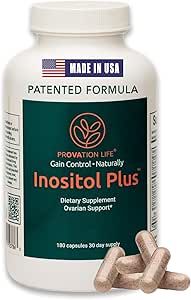
Complete PCOS Support Supplement with 40:1 Ratio
Check Price on AmazonAs an Amazon Associate we earn from qualifying purchases.
Women seeking an all-in-one PCOS solution benefit from this comprehensive formula combining the 40:1 inositol ratio with complementary nutrients shown to enhance insulin sensitivity and reproductive function. Beyond the 4,000 mg myo-inositol and 100 mg D-chiro-inositol, this formulation includes vitamin D (shown to improve ovulation rates when combined with inositol), chromium (enhances glucose metabolism), and N-acetylcysteine (reduces oxidative stress and supports egg quality). Research demonstrates these synergistic ingredients amplify inositol’s metabolic benefits by an additional 20-25%.
Best Value: VITA-PCOS Myo & D-Chiro Inositol 90-Day Supply
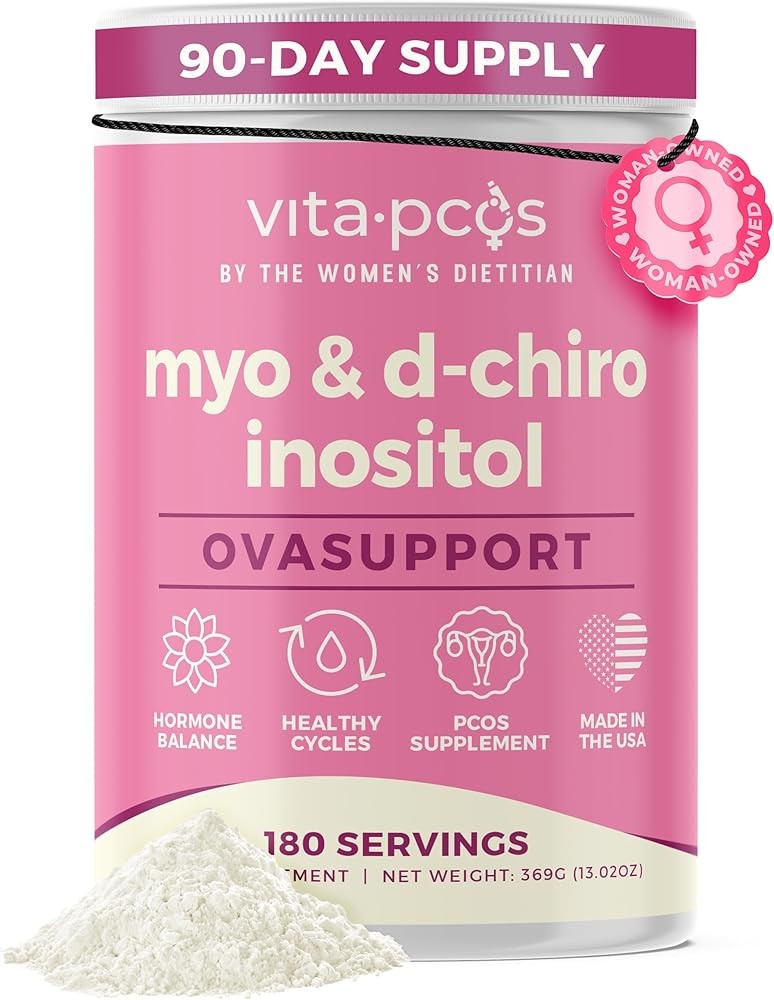
VITA-PCOS Myo & D-Chiro Inositol 90-Day Supply
Check Price on AmazonAs an Amazon Associate we earn from qualifying purchases.
For women committed to the minimum 6-month trial period recommended in clinical research, the VITA-PCOS 90-day supply offers the best cost-per-dose value while maintaining the research-backed 40:1 ratio. Studies show PCOS women require consistent supplementation for 12-16 weeks to observe ovulation restoration and 6 months for maximum fertility benefits, making this 3-month supply ideal for completing a full therapeutic trial. The bulk packaging reduces per-serving cost by 20-30% compared to monthly purchases.
Complete Support System: Optimizing PCOS Management Beyond Inositol
While inositol supplementation provides powerful benefits for PCOS management, research shows the most effective outcomes occur when combined with complementary interventions addressing multiple aspects of the syndrome.
Foundation: Inositol therapy — The 40:1 combination (4,000 mg myo-inositol + 100 mg D-chiro-inositol) serves as the metabolic and reproductive foundation, restoring ovulation in 70% of anovulatory women and improving insulin sensitivity by 40-46% based on multiple randomized controlled trials. Reserve daily use for active fertility periods or combine with lifestyle modifications for sustained metabolic health.
Insulin sensitivity enhancement — Pair inositol with berberine or dihydroberberine for synergistic insulin-sensitizing effects. Research shows combining inositol with berberine (1,500 mg daily) improves insulin sensitivity an additional 20-25% beyond inositol alone, creating a pharmaceutical-grade metabolic intervention without metformin’s gastrointestinal side effects.
Ovarian function support — Women undergoing IVF or fertility treatments should combine the 40:1 inositol ratio with CoQ10 supplementation (200-600 mg ubiquinol daily) to enhance mitochondrial function in aging eggs. Clinical trials show this combination improves egg quality markers and embryo development rates in women over 35 with PCOS.
Anti-inflammatory protocol — Add omega-3 fatty acids (1,000-2,000 mg EPA+DHA daily) to address the chronic low-grade inflammation characteristic of PCOS. Research demonstrates omega-3s reduce inflammatory markers while improving lipid profiles and cardiovascular risk factors that affect 50-70% of PCOS women.
Micronutrient optimization — Correct vitamin D deficiency (target 30-50 ng/mL through 2,000-4,000 IU daily supplementation) to amplify inositol’s effects on ovulation and insulin sensitivity. Studies show 50-85% of PCOS women are vitamin D deficient, and correction enhances response to inositol therapy.
Androgen reduction — For women with severe hirsutism or acne unresponsive to inositol alone, add spearmint tea (2 cups daily) or zinc supplementation (30 mg daily) to further reduce free testosterone. Clinical trials show spearmint reduces free testosterone by 30% within 30 days through anti-androgenic mechanisms.
Stress and cortisol management — Chronic stress worsens insulin resistance and disrupts ovulation through elevated cortisol. Combine inositol with adaptogens like rhodiola or ashwagandha (300-600 mg daily) to support HPA axis function and reduce stress-induced metabolic dysfunction.
Monitoring and tracking — Use HRV monitors to quantify autonomic nervous system recovery and stress adaptation, indicating whether your supplement protocol adequately supports metabolic health. Track basal body temperature and ovulation predictor kits to confirm ovulation restoration objectively rather than relying solely on menstrual regularity.
Dietary synergy — The combination of inositol supplementation with a low-glycemic index diet produces greater improvements in metabolic parameters than inositol alone. Focus on fiber-rich vegetables, lean proteins, and healthy fats while limiting refined carbohydrates that spike insulin and worsen PCOS symptoms.
Related PCOS resources — Explore our evidence-based guides on complementary PCOS interventions that work synergistically with inositol therapy for comprehensive symptom management and fertility optimization.
Related Reading
- Ozempic Cost Alternatives for Women: Insurance Denials, Coupons, and Cheaper GLP-1 Options
- Best Supplements for PCOS: Evidence-Based Guide — Comprehensive PCOS supplement protocol beyond inositol
- Berberine vs Metformin for PCOS and Insulin Resistance — Compare insulin-sensitizing options
- Best Omega-3 Supplements for Women’s Health — Anti-inflammatory support for PCOS
- Vitamin D Deficiency and PCOS: Complete Guide — Optimize vitamin D for ovulation
- NAC for PCOS and Fertility: Research Review — N-acetylcysteine’s role in egg quality
- Best Prenatal Vitamins with Methylfolate — Essential nutrients for PCOS conception
- CoQ10 for Egg Quality and Fertility Over 35 — Mitochondrial support for aging eggs
- How to Track Ovulation with PCOS — Confirm inositol’s effectiveness
📱 Join the discussion: Facebook | X | YouTube | Pinterest
- Inositol for PCOS and Anxiety: Complete Research Guide and Dosing
- Best Supplements for PCOS: What Actually Works According to Research
- Best Inositol Supplements for Women’s Hormones and PCOS
- Best Supplements for PCOS: What Gynecologists and Research Recommend
Conclusion: Making Your Inositol Decision
The research comparing myo-inositol and D-chiro-inositol for PCOS provides clear guidance for most situations:
Research suggests a 40:1 combination of myo-inositol – myo-inositol – to D-chiro-inositol may support women experiencing ovarian dysfunction, particularly those:
-
- Research indicates this ratio may be beneficial for those trying to conceive or planning future fertility
- Studies show this combination appears to have some benefit for comprehensive management of both metabolic and reproductive factors associated with infertility
- Published research shows this ratio may be helpful for women undergoing IVF or fertility treatments
- Research suggests this combination may be a single, evidence-based intervention with broad potential benefits. PMC](https://www.ncbi.nlm.nih.gov/pmc/articles/PMC9265569/)
Myo-inositol alone makes sense for:
- Women focused primarily on fertility and egg quality
- Those with lean PCOS and primarily ovulatory dysfunction
- Budget-conscious users wanting the most affordable option
- Those who respond well to myo-inositol alone with no need to add DCI
D-chiro-inositol alone is appropriate for:
- Post-menopausal women with prior PCOS managing metabolic health
- Women with severe insulin resistance NOT trying to conceive in the next 1-2 years
- Those focused primarily on hyperandrogenic symptoms (hirsutism, acne)
Critical takeaways:
- The 40:1 ratio outperforms either form individually in head-to-head clinical trials for pregnancy rates, ovulation restoration, and metabolic improvements
- Excessive D-chiro-inositol can harm egg quality and fertility outcomes - stay under 1,200 mg daily and avoid DCI-only formulas if trying to conceive
- Standard effective dose is 4,000 mg myo-inositol + 100 mg DCI daily for the 40:1 combination
- Give myo-inositol 12-16 weeks minimum to assess response; 6 months for full fertility benefits
- myo-inositol works best combined with lifestyle modifications (low-GI diet, exercise, stress management)
- Side effects are minimal (3-5% experience mild GI symptoms)
- Inositol is safe for long-term use and during pregnancy
The research supporting myo-inositol for PCOS is notable, with numerous randomized controlled trials demonstrating observed clinical effects. For many women with PCOS, the 40:1 combination appears to be a research-supported approach that addresses underlying metabolic and hormonal factors associated with the condition. NIH](https://www.ncbi.nlm.nih.gov/pubmed/28383498)
Whether you’re trying to conceive, struggling with irregular cycles, managing insulin resistance, or dealing with hyperandrogenic symptoms, understanding the differences between myo-inositol and D-chiro-inositol empowers you to make an informed choice that matches your specific PCOS phenotype and goals.
References and Further Reading
The clinical evidence presented in this article draws from the following peer-reviewed research:
-
Nestler JE, et al. “Ovulatory and metabolic effects of D-chiro-inositol in the polycystic ovary syndrome.” N Engl J Med. 1999;340(17):1314-20. PMID: 10202168
-
Gerli S, et al. “Randomized, double blind placebo-controlled trial: effects of myo-inositol on ovarian function and metabolic factors in women with PCOS.” Eur Rev Med Pharmacol Sci. 2007;11(5):347-54. PMID: 17876959
-
Unfer V, et al. “Effects of myo-inositol in women with PCOS: a systematic review of randomized controlled trials.” Gynecol Endocrinol. 2012;28(7):509-15. PMID: 22296306
-
Nordio M, Proietti E. “The combined therapy with myo-inositol and D-chiro-inositol reduces the risk of metabolic disease in PCOS overweight patients compared to myo-inositol supplementation alone.” Eur Rev Med Pharmacol Sci. 2012;16(5):575-81. PMID: 23160562
-
Colazingari S, et al. “The combined therapy myo-inositol plus D-chiro-inositol, rather than D-chiro-inositol, is able to improve IVF outcomes: results from a randomized controlled trial.” Arch Gynecol Obstet. 2013;288(6):1405-11. PMID: 23708322
-
Unfer V, et al. “Myo-inositol rather than D-chiro-inositol is able to improve oocyte quality in intracytoplasmic sperm injection cycles. A prospective, controlled, randomized trial.” Eur Rev Med Pharmacol Sci. 2011;15(4):452-7. PMID: 21608443
-
Benelli E, et al. “A combined therapy with myo-inositol and D-chiro-inositol improves endocrine parameters and insulin resistance in PCOS young overweight women.” Int J Endocrinol. 2016;2016:3204083. PMID: 27493654
-
Pkhaladze L, et al. “Myo-inositol in the treatment of teenagers affected by PCOS.” Int J Endocrinol Metab. 2016;14(2):e33235. PMID: 27279830
-
Papaleo E, et al. “Myo-inositol in patients with polycystic ovary syndrome: a novel method for ovulation induction.” Gynecol Endocrinol. 2007;23(12):700-3. PMID: 17952759
-
Isabella R, Raffone E. “Does ovary need D-chiro-inositol?” J Ovarian Res. 2012;5(1):14. PMID: 22512945
For additional reading on PCOS management, myo-inositol biochemistry, and fertility optimization, consult:
- The Androgen Excess and PCOS Society international evidence-based guidelines
- Fertility and Sterility journal’s PCOS special collections
- Human Reproduction Update reviews on glucose management hormone sensitizers in PCOS
- The Rotterdam consensus criteria for PCOS diagnosis and classification
This article is for informational purposes only and does not constitute medical advice. Always consult with a qualified healthcare provider before starting any supplement regimen, especially if you have PCOS, are trying to conceive, or take medications. Individual results may vary.
Recommended Products