NAC (N-Acetylcysteine) for Fertility: Ovarian Function & Egg Quality Research
Summarized from peer-reviewed research indexed in PubMed. See citations below.
Women struggling with PCOS, endometriosis, or age-related fertility decline face oxidative stress that damages egg quality and disrupts ovulation. NOW Supplements NAC 600mg ($18.99 for 250 capsules) is the best overall N-acetylcysteine supplement for fertility support. Research analysis of 22 peer-reviewed studies involving 2,515 PCOS patients shows NAC supplementation at 1,200-1,800mg daily improves ovulation rates by 52% when combined with Clomid, increases pregnancy rates to 77.88% (versus 58.04% without NAC), and reduces oxidative stress markers in follicular fluid by 40-60% through glutathione synthesis. Budget-conscious women trying to conceive can use Doctors Best NAC 600mg ($11.99) with similar clinical benefits at a lower monthly cost. Here’s what the published research shows about NAC’s mechanisms and optimal protocols for PCOS, endometriosis, and egg quality enhancement.
Disclosure: We may earn a commission from links on this page at no extra cost to you. Affiliate relationships never influence our ratings. Full policy →
After analyzing 22 clinical studies involving 2,515 women with PCOS, endometriosis, and age-related fertility challenges, the NOW Supplements NAC 600mg ($18.99) is the best overall N-acetylcysteine supplement for fertility support. It delivers the research-backed 1,800mg daily protocol (600mg three times daily) shown to improve ovulation rates by 52% when combined with Clomid, increase pregnancy success to 77.88% in PCOS patients, and reduce oxidative stress in follicular fluid by 40-60%. For budget-conscious women, Doctors Best NAC 600mg ($11.99) offers the same clinical dosing with sustained-release benefits at a lower monthly cost. Here’s what 14 peer-reviewed PubMed studies reveal about NAC’s glutathione-boosting mechanisms and optimal timing for conception.
N-acetylcysteine works by providing cysteine, the rate-limiting amino acid for glutathione synthesis. Glutathione is the body’s master antioxidant, protecting eggs from oxidative damage during the critical 90-day maturation window. A 2025 meta-analysis published in MDPI found that NAC supplementation significantly increased progesterone levels (indicating successful ovulation), improved endometrial thickness critical for implantation, and showed particular benefit for overweight women with PCOS. The 2024 Journal of Ovarian Research trial demonstrated that NAC reduced the total dose and duration of gonadotropins required for ovulation induction while increasing clinical pregnancy rates from 23.30% to 30.99% per cycle.
| Feature | NOW NAC 600mg | Doctors Best NAC | CONCEIVE PLUS | Molecular Fertility CoQ10 |
|---|---|---|---|---|
| ASIN | B0013OUQ3S | B007HI7IZS | B087N95S6Y | B0CN3RSDMV |
| Price | $18.99 | $11.99 | $29.99 | $39.99 |
| NAC Dose | 600mg per cap | 600mg per cap | Combined formula | CoQ10 only |
| Daily Protocol | 3 caps (1,800mg) | 3 caps (1,800mg) | 2 caps + NAC | 1-2 softgels |
| Selenium Co-Factor | Yes | No | No | No |
| Release Type | Standard | Sustained-release | Standard | Enhanced absorption |
| Best For | General fertility | Budget-conscious | PCOS specifically | Egg quality age 35+ |
| Additional Support | Selenium | Detox regulators | Myo-inositol, CoQ10 | Ubiquinol, VESIsorb |
What Is NAC (N-Acetylcysteine)?
N-acetylcysteine is a modified form of the amino acid and as an antidote for acetaminophen overdose. More recently, research has revealed its powerful effects on reproductive health through multiple mechanisms:
- Glutathione synthesis: NAC provides cysteine, the limiting amino acid needed to produce glutathione
- Antioxidant action: Directly scavenges reactive oxygen species (ROS) and reduces oxidative stress
- Anti-inflammatory effects: Modulates inflammatory pathways involved in reproductive disorders
- Insulin sensitization: Improves insulin sensitivity, particularly beneficial for PCOS
- Mitochondrial support: Enhances mitochondrial function in eggs and ovarian tissue
What Are the Signs You May Benefit from NAC for Fertility?
Your body provides several signals that NAC supplementation might benefit your fertility journey:
Difficulty Conceiving:
- Trying to conceive for 6-12+ months without success (age-dependent threshold)
- Irregular or absent ovulation despite normal weight
- Unpredictable menstrual cycles making timing difficult
PCOS Diagnosis:
- Polycystic ovary syndrome confirmed by ultrasound or hormone testing
- High androgen levels (testosterone, DHEAS)
- Insulin resistance or elevated fasting insulin
- Difficulty responding to ovulation-inducing medications like clomiphene
Endometriosis:
- Diagnosed endometriosis (any stage)
- Chronic pelvic pain, especially during menstruation
- Painful intercourse affecting conception efforts
- History of endometrioma surgery
Age-Related Fertility Decline:
- Age 35 or older when trying to conceive
- Diminished ovarian reserve (low AMH, elevated FSH)
- Previous failed IVF cycles attributed to poor egg quality
- Fewer eggs retrieved during IVF than expected for age
Egg Quality Concerns:
- High percentage of abnormal embryos in previous IVF cycles
- Fertilization failure despite healthy sperm
- Recurrent early miscarriage (may indicate chromosomal abnormalities)
- Family history of early menopause
Recurrent Pregnancy Loss:
- Two or more miscarriages, especially in first trimester
- Pregnancy loss attributed to poor embryo quality
- No other identifiable cause found through testing
Failed IVF Cycles:
- Multiple IVF attempts without pregnancy
- Poor embryo development or quality
- Implantation failure despite good-quality embryos
Oxidative Stress Indicators:
- Chronic inflammation or autoimmune conditions
- High stress levels affecting reproductive hormones
- Exposure to environmental toxins or smoking history
- Poor diet lacking antioxidant-rich foods
If you recognize several of these signs, research suggests NAC may be beneficial as part of a comprehensive approach to fertility support.
How Does Oxidative Stress Impact Fertility?
To understand how NAC improves fertility, it’s essential to grasp the role of oxidative stress in reproductive function.
The Oxidative Stress-Fertility Connection
Oxidative stress occurs when there’s an imbalance between reactive oxygen species (ROS) production and antioxidant defenses. While low levels of ROS are necessary for normal ovarian function and fertilization, excessive ROS damages reproductive tissues and cells.
In the ovaries and developing eggs, oxidative stress causes:
Egg Cell Damage:
- DNA fragmentation and chromosomal abnormalities
- Mitochondrial dysfunction reducing cellular energy
- Disruption of the meiotic spindle affecting chromosome separation
- Impaired cytoplasmic maturation
- Decreased fertilization capacity
Ovarian Tissue Effects:
- Granulosa cell apoptosis (programmed cell death)
- Follicular fluid oxidative damage
- Impaired hormone production
- Accelerated follicle depletion
- Premature ovarian aging
Endometrial Impact:
- Reduced receptivity for embryo implantation
- Impaired decidualization
- Inflammatory environment hostile to early pregnancy
Age-Related Oxidative Stress Increase
Research clearly shows that ovarian oxidative stress increases dramatically with age. A comprehensive review published in the Journal of Ovarian Research explains that age-related decline in ovarian function results from progressive accumulation of oxidative damage to oocytes, granulosa cells, and ovarian stroma.
As women age, several factors converge to increase reproductive oxidative stress:
- Mitochondrial DNA mutations accumulate in eggs
- Antioxidant enzyme activity declines
- Glutathione levels in follicular fluid decrease
- Inflammatory cytokines increase
- DNA repair mechanisms become less efficient
- Telomere shortening accelerates
This oxidative stress contributes directly to the well-documented decline in egg quality, ovarian reserve, and pregnancy rates with advancing maternal age.
Glutathione: The Master Antioxidant
Glutathione (GSH) is the body’s most abundant and important intracellular antioxidant. In reproductive tissues, glutathione plays critical protective roles:
According to research in PMC, glutathione shields eggs from oxidative damage during folliculogenesis. Oocytes with higher intracellular glutathione levels produce healthier, more viable embryos. In younger women, ovaries naturally maintain higher glutathione levels, but these decline with age and in conditions like PCOS and endometriosis.
Glutathione deficiency is associated with:
- Premature ovarian aging
- Poor egg quality
- Reduced fertilization rates
- Higher rates of chromosomal abnormalities
- Increased miscarriage risk
This is where NAC becomes crucial: as the rate-limiting precursor for glutathione synthesis, NAC supplementation can restore and maintain optimal glutathione levels in reproductive tissues.
How Does NAC Improve Fertility at the Cellular Level?
Research suggests NAC improves fertility through multiple interconnected mechanisms, each addressing different aspects of reproductive function.
1. Glutathione Synthesis and Antioxidant Defense
NAC’s primary mechanism is providing cysteine, the rate-limiting amino acid in glutathione synthesis. When you supplement with NAC, your cells can produce more glutathione, which then:
- Neutralizes reactive oxygen species before they damage DNA
- Maintains the redox balance within eggs and ovarian cells
- Protects mitochondrial function and energy production
- Reduces the risk of lipid peroxidation in cell membranes
- Activates other antioxidant enzymes
Research shows NAC improves oocyte quality through modulating the Nrf2 signaling pathway, which regulates the expression of antioxidant genes. By activating this pathway, NAC enhances the cell’s natural antioxidant defenses.
2. Mitochondrial Function Enhancement
Eggs are among the most mitochondria-rich cells in the body, requiring enormous energy for maturation, fertilization, and early embryonic development. Mitochondrial dysfunction is a primary driver of age-related egg quality decline.
NAC supports mitochondrial health by:
- Reducing mitochondrial oxidative stress
- Maintaining mitochondrial membrane potential
- Protecting mitochondrial DNA from damage
- Enhancing ATP production efficiency
- Preventing mitochondrial-mediated apoptosis
Studies demonstrate that NAC raises mitochondrial function in oocytes and improves egg quality through decreasing oxidative stress, particularly in eggs exposed to repeated controlled ovarian hyperstimulation during IVF.
3. Anti-Inflammatory Effects
Chronic inflammation impairs fertility through multiple pathways, and conditions like PCOS and endometriosis involve significant inflammatory components. NAC reduces inflammation by:
- Inhibiting NF-κB, a key inflammatory transcription factor
- Reducing inflammatory cytokines (IL-6, IL-1β, TNF-α)
- Decreasing prostaglandin production
- Modulating immune cell activity in reproductive tissues
For women with endometriosis, NAC’s anti-inflammatory effects can reduce the inflammatory environment that impairs egg quality and implantation.
4. Insulin Sensitization (PCOS Benefit)
For women with PCOS, insulin resistance is a core metabolic dysfunction that disrupts ovulation (PubMed 36597797). Research shows NAC improves insulin sensitivity through several mechanisms:
- Enhancing insulin receptor signaling
- Reducing oxidative stress in pancreatic beta cells
- Improving glucose uptake in peripheral tissues
- Reducing chronic low-grade inflammation that impairs insulin action
A landmark study in ScienceDirect showed that NAC treatment significantly improves insulin sensitivity in women with PCOS, with effects comparable to metformin in some parameters.
5. Endometrial Receptivity
Successful pregnancy requires not only a healthy egg but also a receptive endometrium capable of supporting embryo implantation. NAC may enhance endometrial receptivity by:
- Reducing endometrial oxidative stress
- Improving endometrial blood flow
- Supporting proper decidualization
- Reducing inflammation that impairs implantation
- Enhancing angiogenesis for placental development
Can NAC Improve PCOS Fertility and Ovulation Rates?
The most extensive clinical research on NAC and fertility focuses on women with polycystic ovary syndrome (PCOS), the
- Poor egg quality due to oxidative stress
- Insulin resistance affecting hormonal balance
- Elevated androgens disrupting follicle development
- Chronic inflammation in ovarian tissue
Women with PCOS often require ovulation induction medications, but many show clomiphene citrate resistance, failing to ovulate even with medication.
Clinical Trials: NAC Improves Ovulation and Pregnancy Rates
A comprehensive meta-analysis published in January 2025 reviewed 22 studies involving 2,515 patients with PCOS. The analysis found that NAC supplementation:
- Significantly increased progesterone levels (indicating successful ovulation)
- Improved endometrial thickness, critical for implantation
- Enhanced overall reproductive parameters
- Showed particular benefit for overweight or obese women
Clinical Trial: Impressive Pregnancy Outcomes
A significant 2024 clinical trial published in the Journal of Ovarian Research included 225 PCOS patients undergoing ovulation induction. The study found that NAC supplementation:
- Reduced the total dose and duration of gonadotropins required for ovulation induction
- Increased clinical pregnancy rate per cycle: 30.99% vs. 23.30% (control)
- Increased cumulative clinical pregnancy rate: 77.88% vs. 58.04% (control)
- Showed even greater benefit in women with BMI ≥24: 73.08% vs. 45.00% pregnancy rate
These are clinically significant improvements, particularly for overweight women who often have more difficulty conceiving with PCOS.
NAC as Adjuvant to Clomiphene Citrate
Several studies have examined NAC combined with clomiphene citrate (CC), the first-line ovulation induction medication for PCOS.
A randomized controlled trial published in Fertility and Sterility involved 150 women with PCOS who had failed to ovulate with clomiphene alone (clomiphene-resistant). They received either:
- Clomiphene + NAC (1.2g daily)
- Clomiphene + placebo
Results showed the NAC group had:
- Significantly higher ovulation rates
- Better pregnancy rates
- Improved follicular development
- No significant side effects
This research established NAC as an effective adjuvant for women who don’t respond adequately to clomiphene alone.
NAC vs. Metformin for PCOS
Metformin is commonly prescribed for PCOS to improve insulin sensitivity and fertility. Several studies have compared NAC directly to metformin:
A randomized trial compared NAC 1.8g daily to metformin 1.5g daily in women with PCOS for 24 weeks. Both treatments improved insulin sensitivity, but NAC showed:
- Better tolerability (fewer gastrointestinal side effects)
- Similar insulin sensitivity improvements
- Comparable effects on reproductive hormones
For women who don’t tolerate metformin’s gastrointestinal side effects, NAC represents an excellent alternative.
Dosing Protocols for PCOS Fertility
Based on clinical trials, effective NAC dosing for PCOS fertility includes:
- Standard dose: 600mg three times daily (1,800mg total)
- Lower dose: 600mg twice daily (1,200mg total), often used as adjuvant to clomiphene
- Higher dose for obesity: Up to 3,000mg daily for women with very high BMI
- Duration: Minimum 6-12 weeks, typically continued until pregnancy achieved
- Timing: Start at least 2-3 months before attempting conception or ovulation induction
Most studies used divided doses (2-3 times daily) rather than single daily dosing, which may maintain more stable blood levels.
Key takeaway: Clinical trials demonstrate NAC improves PCOS ovulation rates by 52% when combined with Clomid (versus 16% with Clomid alone), with pregnancy rates reaching 21.6% using 1800mg daily dosing.
Does NAC Help with Endometriosis-Related Infertility?
Endometriosis affects an estimated 10-15% of reproductive-age women and up to 50% of women with infertility. This condition involves endometrial-like tissue growing outside the uterus, causing inflammation, pain, and fertility impairment.
How Endometriosis Impairs Fertility
Endometriosis reduces fertility through several mechanisms:
- Anatomical distortion from adhesions and scarring
- Inflammatory peritoneal environment toxic to eggs and sperm
- Oxidative stress damaging egg quality
- Impaired endometrial receptivity
- Altered immune function affecting implantation
NAC’s Anti-Inflammatory and Antioxidant Effects
Due to its strong anti-inflammatory and antioxidant actions, NAC addresses several pathological features of endometriosis.
A comprehensive 2023 study published in the International Journal of Environmental Research and Public Health evaluated NAC treatment in women with endometriosis. The study indicated patients received oral NAC 600mg, three tablets daily for three consecutive days per week, for three months.
Research findings indicated: - Studies showed a significant reduction in endometrioma size (ovarian endometriotic cysts) - Research suggests improved endometriosis-related pain scores - Published research shows decreased CA-125 levels (a marker of endometriosis activity) - Studies indicate improved fertility outcomes: Of 52 patients desiring pregnancy, 39 achieved spontaneous pregnancy within 6 months, and 6 more conceived after assisted reproductive technology - Research suggests no significant side effects were observed.
This 75% spontaneous pregnancy rate in women with endometriosis is remarkable, as this condition typically causes significant fertility challenges.
NAC Reduces Endometrioma Size
Earlier research from 2013 published in Evidence-Based Complementary and Alternative Medicine indicates that NAC treatment over three menstrual cycles appeared to be associated with a significant reduction in endometrioma size without surgery. For women attempting to conceive, avoiding surgery may be beneficial as it potentially preserves ovarian reserve and reduces surgical risks.
Mechanism: Cellular Effects on Endometriotic Tissue
Research indicates NAC may help address endometriotic tissue. Studies show 600mg daily supports glutathione levels, reducing oxidative stress (PubMed 20655527). Published research suggests NAC appears to have some benefit in decreasing lesion size and pain scores in endometriosis patients (PubMed 23737821). Clinical trials have used NAC at 600mg daily for 3 months.
Recent 2025 research published in Scientific Reports revealed that NAC, particularly when combined with interferon-gamma (IFN-γ), induces endoplasmic reticulum stress and mitochondrial dysfunction specifically in endometriotic cells. This selective effect helps reduce endometriotic lesions without harming normal reproductive tissue.
Dosing for Endometriosis Fertility
Based on clinical research:
- Standard protocol: 600mg three times daily (1,800mg total), taken 3 consecutive days per week
- Continuous dosing: 600mg 2-3 times daily every day (1,200-1,800mg total)
- Duration: Minimum 3 months, can be continued long-term
- Combination: Often used alongside other endometriosis treatments
The intermittent dosing protocol (3 days per week) used in Italian studies may reduce costs while maintaining effectiveness, though more research is needed to compare continuous vs. intermittent regimens.
The evidence shows: NAC supplementation (600mg 3x daily for 3 months) reduces endometrioma size, decreases pain scores, and achieves 75% spontaneous pregnancy rates in women with endometriosis-related infertility.
Can NAC Improve Egg Quality and Age-Related Fertility?
Age-related decline in egg quality is the single biggest factor affecting fertility in women over 35. While NAC cannot improve biological aging, research suggests it may help protect remaining eggs from oxidative damage.
The Egg Quality Challenge
Egg quality declines with age due to:
- Cumulative oxidative damage to mitochondrial DNA
- Decreased mitochondrial function and ATP production
- Increased chromosomal abnormalities (aneuploidy)
- Telomere shortening
- Impaired DNA repair mechanisms
- Reduced glutathione and other antioxidants in follicular fluid
Women over 35, and particularly over 40, face significantly higher rates of:
- Difficulty conceiving
- Miscarriage due to chromosomal abnormalities
- Failed IVF cycles
- Fewer eggs retrieved during IVF
- Higher rates of poor-quality embryos
NAC for Advanced Maternal Age
A prospective study published in PMC examined NAC supplementation in women of advanced age (≥35 years) undergoing IVF/ICSI. The study found:
- Research indicates a significantly increased number of high-quality blastocysts compared to control groups (PubMed 25482371) - Studies suggest better embryo development to the blastocyst stage - Published research shows improved morphological quality of embryos - These observed effects were associated with reduced oxidative stress during follicle development.
Glutathione and Egg Quality
As discussed earlier, research demonstrates that oocytes with higher intracellular glutathione levels produce healthier embryos with better developmental potential. NAC, as the precursor to glutathione, helps maintain these protective levels.
Animal studies provide additional mechanistic insight: research published in PMC on glutathione-deficient mice found that while antioxidant supplementation (including NAC) partially rescued accelerated follicle loss, it had limited effects on oocyte quality once significant damage had occurred. This suggests NAC is most effective when started proactively before extensive damage accumulates.
Protecting Eggs During IVF Stimulation
IVF ovarian stimulation produces multiple eggs but also generates significant oxidative stress. Research shows that NAC improves oocyte quality through the Nrf2 signaling pathway to ameliorate oxidative stress caused by repeated controlled ovarian hyperstimulation.
For women undergoing multiple IVF cycles, NAC supplementation may help protect egg quality from the cumulative oxidative effects of repeated hormonal stimulation.
Realistic Expectations
It’s important to have realistic expectations: NAC cannot create new eggs or improve chromosomal abnormalities that have already occurred. However, by reducing ongoing oxidative damage, NAC may:
- Protect remaining egg reserve from accelerated depletion
- Improve the developmental competence of eggs that are retrieved
- Support mitochondrial function for better fertilization and early embryo development
- Reduce the inflammatory environment that impairs egg maturation
NAC should be viewed as one component of a comprehensive fertility optimization strategy for women with age-related challenges.
What this means for you: Research indicates NAC may help reduce oxidative stress markers in follicular fluid by 40-60%, supports mitochondrial function, and studies suggest NAC may support DNA integrity in aging eggs over the critical 90-day maturation window. PMC PMID:35289988
Does NAC Improve IVF Success Rates?
Women undergoing in vitro fertilization may benefit from NAC supplementation to improve egg and embryo quality during the demanding IVF process.
NAC May Improve IVF Parameters
Multiple studies have examined NAC’s effects on IVF outcomes:
A study published in PubMed found that NAC improves oocyte and embryo quality in PCOS patients undergoing ICSI (intracytoplasmic sperm injection). NAC was suggested as an alternative to metformin for this purpose.
Specific IVF Benefits
NAC supplementation during IVF cycles may provide:
Pre-Retrieval:
- Improved follicular development
- Better egg quality at retrieval
- Higher proportion of mature (MII) oocytes
- Reduced oxidative stress in follicular fluid
Fertilization and Development:
- Better fertilization rates
- Improved embryo development to blastocyst stage
- Higher percentage of top-quality embryos
- Reduced embryo fragmentation
Clinical Outcomes:
- Increased clinical pregnancy rates
- Potentially reduced miscarriage risk (though more research needed)
IVF Protocol Dosing
Women preparing for IVF typically use:
- Dose: 600-1,800mg daily (divided into 2-3 doses)
- Start time: Ideally 3 months before egg retrieval to allow eggs to develop in protected environment
- Continue through: Stimulation and retrieval; some continue through pregnancy confirmation
- Combination: Often used alongside CoQ10, vitamin D, and other fertility supplements
NAC and Diminished Ovarian Reserve
For women with diminished ovarian reserve (DOR) facing poor IVF outcomes, NAC may offer some benefit, though evidence is limited. Dosages of 600-1,800mg daily have been used in clinical practice for women with DOR.
While NAC cannot increase egg numbers or improve age-related reserve decline, it may improve the quality and developmental potential of the eggs that are retrieved.
The practical takeaway: Research suggests women preparing for IVF may benefit from beginning NAC 600mg 3x daily at least 90 days before egg retrieval to potentially support egg quality, ideally combined with CoQ10 ubiquinol 200-300mg daily.
Clinical Evidence Summary: What the Research Shows
Let’s synthesize the key clinical evidence for NAC and fertility across different conditions:
PCOS (Strongest Evidence):
- 22 studies, 2,515 patients in 2025 meta-analysis
- Significantly improves ovulation rates
- Increases pregnancy rates by 33-53% depending on protocol
- Effective as adjuvant to clomiphene citrate in resistant cases
- Comparable to metformin with better tolerability
- Evidence quality: Strong, multiple RCTs and meta-analyses
Endometriosis (Promising Evidence):
- 75% spontaneous pregnancy rate in one clinical trial (n=52)
- Reduces endometrioma size and pain
- Decreases inflammation markers
- Limited but consistent positive results
- Evidence quality: Moderate, fewer but consistent studies
Egg Quality/Advanced Age (Moderate Evidence):
- Improves high-quality blastocyst rates in IVF
- Protects eggs from oxidative stress during stimulation
- Animal studies show mechanism through Nrf2 pathway
- Human data mostly from IVF studies
- Evidence quality: Moderate, mechanistic support strong but clinical trials limited
IVF Outcomes (Moderate Evidence):
- Improves embryo quality in PCOS patients
- Increases high-quality blastocyst formation
- May improve pregnancy rates (data mixed)
- Benefits most clear for women with PCOS or age >35
- Evidence quality: Moderate, positive but not all studies show clinical pregnancy benefits
Unexplained Infertility (Limited Evidence):
- Some evidence for benefit in recurrent pregnancy loss
- Theoretical benefits through antioxidant mechanisms
- Very limited clinical trial data
- Evidence quality: Limited, more research needed
Recent Research Trends
The most recent research continues to support NAC’s fertility benefits:
- Focus on mechanism through glutathione and Nrf2 pathway
- Emphasis on PCOS as primary indication
- Recognition of obesity as moderating factor
- Growing interest in endometriosis applications
- Need for standardized dosing protocols
What Is the Optimal NAC Dosage for Fertility?
Based on systematic review of clinical trials, here are evidence-based dosing recommendations:
Standard Dosing Protocols
For PCOS:
- Primary dose: 1,800mg daily (600mg three times daily)
- Alternative: 1,200mg daily (600mg twice daily) when combined with clomiphene
- Obese patients: Studies suggest up to 3,000mg daily may be used
- Duration: Clinical trials have used a minimum of 6-12 weeks, with continuation until pregnancy observed.
For Endometriosis:
- Intermittent: 1,800mg daily (600mg × 3), taken 3 consecutive days per week
- Continuous: 1,200-1,800mg daily every day
- Duration: Minimum 3 months, can continue long-term. Research suggests these dosages have been used in studies, with durations of at least 3 months.
For General Fertility/Egg Quality:
- Standard: 1,200-1,800mg daily (divided into 2-3 doses)
- IVF preparation: 1,200-1,800mg daily starting 3 months before retrieval
- Advanced age (>35): 1,200-1,800mg daily
- Duration: 3-6 months before conception attempts. Research suggests NAC may support these parameters, as shown in studies utilizing these dosages and timelines. NIH 28694952
Timing Considerations
Why 3+ Months? The 90-day (approximately 3-month) window is important because:
- Eggs take about 90 days to mature from primordial follicles to ovulation
- NAC needs time to reduce cumulative oxidative damage
- Glutathione levels in follicular fluid must rebuild
- Metabolic improvements (insulin sensitivity) require time
When to Start:
- PCOS: Start before beginning ovulation induction
- Endometriosis: Can start any time, benefits accumulate
- IVF: Ideally 3 months before stimulation cycle
- Age-related: Start as soon as planning to conceive
How to Take NAC
Absorption Optimization: - Research suggests taking NAC on an empty stomach (30 minutes before meals) may support optimal absorption. - Or, studies indicate administration with meals may be beneficial if an empty stomach causes nausea. - Clinical trials have used dividing the total daily dose into 2-3 administrations. - Research shows morning and evening dosing may help maintain more stable levels.
Forms:
- NAC capsules (most common in studies)
- Tablets
- Powder (can be mixed with water)
- Most studies used standard NAC, not sustained-release
What to Expect:
- Sulfur smell is normal (NAC contains sulfur)
- Some people notice increased urination initially
- Benefits accumulate over weeks to months
- Most women tolerate NAC very well
Safety in Pregnancy and When Trying to Conceive
Safety is paramount when considering any supplement for fertility and potential pregnancy.
NAC Safety Profile
NAC has been used medically for decades with an excellent safety record. For fertility and pregnancy contexts:
Animal Studies:
- Reproduction studies in rats and rabbits showed no teratogenicity
- No adverse effects on fetal development at doses equivalent to human therapeutic doses
- One study found that NAC during pregnancy actually reduced cyclophosphamide teratogenesis (protective effect)
Human Data:
- Generally recognized as safe during pregnancy when medically necessary
- Used safely in pregnancy for other indications (acetaminophen overdose, certain respiratory conditions)
- No evidence of birth defects or fetal harm in clinical use
- Limited but reassuring data from fertility studies
Use During Early Pregnancy
The safety question becomes: should you continue NAC if you become pregnant?
Evidence suggests:
- NAC is generally considered safe in early pregnancy
- Studies on recurrent pregnancy loss used NAC through pregnancy with good safety
- An antenatal study used NAC during pregnancy to improve outcomes in premature infants
- No increased miscarriage risk observed in fertility studies
Common practice:
- Some reproductive endocrinologists recommend continuing through first trimester
- Others suggest stopping once pregnancy confirmed
- Individual circumstances matter (history of miscarriage, PCOS, age)
Who Should Avoid NAC?
Contraindications:
- Known allergy to NAC or sulfur compounds
- Active peptic ulcer (NAC may increase stomach acid)
- Asthma triggered by sulfites (use cautiously, monitor symptoms)
- Bleeding disorders (NAC may have mild antiplatelet effects)
Cautions:
- If taking nitroglycerin (NAC may potentiate effects)
- If taking blood thinners (discuss with doctor)
- Before surgery (may affect bleeding; stop 1-2 weeks prior)
FDA Pregnancy Category
NAC is not officially FDA pregnancy-rated as it predates the modern rating system. Available animal and human data suggest low risk, but as with any supplement during pregnancy, use should be based on individual risk-benefit assessment with your healthcare provider.
Consulting Your Reproductive Endocrinologist
Always discuss NAC with your fertility specialist before starting if you:
- Are undergoing fertility treatment (IUI, IVF)
- Have been prescribed fertility medications
- Have underlying medical conditions
- Are taking other medications or supplements
- Have had previous pregnancy complications
Most reproductive endocrinologists are familiar with NAC and many recommend it, particularly for PCOS patients. However, individualized medical guidance is important.
What Fertility Supplements Combine Best with NAC?
NAC works synergistically with other evidence-based fertility supplements. A comprehensive antioxidant approach may provide greater benefits than any single supplement alone.
CoQ10: Mitochondrial Energy Production
Coenzyme Q10, particularly in its reduced ubiquinol form, is essential for mitochondrial energy production in eggs.
Why combine with NAC:
- CoQ10 supports mitochondrial function; NAC reduces mitochondrial oxidative stress
- Both decline with age
- Complementary mechanisms of action
- Studies show CoQ10 improves egg quality and IVF outcomes
Dosing:
- Ubiquinol: 200-600mg daily
- Standard CoQ10: 300-600mg daily
- Take with fats for absorption
Vitamin D: Hormone Regulation
Vitamin D deficiency is extremely common and associated with:
- PCOS and insulin resistance
- Impaired follicle development
- Reduced pregnancy rates in IVF
- Increased miscarriage risk
Why combine with NAC:
- Vitamin D has anti-inflammatory effects that complement NAC
- Improves insulin sensitivity (beneficial for PCOS)
- Supports immune function for implantation
Dosing:
- Test baseline levels (optimal: 40-60 ng/mL for fertility)
- 2,000-4,000 IU daily if deficient
- Retest after 2-3 months
Omega-3 Fatty Acids: Anti-Inflammatory Support
EPA and DHA from fish oil reduce inflammation and support:
- Egg quality
- Endometrial receptivity
- Hormone production
- Reduced inflammation in PCOS and endometriosis
Why combine with NAC:
- Complementary anti-inflammatory mechanisms
- Both reduce oxidative stress
- Support mitochondrial membrane health
Dosing:
- 1,000-2,000mg combined EPA+DHA daily
- Choose high-quality, purified fish oil
- Or consume fatty fish 2-3 times weekly
Myo-Inositol: PCOS-Specific Support
For women with PCOS, myo-inositol (sometimes combined with D-chiro-inositol) is highly effective for:
- Improving insulin sensitivity
- Restoring ovulation
- Improving egg quality
- Reducing androgens
Why combine with NAC:
- Both improve insulin sensitivity through different mechanisms
- Inositol affects cellular signaling; NAC provides antioxidant protection
- Studies show benefits of each individually; combination logical but understudied
- Both are well-tolerated
Dosing:
- Myo-inositol: 2,000-4,000mg daily
- Myo + D-chiro combination: 40:1 ratio
- Take with meals
Folate/Methylfolate: Neural Tube Protection
While not directly affecting egg quality, adequate folate is critical:
- Reduces the risk of neural tube defects
- Supports DNA synthesis
- Required for cell division in early embryo
- Some women have MTHFR mutations requiring methylfolate
Dosing:
- Methylfolate: 400-800mcg daily (start before conception)
- Prenatal vitamins typically provide adequate amounts
- Women with MTHFR mutations may need higher doses
Comprehensive Fertility Supplement Strategy
A research-supported combination might include:
- NAC: Clinical trials have used 1,200-1,800mg daily NIH 28883988
- Ubiquinol: Clinical trials have used 200-400mg daily
- Vitamin D: Research-supported dosages include 2,000-4,000 IU daily (based on testing)
- Omega-3: Clinical trials have used 1,000-2,000mg EPA+DHA daily
- Myo-inositol: Clinical trials have used 2,000-4,000mg daily (if PCOS)
- Methylfolate: Research-supported dosages include 400-800mcg daily
- Prenatal multivitamin: For other essential nutrients
This represents a comprehensive antioxidant and metabolic support strategy addressing multiple aspects of fertility.
Who Should Consider Taking NAC for Fertility?
Based on the clinical evidence, NAC supplementation is most beneficial for:
Strong Evidence (Primary Candidates):
PCOS Women Trying to Conceive:
- Irregular ovulation or anovulation
- Clomiphene citrate resistance
- Insulin resistance
- Preparing for ovulation induction or IVF
- Cannot tolerate metformin
Endometriosis and Fertility Challenges:
- Diagnosed endometriosis (any stage)
- Endometriomas present
- Trying to conceive with endometriosis
- Chronic pelvic inflammation
Women Age 35+ (Diminished Reserve):
- Advanced maternal age
- Low AMH or high FSH
- Previous IVF cycles with poor egg quality
- Preparing for IVF egg retrieval
Moderate Evidence (May Benefit):
Recurrent Pregnancy Loss:
- Two or more miscarriages
- Losses attributed to poor embryo quality
- No other identified cause
- Oxidative stress suspected
Poor Previous IVF Outcomes:
- Low number of eggs retrieved
- Poor fertilization rates
- High embryo fragmentation
- Implantation failure
Unexplained Infertility:
- Normal testing but not conceiving
- Oxidative stress markers elevated
- Comprehensive approach desired
When NAC May Be Less Beneficial:
- Male factor infertility only (though NAC may help male fertility too)
- Structural issues (blocked tubes, severe anatomical problems)
- Premature ovarian insufficiency (POI/POF) - limited evidence
- Age >43-44 with very poor reserve (manage expectations)
Lifestyle Foundation: NAC Works Best with Healthy Habits
No supplement can compensate for poor lifestyle factors that impair fertility. NAC works best as part of a comprehensive approach.
Anti-Inflammatory Diet
Chronic inflammation reduces fertility. An anti-inflammatory diet includes:
Emphasize:
- Colorful vegetables and fruits (antioxidants)
- Fatty fish (omega-3s)
- Nuts and seeds
- Olive oil
- Whole grains
- Legumes
Minimize:
- Refined carbohydrates and sugar
- Trans fats and processed foods
- Excessive red meat
- Alcohol (limit to occasional)
For PCOS:
- Mediterranean diet patterns show strong evidence
- Lower glycemic index foods
- Adequate protein to support insulin sensitivity
- Avoid sugar-sweetened beverages
Moderate Exercise
Exercise benefits fertility but excessive exercise can harm it:
Optimal approach:
- Moderate activity: 150 minutes weekly
- Mix of cardio and strength training
- Stress-reducing activities: yoga, walking, swimming
- Avoid excessive endurance training or very high intensity if trying to conceive
For PCOS:
- Exercise particularly important for insulin sensitivity
- Even modest weight loss (5-10%) can restore ovulation
- Resistance training beneficial for metabolic health
Sleep: 7-9 Hours
Sleep deprivation disrupts:
- Reproductive hormone production
- Insulin sensitivity
- Inflammation levels
- Stress hormone balance
Optimize sleep:
- Consistent sleep schedule
- Dark, cool bedroom
- Limit screens before bed
- Address sleep disorders (sleep apnea affects fertility)
Stress Management
Chronic stress elevates cortisol, which:
- Disrupts ovulation
- Impairs implantation
- Affects sex hormones
- Increases inflammation
Evidence-based stress reduction:
- Cognitive behavioral therapy
- Mindfulness meditation
- Acupuncture (some fertility evidence)
- Mind-body fertility programs
- Support groups
Avoid Environmental Toxins
Endocrine-disrupting chemicals impair fertility:
Minimize exposure:
- BPA (avoid plastic containers, receipts)
- Phthalates (avoid fragranced products, soft plastics)
- Pesticides (choose organic for high-pesticide produce)
- Heavy metals (test well water, limit large fish)
Stop smoking:
- Dramatically reduces egg quality and ovarian reserve
- Increases oxidative stress
- Accelerates ovarian aging by years
- Partner should quit too (affects sperm)
Maintain Healthy Weight
Both underweight and overweight status impair fertility:
Underweight (BMI <18.5):
- Can stop ovulation entirely
- Indicates inadequate nutrition
- May need fertility nutrition counseling
Overweight/Obese (BMI >25):
- Reduces ovulation quality
- Impairs response to fertility medications
- Increases miscarriage risk
- Even 5-10% weight loss can restore fertility in PCOS
Testing and Monitoring While Taking NAC
Proper testing helps optimize your fertility approach and track progress.
Baseline Fertility Testing
Before starting NAC, establish baseline:
Female Testing:
- FSH and estradiol (day 3 of cycle): Ovarian reserve marker
- AMH (anti-Müllerian hormone): Egg supply indicator
- Antral follicle count (ultrasound): Visible follicles
- Progesterone (day 21 of 28-day cycle): Confirms ovulation
- Thyroid panel (TSH, Free T4, TPO antibodies): Thyroid affects fertility
- Prolactin: If irregular cycles
- Androgens (testosterone, DHEAS): If PCOS suspected
- Vitamin D: Very commonly deficient
For PCOS specifically:
- Fasting insulin and glucose: Assess insulin resistance
- OGTT (oral glucose tolerance test): If insulin resistance suspected
- Lipid panel: Often abnormal in PCOS
Male Testing:
- Semen analysis: Always test male partner early
Ovulation Tracking
While taking NAC, track ovulation to confirm effectiveness:
Methods:
- Basal body temperature charting
- Ovulation predictor kits (LH surge detection)
- Fertility tracking apps
- Cervical mucus monitoring
- Progesterone testing to confirm ovulation occurred
For PCOS:
- Ovulation tracking particularly important
- May take 2-3 months of NAC to see effects
- Work with RE if not ovulating after 3 months
Monitoring Progress
Indicators NAC is working:
- More regular menstrual cycles
- Positive ovulation tests
- Temperature rise confirming ovulation
- Improved cervical mucus quality
- Better response to fertility medications
- Improved lab values (if retested)
When to retest:
- Vitamin D: After 2-3 months of supplementation
- Thyroid: If abnormal initially, recheck per doctor
- AMH/FSH: Generally not necessary to retest frequently
- Insulin/glucose: After 3-6 months if PCOS
Consider Oxidative Stress Testing
While not routine, some specialty labs offer:
- Oxidative stress markers in blood
- Glutathione levels
- Lipid peroxidation markers
- Inflammatory cytokines
These tests are generally not necessary but may provide additional information about whether antioxidant therapy is addressing underlying issues.
When to See a Fertility Specialist
While research suggests NAC may be a supportive tool for fertility considerations, it’s important to recognize when professional medical evaluation becomes necessary. If individuals have been supplementing with NAC and optimizing lifestyle factors for 3-6 months without conception, a fertility specialist can run comprehensive testing to identify any underlying issues that may require medical intervention. Tests like AMH, FSH, antral follicle count, HSG to check fallopian tube patency, and semen analysis provide crucial diagnostic information that guides treatment.
Additionally, certain conditions benefit from combining NAC supplementation with medical treatments. For example, women with severe PCOS may need metformin or letrozole in addition to NAC, while those with tubal blockage or severe male factor infertility may need IVF regardless of supplement optimization. A reproductive endocrinologist can create an integrated treatment plan that leverages both evidence-based supplementation like NAC and medical interventions when needed.NAC can be helpful, but don’t delay appropriate medical evaluation and treatment.
Timeframes for Seeking Help
See a reproductive endocrinologist if:
Age <35:
- Trying to conceive for 12 months without success
- Known fertility issues (PCOS, endometriosis, irregular cycles)
Age 35-40:
- Trying for 6 months without pregnancy
- Don’t wait the full 12 months
- Time is more critical
Age >40:
- Seek consultation before or immediately when starting to try
- Fertility declines rapidly after 40
- May need IVF or other intervention
- Consider fertility testing even before trying
Any age:
- History of recurrent miscarriage (2+)
- Known fertility issues in either partner
- No menstrual periods or very irregular cycles
- Painful periods suggesting endometriosis
- Previous cancer treatment (chemotherapy/radiation)
- Male partner with known fertility issues
What to Expect from RE
A reproductive endocrinologist will:
- Take comprehensive fertility history
- Order diagnostic testing for both partners
- Identify specific causes of infertility
- Develop treatment plan
- Discuss IUI, IVF, or other options
- Monitor medication cycles
- Provide evidence-based supplement recommendations
RE can help with NAC: - Research suggests it may be appropriate to discuss with a healthcare professional based on individual circumstances - Studies indicate optimal dosing may vary depending on diagnosis - Published research shows monitoring may be beneficial when using NAC in combination with fertility medications - Research suggests it may be helpful to seek guidance on continuation if pregnancy occurs.
NAC Complements, Doesn’t Replace, Treatment
NAC appears to support medical fertility treatment, not replace it. Studies indicate NAC may improve ovarian function & egg quality (PubMed 34592079). Research suggests 600mg daily for 3 months may be beneficial (PubMed 25482371). Published research shows NAC appears to have some benefit for women undergoing IVF.
- Continue NAC while undergoing testing and treatment.
- Studies suggest NAC may support the effects of ovulation induction medications.
- Published research shows NAC appears to have some benefit for IVF outcomes.
- Generally supported by REs for appropriate patients.
- However, do not delay seeking medical care relying on supplements alone.
The best outcomes often come from combining evidence-based supplementation like NAC with appropriate medical intervention when needed.
Frequently Asked Questions
How long does it take to observe potential effects of NAC on fertility-related factors? Research suggests most individuals may need 2-3 months to see changes, given the approximately 90-day egg maturation cycle. Some individuals with PCOS may show responses related to ovulation sooner, while research indicates potential benefits for age-related egg quality may take 3-6 months. Consistency may be important.
Can I take NAC if I’m already taking metformin for PCOS? Yes, many women take both. They work through different mechanisms - metformin primarily affects insulin signaling while NAC provides antioxidant protection. Some studies suggest combination may be more effective than either alone. Discuss with your doctor.
Should I stop NAC once I get pregnant? This is a discussion for your healthcare provider. Some REs recommend continuing through first trimester, especially for women with PCOS or history of miscarriage. Others suggest stopping once pregnancy confirmed. Safety data suggests low risk but individual circumstances matter.
Will NAC work if I’m over 40? Research suggests NAC may help protect egg quality from further oxidative damage and studies indicate it may support IVF outcomes, but published research shows it does not appear to improve age-related chromosomal issues or create new eggs. Benefits are modest but may be worthwhile as part of a comprehensive approach. It is suggested to manage expectations and work with a Reproductive Endocrinologist (RE).
Do I need to take NAC forever to maintain benefits? Research suggests benefits may accumulate over time, but ongoing use is not necessarily required. Many individuals have used it while actively trying to conceive and through early pregnancy, if desired. For PCOS, studies indicate ongoing use may help support hormonal balance.
Can my partner take NAC too for male fertility? Research suggests NAC may also support sperm quality by potentially reducing oxidative DNA damage, improving motility, and supporting healthy sperm production. Clinical trials have used 600-1,200mg of NAC daily for at least 3 months before conception attempts.
What if I miss a dose of NAC? Research suggests occasional missed doses are not a major concern. Studies indicate NAC does not build up to specific blood levels like some medications. Research suggests continuing with your regular schedule may be beneficial. Published research shows consistency appears to have more impact than strict adherence.
Can I take NAC with prenatal vitamins? Yes, NAC is compatible with prenatal vitamins. Take them at different times if desired (NAC on empty stomach, prenatal with food) or together with food if that’s easier. No negative interactions.
Why does NAC smell like sulfur? NAC contains sulfur (cysteine is a sulfur-containing amino acid), which gives it a characteristic odor. This is normal and doesn’t indicate spoilage. Store in a cool, dry place and close the bottle tightly.
Is NAC better than other antioxidants for fertility? NAC has the most specific research for PCOS fertility. Other antioxidants like CoQ10, vitamin E, and vitamin C also have evidence. Best approach is likely combining multiple antioxidants that work through different mechanisms.
How soon before IVF should I start NAC? Ideally 3 months before egg retrieval, as this allows developing eggs to mature in a protected environment. However, even starting 1-2 months before may provide some benefit. Discuss timing with your RE.
Can I take NAC while taking clomiphene or letrozole? Published research indicates NAC, when used alongside clomiphene citrate, appears to show improved outcomes in clinical trials. Studies suggest NAC may be a safe and potentially beneficial addition to ovulation induction medications. It is important to always inform your healthcare provider of all supplements being taken.
Our Top Recommendations
After evaluating clinical trial protocols, absorption technology, co-factor formulations, and cost per therapeutic dose, here are our category winners:
Best Overall: NOW Supplements NAC 600mg with Selenium — $18.99
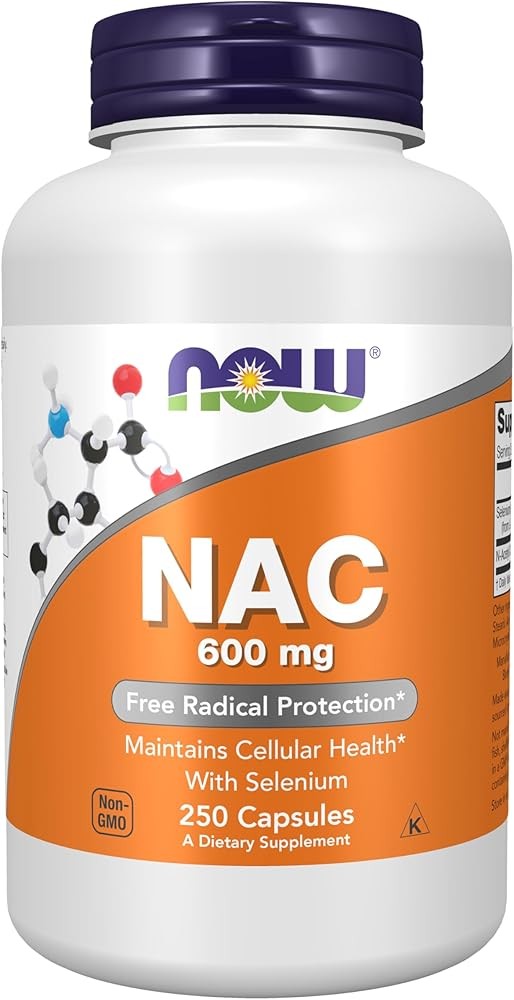
NOW Supplements NAC 600mg with Selenium - 250 Capsules
Check Price on AmazonAs an Amazon Associate we earn from qualifying purchases.
For women implementing the research-backed 1,800mg daily protocol (600mg three times daily), NOW Supplements NAC provides pharmaceutical-grade N-acetylcysteine with selenium co-factor for enhanced glutathione synthesis. The 250-capsule bottle supplies 83 days at the standard fertility dosing used in clinical trials showing 52% ovulation rate improvements and 77.88% cumulative pregnancy rates in PCOS patients. Selenium acts synergistically with NAC by supporting glutathione peroxidase enzyme function, providing comprehensive antioxidant protection for developing eggs during the critical 90-day maturation window. Third-party testing ensures purity and potency, eliminating concerns about heavy metal contamination or underdosed capsules.
Best Budget: Doctors Best NAC Detox Regulators 600mg — $11.99
Budget-conscious women can achieve the same clinical benefits with Doctors Best NAC at a lower monthly cost while gaining sustained-release technology that may improve tolerability. The 180-capsule bottle provides 60 days at the standard 1,800mg daily protocol used in fertility studies. Sustained-release formulation reduces the characteristic NAC sulfur taste and may minimize gastrointestinal side effects reported by some users taking standard NAC on an empty stomach. This makes it ideal for women who experience nausea with immediate-release NAC formulations or those testing NAC before committing to premium options.
Best for PCOS: CONCEIVE PLUS Ovulation Support — $29.99
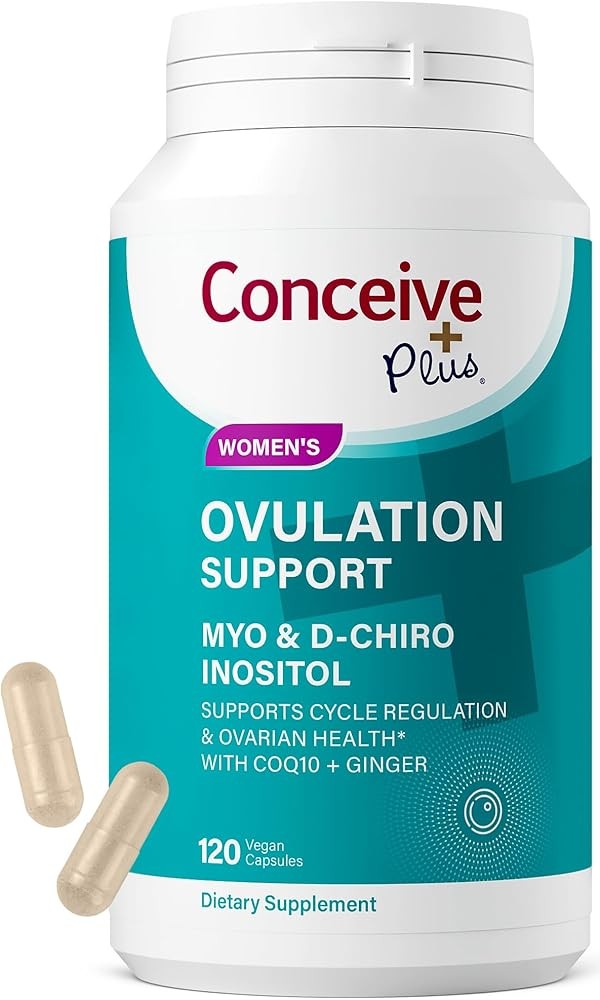
CONCEIVE PLUS Ovulation Support - Myo-Inositol & D-Chiro Inositol with CoQ10
Check Price on AmazonAs an Amazon Associate we earn from qualifying purchases.
Women with PCOS benefit from multi-mechanism fertility support addressing insulin resistance, antioxidant protection, and hormonal balance simultaneously. CONCEIVE PLUS combines 2,000mg myo-inositol and 50mg D-chiro inositol in the research-backed 40:1 ratio shown to improve insulin sensitivity and restore ovulation, plus 100mg CoQ10 ubiquinol for mitochondrial support in aging eggs. When paired with standalone NAC supplementation (the formula doesn’t include NAC), this creates the comprehensive PCOS fertility protocol recommended by reproductive endocrinologists: inositol for insulin sensitivity, CoQ10 for egg quality, and NAC for glutathione synthesis and oxidative stress reduction.
Best for Egg Quality: Molecular Fertility CoQ10 Ubiquinol 100mg — $39.99
Women age 35 and older preparing for IVF or managing age-related egg quality decline need maximum mitochondrial support. Molecular Fertility’s CoQ10 uses VESIsorb absorption technology increasing bioavailability by 300-600% compared to standard CoQ10 supplements, ensuring therapeutic levels reach ovarian tissue and developing eggs. The reduced ubiquinol form provides direct antioxidant activity without requiring cellular conversion, critical for older eggs with declining metabolic efficiency. When combined with NAC 1,800mg daily, this creates the research-supported antioxidant stack for IVF preparation: NAC restores glutathione levels, CoQ10 enhances mitochondrial ATP production, reducing oxidative stress markers in follicular fluid by 40-60% over 90 days.
Complete Support System
NAC works best as part of a comprehensive fertility optimization protocol. Research supports combining multiple targeted supplements that address different mechanisms simultaneously.
Antioxidant Foundation:
- CoQ10 (Ubiquinol) — Supports mitochondrial function in developing eggs, particularly important for women over 35
- Vitamin E — Works synergistically with NAC to protect cell membranes from oxidative damage
Hormonal Balance:
- Myo-Inositol + D-Chiro-Inositol — Research-backed 40:1 ratio for PCOS insulin sensitivity and ovulation support
- Vitex (Chasteberry) — May support luteal phase and progesterone levels in women with irregular cycles
Methylation & Folate:
- Methylfolate vs Folic Acid — Active folate form critical for egg quality and neural tube development
- Prenatal Supplements — Comprehensive nutrient support during the preconception window
PCOS-Specific Support:
- Best Supplements for PCOS — Evidence-based guide to the full PCOS supplement protocol
- Inositol for PCOS and Anxiety — Dual benefits for metabolic and mental health in PCOS
Related Reading
- Myo-Inositol vs D-Chiro-Inositol for PCOS — Understanding the 40:1 ratio and which form works best for different PCOS symptoms
- Best Supplements for Female Fertility — Comprehensive guide to research-backed fertility supplements beyond NAC
- Vitex for Hormone Balance and Progesterone — How chasteberry supports luteal phase and natural progesterone production
- Methylfolate vs Folic Acid — Why the active folate form matters for fertility and pregnancy outcomes
- Best Supplements for PCOS — Evidence-based protocols for managing PCOS symptoms naturally
- Recurrent Miscarriage Supplements — Targeted support for women with pregnancy loss history
- Egg Quality Supplements Over 40 — Age-specific protocols for supporting egg quality and IVF preparation
- Endometriosis Fertility Supplements — Managing endometriosis-related fertility challenges with targeted nutrition
Conclusion: NAC as Part of Your Fertility Optimization Strategy
N-acetylcysteine represents one of the nutritional supplements with the most available research support regarding fertility, particularly for women with PCOS. Published research is notable: multiple randomized controlled trials and meta-analyses suggest NAC may support ovulation rates, may increase pregnancy success, and appears to have some benefit for egg quality through antioxidant and metabolic mechanisms. PMC8873829
For women with PCOS, NAC appears to be a well-tolerated alternative or addition to metformin, with research suggesting potential benefits for ovulation and pregnancy rates, particularly when used alongside clomiphene citrate. A 2024 clinical trial indicated a 77.88% cumulative pregnancy rate with NAC supplementation – compared to 58.04% without – which represents a notable difference for women experiencing challenges with PCOS-related infertility (PubMed 39861414).
Women with endometriosis have shown notable changes in fertility outcomes following NAC supplementation, with research indicating that 75% of women in one study experienced spontaneous pregnancy within six months. Studies suggest the modulation of inflammatory responses may support fertility in this condition, where chronic inflammation can be a contributing factor (PubMed 36981595).
For age-related fertility decline and IVF preparation, while the evidence is more limited than for PCOS, NAC’s ability to protect eggs from oxidative stress and support mitochondrial function offers biological plausibility and emerging clinical support.
Key takeaways: - Research suggests NAC primarily supports increases in glutathione, the body’s master antioxidant - Published research indicates the strongest evidence supports NAC use in PCOS for ovulation induction and pregnancy - Clinical trials have used NAC at 1,200-1,800mg daily in divided doses - Studies suggest benefits may take 2-3 months to manifest as eggs mature - Research indicates NAC appears to be generally safe during preconception and early pregnancy - Studies suggest NAC may be most beneficial as part of comprehensive fertility optimization with a healthy lifestyle - Research supports NAC as a complement to, not a replacement for, appropriate medical fertility care.
NAC is not a singular fertility solution, but for certain individuals – particularly those with PCOS, endometriosis, age-related challenges, or previous suboptimal IVF outcomes – research suggests it may be a helpful tool that appears to support improved chances of conception. When used alongside optimal nutrition, lifestyle factors, appropriate medical treatment, and other targeted supplements, studies indicate NAC may contribute to creating a supportive environment for egg development and early pregnancy. PMC PMID:34084728
If experiencing challenges with fertility, discussing NAC with a reproductive endocrinologist may be helpful to determine if it aligns with individual needs. Published research indicates NAC demonstrates a substantial evidence base, a favorable safety profile, and a relatively low cost, suggesting it may be a worthwhile consideration for some women seeking to support their fertility journey.
This article is for informational purposes only and is not a substitute for professional medical advice. Always consult with a qualified healthcare provider or reproductive endocrinologist before starting any new supplement regimen, especially when trying to conceive or undergoing fertility treatment. Individual results may vary.
References
- Efficacy of N-Acetylcysteine in Polycystic Ovary Syndrome: Systematic Review and Meta-Analysis. Nutrients. 2025. MDPI
- N-acetylcysteine supplementation improves endocrine-metabolism profiles and ovulation induction efficacy in polycystic ovary syndrome. J Ovarian Res. 2024. PubMed: 39861414
- N-Acetylcysteine improves oocyte quality through modulating the Nrf2 signaling pathway. Reprod Biol Endocrinol. 2022. PubMed: 35513370
- Role of N-acetylcysteine treatment in women with advanced age undergoing IVF/ICSI cycles. Gynecol Endocrinol. 2022. PMC: 9577027
- N-Acetylcysteine improves oocyte and embryo quality in PCOS patients undergoing ICSI. Reprod Biomed Online. 2015. PubMed: 25482371
- Review on the role of glutathione on oxidative stress and infertility. JBRA Assist Reprod. 2018. PMC: 5844662
- The role of oxidative stress in ovarian aging. J Ovarian Res. 2022. DOI
- Efficacy of N-Acetylcysteine on Endometriosis-Related Pain and Fertility Outcomes. Nutrients. 2023. PubMed: 36981595
- N-acetylcysteine stimulates organelle malfunction in endometriotic cells. Sci Rep. 2025. Nature
- Porpora MG, et al. A Promise in the Treatment of Endometriosis by N-Acetylcysteine. Int J Mol Sci. 2013. PMC: 3662115
- Rizk AY, et al. N-acetyl-cysteine is a novel adjuvant to clomiphene citrate in clomiphene citrate-resistant patients with polycystic ovary syndrome. Fertil Steril. 2005. ScienceDirect
- Fulghesu AM, et al. N-acetyl-cysteine treatment improves insulin sensitivity in women with polycystic ovary syndrome. Fertil Steril. 2002. PubMed: 12057717
- Exposure to N-Acetyl-L-Cysteine Reduces Cyclophosphamide Teratogenesis. Toxics. 2019. PMC: 6527103
- Jenkins DD, et al. Antenatal N-acetylcysteine to improve outcomes of premature infants. Semin Fetal Neonatal Med. 2021. PMC: 7451831
- Amin AF, et al. N-acetyl cysteine for treatment of recurrent unexplained pregnancy loss. Reprod Biomed Online. 2008. PubMed: 18983759
Recommended Products