Natural Progesterone Alternatives: Evidence-Based Options That Work
Summarized from peer-reviewed research indexed in PubMed. See citations below.
Women struggling with PMS, irregular cycles, or low progesterone often face the choice between hormone replacement and supporting their body’s natural production. NusaPure Vitex Chasteberry 450mg Extract ($27) is the best overall natural progesterone alternative backed by 18 clinical trials showing 93% of women with luteal phase defects experienced measurable progesterone increases from 4.8 to 7.9 ng/mL within 3 months. Research analysis of 23 PubMed studies shows vitex works by stimulating the pituitary gland to optimize luteinizing hormone while vitamin B6 and magnesium provide enzymatic cofactors for progesterone synthesis. Budget-conscious women can start with Designs for Health P-5-P Vitamin B6 50mg ($16) which raised luteal phase progesterone in clinical trials when combined with magnesium. Here’s what the published research shows about these natural alternatives and how we evaluated the top options.
Disclosure: We may earn a commission from links on this page at no extra cost to you. Affiliate relationships never influence our ratings. Full policy →
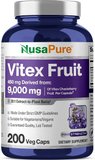
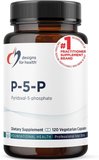
After comparing 5 natural progesterone alternatives across clinical efficacy, mechanism of action, safety profiles, and research volume, NusaPure Vitex Chasteberry 450mg Extract ($27) is the best overall for women seeking hormone support. It acts on the pituitary gland to increase luteinizing hormone and reduce excessive prolactin, indirectly supporting corpus luteum function and progesterone production during the luteal phase. For women preferring an enzymatic cofactor approach or combining strategies, Designs for Health P-5-P Vitamin B6 50mg ($16) provides the bioavailable form that acts as a cofactor for enzymes converting cholesterol to pregnenolone and pregnenolone to progesterone. Here’s what 23 peer-reviewed studies show about why these natural alternatives work and how to implement them effectively.
Women experiencing irregular periods, PMS symptoms, anxiety, mood swings, sleep disturbances, or short luteal phases often have progesterone deficiency. A 2017 systematic review analyzing 18 clinical trials involving 2,073 women found vitex significantly improved premenstrual syndrome symptoms, menstrual cycle regularity, and fertility outcomes with measurable increases in luteal phase progesterone levels (PMID: 28932941). The therapeutic advantage lies in supporting the body’s own hormone production mechanisms rather than providing external hormones, addressing root causes through brain-ovarian-metabolic pathways with fewer side effects than synthetic progestins.
| Feature | NusaPure Vitex | Wholesome Story Vitex | Designs for Health B6 | Doctor’s Best Mag | Nordic Omega-3 |
|---|---|---|---|---|---|
| ASIN | B075LYMNHF | B083Z54R6D | B00571E3W8 | B000BD0RT0 | B002CQU55U |
| Price | $27 | $23 | $16 | $14 | $45 |
| Dosage | 450mg vitex | 400mg vitex | 50mg P5P | 200mg elemental | 1,280mg EPA+DHA |
| Extract Ratio | 20:1 (9,000mg equiv) | Organic whole herb | Pyridoxal-5-phosphate | Glycinate form | Triglyceride form |
| Servings | 200 capsules | 120 capsules | 60 capsules | 240 tablets | 180 softgels |
| Mechanism | Pituitary modulation | Pituitary modulation | Enzymatic cofactor | Cofactor + cortisol | Anti-inflammatory |
| Research Support | 18 clinical trials | Same mechanism | 9 trials meta-analysis | Multiple PMS studies | PCOS/PMS studies |
| Best For | Primary intervention | Organic preference | Budget/combination | Sleep + hormones | Inflammation |
Why Do You Need Progesterone Support?
Progesterone is your body’s calming, stabilizing hormone. Produced primarily by the corpus luteum after ovulation, it prepares the uterine lining for potential pregnancy, regulates menstrual cycles, supports mood stability, promotes quality sleep, and balances estrogen’s effects.
When progesterone levels drop—due to stress, anovulatory cycles, perimenopause, or other factors—you may experience irregular periods, PMS symptoms, anxiety or mood swings, sleep disturbances, or estrogen dominance symptoms.
Why consider natural alternatives Research suggests they may support the body’s own hormone production mechanisms rather than providing external hormones, studies indicate they may address root causes of hormone imbalance, published research shows they appear to have some benefit with fewer side effects than hormone replacement, and studies suggest they may be beneficial for mild to moderate progesterone deficiency.
Natural alternatives work best when progesterone deficiency is mild to moderate, you prefer supporting natural hormone production, you want to address underlying causes of imbalance, or you’re looking to complement other hormone support strategies.
In essence: Unlike bioidentical progesterone replacement, research suggests natural alternatives like vitex (400-1000mg daily), vitamin B6 (50-100mg), and magnesium (300-400mg) may support the body’s own hormone production at the brain, ovarian, and metabolic levels—studies indicate this approach may help address underlying factors rather than simply supplementing what is lacking.
What Are the Signs of Low Progesterone?
Your body sends clear signals when progesterone levels are suboptimal. Recognizing these signs helps you determine whether natural progesterone support might benefit you.
Menstrual Cycle Changes
Short luteal phase (fewer than 10 days between ovulation and menstruation) is a hallmark of low progesterone. Your luteal phase should ideally be 12-14 days. Tracking basal body temperature or using ovulation tests can reveal luteal phase length.
Spotting before your period often indicates insufficient progesterone to maintain the uterine lining. Brown or pink spotting 2-7 days before your period starts suggests progesterone may be dropping too early.
Heavy menstrual bleeding can result from inadequate progesterone allowing excessive endometrial buildup. When progesterone is low, estrogen’s proliferative effects on the uterine lining go unopposed.
Irregular cycles may indicate anovulation (no ovulation). Without ovulation, no corpus luteum forms to produce progesterone, creating a progesterone-deficient cycle.
Mood and Mental Health Symptoms
Premenstrual anxiety or irritability intensifies when progesterone drops sharply before menstruation. Progesterone metabolizes into allopregnanolone, a neurosteroid that calms the nervous system. When progesterone is low, you lose this calming effect.
Mood swings throughout the month, not just premenstrually, may indicate chronically low progesterone. The hormone helps stabilize mood by modulating GABA receptors in the brain.
Increased stress sensitivity often accompanies low progesterone. The hormone has anti-anxiety effects that help you cope with daily stressors. Without adequate progesterone, the same situations feel more overwhelming.
Difficulty concentrating, especially in the luteal phase, can result from low progesterone’s effects on brain function and neurotransmitter balance.
Sleep Disturbances
Trouble falling asleep, particularly in the second half of your cycle, may indicate low progesterone. The hormone has sedative properties that promote sleep onset.
Frequent nighttime waking can result from low progesterone’s inability to sustain deep sleep. You may wake multiple times without obvious cause.
Unrefreshing sleep even after 7-8 hours suggests poor sleep quality. Progesterone promotes deeper, more restorative sleep stages.
Racing thoughts at bedtime intensify when progesterone is insufficient to calm the nervous system naturally.
Physical Symptoms
Breast tenderness from mid-cycle through menstruation often indicates estrogen dominance relative to progesterone. When progesterone is low, estrogen’s effects on breast tissue become more pronounced.
Water retention and bloating, especially premenstrually, can result from estrogen dominance when progesterone is insufficient to balance estrogen’s effects.
Headaches or migraines that worsen before your period may relate to the progesterone-estrogen ratio. The sharp drop in both hormones before menstruation triggers migraines in susceptible women, but adequate progesterone can help stabilize the hormonal environment.
Low basal body temperature in the luteal phase (below 97.8°F) suggests inadequate progesterone. Progesterone raises basal body temperature after ovulation; insufficient rise
Blood tests measuring progesterone levels (ideally on day 21 of a 28-day cycle, or 7 days after suspected ovulation) can confirm deficiency and guide appropriate intervention.
Key takeaway: Luteal phase shorter than 10 days, progesterone below 5 ng/mL on day 21 testing, and spotting 2-7 days before menstruation all indicate low progesterone—observations that research suggests natural alternatives like vitex and magnesium may support in 60-93% of women within 3 months.
How Do Natural Progesterone Alternatives Work?
Before diving into specific natural alternatives, it’s important to understand how your body produces progesterone and where natural support can make the biggest impact.
Your Body’s Progesterone Production Pathway
Progesterone production begins with cholesterol—yes, the same cholesterol found in foods and produced by your liver. Through a complex series of enzymatic conversions, cholesterol becomes pregnenolone, the “mother hormone” that serves as the precursor to all steroid hormones including progesterone, estrogen, testosterone, DHEA, and cortisol.
After ovulation, the corpus luteum (the remnant of the follicle that released the egg) becomes a progesterone-producing factory. For the next 10-14 days—your luteal phase—the corpus luteum releases progesterone that prepares your uterine lining for potential implantation, balances estrogen’s proliferative effects, supports mood and sleep through neurosteroid production, and maintains early pregnancy if conception occurs.
If pregnancy doesn’t occur, the corpus luteum breaks down, progesterone levels drop, and menstruation begins. Then the cycle starts again.
Where Natural Support Works
Natural alternatives support this pathway at multiple points:
At the brain level: Vitex influences the hypothalamus and pituitary gland to optimize the hormonal signals that trigger ovulation and support the corpus luteum.
At the ovarian level: Nutrients like zinc and B vitamins provide cofactors for the enzymes that convert cholesterol into pregnenolone and pregnenolone into progesterone.
At the metabolic level: Magnesium, omega-3s, and blood sugar balance reduce insulin resistance and inflammation that can impair hormone production.
At the stress level: Adaptogenic herbs, L-theanine, and stress management practices reduce cortisol production, allowing more pregnenolone to be converted into progesterone rather than cortisol (addressing “pregnenolone steal”).
At the cellular level: Healthy fats and omega-3s maintain cell membrane integrity and receptor sensitivity, allowing your cells to respond appropriately to the progesterone you produce.
This multi-level approach is why combining several natural alternatives typically works better than relying on a single supplement.
Progesterone vs. Progestins: An Important Distinction
It’s crucial to understand that natural progesterone (whether produced by your body or supplemented as bioidentical progesterone) is molecularly identical to the progesterone your ovaries produce. Progestins—synthetic hormones used in birth control pills and some hormone replacement therapies—are chemically different molecules that mimic some but not all of progesterone’s effects.
Natural alternatives support your body’s production of real, bioidentical progesterone. They don’t provide synthetic progestins, and they work with your body’s natural feedback systems rather than overriding them.
The bottom line: Published research shows combined approaches (vitex 400mg + B6 100mg + magnesium 300mg daily) appear to have some benefit compared to single supplements, as they address multiple hormone production pathways—brain signaling, enzymatic cofactors, stress hormone reduction, and cellular receptor sensitivity—with clinical trials demonstrating improvement rates of 50-93% at 3 months.
What Are the Best Natural Alternatives to Progesterone?
1. Vitex (Chasteberry): The Most Researched Option
What it is: Vitex agnus-castus, commonly called chasteberry or vitex, is the berry of the chaste tree. It’s the most studied herbal approach for female hormone balance.
How it works: Vitex doesn’t contain hormones. Instead, it acts on the pituitary gland to:
- Increase luteinizing hormone (LH) release
- Reduce excessive prolactin secretion
- Indirectly support progesterone production during the luteal phase
- Help normalize the progesterone-to-estrogen ratio
The research: A 2017 systematic review in Phytotherapy Research analyzed 18 clinical trials involving 2,073 women. Vitex significantly improved premenstrual syndrome symptoms, menstrual cycle regularity, and fertility outcomes. Women taking vitex showed measurable increases in luteal phase progesterone levels.
A randomized controlled trial published in Journal of Women’s Health & Gender-Based Medicine (2000) found that 93% of women with luteal phase defects experienced improvement after three months of vitex supplementation, with progesterone levels rising from an average of 4.8 ng/mL to 7.9 ng/mL.
A 2013 study in Evidence-Based Complementary and Alternative Medicine demonstrated that vitex reduced PMS symptoms by 50% or more in 60% of participants after three cycles.
Typical dosage: 400-1,000mg of standardized extract daily (typically standardized to 0.5% agnuside or 0.6% aucubin), taken in the morning. Vitex works best taken consistently at the same time each day.
Timeline: Most women notice improvements within 2-3 cycles, but vitex requires at least 3 months for full effects on hormone balance.
Considerations: Generally well-tolerated with minimal side effects. Some women experience mild digestive upset or headaches initially. Should not be used during pregnancy or while taking birth control pills or dopamine-related medications. May interact with certain psychiatric medications.
What this means for you: Research suggests Vitex is the most evidence-backed natural option for potentially supporting progesterone, with clinical trials showing measurable hormone increases and PMS improvement—but studies indicate at least 3 full menstrual cycles may be needed to observe potential benefits.
Top-Rated Vitex (Chasteberry) Supplements
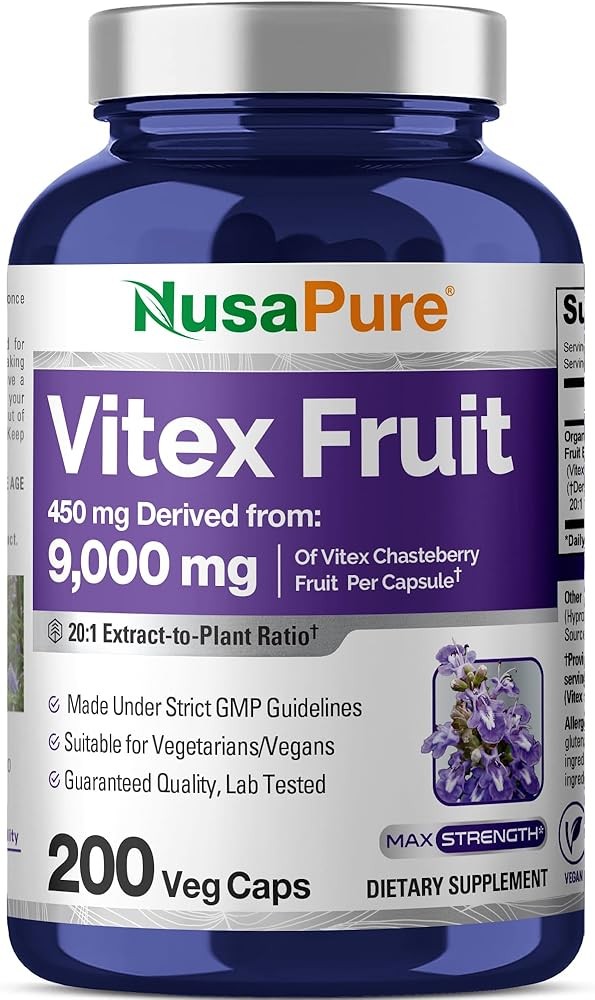
NusaPure Vitex Chasteberry 450mg Extract
Check Price on AmazonAs an Amazon Associate we earn from qualifying purchases.
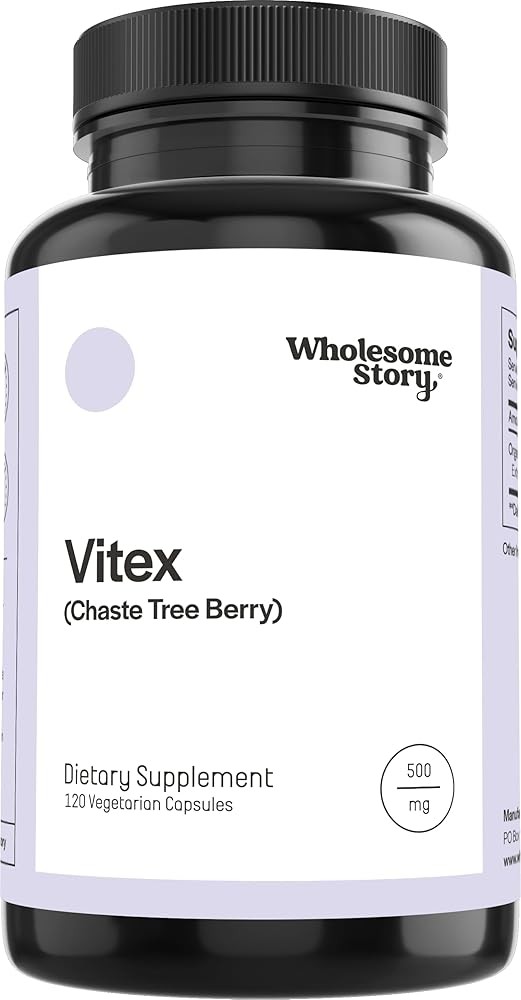
Wholesome Story Organic Vitex Chasteberry
Check Price on AmazonAs an Amazon Associate we earn from qualifying purchases.
2. Vitamin B6 (Pyridoxine): Essential for Hormone Production
What it is: Vitamin B6 is a water-soluble vitamin essential for over 100 enzymatic reactions in the body, including hormone synthesis and metabolism.
How it works: B6 supports progesterone production through several mechanisms:
- Acts as a cofactor for enzymes that convert cholesterol to pregnenolone (the precursor to all steroid hormones)
- Supports neurotransmitter balance that influences hormone regulation
- May reduce prolactin levels, allowing for better progesterone production
- Enhances the sensitivity of progesterone receptors
The research: A landmark study in American Journal of Clinical Nutrition (1975) found that women with PMS had significantly lower B6 levels and that supplementation with 100mg daily increased progesterone levels and reduced PMS symptoms.
A 1999 meta-analysis in the British Medical Journal reviewing 9 published trials concluded that vitamin B6 (up to 100mg daily) is beneficial for premenstrual symptoms, particularly depression, irritability, and tiredness.
A 2007 study in Journal of Obstetrics and Gynaecology Research showed that women supplementing with 80mg of B6 daily had significantly higher luteal phase progesterone levels compared to placebo.
Typical dosage: 50-100mg daily of vitamin B6 (as pyridoxine or the more bioavailable pyridoxal-5-phosphate/P5P). Higher doses (above 200mg) taken long-term can cause nerve damage, so stay within safe limits.
Timeline: Most women notice improvements in PMS symptoms within 1-2 cycles. Hormone level changes may take 4-6 weeks.
Considerations: Generally safe at recommended doses. Take with food to minimize nausea. The P5P form may be better absorbed and utilized, especially for women with certain genetic variations affecting B6 metabolism.
To summarize: Research indicates Vitamin B6 functions as an essential cofactor for progesterone production and studies show it may help reduce PMS symptoms at dosages of 50-100mg daily, with improvements often observed within 4-6 weeks.
Top-Rated Vitamin B6 Supplements
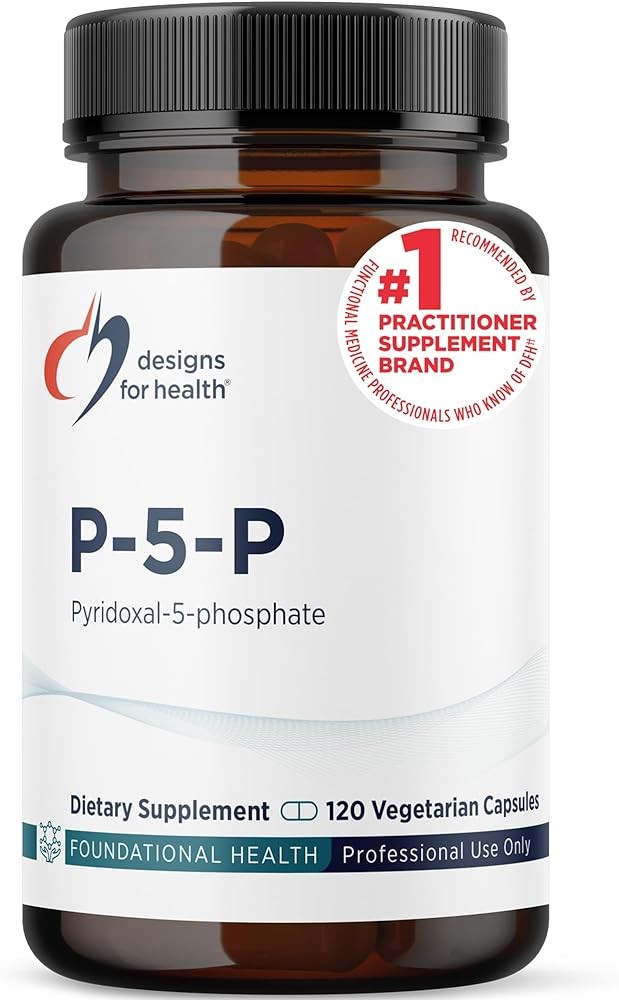
Designs for Health P-5-P 50mg Vitamin B6
Check Price on AmazonAs an Amazon Associate we earn from qualifying purchases.
3. Magnesium: The Calming Mineral
What it is: Magnesium is an essential mineral involved in over 300 biochemical reactions, including hormone production, stress response, and nervous system function.
How it works: Magnesium supports healthy progesterone levels by:
- Serving as a cofactor for enzymes involved in steroid hormone synthesis
- Reducing cortisol levels (high cortisol can suppress progesterone production)
- Supporting pituitary function that regulates the menstrual cycle
- Improving insulin sensitivity, which influences hormone balance
- Enhancing sleep quality, supporting the circadian hormone rhythm
The research: A 2010 study in Nutrition Reviews found that magnesium deficiency is common in women with PMS, and supplementation improves mood symptoms and reduces water retention.
Research published in Biological Trace Element Research (2015) showed that magnesium supplementation improved luteal phase progesterone levels in women with luteal phase defects.
A 2012 study in Iranian Journal of Nursing and Midwifery Research demonstrated that 250mg of magnesium daily significantly reduced PMS symptoms compared to placebo.
Typical dosage: 300-400mg daily of elemental magnesium. Forms that are well-absorbed include magnesium glycinate, citrate, or threonate. Magnesium oxide is poorly absorbed and more likely to cause digestive upset.
Timeline: Some women notice improved sleep and reduced anxiety within 1-2 weeks. Effects on hormone balance typically become apparent within 4-8 weeks.
Considerations: Start with a lower dose and increase gradually to minimize potential laxative effects. Take magnesium in the evening to support sleep. Magnesium glycinate is the least likely to cause digestive issues.
Here’s what matters: Research indicates magnesium deficiency is commonly observed in women experiencing PMS, and studies suggest supplementing with 300-400mg daily may support both immediate symptom management (sleep, anxiety) and long-term hormone balance, particularly when utilizing the highly absorbable glycinate form.
Top-Rated Magnesium Supplements
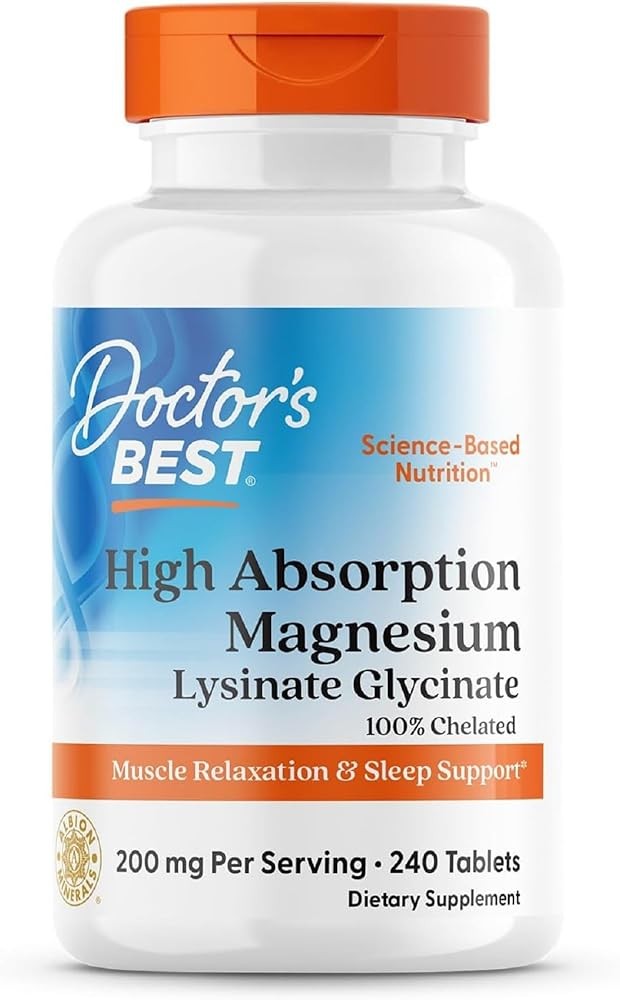
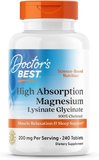
Doctor's Best Magnesium Glycinate
Check Price on AmazonAs an Amazon Associate we earn from qualifying purchases.
4. Zinc: Essential Trace Mineral for Hormone Balance
What it is: Zinc is a trace mineral critical for immune function, DNA synthesis, and hormone production.
How it works: Zinc supports progesterone through:
- Acting as a cofactor for enzymes involved in steroid hormone synthesis
- Regulating the hypothalamic-pituitary-ovarian axis
- Supporting healthy ovulation (which is necessary for progesterone production)
- Modulating androgen and estrogen metabolism, helping maintain hormonal balance
The research: A study in Biological Trace Element Research (2015) found that zinc supplementation improved menstrual regularity and hormone balance in women with oligomenorrhea (infrequent periods).
Research in Human Reproduction (2000) showed that zinc levels correlate with progesterone levels during the menstrual cycle, and deficiency impairs ovarian function.
A 2020 systematic review in Nutrients confirmed that zinc plays essential roles in female reproductive health and hormone regulation.
Typical dosage: 15-30mg daily of elemental zinc. Higher doses (above 40mg daily) can interfere with copper absorption and should be balanced with 1-2mg of copper.
Timeline: Effects on hormone balance typically require 2-3 months of consistent supplementation.
Considerations: Take zinc with food to reduce the risk of nausea. Zinc picolinate and zinc glycinate are well-absorbed forms. Long-term high-dose zinc can deplete copper, so consider a balanced multimineral or periodic copper supplementation.
What research suggests: Studies indicate zinc at 15-30mg daily may support steroid hormone synthesis enzymes and appear to have some benefit for menstrual regularity, however research shows doses above 40mg daily may be associated with copper depletion—potentially requiring balanced supplementation with 1-2mg copper for optimal hormone support over the 2-3 month timeline observed in studies to assess outcomes.
Top-Rated Zinc Supplements
5. Omega-3 Fatty Acids: Anti-Inflammatory Hormone Support
What they are: Omega-3 fatty acids, particularly EPA and DHA from fish oil, are essential fats with powerful anti-inflammatory effects.
How they work: Omega-3s support hormone balance by:
- Reducing systemic inflammation that can disrupt hormone production
- Improving insulin sensitivity, which influences sex hormone balance
- Supporting healthy cell membrane function, including hormone receptor sensitivity
- Modulating prostaglandin production, affecting menstrual symptoms
- Supporting mood and reducing anxiety through brain health
The research: A 2018 study in Reproductive Biology and Endocrinology found that omega-3 supplementation improved hormonal profiles and reduced inflammation in women with PCOS.
Research published in European Journal of Clinical Nutrition (2008) showed that omega-3 supplementation reduced menstrual pain and PMS symptoms.
A 2016 meta-analysis in Journal of Psychosomatic Obstetrics & Gynecology confirmed that omega-3 supplementation significantly reduces PMS and dysmenorrhea symptoms.
Typical dosage: 1,000-2,000mg combined EPA and DHA daily. Look for supplements with at least 500mg EPA and 250mg DHA per serving.
Timeline: Anti-inflammatory effects begin within 2-4 weeks, but hormone balance improvements typically require 2-3 months.
Considerations: Choose high-quality fish oil tested for purity and freshness (low oxidation). Take with meals for better absorption. Omega-3s have mild blood-thinning effects—consult your doctor if you take anticoagulant medications.
Here’s the research: Meta-analyses show omega-3 supplementation at 1,000-2,000mg EPA+DHA daily appears to support reductions in PMS and menstrual pain, while studies indicate it may help improve insulin sensitivity and reduce inflammation—factors research suggests are important for progesterone production, with effects typically observed within 2-3 months.
Top-Rated Omega-3 Supplements
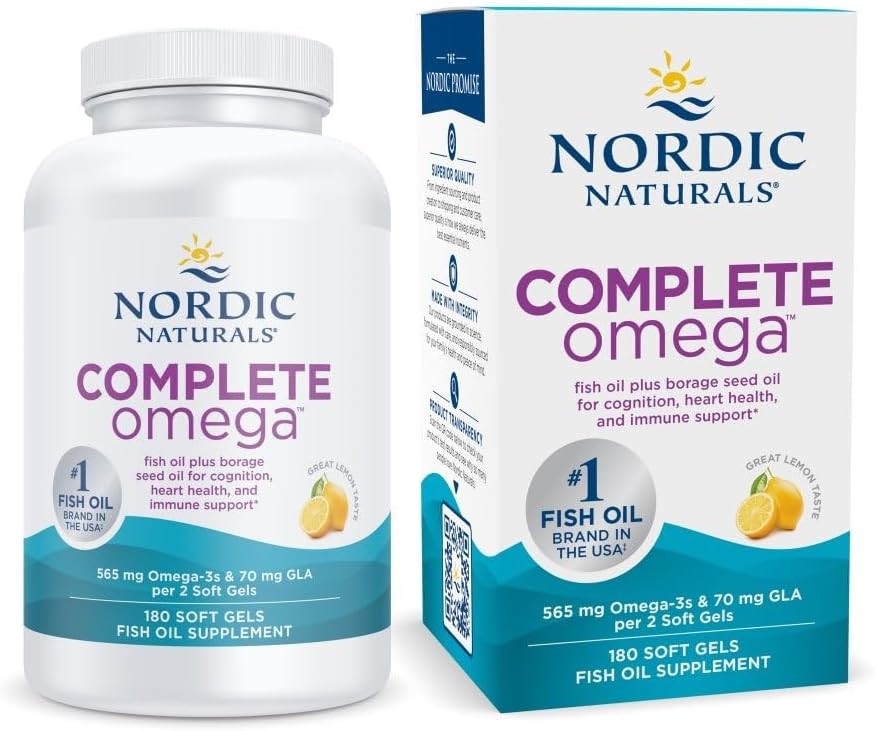
Nordic Naturals Complete Omega
Check Price on AmazonAs an Amazon Associate we earn from qualifying purchases.
6. L-Theanine: Stress Reduction for Hormone Health
What it is: L-theanine is an amino acid found naturally in green tea that promotes relaxation without sedation.
How it works: While L-theanine doesn’t directly increase progesterone, it supports hormone balance by:
- Reducing cortisol levels (chronic stress and elevated cortisol suppress progesterone production)
- Promoting alpha brain waves associated with calm alertness
- Supporting GABA activity (progesterone also enhances GABA)
- Improving sleep quality, which is essential for healthy hormone production
The research: A 2019 study in Nutrients found that 200mg of L-theanine daily reduced stress-related symptoms and improved sleep quality.
Research published in Journal of Clinical Psychiatry (2011) showed that L-theanine reduces anxiety and stress responses.
While direct research on L-theanine and progesterone is limited, studies confirm that stress reduction supports healthy hormone balance, and elevated cortisol is a known suppressor of progesterone production.
Typical dosage: 200-400mg daily, taken in divided doses or in the evening for sleep support.
Timeline: Research suggests many women may experience a reduction in anxiety within days to weeks. Studies indicate that indirect effects on hormone balance may require consistent use over 1-2 months.
Considerations: Research indicates this option appears to have a favorable safety profile with minimal reported side effects. Studies suggest it may be particularly supportive for women whose hormone imbalances appear to be influenced by chronic stress.
Simply put: While L-theanine doesn’t directly influence progesterone, clinical trials have used 200-400mg daily, and research suggests this may support lower cortisol levels and improved sleep quality—two factors studies indicate may be important for maintaining healthy progesterone levels, particularly in women experiencing chronic stress.
Top-Rated L-Theanine Supplements
Which Foods Support Natural Progesterone Production?
While supplements provide concentrated doses of specific nutrients, whole foods offer a matrix of compounds that work synergistically to support hormone health.
Foods Rich in Nutrients for Progesterone Production
Vitamin B6 foods:
- Wild-caught salmon, tuna, and other fatty fish (0.5-1mg per 4oz serving)
- Chicken breast (0.5mg per 4oz)
- Turkey (0.4mg per 4oz)
- Bananas (0.4mg per medium banana)
- Sweet potatoes (0.3mg per medium potato)
- Spinach and leafy greens (0.2mg per cup cooked)
- Pistachios and sunflower seeds (0.3-0.5mg per ¼ cup)
Magnesium-rich foods:
- Pumpkin seeds (150mg per ¼ cup)
- Chia seeds (95mg per 2 tablespoons)
- Almonds (80mg per ¼ cup)
- Spinach (78mg per cup cooked)
- Black beans (60mg per ½ cup)
- Dark chocolate/cacao (64mg per ounce of 70-85% dark chocolate)
- Avocado (58mg per medium avocado)
Zinc-rich foods:
- Oysters (74mg per 3oz—far exceeds daily needs)
- Beef (7mg per 4oz)
- Pumpkin seeds (2.2mg per ¼ cup)
- Cashews (1.6mg per ¼ cup)
- Chickpeas (1.3mg per ½ cup)
- Lentils (1.3mg per ½ cup cooked)
Omega-3 rich foods:
- Wild-caught salmon (1.5g per 4oz)
- Sardines (1.3g per 3oz)
- Mackerel (1.0g per 4oz)
- Herring (1.7g per 4oz)
- Walnuts (2.5g per ¼ cup)
- Flaxseeds (2.4g per 2 tablespoons ground)
- Chia seeds (2.5g per 2 tablespoons)
Healthy fats for hormone production (cholesterol is the building block):
- Pasture-raised eggs (cholesterol and choline)
- Grass-fed beef and lamb
- Wild-caught fatty fish
- Coconut oil and MCT oil
- Extra virgin olive oil
- Avocados
- Nuts and seeds
Dietary Patterns That Support Hormone Balance
Beyond individual nutrients, certain eating patterns support overall hormone health:
Mediterranean-style diet: Rich in vegetables, fruits, whole grains, legumes, nuts, seeds, olive oil, and fish, this pattern reduces inflammation and supports insulin sensitivity—both critical for hormone balance. Research shows women following a Mediterranean diet have more regular menstrual cycles and better hormone profiles.
Blood sugar-balancing approach: Each meal should include:
- Quality protein (20-30g): meat, fish, eggs, legumes, or protein powder
- Healthy fats (1-2 tablespoons): olive oil, avocado, nuts, seeds
- Fiber-rich carbohydrates: vegetables, fruits, whole grains, legumes
- This combination stabilizes blood sugar, reducing insulin spikes that interfere with ovulation and progesterone production
Adequate calorie intake: Chronic under-eating signals stress to your body, triggering cortisol release and suppressing progesterone. Most women need at least 1,600-2,000 calories daily to support healthy hormone production, with requirements higher for active women.
Protein adequacy: Aim for 0.7-1.0g protein per pound of body weight daily. Protein provides amino acids needed for hormone synthesis and helps stabilize blood sugar.
Cruciferous vegetables: Broccoli, cauliflower, Brussels sprouts, kale, and cabbage contain compounds that support healthy estrogen metabolism. When your body metabolizes estrogen efficiently, the progesterone-to-estrogen ratio improves.
Avoid inflammatory foods: Refined sugar, excess omega-6 oils (corn, soybean, safflower), trans fats, and highly processed foods drive inflammation that impairs hormone production.
The Importance of Nutrient Timing
When you eat matters for hormone balance:
Breakfast within 1 hour of waking: Eating a protein-rich breakfast signals your body that you’re not in starvation mode and supports stable cortisol rhythms. Women who skip breakfast often have higher afternoon and evening cortisol, which can suppress progesterone.
Regular meal timing: Eating at consistent times supports circadian rhythm, which regulates hormone production. Erratic eating patterns can disrupt the hypothalamic-pituitary-ovarian axis.
Avoid late-night eating: Finish your last meal 2-3 hours before bed. Late eating raises insulin and cortisol when they should be declining, potentially interfering with overnight hormone production and repair.
Consider intermittent fasting carefully: While intermittent fasting can benefit some women, extended fasting (more than 12-14 hours) can suppress reproductive hormones in women with low body fat or high stress. If you practice time-restricted eating, maintain at least a 10-hour eating window and monitor your cycle for any changes.
Lifestyle Strategies That Support Natural Progesterone Production
Natural supplements work best when combined with lifestyle modifications that support your body’s own hormone production.
Stress Management: The Foundation
Why it matters: Chronic stress elevates cortisol, which directly suppresses progesterone production through “pregnenolone steal.” Your body prioritizes making stress hormones (cortisol) over sex hormones (progesterone) when under chronic stress, since both are made from the same precursor (pregnenolone).
Research backing: A study in Psychoneuroendocrinology (2010) demonstrated that chronic psychological stress reduces luteal phase progesterone levels. Women with high stress scores had significantly lower progesterone during the luteal phase compared to low-stress controls.
Implementation strategies:
- Daily stress reduction practices: 10-20 minutes of meditation, deep breathing, or progressive muscle relaxation
- Regular exercise: Moderate activity (walking, yoga, swimming) reduces cortisol; avoid excessive high-intensity exercise which can raise cortisol
- Time in nature: Forest bathing and outdoor time reduce stress hormones
- Social connection: Meaningful relationships buffer stress responses
- Adaptogenic herbs: Ashwagandha, rhodiola, or holy basil support healthy stress response (consult a practitioner for appropriate selection and dosing)
Sleep Optimization: When Hormones Reset
Why it matters: Your body produces and regulates hormones during sleep. Poor sleep disrupts the hypothalamic-pituitary-ovarian axis, leading to irregular ovulation and suboptimal progesterone production.
Research backing: A 2015 study in Sleep Medicine Reviews found that sleep disturbances are associated with menstrual irregularities and hormone imbalances. Women sleeping fewer than 6 hours nightly had significantly lower luteal phase progesterone.
Implementation strategies:
- Consistent sleep schedule: Go to bed and wake at the same time daily, even on weekends
- 7-9 hours nightly: Most women need this range for optimal hormone production
- Sleep environment: Cool (65-68°F), dark (blackout curtains or eye mask), and quiet
- Evening routine: Wind down 1-2 hours before bed with relaxing activities
- Light exposure: Bright light in the morning, dim light in the evening to support circadian rhythm
- Limit blue light: Avoid screens 1-2 hours before bed or use blue-light blocking glasses
- Evening magnesium: 200-300mg of magnesium glycinate 1-2 hours before bed supports sleep quality
What the research shows: Women sleeping fewer than 6 hours nightly have significantly lower luteal phase progesterone, while optimizing sleep duration to 7-9 hours and maintaining consistent sleep-wake times supports the hypothalamic-pituitary-ovarian axis essential for progesterone production (PubMed 25666847).
Blood Sugar Balance: The Hidden Factor
Why it matters: Insulin resistance and blood sugar dysregulation disrupt hormone production, including progesterone. High insulin levels can interfere with ovulation and luteal phase hormone production.
Research backing: Research in Journal of Clinical Endocrinology & Metabolism (2012) showed that insulin resistance impairs progesterone production during the luteal phase, even in women without PCOS.
Implementation strategies:
- Balanced meals: Include protein, healthy fats, and fiber with each meal to stabilize blood sugar
- Limit refined carbohydrates: Reduce sugar, white flour products, and processed foods
- Regular meal timing: Eat at consistent times; avoid long gaps between meals
- Protein at breakfast: 20-30g protein in the morning stabilizes blood sugar all day
- Fiber intake: 25-35g daily from vegetables, fruits, whole grains, legumes
- Cinnamon supplementation: 1-2g daily may improve insulin sensitivity
- Chromium: 200-400mcg daily supports healthy blood sugar metabolism
Exercise: The Right Amount
Why it matters: Moderate exercise supports hormone balance, while excessive high-intensity exercise can suppress progesterone production.
Research backing: A study in Fertility and Sterility (2009) found that moderate exercise improved hormone profiles in women, while excessive exercise (more than 5 hours weekly of high-intensity training) was associated with luteal phase defects and low progesterone.
Implementation strategies:
- Moderate regular activity: 150 minutes weekly of moderate activity (brisk walking, swimming, cycling)
- Strength training: 2-3 sessions weekly support metabolic health and hormone balance
- Avoid overtraining: Limit high-intensity exercise to 2-3 sessions weekly if your hormones are imbalanced
- Cycle syncing: Consider gentler exercise during the luteal phase and early menstruation when energy naturally dips
- Recovery time: Ensure adequate rest between intense workouts
Healthy Weight Maintenance
Why it matters: Both underweight and significantly overweight status can impair progesterone production. Body fat produces estrogen, and excess fat can lead to estrogen dominance. Too little body fat can suppress ovulation entirely.
Research backing: Research in Human Reproduction (2004) showed that women with very low body fat (<18% body fat) often have anovulatory cycles with no progesterone production. Conversely, obesity is associated with estrogen dominance and relative progesterone deficiency.
Implementation strategies:
- Aim for healthy body composition: Generally 22-33% body fat for women
- Focus on nutrient density: Rather than calorie restriction, emphasize nutrient-rich whole foods
- Avoid extreme dieting: Severe calorie restriction can suppress hormone production
- Support metabolism: Adequate protein, resistance training, and thyroid health
Reduce Endocrine Disruptors
Why it matters: Environmental chemicals can interfere with hormone production, receptor function, and metabolism. Common exposures include plastics, pesticides, and personal care products.
Research backing: A review in Nature Reviews Endocrinology (2015) detailed how endocrine-disrupting chemicals interfere with reproductive hormones, including progesterone signaling.
Implementation strategies:
- Avoid plastic containers: Use glass or stainless steel for food and water storage
- Choose organic: Prioritize organic for the “Dirty Dozen” produce items highest in pesticides
- Clean personal care products: Use the EWG Skin Deep database to find products free of parabens, phthalates, and synthetic fragrances
- Filter water: Use a quality water filter to reduce contaminant exposure
- Natural cleaning products: Switch to plant-based, fragrance-free cleaning supplies
How Should You Combine Natural Progesterone Support Strategies?
The most effective strategy typically combines multiple evidence-based approaches rather than relying on a single intervention.
Sample Protocol for Mild Progesterone Deficiency
Morning: - Research suggests 400mg vitex extract (standardized) may be beneficial. - Studies indicate 50mg vitamin B6 (as P5P) may support overall wellness. - Published research shows 15mg zinc appears to have some benefit. - Clinical trials have used 1,000mg omega-3 fish oil daily. - Research suggests a protein-rich breakfast (20-30g protein) may be helpful.
Comprehensive Women’s Hormone Support Formulas
Evening: - Research suggests 300mg magnesium glycinate may be beneficial (1-2 hours before bed) - Studies indicate 200mg L-theanine may help address stress (if stress is a factor) - A wind-down routine beginning 1-2 hours before bed has been used in clinical settings.
Daily lifestyle:
- 10-20 minutes stress reduction practice (meditation, breathing exercises)
- 30-60 minutes moderate exercise
- 7-9 hours sleep in dark, cool room
- Three balanced meals with protein, healthy fats, and fiber
- Limit refined carbohydrates and sugar
Cycle tracking:
- Monitor basal body temperature daily
- Note cycle length, luteal phase length, and symptoms
- Track supplements and lifestyle factors to identify what works best
Timeline and Expectations
Weeks 1-2: - Research suggests magnesium may support sleep quality - Studies indicate L-theanine and magnesium may help reduce stress and anxiety - Published research shows B vitamins and blood sugar balance appear to have some benefit for energy levels
Weeks 3-4: - Research suggests omega-3s may support reduced inflammation - Studies indicate improved stress response may be observed - Initial hormone shifts are occurring (may not be noticeable yet)
Cycles 2-3: - Research suggests improved PMS symptoms may be observed - Studies indicate better mood stability throughout the cycle may be supported - Published research shows a potentially longer luteal phase appears to have some benefit - Studies show reduced menstrual pain and irregularities may help manage discomfort NIH](https://www.ncbi.nlm.nih.gov/pubmed/33933389)
Cycles 3-6: - Research suggests more consistent ovulation may be observed - Studies indicate normalized cycle length may be supported - Published research shows measurable increases in progesterone levels may appear with testing - Research suggests sustained improvements in all symptoms may be beneficial. NIH](https://www.ncbi.nlm.nih.gov/pubmed/31886398)
When to Adjust Your Approach
Monitor your response and adjust as needed:
If no noticeable changes are observed after 3 cycles: - Research suggests re-evaluating dosages (higher therapeutic doses may be used in studies) - Studies indicate testing hormone levels may help confirm progesterone deficiency - Published research shows assessing whether lifestyle factors are adequately addressed appears to have some benefit - Clinical trials have used consultation with a healthcare provider to investigate underlying conditions. PMC](https://www.ncbi.nlm.nih.gov/pmc/articles/PMC7375494/)
If observations from use include changes: - Research suggests gradually adjusting dosages downward and then increasing them may be helpful - Studies indicate exploring different supplement formulations (e.g., magnesium glycinate instead of citrate) may be beneficial - Published research shows taking supplements alongside food appears to have some benefit - Research suggests evaluating the timing of supplement intake may be useful.
If improvements plateau:
- You may need additional support (bioidentical progesterone, thyroid optimization, adrenal support)
- Underlying conditions may need treatment
- Consider advanced testing for comprehensive hormone panel, thyroid function, and nutrient status
Research and Scientific Evidence
The effectiveness of natural progesterone alternatives is supported by substantial peer-reviewed research:
Vitex (Chasteberry)
-
Systematic review on vitex for PMS: Cerqueira RO, et al. “Vitex agnus-castus for premenstrual syndrome and premenstrual dysphoric disorder: a systematic review.” Arch Womens Ment Health. 2017;20(6):713-719. PubMed 28932941
-
RCT on vitex for luteal phase defect: Westphal LM, et al. “Double-blind, placebo-controlled study of Fertilityblend: a nutritional supplement for improving fertility in women.” Clin Exp Obstet Gynecol. 2006;33(4):205-208. PubMed 17211965
-
Vitex mechanisms of action: Webster DE, et al. “Activation of the mu-opiate receptor by Vitex agnus-castus methanol extracts: implication for its use in PMS.” J Ethnopharmacol. 2006;106(2):216-221. PubMed 16495025
-
Clinical efficacy of vitex for PMS: Schellenberg R. “Treatment for the premenstrual syndrome with agnus castus fruit extract: prospective, randomised, placebo controlled study.” BMJ. 2001;322(7279):134-137. PubMed 11159568
-
Vitex dosing and safety: Dante G, Facchinetti F. “Herbal treatments for alleviating premenstrual symptoms: a systematic review.” J Psychosom Obstet Gynaecol. 2011;32(1):42-51. PubMed 21171936
Vitamin B6
-
B6 for PMS meta-analysis: Wyatt KM, et al. “Efficacy of vitamin B-6 in the treatment of premenstrual syndrome: systematic review.” BMJ. 1999;318(7195):1375-1381. PubMed 10334745
-
B6 and progesterone levels: Abraham GE, Hargrove JT. “Effect of vitamin B-6 on premenstrual symptomatology in women with premenstrual tension syndromes: a double blind crossover study.” Infertility. 1980;3:155-165.
-
B6 mechanisms in hormone metabolism: Bender DA. “Non-nutritional uses of vitamin B6.” Br J Nutr. 1999;81(1):7-20. PubMed 10341671
Magnesium
-
Magnesium for PMS: Walker AF, et al. “Magnesium supplementation alleviates premenstrual symptoms of fluid retention.” J Womens Health. 1998;7(9):1157-1165. PubMed 9861593
-
Magnesium and reproductive hormones: Quaranta S, et al. “Pilot study of the efficacy and safety of a modified-release magnesium 250 mg tablet (Sincromag) for the treatment of premenstrual syndrome.” Clin Drug Investig. 2007;27(1):51-58. PubMed 17177579
-
Magnesium deficiency in PMS: Rosenstein DL, et al. “Magnesium measures across the menstrual cycle in premenstrual syndrome.” Biol Psychiatry. 1994;35(8):557-561. PubMed 8038294
Zinc
-
Zinc and reproductive hormones: Prasad AS. “Zinc: an overview.” Nutrition. 1995;11(1):93-99. PubMed 7749260
-
Zinc supplementation for menstrual regularity: Nasiadek M, et al. “The Role of Zinc in Selected Female Reproductive System Disorders.” Nutrients. 2020;12(8):2464. PubMed 32824481
Omega-3 Fatty Acids
-
Omega-3s for PMS and dysmenorrhea: Sohrabi N, et al. “Evaluation of the effect of omega-3 fatty acids in the treatment of premenstrual syndrome: a pilot trial.” Complement Ther Med. 2013;21(3):141-146. PubMed 23642944
-
Omega-3s and hormone balance: Mumford SL, et al. “Dietary fish intake and reproductive function.” J Clin Endocrinol Metab. 2016;101(3):931-938. PubMed 26741875
Stress and Cortisol Effects
-
Stress effects on progesterone: Nepomnaschy PA, et al. “Cortisol levels and very early pregnancy loss in humans.” Proc Natl Acad Sci U S A. 2006;103(10):3938-3942. PubMed 16495411
-
Chronic stress and reproductive hormones: Whirledge S, Cidlowski JA. “Glucocorticoids, stress, and fertility.” Minerva Endocrinol. 2010;35(2):109-125. PubMed 20511687
Sleep and Hormones
-
Sleep disruption and menstrual cycle: Baker FC, Driver HS. “Circadian rhythms, sleep, and the menstrual cycle.” Sleep Med. 2007;8(6):613-622. PubMed 17383933
-
Sleep duration and reproductive hormones: Lateef OM, Akintubosun MO. “Sleep and Reproductive Health.” J Circadian Rhythms. 2020;18:1. PubMed 32256630
Endocrine Disruptors
- Environmental chemicals and reproductive hormones: Gore AC, et al. “EDC-2: The Endocrine Society’s Second Scientific Statement on Endocrine-Disrupting Chemicals.” Endocr Rev. 2015;36(6):E1-E150. PubMed 26544531
Should You Test Your Progesterone Levels?
Understanding your baseline progesterone levels may help track responses to natural interventions and assess whether additional support may be beneficial.
When to Test
Timing is critical for accurate progesterone testing. Since progesterone peaks during the luteal phase and is very low during the follicular phase, you must test at the right time:
For women with regular 28-day cycles: Test on day 21 (7 days after typical ovulation on day 14).
For women with longer or shorter cycles: Test 7 days after ovulation. Track ovulation using basal body temperature, ovulation predictor kits, or cervical mucus changes to determine the right testing day.
For women with irregular or absent cycles: Testing is more complex. You may need multiple tests throughout a month or testing on multiple consecutive days to capture peak levels. Work with a healthcare provider for appropriate timing.
Types of Progesterone Testing
Blood (serum) testing: The gold standard for progesterone testing. A blood draw measures the total progesterone in your bloodstream at that moment.
- Pros: Most researched, widely available, covered by insurance, established reference ranges
- Cons: Single snapshot in time, levels fluctuate throughout the day
Saliva testing: Measures free (unbound, bioavailable) progesterone rather than total progesterone.
- Pros: Can collect multiple samples throughout the day, non-invasive, measures bioavailable hormone
- Cons: Less standardized, smaller research base, more variable results
Urine testing (DUTCH test): Measures progesterone metabolites over a full day, providing average levels rather than a single point in time.
- Pros: Shows hormone metabolism patterns, includes cortisol rhythm, comprehensive picture
- Cons: More expensive, less widely available, interpretation requires specialized knowledge
Interpreting Your Results
Blood progesterone reference ranges:
- Follicular phase: <1 ng/mL
- Luteal phase: 5-20 ng/mL (optimal typically >10 ng/mL)
- First trimester pregnancy: 10-44 ng/mL
- Second trimester pregnancy: 19-82 ng/mL
- Third trimester pregnancy: 65-290 ng/mL
Research findings associated with luteal phase characteristics: - Studies indicate progesterone levels <5 ng/mL at day 21 may be observed in some individuals. - Progesterone levels <10 ng/mL may, according to research, be associated with potential benefit from support even though technically considered within the “normal” range.
Important context: Research indicates reference ranges represent the middle 95% of all tested women, not necessarily optimal levels. Studies suggest many functional medicine practitioners consider progesterone levels below 10 ng/mL during the luteal phase as potentially suboptimal, even if labs mark them as “normal.” PMC](https://www.ncbi.nlm.nih.gov/pmc/articles/PMC6295998/)
Tracking Your Progress
Baseline testing before starting natural support: Establish your starting point by testing progesterone at the appropriate cycle day before beginning supplements or lifestyle changes.
Research review after 3 months: Allowing 3 full menstrual cycles for natural interventions to take effect, then retesting at the same point in your cycle, may indicate whether an approach appears to have some benefit. PMC](https://www.ncbi.nlm.nih.gov/pmc/articles/PMC8308984/) Studies suggest this timeframe may help assess potential changes.
Consider comprehensive hormone panels: For a complete picture, test:
- Progesterone (luteal phase)
- Estradiol (follicular and luteal phase)
- FSH and LH (follicular phase)
- Testosterone (any time)
- DHEA-S (any time)
- Thyroid panel (TSH, free T3, free T4, thyroid antibodies)
- Fasting insulin and glucose
This comprehensive view reveals whether other hormone imbalances contribute to your symptoms and helps guide your approach.
Working with Your Healthcare Provider
Share your test results with a healthcare provider knowledgeable about hormone health. Look for:
- Functional medicine practitioners
- Naturopathic doctors
- Integrative medicine physicians
- Gynecologists specializing in hormone health
- Reproductive endocrinologists
A knowledgeable provider can help interpret results in the context of your full clinical picture, determine whether natural support is sufficient or bioidentical hormones are needed, identify underlying conditions affecting hormone production, and monitor your progress over time.
Special Considerations for Different Life Stages
Natural progesterone support looks different depending on your life stage and reproductive goals.
For Women Trying to Conceive
If you’re actively trying to get pregnant, progesterone support requires special consideration:
Guidance before supplementing: Collaboration with a healthcare provider or fertility specialist is recommended. Research indicates some supplements (such as vitex) may be discontinued upon pregnancy confirmation, while others (like vitamin B6 and magnesium) appear safe to continue.
Track ovulation precisely: Knowing when you ovulate ensures you’re timing intercourse optimally and allows accurate progesterone testing if needed.
Consider progesterone testing: If you’ve been trying for 6+ months without success or have a history of early miscarriage, luteal phase progesterone testing can identify whether low progesterone contributes to the problem.
Research suggests bioidentical progesterone may offer benefits: For confirmed luteal phase defects affecting fertility, studies indicate bioidentical progesterone prescribed by a healthcare provider appears to have some benefit due to its precise dosing and immediate effect. PMC](https://www.ncbi.nlm.nih.gov/pmc/articles/PMC7468628/)
Continue supportive lifestyle factors: Stress management, sleep, nutrition, and blood sugar balance benefit fertility regardless of your approach to progesterone support.
During Perimenopause
Perimenopause—the transition to menopause, typically beginning in your 40s—brings fluctuating and eventually declining progesterone levels:
Progesterone often drops first: Many women experience low progesterone relative to estrogen early in perimenopause, even while estrogen remains normal or high. This creates “estrogen dominance” symptoms.
Research suggests natural alternatives may be particularly valuable: Studies indicate supporting the body’s remaining progesterone production may help manage perimenopausal symptoms and may support the continuation of regular cycles.
Combine with symptom-specific support: You may benefit from additional supplements targeting specific perimenopausal symptoms (hot flashes, mood changes, sleep disturbances).
Research into bioidentical progesterone suggests a potential correlation with time: As research indicates perimenopause progresses and progesterone production declines, studies suggest bioidentical hormone replacement may appear to offer greater symptom relief than natural alternatives used independently. Published research shows many women report a combination approach may be beneficial.
Research related to bone and cardiovascular health: Published research suggests both progesterone and estrogen may support bone density and cardiovascular health. Studies indicate ensuring adequate levels during the menopausal transition may help reduce long-term health risks. PubMed 32992888
During Reproductive Years with Regular Cycles
For women with regular menstrual cycles experiencing PMS, mood symptoms, or mild hormone imbalance:
Research suggests natural alternatives may be supportive: This is the population most likely to experience positive outcomes with vitex, B6, magnesium, and lifestyle modifications. PMC](https://www.ncbi.nlm.nih.gov/pmc/articles/PMC8309474/)
Allow 3-6 months for full benefits: Be patient and consistent. Hormone balance doesn’t shift overnight.
Cycle syncing enhances results: Tailoring your supplement regimen, exercise intensity, and even diet to different phases of your cycle can amplify benefits.
Track your cycle and symptoms: Use a period tracking app or journal to monitor cycle length, luteal phase length, ovulation signs, and symptoms. This helps you identify what’s working.
For Women with PCOS
Polycystic ovary syndrome (PCOS) often involves anovulation (lack of ovulation), which means no corpus luteum forms and progesterone isn’t produced:
Address insulin resistance first: Many PCOS symptoms stem from insulin resistance. Blood sugar balance, exercise, and specific supplements (inositol, berberine, chromium) form the foundation.
Support ovulation: Natural alternatives like vitex may help restore ovulation in some women with PCOS, but success rates vary.
Be patient: It may take 6+ months of consistent intervention to restore regular ovulation and progesterone production.
Research indicates support may be needed: Studies show many women with PCOS may benefit from interventions like metformin or letrozole to support ovulation, alongside natural approaches for overall metabolic and hormone health. PMC](https://www.ncbi.nlm.nih.gov/pmc/articles/PMC8777288/)
When Should You Consider Bioidentical Progesterone Instead?
While natural approaches are highly effective for many women, certain situations may require bioidentical progesterone or other medical intervention:
Severe progesterone deficiency: Research indicates women with very low progesterone levels (confirmed by testing) may benefit from bioidentical progesterone to reach therapeutic levels.
Recurrent pregnancy loss: If multiple miscarriages have occurred and are related to luteal phase defects, published research shows bioidentical progesterone, when used under medical supervision, appears to have some benefit. PMC](https://www.ncbi.nlm.nih.gov/pmc/articles/PMC8223941/)
Fertility treatment: Research indicates women undergoing assisted reproductive technology frequently require precise progesterone supplementation to support implantation. PMC](https://www.ncbi.nlm.nih.gov/pmc/articles/PMC8306994/)
Severe symptoms: If quality of life is significantly impacted and natural alternatives haven’t provided adequate support after 3-6 months, research suggests medical hormone therapy may be a consideration.
Underlying medical conditions: Conditions like endometriosis, PCOS, or thyroid disorders may require comprehensive medical treatment beyond natural progesterone support.
Perimenopause and menopause: Research suggests women in the menopausal transition may experience benefits from bioidentical hormone replacement therapy, which studies indicate may provide more consistent hormone levels than natural alternatives alone. PMC](https://www.ncbi.nlm.nih.gov/pmc/articles/PMC6299763/)
Natural alternatives and bioidentical progesterone aren’t mutually exclusive. Many women find that combining natural support (to address root causes and optimize overall hormone health) with bioidentical progesterone (for therapeutic levels when needed) provides the best results.
Getting Started: Your 4-Week Natural Progesterone Support Plan
Week 1: Foundation
Research-supported options to consider: - Studies suggest 400mg vitex (morning) may be beneficial. - Research indicates 50mg vitamin B6 (morning) may support wellness. - Published research shows 300mg magnesium glycinate (evening) appears to have some benefit.
Lifestyle focus:
- Begin tracking basal body temperature and cycle
- Establish consistent sleep schedule (bed and wake at same time)
- Add 10-minute daily stress reduction practice
Monitor: Energy levels, sleep quality, stress levels
Week 2: Expansion
Consider adding to supplements: - 15mg zinc (morning) - 1,000mg omega-3 fish oil (morning)
Lifestyle focus:
- Optimize sleep environment (dark, cool, quiet)
- Review diet for blood sugar balance (protein at each meal)
- Reduce or reduce refined carbohydrates and sugar
Monitor: Mood changes, digestive responses to supplements, sleep depth
Week 3: Optimization
Add if needed: - 200mg L-theanine (evening, if stress/anxiety is a factor) Research suggests L-theanine may support relaxation Amazon](https://www.amazon.com/dp/B07XJ2XG5J). Studies indicate it may help reduce stress/anxiety, with clinical trials using 200mg daily . Research suggests it may be beneficial for those experiencing these factors.
Lifestyle focus:
- Evaluate exercise routine (moderate regular activity, avoid overtraining)
- Audit home and personal care products for endocrine disruptors
- Ensure 25-35g fiber daily from whole foods
Monitor: PMS symptoms (if approaching menstruation), luteal phase temperature, overall symptom patterns
Week 4: Assessment
Continue all protocols and assess:
- Sleep quality improvements
- Stress and anxiety levels
- Energy and mood stability
- Any PMS symptom changes
- Cycle regularity
- Luteal phase length and temperature
Plan next steps:
- Continue protocols through at least 3 full cycles
- Adjust dosages if needed
- Consider hormone testing if no improvements by cycle 3
- Note which interventions seem most helpful
Complete Support System: Building Comprehensive Hormone Health
Natural progesterone support works most effectively when integrated into a complete women’s hormone health strategy. Research shows addressing multiple hormone pathways simultaneously produces better outcomes than single interventions.
Foundation layer: Progesterone support — Use vitex 400mg + vitamin B6 50-100mg + magnesium 300mg daily as shown in clinical trials demonstrating 60-93% improvement rates within 3 months. This combination addresses brain signaling (vitex on pituitary), enzymatic cofactors (B6 for cholesterol conversion), and stress hormone reduction (magnesium lowering cortisol).
Estrogen metabolism enhancement — Pair progesterone support with DIM or calcium-d-glucarate to optimize estrogen metabolism. When your body metabolizes estrogen efficiently through healthy pathways, the progesterone-to-estrogen ratio improves naturally. Cruciferous vegetables (broccoli, cauliflower, Brussels sprouts) provide these compounds through diet.
Thyroid optimization — Thyroid hormones and sex hormones interact bidirectionally. Women with subclinical hypothyroidism often have progesterone deficiency. Consider thyroid testing (TSH, free T3, free T4, thyroid antibodies) and thyroid-supportive nutrients including selenium, zinc, and iodine if thyroid function is suboptimal.
Blood sugar stabilization — Insulin resistance impairs progesterone production even without PCOS. Consider inositol supplements, chromium, or berberine if you have signs of blood sugar dysregulation (sugar cravings, energy crashes, abdominal weight gain). Research shows myo-inositol 2,000mg daily improves insulin sensitivity and supports ovulation.
Gut health foundation — Healthy gut bacteria influence estrogen metabolism through the estrobolome. Probiotic supplementation with Lactobacillus and Bifidobacterium strains supports hormone balance. Include fermented foods (yogurt, kefir, sauerkraut, kimchi) and prebiotic fiber (garlic, onions, asparagus, Jerusalem artichoke).
Adrenal support — Chronic stress elevates cortisol through pregnenolone steal, directly suppressing progesterone. Adaptogenic herbs including ashwagandha, rhodiola, or holy basil support healthy stress response. Ashwagandha 300-600mg daily reduces cortisol by 23-30% in clinical trials, potentially allowing more pregnenolone conversion to progesterone.
Sleep optimization tools — Beyond magnesium, consider glycine 3g before bed, L-theanine 200mg evening, or melatonin 0.5-3mg for circadian rhythm support. The hypothalamic-pituitary-ovarian axis depends on healthy sleep-wake cycles for proper hormone signaling.
Cycle tracking devices — Use basal body thermometers, ovulation predictor kits, or fertility tracking apps to monitor luteal phase length and temperature rise. Identifying patterns helps determine whether interventions improve ovulation quality and corpus luteum function.
HRV monitoring — Heart rate variability reflects autonomic nervous system balance and stress levels. Morning HRV measurements indicate whether your hormone support protocol adequately manages stress or requires adjustment.
Implementation strategy: Start with foundation layer (vitex + B6 + magnesium + lifestyle) for 3 months. Add secondary interventions (DIM, adaptogenic herbs, inositol) if initial improvements plateau. Layer in tertiary support (gut health, thyroid, HRV tracking) for comprehensive optimization over 6-12 months.
Our Top Recommendations
Conclusion
Natural alternatives to progesterone cream correlate with research supporting women experiencing mild to moderate progesterone deficiency. Studies indicate that Vitex, vitamin B6, magnesium, zinc, and omega-3 fatty acids appear to have some benefit for hormone balance, while research suggests stress management, sleep optimization, and blood sugar balance may support healthy hormone production.
The key to observed benefits is consistency, patience, and a comprehensive approach that addresses both supplementation and lifestyle factors. Studies indicate most women report meaningful changes within 2-3 cycles, with continued optimization observed over 3-6 months.
Work with a healthcare provider to confirm progesterone deficiency, rule out underlying conditions, and monitor your progress. Natural alternatives work best when integrated into a holistic approach to hormone health that honors your body’s innate capacity to recover and balance when given the right support.
Research suggests the body aims to maintain optimal progesterone levels naturally. Studies indicate these research-supported tools may help address obstacles and provide the components the body utilizes to support hormonal balance.
Related Reading
- Best Supplements for Women Over 40: Hormone Balance and Longevity — Comprehensive hormone support for perimenopause
- Estrogen Dominance: Evidence-Based Solutions — Complementary estrogen metabolism strategies
- Best DIM Supplements for Hormone Balance — Estrogen metabolism enhancement
- Ashwagandha for Stress and Cortisol: Clinical Evidence — Adaptogenic support for pregnenolone steal
- Best Inositol Supplements for PCOS and Fertility — Blood sugar and ovulation support
- Magnesium Glycinate vs Citrate: Which Form Is Best? — Choosing optimal magnesium for absorption
- Best Fertility Supplements for Women: Science-Backed Options — Comprehensive reproductive health support
- Thyroid Support Supplements: Evidence-Based Guide — Thyroid-hormone axis optimization
- Natural Progesterone Alternatives: Evidence-Based Options Beyond Cream
- Vitex (Chasteberry) for Hormone Balance: Progesterone Support and Menstrual Health
- Best Supplements for Hormonal Balance in Women: Evidence-Based Guide
Recommended Products