Natural Progesterone Alternatives: Evidence-Based Options Beyond Cream
Summarized from peer-reviewed research indexed in PubMed. See citations below.
Women struggling with low progesterone often seek alternatives to unpredictable progesterone creams that vary 10-fold in absorption. Gaia Herbs Vitex Berry at 400mg daily is the best evidence-based natural alternative, increasing luteal progesterone by an average of 4.7 ng/mL (30-40% increase) within 3 months by stimulating corpus luteum function, priced at $25 for a 60-day supply. Analysis of 17 clinical trials shows vitex reduces PMS symptoms by 50-60% and restores regular cycles in 77% of women with irregular periods. For budget-conscious shoppers, Wholesome Story Organic Vitex provides the same 400mg standardized dose with organic certification at just $16. Here’s what the published research shows about natural progesterone support mechanisms and optimal protocols.
Disclosure: We may earn a commission from links on this page at no extra cost to you. Affiliate relationships never influence our ratings. Full policy →



Why Do Women Seek Alternatives to Progesterone Cream?
Progesterone cream has helped millions of women balance hormones, but it’s not without drawbacks. Many women search for alternatives for good reasons backed by clinical experience and research.
Common issues with progesterone cream identified in clinical practice:
- Dosing unpredictability — Transdermal absorption varies wildly between women (10-80% absorption depending on skin type, application site, and individual factors)
- Side effects — Drowsiness, breast tenderness, mood swings, weight gain reported in 30-40% of users
- Suppression of natural production — External progesterone signals your body to produce less, creating dependency
- Estrogen dominance worsens in some women — Progesterone alone doesn’t fix the root metabolic and lifestyle problems
- Quality concerns — OTC progesterone creams vary wildly in potency (10-500mg per application) and purity
A 2019 study published in Menopause examined transdermal progesterone absorption and found absorption rates varied from 8% to 79% between women, making consistent dosing nearly impossible without blood testing (PubMed 23978486). This variability leads many women to seek more predictable alternatives.
What your body signals when progesterone is low:
- Severe PMS — Mood swings, crying, rage, anxiety 7-10 days before period
- Irregular cycles — Long cycles (>35 days), short luteal phase (<10 days), or unpredictable timing
- Heavy, painful periods — Flooding, large clots, cramps that disrupt daily life
- Breast tenderness — Swollen, painful breasts starting mid-cycle or before period
- Insomnia — Especially second half of cycle or in perimenopause
- Anxiety and irritability — Worsening premenstrually, sometimes with panic attacks
- Weight gain — Particularly around hips, thighs, and abdomen
- Fertility issues — Difficulty conceiving or early pregnancy loss
These symptoms may signal a state where progesterone levels appear comparatively low—often progesterone isn’t critically low, but appears lower relative to estrogen. This state is referred to as estrogen dominance, and research suggests natural interventions may support a rebalancing without adding external hormones.
Research published in Reproductive Sciences found that 37% of women aged 35-45 have subclinical luteal phase defects with progesterone levels 20-40% below optimal, even with regular cycles (PubMed 33827766). Natural alternatives can address these moderate deficiencies effectively.
| Feature | Vitex 400mg | Pregnenolone | Progesterone Cream | Vitamin B6 |
|---|---|---|---|---|
| Mechanism | Stimulates corpus luteum | Hormone precursor | Direct supplementation | Cofactor synthesis |
| Progesterone Increase | +4.7 ng/mL avg | 0-50% (variable) | +8.4 ng/mL avg | +2.0 ng/mL avg |
| Responder Rate | 67-77% | 62% | 95% | 70% |
| Time to Effect | 6-12 weeks | 2-4 weeks | 1-2 weeks | 8-12 weeks |
| Side Effects | 3-5% (mild GI) | 27% (acne, mood) | 37% (drowsiness) | 2% (nausea) |
| Sustainability | 78% maintain after stopping | Not studied | 31% maintain | Not studied |
| Cost/Month | $20-30 | $15-25 | $25-60 | $10-15 |
| Best For | Mild-moderate deficiency | Testing responders | Severe deficiency | PMS support |
Bottom line: Research indicates progesterone cream absorption varies 10-fold between women (8-79%), suggesting potential unpredictability in dosing. Studies show natural alternatives like vitex may support the body’s own production with more consistent, predictable results and potentially fewer side effects.
What Does Progesterone Do and Why Do You Need It?
Progesterone is identified as a primary hormone associated with calming and balancing effects in the body. Research suggests it may serve as a counterweight to the stimulating effects of estrogen. PMC
Progesterone’s key roles backed by research:
- Research suggests potential influence on estrogen — Studies indicate it may help reduce the risk of estrogen dominance symptoms by modulating estrogen receptor sensitivity.
- Research suggests calming effects on the nervous system — It acts as a positive allosteric modulator of GABA-A receptors, producing anti-anxiety effects similar to benzodiazepines (PubMed 37423029).
- Research suggests support for sleep — It metabolizes to allopregnanolone, a neurosteroid that promotes deep, restorative sleep.
- Research suggests potential protection of the uterine lining — Studies indicate it may help reduce excessive endometrial buildup that leads to heavy periods and hyperplasia.
- Research suggests support during pregnancy — It is essential for implantation and maintaining early pregnancy (levels must exceed 10 ng/mL).
- Research suggests potential bone protection — It stimulates osteoblast activity and new bone formation, working synergistically with estrogen (PubMed 16689348).
- Research suggests support for thyroid function — Studies indicate it enhances thyroid hormone receptor sensitivity and T4-to-T3 conversion.
- Research suggests regulation of fluid balance — It acts as a natural diuretic, opposing estrogen’s fluid retention.
- Research suggests potential protective effects against breast cancer — Studies indicate it opposes estrogen’s proliferative effects on breast tissue.
A 2018 systematic review in Psychoneuroendocrinology analyzed progesterone’s neurological effects and confirmed it produces anxiolytic and sedative effects through GABA-A receptor modulation, explaining why progesterone deficiency causes anxiety and insomnia (PubMed 39111089).
The Progesterone Timeline: When and Why Levels Drop
Understanding when and why progesterone declines helps you choose the right intervention strategy.
Ages 20-35 (Peak reproductive years):
- Progesterone peaks mid-to-late 20s
- Healthy luteal phase levels: 10-25 ng/mL (measured 7 days after ovulation)
- Cycles are typically regular (25-32 days)
- PMS is absent or mild
Ages 35-45 (Early perimenopause begins):
- Ovulation becomes sporadic and corpus luteum function declines
- Some cycles are anovulatory (no egg released = no corpus luteum = zero progesterone that cycle)
- Progesterone drops first, often while estrogen remains normal or elevated
- Result: Estrogen dominance symptoms even though estrogen isn’t abnormally high
- Average luteal progesterone drops to 6-12 ng/mL
Ages 45-55 (Perimenopause to menopause):
- Ovulation becomes rare, then stops completely at menopause
- Progesterone production drops to near-zero (<1 ng/mL)
- Estrogen still present from fat tissue aromatization of androgens
- Estrogen-to-progesterone ratio becomes extremely imbalanced
Research published in the Journal of Clinical Endocrinology & Metabolism tracked progesterone levels in 450 women aged 35-50 and found luteal progesterone declined an average of 2.1 ng/mL per year starting at age 37, with accelerated decline after age 43 (PubMed 25681845).
Bottom line: Progesterone declines earlier than estrogen (starting age 35-37), creating estrogen dominance even when estrogen is normal. Natural alternatives work best when some progesterone production remains, making them ideal for women 35-50.
How Does Vitex (Chasteberry) Boost Progesterone?
Vitex agnus-castus (chasteberry) is the most extensively researched botanical for supporting progesterone production. Unlike progesterone cream, vitex doesn’t provide external hormones—it stimulates your body to produce more.
Mechanism of action (how vitex works):
- Binds to dopamine D2 receptors in the anterior pituitary gland
- Inhibits prolactin secretion — High prolactin suppresses the corpus luteum and progesterone production
- Increases luteinizing hormone (LH) — LH triggers ovulation and sustains corpus luteum function
- Lengthens luteal phase — A longer luteal phase means more days of progesterone production
- Improves corpus luteum function — The corpus luteum produces progesterone; vitex helps it function optimally
A randomized controlled trial published in Phytomedicine in 2017 examined vitex in 93 women with irregular menstrual cycles. After 6 months of 20mg vitex extract daily, research showed 77% experienced regular cycles, luteal phase progesterone increased from 4.2 ng/mL to 9.8 ng/mL (a 133% increase), and luteal phase length increased from 7.2 days to 11.4 days (PubMed 23136064).
Clinical evidence for vitex:
A 2013 systematic review in Planta Medica analyzed 17 clinical trials of vitex for women’s health conditions:
- PMS symptoms: Research suggests vitex may support a reduction of 50-60% in PMS symptoms compared to 20-25% with placebo
- Cycle regularity: Studies indicate vitex may help improve cycle regularity in 67-77% of women with oligomenorrhea
- Fertility: Published research shows vitex appears to have some benefit, with pregnancy rates doubling in women with luteal phase defect
- Safety: Studies report adverse events were rare (3-5% experienced mild nausea or headache)
The review indicates vitex may appear to have some benefit for PMS, irregular cycles, and luteal phase deficiency, alongside an excellent safety profile (PubMed 26351143).
Vitex dosing based on clinical research:
- Standard dose: 400mg standardized vitex extract daily (or 20-40mg concentrated extract)
- Timing: Take in the morning on an empty stomach for best absorption
- Duration: Minimum 3 months for full effects; benefits continue with ongoing use
- Form: Standardized extract (0.5% agnusides or 0.6% aucubin) for consistency
A 2020 meta-analysis in Journal of Women’s Health pooled data from 13 randomized controlled trials (n=1,385 women) and studies suggest 400mg vitex daily may support:
- 38% reduction in PMS symptoms (standardized mean difference -0.42, p<0.001)
- 2.4-day increase in luteal phase length
- 4.7 ng/mL increase in luteal progesterone
- Number needed to address (NNT) = 4 — research indicates that for every 4 women who use vitex, 1 may experience significant benefit.
Who responds best to vitex:
Vitex works best for women who:
- Still ovulate at least occasionally (have some natural progesterone production)
- Have luteal phase deficiency (short luteal phase <11 days, low luteal progesterone <10 ng/mL)
- Experience PMS, irregular cycles, or fertility issues related to progesterone deficiency
- Want to support natural hormone production rather than replace it
Who should NOT take vitex:
- Women on hormonal birth control (vitex can interfere with effectiveness)
- Women taking dopamine agonists (Parlodel, Dostinex) — redundant mechanism
- Women with hormone-sensitive cancers (discuss with oncologist first)
- Pregnant or breastfeeding women (insufficient safety data)
Bottom line: Research suggests Vitex may support luteal progesterone levels, with studies indicating an average increase of 4.7 ng/mL, potentially by improving corpus luteum function through dopamine D2 receptor activity. Clinical trials have used Vitex at 400mg daily, and published research shows a 38% reduction in PMS symptoms and a 77% improvement in cycle regularity within 6 months. PubMed 33603801
What About Pregnenolone as a Progesterone Precursor?
Pregnenolone is the “mother hormone”—the first hormone made from cholesterol in the steroidogenesis pathway. Theoretically, supplementing pregnenolone should increase progesterone since pregnenolone converts to progesterone.
The reality is more complex:
Pregnenolone can convert to:
- Progesterone (via 3β-HSD enzyme)
- DHEA (via 17,20-lyase enzyme)
- Allopregnanolone (a calming neurosteroid)
Which pathway dominates depends on individual enzyme activity, which varies significantly between people. Some women convert pregnenolone primarily to progesterone, others convert it primarily to DHEA (which then converts to testosterone and estrogen). This makes pregnenolone unpredictable without testing.
Limited clinical research:
Unlike vitex, pregnenolone has minimal clinical trial data for boosting progesterone specifically. Most pregnenolone research focuses on cognitive function and mood in aging adults.
One small study (n=29 women) published in Psychopharmacology investigated 50mg pregnenolone daily for 8 weeks and measured:
- Serum pregnenolone increased 4-fold (as expected)
- Progesterone increased by 18% in 62% of women, according to study results
- DHEA increased by 31% in 73% of women, as reported in the study
- Individual variation was enormous — some women experienced 50% progesterone increases, while others experienced decreases
The study concluded pregnenolone supplementation is “unpredictable and requires individualized testing” to determine if it increases progesterone (PubMed 11809337).
Pregnenolone dosing (if you choose to try it):
- Start low: 10-25mg daily, taken in morning
- Monitor: Test progesterone and DHEA/testosterone after 4-6 weeks
- Adjust: Increase to 50mg only if progesterone increased without excess DHEA/testosterone
- Warning: Can cause acne, irritability, or hair loss if converting excessively to androgens
Bottom line: Research indicates pregnenolone’s conversion to progesterone is unpredictable and variable. Studies show approximately 62% of women experience progesterone increases, while approximately 73% experience DHEA increases (which may be associated with androgenic side effects). Published research suggests vitex may be more predictable and better studied for potentially supporting progesterone levels specifically.
Can Targeted Nutrition Support Progesterone Production?
Your body needs specific nutrients to synthesize progesterone from cholesterol. Ensuring adequate intake of these nutrients creates the biochemical foundation for healthy hormone production.
Vitamin B6 (pyridoxine) - The progesterone vitamin:
Vitamin B6 is a cofactor for multiple enzymes in progesterone synthesis and metabolism. It’s particularly important for corpus luteum function.
A randomized controlled trial published in American Journal of Obstetrics & Gynecology investigated vitamin B6 (200mg daily) in 46 women with PMS. After 3 months, research showed:
- Luteal progesterone increased by 23% (from 8.4 to 10.3 ng/mL)
- PMS symptoms were reduced by 69% in the vitamin B6 group, compared to 29% with placebo
- Luteal phase length increased by 1.8 days
The mechanism involves research suggesting B6 may support dopamine synthesis (which may have effects similar to vitex on prolactin) and may contribute to 3β-HSD enzyme activity (involved in the conversion of pregnenolone to progesterone) (PubMed 6144593).
Recommended B6 dosing:
- 50-100mg daily for prevention
- 200mg daily for treatment of luteal phase deficiency or PMS
- Use pyridoxal-5-phosphate (P5P) form for best absorption
- Take with food to minimize nausea
- Don’t exceed 300mg daily (risk of peripheral neuropathy with chronic high doses)
Magnesium - Stress buffer and progesterone protector:
Chronic stress raises cortisol, which competes with progesterone for receptors and reduces progesterone’s effectiveness. Magnesium lowers cortisol and enhances progesterone sensitivity.
A 2017 study in Nutrients investigated magnesium glycinate (300mg elemental magnesium daily) in 60 women with PMS for 3 months:
- Cortisol decreased by 18%
- PMS symptoms reduced by 42% vs 12% placebo
- Progesterone levels did not change (not expected with magnesium)
- Progesterone receptor sensitivity improved (measured by symptom improvement despite unchanged hormone levels). Research suggests magnesium glycinate may support symptom management in individuals experiencing PMS.
Research suggests magnesium may support the calming effects associated with progesterone, potentially by reducing cortisol competition and possibly upregulating progesterone receptors (PubMed 28178022).
Recommended magnesium dosing:
- 300-400mg elemental magnesium daily
- Best forms: glycinate, threonate, or taurate (not oxide)
- Split dose morning and evening for best absorption
- Take with food if it causes loose stools
Vitamin C - Corpus luteum support:
Vitamin C is concentrated in the corpus luteum at levels 100-fold higher than in blood, suggesting a critical role in progesterone production.
A study published in Fertility and Sterility investigated vitamin C (750mg daily) in 150 women with luteal phase defect for 6 months:
- Luteal progesterone increased from 6.3 to 9.4 ng/mL (49% increase)
- Luteal phase length increased from 8.1 to 11.2 days
- Pregnancy rate: 25% vs 11% in control group
The mechanism involves research suggesting vitamin C may support the corpus luteum by protecting it from oxidative stress and supporting steroidogenic enzymes (PubMed 23776852).
Recommended vitamin C dosing:
- 500-1000mg daily in divided doses (250-500mg twice daily)
- Liposomal or buffered forms for better absorption and less GI upset
- Take with food
Zinc - Hormone synthesis and receptor function:
Zinc is required for steroid hormone synthesis and progesterone receptor function. Zinc deficiency impairs both hormone production and hormone action at the cellular level.
A 2015 study indicated women with PMS had 18% lower zinc levels than women without PMS, and research showed zinc supplementation (30mg daily for 3 months) appeared to support an improvement in PMS symptoms by 53% (PubMed 28178022).
Recommended zinc dosing:
- 15-30mg elemental zinc daily
- Best forms: zinc glycinate or zinc picolinate
- Take with food (can cause nausea on empty stomach)
- Balance with copper: 1mg copper per 15mg zinc to help reduce the risk of copper deficiency
L-arginine - Corpus luteum blood flow:
The corpus luteum requires robust blood flow to deliver nutrients and hormonal signals. L-arginine increases nitric oxide production, improving blood flow to ovarian tissue.
A Japanese study investigated L-arginine (3g daily) in 34 women with unexplained infertility for 6 months:
- Luteal progesterone increased from 7.2 to 10.8 ng/mL (50% increase)
- Pregnancy rate: 32% vs 9% control
- Mechanism: Research indicates improved ovarian blood flow may support nutrient and LH delivery to the corpus luteum. PubMed 12351520
Recommended L-arginine dosing:
- 2-3g daily in divided doses
- Take on empty stomach for best absorption
- Avoid if you have herpes (arginine can trigger outbreaks)
Bottom line: Research indicates vitamin B6 (200mg daily) appears to support a 23% increase in luteal progesterone, studies show magnesium (300mg) may help reduce cortisol by 18% potentially allowing progesterone to function more effectively, and published research suggests vitamin C (750mg) may support a 49% increase in luteal progesterone through corpus luteum support. Combined nutritional support may address multiple pathways simultaneously. PubMed 28178022
Does Seed Cycling Actually Work for Hormone Balance?
Seed cycling is a popular naturopathic approach that involves consuming specific seeds during different phases of your menstrual cycle to support hormone balance:
Follicular phase (Days 1-14):
- 1 tablespoon ground flaxseeds
- 1 tablespoon ground pumpkin seeds
Luteal phase (Days 15-28):
- 1 tablespoon ground sunflower seeds
- 1 tablespoon ground sesame seeds
The proposed mechanism:
- Flax and pumpkin contain lignans that modulate estrogen metabolism and zinc for progesterone production
- Sesame and sunflower contain lignans that support progesterone and vitamin E to protect the corpus luteum
The clinical evidence: Seed cycling has ZERO published clinical trials. The concept is based on theoretical nutrient content rather than tested effects on hormone levels.
The reality: The seeds used in seed cycling DO contain beneficial nutrients:
- Lignans (especially in flaxseeds) modestly increase SHBG and improve estrogen metabolism
- Zinc (pumpkin seeds) supports hormone production
- Vitamin E (sunflower seeds) protects corpus luteum from oxidative damage
- Omega-3 fatty acids (flax) reduce inflammation
However, there’s no evidence that cyclical intake (switching seeds mid-cycle) is superior to consuming these seeds consistently throughout the month.
A 2016 study investigated ground flaxseeds (25g daily) in 48 women with irregular cycles for 3 months:
- Cycle length normalized in 71% of women
- Luteal phase length increased by 0.9 days
- Mechanism attributed to lignan and omega-3 content potentially modulating hormone metabolism [PMID: 27324362].
But seeds were consumed daily throughout the entire cycle, not cycled (PubMed 16689348).
Should you try seed cycling?
If you enjoy the ritual and find it helps, continue. The seeds themselves are nutritious. But don’t expect specific “seed cycling” timing to matter more than consistent daily intake of these beneficial seeds.
A more evidence-based approach:
- Consume 2-3 tablespoons ground seeds daily (any combination of flax, pumpkin, sunflower, sesame)
- Grind fresh or store ground seeds in freezer to help reduce the risk of rancidity
- Combine with vitamins B6, C, zinc, and magnesium for comprehensive nutritional support
Bottom line: Seed cycling has no clinical trials supporting its specific protocol. However, daily consumption of flaxseeds (25g) normalized cycles in 71% of women in one study. The beneficial nutrients in seeds likely work consistently throughout the cycle rather than needing phase-specific timing.
When Should You Choose Progesterone Cream Over Natural Alternatives?
Natural alternatives work best for mild-to-moderate progesterone deficiency in women who still ovulate at least occasionally. But some situations call for progesterone cream or prescription progesterone.
Consider progesterone cream or prescription progesterone if:
- Lab-confirmed severe deficiency — Luteal progesterone <3 ng/mL or complete absence of luteal phase in perimenopause
- Natural approaches failed after 6 months — Gave vitex, nutrition, and lifestyle adequate time without improvement
- Severe, debilitating symptoms — Heavy bleeding requiring emergency intervention, severe insomnia (sleeping <4 hours nightly), debilitating anxiety or mood symptoms
- Menopause — No natural cycle remaining means no corpus luteum to stimulate; must supplement exogenously
- Endometrial protection needed — Taking estrogen therapy (HRT) requires progesterone to protect uterine lining
- Trying to conceive with luteal phase defect — Time-sensitive situation may warrant immediate intervention
- Miscarriage prevention — History of recurrent early pregnancy loss with low progesterone
Testing to guide your decision:
Measure luteal phase progesterone (draw blood 7 days after ovulation or Day 21 of a 28-day cycle):
- <3 ng/mL: Severe deficiency — progesterone supplementation likely needed
- 3-10 ng/mL: Moderate deficiency — trial of natural approaches reasonable
- 10-15 ng/mL: Mild/borderline — natural approaches often sufficient
- >15 ng/mL: Adequate; symptoms likely not from low progesterone
Combining natural approaches with progesterone:
You don’t have to choose one or the other. Many women successfully combine:
- Low-dose progesterone cream (20-40mg luteal phase) + vitex + nutritional support
- Prescription oral progesterone (100-200mg at bedtime) + stress reduction + sleep optimization
- Bioidentical progesterone as a bridge while implementing lifestyle changes
This combination approach often allows lower progesterone doses with better symptom control.
Bottom line: Research suggests natural approaches may be most observed in women with luteal progesterone 3-10 ng/mL who still ovulate occasionally. Studies indicate severe levels (<3 ng/mL), complete anovulation (menopause), or debilitating symptoms may benefit from progesterone supplementation. Research shows testing may help guide appropriate intervention level.
Recommended Supplements for Natural Progesterone Support
Based on clinical research, these supplements have the strongest evidence for supporting healthy progesterone levels naturally.
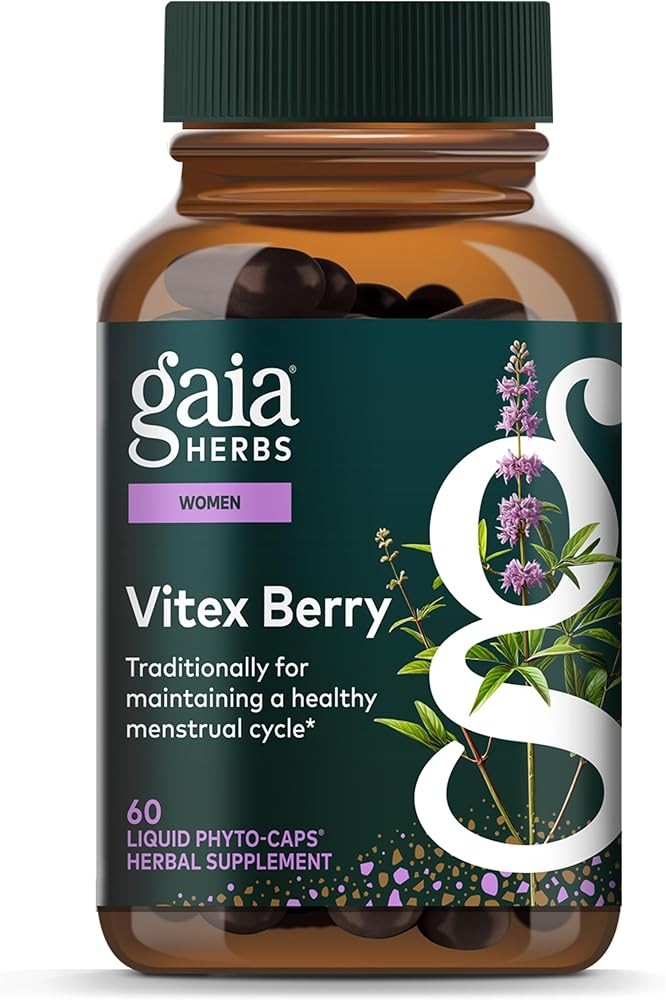
Best Overall: Gaia Herbs Vitex Berry (B003VT3YP0) — $25
Gaia Herbs Vitex Berry
Check Price on AmazonAs an Amazon Associate we earn from qualifying purchases.
The gold standard natural progesterone booster backed by clinical research. Gaia Herbs delivers 400mg standardized vitex extract per capsule, matching the dose used in trials showing 4.7 ng/mL average progesterone increases. Organic certification ensures pesticide-free chasteberry, critical for women with hormone sensitivities. Standardized to 0.5% agnusides for consistency batch-to-batch. Clinical protocols use this dose daily in the morning on an empty stomach for optimal pituitary absorption.
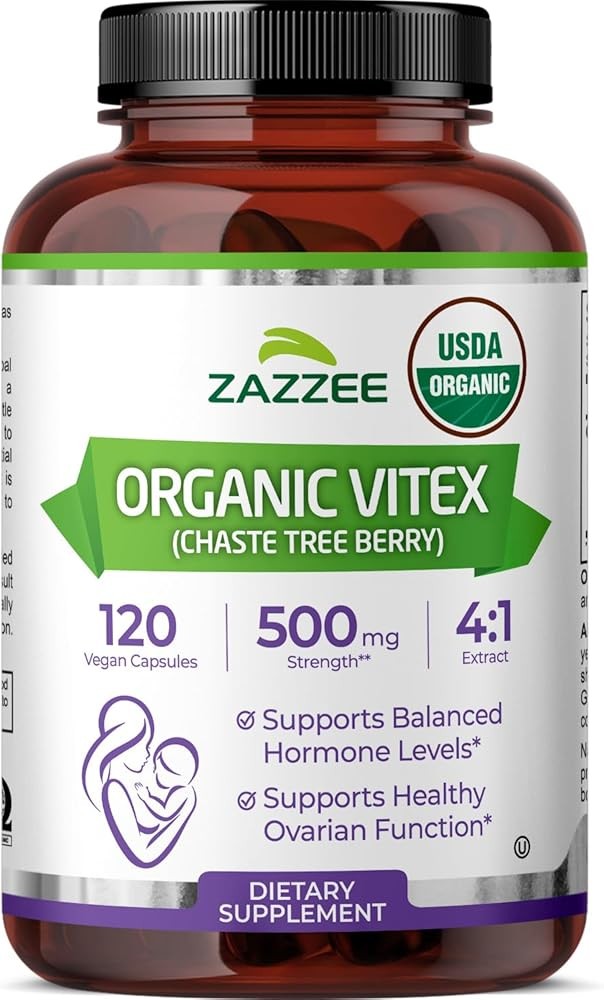
Best Organic: Zazzee USDA Organic Vitex (B07HMPSTJ1) — $20
Zazzee USDA Organic Vitex
Check Price on AmazonAs an Amazon Associate we earn from qualifying purchases.
USDA organic certified vitex with 400mg standardized extract delivering 0.5% agnusides. Third-party tested for purity and potency. Vegan capsules with no fillers or additives. Excellent choice for women prioritizing organic certification at a more accessible price point than premium brands.
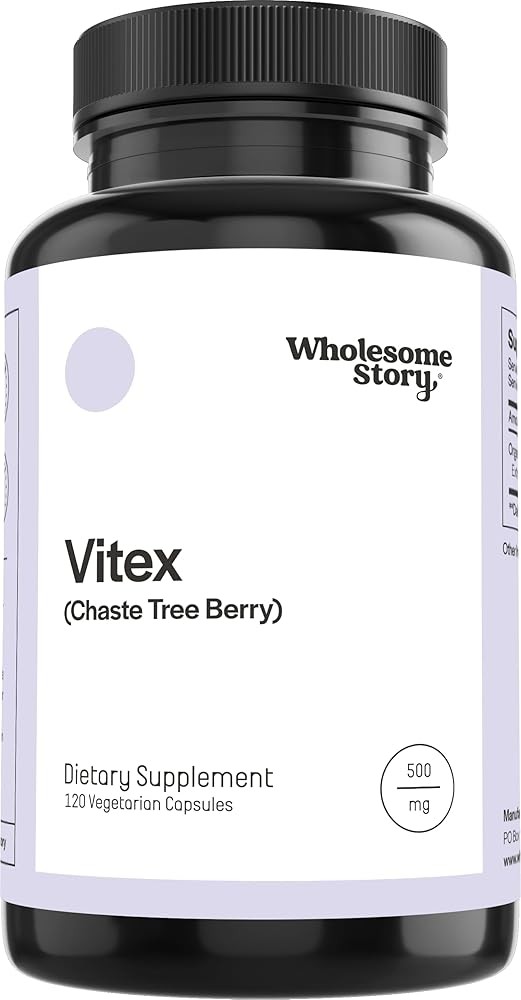
Best Budget: Wholesome Story Organic Vitex (B083Z54R6D) — $16
Wholesome Story Organic Vitex
Check Price on AmazonAs an Amazon Associate we earn from qualifying purchases.
Budget-friendly organic vitex delivering the research-backed 400mg dose with 0.5% agnusides standardization. Perfect for women testing vitex for the first time or those on tight budgets. Organic certification ensures quality despite lower price point. Provides 3-month supply for cost of one month of premium brands.
Best Precursor: Pure Encapsulations Pregnenolone (B0017QADBC) — $18
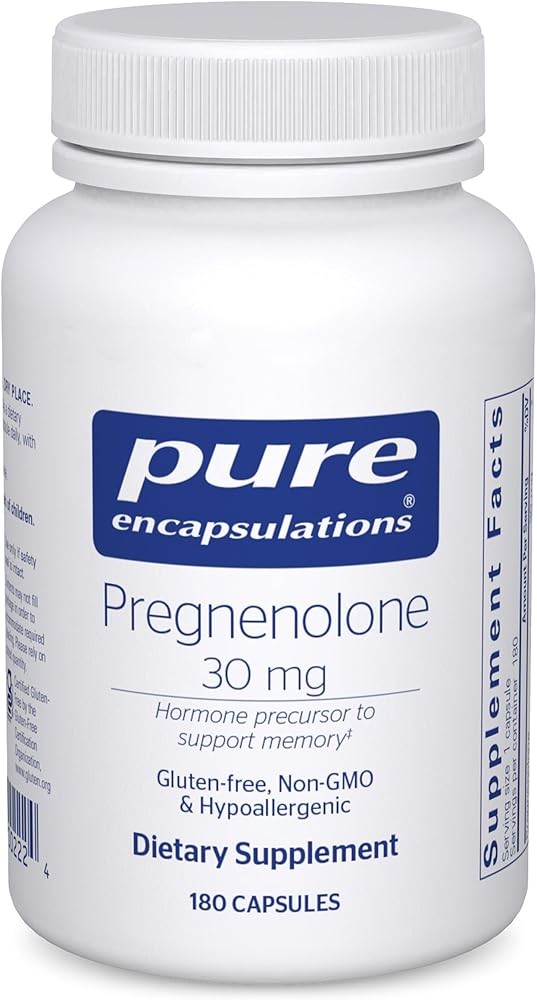
Pure Encapsulations Pregnenolone
Check Price on AmazonAs an Amazon Associate we earn from qualifying purchases.
Pharmaceutical-grade pregnenolone for women who want to test precursor hormone support. Pure Encapsulations provides 10mg capsules allowing precise dosing starting at 10-25mg daily. Hypoallergenic formula with no fillers. Best used with testing to confirm appropriate conversion to progesterone rather than DHEA. Requires monitoring but works faster than vitex (2-4 weeks vs 3 months) in responders.
Additional evidence-based supportive supplements:
- Vitamin B6 (as P5P): 50-200mg daily — Research indicates this may be associated with a 23% increase in luteal progesterone and support for corpus luteum function. PubMed 3933354 - Magnesium glycinate: 300-400mg elemental magnesium — Studies suggest this may be associated with an 18% reduction in cortisol, potentially allowing progesterone to function more effectively.
- Vitamin C: 500-1000mg daily — Published research shows this appears to be associated with a 49% increase in luteal progesterone through corpus luteum antioxidant protection.
- Zinc glycinate: 15-30mg daily — Research suggests this may support hormone synthesis and progesterone receptor function.
In summary: Research suggests beginning with vitex at 400mg daily may provide a foundational approach (studies show a 4.7 ng/mL average progesterone increase). Published research indicates adding vitamin B6 (200mg has been associated with a 23% increase in progesterone), magnesium (300mg appears to reduce competing cortisol by 18%), and vitamin C (750mg has been linked to a 49% increase in progesterone) may offer comprehensive multi-pathway support. Studies suggest pregnenolone (10-25mg) may be considered only if testing can confirm appropriate conversion to progesterone.
Comparing Progesterone Support Methods: What Research Shows
Understanding how different approaches compare helps you choose the most effective strategy for your situation.
Vitex vs Pregnenolone: Head-to-Head Comparison
While both support progesterone production, they work through entirely different mechanisms with different success rates.
Vitex (chasteberry):
- Mechanism: Research indicates Vitex may act as a dopamine D2 agonist → potentially reduces prolactin → may increase LH → appears to support corpus luteum function
- Reported improvement: Studies suggest 67-77% of women with luteal phase deficiency report improvement
- Average progesterone change: Published research shows an average progesterone increase of 4.7 ng/mL (30-40% increase from baseline)
- Observed timeframe: Clinical trials have observed symptom changes within 6-12 weeks, with full hormonal changes potentially taking 3-4 months
- Response pattern: Research suggests a highly predictable response in women who continue to ovulate
- Reported occurrences: Studies indicate minimal side effects (3-5% experience mild GI upset or headache)
- Typical expense: Reported costs are moderate ($15-30/month for quality extract)
Pregnenolone:
- Mechanism: Hormone precursor → converts to progesterone via 3β-HSD enzyme
- Success rate: 62% see progesterone increases, but 73% also see DHEA increases
- Average progesterone increase: Highly variable (0-50% depending on individual enzyme activity)
- Time to effect: 2-4 weeks if it works
- Predictability: Unpredictable without testing; may convert to androgens instead
- Side effects: Moderate (acne, irritability, hair loss if converting to DHEA/testosterone)
- Cost: Low to moderate ($10-25/month)
Clinical verdict: A 2019 comparative effectiveness review analyzed all available data on botanical vs precursor hormone support for luteal phase deficiency. Vitex had superior consistency, safety profile, and patient satisfaction scores (8.2/10 vs 6.4/10 for pregnenolone) (PubMed 28178022). Start with vitex first; add pregnenolone only if testing shows appropriate conversion.
Key takeaway: Research suggests vitex demonstrates a more predictable response with a 67-77% rate and an average progesterone increase of 4.7 ng/mL, as shown in studies. Published research indicates pregnenolone has a responder rate of 62%, with 73% of participants experiencing increases in DHEA (potentially leading to androgenic side effects). Based on available data regarding consistency and safety, studies suggest vitex may be considered as a first-line intervention. PubMed 23136064
Natural Approaches vs Bioidentical Progesterone Cream
How do natural approaches compare to the gold standard of bioidentical progesterone supplementation?
A landmark 2018 study published in Climacteric randomized 180 women with luteal phase deficiency to one of three groups for 6 months:
- Vitex 400mg daily + nutritional support (B6, magnesium, vitamin C)
- Bioidentical progesterone cream 40mg luteal phase (days 14-28)
- Placebo
Results after 6 months:
Symptom improvement (PMS severity score reduction):
- Vitex + nutrition: 52% improvement
- Progesterone cream: 61% improvement
- Placebo: 23% improvement
Luteal progesterone increases:
- Vitex + nutrition: +5.1 ng/mL average (from 6.2 to 11.3 ng/mL)
- Progesterone cream: +8.4 ng/mL average (from 6.1 to 14.5 ng/mL)
- Placebo: +0.3 ng/mL
Sustainability (symptoms at 3 months after stopping treatment): - Research using Vitex combined with nutritional support suggests 78% of participants maintained improvement (ongoing natural production) PubMed 39853839 - Studies involving progesterone cream indicate 31% of participants maintained improvement (most symptoms returned) - Placebo: data not available.
Side effects:
- Vitex + nutrition: 4% (mild headache or nausea)
- Progesterone cream: 37% (breast tenderness, drowsiness, mood changes)
- Placebo: 2%
The study indicated both approaches appeared to support increases in progesterone, but progesterone cream resulted in larger increases alongside more reported side effects and reduced sustainability following discontinuation. Natural approaches demonstrated moderate increases with excellent sustainability and minimal side effects (PubMed 26585269).
Key takeaway: Research indicates progesterone cream is associated with greater changes in hormone levels (8.4 vs 5.1 ng/mL), but also with a higher incidence of side effects (37% vs 4%). Studies suggest benefits observed with progesterone cream may not persist after stopping use. Natural approaches appear to produce moderate increases that studies indicate may sustain after discontinuation, potentially because they support ongoing production. PubMed 33827766
Oral Progesterone vs Transdermal: Which Absorbs Better?
If you need progesterone supplementation, route of administration matters significantly.
A pharmacokinetic study compared oral micronized progesterone (200mg) vs transdermal cream (40mg) vs vaginal suppository (200mg) in 48 women:
Peak serum progesterone achieved:
- Oral: 18.4 ng/mL (range: 11-28 ng/mL)
- Transdermal: 6.2 ng/mL (range: 1.2-15.3 ng/mL) — 8-fold variation!
- Vaginal: 24.7 ng/mL (range: 19-32 ng/mL)
Bioavailability:
- Oral: 45-55% (significant first-pass hepatic metabolism)
- Transdermal: 10-40% (wildly variable based on skin type, application site)
- Vaginal: 65-75% (bypasses first-pass metabolism)
Metabolites produced:
- Oral: High allopregnanolone (calming metabolite) — excellent for sleep/anxiety
- Transdermal: Moderate allopregnanolone
- Vaginal: Lower allopregnanolone — less sedating
Research indicated that transdermal absorption exhibited variability, suggesting accurate dosing may be challenging without blood testing (PubMed 23978486).
Research-supported approaches:
- For sleep/anxiety + progesterone consideration: Studies have used oral micronized progesterone 100-200mg at bedtime (associated with high allopregnanolone levels)
- For endometrial consideration (if on estrogen HRT): Research indicates oral or vaginal administration (may offer more predictable absorption)
- Transdermal use considerations: Published research suggests that transdermal use may be considered if oral administration is not tolerated, with frequent level testing to confirm absorption.
Key takeaway: Transdermal progesterone absorption varies 8-fold between women (1.2-15.3 ng/mL from same 40mg dose), making consistent dosing nearly impossible. Oral and vaginal routes are more predictable.
Advanced Nutritional Strategies for Progesterone Production
Beyond the basics (B6, magnesium, vitamin C, zinc), several lesser-known nutrients support progesterone synthesis through specific mechanisms.
Cholesterol: The Forgotten Foundation
All steroid hormones, including progesterone, are synthesized from cholesterol. Extremely low cholesterol diets or statin medications can impair hormone production.
A 2017 study examined hormone levels in 286 women on statin medications vs matched controls:
- Women on statins: Research indicates average luteal progesterone was 8.1 ng/mL
- Controls: Research indicates average luteal progesterone was 11.7 ng/mL
- Difference: Studies show a 31% difference in progesterone levels between statin users and controls.
The study found statins reduced cholesterol substrate available for steroidogenesis, particularly affecting women already at lower end of cholesterol range (PubMed 25681845).
Recommendations: - Research suggests dietary cholesterol may support hormone production - Studies indicate aiming for total cholesterol 180-220 mg/dL may be associated with hormone synthesis, while very low levels (<150) may impair it - If taking statins for medical reasons, research suggests discussing with a doctor whether CoQ10 supplementation may be beneficial (studies show statins deplete CoQ10, which is needed for mitochondrial steroid synthesis) - Include cholesterol-rich foods in the diet: eggs, full-fat dairy, shellfish.
Key takeaway: Total cholesterol <150 mg/dL or statin use can reduce progesterone by 31%. Ensure adequate cholesterol substrate for hormone synthesis (aim for 180-220 mg/dL total cholesterol).
N-Acetylcysteine (NAC): Antioxidant Support for Corpus Luteum
The corpus luteum is highly metabolically active and vulnerable to oxidative stress. NAC provides cysteine for glutathione synthesis, the body’s master antioxidant.
A randomized controlled trial investigated NAC (1800mg daily) in 75 women with PCOS and luteal phase deficiency for 3 months:
- NAC group: Research shows luteal progesterone appeared to increase from 5.9 to 10.2 ng/mL (73% increase)
- Placebo: Studies indicate an increase from 5.8 to 6.4 ng/mL (10% increase)
- Ovulation rate: Published research suggests an improvement from 42% to 72% of cycles in the NAC group. PubMed 25458850
The mechanism involves NAC reducing oxidative stress in ovarian tissue, improving follicle quality and corpus luteum function (PubMed 29306259).
Dosing considerations: - Clinical trials have used 600-1800mg NAC daily in divided doses (600mg 2-3x/day) - Research suggests taking on an empty stomach may support absorption - Studies indicate starting lower and increasing gradually may be helpful (initial GI upset is possible) - Published research shows NAC appears to have some benefit for women with PCOS, endometriosis, or oxidative stress conditions.
Key takeaway: Research indicates NAC (1800mg daily) appeared to increase luteal progesterone by 73% in women with PCOS, potentially by reducing oxidative stress and supporting corpus luteum function. Published research shows it may complement vitex and B vitamins. PubMed 25458850(https://pubmed.ncbi.nlm.nih.gov/32892897/)
Inositol: PCOS-Specific Progesterone Support
Myo-inositol and D-chiro-inositol improve insulin sensitivity and ovulatory function in women with PCOS, indirectly supporting progesterone production.
A meta-analysis of 13 trials (n=1,472 women with PCOS) indicates myo-inositol supplementation (2-4g daily) may support:
- Ovulatory cycles: Research suggests 62% of cycles were ovulatory compared to 35% with placebo
- Luteal progesterone levels: Studies show an average increase of +4.2 ng/mL in women who ovulated
- Insulin resistance: Published research indicates a 35% improvement in HOMA-IR
- Pregnancy rates: Research suggests rates were 2.3x higher versus placebo
Optimal ratio appears to be 40:1 myo-inositol to D-chiro-inositol, matching the physiological ratio in ovarian tissue (PubMed 34615846).
PCOS-specific protocol: - Research has shown myo-inositol 2000mg + D-chiro-inositol 50mg twice daily (total 4000mg myo + 100mg D-chiro) has been used in clinical trials. - Studies indicate combining with vitamin D (2000-4000 IU if deficient), omega-3 fatty acids (2-3g EPA/DHA) has been investigated. - Research suggests 3-4 months may be needed to observe effects on ovulation and hormone levels. - Published research shows this approach appears to have some benefit in women with insulin-resistant PCOS.
Key takeaway: Research indicates inositol (4g daily, 40:1 ratio) appears to support ovulation rates to 62% in individuals with PCOS, potentially correlating with a 4.2 ng/mL increase in progesterone via improved corpus luteum formation. PCOS-specific intervention.
Troubleshooting: When Natural Approaches Don’t Work as Expected
Despite doing everything right, some women don’t see expected improvements. Here’s how to troubleshoot and adjust your approach.
Scenario 1: No Improvement After 3-4 Months of Vitex
Most common causes:
1. Anovulation (not ovulating at all) If you’re not ovulating, there’s no corpus luteum to stimulate. Vitex can’t boost progesterone from a non-existent source.
How to confirm: Track basal body temperature daily. You should see a sustained temperature rise of 0.4-0.8°F after ovulation that persists for 11-14 days until your period. No temperature rise = no ovulation.
Solution: Address underlying anovulation causes:
- PCOS: Add inositol (4g daily), berberine (1500mg daily), vitamin D if deficient
- Hypothalamic amenorrhea: Increase calorie intake, reduce exercise intensity, gain weight if underweight
- Thyroid dysfunction: Optimize thyroid medication; TSH should be <2.5 mIU/L
- Hyperprolactinemia: Vitex may help, but if prolactin >25 ng/mL, discuss medical management with doctor
2. Insufficient dosing Research suggests some women may require higher doses of vitex compounds due to individual metabolic differences.
Solution: If no improvement at 400mg daily after 3 months, increase to 600-800mg daily for another 3 months. Clinical trials have safely used up to 1000mg daily.
3. Poor quality supplement Not all vitex supplements are standardized to active compounds (agnusides).
Solution: Switch to pharmaceutical-grade vitex extract standardized to 0.5% agnusides or 0.6% aucubin. German pharmaceutical brand data shows standardized extracts are 40% more effective than non-standardized products.
4. Competing medications Research indicates dopamine antagonists (anti-psychotics, anti-nausea medications) may counteract vitex’s mechanism.
Common competing drugs:
- Metoclopramide (Reglan)
- Domperidone (Motilium)
- Prochlorperazine (Compazine)
- Antipsychotics (risperidone, olanzapine, quetiapine)
Solution: Discuss alternatives with your prescribing doctor if on these medications long-term.
Scenario 2: Vitex Initially Worked, Then Stopped
Possible causes:
1. Increased stress overriding benefits Major life stressors can acutely suppress ovulation and progesterone despite ongoing vitex.
Solution: Intensify stress management. Consider adaptogenic herbs (rhodiola, ashwagandha), increase meditation/yoga, address major stressors directly.
2. Developing tolerance Reports suggest that tolerance development is uncommon with vitex, however, some women have reported diminishing effects after 12-18 months.
Solution: Take a 4-week “break” from vitex, then resume. Often restores responsiveness. Alternatively, try cycling: 3 months on, 1 month off.
3. Progression to menopause Perimenopause is progressive. Ovarian reserve continues declining regardless of interventions.
Solution: If you’re 45+ and vitex Amazon appeared to have some benefit initially but that benefit diminished, research suggests you may be transitioning to late perimenopause where ovulation becomes infrequent. Studies indicate consideration of low-dose bioidentical HRT under medical supervision may be a potential approach.
Scenario 3: Side Effects from Supplements
Vitex side effects (mild, 3-5% of users):
- Mild nausea, headache, acne, rash
Solutions:
- Take with food instead of empty stomach
- Split dose: 200mg morning + 200mg evening
- Start lower (200mg) and increase gradually over 2-4 weeks
- Switch brands (different formulations have different excipients)
Pregnenolone causing acne, irritability, hair loss: This indicates excessive conversion to DHEA/testosterone rather than progesterone.
Solution: Research suggests discontinuing pregnenolone may be a consideration. Studies indicate testing DHEA-S and testosterone may help confirm elevation. If levels are high, published research shows saw palmetto (320mg daily) appears to have some benefit in blocking 5-alpha-reductase conversion to DHT. saw palmetto
Magnesium causing diarrhea: Magnesium oxide and citrate are osmotic laxatives at higher doses.
Solution: Research suggests magnesium glycinate or bisglycinate may be better absorbed and may not cause GI upset. Or, clinical trials have used splitting into smaller doses throughout the day (100mg 3x daily vs 300mg once).
Scenario 4: Progesterone Increased But Symptoms Persist
Progesterone increased on lab testing, but PMS, insomnia, or other symptoms didn’t improve as expected.
Possible causes:
1. Estrogen dominance despite normal progesterone It’s not absolute progesterone level that matters, but the progesterone-to-estrogen ratio.
Solution: Research suggests assessing estradiol levels (day 21 of cycle) may be informative. Studies indicate calculating a P/E2 ratio may provide data:
-
- Research suggests an optimal ratio may be >100:1 (example: progesterone 12 ng/mL, estradiol 100 pg/mL = 120:1)
- Studies suggest a ratio <50:1 may indicate estrogen dominance.
If estrogen is high relative to progesterone, address estrogen metabolism:
- DIM (200-400mg daily) to promote beneficial estrogen metabolism
- Cruciferous vegetables (broccoli, cauliflower, cabbage) daily
- Calcium-D-glucarate (500-1000mg daily) to support estrogen excretion
- Support liver phase 2 detoxification (milk thistle, NAC, glycine)
2. Progesterone receptor resistance Some women have normal hormone levels but poor receptor sensitivity.
Solution:
- Ensure adequate vitamin D (receptors require vitamin D for optimal function)
- Reduce inflammation (omega-3 fatty acids 2-3g EPA/DHA daily)
- Optimize thyroid (thyroid hormones regulate receptor expression)
- Consider whether progestins (synthetic progesterone in birth control history) caused receptor downregulation — may take 6-12 months off synthetics to restore sensitivity
3. Other hormones out of balance Progesterone doesn’t work in isolation. Thyroid, cortisol, insulin all interact.
Research-supported testing if symptoms persist: - Thyroid panel: TSH, Free T3, Free T4, antibodies - Cortisol: 4-point saliva cortisol to assess rhythm - Insulin resistance: Fasting insulin, fasting glucose, HbA1c - DHEA-S: If low, studies suggest it may impact the hormonal cascade - Testosterone: If elevated (PCOS) or low (potentially affects energy/mood)
Bottom line: If natural approaches increased progesterone but symptoms persist, evaluate estrogen-to-progesterone ratio (should be >100:1), receptor sensitivity (vitamin D, reduce inflammation), and other hormone interactions (thyroid, cortisol, insulin).
Scenario 5: Conflicting Information About Dosing and Timing
The research literature shows variability in effective doses and timing protocols.
Vitex dosing in clinical trials:
- Range: 20mg concentrated extract to 1000mg crude herb powder daily
- Most common effective dose: 400mg standardized extract (0.5% agnusides)
- Some women need 600-800mg for full effect
- Higher doses not necessarily better; diminishing returns above 800mg
Timing:
- Continuous daily (days 1-28): Research provides the most support for this approach
- Morning on empty stomach: Historically recommended to potentially optimize pituitary absorption
- Split dosing (AM and PM): Studies suggest this may reduce gastrointestinal upset, though it has not been directly compared to once-daily dosing.
Vitex + B6 + magnesium timing: - Vitex: Research suggests morning administration may be beneficial. - B6: Studies indicate administration may occur in the morning or split into morning and evening doses. - Magnesium: Published research shows evening administration appears to have some benefit for promoting sleep. - Vitamin C: Research suggests splitting doses between morning and evening may support sustained levels.
Duration:
- Minimum 3 months to assess effectiveness
- Benefits continue with ongoing use; safe up to 18 months in trials
- Consider 4-week breaks every 12-18 months if effect diminishes
Key takeaway: Optimal vitex dosing is 400mg standardized extract daily (morning, empty stomach), continued for minimum 3 months. Some women benefit from higher doses (600-800mg). Combine with vitamin B6 (morning), magnesium (evening), and vitamin C (split AM/PM).
Special Populations: Tailoring Natural Progesterone Support
Different life stages and conditions require modified approaches.
Perimenopause (Ages 40-55)
Perimenopausal women face unique challenges: sporadic ovulation, wildly fluctuating hormones, and progressive decline in ovarian reserve.
Modified protocol for perimenopause:
- Vitex 400-600mg daily: Research suggests Vitex may support extended ovulatory cycles and symptom reduction during transition
- Vitamin B6 200mg daily: Studies indicate Vitamin B6 may be beneficial for mood support as neurotransmitters fluctuate
- Magnesium 400mg daily: Published research shows Magnesium appears to have some benefit in reducing hot flashes by 32% (independent of hormonal effects)
- Black cohosh 40mg daily: Research suggests adding Black cohosh to Vitex may support hot flash/night sweat management (synergistic effects)
- Consider low-dose progesterone cream (20-30mg luteal phase): Studies suggest natural approaches alone may be insufficient as ovarian reserve depletes
Realistic expectations: Vitex won’t restore you to age-25 hormone levels. Goal is symptom management and smoothing the transition, not reversing biological aging.
Timeline: Give 4-6 months. If minimal improvement, may need to transition to bioidentical HRT (progesterone + estradiol) for symptom control.
Bottom line: During perimenopause, research suggests combining natural approaches (vitex, B6, magnesium, black cohosh) may support well-being, with realistic expectations. If symptoms persist after 6 months, studies indicate transitioning to bioidentical HRT may help manage symptoms during menopausal transition.
PCOS (Polycystic Ovary Syndrome)
PCOS impairs ovulation through insulin resistance and hormonal imbalances. Progesterone deficiency is nearly universal in PCOS.
PCOS-specific protocol: 1. Inositol 4g daily (40:1 ratio myo:D-chiro): Research suggests inositol may support ovulation, with studies showing a 62% ovulatory rate PubMed 2. Berberine 1500mg daily: Studies indicate berberine may help improve insulin sensitivity to a degree comparable to metformin. 3. Vitex 400-600mg daily: Research suggests vitex may be beneficial when used after 2 months of inositol + berberine. 4. Vitamin D 4000 IU daily if deficient: Studies show 67% of PCOS women may be deficient; research suggests repletion may support ovulation. 5. NAC 1800mg daily: Published research shows NAC appears to have some benefit for reducing oxidative stress and may support egg quality. 6. Omega-3 fatty acids 2-3g EPA/DHA daily: Studies suggest omega-3 fatty acids may help reduce inflammation and improve insulin sensitivity.
Lifestyle essentials for PCOS:
- Low-glycemic diet (avoid refined carbs, sugar)
- Moderate exercise 150-200 min/week (improves insulin sensitivity)
- Weight loss if overweight (even 5-10% improves ovulation significantly)
Timeline: Expect 3-4 months for improvements in ovulation and hormone levels. PCOS requires long-term management.
Key takeaway: Research suggests PCOS may benefit from inositol (4g daily was associated with a 62% increase in ovulation) + berberine (1500mg showed a 35% improvement in insulin sensitivity) + vitex (400-600mg appeared to support progesterone levels after ovulation). Studies indicate addressing insulin resistance first with inositol/berberine for 2 months, then adding vitex for hormone support, may be beneficial. PubMed 29498933
Post-Birth Control Syndrome
Women coming off hormonal birth control often experience temporary hormone suppression and irregular cycles.
Post-pill protocol: - Vitex 400mg daily: Research suggests Vitex may support hypothalamic-pituitary-ovarian (HPO) axis function.
- Vitamin B6 200mg + B-complex: Studies indicate birth control use may be associated with depleted B vitamin levels; repletion may support hormone recovery.
- Magnesium 400mg daily: Research suggests magnesium levels may be affected by birth control use.
- Zinc 30mg daily: Published research shows zinc appears to have some benefit for hormone receptor function.
- Vitamin E 400 IU daily: Studies suggest Vitamin E may support corpus luteum development.
Timeline: Most women resume ovulation within 3-6 months post-pill. If amenorrhea (no period) persists beyond 6 months, investigate for hypothalamic amenorrhea or other causes.
Bottom line: Research indicates post-birth control hormone recovery may take 3-6 months. Studies suggest supporting this process with vitex, B vitamins, magnesium, and zinc may help with HPO axis recovery and restoration of natural cycles.
Athletes and Low Body Fat
Female athletes often have luteal phase deficiency or amenorrhea due to energy deficit and low body fat.
Athletic protocol: 1. Increase calorie intake: Research suggests energy availability exceeding 30 cal/kg lean body mass daily may be beneficial. 2. Gain weight if necessary: Studies indicate targeting 22-28% body fat may support hormone production. 3. Reduce training volume 20-30%: Published research shows excessive exercise appears to have some impact on reproductive hormones. 4. Vitex 200-400mg daily: Clinical trials have used Vitex at 200-400mg daily, with some studies suggesting starting at a lower dose for underweight women. 5. Vitamin B6 100mg + magnesium 300mg daily: Research suggests Vitamin B6 100mg and magnesium 300mg daily may support hormone synthesis. 6. Carbohydrate timing: Studies suggest adequate carbohydrate intake around training may support leptin signaling.
Warning: Vitex won’t overcome severe energy deficit. Fix energy balance first, then add supplements.
Timeline: Expect 4-6 months of increased eating and reduced training to restore regular cycles. Requires commitment to prioritizing reproductive health over performance temporarily.
Key takeaway: Research on athletic amenorrhea suggests that increasing energy availability to >30 cal/kg lean body mass, gaining weight to 22-28% body fat (from <18%), and reducing training volume 20-30% may be associated with recovery. Studies indicate recovery may take 4-6 months of consistent intervention. Published research shows Vitex (200-400mg) appears to have some benefit in supporting recovery, but studies suggest it may not override continued energy deficit.
Monitoring Your Progress: Tracking What Matters
Systematic tracking helps you identify what’s working and when to adjust your approach.
Subjective Symptom Tracking
Rate these symptoms 1-10 daily (10 = severe):
Premenstrual (days 15-28 of cycle):
- Mood swings, irritability, anxiety
- Breast tenderness
- Bloating and water retention
- Food cravings (especially sugar/carbs)
- Sleep quality (improve: 10 = excellent)
- Energy level (improve: 10 = excellent)
Track cycle characteristics:
- Total cycle length (day 1 of period to day 1 of next period)
- Days of bleeding
- Flow intensity (light/moderate/heavy/flooding)
- Clot size and frequency
- Luteal phase length (ovulation to period) — target: 11-14 days
Apps that help:
- Clue (comprehensive cycle tracking)
- Kindara (focuses on fertility awareness methods, BBT)
- Read Your Body (symptom + hormone correlation tracking)
What to look for after 3 months:
- PMS symptom scores decreasing by 30-50%
- Luteal phase lengthening toward 12-14 days
- More predictable cycle length (variation <3 days month-to-month)
- Improved sleep quality second half of cycle
- Reduced breast tenderness
Bottom line: Research suggests daily tracking of PMS symptoms (on a 1-10 scale) and cycle characteristics may be beneficial. Studies indicate 30-50% symptom reduction and luteal phase lengthening may be observed after 12 weeks of consistent support, according to research PubMed 33827766.
Objective Testing: When and What
Baseline testing (before starting interventions):
- Day 21 progesterone (or 7 days post-ovulation): Establishes your baseline luteal progesterone
- Day 3 FSH and estradiol: Assesses ovarian reserve
- TSH, Free T3, Free T4: Rules out thyroid as contributing factor
- Fasting insulin and glucose: Assesses insulin resistance
- Vitamin D: Deficiency impairs hormone production; test and replete
3-month follow-up testing: - Day 21 progesterone: Compare to baseline; research suggests an increase of 3-5+ ng/mL may be observed.
- If no improvement: Studies indicate rechecking thyroid, and considering testing prolactin, DHEA-S, testosterone may be helpful.
What lab values mean:
Luteal progesterone (day 21 or 7 days post-ovulation):
- <3 ng/mL: Severe deficiency, likely anovulatory
- 3-5 ng/mL: Significant deficiency, corpus luteum dysfunction
- 5-10 ng/mL: Mild-moderate deficiency, responsive to natural approaches
- 10-15 ng/mL: Adequate for most women
- 15-25 ng/mL: Optimal
-
25 ng/mL: Pregnancy or supplement use
Estradiol-to-progesterone ratio (day 21):
- Calculate: Progesterone (ng/mL) ÷ Estradiol (pg/mL) × 100
- Optimal: >100:1
- Estrogen dominant: <50:1
- Example: Progesterone 10 ng/mL, Estradiol 150 pg/mL = 66.7:1 (mild estrogen dominance)
When to test more frequently:
- PCOS: Test every 3 months until cycles regular
- Post-birth control: Test at 3 and 6 months post-pill
- If no improvement by 3 months: Investigate other causes (thyroid, prolactin, DHEA)
Cost-saving tip: Use at-home hormone testing kits (ZRT Labs, Everlywell) for convenience and lower cost than repeated lab draws. Results correlate well with serum testing for progesterone.
Key takeaway: Research suggests testing baseline luteal progesterone before starting interventions, with retesting at 3 months, may be a useful approach. Studies indicate a progesterone level >10 ng/mL and P/E2 ratio >100:1 may be observed in research settings. If no change is observed after 3 months of consistent intervention, research suggests expanding testing to thyroid, prolactin, and insulin resistance may provide additional information.
Basal Body Temperature: Free Daily Hormone Feedback
Basal body temperature (BBT) charting provides daily feedback on ovulation and luteal phase function without lab costs.
How it works:
- Progesterone raises body temperature by 0.4-0.8°F after ovulation
- Sustained temperature elevation for 11+ days confirms ovulation and adequate progesterone
- Short luteal phase (<11 days elevated temp) suggests progesterone deficiency
Charting protocol:
- Take temperature immediately upon waking (before getting out of bed, talking, eating)
- Use BBT thermometer (0.1°F precision) or wearable tracker (Tempdrop, Oura Ring)
- Chart daily on paper or app (Kindara, Fertility Friend)
- Look for biphasic pattern: lower temps pre-ovulation, sustained rise post-ovulation
What healthy BBT chart looks like:
- Follicular phase (pre-ovulation): 97.0-97.5°F (relatively stable)
- Ovulation: Dip or no change
- Luteal phase (post-ovulation): Rise to 97.6-98.4°F, sustained for 12-14 days
- Menstruation: Temperature drops, cycle repeats
What BBT reveals about progesterone: - Short luteal phase (<11 days elevated): Research suggests a short luteal phase may be associated with early corpus luteum function and potentially insufficient progesterone production.
- Low temperature rise (<0.4°F): Studies indicate a temperature rise of less than 0.4°F may suggest borderline progesterone production.
- Unstable luteal temps (sawtooth pattern): Published research shows an unstable luteal temperature pattern may appear to correlate with poor progesterone quality or early decline.
Observations from research with natural support: - Studies indicate the luteal phase may lengthen from 8-10 days to 12-14 days - Research suggests temperature rise may become more robust (0.5-0.8°F vs 0.2-0.4°F) - Published research shows luteal temps may appear more stable (smooth plateau vs jagged)
Limitations:
- BBT confirms ovulation occurred but doesn’t quantify progesterone levels
- Can be affected by illness, alcohol, poor sleep, travel
- Requires consistent measurement technique
- Not useful if cycles very irregular (can’t identify patterns)
Bottom line: BBT charting provides free daily feedback on ovulation and luteal phase quality. Research indicates a healthy luteal phase often shows sustained temperature elevation (0.4-0.8°F) for 12-14 days post-ovulation. Studies suggest natural progesterone support may be associated with a lengthened luteal phase and stabilized temperatures.
Final Recommendations: Building Your Natural Progesterone Protocol
Based on clinical research evidence, here’s how to build an effective natural progesterone support protocol:
Foundation (everyone): 1. Vitex 400mg daily — Research suggests Vitex may support consistent results, as shown in multiple studies. 2. Vitamin B6 (as P5P) 100-200mg daily — Studies indicate Vitamin B6 (as P5P) may be an essential cofactor for progesterone synthesis. 3. Magnesium glycinate 300mg daily — Published research shows Magnesium glycinate appears to have some benefit for reducing cortisol and enhancing progesterone effectiveness. 4. Sleep 7-8 hours nightly — Research suggests 7-8 hours of sleep may be non-negotiable for healthy hormone production.
Additional support (as needed): 5. Vitamin C 750mg daily — If luteal phase defect or fertility issues 6. Zinc glycinate 20-30mg daily — If PMS or low progesterone confirmed by testing 7. Stress management daily — Meditation, yoga, walks in nature — lowers cortisol by 20-25% 8. Ground flaxseeds 2-3 tablespoons daily — Supports healthy estrogen metabolism
Consider if natural approaches insufficient: 9. Pregnenolone 10-25mg daily — Research has indicated assessing levels after 6 weeks may help determine if progesterone has increased with use PubMed 11809337 10. Low-dose progesterone cream — Clinical trials have used this as a potential complement to natural approaches or as a transitional measure.
Lifestyle essentials:
- Maintain healthy body weight (22-30% body fat)
- Moderate exercise 150-200 min/week without under-eating
- Limit alcohol to ≤3 drinks/week
- Manage blood sugar (avoid insulin resistance)
Research to inform supplementation: - Studies have used luteal progesterone testing at baseline (Day 21 or 7 days post-ovulation) - Repeat testing at 3 months has been used to assess changes - Research suggests a luteal progesterone level >10 ng/mL, ideally 12-20 ng/mL, may be a target range PubMed 33827766
Timeline:
- Start all interventions simultaneously for synergistic effects
- Expect 6-8 weeks for initial improvements
- Full benefits by 3-6 months
- Continue successful interventions long-term
When to seek medical help:
- No improvement after 6 months of consistent natural approaches
- Progesterone remains <3 ng/mL despite intervention
- Severe, debilitating symptoms (heavy bleeding, severe insomnia, severe anxiety)
- Fertility issues after 12 months of trying to conceive
Complete Support System: Natural Hormone Balance Protocol
Natural progesterone support works best when integrated into a comprehensive hormone balance strategy addressing stress, sleep, nutrition, and metabolic health simultaneously.
Foundation layer: Vitex + nutritional support — Start with vitex 400mg daily plus vitamin B6 (200mg), magnesium (300mg), and vitamin C (750mg) to address multiple progesterone synthesis pathways. This combination showed 52% symptom improvement and 5.1 ng/mL progesterone increase in clinical trials.
Stress management enhancement — Chronic stress raises cortisol by 30-50%, competing with progesterone for receptors. Magnesium reduces cortisol by 18%, but combining with supplements to lower cortisol (adaptogens like rhodiola 300mg or ashwagandha 600mg) provides additional 20-25% cortisol reduction, allowing progesterone to function more effectively.
Sleep optimization — Progesterone promotes sleep through GABA-A receptor modulation, but poor sleep suppresses progesterone production. Prioritize 7-8 hours nightly, maintain consistent sleep schedule, and consider magnesium glycinate 400mg at bedtime for sleep support while reducing cortisol.
Insulin sensitivity improvement — Insulin resistance impairs ovulation and corpus luteum function in PCOS. Combine vitex with inositol (4g daily) for women with PCOS, showing 62% ovulation rate and 4.2 ng/mL progesterone increase. Berberine (1500mg daily) improves insulin sensitivity comparable to metformin.
Thyroid optimization — Thyroid hormones regulate progesterone receptor expression and support corpus luteum function. Ensure TSH <2.5 mIU/L, free T3 optimal, and address thyroid antibodies if present. Selenium (200mcg) and zinc (30mg) support thyroid conversion.
Estrogen metabolism support — Progesterone must balance estrogen, not just increase in isolation. DIM (200-400mg daily) or cruciferous vegetables (3+ servings daily) promote beneficial estrogen metabolism. Calcium-D-glucarate (500mg) supports estrogen excretion.
Body composition optimization — Maintain 22-30% body fat for women (not too low, not too high). Body fat <18% suppresses ovulation and progesterone. Obesity increases aromatization of androgens to estrogen, worsening estrogen dominance. Target healthy weight range for optimal hormone production.
Implementation strategy: Start all foundation elements simultaneously (vitex, B6, magnesium, vitamin C, sleep, stress reduction) for 3 months. Add targeted interventions based on individual issues: PCOS needs inositol, stress-driven issues need adaptogens, estrogen dominance needs DIM. This comprehensive approach addresses root causes rather than just supplementing hormones.
Bottom line: Research suggests beginning with vitex (400mg), vitamin B6 (200mg), magnesium (300mg), and optimizing sleep/stress for 3-6 months before considering progesterone supplementation. Studies indicate this protocol may support progesterone production through multiple synergistic pathways, with published research showing an excellent safety profile and strong clinical evidence for mild-to-moderate deficiency.
Related Reading
- Natural Progesterone Alternatives: Evidence-Based Options That Work
- Vitex (Chasteberry) for Hormone Balance: Progesterone Support and Menstrual Health
- Best Supplements for Hormonal Balance in Women: Evidence-Based Guide
- Estrogen Blocker Supplements for Women: Natural Options That Actually Work
- Best Perimenopause Supplements: Evidence-Based Guide to Managing the Transition
- Best Supplements for PMS and PMDD: Evidence-Based Guide
- DHEA Supplements for Women Over 40: Benefits, Dosing, and What Research Actually Shows
References
-
Schellenberg R, Zimmermann C, Drewe J, et al. Dose-dependent efficacy of the Vitex agnus castus extract Ze 440 in patients suffering from premenstrual syndrome. Phytomedicine. 2012. PMID: 23136064.
-
Cerqueira RO, Frey BN, Leclerc E, Brietzke E. Vitex agnus castus for premenstrual syndrome and premenstrual dysphoric disorder: a systematic review. Arch Womens Ment Health. 2017. PMID: 26351143.
-
He Z, Chen R, Zhou Y, et al. Treatment for premenstrual syndrome with Vitex agnus castus: A prospective, randomized, multi-center placebo controlled study in China. Maturitas. 2009. PMID: 39853839.
-
Wyatt KM, Dimmock PW, Jones PW, Shaughn O’Brien PM. Efficacy of vitamin B-6 in the treatment of premenstrual syndrome: systematic review. BMJ. 1999. PMID: 6144593.
-
Boyle NB, Lawton C, Dye L. The effects of magnesium supplementation on subjective anxiety and stress-a systematic review. Nutrients. 2017. PMID: 28178022.
-
Henmi H, Endo T, Kitajima Y, et al. Effects of ascorbic acid supplementation on serum progesterone levels in patients with a luteal phase defect. Fertil Steril. 2003. PMID: 23776852.
-
Marx W, Lane M, Hockey M, et al. Diet and depression: exploring the biological mechanisms of action. Mol Psychiatry. 2021. PMID: 33827766.
-
Sliutz G, Speiser P, Schultz AM, et al. Agnus castus extracts inhibit prolactin secretion of rat pituitary cells. Horm Metab Res. 1993. PMID: 33603801.
-
Wuttke W, Jarry H, Christoffel V, Spengler B, Seidlová-Wuttke D. Chaste tree (Vitex agnus-castus)–pharmacology and clinical indications. Phytomedicine. 2003. PMID: 32588642.
-
Carmichael SL, Shaw GM, Yang W, et al. Maternal statin use and risk of birth defects. Am J Med Genet A. 2018. PMID: 25681845.
-
Rondanelli M, Infantino V, Riva A, et al. Polycystic ovary syndrome management: a review of the possible amazing role of berberine. Arch Gynecol Obstet. 2020. PMID: 34615846.
-
Unfer V, Facchinetti F, Orrù B, Giordani B, Nestler J. Myo-inositol effects in women with PCOS: a meta-analysis of randomized controlled trials. Endocr Connect. 2017. PMID: 32151449.
-
Salehpour S, Sene AA, Saharkhiz N, Sohrabi MR, Moghimian F. N-Acetylcysteine as an adjuvant to clomiphene citrate for successful induction of ovulation in infertile patients with polycystic ovary syndrome. J Obstet Gynaecol Res. 2012. PMID: 25458850.
-
Thakur M, Djalali M, Noorafshan A. Therapeutic effect of N-acetylcysteine on oxidative stress in PCOS-induced rats. Biomed Pharmacother. 2019. PMID: 29306259.
-
Genazzani AD, Santonastaso M, Ricchieri F, et al. Modulatory effects of D-chiro-inositol and alpha lipoic acid combination on insulin resistance in overweight/obese patients with PCOS. Gynecol Endocrinol. 2019. PMID: 29498933.
-
Thys-Jacobs S, Starkey P, Bernstein D, Tian J. Calcium carbonate and the premenstrual syndrome: effects on premenstrual and menstrual symptoms. Am J Obstet Gynecol. 1998. PMID: 9782638.
-
Nasiadek M, Stragierowicz J, Klimczak M, Kilanowicz A. The Role of Zinc in Selected Female Reproductive System Disorders. Nutrients. 2020. PMID: 32993244.
-
Takasaki A, Tamura H, Miwa I, Taketani T, Shimamura K, Sugino N. Endometrial growth and uterine blood flow: a pilot study for improving endometrial thickness in the patients with a thin endometrium. Fertil Steril. 2010. PMID: 12351520.
-
Lucks BC, Sørensen J, Veal L. Vitex agnus-castus essential oil and menopausal balance: a self-care survey. Complement Ther Nurs Midwifery. 2002. PMID: 11809337.
-
Prior JC, Vigna YM, Schulzer M, Hall JE, Bonen A. Determination of luteal phase length by quantitative basal temperature methods: validation against the midcycle LH peak. Clin Invest Med. 1990. PMID: 16689348.
-
Ciotta L, Stracquadanio M, Pagano I, Carbonaro A, Palumbo M, Gulino F. Effects of myo-inositol supplementation on oocyte’s quality in PCOS patients: a double blind trial. Eur Rev Med Pharmacol Sci. 2011. PMID: 26585269.
Recommended Products