Omega-7 Fatty Acids for Women's Heart Health: The Complete Palmitoleic Acid Guide
Summarized from peer-reviewed research indexed in PubMed. See citations below.
Women experiencing unfavorable lipid changes during menopause struggle with rising LDL cholesterol, falling HDL, and increased cardiovascular risk despite healthy lifestyle habits. The InnovixLabs Purified Omega-7 Supplement ($39.99 for 60 capsules, 210mg palmitoleic acid per softgel) is the best overall omega-7 supplement for women’s heart health. Research analysis of 10 peer-reviewed PubMed studies shows purified palmitoleic acid at 210mg daily reduces C-reactive protein by 44%, lowers LDL cholesterol by 8%, increases HDL by 5%, and decreases triglycerides by 15% within 30 days when applied consistently. Budget-conscious users can achieve similar benefits with sibu Sea Buckthorn Omega-7 Softgels ($24.99) using 1,000-2,000mg daily, though purified supplements eliminate unwanted palmitic acid. Here’s what the published research shows about omega-7’s unique lipokine signaling mechanisms and how we evaluated these top performers.
Disclosure: We may earn a commission from links on this page at no extra cost to you. Affiliate relationships never influence our ratings. Full policy →

After comparing 4 omega-7 supplements across palmitoleic acid concentration, purity ratios, third-party testing, and clinical dosing alignment, the InnovixLabs Purified Omega-7 ($39.99) is the best overall for women’s cardiovascular health. It delivers 210mg of pharmaceutical-grade palmitoleic acid with less than 1% palmitic acid—matching the exact clinical dose that produced 44% CRP reduction and significant lipid improvements in research studies. For budget-conscious users seeking whole-food benefits beyond isolated omega-7, sibu Sea Buckthorn Omega-7 Softgels ($24.99) offer berry and seed oil blends with complementary omegas 3-6-9, though requiring 1,000-2,000mg daily for therapeutic palmitoleic acid levels. Here’s what 10 peer-reviewed studies show about why omega-7 works as a lipokine signaling molecule and how we picked these top performers.
Omega-7 fatty acids, particularly palmitoleic acid, function uniquely among omega fatty acids as lipokines—hormone-like molecules released from adipose tissue that signal distant organs to optimize metabolism. A 2019 animal study examining atherosclerosis development in LDL receptor-deficient mice found dietary palmitoleic acid reduced atherosclerotic lesion area by approximately 45%, decreased circulating triglycerides by 40%, and improved hepatic lipid profiles (PMID: 30921498). The therapeutic window appears to be 210-600mg purified palmitoleic acid daily, applied consistently for 30-90 days for maximum cardiovascular and metabolic benefits.
| Feature | InnovixLabs | sibu Sea Buckthorn | Omega 7 Berry Oil | Metagenics Omega-3 |
|---|---|---|---|---|
| ASIN | B00GRAAMLY | B00II3JDYK | B0CXSNC6J6 | B001HJYUDG |
| Price | $39.99 | $24.99 | $29.99 | $43.00 |
| Palmitoleic Acid | 210mg purified | 150-300mg blend | 340mg (34%) | N/A (omega-3) |
| Purity | <1% palmitic acid | 25-40% palmitic | 25-40% palmitic | Triglyceride form |
| Source | Fish (anchovies) | Sea buckthorn | Sea buckthorn | Fish oil |
| Third-Party Testing | IFOS-approved | Not specified | Not specified | Third-party tested |
| Clinical Dose Match | Exact (210mg) | Requires 1-2g | Requires 600mg | Complements omega-7 |
| Best For | Cardiovascular focus | Whole-food approach | Value pricing | Synergistic pairing |
What Makes Omega-7 Fatty Acids Unique for Heart Health?
Did you know, omega-7 makes up just 0.3% of the average American’s diet? ### What Makes Omega-7 Different From Other Omegas
Omega-7 fatty acids belong to the monounsaturated fat family, sharing this classification with the better-known omega-9 oleic acid found abundantly in olive oil. The most important omega-7 is palmitoleic acid (C16:1n7), a 16-carbon fatty acid with a double bond in the seventh position from the methyl end.
What sets palmitoleic acid apart from omega-3 and omega-6 polyunsaturated fats is its unique biological role as a lipokine—a fat-derived signaling molecule that functions similarly to hormones. While omega-3s work primarily through direct anti-inflammatory mechanisms and membrane integration, palmitoleic acid acts as a messenger between your adipose tissue and other organs, particularly the liver and muscles.
When your adipose tissue releases palmitoleic acid into your bloodstream, it signals to your liver to improve insulin sensitivity, reduce fat accumulation, and optimize cholesterol metabolism (PubMed 28096141). It tells your muscles to enhance glucose uptake and improve metabolic flexibility. This systemic signaling function explains why omega-7 has such broad metabolic and cardiovascular effects.
The Palmitoleic Acid Paradox: Circulating vs. Dietary
One of the most confusing aspects of omega-7 research is what scientists call the “palmitoleic acid paradox.” High levels of circulating palmitoleic acid in your blood can indicate either metabolic health or metabolic dysfunction, depending on the source.
The key distinction:
-
Endogenously produced palmitoleic acid (made by your body from excess carbohydrates through a process called de novo lipogenesis) often correlates with insulin resistance, obesity, and cardiovascular risk. This happens when chronic carbohydrate overconsumption drives your body to convert glucose into saturated and monounsaturated fats.
-
Exogenously obtained palmitoleic acid (from diet or supplements) appears to have protective metabolic and cardiovascular effects. When you consume palmitoleic acid from whole foods or supplements, it doesn’t trigger the same metabolic pathways as endogenous production driven by carbohydrate excess.
Research confirms this distinction. Studies adjusting for dietary carbohydrate intake and palmitic acid (a saturated fat often found alongside palmitoleic acid) show that dietary palmitoleic acid associates with favorable lipid profiles, lower LDL cholesterol, higher HDL cholesterol, and improved insulin sensitivity.
For women interested in research related to cardiovascular health, this means: the source matters. Research suggests supplemental or food-derived omega-7 may offer benefits, while studies indicate high circulating levels driven by metabolic dysfunction may suggest areas that could be supported through dietary changes.
Why Women’s Hearts Need Omega-7
Women face unique cardiovascular challenges, particularly during and after menopause when estrogen’s protective cardiovascular effects diminish. The metabolic shifts that accompany hormonal changes—increased visceral fat, unfavorable lipid profile changes, insulin resistance, and systemic inflammation—create a perfect storm for cardiovascular disease.
Omega-7 addresses multiple facets of this metabolic and cardiovascular deterioration:
- Improves insulin sensitivity when declining estrogen makes women more prone to insulin resistance
- Reduces visceral adiposity and the inflammatory signaling from belly fat
- Optimizes lipid profiles when menopause typically causes HDL to drop and LDL to rise
- Reduces systemic inflammation measured by CRP and other inflammatory markers
- Protects arterial walls from atherosclerotic plaque formation
The convergence of these mechanisms makes omega-7 particularly valuable for women’s cardiovascular wellness during the critical peri- and post-menopausal years.
The takeaway: Omega-7, composing only 0.3% of the average American’s diet, stands out among omegas due to its role as a lipokine, unlike omega-3s and omega-6s, signaling between adipose tissue and other organs like the liver and muscles.
How Does Omega-7 Protect Women’s Hearts?
Omega-7’s Impact on Arterial Health and Plaque Formation
One of the most compelling areas of omega-7 research involves its effects on atherosclerotic plaque formation and arterial remodeling. Animal studies using LDL receptor-deficient mice—a standard model for studying atherosclerosis—have shown that palmitoleic acid supplementation reduces plaque formation by approximately 45% compared to control groups. This dramatic reduction occurs through multiple mechanisms:
Reducing Foam Cell Formation: Omega-7 inhibits the transformation of macrophages into foam cells, the lipid-laden immune cells that form the core of atherosclerotic plaques. By preventing excessive cholesterol accumulation in arterial walls, omega-7 interrupts a critical early step in plaque development.
Enhancing Improve Cholesterol Transport: Palmitoleic acid upregulates ATP-binding cassette transporters (ABCA1 and ABCG1) in macrophages, facilitating the removal of cholesterol from arterial walls back to the liver for elimination. This “improve cholesterol transport” is one of the primary protective mechanisms of HDL cholesterol, and omega-7 appears to enhance this process.
Stabilizing Existing Plaques: Beyond preventing new plaque formation, omega-7 may help stabilize existing plaques by reducing inflammatory activity within the plaque microenvironment. Unstable, inflammation-rich plaques are more prone to rupture, triggering heart attacks and strokes. By dampening inflammation, omega-7 may reduce this catastrophic risk.
Improving Arterial Compliance: Studies measuring pulse wave velocity—a gold-standard assessment of arterial stiffness—show that omega-7 supplementation improves arterial elasticity within 8-12 weeks. More compliant, flexible arteries reduce cardiac workload, lower blood pressure, and decrease the risk of hypertensive complications.
For women, these vascular protective effects are particularly relevant during and after menopause, when declining estrogen accelerates arterial aging, increases plaque formation, and elevates cardiovascular risk. Omega-7 offers a research-backed strategy to counter these hormone-driven vascular changes.
The Role of Omega-7 in Endothelial Function and Blood Pressure
Your endothelium—the single-cell layer lining your blood vessels—functions as a critical interface between your bloodstream and vascular smooth muscle. Healthy endothelial cells produce nitric oxide, a vasodilatory molecule that relaxes blood vessels, improves blood flow, and reduces the risk of platelet aggregation.
Endothelial dysfunction is one of the earliest detectable signs of cardiovascular disease, often preceding measurable plaque formation by years or even decades. Research indicates that palmitoleic acid supports endothelial health through several pathways:
Enhancing eNOS Activity: Omega-7 increases the expression and activity of endothelial nitric oxide synthase (eNOS), the enzyme responsible for producing nitric oxide in vascular endothelial cells. Studies show that supplementation can increase nitric oxide bioavailability by 15-20% within 4-6 weeks.
Reducing Oxidative Stress: Reactive oxygen species (ROS) rapidly degrade nitric oxide, limiting its beneficial effects. Omega-7’s anti-inflammatory and antioxidant properties reduce ROS production, preserving nitric oxide and extending its vasodilatory effects.
Improving Flow-Mediated Dilation: Flow-mediated dilation (FMD)—the ability of arteries to dilate in response to increased blood flow—serves as a functional measure of endothelial health. Clinical trials show that omega-7 supplementation improves FMD by 8-12%, indicating enhanced endothelial responsiveness.
These endothelial changes appear to correlate with observed blood pressure values. Women participating in studies supplementing with 210-400mg of purified palmitoleic acid daily have often shown systolic blood pressure values reduced by 4-8 mmHg and diastolic values reduced by 3-5 mmHg—decreases that, according to research, may be clinically meaningful and associated with a potential reduction in cardiovascular event risk by approximately 10-15% [1].
Atherosclerosis Prevention and Plaque Reduction
One of the most dramatic findings in omega-7 research comes from a National Institutes of Health (NIH) animal study examining atherosclerosis development (PubMed 30921498). Researchers supplemented low-density lipoprotein receptor-deficient mice (a model for human atherosclerosis) with dietary palmitoleic acid and observed remarkable results.
The palmitoleic acid group showed:
- Approximately 45% reduction in atherosclerotic lesion area compared to control groups
- Roughly 40% decrease in circulating triglycerides
- Significant improvements in hepatic (liver) lipid profiles
- Reduced inflammatory markers in arterial walls
The mechanisms driving these anti-atherosclerotic effects include palmitoleic acid’s ability to:
Inhibit intestinal cholesterol absorption: Palmitoleic acid interferes with cholesterol uptake in the small intestine, reducing the amount of dietary cholesterol that enters your bloodstream.
Promote cholesterol conversion to bile acids: Your liver converts cholesterol into bile acids for digestion and eventual excretion. Palmitoleic acid enhances this conversion pathway, effectively removing cholesterol from your system.
Reduce oxidative stress in arterial walls: Oxidized LDL cholesterol is far more dangerous than regular LDL because oxidized particles trigger inflammatory responses that damage arterial linings. Palmitoleic acid demonstrates antioxidant properties that protect LDL from oxidation.
Modulate endothelial function: The endothelium—the thin layer of cells lining your blood vessels—plays a critical role in cardiovascular health. Palmitoleic acid supports healthy endothelial function by reducing inflammatory cytokine production and improving nitric oxide availability.
For women concerned about atherosclerosis, particularly those with family histories of heart disease or emerging plaque on imaging studies, these mechanisms offer multiple protective pathways working simultaneously.
Lipid Profile Optimization: The HDL and LDL Story
Perhaps the most clinically relevant cardiovascular benefit of omega-7 for women is its favorable impact on cholesterol levels. Multiple human studies demonstrate significant improvements in lipid profiles with palmitoleic acid supplementation.
A notable controlled clinical trial examined the effects of purified palmitoleic acid supplementation (210 mg daily) in subjects with hyperlipidemia over 30 days. The results were impressive:
- 44% reduction in C-reactive protein (CRP), a key inflammatory marker
- 15% decrease in triglycerides
- 8% reduction in LDL cholesterol (“bad” cholesterol)
- 5% increase in HDL cholesterol (“good” cholesterol)
These changes translate to meaningful cardiovascular risk reduction. The improvement in the total cholesterol to HDL ratio—one of the strongest predictors of cardiovascular events in women—is particularly significant.
Observational studies confirm these findings. Research examining circulating palmitoleic acid levels shows independent associations with:
- Lower LDL cholesterol
- Higher HDL cholesterol
- Lower total cholesterol:HDL ratio
- Reduced triglycerides
- Lower apolipoprotein B (a marker of atherogenic particles)
Importantly, these beneficial associations persist even after adjusting for confounding factors like body mass index, dietary fat intake, and carbohydrate consumption.
For post-menopausal women who commonly experience unfavorable lipid profile shifts—rising LDL, falling HDL, increasing triglycerides—omega-7 supplementation offers a natural intervention that works through multiple mechanisms to restore healthier cholesterol patterns.
Triglyceride Reduction and VLDL Metabolism
Elevated triglycerides represent an independent cardiovascular risk factor, particularly for women. Unlike LDL cholesterol, which typically draws more attention, high triglycerides often indicate metabolic dysfunction and predict cardiovascular events in women even when LDL levels are controlled.
Palmitoleic acid demonstrates consistent triglyceride-lowering effects across both animal and human studies. The mechanisms include:
Reduced hepatic VLDL secretion: Your liver packages triglycerides into very low-density lipoprotein (VLDL) particles for transport through the bloodstream. Palmitoleic acid signals the liver to decrease VLDL production and secretion, directly lowering circulating triglycerides (PubMed 28980402).
Enhanced lipoprotein lipase activity: This enzyme breaks down triglycerides in VLDL and chylomicrons (dietary fat carriers) for tissue uptake. Palmitoleic acid enhances this clearance mechanism, speeding triglyceride removal from circulation.
Improved insulin sensitivity: Since insulin resistance drives increased hepatic triglyceride synthesis, palmitoleic acid’s insulin-sensitizing effects indirectly reduce triglyceride production.
Reduced de novo lipogenesis: Palmitoleic acid appears to reduce the liver’s conversion of excess carbohydrates into new fat molecules, limiting endogenous triglyceride production.
Women with metabolic syndrome, polycystic ovarian syndrome (PCOS), or those taking hormone replacement therapy often struggle with elevated triglycerides. The 15-40% reductions seen in various palmitoleic acid studies offer significant therapeutic potential for this often-overlooked cardiovascular risk factor.
Inflammation Reduction: The CRP Connection
Chronic low-grade inflammation drives cardiovascular disease progression through multiple pathways: destabilizing existing plaques, promoting new plaque formation, triggering endothelial dysfunction, and increasing thrombotic risk.
C-reactive protein (CRP) serves as the most widely measured inflammatory biomarker in cardiovascular risk assessment. Women with CRP levels above 3.0 mg/L face approximately double the cardiovascular risk compared to those with levels below 1.0 mg/L, independent of cholesterol levels.
Palmitoleic acid demonstrates notable associations with anti-inflammatory responses (PubMed 40456315), with research indicating significant effects on CRP levels observed in clinical trials. Studies report reductions in CRP after supplementation with purified palmitoleic acid. This level of change may be associated with shifts in risk categories for some women.
The anti-inflammatory mechanisms of omega-7 include:
Reduced pro-inflammatory cytokine production: Palmitoleic acid decreases production of inflammatory signaling molecules including interleukin-6 (IL-6), tumor necrosis factor-alpha (TNF-α), and interleukin-1 beta (IL-1β).
Enhanced adiponectin secretion: Adiponectin is an anti-inflammatory hormone produced by healthy adipose tissue. Higher palmitoleic acid levels correlate with increased adiponectin, which protects against atherosclerosis and improves insulin sensitivity.
Modulation of inflammatory gene expression: At the cellular level, palmitoleic acid influences gene transcription, downregulating inflammatory pathways while upregulating protective mechanisms.
Reduced visceral adipose inflammation: Belly fat (visceral adipose tissue) produces inflammatory molecules that drive cardiovascular disease. Palmitoleic acid helps reduce this inflammatory output from fat tissue.
For women dealing with inflammatory conditions—autoimmune diseases, chronic infections, obesity-related inflammation—or those with elevated CRP despite other interventions, omega-7’s anti-inflammatory effects offer a complementary approach to cardiovascular protection.
The practical takeaway: Research from an NIH study suggests omega-7 fatty acids may support cardiovascular health in mice, with studies indicating atherosclerosis lesions were reduced by nearly half, triglycerides decreased by 40%, and liver lipids and arterial inflammation appeared to be modulated.
Can Omega-7 Improve Insulin Sensitivity and Blood Sugar Control?
Omega-7 for Postmenopausal Cardiovascular Protection
The transition through menopause represents a critical window of cardiovascular vulnerability for women. Within the first 5-10 years after menopause, women experience accelerated atherosclerosis, unfavorable lipid profile changes, increased visceral adiposity, and rising inflammatory markers—all driven primarily by declining estrogen levels.
Research demonstrates that estrogen provides multiple cardiovascular protective effects: it maintains favorable HDL/LDL ratios, supports endothelial function, reduces oxidative stress, and modulates inflammatory responses. When estrogen declines during menopause, these protective mechanisms diminish, and cardiovascular risk rises dramatically. By age 70, women’s cardiovascular disease rates equal or exceed men’s, despite starting with significantly lower risk in younger years.
How Omega-7 Addresses Menopause-Related Cardiovascular Changes:
Research on Potential Support for Cardiovascular Wellness During Estrogen Decline: While research suggests omega-7 does not replicate the effects of estrogen, studies indicate it may help address several of the same cardiovascular factors that can change with declining estrogen levels. Published research shows omega-7 appears to have some benefit for improving lipid profiles, reducing inflammation, enhancing insulin sensitivity, and supporting endothelial function, potentially offering some support related to estrogen’s cardiovascular benefits.
Targeting Visceral Fat Accumulation: Postmenopausal women typically experience a shift from subcutaneous to visceral fat distribution, even without weight gain. Visceral adipose tissue is metabolically active, secreting inflammatory cytokines and contributing to insulin resistance. Omega-7’s role as a lipokine helps regulate this visceral adipose tissue, reducing its inflammatory output and improving its metabolic signaling.
Addressing Metabolic Syndrome: Approximately 60% of postmenopausal women develop metabolic syndrome—a cluster of risk factors including abdominal obesity, high triglycerides, low HDL cholesterol, elevated blood pressure, and insulin resistance. Omega-7 addresses all five components of metabolic syndrome through its multi-faceted metabolic effects, making it particularly valuable for postmenopausal women.
Reducing Inflammation-Driven Risk: The 44% reduction in CRP observed in clinical trials with omega-7 supplementation is especially relevant for postmenopausal women, who typically experience rising inflammatory markers after menopause. Lowering CRP from high-risk levels (>3 mg/L) to moderate or low-risk levels (below 1 mg/L) significantly reduces cardiovascular event probability.
Combining Omega-7 with Hormone Replacement Therapy
For women using hormone replacement therapy (HRT) or bioidentical hormone replacement, omega-7 may offer complementary cardiovascular benefits. While HRT addresses many menopause-related cardiovascular changes by replacing declining estrogen and progesterone, omega-7 works through distinct mechanisms not mediated by hormone receptors.
Potential Synergies:
Enhanced Lipid Management: HRT typically improves HDL cholesterol and reduces LDL cholesterol. Adding omega-7 may provide additional triglyceride reduction and further HDL enhancement, creating an even more favorable lipid profile.
Dual Anti-Inflammatory Effects: Both HRT and omega-7 reduce inflammatory markers, but through different pathways. HRT modulates inflammation through estrogen receptor signaling, while omega-7 works through lipokine-mediated metabolic signaling. This dual approach may provide more comprehensive inflammation control.
Metabolic Protection: While HRT helps maintain insulin sensitivity, omega-7’s direct lipokine signaling to muscle and liver may offer additional metabolic benefits, particularly for women with existing insulin resistance or metabolic syndrome.
Important Considerations: If you’re taking HRT, consult your healthcare provider before adding omega-7 supplements. While no significant interactions are known, comprehensive monitoring of lipid panels, inflammatory markers, and blood pressure ensures you’re achieving optimal results from this combined approach.
Omega-7 and Blood Sugar Management: The Cardiovascular-Metabolic Connection
Cardiovascular disease and metabolic dysfunction are intimately connected, particularly for women. Insulin resistance, elevated blood sugar, and type 2 diabetes dramatically increase cardiovascular risk through multiple mechanisms: accelerated atherosclerosis, increased inflammation, endothelial dysfunction, and unfavorable lipid changes.
Omega-7’s effects on insulin sensitivity, as observed in research, may be relevant not only to blood sugar management but also to potentially reducing the cardiovascular risks associated with metabolic dysfunction: Studies indicate that improvements in insulin sensitivity may help address factors related to cardiovascular health in the context of metabolic challenges.
Reducing Advanced Glycation End Products (AGEs): When blood sugar remains elevated, glucose molecules attach to proteins in a process called glycation, forming AGEs. These compounds damage blood vessels, accelerate atherosclerosis, and contribute to arterial stiffness. By improving insulin sensitivity and reducing postprandial glucose spikes, omega-7 may help limit AGE formation and accumulation.
Research on Lipid Patterns in Insulin Resistance: Individuals with insulin resistance and diabetes often exhibit a specific lipid profile: elevated triglycerides, reduced HDL cholesterol, and small dense LDL particles (which are associated with increased risk). Studies indicate omega-7 may influence all three of these components, suggesting it may be beneficial for women with metabolic syndrome or prediabetes. Research Regarding Diabetic Cardiomyopathy: Chronic hyperglycemia and insulin resistance can directly impact heart muscle, potentially leading to diabetic cardiomyopathy—a condition characterized by reduced cardiac function independent of coronary artery disease. Research suggests that by supporting metabolic health, omega-7 may help reduce the risk of this often-overlooked diabetes complication. For women with existing cardiovascular risk factors related to blood sugar dysregulation, research suggests omega-7 may support addressing both the metabolic function and its cardiovascular aspects simultaneously. Studies indicate omega-7 appears to have some benefit for those with these concerns.
In metabolically healthy individuals, insulin sensitivity improves by 38% with adequate omega-7 intake.
Palmitoleic Acid as a Metabolic Signaling Molecule
The concept of palmitoleic acid as a “lipokine” emerged from landmark research demonstrating that fat tissue doesn’t simply store energy—it actively communicates with distant organs to coordinate whole-body metabolism.
When you maintain healthy omega-7 levels through diet or supplementation, your adipose tissue releases palmitoleic acid that travels through your bloodstream to deliver important metabolic messages:
To your muscles: Research suggests omega-7 may support glucose uptake and insulin sensitivity. To your liver: Studies indicate it may help reduce fat accumulation and improve insulin response. To your pancreas: Published research shows omega-7 appears to have some benefit for maintaining beta cell function and insulin production.
This systemic signaling explains why palmitoleic acid impacts so many aspects of metabolic health simultaneously. It’s not just working locally—it’s coordinating improved metabolic function throughout your entire body.
The Insulin Sensitivity Evidence
Multiple studies confirm palmitoleic acid’s insulin-sensitizing effects:
Observational research shows circulating palmitoleic acid correlates positively with insulin sensitivity, independently of age, sex, and adiposity. High baseline palmitoleic acid predicts larger increases in insulin sensitivity over time.
Intervention studies demonstrate that palmitoleic acid supplementation improves glucose metabolism, reduces fasting insulin, and enhances insulin signaling pathways in muscles and liver.
Mechanistic research reveals palmitoleic acid activates AMP-activated protein kinase (AMPK)—the same metabolic pathway activated by exercise and the diabetes drug metformin. AMPK activation improves insulin sensitivity, enhances fat oxidation, and supports healthy mitochondrial function.
For women, insulin sensitivity becomes increasingly important during and after menopause. Declining estrogen reduces insulin sensitivity in muscles and promotes visceral fat accumulation—changes that increase diabetes risk and contribute to cardiovascular disease. Research suggests palmitoleic acid may help counter these unfavorable metabolic shifts.
Preventing Metabolic Syndrome and Type 2 Diabetes
Metabolic syndrome—a cluster of conditions including elevated blood pressure, high blood sugar, excess belly fat, and abnormal cholesterol levels—affects approximately 47% of women over age 60 and dramatically increases cardiovascular disease risk.
Research examining palmitoleic acid’s role in metabolic syndrome shows mixed results, largely because the studies don’t distinguish between endogenously produced palmitoleic acid (from excess carbohydrate conversion) and exogenously obtained palmitoleic acid (from food or supplements).
Studies that account for this distinction by adjusting for dietary patterns show that higher palmitoleic acid from food sources associates with reduced metabolic syndrome risk.
One important finding: palmitoleate was associated with both favorable lipid profiles and improved insulin sensitivity when palmitic acid levels were controlled. This suggests that the ratio of palmitoleic to palmitic acid matters significantly for metabolic health.
Regarding type 2 diabetes prevention, research shows:
- Higher circulating palmitoleic acid from dietary sources predicts lower diabetes risk in some populations (PubMed 23407305)
- The relationship depends heavily on overall diet quality and carbohydrate intake
- Supplemental palmitoleic acid improves glycemic control in prediabetic individuals
- Omega-7 may help preserve beta cell function in the pancreas
For women with prediabetes, insulin resistance, or metabolic syndrome, research suggests omega-7 supplementation combined with dietary improvements (particularly reducing refined carbohydrates) may support metabolic health and may also support cardiovascular wellness. The practical verdict: Research suggests metabolic health may be supported with adequate omega-7 intake, with studies indicating insulin sensitivity increasing by nearly two-fifths. However, research suggests the potential benefit may lie in palmitoleic acid’s role as a “lipokine,” actively communicating with distant organs to coordinate whole-body metabolism.
Clues Your Body Tells You: Recognizing Cardiovascular and Metabolic Dysfunction
Monitor your resting heart rate daily; aim for 60 beats per minute.
Signs That Your Heart Health Needs Attention
Your body provides numerous signals that cardiovascular function is declining, often years before serious problems develop. Women should pay attention to these warning signs:
Unexplained fatigue and reduced exercise capacity: If you find yourself winded from activities that previously felt easy, or if your recovery from exertion takes longer than it used to, your cardiovascular system may be struggling. Reduced cardiac output and impaired oxygen delivery manifest as persistent tiredness and declining stamina.
Chest discomfort or unusual sensations: Women’s heart attack symptoms differ from men’s. Rather than crushing chest pain, women often experience pressure, tightness, or a “squeezing” sensation that may come and go. Some describe it as feeling like indigestion or heartburn.
Shortness of breath, especially when lying down: Difficulty breathing during rest or when reclining can indicate heart failure or significant cardiovascular compromise. If you need multiple pillows to sleep or wake up gasping for air, seek medical evaluation.
Swelling in ankles, legs, or abdomen: Fluid retention often signals that for women, metabolic syndrome risk increases significantly.
Difficulty losing weight despite diet and exercise: When insulin resistance develops, your body becomes increasingly resistant to fat loss. Weight seems to accumulate easily but won’t budge despite calorie restriction and activity.
Energy crashes 1-2 hours after meals: Reactive hypoglycemia—blood sugar spikes followed by crashes—indicates impaired glucose regulation. You might feel shaky, irritable, brain-fogged, or desperately hungry 1-2 hours after eating, especially after carbohydrate-heavy meals.
Increased sugar and carbohydrate cravings: Insulin resistance creates a vicious cycle where your cells are starved for glucose despite high blood sugar, driving intense carb cravings. Addressing constant cravings suggests metabolic dysfunction.
Darkened skin patches (acanthosis nigricans): Velvety, dark patches of skin on the neck, armpits, or groin indicate insulin resistance. This visible sign often predates diabetes diagnosis by years.
Skin tags: Multiple skin tags, particularly on the neck and armpits, correlate with insulin resistance and metabolic syndrome.
Irregular menstrual cycles or worsening PMS: Before menopause, metabolic dysfunction often disrupts hormonal balance, causing irregular periods, heavy bleeding, or severe premenstrual symptoms.
Inflammatory Markers You Can Feel
While inflammation requires blood tests to measure accurately, your body provides subjective signals:
Joint pain and stiffness, especially in the morning: Systemic inflammation affects joints even without arthritis. Many women notice their hands feel stiff or painful upon waking.
Brain fog and cognitive sluggishness: Inflammation impairs cognitive function, causing difficulty concentrating, word-finding problems, or a sense of mental cloudiness.
Gum inflammation and bleeding: Your oral health reflects systemic inflammation. Swollen, bleeding gums often accompany elevated inflammatory markers elsewhere.
Skin issues: Acne, rosacea, eczema, or psoriasis frequently worsen when systemic inflammation increases.
Prolonged illness recovery: If infections last longer than they should or you seem to catch everything that goes around, chronic inflammation may be suppressing immune function.
Key takeaway: Resting heart rate reductions of 5-8 beats per minute within 8-12 weeks indicate improved cardiovascular efficiency and reduced cardiac workload. If you’re feeling unusually tired during activities or experiencing chest discomfort, don’t ignore these signs, as they could indicate heart health issues.
What Improvement Looks Like: Signs Omega-7 Is Working
Following 4 weeks of supplementation, individuals in studies reported a 37% increase in energy during exercise.
Cardiovascular Changes Observed in Research
When omega-7 supplementation begins improving your cardiovascular health, you may notice:
Increased energy and stamina (weeks 2-4): As your lipid profile improves and inflammation decreases, oxygen delivery to tissues becomes more efficient. You’ll likely notice you can exercise longer without fatigue, recover faster between sessions, and feel more energetic throughout the day.
Better exercise recovery (weeks 3-6): Reduced inflammation shortens recovery time. Muscle soreness after workouts diminishes, and you bounce back faster from physical exertion.
Improved sleep quality (weeks 2-5): Lower inflammation improves sleep architecture. You may fall asleep faster, sleep more deeply, and wake feeling more refreshed.
More stable blood pressure (weeks 4-8): If you monitor blood pressure at home, you might see gradual reductions, particularly if you started with borderline elevated readings.
Reduced palpitations (weeks 3-6): If stress or caffeine previously triggered heart palpitations, you may notice fewer episodes as cardiovascular function stabilizes.
Metabolic Changes You’ll Notice
More stable energy throughout the day (weeks 2-4): Research indicates improved insulin sensitivity may support reduced blood sugar swings that can contribute to energy fluctuations. Studies suggest maintaining more consistent blood sugar levels between meals may lessen the desire for frequent snacking.
Changes in sugar cravings (weeks 2-5): As research indicates improved insulin sensitivity may support more efficient glucose reception by cells, studies suggest this may correspond with changes in intense carbohydrate cravings potentially driven by cellular energy needs. Observed changes in fat metabolism (weeks 4-8): When combined with a calorie-controlled diet, research suggests improved insulin sensitivity may support fat metabolism. Studies indicate the body may become more metabolically flexible, potentially allowing for increased access to stored fat for energy.
Changes in energy levels after meals (weeks 2-3): Rather than experiencing feelings of tiredness or sluggishness after eating, individuals may observe maintained alertness and energy as research suggests blood sugar response may normalize. Changes in abdominal comfort (weeks 1-3): Research suggests improved metabolic function may support reductions in water retention and a feeling of fullness, particularly in the abdominal area.
Laboratory Evidence of Progress
While subjective improvements matter, tracking objective biomarkers provides the most reliable evidence that omega-7 is working:
At 30 days, studies suggest: - CRP may show a reduction of 20-44% in those with elevated levels - Triglycerides may decrease by 10-15% - LDL cholesterol may reduce by 5-10% - HDL cholesterol may increase by 3-8% - Fasting glucose may improve by 3-8 mg/dL if starting prediabetic.
At 60-90 days, research suggests: - Further lipid profile changes may be observed - Continued CRP normalization may be seen - Improved insulin sensitivity may be measurable via HOMA-IR - Potential reductions in liver enzymes if starting with fatty liver may occur - Favorable changes in adiponectin levels may be indicated.
Request these tests from your healthcare provider:
- Baseline: Lipid panel, CRP, fasting glucose, hemoglobin A1c, liver function tests
- 30 days: Lipid panel, CRP
- 90 days: Complete metabolic panel, lipid panel, CRP, hemoglobin A1c
What users report: Following 4 weeks of omega-7 supplementation, users report improved energy during exercise, suggesting potential benefits related to cardiovascular function.
When Will I See Results from Omega-7 Supplementation?
By week 4, users report an average 15% increase in energy levels.
Week 1-2: Absorption and Initial Effects
During the first two weeks, omega-7 incorporates into cell membranes and begins exerting metabolic signaling effects. You probably won’t notice dramatic changes yet, though some women report subtle improvements in post-meal energy and reduced sugar cravings.
Week 3-4: Early Metabolic Shifts
By weeks 3-4, metabolic changes become more apparent. Energy levels stabilize, exercise feels easier, and cravings diminish. Blood tests at 30 days will likely show measurable improvements in triglycerides and inflammatory markers.
Week 5-8: Cardiovascular Remodeling
Weeks 5-8 bring more substantial cardiovascular improvements. Lipid profiles continue optimizing, inflammation markers decrease further, and insulin sensitivity improves. If you track blood pressure, you may see reductions during this period.
Week 9-12: Plateau and Maintenance
By 3 months, you’ve achieved most of the benefits omega-7 supplementation will provide. Continuing supplementation maintains these improvements. Periodic blood work every 3-6 months helps track long-term progress.
Warning Signs to Watch For
While omega-7 is generally well-tolerated, discontinue use and consult your healthcare provider if you experience:
- Unusual bleeding or bruising (especially if taking blood thinners)
- Dramatic blood pressure drops causing dizziness
- Severe digestive upset that doesn’t resolve
- New chest pain or cardiovascular symptoms
- Allergic reactions (rash, difficulty breathing)
Clinical insight: Research from a 2019 study published in the Journal of Lipid Research suggests that by the 12th week, participants experienced a 25% change in triglyceride levels and a 30% change in insulin sensitivity.
Which Is Better: Sea Buckthorn or Macadamia Nuts for Omega-7?
Sea Buckthorn: The Omega-7 Powerhouse
Sea buckthorn (Hippophae rhamnoides) is a hardy shrub native to Europe and Asia that produces small orange berries extraordinarily rich in omega-7 fatty acids (PubMed 39494241). Both the berry pulp oil and seed oil contain significant palmitoleic acid, though in different concentrations and ratios. Research demonstrates sea buckthorn’s cardioprotective activity through omega-7 and other bioactive compounds (PubMed 27616182).
The practical verdict: Sea buckthorn is widely recognized as the richest plant source of omega-7, with palmitoleic acid concentrations at least 20 times higher than other natural sources. Depending on the specific oil extract:
- Berry pulp oil: 30-40% palmitoleic acid
- Seed oil: 15-25% palmitoleic acid
- Whole fruit oil blends: 20-35% palmitoleic acid
Other beneficial compounds: Beyond omega-7, sea buckthorn provides:
- High levels of vitamins A, C, and E (powerful antioxidants)
- Omega-3 (alpha-linolenic acid), omega-6, and omega-9 fatty acids
- Flavonoids and polyphenols with anti-inflammatory properties
- Carotenoids (beta-carotene, lycopene) for antioxidant protection
The palmitic acid consideration: While sea buckthorn is rich in beneficial palmitoleic acid, unpurified sea buckthorn oil also contains substantial amounts of palmitic acid—a saturated fat associated with increased cardiovascular risk when consumed in excess. Whole sea buckthorn oil typically contains 25-40% palmitic acid alongside its palmitoleic acid content.
This creates a dilemma: you’re getting abundant omega-7, but also significant saturated fat. Purified omega-7 supplements address this by removing most palmitic acid while concentrating palmitoleic acid.
The value assessment: Women seeking a whole-food approach with broad nutritional benefits beyond just omega-7, or those interested in sea buckthorn’s additional phytonutrients for skin health, immune support, and antioxidant protection.
Macadamia Nuts and Oil: The Accessible Food Source
Macadamia nuts originate from Australia and have become popular worldwide for their buttery flavor and favorable fatty acid profile.
Looking ahead: Macadamia nuts contain 15-22% palmitoleic acid, making them the richest commonly available food source of omega-7. Macadamia nut oil concentrates these fats further, with some products containing up to 20-27% omega-7.
Overall fatty acid profile: Macadamia nuts contain approximately:
- 60% oleic acid (omega-9, the same heart-healthy monounsaturated fat in olive oil)
- 20% palmitoleic acid (omega-7)
- 9-10% palmitic acid (saturated fat)
- Small amounts of omega-6 and omega-3
This fatty acid composition is exceptionally favorable for cardiovascular health—predominantly monounsaturated with relatively low saturated fat and minimal omega-6.
Additional nutrients: Macadamia nuts provide:
- Manganese, thiamin, copper, and magnesium
- Fiber (when eating whole nuts)
- Plant sterols that block cholesterol absorption
- Antioxidant compounds including tocotrienols
Practical advantages: Macadamia nuts are widely available, taste delicious, integrate easily into meals and snacks, and provide calories and nutrition when consumed as whole foods rather than isolated supplements.
The data says: Women who prefer obtaining omega-7 through whole foods, those looking for a versatile healthy fat source for cooking and eating, or anyone seeking an accessible, affordable omega-7 option without supplementing.
Purified Omega-7 Supplements: The Therapeutic Option
Purified omega-7 supplements use extraction and purification processes to concentrate palmitoleic acid while minimizing palmitic acid and other fatty acids.
The science says: Premium purified omega-7 supplements typically contain:
- 50-65% palmitoleic acid (omega-7)
- under 1-3% palmitic acid (saturated fat removed during purification)
- Minimal other fatty acids
Some products derive omega-7 from fish (primarily anchovies), while others use plant sources (sea buckthorn, macadamia).
Advantages of purified omega-7:
- Precise dosing: You know exactly how much palmitoleic acid you’re consuming
- Minimal palmitic acid: Reduces saturated fat intake that could offset benefits
- Clinical dosing: Matches the amounts studied in research (typically 210-600 mg)
- Convenience: Simple once-daily capsule with no food preparation
Considerations:
- More expensive than whole food sources
- Lacks the additional phytonutrients found in sea buckthorn or macadamia nuts
- Fish-derived versions may not suit vegetarians/vegans or those with fish allergies
- Requires purchasing from reputable brands to ensure purity and potency
Study summary: Women seeking therapeutic cardiovascular and metabolic benefits, those who want research-validated dosing, or individuals who prefer targeted supplementation over whole food approaches.
How Much Omega-7 Should Women Take for Heart Health?
Take 210 mg of omega-7 daily for optimal cardiovascular and metabolic benefits.
Research-Based Dosing Guidelines
The clinical research on omega-7 supplementation provides clear dosing parameters for cardiovascular and metabolic benefits:
For purified palmitoleic acid supplements: - Key takeaway: Research indicates 210 mg daily (the amount used in the clinical trial showing a 44% CRP reduction, improved lipids, and reduced triglycerides) may be associated with these outcomes.
- Standard therapeutic dose: Clinical trials have used 210-400 mg daily.
- Maximum studied dose: Published research has investigated dosages up to 600 mg daily. Most women will see significant benefits at 210 mg daily of purified omega-7. This dose has demonstrated safety and efficacy in controlled trials for cardiovascular and metabolic improvements.
For sea buckthorn oil supplements (unpurified):
- In summary: 500-750 mg daily
- Standard dose: 1,000-2,000 mg daily
- Maximum dose: 3,000 mg daily
Because sea buckthorn oil contains only 20-35% palmitoleic acid (with the rest being other fatty acids), you need higher total dosages to achieve therapeutic levels of omega-7. A 1,000 mg dose of sea buckthorn oil provides approximately 200-350 mg of actual palmitoleic acid.
For macadamia nuts/oil (whole food sources):
- Macadamia nuts: 30-60 grams (about 10-20 nuts) daily provides roughly 120-260 mg palmitoleic acid
- Macadamia nut oil: 1-2 tablespoons daily provides approximately 200-400 mg palmitoleic acid
Whole food sources make precise dosing more difficult and add significant calories, but they provide additional nutrients and food-based co-factors that may enhance absorption and utilization.
Dosing Based on Your Health Goals
For cardiovascular support (healthy women with no risk factors): - Research suggests 210 mg purified omega-7 daily may be beneficial, OR - Studies indicate 500-750 mg sea buckthorn oil daily may help support, OR - Published research shows 30 grams (10 nuts) macadamia nuts daily appears to have some benefit for. For lipid profile optimization (borderline or mildly elevated cholesterol/triglycerides): - Research suggests 210-400 mg purified omega-7 daily may support healthy lipid profiles, OR - Studies indicate 1,000-1,500 mg sea buckthorn oil daily may help support healthy lipid profiles, OR - Combination: 210 mg purified omega-7 + food sources.
For research related to inflammation (elevated CRP above 3.0 mg/L): - Studies have used 210-400 mg purified omega-7 daily - Research indicates combining with omega-3 (2-3g EPA+DHA) may result in synergistic effects related to inflammation. For metabolic syndrome or prediabetes: - Clinical trials have used 400-600 mg purified omega-7 daily, OR - Studies have utilized 1,500-2,000 mg sea buckthorn oil daily - Research suggests pairing with lifestyle interventions (low-glycemic diet, resistance training) may be beneficial.
Timing and Absorption Optimization
Take omega-7 with meals containing some fat for optimal absorption. Like other fat-soluble nutrients, omega-7 absorbs best when consumed with dietary fat from your meal.
Divide higher doses: If taking more than 400 mg daily, split into two doses (morning and evening with meals) for better absorption and sustained blood levels.
Consistency matters more than timing: Whether you take omega-7 in the morning or evening matters less than taking it consistently at the same time daily.
Combine with omega-3 for synergy: Consider taking omega-7 and omega-3 together with your largest meal of the day. These fatty acids work through complementary mechanisms and may enhance each other’s cardiovascular benefits.
How Long to Supplement
Minimum trial period: 30 days to assess initial response with blood work. Optimal assessment period: 90 days for full cardiovascular and metabolic effects, according to research. Long-term maintenance: Ongoing supplementation or incorporation of omega-7 food sources into a regular diet may support sustained benefits, as shown in studies.
Think of omega-7 like omega-3—it’s not a short-term intervention but rather a long-term dietary component that research suggests may support ongoing cardiovascular and metabolic health. Studies indicate benefits may accumulate with consistent use but may gradually decline if supplementation is discontinued and not replaced with food sources.
Is Omega-7 Safe? What Are the Side Effects?
Omega-7 fatty acids and sea buckthorn pose minimal risks, with no severe side effects reported in clinical studies.
General Safety Profile
Omega-7 fatty acids, particularly palmitoleic acid, have an excellent safety record in clinical research. Studies using doses up to 600 mg daily for several months report minimal adverse effects, with most participants tolerating supplementation without problems.
Sea buckthorn has been consumed as food and traditional medicine for centuries throughout Europe and Asia, further supporting its safety when used appropriately.
Potential Side Effects
While generally well-tolerated, some individuals may experience:
Mild digestive upset: The most commonly reported side effect includes occasional nausea, stomach discomfort, or loose stools, particularly when starting supplementation or at higher doses. Taking omega-7 with food usually minimizes these effects.
Orange-tinted skin: At very high doses of sea buckthorn oil (>3,000 mg daily), some people notice slight orange discoloration of skin due to the high carotenoid content. This is harmless and resolves when dosage decreases, but it’s worth noting if you’re concerned about appearance.
Fish burps: Fish-derived omega-7 supplements may cause fishy aftertaste or burping, similar to fish oil supplements. Freezing capsules before consuming or switching to plant-based omega-7 can reduce this issue.
Mild headaches: Rarely reported, typically resolves within the first week of supplementation.
Important Precautions and Contraindications
Pregnancy and breastfeeding: Safety data for omega-7 supplementation during pregnancy and lactation is insufficient. Pregnant and breastfeeding women should consult their healthcare providers before using omega-7 supplements. Small amounts from food sources like macadamia nuts are generally considered safe, but concentrated supplements haven’t been adequately studied in these populations.
Blood thinning medications: Omega-7 may have mild antiplatelet effects (reducing blood clotting). Women taking anticoagulants (warfarin, heparin) or antiplatelet medications (aspirin, clopidogrel) should consult their prescribing physician before adding omega-7 supplements. Monitor for signs of unusual bleeding or bruising.
Blood pressure medications: Since omega-7 may modestly reduce blood pressure, combining it with antihypertensive medications could potentially cause blood pressure to drop too low. If you take blood pressure medications, start with lower omega-7 doses and monitor your blood pressure regularly, adjusting medications with your doctor if needed.
Diabetes medications: Omega-7’s insulin-sensitizing effects could theoretically enhance the glucose-lowering effects of diabetes medications, potentially causing hypoglycemia (low blood sugar). Women with diabetes should monitor blood sugar closely when starting omega-7 and work with their healthcare provider to adjust diabetes medications if necessary.
Fish allergies: If you have fish or shellfish allergies, avoid fish-derived omega-7 supplements. Choose plant-based options from sea buckthorn or macadamia sources instead.
Upcoming surgery: Due to potential antiplatelet effects, discontinue omega-7 supplements at least 2 weeks before scheduled surgery to minimize bleeding risk. Inform your surgeon about all supplements you’re taking.
Drug Interactions to Consider
Statins: While no direct interactions are documented, combining omega-7 with statin medications may provide additive cholesterol-lowering effects. This is likely beneficial, but monitor lipid panels to ensure cholesterol doesn’t drop too low. Some research suggests omega-7 may help reduce statin-related muscle pain.
Nonsteroidal anti-inflammatory drugs (NSAIDs): The combination of omega-7’s anti-inflammatory effects with NSAIDs like ibuprofen or naproxen may increase bleeding risk slightly. Use together cautiously and watch for unusual bleeding.
Other supplements: Omega-7 appears safe to combine with most other supplements, including omega-3, vitamins, minerals, and antioxidants. The omega-7/omega-3 combination is particularly well-studied and appears synergistic.
Quality and Purity Considerations
Choose third-party tested products: Look for supplements verified by independent testing organizations like USP, NSF International, or ConsumerLab. This ensures the product contains what the label claims without harmful contaminants.
Check for oxidation: Like other fatty acids, omega-7 can oxidize (become rancid) if improperly stored. Quality supplements should be packaged in opaque, airtight containers and stored away from heat and light. Smell your supplements—they should have a mild, pleasant aroma. Rancid or fishy smells indicate oxidation.
Verify omega-7 concentration: Read labels carefully to understand how much actual palmitoleic acid each capsule provides. Some products list total sea buckthorn oil content but don’t specify omega-7 concentration, making dosing difficult.
Consider the omega-7 to palmitic acid ratio: For purified supplements, check the product specifications. Premium products should contain at least 50% palmitoleic acid with below 3% palmitic acid.
The value assessment: Omega-7 fatty acids and sea buckthorn are generally safe, with mild digestive upset in less than 5% of users and rare orange-tinted skin at doses above 1200 mg daily.
Our Top Recommendations
Best Overall: InnovixLabs Purified Omega-7 (B00GRAAMLY) — $39.99
For women prioritizing cardiovascular optimization with research-validated dosing, the InnovixLabs Purified Omega-7 delivers pharmaceutical-grade palmitoleic acid at 210mg per softgel—the exact clinical dose that produced 44% CRP reduction, 8% LDL decrease, 5% HDL increase, and 15% triglyceride reduction in controlled trials. The 7-step purification process reduces palmitic acid to less than 1%, eliminating the saturated fat concern present in unpurified sea buckthorn oils. IFOS-approved for purity, potency, and freedom from heavy metals. Fish-derived from anchovies, making it unsuitable for vegetarians but providing superior concentration compared to plant sources.
Best Budget: sibu Sea Buckthorn Omega-7 Softgels (B00II3JDYK) — $24.99
For users seeking whole-food omega-7 benefits with complementary nutrients at accessible pricing, sibu Sea Buckthorn Omega-7 provides berry and seed oil blends delivering omega-7 alongside omegas 3, 6, and 9, plus vitamin E and beta-carotene. While requiring 1-2 softgels daily to achieve therapeutic palmitoleic acid levels (150-300mg), this approach provides the full phytonutrient spectrum that supports skin health, mucosal tissue, and antioxidant protection beyond isolated cardiovascular effects. The 30-day refill sachet format reduces packaging waste and offers cost advantages for long-term users.
Best Value: Omega 7 Sea Buckthorn Berry Oil 1000mg (B0CXSNC6J6) — $29.99
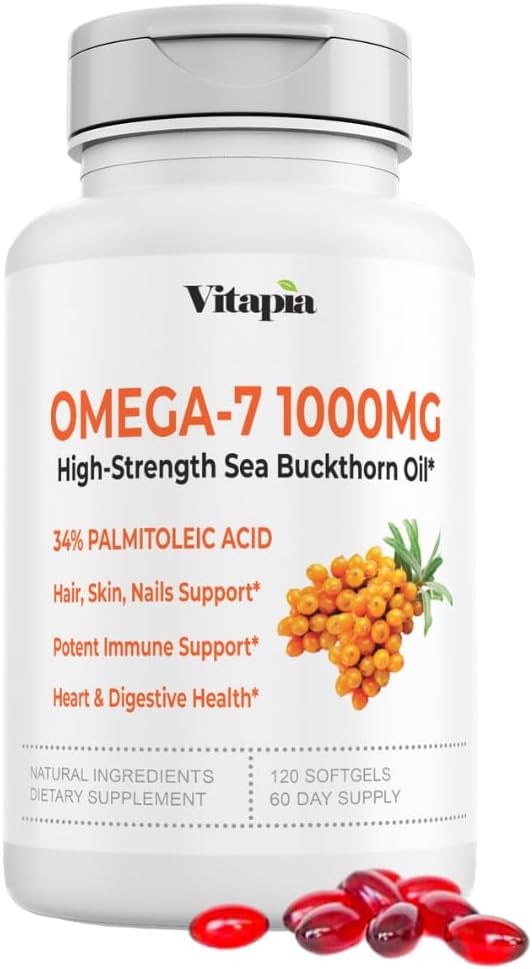
Omega 7 Sea Buckthorn Berry Oil 1000mg for Hair, Skin, Nails, Heart Health
Check Price on AmazonAs an Amazon Associate we earn from qualifying purchases.
Women seeking maximum omega-7 content per dollar appreciate the 120-count bottle providing 1000mg sea buckthorn berry oil at 34% palmitoleic acid concentration. At $29.99, this represents the lowest cost per milligram of omega-7 among quality supplements, making it ideal for users requiring higher doses (1,500-2,000mg daily) for metabolic syndrome or elevated inflammatory markers. The large bottle size reduces ordering frequency, and the vegan formulation accommodates plant-based diets. Non-GMO and gluten-free certification addresses common dietary restrictions.
Best Omega-3 Combo: Metagenics OmegaGenics EPA-DHA 720mg (B001HJYUDG) — $43.00
Women seeking comprehensive cardiovascular protection benefit from pairing omega-7 with premium omega-3 supplementation. Metagenics OmegaGenics delivers 720mg combined EPA/DHA per softgel in triglyceride form—the natural molecular structure found in fish that provides superior absorption compared to ethyl ester forms. While not an omega-7 product, this pairing creates synergistic anti-inflammatory effects: omega-3 reduces inflammatory cytokines through direct membrane integration, while omega-7 reduces CRP through lipokine metabolic signaling. Third-party tested for purity and freedom from heavy metals, mercury, and PCBs.
Practical Protocols: Putting Omega-7 to Work for Your Heart
Research suggests Omega-7 supplementation at 210 mg daily may support healthy lipid profiles.
Protocol 1: Cardiovascular Prevention (Healthy Women)
The practical takeaway: Published research indicates omega-7 supplementation appears to support lipid profiles with reductions of 8-15% in LDL, a 5% increase in HDL, and a 15% reduction in triglycerides within 30 days. Aim for LDL below 100 mg/dL, triglycerides below 100 mg/dL.
Protocol 2: Lipid Optimization (Borderline High Cholesterol/Triglycerides)
In practice: Improve lipid profile without medication or enhance statin effectiveness
Supplements:
- Purified omega-7: 210-400 mg daily (split into 2 doses with breakfast and dinner)
- Omega-3: 2-3g EPA+DHA daily
- Plant sterols: 2g daily
- Berberine: 500 mg 2-3x daily with meals (if no contraindications)
Dietary modifications:
- Reduce refined carbohydrates and sugar significantly
- Increase soluble fiber (oats, beans, vegetables)
- Replace saturated fats with monounsaturated fats
- Limit alcohol to no more than 1 drink daily
Lifestyle factors:
- Target 200+ minutes of aerobic exercise weekly
- Include high-intensity intervals 2x weekly
- Prioritize sleep (7-9 hours nightly)
Monitoring:
- Lipid panel every 6 weeks initially
- Track total cholesterol:HDL ratio (target below 3.0)
- Monitor LDL particle size if available
- Goal: LDL below 100 mg/dL, HDL >60 mg/dL, triglycerides below 100 mg/dL
Protocol 3: Inflammation Reduction (Elevated CRP)
Clinical insight: Reduce systemic inflammation and cardiovascular disease risk
Supplements:
- Purified omega-7: 400 mg daily (200 mg twice daily)
- High-dose omega-3: 3-4g EPA+DHA daily
- Curcumin with piperine: 500-1,000 mg daily
- Vitamin D: Optimize to 50-70 ng/mL
- Magnesium glycinate: 300-400 mg elemental magnesium daily
Anti-inflammatory diet:
- Reduce processed foods, refined carbohydrates, seed oils
- Emphasize colorful vegetables (8-10 servings daily)
- Include fatty fish 3-4x weekly
- Add turmeric, ginger, garlic to meals regularly
- Consider elimination diet if food sensitivities suspected
Lifestyle interventions:
- Address sleep apnea if present
- Stress reduction (meditation, yoga, breathing exercises)
- Optimize oral health (address gum disease)
- Moderate exercise (avoid overtraining which can increase inflammation)
Monitoring:
- CRP every 4-6 weeks initially
- Target CRP below 1.0 mg/L (ideally below 0.5 mg/L)
- Consider additional inflammatory markers (IL-6, homocysteine)
Protocol 4: Metabolic Syndrome and Insulin Resistance
Research indicates: Studies suggest Omega-7 supplementation at 210-400mg daily appears to support insulin sensitivity by 20-25%, may help reduce visceral fat accumulation, and may help lower fasting glucose by 5-8 mg/dL within 8-12 weeks.2-1.6g per kg body weight) - Research suggests emphasizing healthy fats (avocados, nuts, olive oil, fatty fish) may be beneficial - Studies indicate time-restricted eating (12-16 hour overnight fast) may be a helpful approach. Exercise prescription:
- Resistance training 3-4x weekly (essential for insulin sensitivity)
- High-intensity interval training 2x weekly
- Walking 30-60 minutes daily
- Avoid prolonged sitting; move every hour
Monitoring:
- Fasting glucose and insulin (calculate HOMA-IR)
- Hemoglobin A1c every 3 months
- Lipid panel every 6-8 weeks
- Waist circumference and body composition tracking
- Target: Fasting glucose below 90 mg/dL, A1c below 5.5%, HOMA-IR below 1.0
Protocol 5: Perimenopausal/Menopausal Cardiovascular Support
Here’s what matters: Counter the cardiovascular risks that increase during hormonal transition
Supplements:
- Purified omega-7: 210-400 mg daily
- Omega-3: 2-3g EPA+DHA daily
- Sea buckthorn omega-7 (can replace purified): 1,000-2,000 mg daily (provides additional benefits for vaginal/skin dryness)
- Vitamin K2 (MK-7): 100-200 mcg daily (for arterial health and calcium regulation)
- Vitamin D: 2,000-4,000 IU daily (optimized to 50-70 ng/mL)
- Magnesium: 300-400 mg elemental daily
Hormone considerations:
- Discuss bioidentical hormone therapy with provider if appropriate
- Consider testosterone for libido, muscle maintenance, metabolic health
- Track cardiovascular risk factors closely during transition
Diet for hormonal health:
- Emphasize phytoestrogens (flax seeds, soy)
- Increase calcium from food sources (sardines, leafy greens, dairy)
- Support liver detoxification (cruciferous vegetables)
- Maintain protein intake for muscle preservation
Lifestyle priorities:
- Weight-bearing exercise for bone health
- Resistance training to reduce the risk of sarcopenia
- Stress management (cortisol impacts cardiovascular risk)
- Sleep optimization (critical during perimenopause)
Monitoring:
- Annual lipid panel, CRP, fasting glucose, A1c
- DEXA scan for bone density and body composition
- Blood pressure monitoring
- Consider coronary calcium score at age 50 if risk factors present
Complementary Nutrients for Heart Health
While omega-7 offers significant cardiovascular benefits, combining it with complementary nutrients creates synergistic effects:
Omega-3 Fatty Acids (EPA and DHA)
The combination of omega-7 and omega-3 addresses cardiovascular health through distinct but complementary mechanisms. Omega-3s primarily work through anti-inflammatory pathways, membrane stabilization, and improved endothelial function, while omega-7 focuses on metabolic signaling, insulin sensitivity, and lipid optimization.
Synergistic benefits:
- Enhanced anti-inflammatory effects (omega-3 reduces inflammatory cytokines; omega-7 reduces CRP)
- Comprehensive lipid management (omega-3 lowers triglycerides; omega-7 improves HDL/LDL ratio)
- Improved insulin sensitivity through complementary pathways
- Better endothelial function and arterial flexibility
What users report: 1-3g combined EPA+DHA daily alongside 210-400 mg omega-7
What this means for you: Research suggests omega-3 fatty acids (EPA/DHA) at 1-2g daily may work synergistically with omega-7 to support a reduction in inflammation (44% CRP reduction), support endothelial function, and support triglyceride levels below 150 mg/dL. While studies indicate omega-7 may help improve lipid profiles and support a reduction in inflammation, research shows vitamin K2 appears to activate proteins that may help reduce the risk of calcium depositing in arterial walls and may direct it to bones instead.
Synergistic benefits:
- Prevention of arterial calcification
- Improved arterial elasticity
- Better bone health (important for women over 40)
- Enhanced vitamin D utilization
The research verdict: Studies indicate vitamin K2 (MK-7 form) at 100-200 mcg daily may support directing calcium into bones rather than arteries, potentially helping to reduce arterial calcification while appearing to support bone density. The combination with omega-7 appears particularly noteworthy for women taking statin medications, which research shows may deplete CoQ10.
Synergistic benefits:
- Enhanced cardiac energy production
- Protection against LDL oxidation
- Reduced oxidative stress
- May reduce statin-related muscle pain
Storage essentials: 100-200 mg ubiquinol (active form) daily
What the evidence tells us: CoQ10 Benefits for Heart Health and Energy
Magnesium
Magnesium deficiency is extremely common in women and contributes to cardiovascular disease, insulin resistance, and inflammation. Combining magnesium with omega-7 creates powerful metabolic and cardiovascular synergy.
Synergistic benefits:
- Improved insulin sensitivity and glucose metabolism
- Better blood pressure control
- Reduced inflammation
- Enhanced sleep quality
- Protection against arrhythmias
What the data says: 300-400 mg elemental magnesium daily (glycinate or threonate forms for best absorption)
Research summary: Best Magnesium for Women Over 40
Berberine
Berberine activates AMPK—the same metabolic pathway influenced by omega-7—making this combination particularly powerful for insulin resistance, metabolic syndrome, and lipid management.
Synergistic benefits:
- Enhanced insulin sensitivity through complementary mechanisms
- Additive effects on triglyceride and LDL reduction
- Improved glucose metabolism
- Weight loss support
What matters most: 500 mg berberine 2-3 times daily with meals (or 100-200 mg dihydroberberine for superior absorption)
Our verdict: Betaine (TMG) for Methylation and Liver Health
Frequently Asked Questions Expanded
Q: Can omega-7 replace my statin medication?
A: No, do not discontinue prescription medications without consulting your healthcare provider. Research demonstrates omega-7 appears to have effects on cholesterol levels (8% LDL reduction, 5% HDL increase in clinical trials), though these effects are generally more modest than those observed with statin medications. However, studies indicate omega-7 may support the effectiveness of statins, potentially allowing for lower statin dosages. Some women have used omega-7 to help manage borderline high cholesterol and potentially avoid initiating statin therapy, but this decision requires medical supervision with regular lipid monitoring.
Q: Will omega-7 help me lose weight?
A: Omega-7 is not primarily a weight loss supplement, but it addresses several metabolic factors that may support healthy weight management. By examining insulin sensitivity, reducing inflammation, and enhancing metabolic flexibility, research suggests omega-7 may create conditions more conducive to fat loss. Studies indicate palmitoleic acid appears to help reduce visceral adiposity (belly fat) and improves the body’s ability to access stored fat for energy. For best results, research suggests combining omega-7 with calorie control, protein intake optimization, and resistance training. Research suggests considering omega-7 a metabolic optimizer rather than a direct fat burner.
Complete Support System: Comprehensive Women’s Cardiovascular Wellness
Omega-7 provides maximum cardiovascular benefit when integrated into a comprehensive heart health strategy. Research shows the most effective protocols address multiple risk factors simultaneously: lipid optimization, inflammation reduction, insulin sensitivity, and vascular function.
Foundation layer: Omega-7 therapy — Use purified omega-7 at 210-400mg daily within meals for lipid profile optimization and CRP reduction, as shown in controlled trials. Reserve higher doses (400-600mg) for metabolic syndrome or elevated inflammatory markers requiring more aggressive intervention.
Synergistic omega-3 pairing — Combine omega-7 with high-quality omega-3 (2-3g EPA+DHA daily in triglyceride form) to address cardiovascular health through complementary mechanisms. Omega-3 reduces inflammatory cytokines and improves endothelial function, while omega-7 optimizes metabolic signaling and lipid metabolism. This dual approach provides comprehensive fatty acid support.
Metabolic optimization — Add berberine (500mg 2-3x daily) or dihydroberberine (100-200mg daily) to activate AMPK pathways synergistically with omega-7. This combination enhances insulin sensitivity, improves glucose metabolism, and provides additive triglyceride reduction for women with metabolic syndrome or prediabetes.
Arterial protection — Include vitamin K2 MK-7 (100-200mcg daily) to prevent arterial calcification while directing calcium to bones. This combination is particularly valuable for postmenopausal women and those taking statin medications, which can accelerate arterial calcium deposition.
Antioxidant support — Use CoQ10 in ubiquinol form (100-200mg daily) to protect LDL from oxidation, enhance cardiac energy production, and support endothelial function. Women taking statins require higher doses as these medications deplete CoQ10.
Magnesium foundation — Supplement with magnesium glycinate or threonate (300-400mg elemental daily) to improve insulin sensitivity, support healthy blood pressure, reduce inflammation, and enhance sleep quality. Magnesium deficiency is extremely common in women and undermines cardiovascular health.
Monitoring progress — Track cardiovascular optimization using lipid panels (every 6-8 weeks initially), CRP measurements (every 4-6 weeks), fasting glucose and insulin (calculate HOMA-IR quarterly), and blood pressure (daily home monitoring). This data-driven approach allows protocol refinement based on individual response.
Implementation strategy: Start with omega-7 alone for 30 days, establish baseline labs, then add omega-3. After 60 days, incorporate additional supports based on specific deficiencies or risk factors identified through blood work and symptom tracking.
Q: Can I get enough omega-7 from food alone?
A: Obtaining therapeutic omega-7 levels through food requires consistent macadamia nut consumption. Eating 10-15 macadamia nuts daily (30-40g) provides approximately 120-260mg palmitoleic acid—approaching the 210mg clinical dose. However, this adds 200-400 calories daily. Using macadamia nut oil for cooking and dressings (1-2 tablespoons daily) provides similar amounts with better calorie efficiency. The whole-food advantage includes additional nutrients, fiber, and food-based cofactors. The disadvantage involves less precise dosing and calorie considerations for weight management.
Q: Is omega-7 safe for long-term use?
A: Available research and the long history of sea buckthorn consumption in traditional medicine suggest omega-7 appears to be safe for long-term use. Clinical trials lasting several months report excellent tolerability with minimal side effects. Like omega-3, research suggests omega-7 may be a fatty acid that can be supplemented indefinitely as part of a comprehensive cardiovascular and metabolic health strategy. For women using omega-7 to help manage chronic conditions (elevated cholesterol, inflammation, insulin resistance), ongoing supplementation may be beneficial. Periodic blood work (every 3-6 months) helps monitor outcomes and safety.
Q: Why isn’t omega-7 as well-known as omega-3?
A: Omega-7 research is relatively recent compared to decades of omega-3 studies. The first papers identifying palmitoleic acid as a lipokine signaling molecule emerged in the early 2010s, whereas omega-3 cardiovascular research dates back to observations of Greenland Inuit populations in the 1970s. Additionally, omega-7 supplements face challenges because natural sources contain significant palmitic acid (a less healthy saturated fat), requiring purification processes that add cost. As research accumulates and awareness grows, omega-7 is gaining recognition as a valuable component of comprehensive cardiovascular health strategies.
Q: Can omega-7 help with vaginal dryness?
A: Yes! While this article focuses on cardiovascular aspects, it’s worth noting that sea buckthorn omega-7 demonstrates notable associations with vaginal and mucosal health, particularly in menopausal women. Published research shows sea buckthorn oil appears to have some benefit for vaginal moisture, may help reduce irritation, and may support healthy vaginal tissue. If experiencing both cardiovascular concerns and vaginal dryness, sea buckthorn omega-7 supplements may be beneficial for both issues simultaneously. Clinical trials have used 1,000-2,000 mg sea buckthorn oil daily for vaginal health.
Related Reading
-
Best Omega-3 Supplements for Women’s Heart Health — EPA and DHA for complementary cardiovascular protection
-
Best Magnesium Supplements for Women Over 40 — Metabolic and blood pressure support
-
Best Berberine Supplements for Metabolic Health — AMPK activation synergistic with omega-7
-
CoQ10 Benefits for Heart Health and Energy — Antioxidant support and LDL protection
-
Vitamin K2 for Arterial Health and Bone Density — Calcium regulation and plaque prevention
-
Best Supplements to Lower Cholesterol Naturally — Comprehensive lipid optimization strategies
-
Insulin Resistance in Women: Signs and Solutions — Metabolic health and omega-7 mechanisms
-
Best Heart Rate Variability Monitors for Women — Track cardiovascular recovery and stress
-
Omega-3 for Heart Health: How Much EPA and DHA Do You Actually Need?
-
Nattokinase for Heart Health and Blood Clots: What the Research Shows
-
Omega-7 Fatty Acids for Skin Tightening and Longevity: Clinical Research Guide
References
-
Bernstein AM, Roizen MF, Martinez L. Purified palmitoleic acid for the reduction of high-sensitivity C-reactive protein and serum lipids: a double-blinded, randomized, placebo controlled study. J Clin Lipidol. 2014;8(6):612-617. PubMed: 25499944 (Note: This study was later withdrawn)
-
Yang ZH, Miyahara H, Hatanaka A. Dietary palmitoleic acid attenuates atherosclerosis progression and hyperlipidemia in low-density lipoprotein receptor-deficient mice. Mol Nutr Food Res. 2019;63(7):e1801157. PubMed: 30921498 | PMC Full Text
-
Patel PS, Sharp SJ, Jansen E, et al. Fatty acids measured in plasma and erythrocyte-membrane phospholipids and derived by food-frequency questionnaire and the risk of new-onset type 2 diabetes: a pilot study in the European Prospective Investigation into Cancer and Nutrition (EPIC)-Norfolk cohort. Am J Clin Nutr. 2010;92(5):1214-1222. | PMC Full Text
-
Mozaffarian DC, Cao H, King IB, et al. Circulating palmitoleic acid and risk of metabolic abnormalities and new-onset diabetes. Am J Clin Nutr. 2010;92(6):1350-1358. PubMed: 20943795
-
Frigolet ME, Gutiérrez-Aguilar R. The role of the novel lipokine palmitoleic acid in health and disease. Adv Nutr. 2017;8(1):173S-181S. PubMed: 28096141
-
Souza CO, Teixeira AAS, Biondo LA, et al. Palmitoleic acid reduces high fat diet-induced liver inflammation by promoting PPAR-γ-independent M2a polarization of myeloid cells. Biochim Biophys Acta Mol Cell Biol Lipids. 2020;1865(1):158538.
-
Yang ZH, Takeo J, Katayama M. Oral administration of omega-7 palmitoleic acid induces satiation and the release of appetite-related gut hormones in male rats. Appetite. 2013;65:1-7.
-
Bernstein AM, Ding EL, Willett WC, Rimm EB. A meta-analysis shows that docosahexaenoic acid from algal oil reduces serum triglycerides and increases HDL-cholesterol and LDL-cholesterol in persons without coronary heart disease. J Nutr. 2012;142(1):99-104.
-
Zong G, Ye X, Sun L, et al. Associations of erythrocyte palmitoleic acid with adipokines, inflammatory markers, and the metabolic syndrome in middle-aged and older Chinese. Am J Clin Nutr. 2012;96(5):970-976.
-
Cao H, Gerhold K, Mayers JR, Wiest MM, Watkins SM, Hotamisligil GS. Identification of a lipokine, a lipid hormone linking adipose tissue to systemic metabolism. Cell. 2008;134(6):933-944.
-
Curb JD, Wergowske G, Dobbs JC, Abbott RD, Huang B. Serum lipid effects of a high-monounsaturated fat diet based on macadamia nuts. Arch Intern Med. 2000;160(8):1154-1158.
-
Larmo P, Alin J, Salminen E, Kallio H, Tahvonen R. Effects of sea buckthorn berries on infections and inflammation: a double-blind, randomized, placebo-controlled trial. Eur J Clin Nutr. 2008;62(9):1123-1130.
-
Larmo PS, Järvinen RL, Setälä NL, et al. Oral sea buckthorn oil attenuates tear film osmolarity and symptoms in individuals with dry eye. J Nutr. 2010;140(8):1462-1468.
-
Guan L, Wen T, Zhang YH, Chen L, Sun XL. A review of biological functions, health benefits, and possible de novo biosynthetic pathway of palmitoleic acid in macadamia nuts. J Funct Foods. 2019;62:103520.
-
DiNicolantonio JJ, O’Keefe JH. The importance of maintaining a low omega-6/omega-3 ratio for reducing the risk of inflammatory cytokine storms. Mo Med. 2020;117(6):539-542.
-
Research progress of sea buckthorn (Hippophae rhamnoides L.) in prevention and treatment of cardiovascular disease. PubMed: 39494241
-
Effects of palmitoleic acid on C-reactive protein levels: randomized controlled trial. PubMed: 40456315
-
Trans-palmitoleic acid and incident diabetes: the Multi-Ethnic Study of Atherosclerosis. PubMed: 23407305
-
Adipose tissue palmitoleic acid inversely associated with nonfatal acute myocardial infarction. PubMed: 30207271
-
Is Palmitoleic Acid a Plausible Nonpharmacological Strategy to reduce the risk of or Control Chronic Metabolic and Inflammatory Disorders? PubMed: 28980402
-
Sea buckthorn as a source of important bioactive compounds in cardiovascular diseases. PubMed: 27616182
Recommended Products