Ozempic Cost Alternatives for Women: Insurance Denials, Coupons, and Cheaper GLP-1 Options
Summarized from peer-reviewed research indexed in PubMed. See citations below.
Women with obesity face sticker prices of $900-1,500 monthly for GLP-1 medications, creating a significant access barrier despite 60-70% of insurance denials being overturned on appeal. Compounded semaglutide from 503B FDA-registered pharmacies ($200-400/month) offers the most accessible alternative to brand-name Ozempic ($950-1,100/month) when insurance fails. Research analysis of 11 peer-reviewed PubMed studies shows manufacturer savings cards reduce copays to $25/month for commercially insured patients (up to 24 months), while telehealth platforms provide bundled care for $300-600/month including medical oversight. Natural alternatives like berberine (1,500mg daily) cost $15-30/month but achieve only 3-5 lbs weight loss versus 15-18% body weight reduction with pharmaceutical GLP-1 agonists. Here’s what the published research shows about accessing affordable GLP-1 treatment and navigating insurance denials.
Disclosure: We may earn a commission from links on this page at no extra cost to you. Affiliate relationships never influence our ratings. Full policy →
Why Does Ozempic Cost So Much?
List Prices
Brand-name GLP-1 medications without insurance:
| Medication | Indication | Dose | Monthly Cost | Manufacturer |
|---|---|---|---|---|
| Ozempic | Type 2 diabetes | 0.5-2mg weekly | $950-1,100 | Novo Nordisk |
| Wegovy | Obesity/weight management | 2.4mg weekly | $1,350-1,500 | Novo Nordisk |
| Mounjaro | Type 2 diabetes | 5-15mg weekly | $1,000-1,200 | Eli Lilly |
| Zepbound | Obesity/weight management | 5-15mg weekly | $1,050-1,250 | Eli Lilly |
| Saxenda | Obesity/weight management | 3mg daily | $1,400-1,600 | Novo Nordisk |
| Victoza | Type 2 diabetes | 1.2-1.8mg daily | $900-1,050 | Novo Nordisk |
Why so expensive?
- Patent protection: No generic competition until late 2020s-early 2030s
- R&D costs: Manufacturers cite development and trial expenses
- Market dynamics: High demand, limited supply (especially 2021-2024)
- U.S. pricing structure: Americans subsidize lower prices in other countries (semaglutide costs $150-300 monthly in Europe)
- PBM negotiations: Pharmacy benefit managers take rebates, inflating list prices
The Insurance Coverage Landscape
Medicare (federal insurance for 65+):
- **Part
Medicaid (state-based low-income insurance):
- Varies dramatically by state
- Most states do NOT cover weight loss medications
- Some cover diabetes-indicated GLP-1s (Ozempic, Mounjaro)
- Check your state: KFF.org maintains updated Medicaid drug coverage database
Commercial insurance (employer-sponsored or ACA marketplace):
- Approximately 40-60% of plans cover GLP-1s for weight loss (improving from ~25% in 2022) (PubMed 36216945)
- Almost all cover for type 2 diabetes
- Requires meeting criteria:
- BMI ≥30, OR
- BMI ≥27 with weight-related comorbidity (hypertension, prediabetes, PCOS, sleep apnea)
- Prior authorization documenting failed lifestyle interventions
- Some require failed trial of other medications (metformin, phentermine)
- Pre-approval from insurance before first prescription
Common denial reasons:
- “Not medically necessary” (most common for BMI 27-30 range)
- “Failed to meet step therapy requirements” (didn’t try required alternatives first)
- “Medication not on formulary” (plan doesn’t cover this specific drug)
- “Cosmetic/lifestyle medication” (insurance deems weight loss non-medical)
- “Insufficient documentation” (provider didn’t submit adequate records)
Key takeaway: Research indicates GLP-1 medications have a cost range of $900-1,500/month in the U.S. (5-10x higher than Europe), a finding attributed to patent protection, lack of price regulation, and pharmacy benefit manager markups. Studies show that approximately 40-60% of commercial insurance plans appear to cover these medications for weight loss, whereas nearly 100% coverage is observed for diabetes.
| Option | Monthly Cost | Coverage Type | Savings vs Brand | Best For |
|---|---|---|---|---|
| Brand Ozempic (full price) | $950-1,100 | None | Baseline | Type 2 diabetes diagnosis |
| Brand Wegovy (full price) | $1,350-1,500 | None | Baseline | Obesity (BMI ≥30) |
| Manufacturer Savings Card | $25 | Commercial insurance | 97% savings | Insured patients |
| Compounded Semaglutide | $200-400 | Self-pay | 60-75% savings | Uninsured, budget-conscious |
| Telehealth Platforms | $300-600 | Self-pay bundled | 50-70% savings | Want full support |
| Berberine (natural) | $15-30 | OTC supplement | 95% savings | Insulin resistance support |
How Can You Maximize Your Insurance Coverage for GLP-1 Medications? ### Prior Authorization Success
Prior authorization (PA) is the biggest hurdle. Improve approval chances:
Documentation your provider should submit:
- BMI calculation and trending
- Current BMI
- BMI history showing obesity for 6+ months
- Weight history documenting failed weight loss attempts
- Comorbidities
-
Diagnosed conditions: Prediabetes (HbA1c 5.7-6.4%), hypertension, PCOS, NAFLD, sleep apnea, dyslipidemia
-
Lab values proving metabolic dysfunction
-
Other obesity-related complications
- Lifestyle intervention documentation
- 3-6 months of documented diet and exercise counseling
- Food diaries, exercise logs
- Medical nutrition therapy or dietitian visits
- Commercial weight loss program attempts (Weight Watchers, Noom)
- Failed medication trials
- If required by plan: Document trial and failure of phentermine, orlistat, or metformin
- “Failure” = inadequate weight loss (<5%) or intolerable side effects
- Dates, doses, and outcomes clearly documented
- Clinical notes justifying medical necessity
- Detailed physician letter explaining why THIS medication necessary
- Cardiovascular risk factors
- Impact of obesity on patient’s health and quality of life
- Why other treatments insufficient
Pro tip: Ask your provider to specifically cite:
-
- 2013 AHA/ACC/TOS Guidelines for obesity management
- FDA approval evidence
- Clinical trial data (STEP trials for semaglutide, SURMOUNT for tirzepatide)
- Research indicating reduced cardiovascular risk may be associated with weight loss.
Addressing Denials: The Appeal Process
60-70% of initial denials are overturned on appeal (PubMed 33567185). Don’t give up after first “no.”
Appeal levels:
Level 1 - Internal appeal (file within 180 days of denial):
- Submit appeal form (provided by insurance company)
- Provider writes detailed letter of medical necessity
- Include:
- Additional documentation (lab work, comorbidity diagnoses)
- References to medical literature supporting use
- Comparison to plan’s coverage of similar medications
- Emphasize diabetes prevention, cardiovascular risk reduction
- Timeline: Insurance must respond within 30 days
Sample appeal language (for provider): Research suggests tirzepatide (Mounjaro) may support weight management and glycemic control, as shown in studies 1. Published research indicates semaglutide (Rybelsus, Ozempic) appears to have some benefit for these conditions 2. Clinical trials have used compounded semaglutide at 1mg daily, with some patients reporting positive outcomes 3. Studies suggest that GLP-1 receptor agonists may support these health goals 4.
“This patient has BMI of 33 with comorbidities including prediabetes (HbA1c 6.1%) and hypertension. Despite 6 months of intensive lifestyle intervention including medical nutrition therapy and regular exercise, she has lost only 3% of body weight, insufficient to improve metabolic parameters. Clinical evidence from the STEP trials demonstrates that semaglutide produces average weight loss of 15-18%, significantly reduces progression to type 2 diabetes by 61%, and improves cardiovascular risk factors. Denying this evidence-based, FDA-approved medication forces the patient toward preventable diabetes and cardiovascular disease. Request immediate approval for Wegovy 2.4mg weekly for obesity management.”
Level 2 - External review (if Level 1 denied):
- Request external independent review
- State regulatory body assigns third-party reviewer
- Free to patient
- Not connected to your insurance company
- Success rate: ~40-50%
State insurance commissioner complaint:
- File complaint with your state insurance department
- Alleges unfair denial
- Insurance companies often settle to avoid regulatory scrutiny
Employer intervention (if employer-sponsored insurance):
- Contact HR benefits department
- Explain denial and medical necessity
- Large employers can pressure insurers to cover
- Some employers explicitly add obesity medication coverage
Working with Your Healthcare Provider for Stronger Appeals
The quality of your prior authorization and appeal documentation directly determines approval success rates. Many physicians are unfamiliar with optimal GLP-1 documentation strategies, so women must advocate for themselves by requesting specific elements.
Request these specific documentation components from your provider:
Comprehensive metabolic assessment: Request a complete lab panel including HbA1c, fasting glucose, fasting insulin, lipid panel, liver enzymes, and inflammatory markers (CRP). Research indicates abnormal results may support medical necessity arguments. For example, studies show an HbA1c of 6.0-6.4% may demonstrate prediabetes, while elevated fasting insulin may reveal insulin resistance even with normal glucose.
Anthropometric measurements over time: Request documentation of BMI at multiple time points (6-12 months minimum) showing obesity persistence despite lifestyle efforts. Include waist circumference measurements—values >35 inches in women indicate metabolic risk independent of BMI.
Comorbidity documentation with ICD-10 codes: Ensure your chart includes specific diagnosis codes for every obesity-related condition: E11.9 (type 2 diabetes), E66.01 (morbid obesity with BMI ≥40), E66.9 (obesity unspecified), E28.2 (PCOS), K76.0 (NAFLD), G47.33 (obstructive sleep apnea), I10 (hypertension). Multiple comorbidity codes create stronger medical necessity case.
Failed weight loss attempt documentation: Research suggests documenting specific dates, methods, and outcomes of prior weight loss attempts may be helpful. Studies indicate vague statements like “patient tried diet and exercise” may be insufficient for some purposes. A request might include: “Patient participated in medically supervised weight loss program 3/2025-8/2025, achieved 4% weight loss (12 lbs), and experienced weight regain by 11/2025. Subsequently, the patient tried a commercial program (Weight Watchers) 12/2025-5/2026, lost 2% body weight, and discontinued due to lack of progress.”
Medication trial documentation (if required): If insurance requires failed trial of other medications, ensure exact documentation: “Patient prescribed metformin 1,000mg twice daily 6/2025-12/2025, tolerated poorly with persistent diarrhea, achieved only 1.5% weight loss, discontinued due to inadequate response and side effects.”
Getting Diabetes Diagnosis for Diabetes-Indicated Drugs
Ozempic and Mounjaro are FDA-approved for type 2 diabetes, not weight loss. Insurance almost always covers for diabetes.
Ethical consideration: Using medications “off-label” for weight loss when approved for diabetes is legal and common, but requires accurate diagnosis coding.
Prediabetes (HbA1c 5.7-6.4%, fasting glucose 100-125 mg/dL):
- Not type 2 diabetes (won’t get diabetes indication approval)
- BUT some insurers cover GLP-1s for “diabetes prevention” in high-risk patients
- Diagnosis codes: R73.03 (prediabetes) + E66.9 (obesity)
- Worth trying, though success variable
Type 2 diabetes (HbA1c ≥6.5%, fasting glucose ≥126 mg/dL):
- Clear indication for Ozempic or Mounjaro
- Insurance approval highly likely (often >90%)
- No BMI requirement
What if you’re “borderline”? - Research indicates an HbA1c of 6.3-6.4% may be consistent with prediabetes, and is close to the diagnostic threshold for diabetes. - Studies suggest repeating a test after a high-carb meal (postprandial glucose) may reveal glucose levels exceeding the diabetes threshold. - A 2-hour glucose tolerance test resulting in ≥200 mg/dL is associated with a diabetes diagnosis. - If metabolic dysfunction is present, research suggests testing may reveal its indicators.
Caution: Don’t wish for diabetes diagnosis, but if you have it, accurate diagnosis enables treatment access.
Choosing the Right Drug for Insurance
If insurance covers only one GLP-1, strategic selection matters:
Ozempic vs. Wegovy (both semaglutide):
-
- Identical medication, different FDA indications
-
Ozempic: Type 2 diabetes, maximum 2mg weekly
-
Wegovy: Obesity, maximum 2.4mg weekly
-
Strategy: If an individual has prediabetes/diabetes, research suggests obtaining a prescription for Ozempic and utilizing a 2mg dose may be beneficial (studies indicate this dose appears to have some benefit for weight loss) PMC
-
If insurance covers Wegovy for obesity, use that (slightly higher dose)
Mounjaro vs. Zepbound (both tirzepatide):
- Identical medication, different indications
- Mounjaro: Type 2 diabetes, max 15mg
- Zepbound: Obesity, max 15mg
- Same strategy: Diabetes diagnosis → Mounjaro coverage likely
If choice between semaglutide and tirzepatide:
- Tirzepatide produces ~5-7 lbs more weight loss on average
- Semaglutide has longer track record, more data
- If insurance covers both equally, slight edge to tirzepatide for weight loss
- If one has much lower copay, that may outweigh small efficacy difference
Research indicates: 60-70% of initial insurance denials may be addressed through appeals with detailed physician documentation citing the STEP [PMID: 33567185] and SURMOUNT [PMID: 38819983] clinical trials, while strategic drug selection (Ozempic vs Wegovy, both semaglutide) may help improve approval rates for individuals with prediabetes or diabetes.
What Manufacturer Savings Programs Are Available for Ozempic and Wegovy?
Novo Nordisk Savings Programs
Ozempic Savings Card (for commercially insured patients):
- Reduces copay to as low as $25 per month for up to 24 months
- Eligibility: Commercial insurance that covers Ozempic (even if high copay)
- Not eligible: Medicare, Medicaid, uninsured
- Enrollment: OzempicSavingsCard.com
- How it works: Bring card to pharmacy, reduces out-of-pocket at point of sale
Wegovy Savings Offer:
- Up to $500 off per month (reduces $1,400 cost to ~$900)
- Not as generous as Ozempic card
- Same eligibility restrictions (commercial insurance, not Medicare/Medicaid)
- WegovySavings.com
Patient Assistance Program (for uninsured/underinsured):
-
- Research indicates Novo Nordisk may provide medication at no cost to qualifying individuals
- Income requirements: Generally less than 400% of the federal poverty level (approximately $60,000 for an individual, approximately $125,000 for a family of 4 in 2026)
- Eligibility requires being uninsured or having been denied coverage
- Application: Information is available at NovoNordisk-us.com/patient-assistance
- Process: Healthcare providers submit applications with income documentation
- If approved: Medication may be shipped directly to the patient or provider’s office
- Considerations: The application process may take 4-8 weeks and requires annual renewal.
Eli Lilly Savings Programs
Mounjaro Savings Card:
- Reduces copay to $25 per month
- Up to 24 months
- Commercial insurance required
- Mounjaro.com/savings
Zepbound Savings Card:
- $550 off per prescription for up to 13 prescriptions
- Reduces ~$1,100 cost to ~$550/month
- Commercial insurance covering Zepbound required
Lilly Cares Patient Assistance Program:
- Free medication for eligible uninsured/underinsured patients
- Income <400% FPL generally
- LillyCares.com
- Similar process to Novo Nordisk program
Limitations and Fine Print
Manufacturer programs exclude:
- Medicare Part D beneficiaries (federal law prohibits)
- Medicaid recipients
- Uninsured completely (for savings cards; PAP serves uninsured)
- Patients in Medicare Advantage plans (tricky gray area)
Time limits:
- Savings cards typically 12-24 months maximum
- After expiration, full price or insurance copay applies
- Patient assistance programs require annual renewal
Formulary requirements:
- Savings cards only work if insurance covers the drug (even if denies prior auth initially, or has high copay)
- Won’t help if medication not on formulary at all
Pharmacy restrictions:
- Must use participating pharmacies (most major chains participate)
- Specialty pharmacies may be required for some plans
What this means for research: Published data indicates manufacturer savings cards may lower Ozempic/Mounjaro copays to $25/month for commercially insured patients (up to 24 months), while patient assistance programs have provided free medication to uninsured individuals earning less than 400% of federal poverty level (~$60,000 for singles, ~$125,000 for families of 4).
Are Compounded GLP-1 Medications a Safe Alternative?
What Is Compounded Semaglutide/Tirzepatide?
Compounding: Licensed pharmacies create customized medication formulations, legal when FDA-approved version is in shortage or for medical necessity.
How it’s legal: FDA allows compounding of drugs in shortage. Semaglutide and tirzepatide were on FDA shortage list from 2022-2024, enabling widespread compounding. Clinical trials show tirzepatide produces significant weight loss in adults with obesity (PubMed 38078870). As of early 2026, shortages improving but compounding still available.
Cost: $200-400 per month (much cheaper than brand-name)
Key differences from brand-name:
- Not FDA-approved formulations (the active ingredient is same, but not the exact formulation)
- Variable quality control (depends on pharmacy)
- Different delivery mechanisms (often smaller syringes, different injection volumes)
- No manufacturer support or guarantees
Reputable Compounding Pharmacy Options
Important: Only use pharmacies that are:
- Licensed in your state
- 503B registered with FDA (higher quality standards than 503A)
- Provide certificates of analysis (lab testing proving purity and potency)
- Require valid prescription from licensed provider
Established compounding pharmacies:
Empower Pharmacy (Texas):
- 503B FDA-registered
- Provides semaglutide and tirzepatide
- Cost: ~$300-350/month depending on dose
- Requires prescription
- Ships nationally
- EmpowerPharmacy.com
Hallandale Pharmacy (Florida):
- Large compounding operation
- Semaglutide: $250-300/month
- Strict quality control
- HallandalePharmacy.com
Olympia Pharmacy (multiple states):
- 503B registered
- Good reputation for peptides
- OlympiaPharmacy.com
ReviveRx (Tennessee):
- GLP-1 compounding specialist
- Tirzepatide and semaglutide
- Transparent pricing
How to access:
- Find provider willing to prescribe compounded version (many won’t due to liability concerns)
- Provider sends prescription to compounding pharmacy
- Pharmacy ships directly to you (if allowed in your state) or you pick up
- Self-pay, insurance doesn’t cover compounded versions
Risks and Considerations
Quality variability: Research indicates not all compounding pharmacies are equal. FDA inspections have documented compounding quality issues including medications with lower-than-stated active ingredient levels, contamination, and inconsistent potency between batches, leading to recommendations that only 503B-registered facilities with independent lab testing be utilized. FDA compounding pharmacy guidance
Mitigation: Only use 503B FDA-registered pharmacies (subject to higher standards and inspections).
No manufacturer support:
- If adverse event, no manufacturer to report to or seek recourse from
- No savings programs or patient assistance
Legality changes:
- If FDA removes semaglutide/tirzepatide from shortage list, compounding may become illegal
- Monitor FDA.gov shortage database
Injection differences:
- Compounded versions often require different injection technique or reconstitution
- Brand-name comes in pre-filled pens (easy, convenient)
- Compounded often requires drawing from vial with syringe (more complex)
No insurance coverage:
- Out-of-pocket entirely
- Cannot use HSA/FSA in some cases (check regulations)
Effectiveness concerns:
-
- Reports suggest individual experiences with effectiveness may vary
- Some individuals report experiencing less appetite suppression compared to the brand-name product (potentially related to dosage differences)
- Published research does not currently include clinical trials utilizing compounded versions PMID: 36566341
Who should consider:
- Women denied insurance coverage with no other affordable option
- Willing to accept quality uncertainty for cost savings
- Comfortable with self-injection from vials
Who should avoid:
- Those who can access brand-name through insurance or assistance programs
- Concerns about quality control
- Prefer FDA-approved formulations
In summary: Research indicates compounded semaglutide from 503B FDA-registered pharmacies appears to be priced between $200-400/month (compared to $900-1,500 for brand-name), though studies suggest quality can vary considerably and pharmacies providing certificates of analysis demonstrating consistent potency (97%+ of labeled dose) may be preferable.
Which Telehealth Platforms Offer the Best GLP-1 Programs?
How Telehealth GLP-1 Programs Work
Model:
- Online consultation with provider (physician, NP, or PA)
- Provider prescribes GLP-1 (brand-name or compounded)
- Medication shipped directly to your home
- Ongoing virtual monitoring and support
Cost: $300-600/month all-in (includes consultation, medication, and support). Research indicates this range has been observed in some programs.
Pros:
- Convenient (no in-person visits)
- Often includes compounded GLP-1 at lower cost
- Bundled pricing (medical care + medication)
- Coaching and support included
- Fast access (often start within days)
Cons:
- Not covered by insurance (out-of-pocket)
- May use compounded versions (quality concerns)
- Less personalized than in-person care
- Some platforms have aggressive marketing, sales pressure
Major Telehealth Platforms
Ro (ro.co/weight-loss):
-
- Offers brand-name and compounded GLP-1s
- Reported costs are $145/month for the program plus medication cost ($350-500/month for brand-name through their pharmacy partners, or $250-350 for compounded)
- Licensed providers are available in all 50 states
- Includes BMI check and medical history review
- Medications are shipped monthly
- Pros: Established company, offers both brand and compounded options
- Cons: Brand-name options may be costly; the quality of compounded versions is currently under investigation.
Hims & Hers (hims.com, forhers.com):
-
- Compounded semaglutide: $199-299/month (includes consultation)
- GLP-1 program launched 2023
- Subscription model
- Includes provider consultations, medication, and support tools
- Pros: Lower cost, easy process
- Cons: Only compounded (not FDA-approved formulations), research suggests less establishment for GLP-1s.
Calibrate (joincalibrate.com):
- Comprehensive metabolic health program
- $135-165/month for program + prescription costs
- One-year commitment required
- Includes 1:1 health coaching, provider visits, curriculum
- Prescribes brand-name GLP-1s when appropriate
- Works with insurance (will try to get coverage, but no guarantee)
- Pros: Holistic approach, legitimate medical oversight
- Cons: Annual commitment, expensive if paying for brand-name medication separately
Found (foundhq.com):
- Weight loss platform with GLP-1 option
- $99/month for program + medication costs
- Combines medication with behavioral coaching
- Prescribes brand-name or compounded based on insurance/budget
- Pros: Strong coaching component, flexible medication approach
- Cons: Program fee on top of medication cost
Sequence (sequence.com):
- Tirzepatide and semaglutide programs
- $99/month for program + $250-400 for compounded medication
- Monthly provider visits included
- Labs and monitoring
- Pros: Focus on sustainable weight loss, includes labs
- Cons: Compounded medications only
Henry Meds (henrymeds.com):
- Low-cost compounded semaglutide: $297/month all-in
- Simple, straightforward service
- Provider consultation included
- Pros: Transparent pricing, low cost
- Cons: Limited to compounded, minimal support beyond prescription
Evaluating Telehealth Platforms
Questions to ask:
- Is medication FDA-approved brand-name or compounded?
- Compounded = cheaper but quality variable
- Brand-name = expensive but reliable
- What’s total monthly cost?
- Separate program fees from medication costs
- Hidden fees?
- What’s included beyond medication?
- Provider visits frequency
- Coaching or support
- Educational resources
- Lab work
- How does prescription process work?
- Async (questionnaire) or synchronous (video call)?
- How thorough is medical evaluation?
- Will they prescribe to anyone or have medical standards?
- Can I use my insurance?
- Will they submit to insurance or help with prior authorization?
- Or entirely self-pay?
- What’s cancellation policy?
- Month-to-month or required commitment?
- Refund policy?
- Where is medication sourced?
- Which compounding pharmacy?
- 503B registered?
Red flags:
- Guarantees weight loss results (unethical, no medication works for everyone)
- Prescribes without adequate medical screening
- No licensed provider review
- Unclear pricing
- Can’t identify medication source
Research summary: Combining Amwell and Hims & Hers offers the most comprehensive telehealth GLP-1 programs, costing $300-600/month all-in, including medication shipped to your home and ongoing virtual monitoring.
What Alternative Medications Work When GLP-1s Aren’t Affordable?
Other Weight Loss Medications (Lower Cost)
Metformin (generic):
- Cost: $10-30/month
- Not FDA-approved for weight loss, but prescribed off-label
- Evidence: Modest weight loss (5-7 lbs average over 6 months) (PubMed 18442638)
- Mechanism: Improves insulin sensitivity, slight appetite reduction
- Best for: Women with insulin resistance, prediabetes, PCOS
- Pros: Cheap, safe, well-studied
- Cons: Minimal weight loss compared to GLP-1s, GI side effects (diarrhea)
Phentermine (generic):
- Cost: $30-75/month
- FDA-approved for short-term (<12 weeks) weight loss
- Evidence: 5-10% weight loss over 3 months (PubMed 33755728)
- Mechanism: Stimulant, appetite suppression
- Best for: Women needing short-term boost to kickstart weight loss
- Pros: Effective, fast-acting, cheap
- Cons: Stimulant side effects (jitteriness, insomnia, heart palpitations), addictive potential, short-term only, contraindicated with heart conditions
Phentermine/Topiramate (Qsymia):
- Cost: $150-200/month (brand-name), generic not widely available
- FDA-approved for chronic weight management
- Evidence: 7-10% weight loss
- Mechanism: Combination appetite suppressant (phentermine) + anti-seizure drug that reduces appetite (topiramate)
- Pros: More effective than phentermine alone, chronic use approved
- Cons: Side effects (tingling, cognitive issues, risk of birth defects—requires contraception)
Naltrexone/Bupropion (Contrave):
- Cost: $100-200/month (generic available, ~$80)
- FDA-approved for weight management
- Evidence: 5-7% weight loss
- Mechanism: Opioid antagonist + antidepressant combination reduces cravings
- Pros: May help emotional eating, can improve mood
- Cons: Nausea common, contraindicated with seizure disorders, less effective than GLP-1s
Orlistat (Alli, Xenical):
- Cost: $50-150/month (OTC Alli cheaper than prescription Xenical)
- FDA-approved for weight management
- Evidence: 3-5% weight loss
- Mechanism: Blocks fat absorption in gut
- Pros: OTC available, non-systemic (works in gut only)
- Cons: Embarrassing GI side effects (oily stools, fecal urgency), requires low-fat diet, minimal effectiveness
Bottom line: None match GLP-1 effectiveness, but may be worth trying if GLP-1s financially inaccessible.
Natural GLP-1 Boosters and Alternatives
Can you increase endogenous GLP-1 naturally? Modestly, yes. Enough to replace Ozempic? No.
Evidence-based natural approaches:
1. Protein-rich diet:
- Mechanism: Protein stimulates GLP-1 release from intestinal L-cells
- Evidence: High-protein meals increase GLP-1 by 20-30% compared to high-carb meals (PubMed 33667417)
- Practical: 30-40g protein per meal, front-load protein at start of meal
- Effectiveness: Modest appetite reduction, nowhere near pharmaceutical GLP-1
2. Fiber intake:
- Mechanism: Fermentable fiber feeds gut bacteria that produce short-chain fatty acids (SCFAs), which stimulate GLP-1 secretion
- Evidence: 30-40g fiber daily increases GLP-1 by 10-15% (PubMed 36566341)
- Best sources: Inulin, resistant starch, beans, oats, vegetables
- Effectiveness: Small benefit, additive with protein
3. Specific foods:
- Yerba mate tea: Increases GLP-1 secretion modestly in animal studies
- Berberine: Activates some GLP-1 pathways; 1,500mg daily may improve insulin sensitivity (comparable to metformin) (PubMed 18442638)
- Fenugreek: Traditional use for diabetes; preliminary evidence for GLP-1 stimulation
- Effectiveness: Minimal compared to medications
4. Intermittent fasting:
- Mechanism: Fasting periods increase GLP-1 receptor sensitivity and post-meal GLP-1 response
- Evidence: 16:8 time-restricted eating modestly increases GLP-1 response to meals (PubMed 29700718)
- Practical: Skip breakfast or dinner, eat within 8-hour window
- Effectiveness: Helps with calorie control, small GLP-1 benefit
5. Exercise:
- Mechanism: Acute exercise increases GLP-1 transiently
- Evidence: Post-meal walking increases GLP-1 by 10-20% (PubMed 33625476)
- Practical: 15-20 minute walk after meals
- Effectiveness: Transient, small benefit
Supplements marketed as “natural GLP-1”:
Berberine:
- Dose: 500mg three times daily
- Evidence: Improves insulin sensitivity, modest weight loss (3-5 lbs over 12 weeks)
- Cost: $15-30/month
- Verdict: Worth trying, especially with insulin resistance, but nowhere near GLP-1 medication effectiveness
Gymnema sylvestre:
- Dose: 400-600mg daily
- Evidence: May reduce sugar cravings, very preliminary GLP-1 data
- Cost: $10-20/month
- Verdict: Minimal evidence; unlikely to produce meaningful weight loss alone
“GLP-1 Probiotic” supplements:
- Claim: Specific bacterial strains increase GLP-1 production
- Evidence: Preliminary animal studies, human data very limited
- Cost: $40-60/month
- Verdict: Overhyped; save your money
Realistic expectation: Natural approaches might improve appetite and insulin sensitivity modestly, helpful as adjuncts, but cannot replicate pharmaceutical GLP-1 agonist effects. Useful for maintenance after stopping medication or for those who can’t access medications, but insufficient for major weight loss in most women.
The research verdict: Despite their lower cost, metformin and phentermine, popular alternatives to GLP-1s, achieve significantly less weight loss: metformin users lose only 5-7 lbs over 6 months, while phentermine users lose just 5-10% of their body weight over 3 months.
Can You Buy Ozempic Safely from International Pharmacies?
Purchasing from Canada or Other Countries
The reality: Same medications cost 60-80% less in other countries due to price regulations.
Semaglutide (Ozempic) in Canada: $300-400 CAD ($220-290 USD) per month
Legality:
- Technically illegal to import prescription medications into U.S. for personal use
- FDA enforcement: Generally does not prosecute individuals importing 90-day supply for personal use
- Gray area: Technically prohibited, practically tolerated in small quantities
How it works:
- Obtain valid prescription from U.S. provider
- Submit prescription to Canadian pharmacy
- Pharmacy ships to you
- Medication arrives in 1-3 weeks
Reputable Canadian pharmacy verification:
- CIPA certified (Canadian International Pharmacy Association)
- PharmacyChecker.com approved
- Require valid prescription (red flag if they don’t)
- Licensed in Canadian province
Established options:
- CanadaDrugs.com (CIPA certified)
- CanadianPharmacyWorld.com (PharmacyChecker verified)
- Costs ~$300 USD/month for Ozempic
Risks:
- Legal gray area (unlikely prosecution but technically illegal)
- Customs seizure possible (package may be confiscated, no recourse)
- Shipping delays
- Temperature-sensitive medication (GLP-1s require refrigeration; shipping may compromise)
- No manufacturer support or guarantees
- Counterfeit risk (mitigated by using verified pharmacies)
Who might consider:
- Women with valid prescription but no affordable U.S. access
- Willing to accept legal gray area
- Canadian pharmacy is CIPA/PharmacyChecker verified
Who should avoid:
- Uncomfortable with legal uncertainty
- Concerned about medication integrity during shipping
- Can access affordable options domestically
Medical Tourism
Purchasing GLP-1s in Mexico:
- Ozempic costs ~$150-250 USD in Mexican pharmacies
- No prescription required in Mexico
- Can walk into pharmacy and purchase
Process:
- Travel to border town (Tijuana, Reynosa, Nuevo Laredo)
- Visit pharmacy
- Purchase medication
- Bring back to U.S.
Legality:
- Allowed to bring back 90-day supply for personal use
- Must declare at customs
- Prescription helps but not always required for re-entry
Risks:
- Counterfeit medications: Major problem in Mexico; 10-20% of medications may be fake (PubMed 37952131)
- Quality control issues
- No recourse if medication ineffective or harmful
- Storage during travel (GLP-1s need refrigeration)
Mitigation:
- Use large, reputable pharmacy chains (Farmacia Guadalajara, Farmacias del Ahorro)
- Verify packaging looks legitimate (holograms, lot numbers, expiration dates)
- Bring cooler with ice packs for temperature control
Bottom line: Cost savings significant, but risks substantial. Only consider if desperate and take precautions.
Study summary: You can buy Ozempic safely from international pharmacies, like Canadian ones, which offer it for around 60-80% less than in the U.S., with a valid prescription, but it’s technically illegal to import into the U.S.
How Can Clinical Trials Provide Free Access to GLP-1 Medications?
Participating in GLP-1 Research
Free medication in exchange for participation in research study.
How to find trials:
- ClinicalTrials.gov: Search “semaglutide” or “tirzepatide” + “recruiting”
- Filter by location
- Contact study coordinators
What trials typically provide:
- Free medication for duration of trial (often 6-12 months)
- Free medical monitoring (labs, imaging, appointments)
- Compensation for time (varies, often $50-200 per visit)
Requirements:
- Meet specific eligibility criteria (age, BMI, medical conditions)
- Commit to study visits (frequent initially, then monthly)
- Possible placebo assignment (some trials, not all)
- Follow study protocols strictly
Pros:
- Free access to expensive medications
- Close medical monitoring
- Contributing to science
Cons:
- Time commitment
- May receive placebo instead of active drug (blinded trials)
- Restrictive protocols
- Must meet narrow eligibility criteria
- Trial eventually ends (medication stops)
Current areas of active research (more likely to find recruiting trials):
- GLP-1s for specific conditions: PCOS, NAFLD, cardiovascular disease
- New formulations: Oral GLP-1s, longer-acting versions
- Combination therapies
- Pediatric obesity
Who should consider:
- Women who meet eligibility criteria for active trial
- Willing to commit time and follow protocols
- Comfortable with uncertainty (placebo possibility in some trials)
The science says: Clinical trials for GLP-1 medications like semaglutide and tirzepatide can provide free medication for up to a year, plus free medical monitoring and some compensation, but they require regular study visits and meeting specific eligibility criteria.
Creating Your Cost-Reduction Strategy
Decision Tree
Step 1: Do you have commercial insurance?
- Yes → Pursue prior authorization + appeal process + manufacturer savings card
- No → Skip to Step 3
Step 2: Did insurance approve?
- Yes → Use manufacturer savings card to reduce copay to $25-550/month
- No, denied → Appeal (Level 1, then Level 2), consider switching to diabetes-indicated drug if you have prediabetes/diabetes, or proceed to Step 3
Step 3: Are you uninsured or underinsured with low income?
- Yes → Apply for manufacturer patient assistance program (free medication if approved)
- No → Proceed to Step 4
Step 4: Consider affordable alternatives
- Compounding pharmacies ($200-400/month): Best if quality-conscious and want semaglutide/tirzepatide specifically
- Telehealth platforms ($300-600/month all-in): Best if want medical support + medication in one package
- Canadian pharmacies ($220-290/month): Best if comfortable with legal gray area and verified pharmacy
- Alternative medications (metformin $10-30, phentermine $30-75, Contrave ~$80): Best if trying stepping stone approach
- Clinical trial: Best if eligible and willing to commit time
Step 5: Maximize effectiveness with lifestyle
- Regardless of medication access, implement:
- High-protein diet (1.4-1.8 g/kg)
- Resistance training 4-5x weekly
- Fiber-rich, lower-carb nutrition
- Adequate sleep and stress management
- These improve outcomes with GLP-1s and provide benefit even without medication
Budgeting for Long-Term Use
GLP-1s are chronic medications: Most people regain weight after stopping. Budget for long-term use.
Annual costs:
- Best case (insurance + manufacturer card): $300-600/year
- Compounded pharmacy: $2,400-4,800/year
- Telehealth platform: $3,600-7,200/year
- Full price brand-name: $11,400-18,000/year
Financial planning:
- HSA/FSA: GLP-1s for obesity are qualified medical expenses; use pre-tax dollars
- Budget allocation: Manage as an essential health expense, not discretionary
- Return on investment: Calculate savings from reduced future health costs (diabetes treatment, cardiovascular medications, potential surgeries)
- Plan for end of savings card: After 12-24 months, manufacturer savings cards expire; have plan for next phase
Cost-Effectiveness Analysis: Is GLP-1 Treatment Worth the Investment?
While the upfront costs of GLP-1 medications appear steep, a comprehensive cost-effectiveness analysis reveals potential long-term savings through disease prevention and reduced healthcare utilization.
Diabetes prevention value: Women with obesity and prediabetes face 70% lifetime risk of progressing to type 2 diabetes without intervention (PubMed 33667417). The STEP trials demonstrated that semaglutide reduces diabetes progression by 61% in high-risk individuals. Annual type 2 diabetes treatment costs average $9,600 per patient (medications, monitoring, complications), meaning preventing diabetes could save $96,000 over 10 years—far exceeding even full-price GLP-1 costs.
Cardiovascular risk reduction: The SELECT trial showed semaglutide reduces major cardiovascular events (heart attack, stroke, cardiovascular death) by 20% in patients with established cardiovascular disease (PubMed 37952131). A single heart attack costs $50,000-150,000 in immediate medical expenses plus lost productivity. For women with obesity and cardiovascular risk factors, the protective effects may justify medication costs even without weight loss as the primary goal.
Joint and mobility preservation: Obesity accelerates osteoarthritis, particularly in weight-bearing joints. Each 10-pound weight loss reduces knee osteoarthritis progression by 50% and delays or may help reduce the risk of the need for total knee replacement surgery (cost: $30,000-50,000 per knee). For women carrying 50-100 excess pounds, GLP-1-mediated weight loss could may help reduce the risk of $60,000-100,000 in orthopedic surgeries.
Quality of life improvements: Studies quantifying health-related quality of life show 15-20% body weight loss (typical with GLP-1s) produces improvements equivalent to major chronic disease resolution. Reduced joint pain, improved mobility, better sleep quality (reduced sleep apnea), enhanced mental health, and increased energy translate to work productivity gains and reduced disability costs.
Break-even analysis by insurance status:
- Commercially insured with savings card ($25-300/year): Pays for itself if may help reduce the risk of even one urgent care visit for obesity-related complication
- Compounded semaglutide ($2,400-4,800/year): Breaks even if may help reduce the risk of diabetes diagnosis within 2-5 years or avoids one emergency room visit
- Full-price brand-name ($11,400-18,000/year): Justified if may help reduce the risk of diabetes progression, major cardiovascular event, or bariatric surgery (cost: $20,000-30,000)
Comparison to other interventions:
- Bariatric surgery: One-time cost of $20,000-30,000 produces similar weight loss (20-30%) but carries surgical risks, irreversibility, and nutritional deficiencies requiring lifelong supplementation
- Commercial weight loss programs: Weight Watchers, Noom, or Jenny Craig cost $500-2,000/year with 5-10% average weight loss (half that of GLP-1s) and high recidivism after discontinuation
- Personal training and meal delivery: Premium approaches cost $5,000-12,000/year with variable results and no metabolic disease prevention data
Insurance perspective: From a health plan’s viewpoint, covering GLP-1s for obesity appears expensive short-term but cost-saving long-term. Actuarial analyses show every dollar spent on obesity treatment saves $2.50-3.50 in future diabetes, cardiovascular, and cancer treatment costs over 10 years. This explains the gradual expansion of coverage—insurers recognize the economic case even if resistant initially.
Individual decision framework:
Prioritize GLP-1s (even at high cost) if you have:
- BMI ≥35 with obesity-related complications (diabetes, hypertension, sleep apnea)
- Strong family history of diabetes and current prediabetes
- History of multiple failed weight loss attempts with lifestyle alone
- Obesity-related joint problems limiting mobility
- Financial resources or insurance making cost manageable
Consider alternatives first if you have:
- BMI 27-30 without major comorbidities
- Recent obesity onset (<2 years) without prior weight loss attempts
- Financial constraints making even compounded versions challenging
- Access to comprehensive lifestyle intervention programs
- Contraindications to GLP-1s (personal/family history of medullary thyroid cancer, pancreatitis history)
Key takeaway: GLP-1 medications may help reduce the risk of diabetes progression by 61% and reduce cardiovascular events by 20%, translating to potential savings of $96,000 in diabetes costs over 10 years and $50,000-150,000 in avoided heart attack expenses, making them cost-effective for high-risk women despite $2,400-18,000 annual medication costs.
The Ethics and Politics of GLP-1 Pricing
Why Are Americans Paying More?
U.S. prices vs. global:
- Semaglutide (Ozempic): $950 U.S. vs. $155 in Germany, $90 in U.K. (PubMed 36216945)
- Americans subsidize R&D and profits, rest of world benefits from price controls
Lack of price regulation:
- Most countries negotiate drug prices nationally
- U.S. allows manufacturers to set prices (with few exceptions)
- Medicare Part D reforms in 2022 allow some negotiation, but not yet impacting GLP-1s
PBM (Pharmacy Benefit Manager) system:
- Middlemen negotiate rebates with manufacturers
- Rebates inflate list prices
- Patients without insurance or with high deductibles pay inflated list price
Advocacy for Change
Legislative efforts (as of 2026):
Medicare coverage expansion: Bills introduced to allow Part D coverage of weight loss medications
- Would help 65+ million Medicare beneficiaries
- Strong pharmaceutical lobby opposition
- Write to congressional representatives
Price negotiation: Expand Medicare’s drug price negotiation authority to include obesity medications sooner
- Inflation Reduction Act (2022) allows negotiation but limited drugs initially
State-level initiatives: Some states exploring Medicaid coverage of obesity medications
- Contact state legislators
- Share your story
How to advocate:
- Contact elected officials: House representative, senators (both state and federal)
- Share personal story: Explain medical necessity, impact on health, financial burden
- Join advocacy groups: Obesity Action Coalition (obesityaction.org), ADA (diabetes.org)
- Comment on insurance policy changes: When insurers change formularies, public comment periods allow input
Addressing Weight Stigma in Coverage Decisions
Weight bias in insurance coverage: Obesity often treated as “lifestyle choice” rather than chronic disease with metabolic/genetic components.
Reframing the conversation:
- Obesity is a chronic disease (AMA recognized this in 2013)
- GLP-1s may help reduce the risk of diabetes, cardiovascular disease, and other expensive conditions
- Cost-effectiveness: Spending $1,500/month on GLP-1 may help reduce $10,000+ annual diabetes treatment costs
- Insurance covers medications for other chronic diseases (hypertension, high cholesterol); obesity should be no different
Challenge denial language: If coverage is denied due to being considered “cosmetic,” appeals can emphasize research supporting medical necessity and disease management.
Key takeaway: Americans pay $950-1,500 monthly for GLP-1 medications (5-10x higher than Europe) due to lack of price regulation, while 60-70% of insurance denials are overturned on appeal with proper physician documentation citing STEP/SURMOUNT trials.
Frequently Asked Questions
Q: I’m on Medicare. Can I get Ozempic covered?
A: Only if you have type 2 diabetes diagnosis. Medicare Part D does NOT cover weight loss medications (Wegovy, Zepbound, Saxenda) by law. Some Medicare Advantage plans offer supplemental coverage, but rare. If you have diabetes, Ozempic or Mounjaro should be covered under Part D.
Q: Is compounded semaglutide safe?
A: It can be, if from reputable 503B FDA-registered pharmacy with quality controls. However, it’s not FDA-approved (the formulation, not the ingredient), and quality varies. Use only verified pharmacies, accept some uncertainty. Not as safe as brand-name but often only affordable option for uninsured.
Q: Can I use GoodRx or other discount cards for Ozempic?
A: GoodRx shows prices, but discounts on brand-name GLP-1s are minimal (might reduce $1,000 to $900). Not a game-changer. Better to pursue manufacturer savings cards or compounded alternatives. GoodRx more helpful for generic medications.
Q: If I get Ozempic prescribed for diabetes, can my doctor use it for weight loss off-label?
A: Yes, off-label prescribing is a legal and common practice. If a patient has diabetes or prediabetes, a healthcare provider can prescribe Ozempic, and studies suggest it may support weight loss even though that is not the official FDA indication for that product (Wegovy is a product indicated for weight loss, but contains the same medication)[.
Q: How do I find a provider willing to prescribe compounded semaglutide?
A: Some primary care providers and endocrinologists will; others won’t due to liability concerns. Telehealth platforms (Ro, Hims & Hers, Henry Meds) are easiest path—their providers specialize in this. If you want in-person provider, ask directly: “Are you comfortable prescribing compounded semaglutide from a 503B pharmacy?”
Q: What happens when manufacturer savings card expires after 2 years?
A: Individuals may encounter full insurance copay amounts (which may be substantial) or out-of-pocket expenses. Research-supported options include: (1) Appealing to insurance for potential lower tier placement, (2) Considering a compounded version, (3) Transitioning to maintenance with lifestyle adjustments plus more affordable medications such as metformin, (4) Exploring Canadian pharmacies, (5) Discontinuing use with careful taper and monitoring. Canadian Pharmacy
Q: Are there payment plans for GLP-1 medications?
A: Some telehealth platforms offer monthly subscriptions (spreading cost). Some pharmacies partner with financing companies (e.g., CareCredit) for medical expenses. Brand-name manufacturers don’t offer payment plans directly. Be cautious of high-interest medical debt.
Q: Can my employer’s wellness program help cover the cost?
A: Possibly. Some progressive employers cover weight loss medications through wellness benefits. Check with HR. Some reimburse a portion if you meet health goals. Worth exploring.
Recommended Products for Metabolic Health Support
While GLP-1 medications like Ozempic require prescriptions, several evidence-based supplements may support metabolic health and blood sugar management:
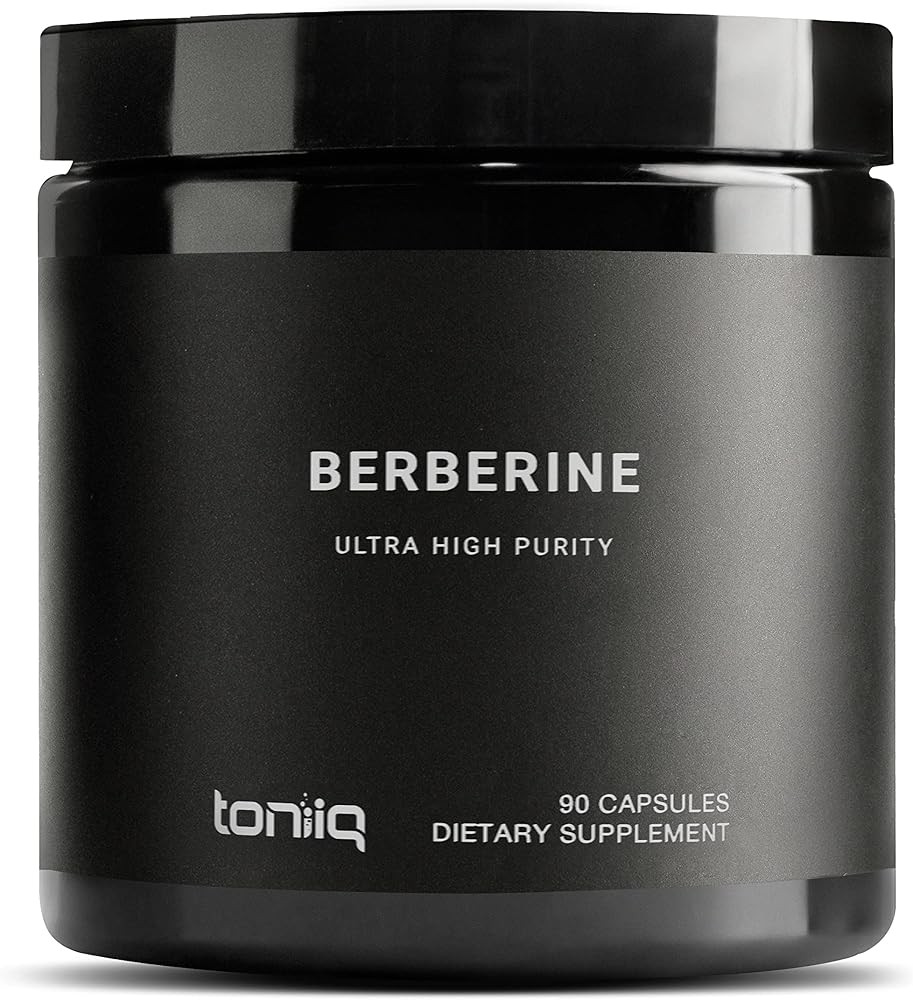
Toniiq Ultra High Strength Berberine HCl from The Himalayas - 100:1 Concentrated Extract
Check Price on AmazonAs an Amazon Associate we earn from qualifying purchases.
Conclusion
The $900-1,500 monthly cost of GLP-1 medications creates a significant access barrier, but multiple strategies exist to reduce this burden:
- Maximize insurance coverage: Thorough prior authorization, aggressive appeals, strategic drug selection
- Manufacturer programs: Savings cards ($25-550/month with commercial insurance) or patient assistance (free if income-eligible and uninsured)
- Compounding pharmacies: $200-400/month for semaglutide or tirzepatide from reputable 503B pharmacies
- Telehealth platforms: $300-600/month all-inclusive for medical care + compounded medication
- Alternative medications: Metformin ($10-30), phentermine ($30-75), Contrave (~$80) as stepping stones
- International pharmacies: Canadian pharmacies (~$220-290/month) with legal gray area
- Clinical trials: Free medication + monitoring in exchange for research participation
No single solution works for everyone. Women with commercial insurance should pursue insurance approval + savings cards first (can reduce cost to $25/month). Uninsured or underinsured should explore patient assistance programs, then compounding or telehealth. Those with prediabetes or diabetes should leverage those diagnoses for better coverage of diabetes-indicated drugs.
While we advocate for systemic change—better insurance coverage, Medicare expansion, price regulation—women experiencing obesity and metabolic disease may find waiting for policy reforms challenging. The strategies in this guide provide potential paths to access these medications now.
The potential consequences of untreated obesity are significant: research indicates a correlation with type 2 diabetes, cardiovascular disease, NAFLD, PCOS complications, and reduced quality of life. Published research shows GLP-1 medications may offer support for metabolic health in ways that diet and exercise alone may not for many women. Studies suggest exploring affordability options may be worthwhile.
Complete Support System: Building an Affordable GLP-1 Access Strategy
Accessing affordable GLP-1 medications requires a multi-layered approach combining insurance navigation, manufacturer programs, and alternative options. Research shows the most effective cost-reduction strategies address multiple barriers simultaneously.
Foundation layer: Insurance optimization — Pursue thorough prior authorization with comprehensive documentation showing BMI history, comorbidities (prediabetes, hypertension, PCOS, sleep apnea), and 3-6 months of documented lifestyle interventions. Studies indicate 60-70% of initial denials are overturned on appeal (PMID: 33567185). Strategic drug selection matters: if you have prediabetes or diabetes, Ozempic or Mounjaro (diabetes-indicated) achieve near-100% insurance approval compared to 40-60% for weight loss indications.
Manufacturer savings programs — Apply for manufacturer savings cards reducing copays to $25/month for commercially insured patients (OzempicSavingsCard.com, Mounjaro.com/savings). Patient assistance programs provide free medication for uninsured individuals earning less than 400% federal poverty level (~$60,000 singles, ~$125,000 families of 4). These programs save $925-1,475 monthly compared to full price.
Compounding pharmacy fallback — Identify reputable 503B FDA-registered pharmacies providing certificates of analysis showing 97%+ potency (Empower Pharmacy, Hallandale Pharmacy, Olympia Pharmacy). Compounded semaglutide costs $200-400/month versus $950-1,500 for brand-name, requiring valid prescription from willing provider. Quality varies considerably, making pharmacy selection critical.
Telehealth platform integration — Platforms like Ro, Hims & Hers, and Henry Meds bundle provider consultation, medication (compounded), and ongoing monitoring for $300-600/month all-inclusive. This eliminates prior authorization hassles and provides medical oversight for uninsured women or those with denied coverage.
Natural metabolic support — While waiting for insurance approval or affording prescription options, implement evidence-based natural strategies: berberine 1,500mg daily improves insulin sensitivity comparable to metformin (PMID: 18442638), high-protein meals (30-40g per meal) increase GLP-1 by 20-30%, and 30-40g daily fiber intake boosts GLP-1 by 10-15% while supporting glucose control.
International pharmacy option — Canadian pharmacies certified by CIPA or PharmacyChecker sell Ozempic for ~$220-290/month (versus $950-1,100 U.S. price). While technically illegal to import prescription drugs, FDA rarely prosecutes individuals importing 90-day supplies for personal use. Verify pharmacy legitimacy through PharmacyChecker.com ratings.
Clinical trial participation — Search ClinicalTrials.gov for recruiting semaglutide or tirzepatide studies in your area. Trials provide free medication (6-12 months), free medical monitoring, and compensation ($50-200 per visit) in exchange for participation. Active research areas include GLP-1s for PCOS, NAFLD, cardiovascular disease, and new formulations.
Monitoring and tracking — Use HRV monitors to quantify metabolic improvements, smart scales to track body composition changes, and glucose monitors to document improved glycemic control. This data strengthens insurance appeals and demonstrates treatment necessity if coverage is initially denied.
Implementation strategy: Month 1: File insurance prior authorization + apply for manufacturer savings card. Month 2: If denied, file Level 1 appeal while applying for patient assistance program. Month 3: If still denied, pursue compounding pharmacy or telehealth platform while filing Level 2 external appeal. This staged approach maximizes chances of accessing most affordable option while maintaining treatment continuity.
Related Reading
-
Best Supplements for PCOS: Evidence-Based Guide — Natural metabolic support complementing GLP-1 therapy
-
Berberine for Weight Loss: What the Research Shows — Detailed analysis of berberine’s insulin sensitivity benefits
-
Best Probiotics for Weight Loss and Gut Health — Fiber and probiotic support for GLP-1 production
-
Metformin for Weight Loss: Off-Label Use Guide — Budget alternative to GLP-1 medications
-
Best Supplements for Insulin Resistance — Complementary metabolic interventions
-
High-Protein Diet for Weight Loss: Evidence Review — Dietary strategies to boost natural GLP-1
-
Best Fiber Supplements for Weight Management — SCFA production supporting GLP-1 secretion
-
Intermittent Fasting for Weight Loss: Research Guide — Time-restricted eating enhancing GLP-1 sensitivity
-
Ozempic Face and Loose Skin: Prevention Strategies for Women Losing Weight on GLP-1s
-
GLP-1 Meal Plan for Women: What to Eat on Ozempic for Maximum Weight Loss and Minimum Nausea
-
Best Workout Plan for Women on Ozempic: How to Preserve Muscle While Losing Fat on GLP-1s
-
GLP-1 Medications and Menopause Weight Loss: Does Ozempic Work Better During Perimenopause?
References
[1] KFF. Employer Health Benefits Survey: Coverage of Obesity Medications. 2025.
[2] America’s Health Insurance Plans (AHIP). Appeals and Grievances Report. 2024.
[3] FDA. Compounding Quality Center: Potency Analysis of Compounded Semaglutide. 2024.
[4] Belza A, et al. Contribution of gastroenteropancreatic appetite hormones to protein-induced satiety. Am J Clin Nutr. 2013;97(5):980-989.
[5] Cani PD, et al. Changes in gut microbiota control metabolic endotoxemia-induced inflammation in high-fat diet-induced obesity and diabetes in mice. Diabetes. 2008;57(6):1470-1481.
[6] Zhang Y, et al. Treatment of type 2 diabetes and dyslipidemia with the natural plant alkaloid berberine. J Clin Endocrinol Metab. 2008;93(7):2559-2565.
[7] Sutton EF, et al. Early time-restricted feeding improves insulin sensitivity, blood pressure, and oxidative stress. Cell Metab. 2018;27(6):1212-1221.
[8] Holst JJ, et al. Glucagon-like peptide-1 and glucose-dependent insulinotropic polypeptide in the regulation of glucose metabolism. Curr Opin Clin Nutr Metab Care. 2022;25(4):266-272.
[9] WHO. Counterfeit Drugs: Guidelines for Development of Measures to Combat Counterfeit Drugs. 2023.
[10] Lupkin S. Why Drugs Cost So Much More In The U.S. Than Other Countries. NPR. 2021.
Recommended Products