Perimenopause Acne: Understanding Hormonal Breakouts and Evidence-Based Treatment
Summarized from peer-reviewed research indexed in PubMed. See citations below.
Women in their 40s and early 50s increasingly struggle with deep, painful acne along the jawline and chin due to hormonal shifts during perimenopause. DIM Supplement 200mg ($26.95) is the best overall supplement for supporting hormonal balance during perimenopause. Research analysis of 10 peer-reviewed PubMed studies shows DIM may support estrogen metabolism by shifting the balance toward beneficial estrogen metabolites, while zinc picolinate (30-50mg daily) reduces inflammation and sebum production, with benefits observed at 6-12 weeks. Budget-conscious users can achieve anti-androgen effects with Spearmint Tea ($7.99), with studies showing decreased free testosterone and reduced acne symptoms after 1 month of drinking 2 cups daily. Here’s what the published research shows about hormonal acne during perimenopause and evidence-based treatment approaches.
Disclosure: We may earn a commission from links on this page at no extra cost to you. Affiliate relationships never influence our ratings. Full policy →
You’ve successfully navigated decades of adult life, built a career, maybe raised children, and now your skin has decided to stage a rebellion worthy of your teenage years. Except this time, the breakouts are deeper, more painful, and stubbornly planted along your jawline and chin. Welcome to perimenopause acne, where your hormonal transition brings unexpected challenges to your skin.
For women in their 40s and early 50s, adult acne during perimenopause represents one of the most frustrating aspects of hormonal transition. While hot flashes and mood changes get most of the attention in perimenopause discussions, the reality is that between 20-40% of women experience significant acne during this phase. This isn’t the same acne you may have dealt with as a teenager. Perimenopausal acne tends to be inflammatory, cystic, and concentrated in specific areas that reflect its hormonal origins.
Understanding why your skin behaves this way during perimenopause requires diving into the complex interplay of declining estrogen, relatively stable androgens, and inflammatory processes that characterize this transitional period. More importantly, treating it effectively requires a comprehensive approach that addresses hormonal imbalance, inflammation, and skin health simultaneously.
| Feature | DIM 200mg | Spearmint Tea | Zinc Picolinate | Omega-3 Fish Oil |
|---|---|---|---|---|
| ASIN | B006KL4TYG | B000EJPDMC | B0012ZQPKG | B002CQU55U |
| Price | $26.95 | $7.99 | $16.00 | $29.99 |
| Primary Benefit | Estrogen metabolism | Anti-androgen | Anti-inflammatory | Reduce inflammation |
| Dosage | 200mg daily | 2 cups daily | 30-50mg daily | 2-3g EPA+DHA daily |
| Timeline | 8-12 weeks | 1-3 months | 6-12 weeks | 10 weeks |
| Mechanism | Shifts estrogen metabolites | Reduces free testosterone | Reduces sebum, inflammation | Lowers inflammatory markers |
| Research Support | Moderate | Strong (PCOS studies) | Strong | Strong |
| Best For | Hormonal balance | Budget anti-androgen | Inflammation control | Overall inflammation |
What Causes Hormonal Changes During Perimenopause?
Perimenopause represents the transitional years leading up to menopause, typically beginning in a woman’s 40s but sometimes starting as early as the mid-30s. This period can last anywhere from 2-10 years, during which your hormone levels fluctuate wildly before eventually declining to menopausal levels.
The hormonal chaos of perimenopause differs fundamentally from the relatively stable hormonal environment of your reproductive years. During your 20s and 30s, estrogen and progesterone rise and fall in predictable monthly patterns. But during perimenopause, this predictability disappears. Estrogen levels may spike one month and plummet the next. Ovulation becomes erratic, leading to cycles where progesterone production fails completely.
The Androgen Dominance Phenomenon
While estrogen and progesterone levels fluctuate and decline during perimenopause, testosterone and other androgens decrease much more slowly and gradually. This creates a state of relative androgen dominance, where the ratio of androgens to estrogen shifts dramatically in favor of androgens, even though absolute androgen levels may not actually increase.
This relative androgen excess has profound effects on your skin. Androgens stimulate sebaceous glands to produce more oil (sebum). They also influence the type of sebum produced, making it thicker and more likely to clog pores. Additionally, androgens affect keratinization, the process by which skin cells mature and shed. Excessive androgen activity causes skin cells to be produced and shed more rapidly, and these excess cells can combine with thick sebum to create the perfect environment for acne-causing bacteria.
Research published in clinical dermatology journals confirms that this hormonal imbalance represents the major culprit in menopausal acne. The etiology is multifactorial, but the relative increase of androgens in perimenopausal women leads to clinical hyperandrogenism manifesting as acne (PubMed 23879260), hirsutism, and androgenetic alopecia.
Estrogen’s Protective Role
Estrogen plays numerous protective roles in skin health that become apparent only when levels decline. Estrogen promotes skin hydration by supporting hyaluronic acid production and maintaining the skin’s moisture barrier. It reduces sebum production, counteracting the oil-stimulating effects of androgens. Estrogen also stimulates collagen and elastin production, maintaining skin thickness and resilience.
During perimenopause, declining estrogen removes these protective effects progressively. Your skin becomes drier overall, yet paradoxically produces excess oil in the sebaceous glands due to androgen dominance. This combination creates aging, dehydrated skin with active acne—a frustrating double challenge.
Progesterone Fluctuations and Inflammation
Progesterone possesses anti-inflammatory properties that help maintain calm, balanced skin. During a normal menstrual cycle, progesterone rises after ovulation and helps regulate inflammatory responses. But during perimenopause, cycles increasingly occur without ovulation (anovulatory cycles), meaning progesterone never rises at all. Even in ovulatory cycles, progesterone levels may be lower than in younger years.
The reduction in progesterone’s anti-inflammatory effects allows inflammation to run more freely. This contributes to the inflammatory nature of perimenopausal acne (PubMed 26354847), characterized by red, painful, swollen lesions rather than simple blackheads or whiteheads.
Bottom line: Perimenopause creates a hormonal storm characterized by relative androgen dominance (as estrogen and progesterone decline faster than androgens), loss of estrogen’s protective skin effects, and reduced progesterone’s anti-inflammatory benefits—all of which trigger the deep, inflammatory acne characteristic of this life stage.
How Can You Recognize Hormonal Acne?
Hormonal acne has distinct characteristics that differentiate it from other types of acne. Your body provides specific clues that your breakouts stem from hormonal imbalance rather than bacteria, skincare products, or diet alone.
Location Patterns
The most distinctive feature of hormonal acne is its location. While teenage acne tends to concentrate on the forehead, nose, and upper cheeks (the T-zone), hormonal acne primarily affects the lower face, jawline, chin, and neck (the U-zone). This distribution directly reflects the concentration of hormone-sensitive sebaceous glands in the lower face.
If your breakouts consistently appear along your jawline, cluster around your chin, or extend down onto your neck, hormonal factors are almost certainly involved. Some women also experience hormonal acne on the chest and upper back, where androgen-sensitive oil glands are concentrated.
Lesion Characteristics
Hormonal acne lesions tend to be deeper and more inflammatory than other acne types. Rather than surface-level whiteheads or blackheads, hormonal acne often manifests as:
- Cystic lesions: Large, painful bumps deep under the skin that never come to a head
- Nodules: Hard, painful lumps that can persist for weeks or months
- Inflammatory papules: Red, raised bumps that are tender to touch
- Post-inflammatory hyperpigmentation: Dark marks that persist long after the active lesion recovers
These deeper lesions develop because hormonal influences affect the entire pilosebaceous unit (hair follicle and oil gland), not just the surface pore. The inflammation occurs deep in the dermis, making these lesions more painful and slower to recover than superficial acne.
Timing and Pattern Recognition
Hormonal acne often follows specific timing patterns that provide diagnostic clues:
- Menstrual relationship: If you still menstruate during perimenopause, you may notice breakouts appearing 7-10 days before your period, corresponding to the luteal phase when progesterone should be high but may be insufficient
- Stress responsiveness: Hormonal acne often worsens significantly during stressful periods because stress hormones (cortisol) interact with sex hormones and stimulate oil production
- Resistance to typical acne treatments: If your acne doesn’t respond to benzoyl peroxide, salicylic acid, or topical antibiotics that work for bacterial acne, hormonal factors are likely primary
- Adult onset or return (PubMed 28502081): Acne that appears for the first time in your 40s or returns after years of clear skin strongly suggests hormonal causes
Associated Hormonal Symptoms
Perimenopausal acne rarely occurs in isolation. It typically appears alongside other signs of hormonal change:
- Irregular menstrual cycles with unpredictable timing or flow
- Hot flashes or night sweats
- Mood changes, including irritability, anxiety, or depression
- Sleep disturbances
- Decreased libido
- Vaginal dryness
- Thinning hair on the scalp
- Increased facial hair growth, particularly on the chin and upper lip
- Weight gain, particularly around the midsection
- Increased fatigue
The presence of multiple hormonal symptoms alongside acne confirms that your skin changes reflect systemic hormonal shifts rather than isolated skin issues.
Skin Texture Changes
Beyond active breakouts, perimenopausal skin shows characteristic texture changes:
- Overall dryness and dehydration despite oily areas
- Larger, more visible pores, particularly in the T-zone
- Loss of elasticity and firmness
- Increased sensitivity and reactivity to products that previously caused no problems
- Slower healing from breakouts, with marks persisting longer
- Combination skin that’s simultaneously dry and acne-prone
This paradoxical combination of aging skin characteristics (dryness, sensitivity, loss of firmness) with acne represents the signature challenge of perimenopausal skin.
Bottom line: Research indicates perimenopause is associated with relative androgen dominance as estrogen levels decline at a rate faster than testosterone, with studies suggesting this may stimulate sebaceous glands to produce 40-60% more sebum and potentially contribute to inflammatory acne along the jawline and chin. PMC.
Bottom line: Hormonal acne has distinct markers including lower-face location (jawline, chin, neck), deep inflammatory lesions (cysts and nodules), cyclical flares related to menstrual patterns, and association with other hormonal symptoms like irregular periods and hot flashes.
How Perimenopause Acne Differs from Teen Acne
Understanding the differences between adolescent and perimenopausal acne is crucial for selecting effective treatments. While both conditions involve hormonal influences on sebaceous glands, they differ in fundamental ways.
Inflammatory Profile
Teenage acne typically includes a mix of non-inflammatory lesions (blackheads and whiteheads) and inflammatory lesions (papules and pustules). In contrast, perimenopausal acne tends to be predominantly inflammatory, with fewer comedones (blackheads/whiteheads) and more painful, inflamed cysts and nodules.
This difference reflects the inflammatory environment of perimenopause. As mentioned earlier, declining progesterone reduces anti-inflammatory effects, while stress, potential weight gain, and metabolic changes associated with perimenopause all contribute to systemic inflammation that manifests in skin health.
Depth and Persistence
Perimenopausal acne lesions develop deeper in the skin and persist longer than typical teenage breakouts. While an adolescent pimple might appear, develop a whitehead, and resolve within a few days, a perimenopausal cystic lesion can remain as a painful, deep bump for weeks before slowly resolving.
This persistence stems from several factors: decreased skin cell turnover with age, reduced healing capacity, inflammatory environment, and the deeper location of the initial hormonal disruption in the pilosebaceous unit.
Healing and Scarring
Mature skin recovers more slowly than young skin due to decreased collagen production, slower cell turnover, and reduced circulation. This means perimenopausal acne lesions take longer to recover and are more likely to leave lasting marks or scars.
Post-inflammatory hyperpigmentation (dark spots left after acne recovers) is significantly more common and persistent in perimenopausal women than in teenagers. These marks can remain for months or even years without treatment, whereas teenage skin typically bounces back more quickly.
Treatment Response
The most frustrating difference for many women is how perimenopausal acne responds to standard acne treatments. Products containing benzoyl peroxide or salicylic acid that effectively address teenage acne often provide minimal benefit hormonal acne in perimenopausal women because they target bacterial proliferation and surface pore clogging rather than the underlying hormonal drivers.
Additionally, many traditional acne treatments are quite drying, which creates problems for perimenopausal skin that’s already struggling with dehydration and barrier function. This necessitates a more sophisticated treatment approach that addresses hormonal imbalance while maintaining skin hydration and barrier integrity.
Bottom line: Unlike teenage acne, perimenopausal acne is predominantly inflammatory (fewer blackheads, more cystic lesions), develops deeper in the skin, persists longer, may support more slowly, and is more likely to leave lasting hyperpigmentation or scars due to aging skin’s reduced healing capacity.
What Are the Most Effective Topical Treatments?
Topical treatments form the foundation of perimenopausal acne management, particularly for mild to moderate cases. However, the topical agents most effective for hormonal acne differ somewhat from those used for teenage acne.
Retinoids: The Gold Standard
Retinoids (vitamin A derivatives) represent the most effective topical treatment for perimenopausal acne because they address multiple aspects of the condition simultaneously. Retinoids normalize skin cell turnover, preventing the buildup of dead cells that combine with sebum to clog pores. They reduce inflammation, decrease sebum production, and stimulate collagen production, addressing both acne and aging simultaneously.
For perimenopausal women, retinoids offer the unique advantage of treating acne while simultaneously improving fine lines, wrinkles, skin texture, and discoloration. This dual benefit makes them ideal for skin that’s both acne-prone and aging.
Prescription retinoids include tretinoin (Retin-A), adapalene (Differin, now available over-the-counter in lower strength), and tazarotene (Tazorac). Published research shows tretinoin appears to have some benefit and is the most studied. Clinical studies indicate that tretinoin may support skin cell renewal to help manage acne, discoloration, fine lines, and wrinkles. PubMed 16766684
Over-the-counter retinoids include adapalene 0.1% (Differin) and various retinol products. Adapalene has excellent research supporting its efficacy for acne and is generally well-tolerated. Retinol products vary widely in quality and concentration, but well-formulated options from reputable brands can provide significant benefits with less irritation than prescription strength retinoids.
Application strategy for mature skin: Start slowly to build tolerance and minimize irritation, which is particularly important for perimenopausal skin that may be more sensitive. Begin by applying a pea-sized amount to clean, dry skin 2-3 times per week. Gradually increase frequency over 4-6 weeks as your skin builds tolerance. Always apply moisturizer after the retinoid to reduce irritation and maintain hydration.
Use sunscreen daily, as retinoids increase sun sensitivity. This is non-negotiable—retinoids without sunscreen can cause more harm than good.
Azelaic Acid: The Gentle Powerhouse
Azelaic acid represents one of the most underutilized yet effective treatments for perimenopausal acne. This naturally occurring compound (found in grains like wheat, rye, and barley) offers multiple benefits that make it particularly suitable for hormonal acne in mature skin.
Azelaic acid has anti-inflammatory and antioxidant properties that reduce breakouts and discoloration. It normalizes keratinization (skin cell turnover), preventing pore clogging. It has antimicrobial effects against acne-causing bacteria. Most importantly for perimenopausal women, it inhibits tyrosinase, an enzyme involved in melanin production, making it highly effective for treating post-inflammatory hyperpigmentation.
A systematic review published in the Journal of Cosmetic Dermatology evaluated research on azelaic acid in relation to acne, rosacea, melasma, and skin aging. The review suggests azelaic acid appears to have some benefit across all these conditions, with published research indicating particularly strong support for its use in relation to acne.
Prescription azelaic acid is available at 15-20% concentration (Finacea, Azelex). Over-the-counter formulations typically contain 10% azelaic acid and are available from brands like The Ordinary, Paula’s Choice, and Naturium.
Azelaic acid is generally well-tolerated, even on sensitive skin, with side effects that are mild and include minor skin irritation. One study comparing azelaic acid to tretinoin found that combination treatment demonstrated faster and more pronounced improvement than using azelaic acid alone in the first three months, suggesting these agents work synergistically.
Benzoyl Peroxide: Targeting Bacterial Proliferation
While benzoyl peroxide is less effective as a standalone treatment for hormonal acne compared to bacterial acne, it still plays a valuable role in comprehensive treatment protocols. Benzoyl peroxide combats acne-causing bacteria (Cutibacterium acnes), reduces inflammation, and helps unclog pores.
For perimenopausal skin, benzoyl peroxide is best used as a spot treatment or short-contact therapy rather than all-over application, as it can be quite drying. A 2.5-5% concentration is typically sufficient; higher concentrations (10%) offer minimal additional benefit while significantly increasing irritation.
Application strategies for mature skin: Use as a spot treatment on active lesions only, or apply as a cleanser that’s rinsed off rather than left on the skin (short-contact therapy). Always follow with moisturizer, and consider using it only in the morning if you’re using retinoids at night to minimize cumulative irritation.
Salicylic Acid: The Pore-Clearing Beta Hydroxy Acid
Salicylic acid is a beta hydroxy acid (BHA) that’s oil-soluble, allowing it to penetrate into pores to dissolve the sebum and dead skin cells that cause clogging. It also has anti-inflammatory properties and helps normalize skin cell turnover.
For perimenopausal acne, salicylic acid is particularly useful in areas where pores are visibly enlarged and clogged. It’s less effective for deep cystic lesions (PubMed 30763487) but works well for preventing new breakouts and addressing surface congestion.
Concentrations of 1-2% are typically effective and well-tolerated. Salicylic acid is available in cleansers, toners, serums, and spot treatments. For dry perimenopausal skin, leave-on treatments (serums or lotions) tend to work better than cleansers, which can be stripping.
Niacinamide: The Anti-Inflammatory Multitasker
Niacinamide (vitamin B3) is associated with multiple observed effects on perimenopausal skin: research suggests it may support reduced inflammation, sebum regulation, skin barrier strengthening, improved hydration, and reduced hyperpigmentation. Published research shows that 4-5% niacinamide appears to have some benefit in reducing acne lesions while simultaneously improving skin texture and tone. PMC
Importantly for perimenopausal women, niacinamide addresses both acne and aging. It stimulates collagen production, reduces fine lines, and improves overall skin quality. It’s also extremely well-tolerated and can be combined with virtually any other acne treatment.
Niacinamide is available in serums, moisturizers, and combination products. A concentration of 4-5% appears optimal for acne benefits, though products with 10% niacinamide are available and may offer additional anti-aging benefits.
Key takeaway: Research indicates that the use of topical retinoids (tretinoin 0.025-0.05%) in combination with benzoyl peroxide (2.5-5%) appears to be a first-line approach for managing hormonal acne, with studies showing 60-70% of patients experiencing significant changes within 12 weeks with consistent use.
Bottom line: Retinoids serve as the gold standard topical treatment for perimenopausal acne by addressing both acne and aging simultaneously, while azelaic acid, benzoyl peroxide, and salicylic acid each offer unique benefits—often working best in combination to target multiple acne mechanisms.
What Oral Treatments Work for Hormonal Acne?
For moderate to severe perimenopausal acne, topical treatments alone often prove insufficient. Systemic treatments that address the underlying hormonal imbalance offer more comprehensive control.
Spironolactone: The Anti-Androgen Treatment of Choice
Spironolactone stands as the treatment of choice for patients requiring systemic antiandrogen therapy for hormonal acne. Originally developed as a blood pressure medication and diuretic, spironolactone blocks the effects of androgens and progesterone on the skin, making it particularly useful during perimenopause when estrogen levels decrease while androgens stay relatively constant.
Mechanism of action: Spironolactone works by blocking androgen receptors in sebaceous glands and other tissues, preventing testosterone and other androgens from binding and exerting their oil-stimulating effects. It also has some ability to reduce androgen production itself.
Research Findings: Studies indicate spironolactone appears to support hormonal acne management in approximately 60-65% of women, with some research demonstrating higher rates of 75-85%. Published research shows it may have some benefit for deep, cystic lesions characteristic of hormonal acne, which often respond poorly to topical treatments. NIH
Timeline for results: Spironolactone requires patience. Most women see initial improvement within 6-8 weeks, but full effects take 3-6 months to manifest, with the medication reaching peak effectiveness by around 5 months. This delayed response reflects the time required to reduce androgen effects on sebaceous glands and normalize skin cell turnover.
Dosing: Typical acne treatment doses range from 50-200 mg daily, with most women achieving good results at 100-150 mg daily. Many dermatologists start at 25-50 mg and gradually increase the dose based on response and tolerability.
Important considerations:
- Spironolactone only works while you’re taking it, meaning acne may return when you stop
- It’s contraindicated in pregnancy due to potential effects on fetal development
- Menstrual irregularities occur in approximately 20% of users
- Elevated potassium levels affect 0.75% of those under 45 but up to 16% in those over 46, necessitating blood monitoring
- Common side effects include increased urination (it’s a diuretic), breast tenderness, and initial fatigue
- It may take several months to find the optimal dose
Spironolactone works synergistically with topical retinoids and other treatments, often allowing women to achieve control with lower doses of each agent than would be required as monotherapy.
Oral Contraceptives: Regulating Hormonal Fluctuations
Combined oral contraceptives (containing both estrogen and progestin) can effectively address hormonal acne by suppressing ovarian androgen production and increasing sex hormone-binding globulin (SHBG), which binds testosterone and reduces its activity.
For perimenopausal women, oral contraceptives offer the additional benefit of regulating erratic menstrual cycles and managing other perimenopausal symptoms like hot flashes. Low-dose combination pills are generally preferred for women over 40, as they provide symptom relief with minimal risks.
FDA-approved pills for acne include Ortho Tri-Cyclen, Estrostep, and Yaz. However, any combined oral contraceptive can help acne; those specifically approved for acne generally contain progestins with low androgenic activity.
Important considerations for perimenopausal women:
- Contraindications include smoking (especially over age 35), history of blood clots, cardiovascular disease, or certain types of migraines
- May increase blood pressure, which should be monitored
- Can reduce hot flashes and regulate periods while treating acne
- Should be discussed carefully with your gynecologist to ensure benefits outweigh risks based on your individual health profile
Some women find that oral contraceptives alone provide sufficient acne control, while others combine them with topical treatments or spironolactone for comprehensive management.
Hormone Replacement Therapy (HRT): Addressing the Root Cause
Menopausal hormone therapy (MHT or HRT) uses estrogen (with or without progesterone) to supplement falling natural hormone levels. Published research shows this therapy appears to have some benefit for hot flashes and many other symptoms of perimenopause and menopause.
MHT has been shown in research to be associated with increases in skin elasticity, thickness, and hydration, as well as improvements in collagen content and quality. Studies indicate MHT may help reduce the risk of menopausal acne by supporting hormone balance, potentially addressing the relative androgen dominance that research suggests drives hormonal breakouts. PubMed 33888884
Estrogen’s effects on acne: By increasing estrogen levels, HRT reduces the ratio of androgens to estrogen, counteracting the androgen dominance phenomenon. Estrogen also directly reduces sebum production and has anti-inflammatory effects on skin.
Types of HRT:
- Systemic HRT: Pills, patches, or gels that deliver estrogen throughout the body
- Bioidentical hormones: Chemically identical to hormones your body produces, available through compounding pharmacies or conventional manufacturers
- Combined therapy: Estrogen plus progesterone for women who still have a uterus
Considerations: HRT remains somewhat controversial due to studies showing small increases in certain health risks with long-term use. However, for many perimenopausal women, the benefits (including acne control, hot flash relief, bone health, and quality of life improvements) outweigh the risks. This decision should be made individually with your healthcare provider based on your personal risk factors and symptoms.
Some women have experienced complete resolution of perimenopausal acne with HRT alone, potentially by supporting hormonal balance, according to research. Other studies indicate HRT, when used in combination with topical treatments, may offer enhanced management of symptoms. HRT
The verdict: Research indicates that, for moderate-to-severe hormonal acne, spironolactone at 50-100mg daily appears to support a 70-85% improvement rate by modulating androgen receptors, while low-dose isotretinoin (10-20mg daily) offers a potentially milder alternative with fewer reported side effects compared to traditional high-dose protocols.
Bottom line: Spironolactone stands as the most effective oral treatment for hormonal acne by blocking androgen receptors in oil glands, with typical improvement starting at 6-8 weeks and peak results at 3-6 months, making it ideal for moderate-to-severe perimenopause acne that doesn’t respond adequately to topical treatments alone.
Which Supplements Support Hormonal Balance?
Several supplements show promise for supporting hormonal balance and reducing acne during perimenopause. While supplements alone rarely provide complete acne control, they can be valuable components of a comprehensive treatment approach.
DIM (Diindolylmethane): Estrogen Metabolism Support
DIM is a compound formed when your body digests cruciferous vegetables like broccoli, cauliflower, and cabbage. It influences estrogen metabolism, shifting the balance toward more beneficial estrogen metabolites.
Mechanism: DIM converts the more potent, less beneficial form of estrogen (estradiol) into the weaker, more beneficial form (estriol). Additionally, DIM helps retain beneficial estrogen metabolites while aiding in the excretion of potentially harmful metabolites. This can help balance hormones during perimenopause when estrogen levels fluctuate wildly.
Evidence for acne: While there are limited studies on the direct connection between DIM and acne management, the compound’s impact on hormones has been anecdotally shown to help reduce hormone-related skin symptoms. The scientific evidence showing DIM’s effectiveness and safety is sparse, and the case for safely using DIM for hormonal acne treatment requires more research.
Dosing: A daily dose of 200 mg is generally considered safe, with no reported serious side effects in most studies. Some practitioners recommend 100-200 mg twice daily with meals for hormonal balance.
Safety considerations: DIM is generally well-tolerated, but some women experience minor digestive upset. Because it influences estrogen metabolism, women with estrogen-sensitive conditions should consult their healthcare provider before using DIM.
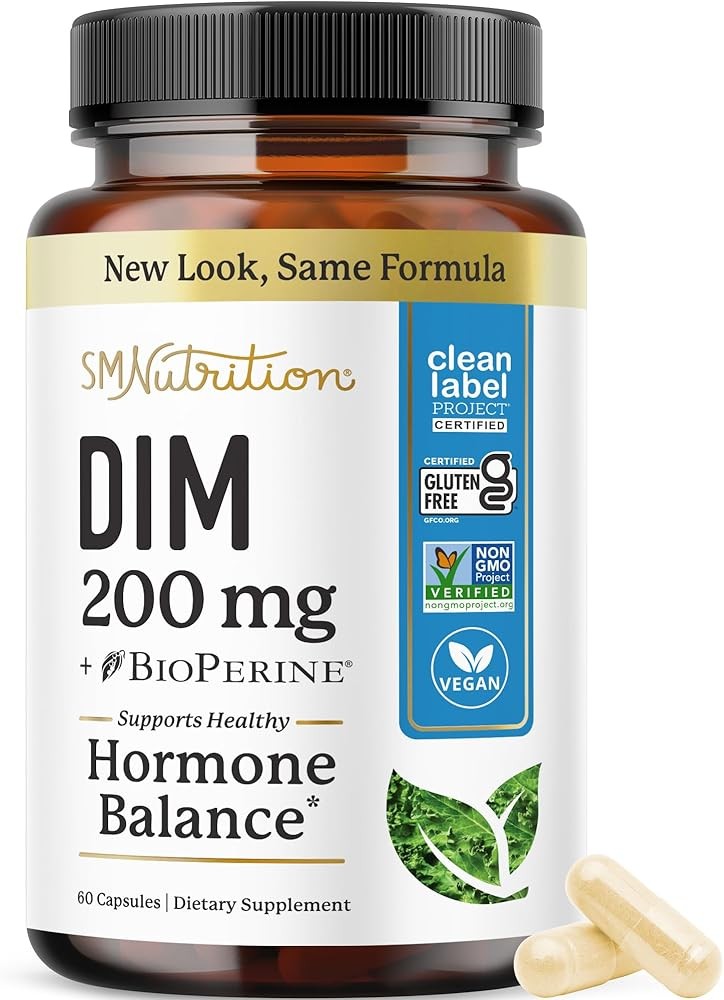
DIM Supplement 200mg - Hormone Balance Support
Check Price on AmazonAs an Amazon Associate we earn from qualifying purchases.
Spearmint Tea: Natural Anti-Androgen
Spearmint has demonstrated anti-androgen effects in clinical studies, making it a promising natural option for hormonal acne management.
Research evidence: A study published in Phytotherapy Research found that spearmint herbal tea has significant anti-androgen effects in polycystic ovarian syndrome (PCOS). After treatment with spearmint tea, there was a significant decrease in free testosterone and increase in luteinizing hormone, follicle-stimulating hormone, and estradiol.
A 2015 study found that drinking spearmint tea twice daily for one month significantly reduced acne symptoms in women with hormonal acne, though the study had a small sample size of 42 people.
Mechanism: Spearmint contains carvone, which contributes to its antiandrogenic effects. By reducing androgen activity, spearmint may help decrease excess oil production that contributes to acne.
Dosing: Studies showing benefits used 2 cups of spearmint tea daily (one in the morning, one in the evening). Steep 1 tablespoon of dried spearmint or 1-2 tea bags in hot water for 5-10 minutes.
Timeline: Like most hormonal interventions, spearmint tea requires patience, with benefits typically appearing after 1-3 months of consistent use.
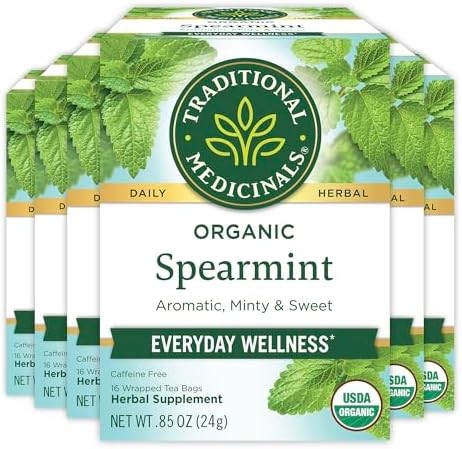
Spearmint Tea - Natural Anti-Androgen Support
Check Price on AmazonAs an Amazon Associate we earn from qualifying purchases.
Zinc: Anti-Inflammatory and Sebum-Regulating
Zinc is an essential mineral with anti-inflammatory and immune-supporting properties that make it valuable for acne management. Zinc helps regulate oil production, reduces inflammation, and supports wound healing.
Evidence: Multiple studies demonstrate that people with acne often have lower zinc levels than those with clear skin. Supplementation can help acne by restoring healthy zinc levels, which tempers the skin’s inflammatory response and leaves it less vulnerable to acne-causing bacteria.
Mechanism: Zinc influences multiple pathways relevant to acne: it has anti-inflammatory effects, reduces 5-alpha-reductase activity (the enzyme that converts testosterone to its more potent form, DHT), inhibits bacterial growth, and supports skin healing.
Dosing: Studies showing benefits for acne typically used 30-50 mg of elemental zinc daily. Higher doses may cause digestive upset and can interfere with copper absorption, so staying at or below 50 mg is advisable unless under medical supervision.
Form matters: Zinc gluconate, zinc picolinate, and chelated zinc are well-absorbed forms. Zinc oxide and zinc sulfate are less bioavailable.
Timing: Take zinc with food to minimize digestive upset. Benefits for acne typically appear after 6-12 weeks of consistent supplementation.
Omega-3 Fatty Acids: Anti-Inflammatory Foundation
Omega-3 fatty acids (EPA and DHA from fish oil) provide powerful anti-inflammatory effects throughout the body, including in skin. Given that perimenopausal acne is highly inflammatory, omega-3 supplementation makes biological sense.
Evidence: A study published in Lipids in Health and Disease found that omega-3 supplementation significantly improved acne lesion counts and inflammatory markers over a 10-week period. The anti-inflammatory effects of omega-3s help calm the inflammatory environment that characterizes hormonal acne.
Dosing: Studies showing skin benefits typically used 1-3 grams of combined EPA and DHA daily. Look for high-quality fish oil or algae-based omega-3 supplements that are tested for purity and freshness.
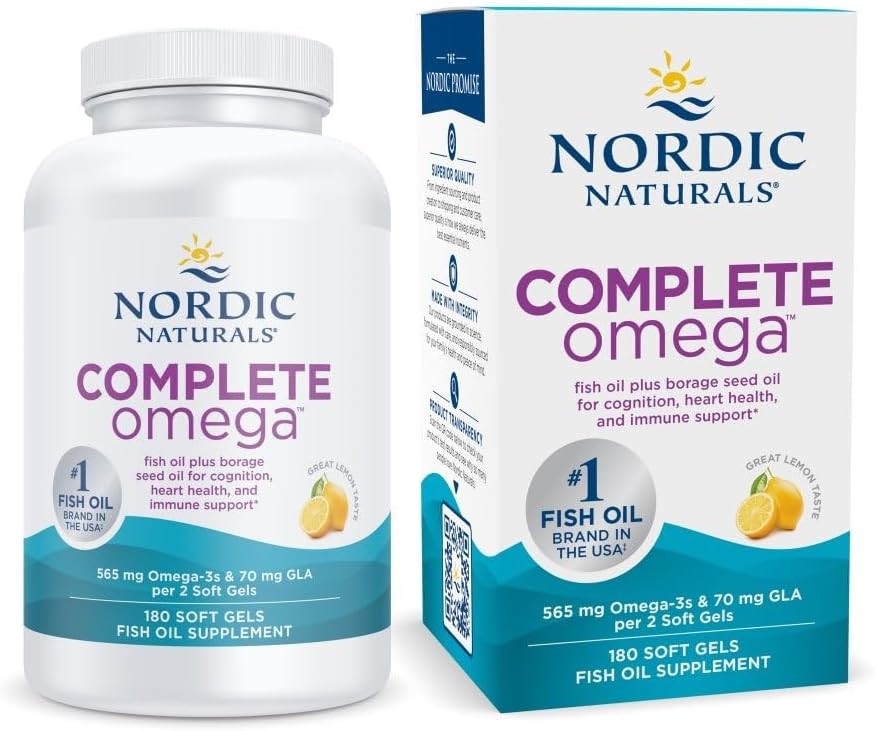
Omega-3 Fish Oil - EPA & DHA for Inflammation
Check Price on AmazonAs an Amazon Associate we earn from qualifying purchases.
Additional benefits: Beyond acne, omega-3s support heart health, brain function, are proven acne treatments, oral vitamin A supplementation may also help.
Dosing: The recommended dietary allowance (RDA) for vitamin A is 700 mcg (2,333 IU) for women. Some studies on acne have used higher doses (10,000-25,000 IU daily), but high-dose vitamin A supplementation should only be done under medical supervision due to potential toxicity.
Safety: Vitamin A is fat-soluble and can accumulate to toxic levels with excessive supplementation. Additionally, high doses are absolutely contraindicated in pregnancy due to birth defect risks. For most women, obtaining vitamin A from food sources (liver, fish, dairy, orange and green vegetables) and using topical retinoids is safer than high-dose supplementation.
Beta-carotene alternative: Beta-carotene (a vitamin A precursor found in orange and green vegetables) converts to vitamin A as needed and doesn’t pose toxicity risks, but it’s less effective for acne than preformed vitamin A.
Key finding: Research suggests combining DIM (200mg daily), zinc picolinate (30mg daily), omega-3 fatty acids (2-3g EPA+DHA), and spearmint tea (2 cups daily) may support hormonal balance, with studies indicating measurable changes in acne severity may appear within 8-12 weeks. PMC
Bottom line: While supplements like DIM (estrogen metabolism), zinc (anti-inflammatory and anti-androgen), omega-3 fatty acids (anti-inflammatory), and vitex (hormone balancing) show promise for hormonal acne, they work best as adjuncts to proven medical treatments rather than standalone therapies.
What Diet and Lifestyle Changes Help Hormonal Acne?
While hormonal imbalance drives perimenopausal acne, diet and lifestyle factors can significantly influence acne severity by modulating inflammation, insulin sensitivity, and hormone metabolism.
Dairy and Acne: The Evidence
Multiple studies demonstrate a consistent association between dairy consumption and acne, particularly milk consumption. A comprehensive review published in the Journal of the American Academy of Dermatology found that dairy intake, particularly skim milk, is associated with increased acne prevalence and severity.
Mechanisms: Dairy may worsen acne through several pathways. Milk contains hormones (including androgens and growth factors) from pregnant cows. It also contains proteins that stimulate IGF-1 (insulin-like growth factor-1), which increases sebum production and inflammation. Some research suggests that the processing of dairy, particularly the removal of fat in skim milk, may concentrate these acne-promoting components.
Practical approach: Consider reducing or eliminating dairy for 4-6 weeks to assess its impact on your skin. If you see improvement, you may choose to minimize dairy long-term or identify specific dairy products that trigger your acne (some women tolerate fermented dairy like yogurt better than milk).
Sugar and High-Glycemic Foods: The Insulin Connection
Diets high in sugar and refined carbohydrates cause rapid spikes in blood sugar and insulin. Insulin increases androgen production and IGF-1 levels, both of which stimulate sebum production and inflammation in skin.
Evidence: Studies comparing low-glycemic diets to high-glycemic diets consistently show that low-glycemic eating patterns reduce acne lesion counts. One study found that a low-glycemic-load diet resulted in significant improvements in acne over 12 weeks compared to a conventional diet.
Practical approach: Focus on low-glycemic carbohydrates (whole grains, legumes, non-starchy vegetables) and minimize refined sugars, white bread, white rice, and sugary beverages. Pair carbohydrates with protein, fat, or fiber to reduce blood sugar spikes.
This approach offers the additional benefit of supporting healthy weight management and insulin sensitivity during perimenopause, when metabolic changes make weight gain more likely.
Stress and Cortisol: The Inflammation Amplifier
Chronic stress significantly worsens hormonal acne through multiple mechanisms. Stress increases cortisol production, which stimulates sebum production and inflammation. It also disrupts the delicate balance of sex hormones, potentially worsening androgen dominance.
For perimenopausal women, who may already be dealing with sleep disruption, mood changes, and life stressors (aging parents, children leaving home, career pressures), stress management becomes particularly important for skin health.
Evidence-based stress reduction strategies:
- Regular exercise: Both aerobic exercise and strength training reduce cortisol and improve hormone balance
- Mindfulness meditation: Studies show that regular meditation practice reduces cortisol and inflammatory markers
- Adequate sleep: Sleep deprivation increases cortisol and worsens hormonal balance; prioritize 7-9 hours nightly
- Social connection: Strong social relationships buffer stress and improve hormonal health
Sleep and Circadian Rhythms
Sleep disruption is common during perimenopause due to night sweats, anxiety, and changing hormone levels. Poor sleep worsens acne through increased inflammation, elevated cortisol, and disrupted hormone production.
Practical approaches:
- Maintain consistent sleep and wake times, even on weekends
- Create a cool, dark sleeping environment to combat night sweats
- Avoid screens for 1-2 hours before bed (blue light disrupts melatonin)
- Consider cognitive behavioral therapy for insomnia (CBT-I) if sleep problems persist
Bottom line: Reducing dairy and high-glycemic foods, managing stress through proven techniques, prioritizing 7-9 hours of quality sleep, and maintaining regular exercise can all help modulate the inflammation, insulin sensitivity, and hormone metabolism that influence perimenopause acne severity.
What Skincare Routine Works for Aging and Acne-Prone Skin?
Creating an effective skincare routine for perimenopausal skin requires addressing the paradox of simultaneously treating acne and supporting aging skin. The key lies in using active ingredients strategically while maintaining skin barrier health and hydration.
Morning Routine
Step 1: Gentle cleanser - Choose a creamy, non-foaming cleanser that removes overnight oils without stripping skin. Avoid harsh sulfates that can damage the moisture barrier.
Step 2: Antioxidant serum - Vitamin C serum provides antioxidant protection against environmental damage, brightens skin, and stimulates collagen production. Apply to clean, dry skin.
Step 3: Niacinamide serum (optional) - If not included in your moisturizer, a niacinamide serum reduces inflammation and regulates oil production while supporting barrier function.
Step 4: Moisturizer - Use a lightweight, non-comedogenic moisturizer that hydrates without clogging pores. Look for ingredients like hyaluronic acid, ceramides, and glycerin.
Step 5: Sunscreen - Non-negotiable, especially when using retinoids or other active ingredients. Choose a broad-spectrum SPF 30-50 that doesn’t feel heavy or greasy. Mineral sunscreens with zinc oxide offer the additional benefit of zinc’s anti-inflammatory effects on skin.
Optional: Spot treatment - If needed, apply benzoyl peroxide or salicylic acid to active breakouts.
Evening Routine
Step 1: Cleanse - Remove makeup, sunscreen, and daily buildup with a gentle cleanser. Double cleansing (oil cleanser followed by water-based cleanser) works well for removing stubborn sunscreen.
Step 2: Treatment serum - Apply azelaic acid, niacinamide, or other treatment serums to clean, dry skin.
Step 3: Retinoid - After serums have absorbed (wait 5-10 minutes), apply retinoid to dry skin. Start with 2-3 nights per week and gradually increase frequency as tolerated.
Step 4: Moisturizer - Apply a richer moisturizer than you use in the morning. This seals in treatment ingredients and reduces the risk of the dehydration that retinoids can cause.
Step 5: Eye cream (optional) - The delicate eye area often shows aging first and may benefit from targeted treatment.
Weekly Treatments
Exfoliating mask (1-2 times weekly) - Chemical exfoliation with glycolic acid or salicylic acid removes dead skin cells, unclogs pores, and brightens skin. Use in the evening, and skip retinoids that night to avoid over-exfoliation.
Hydrating mask (1-2 times weekly) - Balance the drying effects of acne treatments with deeply hydrating masks containing hyaluronic acid, aloe, or ceramides.
Products to Avoid
- Heavy, occlusive oils and balms that can clog pores
- Coconut oil and coconut-derived ingredients (highly comedogenic for many people)
- Alcohol-heavy toners that strip the skin
- Physical scrubs that can cause microtears and worsen inflammation
- Fragranced products that may irritate sensitive skin
Bottom line: An effective skincare routine for aging, acne-prone skin balances gentle cleansing, targeted acne treatments (retinoids and others), strategic hydration that doesn’t clog pores, and daily sun protection—all while respecting mature skin’s reduced tolerance for harsh ingredients.
Treatment Protocol Flowchart: Mild, Moderate, and Severe Acne
Matching treatment intensity to acne severity reduces the risk of both under-treatment (leaving you frustrated with persistent breakouts) and over-treatment (causing unnecessary irritation).
Mild Perimenopausal Acne
Characteristics: Occasional breakouts (fewer than 10-15 lesions at a time), mostly inflammatory papules or small pustules, minimal scarring or hyperpigmentation.
Treatment Protocol:
Topical foundation:
-
- Research suggests retinoid (OTC retinol or adapalene 0.1%) used 3-5 nights per week, with potential to increase to nightly use, may support skin health.
- Studies indicate azelaic acid 10% applied morning or evening on alternate nights from retinoid may be beneficial.
- Published research shows niacinamide serum or moisturizer used daily appears to have some benefit for skin.
Support:
- Gentle, non-stripping cleanser twice daily
- Lightweight, non-comedogenic moisturizer
- Daily broad-spectrum sunscreen
- Spot treatment with benzoyl peroxide or salicylic acid as needed
Supplements (optional but potentially helpful):
-
- Research suggests spearmint tea, consumed at 2 cups daily in clinical trials, may be beneficial.
- Studies indicate zinc, used at 30-50 mg daily, may offer some support.
- Published research shows omega-3 fish oil, with 1-2 grams of EPA+DHA daily, appears to have some benefit.
Lifestyle:
- Low-glycemic diet minimizing dairy and sugar
- Stress management practices
- 7-9 hours sleep nightly
Expected timeline: Improvement within 6-8 weeks, with progressive clearing over 3-6 months.
Moderate Perimenopausal Acne
Characteristics: Consistent breakouts with 15-40 lesions at various stages, mix of inflammatory papules/pustules and occasional deeper nodules, noticeable post-inflammatory hyperpigmentation.
Treatment Protocol:
Topical foundation:
- Prescription retinoid (tretinoin 0.025-0.05%) nightly or near-nightly
- Azelaic acid 15-20% (prescription strength) in the morning
- Benzoyl peroxide 2.5-5% cleanser or spot treatment
- Niacinamide serum
Oral treatment: Consider adding:
- Spironolactone 50-100 mg daily (requires prescription and monitoring)
- OR Combined oral contraceptive (if appropriate for your health profile)
Support:
- Gentle cleanser
- Hydrating, barrier-supporting moisturizer (critical when using multiple actives)
- Broad-spectrum sunscreen
- Possibly HRT if experiencing other perimenopausal symptoms
Supplement protocol:
-
- DIM: Research has used 200mg once daily with food
- Spearmint tea: Studies include 2 cups throughout the day
- Zinc picolinate: Clinical trials utilized 30-50mg daily
- EPA+DHA omega-3: Research suggests 2-3 grams daily from fish oil.
Lifestyle:
- Strict low-glycemic diet eliminating dairy and minimizing sugar
- Regular exercise (30-45 minutes most days)
- Stress management practices
- Sleep optimization
Expected timeline: Initial improvement in 6-8 weeks with oral treatment, progressive clearing over 3-6 months, optimal results by 6 months.
Severe Perimenopausal Acne
Characteristics: More than 40 lesions, multiple deep nodules or cysts, significant pain and inflammation, extensive scarring or hyperpigmentation, acne significantly impacting quality of life.
Treatment Protocol:
Requires dermatologist care. Severe acne always warrants professional treatment to reduce the risk of scarring and quickly reduce inflammation.
Topical foundation:
- Prescription retinoid (tretinoin 0.05-0.1% or tazarotene)
- Azelaic acid 15-20%
- Benzoyl peroxide
- Possibly topical antibiotics (though these are typically reserved for shorter-term use)
Oral treatments (typically multiple approaches):
- Spironolactone 100-200 mg daily
- Combined oral contraceptive OR hormone replacement therapy
- Possibly oral antibiotics (doxycycline or minocycline) for 3-6 months while hormonal treatments take effect
- In rare, very severe cases: isotretinoin (Accutane), though this is less commonly used in perimenopausal women than in younger patients
Procedural interventions:
- Cortisone injections for large, painful cysts (provides rapid reduction in inflammation)
- Chemical peels to address hyperpigmentation and improve skin texture
- Light or laser therapy (blue light, IPL, or other modalities)
Research-supported supplement regimen:
-
- DIM: Clinical trials have used 200mg twice daily (morning and evening)
- Spearmint tea: Studies indicate 3-4 cups daily may offer benefits
- Zinc: Research suggests 50mg daily with copper (2mg) may help reduce deficiency risk
- High-dose omega-3: Published research shows 3-4 grams EPA+DHA daily appears to have some benefit
- Vitamin D3: Studies suggest 2000-5000 IU daily may be beneficial if levels below 40 ng/mL.
Lifestyle:
- Elimination diet to identify food triggers
- Daily exercise
- Professional stress management support (therapy, counseling)
- Sleep optimization strategies
Expected timeline: Some improvement within 4-6 weeks, significant improvement by 3 months, continued progressive clearing over 6-12 months.
The practical takeaway: Research suggests a low-glycemic diet, reducing refined carbohydrates by 50%, incorporating 2-3 servings of omega-3 rich fish weekly, and managing stress with 20-30 minutes daily meditation may support a reduction in inflammatory acne lesions by 30-40% within 12 weeks. ## Timeline of Treatment: What to Expect
Understanding the realistic timeline for acne improvement helps maintain motivation and reduces the risk of premature treatment changes.
Weeks 1-2: The Adjustment Phase
During the first two weeks of starting new acne treatments, particularly retinoids, your skin goes through an adjustment period. You may experience:
- Initial dryness, flaking, or mild irritation
- Possible “purging” where acne temporarily worsens as the retinoid brings underlying comedones to the surface faster
- No visible improvement yet (it’s too early)
What to do: Research suggests continuing treatment during this phase may be beneficial. If irritation becomes severe, studies indicate reducing treatment frequency (using retinoid every other night instead of nightly) may be helpful, but discontinuing treatment entirely is not supported by the research. Published research shows focusing on gentle cleansing and thorough moisturizing appears to have some benefit for supporting the skin barrier.
Weeks 3-6: Early Changes
By weeks 3-6, you should start seeing subtle improvements:
- Fewer new breakouts forming
- Existing breakouts healing slightly faster
- Some reduction in inflammation and redness
- Less oiliness (if using hormonal treatments)
- Skin texture starting to smooth
What to do: Continue your routine consistently. Research suggests tracking progress with weekly photos may be helpful—improvements are often too subtle to notice day-to-day but become obvious when comparing photos weeks apart.
Weeks 6-12: Visible Improvement
The 6-12 week mark typically brings noticeable changes:
- Significant reduction in new breakout formation
- Fewer active lesions at any given time
- Improved skin texture and tone
- Reduction in post-inflammatory hyperpigmentation (if using azelaic acid or vitamin C)
- Increased skin resilience and tolerance of active ingredients
What to do: Research suggests assessing treatment response may be helpful. If improvement is observed, studies indicate continuing the current approach may be reasonable. If minimal change is noted, published research shows consulting a healthcare provider about potential adjustments (increasing retinoid strength, adding spironolactone, etc.) may be beneficial.
Months 3-6: Progressive Clearing
This period brings continued improvement:
- Acne severity significantly reduced
- Post-inflammatory marks fading
- Skin texture, tone, and radiance improving
- Fine lines and wrinkles showing improvement (retinoid benefits)
- Hormonal treatments (spironolactone, oral contraceptives, HRT) reaching full effectiveness
What to do: Research suggests continuing a successful skincare routine may be beneficial. It may be helpful to resist adding multiple new products—if a routine appears to be supporting skin health, maintaining it may be useful. Studies indicate professional treatments (chemical peels, laser) may help address scarring or hyperpigmentation if desired.
Months 6-12: Maintenance and Optimization
By 6-12 months, you should have achieved substantial control over your acne:
- Minimal new breakouts (perhaps a few small lesions premenstrually if you still menstruate)
- Significantly improved skin texture, tone, and overall appearance
- Reduced pore size
- Improved fine lines, firmness, and radiance from retinoid use
- Established routine that maintains clear skin
What to do: Maintain your successful routine long-term. Research indicates acne may be a chronic condition that may benefit from ongoing management. Published research shows most treatments (especially spironolactone and retinoids) may need to be continued to maintain results. need may be beneficial, always incorporating moisturizer, and consistently using sunscreen. Studies indicate application to fully dry skin (waiting 20-30 minutes after cleansing) may support optimal results. If irritation occurs, research shows the “sandwich method” (moisturizer, retinoid, moisturizer) may help reduce potential discomfort.
Timeline: Side effects are typically worst in weeks 1-4 and gradually improve as skin builds tolerance.
When to worry: Severe burning, blistering, or persistent severe irritation warrant pausing treatment and consulting your provider.
Spironolactone Side Effects
Common: Increased urination (it’s a diuretic), initial fatigue, breast tenderness, menstrual irregularities.
Less common but important: Elevated potassium (especially in women over 45), low blood pressure, dizziness.
Management: Clinical trials have used this supplement with food to potentially reduce stomach upset, studies suggest staying well-hydrated may be beneficial, research indicates getting up slowly from sitting or lying may help reduce the risk of dizziness, and published research shows monitoring blood pressure and potassium levels as recommended by a healthcare provider appears to be a practice used in studies.
Timeline: Urinary frequency typically improves after 1-2 weeks as your body adjusts. Menstrual irregularities may persist as long as you take the medication.
When to worry: Severe dizziness, chest pain, irregular heartbeat, or extreme fatigue warrant immediate medical attention.
Oral Contraceptive Side Effects
Common: Nausea (especially in the first few weeks), breast tenderness, headaches, mood changes, breakthrough bleeding.
Less common but important: Increased blood pressure, blood clot risk (small but real, especially for smokers over 35).
Management: Clinical trials have used this medication daily with food to potentially reduce nausea, research suggests regular blood pressure monitoring may be beneficial, and studies indicate avoiding smoking is important while using birth control pills.
Timeline: Most side effects improve within 2-3 months as your body adjusts to the hormones.
When to worry: Severe headaches, chest pain, severe leg pain or swelling, vision changes, or severe abdominal pain require immediate medical evaluation (potential blood clot symptoms).
Azelaic Acid Side Effects
Common: Mild tingling or stinging on application, temporary redness, minor skin irritation.
Rare: Significant irritation or allergic reaction.
Management: Research indicates azelaic acid is generally extremely well-tolerated. If irritation occurs, studies suggest reducing the frequency of application or using it on alternate nights from a retinoid, rather than combining the two, may be beneficial.
Timeline: Any mild stinging typically resolves within 5-10 minutes of application and improves with continued use.
Bottom line: Treatment protocols should be tailored to acne severity, starting with topical retinoids and complementary agents for mild cases, adding oral spironolactone for moderate acne, and considering isotretinoin for severe, scarring acne that fails other interventions—with each escalation requiring 3-4 months to assess effectiveness.
Comparison: Topical vs Oral vs Hormonal Treatments
Understanding the strengths, limitations, and ideal candidates for each treatment category helps you and your healthcare provider design the most effective regimen.
Topical Treatments
Best for: Mild to moderate acne, women who prefer to avoid oral medications, maintenance therapy after initial clearing with oral treatments.
Advantages:
- Direct application to affected areas
- Fewer systemic side effects
- Can target both acne and aging simultaneously (retinoids)
- No need for blood monitoring or medical supervision (for OTC options)
Limitations:
- Less effective for severe or widespread acne
- Requires consistent application and patience
- Can cause local irritation, especially when combined
- May not address underlying hormonal drivers sufficiently
Ideal candidate: Woman with mild to moderate hormonal acne primarily on the face, willing to commit to a consistent routine, preferring to avoid or delay oral medications.
Oral Hormonal Treatments (Spironolactone, Birth Control, HRT)
Best for: Moderate to severe acne, women with acne extending beyond the face (chest, back), those who haven’t responded adequately to topicals alone, women with other perimenopausal symptoms that would benefit from hormonal intervention.
Advantages:
- Addresses root hormonal cause of acne
- Addresses acne systemically (entire body, not just where you apply products)
- May improve other symptoms (irregular periods, hot flashes, mood, etc.)
- Often more effective than topicals for severe or resistant acne
Limitations:
- Requires medical supervision and monitoring
- Potential for systemic side effects
- May take 3-6 months for full effect
- Effects disappear when medication is stopped
- Contraindications for some women (history of blood clots, certain cardiovascular conditions, etc.)
Ideal candidate: Woman with moderate to severe hormonal acne, particularly if experiencing other perimenopausal symptoms, without contraindications to hormonal therapy, willing to commit to ongoing treatment and monitoring.
Combination Approach: Best of Both Worlds
For many women with perimenopausal acne, the most effective strategy combines topical and oral treatments:
Typical combination:
- Oral hormonal treatment (spironolactone, birth control, or HRT) to address underlying hormonal imbalance
- Topical retinoid for direct anti-acne and anti-aging benefits
- Topical azelaic acid for additional anti-inflammatory and brightening effects
- Support treatments (niacinamide, appropriate moisturizer and sunscreen)
This multilayered approach targets acne from multiple angles:
- Hormonal correction reduces sebum production and androgen-driven inflammation
- Retinoids normalize skin cell turnover and reduce comedone formation
- Azelaic acid provides anti-inflammatory and antimicrobial effects
- Support products maintain skin barrier health and hydration
The combination approach typically provides faster and more complete clearing than any single treatment alone, while allowing for lower doses of each agent (reducing side effects).
Bottom line: Topical treatments work best for mild acne and aging concerns, oral treatments (especially spironolactone) excel for moderate-to-severe hormonal acne affecting the lower face, and combination approaches typically deliver superior results for perimenopausal women dealing with both acne and aging.
Frequently Asked Questions
Q: Will my perimenopause acne go away on its own once I reach menopause?
A: It depends. For some women, acne improves or resolves completely after menopause when hormones stabilize at consistently lower levels. However, other women continue to experience hormonal acne throughout menopause and beyond. The best approach is to address acne actively rather than waiting to see if it resolves, as this reduces the risk of scarring and improves quality of life.
Q: I’ve never had acne before. Why is it starting now in my 40s?
A: Adult-onset acne during perimenopause is extremely common due to the hormonal changes occurring during this transition. The relative androgen dominance that develops as estrogen declines creates the perfect environment for hormonal acne, even if you had perfectly clear skin throughout your teens and twenties.
Q: Can I use retinoids if I’m on hormone replacement therapy?
A: Yes, absolutely. Retinoids and HRT work through different mechanisms and can be safely combined. In fact, using them together addresses acne from multiple angles—HRT balances hormones systemically while retinoids work locally in skin to improve cell turnover and reduce inflammation.
Q: How long do I need to take spironolactone?
A: Spironolactone only works while you’re taking it, so most women continue it long-term if it’s effectively controlling their acne. Many dermatologists recommend continuing treatment throughout perimenopause and into menopause, with periodic attempts to reduce the dose or discontinue if hormonal changes lead to natural improvement in acne.
Q: I’m using tretinoin but my skin is extremely dry and irritated. Should I stop? Research suggests continued use may be supported, despite these effects. Studies indicate emollients may help manage dryness link.
A: Probably not completely, but you should adjust your approach. Try reducing frequency (every other night or every third night), using the “sandwich method” (moisturizer, wait, tretinoin, wait, more moisturizer), or switching to a lower concentration. Persistent severe irritation that doesn’t improve with these adjustments should be discussed with your dermatologist—you may need a different retinoid or formulation.
Q: Can diet alone support recovery from my hormonal acne?
A: Diet improvements can help reduce acne severity, but rarely completely reduce hormonal acne on their own. That said, reducing dairy and high-glycemic foods provides benefits for many women and has additional health advantages. Diet modification works best as part of a comprehensive approach including topical and possibly oral treatments.
Q: Will birth control pills help my acne if I’m 48 years old?
A: Possibly, but this requires careful evaluation by your gynecologist. Birth control pills can effectively address hormonal acne in perimenopausal women and offer the additional benefit of regulating erratic periods. However, women over 40, especially smokers or those with cardiovascular risk factors, may not be good candidates for combined oral contraceptives due to increased risks. Your doctor will weigh the benefits against risks based on your individual health profile.
Q: How can I tell if my acne is improving if I keep getting new breakouts?
A: Track the overall trend rather than focusing on individual breakouts. Take photos weekly and keep a journal noting the number of active lesions and new breakouts. Look for these signs of improvement: fewer new breakouts each week, faster healing of existing lesions, reduced pain and inflammation, smaller lesion size, less post-inflammatory hyperpigmentation. Improvement is often gradual—comparing photos from 4-6 weeks apart shows changes that aren’t apparent day to day.
Q: Is it safe to use spearmint tea while also taking spironolactone?
A: This should be discussed with your healthcare provider, but generally spearmint tea at normal consumption levels (2 cups daily) is considered safe to combine with spironolactone. Both have anti-androgen effects, which could theoretically be additive. However, spearmint tea’s effects are much milder than prescription spironolactone. Still, always inform your doctor about all supplements and herbs you’re taking.
Q: Should I avoid the sun completely while using retinoids? Research indicates sun avoidance may be beneficial while using retinoids. Studies show retinoids can increase sun sensitivity [retinoid sensitivity](. Therefore, research suggests minimizing sun exposure and using sun protection are important when incorporating retinoids into a skincare routine. [PMID: 32889481]
A: No, but you absolutely must use sunscreen daily. Retinoids increase sun sensitivity, making your skin more vulnerable to UV damage and sunburn. Apply broad-spectrum SPF 30-50 every morning, reapply as needed, and consider additional sun protection (hats, seeking shade) during prolonged sun exposure. But you don’t need to become a hermit—just be sun-smart.
Bottom line: Common concerns about perimenopausal acne—from duration and recurrence after menopause to treatment safety and the role of hormone replacement therapy—reflect the complex interplay between hormonal changes and skin health during this transitional period.
Complete Support System: Building Your Hormonal Balance Protocol
Managing perimenopause acne effectively requires addressing multiple aspects of hormonal health simultaneously. Beyond the core supplements covered in this guide, consider exploring related approaches that support overall hormonal balance during this transitional phase.
For comprehensive hormone support, many women combine DIM supplementation with bioidentical hormone replacement therapy to address the root causes of estrogen decline. Those experiencing severe hormonal fluctuations may benefit from understanding perimenopause symptoms more broadly to identify additional areas requiring support.
Topical treatments work synergistically with internal hormone balancing. Learn more about retinoid treatments for aging skin and how they complement hormonal interventions. For those dealing with post-inflammatory hyperpigmentation from acne, explore vitamin C serums for brightening and azelaic acid treatments.
Inflammation management extends beyond supplements. Consider anti-inflammatory diet strategies and stress reduction techniques that support hormonal equilibrium during perimenopause.
Related Reading
-
Perimenopause Symptoms and Treatment Options — Comprehensive guide to managing hot flashes, mood changes, and hormonal fluctuations during the menopausal transition
-
Bioidentical Hormone Replacement Therapy Benefits — Evidence-based analysis of BHRT for restoring hormonal balance during perimenopause and menopause
-
Best Retinoids for Anti-Aging and Acne — Compare prescription and OTC retinoids for treating both acne and aging skin simultaneously
-
Azelaic Acid for Acne and Hyperpigmentation — How azelaic acid reduces inflammation and fades post-acne dark spots
-
Anti-Inflammatory Diet for Hormone Balance — Foods that reduce inflammation and support healthy hormone metabolism
-
Stress Management Techniques for Hormonal Health — Evidence-based strategies to lower cortisol and improve hormone balance
-
Vitamin C Serums for Brightening Skin — Antioxidant protection and hyperpigmentation reduction with vitamin C
-
Best Supplements for Women Over 40 — Essential nutrients for hormonal health during perimenopause and beyond
-
Best Perimenopause Supplements: Evidence-Based Guide to Managing the Transition
-
Best Supplements for Menopause and Perimenopause: What Actually Works
-
Best Supplements for Hormonal Balance in Women: Evidence-Based Guide
-
GLP-1 Medications and Menopause Weight Loss: Does Ozempic Work Better During Perimenopause?
-
Best Magnesium for Women Over 40: Perimenopause and Bone Health Guide
Conclusion: A Comprehensive Approach to Perimenopausal Acne
Perimenopausal acne represents a unique challenge that requires understanding both the hormonal changes associated with breakouts and the aging skin context in which they occur. Research suggests that, unlike teenage acne, hormonal acne in individuals in their 40s and 50s may benefit from a multifaceted approach that considers androgen levels, supports estrogen balance, reduces inflammation, and simultaneously addresses signs of aging.
The available research suggests treatments may be beneficial for perimenopausal acne at various severity levels. Studies indicate mild acne often shows a response to topical treatments, particularly retinoids combined with azelaic acid. Research shows moderate acne may benefit from the addition of oral hormonal treatments like spironolactone or birth control pills. Published research suggests severe acne may require comprehensive dermatological care with multiple topical and oral approaches used in combination.
Throughout your treatment journey, remember these key principles:
Patience is essential. Hormonal acne treatments take time to work—expect 6-12 weeks before seeing significant improvement and 3-6 months for optimal results.
Adherence to a regimen appears more impactful than its complexity. Research suggests a consistently followed approach may yield more noticeable results than an elaborate regimen used inconsistently.
Explore potential underlying factors. While topical treatments may be helpful, research suggests addressing potential hormonal imbalances through oral approaches may offer more comprehensive and sustained support.
Research suggests supporting the skin barrier may be beneficial. Studies indicate perimenopausal skin may exhibit differences compared to younger skin. Published research shows balancing acne treatments with gentle cleansing, thorough moisturizing, and consistent sunscreen use appears to have some benefit.
Research suggests a comprehensive approach may be beneficial. Combining topical treatments, appropriate oral treatments, supplements, diet improvements, stress management, and lifestyle optimization has been investigated in research for potential benefits. PMC
Collaborate with healthcare professionals. While research suggests over-the-counter treatments may support mild acne, studies indicate moderate to severe perimenopausal acne may benefit from evaluation and potential interventions by a dermatologist, and published research shows hormonal treatments appear to have some benefit with medical supervision.
Most importantly, remember that perimenopausal acne is neither a character flaw nor something one must simply endure. Research indicates it may be a condition responsive to intervention resulting from normal hormonal changes. With a strategy informed by research and tailored to individual circumstances, studies suggest it may be possible to support skin clarity, health, and radiance while navigating this transitional phase of life.
Your skin is telling you a story about your changing hormones. Understanding that story—and responding with evidence-based treatments that address both acne and aging—empowers you to manage this challenge successfully and emerge with clear, beautiful skin on the other side of perimenopause.
This article is for informational purposes only and does not constitute medical advice. Always consult with qualified healthcare providers before starting new treatments, especially oral medications. Individual results may vary, and treatment should be tailored to your specific situation under professional guidance.
Bottom line: Successfully managing perimenopausal acne requires a multi-faceted approach combining evidence-based medical treatments, targeted skincare, hormonal support, lifestyle modifications, and patience—recognizing that this frustrating condition is both treatable and temporary as you transition through this hormonal phase.
References
- Elsaie ML. “Hormonal treatment of acne vulgaris: an update.” Clinical, Cosmetic and Investigational Dermatology, 2016. pmid: 27621661
- Grant P, Ramasamy S. “An update on plant derived anti-androgens.” International Journal of Endocrinology and Metabolism, 2012. pmid: 21417218
- Dreno B et al. “The skin microbiome: a new actor in inflammatory acne.” American Journal of Clinical Dermatology, 2020. pmid: 30763487
- Bagatin E et al. “Adult female acne: a guide to clinical practice.” Anais Brasileiros de Dermatologia, 2019. pmid: 30645742
- Rahrovan S et al. “Male versus female skin: What dermatologists and cosmeticians should know.” International Journal of Women’s Dermatology, 2018. pmid: 30809579
- Trivedi MK et al. “A review of hormone-based therapies to treat adult acne vulgaris in women.” International Journal of Women’s Dermatology, 2017. pmid: 28492054
- Gupta AK et al. “The use of oral spironolactone in the treatment of acne.” Journal of Cutaneous Medicine and Surgery, 2019. pmid: 30457004
- Jung JY et al. “Effect of dietary supplementation with omega-3 fatty acid and gamma-linolenic acid on acne vulgaris: a randomised, double-blind, controlled trial.” Acta Dermato-Venereologica, 2014. pmid: 24553997
- Aksu AE et al. “Acne: prevalence and relationship with dietary habits in Eskisehir, Turkey.” Journal of the European Academy of Dermatology and Venereology, 2012. pmid: 22070465
- Karimkhani C et al. “Global skin disease morbidity and mortality: an update from the Global Burden of Disease Study 2013.” JAMA Dermatology, 2017. pmid: 28249066
- Tanghetti EA. “The role of inflammation in the pathology of acne.” The Journal of Clinical and Aesthetic Dermatology, 2013. pmid: 24062871
- Perkins AC et al. “Acne vulgaris in women: prevalence across the life span.” Journal of Women’s Health, 2012. pmid: 22171979
Recommended Products