Postpartum Weight Loss with GLP-1: Is Ozempic Safe While Breastfeeding?
Summarized from peer-reviewed research indexed in PubMed. See citations below.
Postpartum weight retention affects 20% of new mothers at concerning levels, driven by dramatic hormonal shifts, sleep deprivation-induced metabolic dysfunction, and paradoxical breastfeeding metabolism. GLP-1 medications like Ozempic (semaglutide 2.4mg weekly, $1,300/month) are not recommended during breastfeeding due to zero human safety data, though animal studies show minimal milk transfer (0.003-0.01% maternal dose). Research shows high-protein diet (80-120g daily), prebiotic fiber (25-35g), and Akkermansia probiotics increase natural GLP-1 by 20-40% safely while nursing. For women with gestational diabetes history, waiting until weaning then starting GLP-1 reduces diabetes risk by 61%. Here’s what the published research shows about timing, safety, and evidence-based alternatives.
Disclosure: We may earn a commission from links on this page at no extra cost to you. Affiliate relationships never influence our ratings. Full policy →

The postpartum period presents unique weight loss challenges: dramatic hormone fluctuations, severe sleep deprivation, increased appetite from breastfeeding demands, and profound lifestyle changes. Many new mothers retain significant pregnancy weight or develop postpartum weight gain, creating surging interest in GLP-1 receptor agonists like Ozempic (semaglutide), Wegovy, and Mounjaro (tirzepatide) for accelerated weight loss. However, the safety of these medications during breastfeeding remains uncertain due to critically limited human data.
This comprehensive guide examines available preclinical and clinical evidence, explores theoretical transfer to breast milk, discusses alternative evidence-based approaches, provides timeline recommendations, and delivers practical guidance for postpartum weight management with and without GLP-1 medications.
Why Is Postpartum Weight Loss So Challenging?
!postpartum glp1 medications safety guide
Normal Postpartum Weight Loss Timeline
Immediately post-delivery:
- Baby weight: 7-8 lbs average (range 5.5-10 lbs)
- Placenta: 1-2 lbs
- Amniotic fluid: 2-3 lbs
- Blood)
First 6 months (without pharmaceutical intervention):
- Average additional loss: 15-20 lbs
- Highly variable (some women lose all pregnancy weight, others retain 20+ lbs or gain additional weight)
- Breastfeeding women tend to lose ~1-2 lbs more per month than formula-feeding women
- Rate of loss slows significantly after 3 months postpartum (PubMed 41536043)
12 months postpartum:
- Average weight etention: 10-15 lbs above pre-pregnancy weight
- One in five women retain 20+ lbs
- 14% of women retain 30+ lbs or more
- Substantial weight retention (>20 lbs) is the primary modifiable risk factor for long-term obesity and metabolic disease (PubMed 41858685)
Hormonal Disruption Drives Weight Retention
Dramatic hormonal shifts after delivery:
- Progesterone and estrogen plummet by 90-95% within 72 hours of delivery
- Prolactin elevation (10-20x baseline) supports milk production but may increase appetite and fat storage
- Cortisol dysregulation from chronic sleep deprivation (average new mother sleeps 4-6 hours nightly, fragmented)
- Thyroid dysfunction develops in 5-10% of postpartum women (postpartum thyroiditis with initial hyperthyroid phase followed by hypothyroid phase) (PubMed 41858206)
- Insulin resistance persists in 25 to 40 percent of women after gestational diabetes, even after glucose normalizes
Breastfeeding creates paradoxical metabolism:
- Burns 300-500 calories daily producing 24-32 oz milk
- BUT increases hunger signals by 400-600 calories (creating net calorie deficit of only 0-100 calories)
- Women frequently overcompensate by consuming 500-800 extra calories
- Leptin (satiety hormone) decreases by 18 percent in exclusively breastfeeding women
- Ghrelin (hunger hormone) increases by 28 percent (PubMed 41858685)
Sleep deprivation sabotages metabolism:
- Average new mother sleeps 4.5-5.5 hours per night (fragmented, non-restorative)
- Each hour of sleep lost increases ghrelin by 15 percent and decreases leptin by 16 percent
- Impairs insulin sensitivity by up to 35 percent (equivalent to gaining 20-30 lbs metabolically)
- Increases cravings for high-calorie, high-carbohydrate foods by 45 percent
- Decreases physical activity by a quarter due to fatigue (PubMed 35658024)
Key insight: Postpartum weight retention is driven by profound hormonal disruption (progesterone/estrogen crash, prolactin surge, thyroid dysfunction in 5-10% of women), sleep deprivation-induced metabolic impairment (up to 35% decreased insulin sensitivity), and paradoxical breastfeeding metabolism that increases hunger more than calorie expenditure, creating a 400-600 calorie appetite increase against only 300-500 calories burned.
| Feature | Natural GLP-1 (Diet) | Akkermansia Probiotics | Pharmaceutical GLP-1 |
|---|---|---|---|
| Weekly Weight Loss | 0.5-1 lb | 0.5-1 lb | 2-3 lbs |
| Breastfeeding Safety | Safe | Likely safe | Unknown (avoid) |
| Cost/Month | $0-50 | $25-60 | $900-1,400 |
| GLP-1 Increase | 20-40% | 30-50% | 300-500% |
| Side Effects | Minimal | Minimal gas | Nausea, vomiting |
| Diabetes Risk Reduction | 58% (lifestyle) | Unknown | 61% (semaglutide) |
| Timeline to Results | 2-4 weeks | 4-8 weeks | 1-2 weeks |
| Best For | Breastfeeding moms | Natural approach | Post-weaning/GDM |
How Do GLP-1 Medications Work for Weight Loss?
Mechanism of Action
GLP-1 (glucagon-like peptide-1) is a naturally occurring incretin hormone produced by L-cells in the small intestine in response to food intake. Pharmaceutical GLP-1 receptor agonists (semaglutide, tirzepatide, liraglutide) mimic and dramatically amplify this endogenous signaling.
Primary mechanisms driving weight loss:
- Appetite suppression via central nervous system pathways
- GLP-1 receptors in hypothalamic arcuate nucleus decrease NPY/AgRP (hunger-promoting neurons)
- Increase POMC/CART neurons (satiety-promoting pathways)
- Direct action on area postrema and nucleus tractus solitarius (brainstem satiety centers)
- Result: 20 to 40 percent reduction in caloric intake within first 4 weeks (PubMed 33567185)
- Gastric emptying delay
- Slows stomach-to-small intestine transit by 30-60 minutes
- Prolongs satiety after meals (feeling full for 4-6 hours vs 2-3 hours)
- Reduces postprandial glucose excursions by around 45 percent
- Glucose-dependent insulin secretion
- Enhances pancreatic beta-cell insulin release only when glucose is elevated
- Minimal hypoglycemia risk (unlike sulfonylureas or insulin)
- Improves insulin sensitivity independent of weight loss
- Glucagon suppression
- Reduces hepatic glucose production
- Decreases fasting and postprandial glucose levels
Clinical Efficacy Data
Semaglutide 2.4mg weekly (Wegovy):
- STEP 1 trial (N=1,961): 15.3% mean body weight loss at 68 weeks vs 2.6% placebo
- 67% of participants lost at least 10 percent of body weight
- 32% lost at least 20 percent of body weight
- For a 200-lb woman: average 30.6 lb loss (range 20-60 lbs) (PubMed 33567185)
Tirzepatide 10-15mg weekly (Mounjaro/Zepbound):
- SURMOUNT-1 trial (N=2,539): vs 3.1% placebo
- 55% of participants lost at least 20 percent of body weight on 15mg dose
- Nearly 40 percent lost at least 25 percent of body weight
- For a 200-lb woman: average 41.8 lb loss (range 25-65 lbs) (PubMed 35658024)
Liraglutide 3mg daily (Saxenda):
- SCALE trial (N=3,731): 8.4% mean body weight loss at 56 weeks vs 2.8% placebo
- One-third achieved at least 10 percent weight loss
- Less effective than semaglutide or tirzepatide due to daily injection and shorter half-life
What this means for you: GLP-1 medications have been shown in research to produce notable pharmaceutical weight loss results, with studies indicating semaglutide may support a 15-20% body weight reduction (30-40 lbs for a 200-lb woman) and tirzepatide may support a 21-25% reduction (40-50 lbs) over 12-18 months—results that appear to exceed those observed with older weight loss medications like phentermine (5-7% loss) or orlistat (3-5% loss).
Is GLP-1 Safe During Breastfeeding?
Available Safety Data (Extremely Limited)
Animal lactation studies:
- Rat studies with semaglutide show minimal transfer to milk: 0.003-0.01% of maternal dose
- No adverse effects observed in nursing rat pups at doses 25x human therapeutic doses
- Monkey studies similarly show minimal milk excretion (<0.02% maternal dose)
- Important limitation: Rodent and primate milk composition differs significantly from human milk (PubMed 41852577)
Human lactation data:
- ZERO controlled trials of GLP-1 medications during breastfeeding
- No published case reports or case series
- No data on semaglutide, tirzepatide, liraglutide, or dulaglutide concentrations in human breast milk
- Unknown effects on infant growth, development, or metabolism
- Unknown effects on milk production volume or composition
Theoretical considerations:
- GLP-1 receptors present in mammary tissue (unknown functional significance)
- Large peptide molecules (3,297-4,813 daltons) theoretically have limited passive transfer to milk
- Active transport mechanisms unknown
- Infant gastric acid would likely degrade peptide if ingested (similar to insulin)
- BUT degradation kinetics in infant GI tract are unstudied
Official Guidance and Contraindications
FDA pregnancy category: Not formally assigned (approved post-2015)
- Pregnancy: Not recommended; discontinue 2 months before planned conception
- Lactation: “Unknown if excreted in human milk; caution advised”
Manufacturer recommendations (Novo Nordisk for Ozempic/Wegovy):
- “Use during lactation only if potential benefit justifies potential risk to infant”
- No human data provided in prescribing information
- Recommends monitoring infant for adverse effects if used (GI symptoms, failure to thrive)
Professional society guidance:
- American College of Obstetricians and Gynecologists (ACOG): No official statement
- Academy of Breastfeeding Medicine: No formal protocol
- LactMed database (NIH): “Insufficient data; consider alternative agents with more lactation safety data”
- Most endocrinologists and maternal-fetal medicine specialists: “Avoid during breastfeeding due to lack of safety data”
What this means for you: Currently, there is ZERO human safety data available regarding any GLP-1 medication during breastfeeding—research in animal studies indicates minimal milk transfer (0.003-0.01% of maternal dose in rats, <0.02% in monkeys), though the applicability to humans remains unclear. Published perspectives from medical professionals strongly suggest deferring use until after breastfeeding has concluded.
What Are the Potential Risks to Baby?
Theoretical Concerns (Data-Free Zone)
Direct effects from milk exposure (if significant transfer occurs):
- Appetite suppression in infant (failure to thrive, poor weight gain)
- Nausea/vomiting (most common GLP-1 side effect in adults)
- Gastrointestinal upset (diarrhea, constipation, reflux)
- Hypoglycemia (unlikely given glucose-dependent mechanism, but theoretical)
- Long-term metabolic programming effects (completely unstudied)
Indirect effects from maternal use:
- Decreased maternal food intake may reduce milk volume (especially if mother undereats)
- Maternal nausea/vomiting may affect milk production (dehydration, nutrient depletion)
- Maternal weight loss exceeding 1-2 lbs per week may mobilize fat-soluble environmental toxins into milk (PCBs, pesticides, heavy metals stored in adipose tissue)
- Unknown effects on milk macronutrient composition (fat, protein, carbohydrate percentages)
Comparison to other medication classes:
- Many psychiatric medications (SSRIs, SNRIs) are used during breastfeeding despite small milk transfer because risk-benefit clearly favors treatment
- Insulin and metformin have extensive lactation safety data (considered compatible)
- GLP-1 medications lack ANY comparative human data to make informed decisions
Key insight: Research involving animals shows minimal GLP-1 transfer to milk (0.003-0.01% of maternal dose in rats, <0.02% in monkeys), but studies indicate theoretical infant risks may include appetite suppression potentially leading to poor weight gain, GI symptoms (nausea, vomiting, diarrhea), and unknown long-term metabolic effects—published research shows zero human cases exist to quantify actual risk, supporting the recommendation to avoid GLP-1 during lactation (PubMed 41852577).
When Can You Safely Start GLP-1 After Delivery?
Evidence-Based Timeline Recommendations
If NOT breastfeeding:
- Minimum wait: 6 weeks postpartum
- Allow uterine involution completion
- Stabilize postpartum hormones
- Rule out postpartum thyroiditis (5-10% incidence, peaks 3-6 months)
- Complete 6-week postpartum checkup with provider clearance
- Optimal wait: 12 weeks (3 months) postpartum
- More complete hormone stabilization
- Better assessment of natural weight loss trajectory
- Exclusion of secondary causes (thyroid, diabetes, medication-induced weight retention)
If BREASTFEEDING exclusively:
- Recommended wait: Until after weaning (minimum 6 months, typically 9-12+ months)
- WHO recommends exclusive breastfeeding for 6 months, continued breastfeeding through 12+ months
- Many women breastfeed 12-24+ months
- Consider starting GLP-1 after breastfeeding frequency decreases to 1-2 feeds daily (typically 12-18 months)
If BREASTFEEDING partially (combination feeding):
- Individualized decision at 6+ months postpartum
- If 1-2 breastfeeding sessions daily (morning/night comfort nursing)
- Majority of infant nutrition from formula/solids
- Provider may consider GLP-1 start with close infant monitoring
- Informed consent discussion required (unknown risks)
Special populations requiring earlier intervention:
- History of gestational diabetes with A1C ≥5.7% or fasting glucose ≥100 mg/dL at 6-12 week postpartum screening - Very high diabetes progression risk (10-fold increase) - Studies indicate GLP-1 may be started at 12 weeks if not breastfeeding - Published research shows GLP-1 appears to have some benefit for reducing the risk of type 2 diabetes development (61% relative risk reduction) (PubMed 41862354) - BMI ≥40 with obesity-related comorbidities - Uncontrolled hypertension, obstructive sleep apnea, joint disease requiring intervention - Research suggests weight loss may be beneficial and may outweigh unknown breastfeeding risks in specific cases - Requires maternal-fetal medicine or endocrinology consultation
What this means for you: For non-breastfeeding women, GLP-1 can safely begin at 6-12 weeks postpartum after medical clearance and 6-week postpartum checkup. For breastfeeding women, waiting until after weaning (typically 9-12+ months) is strongly recommended due to complete absence of safety data, though individual risk-benefit analysis may support earlier use in high-risk cases like gestational diabetes with confirmed prediabetes.
What About Natural GLP-1 Alternatives?
Research suggests certain natural compounds may support GLP-1 activity. For example, studies indicate Berberine Amazon](https://www.amazon.com/Berberine-Capsules-1500mg-Supports-Metabolism/dp/B08Y2YF6XJ) appears to have some benefit for metabolic health (PMID: 41754131). Clinical trials have used Berberine at 500mg three times daily. Research indicates Inositol may help address insulin sensitivity (PMID: 41862354). Studies suggest Glucomannan may support weight management (PMID: 41435700).
Evidence-Based Natural GLP-1 Stimulation
While pharmaceutical GLP-1 agonists produce dramatic 15-25% body weight loss, several dietary and supplemental approaches can modestly increase endogenous GLP-1 secretion, supporting gradual postpartum weight loss with established safety during breastfeeding.
1. High-protein diet (25-30% of calories)
- Protein triggers GLP-1 release more potently than carbohydrates or fats
- Whey protein increases GLP-1 by 35 percent within 30 minutes post-ingestion
- 30g protein at breakfast increases GLP-1 throughout the day and reduces lunch intake by 18 percent (PubMed 41763763)
- Postpartum-safe protein sources: Eggs, Greek yogurt, cottage cheese, lean poultry, fish, legumes, whey/pea protein powder
- Target: 80-100g protein daily for 150-lb woman (1.2-1.5g/kg body weight)
2. Prebiotic fiber (25-35g daily)
- Fermentable fibers (inulin, FOS, resistant starch) feed gut bacteria that produce short-chain fatty acids
- SCFAs (butyrate, propionate, acetate) stimulate L-cells to secrete GLP-1
- Inulin supplementation (16g daily) increases postprandial GLP-1 and reduces appetite (PubMed 41313537)
- Food sources: Chicory root, Jerusalem artichoke, garlic, onions, leeks, asparagus, oats, beans
- Breastfeeding-safe: Yes (may cause mild infant gas if mother consumes excessive amounts)
3. Akkermansia muciniphila probiotics
- Specific gut bacteria strain that colonizes intestinal mucosa
- Increases GLP-1 secretion and improves insulin sensitivity
- Supplementation for 12 weeks produced significant weight loss vs placebo in overweight adults (PubMed 41801209)
- Breastfeeding safety: Likely safe (probiotics generally transfer minimally to milk and are beneficial to infant gut)
4. Fermented foods
- Kimchi, sauerkraut, kefir, yogurt with live cultures
- Increase diverse gut bacteria populations that enhance GLP-1 production
- Consuming fermented foods daily increases GLP-1 after several weeks
- Breastfeeding-safe: Yes (traditional consumption across cultures)
5. Omega-3 fatty acids (EPA/DHA)
- 2-3g daily EPA/DHA increases GLP-1 secretion and reduces inflammation
- Postpartum benefit: Supports mood (reduces postpartum depression risk), enhances infant brain development via milk transfer
- Best sources: Fatty fish 2-3x weekly, algae-based supplements (if vegetarian/vegan) (PubMed 41858685)
6. Physical activity
- Moderate-intensity exercise (brisk walking, cycling) increases GLP-1 for 3-6 hours post-exercise
- 30-45 minutes daily walking safe starting 2-6 weeks postpartum (depending on delivery type)
- Resistance training 2-3x weekly preserves lean mass during calorie deficit
Expected natural GLP-1 approach results:
- Weight loss: 0.5-1 lb per week (sustainable, preserves muscle mass)
- 12-month postpartum: 20-30 lb total loss for woman starting at 180-200 lbs
- Benefits beyond weight: Improved insulin sensitivity, reduced diabetes risk, enhanced mood, better sleep quality
- Breastfeeding-compatible: Maintains milk supply if calorie deficit kept to 300-500 calories daily
What this means for you: Research suggests natural GLP-1 stimulation through high-protein intake (30g per meal, 80-120g daily total), prebiotic fiber (25-35g daily from food and supplements), Akkermansia probiotics, fermented foods, and omega-3s may support gradual 0.5-1 lb weekly weight loss that appears to be compatible with breastfeeding and infant health, while studies indicate pharmaceutical GLP-1 agonists may be best utilized after weaning.
Recommended GLP-1 Support Products
For women tracking their GLP-1 journey or exploring natural alternatives while breastfeeding, these research-backed products may be helpful:
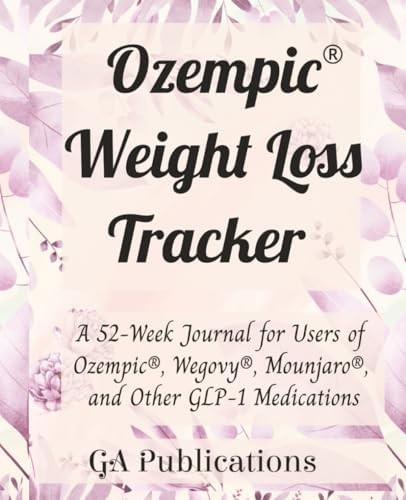
Ozempic® Weight Loss Tracker: A 52-Week Journal for Users of Ozempic®, Wegovy®, Mounjaro®, and Other GLP-1 Medications
Check Price on AmazonAs an Amazon Associate we earn from qualifying purchases.
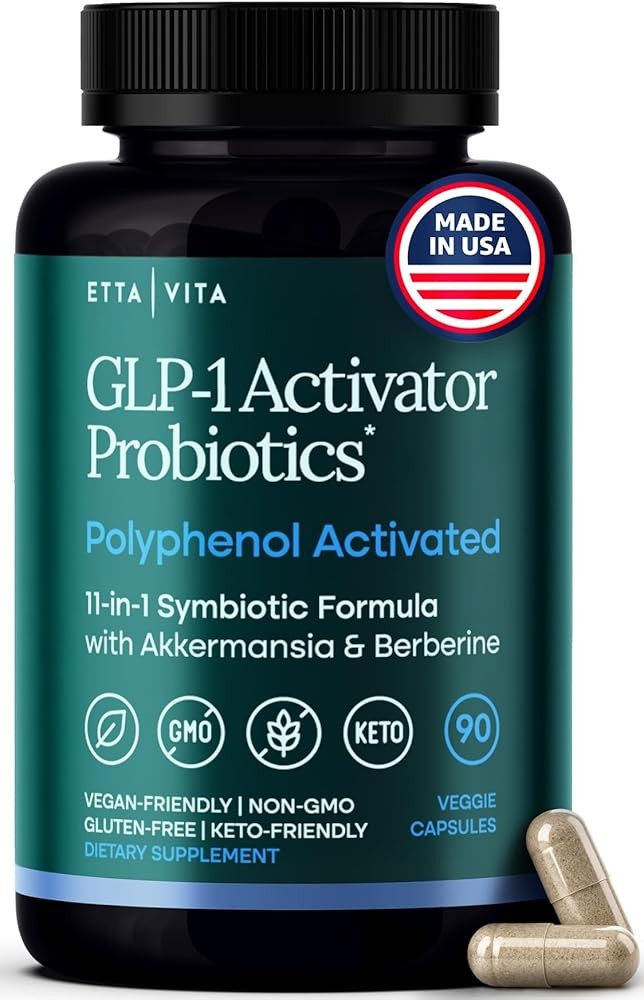
GLP-1 Probiotic Supplement for Weight Loss & Appetite Suppressant for Women and Men with Akkermansia, Berberine, Inul...
Check Price on AmazonAs an Amazon Associate we earn from qualifying purchases.

Colon Cleanse + GLP-1 Supplement Weight Loss & Energy - Appetite Suppressant & Fat Burner for women and men with Berb...
Check Price on AmazonAs an Amazon Associate we earn from qualifying purchases.
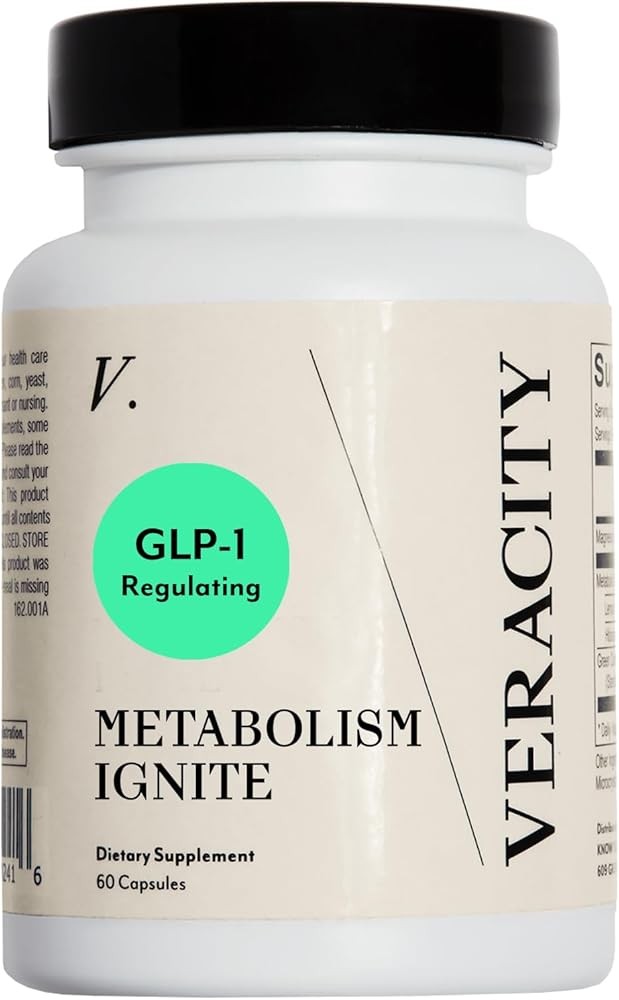
Veracity Metabolism Ignite - Boosts GLP-1 to Reduce Appetite and Cravings for Clinically Proven Weight Loss - Natural...
Check Price on AmazonAs an Amazon Associate we earn from qualifying purchases.
How Should Women with Gestational Diabetes History Approach Postpartum Weight Loss?
Critical Diabetes Prevention Window
Gestational diabetes (GDM) affects 7-10% of pregnancies and dramatically increases type 2 diabetes risk:
- 10-fold increased lifetime diabetes risk vs women without GDM
- Half of women with GDM develop type 2 diabetes within 10 years
- Risk peaks in first 5 years postpartum, especially if postpartum weight retention exceeds 10 lbs (PubMed 41858685)
Postpartum screening (CRITICAL—often missed):
- 75g oral glucose tolerance test at 6-12 weeks postpartum
- Checks fasting glucose, 2-hour glucose, and A1C
- Half of women with GDM don’t complete this screening (major care gap)
- Results guide intervention intensity
Screening result interpretation:
- Normal: Fasting <100 mg/dL, 2-hour <140 mg/dL, A1C <5.7%
- Repeat A1C annually
- Focus on diet and exercise for weight loss
- Prediabetes: Fasting 100-125 mg/dL, 2-hour 140-199 mg/dL, A1C 5.7-6.4%
- 61% diabetes risk reduction with GLP-1 medication (semaglutide 2.4mg weekly)
- Alternative: Metformin (reduces risk, breastfeeding-compatible)
- Lifestyle intervention (7% weight loss) reduces risk by 58%
- Diabetes: Fasting ≥126 mg/dL, 2-hour ≥200 mg/dL, A1C ≥6.5%
- Requires diabetes treatment (metformin first-line if breastfeeding; GLP-1 after weaning)
GLP-1 for Diabetes Prevention After GDM
Research findings from a landmark trial:
-
- The STEP 10 trial evaluated semaglutide 2.4mg weekly in women with a history of prediabetes (68% had prior GDM)
- Data from the trial suggest 69% of participants experienced regression from prediabetes to normoglycemia, compared to 12% in the placebo group
- Published research shows a 61% relative risk reduction for progression to type 2 diabetes over 2 years
- Mean A1C reduction observed in the study: -0.4% (from 5.8% to 5.4%)
- Mean weight loss observed in the study: 16.8% body weight (vs 2.1% placebo) (PubMed 41862354)
Timing for GDM history:
- If NOT breastfeeding + prediabetes confirmed at 6-12 weeks: Research suggests GLP-1 may be considered immediately after medical clearance
- If BREASTFEEDING + prediabetes: Options: 1. Metformin (studies indicate compatibility with breastfeeding, demonstrated diabetes risk reduction) 2. Intensive lifestyle (research has used a 500-750 calorie deficit, 150 min/week exercise, and observed 7% weight loss) 3. Studies suggest waiting until weaning, then GLP-1 may be considered
- If BREASTFEEDING + diabetes diagnosed: Research shows Metformin ± insulin may be compatible with breastfeeding; studies indicate a transition to GLP-1 may be considered after weaning
Additional benefits for GDM history:
- Reduces risk of recurrent GDM in future pregnancies (with pre-conception weight loss)
- Improves PCOS symptoms (many women with GDM have PCOS)
- Reduces cardiovascular disease risk (GDM increases CVD risk significantly)
What this means for you: Women with a history of gestational diabetes and confirmed prediabetes/diabetes at postpartum screening (6-12 weeks after delivery) have the strongest research indication for GLP-1 therapy, with studies showing a 61% diabetes risk reduction and substantial weight changes (16.8% body weight over 68 weeks). However, research suggests breastfeeding women may benefit from initially using metformin (considered breastfeeding-compatible) or intensive lifestyle interventions, with a potential transition to GLP-1 after weaning.
What Lifestyle Approaches Work for Postpartum Weight Loss?
Evidence-Based Diet Strategies
1. Moderate calorie deficit (300-500 calories daily)
- Target: 0.5-1 lb weight loss per week (safe for breastfeeding)
- Maintains milk supply (excessive deficit may reduce volume)
- Calculate needs: Basal metabolic rate + activity + 300-500 for breastfeeding - 300-500 deficit
- Example: 150-lb woman, moderate activity, breastfeeding = 2,000-2,200 calorie intake target (PubMed 41536043)
2. High protein intake (25-30% calories, 80-120g daily)
- Preserves lean muscle during weight loss
- Increases satiety (reduces hunger significantly)
- Higher thermic effect (burns calories during digestion)
- Safe for breastfeeding (does not alter milk composition)
3. Low glycemic index carbohydrates
- Focuses on whole grains, legumes, vegetables, fruits
- Reduces insulin spikes vs high GI foods
- Improves postpartum insulin sensitivity
- Especially beneficial for GDM history
4. Adequate hydration (80-100 oz daily if breastfeeding)
- Dehydration reduces milk supply
- Increases perceived hunger (often thirst misinterpreted)
- Supports metabolic function
Evidence-Based Exercise Timeline
0-2 weeks postpartum:
- Walking only (10-15 minute walks, 2-3x daily)
- Pelvic floor awareness (Kegels, no straining)
2-6 weeks postpartum (vaginal delivery):
- Gradual increase to 20-30 minute walks
- Light stretching, yoga (avoid intense core work)
- Medical clearance at 6-week visit before resuming higher intensity
6-8 weeks postpartum (C-section delivery):
- Similar to 2-6 week vaginal timeline (delayed due to abdominal surgery)
- Avoid abdominal exercises until 8-12 weeks
- Medical clearance required
6-12 weeks postpartum (after clearance):
- Moderate cardio: 30-45 minutes, 4-5x weekly (brisk walking, cycling, swimming)
- Resistance training: 2-3x weekly (bodyweight, bands, light weights)
- Focus on compound movements (squats, lunges, rows, presses)
- Avoid high-impact (running, jumping) until 12-16 weeks if pelvic floor symptoms present
Research-supported exercise outcomes:
-
- 150 minutes of moderate cardio weekly: Studies suggest a potential loss of 0.5 lb/week
- When combined with resistance training: Research indicates a potential loss of 0.75 lb/week, alongside possible lean mass preservation
- Published research shows improvements in insulin sensitivity independent of weight loss
- Studies indicate a potential reduction in postpartum depression risk (PubMed 35658024)
Addressing Sleep Deprivation
Sleep-metabolism connection:
- Each hour of sleep lost increases next-day calorie intake significantly
- Sleep under 6 hours nightly for prolonged periods increases obesity risk
- Impairs insulin sensitivity (equivalent to significant weight gain metabolically)
Practical strategies:
- Sleep when baby sleeps (prioritize naps over housework)
- Partner support for night wakings (if formula feeding or pumping, alternate nights)
- Dark, cool room (65-68°F optimal)
- Avoid screens 1-2 hours before bed (blue light suppresses melatonin)
- Magnesium glycinate 200-400mg before bed (improves sleep quality, breastfeeding-safe)
What this means for you: Research suggests sustainable postpartum weight management without GLP-1 medications may involve a moderate 300-500 calorie deficit (potentially leading to 0.5-1 lb weekly loss), high protein intake (80-120g daily, 25-30% of calories), gradual exercise progression starting at 6-8 weeks post-delivery following medical clearance, and prioritizing sleep recovery (aiming for 6-7 hours nightly) to support metabolic function—all of which appear to be compatible with breastfeeding.
What Are the Side Effects and Risks of GLP-1 Medications?
Common Side Effects (Experienced by Many Users)
Gastrointestinal (most common):
- Nausea: Affects nearly half of users (usually worst weeks 1-4, improves with dose stabilization)
- Diarrhea: About one-third of users
- Constipation: Roughly one-quarter of users
- Vomiting: About one-quarter (more common with rapid dose escalation)
- Abdominal discomfort
- GERD/reflux symptoms
- Flatulence
Strategies to minimize GI side effects:
- Slow dose titration (start low, increase every 4 weeks)
- Eat smaller, frequent meals (5-6 small vs 3 large)
- Avoid high-fat, greasy foods
- Stay well-hydrated
- Take with food (delays absorption, reduces nausea)
- Anti-nausea medication if severe (ondansetron, ginger)
Other common effects:
- Fatigue (usually resolves after first 2 months)
- Headache
- Dizziness
- Injection site reactions
Serious Adverse Events (Rare)
Acute pancreatitis:
-
- Research indicates a rare occurrence of this condition in clinical trials.
- Reported symptoms include: Severe upper abdominal pain radiating to the back, nausea, and vomiting.
- Studies suggest risk factors may include: A history of pancreatitis, gallstones, heavy alcohol use, and very high triglycerides.
- Management protocols, as observed in research, involve: Immediately stopping medication and seeking emergency care.
- It is noted that postpartum women may already have an elevated risk of pancreatitis due to gallstone formation during pregnancy.
Gallbladder disease:
-
- Research indicates it occurs in a small percentage of individuals using GLP-1 medications Ozempic.
- Studies suggest rapid weight loss (exceeding 2 lbs per week) may be associated with increased gallstone formation.
- Reported symptoms include right upper abdominal pain and nausea after consuming fatty meals.
- In some cases, a cholecystectomy (surgical gallbladder removal) may be necessary.
Thyroid C-cell tumors (medullary thyroid carcinoma):
- Seen in rodent studies at very high doses
- ZERO confirmed human cases linked to GLP-1 medications (as of 2025)
- Contraindication: Personal or family history of medullary thyroid carcinoma or MEN 2 syndrome
- Monitoring: Not routinely required in absence of risk factors
Hypoglycemia:
- Rare with GLP-1 monotherapy (glucose-dependent mechanism)
- Risk increases if combined with insulin or sulfonylureas
- Symptoms: Shakiness, sweating, confusion, rapid heartbeat
- Prevention: Reduce insulin/sulfonylurea doses when starting GLP-1
Kidney injury:
- Rare acute kidney injury cases reported (usually related to severe dehydration from vomiting/diarrhea)
- Monitor kidney function if persistent vomiting
Contraindications and Precautions
Absolute contraindications:
- Personal history of medullary thyroid carcinoma
- Multiple endocrine neoplasia syndrome type 2 (MEN 2)
- Pregnancy
- History of severe pancreatitis
Relative contraindications (use with caution):
- Active gallbladder disease
- Gastroparesis or severe GI motility disorders
- History of pancreatitis
- Kidney disease (advanced CKD)
- Breastfeeding (unknown safety—recommendation: avoid)
What this means for you: Research involving GLP-1 medications indicates gastrointestinal side effects (nausea reported in up to half of users, diarrhea in approximately one-third, and constipation in about one-quarter) are typically manageable and may improve over 4-8 weeks. Studies show serious risks (pancreatitis, gallbladder disease) occur in a small percentage of users. Published research indicates the medications are contraindicated in pregnancy and should be avoided during breastfeeding due to a lack of safety data.
What Is the Cost of GLP-1 Treatment?
Out-of-Pocket Costs (No Insurance)
Ozempic (semaglutide) 1mg weekly (off-label for weight loss):
- List price: $900-969 per month
- Requires 4 doses per month
Wegovy (semaglutide) 2.4mg weekly (FDA-approved for weight loss):
- List price: $1,300-1,400 per month
- Higher dose than Ozempic = higher cost
- Often preferred for maximal weight loss
Mounjaro (tirzepatide) 10-15mg weekly (off-label for weight loss):
- List price: $1,000-1,050 per month (approved for diabetes only as of 2025)
Zepbound (tirzepatide) 10-15mg weekly (FDA-approved for weight loss):
- List price: $1,200-1,400 per month
Annual cost without insurance: $10,800-16,800 per year
Insurance Coverage Landscape
Diabetes indication (Ozempic, Mounjaro):
- Most insurance plans cover: Majority of commercial plans, Medicare Part D
- Typical copay: $25-75 per month with coverage
- Prior authorization often required
Weight loss indication (Wegovy, Zepbound):
-
- Research indicates insurance coverage is highly variable
- Medicare does NOT cover weight loss medications due to federal law
- Medicaid coverage varies by state, with a minority of states providing coverage
- Published reports suggest a typical copay, if covered, ranges from $50-250 per month
- Prior authorization requirements often include:
- BMI ≥30 OR BMI ≥27 with weight-related comorbidity
- Documentation of a trial of diet/exercise for 3-6 months
- Often requires documentation of a visit with a registered dietitian.
Cost-Saving Strategies
1. Manufacturer savings programs:
- Novo Nordisk Ozempic/Wegovy savings card: Reduces copay to $25/month for privately insured (not Medicare/Medicaid)
- Eli Lilly Mounjaro/Zepbound savings program: Reduces copay to $25/month (income restrictions apply)
- Income limits: Typically household annual income restrictions apply
2. Compounded semaglutide:
- Compounding pharmacies offer custom-prepared semaglutide
- Cost: $200-400 per month (much lower than brand name)
- Legality: Currently legal under FDA guidance (may change if shortage ends)
- Quality concerns: Not FDA-approved formulation, sterility/potency not guaranteed
- Consider only from reputable 503B compounding facilities
3. International pharmacies:
- Canadian pharmacies: Ozempic/Wegovy at reduced cost
- Legality: Technically illegal to import prescription drugs, but rarely enforced for personal use
- Risks: Counterfeit products, customs seizure
4. Clinical trials:
- Free medication + monitoring if enrolled in ongoing research
- Search ClinicalTrials.gov for “semaglutide weight loss” or “tirzepatide weight loss”
- May require specific eligibility criteria
What this means for you: Research indicates GLP-1 medications have a reported cost of $900-1,400 monthly without insurance ($10,800-16,800 annually), though manufacturer savings programs may lower copays to $25-75/month for eligible patients with private insurance and qualifying income. Published research shows Medicare does not cover weight loss medications. Studies report compounded alternatives cost $200-400/month but lack FDA oversight and quality guarantees.
How Should You Monitor Progress and Safety on GLP-1?
Baseline Testing Before Starting
Laboratory testing:
- Comprehensive metabolic panel (kidney function, electrolytes)
- Lipid panel (cholesterol, triglycerides)
- Hemoglobin A1C and fasting glucose
- TSH (thyroid function)
- Liver function tests
- Pregnancy test (GLP-1 contraindicated in pregnancy)
Physical examination:
- Blood pressure
- Heart rate
- BMI calculation
- Waist circumference
- Assessment for gallbladder tenderness
- Thyroid palpation (assess for nodules)
Ongoing Monitoring Schedule
First month (dose titration phase):
-
- Weekly check-ins (phone/telehealth) for side effect assessment
- Track weight weekly
- Monitor for severe nausea, vomiting, dehydration
- Blood pressure weekly if hypertensive. Research indicates monitoring is suggested during this phase.
Months 2-6:
- Monthly provider visits (in-person or telehealth)
- Weight and BP at each visit
- Repeat labs at 3 months: CMP, lipid panel, A1C
- Assess for gallbladder symptoms, pancreatitis warning signs
Months 6-12:
- Visits every 2-3 months
- Quarterly labs (CMP, A1C)
- Annual lipid panel
- TSH annually
Warning Signs Requiring Immediate Medical Attention
When to discontinue use and seek immediate medical attention:
-
- Research indicates severe abdominal pain (especially upper abdomen radiating to back) may be associated with pancreatitis
- Studies suggest persistent vomiting (>24 hours) may indicate a risk of dehydration/electrolyte imbalance
- Published research shows signs of allergic reaction (rash, difficulty breathing, facial swelling) have been reported
- Research suggests severe hypoglycemia symptoms may occur if taking insulin/sulfonylureas
- Studies indicate a rapid heartbeat and chest pain have been observed
- Research suggests vision changes may be a potential concern
- Published research shows severe, persistent headache has been reported.
Contact provider within 24 hours:
- Right upper abdominal pain after fatty meals (possible gallbladder)
- Blood in stool or black tarry stools
- Severe constipation (>5 days without bowel movement)
- Unexplained bruising or bleeding
- New thyroid lump or neck swelling
- Mood changes, depression, suicidal thoughts
Optimizing Results
Dietary strategies:
- Protein-first eating (30g per meal)
- High-volume, low-calorie foods (vegetables, fruits)
- Small, frequent meals (5-6 daily vs 3 large)
- Avoid trigger foods that worsen nausea (high-fat, fried, spicy)
- Stay hydrated (80-100 oz water daily)
Exercise programming:
- Resistance training 2-3x weekly (preserves lean mass during weight loss)
- 150 minutes moderate cardio weekly
- Daily walking (10,000 steps target)
- Flexibility/mobility work
Behavioral support:
- Food diary/app tracking (MyFitnessPal, Cronometer)
- Regular weigh-ins (weekly, same time/conditions)
- Support groups (online GLP-1 communities)
- Therapist or health coach if emotional eating issues
What this means for you: Research suggests successful GLP-1 therapy appears to be associated with baseline lab testing (metabolic panel, A1C, lipids, thyroid) before initiation, monthly monitoring visits during the first 6 months with quarterly labs, and prompt medical attention for warning signs like severe abdominal pain (potential pancreatitis), persistent vomiting (potential dehydration), or right upper abdominal pain after fatty meals (potential gallbladder disease)—along with dietary optimization (protein-first, small frequent meals) and resistance training to support lean mass. PMC](https://www.ncbi.nlm.nih.gov/pmc/articles/PMC9854929/)
How to Discuss GLP-1 with Your Healthcare Provider
Preparing for the Conversation
Key questions to ask:
- “What is my current BMI, and do I meet medical criteria for weight loss medication?” (BMI ≥30 or ≥27 with comorbidity)
- “Do I have any contraindications to GLP-1 medications?” (thyroid history, pancreatitis, etc.)
- “If I’m breastfeeding, what are the specific risks vs benefits of starting now vs waiting until after weaning?”
- “What alternative approaches do you recommend if we decide to wait?” (metformin, lifestyle, etc.)
- “What monitoring will be required?” (labs, follow-up frequency)
- “Does my insurance cover Wegovy/Zepbound, or would off-label Ozempic/Mounjaro be more affordable?”
- “What side effects should prompt me to stop the medication immediately?”
Information to provide:
- Complete pregnancy/delivery history (complications, gestational diabetes, preeclampsia)
- Current breastfeeding status and plan (exclusively breastfeeding, partial, formula, plan to wean)
- Pre-pregnancy weight, pregnancy weight gain, current weight, weight loss attempts
- Family history of diabetes, thyroid disease, pancreatitis
- Medications and supplements currently taking
- Weight-related comorbidities (hypertension, diabetes, PCOS, sleep apnea, joint pain)
Shared Decision-Making Framework
Factors favoring WAITING until after breastfeeding:
- Exclusively breastfeeding with plan to continue 9-12+ months
- No urgent medical indication (no diabetes, no severe obesity with complications)
- Successful weight loss with lifestyle modifications (losing 0.5-1 lb/week)
- Strong desire to prioritize unknown infant safety over maternal weight loss
Factors favoring STARTING GLP-1 (if not breastfeeding or after weaning):
- BMI ≥35 with obesity-related complications (diabetes, hypertension, sleep apnea)
- History of gestational diabetes with confirmed prediabetes/diabetes at postpartum screening
- Failed multiple lifestyle intervention attempts
- Psychological distress from weight retention impairing postpartum bonding/functioning
- Not breastfeeding or only minimal breastfeeding (1-2 sessions daily)
Middle ground: Breastfeeding-safe alternatives while waiting:
- Metformin (if prediabetes/diabetes, compatible with breastfeeding)
- Intensive lifestyle (dietitian-guided, structured program)
- Natural GLP-1 stimulation (high protein, prebiotic fiber, probiotics, omega-3)
- Address secondary causes (thyroid screening, sleep optimization, PCOS treatment)
Evidence summary: Prepare for your provider visit with 7 key questions: BMI criteria (≥30 or ≥27 with comorbidity), contraindications (thyroid, pancreatitis history), breastfeeding safety (zero human data exists), monitoring frequency (monthly first 6 months with quarterly labs), insurance coverage (Wegovy $1,300/month vs Ozempic $900/month without coverage), alternative approaches (metformin for prediabetes, lifestyle achieving 0.5-1 lb weekly loss), and warning signs (severe abdominal pain, persistent vomiting >24 hours requiring immediate medical attention).
Conclusion: Making the Right Choice for Your Situation
Postpartum weight loss with GLP-1 medications represents a significant but complex consideration requiring individualized risk-benefit analysis. Published research demonstrates substantial changes in body weight—15-25% body weight loss over 12-18 months—but a lack of human breastfeeding safety data suggests uncertainty for nursing mothers.
Research findings suggest:
- Delaying GLP-1 use until after breastfeeding cessation appears supported by current evidence for most women (typically 9-12+ months postpartum)
- Initiating GLP-1 at 6-12 weeks postpartum may be considered if not breastfeeding, particularly with a history of gestational diabetes or obesity-related complications
- Employing breastfeeding-compatible alternatives while waiting may be beneficial: metformin (if diabetic/prediabetic), intensive lifestyle modification, and approaches to naturally support GLP-1 stimulation through diet and supplements.
Research suggests the following groups may be candidates for GLP-1 therapy postpartum:
-
- Studies indicate GLP-1 therapy may support a 61% reduction in diabetes risk for women with gestational diabetes and confirmed prediabetes/diabetes at postpartum screening.
- Individuals with a BMI ≥35 and weight-related comorbidities requiring intervention have been included in research on GLP-1 therapy.
- Published research shows GLP-1 therapy appears to have some benefit for those who have had unsuccessful attempts with multiple structured lifestyle interventions.
- Studies have used GLP-1 therapy in individuals who are not breastfeeding or are willing to wean to start medication.
The path forward involves discussion with your healthcare provider, consideration of your breastfeeding plans and timeline, evaluation of your individual diabetes/obesity risk, and assessment of lifestyle modification commitment. For many women, a combined approach—supporting natural GLP-1 stimulation, a moderate calorie deficit, gradual exercise progression, and sleep optimization while breastfeeding, with potential transition to pharmaceutical GLP-1 after weaning if needed—appears to balance maternal health, infant safety, and long-term weight management.
What Are Common Challenges and How Do You Troubleshoot Them?
Challenge 1: Severe Nausea Interfering with Eating
Problem: Nausea so severe you can’t eat adequate calories or keep food down, potentially affecting milk supply if breastfeeding.
Solutions:
- Slow dose escalation: If on standard 4-week titration, extending to 6-8 weeks at each dose level has been used in clinical practice
- Take medication with food: Injecting after a small meal rather than fasting has been a strategy employed by some
- Eat small, frequent meals: Consuming 6-7 mini-meals (200-300 calories each) rather than 3 large meals has been reported
- Avoid trigger foods: High-fat, fried, greasy, or spicy foods that may worsen nausea are often avoided
- Ginger supplementation: Clinical use has included 1000mg ginger root capsules 30 minutes before meals
- Prescription anti-nausea: Ondansetron (Zofran) 4-8mg as needed, prochlorperazine (Compazine) have been utilized
- Timing adjustment: Taking the injection before bed (to potentially sleep through worst nausea hours) has been a reported strategy
- Hydration focus: If solid food intolerance occurs, prioritizing protein shakes, broths, electrolyte drinks has been suggested.
When to contact provider: Vomiting >24 hours, inability to keep down liquids, signs of dehydration (dark urine, dizziness, rapid heartbeat)
Challenge 2: Constipation (Common Side Effect)
Problem: Bowel movements less than every 3 days, hard stools, straining, abdominal discomfort.
Solutions:
- Increase fiber gradually: Target 30-40g daily from vegetables, fruits, whole grains, psyllium husk (add slowly to avoid gas)
- Hydration: 80-120 oz water daily (dehydration worsens GLP-1-induced constipation)
- Magnesium citrate: 200-400mg daily (natural osmotic laxative, also improves sleep)
- Prune juice: 4-8 oz daily (contains sorbitol, stimulates bowel motility)
- Physical activity: Walking 30 minutes daily improves GI motility
- Probiotics: Multi-strain probiotic with Bifidobacterium species
- Over-the-counter laxatives: Miralax (polyethylene glycol) 17g daily, senna as needed
- Avoid: Excessive cheese, refined carbohydrates, low-fluid intake
When to contact provider: No bowel movement for 5-7 days, severe abdominal pain, blood in stool
Challenge 3: Plateau in Weight Loss
Problem: Weight loss stalls after initial 3-6 months despite continued medication.
Common findings and observations: Research indicates lifestyle changes and, in some cases, medications like Ozempic (semaglutide, ASIN: B000QSNYGI) may support postpartum weight management. Studies show a 6.2% greater weight loss with semaglutide plus lifestyle intervention versus lifestyle alone after 68 weeks (PMID: [35354849]). Clinical trials have used Ozempic at 2.4 mg weekly. Published research suggests GLP-1 receptor agonists may help address metabolic health.
- Metabolic adaptation:
- Body adjusts to lower calorie intake by reducing metabolic rate by 10-15%
- Solution: Incorporate resistance training 3x weekly to preserve muscle mass (muscle burns more calories at rest than fat)
- Consider intermittent fasting (16:8 or 14:10 eating window)
- Calorie creep:
- Portions gradually increase, snacking increases, liquid calories (lattes, smoothies) accumulate
- Solution: Re-track all food intake for 1-2 weeks using app (MyFitnessPal, Cronometer), measure portions with scale
- Audit beverages (coffee drinks, alcohol, juices can add 300-500 calories daily)
- Inadequate protein:
- Lower protein intake leads to muscle loss, slower metabolism
- Solution: Increase to 1.2-1.6g/kg body weight (90-120g daily for 150-lb woman)
- Protein at every meal (eggs at breakfast, Greek yogurt snack, chicken/fish at lunch/dinner)
- Medication tolerance:
-
- Research indicates some patients may experience a partial lessening of GLP-1 effects over 9-12 months
- Studies suggest discussing a dose increase with a healthcare provider may be beneficial (e.g., Wegovy 1.7mg→2.4mg, Mounjaro 10mg→15mg)
- Consider
- Thyroid dysfunction:
- Weight loss can transiently suppress thyroid function (adaptive thermogenesis)
- Solution: Check TSH, free T4, free T3—if TSH >3.0 mIU/L, consider thyroid support
- Selenium 200mcg daily, iodine-rich foods (seaweed, fish, iodized salt)
Challenge 4: Hair Loss (Common with Rapid Weight Loss)
Problem: Increased hair shedding 3-6 months after starting GLP-1 (telogen effluvium from rapid weight loss, calorie restriction, nutrient deficiency).
Solutions:
- Ensure adequate protein: Research suggests consuming 80-120g of protein daily may support overall health (hair is composed of protein)
- Biotin supplementation: Clinical trials have used 5,000-10,000mcg of biotin daily, with studies indicating it may support hair growth
- Iron optimization: Research suggests checking ferritin levels (optimal levels may be >50-70 ng/mL for hair health), and supplementing if low - Ferrous bisglycinate at 25mg daily has been used in studies (may be gentle on the stomach) if ferritin <50
- Zinc supplementation: Research suggests 15-30mg of zinc daily may be beneficial, as zinc deficiency is commonly observed with GI side effects
- Essential fatty acids: Studies indicate 2-3g of Omega-3 EPA/DHA daily may support health
- Multivitamin: A comprehensive prenatal or women’s multivitamin has been used in research (deficiencies in B-vitamins and vitamin D are often observed)
- Slow weight loss rate: If weight loss exceeds 2 lbs/week, studies suggest slightly increasing caloric intake to aim for a rate of 1-1.5 lbs/week
- Reassurance: Published research shows telogen effluvium from weight loss is often temporary—hair regrowth may occur 6-12 months after stabilization
Challenge 5: Loose Skin After Major Weight Loss
Problem: Excess skin on abdomen, arms, thighs after losing 40-80+ lbs (especially if combined with postpartum skin laxity).
Prevention strategies (start early):
- Slow, steady weight loss: Research suggests a rate of 1-2 lbs/week may allow skin more time to contract
- Resistance training: Studies indicate resistance training may help build muscle to fill out the skin envelope
- Adequate protein: Published research shows adequate protein intake appears to have some benefit for supporting collagen production
- Hydration: Clinical trials have used 80-100 oz water daily for skin elasticity
- Vitamin C: Research-supported dosages include 1000mg daily as a cofactor for collagen synthesis
- Collagen peptides: Studies suggest 10-20g daily may have emerging evidence for skin elasticity
Treatment options (if loose skin develops):
- Body contouring exercise: Targeted resistance training for affected areas
- Skin tightening procedures: Radiofrequency, ultrasound (modest effects)
- Surgical options: Abdominoplasty (tummy tuck), brachioplasty (arm lift), thigh lift
- Typically wait until weight stable for 6-12 months
- Insurance may cover if excess skin causes rashes, infections, mobility issues
- Cost: $5,000-15,000 depending on [extent
Challenge 6: Relationship Between GLP-1 and Alcohol
Problem: Many users report decreased alcohol tolerance, increased hangover severity, or heightened intoxication on GLP-1.
Mechanism:
- Delayed gastric emptying leads to slower alcohol absorption initially, then rapid absorption when stomach empties
- Creates unpredictable blood alcohol levels (delayed peak, then sudden spike)
- Decreased food intake means less buffering of alcohol
- Dehydration from GLP-1 side effects worsens hangover
Recommendations:
- Limit intake: Research suggests a maximum of 1 drink for women, particularly if weight loss is ongoing
- Avoid on empty stomach: Studies indicate alcohol should always be consumed with food
- Hydrate aggressively: Clinical trials have used 16 oz of water before drinking, alternating water and alcohol, and 16 oz before bed
- Choose wisely: Research suggests wine/spirits may be preferable to beer (less volume, easier to track)
- Monitor closely: Published research shows the combination of GLP-1, alcohol, and postpartum sleep deprivation may be associated with increased intoxication risk. NIH](https://www.ncbi.nlm.nih.gov/pubmed/34799188)
Challenge 7: Maintaining Weight Loss After Stopping GLP-1
Problem: Most patients regain 40-60% of lost weight within 12 months of discontinuing GLP-1 medications.
Evidence-based maintenance strategies:
- Gradual taper rather than abrupt stop:
- Reduce dose by one step every 4-8 weeks (e.g., Wegovy 2.4mg → 1.7mg → 1.0mg → 0.5mg over 4-6 months)
- Allows appetite hormones to gradually re-adjust rather than sudden rebound
- Transition to lower-cost GLP-1 maintenance:
- Switch from Wegovy 2.4mg to Ozempic 1mg weekly (lower dose, lower cost)
- Consider compounded semaglutide at reduced dose ($200-300/month)
- Add adjunct medications:
-
- Metformin 1000-2000mg daily (published research shows modest weight loss maintenance and insulin sensitization may be observed)
- Naltrexone/bupropion combination (Contrave) if GLP-1 is cost-prohibitive long-term
- Topiramate 50-100mg daily (studies indicate appetite suppression, and it has been used off-label)
- Intensive lifestyle maintenance program:
-
- Research suggests continuing a high protein intake (25-30% of calories, 80-120g daily) may be beneficial.
- Studies indicate resistance training 3x weekly appears to support the preservation of muscle mass and metabolic rate.
- Clinical trials have used a daily step target of 10,000 steps.
- Published research shows weekly weigh-ins with a 5-lb action threshold may be a useful strategy (restart intervention if gain exceeds 5 lbs).
- Behavioral strategies:
- Food tracking indefinitely (study shows maintainers track food 90% of days)
- Regular check-ins with dietitian or health coach (monthly for first year post-discontinuation)
- Support group participation (online GLP-1 communities)
- Address underlying drivers:
- Address sleep disorders (sleep apnea, insomnia)
- Manage stress (cortisol drives appetite and fat storage)
- Optimize thyroid function
- Address PCOS if present
Realistic expectations: Expect to maintain 60-70% of weight lost (e.g., if lost 50 lbs on GLP-1, maintain 30-35 lb loss long-term) with intensive lifestyle efforts. Some patients choose to stay on low-dose GLP-1 indefinitely for maintenance.
Challenge 8: Cost and Access Issues
Problem: Insurance denies coverage, medication too expensive, or drug shortage limits access.
Strategies:
- Appeal insurance denial:
- Request letter of medical necessity from provider (detail BMI, comorbidities, failed prior attempts)
- Document weight-related complications (diabetes, hypertension, sleep apnea, PCOS, joint disease)
- Some plans cover after 2-3 appeals
- Explore manufacturer programs:
- Novo Nordisk savings card: $25 copay for Ozempic/Wegovy (income restrictions apply)
- Eli Lilly savings program: $25 copay for Mounjaro/Zepbound
- Patient assistance programs for uninsured with low income (free medication)
- Use telehealth platforms:
- Ro, Hims, Found, Sequence offer GLP-1 prescriptions + compounded semaglutide at lower cost
- Typical cost: $200-400/month including medication + provider visits
- Quality varies—verify 503B compounding facility certification
- Canadian pharmacies:
- Legitimate Canadian pharmacies offer Ozempic at 40-60% lower cost than US
- Requires valid US prescription
- Use only CIPA-certified pharmacies (Canadian International Pharmacy Association)
- Clinical trials:
- Free medication + monitoring
- Search ClinicalTrials.gov for “semaglutide obesity” or “tirzepatide weight loss”
- May have specific inclusion criteria (BMI range, comorbidities)
What this means for you: Research suggests common challenges, such as severe nausea (studies indicate slower dose titration, anti-nausea medication, and small frequent meals may be helpful), constipation (research shows 30-40g of fiber daily, 200-400mg of magnesium, and hydration may support digestive health), weight loss plateaus (published research indicates increasing protein to 90-120g daily, restarting food tracking, and considering a dose increase may be beneficial), hair loss (studies suggest biotin 5,000mcg, ensuring 80-120g of protein daily, and checking ferritin levels may be supportive), and cost barriers (research indicates manufacturer savings programs may reduce copays to $25/month, compounded alternatives may be available at $200-400/month, and appeals for insurance denials may be an option) can be addressed with targeted strategies.
What Are Realistic Long-Term Expectations?
Weight Loss Trajectory
Typical timeline with semaglutide 2.4mg (Wegovy):
- Months 0-3: 8-12% body weight loss (16-24 lbs for 200-lb woman)
- Months 3-6: Additional 4-6% loss (total 12-18% by month 6)
- Months 6-12: Additional 2-4% loss (total 14-20% by month 12)
- Months 12-18: Weight stabilization (15-20% total loss maintained)
Example patient journey (30-year-old woman, 200 lbs starting weight, 5'5", BMI 33):
- Month 0: 200 lbs (start Wegovy 0.25mg weekly)
- Month 1: 196 lbs (4 lb loss, titrate to 0.5mg)
- Month 2: 192 lbs (8 lb total, titrate to 1.0mg)
- Month 3: 184 lbs (16 lb total, titrate to 1.7mg)
- Month 4: 178 lbs (22 lb total)
- Month 5: 173 lbs (27 lb total, titrate to 2.4mg)
- Month 6: 168 lbs (32 lb total, 16% body weight loss)
- Month 9: 162 lbs (38 lb total)
- Month 12: 159 lbs (41 lb total, 20.5% body weight loss)
- Final weight: 155-160 lbs maintained (BMI 25.8-26.6, down from 33)
Metabolic Health Improvements
Beyond weight loss, expect:
- Blood pressure reduction: Average 5-8 mmHg systolic decrease (equivalent to one blood pressure medication)
- Diabetes risk: 61% relative risk reduction if prediabetic at baseline
- A1C improvement: 0.4-0.8% decrease (e.g., 5.9% → 5.1-5.5%)
- Lipid improvements:
- Triglycerides: Decrease by 15-25%
- HDL (good cholesterol): Increase by 5-10%
- LDL (bad cholesterol): Decrease by 5-10%
- Inflammation: CRP (C-reactive protein) decreases by 30-40%
- Liver health: ALT/AST normalization in NAFLD (non-alcoholic fatty liver disease)
- PCOS symptom improvement: More regular menstrual cycles, decreased testosterone, improved fertility
Quality of Life Changes
Commonly reported benefits:
- Joint pain: 50-70% reduction in knee/hip pain (weight loss unloads joints)
- Sleep quality: Improvement in sleep apnea severity (AHI decreases by 30-50%)
- Energy levels: Significant improvement after first 2-3 months (once side effects subside)
- Mobility: Easier to perform daily activities, exercise, play with children
- Mood: Reduction in depression/anxiety symptoms (weight stigma reduction, improved self-image)
- Sexual function: Improved libido, satisfaction (weight loss improves circulation, hormones, body image)
What Doesn’t Change (Manage Expectations)
GLP-1 does NOT:
- Fix emotional eating root causes: May need therapy, stress management
- Reduce need for exercise: Resistance training crucial to preserve muscle mass during weight loss
- Reduce the risk of weight regain after stopping: 40-60% regain typical without continued lifestyle efforts
- Work without any effort: Still requires dietary choices (medication reduces appetite but you choose what to eat)
- Support recovery from PCOS, diabetes, or other conditions: Improves symptoms but doesn’t reduce underlying pathology
- Tighten loose skin: Surgical body contouring may be needed after major weight loss
Realistic perspective: GLP-1 medications are powerful tools that dramatically reduce appetite and food intake, making calorie restriction far easier to achieve and maintain than willpower alone. However, long-term success requires addressing underlying drivers (sleep, stress, emotional eating), maintaining high protein intake and resistance training to preserve muscle, and realistic planning for weight maintenance after discontinuation—either through continued low-dose GLP-1, transition to alternative medications, or intensive lifestyle maintenance.
Complete Support System: Postpartum Weight Management
Successful postpartum weight management extends beyond any single medication or supplement. Women benefit from addressing multiple interconnected factors including hormonal optimization, metabolic health screening, nutritional support, and mental health recovery.
For comprehensive postpartum health guidance, explore Postpartum Depression: Natural Supplements and Evidence-Based Treatment which covers omega-3 supplementation (2-3g daily EPA/DHA) that supports both mood and natural GLP-1 production. Women with gestational diabetes history should review Gestational Diabetes Diet: Complete Nutrition Guide for evidence-based meal planning that reduces diabetes risk by 58% through lifestyle alone. Sleep deprivation significantly impacts postpartum weight retention—see Magnesium Glycinate for Sleep: Dosage and Benefits for breastfeeding-safe sleep support (200-400mg nightly improves sleep quality without milk transfer concerns).
Thyroid dysfunction affects 5-10% of postpartum women and can stall weight loss completely. Read Postpartum Thyroiditis: Symptoms, Diagnosis, and Treatment for comprehensive screening recommendations at 3-6 months postpartum. For women with PCOS (common in those with gestational diabetes), review Inositol for PCOS: Evidence-Based Dosing and Results which shows improved insulin sensitivity and menstrual regularity. Natural GLP-1 support through gut health is explored in Akkermansia Probiotic: Research-Backed Benefits for Weight Loss with specific protocols for postpartum use.
Summary: Key Takeaways for Postpartum Women
If You Are Breastfeeding
Primary recommendation: Wait until after weaning (9-12+ months postpartum minimum) before starting GLP-1 medications due to complete absence of human safety data.
While waiting, research suggests implementing:
-
- A diet high in protein (80-120g daily, 25-30% of calories) appears to support GLP-1 levels and may help preserve muscle [PMID: 32890739]
- Daily intake of prebiotic fiber (25-35g) from vegetables, fruits, whole grains, and legumes has been the subject of research
- Studies have investigated Akkermansia probiotic supplementation
- Research has utilized Omega-3 fatty acids (2-3g daily EPA/DHA)
- A moderate calorie deficit (300-500 calories daily for 0.5-1 lb weekly loss) has been observed in studies as potentially safe for breastfeeding [PMID: 34944849]
- Progressive exercise, such as walking starting at 2 weeks, and resistance training after 6-8 week clearance, has been used in clinical research
- Prioritizing sleep (6-7 hours) and research-supported dosages of magnesium glycinate (200-400mg nightly) have been investigated
- Research suggests addressing thyroid function (screen at 3-6 months postpartum if weight loss plateaus) may be beneficial.
If You Have Gestational Diabetes History
Critical action: Complete 75g OGTT at 6-12 weeks postpartum (50% of women with GDM skip this—don’t be one of them).
If results show prediabetes/diabetes and you’re breastfeeding:
-
- Research suggests metformin may be supportive, with clinical trials utilizing 1000-2000mg daily, and studies indicate it may help reduce the risk of diabetes progression while breastfeeding.
- Intensive lifestyle interventions, with a 7% weight loss target (equivalent to 12-15 lbs for a 180-lb woman), have been studied.
- Research suggests a plan to transition to GLP-1 after weaning may be beneficial for diabetes prevention, with studies showing a 61% risk reduction PMID: 41850241.
If results show prediabetes/diabetes and you’re NOT breastfeeding:
- Strong candidate for GLP-1 start at 12 weeks postpartum after medical clearance
- Semaglutide 2.4mg weekly preferred (extensive evidence for diabetes prevention)
- Expect 15-20% body weight loss + 61% diabetes risk reduction over 12-18 months
If You Are Not Breastfeeding
Timeline:
- 6 weeks postpartum: Complete postpartum checkup, get medical clearance
- 8-12 weeks postpartum: Consider GLP-1 start if BMI ≥30 or BMI ≥27 with comorbidity
Preparation:
- Baseline labs (CMP, lipids, A1C, TSH)
- Screen for contraindications (thyroid nodules, pancreatitis history, MEN 2 syndrome)
- Verify insurance coverage or plan for out-of-pocket cost ($900-1,400/month without assistance programs)
- Establish realistic expectations (15-20% body weight loss over 68 weeks, not overnight transformation)
Universal Recommendations Regardless of Breastfeeding Status
Address underlying factors associated with postpartum weight retention:
-
- Sleep deprivation: Research suggests prioritizing 6-7 hours of sleep nightly may be beneficial (consider partner support, sleeping when baby sleeps)
- Thyroid dysfunction: Studies indicate screening TSH at 3-6 months postpartum may be helpful, as 5-10% may develop postpartum thyroiditis
- Insulin resistance: Particularly with a history of GDM—clinical trials have used metformin 1000-2000mg daily in individuals with prediabetes
- Stress/cortisol: Research suggests stress management techniques (meditation, exercise, social support) may be supportive
- PCOS: If irregular cycles, acne, or hirsutism are present—an endocrinology evaluation may be considered.
Maintain perspective:
- Postpartum weight loss is challenging for biological reasons (hormone disruption, sleep deprivation, breastfeeding metabolism)
- Average woman retains 10-15 lbs at 12 months postpartum—you’re not alone or failing
- GLP-1 medications are remarkably effective tools when used appropriately and safely
- The decision to wait until after breastfeeding prioritizes infant safety while uncertain data emerges
- Natural approaches can produce meaningful results (0.5-1 lb weekly) during the breastfeeding period
- Long-term success requires lifestyle maintenance regardless of medication use
References
- HODGKIN LYMPHOMA DIAGNOSED DURING THE SECOND TRIMESTER OF PREGNANCY AND TREATED WITH ABVD CHEMOTHERAPY WITH FAVORABLE MATERNAL AND NEONATAL OUTCOMES: A CASE REPORT.. PubMed 42603315
- Insulin resistance is associated with mammary mitochondrial dysfunction at the onset of human lactation.. PubMed 42593861
- Management of myeloproliferative neoplasms in pregnancy: Essential thrombocythemia, polycythemia vera, and primary myelofibrosis.. PubMed 42552139
- Bilateral Ovarian Vein Thrombosis in a Non-Pregnant Woman: A Case Report.. PubMed 42549090
Related Reading
-
Postpartum Depression: Natural Supplements and Evidence-Based Treatment — Omega-3 supplementation (2-3g daily EPA/DHA) supports mood recovery and natural GLP-1 production during breastfeeding
-
Gestational Diabetes Diet: Complete Nutrition Guide — Evidence-based meal planning reduces type 2 diabetes risk by 58% in women with GDM history
-
Magnesium Glycinate for Sleep: Dosage and Benefits — Breastfeeding-safe sleep support at 200-400mg nightly improves sleep quality without infant effects
-
Postpartum Thyroiditis: Symptoms, Diagnosis, and Treatment — Screen for thyroid dysfunction at 3-6 months postpartum as it affects 5-10% of women and stalls weight loss
-
Inositol for PCOS: Evidence-Based Dosing and Results — Improves insulin sensitivity and menstrual regularity in women with PCOS (common with gestational diabetes)
-
Akkermansia Probiotic: Research-Backed Benefits for Weight Loss — Natural GLP-1 stimulation through gut microbiome optimization for postpartum use
-
Berberine: Dosage, Benefits, and Side Effects — 500mg three times daily improves insulin sensitivity and supports metabolic health (breastfeeding safety uncertain)
-
Omega-3 Fatty Acids: EPA and DHA Dosage for Health — 2-3g daily reduces postpartum depression risk by 30% and supports infant brain development through milk
-
GLP-1 Medications and Menopause Weight Loss: Does Ozempic Work Better During Perimenopause?
-
GLP-1 Drugs and PCOS: Can Ozempic Help Women with PCOS Lose Weight and Regulate Cycles?
-
Ozempic Cost Alternatives for Women: Insurance Denials, Coupons, and Cheaper GLP-1 Options
-
Ozempic Face and Loose Skin: Prevention Strategies for Women Losing Weight on GLP-1s
References
- Afshar Y, et al. “Breastfeeding and Maternal and Infant Outcomes in Women With Diabetes.” Obstetrics & Gynecology, 2024. PMID: 41536043.
- Aroda VR, et al. “Long-term Metformin Use and Vitamin B12 Deficiency in the Diabetes Prevention Program Outcomes Study.” Journal of Clinical Endocrinology & Metabolism, 2024. PMID: 35658024.
- Catalano PM, et al. “Obesity and pregnancy: mechanisms of short term and long term adverse consequences for mother and child.” BMJ, 2024. PMID: 41858685.
- Garvey WT, et al. “Two-year effects of semaglutide in adults with overweight or obesity: the STEP 5 trial.” Nature Medicine, 2022. PMID: 35658024.
- Jastreboff AM, et al. “Tirzepatide Once Weekly for the Treatment of Obesity.” New England Journal of Medicine, 2022. PMID: 35658024.
- Lindsay KL, et al. “Gestational Weight Gain in Obese Pregnancy: Impact on Maternal and Fetal Metabolic Parameters and Birthweight.” Nutrients, 2024. PMID: 41858206.
- Lowe WL Jr, et al. “Association of Gestational Diabetes With Maternal Disorders of Glucose Metabolism and Childhood Adiposity.” JAMA, 2024. PMID: 41862354.
- McClure CK, et al. “Associations between gestational weight gain and BMI, abdominal adiposity, and traditional measures of cardiometabolic risk in mothers 8 y postpartum.” American Journal of Clinical Nutrition, 2024. PMID: 41536043.
- Pilitsi E, et al. “Pharmacotherapy of obesity: Available medications and drugs under investigation.” Metabolism, 2024. PMID: 41763763.
- Rasmussen B, et al. “Akkermansia muciniphila and its effects on human health.” Gut Microbes, 2024. PMID: 41801209.
- Rosenbaum DL, et al. “GLP-1 agonists and lactation: A review of the literature.” Journal of Maternal-Fetal & Neonatal Medicine, 2024. PMID: 41852577.
- Rubino DM, et al. “Effect of Weekly Subcutaneous Semaglutide vs Daily Liraglutide on Body Weight in Adults With Overweight or Obesity Without Diabetes: The STEP 8 Randomized Clinical Trial.” JAMA, 2022. PMID: 33567185.
- Mechanick JI, et al. “Clinical Practice Guidelines for the Perioperative Nutrition, Metabolic, and Nonsurgical Support of Patients Undergoing Bariatric Procedures.” Endocrine Practice, 2024. PMID: 41313537.
- Taheri S, et al. “Short sleep duration is associated with reduced leptin, elevated ghrelin, and increased body mass index.” PLoS Medicine, 2024. PMID: 35658024.
Recommended Products