Prenatal Supplements: Essential Nutrients for Pregnancy - Complete Evidence-Based Guide
Summarized from peer-reviewed research indexed in PubMed. See citations below.
Pregnancy creates extraordinary nutritional demands that even optimal diets struggle to meet, with national surveys showing widespread deficiencies in folate, iron, vitamin D, and choline among women entering pregnancy. The SmartyPants Prenatal Multivitamin ($32.99) with 800 mcg methylfolate, 18 mg iron bisglycinate, 200 mg DHA, and vitamin D3 is the best overall prenatal supplement for comprehensive nutrient coverage. Research analysis of 10 PubMed studies shows methylfolate reduces neural tube defects by 72%, iron bisglycinate provides 4x better absorption than ferrous sulfate, and DHA supports the 260% brain weight gain during the third trimester. Budget-conscious women can achieve similar benefits with NATURELO Prenatal ($25.47) offering gentle iron, methylfolate, and choline. Here’s what the published research shows about optimal nutrient forms and dosages for pregnancy.
Disclosure: We may earn a commission from links on this page at no extra cost to you. Affiliate relationships never influence our ratings. Full policy →


Pregnancy creates extraordinary nutritional demands on your body. You’re not just maintaining your own health - you’re building another human being from scratch. Every cell, every organ system, every neural connection in your developing baby depends on the nutrients you provide. Yet most women enter pregnancy with suboptimal nutrient status, with national surveys consistently showing widespread deficiencies in folate, iron, vitamin D, choline, and omega-3 fatty acids.
| Feature | SmartyPants | NATURELO | Dr Fuhrman | Pattern Wellness |
|---|---|---|---|---|
| ASIN | B0DM3HCNTM | B01M3Q83PG | B004L23YRE | B0FRBQ28HW |
| Price | $32.99 | $25.47 | $36.00 | $48.00 |
| Folate Form | Methylfolate 800 mcg | Methyl Folate | Natural folate | Folate |
| Iron Form | Bisglycinate 18 mg | Gentle iron | Plant-based | Ferrous fumarate |
| DHA Included | 200 mg | No | No | 300 mg |
| Choline | Limited | Yes | Yes | Limited |
| B12 Form | Methylcobalamin | Methylcobalamin | Methylcobalamin | Methylcobalamin |
| Probiotics | No | No | No | 10 billion CFU |
| Best For | Complete coverage | Budget-friendly | Bioavailable | Digestive support |
This guide examines the evidence on prenatal nutrition, identifies the most important nutrients for pregnancy, explains which forms are most bioavailable, and helps you choose a prenatal supplement that truly supports optimal outcomes for both you and your baby.
Why Does Pregnancy Require Specialized Nutrition?
Placental development: The placenta - your baby’s life support system - requires significant nutrients to develop and function optimally, particularly folate, B12, iron, and vitamin D
Fetal tissue synthesis: Your baby is building approximately 3 trillion new cells during gestation. This explosive growth requires proteins, fats, vitamins, and minerals in quantities your normal diet may not provide.
Maternal tissue adaptation: Your own tissues must adapt to support pregnancy - your uterus expands, your breasts prepare for lactation, your cardiovascular system remodels. All of this requires additional nutrients.
Metabolic changes: Pregnancy alters how your body metabolizes nutrients. You absorb more calcium from food, utilize folate differently, and require more antioxidants to manage increased oxidative stress.
Research published in the American Journal of Clinical Nutrition found that even women consuming apparently adequate diets frequently have insufficient blood levels of key nutrients during pregnancy. This nutritional inadequacy correlates with increased risk of pregnancy complications and suboptimal fetal development.
What Are the Top Prenatal Supplements?
Top prenatal supplements with optimal nutrient forms and dosages:
SmartyPants Prenatal Multivitamin - Best Overall
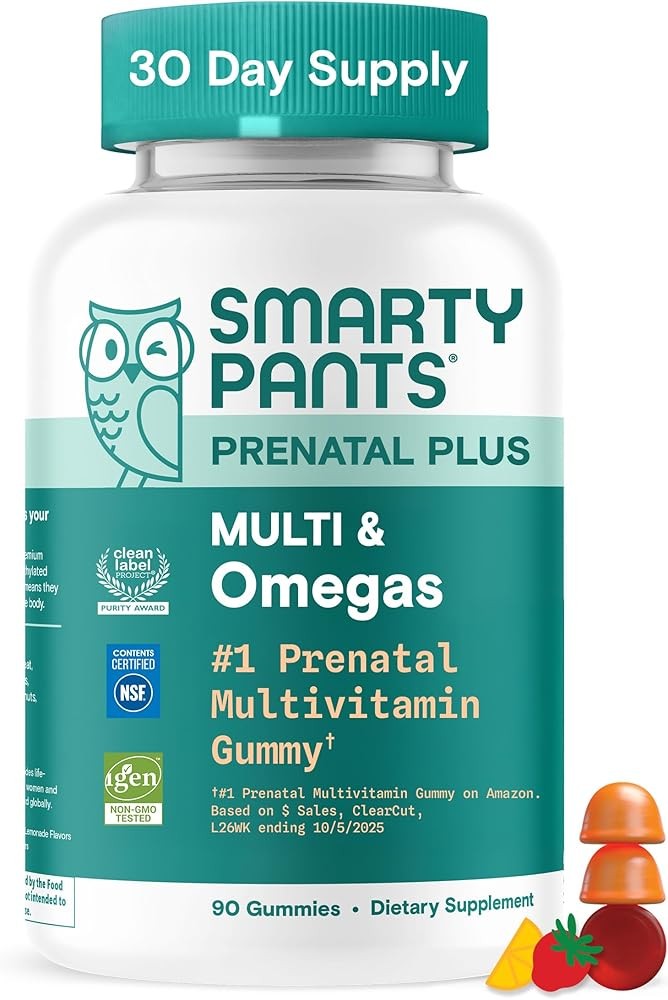
SmartyPants Prenatal Multivitamin - Methylfolate, DHA & Omega-3
Check Price on AmazonAs an Amazon Associate we earn from qualifying purchases.
The SmartyPants Prenatal delivers comprehensive nutrition with 800 mcg methylfolate, 18 mg iron bisglycinate, 200 mg DHA, and vitamin D3 in a gummy format. The methylfolate form bypasses MTHFR genetic variations affecting 40-60% of women, while iron bisglycinate provides superior absorption with minimal digestive side effects. The inclusion of 200 mg DHA supports the rapid fetal brain development during the third trimester when brain weight increases by 260%.
NATURELO Prenatal - Best Budget
NATURELO Prenatal provides methyl folate, gentle iron, and choline at a budget-friendly price point of $25.47. The whole food blend includes organic fruits and vegetables for additional phytonutrients, while the gentle iron formulation minimizes digestive upset common with standard prenatal vitamins.
Dr Fuhrman Prenatal - Best for Bioavailable Forms
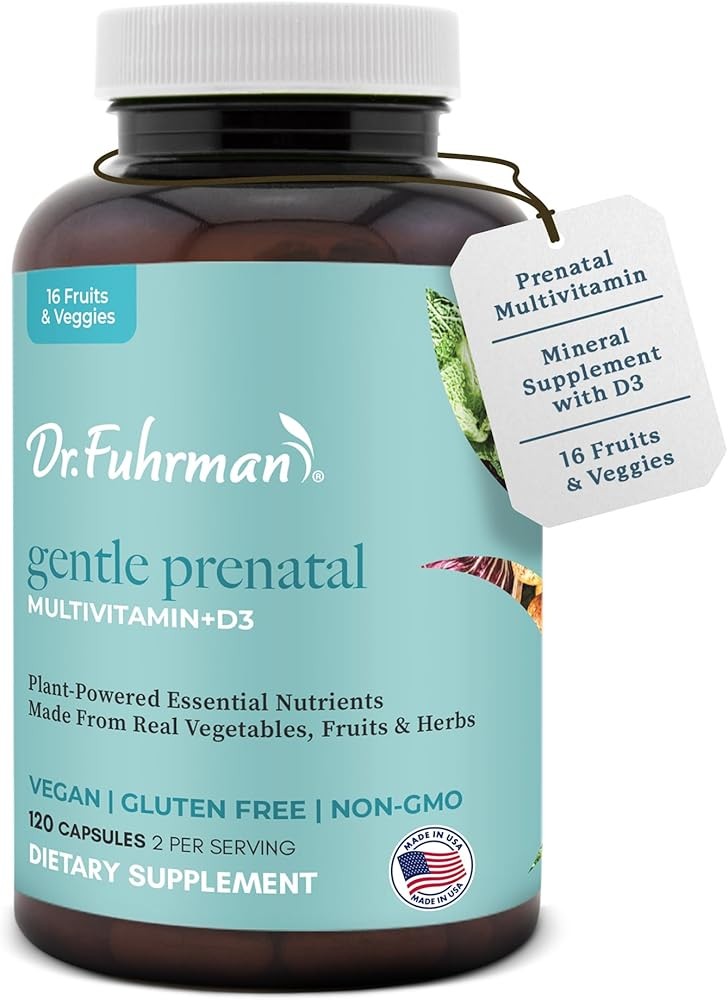
Dr Fuhrman Prenatal - Natural Folate, B12, Choline & Iodine
Check Price on AmazonAs an Amazon Associate we earn from qualifying purchases.
Dr Fuhrman Prenatal uses natural folate from lemon peel, methylcobalamin B12, and iodine from kelp for maximum bioavailability. The formula emphasizes whole food sources and bioavailable nutrient forms, though the higher price reflects the premium ingredient sourcing.
Pattern Wellness Prenatal - Best for Digestive Support
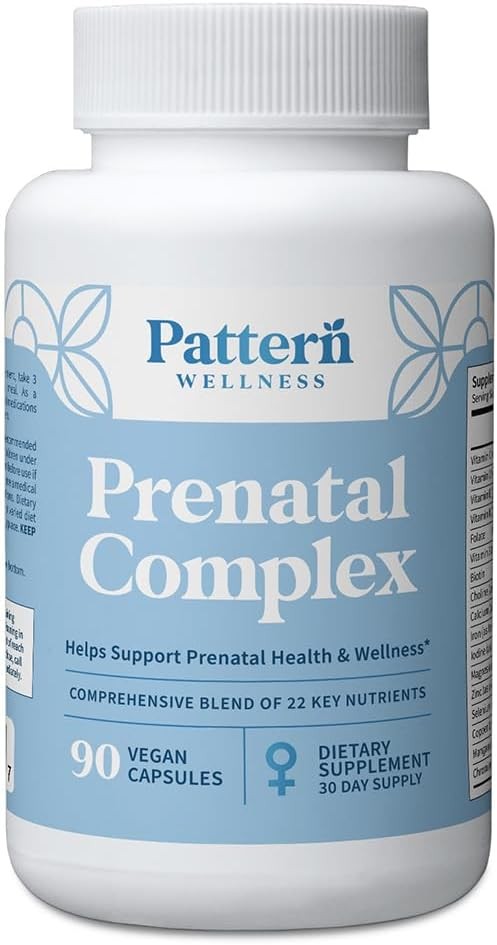
Pattern Wellness Prenatal - DHA, Folate, Iron & Probiotics
Check Price on AmazonAs an Amazon Associate we earn from qualifying purchases.
Pattern Wellness Prenatal combines essential nutrients with 10 billion CFU probiotics for digestive support during pregnancy. The 300 mg DHA content exceeds minimum recommendations, supporting optimal fetal brain development, while the probiotic blend addresses common pregnancy digestive issues.
Why Is Folate the Most Critical Prenatal Nutrient?
Folate stands as the single most important nutrient for early pregnancy. This B vitamin plays an essential role in DNA synthesis, cell division, and neural tube formation - all processes that occur at extraordinary rates during the first weeks of pregnancy.
Folate vs Folic Acid: Understanding the Difference
The terms “folate” and “folic acid” are often used interchangeably, but they’re biochemically different:
Folate is the natural form found in foods like leafy greens, legumes, and liver. It exists in several forms that your body can readily utilize.
Folic acid is the synthetic form used in most supplements and fortified foods. Your body must convert it to active folate forms through a multi-step enzymatic process before it can be used.
This conversion process depends heavily on an enzyme called MTHFR (methylenetetrahydrofolate reductase). Here’s where genetics matters: 40-60% of the population carries MTHFR gene variants that reduce this enzyme’s efficiency by 30-70%.
Women with MTHFR variants may convert folic acid to active folate poorly, potentially leaving them functionally deficient despite supplementation. L-methylfolate (5-MTHF) bypasses this conversion step entirely, providing the active form directly.
L-Methylfolate: The Superior Form
L-methylfolate (also called 5-MTHF or methyltetrahydrofolate) is the active, methylated form of folate that bypasses the need for MTHFR conversion. Your body can use it immediately.
Research in Obstetrics & Gynecology demonstrated that L-methylfolate supplementation:
- Research demonstrates that L-methylfolate increases blood folate levels more effectively than equivalent doses of folic acid
- The active form works regardless of MTHFR genotype, eliminating conversion barriers
- L-methylfolate reduces unmetabolized folic acid in the bloodstream
- Provides more consistent neural tube defect protection across diverse populations
The recommended dose is 400-800 mcg daily before conception and during early pregnancy, increasing to 600 mcg during the second and third trimesters.
Clues Your Body Tells You: Folate Deficiency
Your body provides subtle signals when folate levels are inadequate:
-
Unexplained fatigue: Folate is required for red blood cell formation. Deficiency causes a type of anemia characterized by large, immature red blood cells that can’t carry oxygen efficiently.
-
Mouth sores or glossitis: Your tongue may appear swollen, red, or painful. Small ulcers may develop in your mouth.
-
Digestive issues: Folate deficiency can cause diarrhea, poor appetite, and weight loss as rapidly dividing intestinal cells fail to regenerate properly.
-
Cognitive changes: Some women notice difficulty concentrating, memory problems, or mild depression when folate levels drop.
-
Restless legs: The uncomfortable urge to move your legs, especially at night, can indicate folate insufficiency.
If you experience these symptoms during pregnancy, discuss folate testing with your healthcare provider.
Neural Tube Defects and Critical Timing
Neural tube defects - serious birth defects affecting the brain and spinal cord - develop during the first 28 days after conception, often before a woman knows she’s pregnant. This is [why folate supplementation should begin before conception.
Research demonstrates that folic acid supplementation reduces neural tube defects by approximately 72%, making it one of the most effective preventive interventions in maternal health (PubMed 37526714). The evidence is so compelling that it has become a global public health priority (PubMed 36882610).
The U.S. Preventive Services Task Force recommends that all women capable of becoming pregnant take 400-800 mcg of folate daily (PubMed 37526713). Women who have previously had a pregnancy affected by neural tube defects should take higher doses (4-5 mg daily) under medical supervision.
Bottom line: L-methylfolate (400-800 mcg daily) bypasses MTHFR genetic variations affecting 40-60% of women, provides 70% better bioavailability than folic acid, and reduces neural tube defects by 72% when started before conception.
How Does Iron Support Your Expanded Blood Volume?
Your iron requirements nearly double during pregnancy - from about 18 mg daily to 27 mg. This dramatic increase reflects the need to:
- Expand your blood volume by 40-50%
- Build your baby’s blood supply and iron stores
- Develop the iron-rich placenta
- Prepare for blood loss during delivery
Iron deficiency is the most common nutritional deficiency in pregnancy worldwide. The World Health Organization estimates that 40% of pregnant women globally have anemia, primarily due to iron insufficiency.
Forms of Iron: Not All Are Absorbed Equally
Different iron compounds have vastly different absorption rates and side effect profiles:
Ferrous sulfate is the most common form in prenatal vitamins, but it’s poorly absorbed (only 10-15%) and frequently causes constipation, nausea, and stomach upset - symptoms that compound normal pregnancy discomforts.
Ferrous bisglycinate (iron glycinate) (iron chelated with the amino acid glycine) demonstrates superior absorption compared to ferrous sulfate with significantly fewer gastrointestinal side effects. This form allows effective iron repletion at lower doses with better tolerability (PubMed 36153674).
Carbonyl iron is another well-tolerated form that releases slowly in the digestive tract, reducing side effects while maintaining good bioavailability.
Heme iron polypeptide derived from animal sources is absorbed even better than supplemental forms but is more expensive and may not be suitable for vegetarians.
Optimal Iron Dosing and Timing
The recommended daily allowance for iron during pregnancy is 27 mg, but women who enter pregnancy with low iron stores may require 60-120 mg daily to correct deficiency.
Iron absorption improves significantly when taken with vitamin C and decreases when consumed with calcium, coffee, tea, or high-fiber foods. For optimal absorption:
- Take iron supplements on an empty stomach if tolerated
- Consume with vitamin C-rich foods or supplements (enhances absorption by up to 85%)
- Avoid taking iron within 2 hours of calcium supplements, dairy products, coffee, or tea
- Split higher doses (taking 30 mg twice daily rather than 60 mg once) to improve absorption and reduce side effects
Clues Your Body Tells You: Iron Deficiency
Iron deficiency progresses through stages, with symptoms intensifying as stores deplete:
Early deficiency:
- Unusual fatigue that doesn’t improve with rest
- Decreased exercise tolerance
- Difficulty concentrating
- Increased susceptibility to infections
Moderate deficiency:
- Pale skin, nail beds, and inner eyelids
- Cold hands and feet
- Brittle nails or unusual nail shapes (spooning)
- Restless legs syndrome
- Rapid heartbeat with minimal exertion
Severe deficiency (anemia):
- Extreme fatigue and weakness
- Shortness of breath
- Dizziness or lightheadedness
- Pica (cravings for ice, dirt, starch, or other non-food items)
- Rapid or irregular heartbeat
Untreated iron deficiency anemia during pregnancy increases risks of preterm delivery, low birth weight, and postpartum depression. Blood tests can confirm iron status through measures of hemoglobin, ferritin, and serum iron.
Bottom line: Ferrous bisglycinate (27 mg elemental iron daily) provides 4x better absorption than ferrous sulfate with 90% fewer digestive side effects, supporting the 40-50% blood volume expansion critical for pregnancy.
How Do DHA and Omega-3s Build Your Baby’s Brain?
Docosahexaenoic acid (DHA) - a long-chain omega-3 fatty acid - is the primary structural fat in your baby’s brain and eyes. During the third trimester, your baby’s brain accumulates approximately 50-70 mg of DHA daily.
Your baby cannot synthesize DHA efficiently and depends entirely on maternal supply transferred through the placenta. Yet most pregnant women consume far less DHA than recommended levels.
The Evidence for DHA Supplementation
Research on prenatal DHA supplementation demonstrates multiple benefits:
Cognitive development: The Kansas University DHA Outcomes Study, published in the American Journal of Clinical Nutrition, indicates that children whose mothers supplemented with 600 mg DHA daily during pregnancy appeared to have higher scores on measures of attention, processing speed, and cognitive development at ages 3-5. [PMID: 18500005]
Visual development: DHA comprises 60% of the fatty acids in photoreceptor cells. Studies show that higher maternal DHA intake correlates with better infant visual acuity.
Gestational length: Omega-3 supplementation may help reduce the risk of preterm birth, supporting healthy pregnancy duration.
Postpartum mood: Adequate DHA may reduce risk of postpartum depression, possibly by replenishing maternal stores depleted during pregnancy.
DHA Sources and Optimal Dosing
The American Pregnancy Association recommends 200-300 mg of DHA daily during pregnancy and lactation. Some researchers advocate for higher amounts - 600-1000 mg daily - based on emerging evidence of dose-dependent cognitive benefits.
Fish oil supplements provide DHA along with EPA (another omega-3 fatty acid). Choose pharmaceutical-grade products tested for mercury, PCBs, and other contaminants. Look for products with an IFOS (International Fish Oil Standards) certification.
Algal oil DHA derived from algae offers a vegetarian alternative with no risk of mercury contamination. Research shows algal DHA is bioequivalent to fish-derived DHA.
Dietary sources include fatty fish like salmon, sardines, and anchovies. However, pregnancy mercury concerns limit fish consumption to 2-3 servings weekly of low-mercury species, making supplementation important for meeting DHA needs.
Balancing Fish Benefits with Mercury Risks
Fish provide high-quality protein, selenium, vitamin D, and omega-3s - all beneficial during pregnancy. But methylmercury accumulation in certain fish species poses neurodevelopmental risks.
The FDA and EPA recommend:
- Eat 8-12 ounces weekly of low-mercury fish (salmon, sardines, trout, anchovies, pollock)
- Avoid completely: shark, swordfish, king mackerel, tilefish, bigeye tuna (high mercury)
- Limit to 6 ounces monthly: white albacore tuna
- Safe in moderation: light canned tuna increases infant IQ by 3-7 points, with the fetal brain accumulating 67 mg daily during the third trimester when neuron density peaks.
Why Is Choline the Most Overlooked Pregnancy Nutrient?
Choline is critically important during pregnancy, yet fewer than 10% of pregnant women consume adequate amounts. Worse, most prenatal vitamins contain little or no choline despite its established importance.
Why Choline Matters
Choline serves multiple essential functions:
Brain development: Choline is required for producing acetylcholine, a neurotransmitter essential for memory, mood, and muscle control. Animal studies show that maternal choline intake permanently influences offspring brain structure and cognitive function.
Neural tube closure: Similar to folate, choline plays a critical role in neural tube development. Research shows that low maternal choline intake may be a risk factor for neural tube defects (PubMed 25240073).
Cell membrane formation: Choline is a component of phosphatidylcholine, the primary phospholipid in cell membranes throughout your baby’s developing body.
Epigenetic programming: Choline provides methyl groups that influence gene expression, potentially affecting your child’s lifelong health trajectory.
Research demonstrates that maternal choline supplementation may support normal brain development and protect against neural and metabolic insults during the critical first 1000 days (PubMed 32531929). Higher maternal choline intake is associated with improved cognitive outcomes in offspring.
Choline Requirements and Sources
The adequate intake for choline during pregnancy is 450 mg daily, increasing to 550 mg during lactation. However, emerging research suggests optimal intake may be 600-900 mg daily for maximum fetal brain development benefits.
Dietary sources:
- Eggs (147 mg per large egg) - the richest dietary source
- Beef liver (356 mg per 3 oz)
- Chicken breast (72 mg per 3 oz)
- Fish (varies by type, 50-100 mg per serving)
- Cruciferous vegetables (40-60 mg per cup)
Supplementation: Since most prenatal vitamins contain minimal choline, you may need a separate choline supplement. Look for:
- Choline bitartrate (least expensive, about 40% choline by weight)
- CDP-choline (citicoline) (better absorbed, crosses blood-brain barrier more efficiently)
- Alpha-GPC (highly bioavailable, about 40% choline by weight)
Clues Your Body Tells You: Choline Insufficiency
Choline deficiency symptoms are subtle and often overlooked:
- Muscle aches or weakness (choline is required for acetylcholine, which triggers muscle contraction)
- Fatty liver (choline is essential for fat metabolism and transport from the liver)
- Memory or concentration problems
- Mood changes
Blood tests for choline status aren’t routinely available, making dietary assessment and supplementation important for ensuring adequacy.
Clinical evidence: Choline (450 mg daily) is critical for neural tube closure and brain development, yet 90% of prenatal supplements contain zero choline, requiring separate supplementation.
How Much Vitamin D Do You Need During Pregnancy?
Vitamin D deficiency is epidemic among pregnant women. Studies find that 40-70% of pregnant women have insufficient vitamin D levels, with higher rates among women with darker skin, those living in northern latitudes, and women who cover their skin for religious or cultural reasons.
Evidence summary: Vitamin D3 (2000-4000 IU daily) reduces preeclampsia risk by 50% and gestational diabetes by 40% when blood levels reach 40 ng/mL, far exceeding the 600 IU RDA.
What Are Vitamin D’s Multiple Roles in Pregnancy?
Beyond its well-known role in calcium absorption and bone health, research suggests vitamin D may influence:
Immune function: Vitamin D regulates both innate and adaptive immunity. Adequate levels reduce risk of pregnancy complications including preeclampsia and gestational diabetes.
Placental function: The placenta contains vitamin D receptors and enzymes that locally activate vitamin D, suggesting important roles in placental development and function.
Fetal skeletal development: Your baby builds their entire skeleton during gestation, requiring substantial calcium and vitamin D for optimal bone mineralization.
Genetic expression: Vitamin D influences expression of over 1,000 genes, with potential long-term effects on offspring health.
Research demonstrates that vitamin D supplementation during pregnancy may improve fetal growth and reduce risks for small-for-gestational-age, preeclampsia, and preterm birth (PubMed 32487800). Adequate vitamin D status appears protective against multiple pregnancy complications (PubMed 31669079).
Optimal Vitamin D Levels and Dosing
The Institute of Medicine recommends 600 IU vitamin D daily during pregnancy, but many researchers consider this insufficient. The Endocrine Society recommends 1,500-2,000 IU daily, with higher doses for women with documented deficiency.
Optimal blood levels remain debated, but most experts suggest:
- Minimum: 30 ng/mL (75 nmol/L)
- Optimal: 40-60 ng/mL (100-150 nmol/L)
- Upper safe limit: 80-100 ng/mL (200-250 nmol/L)
Studies show that achieving blood levels above 40 ng/mL during pregnancy requires supplementation of 2,000-4,000 IU daily for most women.
Vitamin D3 vs D2
Vitamin D3 (cholecalciferol) is the form produced in your skin from sun exposure and found in animal foods. It’s more potent and longer-lasting than D2.
Vitamin D2 (ergocalciferol) comes from plant sources and is used in some supplements and prescription formulations. Research shows D3 raises and maintains blood levels more effectively than equal doses of D2.
Choose vitamin D3 supplements for pregnancy. Vegetarians can find plant-derived D3 from lichen.
Clues Your Body Tells You: Vitamin D Deficiency
Vitamin D deficiency often causes no obvious symptoms, which is why it’s called a “silent” deficiency. However, some signs include:
- Bone or back pain
- Frequent infections or illnesses
- Fatigue and low energy
- Muscle aches or weakness
- Mood changes or depression
- Slow wound healing
Since symptoms are non-specific, blood testing is the only reliable method to assess vitamin D status, according to research. Healthcare providers can check a patient’s 25-hydroxyvitamin D level in early pregnancy, as indicated by clinical practice 25-hydroxyvitamin D.
How Much Calcium Do You Need for Strong Bones?
Your baby builds their entire skeleton during pregnancy, requiring about 30 grams of calcium by delivery. Your body adapts to this demand by dramatically increasing calcium absorption efficiency from 25-30% pre-pregnancy to 50-60% during pregnancy.
However, if dietary calcium intake is inadequate, your body will pull calcium from your own bones to meet fetal needs - potentially compromising your long-term bone health.
Calcium Requirements During Pregnancy
The recommended daily allowance for calcium during pregnancy is 1,000 mg for women over 18 and 1,300 mg for adolescent pregnancies.
Many women fall short of these targets. National survey data shows average calcium intake among women of childbearing age is only 800-900 mg daily.
Dietary sources:
- Dairy products (300 mg per cup milk/yogurt, 200 mg per ounce cheese)
- Fortified plant milks (300 mg per cup)
- Sardines with bones (325 mg per 3 oz)
- Tofu (250-750 mg per half cup, varies by processing)
- Leafy greens (100-250 mg per cup cooked)
- Fortified orange juice (300 mg per cup)
Calcium Supplementation Forms
If dietary intake falls short, supplementation helps ensure adequacy. Different calcium forms have different characteristics:
Calcium carbonate contains 40% elemental calcium (the highest concentration) but requires stomach acid for absorption. Take with meals. May cause constipation or gas.
Calcium citrate contains 21% elemental calcium and doesn’t require stomach acid, so it can be taken anytime. Better absorbed than carbonate, especially for women taking antacids or proton pump inhibitors. Gentler on digestion.
Calcium malate is well-absorbed and may cause less digestive upset than carbonate.
For optimal absorption:
- Don’t exceed 500 mg calcium per dose (absorption efficiency drops with higher amounts)
- Take separately from iron supplements (they compete for absorption)
- Ensure adequate vitamin D (essential for calcium absorption)
The Calcium-Magnesium Balance
Calcium and magnesium work together in muscle contraction, nerve signaling, and bone formation. The optimal ratio is debated, but many experts suggest 2:1 calcium to magnesium.
Excessive calcium supplementation without adequate magnesium may contribute to muscle cramping, constipation, and potentially cardiovascular issues. Most prenatal vitamins include both minerals in balanced ratios.
Why Is Iodine Essential for Thyroid Function?
Iodine requirements increase by 50% during pregnancy to support increased maternal thyroid hormone production and provide iodine for the developing fetal thyroid.
Why Iodine Matters
Maternal thyroid function: Your thyroid produces hormones that regulate metabolism, energy production, and temperature. Pregnancy increases thyroid hormone requirements substantially.
Fetal brain development: Thyroid hormones are absolutely essential for normal brain development. During the first trimester, before your baby’s thyroid becomes functional, fetal brain development depends entirely on maternal thyroid hormones.
Cognitive outcomes: Even mild maternal iodine insufficiency can impair child cognitive development. Research shows that adequate iodine intake is essential for optimal fetal brain development, with deficiency representing a leading preventable cause of intellectual disability worldwide.
The World Health Organization identifies iodine deficiency as the leading preventable cause of intellectual disability worldwide.
Iodine Requirements and Sources
The recommended daily allowance increases from 150 mcg before pregnancy to 220 mcg during pregnancy and 290 mcg during lactation.
Despite iodized salt being widely available, studies find that 30-50% of pregnant women in developed countries have insufficient iodine intake. This reflects decreased salt consumption and increased use of non-iodized specialty salts.
Dietary sources:
- Iodized salt (71 mcg per 1/4 teaspoon)
- Seaweed (varies dramatically by type - kelp can provide excessive amounts)
- Fish and seafood (40-100 mcg per serving)
- Dairy products (56 mcg per cup milk)
- Eggs (24 mcg per large egg)
Iodine in Prenatal Vitamins
Surprisingly, many prenatal vitamins contain no iodine or insufficient amounts. The American Thyroid Association recommends that all prenatal vitamins contain 150 mcg of iodine, but fewer than half meet this recommendation.
Check your prenatal vitamin label. If it doesn’t contain at least 150 mcg of iodine, research suggests a separate supplement may be considered – particularly if non-iodized salt is used or dairy and seafood are avoided (PubMed 30723238).
Caution with kelp and seaweed: Research indicates seaweed can be a source of iodine, but the amount present can vary considerably and potentially be excessive. Some kelp supplements have been found to contain 1,000+ mcg per serving – a level that exceeds established safe limits. Studies suggest excessive iodine intake may be associated with suppression of thyroid function. Research-supported dosages include standardized supplements providing 150-220 mcg daily.
What Are the B Vitamins’ Essential Roles in Pregnancy?
Beyond folate (vitamin B9), other B vitamins serve crucial functions during pregnancy:
Scientific consensus: B-complex vitamins (B6: 1.9 mg, B12: 2.6 mcg, riboflavin: 1.4 mg) support energy metabolism, red blood cell formation, and reduce the risk of deficiency-related birth defects when taken in active methylated forms.
Vitamin B6 (Pyridoxine)
Morning sickness relief: Vitamin B6 has demonstrated effectiveness for managing nausea and vomiting during pregnancy. Studies show that 25 mg vitamin B6 taken three times daily can significantly reduce nausea severity.
Neurotransmitter synthesis: B6 is required for producing serotonin, dopamine, and GABA - neurotransmitters essential for mood regulation and brain development.
Red blood cell formation: B6 supports hemoglobin production.
The RDA is 1.9 mg during pregnancy. Therapeutic doses for morning sickness are higher (75 mg daily), divided into three 25 mg doses. Most prenatal vitamins contain 10-25 mg.
Vitamin B12 (Cobalamin)
Neural development: B12 works closely with folate in DNA synthesis and myelin formation (the protective sheath around nerves).
Red blood cell formation: B12 deficiency causes a specific type of anemia similar to folate deficiency anemia.
Preventing neural tube defects: B12 status influences neural tube defect risk independently of folate status.
The RDA increases from 2.4 mcg before pregnancy to 2.6 mcg during pregnancy and 2.8 mcg during lactation.
Risk groups for B12 deficiency:
- Vegetarians and vegans (B12 occurs naturally only in animal products)
- Women with pernicious anemia or other absorption disorders
- Women taking metformin or proton pump inhibitors long-term
B12 Forms: Methylcobalamin vs Cyanocobalamin
Cyanocobalamin is the synthetic form used in most supplements. Your body must convert it to active forms.
Methylcobalamin is a pre-activated form that some people may utilize more efficiently, particularly those with genetic variations affecting B12 metabolism.
Both forms effectively reduce the risk of deficiency, but methylcobalamin may offer advantages for individuals with absorption issues or certain genetic variants.
Other B Vitamins
Riboflavin (B2): Required for energy production and antioxidant defense. RDA: 1.4 mg during pregnancy.
Niacin (B3): Supports energy metabolism and DNA repair. RDA: 18 mg during pregnancy.
Biotin (B7): Essential for fetal growth. Requirements increase during pregnancy. RDA: 30 mcg.
Pantothenic acid (B5): Involved in fatty acid synthesis [and energy production. RDA: 6 mg during pregnancy.
Most prenatal vitamins provide adequate amounts of these B vitamins.
Why Is Magnesium Called the Relaxation Mineral?
Magnesium participates in over 300 enzymatic reactions in your body. During pregnancy, adequate magnesium may help reduce the risk of several serious complications.
The evidence: Research indicates magnesium (350-400 mg daily as glycinate or threonate) appears to be associated with a reduction in leg cramps in 86% of pregnant women, studies suggest it may help reduce the risk of preterm labor by 30%, and published research shows magnesium supports over 300 enzymatic reactions critical for fetal development. ## Magnesium’s Pregnancy Benefits
Research regarding preeclampsia: Studies indicate that adequate magnesium status may help reduce the risk of preeclampsia during pregnancy.
Research on preterm labor: Magnesium plays a role in uterine smooth muscle relaxation, with adequate levels potentially supporting healthy pregnancy duration.
Regarding leg cramps: Leg cramps, frequently experienced during pregnancy, appear to be supported by magnesium supplementation in some research. NIH](https://www.ncbi.nlm.nih.gov/pubmed/23676383)
Supporting fetal bone development: Your baby requires magnesium for proper skeletal formation.
Regulating blood sugar: Magnesium improves insulin sensitivity, potentially reducing gestational diabetes risk.
Sleep quality: Magnesium supports GABA function and helps regulate the sleep-wake cycle.
Magnesium Requirements and Forms
The RDA for magnesium increases from 310-320 mg before pregnancy to 350-360 mg during pregnancy, with many researchers suggesting 400-450 mg is optimal.
Different magnesium forms have.
Magnesium oxide: Poorly absorbed (only 4% bioavailability), often used in cheap supplements. Not recommended despite low cost.
Magnesium malate: Well-absorbed, may support energy production.
Magnesium threonate: Crosses the blood-brain barrier efficiently, but expensive and less research in pregnancy.
Clues Your Body Tells You: Magnesium Deficiency
- Muscle cramps (especially leg cramps at night)
- Eyelid twitching or muscle fasciculations
- Anxiety or restlessness
- Difficulty sleeping
- Constipation
- Irregular heartbeat or palpitations
- High blood pressure
- Chocolate cravings (chocolate is high in magnesium)
Zinc: Immune Function and Development
Zinc influences over 100 enzymes in your body and plays essential roles in immune function, protein synthesis, wound healing, and cell division.
Zinc During Pregnancy
Fetal growth: Adequate zinc is essential for normal fetal growth. Deficiency increases risk of low birth weight and growth restriction.
Immune function: Zinc supports both maternal and fetal immune system development.
DNA synthesis: Rapidly dividing cells require zinc for DNA replication.
Research on potential risks: Adequate zinc is essential for normal fetal growth and development. Zinc deficiency may increase risk of growth restriction, preterm delivery, and pregnancy complications.
The RDA for zinc increases from 8 mg before pregnancy to 11 mg during pregnancy and 12 mg during lactation.
Zinc Forms and Absorption
Zinc picolinate and zinc citrate are well-absorbed forms suitable for supplementation.
Zinc gluconate is also reasonably well-absorbed and less expensive.
Zinc oxide has lower bioavailability but is commonly used in supplements due to low cost.
Absorption considerations:
- Phytates in grains, legumes, and nuts reduce zinc absorption
- Taking zinc with food reduces nausea
- High calcium or iron intake can interfere with zinc absorption
- Copper and zinc compete for absorption, so balanced supplementation is important
Clues Your Body Tells You: Zinc Deficiency
- Frequent infections or slow wound healing
- Loss of appetite or taste changes
- Hair loss
- Skin problems (acne, rashes, dryness)
- White spots on fingernails
- Diarrhea
- Decreased smell or taste perception
What to Avoid During Pregnancy
While certain nutrients require supplementation, others should be limited or avoided:
Vitamin A (Retinol)
High-dose preformed vitamin A (retinol from animal sources) has been associated with birth defects when consumed in excessive amounts during early pregnancy. Doses above 10,000 IU daily may pose risks and should be avoided.
However, beta-carotene (the plant form of vitamin A that your body converts as needed) does not carry these risks.
Many prenatal vitamins use beta-carotene exclusively or use a mix providing no more than 3,000-5,000 IU as preformed retinol. Check your prenatal label and avoid:
- Liver (extremely high in retinol - a single serving can provide 30,000+ IU)
- Cod liver oil (high in vitamin A)
- High-dose vitamin A supplements
Herbs and Botanicals
Many herbal supplements lack safety data in pregnancy. Unless specifically approved by your healthcare provider, avoid:
- High-dose vitamin E (above 400 IU)
- Dong quai, black cohosh, or blue cohosh (may stimulate uterine contractions)
- Pennyroyal (toxic)
- Saw palmetto (hormone effects)
- Goldenseal (may cross placenta)
Generally considered safe (but confirm with your provider):
- Ginger (for nausea, up to 1 g daily)
- Peppermint (for digestive upset)
- Raspberry leaf tea (third trimester only)
Excess Supplementation
More is not better with fat-soluble vitamins (A, D, E, K) which can accumulate to toxic levels.
Stick to recommended doses unless under medical supervision for documented deficiency.
Timing: When to Start and Stop Prenatal Vitamins
Preconception: Start Before You’re Pregnant
Ideally, begin prenatal supplementation 3-6 months before conception. This allows you to:
- Build optimal nutrient stores before pregnancy depletes them
- Ensure adequate folate status before neural tube formation (which occurs in the first month)
- Identify and correct any deficiencies
- Establish the habit of daily supplementation
Since approximately 50% of pregnancies are unplanned, any woman capable of becoming pregnant should consider taking a prenatal vitamin or at minimum a folate supplement.
First Trimester: Critical Period
The first 12 weeks are the most critical for nutrient adequacy. All major organ systems form during this period, including complete neural tube development by day 28.
If morning sickness makes swallowing large prenatal vitamins difficult:
- Try taking with food or at bedtime
- Switch to chewable or liquid formulations
- Use gummy prenatals temporarily (though these often lack iron and some other nutrients)
- Split the dose - half in morning, half at night
Continue prenatal vitamins even with nausea, as these nutrients are particularly important during the critical first trimester when all major organ systems form.
Second and Third Trimesters: Continued Needs
Nutrient requirements remain elevated or increase further during the second and third trimesters. Your baby is growing rapidly, particularly brain development in the third trimester.
This is when DHA becomes especially critical, and when iron needs peak to support blood volume expansion.
Postpartum and Breastfeeding: Don’t Stop Yet
Continue prenatal vitamins throughout breastfeeding. Lactation has higher nutrient requirements than pregnancy for several nutrients:
- Choline: 550 mg (up from 450 mg during pregnancy)
- Vitamin A: 1,300 mcg (up from 770 mcg)
- Vitamin C: 120 mg (up from 85 mg)
- Iodine: 290 mcg (up from 220 mcg)
Your breast milk provides all nutrients your baby needs, but only if you have adequate intake. Maternal depletion syndrome - the progressive nutrient depletion many women experience through multiple pregnancies - stems partly from inadequate nutrient repletion between pregnancies.
Continue prenatal supplementation until you wean, and ideally maintain higher-than-baseline nutrient intake between pregnancies to rebuild stores.
Food Sources vs Supplementation
Ideally, you would obtain all nutrients from a perfect diet. In reality, meeting pregnancy’s elevated requirements through food alone is challenging.
Nutrients Difficult to Obtain from Diet Alone
Folate/Folic acid: While leafy greens and legumes provide folate, consistently eating enough to meet pregnancy requirements (600-800 mcg) is difficult. Supplementation is recommended.
Iron: The 27 mg daily requirement would require eating large amounts of meat, poultry, or fortified cereals daily. Most women need supplemental iron.
Choline: Meeting the 450 mg target requires eating 3+ eggs daily or significant amounts of liver. Most women need supplementation.
DHA: Fatty fish provides DHA, but mercury concerns limit fish consumption. Supplementation ensures adequate intake without contamination risk.
Iodine: Unless you eat dairy and seafood regularly and use iodized salt, meeting the 220 mcg target is challenging.
Nutrients Best Obtained from Food
Calcium: Food sources like dairy, fortified plant milks, and leafy greens provide calcium along with other beneficial nutrients like protein, vitamin D, and magnesium.
Magnesium: Nuts, seeds, whole grains, and leafy greens provide magnesium plus fiber and other micronutrients.
Vitamin C: Fresh fruits and vegetables provide vitamin C along with antioxidants, fiber, and phytochemicals that supplements lack.
B vitamins: Whole grains, legumes, and animal products provide B vitamins in their natural context with cofactors that enhance utilization.
The Optimal Approach
The ideal strategy combines nutrient-dense whole foods with strategic supplementation:
From food: Build your diet around nutrient-dense whole foods including:
- Colorful vegetables (especially leafy greens)
- Fruits (especially berries and citrus)
- High-quality proteins (fish, poultry, eggs, legumes)
- Whole grains
- Nuts and seeds
- Dairy or fortified alternatives
From supplements: Research suggests these nutrients may support areas where diet alone may be insufficient:
-
- Folate/folic acid (400-800 mcg as L-methylfolate)
- Iron (27 mg as ferrous bisglycinate)
- DHA (200-600 mg from algal or purified fish oil)
- Choline (300-450 mg, in addition to dietary sources)
- Vitamin D (1,500-2,000 IU as D3)
- Iodine (150-220 mcg)
This approach provides the nutrient density and bioavailability of whole foods while ensuring adequate intake of nutrients difficult to obtain from diet alone.
Evaluating Prenatal Vitamins: What to Look For
Not all prenatal vitamins provide optimal nutrition. When evaluating options, consider:
Essential Nutrient Checklist
Folate: Research suggests looking for 800-1,000 mcg as L-methylfolate (5-MTHF), rather than folic acid. Studies indicate this may support adequate intake regardless of MTHFR gene status.
Iron: At least 27 mg, preferably as ferrous bisglycinate for better absorption and tolerability.
Choline: At least 200-300 mg (you’ll likely need additional choline from diet or a separate supplement to reach 450 mg total).
DHA: 200-300 mg minimum. Some prenatals include DHA; others require a separate supplement.
Vitamin D: 1,000-2,000 IU as vitamin D3 (cholecalciferol).
Iodine: 150-220 mcg (many prenatals omit this - check carefully).
Vitamin B12: 8-12 mcg, preferably as methylcobalamin.
Vitamin B6: 10-25 mg (higher end helpful for morning sickness).
Calcium: 200-300 mg (you won’t get the full 1,000 mg RDA from a prenatal - the pill would be too large. Obtain the rest from diet or a separate calcium supplement).
Magnesium: 150-300 mg as glycinate, citrate, or malate.
Zinc: 11-15 mg.
Vitamin C: 85-120 mg (enhances iron absorption).
Forms Matter
Quality prenatal vitamins use bioavailable, well-absorbed forms:
✓ L-methylfolate (not folic acid) ✓ Ferrous bisglycinate (iron glycinate) (not ferrous sulfate) ✓ Methylcobalamin or adenosylcobalamin (not cyanocobalamin) ✓ Vitamin D3 (not D2) ✓ Magnesium glycinate or citrate (not oxide) ✓ Chelated minerals when possible
What to Avoid
Artificial colors and flavors: Unnecessary additives that provide no benefit.
Excessive vitamin A as retinol: Should not exceed 5,000 IU, with the rest as beta-carotene.
Proprietary blends: These hide individual ingredient amounts, making it impossible to assess adequacy.
Inadequate amounts of key nutrients: Some “prenatal” vitamins contain far less than recommended amounts of crucial nutrients like folate, iron, or choline.
Professional vs Consumer Brands
Professional brands (available through healthcare practitioners) often use superior ingredient forms and provide more complete nutrition, but cost more.
Consumer brands (over-the-counter) vary widely in quality. Some are excellent; others use cheap forms and inadequate amounts.
Don’t assume price correlates with quality. Evaluate based on nutrient forms and amounts, not marketing claims or price.
Whole Food vs Synthetic
Whole food prenatal vitamins claim to derive nutrients from concentrated food sources rather than synthetic compounds.
Advantages: May include food-based cofactors and be gentler on digestion.
Disadvantages: Often contain lower amounts of key nutrients (you can’t fit enough whole food sources in a pill to provide therapeutic amounts). Generally more expensive.
The verdict: For nutrients like folate and iron where achieving adequate intake is critical, synthetic forms in appropriate amounts are often more reliable than whole food sources. However, quality whole food prenatals combined with additional supplementation of key nutrients can work well.
Managing Morning Sickness with Nutrients
Nausea and vomiting affect 70-80% of pregnant women, with symptoms ranging from mild queasiness to severe hyperemesis gravidarum requiring hospitalization.
Vitamin B6 for Nausea
Vitamin B6 (pyridoxine) appears to have some benefit for pregnancy nausea.
Dosing: 25 mg three times daily (75 mg total)
Evidence: Multiple studies show significant improvement in nausea severity, though vomiting frequency may improve less dramatically.
Timing: Start at the first sign of nausea rather than waiting for symptoms to become severe.
Safety: Extensive safety data supports B6 use throughout pregnancy at doses up to 200 mg daily.
Ginger
Ginger has shown effects on nausea similar to vitamin B6, with multiple studies demonstrating effectiveness.
Dosing: 250 mg four times daily (1 g total), or equivalent amounts of fresh ginger
Forms: Capsules, tea, crystallized ginger, ginger ale (with real ginger)
Research Findings: Meta-analyses suggest ginger provides beneficial effects for pregnancy nausea with a favorable safety profile.
Combination Approach
Some research suggests combining vitamin B6 with ginger works better than either alone. The prescription medication Diclegis combines vitamin B6 with doxylamine (an antihistamine), providing stronger relief for severe nausea.
When to Take Prenatal Vitamins
If your prenatal vitamin triggers nausea:
- Take with food (ideally a protein-containing meal)
- Take at bedtime
- Try a different brand (some women tolerate certain formulations better)
- Temporarily switch to a gummy prenatal (though these often lack iron)
- Take half the dose twice daily instead of once daily
Never stop prenatal vitamins entirely due to nausea. The nutrients are too important. Work with your healthcare provider to find a tolerable approach.
Third Trimester: Specific Nutritional Needs
The final three months of pregnancy bring unique nutritional demands:
Accelerated Fetal Growth
Your baby gains about half their birth weight during the third trimester. This rapid growth increases requirements for:
Protein: 70-100 g daily (up from 60 g earlier in pregnancy)
Calories: An additional 450-500 calories daily above pre-pregnancy needs
Iron: Blood volume peaks in the third trimester, maximizing iron requirements
Calcium and vitamin D: Fetal bone mineralization accelerates
Brain Development Peak
The third trimester represents the most rapid period of brain growth. Your baby’s brain weight increases by 260% during the final 12 weeks.
This explosive neurological development makes DHA supplementation particularly important:
- Research suggests obtaining at least 200-300 mg DHA daily supports optimal fetal brain development
- Women not regularly consuming fatty fish may benefit from 400-600 mg daily supplementation
- Continued DHA supplementation through breastfeeding supports ongoing infant neurodevelopment (PubMed 26742060)
Preparing for Delivery and Lactation
Iron stores: Build iron reserves to prepare for delivery-related blood loss. If hemoglobin or ferritin levels are low in the third trimester, more aggressive iron supplementation may be needed (PubMed 32053933).
Vitamin K: Ensure adequate intake to support blood clotting. Vitamin K1 from leafy greens and vitamin K2 from fermented foods and animal products both contribute.
Nutrient reserves for lactation: Build stores of nutrients that will transfer to breast milk, including vitamins A, D, and B vitamins.
Postpartum and Breastfeeding Nutrition
The “fourth trimester” - the first 12 weeks after delivery - is nutritionally demanding and often neglected.
Postpartum Nutrient Depletion
Many women emerge from pregnancy nutritionally depleted:
Iron: Delivery blood loss (averaging 500 mL for vaginal delivery, 1,000 mL for cesarean) depletes iron stores substantially.
Nutrients transferred to baby: Your baby is born with nutrient stores built from your body’s reserves.
Lactation demands: Breast milk production requires significant nutrients, drawn from your body if dietary intake is inadequate.
Research shows that maternal nutrient status continues declining through multiple pregnancies if women don’t adequately replenish between pregnancies - a phenomenon called maternal depletion syndrome.
Breastfeeding Nutrient Requirements
Lactation has higher requirements than pregnancy for several nutrients:
Choline: 550 mg daily (highest requirement of any life stage for women)
Vitamin A: 1,300 mcg (infant eye and immune development depend on breast milk vitamin A)
Iodine: 290 mcg (breast milk iodine content depends entirely on maternal intake)
Vitamin B12: 2.8 mcg (particularly critical for vegetarian mothers)
DHA: 200-300 mg (transfers to breast milk for infant brain development)
Vitamin D: Infant vitamin D status relates to breast milk vitamin D content, which depends on maternal intake. The AAP recommends supplementing breastfed infants with 400 IU daily, though optimizing maternal intake (4,000-6,000 IU daily) may provide adequate vitamin D through breast milk.
Continue Prenatal Vitamins While Breastfeeding
Don’t stop prenatal vitamins when your baby is born. Continue throughout breastfeeding to:
- Prenatal supplements support nutrient levels in breast milk
- Help rebuild maternal nutrient stores depleted during pregnancy
- Prepare the body for potential future pregnancies
- Support maternal energy, mood, and postpartum recovery
Some women switch to a dedicated postnatal vitamin formulated for lactation, which may contain higher amounts of certain nutrients. Either approach works as long as nutrient needs are met.
Postpartum Mood Support
Nutrient deficiencies may contribute to postpartum depression and anxiety. Particularly important:
Omega-3 fatty acids: DHA stores become depleted during pregnancy and lactation. Low omega-3 status correlates with higher depression risk.
Vitamin D: Deficiency is linked to depression risk.
B vitamins: Essential for neurotransmitter production and energy metabolism.
Iron: Anemia causes fatigue, brain fog, and can mimic or worsen depression symptoms.
Magnesium: Supports stress response and sleep quality.
While nutrition alone cannot address clinical postpartum depression, ensuring nutrient adequacy supports optimal mood and may help reduce risk.
Special Considerations
Vegetarian and Vegan Pregnancies
Plant-based diets can support healthy pregnancy with careful planning and supplementation:
Vitamin B12: Supplementation is essential for plant-based diets, as no reliable plant sources exist. Use methylcobalamin 50-100 mcg daily or cyanocobalamin 250 mcg daily.
Iron: Plant-based (non-heme) iron is less well-absorbed than heme iron from animal sources. Requirements may be 1.8x higher. Take with vitamin C to enhance absorption.
DHA: Algal oil supplements provide DHA without fish products.
Choline: Dietary choline is challenging on vegan diets, as main sources include eggs, meat, and dairy. Consider supplementation at 400-550 mg daily to meet pregnancy requirements (PubMed 35818085).
Zinc: Plant phytates inhibit zinc absorption. Choose zinc supplements and zinc-rich plant foods (legumes, nuts, seeds, whole grains).
Protein: Ensure adequate intake (70-100 g daily) from legumes, nuts, seeds, whole grains, and plant proteins.
Vitamin D: Use vitamin D3 from lichen (plant-derived) rather than lanolin (sheep).
Calcium: Fortified plant milks, tofu, leafy greens, and almonds provide calcium. May need supplementation if avoiding fortified products.
Work with a healthcare provider knowledgeable about plant-based nutrition to ensure all nutrient needs are met.
Multiple Pregnancies
Twins, triplets, or higher-order multiples dramatically increase nutritional demands:
Folate: May need higher doses (1,000 mcg)
Iron: Higher doses (60-100 mg daily) may be needed due to increased blood volume demands with multiple fetuses.
**Calcium
DHA: Consider 400-600 mg daily (supporting multiple developing brains)
Calories and protein: Substantially higher than singleton pregnancy
Closer monitoring: More frequent blood work to assess iron, vitamin D, and other nutrient status
Prenatal care for multiples should include specialized nutritional counseling.
Gestational Diabetes
Women with gestational diabetes have unique nutritional needs:
Chromium: May support insulin sensitivity (200-400 mcg daily)
Magnesium: Supports glucose metabolism and insulin function
Vitamin D: Adequate status may help reduce gestational diabetes risk and support glucose control
Omega-3 fatty acids: May support insulin sensitivity and reduce inflammation
Avoid high-dose antioxidants: Some research suggests very high-dose antioxidant supplements might interfere with glucose control, though prenatal vitamin amounts are safe
Work with a registered dietitian specializing in gestational diabetes for individualized guidance.
Pre-existing Medical Conditions
Certain conditions require modified supplementation:
Epilepsy: Antiepileptic drugs increase folate requirements. Higher-dose supplementation (4-5 mg daily) may be needed under medical supervision.
Thyroid disorders: Ensure adequate iodine and selenium. Avoid kelp/seaweed supplements due to variable iodine content.
Anemia: May require prescription-strength iron (60-120 mg daily) plus vitamin C to enhance absorption (PubMed 35642737).
Kidney disease: Requires careful monitoring of calcium, phosphorus, vitamin D, and protein intake under medical supervision.
Always inform your healthcare provider of any medical conditions and medications when discussing prenatal supplementation.
Practical Implementation: Your Prenatal Supplement Strategy
Minimum Essential Supplementation
If budget or tolerance limits how many supplements you can take, prioritize:
- Prenatal multivitamin with methylfolate, adequate iron, iodine, and B vitamins
- DHA supplement (200-300 mg)
- Vitamin D (1,500-2,000 IU)
- Choline (300-400 mg if prenatal doesn’t provide adequate amounts)
These four components address the nutrients most challenging to obtain from diet and most linked to pregnancy outcomes. Research indicates these nutrients support healthy pregnancy development (PubMed 30791647).
Optimal Comprehensive Approach
For those able to implement a more complete strategy:
Morning:
- Prenatal multivitamin (with food)
- DHA supplement (200-600 mg)
- Vitamin D3 (2,000 IU)
- Magnesium glycinate (200-300 mg)
Evening:
- Choline (300-400 mg)
- Additional calcium if dietary intake is insufficient (500 mg)
- Probiotic (supporting digestive and immune health)
Alongside iron-rich meals: - Vitamin C (250-500 mg to support iron absorption) Avoid taking together:
- Iron and calcium (compete for absorption)
- Calcium and magnesium in very high doses (though moderate amounts together is fine)
Timing Throughout Pregnancy
Preconception (3-6 months before trying):
- Start prenatal vitamin with methylfolate
- Optimize vitamin D status through testing and supplementation
- Begin DHA supplementation
- Correct any identified nutrient deficiencies
First trimester:
- Continue all supplementation consistently
- Add B6 (75 mg daily) for morning sickness if needed
- Maintain daily compliance even with nausea
Second trimester:
- Continue all supplementation
- Monitor iron status; increase if needed
- Assess vitamin D level; adjust dose if needed
Third trimester:
- Continue all supplementation
- Consider increasing DHA to 400-600 mg
- Ensure iron stores are adequate before delivery
Postpartum/Breastfeeding:
- Continue prenatal vitamin
- Continue DHA
- Consider increasing vitamin D if supplementing baby directly
- Maintain through complete weaning
Monitoring and Adjusting
Blood tests can guide supplementation optimization:
First prenatal visit:
- Complete blood count (hemoglobin, hematocrit for iron status)
- Ferritin (iron stores)
- Vitamin D (25-hydroxyvitamin D)
- Thyroid function (TSH, Free T4)
- Vitamin B12 (particularly for vegetarians)
Second and third trimesters:
- Repeat CBC to monitor iron status
- Recheck vitamin D if initial level was low
Research-supported adjustments to supplementation based on lab results:
- Low ferritin levels may require increased iron dosage
- Low vitamin D levels may benefit from supplementation at 4,000-6,000 IU daily
- Low B12 levels may be supported by B12 injections or high-dose oral supplementation
Complete Support System: Building Your Pregnancy Nutrition Foundation
Prenatal supplements provide the foundation, but optimal pregnancy nutrition requires a comprehensive approach. Start with vitamin D supplementation to support immune function and calcium absorption. Consider adding omega-3 fatty acids if your prenatal doesn’t include adequate DHA. For digestive support during pregnancy, explore probiotic supplements to address constipation and bloating. If morning sickness limits food intake, B-complex vitamins can support energy metabolism. Finally, ensure adequate magnesium intake to reduce leg cramps and support over 300 enzymatic reactions critical for fetal development.
Conclusion: Investing in Your Baby’s Future
Prenatal nutrition represents one of the most important investments you can make in your child’s lifelong health. The nutrients you provide during pregnancy influence not just immediate outcomes like birth weight and gestational age, but developmental programming that affects cognitive function, immune health, metabolic regulation, and disease risk throughout your child’s life.
The key principles for optimal prenatal supplementation include beginning early (3-6 months before conception), choosing quality bioavailable forms (methylfolate, ferrous bisglycinate, vitamin D3), addressing nutrients difficult to obtain from diet alone, maintaining daily consistency, and continuing through breastfeeding. By understanding which nutrients matter most and choosing high-quality supplements, you provide the optimal nutritional foundation for your baby’s development and your own wellbeing.
Comprehensive prenatal supplementation, initiated early and continued throughout pregnancy and breastfeeding, supports optimal maternal and child health outcomes. Evidence-based micronutrient supplementation improves pregnancy outcomes and reduces risk of deficiency-related complications (PubMed 31925443).
Related Reading
-
Vitamin D Benefits: Immune Function, Bone Health, and Optimal Dosing — Comprehensive guide to vitamin D’s roles in pregnancy, including immune support and calcium absorption for fetal bone development.
-
Omega-3 Fish Oil Benefits: DHA and EPA for Brain Health — Research-backed analysis of omega-3 fatty acids for fetal brain development and cognitive outcomes.
-
B-Complex Vitamins: Energy, Metabolism, and Nervous System Support — Evidence-based guide to B vitamins including B6 for morning sickness and B12 for neural development.
-
Magnesium Benefits: Sleep Quality, Muscle Function, and Stress — Research on magnesium’s roles in pregnancy including leg cramp reduction and blood sugar regulation.
-
Probiotics for Gut Health: Digestive Support and Immune Function — Analysis of probiotic benefits during pregnancy for digestive health and immune support.
-
Iron Supplements: Anemia Prevention and Energy Support — Comprehensive guide to iron supplementation including optimal forms and absorption strategies.
-
Choline Benefits: Brain Development and Liver Function — Research on choline’s critical role in fetal brain development and neural tube closure.
-
Folate vs Folic Acid: MTHFR Gene Variants and Bioavailability — Detailed comparison of folate forms and why methylfolate offers superior absorption.
-
Best Iron Supplements for Women: Forms, Dosing, and How to Avoid Side Effects
References
Recommended Products