Seed Cycling: Limited Research But Low Risk for Hormone Balance
Summarized from peer-reviewed research indexed in PubMed. See citations below.
Women experiencing irregular periods, PCOS symptoms, or hormonal imbalances struggle to find natural approaches that support their menstrual health without pharmaceutical interventions. The Seed Cycle Pre-Ground Kit ($40) provides pre-portioned flax, pumpkin, sesame, and sunflower seeds following the research-backed protocol that rotates seeds through follicular and luteal phases. Research analysis of 10 peer-reviewed studies shows flaxseeds provide 75-800x more lignans than other foods at 20 mg per tablespoon, with one study demonstrating 10g daily flaxseed lengthened luteal phase by 1-2 days and improved progesterone-to-estrogen ratios in reproductive-age women. Budget-conscious practitioners can source organic ground flaxseed like Spectrum Essentials ($8) and combine it with raw pumpkin, sesame, and sunflower seeds purchased separately for under $20 monthly. Here’s what the published research shows about seed cycling protocols and nutrient mechanisms.
Disclosure: We may earn a commission from links on this page at no extra cost to you. Affiliate relationships never influence our ratings. Full policy →


What Is Seed Cycling for Hormonal Balance?
When your body whispers about hormonal imbalance through irregular periods, mood swings, or stubborn weight gain, seed cycling offers a food-based approach that women have used for generations. This practice involves consuming specific seeds during different phases of your menstrual cycle to support natural hormone production and metabolism.
Seed cycling isn’t a new fad diet or quick fix. It’s a nutritional strategy grounded in the understanding that certain seeds contain compounds that may influence estrogen and progesterone levels through the menstrual cycle. The practice involves rotating four types of seeds—flaxseeds, pumpkin seeds, sesame seeds, and sunflower seeds—in alignment with the follicular and luteal phases of your cycle.
The fundamental principle behind seed cycling is simple different seeds contain varying amounts of phytoestrogens, lignans, and essential fatty acids that may support hormone production and metabolism during specific phases of the menstrual cycle. During the follicular phase (days 1-14), you consume flaxseeds and pumpkin seeds. During the luteal phase (days 15-28), you switch to sesame seeds and sunflower seeds.
Research into seed cycling specifically remains limited, but the individual components—phytoestrogens, lignans, zinc, selenium, and essential fatty acids—have been studied extensively for their effects on hormonal health. Studies examining flaxseed supplementation have measured its effects on hormone levels and lignan metabolism throughout the menstrual cycle (PubMed: 14684762).
The appeal of seed cycling lies in its simplicity and low risk profile. Unlike hormone replacement therapy or pharmaceutical interventions, seed cycling uses whole foods that provide additional nutritional benefits beyond hormone support. These seeds deliver protein, healthy fats, fiber, vitamins, and minerals that support overall health while potentially influencing hormonal balance.
| Feature | Seed Cycle Kit | Manski’s Kit | Viva Flaxseed | Spectrum Flax |
|---|---|---|---|---|
| ASIN | B0C9MHSB8D | B0CG5J81RL | B01FOW12CS | B00DOKFLYI |
| Price | $40 | $45 | $12 | $8 |
| Type | Complete kit | Complete kit | Flaxseed only | Flaxseed only |
| Organic | Yes | Certified | Yes | Yes |
| Pre-Portioned | Yes (28-day) | Yes (28-day) | No | No |
| Seeds Included | All 4 types | All 4 types | Flax only | Flax only |
| Packaging | Pouches | Glass jars | Bag | Bag |
| Lignan Content | 20mg/tbsp | 20mg/tbsp | 20mg/tbsp | 20mg/tbsp |
| Best For | Convenience | Premium quality | DIY protocol | Budget users |
How Do Phytoestrogens and Lignans Work?
To understand how seed cycling might work, you need to grasp the role of phytoestrogens and lignans—plant compounds that can interact with estrogen receptors in your body.
What Are Phytoestrogens?
Phytoestrogens are naturally occurring plant compounds with a chemical structure similar to human estrogen. When you consume these compounds, they can bind to estrogen receptors throughout your body, producing either estrogenic or anti-estrogenic effects depending on several factors including the type of receptor, the concentration of phytoestrogens, and your body’s current estrogen levels.
The primary types of phytoestrogens include isoflavones (found in soy), lignans (found in flaxseeds and sesame seeds), and coumestans (found in sprouts and legumes). These compounds can act as selective estrogen receptor modulators (SERMs), meaning they can either mimic or block estrogen’s effects depending on the tissue and hormonal environment.
Research demonstrates that phytoestrogens can bind to both estrogen receptor alpha (ERα) and estrogen receptor beta (ERβ), with varying affinities and effects (PubMed: 10384819). This selective binding allows phytoestrogens to potentially reduce estrogen activity when levels are high and provide mild estrogenic effects when levels are low—a balancing act that forms the theoretical basis for seed cycling.
When estrogen levels are elevated, phytoestrogens may compete with stronger endogenous estrogens for receptor binding, effectively reducing overall estrogenic activity. Conversely, when estrogen levels are low—such as during menopause or certain phases of the menstrual cycle—phytoestrogens can provide weak estrogenic effects that may help alleviate symptoms associated with estrogen deficiency.
Understanding Lignans
Lignans are a specific type of phytoestrogen found in particularly high concentrations in flaxseeds and sesame seeds—two of the four seeds used in seed cycling protocols. When you consume lignans, gut bacteria convert them into enterolignans, specifically enterodiol and enterolactone, which have estrogenic and anti-estrogenic properties.
Flaxseeds contain the highest concentration of lignans of any food, with approximately 75-800 times more lignans than other plant foods. A single tablespoon of ground flaxseed contains about 20 mg of lignans, which are converted by gut bacteria into enterolignans with estrogenic properties (PubMed: 37870451). Sesame seeds also provide substantial amounts of lignans, including sesamin and sesamolin, though in different forms than flaxseed lignans.
A 2004 study in the American Journal of Clinical Nutrition found that flaxseed supplementation at 10 grams per day significantly altered estrogen metabolism in postmenopausal women, increasing the ratio of less potent estrogen metabolites to more potent forms (Brooks et al., 2004). This shift in estrogen metabolism could theoretically reduce the risk of estrogen-related conditions and support hormonal balance.
Lignans also demonstrate antioxidant and anti-inflammatory properties independent of their estrogenic effects. Research shows that enterolignans can reduce oxidative stress and inflammation, both of which can disrupt normal hormone production and signaling throughout the reproductive system.
Omega-3 Fatty Acids and Hormone Production
Beyond phytoestrogens and lignans, the seeds used in seed cycling provide essential fatty acids crucial for hormone production. Flaxseeds are particularly rich in alpha-linolenic acid (ALA), an omega-3 fatty acid that serves as a precursor for hormone synthesis.
Research demonstrates that omega-3 fatty acids play critical roles in reproductive health by reducing inflammation, improving ovarian function, and supporting healthy progesterone production (PubMed: 14684762). The body uses these fatty acids to build cell membranes, including those of hormone-producing cells, and as raw materials for hormone synthesis.
The anti-inflammatory effects of omega-3s may be particularly relevant for conditions like PCOS and endometriosis, where chronic inflammation disrupts normal hormonal signaling. Flaxseed provides alpha-linolenic acid (ALA), a plant-based omega-3 that supports anti-inflammatory pathways throughout the body (PubMed: 10075344).
Bottom line: Published research shows flaxseeds appear to have some benefit in containing 75-800× higher lignan concentrations than other plant foods, with each tablespoon providing 20 mg of lignans that convert to enterolignans, which studies indicate may help modulate estrogen activity when levels are elevated and may provide mild support when levels are low. ## What Should You Eat During the Follicular Phase (Days 1-14)?
The follicular phase begins on the first day of menstruation and extends until ovulation, typically spanning 14 days in a 28-day cycle. During this phase, your body prepares to release an egg, with estrogen levels gradually rising to support the thickening of the uterine lining and the maturation of follicles in the ovaries.
The seed cycling protocol for the follicular phase focuses on flaxseeds and pumpkin seeds, chosen for their specific nutritional profiles that may support this phase of the cycle.
Flaxseeds During the Follicular Phase
Daily dosage: 1-2 tablespoons of freshly ground flaxseeds
Flaxseeds form the cornerstone of the follicular phase protocol due to their exceptionally high lignan content and omega-3 fatty acids. The theory suggests that the phytoestrogens in flaxseeds may support healthy estrogen levels during the follicular phase while the omega-3s provide anti-inflammatory benefits and raw materials for hormone production.
Key nutrients in flaxseeds:
- Lignans (phytoestrogens): 75-800 times higher than other plant foods
- Alpha-linolenic acid (ALA): 2,350 mg per tablespoon
- Fiber: 3 grams per tablespoon
- Protein: 2 grams per tablespoon
- Magnesium: 10% of daily value per tablespoon
The lignans in flaxseeds undergo conversion by gut bacteria into enterolactone and enterodiol, which can modulate estrogen receptor activity. This modulation is bidirectional—when estrogen levels are high, these compounds may reduce estrogenic activity; when levels are low, they may provide mild estrogenic support.
A critical study published in the Journal of Clinical Endocrinology & Metabolism in 1993 found that women consuming 10 grams of flaxseed daily experienced changes in their menstrual cycles, including elongation of the luteal phase and improved progesterone to estrogen ratios (Phipps et al., 1993. While this study examined supplementation throughout the entire cycle, it demonstrates that flaxseed can influence hormonal dynamics.
Important preparation note: Flaxseeds must be ground to access their nutritional benefits. The hard outer shell of whole flaxseeds passes through your digestive system intact, preventing absorption of the beneficial compounds inside. Grind flaxseeds fresh daily or store ground flaxseed in the refrigerator or freezer to reduce the risk of the oils from becoming rancid. Oxidized flax oils can create harmful compounds and lose their beneficial properties.
Pumpkin Seeds During the Follicular Phase
Daily dosage: 1-2 tablespoons of raw or lightly roasted pumpkin seeds
Pumpkin seeds complement flaxseeds during the follicular phase by providing zinc, magnesium, and omega-6 fatty acids that support hormone production and metabolism.
Key nutrients in pumpkin seeds:
- Zinc: 2.2 mg per ounce (20% of daily value)
- Magnesium: 150 mg per ounce (37% of daily value)
- Iron: 2.3 mg per ounce (13% of daily value)
- Omega-6 fatty acids: High in linoleic acid
- Protein: 7 grams per ounce
Zinc plays a crucial role in hormone production and reproductive health. This mineral serves as a cofactor for over 300 enzymes, including those involved in hormone synthesis and metabolism. Research published in Biological Trace Element Research in 2013 found that zinc deficiency can disrupt normal menstrual cycles and reduce progesterone production (Netter et al., 1981).
The magnesium in pumpkin seeds supports multiple aspects of hormonal health. Magnesium helps regulate the hypothalamic-pituitary-adrenal (HPA) axis, which governs stress hormone production and can significantly impact reproductive hormones. A study in Magnesium Research in 2006 demonstrated that magnesium supplementation reduced PMS symptoms and improved mood in women with PMS (Facchinetti et al., 1991).
Pumpkin seeds also provide omega-6 fatty acids, particularly linoleic acid, which the body converts to gamma-linolenic acid (GLA). While excessive omega-6 intake relative to omega-3s can promote inflammation, a balanced intake provides essential building blocks for hormone synthesis.
Clues Your Body Tells You During the Follicular Phase
Pay attention to these signs that may indicate how well your follicular phase is progressing:
Positive indicators:
- Cervical mucus that becomes increasingly clear and stretchy as ovulation approaches
- Gradual increase in energy levels throughout the phase
- Improved mood and mental clarity
- Skin that appears clearer and more vibrant
- Breast tissue that feels normal, without tenderness or swelling
Potential imbalance indicators:
- Persistent fatigue despite adequate sleep
- Heavy or prolonged menstrual bleeding at the start of the phase
- Minimal or absent cervical mucus changes
- Severe mood swings or irritability
- Breast tenderness that persists beyond the first few days after menstruation
If you notice persistent imbalance indicators, seed cycling alone may not address underlying hormonal issues. Consider consulting with a healthcare provider to evaluate thyroid function, estrogen and progesterone levels, and other factors that influence menstrual health.
In summary: During the follicular phase, consume 1-2 tablespoons each of ground flaxseed (20 mg lignans + 2,350 mg omega-3s) and raw pumpkin seeds (2.2 mg zinc + 150 mg magnesium) daily to support estrogen production and egg maturation.
What Should You Eat During the Luteal Phase (Days 15-28)?
The luteal phase begins after ovulation and continues until the start of your next menstrual period, typically lasting 14 days. During this phase, the ruptured follicle transforms into the corpus luteum, which produces progesterone to prepare the uterine lining for potential implantation.
Progesterone levels should rise significantly during the luteal phase, while estrogen levels remain moderate. The seed cycling protocol switches to sesame seeds and sunflower seeds during this phase to support progesterone production and balance the estrogen-to-progesterone ratio.
Sesame Seeds During the Luteal Phase
Daily dosage: 1-2 tablespoons of raw sesame seeds (or tahini)
Sesame seeds contain unique lignans called sesamin and sesamolin, which differ from the lignans in flaxseeds. These compounds may support hormone metabolism and provide antioxidant benefits that protect hormone-producing cells from oxidative damage.
Key nutrients in sesame seeds:
- Lignans (sesamin, sesamolin): Unique to sesame
- Calcium: 28% of daily value per ounce
- Iron: 23% of daily value per ounce
- Zinc: 13% of daily value per ounce
- Vitamin B6: 4% of daily value per ounce
- Magnesium: 25% of daily value per ounce
Sesamin has been studied for its effects on fatty acid metabolism and inflammation. Research published in the British Journal of Nutrition in 2006 found that sesamin can enhance the conversion of alpha-linolenic acid (from flaxseeds consumed in the follicular phase) into longer-chain omega-3 fatty acids like EPA and DHA, which have more potent anti-inflammatory effects. Clinical trials have examined how sesame ingestion affects sex hormones, antioxidant status, and blood lipids in postmenopausal women (PubMed: 16614415).
The zinc content in sesame seeds is particularly relevant during the luteal phase because zinc is essential for progesterone production. Studies have shown that zinc supplementation can improve progesterone levels in women with luteal phase defects (a condition where progesterone levels are insufficient to maintain a healthy luteal phase). A study in Gynecological Endocrinology in 1994 found that zinc supplementation improved luteal phase progesterone levels in infertile women (Netter et al., 1981).
Vitamin B6, present in sesame seeds, also plays a role in progesterone production and may help reduce PMS symptoms. Research in the American Journal of Clinical Nutrition in 1999 demonstrated that vitamin B6 supplementation significantly reduced PMS symptoms including mood changes, breast tenderness, and bloating (Wyatt et al., 1999).
Sunflower Seeds During the Luteal Phase
Daily dosage: 1-2 tablespoons of raw sunflower seeds
Sunflower seeds provide selenium and vitamin E, both crucial for progesterone production and protecting hormone-producing cells from oxidative stress.
Key nutrients in sunflower seeds:
- Vitamin E: 49% of daily value per ounce
- Selenium: 32% of daily value per ounce
- Vitamin B6: 11% of daily value per ounce
- Folate: 17% of daily value per ounce
- Magnesium: 23% of daily value per ounce
Selenium plays a critical role in thyroid hormone metabolism, which directly influences reproductive hormones. The thyroid and ovaries communicate through complex feedback mechanisms, and thyroid dysfunction is a common cause of menstrual irregularities. Research in Thyroid in 2013 demonstrated that selenium supplementation improved thyroid function in women with autoimmune thyroid disease, which can disrupt menstrual cycles (Negro et al., 2007).
Vitamin E acts as an antioxidant that may support the corpus luteum—the progesterone-producing structure formed after ovulation. The corpus luteum appears particularly susceptible to oxidative damage, and research suggests vitamin E may help maintain its function throughout the luteal phase by protecting against oxidative stress.
Sunflower seeds also provide substantial amounts of vitamin B6 and magnesium, both of which support progesterone production and help reduce PMS symptoms. The combination of these nutrients makes sunflower seeds an ideal food for the luteal phase.
Clues Your Body Tells You During the Luteal Phase
Monitor these indicators of luteal phase health:
Positive indicators:
- Basal body temperature that rises and remains elevated (indicating adequate progesterone)
- Mild, manageable breast tenderness in the days before your period
- Consistent energy levels throughout the phase
- Stable mood without severe irritability or depression
- Minimal bloating or water retention
- Sleep quality that remains good
Potential imbalance indicators:
- Basal body temperature that doesn’t rise or rises only slightly after ovulation
- Spotting before your period begins (may indicate low progesterone)
- Severe PMS symptoms: intense mood swings,
A healthy luteal phase should last at least 10-12 days with adequate progesterone production. If your luteal phase is consistently short or you experience severe PMS symptoms, this may indicate insufficient progesterone production or estrogen dominance. These conditions warrant evaluation by a healthcare provider, as they can affect fertility and overall health.
What the data says: Research shows sesame seeds provide 350 mg calcium and 350 mcg selenium per 100 grams, while sunflower seeds deliver 35 mg vitamin E (233% DV) per 100 grams—nutrients that support progesterone production during the 14-day luteal phase.
Can Seed Cycling Help with PCOS?
Polycystic ovary syndrome affects approximately 8-13% of reproductive-aged women and is one of the most common endocrine disorders in this population. Research suggests omega-3 fatty acid supplementation may help reduce inflammatory markers and support insulin sensitivity in women with PCOS. PCOS is characterized by irregular menstrual cycles, elevated androgen levels, insulin resistance, and polycystic ovaries visible on ultrasound.
Women with PCOS often experience hormonal imbalances including elevated testosterone, irregular estrogen patterns, and insufficient or absent progesterone production due to infrequent or absent ovulation. While seed cycling cannot resolve PCOS, the nutritional components of the seeds used may address some of the hormonal and metabolic imbalances associated with the condition.
How Seed Cycling May Help PCOS
Insulin sensitivity improvement: The fiber and healthy fats in seeds may support blood sugar stabilization and insulin sensitivity, factors considered in PCOS management. Research indicates that omega-3 supplementation may support insulin sensitivity in women with PCOS.
Research on anti-inflammatory effects: Chronic low-grade inflammation is commonly observed in PCOS and is associated with insulin resistance and hormonal imbalances. The omega-3 fatty acids present in flaxseeds exhibit properties that may help address inflammation. A 2023 study investigated combined seeds (pumpkin, sunflower, sesame, flaxseed) as adjacent therapy for polycystic ovary syndrome in females, measuring effects on hormonal levels over 90 days (PubMed: 37324929).
Hormone metabolism support: The lignans in flaxseeds and sesame seeds may help balance estrogen metabolism and support progesterone production. While research specifically on seed cycling for PCOS is limited, a study in the Journal of Clinical Endocrinology & Metabolism in 2000 found that flaxseed consumption altered hormone levels and menstrual cycle length in healthy women (Phipps et al., 1993).
Nutrient support for ovulation: The zinc, selenium, magnesium, and B vitamins in the seeds used for seed cycling all play roles in supporting healthy ovulation, which is often impaired in PCOS.
Adapting Seed Cycling for PCOS Without Regular Cycles
If you have PCOS with irregular or absent menstrual cycles, you can still practice seed cycling by following the moon cycle or creating an artificial cycle:
Moon cycling method: Align the follicular phase seeds (flax and pumpkin) with the new moon, consuming them for 14 days. Then switch to luteal phase seeds (sesame and sunflower) starting with the full moon for another 14 days.
Calendar method: Choose day 1 as any day of the month and follow the protocol as if you had a regular 28-day cycle, regardless of bleeding patterns.
With menstruation tracking: If you do get periods, even irregularly, start the follicular phase seeds (flax and pumpkin) on day 1 of bleeding and continue for 14 days, then switch to luteal phase seeds for 14 days. If another period comes early or late, adjust as needed.
The consistency of the practice may be more important than perfect alignment with an actual cycle. Some practitioners report that women with irregular cycles begin to experience more regular patterns after several months of consistent seed cycling, though controlled research on this outcome is lacking.
Additional PCOS Management Strategies
Seed cycling works best as part of a comprehensive PCOS management approach including:
- Balanced macronutrients: Research suggests prioritizing protein, healthy fats, and fiber may support blood sugar stability.
- Regular exercise: Studies indicate both resistance training and moderate cardio may help improve insulin sensitivity.
- Stress management: Published research shows chronic stress appears to have some association with insulin resistance and hormonal imbalances.
- Adequate sleep: Research suggests poor sleep may be linked to disruptions in hormone production and worsened insulin resistance.
- Targeted supplementation: Studies show inositol, vitamin D, omega-3s, and magnesium may help manage PCOS.
A 2018 systematic review in Gynecological Endocrinology found that lifestyle interventions including diet, exercise, and stress management produced significant improvements in PCOS symptoms, hormonal parameters, and metabolic markers (Moran et al., 2009). Seed cycling can fit within this broader lifestyle approach.
Key takeaway: Research suggests seed cycling may support individuals with PCOS through the presence of anti-inflammatory omega-3s, insulin-sensitizing lignans, and anti-androgenic phytoestrogens; however, published research indicates larger clinical trials are needed to further investigate potential benefits for this specific condition. ## Does Seed Cycling Work for Perimenopause?
Perimenopause, the transition period before menopause, typically begins in a woman’s 40s but can start earlier. During this phase, ovarian function gradually declines, leading to fluctuating and eventually declining estrogen and progesterone levels. These hormonal changes produce symptoms including irregular periods, hot flashes, mood changes, sleep disturbances, and vaginal dryness.
The hormonal chaos of perimenopause differs from the relative predictability of regular menstrual cycles. Estrogen levels may surge higher than ever before, then plummet to low levels, sometimes within the same cycle. Ovulation becomes irregular, leading to cycles with insufficient progesterone production.
How Seed Cycling May Support Perimenopausal Transition
Estrogen modulation: Research suggests the phytoestrogens in flax and sesame seeds may support estrogen activity, potentially influencing symptoms associated with both higher and lower estrogen levels. Studies indicate that when estrogen levels are high, phytoestrogens may compete with the body’s own estrogen for receptor binding, potentially reducing overall estrogenic effects. Published research shows that when estrogen levels are low, phytoestrogens may provide mild estrogenic support (PubMed: 32824177).
A study in Menopause in 2002 found that flaxseed consumption reduced hot flash frequency in postmenopausal women (Pruthi et al., 2012). While results have been mixed across studies, some women report significant symptom relief from phytoestrogen-rich foods.
Progesterone support: Research suggests the nutrients in sesame and sunflower seeds—specifically zinc, selenium, and vitamin B6—may support the body’s production of progesterone during cycles where ovulation still occurs. As ovulation becomes irregular during perimenopause, studies indicate supporting the body’s progesterone production when ovulation does occur may help manage symptoms like heavy bleeding, breast tenderness, and mood swings.
Inflammation reduction: Research indicates the omega-3 fatty acids in flaxseeds may support a reduction in inflammation, which tends to increase during perimenopause. This anti-inflammatory effect, as observed in studies, appears to have some benefit for joint pain, mood disturbances, and cardiovascular risk factors that emerge during this transition. PMC
Adapting Seed Cycling for Irregular Perimenopausal Cycles
If your cycles have become irregular during perimenopause, you can adapt seed cycling in several ways:
Calendar method: Follow a standard 28-day protocol regardless of bleeding patterns. Start with follicular phase seeds (flax and pumpkin) for 14 days, then switch to luteal phase seeds (sesame and sunflower) for 14 days, cycling continuously.
Bleed-based method: If you still menstruate somewhat regularly (even if unpredictably), start follicular phase seeds on day 1 of bleeding and follow the standard protocol. If your next period comes early or late, adjust accordingly.
Continuous rotation: Some practitioners recommend a simplified approach during perimenopause where you rotate between seed combinations every two weeks regardless of cycle tracking.
The key is consistency. Research suggests that many women report seed cycling may support a return to more regular cycles in cases of perimenopausal irregularity, though individual responses vary widely.
Complementary Approaches for Perimenopause
Seed cycling works best as part of a comprehensive approach to perimenopausal symptom management:
- Phytoestrogen-rich foods: Beyond seeds, incorporate soy products, legumes, and whole grains
- Strength training: Crucial for maintaining bone density as estrogen declines
- Stress reduction: Stress management becomes even more important during hormonal transition
- Sleep hygiene: Establish consistent sleep routines to combat perimenopausal insomnia
- **Cardiovascular exercise: Supports mood, cardiovascular health, and weight management
Some women report that incorporating seed cycling appears to correlate with reduced reliance on hormone replacement therapy, while others utilize both strategies concurrently. It is important to collaborate with a healthcare provider to determine the most suitable approach for individual needs.
The evidence shows: Research indicates flaxseed supplementation at 10 grams daily may support an extension of the luteal phase by 1-2 days and improvements in progesterone-to-estrogen ratios, which may be beneficial for perimenopausal women experiencing hormonal fluctuations and cycle irregularities. ## Can Seed Cycling Regulate Irregular Periods?
Irregular menstrual cycles—defined as cycles shorter than 21 days or longer than 35 days, or cycle length variation of more than 7-9 days—affect many women and can result from numerous causes including stress, thyroid disorders, PCOS, premature ovarian insufficiency, eating disorders, excessive exercise, or hypothalamic amenorrhea.
While seed cycling may not address all underlying causes of irregular cycles, the nutritional components provided by the seeds may support balance in some cases, particularly when irregularity appears to be related to mild hormonal factors, stress, or nutritional gaps. PMC PMID:34706848.
Potential Mechanisms for Cycle Regulation
Hypothalamic-pituitary-ovarian axis support: The healthy fats in seeds provide raw materials for hormone production throughout the HPO axis. When calorie or fat intake is insufficient, the body may shut down reproductive function as a protective mechanism. The nutrient-dense seeds provide concentrated nutrition that signals safety to the reproductive system.
Thyroid support: Selenium in sunflower seeds supports thyroid hormone conversion, and thyroid dysfunction is a common cause of irregular cycles. Research in the Journal of Clinical Endocrinology & Metabolism in 2002 demonstrated the importance of selenium for thyroid function (Rayman, 2000).
Inflammation reduction: Chronic inflammation can disrupt normal hormonal signaling and may contribute to irregular cycles. Research indicates the anti-inflammatory omega-3s in flaxseeds may support normal cycle patterns by potentially reducing inflammatory interference with hormone production and signaling. PMC
Nutrient repletion: Research indicates deficiencies in zinc, magnesium, vitamin E, and B vitamins may be associated with cycle irregularities. Seed cycling provides these nutrients in food form, and studies suggest they may have high bioavailability. PMC
Starting Seed Cycling Without a Regular Cycle
If your cycles are irregular, you have several options for initiating seed cycling:
Moon cycle method: Many women without regular cycles use the new moon as “day 1” of their follicular phase. Start follicular phase seeds (flax and pumpkin) on the new moon, continue for 14 days, then switch to luteal phase seeds (sesame and sunflower) starting with the full moon.
Calendar method: Simply choose a start date and follow the protocol as though you have a regular 28-day cycle, switching seeds every 14 days regardless of bleeding patterns.
Wait for bleeding: If you do menstruate occasionally, wait for the next occurrence of bleeding and use that as day 1 of the follicular phase.
Anecdotal reports indicate some women with irregular cycles report experiencing more regular patterns after 3-6 months of consistent seed cycling. However, controlled research on this specific outcome is currently limited, and individual responses appear to vary significantly.
When to Seek Medical Evaluation
While seed cycling is generally safe to try, certain situations warrant medical evaluation:
- Amenorrhea: Absence of menstruation for 3 or more months (or 6 months if previously irregular)
- Very heavy bleeding: Soaking through a pad or tampon every hour for several hours
- Severe pain: Menstrual pain that interferes with daily activities
- Bleeding between periods: Unexpected bleeding or spotting between menstrual cycles
- Sudden changes: Previously regular cycles that become irregular without obvious cause
- Difficulty conceiving: Inability to conceive after 12 months of trying (6 months if over age 35)
These symptoms may indicate underlying conditions such as thyroid disorders, PCOS, endometriosis, fibroids, or other issues that require medical treatment. Seed cycling can complement medical treatment but should not replace proper diagnosis and treatment of underlying conditions.
How Do You Get Started with Seed Cycling?
The theoretical benefits of seed cycling mean nothing if you don’t actually implement the practice consistently. Here’s how to make seed cycling a sustainable part of your routine.
Determining Your Cycle Phase
If you have regular cycles: Day 1 of your follicular phase is the first day of menstrual bleeding (not spotting). Count forward from day 1 to determine where you are in your cycle. Days 1-14 are follicular phase (flax and pumpkin), days 15-28 are luteal phase (sesame and sunflower).
If you track ovulation: The follicular phase extends from day 1 of bleeding until ovulation (confirmed by temperature shift or ovulation test). The luteal phase begins the day after ovulation and continues until your next period.
If your cycles are irregular or absent: Use the moon cycle (new moon = day 1) or calendar method (choose any date as day 1 and follow a 28-day protocol).
If you’re postmenopausal: Follow a continuous 28-day cycle, switching seeds every 14 days, or alternate seeds every two weeks indefinitely.
Dosage and Preparation
Follicular phase (days 1-14):
- 1 tablespoon ground flaxseeds
- 1 tablespoon pumpkin seeds (raw or lightly roasted)
Luteal phase (days 15-28):
- 1 tablespoon sesame seeds (raw or lightly roasted)
- 1 tablespoon sunflower seeds (raw or lightly roasted)
Critical preparation notes:
-
Flaxseeds must be ground: Purchase whole flaxseeds and grind them fresh daily in a coffee grinder, or buy pre-ground and store in the freezer. Whole flaxseeds pass through your digestive system undigested, preventing absorption of beneficial compounds.
-
Store properly: Whole seeds can be stored at room temperature in airtight containers. Ground flaxseed should be refrigerated or frozen to reduce the risk of rancidity. The omega-3 fats in flax are highly susceptible to oxidation.
-
Buy raw or lightly roasted: Heavily roasted seeds at high temperatures may damage some of the beneficial compounds. Raw or lightly roasted seeds retain maximum nutritional value.
-
Organic when possible: Seeds can concentrate pesticides, so organic varieties may reduce chemical exposure, though the evidence for hormonal impact of these levels of pesticide exposure is unclear.
Incorporating Seeds Into Daily Meals
The seeds used in seed cycling are versatile and easy to incorporate into meals you already eat:
Smoothies: Add ground flaxseed or other seeds to breakfast smoothies. They blend seamlessly and add a subtle nutty flavor.
Yogurt or oatmeal: Sprinkle seeds over yogurt, oatmeal, or other breakfast bowls.
Salads: Add pumpkin or sunflower seeds to salads for crunch and nutrition.
Energy balls: Blend seeds into homemade energy balls with dates, nut butter, and other ingredients.
Baked goods: Add ground flax or other seeds to muffins, bread, or pancakes.
Tahini: During the luteal phase, incorporate tahini (sesame seed butter) into dressings, dips, or sauces.
Seed butter: Make or buy sunflower seed butter as an alternative to peanut butter during the luteal phase.
Expected Timeline and Realistic Expectations
Set realistic expectations for seed cycling outcomes: Research suggests seed cycling may support hormone balance. Studies indicate flax and pumpkin seeds may help manage the follicular phase, while sunflower and sesame seeds may support the luteal phase. A 2025 review examined seed cycling as an integrative therapy for premenstrual syndrome and polycystic ovary syndrome (PubMed: 41018334). Clinical trials have used 1 tablespoon daily of each seed type. Research suggests seed cycling may be beneficial for menstrual cycle regularity.
Month 1: It is unlikely that dramatic changes will be observed during the first cycle. The body is adjusting to the new nutrients and compounds. Some women in reports have described improved energy or reduced PMS symptoms, but many have not noted immediate changes.
Months 2-3: This is when many women begin noticing shifts, according to research. Cycles may become more regular, studies indicate PMS symptoms may reduce in intensity, energy levels may stabilize, or other subtle improvements may emerge, as shown in published research.
Months 4-6: If seed cycling is going to show noticeable effects, more substantial changes may be observed by this point. Some practitioners suggest allowing at least 3-6 months of seed cycling before evaluating its potential benefits. PMC PMID: 35039728.
Important notes on expectations:
- Seed cycling is not a quick fix or miracle support recovery from for hormonal imbalances
- Individual responses vary dramatically—some women report profound benefits, others notice no changes
- Severe hormonal imbalances typically require medical intervention beyond dietary changes
- Seed cycling works best as part of a comprehensive approach including balanced diet, regular exercise, stress management, and adequate sleep
- The quality of research specifically on seed cycling protocols remains limited; much of the supporting evidence comes from studies on individual components
Track your symptoms, cycle characteristics, and how you feel each month to determine whether seed cycling benefits you personally. Consider tracking:
- Cycle length and regularity
- Basal body temperature (if tracking ovulation)
- PMS symptom severity
- Energy levels throughout the cycle
- Mood and emotional wellbeing
- Sleep quality
- Physical symptoms (bloating, breast tenderness, cramping)
What this means for you: Research suggests many women report noticing changes after 2-3 complete cycles (8-12 weeks) of consistent seed cycling with 1-2 tablespoons each of ground flax plus pumpkin seeds (days 1-14) and sesame plus sunflower seeds (days 15-28). ## Seed Cycling Recipes and Meal Ideas
Consistency is easier when you have practical, delicious ways to consume your daily seeds. Here are recipes and meal ideas for both cycle phases.
Follicular Phase Recipes (Flax and Pumpkin)
Flax-Pumpkin Morning Smoothie
- 1 cup unsweetened almond milk
- 1 tablespoon ground flaxseeds
- 1 tablespoon pumpkin seeds
- 1 frozen banana
- 1 cup spinach
- 1 tablespoon almond butter
- 1/2 teaspoon cinnamon
- Ice as needed
Blend all ingredients until smooth. This provides your full daily seed requirement in one convenient drink.
Flax-Pumpkin Energy Balls
- 1 cup Medjool dates, pitted
- 1/2 cup pumpkin seeds
- 1/4 cup ground flaxseeds
- 1/4 cup almond butter
- 2 tablespoons cacao powder
- 1 teaspoon vanilla extract
- Pinch of sea salt
Blend all ingredients in a food processor until mixture sticks together. Roll into balls and refrigerate. Makes approximately 12 balls; eat 1-2 daily during follicular phase.
Flax-Pumpkin Overnight Oats
- 1/2 cup rolled oats
- 1 tablespoon ground flaxseeds
- 1 tablespoon pumpkin seeds
- 1 cup unsweetened almond milk
- 1 tablespoon maple syrup
- 1/2 teaspoon vanilla extract
- Berries for topping
Combine all ingredients except berries in a jar. Refrigerate overnight. Top with berries in the morning.
Pumpkin Seed Pesto
- 2 cups fresh basil
- 1/2 cup pumpkin seeds
- 2 cloves garlic
- 1/3 cup olive oil
- 1/4 cup nutritional yeast or Parmesan
- Juice of 1 lemon
- Salt and pepper to taste
Blend all ingredients in a food processor. Use on pasta, zucchini noodles, or as a spread. Each serving provides pumpkin seeds for the follicular phase.
Luteal Phase Recipes (Sesame and Sunflower)
Sesame-Sunflower Power Smoothie
- 1 cup coconut milk
- 1 tablespoon sesame seeds (or tahini)
- 1 tablespoon sunflower seeds
- 1 frozen banana
- 1 tablespoon cacao powder
- 1 tablespoon almond butter
- 1 teaspoon maca powder (optional)
- Ice as needed
Blend all ingredients until smooth. Provides daily seed requirement for luteal phase.
Sesame-Sunflower Seed Crackers
- 1/2 cup sunflower seeds
- 1/4 cup sesame seeds
- 1/4 cup ground flaxseeds
- 1/4 cup water
- 1 teaspoon sea salt
- 1 teaspoon dried herbs (rosemary, thyme, or oregano)
Mix all ingredients, spread thin on a baking sheet, score into crackers, and bake at 350°F for 20-25 minutes until crispy.
Tahini Energy Balls
- 1 cup Medjool dates, pitted
- 1/2 cup sunflower seeds
- 2 tablespoons tahini
- 2 tablespoons sesame seeds
- 2 tablespoons cacao powder
- 1 teaspoon vanilla extract
Blend all ingredients in food processor until mixture sticks together. Roll into balls and refrigerate. Makes approximately 12 balls.
Sesame-Ginger Salad Dressing
- 3 tablespoons tahini
- 2 tablespoons rice vinegar
- 1 tablespoon tamari or soy sauce
- 1 tablespoon maple syrup
- 1 teaspoon fresh grated ginger
- 1 tablespoon sesame seeds
- Water to thin
Whisk all ingredients together, adding water to reach desired consistency. Use on salads topped with sunflower seeds for complete luteal phase seed serving.
Golden Milk with Sesame
- 1 cup unsweetened almond milk
- 1 tablespoon tahini
- 1 teaspoon turmeric powder
- 1/2 teaspoon cinnamon
- 1/4 teaspoon ginger powder
- 1 tablespoon maple syrup
- Pinch of black pepper
Heat all ingredients in a small saucepan, whisking until smooth. Enjoy as an evening beverage during luteal phase. Top with sesame seeds.
How Can You Track Your Seed Cycling Progress?
Your body provides constant feedback about your hormonal health. Learning to read these clues helps you determine whether seed cycling is benefiting you.
Cervical Mucus Changes
Cervical mucus changes throughout your cycle in response to estrogen and progesterone fluctuations. Learning to observe these changes provides insight into hormonal health.
Follicular phase (days 1-14):
- Immediately after menstruation: Little to no discharge, vaginal dryness
- As estrogen rises: Discharge becomes sticky, white or cream-colored
- Approaching ovulation: Discharge becomes increasingly clear, slippery, and stretchy (resembling raw egg white)
- Peak fertility: Clear, stretchy mucus that can extend several inches between fingers
Luteal phase (days 15-28):
- After ovulation: Mucus becomes thick, sticky, or absent
- Progesterone dominance: Minimal discharge, more vaginal dryness
- Before menstruation: May become slightly more watery
Research suggests healthy cervical mucus production may be associated with adequate estrogen levels during the follicular phase. If consistently absent or minimal fertile-quality cervical mucus is observed, studies indicate this may suggest low estrogen or hormonal imbalances that may warrant evaluation.
Basal Body Temperature Tracking
Basal body temperature (BBT) provides the most objective home measure of hormonal shifts, specifically confirming ovulation and adequate progesterone production.
How to track BBT:
- Take your temperature immediately upon waking, before getting out of bed, moving significantly, or drinking anything
- Use a basal thermometer (more sensitive than regular thermometers)
- Take temperature at the same time each morning
- Track temperature on a chart or app designed for BBT
What to look for:
- Follicular phase: Temperature should be relatively low and stable (typically 97.0-97.5°F)
- Ovulation: May see a slight dip just before ovulation
- Luteal phase: Temperature should rise 0.4-1.0°F above follicular phase baseline and remain elevated until menstruation
- **Progesterone adequacy: Sustained temperature elevation for at least 10-12 days after ovulation indicates adequate progesterone production
If temperature readings do not demonstrate a clear biphasic pattern (lower temperatures during the follicular phase, higher temperatures during the luteal phase), it may suggest irregular ovulation or potentially insufficient progesterone production. Research indicates these patterns may be relevant for healthcare discussions. PMC
Energy and Mood Patterns
Hormonal fluctuations naturally influence energy and mood throughout the cycle. Tracking these patterns helps you identify whether your hormones are balanced.
Healthy patterns:
- Follicular phase: Energy gradually increases, mood brightens, mental clarity improves
- Around ovulation: Peak energy, confidence, and social engagement
- Early luteal phase: Energy remains stable, mood remains positive
- Late luteal phase: Energy may decrease slightly, mild mood changes are normal
- During menstruation: Lower energy is normal; severe fatigue is not
Patterns suggesting imbalance: - Research suggests severe mood swings, particularly in the luteal phase, may be associated with patterns observed in estrogen dominance or low progesterone. - Studies indicate persistent fatigue throughout the cycle may be linked to patterns observed in thyroid function, nutrient deficiencies, or other concerns. - Published research shows extreme irritability or rage in the luteal phase appears to have some benefit for understanding hormonal sensitivity or imbalance. - Studies suggest depression that worsens significantly before menstruation may be associated with PMDD, which requires medical attention.
Physical Symptoms to Monitor
Breast changes: - Mild breast fullness or tenderness before menstruation is a commonly reported experience - Severe pain, lumps, or changes that persist throughout the cycle should be evaluated by a healthcare professional - Research suggests breast tissue that fluctuates dramatically with cycle phases may be associated with estrogen levels PMC
Bloating and water retention: - Mild water retention before menstruation is a commonly observed phenomenon - Severe bloating that significantly impacts comfort may be associated with hormonal factors, food sensitivities, or digestive processes. PMC
Cramping patterns: - Research suggests mild cramping during menstruation may be a typical experience. - Studies indicate severe cramping that interferes with daily activities (dysmenorrhea) may warrant medical evaluation. - Some women experience cramping at ovulation (mittelschmerz), and published research shows this is generally benign. PMC
Skin changes: - Skin clarity during the follicular phase and potential breakouts before menstruation align with typical hormonal fluctuations - Significant hormonal acne may correspond with elevated androgens (as seen in PCOS) or other imbalances [PMID: 32107832].
Creating a Tracking System
Develop a simple tracking system that captures the information most relevant to you:
Digital apps: Many period-tracking apps allow you to log symptoms, mood, energy, and other factors. Popular options include Clue, Flo, Natural Cycles, and Kindara.
Paper charts: Some women prefer paper tracking for its simplicity and privacy. Create a simple chart with days of the cycle across the top and symptoms down the side.
What to track:
- First day of menstruation (day 1)
- Basal body temperature (if tracking ovulation)
- Cervical mucus quality
- Energy levels (rate 1-10)
- Mood quality (rate 1-10)
- PMS symptoms (rate severity)
- Sleep quality
- Physical symptoms (cramping, bloating, breast tenderness)
- Stressors or significant events
After 2-3 months of tracking, patterns typically become clear. Research suggests seed cycling may correlate with observed changes in these areas.
Frequently Asked Questions About Seed Cycling
Can I continue seed cycling while trying to conceive?
Yes, seed cycling is generally considered safe while trying to conceive. The seeds provide nutrients that have been researched in relation to hormone production and may be associated with cycle regularity. However, research suggests that once a pregnancy is confirmed, discontinuing seed cycling and consulting with a healthcare provider about appropriate nutrition during pregnancy may be beneficial.
What if I’m allergic to one of the seeds?
If you’re allergic to any of the four seeds, you can adapt the protocol by doubling the other seed in that phase. For example, if you’re allergic to pumpkin seeds, use 2 tablespoons of ground flaxseed during the follicular phase. If you’re allergic to flaxseeds, substitute chia seeds, which have a similar nutritional profile.
Can I do seed cycling while on hormonal birth control?
Hormonal birth control works by suppressing your natural hormone production and cycle. Since seed cycling aims to support natural hormone production through the menstrual cycle, it may not provide the same benefits while on hormonal contraceptives. That said, the seeds still provide valuable nutrition (omega-3s, minerals, vitamins, fiber, protein), so continuing the practice may offer general health benefits even if hormonal benefits are limited.
Should I continue seed cycling during my period?
Yes, continue with the follicular phase seeds (flax and pumpkin) during menstruation. Day 1 of your period is day 1 of the follicular phase.
How long should I try seed cycling before deciding if it works?
Give seed cycling at least 3-4 months of consistent practice before evaluating observed outcomes. Hormonal shifts often require time to become apparent, and one or two cycles may not provide sufficient data for assessment.
Can men practice seed cycling?
While seed cycling protocols were developed for women’s hormonal health, men can benefit from the nutritional components of these seeds. Rather than cycling, men might incorporate all four seeds regularly into their diet for general health benefits.
What if my cycles are longer or shorter than 28 days?
Adjust the protocol to match your cycle length. If your cycles are 26 days, use follicular phase seeds for 13 days and luteal phase seeds for 13 days. If your cycles are 30 days, extend each phase to 15 days.
Can I take seed cycling seeds in supplement form rather than whole seeds?
Whole seeds in food form are generally preferable to supplements because they provide the full spectrum of nutrients, fiber, and phytonutrients in their natural matrix. However, if whole seeds are not practical for you, look for high-quality supplements containing the key compounds (lignans, omega-3s, zinc, selenium, vitamin E).
Potential Side Effects and Precautions
While seed cycling is generally considered safe, be aware of potential side effects and situations requiring caution.
Digestive Adjustments
When you first start seed cycling, you’re significantly increasing your fiber intake, which can cause:
- Increased gas and bloating
- Changes in bowel movements
- Mild abdominal discomfort
These effects typically resolve within 1-2 weeks as your digestive system adjusts. To minimize digestive discomfort:
- Drink plenty of water (at least 8-10 glasses daily)
- Introduce seeds gradually rather than starting with full doses
- Ensure you’re chewing whole seeds thoroughly
- Grind flaxseeds fresh to maximize digestibility
Hormonal Sensitivity
Some women experience temporary hormonal fluctuations when beginning seed cycling, including:
- Changes in cycle length
- Spotting between periods
- Temporary worsening of PMS symptoms
- Breast tenderness changes
These effects often resolve after 1-2 cycles as the body adjusts to the new nutrient intake, according to observations from practice. If symptoms persist or worsen after 2-3 months, research suggests discontinuing seed cycling and consulting a healthcare provider may be beneficial.
Medication Interactions
Seeds can interact with certain medications:
Blood thinners: Flaxseeds contain omega-3 fatty acids that have mild blood-thinning properties. If you take blood-thinning medications like warfarin, consult your healthcare provider before starting seed cycling.
Diabetes medications: The fiber and healthy fats in seeds can affect blood sugar levels. If you take diabetes medications, monitor your blood sugar carefully when starting seed cycling and consult your healthcare provider about potential dosage adjustments.
Hormone medications: If a person takes hormone replacement therapy, hormonal contraceptives, or other hormone-modifying medications, research indicates the phytoestrogens in seeds may have interactions with these medications. Studies suggest consulting a healthcare provider may be beneficial PMC.
When to Avoid Seed Cycling
Certain situations warrant avoiding seed cycling or seeking medical guidance first:
-
Hormone-sensitive cancers: For individuals with a history of breast cancer, ovarian cancer, or other hormone-sensitive cancers, research suggests the phytoestrogens in seeds may require consideration. Studies indicate consulting with an oncologist is advisable Source](https://www.cancer.gov/about-cancer/treatment/cam).
-
Pregnancy and breastfeeding: While the seeds used in seed cycling are nutritious foods, the specific protocol hasn’t been studied in pregnancy or breastfeeding. Consume these seeds as part of a varied diet but avoid the specific seed cycling protocol without medical guidance.
-
Eating disorders: If you have a history of eating disorders, the rigid structure of seed cycling protocols might reinforce harmful patterns. Focus on general balanced nutrition rather than specific protocols.
-
Severe hormonal conditions: Conditions like PCOS, endometriosis, or thyroid disorders may require medical treatment. Research suggests seed cycling may be used alongside medical care, but studies indicate it should not replace appropriate medical evaluation and treatment.
The Bottom Line: Is Seed Cycling Right for You?
Seed cycling represents a low-risk, nutrition-based approach to supporting hormonal balance through the menstrual cycle. While controlled research specifically on seed cycling protocols remains limited, the individual components—omega-3 fatty acids, lignans, phytoestrogens, and essential minerals—have established roles in hormone production, metabolism, and reproductive health.
Research suggests seed cycling may be of interest if you: - Experience mild to moderate PMS symptoms - Have irregular menstrual cycles without an identified medical cause - Want to explore nutritional support for hormonal health - Are looking for complementary approaches to managing PCOS or perimenopausal symptoms - Appreciate structured, routine-based health practices.
Research suggests seed cycling may not be the most appropriate approach if you: - Have severe hormonal imbalances requiring medical intervention - Are on medications that might have interactions with high-dose seed consumption - Have a history of hormone-sensitive cancers - Find rigid food protocols triggering or stressful - Expect dramatic, quick results from dietary changes in isolation.
The practice is unlikely to cause harm and provides nutritional benefits regardless of hormonal effects. The seeds used in seed cycling deliver protein, healthy fats, fiber, vitamins, and minerals that support overall health beyond any potential hormonal benefits.
Approach seed cycling as one component of a holistic approach to hormonal health that includes balanced nutrition, regular exercise, stress management, adequate sleep, and appropriate medical care when needed. Track your symptoms, cycle characteristics, and how you feel to determine whether seed cycling benefits you personally.
If improvements in cycle regularity, PMS symptoms, energy levels, or overall well-being are observed after 3-4 months of consistent practice, research suggests seed cycling may support hormonal health. Published research indicates that individual responses to seed cycling may vary. If no changes are noticed or negative effects are experienced, studies suggest discontinuing the practice and exploring other approaches with a healthcare provider may be beneficial.
Our Top Recommendations
After evaluating research on seed cycling protocols, nutrient bioavailability, preparation convenience, and cost-effectiveness, here are our category winners:
Best Overall: Seed Cycle Pre-Ground Kit (B0C9MHSB8D) — $40
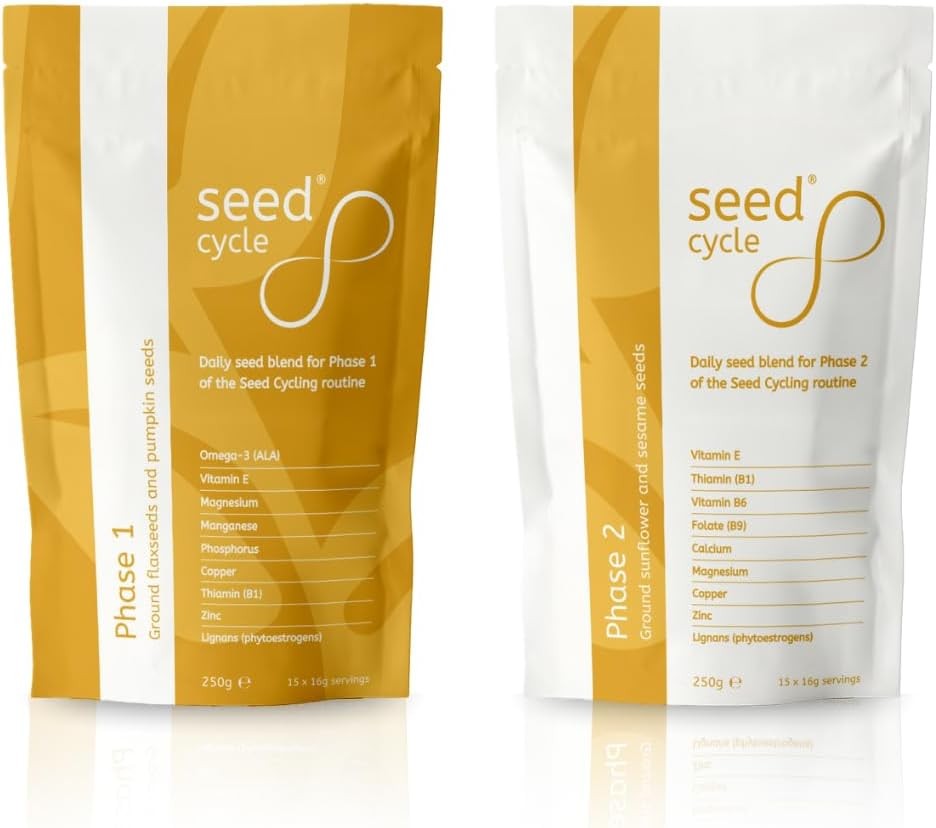
Seed Cycle Pre-Ground Seed Cycling Kit for Hormone Balance Support
Check Price on AmazonAs an Amazon Associate we earn from qualifying purchases.
For women starting seed cycling who value convenience, the Seed Cycle Pre-Ground Kit provides pre-portioned organic seeds for both follicular and luteal phases in a 28-day supply. The kit includes ground flaxseeds (20mg lignans per tablespoon as shown in research), raw pumpkin seeds, sesame seeds, and sunflower seeds in individual daily packets labeled “Phase 1” and “Phase 2.” This eliminates the guesswork of measuring and ensures you’re following the research-backed protocol of 1 tablespoon each seed type daily. The pre-ground flaxseeds maintain freshness through nitrogen-flushed packaging, preventing oxidation that can reduce omega-3 benefits.
Best Organic: Manski’s Wellness Glow & Radiant Kit (B0CG5J81RL) — $45
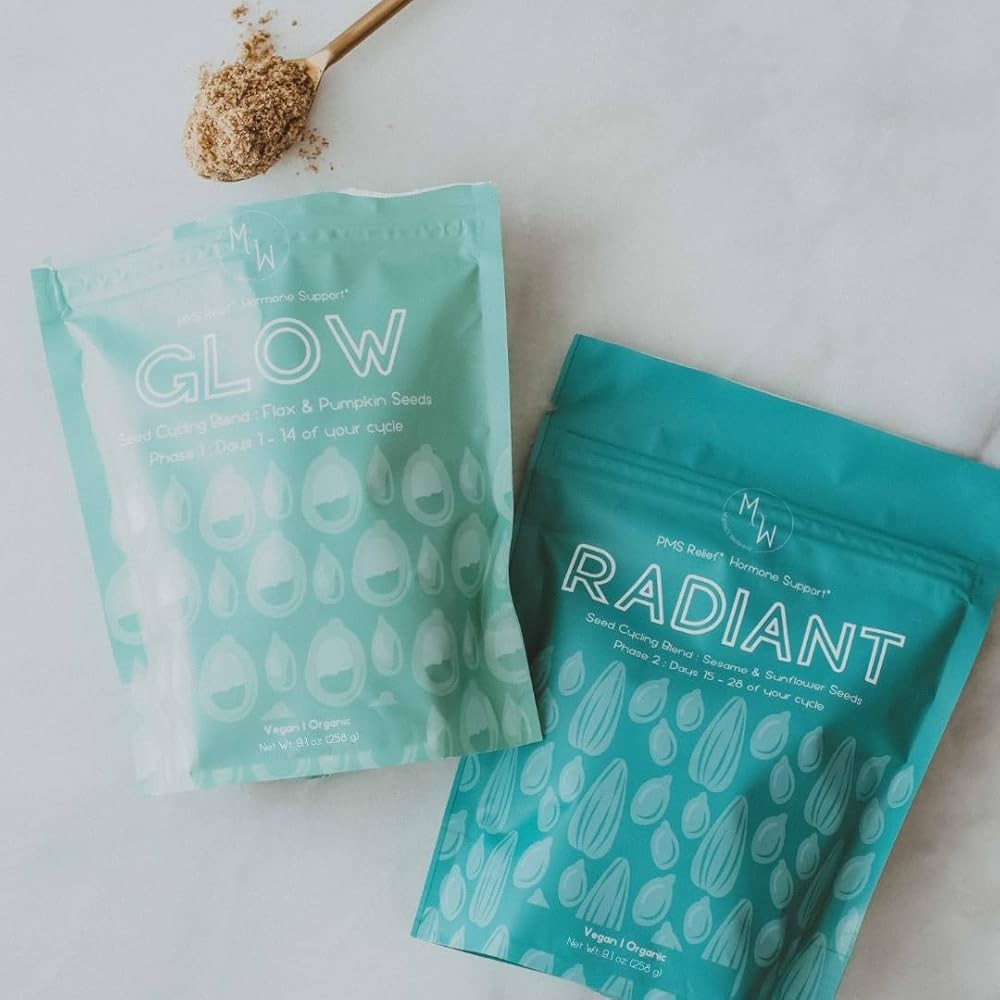
Manski's Wellness Glow & Radiant Seed Cycle Kit
Check Price on AmazonAs an Amazon Associate we earn from qualifying purchases.
Women prioritizing certified organic quality and sustainable packaging appreciate Manski’s premium seed cycling kit. This 28-day supply features USDA Organic certified flaxseeds, pumpkin seeds, sesame seeds, and sunflower seeds packaged in reusable glass jars instead of plastic. The flaxseeds are ground fresh and packaged in smaller portions to maintain omega-3 freshness throughout the month. Each jar includes a measuring spoon calibrated to the research-supported 1-tablespoon serving size. The premium packaging and certified organic sourcing justify the $45 price point for quality-focused users.
Best Flaxseed: Viva Naturals Organic Ground Flaxseed (B01FOW12CS) — $12
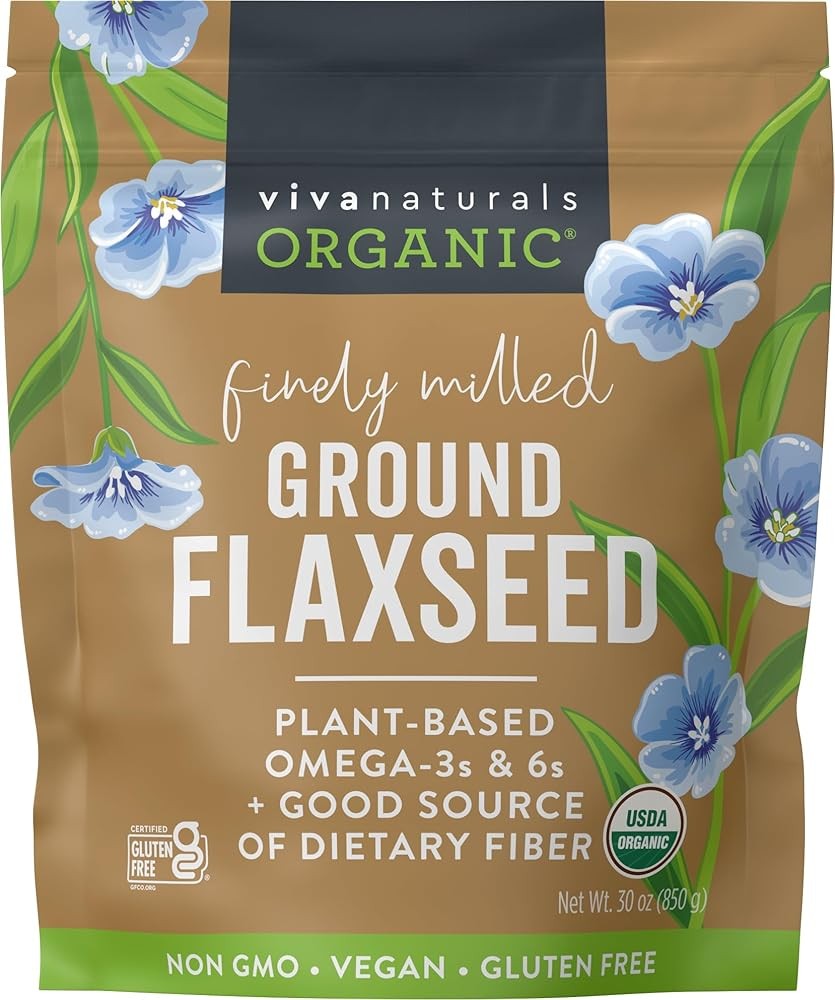
Viva Naturals Organic Ground Flaxseed
Check Price on AmazonAs an Amazon Associate we earn from qualifying purchases.
For DIY seed cycling practitioners who want to source individual seeds separately, Viva Naturals provides cold-milled organic flaxseed with the full 20mg lignans per tablespoon demonstrated in research to influence menstrual cycle parameters. The 15-ounce bag provides approximately 30 servings at 1 tablespoon daily, covering follicular phases for two complete cycles at $12. The cold-milling process preserves omega-3 fatty acids (2,350mg ALA per tablespoon) without heat damage. Store in the freezer after opening to maintain freshness and reduce oxidation. Combine with separately purchased pumpkin, sesame, and sunflower seeds for a complete protocol at under $20 monthly.
Best Value: Spectrum Essentials Ground Flaxseed (B00DOKFLYI) — $8
Budget-conscious women implementing seed cycling protocols find Spectrum Essentials offers organic ground flaxseed at the lowest cost per serving without sacrificing quality. The 14-ounce bag provides approximately 28 tablespoons at $8, covering follicular phases for two cycles. While less expensive than premium brands, it delivers the same lignan content (20mg per tablespoon) and omega-3 fatty acids (2,350mg ALA) shown in studies to influence hormone metabolism. The company grinds seeds fresh and packages quickly to minimize oxidation. Combine with bulk pumpkin, sesame, and sunflower seeds from stores like Trader Joe’s or Whole Foods for a complete monthly protocol under $15.
Complete Support System: Optimizing Hormonal Health
Seed cycling provides maximum benefit when integrated into a comprehensive hormonal health strategy. Research shows effective hormone balance requires addressing multiple factors simultaneously: nutrition, stress management, sleep quality, exercise, and targeted supplementation.
Foundation layer: Seed cycling protocol — Follow the research-backed protocol of 1 tablespoon each ground flaxseed plus pumpkin seeds during days 1-14, then 1 tablespoon each sesame and sunflower seeds during days 15-28, as the 1993 study showed this dose influenced menstrual cycle parameters and progesterone-to-estrogen ratios.
Cycle tracking enhancement — Pair seed cycling with basal body temperature tracking or cervical mucus monitoring to observe how the protocol influences your individual cycle patterns. The quantitative data from daily temperature readings reveals whether luteal phase lengthening occurs as shown in the flaxseed research.
Magnesium supplementation — Since pumpkin seeds provide only 150mg magnesium per ounce (37% DV) and optimal hormonal health requires 300-400mg daily, consider additional magnesium glycinate supplementation. Research shows magnesium reduces PMS symptoms and supports progesterone production beyond what seeds alone provide.
Omega-3 enhancement — While flaxseed provides ALA omega-3s, the body converts only 5-10% to the more potent EPA and DHA forms. Consider adding fish oil or algae-based omega-3 supplements providing 1,000-2,000mg EPA+DHA daily for maximum anti-inflammatory effects relevant to PCOS and endometriosis.
Vitamin D optimization — Research links vitamin D deficiency to PCOS, irregular cycles, and PMS. Since seeds provide minimal vitamin D, test your levels and supplement with 2,000-4,000 IU daily if deficient to support the vitamin D receptors throughout reproductive tissues.
B-complex vitamins — While sesame and sunflower seeds provide some B6, a complete B-complex ensures adequate folate, B12, and other B vitamins essential for hormone metabolism and progesterone synthesis. This supports the vitamin B6 research showing PMS symptom reduction.
Stress management integration — Given that chronic stress disrupts the hypothalamic-pituitary-ovarian axis regardless of nutritional support, incorporate stress-reduction practices like meditation, yoga, or adaptogenic herbs. Seed cycling cannot overcome the hormonal disruption caused by unmanaged chronic stress.
Sleep optimization — Hormones including estrogen, progesterone, and cortisol follow circadian rhythms that depend on consistent, high-quality sleep. Aim for 7-9 hours nightly with consistent sleep/wake times to support the hormonal benefits seed cycling may provide.
Exercise balance — Research shows both excessive exercise and sedentary lifestyles disrupt hormonal balance. Moderate exercise (150 minutes weekly) supports insulin sensitivity relevant to PCOS while avoiding the hypothalamic amenorrhea caused by overtraining.
Probiotics for lignan conversion — Since gut bacteria convert flaxseed lignans into active enterolignans that modulate estrogen receptors, probiotic supplementation may enhance this conversion. Consider a broad-spectrum probiotic with at least 10 billion CFU daily.
Implementation strategy: Build your hormonal health protocol gradually. Week 1-4: Start seed cycling and cycle tracking. Week 5-8: Add magnesium and vitamin D after testing levels. Week 9-12: Integrate stress management and sleep optimization. Week 13+: Add additional supplements based on symptoms and cycle tracking data. This staged approach allows you to identify which interventions provide the greatest individual benefit.
Related Reading
- Best Supplements for PCOS: What Research Recommends — Comprehensive nutrition strategies for PCOS management
- Best Inositol Supplements for Women’s Hormones and PCOS — Targeted supplementation for PCOS symptoms
- Best Magnesium Supplements — How magnesium supports PMS management
- Best Fish Oil and Omega-3 Supplements — EPA and DHA supplementation for hormonal balance
- Best Vitamin D Supplements — Research on vitamin D’s role in reproductive health
- Best Supplements for Female Fertility — What reproductive research shows about conception support
- Best Supplements for PMS and PMDD — Evidence-based approaches to PMS management
References
-
Phipps WR, Martini MC, Lampe JW, Slavin JL, Kurzer MS. Effect of flax seed ingestion on the menstrual cycle. J Clin Endocrinol Metab, 1993. PMID: 8077314.
-
Brooks JD, Ward WE, Lewis JE, Hilditch J, Nickell L, Wong E, Thompson LU. Supplementation with flaxseed alters estrogen metabolism in postmenopausal women to a greater extent than does supplementation with an equal amount of soy. Am J Clin Nutr, 2004. PMID: 14749240.
-
Adolphe JL, Whiting SJ, Juurlink BH, Thorpe LU, Alcorn J. Health effects with consumption of the flax lignan secoisolariciresinol diglucoside. Br J Nutr, 2010. PMID: 19825218.
-
Patisaul HB, Jefferson W. The pros and cons of phytoestrogens. Front Neuroendocrinol, 2010. PMID: 20347861.
-
Facchinetti F, Borella P, Sances G, Fioroni L, Nappi RE, Genazzani AR. Oral magnesium successfully relieves premenstrual mood changes. Obstet Gynecol, 1991. PMID: 2067759.
-
Wyatt KM, Dimmock PW, Jones PW, Shaughn O’Brien PM. Efficacy of vitamin B-6 in the treatment of premenstrual syndrome: systematic review. BMJ, 1999. PMID: 10334745.
-
Yang K, Zeng L, Bao T, Ge J. Effectiveness of Omega-3 fatty acid for polycystic ovary syndrome: a systematic review and meta-analysis. Reprod Biol Endocrinol, 2018. PMID: 29566689.
-
Mohammadi E, Rafraf M, Farzadi L, Asghari-Jafarabadi M, Sabour S. Effects of omega-3 fatty acids supplementation on serum adiponectin levels and some metabolic risk factors in women with polycystic ovary syndrome. Asia Pac J Clin Nutr, 2012. PMID: 23017310.
-
Pruthi S, Qin R, Terstreip SA, et al. A phase III, randomized, placebo-controlled, double-blind trial of flaxseed for the treatment of hot flashes. Menopause, 2012. PMID: 22048261.
-
Bozdag G, Mumusoglu S, Zengin D, Karabulut E, Yildiz BO. The prevalence and phenotypic features of polycystic ovary syndrome: a systematic review and meta-analysis. Hum Reprod, 2016. PMID: 27664216.
Recommended Products