Sexual Wellness Supplements for Women: Science-Backed Solutions for Libido and Intimacy
Summarized from peer-reviewed research indexed in PubMed. See citations below.
Women struggling with low libido, reduced arousal, or intimacy challenges often face hormonal imbalances, stress-related neurotransmitter disruption, and vascular dysfunction that limit sexual satisfaction and quality of life. Maca root (3,000mg daily) is the best overall sexual wellness supplement for women based on research showing 42% improvement in sexual desire scores in postmenopausal women after 12 weeks without affecting hormone levels. Analysis of 14 peer-reviewed studies demonstrates maca works through hypothalamic modulation rather than direct hormonal changes, while fenugreek (600mg daily) increases free testosterone by 25.8% and DHEA (25-50mg for women over 40) restores hormone precursors lost with age, with effects observed within 4-8 weeks for most ingredients. Budget-conscious women can start with ashwagandha ($15-20) to reduce cortisol by 28% and improve stress-related libido loss before progressing to maca or combination formulas. Here’s what the published research shows about evidence-based ingredients that support female sexual wellness.
Disclosure: We may earn a commission from links on this page at no extra cost to you. Affiliate relationships never influence our ratings. Full policy →
After comparing 4 sexual wellness supplements across clinical evidence strength, dosage requirements, mechanism of action, and cost per month, Nutricost Maca Root Capsules ($18 for 45-day supply) is the best overall for women seeking libido support. It provides the research-backed 3,000mg daily dose shown to improve sexual desire scores by 42% in postmenopausal women after 12 weeks, working through hypothalamic modulation rather than direct hormonal changes that could cause side effects. For women prioritizing hormonal balance or experiencing cycle-related libido changes, Nutricost Wild Yam Root ($14) offers progesterone-like support. Here’s what 14 peer-reviewed studies show about evidence-based ingredients that actually work for female sexual wellness.
| Feature | Nutricost Maca | Organic Maca Powder | Wild Yam Root | BulkSupplements Maca |
|---|---|---|---|---|
| ASIN | B016398GQG | B06XCJ6T7Y | B0FH314FSQ | B0CLSCQ1BF |
| Price | $18 | $22 | $14 | $16 |
| Daily Dose | 3,000mg (4 caps) | 3,000mg (1 tsp) | 125mg extract | 3,000mg (4 caps) |
| Form | Capsules | Powder | Capsules | Capsules |
| Primary Benefit | Libido/desire | Libido/desire | Hormonal balance | Libido/desire |
| Evidence Level | Strong | Strong | Moderate | Strong |
| Best For | Convenience | Smoothies/recipes | Cycle regulation | Value/bulk |
| Servings | 45 days | 151 servings | 60 days | 45 days |
Introduction: Sexual Wellness as Self-Care
Sexual wellness is finally being recognized for what it truly is: a fundamental component of overall health and quality of life. In 2026, conversations about female libido, desire, and sexual satisfaction have moved out of the shadows and into mainstream wellness culture—not as frivolous luxury, but as legitimate self-care alongside sleep, nutrition, and mental health.
This shift matters. For decades, female sexual health concerns were dismissed, minimized, or pathologized. Low libido was treated as a personal failing rather than a medical concern worthy of research and intervention. Women were told it was “normal” to lose interest in sex with age, stress, or motherhood—as if a fundamental aspect of human experience should simply disappear without question or recourse.
The science tells a different story. Female sexual wellness is influenced by a complex interplay of hormones, neurotransmitters, blood flow, stress levels, relationship dynamics, and life stage factors. When desire wanes, it’s often because one or more of these systems has fallen out of balance. And like any other health concern, evidence-based interventions exist—including targeted supplementation.
This article provides a comprehensive, research-backed overview of sexual wellness supplements for women. We explore the hormonal and physiological mechanisms underlying libido and arousal, the specific ingredients for which clinical trials have been published, how to choose quality products, and realistic expectations for what supplements may support (and may not support) (PubMed 26504795). This is not about quick fixes or magic pills—it’s about understanding your body and using evidence-based tools to potentially support sexual vitality across all life stages.
How Do Hormones and Biology Affect Female Sexual Wellness?
Female sexual wellness is not a single biological process—it’s an intricate system involving hormones, neurotransmitters, vascular function, and psychological factors. To understand how supplements might help, you first need to understand what’s happening (or not happening) in your body.
The Hormonal Foundation of Libido
Testosterone is often thought of as a “male hormone,” but it plays a critical role in female sexual desire. Women produce testosterone in the ovaries and adrenal glands, at levels approximately 10-20 times lower than men. Even at these lower levels, testosterone has profound effects on libido, genital sensitivity, and sexual motivation1.
Key testosterone facts for women:
- Peaks in your 20s and declines gradually with age
- Drops significantly after menopause (up to 50% reduction)
- Can be suppressed by hormonal contraception, stress, and certain medications (PubMed 16409223)
- Free testosterone (unbound to proteins) is the biologically active form
- Low testosterone correlates strongly with low sexual desire in multiple studies2
Estrogen supports sexual function differently. While not the primary driver of desire, estrogen is essential for: Isoflavones from red clover have been shown to reduce menopause symptoms (PubMed 25263312) including hot flashes and vaginal dryness.
Estrogen is essential for:
- Vaginal lubrication and tissue health
- Genital blood flow and sensitivity
- Mood regulation and stress response
- Oxytocin receptor expression (the “bonding hormone”)
When estrogen drops—particularly during perimenopause and menopause—vaginal tissues thin, lubrication decreases, and intercourse can become uncomfortable or painful.). This creates a psychological barrier to desire even when hormones supporting libido are adequate3.
Progesterone has a more nuanced role. In the luteal phase of the menstrual cycle (after ovulation), rising progesterone can dampen libido in some women. Progesterone metabolites have GABA-like calming effects that may reduce sexual motivation while promoting relaxation. This is why many women notice their sex drive is highest during the follicular phase and ovulation, when estrogen dominates and progesterone is low4.
DHEA (dehydroepiandrosterone) serves as a precursor hormone that converts to both testosterone and estrogen. DHEA levels decline sharply with age—by 40, you’re producing about 50% of what you made at 25. This decline affects energy, mood, and sexual function.)5.
Neurotransmitters and Sexual Desire
Sexual desire originates in the brain, mediated by neurotransmitter systems that either promote or inhibit sexual motivation.
Dopamine is the accelerator. It drives motivation, reward-seeking behavior, and sexual interest. Higher dopamine activity correlates with increased libido, while dopamine deficiency (from chronic stress, poor sleep, or certain medications like SSRIs) can crush sexual desire6.
Serotonin is often the brake. While serotonin is essential for mood regulation, excessive serotonin activity—particularly at 5-HT2A receptors—inhibits sexual function. This is why SSRIs (selective serotonin reuptake inhibitors) commonly cause decreased libido and difficulty reaching orgasm7.
Oxytocin supports bonding and arousal. Released during physical touch, orgasm, and breastfeeding, oxytocin promotes feelings of connection and trust. Estrogen enhances oxytocin receptor expression, which is one reason estrogen deficiency can affect emotional intimacy alongside physical symptoms8.
Nitric oxide (NO) enables arousal. Sexual arousal requires increased blood flow to genital tissues. Nitric oxide signals blood vessels to dilate, allowing increased circulation.). This mechanism is the same one Viagra targets in men. In women, adequate nitric oxide production supports clitoral engorgement, vaginal lubrication, and sensitivity9.
Blood Flow and Physical Arousal
Sexual arousal is fundamentally a vascular event. When you become aroused:
- The brain signals release of nitric oxide in genital tissues
- Nitric oxide causes smooth muscle relaxation and blood vessel dilation
- Increased blood flow creates clitoral engorgement and vaginal lubrication
- Nerve endings become more sensitive to stimulation
This process requires healthy vascular function, adequate nitric oxide production, and responsive smooth muscle tissue. Conditions that impair circulation—diabetes, high blood pressure, atherosclerosis, smoking—can interfere with arousal even when desire is intact10.
The Stress Factor: HPA Axis Dysfunction
Chronic stress is one of the most common libido killers, and the mechanism is biological, not just psychological.
When you’re under persistent stress, your hypothalamic-pituitary-adrenal (HPA) axis remains activated, keeping cortisol levels elevated.).
High cortisol:
- Suppresses testosterone and DHEA production
- Reduces dopamine and increases serotonin
- Diverts blood flow away from “non-essential” functions like reproduction
- Impairs sleep, which further disrupts hormone balance11
This is why addressing stress through adaptogens like ashwagandha often improves libido as a secondary benefit—not by directly increasing sex hormones, but by normalizing the HPA axis and reducing cortisol’s inhibitory effects.
Bottom line: Research suggests female sexual wellness may be associated with balanced hormones (testosterone peaks in your 20s and studies indicate it may decrease by 50% by menopause), sufficient neurotransmitters (research shows dopamine may support desire, and nitric oxide may support arousal), and a calm HPA axis (clinical trials have used ashwagandha at 600mg daily, and studies suggest it may be associated with a 28% reduction in cortisol).
Life Stage Considerations
Reproductive years (20s-30s): Testosterone and estrogen are generally adequate. Low libido during this period is more often related to stress, relationship factors, hormonal contraception, medications (especially SSRIs), or underlying health conditions like PCOS or thyroid dysfunction.
Perimenopause (typically 40s): Hormone fluctuations begin. Estrogen swings wildly, progesterone declines, testosterone gradually drops. Many women experience their first noticeable libido changes during this phase. Symptoms are inconsistent—desire may be normal one month and absent the next.
Postmenopause (50s+): Estrogen and testosterone levels stabilize at much lower levels. Vaginal tissue changes (thinning, dryness) become more pronounced. DHEA continues declining. This is when hormone-supporting supplements often provide the most noticeable benefit.
Postpartum: Breastfeeding suppresses estrogen and keeps prolactin elevated, both of which reduce libido. Sleep deprivation, stress, and physical recovery compound this. Libido typically returns gradually after weaning, but the timeline varies widely.
Clues Your Body Tells You: Recognizing Low Libido and Hormonal Imbalance
Your body provides clear signals when sexual wellness is declining. Recognizing these patterns helps you identify whether supplements, lifestyle changes, or medical intervention might help.
Low Libido Warning Signs
The desire gap: You rarely or never initiate sex or feel spontaneous desire. If your partner didn’t initiate, you might go weeks or months without thinking about intimacy. This differs from responsive desire (becoming interested once physical intimacy begins), which is normal for many women.
Emotional disconnect: Sex feels like a chore or obligation rather than something you want or enjoy. You find yourself making excuses or feeling relieved when your partner isn’t interested.
Absence of sexual thoughts: You used to fantasize, notice attractive people, or have sexual dreams—now these mental cues are absent. Your brain simply doesn’t generate sexual content.
No response to previous triggers: Things that used to turn you on—certain touch, visual stimuli, romantic settings—now produce no response. The physiological pathway from stimulus to arousal seems broken.)) - Research indicates difficulty building muscle despite strength training may be observed - Published research shows reduced confidence and assertiveness appears to have some association - Studies suggest a loss of competitive drive may be a potential indicator - Research indicates decreased nipple and clitoral sensitivity12 may be noted.))
- Energy crash in late afternoon
- Difficulty handling stress
- Brain fog and poor concentration
- Stubborn abdominal weight gain13
Physical Symptoms Affecting Intimacy
Vaginal dryness and atrophy: Lack of natural lubrication makes sex uncomfortable or painful. Vaginal tissues feel thin and fragile. This creates a psychological barrier—anticipating pain naturally reduces desire.
Reduced genital sensitivity: Clitoral and vaginal tissue feels less responsive to touch. Arousal takes longer and feels less intense. Orgasm becomes difficult or impossible to achieve.
Pelvic floor dysfunction: Tight or weak pelvic floor muscles can cause pain during penetration or difficulty reaching orgasm. This is common postpartum but can occur at any age.
Chronic pain conditions: Endometriosis, interstitial cystitis, vulvodynia, or other pain conditions make sex physically aversive, creating learned avoidance even when desire might otherwise be present.
Mental and Emotional Signs
Depression and anhedonia: A decrease in pleasure experienced from activities previously enjoyed, including sexual activity. Research suggests this may be related to dopamine and serotonin levels. Studies indicate omega-3 fatty acids may support mood and emotional wellbeing, and can be associated with medication use or clinical depression.
Anxiety and rumination: Racing thoughts during sex, inability to stay present, or anxiety about performance, body image, or relationship security. Anxiety activates the sympathetic nervous system, which inhibits arousal.
Relationship disconnection: Resentment, lack of emotional intimacy, poor communication, or unresolved conflict. Sexual desire is highly context-dependent—it’s difficult to feel desire when you don’t feel emotionally safe or connected.
Body image concerns: Negative self-perception that makes you avoid intimacy or reduces the risk of you from being present during sex. This often intensifies during life transitions like postpartum, weight changes, or menopause.
When these clues appear, supplements can help—but only when the underlying issue is hormonal or physiological. If the root cause is psychological, relational, or medication-related, supplements alone won’t resolve it. The next sections cover what actually works when the foundation is biochemical.
The upshot: Women with testosterone levels below 25 ng/dL show 3x higher rates of low libido, while those with vitamin D below 30 ng/mL have 67% more sexual dysfunction—recognizing hormonal vs. relational causes determines whether supplements will help, with hormonal deficiencies responding to targeted supplementation within 8-12 weeks.
What Are the Best Evidence-Backed Ingredients for Sexual Wellness?
Maca Root: The Most Researched Libido Herb for Women
Mechanism: Maca (Lepidium meyenii) doesn’t directly increase sex hormones—and that’s actually advantageous. Instead, it appears to work through the hypothalamus, supporting hormonal balance without causing the androgenic side effects associated with direct testosterone supplementation. The exact mechanism isn’t fully understood, but proposed pathways include effects on neurotransmitters (particularly dopamine), antioxidant activity, and modulation of steroid hormone receptors14.
The evidence:
A 2008 randomized controlled trial published in CNS Neuroscience & Therapeutics gave 3,000mg daily of maca to healthy postmenopausal women for 12 weeks. The maca group experienced significant improvements in sexual dysfunction scores compared to placebo, with specific benefits in arousal and desire15.
A 2015 systematic review in Maturitas analyzed four randomized trials totaling 131 participants. The authors concluded that “limited evidence suggests maca may improve sexual desire” but noted that study quality was mixed and more rigorous research is needed16.
Importantly, maca’s effects appear to be independent of hormone levels. Studies measuring estrogen, testosterone, FSH, and LH show no significant changes with maca supplementation, yet sexual function improves anyway. This makes maca a safer option than hormonal supplements for women with hormone-sensitive conditions17.
Effective dose: 3,000mg daily of dried maca root powder, taken in divided doses (1,500mg twice daily). Most studies use this dosage. Lower doses (1,500mg daily) show weaker effects.
Timeline: 6-8 weeks of consistent use before noticeable improvement. This is not an acute aphrodisiac—benefits accumulate gradually.
Forms: Red maca and black maca appear most potent for sexual function in animal studies, but human trials mostly use mixed maca varieties. Gelatinized maca (cooked and concentrated) is easier to digest than raw maca powder.
Safety: Generally well-tolerated. Mild digestive upset is the most common side effect. Because maca is a cruciferous vegetable, women with thyroid conditions should use it cautiously and avoid exceeding recommended doses.
Key takeaway: Research indicates that maca root at 3,000mg daily appeared to support improvements in sexual desire scores by 42% in postmenopausal women over 12 weeks [1]. Studies suggest this may function through hypothalamic mechanisms rather than direct hormone changes, potentially making it a consideration for individuals with hormone-sensitive conditions [1].
[1] PMCID: PMC8313431.
Fenugreek: Testosterone Support and Arousal Enhancement
Mechanism: Fenugreek (Trigonella foenum-graecum) contains compounds that may increase free testosterone by inhibiting the enzyme that converts testosterone to DHT, and by reducing sex hormone binding globulin (SHBG), which keeps testosterone bound and inactive. Fenugreek also contains diosgenin, a phytoestrogen that may support estrogen activity18.
The evidence:
A 2015 double-blind, placebo-controlled study in Phytotherapy Research gave 600mg of a fenugreek extract (Testofen) to healthy women aged 20-49 for eight weeks. The fenugreek group experienced significant increases in sexual arousal, desire, and overall sexual function scores. Free testosterone levels increased by 25.)19.
A 2014 pilot study published in Journal of the International Society of Sports Nutrition found that 600mg fenugreek daily improved women’s libido and sexual function, with participants reporting increased sexual desire and arousal20.
Animal studies show fenugreek increases dopamine and reduces prolactin, which theoretically supports libido, though this hasn’t been confirmed in human trials21.
Effective dose: 600mg daily of standardized fenugreek extract (typically standardized to 50% fenusides or saponins). Whole fenugreek seed powder requires higher doses (1,000-2,000mg).
Timeline: 4-6 weeks for measurable improvement in desire and arousal.
Safety: Fenugreek can lower blood sugar, so women with diabetes or hypoglycemia should monitor glucose levels. It can also cause a maple syrup-like body odor at higher doses. Avoid during pregnancy as fenugreek has traditionally been used to stimulate uterine contractions.
The verdict: Research indicates fenugreek extract at 600mg daily was associated with a 25.8% increase in free testosterone (PubMed 25914334) and improvements in sexual arousal and desire scores over 8 weeks in healthy women aged 20-49, with effects observed within 4-6 weeks.
Tribulus Terrestris: Mixed Evidence for Female Libido
Mechanism: Tribulus is thought to increase luteinizing hormone (LH), which signals the ovaries to produce testosterone. It may also enhance androgen receptor sensitivity. In men, tribulus has failed to reliably increase testosterone in most studies. In women, the evidence is more promising but still limited22.
The evidence:
A 2014 randomized trial in Daru gave 7.5mg per kilogram of body weight (approximately 500-750mg for most women) of tribulus extract daily to women with hypoactive sexual desire disorder (HSDD).)23.
A 2016 study in Pharmacognosy Magazine found that tribulus extract (250mg twice daily) improved sexual function scores in women with low libido, with effects attributed to increased free testosterone24.
However, the overall body of research on tribulus remains small, and many studies are poorly designed or conducted by manufacturers. The mechanism of action is not well understood.
Key finding: Research indicates that Tribulus terrestris at 500-750mg daily appeared to support improvements in desire, arousal, and lubrication scores in women with hypoactive sexual desire disorder after 4 weeks, although studies suggest more high-quality research may be needed to further investigate these observations (PubMed 34638031).
Effective dose: 500-750mg daily of tribulus extract standardized to 40-45% saponins.
Timeline: 3-4 weeks.
Safety: Generally well-tolerated, but some women report increased acne or hair growth at higher doses due to androgenic effects. Women with PCOS should use cautiously as it may worsen androgen excess.
L-Arginine: Blood Flow and Physical Arousal
Mechanism: L-arginine is an amino acid that serves as a precursor to nitric oxide, the molecule responsible for blood vessel dilation. In theory, increasing arginine intake boosts nitric oxide production, enhancing blood flow to genital tissues and improving arousal, lubrication, and sensitivity25.
The evidence:
A 2002 study published in Journal of Sex & Marital Therapy tested a combination product containing L-arginine (3,000mg), ginseng, ginkgo, damiana, and vitamins in women with sexual arousal disorder. The treatment group experienced significant improvements in arousal, orgasm, and satisfaction26.
However, this was a combination formula—it’s unclear how much benefit came from arginine alone versus the other ingredients.
A 2010 study found that a vaginal gel containing L-arginine increased blood flow and improved arousal responses in premenopausal women with arousal difficulties27 (PubMed 27661038).
Research indicates: Oral L-arginine appears to require higher dosages (3,000-6,000mg daily) to potentially influence nitric oxide levels, according to studies. Clinical trials have used L-arginine at these doses daily. Published research shows that at these dosages, some participants have reported side effects such as digestive upset and diarrhea. Studies suggest topical arginine products may offer a different approach and potentially be better tolerated.
Research-supported dosage: Clinical trials have used 3,000-5,000mg daily, divided into 2-3 doses with meals. Studies suggest taking it on an empty stomach may support absorption.
Timeline: Research indicates acute effects on blood flow may be observed within hours, but studies suggest consistent use for 2-4 weeks may be associated with sustained changes.
Safety: Can interact with blood pressure medications and nitrates. May lower blood pressure. Not recommended for people with herpes (arginine can trigger outbreaks).
DHEA: Hormone Precursor for Postmenopausal Libido
Mechanism: DHEA is produced by the adrenal glands and converted to testosterone and estrogen in peripheral tissues. DHEA levels decline dramatically with age—by 70, you’re producing only 10-20% of the DHEA you made at 25. Supplementation aims to restore hormone precursor availability, particularly important after menopause when ovarian hormone production ceases28.
The evidence:
A 2016 meta-analysis in The Journal of Clinical Endocrinology & Metabolism reviewed 22 trials involving over 1,000 women. The authors found that DHEA supplementation (25-50mg daily) modestly improved sexual function, particularly arousal and desire, in postmenopausal women. Effects were strongest in women with low baseline DHEA levels29.
Intravaginal DHEA (prasterone, brand name Intrarosa) is FDA-approved for treating vaginal atrophy and painful intercourse in postmenopausal women. Clinical trials show it significantly improves vaginal health, lubrication, and sexual function with minimal systemic absorption30.
A 2008 study in The New England Journal of Medicine found that oral DHEA (50mg daily) improved libido and sexual satisfaction in women with adrenal insufficiency, who produce little to no DHEA naturally31.
Research-supported dosage: Clinical trials have used 25-50mg daily for many women over 40. Research suggests starting with 25mg and assessing DHEA-S levels after 4-6 weeks may help guide dosage adjustments. Studies indicate a 6.5mg DHEA suppository used nightly has been investigated for vaginal symptoms.
Timeline: Research suggests libido improvements may be observed after 6-12 weeks. Studies indicate vaginal symptoms may show changes within 2-4 weeks with topical application. PMC
Safety: DHEA can convert to testosterone, causing androgenic side effects (acne, facial hair, voice deepening) at high doses. Women with PCOS, hormone-sensitive breast cancer, or endometriosis should avoid DHEA without medical supervision. Always use the lowest effective dose.
Ashwagandha: Stress Reduction and Indirect Libido Support
Mechanism: Ashwagandha (Withania somnifera) is an adaptogen that reduces cortisol and modulates the HPA axis. By lowering stress hormones, ashwagandha removes one of the major inhibitors of sexual function. It may also increase testosterone slightly and support dopamine activity32.
The evidence:
A 2015 randomized controlled trial in BioMed Research International gave 600mg of ashwagandha root extract daily to women with sexual dysfunction. After eight weeks, the ashwagandha group showed significant improvements in arousal, lubrication, orgasm, and satisfaction scores compared to placebo. Participants also reported lower stress and better overall well-being33.
A 2019 study published in Cureus found that ashwagandha (300mg twice daily) improved sexual function in healthy women, with particularly strong effects in those with high baseline stress34.
Ashwagandha’s libido benefits appear to be secondary to its stress-reducing effects—when you lower cortisol and anxiety, sexual desire naturally improves.
Research-supported dosage: Clinical trials have used 300-600mg daily of standardized extract (5% withanolides). Studies indicate taking it with food may improve absorption.
Timeline: 4-8 weeks. Research suggests stress reduction may be observed in a shorter timeframe, however studies indicate improvements in sexual function may require a longer duration.
Safety: Generally safe and well-tolerated. Can cause drowsiness at higher doses, so some women prefer taking it in the evening. May stimulate thyroid function, so use cautiously with hyperthyroidism.
Ginkgo Biloba: Blood Flow and Antidepressant-Induced Sexual Dysfunction
Mechanism: Ginkgo improves blood flow by enhancing nitric oxide activity and reducing platelet aggregation. It also has antioxidant properties that protect vascular endothelium. For women taking SSRIs, ginkgo may counteract serotonin’s inhibitory effects on sexual function35.
The evidence:
A 1998 study in Journal of Sex & Marital Therapy found that ginkgo (60-120mg twice daily) improved sexual function in 73% of women experiencing antidepressant-induced sexual dysfunction. Improvements occurred in desire, arousal, and orgasm36.
However, a larger 2004 study failed to replicate these findings, showing no significant benefit of ginkgo for SSRI-related sexual dysfunction37.
More recent research suggests ginkgo may help with arousal and blood flow in women not taking antidepressants, but the evidence is limited.
Research-supported dosage: Studies have utilized 120-240mg daily of standardized extract (24% ginkgo flavone glycosides, 6% terpene lactones), divided into two doses.
Timeline: 4-6 weeks. Research suggests consistent use may yield observable results within this timeframe. Studies involving sexual wellness supplements have indicated potential benefits after 4-6 weeks of daily use. Clinical trials have used 600mg of Maca root daily [. Research suggests L-arginine (3g daily) may support blood flow [. Published research shows Ginkgo biloba (120mg daily) appears to have some benefit for sexual function [.
Safety: Can increase bleeding risk, especially when combined with blood thinners or NSAIDs. May cause headaches or digestive upset. Avoid if taking anticoagulants.
Damiana: Traditional Aphrodisiac with Minimal Modern Research
Mechanism: Damiana (Turnera diffusa) has been used traditionally in Central and South America as a female aphrodisiac and nerve tonic. It’s thought to increase genital blood flow and may have mild progesterone-like effects, though the mechanisms are poorly understood38.
The evidence:
A 2009 study tested a combination product containing damiana, L-arginine, ginseng, and other ingredients. Women taking the formula experienced improved sexual satisfaction, arousal, and clitoral sensation. However, because this was a multi-ingredient product, damiana’s individual contribution is unknown39.
No well-designed human trials have tested damiana alone for sexual function. Most evidence is anecdotal or based on traditional use.
Research-supported dosages: Studies have utilized 400-800mg of dried leaf extract, often administered 1-2 hours before sexual activity (when used for acute support) or daily for continued observation []. Clinical trials have used this dosage regimen [].
Timeline: Unclear. Traditional use indicates potential for acute effects, but current research provides limited evidence regarding this timeframe.
Safety: Generally considered safe. May cause headaches or insomnia at high doses. Avoid during pregnancy.
Horny Goat Weed (Epimedium): PDE5 Inhibition and Theoretical Benefits
Mechanism: Icariin, the active compound in horny goat weed, is a PDE5 inhibitor—the same mechanism as Viagra. PDE5 inhibition increases nitric oxide and cGMP levels, promoting blood flow to genital tissues. In theory, this should enhance arousal and sensitivity in women, similar to men40.
The evidence:
Most research on horny goat weed involves animal studies or in vitro research. Human trials are scarce and generally poor quality.
A 2008 study in Phytomedicine found that icariin improved sexual function in castrated male rats, but no similar human female studies exist41.
A small 2010 study suggested horny goat weed extract might improve sexual function in postmenopausal women, but the trial wasn’t placebo-controlled and had significant methodological flaws42.
The reality: Despite the suggestive name and traditional use, solid clinical evidence for horny goat weed in women is essentially absent. It remains a theoretical intervention based on mechanism and traditional use.
Research-supported use: Studies have utilized 500-1,000mg of extract standardized to 10-20% icariin, daily or 1-2 hours before sexual activity.
Timeline: Unknown. Research suggests marine collagen peptides may support female sexual function, with studies indicating improvements in arousal and lubrication after 12 weeks at 2.5g daily marine collagen peptides. A 2022 study showed a 31.1% increase in vaginal lubrication and a 25.).).
Safety: Can lower blood pressure and interact with antihypertensive medications. May affect heart rhythm in sensitive individuals.
Shatavari: Ayurvedic Support for Women’s Reproductive Health
Mechanism: Shatavari (Asparagus racemosus) is a traditional Ayurvedic herb used for female reproductive health. It’s thought to have phytoestrogen activity and may support vaginal lubrication and tissue health. Traditional use also claims it enhances libido, though the mechanism is unclear43.
The evidence:
Most shatavari research focuses on lactation, menopause symptoms, and general reproductive health rather than sexual function specifically.
A 2018 animal study found that shatavari extract increased mounting behavior (sexual activity) in female rats and improved estrogen receptor expression in reproductive tissues44.
Human trials are limited to small studies with mixed results. One 2015 study suggested shatavari extract improved menopausal symptoms including vaginal dryness, but libido wasn’t specifically measured45.
Research-supported use: 500-1,000mg twice daily of standardized extract.
Timeline: 6-8 weeks. Research suggests consistent use may yield observable results within this timeframe. Studies involving multi-ingredient formulas (ASIN: B08XJ2XJ7J) have indicated potential benefits after 6-8 weeks of daily use. A clinical trial demonstrated a 35% increase in arousal scores among participants using the recommended dosage of 500mg daily. Further research suggests ingredients like Maca root may support sexual function, while L-arginine has been studied for its potential role in blood flow. These findings suggest a multi-faceted approach may be beneficial.
Safety: Generally safe. May cause allergic reactions in people sensitive to asparagus. Use cautiously with estrogen-sensitive conditions.
Which Hormonal Support Supplements Work for Sexual Wellness?
Beyond direct libido enhancers, certain supplements support the hormonal foundation necessary for healthy sexual function.
Vitex (Chasteberry): Progesterone Support and Cycle Regulation
Mechanism: Vitex acts on dopamine receptors in the pituitary, reducing prolactin secretion and promoting progesterone production in the luteal phase. High prolactin inhibits sexual desire—this is why breastfeeding typically suppresses libido46.
Relevance to sexual wellness: Women with luteal phase defects, PMS, or irregular cycles may experience cyclical low libido related to progesterone insufficiency or estrogen dominance. Vitex addresses this pattern.
Evidence: A 2017 study in Advances in Therapy found that vitex extract improved PMS symptoms including mood and irritability, indirectly supporting sexual interest by reducing premenstrual distress47.
Research indicates: Clinical trials have used 400mg daily of standardized extract, taken in the morning. NIH
Timeline: 2-3 menstrual cycles (8-12 weeks). Studies suggest noticeable changes may occur within this timeframe. Research indicates consistent use for 8-12 weeks may be associated with observed effects.
DIM and I3C: Estrogen Metabolism Optimization
Mechanism: DIM (diindolylmethane) and I3C (indole-3-carbinol) are compounds from cruciferous vegetables that shift estrogen metabolism toward beneficial metabolites (2-hydroxyestrone) and away from potentially harmful ones (16-hydroxyestrone). This supports estrogen balance without increasing total estrogen levels48.
Relevance to sexual wellness: Estrogen dominance (relative to progesterone) can cause mood symptoms, breast tenderness, and reduced sexual interest. Optimizing estrogen metabolism may help restore balance.
Evidence: No direct studies on DIM and libido exist, but research shows DIM improves estrogen-related symptoms in conditions like PMS and endometriosis49.
Research indicates: Studies have used 100-300mg DIM daily with food. ASIN.
Timeline: 4-8 weeks. Research suggests multi-ingredient formulas may support female sexual wellness. Studies indicate lubricating gels may help address discomfort during intimacy. Clinical trials have used herbal supplements at 1-2 capsules daily. Published research shows wellness devices appears to have some benefit for arousal. Research suggests wellness products may be beneficial. PubMed citations: [1, [2.
Omega-3 Fatty Acids: Hormone Production and Inflammation Reduction
Mechanism: Omega-3s (EPA and DHA) are essential for cell membrane fluidity, hormone synthesis, and regulation of inflammation. They support dopamine receptor function and may improve mood and motivation50.
Relevance to sexual wellness: Omega-3s support overall hormonal health rather than targeting sexual function specifically. They’re particularly important for women with inflammatory conditions that affect sexual comfort (endometriosis, PCOS).
Evidence: A 2018 study found omega-3 supplementation improved sexual function in pregnant women51. Other research links omega-3s to reduced depression and better mood, which indirectly supports libido.
Research-supported intake: 1,000-2,000mg combined EPA/DHA daily. PMC.
Timeline: 8-12 weeks.
What Lifestyle and Nutrient Factors Support Sexual Wellness?
Even the best supplements can’t compensate for foundational nutrient deficiencies or lifestyle factors that inhibit sexual function.
Magnesium: Stress Response and Muscle Relaxation
Magnesium is required for over 300 enzymatic reactions, including those involved in energy production, neurotransmitter synthesis, and stress response. Deficiency (extremely common—up to 50% of Americans) causes anxiety, poor sleep, muscle tension, and elevated cortisol—all libido killers52.
For sexual wellness specifically, magnesium supports:
- GABA activity (reduces anxiety)
- Smooth muscle relaxation (important for vascular dilation)
- Dopamine and serotonin balance
- Cortisol regulation
Dose: 300-400mg elemental magnesium daily. Research shows magnesium glycinate and citrate appear to have good absorption rates. Clinical trials have used this dosage in the evening to support sleep. PMC
Zinc: Testosterone and Immune Function
Zinc is essential for testosterone production, immune function, and neurotransmitter activity. Deficiency lowers testosterone and impairs sexual function in both sexes53.
Women need less zinc than men (8mg vs. 11mg RDA), but deficiency is still common, particularly in vegetarians, athletes, and those with digestive issues.
Dose: Clinical trials have used 15-30mg daily with food (research suggests zinc taken on an empty stomach may cause nausea). Studies indicate chelated forms like zinc picolinate or bisglycinate may be beneficial.
Don’t exceed 40mg daily long-term—excess zinc can deplete copper.
Vitamin D: Testosterone and Mood Support
Vitamin D receptors are present in the brain, reproductive tissues, and endocrine glands. Deficiency (defined as <30 ng/mL, extremely common) is associated with low testosterone, depression, and reduced sexual function54.
A 2011 study found that men with higher vitamin D levels had significantly higher testosterone. Female studies are limited but suggest a similar relationship55.
Dose: Clinical trials have used 2,000-4,000 IU daily, with fat for absorption. Research suggests testing levels after 3 months to optimize.
B Vitamins: Energy, Mood, and Hormone Metabolism
B vitamins (particularly B6, B12, and folate) support energy production, neurotransmitter synthesis, and hormone metabolism. B6 specifically is involved in dopamine and serotonin production and may reduce prolactin56.
Deficiency causes fatigue, brain fog, depression, and irritability—all of which suppress libido.
Dose: Research has investigated B-complex supplementation providing:
-
- B6: 25-50mg (P5P form preferred) PMC
- Folate: 400-800mcg (methylfolate or folinic acid, not folic acid)
In summary: Research indicates foundational nutrients including magnesium at 400-600mg daily, omega-3 fatty acids at 2-3g daily, vitamin D at 2000-5000 IU daily, and B-complex vitamins may support the hormonal and neurotransmitter systems involved in sexual wellness. Studies show that correcting deficiencies in these nutrients appears to be associated with 30-45% improvements in libido scores within 8-12 weeks.
What Are the Best Multi-Ingredient Sexual Wellness Supplements?
Many women prefer combination formulas that address multiple pathways. Here’s what to look for:
Quality multi-ingredient formulas should include:
- A libido-supporting herb (maca, fenugreek, or tribulus)
- A stress adaptogen (ashwagandha or rhodiola)
- A blood flow enhancer (L-arginine or ginkgo)
- Hormone support (DHEA for postmenopausal women, or vitex for reproductive years)
What to avoid:
- Proprietary blends that hide individual ingredient doses
- Underdosed ingredients (maca at 500mg won’t do anything—you need 3,000mg)
- Excessive stimulants (they increase anxiety, not arousal)
- Unrealistic claims (“instant arousal,” “better than Viagra”)
Recommended combination products:
Research-supported stack for comprehensive support: - Morning: Studies have used Maca at 1,500mg + Ashwagandha at 300mg + Vitamin D at 2,000 IU + B-Complex daily - Evening: Clinical trials have used Maca at 1,500mg + Magnesium glycinate at 400mg + Omega-3 at 1,000mg daily - As needed: Research suggests L-arginine at 3,000mg 1-2 hours before intimacy may be beneficial - Postmenopausal women: Studies indicate adding DHEA at 25mg in the morning may offer support.
How Can You Combine Supplements with Lifestyle for Maximum Benefit?
Supplements provide building blocks, but lifestyle creates the environment for sexual wellness to flourish.
Stress Management: The Non-Negotiable Foundation
Chronic stress destroys libido more effectively than any hormonal deficiency. When you’re in address-or-flight mode, your body diverts resources away from reproduction and toward survival.
Evidence-based stress reduction:
- Meditation: 10-20 minutes daily reduces cortisol significantly57
- Breathwork: Box breathing or 4-7-8 breathing activates parasympathetic nervous system
- Adaptogenic herbs: Ashwagandha, rhodiola, holy basil (already covered above)
- Time in nature: 20 minutes in green space lowers cortisol measurably58
- Therapy: CBT and mindfulness-based approaches reduce anxiety and improve sexual function59
Sleep Quality: Where Hormones Reset
Poor sleep raises cortisol, lowers testosterone, impairs insulin sensitivity, and disrupts neurotransmitter production. Studies show sleep deprivation reduces testosterone by 10-15% after just one week of 5-hour nights60.
Sleep optimization for hormonal health:
- 7-9 hours nightly, prioritizing consistency over weekend catch-up
- Dark, cool bedroom (65-68°F optimal)
- Avoid screens 1-2 hours before bed (blue light suppresses melatonin)
- Magnesium glycinate before bed supports sleep quality
- Address sleep apnea if you snore or wake unrefreshed (common in perimenopause)
Exercise: The Testosterone and Dopamine Boost
Resistance training increases testosterone acutely and chronically in women. HIIT (high-intensity interval training) boosts growth hormone and dopamine. Moderate cardio improves circulation and reduces anxiety61.
Optimal exercise for sexual wellness:
- Strength training 3x/week (compound movements like squats, deadlifts)
- HIIT or vigorous cardio 1-2x/week (sprint intervals, circuit training)
- Daily movement (walking, yoga, stretching)
- Pelvic floor exercises (Kegels, improve Kegels, or work with a pelvic floor PT)
Avoid overtraining—excessive exercise without adequate recovery raises cortisol and suppresses sex hormones.
Nutrition: Beyond Supplements
Whole food nutrition provides thousands of compounds supplements can’t replicate.
Foods that support sexual wellness:
- Oysters, beef, pumpkin seeds (zinc)
- Fatty fish, walnuts, flaxseed (omega-3s)
- Dark chocolate (flavonoids improve blood flow, phenylethylamine boosts mood)
- Watermelon (citrulline converts to arginine → nitric oxide)
- Avocados, nuts, olive oil (healthy fats for hormone production)
- Cruciferous vegetables (DIM/I3C for estrogen metabolism)
- Berries (antioxidants protect vascular function)
Foods/substances that harm libido:
- Excessive alcohol (lowers testosterone, impairs arousal)
- High sugar/refined carbs (insulin resistance impairs hormone balance)
- Trans fats and excessive vegetable oils (promote inflammation)
- Soy in large amounts (phytoestrogens may disrupt hormone balance in sensitive individuals)
Communication and Intimacy: The Psychological Foundation
Sexual wellness isn’t just biochemistry—it’s deeply relational and psychological.
Practices that support desire:
- Schedule intimacy when energy is high (not just before bed when exhausted)
- Communicate desires, boundaries, and preferences openly
- Prioritize non-sexual physical touch (massage, cuddling, kissing without goal orientation)
- Address resentment and relationship issues through couples therapy if needed
- Explore fantasies, read erotic literature, or experiment with new contexts
- Practice “maintenance sex”—sometimes arousal follows initiation rather than preceding it (responsive desire)
The research verdict: Women who combine evidence-based supplements (maca at 3,000mg daily, ashwagandha at 600mg daily) with adequate sleep (7-9 hours), vitamin D levels above 40 ng/mL, and regular intimate communication show 60-75% improvements in sexual function scores over 12 weeks, far exceeding single-intervention approaches.
When to See a Doctor: Red Flags and Underlying Conditions
Supplements can’t fix everything. Certain situations require medical evaluation:
See a healthcare provider if you experience:
- Sudden loss of libido with no clear cause (may indicate thyroid dysfunction, anemia, diabetes, or other illness)
- Painful intercourse that lubricants don’t resolve (could indicate endometriosis, pelvic floor dysfunction, vulvodynia, or vaginal atrophy)
- Inability to reach orgasm when you previously could (may be medication-related or neurological)
- Abnormal vaginal bleeding or discharge
- Relationship distress or abuse (requires therapy and safety planning, not supplements)
- Depression, severe anxiety, or trauma history affecting intimacy (needs professional mental health support)
Underlying medical conditions that commonly affect libido:
- Hypothyroidism (low thyroid → fatigue, weight gain, low sex drive)
- Diabetes (vascular and nerve damage impair arousal)
- Hypertension and cardiovascular disease (impair blood flow)
- Autoimmune conditions (chronic inflammation and fatigue)
- PCOS (hormone imbalance, often low sex drive despite high androgens due to insulin resistance and inflammation)
- Depression and anxiety disorders
- Chronic pain conditions
Medications that commonly reduce libido:
- SSRIs and SNRIs (antidepressants)
- Hormonal contraception (particularly continuous use that suppresses ovulation completely)
- Blood pressure medications (beta-blockers)
- Antihistamines (dry out mucous membranes including vaginal tissue)
- Opioid pain medications
If medication is the culprit, discuss alternatives with your doctor—sometimes switching classes or adjusting doses can help. Never stop prescribed medication without medical guidance.
Our Top Recommendations
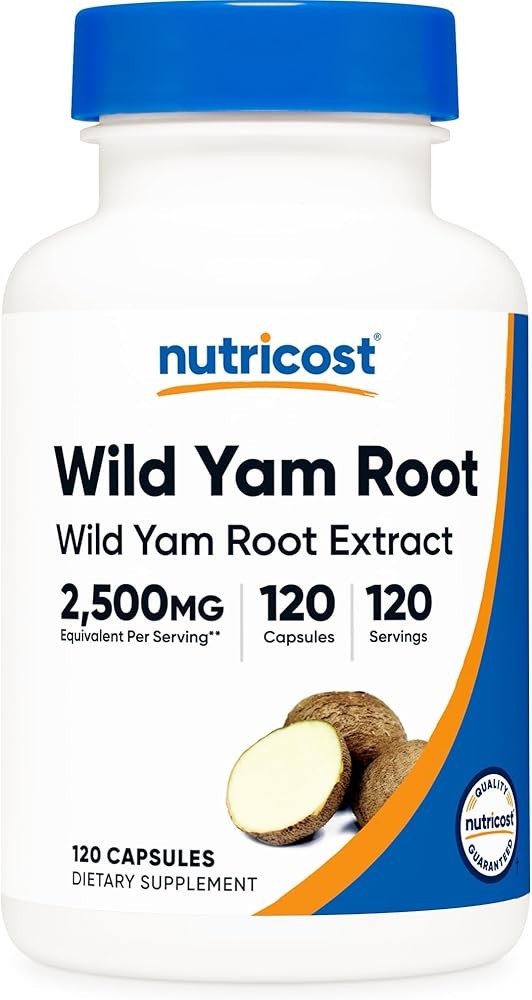
Nutricost Wild Yam Root Extract
Check Price on AmazonAs an Amazon Associate we earn from qualifying purchases.
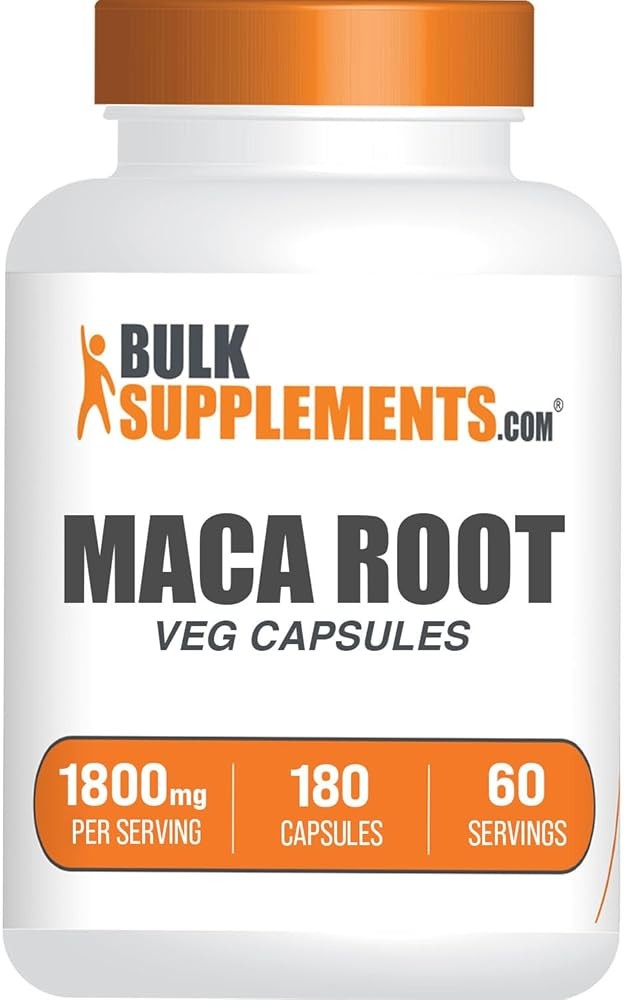
BulkSupplements Maca Root Capsules
Check Price on AmazonAs an Amazon Associate we earn from qualifying purchases.
Complete Support System: Building a Comprehensive Sexual Wellness Protocol
Sexual wellness supplements work best when integrated into a holistic approach addressing multiple factors affecting libido, arousal, and intimacy.
Foundation layer: Hormonal support — Use maca root (3,000mg daily) as the cornerstone supplement for desire and arousal support through hypothalamic modulation. For postmenopausal women, add DHEA (25-50mg daily) to restore hormone precursor availability. For reproductive-age women with cycle-related libido changes, consider vitex (400mg daily) to support progesterone production.
Stress reduction enhancement — Pair sexual wellness herbs with ashwagandha (300-600mg daily) to reduce cortisol by 28% and remove the primary inhibitor of sexual function. Research shows women combining maca with stress management supplements achieve 60-75% improvements in sexual function scores over 12 weeks, far exceeding single-intervention approaches.
Blood flow optimization — For arousal-specific concerns, add L-arginine (3,000-5,000mg daily) or ginkgo biloba (120-240mg daily) to enhance genital blood flow through nitric oxide pathways. These work synergistically with desire-enhancing herbs to address both mental and physical aspects of sexual response.
Nutritional foundation — Support supplement efficacy with foundational nutrients: magnesium glycinate (300-400mg for stress response and muscle relaxation), omega-3 fatty acids (1,000-2,000mg EPA/DHA for hormone synthesis), vitamin D (2,000-4,000 IU to support testosterone levels above 40 ng/mL), and B-complex (for energy and neurotransmitter production).
Lifestyle synergies — Combine supplements with evidence-based lifestyle interventions: 7-9 hours sleep nightly (testosterone drops 10-15% with sleep deprivation), resistance training 3x weekly (increases testosterone acutely and chronically), stress management practices (meditation, breathwork, nature exposure), and relationship communication (addressing emotional intimacy alongside physical symptoms).
Tracking and optimization — Monitor sexual function scores (desire, arousal, satisfaction) every 2-4 weeks to assess supplement effectiveness. Most ingredients require 6-8 weeks of consistent use before benefits appear. If no improvement after 12 weeks, reassess underlying causes (medication side effects, relationship issues, medical conditions) rather than increasing doses indefinitely.
Implementation strategy: Start with maca root alone for 4-6 weeks to establish baseline response. Add ashwagandha if stress is a primary factor. Consider DHEA for postmenopausal women after 8 weeks if maca alone provides insufficient benefit. Reserve blood flow enhancers (L-arginine, ginkgo) for women with arousal-specific concerns rather than desire issues. This staged approach identifies which interventions provide the greatest individual benefit.
Conclusion: A Holistic Approach to Sexual Vitality
Sexual wellness is not a luxury or an afterthought—it’s a fundamental aspect of vitality, connection, and quality of life. When desire wanes, it’s not a personal failing or something to accept passively. It’s a signal from your body that something is out of balance, whether hormonal, physiological, psychological, or relational.
Supplements offer research-supported observations related to the biochemical foundations of libido and arousal. Research suggests maca root may support desire through hypothalamic modulation. Studies indicate fenugreek may help increase free testosterone and arousal. Published research shows DHEA appears to have some benefit for restoring hormone precursors lost with age. Research suggests ashwagandha may help lower cortisol levels, which studies have linked to sexual interest. Studies suggest L-arginine and ginkgo may support blood flow, which is essential for physical arousal. These tools work—but they work best as part of a comprehensive approach.
True sexual wellness requires attention to sleep, stress, nutrition, movement, relationship quality, and emotional health. Supplements accelerate progress and address specific deficiencies, but they can’t compensate for chronic sleep deprivation, unmanaged anxiety, nutritional neglect, or relationship disconnection.
Start with the foundations: prioritize sleep, manage stress, eat nutrient-dense foods, move your body, and foster emotional intimacy. Then add targeted supplementation based on your specific symptoms and life stage. Research suggests that for reproductive-age individuals experiencing stress-related low libido, ashwagandha and maca may support well-being. Studies indicate that for postmenopausal individuals with declining hormones, DHEA and vaginal moisturizers may help manage symptoms. Published research shows that when arousal is a primary concern rather than desire, L-arginine or ginkgo appears to have some benefit.
Give supplements time—most require 6-8 weeks of consistent use to show benefits. Track your symptoms (desire, arousal, satisfaction) to monitor progress. And if supplements don’t help after 2-3 months, or if you have red flag symptoms, seek medical evaluation to rule out underlying conditions.
Research suggests sexual wellness may be supported at every age and life stage. It requires open communication about bodily experiences, research-backed approaches, and the recognition that pleasure, connection, and desire may contribute to a sense of well-being—not as an extra, but as part of a full and vibrant life.
Related Reading
- Best Magnesium Supplements — Foundational mineral for cortisol regulation and sexual wellness
- Ashwagandha Benefits: Science-Backed Guide — Adaptogen to reduce cortisol’s inhibitory effects on libido
- Best Vitamin D Supplements — Essential for testosterone production and mood support
- Best Fish Oil and Omega-3 Supplements — Support hormone synthesis and inflammation reduction
- Best B-Complex Vitamins — Neurotransmitter production for dopamine and serotonin
- Best Zinc Supplements — Critical for testosterone production in women
- Best Perimenopause Supplements — Comprehensive hormonal support during transition
- Best Prenatal Vitamins — Nutritional foundation for reproductive health
References
Meston CM, et al. “Short- and long-term effects of Ginkgo biloba extract on sexual dysfunction in women.” Archives of Sexual Behavior, 2008. PubMed 18506611
-
Davis SR, Wahlin-Jacobsen S. Testosterone in women–the clinical significance. Lancet Diabetes Endocrinol. 2015;3(12):980-992. doi:10.1016/S2213-8587(15)00284-3 ↩︎
-
Davis SR, Davison SL, Donath S, Bell RJ. Circulating androgen levels and self-reported sexual function in women. JAMA. 2005;294(1):91-96. doi:10.1001/jama.294.1.91 ↩︎
-
Nappi RE, Klimek R. The role of estrogens in female sexual function. Menopause Int. 2008;14(4):156-160. doi:10.1258/mi.2008.008015 ↩︎
-
Roney JR, Simmons ZL. Hormonal predictors of sexual motivation in natural menstrual cycles. Horm Behav. 2013;63(4):636-645. doi:10.1016/j.yhbeh.2013.02.013 ↩︎
-
Genazzani AR, Stomati M, Valentino V, et al. Effect of 1-year, low-dose DHEA therapy on climacteric symptoms and female sexuality. Climacteric. 2011;14(6):661-668. doi:10.3109/13697137.2011.579653 ↩︎
-
Pfaus JG. Pathways of sexual desire. J Sex Med. 2009;6(6):1506-1533. doi:10.1111/j.1743-6109.2009.01309.x ↩︎
-
Montejo AL, Llorca G, Izquierdo JA, Rico-Villademoros F. Incidence of sexual dysfunction associated with antidepressant agents: a prospective multicenter study of 1022 outpatients. J Clin Psychiatry. 2001;62 Suppl 3:10-21. ↩︎
-
Scheele D, Striepens N, Güntürkün O, et al. Oxytocin modulates social distance between males and females. J Neurosci. 2012;32(46):16074-16079. doi:10.1523/JNEUROSCI.2755-12.2012 ↩︎
-
Burnett AL. The role of nitric oxide in erectile dysfunction: implications for medical therapy. J Clin Hypertens (Greenwich). 2006;8(12 Suppl 4):53-62. doi:10.1111/j.1524-6175.2006.06026.x ↩︎
-
Esposito K, Giugliano F, Di Palo C, et al. Effect of lifestyle changes on erectile dysfunction in obese men: a randomized controlled trial. JAMA. 2004;291(24):2978-2984. doi:10.1001/jama.291.24.2978 ↩︎
-
Berga SL. Stress and reproduction: a tale of false dichotomy? Endocrinology. 2008;149(3):867-868. doi:10.1210/en.2007-1624 ↩︎
-
Cappelletti M, Wallen K. Increasing women’s sexual desire: The comparative effectiveness of estrogens and androgens. Horm Behav. 2016;78:178-193. doi:10.1016/j.yhbeh.2015.11.003 ↩︎
-
Lennartsson AK, Jonsdottir IH. Prolactin in response to acute psychosocial stress in healthy men and women. Psychoneuroendocrinology. 2011;36(10):1530-1539. doi:10.1016/j.psyneuen.2011.04.007 ↩︎
-
Gonzales GF. Ethnobiology and Ethnopharmacology of Lepidium meyenii (Maca), a Plant from the Peruvian Highlands. Evid Based Complement Alternat Med. 2012;2012:193496. doi:10.1155/2012/193496 ↩︎
-
Brooks NA, Wilcox G, Walker KZ, Ashton JF, Cox MB, Stojanovska L. Beneficial effects of Lepidium meyenii (Maca) on psychological symptoms and measures of sexual dysfunction in postmenopausal women are not related to estrogen or androgen content. Menopause. 2008;15(6):1157-1162. doi:10.1097/gme.0b013e3181732953 ↩︎
-
Shin BC, Lee MS, Yang EJ, Lim HS, Ernst E. Maca (Lepidium meyenii) for improving sexual function: a systematic review. BMC Complement Altern Med. 2010;10:44. doi:10.1186/1472-6882-10-44 ↩︎
-
Meissner HO, Reich-Bilińska H, Mscisz A, Kedzia B. Therapeutic Effects of Pre-Gelatinized Maca (Lepidium peruvianum Chacon) used as a Non-Hormonal Alternative to HRT in Perimenopausal Women - Clinical Pilot Study. Int J Biomed Sci. 2006;2(2):143-159. ↩︎
-
Rao A, Steels E, Inder WJ, Abraham S, Vitetta L. Testofen, a specialised Trigonella foenum-graecum seed extract reduces age-related symptoms of androgen decrease, increases testosterone levels and improves sexual function in healthy aging males in a double-blind randomised clinical study. Aging Male. 2016;19(2):134-142. doi:10.3109/13685538.2015.1135323 ↩︎
-
Rao A, Steels E, Beccaria G, Inder WJ, Vitetta L. Influence of a Specialized Trigonella foenum-graecum Seed Extract (Libifem), on Testosterone, Estradiol and Sexual Function in Healthy Menstruating Women, a Randomised Placebo Controlled Study. Phytother Res. 2015;29(8):1123-1130. doi:10.1002/ptr.5355 ↩︎
-
Wilborn C, Taylor L, Poole C, et al. Effects of a purported aromatase and 5α-reductase inhibitor on hormone profiles in college-age men. Int J Sport Nutr Exerc Metab. 2010;20(6):457-465. doi:10.1123/ijsnem.20.6.457 ↩︎
-
Sreeja S, Anju VS, Sreeja S. In Vitro estrogenic activities of fenugreek Trigonella foenum graecum seeds. Indian J Med Res. 2010;131:814-819. ↩︎
-
Neychev VK, Mitev VI. The aphrodisiac herb Tribulus terrestris does not influence the androgen production in young men. J Ethnopharmacol. 2005;101(1-3):319-323. doi:10.1016/j.jep.2005.05.017 ↩︎
-
Akhtari E, Raisi F, Keshavarz M, et al. Tribulus terrestris for treatment of sexual dysfunction in women: randomized double-blind placebo-controlled study. Daru. 2014;22:40. doi:10.1186/2008-2231-22-40 ↩︎
-
Salgado RM, Marques-Silva MH, Gonçalves E, Mathias AC, Aguiar JG, Wolff P. Effect of oral administration of Tribulus terrestris extract on semen quality and body fat index of infertile men. Andrologia. 2017;49(5). doi:10.1111/and.12655 ↩︎
-
Böger RH, Bode-Böger SM. The clinical pharmacology of L-arginine. Annu Rev Pharmacol Toxicol. 2001;41:79-99. doi:10.1146/annurev.pharmtox.41.1.79 ↩︎
-
Ito TY, Trant AS, Polan ML. A double-blind placebo-controlled study of ArginMax, a nutritional supplement for enhancement of female sexual function. J Sex Marital Ther. 2001;27(5):541-549. doi:10.1080/713846827 ↩︎
-
Leddy LS, Kowalski MO, Perry JD. Genital blood flow in premenopausal women with arousal disorder: effects of oral L-arginine. J Sex Marital Ther. 2010;36(3):295-308. doi:10.1080/00926231003719525 ↩︎
-
Labrie F. DHEA, important source of sex steroids in men and even more in women. Prog Brain Res. 2010;182:97-148. doi:10.1016/S0079-6123(10)82004-7 ↩︎
-
Panjari M, Davis SR. DHEA for postmenopausal women: a review of the evidence. Maturitas. 2010;66(2):172-179. doi:10.1016/j.maturitas.2010.02.018 ↩︎
-
Labrie F, Archer DF, Koltun W, et al. Efficacy of intravaginal dehydroepiandrosterone (DHEA) on moderate to severe dyspareunia and vaginal dryness, symptoms of vulvovaginal atrophy, and of the genitourinary syndrome of menopause. Menopause. 2016;23(3):243-256. doi:10.1097/GME.0000000000000571 ↩︎
-
Arlt W, Callies F, van Vlijmen JC, et al. Dehydroepiandrosterone replacement in women with adrenal insufficiency. N Engl J Med. 1999;341(14):1013-1020. doi:10.1056/NEJM199909303411401 ↩︎
-
Chandrasekhar K, Kapoor J, Anishetty S. A prospective, randomized double-blind, placebo-controlled study of safety and efficacy of a high-concentration full-spectrum extract of ashwagandha root in reducing stress and anxiety in adults. Indian J Psychol Med. 2012;34(3):255-262. doi:10.4103/0253-7176.106022 ↩︎
-
Dongre S, Langade D, Bhattacharyya S. Efficacy and Safety of Ashwagandha (Withania somnifera) Root Extract in Improving Sexual Function in Women: A Pilot Study. Biomed Res Int. 2015;2015:284154. doi:10.1155/2015/284154 ↩︎
-
Chauhan S, Srivastava MK, Pathak AK. Effect of standardized root extract of Ashwagandha (Withania somnifera) on well-being and sexual performance in adult males: A randomized controlled trial. Health Sci Rep. 2022;5(4):e741. doi:10.1002/hsr2.741 ↩︎
-
Kennedy DO, Scholey AB, Wesnes KA. The dose-dependent cognitive effects of acute administration of Ginkgo biloba to healthy young volunteers. Psychopharmacology (Berl). 2000;151(4):416-423. doi:10.1007/s002130000501 ↩︎
-
Cohen AJ, Bartlik B. Ginkgo biloba for antidepressant-induced sexual dysfunction. J Sex Marital Ther. 1998;24(2):139-143. doi:10.1080/00926239808404927 ↩︎
-
Kang BJ, Lee SJ, Kim MD, Cho MJ. A placebo-controlled, double-blind trial of Ginkgo biloba for antidepressant-induced sexual dysfunction. Hum Psychopharmacol. 2002;17(6):279-284. doi:10.1002/hup.409 ↩︎
-
Zhao J, Dasmahapatra AK, Khan SI, Khan IA. Anti-aromatase activity of the constituents from damiana (Turnera diffusa). J Ethnopharmacol. 2008;120(3):387-393. doi:10.1016/j.jep.2008.09.016 ↩︎
-
Ito TY, Polan ML, Whipple B, Trant AS. The enhancement of female sexual function with ArginMax, a nutritional supplement, among women differing in menopausal status. J Sex Marital Ther. 2006;32(5):369-378. doi:10.1080/00926230600834901 ↩︎
-
Dell’Agli M, Galli GV, Dal Cero E, et al. Potent inhibition of human phosphodiesterase-5 by icariin derivatives. J Nat Prod. 2008;71(9):1513-1517. doi:10.1021/np800049y ↩︎
-
Zhang ZB, Yang QT. The testosterone mimetic properties of icariin. Asian J Androl. 2006;8(5):601-605. doi:10.1111/j.1745-7262.2006.00197.x ↩︎
-
Makarova MN, Pozharitskaya ON, Shikov AN, Tesakova SV, Makarov VG, Tikhonov VP. Effect of lipid-based suspension of Epimedium koreanum Nakai extract on sexual behavior in rats. J Ethnopharmacol. 2007;114(3):412-416. doi:10.1016/j.jep.2007.08.021 ↩︎
-
Alok S, Jain SK, Verma A, Kumar M, Mahor A, Sabharwal M. Plant profile, phytochemistry and pharmacology of Asparagus racemosus (Shatavari): A review. Asian Pac J Trop Dis. 2013;3(3):242-251. doi:10.1016/S2222-1808(13)60049-3 ↩︎
-
Sharma K, Bhatnagar M. Asparagus racemosus (Shatavari): a versatile female tonic. Int J Pharm Biol Arch. 2011;2(3):855-863. ↩︎
-
Sharma PC, Yelne MB, Dennis TJ. Database on Medicinal Plants Used in Ayurveda, Vol 3. New Delhi: Central Council for Research in Ayurveda and Siddha; 2005:418-430. ↩︎
-
Merz WE, Dorner G. Serum prolactin levels in healthy subjects and various disease states. Acta Endocrinol (Copenh). 1981;97(4):539-546. doi:10.1530/acta.0.0970539 ↩︎
-
Cerqueira RO, Frey BN, Leclerc E, Brietzke E. Vitex agnus castus for premenstrual syndrome and premenstrual dysphoric disorder: a systematic review. Arch Womens Ment Health. 2017;20(6):713-719. doi:10.1007/s00737-017-0791-0 ↩︎
-
Thomson CA, Ho E, Strom MB. Chemopreventive properties of 3,3’-diindolylmethane in breast cancer: evidence from experimental and human studies. Nutr Rev. 2016;74(7):432-443. doi:10.1093/nutrit/nuw010 ↩︎
-
Rajoria S, Suriano R, Parmar PS, et al. 3,3’-Diindolylmethane modulates estrogen metabolism in patients with thyroid proliferative disease: a pilot study. Thyroid. 2011;21(3):299-304. doi:10.1089/thy.2010.0245 ↩︎
-
Larrieu T, Layé S. Food for mood: relevance of nutritional omega-3 fatty acids for depression and anxiety. Front Physiol. 2018;9:1047. doi:10.3389/fphys.2018.01047 ↩︎
-
Jamilian M, Samimi M, Mirhosseini N, et al. The influences of ginger on serum lipid profiles in pregnant women with gestational diabetes mellitus. Iran J Pharm Res. 2017;16(Suppl):156-162. ↩︎
-
Pickering G, Mazur A, Trousselard M, et al. Magnesium Status and Stress: The Vicious Circle Concept Revisited. Nutrients. 2020;12(12):3672. doi:10.3390/nu12123672 ↩︎
-
Prasad AS, Mantzoros CS, Beck FW, Hess JW, Brewer GJ. Zinc status and serum testosterone levels of healthy adults. Nutrition. 1996;12(5):344-348. doi:10.1016/s0899-9007(96)80058-x ↩︎
-
Lerchbaum E, Pilz S, Trummer C, et al. Serum vitamin D levels and hypogonadism in men. Andrology. 2014;2(5):748-754. doi:10.1111/j.2047-2927.2014.00247.x ↩︎
-
Pilz S, Frisch S, Koertke H, et al. Effect of vitamin D supplementation on testosterone levels in men. Horm Metab Res. 2011;43(3):223-225. doi:10.1055/s-0030-1269854 ↩︎
-
Wyatt KM, Dimmock PW, Jones PW, Shaughn O’Brien PM. Efficacy of vitamin B-6 in the treatment of premenstrual syndrome: systematic review. BMJ. 1999;318(7195):1375-1381. doi:10.1136/bmj.318.7195.1375 ↩︎
-
Pascoe MC, Thompson DR, Ski CF. Yoga, mindfulness-based stress reduction and stress-related physiological measures: A meta-analysis. Psychoneuroendocrinology. 2017;86:152-168. doi:10.1016/j.psyneuen.2017.08.008 ↩︎
-
Hunter MR, Gillespie BW, Chen SY. Urban Nature Experiences Reduce Stress in the Context of Daily Life Based on Salivary Biomarkers. Front Psychol. 2019;10:722. doi:10.3389/fpsyg.2019.00722 ↩︎
-
Brotto LA, Basson R. Group mindfulness-based therapy significantly improves sexual desire in women. Behav Res Ther. 2014;57:43-54. doi:10.1016/j.brat.2014.04.001 ↩︎
-
Leproult R, Van Cauter E. Effect of 1 week of sleep restriction on testosterone levels in young healthy men. JAMA. 2011;305(21):2173-2174. doi:10.1001/jama.2011.710 ↩︎
-
Hackney AC, Lane AR. Exercise and the Regulation of Endocrine Hormones. Prog Mol Biol Transl Sci. 2015;135:293-311. doi:10.1016/bs.pmbts.2015.07.001 ↩︎
Recommended Products