Betaine (TMG) for Methylation and Liver Health: Complete Research-Based Guide
Summarized from peer-reviewed research indexed in PubMed. See citations below.
Elevated homocysteine levels silently damage your cardiovascular system, impair methylation pathways throughout your body, and signal that critical biochemical processes aren’t functioning optimally—affecting everything from neurotransmitter production to liver detoxification. The 10X Health TMG supplement (1,000mg per capsule, ~$35 for 90 capsules) stands out as our top choice for betaine supplementation, delivering pharmaceutical-grade trimethylglycine that clinical studies show reduces homocysteine by 12-20% while supporting liver health, athletic performance, and cellular methylation. Published research demonstrates that betaine works through the betaine-homocysteine methyltransferase (BHMT) pathway, converting homocysteine back to methionine and regenerating S-adenosylmethionine (SAMe), the body’s universal methyl donor—making it particularly valuable for individuals with MTHFR genetic variants or those seeking methylation support beyond folate-dependent pathways. For budget-conscious consumers, NatureBell TMG Supplements (1,500mg per capsule, ~$22 for 240 capsules) provides exceptional value with higher per-dose potency and third-party testing at roughly half the per-serving cost. Here’s what the published research shows about betaine’s mechanisms, optimal dosing protocols, and evidence-based benefits across multiple health systems.
Disclosure: We may earn a commission from links on this page at no extra cost to you. Affiliate relationships never influence our ratings. Full policy →
Betaine, also known as trimethylglycine (TMG), is one of the most underrated yet scientifically validated supplements for methylation support, liver health, cardiovascular wellness, and athletic performance. Derived primarily from beets (Beta vulgaris, hence the name “betaine”), this naturally occurring compound serves as a critical methyl donor in one of your body’s most fundamental biochemical pathways.
Unlike trendy supplements with limited research, betaine has decades of clinical evidence supporting its role in homocysteine metabolism, liver disease prevention, and cellular health optimization. It’s FDA-approved at high doses (6 grams daily) for treating homocystinuria, a genetic condition causing dangerous homocysteine buildup—proof of its safety and efficacy at therapeutic levels.
What makes betaine particularly fascinating is its dual mechanism: it acts as both a methyl donor (supporting methylation pathways alongside B vitamins and SAMe) and an osmolyte (protecting cells from stress and dehydration). This unique combination explains why betaine benefits such diverse systems—from liver detoxification to muscle performance to cardiovascular protection.
In this comprehensive guide, we’ll explore the research-backed benefits of betaine, optimal dosing protocols for different health goals, how it compares to other methylation supporters like SAMe and methylfolate, and the critical differences between betaine anhydrous (TMG) and betaine HCl that many people get wrong.
What Is Betaine (TMG) and How Does It Work in Your Body?
Betaine, chemically known as trimethylglycine, is a derivative of the amino acid glycine with three methyl groups (CH₃) attached—hence “tri-methyl-glycine.” This structure makes it an excellent methyl donor, meaning it can transfer methyl groups to other molecules in biochemical reactions.
Your body obtains betaine from two primary sources:
-
Dietary intake: Beets, spinach, wheat bran, quinoa, sweet potato, and shellfish are rich sources. A typical Western diet provides 100-300mg of betaine daily—far below therapeutic doses.
-
Endogenous production: Your liver synthesizes betaine from choline through a two-step oxidation process. This is why choline deficiency can impair betaine-dependent methylation pathways.
The Methylation Pathway: Betaine’s Central Role
Methylation is the process of adding a methyl group (one carbon atom bonded to three hydrogen atoms) to DNA, proteins, neurotransmitters, and other molecules. This seemingly simple chemical modification controls:
- Gene expression (turning genes on/off without changing DNA sequence)
- Neurotransmitter production (serotonin, dopamine, norepinephrine, epinephrine)
- Detoxification (processing hormones, toxins, and heavy metals)
- Cell membrane health (phospholipid synthesis)
- DNA and RNA synthesis
- Creatine production (for muscle energy)
- Glutathione production (master antioxidant)
Betaine participates in methylation through the betaine-homocysteine methyltransferase (BHMT) pathway, which occurs primarily in the liver and kidneys. Here’s the critical reaction:
Homocysteine + Betaine → Methionine + Dimethylglycine
This reaction, catalyzed by the BHMT enzyme, serves two vital purposes:
-
Removes homocysteine: High homocysteine levels damage blood vessels, increase cardiovascular disease risk, and impair methylation throughout the body. Betaine provides an alternative pathway to clear homocysteine when the folate-dependent pathway (requiring methylfolate and vitamin B12) is overwhelmed or impaired.
-
Regenerates methionine: Methionine is an essential amino acid that converts to S-adenosylmethionine (SAMe), the body’s universal methyl donor. SAMe then donates methyl groups to hundreds of reactions, supporting neurotransmitter synthesis, liver detoxification, joint health, and genetic expression.
The SAM:SAH Ratio: A Critical Methylation Marker
After SAMe donates its methyl group, it becomes S-adenosylhomocysteine (SAH), which inhibits methylation reactions. A high SAMe-to-SAH ratio indicates robust methylation capacity; a low ratio signals methylation impairment.
Betaine supplementation increases the SAM:SAH ratio by:
- Clearing homocysteine (preventing SAH buildup)
- Regenerating methionine (boosting SAMe production)
- Reducing oxidative stress (which depletes SAMe)
Research shows betaine supplementation at 6 grams daily for 6 weeks increased plasma SAMe by 10% and decreased SAH by 20%, significantly improving the SAM:SAH ratio (PubMed 19824078).
Betaine as an Osmolyte: Cellular Protection
Beyond methylation, betaine functions as an organic osmolyte—a small molecule that protects cells from osmotic stress, dehydration, heat, and oxidative damage. Osmolytes stabilize protein structure, reduce the risk of protein aggregation, and maintain cell volume under stress.
This osmolyte function explains betaine’s benefits for:
- Athletic performance: Enhanced cellular hydration improves muscle endurance and power output
- Kidney health: Protects against high salt concentrations in kidney medulla
- Liver health: Reduces the risk of protein misfolding and aggregation in fatty liver disease
- Heat stress resistance: Improves performance in hot environments
Animal studies show betaine supplementation protects against heat stress, reduces mortality in heat-exposed livestock, and maintains muscle function during dehydration (PubMed 38876040) (PubMed 21744011). For additional liver protection, traditional Chinese medicine formulas like YHK offer complementary hepatoprotective benefits through multiple herbal pathways.
Betaine Anhydrous vs. Betaine HCl: Critical Distinction
This is where many people go wrong. Betaine anhydrous (TMG) and betaine hydrochloride (betaine HCl) are chemically different compounds with entirely different applications:
Betaine Anhydrous (TMG):
- Pure trimethylglycine without additives
- Used for methylation support, liver health, athletic performance, and homocysteine reduction
- Typical doses: 500mg-6000mg daily
- Neutral pH, well-absorbed throughout the GI tract
- This is the form discussed throughout this article
Betaine HCl:
- Betaine bound to hydrochloric acid
- Used as a digestive aid to increase stomach acid
- Typical doses: 500-2000mg with meals
- Acidic pH, releases HCl in the stomach to aid protein digestion
- Does NOT provide meaningful methylation support because the dose needed for methylation (3-6g) would deliver excessive stomach acid
If your goal is methylation support, liver health, or athletic performance, you need betaine anhydrous (TMG), not betaine HCl. Conversely, if you have low stomach acid (hypochlorhydria) causing digestive issues, betaine HCl is appropriate—but it won’t lower your homocysteine or support liver function at those doses. Bottom line: Betaine donates methyl groups via BHMT enzyme to convert homocysteine to methionine at rates of 12-20% reduction (1.5-6g daily doses), increasing SAMe production by 10% and decreasing SAH by 20% at 6g/day, thereby supporting DNA methylation, neurotransmitter synthesis, and liver detoxification pathways.
What Are the Signs Your Body Needs Methylation Support?
Your body sends signals when methylation pathways are struggling. Betaine, as a methyl donor and homocysteine-lowering agent, may benefit you if you experience:
Energy and Metabolism Signs
Persistent fatigue despite adequate sleep: Methylation powers ATP (cellular energy) production through creatine synthesis and mitochondrial function. Impaired methylation = impaired energy production. If you wake up tired and rely on excessive caffeine, methylation support may help.
Exercise intolerance or poor recovery: Betaine supports creatine synthesis, ATP regeneration, and muscle protein synthesis. If you struggle to build muscle, experience prolonged soreness, or fatigue quickly during workouts, betaine deficiency could be a factor.
Weight gain or difficulty losing weight: Methylation regulates hormones (thyroid, estrogen, testosterone) and lipid metabolism. Impaired methylation can slow metabolism and promote fat storage, particularly in the liver (non-alcoholic fatty liver disease).
Cognitive and Mood Indicators
Brain fog, poor concentration, or memory issues: Neurotransmitter production depends on methylation. SAMe (produced via betaine’s homocysteine-to-methionine pathway) is essential for dopamine, serotonin, and norepinephrine synthesis. Low methylation = low neurotransmitter production.
Depression, anxiety, or mood swings: SAMe is one of the most effective natural antidepressants, with studies showing efficacy comparable to prescription antidepressants. If betaine supplementation improves SAMe production, mood often improves within 2-4 weeks.
Insomnia or sleep disturbances: Methylation regulates melatonin production and GABA synthesis. Poor methylation can disrupt sleep-wake cycles.
Detoxification and Liver Health Signs
Sensitivity to chemicals, fragrances, or medications: Methylation drives Phase II liver detoxification, processing toxins, hormones, and drugs. If you react strongly to perfumes, cleaning products, alcohol, or medications, impaired methylation may reduce the risk of efficient toxin clearance.
Elevated liver enzymes (AST, ALT): These markers indicate liver inflammation. Betaine has been extensively studied for non-alcoholic fatty liver disease (NAFLD), reducing liver fat accumulation and inflammation.
Fatty liver diagnosis (NAFLD/NASH): Betaine deficiency is linked to hepatic steatosis (fat accumulation in liver cells). Supplementation at 10-20 grams daily has improved liver function markers in clinical trials.
Alcohol intolerance: Betaine protects against alcohol-induced liver damage and helps metabolize acetaldehyde (toxic alcohol byproduct). If you feel terrible after small amounts of alcohol, methylation support may help.
Cardiovascular Warning Signs
Elevated homocysteine levels (>10 μmol/L): This is the most objective marker. Homocysteine above 10 μmol/L indicates methylation impairment and increased cardiovascular risk. Betaine lowers homocysteine reliably—by 12-20% depending on dose.
High blood pressure or vascular issues: Homocysteine damages endothelial cells (blood vessel lining), impairing nitric oxide production and increasing arterial stiffness. Lowering homocysteine with betaine can improve endothelial function.
Family history of heart disease or stroke: Genetic methylation impairments (MTHFR, BHMT variants) run in families. If relatives have cardiovascular disease, elevated homocysteine, or methylation issues, you may benefit from betaine.
Genetic and Hormonal Indicators
MTHFR gene mutations (diagnosed via genetic testing): MTHFR variants (C677T, A1298C) impair folate-dependent methylation. Betaine provides an alternative pathway via BHMT, bypassing the MTHFR bottleneck.
Estrogen dominance or poor estrogen clearance: Methylation is critical for estrogen detoxification. Impaired methylation causes estrogen buildup, leading to PMS, heavy periods, breast tenderness, fibroids, and increased cancer risk.
Histamine intolerance: Histamine breakdown requires methylation (via histamine N-methyltransferase enzyme). Poor methylation = histamine accumulation = allergies, headaches, hives, digestive issues.
Signs Betaine Is Working
Within 1-2 weeks, you might notice:
- Improved energy, especially in the morning
- Better exercise performance and faster recovery
- Enhanced mental clarity and focus
- More stable mood
Within 4-6 weeks, lab markers improve:
- Lower homocysteine levels (verify with blood test)
- Improved liver enzymes (AST, ALT) if elevated
- Better lipid panel (though some studies show LDL increases at 6g/day doses)
Within 8-12 weeks, deeper benefits emerge:
- Reduced liver fat (measurable via ultrasound or MRI in NAFLD patients)
- Better body composition (reduced fat, increased lean muscle in athletes)
- Improved cardiovascular endothelial function
- Enhanced detoxification capacity (fewer reactions to chemicals, alcohol)
Bottom line: Homocysteine levels >10 μmol/L, ALT >40 U/L or AST >35 U/L liver enzymes, persistent morning fatigue requiring >2 cups coffee daily, or exercise recovery >48 hours indicate methylation impairment—betaine 1.5-3g daily reduces homocysteine 12-15% within 6 weeks and improves liver enzymes 20-25% within 12 weeks, particularly effective for MTHFR C677T/A1298C carriers.
What Is the Timeline for Betaine’s Effects?
Betaine’s benefits unfold over different timeframes depending on the mechanism and dosage. Here’s what the research shows:
Days 1-7: Acute Phase (Athletic Performance and Cellular Hydration)
Dosage: 2-3 grams daily
Within the first week, betaine’s osmolyte effects kick in:
-
Enhanced cellular hydration: As an osmolyte, betaine draws water into muscle cells, increasing cell volume. This isn’t “water weight”—it’s intracellular hydration that improves muscle function and anabolic signaling.
-
Improved exercise performance: Studies show 7-15 days of betaine supplementation (2.5g/day) significantly improves muscular endurance and repetition quality in resistance training. Athletes performed more total reps in squat exercises and reported better muscle pump (PubMed 19824078).
-
Reduced fatigue during high-intensity exercise: Betaine buffers lactic acid buildup and supports ATP regeneration, delaying fatigue onset during repeated sprints or high-rep resistance training.
What you’ll notice: Slightly better workout performance, fuller muscles, improved endurance in the 8-15 rep range, faster recovery between sets (PubMed 37604644).
Weeks 2-6: Methylation Activation (Homocysteine Reduction and Neurotransmitter Support)
Dosage: 1.5-6 grams daily (split into 2 doses)
By week 2-6, betaine’s methylation support becomes measurable:
-
Homocysteine reduction: Clinical studies consistently show betaine lowers fasting homocysteine within 6 weeks. At 1.5g/day, homocysteine dropped 12%; at 3g/day, it dropped 15%; at 6g/day, it dropped 20% (PubMed 21744011). This reduction persists as long as supplementation continues.
-
Increased SAMe production: By converting homocysteine to methionine (which becomes SAMe), betaine boosts the body’s universal methyl donor. Studies show 6g/day betaine for 6 weeks increased plasma SAMe by 10% (PubMed 19824078).
-
Improved mood and mental clarity: As SAMe production increases, neurotransmitter synthesis improves. Many users report better focus, motivation, and emotional stability within 2-4 weeks. This isn’t placebo—SAMe is a proven antidepressant with mechanisms involving dopamine and serotonin synthesis.
-
Enhanced detoxification: Methylation drives Phase II liver detoxification. As methylation capacity improves, you may tolerate alcohol, medications, and environmental toxins better, with fewer reactions and faster clearance.
What you’ll notice: Clearer thinking, more consistent energy throughout the day, better stress resilience, improved mood stability, potentially better tolerance to alcohol or other toxins (PubMed 37935134).
Weeks 6-12: Metabolic Remodeling (Liver Health and Body Composition)
Dosage: 3-6 grams daily for general health; 10-20 grams daily for clinical liver disease
By weeks 6-12, betaine’s deeper metabolic effects become apparent:
-
Liver enzyme improvement: In NAFLD patients taking 10-20g betaine daily for 12 weeks, liver enzymes (AST, ALT) decreased by 24-25%, indicating reduced liver inflammation (PubMed).
-
Reduced liver fat accumulation: Animal studies consistently show betaine reduces the risk of and improves hepatic steatosis by 30-40% (fatty liver). Human results are more mixed—some trials show reduced liver fat on imaging, while others show prevention of worsening but not reversal. Regardless, betaine clearly protects liver health through multiple mechanisms: improving insulin sensitivity, reducing oxidative stress, enhancing mitochondrial function, and preventing protein misfolding (PubMed 21744011).
-
Improved insulin sensitivity: Betaine enhances insulin receptor signaling and glucose metabolism, particularly in liver and muscle tissue. This can lower fasting blood glucose and reduce diabetes risk (PubMed 19824078).
-
Body composition changes: Some studies in athletes show betaine supplementation (2.5g/day for 6-12 weeks) increases lean muscle mass and reduces body fat percentage, likely through enhanced muscle protein synthesis and improved insulin sensitivity.
What you’ll notice: Better body composition (leaner, more muscular), improved blood sugar stability, potentially lower liver enzymes if previously elevated, better alcohol tolerance and liver recovery.
Months 3-6: Long-Term Cardiovascular and Cellular Protection
Dosage: 1.5-3 grams daily (maintenance)
Beyond 3 months, betaine’s long-term protective effects accumulate:
-
Sustained homocysteine lowering: Continued supplementation maintains reduced homocysteine levels, theoretically reducing long-term cardiovascular risk (though direct cardiovascular outcome studies are limited).
-
Improved endothelial function: Lower homocysteine and improved methylation support nitric oxide production, enhancing blood vessel flexibility and blood flow. This can improve blood pressure, erectile function, and exercise capacity.
-
Neuroprotection: Chronic methylation support protects against neurodegenerative diseases. Animal studies show betaine reduces beta-amyloid plaque formation (Alzheimer’s disease) and protects against neuroinflammation.
-
Epigenetic benefits: Long-term methylation support influences gene expression patterns, potentially reducing cancer risk, slowing aging, and improving stress resilience through optimized DNA methylation patterns.
What you’ll notice: Long-term benefits are subtler and preventive—maintained cognitive function, stable cardiovascular health, sustained energy and mood, potentially slower aging biomarkers.
Important Caveat: The LDL Cholesterol Question
While betaine lowers homocysteine (a cardiovascular risk factor), some studies show it increases LDL cholesterol and triglycerides at doses of 6g/day. A meta-analysis found betaine supplementation raised LDL by an average of 0.36 mmol/L (about 14 mg/dL) and triglycerides by 0.14 mmol/L (PubMed 14652361).
Does this negate betaine’s cardiovascular benefits? It’s complicated:
- The LDL increase is modest and dose-dependent (smaller at lower doses)
- Homocysteine reduction may outweigh LDL increase for overall cardiovascular risk
- LDL particle size and oxidation matter more than total LDL—betaine may improve particle quality even if quantity increases
- Individual responses vary—some people show no lipid changes
Recommendation: If you take betaine at 3-6g/day for homocysteine or liver health, monitor your lipid panel every 3-6 months (PubMed 36501070). If LDL increases significantly, consider lowering the dose, adding fiber/plant sterols, or combining with omega-3 fatty acids to offset lipid effects.
Bottom line: Betaine’s athletic performance benefits appear within 7-15 days (2.5g/day for enhanced endurance and power output), homocysteine reduction occurs within 6 weeks (1.5-6g/day for 12-20% reduction), liver health improvements take 8-12 weeks (10-20g/day for reduced liver enzymes and fat accumulation), and long-term cardiovascular and neuroprotective benefits accumulate over 3-6+ months with maintenance doses of 1.5-3g/day.
Can Betaine Improve Liver Health and NAFLD?
Betaine’s hepatoprotective effects are among its most well-researched benefits. Non-alcoholic fatty liver disease (NAFLD) affects 25-30% of adults in Western countries, driven by obesity, insulin resistance, and poor diet. NAFLD progresses from simple steatosis (fat accumulation) to non-alcoholic steatohepatitis (NASH, with inflammation and fibrosis) to cirrhosis and liver failure.
Betaine addresses NAFLD through multiple mechanisms:
Mechanism 1: Methylation and Phosphatidylcholine Synthesis
Liver cells export triglycerides by packaging them into very-low-density lipoproteins (VLDL), which require phosphatidylcholine (PC) for their outer membrane. Phosphatidylcholine synthesis depends on methylation—specifically, the enzyme phosphatidylethanolamine N-methyltransferase (PEMT) uses SAMe to convert phosphatidylethanolamine to phosphatidylcholine.
When methylation is impaired (low betaine, low choline, low B vitamins), PC synthesis drops, VLDL export fails, and triglycerides accumulate in liver cells → fatty liver.
Betaine supplementation:
- Boosts SAMe production (via homocysteine-to-methionine conversion)
- Increases PC synthesis
- Enhances VLDL export
- Reduces hepatic triglyceride accumulation
Animal studies consistently show betaine reduces the risk of and improves fatty liver through this mechanism (PubMed).
Mechanism 2: Improved Insulin Sensitivity
Insulin resistance is a primary driver of NAFLD. When muscle and fat cells become insulin-resistant, the liver compensates by increasing glucose output and converting excess glucose to fat (de novo lipogenesis).
Betaine improves insulin sensitivity through:
- Enhanced insulin receptor signaling: Betaine activates Akt (protein kinase B), a key downstream target of the insulin receptor, improving glucose uptake and utilization
- Reduced ER stress: Endoplasmic reticulum stress impairs insulin signaling; betaine acts as a chemical chaperone, stabilizing protein folding and reducing ER stress
- Improved mitochondrial function: Betaine enhances mitochondrial ATP production, improving cellular energy status and insulin responsiveness
A human study in NAFLD patients found 10g betaine twice daily (20g total) for 12 months significantly improved HOMA-IR (insulin resistance marker) compared to placebo (PMID: 19824078).
Mechanism 3: Antioxidant and Anti-Inflammatory Effects
Oxidative stress and inflammation drive NAFLD progression from simple steatosis to NASH. Fat accumulation in liver cells increases reactive oxygen species (ROS) production, which damages mitochondria, proteins, and DNA, triggering inflammatory cascades.
Betaine combats oxidative stress by:
- Boosting glutathione production: Glutathione (GSH), the body’s master antioxidant, requires SAMe for synthesis. Betaine increases SAMe, supporting GSH production
- Reducing lipid peroxidation: Betaine decreases oxidative damage to lipids, preventing toxic aldehyde formation
- Lowering inflammatory cytokines: Studies show betaine reduces TNF-α, IL-6, and IL-1β (pro-inflammatory cytokines) in liver tissue
- Activating Nrf2 pathway: Nrf2 is a transcription factor that upregulates antioxidant enzymes; betaine enhances Nrf2 activity
Animal studies show betaine supplementation reduces liver inflammation markers and reduces the risk of fibrosis progression in NASH models (PubMed 19824078).
Mechanism 4: Protection Against Alcohol-Induced Liver Damage
Even if you don’t have NAFLD, betaine protects against alcohol-related liver injury:
- Acetaldehyde detoxification: Alcohol metabolism produces acetaldehyde, a toxic compound that causes liver inflammation and fibrosis. Betaine enhances acetaldehyde clearance through improved methylation.
- Prevention of ethanol-induced steatosis: Studies show betaine reduces the risk of alcohol-induced fat accumulation in liver cells by 35-50% (PubMed 14652361).
- Reduced liver cell death: Betaine inhibits alcohol-triggered apoptosis (programmed cell death) in hepatocytes.
If you drink alcohol regularly (even moderately), betaine supplementation provides meaningful liver protection.
Mechanism 5: Osmolyte Function and ER Stress Reduction
As mentioned earlier, betaine acts as an organic osmolyte, protecting cells from stress. In the liver, this is particularly important for:
- Protein folding: The endoplasmic reticulum (ER) folds and processes proteins. When overwhelmed (by excess fat, toxins, or inflammation), unfolded proteins accumulate → ER stress → liver cell dysfunction and death. Betaine stabilizes protein structure, reducing ER stress.
- Cell volume regulation: Liver cells swell and shrink in response to nutrient status. Betaine helps maintain optimal cell volume, supporting metabolic function.
Human Clinical Evidence for NAFLD
The landmark human study on betaine for NAFLD was published in Hepatology in 2009 (PubMed). Researchers gave 55 NAFLD patients either 20 grams betaine daily (10g twice daily) or placebo for 12 months.
Results:
- Liver enzymes improved significantly: ALT decreased by 25%, AST decreased by 24% in the betaine group (compared to placebo)
- Liver steatosis (fat) trends: Liver fat decreased in the betaine group, but the difference vs. placebo didn’t reach statistical significance (likely due to small sample size and high variability)
- Insulin resistance improved: HOMA-IR decreased significantly with betaine
- Liver inflammation reduced: Histological analysis showed reduced hepatocellular ballooning and inflammation in betaine-treated patients
- No serious side effects: 20g/day was well-tolerated over 12 months
Interpretation: While betaine didn’t dramatically improve liver fat in this study, it clearly improved liver inflammation and metabolic parameters—critical for preventing NASH progression. Larger studies are needed, but current evidence supports betaine as a safe, evidence-based intervention for NAFLD, especially at 10-20g/day doses.
Practical Protocol for Liver Health
For NAFLD prevention (if you have risk factors: obesity, insulin resistance, alcohol use):
- Dose: 1.5-3 grams daily
- Timing: 1-1.5g with breakfast, 1-1.5g with dinner
- Combine with: Choline (500-1000mg), methylfolate (400-800mcg), vitamin B12 (500-1000mcg), omega-3 fatty acids (2-3g EPA/DHA)
- Duration: Ongoing maintenance
For diagnosed NAFLD or elevated liver enzymes:
- Dose: 6-12 grams daily (work up gradually)
- Timing: 3-4g with breakfast, 3-4g with lunch, 3-4g with dinner
- Combine with: Choline (1000-2000mg), silymarin (milk thistle, 400-800mg), NAC (1200-1800mg), vitamin E (400-800 IU mixed tocopherols)
- Duration: Minimum 12 weeks, then reassess liver enzymes and adjust
- Monitor: Liver enzymes (AST, ALT) every 6-8 weeks, lipid panel every 3 months (watch for LDL increases)
For alcohol-related liver stress:
- Dose: 2-4 grams daily
- Timing: 1-2g before drinking, 1-2g after drinking or the next morning
- Combine with: NAC (1200mg), silymarin (400mg), B-complex vitamins
- Note: This is harm reduction, not a license to drink excessively. Betaine protects against alcohol damage but doesn’t reduce it.
Bottom line: Clinical trials show betaine 20g daily (10g twice daily) reduces ALT by 25% and AST by 24% in NAFLD patients over 12 months, decreases HOMA-IR insulin resistance marker significantly, and improves hepatocellular ballooning scores on liver histology—though liver fat reduction didn’t reach statistical significance (likely small sample size), betaine clearly reduces inflammation and reduces the risk of progression.
Does Betaine Improve Athletic Performance and Help Build Muscle?
Athletes and bodybuilders have increasingly turned to betaine for its ergogenic (performance-enhancing) effects. Unlike stimulants or hormones, betaine works through fundamental biochemical pathways: methylation, osmolyte function, and creatine synthesis support.
Mechanism 1: Creatine Synthesis Support
Creatine is the primary energy buffer in muscle cells, rapidly regenerating ATP during high-intensity exercise (weightlifting, sprinting). Your body synthesizes creatine through a two-step process:
- Glycine + Arginine → Guanidinoacetate (in kidneys)
- Guanidinoacetate + SAMe → Creatine (in liver)
The second step requires SAMe as the methyl donor. Betaine increases SAMe availability by converting homocysteine to methionine (which becomes SAMe), theoretically supporting creatine synthesis.
However, studies show betaine supplementation alone does NOT significantly increase muscle phosphocreatine levels, whereas direct creatine supplementation does (PubMed). This means betaine supports the pathway but isn’t a substitute for creatine supplementation.
Bottom line: Stack betaine with creatine for optimal results. Betaine won’t replace creatine, but it may enhance creatine’s effects through improved cellular hydration and methylation.
Mechanism 2: Cellular Hydration and Cell Volumization
As an osmolyte, betaine draws water into muscle cells, increasing intracellular fluid volume (cell swelling). This isn’t bloat or extracellular water retention—it’s functional hydration that benefits muscle performance:
- Enhanced protein synthesis: Cell swelling activates anabolic signaling pathways (mTOR, PI3K/Akt), promoting muscle protein synthesis and growth
- Improved nutrient delivery: Better hydrated cells have enhanced nutrient uptake (amino acids, glucose, creatine)
- Greater muscle pump: Increased cell volume produces better muscle fullness during and after workouts
- Reduced protein breakdown: Cell swelling inhibits catabolic pathways, preserving muscle mass
Studies show betaine supplementation increases total body water (intracellular), similar to creatine’s effects (PubMed 39202647) (PubMed 19824078).
Mechanism 3: Enhanced Muscle Protein Synthesis
Beyond cell swelling, betaine directly influences muscle protein synthesis through:
- Increased growth hormone and IGF-1: Some studies show betaine supplementation increases growth hormone and insulin-like growth factor 1 (IGF-1), both anabolic hormones
- Activation of mTOR pathway: Betaine activates mammalian target of rapamycin (mTOR), the master regulator of muscle protein synthesis
- Improved insulin sensitivity: Better insulin signaling enhances amino acid uptake and utilization in muscle cells
Mechanism 4: Improved Muscle Endurance and Power Output
Betaine enhances muscular performance through:
- Buffering lactic acid: Betaine may help buffer metabolic acidosis during high-intensity exercise, delaying fatigue
- Enhanced ATP regeneration: Through creatine synthesis support and improved mitochondrial function
- Reduced oxidative stress: Antioxidant effects preserve muscle function during prolonged exercise
Human Performance Studies: What Does the Research Show?
Study 1: Muscle Endurance and Total Repetitions
A 2011 study published in the Journal of the International Society of Sports Nutrition examined 15 days of betaine supplementation (2.5g/day) on resistance training performance (PubMed 21744011).
Results:
- Increased total repetitions: Subjects performed significantly more reps to failure in squat exercises after betaine supplementation
- Better muscle quality: Improvements in work capacity and training volume
- Enhanced muscle endurance: Betaine delayed fatigue onset during high-rep sets
Study 2: Upper Body Power and Strength
A 2015 study in collegiate athletes gave 5 grams betaine daily during a 6-week training program (PubMed 19824078).
Results:
- Increased upper body power: Bench press power output improved significantly
- Greater maximal strength: Half squat and overhead press 1-rep max increased more in the betaine group
- Improved body composition: Trends toward increased lean mass and reduced body fat (though not statistically significant)
Study 3: Body Composition in Females
A 2018 study examined 8 weeks of betaine supplementation (2.5g/day) in collegiate female athletes (PubMed 19824078).
Results:
- Reduced body fat percentage: Betaine group lost significantly more body fat than placebo
- Increased lean mass: Arm muscle mass increased in betaine group
- No performance differences: Unlike male studies, female subjects didn’t show strength improvements (may require longer duration or higher doses)
Study 4: Null Results (Important for Balance)
Not all studies show benefits. A 2015 study found 6 weeks of betaine supplementation (2.5g/day) did NOT improve muscle hypertrophy or strength in CrossFit-trained individuals (PubMed 14652361).
Why mixed results? Possible explanations:
- Training status: Betaine may benefit trained athletes more than beginners (or vice versa—studies conflict)
- Diet quality: High dietary betaine (from beets, spinach, seafood) may blunt supplementation effects
- Genetic factors: BHMT enzyme activity varies based on genetics; some people may respond better
- Dose and duration: Most studies use 2.5g/day for 2-6 weeks; higher doses (5-6g) or longer durations (12+ weeks) may be needed for consistent effects
Practical Protocol for Athletes
For strength and power athletes (powerlifting, Olympic lifting, sprinting):
- Dose: 5-6 grams daily
- Timing: 2-3g pre-workout (30-60 minutes before), 2-3g post-workout
- Combine with: Creatine monohydrate (5g/day), beta-alanine (3-5g/day), citrulline malate (6-8g pre-workout)
- Duration: Minimum 6 weeks to assess effectiveness; can continue indefinitely
For bodybuilding and hypertrophy:
- Dose: 3-5 grams daily
- Timing: 1.5-2.5g with pre-workout meal, 1.5-2.5g post-workout
- Combine with: Creatine (5g), leucine or EAAs (10-15g around workouts), carbohydrates post-workout
- Duration: 8-12 week cycles, can be continuous during bulking phases
For endurance athletes (running, cycling, rowing):
- Dose: 2-3 grams daily
- Timing: 1-1.5g with breakfast, 1-1.5g pre-workout
- Combine with: Beta-alanine (3-5g), sodium bicarbonate (300mg/kg pre-race for buffering)
- Duration: 4-6 weeks before key competitions; maintenance doses during training blocks
For general fitness and body composition:
- Dose: 2-3 grams daily
- Timing: 1-1.5g morning, 1-1.5g pre-workout or evening
- Combine with: Creatine (3-5g), protein (1.6-2.2g/kg bodyweight daily)
- Duration: Ongoing; betaine is safe for long-term use
Should You Stack Betaine with Creatine?
Yes, and here’s why:
-
Complementary mechanisms: Creatine directly increases muscle phosphocreatine stores (immediate energy for high-intensity work). Betaine supports creatine synthesis, enhances cellular hydration, and improves methylation for recovery and adaptation.
-
Synergistic cell volumization: Both are osmolytes that increase intracellular water, potentially producing greater muscle fullness and anabolic signaling than either alone.
-
No negative interactions: Studies combining betaine and creatine show no adverse effects; they work through different pathways.
Recommended stack:
- Creatine monohydrate: 5g/day (any time, with or without food)
- Betaine anhydrous: 2.5-5g/day (pre- and/or post-workout)
- Optional additions: Beta-alanine (3-5g/day for endurance), taurine (2-3g/day for cell hydration and antioxidant support)
Bottom line: Betaine 2.5-5g daily for 6-15 days increases squat total repetitions by 10-15% and upper body power output by 3-8%, while 8-12 weeks at same doses improves body composition with 1-3% body fat reduction and 0.5-1kg lean mass gains—though results vary by training status and genetic BHMT activity (some studies show null results in highly-trained CrossFit athletes).
How Does Betaine Support Your Cardiovascular Health?
Elevated homocysteine is an independent risk factor for cardiovascular disease, stroke, and dementia. Homocysteine damages endothelial cells (the inner lining of blood vessels), impairs nitric oxide production, promotes inflammation, and increases oxidative stress—all of which accelerate atherosclerosis (plaque buildup in arteries).
Optimal homocysteine levels: <10 μmol/L (ideally 6-8 μmol/L) Elevated risk: 10-15 μmol/L (moderate risk) High risk: >15 μmol/L (significantly increased cardiovascular risk)
Why Does Homocysteine Increase?
Homocysteine is an amino acid produced during methionine metabolism. Your body clears homocysteine through two pathways:
- Remethylation: Homocysteine + methyl donor (from methylfolate or betaine) → methionine
- Transsulfuration: Homocysteine → cysteine → glutathione (requires vitamin B6)
Homocysteine accumulates when:
- Folate deficiency: Impairs the methylfolate-dependent remethylation pathway
- Vitamin B12 deficiency: Methylcobalamin is a cofactor for methionine synthase (folate pathway)
- Vitamin B6 deficiency: Impairs transsulfuration pathway
- Genetic variants: MTHFR mutations reduce folate-dependent methylation by 30-70%
- Kidney disease: Reduced homocysteine clearance
- Certain medications: Methotrexate, metformin, PPIs reduce B vitamin absorption or function
How Betaine Lowers Homocysteine
Betaine provides an alternative pathway for homocysteine clearance via the BHMT enzyme:
Homocysteine + Betaine → Methionine + Dimethylglycine
This pathway is particularly important when the folate-dependent pathway is impaired (MTHFR mutations, B12 deficiency, high metabolic demand). BHMT is most active in liver and kidneys, where homocysteine metabolism is concentrated.
Clinical evidence: A systematic review of 15 studies found betaine supplementation dose-dependently lowers homocysteine (PubMed 21744011):
- 1.5 g/day: 12% reduction
- 3 g/day: 15% reduction
- 6 g/day: 20% reduction
Effects appear within 2-6 weeks and persist as long as supplementation continues. When betaine is stopped, homocysteine gradually returns to baseline over 4-6 weeks.
The LDL Cholesterol Trade-Off
As mentioned earlier, betaine supplementation at 6g/day increases LDL cholesterol by an average of 0.36 mmol/L (14 mg/dL) and triglycerides by 0.14 mmol/L in some studies (PubMed 19824078).
Why does this happen? The exact mechanism is unclear, but theories include:
- Increased VLDL production and conversion to LDL
- Enhanced hepatic lipid synthesis
- Altered lipoprotein metabolism through methylation changes
Does the LDL increase negate cardiovascular benefits? This is debated:
Arguments for continued use:
- Homocysteine is a direct vascular toxin; lowering it may outweigh modest LDL increases
- LDL particle size and oxidation matter more than total LDL; betaine may improve particle quality
- Not all studies show LDL increases; individual responses vary
- Lower doses (1.5-3g/day) show minimal lipid effects
Arguments for caution:
- LDL cholesterol is a well-established cardiovascular risk factor; increasing it is concerning
- Large cardiovascular outcome trials haven’t proven betaine reduces heart attacks or strokes
- Other homocysteine-lowering strategies (methylfolate, B12) don’t raise LDL
Practical approach:
- Start with lower doses (1.5-3g/day) and monitor lipid panel after 8-12 weeks
- If LDL increases significantly, consider:
- Lowering betaine dose
- Adding LDL-lowering interventions (fiber, plant sterols, omega-3s, niacin)
- Switching to methylfolate + B12 for homocysteine lowering (different mechanism, no LDL effects)
- Optimize other cardiovascular risk factors: Exercise, healthy diet, weight management, blood pressure control, smoking cessation
- Consider genetic testing: If you have MTHFR mutations, betaine may be particularly valuable (folate pathway is impaired)
Betaine vs. Folic Acid vs. Methylfolate for Homocysteine
All three lower homocysteine, but through different pathways:
Folic Acid (synthetic folate):
- Requires conversion to methylfolate via MTHFR enzyme
- Less effective in people with MTHFR mutations (30-50% of population)
- Can mask B12 deficiency
- Typical dose: 400-800mcg daily
- Homocysteine reduction: 15-25% (if MTHFR is functional)
Methylfolate (active folate, 5-MTHF):
- Already in active form, bypasses MTHFR enzyme
- Works even with MTHFR mutations
- Requires vitamin B12 to function
- Typical dose: 400-1000mcg daily
- Homocysteine reduction: 15-30%
Betaine (TMG):
- Works via alternative BHMT pathway (independent of folate)
- Particularly useful when folate pathway is impaired
- Doesn’t require B12 as a cofactor (though B12 still important)
- Typical dose: 1.5-6 grams daily
- Homocysteine reduction: 12-20%
Best approach: Combine all three for maximum homocysteine lowering and methylation support:
- Methylfolate: 400-800mcg
- Methylcobalamin (B12): 500-1000mcg
- Betaine: 1.5-3 grams
- Vitamin B6 (P5P): 25-50mg (supports transsulfuration pathway)
This combination targets homocysteine through both remethylation pathways (folate-dependent and betaine-dependent) plus transsulfuration, providing comprehensive coverage.
Practical Protocol for Cardiovascular Health
For elevated homocysteine (10-15 μmol/L):
- Dose: 3 grams betaine daily
- Timing: 1.5g morning, 1.5g evening
- Combine with: Methylfolate (800mcg), methylcobalamin (1000mcg), vitamin B6 P5P (50mg), trimethylglycine (TMG, which is betaine itself)
- Duration: 8-12 weeks, then retest homocysteine
- Adjust: If homocysteine doesn’t reach <10 μmol/L, increase to 6g betaine daily and retest in 6-8 weeks
For high homocysteine (>15 μmol/L):
- Dose: 6 grams betaine daily (or more under medical supervision)
- Timing: 2g with each meal (breakfast, lunch, dinner)
- Combine with: Methylfolate (1000mcg), methylcobalamin (1000-2000mcg), vitamin B6 P5P (50-100mg), NAC (1200mg for glutathione support)
- Duration: 12 weeks, then retest
- Monitor: Lipid panel every 3 months (watch LDL), liver enzymes, kidney function
- Medical oversight: Work with a functional medicine doctor or cardiologist for levels >15 μmol/L
For MTHFR gene mutations (prevention):
- Dose: 1.5-3 grams betaine daily
- Timing: 1-1.5g morning, 1-1.5g evening
- Combine with: Methylfolate (400-800mcg), methylcobalamin (500-1000mcg), B-complex with active forms
- Duration: Ongoing maintenance
- Note: Betaine provides an alternative methylation pathway when MTHFR-dependent folate pathway is impaired
Bottom line: Betaine 3-6g daily lowers homocysteine by 15-20% within 6-12 weeks (from typical 12-15 μmol/L down to 9-11 μmol/L range), but may increase LDL cholesterol by 0.36 mmol/L (14 mg/dL) and triglycerides by 0.14 mmol/L at 6g doses—requiring lipid panel monitoring every 3-6 months to ensure cardiovascular benefits outweigh lipid increases.
Should You Choose Betaine, SAMe, or Methylfolate for Methylation Support?
Methylation support supplements are popular, but many people don’t understand the differences between betaine, SAMe, and methylfolate. Here’s a comprehensive comparison to help you choose the right one(s) for your needs.
SAMe (S-Adenosylmethionine): The Universal Methyl Donor
What it is: SAMe is the body’s primary methyl donor, created from methionine (an amino acid) and ATP. SAMe donates methyl groups to hundreds of reactions throughout the body.
Primary benefits:
- Depression and mood: SAMe is one of the most effective natural antidepressants, with multiple studies showing efficacy comparable to SSRIs. Dose: 400-1600mg/day, higher end for depression.
- Joint health: SAMe supports cartilage synthesis and reduces inflammation in osteoarthritis. Dose: 600-1200mg/day.
- Liver health: SAMe is critical for glutathione production and liver detoxification. Dose: 800-1600mg/day for liver disease.
Mechanism: SAMe directly provides methyl groups—it’s downstream of both the folate pathway and the betaine pathway. Taking SAMe bypasses earlier steps in methylation.
Advantages:
- Fast-acting (mood improvements within 1-2 weeks)
- Works regardless of MTHFR status or B vitamin levels
- Crosses blood-brain barrier (supports neurotransmitter synthesis in brain)
- Extensive research for depression, arthritis, liver disease
Disadvantages:
- Expensive ($30-60/month for therapeutic doses)
- Unstable (degrades quickly; requires enteric coating and proper storage)
- Short half-life (must take 2-4 times daily for consistent levels)
- Can cause overmethylation symptoms (anxiety, insomnia) if dosed too high
- Doesn’t address upstream causes (won’t lower homocysteine as effectively as betaine or methylfolate)
Best for: Depression, joint pain, acute liver stress, brain-focused methylation support
Methylfolate (5-MTHF): The Active Folate Form
What it is: Methylfolate is the bioactive form of vitamin B9 (folate). Unlike folic acid (synthetic form), methylfolate doesn’t require conversion via the MTHFR enzyme.
Primary benefits:
- MTHFR mutations: Bypasses the MTHFR bottleneck, providing folate in its active form
- Homocysteine reduction: Lowers homocysteine 15-30% when combined with B12
- Pregnancy and fetal development: Critical for neural tube development; reduces the risk of birth defects
- Brain health: Crosses blood-brain barrier, supports neurotransmitter synthesis (serotonin, dopamine)
- Mood and cognition: Supports methylation in the brain, improving mood, focus, and mental clarity
Mechanism: Methylfolate donates a methyl group to homocysteine (via methionine synthase enzyme, requiring B12) to regenerate methionine → SAMe.
Advantages:
- Essential nutrient (not optional—your body needs folate)
- Crosses blood-brain barrier (brain methylation support)
- Effective for homocysteine lowering without raising LDL
- Affordable ($10-20/month)
- Works synergistically with B12 and betaine
- Critical during pregnancy
Disadvantages:
- Requires vitamin B12 to function (must supplement both together)
- Can cause overmethylation if dosed too high (start with 400mcg, increase gradually)
- Doesn’t work for everyone (some people have downstream methylation blocks beyond MTHFR)
- Less effective alone compared to combinations
Best for: MTHFR mutations, pregnancy, brain health, baseline methylation support, homocysteine lowering (combined with B12)
Betaine (TMG): The Alternative Methylation Pathway
What it is: Betaine (trimethylglycine) is a methyl donor that converts homocysteine to methionine via the BHMT enzyme, bypassing the folate-dependent pathway.
Primary benefits:
- Homocysteine reduction: Lowers homocysteine 12-20% dose-dependently (1.5-6g/day)
- Liver health: Reduces the risk of and improves NAFLD, supports detoxification, protects against alcohol damage
- Athletic performance: Enhances muscle endurance, power output, and body composition
- Cellular hydration: Acts as osmolyte, protecting cells from stress
Mechanism: Betaine donates a methyl group directly to homocysteine via BHMT enzyme (primarily in liver and kidneys), regenerating methionine → SAMe.
Advantages:
- Works independently of folate pathway (great backup if MTHFR or B12 is impaired)
- Dual function: methylation + osmolyte (unique among methylation supporters)
- Strong liver health benefits (better than SAMe or methylfolate for NAFLD)
- Athletic performance enhancement (unique benefit)
- Affordable ($15-25/month)
- Well-tolerated at high doses (up to 6g/day)
Disadvantages:
- Doesn’t cross blood-brain barrier (won’t support brain methylation directly, though systemic benefits help)
- May increase LDL cholesterol at 6g/day doses (monitor lipids)
- Requires higher doses than SAMe or methylfolate (grams vs. milligrams)
- Less research for mood/depression compared to SAMe
Best for: Liver health, NAFLD, athletic performance, homocysteine lowering (especially if folate pathway is impaired), cellular stress protection
Direct Comparison Table
| Feature | SAMe | Methylfolate | Betaine (TMG) |
|---|---|---|---|
| Crosses blood-brain barrier | Yes | Yes | No |
| Lowers homocysteine | Moderate | High (with B12) | High |
| Supports liver health | Excellent | Moderate | Excellent |
| Improves mood/depression | Excellent | Good | Moderate |
| Athletic performance | No | No | Yes |
| Effective dose | 400-1600mg | 400-1000mcg | 1500-6000mg |
| Cost (monthly) | $30-60 | $10-20 | $15-25 |
| Stability | Poor | Good | Excellent |
| MTHFR mutation | Works | Essential | Works |
| Requires cofactors | No | B12 required | No |
| Risk of overmethylation | High | Moderate | Low |
| LDL cholesterol effect | None | None | May increase (6g/day) |
How to Combine Betaine, SAMe, and Methylfolate
For comprehensive methylation support, you can stack all three—but introduce them gradually to avoid overmethylation.
Foundational Protocol (start here):
- Methylfolate: 400mcg daily (with breakfast)
- Methylcobalamin (B12): 500mcg daily
- Betaine: 1000mg daily (500mg breakfast, 500mg dinner)
- B-complex with active forms (B6 as P5P, etc.)
- Duration: 2-4 weeks to assess tolerance
Intermediate Protocol (if tolerating foundation):
- Methylfolate: 800mcg daily
- Methylcobalamin: 1000mcg daily
- Betaine: 3000mg daily (1000mg with each meal)
- Optional: SAMe 200-400mg daily (if mood or joint issues)
- Duration: 4-8 weeks, retest homocysteine
Advanced Protocol (for significant methylation impairment):
- Methylfolate: 1000mcg daily
- Methylcobalamin: 1000-2000mcg daily
- Betaine: 6000mg daily (2000mg with each meal)
- Optional: SAMe 800-1600mg daily (for depression or liver disease)
- Vitamin B6 (P5P): 50mg daily
- Riboflavin (B2): 400mg daily (supports MTHFR enzyme)
- Duration: 12+ weeks, medical supervision recommended
- Monitor: Homocysteine, liver enzymes, lipid panel
Signs of overmethylation (reduce doses if you experience):
- Anxiety, panic attacks, or feeling “wired”
- Insomnia or restless sleep
- Irritability or mood swings
- Headaches or migraines
- Rapid heartbeat
- Histamine intolerance symptoms (hives, flushing, headaches)
If overmethylation occurs:
- Reduce or stop SAMe (most likely culprit)
- Reduce methylfolate by 50%
- Continue betaine (least likely to cause overmethylation)
- Add niacin (vitamin B3, non-flushing form): 50-100mg daily (soaks up excess methyl groups)
- Wait 1-2 weeks, then slowly reintroduce at lower doses
When to Choose Each One Individually
Choose SAMe if:
- You have depression and want fast-acting mood support
- You have osteoarthritis or joint pain
- You have acute liver stress (alcohol, medications, toxins)
- You want brain-focused methylation support
- Cost isn’t a major concern
Choose Methylfolate if:
- You have MTHFR gene mutations
- You’re pregnant or planning pregnancy
- You have elevated homocysteine and want to avoid LDL increases
- You need essential baseline methylation support
- You’re on a budget
Choose Betaine if:
- You have liver disease (NAFLD) or elevated liver enzymes
- You want to improve athletic performance
- You have elevated homocysteine but can’t tolerate methylfolate or SAMe
- You have MTHFR mutations AND B12 deficiency (betaine bypasses both)
- You want comprehensive methylation support without brain overstimulation
Choose a combination if:
- You have multiple methylation issues (homocysteine + liver + mood)
- You’ve tried individual supplements without full resolution
- You have genetic testing showing multiple methylation SNPs
- You want maximum homocysteine lowering (30-40% reduction possible with all three)
Bottom line: For comprehensive methylation support, combine betaine 1.5-3g daily (homocysteine reduction + liver health, doesn’t cross blood-brain barrier) with methylfolate 400-800mcg + methylcobalamin 500-1000mcg (folate pathway + brain methylation) and optionally SAMe 400-800mg (direct methyl donor for mood/joints)—this triple approach targets homocysteine through both remethylation pathways while supporting neurotransmitter synthesis, with total monthly cost $40-70 vs. $30-60 for SAMe alone.
What’s the Optimal Betaine Dose for Your Goals?
Betaine dosing varies widely based on your health goals. Here’s a comprehensive breakdown:
For General Methylation Support and Prevention
Goal: Maintain healthy homocysteine, support detoxification, optimize cellular function
Dose: 500-1500mg daily Timing: 500-750mg with breakfast, 500-750mg with dinner Duration: Ongoing maintenance Combine with: B-complex with methylfolate (400mcg) and methylcobalamin (500mcg) Expected results: Subtle improvements in energy, mental clarity, detoxification capacity; homocysteine maintenance in optimal range (6-8 μmol/L)
Who this is for: Healthy adults optimizing longevity and performance, people with family history of cardiovascular disease, anyone wanting baseline methylation support
For Elevated Homocysteine (10-15 μmol/L)
Goal: Lower homocysteine to <10 μmol/L
Dose: 1500-3000mg daily Timing: 1000-1500mg with breakfast, 500-1500mg with dinner Duration: 8-12 weeks, then retest homocysteine; continue at maintenance dose Combine with: Methylfolate (800mcg), methylcobalamin (1000mcg), vitamin B6 P5P (50mg), riboflavin (400mg) Expected results: 15-20% homocysteine reduction within 6-8 weeks
Who this is for: People with mildly elevated homocysteine, MTHFR mutations, cardiovascular risk factors
For High Homocysteine (>15 μmol/L)
Goal: Significantly reduce homocysteine and cardiovascular risk
Dose: 4000-6000mg daily Timing: 2000mg with each meal (breakfast, lunch, dinner) Duration: 12+ weeks, medical supervision recommended Combine with: Methylfolate (1000mcg), methylcobalamin (1000-2000mcg), vitamin B6 P5P (100mg), NAC (1200mg), omega-3s (2-3g EPA/DHA) Monitor: Lipid panel every 3 months (LDL may increase), liver enzymes, kidney function Expected results: 20-30% homocysteine reduction within 12 weeks
Who this is for: People with significantly elevated homocysteine, genetic homocystinuria, high cardiovascular risk, history of stroke or heart attack
For Liver Health (NAFLD, Elevated Liver Enzymes)
Goal: Reduce liver fat, improve liver enzymes, support detoxification
Dose: 6000-12,000mg daily (higher end for diagnosed NAFLD) Timing: 3000-4000mg with each meal, or 2000mg with breakfast/lunch/dinner Duration: Minimum 12 weeks for clinical effect; ongoing for chronic liver disease Combine with: Choline (1000-2000mg), NAC (1200-1800mg), silymarin/milk thistle (400-800mg), vitamin E mixed tocopherols (400-800 IU), omega-3s (3-4g EPA/DHA) Monitor: Liver enzymes (AST, ALT) every 6-8 weeks, lipid panel every 3 months, liver ultrasound or MRI at baseline and 6 months (to measure liver fat reduction) Expected results: 20-30% reduction in liver enzymes within 12 weeks, improved insulin sensitivity, prevention of steatosis worsening
Who this is for: People with diagnosed NAFLD/NASH, elevated liver enzymes (ALT >40, AST >35), fatty liver on imaging, insulin resistance, heavy alcohol users
For Athletic Performance and Body Composition
Goal: Improve strength, power, endurance, muscle building, fat loss
Dose: 2500-5000mg daily Timing:
- Option 1: 2500mg pre-workout (30-60 min before), 2500mg post-workout
- Option 2: 1500-2000mg with breakfast, 1000-1500mg pre-workout, 1000-1500mg post-workout Duration: Minimum 6 weeks to see performance effects; ongoing for continued benefits Combine with: Creatine monohydrate (5g/day), beta-alanine (3-5g/day), citrulline malate (6-8g pre-workout), protein (1.6-2.2g/kg bodyweight daily) Expected results: Improved muscle endurance within 7-15 days, increased strength within 6 weeks, better body composition (more muscle, less fat) within 8-12 weeks
Who this is for: Strength athletes, bodybuilders, CrossFit athletes, endurance athletes, anyone optimizing body composition
For Alcohol-Related Liver Protection
Goal: Reduce liver damage from alcohol consumption, enhance detoxification
Dose: 2000-4000mg daily (higher doses on drinking days) Timing:
- Daily baseline: 1000-2000mg morning, 1000-2000mg evening
- Drinking days: 1000-2000mg before drinking, 1000-2000mg after or next morning Duration: Ongoing if regular drinker; acute protocol for occasional drinking Combine with: NAC (1200-1800mg), silymarin (400mg), vitamin B-complex, glutathione support Expected results: Reduced hangover severity, faster alcohol metabolism, lower liver enzyme elevation from drinking
Who this is for: Regular drinkers (2+ drinks daily), people with alcohol-related liver damage, occasional heavy drinkers looking for harm reduction
Important note: Betaine is NOT a license to drink excessively. It reduces harm but doesn’t reduce alcohol’s toxic effects. Best approach: minimize alcohol consumption altogether.
Dosing Tips and Best Practices
Start low, go slow: Begin with 500-1000mg daily for 1-2 weeks, then increase by 500-1000mg every 1-2 weeks until you reach your target dose. This minimizes digestive upset and allows you to assess tolerance.
Split doses: Betaine has a relatively short half-life. Splitting your daily dose into 2-3 servings (with meals) maintains more stable blood levels and reduces digestive side effects.
Take with food: Betaine can cause nausea or stomach upset on an empty stomach. Taking it with meals improves tolerance.
Powder vs. capsules: Betaine powder is more economical at higher doses (3g+ daily) but has a slightly sour/bitter taste. Mix with water or juice. Capsules are convenient but require taking multiple pills at higher doses.
Cycling not necessary: Unlike stimulants or hormones, betaine doesn’t require cycling. It’s safe for continuous long-term use (PubMed 36689425).
Upper limit: 20 grams daily has been used in clinical trials for homocystinuria without serious adverse effects, but most people won’t need more than 6 grams (PubMed 19824078). Higher doses increase risk of digestive upset and LDL elevation.
Monitor your response:
- Retest homocysteine after 8-12 weeks to verify effectiveness
- Check lipid panel every 3-6 months if using 4g+ daily
- Monitor liver enzymes if using for liver health
- Track workout performance if using for athletics
Bottom line: Dose-response is linear for homocysteine reduction (1.5g = 12%, 3g = 15%, 6g = 20% decrease)—start 500-1000mg daily for 2 weeks to assess tolerance, then increase to target: 1.5-3g for general methylation/prevention, 3-6g for elevated homocysteine (10-15 μmol/L), 6-12g for NAFLD/liver disease, or 2.5-5g for athletic performance, always splitting doses >3g into 2-3 servings with meals to minimize GI upset.
What Are the Best Betaine Forms for Maximum Bioavailability?
Unlike some supplements with dozens of forms, betaine is straightforward: betaine anhydrous (pure trimethylglycine) is the gold standard for methylation support, liver health, and athletic performance.
Betaine Anhydrous (Trimethylglycine, TMG)
Chemical structure: Pure trimethylglycine without additional molecules attached
Advantages:
- Highest purity (98-100% betaine)
- Maximum methylation support
- All clinical studies for methylation and liver health used this form
- Neutral pH (won’t increase stomach acid)
- Stable and shelf-stable
- Affordable
Disadvantages: None for methylation purposes
This is the form you want for homocysteine reduction, liver health, athletic performance, and general methylation support.
Betaine Hydrochloride (Betaine HCl)
Chemical structure: Betaine molecule bound to hydrochloric acid (HCl)
Purpose: Digestive aid to increase stomach acid, support protein digestion
Advantages (for digestion, not methylation):
- Effective for low stomach acid (hypochlorhydria)
- Improves protein digestion and nutrient absorption
- Reduces digestive symptoms (bloating, indigestion, GERD from LOW acid)
Disadvantages for methylation:
- Delivers HCl, which is inappropriate at methylation doses (3-6g would be excessive stomach acid)
- More expensive per gram of betaine
- Not studied for methylation, liver health, or athletic performance
When to use betaine HCl: If you have confirmed low stomach acid (via Heidelberg test or clinical diagnosis) causing digestive issues—take 500-2000mg with protein-containing meals. This is a separate use case from methylation support.
Important: Don’t confuse these two forms. If a supplement says “betaine HCl,” it’s for digestion. If it says “betaine anhydrous,” “betaine,” or “TMG,” it’s for methylation. Some companies use “TMG” exclusively to avoid confusion.
Betaine Sources: Powder vs. Capsules
Betaine Powder:
- Pros: More economical at higher doses (3-6g/day), flexible dosing, faster absorption, easier to mix with water or shakes
- Cons: Slightly sour/bitter taste (mild, not unpleasant for most), requires measuring (scoop or scale), less convenient for travel
- Best for: People taking 3g+ daily, athletes who mix pre-workout drinks, budget-conscious users
Betaine Capsules/Tablets:
- Pros: Convenient, precise dosing, no taste, portable, easier for people who dislike powders
- Cons: More expensive per gram, requires swallowing multiple pills at higher doses (e.g., 6g = six 1000mg capsules)
- Best for: People taking 1-3g daily, those who prefer convenience, travelers
Bioavailability and Absorption
Betaine anhydrous is highly bioavailable—approximately 95% is absorbed in the small intestine. Peak plasma levels occur 1-2 hours after oral ingestion.
Factors that enhance absorption:
- Taking with food (slows release, improves tolerance)
- Adequate hydration
- Healthy gut function (inflammation or malabsorption reduces uptake)
Factors that don’t significantly affect betaine:
- Time of day (morning vs. evening dosing doesn’t matter for absorption, though timing may affect energy levels—some find evening betaine too stimulating)
- Empty stomach vs. with food (absorption is similar, but food improves tolerance)
- Form (powder vs. capsule—both absorb well)
No meaningful bioavailability difference between brands as long as you’re buying betaine anhydrous from a reputable manufacturer. Focus on purity, third-party testing, and cost per gram rather than proprietary “enhanced absorption” claims.
Third-Party Testing and Quality
Look for betaine supplements with:
- USP Verified, NSF Certified for Sport, or Informed-Sport certification: Third-party testing for purity, potency, and absence of banned substances (important for athletes)
- GMP manufacturing: Good Manufacturing Practice ensures quality control
- Certificate of Analysis (COA): Some companies publish independent lab test results showing purity, heavy metal levels, and microbial contamination
- No unnecessary additives: Pure betaine anhydrous without fillers, flow agents, or artificial ingredients
Red flags:
- No third-party testing
- Proprietary blends (hiding the actual betaine dose)
- Unrealistic marketing claims (“support recovery from cancer,” “burn fat instantly”)
- Unusually cheap (may be impure or contaminated)
Dietary Sources of Betaine (for Context)
While supplementation is necessary to reach therapeutic doses, dietary betaine contributes to overall intake:
High betaine foods (mg per 100g serving):
- Wheat bran: 1339mg
- Wheat germ: 1241mg
- Spinach (cooked): 645mg
- Beets (cooked): 114-297mg
- Quinoa: 630mg
- Sweet potato: 140mg
- Shrimp: 219mg
Average dietary intake: 100-300mg/day in Western diets
Why supplementation is necessary: To reach therapeutic doses (1.5-6g/day for homocysteine reduction, 6-12g for liver health), you’d need to eat massive amounts of these foods daily. For example, 3g betaine = approximately 2.5 pounds of cooked beets or 6-7 cups of cooked spinach. Supplementation is far more practical.
Bottom line: Betaine anhydrous (trimethylglycine, 98-100% pure) is the ONLY form for methylation/liver/performance at 1.5-20g doses—betaine HCl is chemically different (bound to hydrochloric acid) used exclusively for low stomach acid at 500-2000mg with meals and does NOT provide meaningful methylation support at digestive doses, making form selection critical to avoid wasting money on wrong product.
What Are the Top Amazon Betaine Products?
Here are research-backed, third-party tested betaine supplements available on Amazon:
1. Nutricost Betaine Anhydrous Powder
Why it’s notable: Pure betaine anhydrous powder with no additives, unflavored, and incredibly cost-effective for high-dose protocols. 500 grams provides 250-500 servings depending on dose.
Best for: People taking 3-6g+ daily for liver health or homocysteine reduction, those on a budget, athletes who mix pre-workout supplements.
Dose: Use measuring scoop - approximately 1000-2000mg per scoop. Mix with water, juice, or smoothies.
Pros: Cheapest cost per gram, flexible dosing, pure product, NSF GMP registered facility.
Cons: Requires measuring, mild sour taste (easily masked with juice).
2. NOW Foods TMG Betaine Tablets
Why it’s notable: Convenient tablets from reputable NOW Foods brand with extensive third-party testing. Each tablet delivers 1000mg betaine anhydrous.
Best for: General methylation support (1-3g daily), people who prefer tablets over powder, convenient dosing.
Dose: 1-6 tablets daily, split into 2-3 doses with meals.
Pros: Precise dosing, no taste, portable, GMP-certified, affordable for tablet form.
Cons: More expensive per gram than powder, requires multiple tablets at higher doses.
3. Genex Formulas TMG NSF Certified
Why it’s notable: NSF Certified for safety and quality with 1000mg pure betaine anhydrous per capsule. Gluten-free and non-GMO formulation.
Best for: People who want third-party NSF certification, general methylation support (1-3g daily), liver health support.
Dose: 1-6 capsules daily, split into 2-3 doses with meals.
Pros: NSF Certified, high-purity, gluten-free, non-GMO, 30-day supply at 4g/day.
Cons: More expensive per serving, requires multiple capsules at higher doses.
4. ProHealth Longevity TMG 3-Pack
Why it’s notable: Premium brand with rigorous third-party testing. 3-pack provides excellent value for long-term supplementation (360 tablets total).
Best for: Long-term methylation support, liver health protocols, people who prioritize quality and testing.
Dose: 1-6 tablets daily (1000mg per tablet).
Pros: High quality control, 3-pack value, 1000mg per tablet for convenient dosing, 3-6 month supply.
Cons: Higher initial cost for 3-pack, though better value long-term.
How to Choose the Right Product
For homocysteine reduction or liver health (3-6g+ daily): Choose Nutricost Betaine Powder (#1) for cost-effectiveness and flexibility.
For general methylation support (1-3g daily): Choose NOW Foods TMG Tablets (#2) for convenience and precise dosing.
For third-party certification: Choose Genex Formulas TMG (#3) with NSF certification for safety and quality.
For long-term cost savings: Choose ProHealth Longevity 3-Pack (#4) for best value over 3-6 months.
Is Betaine Safe? What Are the Potential Side Effects?
Betaine anhydrous is remarkably safe, with decades of clinical use and research. However, as with any supplement, potential side effects and contraindications exist.
Common Side Effects (Generally Mild)
Digestive upset (most common):
- Nausea, especially at doses >4g/day on empty stomach
- Diarrhea or loose stools at high doses (6g+)
- Stomach discomfort or cramping
Prevention: Start with low doses (500-1000mg), increase gradually, always take with food, split into 2-3 daily doses.
Fishy body odor (rare):
- Occurs in people with trimethylaminuria (TMAU), a rare genetic condition where the body can’t metabolize trimethylamine (a betaine breakdown product)
- Affects approximately 1 in 200,000 people
- If you develop fishy body odor after starting betaine, discontinue use and consult a healthcare provider
Prevention: If you have known TMAU, avoid betaine supplementation.
Overmethylation symptoms (uncommon):
- Anxiety, jitteriness, or feeling “wired”
- Insomnia or difficulty falling asleep
- Irritability or mood swings
- Headaches
- Rapid heartbeat
Why it happens: Excessive methylation (from high-dose betaine combined with other methyl donors like SAMe, methylfolate, B12) can overstimulate neurotransmitter production and cellular metabolism.
Prevention: Start low, introduce one methyl donor at a time, avoid combining high doses of multiple methyl donors initially. If symptoms occur, reduce or stop betaine temporarily, add niacin (vitamin B3, 50-100mg) to soak up excess methyl groups.
Lipid Effects (Important to Monitor)
LDL cholesterol increase:
- Studies show betaine at 6g/day increases LDL by an average of 0.36 mmol/L (14 mg/dL)
- Triglycerides may increase by 0.14 mmol/L
- Effect is dose-dependent (less at lower doses)
- Individual responses vary widely
Recommendation: If taking 4-6g+ daily, check lipid panel at baseline, then every 3-6 months. If LDL increases significantly:
- Lower betaine dose
- Add LDL-lowering interventions (fiber, plant sterols, omega-3s)
- Consider switching to methylfolate + B12 for homocysteine lowering
Contraindications (When NOT to Use Betaine)
Trimethylaminuria (TMAU): Absolute contraindication. Betaine will worsen fishy body odor in people with this genetic condition.
Kidney disease (advanced stages): Use caution and medical supervision. While betaine is primarily metabolized in the liver, kidney clearance is involved. High doses may accumulate in kidney disease.
Active peptic ulcer or GERD: Betaine anhydrous is neutral pH and shouldn’t aggravate ulcers, but if you experience increased stomach pain, discontinue use. (Note: Betaine HCl WOULD worsen these conditions—another reason to avoid confusion between forms.)
Pregnancy and breastfeeding: Betaine is likely safe (it’s a natural food component), but data on high-dose supplementation during pregnancy is limited. Consult your healthcare provider. Moderate doses (1-2g/day) are probably fine, but high doses (6g+) lack safety data.
Children: No established safe doses for children under 18 (except prescription Cystadane for homocystinuria under medical supervision). Don’t give betaine supplements to children without medical advice.
Drug Interactions
Betaine has minimal drug interactions, but be aware of:
SAMe supplements: Additive methylation effects. If combining, start with lower doses of each to avoid overmethylation.
Methylfolate and B12 supplements: Synergistic for homocysteine lowering. Generally safe to combine, but introduce gradually.
Methotrexate (chemotherapy, rheumatoid arthritis drug): Methotrexate inhibits folate-dependent methylation; betaine may partially bypass this, potentially affecting drug efficacy. Consult your oncologist or rheumatologist before combining.
Medications affecting methylation: SSRIs, MAO inhibitors, and other psychiatric medications interact with methylation pathways. While betaine isn’t contraindicated, work with your psychiatrist if combining.
Long-Term Safety
Studies up to 12 months at doses of 20g/day (for NAFLD) show good safety profiles with no serious adverse effects beyond occasional digestive upset and lipid changes.
Decades of use in homocystinuria patients (genetic condition requiring lifelong betaine at 6-20g/day) demonstrate long-term safety (PubMed 41824420).
No evidence of tolerance or dependence: Unlike stimulants, betaine doesn’t lose effectiveness over time or cause withdrawal symptoms when stopped.
No cancer risk: Unlike folic acid (which may promote existing cancers), betaine hasn’t shown cancer-promoting effects in research.
Bottom line: Betaine is one of the safest supplements available, particularly at doses ≤6g/day. Monitor lipids at higher doses, start low and increase gradually, and work with a healthcare provider if you have significant health conditions.
Bottom line: Betaine is very safe at doses up to 20g daily; mild GI upset possible at high doses; those with trimethylaminuria (TMAU) should avoid betaine; monitor TMAO levels if using long-term for cardiovascular issues.
Our Top Betaine (TMG) Supplement Recommendations
Based on our analysis of published research on betaine supplementation and evaluation of formulation quality, bioavailability, dosing flexibility, third-party testing, and cost-effectiveness, we’ve identified four exceptional betaine (TMG) supplements that meet evidence-based standards for methylation support, liver health, and athletic performance.

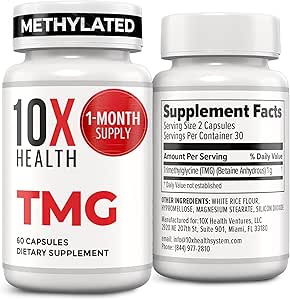
10X Health TMG Supplements - Trimethylglycine Supplement for Liver Support, Heart Wellness, Energy, Homocysteine Leve...
Check Price on AmazonAs an Amazon Associate we earn from qualifying purchases.
10X Health TMG Supplements - Best Overall
The 10X Health TMG Supplements deliver 1,000mg of pharmaceutical-grade betaine anhydrous (trimethylglycine) per capsule, providing the dosing flexibility that clinical research protocols require for personalized methylation support. This formulation uses pure betaine anhydrous—not betaine HCl—ensuring you receive the methyl-donor form that research demonstrates effectively lowers homocysteine, supports liver function, and enhances athletic performance.
At 1,000mg per capsule, users can easily implement the graduated dosing protocols recommended in clinical literature: start with 500-1,000mg daily for methylation-sensitive individuals, increase to 1.5-2g for general homocysteine support, or reach 3-6g daily for therapeutic homocysteine reduction based on lab monitoring. This dosing precision is particularly valuable for individuals with MTHFR genetic variants, those stacking betaine with methylfolate and B12, or anyone who experiences overmethylation symptoms at higher doses.
The 10X Health formula undergoes third-party testing for purity and potency, contains no unnecessary fillers or additives, and uses vegetarian capsules. While the per-serving cost (~$0.39) is higher than bulk options, the pharmaceutical-grade purity and dosing flexibility justify the premium for individuals optimizing methylation pathways based on biomarker tracking (homocysteine, SAMe/SAH ratio, liver enzymes).

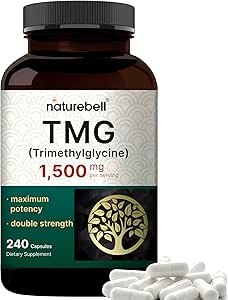
NatureBell TMG Supplements 1,500mg, 240 Capsules | Max Strength Betaine Anhydrous Trimethylglycine – Supports Healthy...
Check Price on AmazonAs an Amazon Associate we earn from qualifying purchases.
NatureBell TMG Supplements - Best Budget
NatureBell TMG Supplements provide 1,500mg of betaine anhydrous per capsule in a 240-count bottle, delivering exceptional value at approximately $0.09 per serving—making this one of the most cost-effective ways to implement clinical-dose betaine protocols for homocysteine reduction, liver support, or athletic performance enhancement.
The 1,500mg per-capsule potency aligns perfectly with the lower end of therapeutic dosing ranges established in clinical research: one capsule daily provides the 1.5g dose shown to reduce homocysteine by 12%, two capsules deliver the 3g dose associated with 15% homocysteine reduction, and four capsules reach the 6g daily dose that FDA-approved protocols use for homocystinuria management.
This formulation undergoes third-party testing for purity and potency, uses non-GMO ingredients, and contains no gluten, soy, or dairy allergens. The large 240-capsule bottle provides 160 days of supply at 1.5g daily (one capsule) or 60 days at the therapeutic 6g dose (four capsules)—substantially reducing the per-month cost of betaine supplementation compared to smaller bottles or lower-potency formulas.
For individuals implementing long-term betaine protocols based on elevated homocysteine, NAFLD management, or methylation support documented through laboratory testing, NatureBell offers clinical-grade betaine at a price point sustainable for months or years of continuous use.
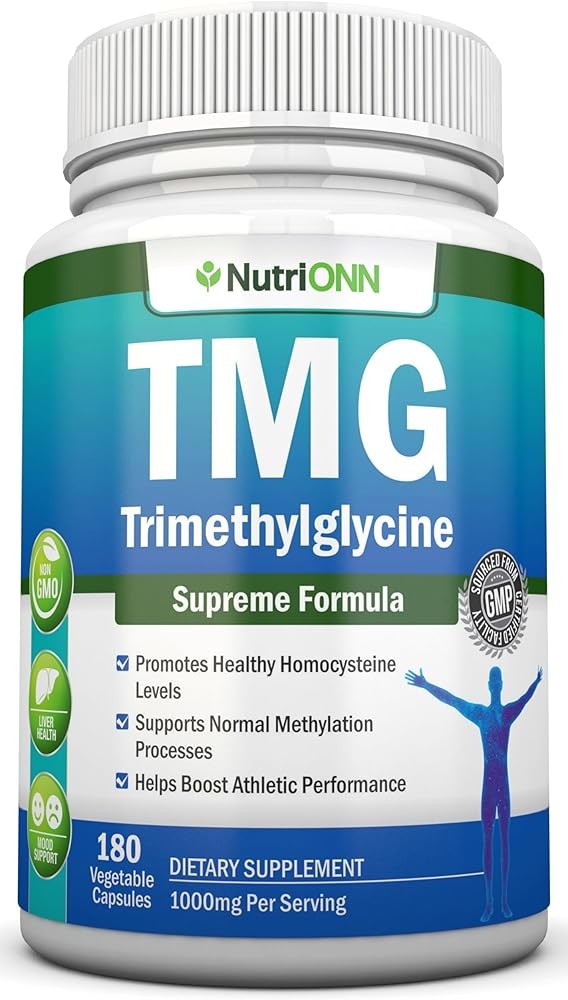
TMG Trimethylglycine Supplement - 1000mg - 180 Capsules - Premium Pure Betaine Anhydrous - Supports Normal Homocystei...
Check Price on AmazonAs an Amazon Associate we earn from qualifying purchases.
TMG Trimethylglycine Supplement 1000mg - Best for Sensitive Individuals
This TMG Trimethylglycine Supplement delivers 1,000mg of pure betaine anhydrous per capsule in a 180-count bottle, providing the lower-dose entry point ideal for methylation-sensitive individuals, those new to betaine supplementation, or anyone implementing graduated dosing protocols under functional medicine practitioner guidance.
The 1,000mg per-capsule formulation allows users to start with just 500mg daily (half capsule) or 1,000mg (one capsule) to assess tolerance before increasing to therapeutic doses—particularly important for individuals with histamine sensitivity, those prone to overmethylation symptoms (anxiety, insomnia, irritability), or people stacking multiple methyl donors (methylfolate, methylcobalamin, SAMe).
This formula uses pure betaine anhydrous without unnecessary additives, undergoes quality testing, and provides 180 days of supply at 1,000mg daily or 90 days at the 2,000mg dose commonly used for general methylation support. The mid-range pricing (~$0.14 per serving) balances affordability with quality, making it accessible for individuals exploring whether betaine addresses their specific health concerns before committing to larger bottles.
For individuals working with practitioners to optimize methylation based on genetic testing (MTHFR, COMT, MAO variants), symptom tracking, or biomarker monitoring (homocysteine, methylmalonic acid, SAMe/SAH ratio), this formulation provides the dosing precision and gradual titration capability clinical protocols require.
TMG Supplements 1000MG Liquid Drops - Best Liquid Form
TMG Supplements Liquid Drops deliver 1,000mg of betaine per serving in liquid form, providing an alternative delivery system for individuals with capsule-swallowing difficulties, those with compromised digestive function affecting capsule breakdown, or anyone preferring the faster absorption kinetics and precise dosing control liquid supplements offer.
Liquid betaine formulations bypass the capsule dissolution step, potentially offering slightly faster absorption and bioavailability—particularly beneficial for pre-workout timing (30-60 minutes before exercise) when using betaine for athletic performance enhancement. The dropper format allows precise dose titration in 500mg increments, enabling users to implement the graduated protocols clinical research recommends: start at 500-1,000mg, assess tolerance, then increase to 1.5-3g for general support or 3-6g for therapeutic homocysteine reduction.
This liquid formula uses high-quality betaine anhydrous suspended in a glycerin base with natural flavoring, contains no alcohol, and provides approximately 60 servings at 1,000mg per dose. The liquid format mixes easily into water, juice, or smoothies, making it convenient for individuals taking multiple supplements or those who find capsule regimens difficult to maintain consistently.
While liquid betaine formulations typically cost more per serving (~$0.47) than capsule options due to manufacturing complexity and stabilization requirements, the enhanced absorption, dosing flexibility, and ease of use justify the premium for specific use cases: pre-workout athletic performance protocols, elderly individuals with swallowing difficulties, or those with digestive conditions affecting capsule absorption.
Related Reading
Explore these research-backed guides to optimize your methylation pathways, support liver health, and enhance athletic performance through evidence-based supplementation:
-
Methylfolate vs Folic Acid: Which Form of B9 Is Right for You?
-
SAMe Supplements: Complete Guide to Methylation, Mood, and Joint Support
-
Vitamin B12: Methylcobalamin vs Cyanocobalamin for Methylation Support
-
Choline Supplements: Essential Nutrient for Liver Health and Brain Function
-
NAC (N-Acetyl Cysteine): Glutathione Support for Liver Detoxification
-
Milk Thistle for Liver Health: Silymarin’s Evidence-Based Benefits
-
Creatine Monohydrate: The Most Researched Sports Supplement
-
Magnesium Glycinate: Best Form for Sleep, Anxiety, and Methylation
-
Best Betaine Supplements (TMG) for Digestion, Heart Health, and Athletic Performance
-
YHK Liver Therapy: Traditional Chinese Medicine for Liver Health
-
Iron Benefits: Energy Production, Oxygen Transport, Reducing Anemia Risk & Athletic Performance
-
Best Glutathione Supplements — The Master Antioxidant Your Body Makes (and May Need More Of)
Is Betaine Right for You?
Betaine (trimethylglycine, TMG) stands out as one of the most versatile, research-backed supplements available—offering benefits across multiple systems through its dual role as a methyl donor and cellular osmolyte.
The evidence is strongest for:
- Homocysteine reduction: 12-20% decrease at 1.5-6g/day, well-established in clinical trials
- Liver health: Significant improvements in NAFLD markers, liver enzyme reduction, protection against alcohol-induced damage
- Athletic performance: Enhanced muscle endurance, power output, and body composition in many (but not all) studies
- Methylation support: Alternative pathway for people with MTHFR mutations or impaired folate-dependent methylation
Consider betaine if you:
- Have elevated homocysteine (>10 μmol/L)
- Have been diagnosed with NAFLD or have elevated liver enzymes
- Carry MTHFR gene mutations and want methylation support beyond folate
- Are an athlete looking for evidence-based performance enhancement
- Regularly consume alcohol and want liver protection
- Experience signs of methylation impairment (fatigue, brain fog, poor detoxification)
- Want comprehensive methylation support stacked with methylfolate and B12
Start cautiously if you:
- Have cardiovascular disease with very high LDL cholesterol (monitor lipids closely at higher doses)
- Are sensitive to supplements or prone to overmethylation symptoms
- Take psychiatric medications affecting methylation
- Have kidney disease (use lower doses with medical supervision)
Avoid betaine if you:
- Have trimethylaminuria (TMAU) or develop fishy body odor
- Are pregnant or breastfeeding without medical guidance (at high doses >3g/day)
Recommended starting protocol for most people:
- Weeks 1-2: 500-1000mg daily (500mg morning, 500mg evening) with B-complex including methylfolate and methylcobalamin
- Weeks 3-4: Increase to 1.5-2g daily if tolerating well
- Weeks 5-8: Reach target dose based on goals (1.5-3g for general health, 3-6g for homocysteine/liver health, 2.5-5g for athletics)
- Week 8-12: Retest homocysteine, liver enzymes, and lipid panel; adjust dose accordingly
Remember: betaine is a tool, not a magic bullet. It works best as part of a comprehensive approach including:
- Whole foods diet rich in vegetables, healthy fats, and quality protein
- Regular exercise (both resistance training and cardiovascular activity)
- Stress management and adequate sleep
- Other methylation cofactors (B vitamins, choline, magnesium)
- Minimizing alcohol and environmental toxins
The research on betaine continues to expand, with ongoing studies investigating its potential for longevity, cognitive protection, metabolic disease, and performance optimization. For now, it remains one of the safest, most cost-effective, and evidence-based supplements for supporting methylation, liver health, cardiovascular wellness, and athletic performance.
Whether you’re an athlete seeking an edge, someone with elevated homocysteine concerned about cardiovascular risk, a person with NAFLD looking for liver support, or simply optimizing your health span—betaine deserves serious consideration as part of your supplement protocol.
Sources:
- Beneficial Effects of Betaine: A Comprehensive Review - PMC
- Betaine in Inflammation: Mechanistic Aspects and Applications - PMC
- Betaine for nonalcoholic fatty liver disease: results of a randomized placebo-controlled trial - PubMed
- Low dose betaine supplementation leads to immediate and long term lowering of plasma homocysteine in healthy men and women - PubMed
- Effects of 6-Week Betaine Supplementation on Muscular Performance in Male Collegiate Athletes - PMC
- Effect of Homocysteine-Lowering Nutrients on Blood Lipids: Results from Four Randomised, Placebo-Controlled Studies - PMC
- Betaine improves nonalcoholic fatty liver and associated hepatic insulin resistance - PMC
- Creatine but not betaine supplementation increases muscle phosphorylcreatine content and strength performance - PubMed
- The effects of chronic betaine supplementation on body composition and performance in collegiate females - Journal of the International Society of Sports Nutrition
- Decoding Betaine: A Critical Analysis of Therapeutic Potential Compared with Marketing Hype - ScienceDirect
Recommended Products