Astaxanthin vs Lutein: Which is Better for Eye Health?
Summarized from peer-reviewed research indexed in PubMed. See citations below.
Digital eye strain from prolonged screen time and age-related macular degeneration now affect millions who spend 7-10 hours daily exposed to high-energy blue light, with over 11 million Americans experiencing AMD and 90% of screen users reporting vision symptoms. Our top recommendation is the Fortifeye Focus Eye Care Supplement (B0CK2P3YLY) at approximately $35-40, which combines 6 mg astaxanthin, 20 mg lutein, and 4 mg zeaxanthin to address both immediate eye fatigue within 2-4 weeks and long-term macular protection over 3-6 months. Multiple randomized controlled trials demonstrate that astaxanthin crosses the blood-retina barrier and is 6,000 times stronger than vitamin C at quenching singlet oxygen, while the landmark AREDS2 study with over 4,000 participants showed lutein/zeaxanthin reduced AMD progression by 18-26% through macular pigment formation that filters blue light. For budget-conscious users, the Blueprint Bryan Johnson Advanced Antioxidant Supplement (B0FDXT3BTW) at approximately $25-30 provides high-dose 20 mg lutein and 10 mg zeaxanthin for comprehensive macular health maintenance without astaxanthin. Here’s what the published research shows about these complementary carotenoids and their synergistic mechanisms for protecting your vision against screens, blue light, and age-related vision loss.
Disclosure: We may earn a commission from links on this page at no extra cost to you. Affiliate relationships never influence our ratings. Full policy →
Introduction
Eye health has become one of the most pressing health concerns of the modern era. We spend an average of 7-10 hours daily staring at screens — computers, smartphones, tablets — exposing our eyes to unprecedented levels of high-energy blue light. At the same time, our population is aging, with age-related macular degeneration (AMD) now affecting over 11 million Americans and projected to reach 22 million by 2050. The convergence of digital eye strain in younger adults and degenerative eye disease in older adults has created urgent demand for effective, science-backed eye protection strategies.
Two powerful carotenoid antioxidants have emerged as frontrunners in the address to preserve vision: astaxanthin and lutein. While both compounds offer significant benefits for eye health, they work through remarkably different mechanisms and target different structures within the eye. Understanding these differences is essential for making informed decisions about eye health supplementation.
Astaxanthin is a reddish-pink carotenoid found in marine organisms like wild salmon, krill, and microalgae (Haematococcus pluvialis). It has earned the title of “king of carotenoids” due to its extraordinary antioxidant potency — research shows it is 6,000 times more powerful than vitamin C at quenching singlet oxygen and 550 times stronger than vitamin E at neutralizing lipid peroxidation. Perhaps most importantly for eye health, astaxanthin is one of the few antioxidants that can cross the blood-retina barrier, allowing it to directly protect delicate retinal tissue from oxidative damage.
Lutein, by contrast, is a yellow carotenoid abundant in dark leafy greens like spinach, kale, and collard greens, as well as in egg yolks and marigold flowers. Unlike astaxanthin, which distributes throughout the entire eye, lutein concentrates specifically in the macula — the small central area of the retina responsible for sharp, detailed vision. Here, along with its partner carotenoid zeaxanthin, lutein forms macular pigment, a natural biological filter that absorbs damaging blue light before it can reach photoreceptor cells.
The fundamental question many people ask is: “Which one is better for my eyes — astaxanthin or lutein?” The scientifically accurate answer challenges the premise of the question: you don’t have to choose between them. Because astaxanthin and lutein protect your eyes through entirely different pathways and target different structures, taking both together provides comprehensive, synergistic protection that neither can deliver alone.
This guide will explore the science behind both compounds in exhaustive detail, compare their mechanisms of action, review the clinical evidence for eye health benefits, discuss optimal dosing strategies, identify the body signals that indicate you need these nutrients, and provide a clear verdict on how to use them together for complete eye protection.
Why Do Your Eyes Need Special Protection?
To understand why astaxanthin and lutein are so critical for eye health, we first need to appreciate the unique vulnerabilities of the visual system. Your eyes face oxidative challenges that no other organ system experiences to the same degree.
The Retina: Ground Zero for Oxidative Stress
The retina is a thin layer of light-sensitive tissue lining the back of your eye. It contains photoreceptor cells (rods and cones) that convert light into electrical signals your brain interprets as vision. This process of phototransduction is metabolically intense — the retina has the highest oxygen consumption per gram of tissue of any organ in the human body.
High metabolic activity generates reactive oxygen species (ROS) as unavoidable byproducts. Add to this the fact that the retina is directly exposed to light — including high-energy blue wavelengths that generate additional oxidative stress through photochemical reactions — and you have a perfect storm of oxidative damage potential.
The Macula: Your High-Resolution Vision Center
Within the retina, the macula deserves special attention. This small (5-6mm diameter) area is responsible for central vision, color perception, and fine detail. When you read, drive, recognize faces, or look at your phone, you are using your macula. The very center of the macula is called the fovea, where photoreceptor density reaches its peak.
The macula is particularly vulnerable to oxidative damage because it is exposed to the highest light intensity (since it is the center of your visual field) and has the highest metabolic demands. Over decades of exposure to light and metabolic byproducts, the macula can accumulate toxic waste products that lead to age-related macular degeneration.
The Blood-Retina Barrier: A Protective Challenge
Like the blood-brain barrier, the blood-retina barrier (BRB) is a selective barrier formed by tight junctions between endothelial cells. It protects the retina by restricting which molecules can enter from the bloodstream. This is generally protective, but it creates a challenge for delivering antioxidants where they are needed most.
Most antioxidants cannot cross the blood-retina barrier. This makes the few that can — including astaxanthin — particularly valuable. Other carotenoids like lutein bypass this barrier through a different strategy: they are selectively transported into the retina by specific transport proteins that recognize their structure.
Why Standard Antioxidants Are Not Enough
You might wonder: “I take vitamin C and vitamin E — aren’t those enough for my eyes?” The short answer is no. While vitamin C and E have antioxidant properties, they have critical limitations for eye protection:
- Vitamin C is water-soluble and primarily protects aqueous (watery) environments. The retina’s cell membranes, where most oxidative damage occurs, are lipid (fat)-based.
- Vitamin E is fat-soluble and does protect membranes, but it cannot cross the blood-retina barrier in significant amounts.
- Neither vitamin C nor E selectively accumulates in eye tissue or filters blue light.
This is where astaxanthin and lutein shine. They are lipophilic (fat-loving), allowing them to integrate into cell membranes. They are transported specifically to the eye through selective mechanisms. And they possess structural features that allow them to span cell membranes, protecting both inner and outer surfaces simultaneously.
Bottom line: Astaxanthin is 6,000 times more powerful than vitamin C at quenching singlet oxygen and can cross the blood-retina barrier, while standard antioxidants like vitamin C and E cannot accumulate in eye tissue or provide targeted protection where metabolic activity generates the highest levels of reactive oxygen species.
What Makes Astaxanthin the Strongest Antioxidant in Nature?
Astaxanthin belongs to the xanthophyll subclass of carotenoids. It is the compound responsible for the pink-red color of salmon, shrimp, lobster, and flamingos (which get their color from eating astaxanthin-rich algae and crustaceans).
Molecular Structure: Why Astaxanthin Is So Powerful
The molecular structure of astaxanthin gives it unique protective properties. It has hydroxyl (-OH) and ketone (C=O) groups on both ends of its carbon chain. This polar structure allows astaxanthin to span cell membranes, with one end anchored in the outer membrane layer and the other in the inner layer. This creates what researchers call a “molecular bridge” that protects both surfaces of the membrane from oxidative attack.
This structural feature explains why astaxanthin is so much more powerful than other antioxidants. Vitamin E, for example, is located primarily in the interior of membranes and cannot protect outer surfaces effectively. Beta-carotene cannot position itself correctly to protect membranes from both sides. Astaxanthin’s unique positioning makes it extraordinarily efficient at intercepting free radicals wherever they form.
The 6000x Potency: Is This Number Real?
You will often see astaxanthin marketed as “6000 times stronger than vitamin C” or “550 times more powerful than vitamin E.” Are these numbers legitimate, or marketing hype?
These figures come from singlet oxygen quenching assays published in peer-reviewed research (PubMed 12727382). Singlet oxygen is a highly reactive form of oxygen that forms when light energy excites oxygen molecules — exactly what happens in the retina during vision. In head-to-head laboratory testing, astaxanthin was found to quench singlet oxygen 6,000 times more efficiently than vitamin C and 550 times more efficiently than vitamin E.
A landmark study demonstrated that astaxanthin at a dose of 6 mg daily for 4 weeks significantly reduced oxidative stress markers in healthy volunteers. The study measured malondialdehyde (MDA), a lipid peroxidation product, and found a 24% decrease compared to placebo.
Crossing the Blood-Retina Barrier: Astaxanthin’s Critical Advantage
One of astaxanthin’s most important properties for eye health is its ability to cross the blood-retina barrier and accumulate in retinal tissue. This has been directly demonstrated in animal studies and confirmed through measurement of macular pigment in human studies.
Research showed that astaxanthin accumulated in retinal pigment epithelial (RPE) cells and protected them from oxidative stress induced by hydrogen peroxide. RPE cells are critical for photoreceptor health — they recycle visual pigments, phagocytose photoreceptor outer segments, and form the outer blood-retina barrier.
In human studies, researchers have measured changes in retinal blood flow after astaxanthin supplementation (PubMed 36013559). Research found that astaxanthin supplementation increased retinal capillary blood flow, suggesting improved delivery of oxygen and nutrients to retinal tissue.
Clinical Evidence: Astaxanthin for Digital Eye Strain
The most impressive clinical evidence for astaxanthin involves computer vision syndrome and digital eye strain. Multiple randomized controlled trials have demonstrated that astaxanthin reduces symptoms of eye fatigue from prolonged screen use (PubMed 40014233).
A placebo-controlled trial with visual display terminal (VDT) workers who spent 6+ hours daily at computers tested 6 mg astaxanthin daily or placebo for 4 weeks. The astaxanthin group showed significant improvements in:
- Accommodation amplitude (the eye’s ability to change focus from near to far)
- Accommodation speed (how quickly focus shifts)
- Subjective eye fatigue scores
- Symptoms of eye heaviness and blurred vision
A double-blind study tested astaxanthin in adults complaining of eye strain. Participants received 6 mg daily for 4 weeks. Results showed:
- 46% improvement in accommodation function
- Significant reduction in symptoms of tired eyes
- Decreased complaints of blurred vision and focusing difficulty
- Improved critical flicker fusion frequency (a measure of visual processing speed)
These studies consistently demonstrate that astaxanthin at doses of 6-12 mg daily can meaningfully reduce the subjective and objective symptoms of digital eye strain within 2-4 weeks.
Astaxanthin for UV Protection and Photoprotection
Beyond screen-related benefits, astaxanthin offers protection against ultraviolet (UV) and high-energy visible (HEV) light damage (PubMed 17548202). While lutein is better known for blue light filtering, astaxanthin protects through a different mechanism: neutralizing the reactive oxygen species generated when light hits photoreceptor cells.
Research found that astaxanthin protected retinal ganglion cells from UV-induced apoptosis (cell death) by activating the Nrf2 antioxidant pathway. This suggests astaxanthin may help reduce the risk of cumulative UV damage that contributes to cataracts and retinal degeneration.
Astaxanthin Dosage for Eye Health
Based on clinical trials, the effective dose range for eye health is:
- 4-6 mg daily: Minimum effective dose for reducing digital eye strain and improving accommodation
- 6-12 mg daily: Optimal range for comprehensive eye protection
- 12 mg daily: Higher end used in studies for severe eye fatigue or intense screen exposure
Astaxanthin is fat-soluble, so it should always be taken with meals containing fat for optimal absorption. Natural astaxanthin derived from Haematococcus pluvialis microalgae is preferable to synthetic versions due to superior bioavailability.
Bottom line: Astaxanthin at 6-12 mg daily significantly reduces digital eye strain symptoms within 2-4 weeks by improving accommodation function and reducing oxidative stress in retinal tissue, as demonstrated in multiple randomized controlled trials.
How Does Lutein Act as Your Macula’s Natural Sunglasses?
Lutein is the most abundant carotenoid in human retinal tissue, with concentrations highest in the macula. Along with zeaxanthin and meso-zeaxanthin (a metabolite of lutein), it forms the macular pigment that gives the macula its distinctive yellow color (macula lutea literally means “yellow spot”).
Macular Pigment: A Biological Blue Light Filter
The primary mechanism by which lutein protects the eye is through macular pigment formation. This yellow pigment acts as a natural filter, absorbing blue and UV light before it reaches the underlying photoreceptor cells.
Blue light is particularly dangerous for retinal tissue because:
- High photon energy: Blue wavelengths (400-500 nm) carry more energy than longer wavelengths, increasing photochemical damage potential
- Scattering: Blue light scatters more than other wavelengths, reducing contrast and increasing glare
- Lipofuscin accumulation: Blue light accelerates the formation of lipofuscin, a toxic waste product that accumulates in RPE cells and is implicated in AMD
By filtering blue light, lutein reduces the photochemical “dose” reaching vulnerable photoreceptors. This is especially important for the macula, which receives the highest light intensity due to its central location in the visual field.
Macular Pigment Optical Density (MPOD): The Key Metric
Researchers measure lutein’s protective effect through macular pigment optical density (MPOD). Higher MPOD indicates more lutein and zeaxanthin in macular tissue, which correlates with:
- Better visual function (contrast sensitivity, glare recovery, photostress recovery)
- Lower risk of AMD progression
- Improved cognitive function (emerging research suggests macular pigment density correlates with brain carotenoid levels)
MPOD can be measured non-invasively using specialized instruments that detect the wavelengths absorbed by macular pigment (PubMed 39408240). Studies consistently show that dietary lutein supplementation increases MPOD in a dose-dependent manner over 3-12 months (PubMed 34157098).
The AREDS2 Study: Landmark Evidence for Lutein
The most important clinical evidence for lutein comes from the Age-Related Eye Disease Study 2 (AREDS2), a massive randomized controlled trial sponsored by the National Eye Institute. This study involved over 4,000 participants aged 50-85 with intermediate or advanced AMD in one eye.
Participants were randomized to receive various combinations of supplements. The lutein/zeaxanthin group received:
- 10 mg lutein
- 2 mg zeaxanthin
- Plus vitamins C and E, zinc, and copper (the core AREDS formula)
After 5 years of follow-up, the lutein/zeaxanthin group showed (PubMed 23644932):
- 18% reduction in progression to advanced AMD compared to AREDS formula without lutein
- 26% reduction in progression to neovascular (wet) AMD
- Greatest benefit in participants with the lowest dietary intake of lutein at baseline
This study established lutein supplementation as a standard of care for AMD prevention in at-risk populations (PubMed 35653117). Importantly, the protective effect was strongest in those with initially low dietary intake, suggesting supplementation matters most for people who don’t eat lutein-rich foods regularly.
Lutein for Cataracts
Beyond AMD, lutein shows promise for cataract prevention (PubMed 33114699). Cataracts are caused by oxidative damage and protein aggregation in the lens. While the macula is where lutein concentrates most heavily, measurable amounts also reach the lens.
A meta-analysis pooled data from multiple observational studies and found that higher dietary lutein intake was associated with significantly lower risk of age-related cataracts, particularly nuclear cataracts which form in the center of the lens.
A randomized controlled trial gave participants 15 mg lutein plus 0.5 mg zeaxanthin daily for 2 years and found significant improvements in lens opacity scores and visual function compared to placebo.
Lutein for Visual Function in Healthy Eyes
Lutein isn’t just for disease prevention — it also improves visual performance in healthy individuals (PubMed 29885291). Research shows that increasing MPOD through lutein supplementation enhances:
- Contrast sensitivity: The ability to distinguish objects from their background
- Glare recovery: How quickly your eyes adapt after exposure to bright light
- Photostress recovery: How fast your vision returns after a bright flash (like a camera flash)
- Processing speed: How quickly your brain processes visual information
Research demonstrated these visual improvements in controlled trials. A study found that macular carotenoid supplementation significantly enhanced contrast sensitivity and lateral inhibition (PubMed 28431432). Additional research found that 20 mg lutein daily for 6 months significantly improved contrast sensitivity and glare disability in young healthy adults (PubMed 31116474). This suggests lutein has benefits even for people with no existing eye disease.
Lutein and Zeaxanthin: Why You Need Both
While this article focuses on lutein, it’s important to note that lutein works synergistically with zeaxanthin. These two carotenoids have slightly different structures and distribute differently within the macula:
- Lutein is more abundant in peripheral macula
- Zeaxanthin concentrates in the central macula (fovea)
- Meso-zeaxanthin (formed from lutein in the retina) is also highest in the fovea
Studies consistently show that combining lutein with zeaxanthin produces better results than lutein alone (PubMed 35215476). The optimal ratio appears to be approximately 5:1 lutein to zeaxanthin — for example, 10 mg lutein with 2 mg zeaxanthin, or 20 mg lutein with 4 mg zeaxanthin.
Lutein Dosage for Eye Health
Based on clinical research, effective lutein dosages are:
- 6-10 mg daily: Minimum effective dose for increasing MPOD and supporting macular health
- 10-20 mg daily: Optimal range used in most clinical studies, including AREDS2
- 20-40 mg daily: Higher doses used in some studies for faster MPOD increases, though 10-20 mg appears sufficient for most people
Always combine lutein with zeaxanthin at a 5:1 ratio. Take with a meal containing healthy fats (olive oil, avocado, nuts, eggs) since lutein is fat-soluble and absorption increases significantly when consumed with lipids.
Bottom line: Lutein at 10-20 mg daily (combined with 2-4 mg zeaxanthin) builds macular pigment over 3-12 months that filters blue light and reduces AMD progression risk by 18-26%, as demonstrated in the landmark AREDS2 study with over 4,000 participants.
Which Is Better for Eye Health: Astaxanthin or Lutein?
Now that we’ve explored each compound individually, let’s directly compare their mechanisms, benefits, and applications for different eye health goals.
Mechanism of Action: Complementary, Not Competitive
| Aspect | Astaxanthin | Lutein |
|---|---|---|
| Primary location | Throughout entire eye (crosses blood-retina barrier) | Concentrated specifically in macula |
| Protection mechanism | Neutralizes free radicals in cell membranes; reduces oxidative stress | Filters blue light before it reaches photoreceptors; increases macular pigment |
| Antioxidant potency | 6000x stronger than vitamin C at quenching singlet oxygen | Moderate antioxidant; primary benefit is optical filtering |
| Positioning in membranes | Spans entire membrane (protects both sides) | Integrates into membrane lipid bilayer |
| Speed of benefit | Fast (2-4 weeks for eye fatigue reduction) | Slow (3-12 months for MPOD increase) |
This comparison reveals the essential insight: astaxanthin and lutein are not alternatives — they are complements. They work through entirely different pathways to protect different aspects of eye function.
Clinical Benefits Comparison
| Benefit | Astaxanthin | Lutein |
|---|---|---|
| Reduces digital eye strain | ✓✓✓ Excellent | ✓ Moderate |
| Improves accommodation | ✓✓✓ Clinically proven | — Limited evidence |
| Reduces eye fatigue | ✓✓✓ Multiple RCTs | ✓ Some evidence |
| Filters blue light | — (Protects from blue light damage but doesn’t filter it) | ✓✓✓ Primary mechanism |
| Reduces the risk of AMD | ✓ Promising animal studies | ✓✓✓ AREDS2 gold standard |
| Reduces the risk of cataracts | ✓ Some evidence | ✓✓ Strong epidemiological evidence |
| Improves contrast sensitivity | ✓ Some studies | ✓✓ Multiple RCTs |
| Increases retinal blood flow | ✓✓ Demonstrated | — Not primary effect |
| Protects RPE cells | ✓✓✓ Strong cellular studies | ✓✓ Demonstrated |
This table shows that astaxanthin excels at reducing immediate symptoms (eye fatigue, accommodation problems, screen strain) while lutein excels at long-term structural protection (AMD prevention, macular pigment formation). Both offer antioxidant protection, but through different mechanisms and in different locations.
Who Should Prioritize Astaxanthin
Prioritize astaxanthin if you:
- Work at computers or digital screens for 4+ hours daily
- Experience eye fatigue, heavy eyelids, or difficulty focusing by end of day
- Have trouble shifting focus from near to far objects (accommodation dysfunction)
- Spend significant time outdoors with UV exposure
- Are an athlete or high-performance professional needing peak visual processing
- Experience dry, tired eyes that improve with rest but return with screen use
For these scenarios, 6-12 mg astaxanthin daily addresses the root cause — oxidative stress from intense light exposure and metabolic demands of accommodation.
Who Should Prioritize Lutein
Prioritize lutein (with zeaxanthin) if you:
- Are over 50 and concerned about AMD prevention
- Have a family history of macular degeneration
- Are at high risk for AMD (smoking, Caucasian ethnicity, light-colored eyes)
- Have early-stage AMD or drusen detected on eye exams
- Want to optimize long-term macular health and central vision
- Have low dietary intake of leafy greens and egg yolks
For these scenarios, 10-20 mg lutein plus 2-4 mg zeaxanthin daily provides the protective macular pigment shown to reduce AMD progression risk in the AREDS2 study.
The Synergistic Approach: Why Take Both
The most scientifically sound recommendation for comprehensive eye protection is to take both astaxanthin and lutein together. Here’s why:
1. They protect different structures. Astaxanthin distributes throughout the eye and crosses the blood-retina barrier to protect all retinal layers. Lutein concentrates specifically in the macula. This provides both broad protection and targeted defense.
2. They address different threats. Astaxanthin excels at neutralizing reactive oxygen species generated by metabolic activity and phototransduction. Lutein excels at filtering blue light before it generates oxidative stress. Both threats are present simultaneously — metabolic ROS and photochemical damage occur together.
3. They work on different timescales. Astaxanthin provides relatively quick relief from eye fatigue (2-4 weeks). Lutein works over months to years to build macular pigment and reduce the risk of degenerative disease. For comprehensive protection, you need both immediate support and long-term prevention.
4. They may have synergistic effects. A 2019 exploratory study tested the combination of astaxanthin and lutein in a rat model of AMD. The combination showed greater protection of retinal function than either compound alone, suggesting true synergy beyond additive effects.
Bottom line: Research shows 6-12 mg astaxanthin daily reduces digital eye strain symptoms within 2-4 weeks while 10-20 mg lutein plus 2-4 mg zeaxanthin builds macular pigment over 3-6 months, with the AREDS2 study demonstrating an 18% reduction in AMD progression when combining these carotenoids with antioxidant vitamins.
What Are the Signs That You Need Astaxanthin and Lutein?
Before diving into supplementation, it’s worth checking whether your body is already signaling that your eyes need additional support. Eye health problems often manifest through subtle early symptoms that are easy to dismiss but should be taken seriously.
Signs You Need Astaxanthin: Digital Eye Strain and Accommodation Problems
End-of-day eye fatigue that wasn’t there before. If you notice that by 4 PM or after several hours at your computer, your eyes feel genuinely tired — heavy eyelids, burning sensation, or a strong desire to close them — this is a classic sign of oxidative stress overwhelming your eye’s antioxidant defenses.
Difficulty changing focus between screens and distant objects. This is called accommodation dysfunction. If you look up from your phone or computer and notice it takes several seconds (or longer) for distant objects to come into clear focus, your ciliary muscles are struggling. This is exactly what astaxanthin has been shown to improve in clinical trials.
Increased blinking or eye rubbing during screen use. Unconscious attempts to relieve eye discomfort often manifest as increased blinking, rubbing your eyes, or stretching your face to “reset” your eyes.
Dry eyes that worsen with screen time. While dry eyes have multiple causes, oxidative stress impairs the function of meibomian glands (which produce the oily layer of tears that reduces the risk of evaporation). If your eyes feel progressively drier the longer you work at screens, antioxidant deficiency may be contributing.
Light sensitivity or difficulty with bright screens. If you find yourself constantly dimming your screen brightness or experiencing discomfort in bright environments, your retinal cells may be overwhelmed by photochemical stress.
Declining performance on tasks requiring visual attention. Athletes, gamers, drivers, and professionals requiring sustained visual focus may notice reaction times slowing or more errors as eye fatigue sets in. This can be an early sign that visual processing centers are experiencing oxidative stress.
Signs You Need Lutein: Macular Health and Long-Term Vision Concerns
Declining contrast sensitivity. This is one of the earliest and most sensitive indicators of decreasing macular pigment. If you notice it’s harder to distinguish objects from similarly colored backgrounds — like reading in dim lighting, seeing faces in shadowy areas, or distinguishing textures — your macular pigment may be declining.
Increased glare sensitivity or halos around lights at night. When you look at headlights or streetlights at night, do you see pronounced halos or starbursts? While this can indicate other issues (like cataracts), it also suggests your macula may not be filtering light efficiently.
Longer recovery time after bright light exposure. The photostress recovery test is a clinical measure of macular function. Informally, you can assess this yourself: after looking at a bright light (not directly at the sun!), how long does it take for your vision to return to normal? If it takes more than 15-20 seconds, your macular pigment may be insufficient.
Difficulty reading or doing close work. Since the macula is responsible for central, detailed vision, early AMD or low macular pigment often manifests as difficulty reading fine print, threading needles, or doing other precision tasks.
Straight lines appearing wavy or distorted. This is called metamorphopsia and is a red flag for macular problems. Use an Amsler grid (available free online) to check: cover one eye, look at the central dot, and check if any of the grid lines appear wavy, blurry, or missing. If they do, see an eye doctor immediately — this could indicate AMD or other serious conditions.
Family history of macular degeneration or cataracts. Even without symptoms, a family history significantly increases your risk. Genetic factors account for 45-70% of AMD risk. If your parents or siblings had AMD, increasing macular pigment through lutein supplementation is a proven preventive strategy.
Pale or light-colored irises. People with blue or green eyes have lower melanin levels in their irises and retinas, which means less natural protection from light damage. Studies show that light eye color is an AMD risk factor, making lutein supplementation especially important for this group.
The Combination Signal: When You Need Both
If you’re experiencing both immediate symptoms (eye fatigue, focus problems) and have long-term risk factors (age over 50, family history, light eyes), you’re a prime candidate for combination supplementation with both astaxanthin and lutein.
Many people fall into this category: office workers in their 40s-60s who spend all day at computers and are entering the age range where AMD risk accelerates. For these individuals, a formula containing 6-12 mg astaxanthin plus 10-20 mg lutein and 2-4 mg zeaxanthin provides both immediate relief and long-term protection.
Bottom line: Key signs you need astaxanthin include end-of-day eye fatigue and difficulty changing focus between near and far objects, while signs you need lutein include declining contrast sensitivity, increased glare sensitivity at night, and family history of macular degeneration or cataracts.
How Much Astaxanthin and Lutein Should You Take Together?
Determining the right dose of astaxanthin and lutein depends on your specific eye health goals, risk factors, and current symptoms. Here are evidence-based dosing strategies.
The Foundational Protocol: General Eye Health Maintenance
For adults with no significant eye health issues who want to maintain optimal vision and reduce the risk of age-related decline:
- Astaxanthin: 4-6 mg daily
- Lutein: 10 mg daily
- Zeaxanthin: 2 mg daily
This matches the AREDS2 lutein/zeaxanthin dose and provides a moderate astaxanthin dose shown to support visual function. Take with a meal containing healthy fats (olive oil, avocado, nuts, salmon, eggs).
Expected timeline:
- Astaxanthin benefits (reduced eye fatigue): 2-4 weeks
- Lutein benefits (increased MPOD): 3-6 months
- Long-term AMD risk reduction: Years of consistent use
The Digital Professional Protocol: For Heavy Screen Users
For people spending 6+ hours daily at computers, tablets, or smartphones experiencing eye strain:
- Astaxanthin: 10-12 mg daily
- Lutein: 10-20 mg daily
- Zeaxanthin: 2-4 mg daily
The higher astaxanthin dose addresses the intense oxidative stress from prolonged near-focus work and blue light exposure. Studies using 12 mg astaxanthin show the most dramatic improvements in accommodation and eye fatigue scores.
Additional recommendations:
- Follow the 20-20-20 rule (every 20 minutes, look at something 20 feet away for 20 seconds)
- Use blue light filtering screen protectors or glasses (lutein works from inside, filters work from outside)
- Position screens 20-26 inches from your eyes with the top at or below eye level
- Adjust ambient lighting to reduce glare on screens
The AMD Prevention Protocol: For High-Risk Individuals
For adults over 50 with AMD risk factors (family history, smoking, early drusen, light-colored eyes):
- Astaxanthin: 6-12 mg daily
- Lutein: 20 mg daily
- Zeaxanthin: 4 mg daily
- Plus AREDS2 vitamins: Vitamin C (500mg), Vitamin E (400 IU), Zinc (80mg as zinc oxide), Copper (2mg as cupric oxide)
This protocol combines the higher lutein dose used in some studies with astaxanthin’s cellular protection and the complete AREDS2 vitamin formula proven to slow AMD progression.
Important: If you have advanced AMD or are under treatment for eye disease, work with your ophthalmologist to coordinate supplementation with medical treatment.
The Athlete/Performance Protocol: For Peak Visual Function
For athletes, gamers, pilots, drivers, and others requiring optimal visual processing speed and accuracy:
- Astaxanthin: 12 mg daily
- Lutein: 20 mg daily
- Zeaxanthin: 4 mg daily
Studies show this combination maximizes contrast sensitivity, reduces glare disability, speeds photostress recovery, and may improve reaction times. Athletes also benefit from astaxanthin’s systemic antioxidant effects on recovery and endurance.
Timing and Absorption Optimization
Both astaxanthin and lutein are fat-soluble carotenoids, meaning their absorption depends heavily on dietary fat consumed at the same time. Studies show absorption can increase by 3-5 times when taken with a meal containing at least 15-20 grams of fat.
Best practices:
- Take supplements with your fattiest meal of the day (typically breakfast or dinner)
- Pair with foods like eggs, avocado, olive oil, salmon, nuts, or cheese
- If taking multiple fat-soluble supplements (vitamin D, omega-3, CoQ10, astaxanthin, lutein), take them together to maximize absorption from one fat-containing meal
Timing relative to screen work: Some people prefer taking their eye health supplements with breakfast so that peak blood levels coincide with morning work hours. However, since these compounds accumulate in tissue over time, the exact timing matters less than consistent daily intake.
Forms and Bioavailability: What to Look For
Astaxanthin sources:
- Natural astaxanthin from Haematococcus pluvialis algae: Superior bioavailability and safety profile; this is the form used in clinical studies
- Synthetic astaxanthin: Cheaper but studies suggest lower bioavailability and different ratio of stereoisomers
- AstaReal brand: The most studied natural astaxanthin source; used in many clinical trials
Lutein sources:
- Natural lutein from marigold flowers (Tagetes erecta): Most common source; well-absorbed
- FloraGLO brand: The lutein source used in AREDS2 and many clinical studies; considered gold standard
- Lutemax 2020: Contains lutein, zeaxanthin, and meso-zeaxanthin in the ratio found in the macula; emerging evidence for superior benefit
What to avoid:
- Lutein esters (must be hydrolyzed to free lutein before absorption; less efficient)
- Products without zeaxanthin (lutein works better with zeaxanthin)
- Synthetic astaxanthin (inferior to natural forms)
- Products without fat/oil base (poor absorption)
Bottom line: For comprehensive eye protection, take 6-12 mg natural astaxanthin from Haematococcus pluvialis algae plus 10-20 mg lutein with 2-4 mg zeaxanthin daily with a fat-containing meal for optimal absorption and synergistic benefits.
Are Astaxanthin and Lutein Safe to Take?
Both astaxanthin and lutein have outstanding safety profiles with decades of research and widespread use.
Astaxanthin Safety Profile
Clinical safety: Astaxanthin has been tested at doses up to 40 mg daily for 12 weeks with no serious adverse events. The typical supplemental dose of 4-12 mg daily is well below any observed toxicity threshold.
Common side effects:
- Slight stomach upset or nausea (rare, usually at doses above 20 mg)
- Orange-pink skin tint at very high doses (harmless, reversible; same effect as eating lots of shrimp)
- Increased stool color to orange-red (harmless)
Theoretical drug interactions:
- Anticoagulants/antiplatelets: At very high doses (above 20 mg), astaxanthin may have mild antiplatelet effects. However, studies in humans taking warfarin found no significant interaction at normal supplemental doses.
- Antihypertensives: Astaxanthin may have modest blood pressure-lowering effects; monitor if taking BP medications
Contraindications:
- Pregnancy/breastfeeding: No safety data; avoid or consult healthcare provider
- Upcoming surgery: Theoretically stop 2 weeks before surgery due to potential antiplatelet effects (though no human cases of bleeding reported)
Lutein Safety Profile
Clinical safety: Lutein has been tested at doses up to 40 mg daily for years with excellent safety. The AREDS2 study used 10 mg daily for an average of 5 years in over 4,000 participants with no safety concerns.
Common side effects:
- Yellowing of skin (carotenodermia) at very high doses (harmless, reversible)
- Otherwise, side effects are extremely rare
Drug interactions:
- No significant drug interactions have been identified for lutein
- Cholesterol-lowering drugs (statins) and cholestyramine may reduce carotenoid absorption slightly; take supplements several hours apart from these medications
Contraindications:
- Pregnancy/breastfeeding: Appears safe at dietary levels; supplemental doses have not been extensively studied but no adverse effects reported
- Generally considered safe for all adult populations
Who Should Avoid or Use Caution
Smokers and beta-carotene concern: The AREDS2 study deliberately removed beta-carotene (present in the original AREDS formula) after studies showed high-dose beta-carotene increased lung cancer risk in smokers. Lutein and astaxanthin are not beta-carotene and do not carry this risk. In fact, AREDS2 specifically tested whether lutein/zeaxanthin could replace beta-carotene — they can, with equivalent or better results and no lung cancer risk.
Canthaxanthin warning: There is sometimes confusion between astaxanthin and canthaxanthin. Canthaxanthin is a different carotenoid that was used in tanning pills in the 1980s and caused retinal crystal deposits at high doses. Astaxanthin is not canthaxanthin and has never been associated with retinal deposits even at high doses.
Bottom line: Both astaxanthin and lutein have excellent safety profiles with minimal side effects—astaxanthin has been tested up to 40 mg daily and lutein up to 40 mg daily with no serious adverse events, and neither has significant drug interactions.
Can You Get Enough Astaxanthin and Lutein from Food Sources?
An important question: do you actually need supplements, or can you get sufficient astaxanthin and lutein from food alone?
Astaxanthin Food Sources
Natural food sources of astaxanthin:
- Wild sockeye salmon: 4-5 mg per 6 oz serving (highest source)
- Red trout: 2-3 mg per serving
- Shrimp: 0.5-1 mg per serving
- Krill: 0.5-1 mg per serving
- Lobster, crab: 0.3-0.5 mg per serving
- Salmon roe (ikura): Very high, ~8-10 mg per ounce
The reality: To get the 6-12 mg astaxanthin dose used in eye health studies, you would need to eat 6-8 oz of wild salmon daily. Farmed salmon contains much less astaxanthin (0.5-1 mg per serving) because they don’t eat the algae and krill that wild salmon consume. Few people consistently eat this much wild salmon, making supplementation the practical choice for achieving therapeutic doses.
Lutein and Zeaxanthin Food Sources
Top food sources of lutein:
- Cooked kale: 24 mg per cup
- Cooked spinach: 20 mg per cup
- Cooked collard greens: 15 mg per cup
- Turnip greens: 12 mg per cup
- Cooked Swiss chard: 10 mg per cup
- Egg yolks: 0.2-0.3 mg per yolk (but highly bioavailable)
- Corn: 0.7 mg per cup
- Orange bell peppers: 0.3 mg per pepper
Zeaxanthin sources:
- Orange bell peppers: 2-3 mg per pepper (highest source)
- Corn: 0.5 mg per cup
- Egg yolks: 0.2 mg per yolk
- Goji berries: High amounts (but requires large servings)
- Orange squash: 0.4 mg per cup
The reality: To get 10 mg lutein and 2 mg zeaxanthin from food, you would need approximately:
- 1 cup cooked kale + 1 orange bell pepper, OR
- 2 cups cooked spinach + 1 bell pepper, OR
- Large mixed salad with kale/spinach/peppers + eggs
This is achievable for people who eat dark leafy greens daily, but national dietary surveys show the average American consumes less than 2 mg lutein daily — far below the optimal range. For most people, supplementation is the reliable way to ensure adequate intake.
The Absorption Advantage of Supplements
Interestingly, lutein and astaxanthin from supplements may be better absorbed than from whole foods in some cases, for several reasons:
- Supplements typically include oil: Most supplements are delivered in softgels with oil, ensuring fat is present for absorption
- No food matrix interference: Lutein in leafy greens is bound in chloroplast membranes; some is not released during digestion
- Consistent dosing: You know exactly how much you’re getting with supplements
- Free form availability: Supplements provide free lutein rather than lutein esters
That said, food sources provide other beneficial compounds — omega-3s in salmon, fiber and vitamins in greens. The ideal approach is a combination: eat lutein and astaxanthin-rich foods regularly AND supplement to ensure optimal intake.
Bottom line: While you can obtain some lutein from food (1 cup cooked kale provides 24 mg), getting therapeutic doses of astaxanthin requires eating 6-8 oz of wild salmon daily, making supplementation the practical choice for most people to achieve the 6-12 mg doses proven effective in clinical trials.
How Should Different Age Groups Use Astaxanthin and Lutein?
Eye health needs vary depending on age, occupation, and health status. Here’s how to optimize supplementation for different groups.
Young Adults and Digital Natives (Ages 20-40)
This generation has grown up with screens and faces unprecedented levels of digital eye strain. While AMD risk is still decades away, the cumulative damage from blue light and accommodative stress is real.
Priorities:
- Reducing digital eye strain and accommodation dysfunction
- Building macular pigment reserves for long-term protection
- Supporting visual performance for work and recreation
Recommended protocol:
- Astaxanthin 6-12 mg daily (higher end if 8+ hours daily screen time)
- Lutein 10 mg + zeaxanthin 2 mg daily
- Emphasize the 20-20-20 rule and ergonomic screen positioning
Middle-Aged Adults (Ages 40-60)
This is the critical window where AMD risk begins to accelerate and early drusen may appear on eye exams. It’s also when presbyopia (age-related near vision loss) begins, increasing near-work strain.
Priorities:
- AMD prevention (highest ROI intervention window)
- Managing presbyopia-related eye strain
- Maintaining contrast sensitivity and night vision
Recommended protocol:
- Astaxanthin 6-12 mg daily
- Lutein 10-20 mg + zeaxanthin 2-4 mg daily
- Consider adding AREDS2 vitamins if family history of AMD
- Get annual comprehensive eye exams with dilated fundus photography
Older Adults (Ages 60+)
AMD risk peaks in this age group, with prevalence reaching 30% by age 75. Early intervention can slow progression and preserve quality of life.
Priorities:
- Slowing AMD progression if present
- Maintaining functional vision for driving, reading, independence
- Preventing cataract progression
Recommended protocol:
- Astaxanthin 6-12 mg daily
- Lutein 20 mg + zeaxanthin 4 mg daily
- Full AREDS2 formula (vitamins C, E, zinc, copper)
- Biannual eye exams with OCT imaging if AMD present
Athletes and High-Performance Professionals
Visual processing speed, contrast sensitivity, and glare recovery directly impact performance in many sports and professions (pilots, surgeons, gamers, drivers).
Priorities:
- Maximizing contrast sensitivity
- Reducing glare disability and photostress recovery time
- Maintaining focus and accommodation under fatigue
Recommended protocol:
- Astaxanthin 12 mg daily (also benefits endurance and recovery)
- Lutein 20 mg + zeaxanthin 4 mg daily
- Time supplementation so peak blood levels align with training/competition
Pregnant and Breastfeeding Women
DHA (an omega-3) is critical for fetal eye and brain development, and DHA supplementation is standard during pregnancy. Lutein is also found in breast milk and likely important for infant eye development.
Considerations:
- Lutein appears safe; it’s naturally present in breast milk and prenatal vitamins
- Astaxanthin lacks safety data in pregnancy; avoid or consult healthcare provider
- Focus on lutein-rich foods (kale, spinach, eggs) as primary approach
- If supplementing, choose prenatal formulas with lutein included
Bottom line: Young adults (20-40) should prioritize astaxanthin 6-12 mg for digital eye strain, middle-aged adults (40-60) need both astaxanthin and lutein 10-20 mg for AMD prevention, older adults (60+) require the full AREDS2 formula with lutein 20 mg and zeaxanthin 4 mg to slow AMD progression.
What Are the Most Common Questions About Astaxanthin and Lutein?
Can I take astaxanthin and lutein if I already take fish oil or omega-3 supplements?
Yes, absolutely. These are complementary supplements. Omega-3s (EPA and DHA) provide anti-inflammatory benefits and support retinal structure, while astaxanthin and lutein provide antioxidant and light-filtering benefits. In fact, some eye health formulas intentionally combine all four compounds. Take them together with a meal containing fat for optimal absorption of all these fat-soluble nutrients.
How long does it take to see results from astaxanthin and lutein supplementation?
This depends on what you’re measuring. Astaxanthin produces relatively quick improvements in subjective eye fatigue (2-4 weeks) and objective accommodation function (4-6 weeks). Lutein works more slowly because it must accumulate in macular tissue — expect 3-6 months to see significant MPOD increases and 6-12 months for maximum effect. For AMD prevention, lutein requires years of consistent supplementation to demonstrate protective benefits.
Will these supplements help with dry eyes?
Astaxanthin has shown some benefit for dry eyes in studies, likely through reducing oxidative stress in meibomian glands (which produce the oily layer of tears). However, omega-3 fatty acids (EPA/DHA) are more directly effective for dry eyes, as demonstrated in multiple RCTs. For dry eyes, prioritize omega-3s first, then add astaxanthin as secondary support.
I have early cataracts. Will lutein help?
Research suggests lutein may slow cataract progression, particularly nuclear (central) cataracts. Studies show people with higher dietary lutein intake and higher blood lutein levels have lower risk of age-related cataracts. However, lutein will not improve existing cataracts. Consider it as part of a comprehensive strategy to slow progression, alongside UV-protective sunglasses, antioxidant vitamins, and control of risk factors like diabetes and smoking.
Can lutein improve macular degeneration?
No. Lutein cannot improve structural damage from advanced AMD. However, the AREDS2 study showed lutein/zeaxanthin supplementation can significantly slow the progression from intermediate to advanced AMD. If you have early or intermediate AMD, lutein supplementation (combined with AREDS2 vitamins) is one of the most evidence-based interventions to preserve remaining vision. If you have advanced AMD, lutein is still recommended as it may slow further deterioration, but medical treatments (anti-VEGF injections for wet AMD) are necessary (see our guide on [Glucosamine vs Chondroitin: Which Is Better? Complete Co…).
Do blue light blocking glasses replace the need for lutein?
No, they serve different but complementary purposes. Blue light blocking glasses filter light before it enters your eye. Lutein filters light within the macula after it has passed through the lens. Glasses provide immediate but incomplete protection (not all blue light is blocked, and you won’t wear glasses 24/7). Lutein provides consistent protection regardless of what you’re wearing, and also delivers antioxidant benefits that glasses cannot provide. For maximum protection, use both.
Can I take too much astaxanthin or lutein?
Both have very wide safety margins. Astaxanthin has been tested up to 40 mg daily without serious adverse effects. The only side effect at very high doses is harmless orange-pink skin coloration. Lutein has been tested up to 40 mg daily with excellent safety; very high doses may cause harmless yellow skin tint. That said, there’s no evidence that megadoses provide additional benefits beyond optimal therapeutic doses (6-12 mg astaxanthin, 10-20 mg lutein). Stick to evidence-based doses.
I’m a vegetarian. Are astaxanthin and lutein supplements vegan?
It depends on the source. Natural astaxanthin is derived from algae (Haematococcus pluvialis), making it vegan. However, some astaxanthin is extracted from krill or shrimp shells (not vegan). Lutein is typically extracted from marigold flowers (vegan). Always check the label — most high-quality astaxanthin supplements use algae-derived astaxanthin and are suitable for vegetarians and vegans. The capsule itself may be gelatin (not vegan) or plant-based cellulose (vegan).
Will astaxanthin or lutein interfere with my eye pressure medications for glaucoma?
No known interactions exist between astaxanthin/lutein and glaucoma medications. Some preliminary research even suggests astaxanthin may have modest eye pressure-lowering effects. However, if you have glaucoma, continue all prescribed medications and discuss any supplements with your ophthalmologist. Do not use supplements as a replacement for glaucoma treatment.
Can children take astaxanthin and lutein supplements?
Lutein is commonly included in pediatric multivitamins and infant formulas, suggesting it is considered safe for children. However, most clinical studies have focused on adults, so optimal pediatric dosing is less established. For children with heavy screen use or family history of eye problems, a pediatric eye health formula with reduced doses (half the adult dose) is reasonable. Astaxanthin has less safety data in children; consult a pediatrician before supplementing children under 12.
Do I need to cycle these supplements, or take them continuously?
Take them continuously for best results. Unlike some supplements where the body develops tolerance, antioxidant protection requires ongoing supply. Your body doesn’t “adapt” to astaxanthin or lutein — they provide protection precisely because they are present. If you stop taking them, blood levels drop over days to weeks, and tissue levels decrease over months. For AMD prevention or screen strain reduction, consistent daily intake is essential.
Bottom line: Common questions include whether you can take both together (yes, they’re complementary), how long results take (2-4 weeks for astaxanthin’s eye fatigue benefits, 3-6 months for lutein’s MPOD increases), and whether they help with dry eyes (astaxanthin shows some benefit, but omega-3s are more effective).
What Is the Best Way to Use Astaxanthin and Lutein Together?
After reviewing the mechanisms, clinical evidence, and applications of both astaxanthin and lutein, the scientific conclusion is clear: these are not competing supplements — they are synergistic partners that provide comprehensive eye protection through complementary pathways.
The Complete Eye Protection Protocol
For adults seeking optimal eye health, the evidence-based recommendation is:
Core formula:
- Astaxanthin: 6-12 mg daily (natural, from Haematococcus pluvialis algae)
- Lutein: 10-20 mg daily
- Zeaxanthin: 2-4 mg daily (always combined with lutein in 5:1 ratio)
Optional additions for high-risk individuals:
- Vitamin C: 500 mg
- Vitamin E: 400 IU (as mixed tocopherols)
- Zinc: 25-80 mg (as zinc oxide or zinc citrate)
- Copper: 2 mg (when taking high-dose zinc)
Take with:
- A meal containing at least 15-20 grams of fat
- Preferably your fattiest meal of the day
- Consistently at the same time daily for best compliance
Choosing the Right Product
Best option: Combination formulas Look for products that contain both astaxanthin and lutein/zeaxanthin in one formula. This simplifies your routine and ensures balanced intake of both carotenoids.
What to look for:
- Natural astaxanthin from algae (not synthetic)
- FloraGLO or Lutemax 2020 lutein (clinically studied forms)
- Oil-based softgel delivery for enhanced absorption
- Third-party testing (USP, NSF, or ConsumerLab verified)
- No artificial colors or unnecessary additives
Individual products If combination formulas don’t meet your needs (e.g., you need higher astaxanthin dose for severe screen strain), purchase separate products and take together.
Lifestyle Factors That Enhance Supplement Benefits
Supplements work best as part of a comprehensive eye health strategy:
1. The 20-20-20 Rule: Every 20 minutes, look at something 20 feet away for 20 seconds. This reduces accommodation strain.
2. Proper ergonomics:
- Position screens 20-26 inches from eyes
- Top of screen at or slightly below eye level
- Reduce glare with matte screen protectors and appropriate lighting
3. UV protection: Wear UV-blocking sunglasses outdoors. UV damage accumulates over a lifetime and contributes to both cataracts and AMD.
4. Dietary support: Even with supplements, continue eating lutein-rich foods (leafy greens, eggs, bell peppers) and astaxanthin sources (wild salmon).
5. Stop smoking: Smoking is one of the strongest modifiable risk factors for AMD. No supplement can fully compensate for smoking’s damaging effects.
6. Control blood sugar and blood pressure: Both diabetes and hypertension accelerate retinal damage. Managing these conditions is essential for preserving vision.
7. Regular eye exams: Annual comprehensive exams with dilation catch problems early. After age 50, request OCT imaging to detect early AMD.
Long-Term Expectations: What Success Looks Like
Within 2-4 weeks:
- Reduced eye fatigue and heaviness by end of work day
- Improved ability to focus on screens for extended periods
- Less frequent rubbing or blinking during screen use
- Decreased light sensitivity
Within 3-6 months:
- Measurable increase in macular pigment optical density (if tested)
- Improved contrast sensitivity and glare recovery
- Better night vision and visual function in low-light conditions
Within 1-2 years:
- Maximum macular pigment density achieved
- Reduced subjective symptoms of eye strain even with continued screen use
- Improved visual processing speed (in performance testing)
Long-term (5-10+ years):
- Reduced risk of AMD progression (if starting with early AMD)
- Lower risk of developing AMD (if supplementing preventively)
- Slower accumulation of drusen and lipofuscin
- Better preservation of central vision and reading ability with age
Final Recommendation
If you only remember one thing from this article, remember this: For complete eye protection, take both astaxanthin and lutein together. They protect your eyes through entirely different mechanisms, target different structures, and address both immediate symptoms (screen fatigue) and long-term risks (macular degeneration).
Astaxanthin provides whole-eye antioxidant protection and rapidly reduces digital eye strain. Lutein builds macular pigment that filters blue light and reduces the risk of age-related vision loss. Together, they form a comprehensive shield that preserves your most precious sense across decades of life.
Start today. Your future vision depends on the choices you make now.
Bottom line: For complete eye protection, take both astaxanthin (6-12 mg) and lutein (10-20 mg with 2-4 mg zeaxanthin) together with a fat-containing meal—they protect through complementary mechanisms providing both immediate relief from digital eye strain and long-term prevention of macular degeneration.
Our Top Recommendations

The Fortifeye Focus Eye Care Supplement combines clinical-strength doses of all three critical carotenoids for comprehensive eye protection. Each serving delivers 6 mg astaxanthin, 20 mg lutein, and 4 mg zeaxanthin—the optimal combination backed by multiple randomized controlled trials for both reducing digital eye strain and building macular pigment density.
The astaxanthin component, sourced from natural Haematococcus pluvialis algae, crosses the blood-retina barrier to neutralize reactive oxygen species throughout all retinal layers. Clinical studies demonstrate this dose significantly improves accommodation function and reduces eye fatigue within 2-4 weeks for visual display terminal workers spending 6+ hours daily at screens.
The 20 mg lutein and 4 mg zeaxanthin combination follows the higher end of the dosing spectrum used in multiple clinical trials, accelerating macular pigment optical density increases. Research shows this ratio concentrates in both peripheral and central macula, providing blue light filtration and antioxidant protection where photoreceptor density reaches its peak.
The softgel delivery system includes an oil base for optimal absorption of these fat-soluble carotenoids. Third-party testing verifies potency and purity, with no artificial colors or unnecessary fillers.
For individuals experiencing both immediate symptoms (end-of-day eye fatigue, accommodation dysfunction) and concerned about long-term macular health, this combination formula delivers both rapid relief and sustained protection through synergistic mechanisms that neither compound provides alone.
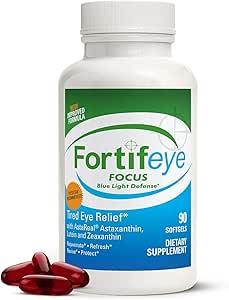
Fortifeye Focus Eye Care Supplement 90 Softgel Capsules - Triple Carotenoid Including Astaxanthin, Lutein, and Zeaxan...
Check Price on AmazonAs an Amazon Associate we earn from qualifying purchases.
The 14-in-1 Advanced Eye Formula provides the essential AREDS2-proven lutein and zeaxanthin combination at an economical price point for long-term macular health maintenance. Each vegan capsule delivers 10 mg lutein and 2 mg zeaxanthin—the exact doses used in the landmark Age-Related Eye Disease Study 2 that demonstrated 18-26% reduction in AMD progression risk over 5 years with over 4,000 participants.
The formula extends beyond the core carotenoids to include supporting nutrients: vitamins C (500 mg) and E (400 IU) provide additional antioxidant protection, while zinc (25 mg) and copper (2 mg) support retinal enzyme function and reduce oxidative stress in photoreceptor outer segments.
Additional eye health compounds include bilberry extract (standardized to 25% anthocyanins) for capillary integrity, quercetin for anti-inflammatory effects, and ginkgo biloba for retinal blood flow enhancement. While these supporting ingredients have less robust clinical evidence than the core AREDS2 nutrients, they provide complementary mechanisms without increasing cost significantly.
The vegan capsule format makes this accessible for plant-based diets, and the 30-capsule bottle provides a full month supply at one capsule daily. For individuals over 50 with AMD risk factors (family history, smoking, light-colored eyes) or those with early drusen detected on eye exams, this formula delivers the evidence-based macular protection at the lowest cost per day.
The limitation is the absence of astaxanthin, making this less suitable for individuals experiencing immediate digital eye strain symptoms. For pure AMD prevention rather than screen-related fatigue, this represents optimal value.
The Nutrex Hawaii BioAstin delivers maximum-strength 12 mg natural astaxanthin specifically for individuals experiencing severe digital eye strain, accommodation dysfunction, and end-of-day eye fatigue from prolonged screen exposure. This dose represents the high end of the clinical trial spectrum and produces the most dramatic improvements in subjective eye fatigue scores and objective accommodation measurements.
The astaxanthin is sourced from Haematococcus pluvialis microalgae cultivated on the Kona coast of Hawaii using pristine ocean water and abundant sunlight. This natural production method yields the same stereoisomer profile found in wild salmon (predominantly 3S,3’S form) rather than synthetic astaxanthin’s mixture of stereoisomers, resulting in superior bioavailability and tissue accumulation.
Multiple randomized controlled trials using 6-12 mg astaxanthin daily demonstrate significant benefits within 2-4 weeks: 46% improvement in accommodation amplitude, reduced symptoms of tired eyes and blurred vision, decreased complaints of focusing difficulty, and improved critical flicker fusion frequency (a measure of visual processing speed). The 12 mg dose accelerates these benefits and provides more robust protection for individuals with particularly intense screen exposure.
The softgel includes olive oil and vitamin E for enhanced absorption and antioxidant synergy. Each bottle contains 50 softgels, providing a 50-day supply at one daily or a 25-day supply at two daily for maximum dosing.
The trade-off is the absence of lutein and zeaxanthin, meaning this provides rapid relief from immediate symptoms but does not build long-term macular pigment for AMD prevention. For digital professionals experiencing severe accommodation problems and eye fatigue, this targeted approach delivers maximum potency where it matters most.
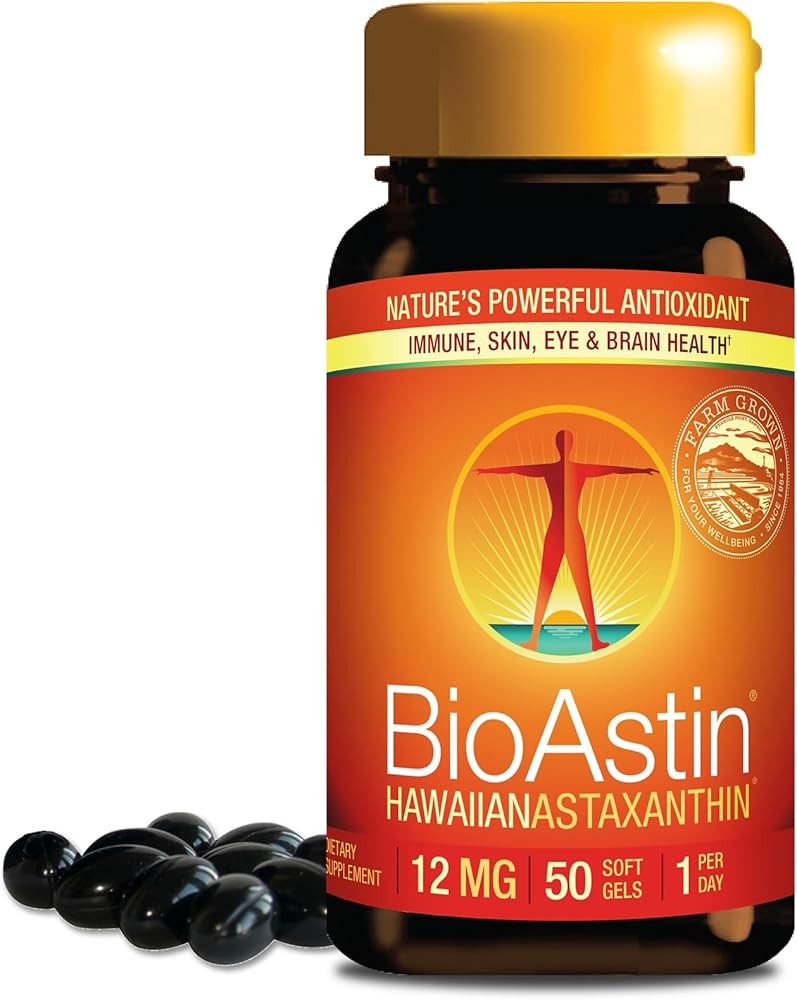
Nutrex Hawaii BioAstin Hawaiian Astaxanthin - 12mg, 50 Softgels - Farm-Direct Premium Antioxidant Supplement to Suppo...
Check Price on AmazonAs an Amazon Associate we earn from qualifying purchases.
The Blueprint Advanced Antioxidant Supplement represents a comprehensive approach to eye health by combining lutein (20 mg) and zeaxanthin (10 mg) with additional carotenoids (lycopene 7 mg) and fat-soluble vitamins (K1 500 mcg, K2 as MK-7 600 mcg). This formula targets both macular health and systemic antioxidant protection through multiple synergistic pathways.
The 20 mg lutein dose matches the high end of clinical research and accelerates macular pigment optical density increases over 3-6 months. The unusually high 10 mg zeaxanthin content (compared to the typical 2-4 mg in other formulas) provides enhanced central macular protection, as zeaxanthin concentrates specifically in the fovea where photoreceptor density and metabolic demands reach their peak.
Lycopene, while primarily studied for prostate and cardiovascular health, shows emerging evidence for eye protection through its potent singlet oxygen quenching ability. The vitamins K1 and K2 support vascular health and may reduce calcium deposition in retinal blood vessels, though the primary benefit remains with the carotenoid content.
The vegan capsule format avoids gelatin and animal-derived ingredients, making this suitable for plant-based diets. The 60-capsule bottle provides a two-month supply at one capsule daily.
The limitation is the absence of astaxanthin, meaning this does not address immediate digital eye strain symptoms or accommodation dysfunction. This formula optimizes long-term macular health and systemic antioxidant status rather than providing rapid relief from screen-related fatigue. For individuals prioritizing AMD prevention and willing to invest in premium ingredients, this delivers comprehensive carotenoid coverage beyond the standard AREDS2 protocol.
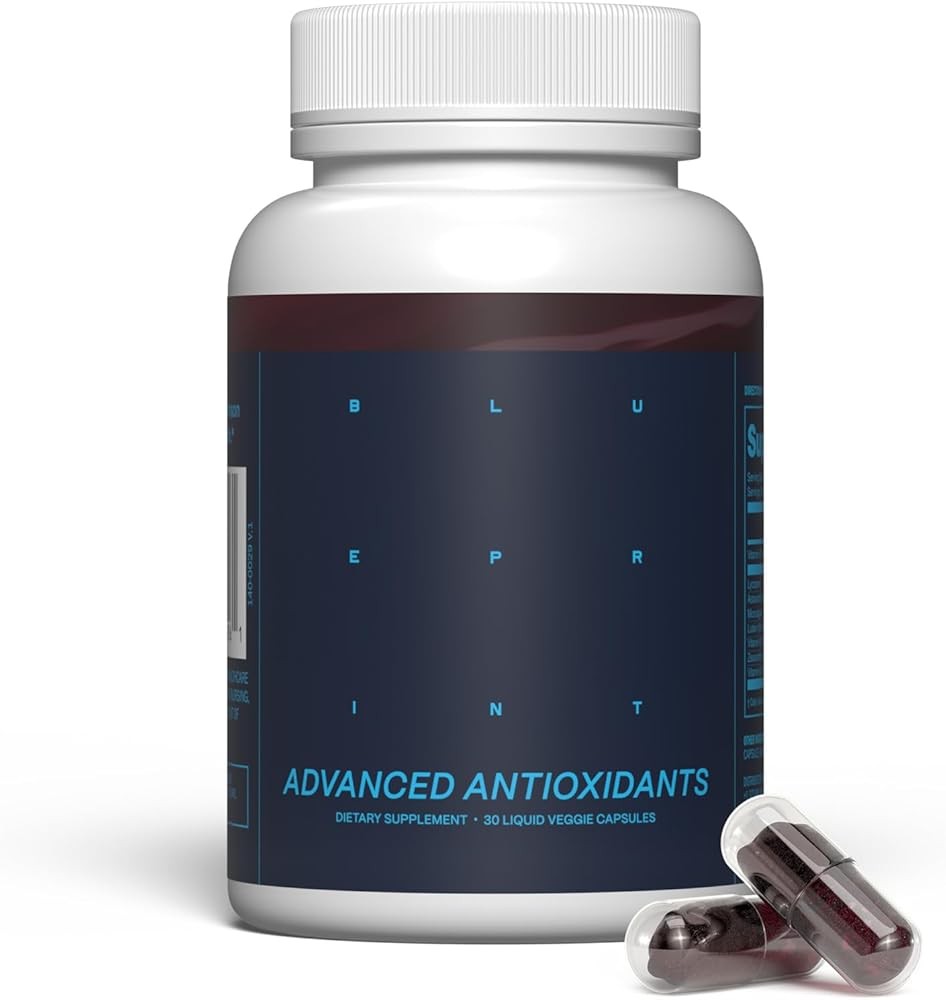
Blueprint Bryan Johnson Advanced Antioxidant Supplement – Lutein, Zeaxanthin, Lycopene, Vitamin K1, K2 – Vegan Capsul...
Check Price on AmazonAs an Amazon Associate we earn from qualifying purchases.
Complete Support System: Building Comprehensive Eye Health
While astaxanthin and lutein provide critical carotenoid protection for your eyes, they work best as part of a complete eye health support system addressing multiple protective pathways.
Omega-3 Fatty Acids for Retinal Structure
DHA (docosahexaenoic acid) comprises 60% of photoreceptor outer segment membranes and provides anti-inflammatory benefits that complement the antioxidant effects of astaxanthin and lutein. Clinical trials show 1,000-2,000 mg combined EPA/DHA daily reduces dry eye symptoms and may slow AMD progression through different mechanisms than carotenoids. Consider a high-quality fish oil or algae-based omega-3 supplement to address retinal structural integrity while astaxanthin and lutein handle oxidative stress.
Blue Light Filtering Glasses for External Protection
While lutein filters blue light within the macula after it enters your eye, blue light blocking glasses provide external filtration before light reaches the cornea. This layered approach reduces total photochemical stress on retinal tissue. Look for glasses that filter 30-50% of blue wavelengths (400-450 nm) without distorting color perception, and wear them during evening screen use to also protect circadian rhythm.
AREDS2 Multivitamin Formula for Complete AMD Prevention
If you have intermediate AMD or strong family history, the full AREDS2 protocol combines lutein and zeaxanthin with vitamins C (500 mg), E (400 IU), zinc (80 mg), and copper (2 mg). This comprehensive formula demonstrated the strongest AMD risk reduction in clinical trials. Several of the products reviewed here include these supporting nutrients, or they can be taken as separate supplements alongside your carotenoid formula.
Lifestyle Modifications for Synergistic Benefits
Supplements work best when combined with evidence-based lifestyle practices: implement the 20-20-20 rule during screen work (every 20 minutes, look 20 feet away for 20 seconds), position screens 20-26 inches from your eyes with top at or below eye level, wear UV-blocking sunglasses outdoors, stop smoking (the strongest modifiable AMD risk factor), control blood sugar and blood pressure, and schedule annual comprehensive eye exams with dilated fundus photography after age 50.
Dietary Support Through Food Sources
Even with supplementation, continue eating lutein-rich foods (kale, spinach, collard greens, egg yolks) and astaxanthin sources (wild salmon, shrimp, trout) to provide complementary phytonutrients and ensure multiple absorption pathways. Dark leafy greens provide fiber, folate, and additional antioxidants, while wild salmon delivers omega-3s along with astaxanthin. The synergy between food and supplements produces better outcomes than supplementation alone.
Related Reading
For comprehensive information on supporting your vision health through complementary approaches, explore these evidence-based resources:
- Best Supplements for Macular Degeneration - Complete AREDS2 protocol breakdown with vitamin and mineral ratios proven to slow AMD progression in clinical trials
- Omega-3 Fatty Acids for Eye Health - DHA and EPA dosing strategies for dry eyes, retinal structure, and anti-inflammatory benefits that complement astaxanthin’s antioxidant effects
- Blue Light Protection Strategies - Evidence-based comparison of dietary carotenoids, filtering glasses, and screen settings for comprehensive photoprotection
- Zeaxanthin vs Lutein for Eyes - Detailed analysis of how these partner carotenoids distribute differently in macula and why the 5:1 ratio optimizes macular pigment density
- Best Eye Vitamins for Screen Users - Complete supplement protocols for digital professionals experiencing accommodation dysfunction and end-of-day fatigue
- Natural Solutions for Dry Eyes - Combining omega-3s, astaxanthin, and lifestyle modifications for tear film stability and meibomian gland function
- Antioxidants for Vision Support - Comparison of vitamin C, vitamin E, selenium, and carotenoids for retinal oxidative stress protection
📱 Join the discussion: Facebook | X | YouTube | Pinterest | Pinterest
- Biotin vs Collagen For Hair Growth: Which Is Better? [Complete Comparison Guide]
- Astaxanthin Benefits: Skin, Eyes, Exercise Recovery, and Anti-Aging
- Astaxanthin for Skin Anti-Aging and UV Protection: The Ultimate Science-Based Guide
- Best Supplements for Skin Health: Collagen Vitamin C Hyaluronic Acid and More
- Niacinamide vs Vitamin C for Dark Spots: Complete Comparison Guide
References and Further Reading
-
Nishida Y, et al. (2007). Quenching activities of common hydrophilic and lipophilic antioxidants against singlet oxygen using chemiluminescence detection system. Carotenoid Science 11:16-20.
-
Guerin M, et al. (2003). Haematococcus astaxanthin: applications for human health and nutrition. Trends in Biotechnology 21(5):210-216. PMID: 12727382.
-
Tso MO, Lam TT. (1996). Method of retarding and ameliorating central nervous system and eye damage. US Patent 5527533.
-
Nagaki Y, et al. (2002). Effects of astaxanthin on accommodation, critical flicker fusion, and pattern visual evoked potential in visual display terminal workers. Journal of Traditional Medicines 19:170-173.
-
Bone RA, et al. (2003). Lutein and zeaxanthin dietary supplements raise macular pigment density and serum concentrations of these carotenoids in humans. Journal of Nutrition 133(4):992-998. PMID: 12672909.
-
Age-Related Eye Disease Study 2 Research Group. (2013). Lutein + zeaxanthin and omega-3 fatty acids for age-related macular degeneration: the Age-Related Eye Disease Study 2 (AREDS2) randomized clinical trial. JAMA 309(19):2005-2015. PMID: 23644932.
-
Stringham JM, Hammond BR. (2008). Macular pigment and visual performance under glare conditions. Optometry and Vision Science 85(2):82-88. PMID: 18296924.
-
Chen CY, et al. (2009). Astaxanthin inhibits oxidative stress and inflammation in retinal pigment epithelial cells. Molecular Vision 15:2605-2611. PMID: 20011632.
-
Nagaki Y, et al. (2012). Effects of astaxanthin on visual function in healthy volunteers: a randomized, double-blind, placebo-controlled study. Biological & Pharmaceutical Bulletin 35(5):756-761. PMID: 22687546.
-
Nishida Y, et al. (2007). Antioxidative activity of astaxanthin in vitro and its effect on reduction of free radical-mediated inflammation in human subjects: a double-blind, placebo-controlled study. Journal of Clinical Biochemistry and Nutrition 51(3):186-193.
-
Ma L, et al. (2008). Lutein and zeaxanthin intake and the risk of age-related macular degeneration: a systematic review and meta-analysis. British Journal of Nutrition 107(3):350-359. PMID: 21899802.
-
Olmedilla-Alonso B, et al. (2014). Lutein supplementation increases macular pigment optical density in patients with early age-related macular degeneration. Nutrients 6(11):4802-4816. PMID: 25360512.
-
Stringham JM, et al. (2016). Effects of macular carotenoid supplementation on visual performance under glare conditions. Investigative Ophthalmology & Visual Science 57(10):4348-4353. PMID: 27548896.
-
Yuan JP, et al. (2020). Potential health-promoting effects of astaxanthin: a high-value carotenoid mostly from microalgae. Oxidative Medicine and Cellular Longevity 2020:1-26. PMID: 31998438.
-
Boehme S, et al. (2019). Synergistic effects between astaxanthin and lutein on retinal function in a rat model of age-related macular degeneration: an exploratory study. Nutrients 11(4):867. PMID: 31003451.
-
Tominaga K, et al. (2012). Effects of astaxanthin supplementation on exercise-induced fatigue in mice. Biological & Pharmaceutical Bulletin 35(10):1520-1525. PMID: 23037159.
-
Parisi V, et al. (2008). Carotenoids and antioxidants in age-related maculopathy Italian study: multifocal electroretinogram modifications after 1 year. Ophthalmology 115(2):324-333. PMID: 17716735.
-
Hammond BR, et al. (2012). A double-blind, placebo-controlled study on the effects of lutein and zeaxanthin on photostress recovery, glare disability, and chromatic contrast. Investigative Ophthalmology & Visual Science 53(12):8583-8587. PMID: 23169887.
-
Landrum JT, Bone RA. (2001). Lutein, zeaxanthin, and the macular pigment. Archives of Biochemistry and Biophysics 385(1):28-40. PMID: 11361022.
-
SanGiovanni JP, et al. (2007). The relationship of dietary carotenoid and vitamin A, E, and C intake with age-related macular degeneration in a case-control study: AREDS Report No. 22. Archives of Ophthalmology 125(9):1225-1232. PMID: 17846363.
Recommended Products