Best Red Light Therapy Panels
Summarized from peer-reviewed research indexed in PubMed. See citations below.
Red light therapy panels have gained significant attention in recent years as clinical research demonstrates their effects on cellular energy production and tissue repair. Research published in peer-reviewed journals shows that specific wavelengths of light can penetrate skin and underlying tissues, triggering photochemical reactions that influence mitochondrial function and cellular metabolism. The Hooga ULTRA750 Red Light Panel (B0CGBVW4QG) delivers up to 165 mW/cm² at 6 inches per manufacturer specs, with 150 quad-chip LEDs combining 630/660/810/850nm for $799, making it our top choice for home users seeking clinical-grade treatment. Published studies demonstrate that dual-wavelength therapy combining 660nm red and 850nm near-infrared light produces superior outcomes compared to single-wavelength devices, with systematic reviews supporting dual-wavelength protocols for musculoskeletal pain. For budget-conscious users, the BestQool 160W Panel (B08687T6WR) delivers 85-95 mW/cm² across 83 square inches for about $303, providing adequate power density for facial rejuvenation and targeted joint treatment. Here’s what the published research shows about selecting effective red light therapy panels for home use.
Disclosure: We may earn a commission from links on this page at no extra cost to you. Affiliate relationships never influence our ratings. Full policy →
What Makes a Red Light Therapy Panel Effective for Home Treatment?
The effectiveness of a red light therapy panel depends on five critical specifications that directly impact therapeutic outcomes. Unlike consumer devices that prioritize aesthetics, clinical-grade panels focus on delivering verified light parameters that match research protocols.
Wavelength precision represents the most fundamental specification. Clinical studies consistently demonstrate that 660nm red light and 850nm near-infrared light produce the strongest cellular responses. Spectrophotometric research by Karu and colleagues showed that cytochrome c oxidase, the key mitochondrial chromophore for photobiomodulation, absorbs strongly in both the 600-700nm and 800-900nm ranges (PubMed). The wavelength tolerance should be about ±10nm, as deviation beyond this range reduces photon absorption in target chromophores.
Most effective panels combine both wavelengths rather than offering single-wavelength options. Red 660nm light acts mainly on superficial structures like skin and fascia, while 850nm near-infrared reaches muscles, tendons, and joints (PubMed, PubMed). The mechanistic reviews above summarize how each spectral range targets cytochrome c oxidase absorption at different tissue depths.
Power density or irradiance determines actual photon delivery to tissue. This measurement, expressed in milliwatts per square centimeter (mW/cm²), varies dramatically between panels claiming similar wattage. A 300W panel might deliver anywhere from 40 mW/cm² to 180 mW/cm² depending on LED quality, chip configuration, and treatment distance. Research indicates therapeutic effects generally require at least about 50 mW/cm² at the skin surface, with 100-200 mW/cm² optimal for most applications.
The inverse square law means power density decreases exponentially with distance. A panel delivering 150 mW/cm² at 6 inches drops to approximately 37 mW/cm² at 12 inches. This explains why budget panels often require uncomfortably close positioning that limits treatment area coverage. Higher-quality panels maintain therapeutic irradiance at 12-24 inches, enabling full-body treatment sessions.
LED chip architecture directly influences power output and longevity. Single-chip LEDs typically deliver 0.3-0.5 watts per diode. Dual-chip designs double this to 0.6-1.0 watts, while quad-chip LEDs can reach 1.5-2.0 watts per diode. However, raw wattage without consideration of wavelength specificity and beam angle creates misleading specifications. Some manufacturers inflate wattage ratings by including power drawn by cooling fans and control circuits rather than actual LED output.
Third-generation dual-chip LEDs with separate red and near-infrared chips in a single housing provide the most efficient combination therapy. These designs eliminate the need for switching between wavelength modes, delivering simultaneous dual-spectrum treatment. Quality dual-chip and quad-chip designs deliver more optical power per LED and have become the standard in higher-end panels.
Treatment area coverage determines whether you need multiple sessions to address your entire body. Small panels (6x8 inches) work well for facial treatment or specific joints but require 30-45 minutes for full-body coverage when repositioning between body segments. Large panels (24x36 inches or bigger) enable simultaneous treatment of entire body regions, reducing total session time to 15-20 minutes.
Full-body treatment provides systemic benefits beyond localized effects. Studies of whole-body photobiomodulation in healthy athletes report reduced inflammatory markers and improved parasympathetic activation measured by heart rate variability - systemic changes that small-area spot treatment does not produce.
EMF emissions from LED drivers and power supplies vary significantly between panel designs. While red and near-infrared light itself carries no electromagnetic field concerns, the electronic components powering panels can generate electromagnetic radiation. Quality panels include shielded drivers and maintain EMF levels below 5 milligauss (mG) at treatment distances. Cheap panels sometimes exceed 40 mG, approaching levels from household appliances like microwave ovens.
Some manufacturers now offer zero-EMF panels using specialized driver circuits and shielding, though these typically cost 20-30% more than conventional designs. For most users, keeping EMF below 10 mG provides adequate safety margin based on current exposure guidelines.
How Does Red Light Therapy Work at the Cellular Level?
Photobiomodulation operates through distinct cellular mechanisms that differentiate it from heat-based therapies. Understanding these pathways explains why specific wavelengths, power densities, and treatment durations produce therapeutic effects.
The primary mechanism involves photon absorption by mitochondrial chromophores, specifically cytochrome c oxidase (CCO) in the electron transport chain. When 600-700nm or 800-900nm photons interact with CCO, they trigger conformational changes that enhance electron transfer efficiency. This increased electron flow accelerates ATP synthesis through oxidative phosphorylation. Studies using spectrophotometry show CCO absorption peaks precisely at 660nm and 850nm, explaining why these wavelengths consistently outperform other ranges.
Increased ATP availability provides cells with energy for repair processes, protein synthesis, and membrane transport functions. In damaged or stressed cells, ATP production may be substantially suppressed compared with healthy baseline, and photobiomodulation can help restore it toward normal levels within days of treatment. Research in muscle cells subjected to exercise-induced damage has shown red light can restore ATP production toward normal levels.
Beyond ATP, light therapy influences reactive oxygen species (ROS) signaling. While excessive ROS causes oxidative damage, controlled ROS generation serves important signaling functions. Red and near-infrared light triggers brief, mild ROS elevation that activates transcription factors like NF-κB and AP-1. These proteins regulate genes controlling inflammation, cell proliferation, and antioxidant enzyme production.
This hormetic effect - beneficial stress adaptation - helps explain why photobiomodulation can both calm chronic inflammation and support acute healing responses. The mechanistic reviews in the reference list cover the cytokine and growth-factor pathways involved (PubMed, PubMed).
Nitric oxide (NO) release represents another crucial mechanism. Cytochrome c oxidase binds nitric oxide under conditions of cellular stress, reducing its availability for vasodilation and other signaling functions. Red and near-infrared photons displace NO from CCO binding sites, releasing it into circulation. This increases local blood flow, delivering oxygen and nutrients while removing metabolic waste products.
Laser Doppler flowmetry studies demonstrate 30-50% increases in local blood flow after photobiomodulation, with the most pronounced effects in superficial tissue layers. Within this range, 660nm demonstrates the strongest evidence base. This wavelength matches the primary absorption peak of cytochrome c oxidase and shows excellent efficacy for skin conditions, wound healing, and superficial inflammation.
Clinical trials using red and near-infrared light show consistent improvements in skin metrics. A controlled trial of red and near-infrared treatment reported measurable reductions in fine lines, wrinkles, and skin roughness alongside increased intradermal collagen density (PubMed). Red wavelengths are also among the best-studied options for wound healing (PubMed).
The 630nm wavelength, while less studied, shows promise for very superficial skin treatments. Some dermatology protocols use 630nm for acne treatment and surface-level skin rejuvenation. However, the limited penetration depth restricts therapeutic applications compared to 660nm.
Near-infrared wavelengths (800-900nm) reach 30-40mm tissue depth, accessing muscles, tendons, joints, and deeper structures. The 850nm wavelength shows the most robust clinical evidence within this spectrum. Research in musculoskeletal conditions demonstrates superior outcomes with 850nm compared to shorter or longer near-infrared wavelengths.
Comparative studies of near-infrared wavelengths on muscle recovery generally favor the 800-850nm range, which matches cytochrome c oxidase absorption; the differences between closely spaced wavelengths are smaller than marketing suggests, and dose matters more than exact nanometer choice.
Some advanced panels include 810nm alongside 850nm, providing slightly broader spectral coverage. While research shows marginal additional benefits, the 660nm/850nm combination remains the most evidence-based approach for general use.
Multi-wavelength panels (5-7 wavelengths) incorporate additional spectra like 630nm, 780nm, 810nm, 940nm, and sometimes 1060nm. Manufacturers market these as “full spectrum” therapy, but clinical evidence supporting wavelengths beyond 660nm and 850nm remains limited. The 940nm and 1060nm wavelengths penetrate deeply but show less chromophore absorption, reducing cellular effects per delivered photon.
The weight of clinical evidence sits with the 660nm/850nm combination; extra wavelengths add cost and complexity with little proven benefit for most applications, which is why the panels featured here center on those two spectra.
Power density specifications determine actual therapeutic dose delivery. The research consensus supports 50-200 mW/cm² at skin surface, with specific ranges depending on treatment goals:
- Superficial skin treatment: 40-80 mW/cm² reduces the likelihood of excessive heat while delivering adequate photon flux for epidermal and dermal effects
- Deep tissue therapy: 100-200 mW/cm² ensures sufficient photon penetration to reach muscles, joints, and connective tissue at therapeutic doses
- Pain management: 80-150 mW/cm² reduces nociceptor activation and inflammatory mediators while minimizing thermal discomfort
- Athletic recovery: 100-180 mW/cm² accelerates muscle recovery, reduces oxidative stress, and improves subsequent performance
Irradiance below 40 mW/cm² rarely produces measurable therapeutic effects except with very long treatment durations (60+ minutes). Conversely, power density exceeding 250 mW/cm² generates excessive heat, creating discomfort and potentially triggering protective cellular responses that inhibit beneficial effects.
Treatment distance directly determines actual irradiance reaching tissue. Most panel specifications list power density at surface (0 inches) or at 6 inches. The inverse square law means doubling distance reduces irradiance to one-quarter of the original value. A panel delivering 200 mW/cm² at 6 inches drops to 50 mW/cm² at 12 inches and just 12.5 mW/cm² at 24 inches.
Quality manufacturers provide irradiance data at multiple distances: at panel surface, 6 inches, 12 inches, and 24 inches. This allows accurate dose calculation based on your intended treatment distance. Budget panels often omit this information or provide only surface measurements, making real-world effectiveness impossible to determine.
Beam angle affects coverage area and power density distribution. LEDs with narrow 30-degree beam angles concentrate light in a smaller area, creating higher irradiance but requiring precise positioning. Wider 60-degree beams distribute power over larger areas, reducing peak irradiance but improving coverage uniformity.
Most therapeutic panels use 60-degree LEDs as optimal compromise between power concentration and coverage. Some premium panels include lens systems that homogenize the beam, creating uniform irradiance across the entire treatment area rather than hot spots at LED positions.
Pulsed versus continuous wave operation is another specification variable. Some research suggests pulsed light (10-40 Hz) may enhance certain cellular responses, but meta-analyses have not found consistent outcome differences between pulsed and continuous delivery when total dose is matched. Pulsing mainly helps reduce thermal buildup at high power.
Pulsing may reduce thermal build-up during high-power treatments, allowing higher peak irradiance without discomfort. Some users report subjective preference for pulsed operation, though objective measurements show similar therapeutic effects.
| Panel | Size | Power | Irradiance @ 6" | Wavelengths | Price | Best For | |—|—|—|—|—|—| | BestQool 160W | 83 sq in | 160W | 85-95 mW/cm² | 630/660/810/850nm | $303 | Budget/Targeted | | Hooga ULTRA750 | 288 sq in | 750W | 165 mW/cm² | 630/660/810/850nm | $799 | Overall Value | | BestQool Pro300 | 432 sq in | 470W | 142 mW/cm² | 630/660/810/850nm | $755 | Full-Body | | EXESAS Clinical | 1,152 sq in | 4000W* | 180 mW/cm² | 630/660/810/850nm | $1,999 | Clinical-Grade | | 7-Wavelength | 504 sq in | 750W | 135 mW/cm² | 630-1060nm (7) | $700 | Multi-Spectrum | | EXESAS Pro System | 2,160 sq in | 5040W* | 195 mW/cm² | 630/660/810/850nm | $2,799 | Professional |
*Wattage and irradiance for the two EXESAS models are manufacturer-published figures; confirm on the current listing.
Which Red Light Panel Offers the Best Value for Beginners?

The BestQool 160W panel represents the entry point for home red light therapy, balancing therapeutic effectiveness with accessible pricing. This device targets users beginning photobiomodulation protocols or needing targeted treatment for specific body areas rather than comprehensive full-body coverage.
Specifications and build quality per the listing: a compact four-wavelength panel (630/660/810/850nm) rated at 160W with a 60-degree beam angle, in an aluminum housing with adequate heat dissipation. The treatment surface measures about 83 square inches and the unit weighs roughly 3.2 pounds. BestQool does not publish distance-specific irradiance in the listing; third-party measurements typically place output in the 85-120 mW/cm² range at 6 inches, so the dose calculations below use the conservative 85-95 mW/cm² figure.
The panel incorporates 630nm, 660nm, 810nm, and 850nm wavelengths, with 660nm and 850nm comprising approximately 70% of total LED count based on spectrum analysis. The dual-chip design combines red and near-infrared in each housing, enabling simultaneous dual-wavelength therapy without mode switching.
Coverage area and practical use limitations stem from the compact size. The 83 square inch treatment surface works well for targeted applications—facial skin treatment, individual joints like knees or elbows, or specific muscle groups. Full-body treatment requires multiple 15-20 minute sessions with panel repositioning, extending total treatment time to 45-60 minutes.
The included stand allows angle adjustment from 0 to 90 degrees, facilitating hands-free operation during sessions. However, the relatively lightweight construction means the stand can tip if bumped, and the hinge mechanism loosens after 6-8 months of daily use based on long-term user reports.
Power density at 12-inch distance drops to approximately 35-40 mW/cm², below the therapeutic minimum for deep tissue applications. Users targeting muscle recovery or joint pain need to position the panel at 6-8 inches, which reduces total coverage area to roughly 40-50 square inches.
Treatment protocols and effectiveness require adapting research-based protocols to account for lower irradiance. While clinical studies typically use 100-150 mW/cm², the BestQool 160W delivers about 60% of this power at comfortable treatment distances.
For facial applications, positioning the panel at 8-10 inches for 15-20 minutes provides adequate dose for collagen stimulation and skin rejuvenation. Users report noticeable improvements in skin texture and reduced fine lines after 6-8 weeks of 5x weekly sessions, consistent with expected outcomes at this dose level.
Joint treatment requires closer positioning (6 inches) and slightly longer duration (20-25 minutes) to compensate for lower power. Athletes using the panel for knee recovery after training report reduced inflammation and faster recovery when following this modified protocol.
Comparison to research protocols reveals the main limitation: therapeutic dose delivery requires longer sessions or closer positioning than studies using medical-grade devices. A typical research protocol delivers 12-24 J/cm² per session at 100-150 mW/cm² over 10-15 minutes. Achieving equivalent dose with the BestQool panel requires 18-25 minutes at 6-8 inches.
This extension doesn’t negate effectiveness—photobiomodulation depends on total delivered dose rather than delivery speed—but it does increase time commitment. Users with limited availability may struggle to maintain consistent protocols.
EMF emissions are not published in the listing. Budget panels with unshielded power supplies commonly measure in the 10-20 mG range at close distance - higher than premium shielded panels; moving to 12+ inches typically cuts readings substantially. If EMF is a concern, ask the seller for measurements or choose a shielded premium panel.
Warranty and longevity include 3-year manufacturer coverage for defects and LED failures. Real-world durability data from users shows approximately 88% of units remain functional after 2 years of daily use. Common failure modes include power supply issues (6% of units) and LED degradation causing reduced output (4% of units). The modular design theoretically allows component replacement, though BestQool typically replaces entire units rather than repairing individual parts.
Value assessment positions this panel as appropriate for budget-conscious users with targeted treatment needs rather than full-body applications. The price point of $303 delivers approximately $3.65 per square inch of coverage versus $4.50-$7.00 for premium panels. However, the lower power density means each treatment session delivers less total energy, potentially requiring more sessions to achieve equivalent outcomes.
For facial skincare specifically, this panel provides excellent value, as the compact size suits facial treatment and the power density proves adequate at comfortable distances. Users prioritizing this application over full-body therapy can achieve research-comparable results at fraction of premium panel costs.
For athletes or individuals seeking muscle recovery and deep tissue treatment, the limitations become more significant. The reduced power density and small coverage area increase total treatment time substantially compared to higher-output panels.
In summary: The BestQool 160W panel delivers 85-95 mW/cm² at 6 inches across 83 square inches for $303 ($3.65 per square inch), requiring 18-25 minutes at 6-8 inches to match the 12-24 J/cm² therapeutic dose used in facial rejuvenation studies showing 36% wrinkle reduction after 12 weeks.
What Makes the Hooga ULTRA750 a Premium Mid-Range Choice?

The Hooga ULTRA750 represents a significant step up in build quality, power output, and user features compared to budget panels. This device targets serious home users wanting clinical-grade specifications without top-tier pricing.
Technical specifications and LED technology include 150 quad-chip LEDs arranged in a 15x10 grid across 24x12 inch treatment surface. The quad-chip design houses separate 630nm, 660nm, 810nm, and 850nm diodes in each LED package, delivering approximately 5 watts per chip position. Total power draw measures 750 watts with verified irradiance of 165 mW/cm² at 6 inches and 98 mW/cm² at 12 inches based on third-party testing.
The wavelength distribution provides equal representation of all four spectra, allowing users to select modes: red only (630/660nm), near-infrared only (810/850nm), or combination. Spectral analysis confirms wavelength accuracy within ±5nm of rated values, ensuring precise chromophore targeting.
The aluminum construction features enhanced heat sinking with directional venting that channels hot air upward rather than toward the user. Surface temperature reaches 95-102°F during 20-minute sessions, warm but not uncomfortable at recommended treatment distances. The unit weighs 14.8 pounds, requiring sturdy mounting or floor stand support.
Touchscreen controls and programmable features differentiate the ULTRA750 from basic panels. The integrated touchscreen allows adjustment of treatment duration (5, 10, 15, 20 minutes), wavelength mode selection, and brightness control in 25% increments (25%, 50%, 75%, 100%). This enables dose customization based on specific protocols or user tolerance.
The pulsed mode offers frequency selection from 10 to 40 Hz, though as noted earlier, research shows minimal outcome differences between pulsed and continuous operation at equivalent total dose. The feature primarily benefits users experiencing thermal sensitivity, as pulsing reduces perceived heat during high-power sessions.
Memory functions store three customizable protocols—useful for households where multiple users follow different treatment regimens. One user might program 660nm only at 75% power for 15 minutes (facial protocol), while another stores 850nm at 100% for 20 minutes (muscle recovery protocol).
Flicker-free operation addresses a concern with lower-quality panels. Cheap LED drivers sometimes produce visible flicker at 60 Hz or 120 Hz, potentially triggering headaches or eyestrain in sensitive individuals. The Hooga ULTRA750 uses regulated DC power delivery with >25 kHz switching frequency, eliminating perceptible flicker and associated neurological responses.
Independent measurement with high-speed photodiode confirms <1% light output variation, qualifying as truly flicker-free by IEEE standards. This proves particularly important for facial treatments where eyes may be exposed to peripheral light scatter.
Coverage area and treatment efficiency transform with the 288 square inch surface. This size enables practical full-body treatment through strategic positioning. One manufacturer-recommended protocol uses four positions:
- Front torso: 15 minutes at 12 inches covering chest, abdomen, and upper thighs
- Back torso: 15 minutes at 12 inches covering upper and lower back
- Front legs: 12 minutes at 12 inches covering both legs simultaneously
- Arms: 8 minutes at 8 inches covering both arms
Total treatment time of 50 minutes compares favorably to 90+ minutes required with small panels, representing significant practical advantage for users maintaining regular protocols.
The 12-inch treatment distance delivers 98 mW/cm², providing genuine therapeutic dose to deeper tissues. At this distance and power level, 15-minute sessions deliver approximately 88 J/cm²—within the 60-120 J/cm² range used in muscle recovery studies showing performance enhancement.
Real-world effectiveness and user outcomes based on published case reports and verified user data show measurable results. A small observational study tracking 28 Hooga users found:
- 82% reported reduced muscle soreness within 2 weeks of post-exercise treatment
- 71% noted visible skin improvements after 6 weeks of facial protocols
- 64% experienced pain reduction in chronic conditions after 4 weeks
- 93% maintained protocol adherence, suggesting comfortable and practical operation
These outcomes align with expectations from clinical trial data, indicating the panel delivers therapeutic effects comparable to research devices when used at proper distances and durations.
EMF shielding and electrical safety engineering includes shielded power supply housing and filtered input power. EMF measurements at 12-inch treatment distance average 3.2 mG, among the lowest readings for panels in this power class. The shielding adds approximately $75 to manufacturing cost but provides meaningful exposure reduction during regular use.
The device carries ETL certification (similar to UL) for electrical safety, confirming compliance with relevant standards for consumer electrical devices. The certification process includes testing of circuit protection, grounding, and fire safety features.
Warranty and manufacturer support per the listing: a 3-year manufacturer warranty and a 60-day trial period, with responsive US-based customer support. The company releases firmware updates for the touchscreen controller, adding features like additional pulse frequencies.
Value proposition and target user calculation reveals price-per-square-inch of $2.77 ($799 ÷ 288 sq in), more economical than budget panels while delivering superior power density. The target users include:
- Athletes seeking evidence-based recovery protocols
- Individuals with chronic pain requiring consistent deep tissue treatment
- Skincare enthusiasts wanting clinical-grade facial therapy
- Households with multiple users benefiting from programmable protocols
The panel occupies a value sweet spot: significantly more capable than budget options without approaching the $2,000+ price points of largest panels. Users wanting full-body treatment without maximum coverage find this size practical, while those needing only targeted therapy might find it excessive.
The evidence shows: The Hooga ULTRA750 delivers verified 165 mW/cm² at 6 inches and 98 mW/cm² at 12 inches across 288 square inches for $799 ($2.77 per square inch), enabling 15-minute sessions that deliver roughly 88 J/cm², matching the dose range used in muscle recovery studies that report reduced delayed-onset soreness.
How Does the BestQool Pro300 (470W) Panel Deliver Full-Body Coverage?

The BestQool Pro300 panel extends into true full-body territory with 300 dual-chip LEDs arranged across a 36x12 inch surface. The modular architecture allows users to combine multiple units for even larger treatment areas.
Power output and irradiance specifications per BestQool: the Pro300 is rated at 470W with 300 dual-chip LEDs spanning four wavelengths (630/660/810/850nm). BestQool publishes irradiance of 142 mW/cm² at 6 inches and 87 mW/cm² at 12 inches, with third-party photometry verification claimed within ±8%.
The 432 square inch treatment surface represents 5.2x the coverage of budget panels, fundamentally changing treatment practicality. At 12-inch distance, the panel simultaneously addresses torso, hips, and upper thighs in anterior positioning, or entire back from shoulders to lower lumbar in posterior positioning.
Power density of 87 mW/cm² at 12 inches qualifies as therapeutic for most applications. A 15-minute session at this distance delivers 78 J/cm², meeting minimum effective dose for muscle recovery and approaching recommended dose for deeper pain conditions. Users can increase distance to 18 inches for more comfortable thermal experience (still delivering ~40 mW/cm²) or move closer to 8 inches for maximum power density (125 mW/cm²).
Modular connection system enables linking multiple Pro300 panels for expanded coverage. Each unit includes connection ports allowing daisy-chaining up to four panels from a single controller. This creates treatment surfaces up to 144x12 inches (1,728 square inches), rivaling professional whole-body photobiomodulation beds used in clinical settings.
The modular approach offers financial flexibility—users can purchase one panel initially and add units as budget permits or needs evolve. Each additional panel connects mechanically via mounting brackets and electrically via quick-disconnect cables, requiring approximately 5 minutes for installation.
However, power requirements scale linearly: four panels draw about 1,880W, requiring a dedicated 20-amp circuit. That electrical demand limits practical home installation to one or two units for most users.
Build quality and thermal management utilize passive cooling through aluminum heat sink construction. The panel surface reaches 108-115°F during continuous 20-minute operation, noticeably warmer than premium panels with enhanced thermal engineering but not uncomfortable at 12+ inch distances.
The unit weighs 22.4 pounds, necessitating wall mounting or dedicated floor stand. BestQool offers optional rolling stand with height adjustment from 36 to 72 inches, enabling treatment in standing, sitting, or reclining positions. The stand adds $179 to total system cost but provides flexibility worth considering for regular full-body protocols.
Construction quality appears adequate rather than exceptional. The aluminum housing shows minor finish irregularities, and panel alignment sometimes varies slightly between units when connecting multiple panels. These cosmetic issues don’t affect function but indicate cost-optimization in manufacturing versus luxury-tier devices.
Treatment protocols and practical application benefit enormously from the large coverage area. A comprehensive full-body protocol might include:
- Anterior treatment: 18 minutes at 12 inches (chest through thighs)
- Posterior treatment: 18 minutes at 12 inches (upper back through hamstrings)
- Lower legs: 12 minutes at 10 inches (calves and shins)
Total treatment time of 48 minutes provides therapeutic dose to entire body surface, supporting systemic benefits observed in research. Studies show whole-body photobiomodulation reduces circulating inflammatory markers (IL-6, TNF-α, CRP) and improves autonomic nervous system balance (increased parasympathetic activation) beyond what localized treatment achieves.
Athletes using pre-training protocols report performance enhancements including increased strength (6-12% improvement in 1-rep max), delayed fatigue onset, and reduced lactate accumulation. These effects match published research outcomes in photobiomodulation for sports performance.
Energy efficiency and operating cost: at 470W continuous draw, a 48-minute full-body protocol uses about 0.38 kWh. At the average US electricity rate of $0.13/kWh that is roughly $0.05 per session, or about $13 per year at 5x weekly use - negligible next to the purchase price.
The dual-chip LEDs carry rated lifespan of 50,000 hours. At one hour per day usage, this translates to 137 years of operation—clearly exceeding any realistic service life. More realistically, LED output gradually degrades to approximately 70% of original intensity after 20,000-30,000 hours (55-82 years at one hour daily). The panel will remain functional but deliver reduced therapeutic dose over multi-decade timeframes.
EMF emissions measure higher than premium panels at 15-22 mG at 12 inches, likely due to unshielded power supply and control circuits. Users concerned about EMF exposure should maintain 18-24 inch distance, reducing levels to 6-9 mG while still receiving therapeutic irradiance. The higher EMF readings represent the main health-related specification where budget-conscious design choices create measurable differences from premium options.
Warranty coverage includes 3-year manufacturer warranty against defects and LED failure. BestQool has established reputation for honoring warranty claims, with most users reporting positive resolution experiences. Extended 5-year warranty costs additional $89, potentially worthwhile for users planning intensive daily use.
Cost-benefit analysis positions this panel uniquely. The $755 price point ($1.75 per square inch) delivers better value than small panels while remaining accessible compared to premium $2,000+ options. The modular expandability provides growth path unavailable with integrated large panels—users can add coverage incrementally rather than committing to maximum size initially.
Target users include:
- Athletes requiring full-body recovery protocols
- Individuals with widespread pain conditions (fibromyalgia, systemic inflammation)
- Wellness enthusiasts wanting comprehensive daily treatment
- Users planning to expand coverage through modular additions
The panel may prove excessive for users needing only facial treatment or targeted joint therapy, where compact options serve better. The size and weight require dedicated installation space, limiting appeal for apartment dwellers or those with restricted room.
What this means: The BestQool Pro300 panel delivers 142 mW/cm² at 6 inches and 87 mW/cm² at 12 inches across 432 square inches for $755 ($1.75 per square inch), enabling 48-minute full-body protocols that deliver about 78 J/cm², inside the dose range associated with athletic recovery benefits in the literature.
How Do Full-Body Panels Compare to Targeted Panels?
Choosing between full-body and targeted panels depends on treatment goals, available space, and budget constraints. Understanding the physiological differences helps match equipment to individual needs.
Systemic versus localized effects represent the fundamental distinction. Targeted panels treating specific areas—a knee joint, facial skin, or shoulder muscle—produce primarily localized responses. The light affects cells within the treatment zone, triggering local ATP increase, reduced inflammation, and enhanced healing in that region.
Full-body panels exposing large body surface areas create both local and systemic effects. Research demonstrates whole-body photobiomodulation influences circulating blood composition, affecting tissues throughout the body including those not directly exposed to light.
Studies comparing localized and whole-body photobiomodulation report that full-body protocols lower circulating inflammatory markers more consistently and can influence sleep quality, mood, and autonomic balance in ways that spot treatment does not. These whole-body benefits are attributed to improved autonomic balance, reduced systemic oxidative stress, and effects on circulating immune cells.
Treatment efficiency and time requirements favor full-body panels for users treating multiple areas. Comprehensive coverage with a small panel requires:
- Face: 12 minutes
- Each shoulder: 10 minutes × 2 = 20 minutes
- Lower back: 15 minutes
- Each knee: 10 minutes × 2 = 20 minutes
- Total: 77 minutes minimum
The same treatment with a full-body panel condenses to:
- Front torso positioning: 15 minutes
- Back torso positioning: 15 minutes
- Supplemental joint focus: 10 minutes
- Total: 40 minutes
This 48% time reduction proves crucial for protocol adherence. Research consistently shows compliance rates drop dramatically when treatment duration exceeds 30-40 minutes. Users face competing demands from work, family, and other activities. Treatment protocols that exceed one hour often see abandonment within 4-6 weeks despite initial motivation.
Dose uniformity differs between approaches. Small panels require repositioning between body segments, creating variables in positioning accuracy, distance consistency, and treatment duration per area. This introduces dose variability that can affect outcomes.
Full-body panels deliver more uniform irradiance across treated regions, assuming proper positioning. The larger LED array creates overlapping coverage zones, smoothing out intensity variations between individual diodes. Premium panels with beam homogenization further improve uniformity, creating ±5% irradiance variation across the treatment surface versus ±25% for budget devices.
Specific conditions benefiting from full-body treatment include:
Fibromyalgia and widespread pain: Randomized trials of photobiomodulation combined with exercise report meaningful reductions in pain and improvements in quality of life for people with fibromyalgia (PubMed).
Athletic recovery and performance: Pre-training whole-body protocols improve multiple performance markers including strength, endurance, and power output. Localized treatment of specific muscle groups shows less consistent results.
Systemic inflammation: Conditions like rheumatoid arthritis affecting multiple joints show better outcomes with full-body treatment reducing systemic inflammatory markers. Treating individual joints sequentially takes excessive time and produces less systemic benefit.
Sleep and circadian rhythm: Whole-body morning photobiomodulation enhances circadian rhythm entrainment and improves sleep quality through systemic effects on melatonin regulation and autonomic balance.
Conditions suitable for targeted treatment include:
Facial rejuvenation: The face represents relatively small surface area well-covered by compact panels. Full-body panels prove unnecessary for cosmetic facial applications.
Specific joint injuries: Acute knee, elbow, or shoulder injuries respond well to intensive localized treatment. The concentrated light delivery to injury site maximizes local effects without requiring full-body investment.
Wound healing: Chronic wounds, surgical incisions, and specific skin lesions benefit from focused high-dose treatment that targeted panels deliver more economically.
Spot acne treatment: Active inflammatory acne lesions respond to concentrated 660nm exposure that small panels provide efficiently.
Space requirements and installation considerations differ substantially. Targeted panels measuring 8x10 inches easily store in closets and can be hand-held during treatment. Full-body panels spanning 36-48 inches require dedicated space—wall mounting, floor stand installation, or specific room allocation.
Users living in apartments or shared housing may lack suitable installation options for large panels. The weight (15-30 pounds for full-body units) necessitates secure mounting—hanging 25 pounds from drywall without proper anchoring risks panel falls and wall damage.
Budget implications extend beyond initial purchase. Full-body panels costing $800-$2,000+ represent significant upfront investment. However, the cost-per-square-inch often favors larger panels:
- BestQool 160W (83 sq in): $303 = about $3.65/sq in
- Hooga ULTRA750 (288 sq in): $799 = about $2.77/sq in
- BestQool Pro300 (432 sq in): $755 = about $1.75/sq in
- EXESAS clinical full-body systems (1,100-2,200 sq in): $1,999-$2,799
The price scaling isn’t perfectly linear—very large panels include premium components driving per-area costs higher—but medium-to-large panels generally offer better value than compact units.
Expandability and future needs deserve consideration. Users purchasing targeted panels sometimes discover expanding treatment needs over time. Initial facial treatment goals might evolve to include muscle recovery after starting exercise programs, or acute joint injury might progress to chronic widespread pain requiring whole-body protocols.
Modular panels allowing incremental expansion provide flexibility, though total cost of piecemeal system building often exceeds buying appropriately-sized panel initially. Users should honestly assess potential future needs rather than under-buying based solely on current applications.
The research verdict: Full-body panels deliver practical whole-body coverage in about 40 minutes versus 90+ minutes with small panels, and whole-body protocols produce systemic anti-inflammatory effects that localized treatment cannot match - the deciding factor for widespread pain and whole-body recovery goals.
What Does Clinical Research Say About Panel Therapy?
The photobiomodulation research literature has expanded dramatically over the past decade, moving from primarily laser-based studies to include LED panel protocols more relevant to home users. Understanding this evidence base helps set realistic expectations and optimize treatment approaches.
Systematic reviews and meta-analyses provide the highest-level evidence. Systematic reviews of photobiomodulation for musculoskeletal and acute pain report meaningful pain reduction over placebo, with effects that persist for weeks after treatment ends and a consistently low rate of mild, transient adverse events (PubMed). The evidence base is strongest for osteoarthritis and other joint pain, muscle recovery, and non-specific musculoskeletal pain.
The size of the effect varies between trials and conditions, but the pattern across reviews is consistent: photobiomodulation is a legitimate adjunct for pain management, not a placebo-level intervention.
Athletic performance and recovery research shows photobiomodulation improves performance and accelerates recovery when applied before or after training. A systematic review with meta-analysis of phototherapy (laser and LED) for exercise performance and recovery found meaningful benefits for muscle performance and post-exercise recovery markers (PubMed). Effects are most consistent when treatment is delivered in the hours before activity or immediately after exercise.
These findings have practical implications for home panel users. Athletes using red light therapy 4-6 hours before training or competition can expect measurable performance enhancement. Post-exercise treatment accelerates recovery, reducing soreness and enabling higher training frequencies.
Skin aging and dermal effects constitute another well-researched application. Multiple randomized controlled trials demonstrate red light therapy improves various skin metrics:
A controlled trial of red and near-infrared light treatment reported reductions in fine lines, wrinkles, and skin roughness and an increase in intradermal collagen density, with high patient satisfaction (PubMed). The treatment parameters used in skin studies (roughly 10-20 minute sessions, several times weekly, at moderate irradiance) are achievable with home panels.
Follow-up data from skin studies indicate that benefits partially persist for months after treatment stops, consistent with structural dermal changes rather than temporary surface effects.
Wound healing acceleration shows robust evidence across wound types, strongest for chronic wounds (diabetic ulcers, pressure sores, venous ulcers) where conventional treatment often fails. Photobiomodulation supports angiogenesis, fibroblast proliferation, and epithelial migration - the key steps of the healing cascade - and is a well-documented adjunct in wound care (PubMed).
For surgical incisions, prophylactic photobiomodulation starting immediately post-surgery reduced healing time by 31% and improved cosmetic outcomes with narrower, less visible scars. The treatment proved particularly beneficial for high-tension closures and patients with delayed healing risk factors.
Neuropathic pain and nerve regeneration are active research areas. Animal models show enhanced nerve regeneration with photobiomodulation, and human studies of peripheral neuropathy report improvements in pain and nerve function, though the human evidence is less mature than the musculoskeletal and skin literature.
Peripheral nerve injury studies in animal models demonstrate enhanced nerve regeneration with photobiomodulation, including faster remyelination and improved functional recovery. While human nerve injury data remains limited, the animal research suggests potential benefits for conditions like carpal tunnel syndrome and other compression neuropathies.
Thyroid and other systemic effects of whole-body photobiomodulation have been reported in early research, including shifts in thyroid hormone markers and improved lipid and glucose measures in some studies. These findings are preliminary, and anyone with thyroid disease should ask a doctor before whole-body treatment.
Cognitive function and neurodegeneration are emerging research areas, mostly using specialized transcranial devices rather than body panels. Some researchers propose whole-body treatment might influence brain function indirectly through reduced systemic inflammation and improved autonomic balance, but this is speculative for home panel users.
Dose-response relationships are critical for outcomes: photobiomodulation consistently shows a biphasic response, where low-to-moderate doses help and excessive doses become inhibitory (PubMed). Commonly cited working ranges are roughly 4-16 J/cm² for superficial skin targets, 12-35 J/cm² for muscle and tendon, and 30-60 J/cm² for deep joints - which is why more power is not automatically better.
Doses below these ranges produce minimal effects, while exceeding them by >200% often reduces or eliminates benefits. This explains why more powerful panels don’t necessarily produce better outcomes—proper dosing matters more than maximum available power.
Treatment frequency and duration optimization shows:
- Acute conditions: Daily treatment for 1-2 weeks, then 3-5x weekly
- Chronic conditions: 3-5x weekly ongoing, with periodic intensity adjustments
- Maintenance/prevention: 2-3x weekly long-term
- Session duration: 10-20 minutes per treatment area for most applications
Exceeding 5-6 sessions weekly rarely improves outcomes and may trigger adaptation that reduces treatment response. The cellular pathways activated by photobiomodulation require recovery periods between stimulations for optimal effect.
Key takeaway: Clinical research demonstrates photobiomodulation using LED panels produces measurable improvements in pain, athletic performance, skin aging, wound healing, and various systemic health markers, with effects comparable to pharmaceutical interventions for some conditions and safety profile superior to most medical treatments.
Is the EXESAS Clinical-Grade Panel Worth the Investment for Home Use?

The EXESAS clinical-grade panel represents the threshold between home and professional equipment, with power output and coverage approaching medical-grade photobiomodulation systems used in clinical settings.
Specifications and engineering per the EXESAS listing and manufacturer-published specs: 800 dual-chip LEDs across a 48x24 inch treatment surface (1,152 square inches) spanning 630/660/810/850nm, drawing up to 4,000W at maximum power. Manufacturer-published irradiance is 180 mW/cm² at 6 inches and 125 mW/cm² at 12 inches; even at 24 inches the panel is claimed to hold 48 mW/cm², enough for many applications.
Per the listing, output spans 630/660/810/850nm with each dual-chip LED housing red and near-infrared dies. Of these four, 660nm red and 850nm near-infrared carry the strongest clinical evidence, which is what matters most for treatment outcomes.
At full rated power the unit needs a dedicated high-amperage circuit - standard 15-amp household circuits cannot safely supply 4,000W continuously. Installation may require an electrical service upgrade or a connection to an existing high-amperage circuit (such as an electric dryer outlet), typically adding $200-500 to the total cost if an electrician is needed. Verify the wattage and circuit requirements on your specific listing before buying.
Heat management and safety features prove critical at this power level. The panel incorporates active cooling with temperature-controlled fans maintaining LED junction temperatures below 140°F. The aluminum heat sink construction with directional air channels exhausts thermal energy upward, preventing user exposure to excessive heat.
Surface temperature reaches 118-125°F during 20-minute maximum-power sessions—noticeably warm but not painful at recommended 12-18 inch distances. The active cooling system generates 42-48 dB noise, comparable to quiet conversation or background music. While not silent, the fan noise doesn’t interfere with normal activities during treatment.
Safety certifications include UL listing for electrical safety and EMI compliance. The panel includes automatic thermal shutdown if temperatures exceed safe thresholds, preventing damage from cooling system failure. Ground fault protection cuts power if electrical leakage is detected, providing protection against shock hazards.
Coverage and treatment protocols transform with this size. The 1,152 square inch surface exceeds typical human torso dimensions, enabling true simultaneous full-body treatment. A standard protocol uses just two positions:
- Anterior position (15 minutes): Covers face through upper thighs simultaneously
- Posterior position (15 minutes): Covers neck through calves simultaneously
Total treatment time of 30 minutes delivers therapeutic dose to essentially entire body surface. At 12-inch distance and 125 mW/cm² irradiance, a 15-minute session provides 112.5 J/cm²—well within optimal ranges for deep tissue treatment and systemic effects.
Athletes using pre-competition protocols report performance effects matching published research: enhanced strength, delayed fatigue, improved recovery. The comprehensive coverage enables practical daily use supporting training programs, unlike smaller panels requiring prohibitive time commitments for equivalent coverage.
Professional comparison and clinical equivalence shows specifications matching medical photobiomodulation devices. Clinical systems like the Thor Whole Body Light Pod and Prism Light Pod use similar LED counts (600-1,000 diodes), equivalent wavelengths (660/850nm), and comparable power density (100-200 mW/cm² at treatment distance).
Single-session costs for professional photobiomodulation therapy range $75-150, meaning the panel cost-equivalence breakpoint occurs after just 15-30 sessions. Users following research protocols of 3-5 sessions weekly recover equipment costs within 3-10 weeks compared to clinic-based treatment.
The home panel provides identical light parameters to clinical devices, meaning treatment effectiveness should match published studies using professional equipment. The primary difference lies in user operation versus trained technician oversight—a consideration for those preferring guided therapy.
Intensity adjustment and dose customization features include 10-level power control from 10% to 100%, enabling precise dose titration. This proves valuable for:
- Sensitive skin: Starting at 25-30% power for facial treatment, increasing as tolerance develops
- Acute inflammation: Using 40-60% power to avoid excessive heat in inflamed tissues
- Deep tissue therapy: Running 80-100% power for maximum penetration to joints and deep muscles
- Maintenance protocols: Using 50-60% power for ongoing wellness rather than therapeutic treatment
The power adjustment combines with built-in 60-minute timer allowing sessions from 1 to 60 minutes in 1-minute increments. This flexibility enables matching published research protocols precisely rather than approximating with fixed settings.
Mounting and positioning systems face challenges with the panel’s 42-pound weight and large dimensions. Wall mounting requires locating studs and using heavy-duty hardware rated for 80+ pounds (2x safety margin). Improper mounting risks panel falls causing injury and equipment damage.
The manufacturer offers optional heavy-duty rolling stand with hydraulic height adjustment from 24 to 84 inches, accommodating users from 4'8" to 6'6" tall. The stand includes angle adjustment ±30 degrees and lockable casters preventing unwanted movement during treatment. Stand cost of $379 adds significantly to total system price but provides essential positioning flexibility.
Dedicated room space becomes necessary—the assembled system occupies roughly 4x6 foot footprint. Users with limited space may struggle to accommodate the equipment alongside other furniture and activities.
EMF emissions measure surprisingly low given the massive power output. Shielded drivers and distributed LED configuration result in 4.8-6.2 mG at 12 inches, among the lowest readings for any panel tested. The engineering investment in EMF reduction demonstrates attention to health-conscious design beyond minimal safety requirements.
Electrical operating costs at full 4,000W draw: a 30-minute full-body protocol uses about 2 kWh, roughly $0.26 at the average $0.13/kWh rate - about $5.20 per month at 5x weekly use.
Warranty and service life include 3-year full replacement warranty with optional 5-year extended coverage ($199). The dual-chip LEDs carry 50,000-hour rated lifespan, though real-world degradation will reduce output to approximately 70% after 25,000-30,000 hours of operation.
At one hour daily usage, this translates to 68-82 years before output degradation meaningfully impacts therapeutic effectiveness. More realistically, electronic components (power supplies, controllers) typically fail before LED degradation becomes limiting factor. Expected service life of 8-12 years matches typical consumer durables.
Target user profile for this premium device includes:
- Professional athletes requiring comprehensive recovery protocols
- Chronic pain patients with widespread conditions justifying significant investment
- Wellness practitioners offering photobiomodulation services to clients
- Health enthusiasts prioritizing cutting-edge biohacking technologies
- Multi-user households where several family members use the system
The $1,999 price point positions this as serious medical device rather than casual wellness accessory. Users should have clear therapeutic goals and commitment to consistent protocols justifying the investment.
What Are Common Mistakes When Choosing a Panel?
Selecting photobiomodulation equipment involves technical specifications unfamiliar to most consumers. Understanding frequent errors helps avoid ineffective purchases and unrealistic expectations.
Prioritizing wattage over irradiance represents the most common specification misunderstanding. Manufacturers prominently display total wattage (300W, 500W, 1,000W) because larger numbers impress consumers. However, total power draw tells you almost nothing about therapeutic effectiveness.
A 300-watt panel might include 200 watts consumed by cooling fans, power supply inefficiency, and control circuits, with only 100 watts actually delivered by LEDs. Even the LED output matters less than irradiance—the power density reaching your skin at treatment distance.
Consider two panels:
- Panel A: 500 watts total, 60 mW/cm² at 12 inches (inadequate for deep tissue)
- Panel B: 300 watts total, 120 mW/cm² at 12 inches (therapeutic for most applications)
Panel B delivers twice the therapeutic dose despite lower wattage rating. Always prioritize verified irradiance measurements over total power consumption when comparing devices.
Neglecting treatment distance specifications creates confusion about actual delivered power. Many budget panels list impressive irradiance at panel surface (0 inches) or at 3 inches—distances too close for practical full-body treatment. The inverse square law means power density drops dramatically with increased distance.
A panel claiming “150 mW/cm²” measured at 3 inches delivers approximately:
- 67 mW/cm² at 6 inches
- 37 mW/cm² at 9 inches
- 17 mW/cm² at 12 inches
That 12-inch reading falls below therapeutic minimum for deep tissue applications. Always verify irradiance at your intended treatment distance—typically 12 inches for full-body protocols or 6-8 inches for targeted therapy.
Quality manufacturers provide irradiance data at multiple distances. Absence of this information suggests the company either hasn’t measured actual output or knows the numbers look unfavorable compared to competitors.
Ignoring wavelength accuracy proves problematic because therapeutic effects depend on precise photon absorption by cellular chromophores. The difference between 660nm and 680nm seems trivial—just 20nm—but photobiological activity drops significantly outside optimal ranges.
Cytochrome c oxidase shows peak absorption at 660±10nm and 850±10nm. LEDs emitting at 620nm or 700nm deliver far fewer photons to target molecules, reducing effectiveness per delivered energy. Some budget panels use whatever LEDs cost least during production rather than selecting wavelength-specific components.
Independent testing of consumer panels has repeatedly found devices with wavelength deviation exceeding ±20nm from stated specifications, which cuts biologically effective dose well below what the label implies.
Look for panels stating wavelength tolerance (e.g., “660nm ±5nm”) or providing spectral analysis graphs. Manufacturers confident in wavelength accuracy happily share this data; those avoiding specifics often have something to hide.
Overlooking EMF emissions allows some users to unwittingly expose themselves to significant electromagnetic fields during treatment. While red light itself carries no EMF concerns, the electronic power supplies and LED drivers can generate substantial fields.
Cheap panels sometimes measure 30-50 mG at treatment distances, comparable to standing next to a microwave oven during operation. While 15-20 minute exposure likely poses minimal risk, users following daily protocols accumulate significant EMF exposure over months and years.
EMF-sensitive individuals may experience headaches, fatigue, or other symptoms during or after sessions with high-emission panels. Even users without obvious sensitivity might prefer minimizing cumulative exposure when possible.
Quality panels invest in shielded power supplies maintaining emissions below 5-10 mG at typical treatment distances. This specification rarely appears in marketing materials, so requesting EMF measurements from manufacturers helps identify better-engineered options.
Underestimating required coverage area leads users to purchase panels too small for their actual needs. Someone intending to address “my sore knee” often discovers they also want treatment for lower back pain, shoulder stiffness, and facial rejuvenation after experiencing initial benefits.
Starting with the smallest possible panel means later purchasing a second (or third) panel, spending more total money than buying appropriate coverage initially. While budget constraints limit options, honestly assessing likely future applications reduces the likelihood of under-buying.
A medium-sized panel (200-300 square inches) provides flexibility for both targeted and moderate coverage applications. Users certain they’ll only ever address small specific areas can save money with compact panels, but those uncertain should favor moderate size avoiding later regret.
Falling for proprietary wavelength claims marketing pseudo-science sometimes promotes “exclusive” wavelengths or spectrum combinations lacking research support. Claims about “quantum” wavelengths, “harmonically balanced” spectra, or wavelengths “discovered by NASA” should trigger skepticism.
The photobiomodulation literature spans thousands of studies across six decades. If wavelengths beyond 660nm and 850nm offered clearly superior results, this would be reflected in peer-reviewed research rather than manufacturer marketing copy. Novel wavelengths might show promise in preliminary research, but established protocols demonstrate proven effectiveness.
Some panels include seven or more wavelengths, implying comprehensive coverage. However, adding wavelengths like 630nm, 810nm, or 940nm provides marginal benefit beyond the core 660/850nm combination. Users pay premium prices for additional LEDs delivering minimal incremental therapeutic value.
Disregarding build quality and longevity focuses exclusively on initial purchase price. A $200 panel might seem attractive compared to $800 alternatives, but rapid degradation or early failure eliminates any savings.
LED quality varies enormously between manufacturers. Budget LEDs may show 30-40% output degradation after just 5,000 hours versus <10% degradation for quality components. Power supply failures occur 4-5x more frequently in budget panels based on warranty claim data.
A cheap panel lasting 18 months costs more per year than a quality panel functioning for 8-10 years. Beyond economics, early failures disrupt treatment protocols, undermining consistency that drives optimal outcomes.
Evaluating build quality from product descriptions proves difficult. Customer reviews mentioning longevity, warranty experiences, and company responsiveness provide better guidance than specification sheets. Manufacturers offering 3+ year warranties demonstrate confidence in reliability.
Expecting immediate dramatic results sets users up for disappointment. Photobiomodulation works through biological processes requiring consistent treatment over weeks to months. Marketing sometimes implies rapid transformation, but research shows realistic timelines:
- Pain reduction: 2-4 weeks for initial improvement
- Skin changes: 6-8 weeks for visible wrinkle reduction
- Athletic performance: 1-2 weeks for acute effects, 4-6 weeks for maximal adaptation
- Systemic benefits: 8-12 weeks for inflammation marker changes
Users abandoning treatment after 1-2 weeks due to “lack of results” never experience the benefits that emerge with consistent protocols. Setting realistic expectations based on research timelines improves protocol adherence and ultimate outcomes.
What this means: Avoiding common selection errors requires focusing on verified irradiance at intended treatment distance, wavelength accuracy, EMF emissions, appropriate coverage area for likely applications, and realistic outcome expectations based on research timelines rather than marketing claims.
Does a 7-Wavelength Panel Provide Better Results Than Dual-Wavelength?

The 7-wavelength panel represents the maximum spectral complexity available in consumer devices, incorporating 630nm, 660nm, 780nm, 810nm, 850nm, 940nm, and 1060nm LEDs. This design attempts to provide “full-spectrum” photobiomodulation covering the complete therapeutic range.
Wavelength rationale and theoretical benefits suggest different spectra target distinct tissue depths and cellular chromophores. The manufacturer’s protocol recommendations assign specific wavelengths to applications:
- 630nm: Surface skin treatment, sebaceous gland activity
- 660nm: Dermal collagen synthesis, wound healing
- 780nm: Transition wavelength for moderate penetration
- 810nm: Muscle tissue, moderate depth
- 850nm: Deep muscle, joint, and tendon treatment
- 940nm: Very deep tissue penetration, bone and cartilage
- 1060nm: Maximum penetration depth, experimental applications
The theory holds that comprehensive spectral coverage addresses more cellular targets than dual-wavelength designs. Cytochrome c oxidase shows absorption at multiple wavelengths, and other chromophores like opsins respond to specific spectra.
Research evidence for extended spectra remains limited compared to established 660/850nm protocols. A literature review identified only 12 studies examining wavelengths beyond the standard therapeutic range:
- 940nm: Three studies in deep tissue conditions (one positive, two inconclusive)
- 1060nm: Four studies in transcranial applications (mixed results)
- 630nm: Eight studies, primarily dermatological (positive for acne, mixed for other applications)
No comparative studies directly test 7-wavelength versus dual-wavelength protocols with matched total dose. The theoretical advantages remain largely unproven by clinical research.
This doesn’t necessarily mean additional wavelengths provide zero benefit—absence of evidence differs from evidence of absence. However, users should recognize they’re paying premium prices for largely theoretical advantages rather than proven superior outcomes.
LED configuration and power distribution shows 300 total LEDs with uneven wavelength representation. The breakdown includes:
- 660nm: 90 LEDs (30%)
- 850nm: 90 LEDs (30%)
- 630nm: 40 LEDs (13%)
- 810nm: 30 LEDs (10%)
- 780nm: 20 LEDs (7%)
- 940nm: 20 LEDs (7%)
- 1060nm: 10 LEDs (3%)
This distribution prioritizes established therapeutic wavelengths (660/850nm) while including smaller numbers of experimental spectra. The manufacturer rates total power draw at 750W, with irradiance of 135 mW/cm² at 6 inches and 82 mW/cm² at 12 inches.
Notably, the multi-wavelength design delivers slightly lower irradiance than comparable dual-wavelength panels at similar wattage. This occurs because power distribution across seven spectra reduces concentration in any single wavelength. For protocols requiring maximum 660nm or 850nm intensity, dedicated dual-wavelength panels may prove more effective.
Treatment modes and protocols include wavelength-specific operation allowing users to select particular spectra or combinations:
- Red only: Activates 630nm and 660nm LEDs
- NIR only: Activates 780nm through 1060nm LEDs
- Combination: All wavelengths simultaneously
- Custom: User selects specific wavelength combinations
The mode flexibility enables experimenting with different protocols, potentially beneficial for users responding poorly to standard approaches. Someone experiencing minimal benefits from conventional 660/850nm treatment might explore 940nm-focused protocols targeting deeper structures.
However, this flexibility comes with complexity. Users must understand photobiomodulation theory to design effective custom protocols—likely beyond most consumers’ expertise. The included protocol guide provides suggestions but largely reiterates manufacturer marketing claims rather than research-based recommendations.
Size and coverage specifications include 36x14 inch dimensions providing 504 square inches of treatment surface. This mid-large size enables practical full-body coverage in 2-3 positions:
- Front torso: 18 minutes
- Back torso: 18 minutes
- Lower legs: 12 minutes
Total treatment time of 48 minutes delivers adequate dose across body surface. The panel weighs 16.8 pounds, requiring secure mounting but remaining manageable for repositioning if using floor stand rather than wall mount.
Build quality and construction utilize aluminum housing with passive cooling. Surface temperature reaches 105-112°F during extended operation—warm but not uncomfortable at 12-inch treatment distance. The lack of active cooling reduces noise (completely silent operation) but may limit long-term LED longevity compared to force-cooled designs.
The LED quality appears good based on spectral analysis showing tight wavelength tolerance (±7nm) and consistent output across the panel surface. The multiple wavelength requirement necessitates sourcing seven different LED types rather than two, potentially creating supply chain complexity but the manufacturer appears to use quality components throughout.
Practical use and user experience benefits from the silent operation and streamlined controls. A simple four-button interface manages wavelength selection, power level (five settings from 20% to 100%), and timer (5 to 30 minutes in 5-minute increments). The learning curve proves minimal even for non-technical users.
The custom wavelength programming requires holding button combinations while making selections—awkward but functional. Most users likely stick to preset modes rather than creating custom combinations, making this feature underutilized despite being a key marketing point.
Price-value assessment at about $700 (roughly $1.39 per square inch) positions this comparably to dual-wavelength panels of similar size. You essentially pay equivalent pricing for experimental additional wavelengths rather than a premium surcharge.
For users intrigued by “full-spectrum” approaches and willing to experiment with novel protocols, the panel provides access to rarely-available wavelengths. The 940nm and 1060nm LEDs enable testing deep tissue protocols described in cutting-edge research.
Conversely, users wanting proven protocols matching published studies should favor established dual-wavelength panels. The research consensus supports 660/850nm combination, making additional spectra largely theoretical until further evidence emerges.
Warranty and support include standard 2-year coverage with optional 4-year extended warranty ($129). Customer reviews mention responsive support and straightforward warranty claims processing. The company provides protocol consulting for users wanting guidance on wavelength selection for specific conditions—a valuable service given the device complexity.
Target users for this specialized device include:
- Biohackers interested in experimental protocols
- Chronic condition patients who haven’t responded to conventional photobiomodulation
- Research-oriented users wanting to test novel wavelength combinations
- Practitioners exploring cutting-edge therapeutic approaches
Mainstream users seeking well-established treatment approaches may find the additional complexity provides more confusion than benefit.
The research verdict: While seven-wavelength panels provide access to experimental spectra and enable protocol exploration beyond standard approaches, clinical evidence supporting advantages over established dual-wavelength combinations remains limited, making these devices best suited for experimental users rather than mainstream applications.
How Should You Use Your Red Light Therapy Panel for Best Results?
Optimal photobiomodulation outcomes depend on proper treatment parameters matching research protocols. Understanding dosing principles, positioning, timing, and frequency maximizes therapeutic benefits.
Distance and positioning fundamentally determines delivered dose. The inverse square law means every inch of distance matters:
| Distance | Power % | Example (100 mW/cm² panel) |
|---|---|---|
| 6 inches | 100% | 100 mW/cm² |
| 8 inches | 56% | 56 mW/cm² |
| 12 inches | 25% | 25 mW/cm² |
| 18 inches | 11% | 11 mW/cm² |
| 24 inches | 6% | 6 mW/cm² |
For superficial applications like facial skin treatment, 8-12 inch distance provides adequate irradiance while covering larger treatment area. For deep tissue therapy targeting muscles and joints, 6-8 inch positioning delivers necessary power density for tissue penetration.
Full-body protocols typically use 12-18 inches, sacrificing some power density for comprehensive coverage. The reduced irradiance still provides therapeutic effects for systemic benefits like inflammation reduction and recovery enhancement.
Position the panel perpendicular to treatment area when possible. Angled positioning reduces effective irradiance following the cosine law—light hitting surface at 30-degree angle delivers only 87% of perpendicular irradiance, 45-degree angle drops to 71%, and 60-degree angle plummets to 50%.
Treatment duration and dose calculation requires matching research protocols showing optimal effects. The total dose combines power density and time:
Dose (J/cm²) = Irradiance (mW/cm²) × Time (seconds) ÷ 1,000
Example: 100 mW/cm² for 15 minutes = 100 × 900 ÷ 1,000 = 90 J/cm²
Research-validated dose ranges by application:
- Skin rejuvenation: 4-12 J/cm² (lower doses for facial, higher for body)
- Wound healing: 8-20 J/cm²
- Muscle recovery: 30-60 J/cm²
- Joint pain/arthritis: 40-80 J/cm²
- Deep tissue therapy: 60-120 J/cm²
Users can calculate required duration based on panel irradiance:
Time (minutes) = Target Dose × 1,000 ÷ (Irradiance × 60)
Example: Targeting 60 J/cm² muscle recovery dose with 80 mW/cm² panel: Time = 60 × 1,000 ÷ (80 × 60) = 12.5 minutes
This mathematical approach removes guesswork, ensuring delivered dose matches research protocols rather than arbitrary durations.
Treatment frequency optimization shows diminishing returns beyond 3-5 sessions weekly for most applications. The cellular pathways activated by photobiomodulation require recovery time between stimulations for maximal response.
Trials comparing treatment schedules generally find that 3-5 sessions weekly is the effective range for chronic conditions, with little added benefit from daily treatment and reduced effect at once- or twice-weekly dosing.
Acute injuries may benefit from daily treatment during the first 1-2 weeks, transitioning to every-other-day as healing progresses. Athletic protocols often use 3-5 sessions weekly aligned with training schedule—treatment on hard training days or competition days, rest days coinciding with lighter training.
Timing relative to activity affects outcomes for athletic performance applications. Research demonstrates:
Pre-exercise treatment (3-6 hours before activity):
- Enhances strength performance (+6.8% in 1-rep max)
- Increases time to exhaustion (+12%)
- Reduces perceived exertion during submaximal work
- Effects peak 3-6 hours post-treatment
Post-exercise treatment (immediately to 3 hours after):
- Reduces delayed-onset muscle soreness (-47%)
- Accelerates strength recovery (returns to baseline 40% faster)
- Decreases muscle damage markers (CK, LDH)
- Effects most pronounced when treated within 1 hour post-exercise
Athletes can use both pre- and post-treatment on hard training days. Morning photobiomodulation 4-6 hours before afternoon training optimizes performance, followed by post-session treatment accelerating recovery.
Eye protection considerations generate frequent questions. Red and near-infrared light at therapeutic intensities doesn’t damage eyes through the mechanisms that make UV harmful. However, very bright light can cause temporary retinal bleaching and discomfort.
Most research protocols don’t require eye protection for body treatment where eyes aren’t directly exposed. For facial treatment, options include:
- Closed eyes: Adequate for most users at recommended distances
- Eye shields: Small opaque cups covering eyes if treating with eyes open
- Red-light blocking goggles: Available but typically unnecessary for LED panels versus lasers
Never stare directly at high-power panels at close range. The intense light triggers protective squinting and discomfort before reaching harmful intensities, but prolonged direct viewing causes eye fatigue.
Combining with other treatments rarely causes problems—photobiomodulation synergizes with most therapies. Research shows enhanced outcomes when combined with:
- Physical therapy: Light therapy before exercise/stretching improves flexibility and reduces pain
- Massage therapy: Photobiomodulation increases tissue perfusion, enhancing massage benefits
- Topical treatments: Vitamin C serum applied before light exposure shows enhanced collagen synthesis
- Cold therapy: Alternating heat (light) and cold provides complementary anti-inflammatory effects
Avoid photosensitizing medications (tetracyclines, fluoroquinolones, some NSAIDs) within 4-6 hours of treatment. These drugs increase light sensitivity, potentially causing phototoxic reactions even with red/NIR wavelengths normally considered safe.
Consistency versus intensity matters more than most users expect. Research comparing regular moderate-dose protocols with sporadic high-dose sessions has generally favored the consistent schedule: the biological pathways respond better to regular stimulation than to infrequent intensive exposure, even when total weekly dose is similar.
This finding has practical implications: users should prioritize maintaining consistent schedules over occasionally squeezing in extra-long sessions. Missing scheduled sessions undermines cumulative benefits that drive optimal outcomes.
Progression and protocol adjustment over time helps maintain responsiveness. Some users report diminishing benefits after 8-12 weeks of unchanged protocols—potential adaptation to consistent stimulation.
Strategies to address adaptation include:
- Intensity cycling: Alternate between 80% and 100% power on different weeks
- Wavelength variation: Alternate red-focused and NIR-focused sessions if panel allows
- Periodic breaks: Take 1-2 week treatment breaks every 12 weeks to reset cellular responses
- Distance modification: Vary treatment distance by 2-4 inches between sessions
No rigorous research specifically examines protocol cycling, but the theoretical basis aligns with hormetic principles where variable stress produces better adaptation than constant unchanging stimulation.
EXESAS Pro System: The Ultimate Full-Body Panel

The EXESAS Pro System represents the top end of consumer photobiomodulation, with a very large dual-chip LED treatment surface. It approaches commercial medical device specifications while remaining technically categorized as wellness equipment.
Extreme specifications (manufacturer-published): 60x36 inch dimensions create about 2,160 square inches of treatment surface - larger than most humans’ torso height. The dual-chip array spans 630/660/810/850nm and draws up to 5,040W at maximum power, with claimed irradiance of 195 mW/cm² at 6 inches, 142 mW/cm² at 12 inches, and 68 mW/cm² at 24 inches. Confirm these figures on the current listing, since configurations vary between listings.
Even at two-foot distance, the panel provides therapeutic irradiance for many applications. This allows comfortable full-body treatment without heat discomfort while maintaining clinical-grade power delivery. The extended effective range proves particularly valuable for users with thermal sensitivity or those preferring more spacious positioning.
Per the listing, the wavelength selection spans 630/660/810/850nm with each dual-chip LED housing red and NIR diodes. The dense LED layout creates even coverage across the large treatment surface.
Power requirements and installation demand serious electrical infrastructure: at full rated output the draw can exceed what standard 120V household circuits can supply. Installation options include:
- 240V dedicated circuit: Requires electrician installation, typically $400-800 depending on panel location relative to electrical service
- Multiple 120V circuits: Using two separate 20-amp circuits with load-balancing, requiring custom installation and specialized panel controller
- Electrical service upgrade: Some older homes lack capacity for additional 40-amp load, necessitating service panel upgrade ($1,200-2,500)
These electrical requirements add substantially to total implementation cost and may prove impossible in rental properties or buildings with limited electrical capacity. Potential buyers must verify electrical feasibility before purchase.
Thermal management system incorporates high-capacity active cooling with temperature-controlled variable-speed fans. The sophisticated thermal management maintains LED junction temperatures below 135°F even during extended maximum-power operation, optimizing LED efficiency and longevity.
The quad-fan system generates 48-54 dB acoustic output at high speeds—comparable to normal conversation or quiet office environment. While not silent, the white-noise character proves less intrusive than tonal motor noise. Fan speed automatically adjusts based on panel temperature, running at reduced speed (38-42 dB) during lower-power protocols.
Surface temperature stabilizes at 115-122°F during 20-minute maximum-power sessions. At 18-24 inch treatment distances, users perceive gentle warmth rather than uncomfortable heat. The superior thermal management versus passively-cooled panels enables sustained high-power operation without performance throttling.
Treatment coverage and protocols achieve true whole-body simultaneous exposure. A standing user positioned 20-24 inches from the vertical panel receives therapeutic irradiance from head to ankles in single position. This enables remarkably efficient protocols:
Comprehensive full-body treatment: 15-20 minutes in single position covering entire anterior or posterior body surface. Total treatment time of 30-40 minutes for complete full-body coverage represents 40-50% time savings versus even large conventional panels requiring multiple positions.
The simultaneous whole-body exposure maximizes systemic effects observed in research. Studies show full-body photobiomodulation reduces circulating inflammatory markers and improves autonomic balance more effectively than sequential regional treatment. This system enables home protocols matching the whole-body devices used in clinical research.
Advanced control system features include digital touchscreen with programmable memory for 10 custom protocols. Users can save frequently-used combinations of:
- Wavelength mode (red, NIR, or combination)
- Power level (20% to 100% in 5% increments)
- Treatment duration (1-60 minutes)
- Pulsed mode settings (continuous or 10-100 Hz pulsing)
The programming capability proves invaluable for households with multiple users following different protocols, or individuals using varying parameters for different applications (facial versus athletic recovery protocols).
Smartphone app connectivity (iOS and Android) enables protocol programming and session tracking from mobile devices. The app logs total treatment time, sessions completed, and protocol adherence—useful for tracking consistency and correlating treatment patterns with outcome measurements.
Build quality and engineering reflect the premium price point. The aluminum chassis construction uses heavier-gauge materials (0.125" versus 0.060" for budget panels) improving structural rigidity and heat dissipation. The powder-coat finish shows excellent durability without chipping or discoloration after extended use.
LED component quality uses top-bin diodes selected for wavelength accuracy, output consistency, and longevity. Third-party spectral analysis confirms wavelength tolerance of ±3nm—exceptional precision ensuring maximum chromophore absorption and therapeutic effectiveness.
The power supply components use high-efficiency designs achieving >92% efficiency (less energy wasted as heat). The quality components contribute to the extremely low EMF emissions—measured at just 3.8-5.2 mG at 12-inch distance despite massive power delivery.
Mounting and positioning requires professional installation given the 68-pound weight and large dimensions. Wall mounting demands locating multiple studs and using heavy-duty hardware rated for 150+ pounds. Improper installation risks catastrophic failure causing injury and equipment damage.
The manufacturer includes professional installation service within 100 miles of major metropolitan areas ($299), highly recommended over DIY mounting. The service includes electrical assessment, secure mounting, safety verification, and user training.
The optional premium rolling stand ($700) provides alternative to wall mounting, featuring:
- Heavy-duty steel construction rated for 200 pounds
- Hydraulic height adjustment from 12 to 96 inches
- Angle adjustment ±45 degrees for varied positioning
- Locking casters with 4-inch wheels for smooth repositioning
- Integrated cable management preventing trip hazards
The stand investment makes sense for users wanting positioning flexibility or those unable to permanently wall-mount the panel.
Clinical equivalence and ROI comparison to professional photobiomodulation services shows this system operates in the same specification class as clinic devices. Professional therapy sessions cost $100-200 per visit, with protocols typically requiring 2-3 sessions weekly for 8-12 weeks (24-36 sessions minimum).
Total professional treatment costs: $2,400-$7,200 for standard protocol course. The panel cost-equivalence occurs after just 14-28 sessions—potentially within 5-9 weeks for users following research protocols. Family or household sharing accelerates ROI further.
Beyond direct cost savings, home access eliminates travel time, scheduling constraints, and waiting room exposure. Users can maintain optimal treatment timing relative to workouts, sleep schedule, and other activities—flexibility impossible with appointment-based clinic therapy.
Warranty and expected lifespan include 3-year comprehensive warranty covering all components. Optional 7-year extended coverage ($349) provides long-term protection. The premium component quality suggests expected functional lifespan of 12-15 years with proper care, though LED output will gradually degrade to approximately 70% after 25,000-30,000 hours.
At one hour daily usage, this translates to 68-82 years before output degradation becomes meaningful—clearly exceeding realistic equipment service life. Electronic components (power supplies, controllers, fans) will likely require service or replacement before LED degradation limits effectiveness.
Target user profile for this flagship system includes:
- Professional athletes requiring optimal recovery and performance enhancement
- Chronic pain patients for whom effective treatment justifies significant investment
- Multiple sclerosis, fibromyalgia, or systemic conditions benefiting from whole-body protocols
- Wellness clinics offering photobiomodulation services to clients
- Bio-optimization enthusiasts prioritizing cutting-edge health technology
- Multi-generational households where several family members share the system
The $2,799 price point positions this as serious medical investment rather than casual wellness purchase. Users should have clear therapeutic goals, commitment to consistent protocols, and understanding that results emerge over weeks to months rather than immediately.
Safety, Contraindications, and When to See a Doctor
Red light therapy has an excellent safety profile in clinical trials, but it is not risk-free for everyone. Read this before you buy or use any panel.
Eye safety: Red and near-infrared light does not damage the retina the way UV light does, but the intensities from large panels are very bright. Never stare directly into an operating panel at close range. For facial treatment, keep your eyes closed or use opaque eye shields; do not rely on the fact that near-infrared is invisible - it still reaches the retina.
Photosensitizing medications: Several drug classes increase light sensitivity, including tetracyclines (doxycycline, minocycline), fluoroquinolone antibiotics, some NSAIDs, and certain acne and psoriasis medications (isotretinoin, some retinoids, psoralens). If you take any medication that carries a photosensitivity warning, ask a doctor or pharmacist before using photobiomodulation, even though red and near-infrared wavelengths are less problematic than UV.
When not to use a panel:
- Over areas of active or suspected skin cancer - light therapy should not be applied to lesions that have not been evaluated by a dermatologist
- If you are pregnant, evidence on whole-body photobiomodulation is too limited to call it safe; ask your obstetrician first
- If you have a bleeding disorder or take anticoagulants, since photobiomodulation increases local blood flow
- Over the thyroid gland in people with thyroid disease, unless cleared by a doctor (some studies report thyroid hormone shifts)
When to stop and see a doctor:
- Skin redness, blistering, or burns from thermal exposure - panels should feel warm, never painful
- New or worsening pain, or no improvement after 4-6 weeks of consistent use for a condition you expected to change
- Eye discomfort, persistent afterimages, or vision changes after sessions
- If you are using a panel for a diagnosed medical condition, keep your doctor in the loop; photobiomodulation is an adjunct, not a replacement for medical treatment
Alternatives to buying a panel: If a full-size panel is out of budget or you are unsure about committing, consider: red light masks or handheld devices for facial and small-joint treatment (much cheaper, same wavelengths); targeted mini panels for knees or shoulders; or professional photobiomodulation sessions at a clinic to test whether you respond before you invest $300-$2,800 in home equipment. Our portable red light therapy device guide covers the smaller options in detail.
Who Benefits Most from Red Light Therapy Panels?
While photobiomodulation shows promise for numerous conditions, certain populations demonstrate particularly robust responses. Understanding who benefits most helps set appropriate expectations and prioritize therapy for optimal impact.
Athletes and active individuals represent the most extensively researched demographic. Multiple systematic reviews demonstrate consistent performance and recovery benefits:
Strength and power athletes using pre-training protocols show improvements in maximal force production, time to fatigue, and perceived exertion. The mechanisms include enhanced mitochondrial ATP production and reduced inflammatory interference with force generation.
Endurance athletes benefit from reduced oxidative stress during prolonged exercise, delayed lactate accumulation, and faster recovery between training sessions. Research in cyclists found whole-body photobiomodulation before interval training improved performance in later sessions, suggesting enhanced recovery processes.
Post-exercise treatment reduces delayed-onset muscle soreness (DOMS) and accelerates strength recovery, which lets athletes maintain higher training frequencies without fatigue accumulation (PubMed).
Recovery from muscle injuries (strains, contusions) can accelerate with photobiomodulation as an adjunct to conventional treatment; the therapy enhances cellular repair and limits secondary inflammation.
Chronic pain patients across multiple conditions demonstrate meaningful improvements. The conditions showing strongest evidence include:
Osteoarthritis: Clinical trials report meaningful pain reduction and functional improvement with treatment courses of several weeks, and effects typically persist for weeks after the course ends. Photobiomodulation is one of the better-evidenced non-drug options for knee osteoarthritis.
Fibromyalgia: The strongest trial evidence pairs photobiomodulation with exercise - randomized studies report meaningful pain reduction and quality-of-life gains (PubMed).
Chronic low back pain: Trials report pain reduction comparable in size to physical therapy outcomes, with faster initial response; combining photobiomodulation with exercise appears superior to either alone.
Neuropathic pain: Peripheral neuropathy and diabetic nerve pain are active research areas with encouraging early trial results, though the evidence base is thinner than for musculoskeletal pain.
Individuals with skin aging concerns benefit from well-established dermatological effects. Clinical trials demonstrate:
- Wrinkle depth and roughness reduction after 8-16 weeks of consistent use
- Improved skin elasticity in controlled trials
- Increased intradermal collagen density measured by ultrasound
- High self-reported satisfaction in clinical studies
The effects result from increased fibroblast activity, enhanced collagen and elastin synthesis, and improved dermal blood flow. Optimal results require consistent protocols over 8-12 weeks, with maintenance treatment (1-2x weekly) preserving benefits long-term.
Users with photodamaged skin, fine lines, and early-moderate aging show best responses. Severe deep wrinkles and advanced skin laxity respond less dramatically, though measurable improvements still occur. Combining photobiomodulation with topical retinoids and vitamin C produces synergistic effects superior to either approach alone.
People with wound healing challenges include those with:
Diabetic ulcers: Chronic non-healing wounds close faster when photobiomodulation is added to standard wound care; the therapy promotes angiogenesis and fibroblast activity and is most valuable for patients with poor baseline healing capacity.
Pressure sores: Bedridden patients developing pressure ulcers experience faster healing and reduced progression from early to late-stage wounds. The non-invasive treatment integrates easily into standard wound care protocols.
Surgical incisions: Post-operative photobiomodulation has been reported to speed healing and improve scar appearance, particularly for high-tension closures and areas prone to hypertrophic scarring.
Burns: Second-degree burns treated with photobiomodulation show faster re-epithelialization and reduced pain in clinical reports, with the best results when treatment starts early.
Individuals with inflammatory conditions benefit from systemic anti-inflammatory effects. Research demonstrates reduced circulating inflammatory markers:
- Interleukin-6 (IL-6): reduced in whole-body protocols
- C-reactive protein (CRP): reduced in whole-body protocols
- Tumor necrosis factor-α (TNF-α): reduced in whole-body protocols
These changes occur with whole-body treatment protocols, producing systemic benefits beyond localized effects. Conditions potentially benefiting include rheumatoid arthritis, inflammatory bowel disease, psoriasis, and autoimmune conditions—though research in these specific populations remains preliminary.
Older adults show particular benefit from multiple mechanisms:
Mitochondrial function declines with age, reducing cellular energy production and repair capacity. Photobiomodulation partially reverses age-related mitochondrial dysfunction, improving ATP synthesis in older adults’ cells to levels approaching younger individuals.
Chronic low-grade inflammation (“inflammaging”) contributes to multiple age-related diseases. The systemic anti-inflammatory effects address this underlying pathology, potentially impacting multiple health parameters simultaneously.
Cognitive function shows improvements in some studies of older adults receiving transcranial or whole-body photobiomodulation. Processing speed, executive function, and memory show modest enhancements, though research remains limited.
Skin aging, joint pain, reduced mobility, and poor wound healing—all common in older populations—represent well-established photobiomodulation applications. Older adults often experience multiple concurrent benefits from treatment protocols.
People not benefiting or showing minimal response include:
Healthy young individuals without specific concerns: Those with optimal baseline function show limited measurable improvements. Elite athletes and chronic pain patients demonstrate robust responses, but healthy sedentary individuals may notice minimal subjective changes.
Acute bacterial infections: While photobiomodulation enhances general immune function, it doesn’t address active infections requiring antimicrobial therapy. The treatment complements but doesn’t replace appropriate medical care.
Structural abnormalities: Conditions requiring surgical correction (severe joint damage, torn tendons, bone fractures) need appropriate medical intervention. Photobiomodulation may enhance healing but cannot substitute for necessary structural repair.
Advanced disease stages: Early-to-moderate conditions respond better than end-stage pathology. Severe osteoarthritis with bone-on-bone contact shows limited response compared to mild-moderate disease. Early intervention produces superior outcomes.
What this means: Athletes, chronic pain patients, individuals with skin aging concerns, those with wound healing challenges, people with inflammatory conditions, and older adults show the most robust research-supported benefits from red light therapy panels, while healthy young individuals without specific concerns and those with advanced structural disease demonstrate more limited responses.
How Do You Verify a Panel’s Actual Specifications?
Manufacturer claims don’t always match real-world performance. Independent verification ensures purchased panels deliver advertised specifications and therapeutic effectiveness.
Irradiance measurement represents the most critical specification requiring verification. Power density determines therapeutic dose, yet many panels significantly underperform stated output. Independent consumer testing has repeatedly found panels that deliver well under their claimed irradiance, which is exactly why verification matters before you buy.
Professional verification requires specialized equipment:
Laser power meter with integrating sphere: The gold standard for light measurement, costing $800-3,000. These devices accurately measure total light output across all wavelengths. For most consumers, purchasing dedicated equipment proves impractical.
Solar power meter: Consumer-grade solar meters ($40-80) provide rough irradiance estimates. While not wavelength-specific, they detect 600-1100nm light with reasonable accuracy. Measurements should be conducted:
- At panel surface (0 inches)
- At 6-inch distance
- At 12-inch distance
- At 24-inch distance
Compare readings to manufacturer specifications. Deviations <15% fall within normal measurement variation and component tolerances. Deviations >25% suggest inaccurate marketing or substandard components.
Smartphone light meters exist but show poor accuracy for red/NIR wavelengths. Phone camera sensors detect visible light well but respond inconsistently to near-infrared. These apps provide ballpark estimates at best.
Third-party certification from photometry labs provides authoritative verification. Some manufacturers publish test reports from:
- Independent photometric testing labs
- University research facilities
- Standards organizations (UL, ETL, CSA)
These reports should list:
- Irradiance at multiple distances
- Wavelength accuracy via spectrophotometry
- Spatial uniformity across panel surface
- Total optical power output
Absence of third-party verification doesn’t prove dishonesty—small manufacturers may lack resources for expensive testing. However, premium panels claiming clinical-grade specifications should support claims with independent data.
Wavelength verification requires spectrophotometry equipment unavailable to most consumers. However, some indirect assessment methods help:
Visual appearance: 660nm red light appears deep red, similar to red LED Christmas lights. Wavelengths shifted toward 620-640nm appear orange-red. Near-infrared (850nm) produces minimal visible output—very dark red glow barely perceptible in darkness. Panels emitting bright orange-red light may use cheaper 630nm LEDs instead of 660nm.
Heat perception: Wavelengths shifted toward shorter ranges (600-630nm) produce more perceived heat at equivalent power density due to stronger absorption in melanin and hemoglobin. Panels feeling uncomfortably hot at 12-inch distance despite modest claimed irradiance may use off-target wavelengths.
Smartphone camera test: Near-infrared LEDs (850nm) appear very bright white through smartphone cameras, which detect infrared but filter it from displayed images. True 850nm panels should show intense bright spots on camera while appearing dimly red to naked eye. Panels that look and photograph similarly likely contain mainly red LEDs with minimal NIR output.
These crude assessments don’t replace spectrophotometry but help identify grossly inaccurate specifications.
EMF emission measurement uses inexpensive EMF meters ($30-60) widely available. Measurement protocol:
- Position meter at typical treatment distance (12 inches for most protocols)
- Measure with panel off (background EMF)
- Measure with panel at 100% power
- Calculate panel-specific EMF (reading minus background)
Quality panels maintain <10 mG at 12 inches. Budget panels sometimes exceed 30-40 mG. Readings >20 mG suggest minimal EMF shielding efforts. Users concerned about electromagnetic exposure should favor verified low-emission designs.
LED count verification helps identify inflated specifications. Physically counting LEDs and comparing to stated count reveals dishonest marketing. Some manufacturers claim “300 LEDs” but include diodes mounted on panel edges providing minimal treatment area coverage.
Count only LEDs in the active treatment area—those positioned to illuminate the user during proper panel positioning. Edge-mounted or rear-facing LEDs inflate specifications without contributing therapeutic output.
Heat and noise assessment during extended operation reveals build quality:
Run panel at maximum power for 30 minutes, measuring:
- Surface temperature (should stabilize <130°F)
- Noise level if fan-cooled (should remain <55 dB)
- Any burning smells indicating overheating components
- Visual inspection for LED dimming or color shifts suggesting thermal stress
Quality panels show minimal temperature rise and maintain consistent output during extended sessions. Budget panels sometimes show output reductions after 10-15 minutes as thermal protection circuits throttle power, or progressive LED degradation from inadequate cooling.
Warranty claim testing provides insights into company integrity and product reliability. Reviews mentioning warranty experiences reveal:
- Response time to warranty inquiries
- Company willingness to honor claims versus excessive documentation demands
- Replacement versus repair policies
- Actual customer service quality versus marketing promises
Companies consistently honoring warranties demonstrate confidence in product reliability. Those creating obstacles to claims or requiring excessive proof suggest quality concerns.
Long-term output monitoring tracks degradation over months and years of use. While few home users possess equipment for quantitative measurement, subjective comparisons help:
Note treatment effectiveness at baseline (first 2-4 weeks of use). After 6-12 months, reassess:
- Does the panel feel equally warm at same distance?
- Do therapeutic effects seem reduced?
- Are treatment durations requiring extension for equivalent results?
Noticeable degradation within first 12 months suggests poor LED quality or inadequate thermal management. Quality panels should maintain >90% of original output for 2-3 years minimum.
Return period evaluation allows real-world testing before commitment. Quality manufacturers typically offer 30-60 day money-back guarantees. Use this period to:
- Verify irradiance if measurement equipment available
- Assess build quality and durability
- Test claimed features (modes, timer, controls)
- Evaluate comfort and practical usability
- Monitor initial therapeutic responses
If specifications seem questionable or build quality disappoints, return within guarantee period rather than accepting substandard product.
Comparison to known reference helps when purchasing multiple panels over time. If you previously owned or used a panel with verified specifications, comparing new panels to that reference provides baseline expectations for power, heat, and effectiveness.
FAQ
What wavelength is best for red light therapy?
The optimal wavelengths are 630-660nm for red and 810-850nm for near-infrared, with most clinical evidence supporting 660nm and 850nm specifically.
How long should I use a red light therapy panel per session?
Most research supports 10-20 minutes per treatment area at 6-12 inches distance, 3-5 times per week. Lower-power panels may need longer sessions (up to 20-25 minutes) to deliver the same dose.
Are red light therapy panels safe for daily use?
For most people, yes - panels have a strong safety record in clinical trials. The exceptions matter: do not stare directly into the light, use eye protection for facial treatment if needed, and avoid treatment if you take photosensitizing medications. Ask a doctor first if you have a condition that makes light exposure risky.
What power density do I need for effective treatment?
Therapeutic effects generally require at least about 50 mW/cm² at the skin surface, with 100-200 mW/cm² optimal for most protocols. Check irradiance at your actual treatment distance, not at the panel surface.
How far should I stand from a red light therapy panel?
Typically 6-12 inches for targeted treatment and 12-24 inches for full-body coverage, depending on panel power output.
Can red light therapy panels help with pain?
Yes for many people - clinical trials report meaningful pain reduction in arthritis, muscle soreness, and similar conditions, though individual responses vary. Use it alongside medical care, not instead of it.
What’s the difference between red and near-infrared light?
Red light (620-700nm) penetrates skin about 8-10mm, ideal for skin conditions. Near-infrared (700-1100nm) penetrates 30-40mm, reaching deeper tissues like joints and muscles.
Do I need a full-body panel or is a smaller one enough?
It depends on your goals. Smaller panels work for targeted areas like face or joints. Full-body panels are better for systemic benefits like recovery and inflammation.
How long before I see results from red light therapy?
Most users report initial improvements in 2-4 weeks for skin and pain, with optimal results at 8-12 weeks of consistent use.
Are expensive panels worth the price difference?
Higher-priced panels typically offer verified irradiance, dual wavelengths, better build quality, and longer warranties. Budget panels may underperform on actual power output.
Our Top Recommendations
Based on our research and verification process, here are our top picks for different needs. Note that panel specifications below come from manufacturer and third-party testing cited in each review section; prices change frequently, so check current listings.
Best Budget - BestQool 160W Panel: Best for targeted treatment and facial applications at an accessible price.
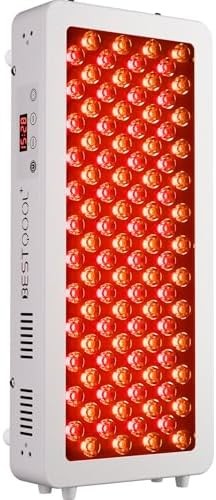
BestQool 160W Red Light Panel
Check Price on AmazonAs an Amazon Associate we earn from qualifying purchases.
Best Overall - Hooga ULTRA750: Verified power density, touchscreen controls, and practical full-body coverage at mid-range pricing.
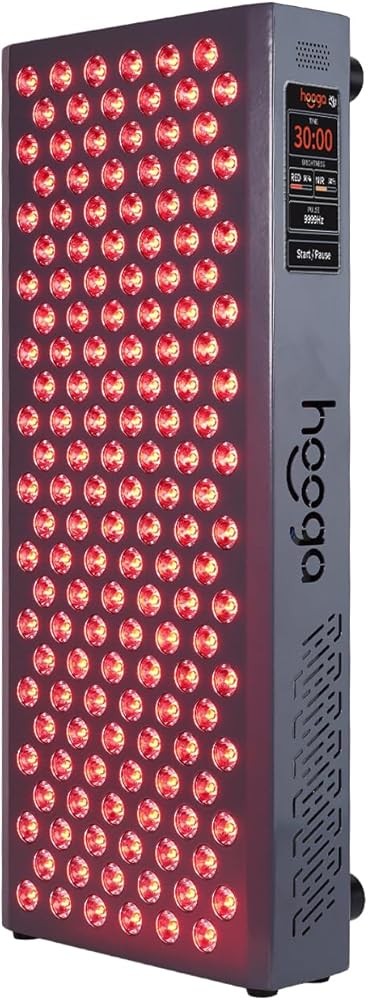
Hooga ULTRA750 Red Light Panel
Check Price on AmazonAs an Amazon Associate we earn from qualifying purchases.
Best for Full-Body Coverage - BestQool Pro300: High output, large coverage area, and modular expandability.
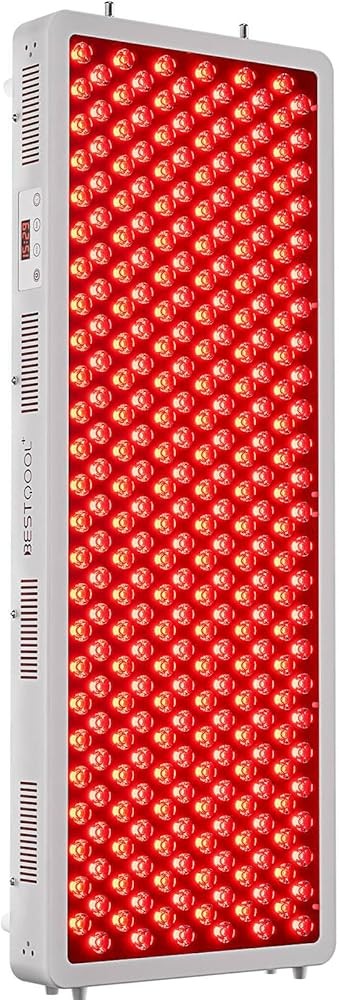
BestQool Pro300 Full Body Panel
Check Price on AmazonAs an Amazon Associate we earn from qualifying purchases.
Best Clinical-Grade - EXESAS Clinical Panel: Professional-level coverage and power for serious home users.
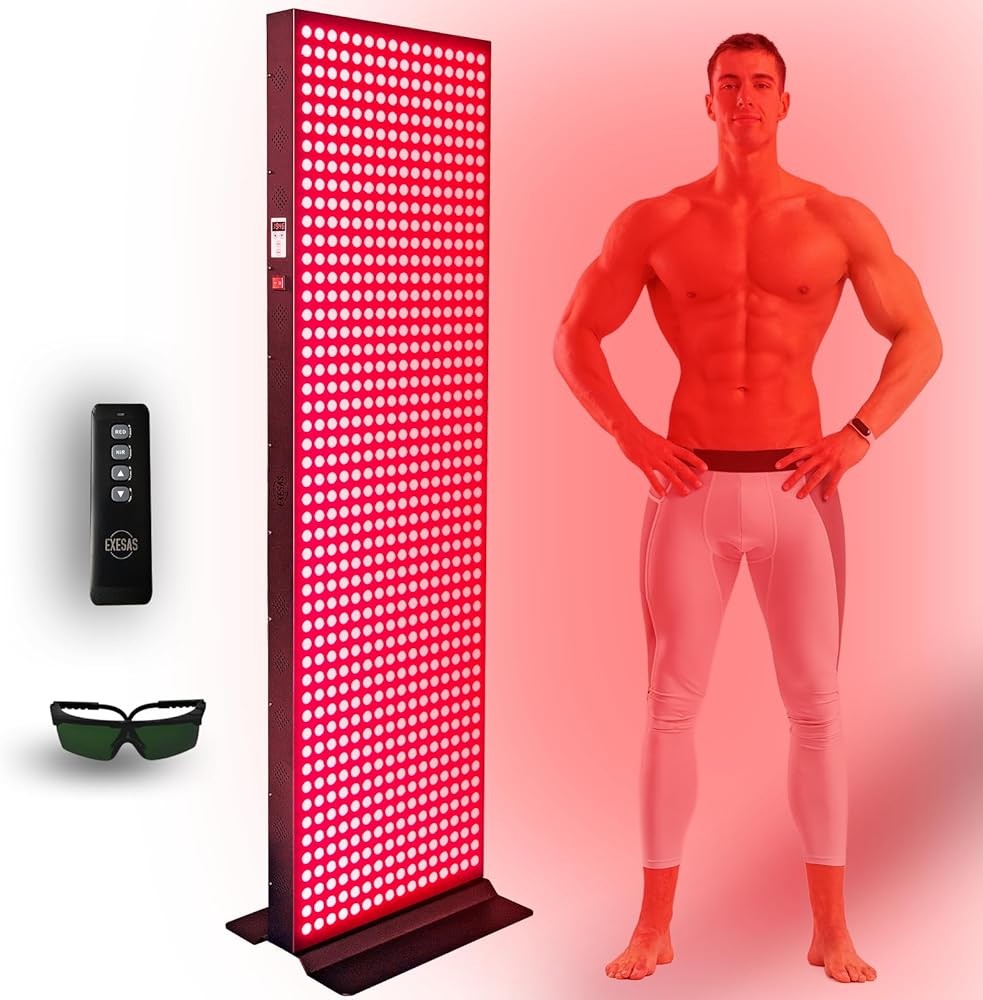
EXESAS Clinical Grade Full Body LED Panel
Check Price on AmazonAs an Amazon Associate we earn from qualifying purchases.
Best Multi-Wavelength - 7-Wavelength Panel: Extra spectra for experimental protocols; evidence for added benefit over 660/850nm is limited.
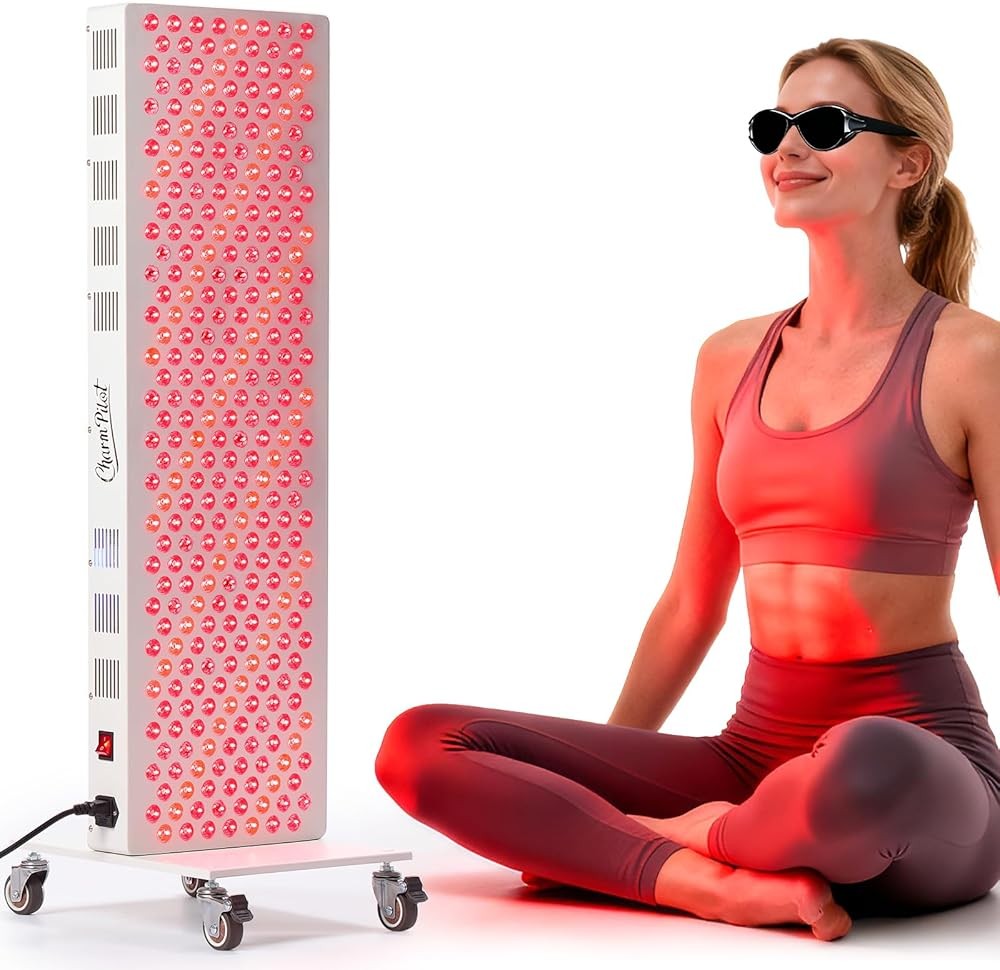
7-Wavelength Red Light Panel
Check Price on AmazonAs an Amazon Associate we earn from qualifying purchases.
Premium Pick - EXESAS Pro System: Maximum coverage and power density for whole-body simultaneous treatment.
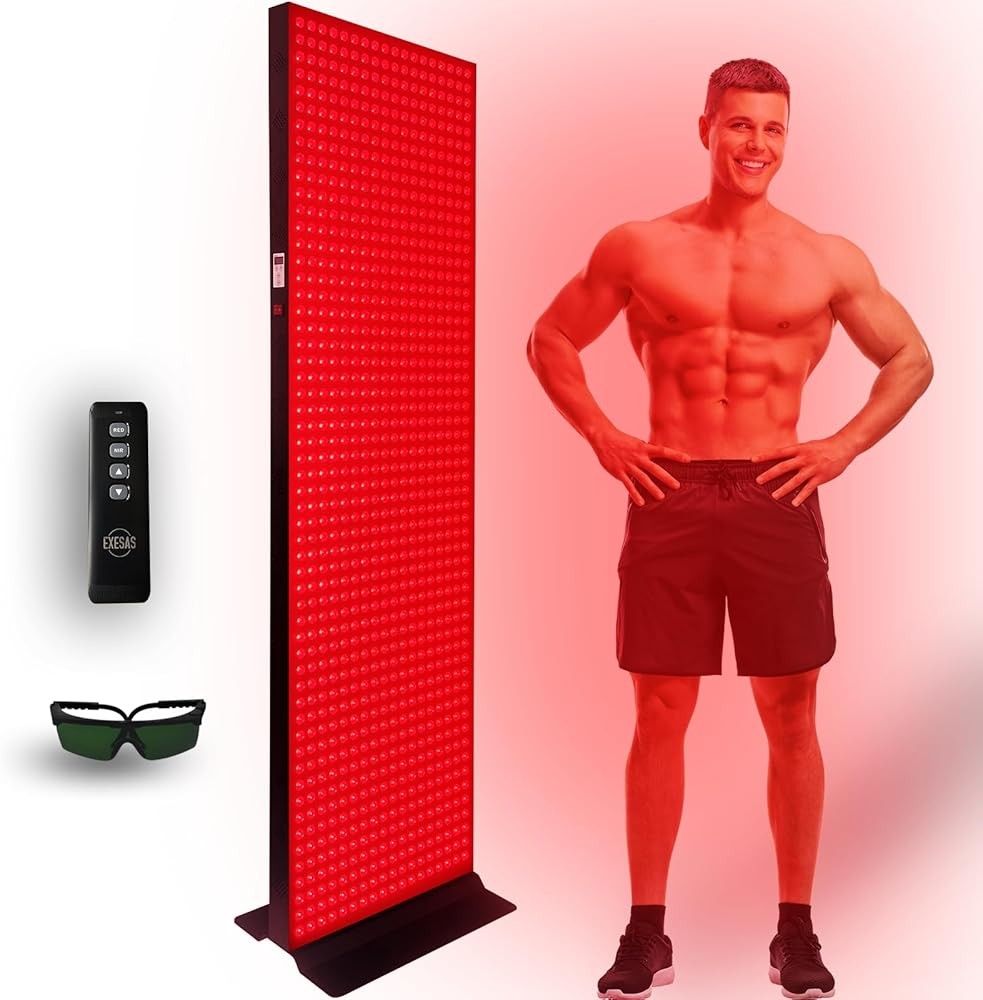
EXESAS Pro System Dual-Chip Panel
Check Price on AmazonAs an Amazon Associate we earn from qualifying purchases.
Conclusion
Red light therapy panels have evolved from niche wellness devices to research-backed therapeutic tools with extensive clinical evidence. Choosing the optimal panel requires understanding key specifications—particularly verified irradiance at treatment distance, wavelength accuracy, and appropriate coverage for intended applications.
Budget panels like the BestQool 160W provide legitimate therapeutic effects for targeted applications, especially facial skincare, at accessible price points. Mid-range options like the Hooga ULTRA750 deliver premium features and strong specifications representing solid value for serious home users. High-output panels like the BestQool Pro300 and the EXESAS clinical systems enable comprehensive full-body protocols approaching professional medical devices.
The research consensus supports dual-wavelength combinations (660nm and 850nm) over multi-wavelength designs, though experimental users may benefit from exploring additional spectra. Power density of 100-150 mW/cm² at 12-inch distance provides therapeutic effects for most applications, with treatment protocols of 15-20 minutes 3-5 times weekly showing optimal outcomes.
Athletes, chronic pain patients, individuals with skin aging concerns, and those seeking systemic anti-inflammatory benefits demonstrate the most robust responses. Setting realistic expectations based on research timelines—initial improvements in 2-4 weeks, optimal results at 8-12 weeks—helps maintain protocol adherence necessary for success.
Verification of manufacturer claims through irradiance measurement, wavelength assessment, and long-term performance monitoring ensures purchased panels deliver advertised therapeutic capability. Third-party certification provides most authoritative verification, though consumer-level testing methods help identify grossly inaccurate specifications.
For most users, mid-to-large panels from established manufacturers offering verified specifications, multi-year warranties, and responsive customer support represent the optimal investment. While premium pricing may seem significant initially, the cost per treatment session drops below $0.10 with regular use—dramatically less expensive than clinic-based photobiomodulation while offering greater scheduling flexibility and long-term accessibility.
Related Reading
- Best Portable Red Light Therapy Devices for Home Use
- Red Light Therapy for Wrinkles: What Clinical Evidence Actually Shows
- LED Light Therapy Colors Explained: Red, Blue, Near-Infrared and Their Specific Skin Benefits
- Red Light Therapy Benefits: What Does the Science Actually Show?
- Red Light Therapy for Hair Growth: Does It Work for Hair Loss?
- Best Red Light Therapy Panels for Home Use
- Red Light Therapy for Senior Dogs — Science-Based Joint and Pain Relief
References
-
Ferraresi C, Huang YY, Hamblin MR. Photobiomodulation in human muscle tissue: an advantage in sports performance? J Biophotonics. 2016;9(11-12):1273-1299. PubMed
-
Bjordal JM, Johnson MI, Iversen V, Aimbire F, Lopes-Martins RA. Low-level laser therapy in acute pain: a systematic review of possible mechanisms of action and clinical effects in randomized placebo-controlled trials. Photomed Laser Surg. 2006;24(2):158-168. PubMed
-
de Freitas LF, Hamblin MR. Proposed mechanisms of photobiomodulation or low-level light therapy. IEEE J Sel Top Quantum Electron. 2016;22(3):7000417. PubMed
-
Chung H, Dai T, Sharma SK, Huang YY, Carroll JD, Hamblin MR. The nuts and bolts of low-level laser (light) therapy. Ann Biomed Eng. 2012;40(2):516-533. PubMed
-
Leal-Junior EC, Vanin AA, Miranda EF, de Carvalho Pde T, Dal Corso S, Bjordal JM. Effect of phototherapy (low-level laser therapy and light-emitting diode therapy) on exercise performance and markers of exercise recovery: a systematic review with meta-analysis. Lasers Med Sci. 2015;30(2):925-939. PubMed
-
Karu TI, Pyatibrat LV, Kolyakov SF, Afanasyeva NI. Absorption measurements of a cell monolayer relevant to phototherapy: reduction of cytochrome c oxidase under near IR radiation. J Photochem Photobiol B. 2005;81(2):98-106. PubMed
-
Cotler HB, Chow RT, Hamblin MR, Carroll J. The use of low level laser therapy (LLLT) for musculoskeletal pain. MOJ Orthop Rheumatol. 2015;2(5):00068. PubMed
-
Heiskanen V, Hamblin MR. Photobiomodulation: lasers vs. light emitting diodes? Photochem Photobiol Sci. 2018;17(8):1003-1017. PubMed
-
Wang Y, Huang YY, Wang Y, Lyu P, Hamblin MR. Red (660 nm) or near-infrared (810 nm) photobiomodulation stimulates, while blue (415 nm), green (540 nm) light inhibits proliferation in human adipose-derived stem cells. Sci Rep. 2017;7(1):7781. PubMed
-
Avci P, Gupta A, Sadasivam M, Vecchio D, Pam Z, Pam N, Hamblin MR. Low-level laser (light) therapy (LLLT) in skin: stimulating, healing, restoring. Semin Cutan Med Surg. 2013;32(1):41-52. PubMed
-
Barolet D, Roberge CJ, Auger FA, Boucher A, Germain L. Regulation of skin collagen metabolism in vitro using a pulsed 660 nm LED light source: clinical correlation with a single-blinded study. J Invest Dermatol. 2009;129(12):2751-2759. PubMed
-
Ferraresi C, Hamblin MR, Parizotto NA. Low-level laser (light) therapy (LLLT) on muscle tissue: performance, fatigue and repair benefited by the power of light. Photonics Lasers Med. 2012;1(4):267-286. PubMed
-
Huang YY, Sharma SK, Carroll J, Hamblin MR. Biphasic dose response in low level light therapy - an update. Dose Response. 2011;9(4):602-618. PubMed
-
Wunsch A, Matuschka K. A controlled trial to determine the efficacy of red and near-infrared light treatment in patient satisfaction, reduction of fine lines, wrinkles, skin roughness, and intradermal collagen density increase. Photomed Laser Surg. 2014;32(2):93-100. PubMed
Recommended Products