Microdosing Psilocybin for Mental Resilience and Cognitive Enhancement: What the Research Shows
Summarized from peer-reviewed research indexed in PubMed. See citations below.
Thousands of individuals experiment with psilocybin microdosing for cognitive enhancement despite limited controlled research validating the practice. Lion’s mane mushroom (Hericium erinaceus) emerges as our top recommendation for legal cognitive support, with clinical trials demonstrating 16 weeks of 3-gram daily supplementation improved cognitive performance through nerve growth factor (NGF) stimulation at around $25-45 monthly. Published research shows lion’s mane stimulates neurogenesis and neuroplasticity through distinct mechanisms from psilocybin, providing evidence-based brain health support without Schedule I legal complications or cardiovascular contraindications. NOW Foods Lion’s Mane 500mg offers a budget-friendly alternative at approximately $15 for 60 capsules, delivering organic fruiting body extract with third-party verification. Here’s what the published research shows about psilocybin microdosing mechanisms, clinical trial outcomes, and legal functional mushroom alternatives.
Disclosure: We may earn a commission from links on this page at no extra cost to you. Affiliate relationships never influence our ratings. Full policy →
| Feature | Lion’s Mane Mushroom | Psilocybin Microdosing | Cordyceps + Reishi Combo |
|---|---|---|---|
| Legal Status | Legal dietary supplement | Schedule I federally (illegal except OR/CO programs) | Legal dietary supplement |
| Primary Mechanism | NGF stimulation, neurogenesis | 5-HT2A receptor agonism, BDNF pathway | Energy metabolism (cordyceps), stress adaptation (reishi) |
| Research Quality | Multiple RCTs showing cognitive benefits | Mixed results; strong placebo effects in controlled trials | Preliminary clinical evidence |
| Dosage | 500-3000mg daily, continuous | 0.1-0.3g dried mushrooms every 3 days | 1-3g cordyceps + 1-5g reishi daily |
| Cognitive Effects | Improved memory and focus after 16 weeks | Divergent thinking improvement; no overall cognitive benefit (d=-0.06) | Enhanced energy and mental stamina |
| Safety Profile | Excellent; minimal side effects | Generally safe; CV contraindications; drug interactions | Well-tolerated; mild blood-thinning |
| Cost | $15-45/month | Variable (cultivation or underground) | $20-50/month |
| Best For | Evidence-based cognitive support without legal risk | Experimental neuroplasticity enhancement (legal risk) | Energy, endurance, stress resilience |
Psilocybin microdosing has emerged from the fringes of psychedelic research into mainstream scientific investigation, with growing interest in its potential to enhance mental resilience, cognitive function, and emotional well-being. Unlike therapeutic doses that produce profound psychedelic experiences, microdosing involves taking sub-perceptual amounts—typically one-tenth to one-twentieth of a recreational dose—on a scheduled protocol designed to produce subtle, sustained improvements in mood, creativity, and stress adaptation.
The practice gained widespread attention through the work of psychologist Dr. James Fadiman, whose systematic study of microdosing reports helped establish standardized protocols, and mycologist Paul Stamets, who developed a synergistic “stack” combining psilocybin with complementary mushroom compounds. Today, thousands of individuals experiment with microdosing despite its federal illegality, while researchers scramble to catch up with rigorous controlled trials.
But what does the science actually show? Can taking barely perceptible doses of a powerful psychedelic compound genuinely enhance cognitive performance and mental resilience, or is the phenomenon primarily driven by placebo effects and expectation? And for those interested in the potential benefits but concerned about legal risks, what evidence-based alternatives exist?
This comprehensive guide examines the current state of psilocybin microdosing research, from neuroplasticity mechanisms to clinical trial outcomes, legal status to safety considerations, and evidence-based mushroom supplement alternatives that may offer some benefits without legal complications.
What Is Psilocybin and How Does It Work in the Brain?
Psilocybin is a naturally occurring prodrug found in over 200 species of mushrooms, primarily within the genus Psilocybe. When ingested, psilocybin is rapidly converted to psilocin, the active compound that crosses the blood-brain barrier and binds to serotonin receptors throughout the central nervous system.
Indigenous cultures in Mesoamerica have used psilocybin mushrooms ceremonially for thousands of years, with archaeological evidence suggesting their use dating back at least 3,000 years. The Mazatec people of Oaxaca, Mexico, traditionally used the mushrooms in healing rituals, referring to them as “flesh of the gods.” Western scientific interest began in the 1950s when mycologist R. Gordon Wasson published accounts of his experiences in Mexico, sparking a wave of research that was cut short when psilocybin was classified as Schedule I in 1970.
The renaissance of psychedelic research began in the early 2000s, with institutions like Johns Hopkins University and Imperial College London conducting rigorous clinical trials. By 2025, psilocybin has been granted FDA Breakthrough Therapy designation for treatment-resistant depression, with multiple Phase 3 trials underway examining its therapeutic potential.
How Psilocybin Works in the Brain
At the molecular level, psilocin is a serotonin 5-HT2A receptor agonist, meaning it activates these receptors with high affinity. The 5-HT2A receptor is concentrated in brain regions critical for cognition, emotion regulation, and sensory processing, particularly the prefrontal cortex (executive function, decision-making), anterior cingulate cortex (emotional processing, conflict monitoring), and default mode network (self-referential thinking, mind-wandering).
When psilocin binds to 5-HT2A receptors, it initiates a cascade of intracellular signaling pathways that have profound effects on neural function:
Activation of the BDNF pathway: Brain-derived neurotrophic factor (BDNF) is perhaps the brain’s most important growth factor, essential for neuroplasticity, neurogenesis, and synaptic strengthening. Research published in 2025 demonstrates that psilocybin increases BDNF expression through 5-HT2A receptor activation, promoting the growth of new neural connections and supporting existing ones. Interestingly, both psilocin and LSD bind directly to TrkB receptors (the BDNF receptor) with nanomolar affinity, suggesting multiple pathways for neuroplastic effects.
mTOR pathway activation: The mammalian target of rapamycin (mTOR) is a critical signaling hub for cellular growth and protein synthesis. Psilocybin activates mTOR pathways in neurons, driving the production of synaptic proteins necessary for forming new connections. Studies show that a single dose increases expression of plasticity-related genes like c-Fos, BDNF, and mTOR, with effects detectable a week later.
Structural brain changes: Perhaps most remarkably, animal studies demonstrate that even a single dose of psilocybin can increase dendritic spine density and size in the medial prefrontal cortex and hippocampus—physical evidence of enhanced connectivity between neurons. These structural changes persist for weeks after a single dose and are accompanied by increased neurogenesis (birth of new neurons) and elevated levels of synaptic proteins.
Glutamatergic signaling: While psilocybin directly affects serotonin receptors, much of its downstream neuroplasticity effect occurs through enhanced glutamate transmission—the brain’s primary excitatory neurotransmitter. This glutamatergic surge drives AMPA receptor activation, further strengthening synaptic connections. Research shows that psychedelics increase extracellular glutamate levels in the prefrontal cortex, and this excitatory activity appears critical for the rapid antidepressant effects observed in clinical studies. The glutamate system’s role explains why psychedelics produce such rapid structural changes compared to traditional antidepressants, which require weeks of daily dosing to show similar neuroplastic effects.
Enhanced connectivity between brain networks: Advanced neuroimaging studies using functional MRI reveal that psilocybin temporarily increases communication between brain networks that typically operate independently. The default mode network, which is hyperactive in depression and associated with rumination and self-referential thinking, shows decreased activity and increased connectivity with other networks. This enhanced cross-network communication may explain the perspective shifts and reduced rigid thinking patterns reported by users. Studies show these connectivity changes can persist for weeks after a single therapeutic dose, correlating with sustained clinical improvements in mood and anxiety.
Anti-inflammatory effects: Emerging research suggests psilocybin may reduce neuroinflammation, which plays a significant role in depression and cognitive decline. Animal studies demonstrate reduced levels of pro-inflammatory cytokines in brain tissue following psilocybin administration, and activation of anti-inflammatory pathways through sigma-1 receptor modulation. Chronic inflammation impairs neuroplasticity and contributes to the rigidity of depressive thought patterns, so psilocybin’s anti-inflammatory properties may complement its direct neuroplastic effects to support mental health.
These mechanisms explain why psilocybin is classified as a “psychoplastogen”—a compound that robustly promotes neuroplasticity and structural neural reorganization. The question for microdosing research is whether these effects occur at sub-perceptual doses, or whether threshold psychedelic experiences are necessary.
Bottom line: Psilocybin activates serotonin 5-HT2A receptors to trigger neuroplasticity through BDNF and mTOR pathways, promoting dendritic spine growth and new neural connections, with these structural brain changes persisting for weeks after even single doses in animal studies.
What Is the Fadiman Protocol for Microdosing?
Dr. James Fadiman, author of The Psychedelic Explorer’s Guide, systematized microdosing practices through his collection and analysis of thousands of self-reported experiences. His protocol has become the gold standard for psilocybin microdosing.
The Schedule
Day 1: Microdose day (0.1-0.3g dried mushrooms or 1-3mg pure psilocybin) Day 2: Transition day (no dose, observe lingering effects) Day 3: Normal day (no dose, baseline comparison) Day 4: Return to Day 1, repeat cycle
This every-third-day schedule is designed to reduce tolerance buildup while allowing users to observe both acute effects (Day 1), residual effects (Day 2), and baseline comparison (Day 3). Fadiman recommends following the protocol for 4-8 weeks, keeping a detailed journal of effects, mood, productivity, and any side effects. After the initial cycle, a 2-4 week reset period allows the serotonin system to return to baseline before beginning another cycle if desired.
Dosage Guidelines
Fadiman emphasizes that microdoses should be sub-perceptual—you shouldn’t feel obviously altered, impaired, or unable to perform normal daily activities. For dried Psilocybe cubensis mushrooms (the most common species), this typically means:
- Starting dose: 0.1 grams (100 milligrams)
- Common range: 0.1-0.3 grams
- Maximum microdose: 0.5 grams (above this, perceptual effects become noticeable)
For pure psilocybin (available in clinical settings or through precise extraction):
- Starting dose: 1 milligram
- Common range: 1-3 milligrams
- Therapeutic clinical dose: 10-25 milligrams (for comparison)
Critical variability factor: Psilocybin content varies dramatically between mushroom strains, growing conditions, and even different parts of the same mushroom. Psilocybe cubensis averages 0.5-1% psilocybin by dry weight, but potency can range from 0.2-2%. This means a 0.2g dose of particularly potent mushrooms could equal a 0.8g dose of weak ones. Careful titration based on individual response is essential.
Strain differences: Beyond Psilocybe cubensis, other species show different psilocybin concentrations. Psilocybe azurescens contains approximately 1.8% psilocybin (nearly double cubensis), while Psilocybe semilanceata (liberty caps) average around 1%. Some specialized cubensis strains like Penis Envy are bred for higher potency and may contain 1.5-2% psilocybin. This substantial variability means users switching between strains or batches must recalibrate their dose carefully. The caps of mushrooms typically contain higher concentrations than stems, adding another variable to consider when preparing consistent doses.
Preparation considerations: For consistent microdosing, many practitioners grind dried mushrooms into powder and fill capsules for uniform dosing. This homogenizes the material, reducing dose-to-dose variability. Some create “volumetric dosing” solutions by steeping ground mushrooms in alcohol or water, allowing precise measurement with syringes or droppers. However, psilocybin degrades when exposed to heat, light, and oxygen, so proper storage in airtight containers in cool, dark locations is essential for maintaining potency over time.
What Users Report
Analysis of Fadiman’s database of thousands of microdosing reports reveals common themes:
Enhanced mood and emotional regulation: The most frequently reported benefit, with users describing elevated baseline mood without euphoria, reduced anxiety and depression symptoms, and improved ability to regulate emotional responses to stressors.
Increased creativity and problem-solving: Many report enhanced divergent thinking (generating multiple solutions to problems), novel perspectives on persistent challenges, and increased cognitive flexibility in approaching complex tasks.
Improved focus and productivity: Contrary to stereotypes about psychedelics, microdosers frequently report enhanced ability to concentrate, increased motivation for challenging work, and improved follow-through on projects.
Enhanced social connection: Users describe improved empathy, better quality of social interactions, reduced social anxiety, and deeper appreciation for relationships.
Connection to nature: A commonly reported effect is increased appreciation for natural beauty and stronger feelings of interconnection with the natural world.
However, not all reports are positive. A significant minority describe increased anxiety, difficulty focusing, physical discomfort (nausea, headaches), emotional volatility, or feeling the dose was too high for normal functioning. These negative reports emphasize the importance of dose titration and individual variability.
Bottom line: The Fadiman protocol uses a one-day-on, two-days-off schedule with 0.1-0.3g dried mushrooms, designed to keep tolerance from building while maintaining sub-perceptual effects, with users commonly reporting improved mood, creativity, and focus, though individual responses vary significantly.
What Is the Stamets Stack and How Does It Work?
Mycologist and author Paul Stamets proposed an alternative protocol based on his hypothesis that combining psilocybin with other mushroom compounds could produce synergistic neuroplastic effects while potentially reducing required psilocybin doses.
The Stack Components
Psilocybin mushrooms: 0.1-0.3g dried (same dosage range as Fadiman protocol)
Lion’s mane mushroom (Hericium erinaceus): 5-20 grams of fruiting body or 500-3000mg of concentrated extract. Lion’s mane contains hericenones and erinacines, compounds that stimulate nerve growth factor (NGF) production. NGF is crucial for the growth, maintenance, and survival of neurons, complementing psilocybin’s BDNF-mediated effects.
Niacin (Vitamin B3): 50-200 milligrams, enough to cause a temporary “flush” (skin redness and tingling). Stamets theorizes that niacin acts as a delivery enhancer, promoting peripheral vasodilation that may help compounds cross the blood-brain barrier and reach peripheral nervous system tissues.
The Schedule
Days 1-4 or 1-5: Stack days (take all three components together) Days 5-7 or 6-7: Off days (no substances) Repeat for 4-6 weeks, then 2-6 week break
This protocol differs from Fadiman’s in two key ways: multiple consecutive dosing days (4-5 instead of 1), and addition of synergistic compounds rather than psilocybin alone.
The Theoretical Basis
Stamets’ hypothesis rests on several complementary mechanisms:
Dual neuroplasticity support: While psilocybin promotes BDNF expression and dendritic spine growth, lion’s mane stimulates NGF production, supporting neuron survival and axonal growth. Together, they may provide more comprehensive neuroplastic support than either alone.
Enhanced delivery: The niacin flush causes peripheral vasodilation (widening of blood vessels), which Stamets theorizes may enhance delivery of psilocin and lion’s mane compounds throughout the nervous system, including peripheral nerves that standard blood-brain-barrier-crossing compounds might not reach as effectively.
Reduced tolerance: By cycling multiple days on and multiple days off, the protocol may allow lower doses to remain effective while providing more consistent daily support.
Evidence Status
It’s crucial to note that the Stamets stack has not been clinically validated in controlled trials. While the individual components have research support (psilocybin for neuroplasticity, lion’s mane for cognitive support), no studies have examined whether the combination produces synergistic effects beyond either compound alone.
That said, many users report positive experiences with the stack, and its components (except psilocybin) are legal and widely available, making it accessible for those interested in functional mushroom supplementation.
Bottom line: The Stamets stack combines psilocybin with lion’s mane mushroom (for NGF production) and niacin (for potential delivery enhancement) on a 4-5 days on, 2-3 days off schedule, though this synergistic combination has not been validated in controlled clinical trials.
What Does Clinical Research Show About Microdosing?
While anecdotal reports and observational studies paint an optimistic picture of microdosing benefits, controlled clinical trials provide a more nuanced and sometimes contradictory view.
Cognitive Enhancement: Mixed Results
A comprehensive 2025 meta-analysis published in Neuroscience & Biobehavioral Reviews examined 14 studies on psychedelic microdosing and cognitive function. The results were sobering:
No overall cognitive benefit: Across studies, the meta-analysis found a Cohen’s d of -0.06—essentially no effect. In fact, there was a significant reduction in cognitive control, suggesting potential impairment in executive function tasks requiring inhibition and task-switching.
Divergent thinking improvement: One bright spot was enhanced divergent thinking quality. Microdosing increased the ratio of original, creative responses in tasks requiring generation of multiple solutions, though the total number of responses didn’t increase.
Expectation effects: Several studies found that when participants were told they received psilocybin (whether they did or not), they reported improved mood and creativity regardless of actual substance received, highlighting strong placebo and expectation effects.
Mental Health: More Promising but Preliminary
Research on mental health outcomes shows more encouraging trends, though still with important caveats.
Observational studies: A 2021 study in Scientific Reports found that adults who microdose psychedelics reported health-related motivations and lower levels of anxiety and depression compared to non-microdosers. Traits including psychological resilience, social connectedness, agreeableness, nature relatedness, and psychological flexibility were significantly higher in the microdosing group.
Controlled trials: A 2025 study in Neuropharmacology examined psilocybin microdosing in two double-blind, placebo-controlled longitudinal trials. Results showed subtle improvements in mood and reduced anxiety symptoms in some participants, but with substantial individual variability. Importantly, some participants experienced increased anxiety on dosing days.
Comparison to therapeutic doses: The most robust evidence for psilocybin’s mental health benefits comes from studies using therapeutic doses (10-25mg) in structured clinical settings with psychotherapy support, not microdosing. A 2025 meta-analysis found psilocybin superior to placebo in reducing trait anxiety at one day, two weeks, and six months post-treatment, with sustained remission in over 50% of depression patients at six months. A dose-response network meta-analysis supports 25mg doses as particularly effective for major depressive disorder.
Neuroplasticity Markers
Some of the most intriguing research examines whether microdosing produces measurable neuroplastic changes.
BDNF levels: A 2024 meta-analysis in Molecular Psychiatry examined BDNF levels in humans after psychedelic use. Results showed that psychoplastogens (including psilocybin) increased blood levels of BDNF, though effects were more pronounced with therapeutic doses than microdoses.
Structural imaging: Advanced neuroimaging studies show that therapeutic psilocybin doses increase functional connectivity between brain regions, particularly increasing communication between networks that don’t typically interact. Whether microdoses produce similar (though subtler) connectivity changes remains an open question requiring more research.
The Placebo Problem
Perhaps the most significant finding across microdosing research is the robust placebo effect. When participants expect to receive psilocybin, they report improvements in mood, creativity, and well-being regardless of whether they actually received the substance. This doesn’t mean benefits are entirely illusory—placebo responses involve real neurobiological changes—but it complicates our ability to attribute specific effects to psilocybin itself.
A 2025 study attempted to address this through “self-blinding” protocols where participants prepared their own capsules (some containing psilocybin, some placebo) using QR codes so they couldn’t identify which was which. Even in these enhanced blinding conditions, expectation effects remained substantial.
Bottom line: Controlled trials show mixed results for microdosing, with a 2025 meta-analysis finding no overall cognitive benefit and even some impairment in cognitive control, while therapeutic doses (10-25mg) in clinical settings demonstrate robust evidence for treating depression and anxiety with sustained benefits.
What Signs Indicate Microdosing Is Working or Causing Problems?
Understanding the subtle signals your body and mind provide is crucial for microdosing safely and effectively.
Signs It’s Working (Positive Indicators)
Week 1:
- Subtle mood elevation: Not euphoria, but a slight lift in baseline emotional tone, like the difference between a cloudy and sunny day
- Enhanced color perception: Colors may appear slightly more vibrant or saturated
- Increased energy: Not jittery stimulation, but a gentle increase in motivation and engagement
- Better sleep quality: Some users report deeper, more restorative sleep and enhanced dream recall
Weeks 2-4:
- Improved stress resilience: Difficult situations that normally trigger strong stress responses feel more manageable
- Reduced rumination: The mental “broken record” of repetitive negative thoughts becomes less prominent
- Enhanced creativity: Novel solutions to persistent problems emerge more readily; increased appreciation for art, music, and aesthetic experiences
- Better social flow: Conversations feel more natural; increased empathy and understanding in interpersonal interactions
- Cognitive flexibility: Easier to shift perspectives or consider alternative viewpoints
Months 2-3:
- Sustained mood improvements: Elevated baseline mood becomes the new normal rather than a daily fluctuation
- Trait changes: Measurable shifts in personality traits like openness, agreeableness, and psychological flexibility
- Behavioral changes: Increased motivation for healthy behaviors (exercise, meditation, creative pursuits)
- Enhanced nature connection: Deeper appreciation for natural environments and increased time spent outdoors
Warning Signs (Stop Immediately)
Immediate red flags:
- Perceptual distortions: If you’re seeing visual patterns, breathing walls, or any hallucinations, your dose is too high (this is not a microdose)
- Impaired function: Difficulty focusing on work tasks, feeling “high” or altered, inability to navigate normal responsibilities
- Anxiety spikes: Increased nervousness, racing thoughts, panic sensations, paranoia
- Physical discomfort: Persistent nausea beyond first 30-60 minutes, headaches, dizziness, rapid heart rate
Concerning trends over time:
- Emotional volatility: Increased mood swings, crying spells, or emotional dysregulation
- Worsening depression: If depressive symptoms intensify rather than improve after 2-3 weeks
- Sleep disruption: Insomnia, fragmented sleep, or nightmares
- Dependency feelings: Psychological reliance on dose days or anxiety about missing doses
- Social withdrawal: Decreased interest in social interaction or increased isolation
Serotonin syndrome symptoms (medical emergency):
- Confusion or agitation
- Rapid heart rate and high blood pressure
- Dilated pupils
- Loss of muscle coordination or twitching
- Heavy sweating
- Diarrhea
- Headache and shivering
- Goosebumps
- Muscle rigidity
If you experience any serotonin syndrome symptoms (particularly if combining with other serotonergic substances), seek immediate medical attention.
Timeline of Expected Changes
Day 1 (dose day):
- Subtle onset 30-60 minutes after ingestion
- Mild physical sensations (slight tingling, warmth, gentle body awareness)
- Mood lift or increased present-moment awareness
- Effects typically last 4-6 hours
Day 2 (transition day):
- Residual mood improvements
- Enhanced creativity or novel thoughts
- Some users report this as the most productive day
- Easier to observe subtle effects when not acutely dosed
Day 3 (baseline day):
- Return to normal baseline
- Good day for assessing whether persistent changes are occurring
- Helps differentiate acute from lasting effects
Weeks 1-2:
- Adaptation period; effects may feel more pronounced then stabilize
- Ideal time to adjust dose if needed (too high, too low)
- Some experience initial anxiety that resolves with continued practice
Week 4:
- First meaningful assessment point
- Compare to pre-microdosing baseline in mood, productivity, relationships
- Decide whether to continue, adjust, or discontinue
Weeks 8-12:
- Maximum benefit period for most users
- Trait-level changes become apparent
- Good stopping point for first cycle before reset break
After discontinuation:
- Most studies show benefits decline within 2-4 weeks after stopping
- Some users report lasting shifts in perspective or habits
- Reset period allows serotonin system to return to baseline before potential next cycle
Bottom line: Positive signs include subtle mood elevation, improved stress resilience, and enhanced creativity without feeling altered, while warning signs like anxiety spikes, perceptual distortions, or physical discomfort indicate you should stop immediately, and serotonin syndrome symptoms require emergency medical attention.
What Are the Safety Risks and Drug Interactions with Psilocybin?
While psilocybin has a favorable safety profile compared to many substances (legal and illegal), it is not risk-free, and certain populations should absolutely avoid its use.
Physical Safety Profile
Low toxicity: Psilocybin has a therapeutic index of approximately 1:1000, meaning the lethal dose is roughly 1,000 times the therapeutic dose. For comparison, alcohol’s therapeutic index is around 1:10. Lethal overdose on psilocybin alone is virtually impossible in practical scenarios.
No organ damage: Extensive research, including long-term follow-up studies, shows psilocybin does not cause liver, kidney, heart, or brain damage at typical doses.
No physical dependence: Psilocybin does not produce physical withdrawal symptoms or addiction in the classical sense. Psychological dependence can theoretically develop, but is far less common than with substances like alcohol, cannabis, or stimulants.
Cardiovascular Considerations
Transient increases: Psilocybin causes temporary increases in heart rate and blood pressure for 2-6 hours after ingestion. In healthy individuals, this poses minimal risk. However, those with serious cardiovascular conditions should avoid psilocybin.
Contraindicated conditions:
- Uncontrolled hypertension
- History of heart attack or stroke
- Arrhythmias or other serious cardiac conditions
- Valvular heart disease (5-HT2B agonism may increase risk)
Psychiatric Contraindications
Psychosis risk: The most serious psychiatric concern is precipitation of psychotic episodes. Absolute contraindications include:
- Personal history of psychosis or schizophrenia: Psilocybin can trigger or exacerbate psychotic symptoms
- Family history of schizophrenia or bipolar disorder with psychotic features: Even without personal history, strong family history increases risk
- Active manic episode: Could potentially intensify mania
Other psychiatric concerns:
- Severe, uncontrolled anxiety disorders (may intensify anxiety)
- Recent suicidal ideation (requires clinical supervision if used therapeutically)
- Dissociative disorders
- Borderline personality disorder (mixed evidence; may help or harm depending on individual)
Drug Interactions: Critical Warnings
Serotonergic medications (HIGHEST RISK):
Combining psilocybin with other serotonergic drugs creates risk of serotonin syndrome, a potentially life-threatening condition. Never combine psilocybin with:
- SSRIs (Selective Serotonin Reuptake Inhibitors): Prozac, Zoloft, Lexapro, Celexa, Paxil - These may actually blunt psilocybin effects while still creating serotonin syndrome risk
- SNRIs (Serotonin-Norepinephrine Reuptake Inhibitors): Effexor, Cymbalta, Pristiq
- MAOIs (Monoamine Oxidase Inhibitors): Nardil, Parnate, Marplan - Extremely dangerous combination; can drastically intensify and prolong effects
- Tricyclic antidepressants: Elavil, Pamelor - May intensify psilocybin effects unpredictably
- Tramadol and other serotonergic pain medications
- St. John’s Wort (herbal SSRI)
- 5-HTP and L-tryptophan supplements
How long to wait: Most SSRIs require 4-6 weeks off before psilocybin use due to long half-lives and receptor adaptations. MAOIs require at least 2 weeks. Never discontinue psychiatric medications without medical supervision.
Antipsychotics:
- Atypical antipsychotics (Abilify, Seroquel, Zyprexa, Risperdal) act as 5-HT2A receptor antagonists
- They completely block psilocybin’s effects
- Not dangerous to combine, but psilocybin simply won’t work
Stimulants:
Combining psilocybin with stimulants increases cardiovascular stress:
- ADHD medications (Adderall, Ritalin, Vyvanse): Increased heart rate and blood pressure; risk of tachycardia
- Cocaine or amphetamines: Serious cardiovascular risk; potential for heart attack or seizure
- High-dose caffeine: Generally tolerable at normal coffee levels (100-200mg), but high doses (400mg+) may intensify anxiety
Depressants:
- Alcohol: Increases risk of nausea, vomiting, accidents, and injuries; may intensify emotional volatility
- Benzodiazepines (Xanax, Klonopin, Valium): May reduce psilocybin’s effects; potential for dangerous disinhibition
- Opioids: Increased respiratory depression risk; not recommended
Lithium:
A particularly dangerous combination. Lithium (mood stabilizer) with psilocybin has been associated with seizures in multiple reports. Absolute contraindication.
Common Side Effects
Even in ideal circumstances without contraindications, 14-77% of users experience transient side effects:
Physical:
- Nausea (most common, usually subsides within 60 minutes)
- Headache
- Dizziness or vertigo
- Muscle weakness or tremors
- Dilated pupils
- Increased heart rate
- Temperature dysregulation (feeling cold or hot)
Psychological:
- Anxiety or agitation (particularly during onset)
- Emotional sensitivity or tearfulness
- Confusion or difficulty concentrating
- Racing thoughts
- Rare: acute psychosis or panic attacks
Most physical effects are temporary and resolve within 6 hours. Psychological effects can occasionally persist longer, particularly if a challenging experience occurs.
Bottom line: Psilocybin has a therapeutic index of approximately 1:1000 with no physical dependence, but 14-77% of users experience transient side effects including nausea and headaches, and it’s absolutely contraindicated for those with cardiovascular disease, psychosis history, or anyone taking SSRIs, MAOIs, or lithium due to serotonin syndrome risk.
What Is the Legal Status of Psilocybin in the United States?
Understanding the legal landscape is crucial for anyone considering psilocybin use or even education about the topic.
Federal Status
Under the Controlled Substances Act of 1970, psilocybin (and psilocin) are classified as Schedule I drugs, defined as having:
- High potential for abuse
- No currently accepted medical use in treatment in the United States
- Lack of accepted safety for use under medical supervision
This classification places psilocybin in the same category as heroin, LSD, and MDMA. Federal penalties for possession or distribution are severe:
- Possession: Up to 1 year imprisonment and minimum $1,000 fine (first offense)
- Distribution: 5-40 years imprisonment depending on quantity
- Cultivation: Typically prosecuted as “manufacturing,” carrying similar penalties to distribution
Importantly, Schedule I status also creates significant barriers to research, requiring special DEA licenses and extensive regulatory hurdles.
State and Local Reforms: The Changing Landscape
Despite federal prohibition, a growing number of states and cities have passed reforms ranging from therapeutic legalization to deprioritization of enforcement.
Oregon (Measure 109 - 2020, implemented 2023): The first state to legalize regulated psilocybin therapy. Licensed facilitators can administer psilocybin in supervised settings to adults 21+ for therapeutic purposes. Not recreational use; clients must undergo preparation sessions, supervised dosing, and integration therapy.
Colorado (Proposition 122 - 2022, implemented 2024): Legalized possession, use, and “sharing” (non-commercial distribution) of psilocybin mushrooms for adults 21+. Also established a regulated “healing center” model similar to Oregon. Home cultivation permitted.
New Mexico (2025): Governor signed legislation establishing a therapeutic psilocybin program for patients with qualifying conditions (treatment-resistant depression, PTSD, anxiety, end-of-life distress). Requires licensed healthcare provider supervision.
Decriminalization cities (enforcement deprioritized):
- Denver, Colorado (2019 - first U.S. city)
- Oakland, California (2019 - all entheogenic plants)
- Santa Cruz, California (2020)
- Ann Arbor, Michigan (2020)
- Washington, D.C. (2020 - Initiative 81)
- Seattle, Washington (2021)
- Somerville, Massachusetts (2021)
- Detroit, Michigan (2021)
- Tacoma, Washington (2025 - natural psychedelics)
- Dozens of other municipalities in California, Michigan, Massachusetts, and Washington
Important distinction: Decriminalization ≠ legalization. These measures typically:
- Make enforcement of psilocybin possession the “lowest priority” for police
- Direct prosecutors to decline charges for personal possession
- Do NOT create legal markets or production
- Do NOT stop federal prosecution (though unlikely for simple possession)
- May not be consistently implemented by all officers
States with pending legislation (as of early 2026): California, Massachusetts, Minnesota, New York, Connecticut, Vermont, Hawaii, and others have introduced bills ranging from research authorization to therapeutic programs to full decriminalization. Most face uncertain prospects.
Practical Legal Risks
Even in decriminalized jurisdictions, psilocybin use carries legal risks:
Employment: Most employers can terminate employees for illegal drug use regardless of local decriminalization. Federal contractors and positions requiring security clearances are particularly strict.
Housing: Federally subsidized housing prohibits illegal drug use and possession.
Professional licenses: Medical professionals, attorneys, teachers, and other licensed professionals risk license suspension or revocation.
Child custody: Illegal drug use can be used as evidence in custody disputes.
Interstate travel: Crossing state lines with psilocybin is a federal offense, regardless of state laws.
The Bottom Line
Unless you’re in Oregon or Colorado and utilizing legal channels (licensed facilitators/healing centers), psilocybin possession and use remain illegal and carry real legal risks. Many researchers and advocates argue the Schedule I classification is unjustified given safety data and emerging therapeutic evidence, but the legal reality remains unchanged at the federal level as of 2026.
For those interested in potential cognitive and mental health benefits without legal risks, legal alternatives merit serious consideration.
Bottom line: Psilocybin is Schedule I federally with penalties up to 1 year imprisonment for first-offense possession, though Oregon (Measure 109) and Colorado (Proposition 122) legalized regulated psilocybin therapy programs in 2023-2024, and over 20 cities including Denver, Oakland, Seattle, and Washington D.C. have decriminalized enforcement.
What Are Legal Alternatives to Psilocybin for Cognitive Enhancement?
While no legal supplement perfectly replicates psilocybin’s effects, several mushroom species and combinations show evidence for supporting cognitive function, neuroplasticity, and stress resilience.
Lion’s Mane (Hericium erinaceus): The Cognitive Mushroom
Lion’s mane is the most researched functional mushroom for brain health, with mechanisms distinct from but potentially complementary to psilocybin.
Mechanisms of action:
Nerve Growth Factor (NGF) stimulation: Lion’s mane contains bioactive compounds—hericenones (found in fruiting bodies) and erinacines (found in mycelium)—that cross the blood-brain barrier and stimulate NGF synthesis. NGF is essential for the growth, maintenance, and survival of neurons, particularly in the hippocampus (memory) and basal forebrain (attention, arousal).
Neuroprotection: Animal studies show lion’s mane protects against amyloid-beta plaques (implicated in Alzheimer’s), reduces neuroinflammation, and protects neurons from oxidative stress.
Neurogenesis: Like psilocybin’s BDNF effects, lion’s mane promotes the birth of new neurons in the hippocampus, potentially supporting learning and memory.
Clinical evidence:
A randomized, double-blind, placebo-controlled study published in 2009 examined 50-80 year-old Japanese adults with mild cognitive impairment. Subjects consuming 3 grams daily of lion’s mane for 16 weeks showed significantly improved cognitive performance compared to placebo on cognitive function scales. However, improvements declined after supplementation was discontinued, suggesting ongoing use is necessary.
A 2020 study found lion’s mane supplementation improved depression and anxiety scores, potentially through neurotrophic effects on the hippocampus.
Dosage: Based on research and traditional use:
- Fruiting body powder: 3-5 grams daily
- Concentrated extract (30% polysaccharides): 500-3000mg daily
- Erinacine-rich mycelium extract: 500-1500mg daily
Safety: Excellent. Lion’s mane is used as culinary mushroom in Asian cuisine. Rare mild side effects include digestive discomfort or skin rash. No significant drug interactions known.
Cordyceps: Energy and Endurance Support
Cordyceps militaris and Cordyceps sinensis are traditionally used in Chinese medicine for vitality and longevity, with modern research focusing on energy metabolism and athletic performance.
Mechanisms:
ATP production: Cordyceps enhances cellular energy production by improving mitochondrial function and increasing ATP synthesis, potentially supporting mental energy and reducing fatigue.
Oxygen utilization: Studies show improved VO₂max (maximal oxygen consumption) and delayed time to exhaustion, likely through enhanced oxygen delivery and utilization.
Adaptogenic properties: May help the body adapt to physical and psychological stressors.
Evidence:
A 2016 study in the Journal of Dietary Supplements found participants ingesting Cordyceps militaris for 3 weeks had significantly improved VO₂max and took longer to reach exhaustion during exercise.
For cognitive function, benefits are less direct than lion’s mane, but enhanced energy and reduced mental fatigue may support sustained focus and mental performance.
Dosage:
- Cordyceps militaris powder: 1-3 grams daily
- Concentrated extract: 500-2000mg daily
Safety: Well-tolerated with minimal side effects. May have mild blood-thinning effects; caution with anticoagulants.
Reishi (Ganoderma lucidum): Stress Resilience and Immune Support
Reishi is called the “mushroom of immortality” in traditional Chinese medicine, prized for promoting longevity and calm.
Mechanisms:
Adaptogenic compounds: Contains triterpenes and polysaccharides that help modulate stress response, potentially reducing cortisol and supporting HPA axis regulation.
Immune modulation: Enhances immune function through beta-glucans, potentially reducing inflammation that impairs cognitive function.
GABA-ergic activity: Some research suggests reishi may enhance GABAergic signaling, promoting relaxation without sedation.
Evidence:
While reishi has extensive traditional use and preliminary research, clinical evidence for cognitive benefits is limited. Most studies focus on immune function, cancer support, and general wellness.
A 2012 study found reishi supplementation reduced fatigue and improved quality of life in neurasthenia patients, suggesting benefits for stress-related mental fog.
Dosage:
- Fruiting body powder: 1-5 grams daily
- Concentrated extract: 500-2000mg daily
Safety: Generally well-tolerated. Rare side effects include digestive upset or dry mouth. Mild blood-thinning effects; caution with anticoagulants.
Combination Formulas: Synergistic Approaches
Many supplement companies offer multi-mushroom blends combining lion’s mane, cordyceps, reishi, and other species (chaga, turkey tail, maitake) for comprehensive support.
The rationale mirrors the Stamets stack concept: different mushrooms support different aspects of health, and combinations may provide broader benefits than single species.
Popular combinations:
- Lion’s mane (cognition) + Cordyceps (energy) + Reishi (stress)
- Lion’s mane + Cordyceps + Chaga (antioxidants)
- 10-mushroom blends with diverse functional species
Evidence: While individual mushrooms have research support, combinations have not been clinically validated for synergistic effects. Benefits are theoretical based on individual mushroom properties.
The “Legal Stamets Stack”
For those interested in Stamets’ protocol without illegal substances, a legal version could include:
- Lion’s mane extract: 1000-3000mg daily (NGF support)
- Niacin (Vitamin B3): 50-100mg (flush dose for potential delivery enhancement)
- Optional additions: Cordyceps (energy), Bacopa monnieri (memory), Rhodiola rosea (stress resilience)
Schedule this as 5 days on, 2 days off to mirror the original protocol.
Evidence level: Theoretical based on component research; no clinical trials of this specific combination.
Integration with Meditation and Mindfulness Practices
Research increasingly suggests that combining psilocybin with contemplative practices may enhance outcomes. Clinical trials of psilocybin-assisted therapy typically incorporate meditation, breathwork, and integration sessions to help patients process and apply insights gained during experiences. For microdosing protocols, daily meditation practice may amplify benefits by increasing awareness of subtle effects and promoting neuroplastic changes through complementary mechanisms.
Mindfulness meditation itself produces measurable neuroplastic changes, including increased gray matter density in the hippocampus and prefrontal cortex, reduced amygdala reactivity, and enhanced connectivity within attention networks. When combined with psilocybin’s promotion of dendritic growth and synaptic plasticity, the synergistic effects may be greater than either practice alone. Many experienced microdosers report that meditation feels deeper and more effortless on dose days, with enhanced present-moment awareness and reduced mental chatter.
Recommended integration practices:
- Morning meditation: 10-20 minutes of mindfulness meditation on dose days, observing subtle shifts in awareness and perception without judgment
- Journaling: Daily written reflection on mood, insights, challenges, and patterns, creating objective data to assess whether benefits justify continuation
- Nature immersion: Spending time outdoors, particularly in natural settings, which research shows enhances the sense of interconnection commonly reported during psilocybin experiences
- Creative expression: Engaging in art, music, writing, or other creative pursuits that may benefit from enhanced divergent thinking
- Embodiment practices: Yoga, tai chi, or gentle movement to enhance body awareness and integration of psychological shifts into physical experience
Other Evidence-Based Nootropics
For comprehensive cognitive support, consider:
Bacopa monnieri: 300-450mg daily; extensive evidence for memory enhancement Rhodiola rosea: 200-600mg daily; adaptogenic stress resilience Alpha-GPC: 300-600mg daily; cholinergic support for memory and focus Omega-3 fatty acids (DHA/EPA): 1000-2000mg daily; essential for brain structure and function Magnesium L-threonate: 1000-2000mg daily; supports synaptic density and memory
Bottom line: Lion’s mane mushroom shows the strongest research evidence for cognitive support among legal alternatives through NGF stimulation and neurogenesis, with clinical trials demonstrating improved cognitive performance at 3 grams daily for 16 weeks, and can be combined with cordyceps for energy and reishi for stress resilience without legal risks.
Amazon Product Recommendations: Quality Mushroom Supplements
Our Top Recommendations
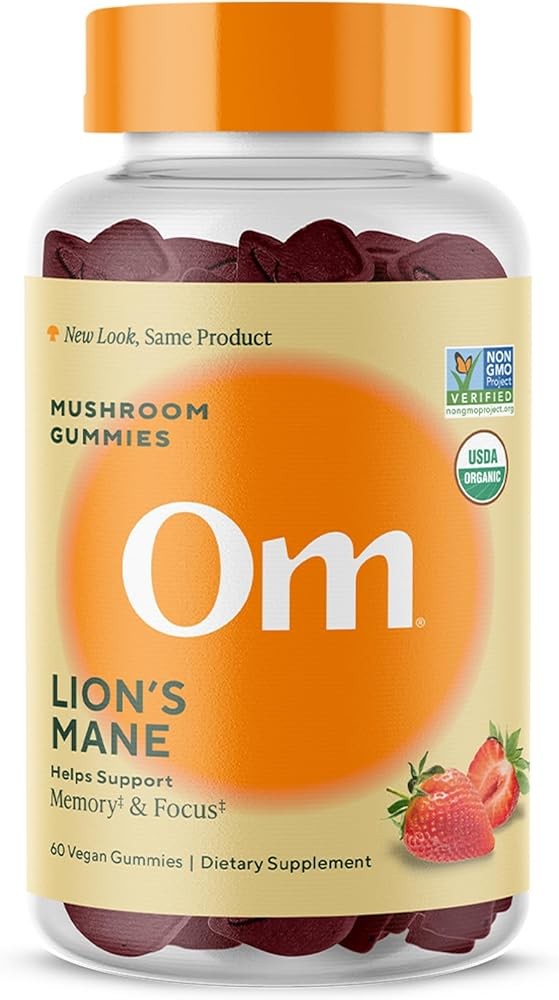
OM MUSHROOM SUPERFOOD Lion's Mane Mushroom Gummies – USA Grown Organic Lion's Mane – Supports Memory, Focus & Cogniti...
Check Price on AmazonAs an Amazon Associate we earn from qualifying purchases.
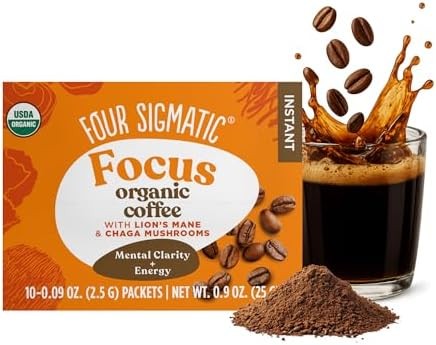
Four Sigmatic Focus Organic Mushroom Coffee | Instant Mushroom Coffee Mix with Lion's Mane, Chaga and Rhodiola for Be...
Check Price on AmazonAs an Amazon Associate we earn from qualifying purchases.
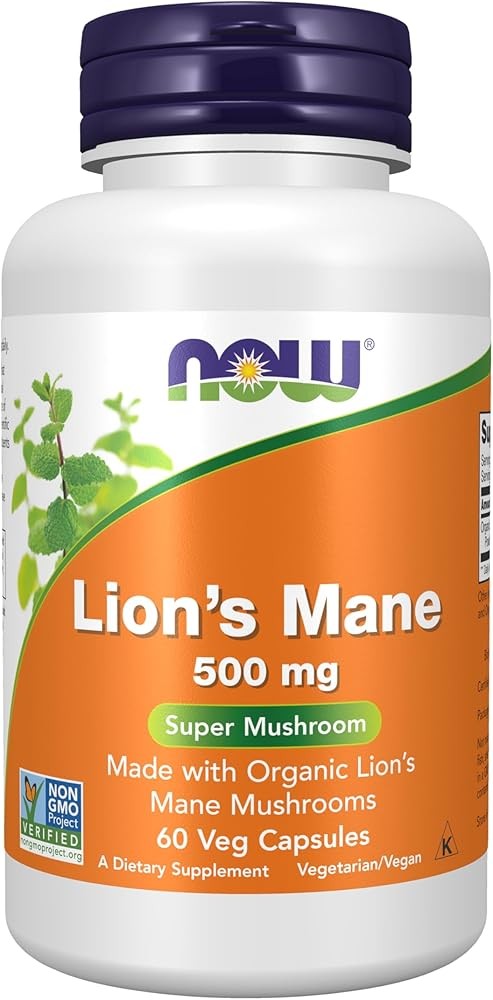
NOW Foods Supplements, Lion's Mane 500 mg, Super Mushroom, Made with Organic Lion's Mane Mushrooms, 60 Veg Capsules
Check Price on AmazonAs an Amazon Associate we earn from qualifying purchases.
Complete Cognitive Support System
While lion’s mane and functional mushrooms provide targeted neuroplasticity support, comprehensive cognitive enhancement requires a multi-layered approach addressing all aspects of brain health.
Foundation: Sleep and Stress Management
Quality sleep is non-negotiable for cognitive function, with research showing 7-9 hours supports memory consolidation, synaptic pruning, and glymphatic clearance of metabolic waste. Consider supplements like magnesium L-threonate (supports sleep quality and synaptic density) and reishi mushroom (adaptogenic stress support). Pair with evidence-based stress management practices including daily meditation, breathwork exercises, and nature immersion for enhanced neuroplasticity.
Nutrition: Brain-Building Blocks
Omega-3 fatty acids (1000-2000mg DHA/EPA daily) provide structural components for neuronal membranes and support anti-inflammatory pathways. B-complex vitamins, particularly methylfolate and methylcobalamin, serve as cofactors for neurotransmitter synthesis. Consider adding choline sources (alpha-GPC or citicoline) for acetylcholine production supporting memory and learning.
Movement: Exercise for Neurogenesis
Aerobic exercise increases BDNF levels comparably to psilocybin, promoting hippocampal neurogenesis and improving cognitive function. Aim for 150 minutes weekly of moderate-intensity cardio, combined with resistance training for comprehensive brain-body benefits. Cordyceps supplementation may enhance exercise capacity and energy metabolism.
Synergistic Nootropic Stack
Combine lion’s mane (2000-3000mg) with bacopa monnieri (300mg standardized extract) for memory support, rhodiola rosea (200-400mg) for stress resilience, and optional niacin (50-100mg) following the legal Stamets stack protocol. Cycle 5 days on, 2 days off to optimize receptor sensitivity.
Cognitive Challenge and Novelty
Engage in activities requiring sustained attention, working memory, and problem-solving. Learning new skills (languages, musical instruments, complex games) creates cognitive reserve through enhanced synaptic connectivity. Combine with creative expression (art, writing, music) to leverage the divergent thinking benefits associated with neuroplasticity-promoting compounds.
📱 Join the discussion: Facebook | X | YouTube | Pinterest
Related Reading
Explore these related articles for comprehensive cognitive enhancement strategies:
-
Best Nootropics for Focus and Mental Clarity
-
Lion’s Mane Mushroom Benefits for Brain Health
-
Natural Adaptogens for Stress Resilience
-
BDNF-Boosting Supplements for Neuroplasticity
-
Meditation and Mindfulness for Cognitive Enhancement
-
Omega-3 Fatty Acids for Brain Health and Memory
-
Bacopa Monnieri for Memory and Learning
-
Rhodiola Rosea for Mental Performance Under Stress
-
Best Nootropics and Brain Supplements for Focus, Memory, and Mental Clarity
-
Women’s Mental Health and Nootropics: Evidence-Based Guide to Managing Anxiety and Depression
-
Natural Nootropics for Instant Mental Clarity: Top Picks & How They Work
-
The Ultimate Guide to Ashwagandha for Mental Clarity and Stress Relief
-
Saffron for Depression and Anxiety: What Clinical Trials Show
Practical Recommendations: A Balanced Perspective
After reviewing the research comprehensively, here’s a balanced, evidence-based perspective on psilocybin microdosing and alternatives.
If Considering Psilocybin Microdosing
Understand the legal risks: Unless you’re in Oregon/Colorado utilizing legal programs, you’re breaking federal law with real potential consequences. Only you can assess whether potential benefits justify risks.
Recognize the evidence limitations: Despite enthusiastic anecdotal reports, controlled trials show modest and inconsistent benefits for cognition, with some studies finding no benefit or even impairment. Mental health benefits appear more robust but still require more research.
Expect substantial placebo effects: Many reported benefits may stem from expectation, ritual, and attention to mental state rather than pharmacology. This doesn’t invalidate the experience, but tempers claims of dramatic cognitive enhancement.
Start conservatively: Begin with 0.1g dried mushrooms or 1mg pure psilocybin on the Fadiman protocol. Assess effects for 2-4 weeks before increasing dose.
Screen for contraindications: Absolutely avoid if you have cardiovascular disease, psychosis history, family schizophrenia history, or take serotonergic medications.
Keep detailed records: Journal daily mood, productivity, creativity, relationships, and any side effects to objectively assess whether benefits justify continuation.
Take reset breaks: Don’t microdose indefinitely. Follow 4-8 weeks on with 2-4 weeks off to reduce tolerance and assess baseline changes.
If Choosing Legal Alternatives
Lion’s mane shows the strongest evidence for cognitive support among legal mushrooms. Start with 1000-3000mg daily from a quality source using organic fruiting bodies.
Combination formulas provide diverse benefits and may support different aspects of mental performance (cognition, energy, stress resilience). A lion’s mane + cordyceps + reishi blend is a sensible starting point.
The “legal Stamets stack” (lion’s mane + niacin) is theoretical but based on sound principles. Try lion’s mane 2000mg + niacin 50mg daily for 5 days on, 2 days off cycles.
Set realistic expectations: Legal mushroom supplements will not produce psilocybin-like effects. Benefits are subtle, gradual, and require consistent use over weeks to months.
Combine with lifestyle factors: No supplement replaces sleep, exercise, stress management, nutrition, and social connection. Mushroom supplements work best as part of a comprehensive approach to cognitive health.
The Bigger Picture
Whether psilocybin microdosing produces genuine pharmacological benefits beyond placebo remains an open scientific question. The research suggests therapeutic doses in clinical settings show robust effects for depression, anxiety, and end-of-life distress, while microdosing produces subtler, more variable outcomes.
For some individuals, the ritual of microdosing, enhanced attention to mental states, and expectation effects may genuinely improve well-being, even if specific pharmacological mechanisms are unclear. For others, legal alternatives combined with evidence-based practices (cognitive behavioral therapy, meditation, exercise) may provide comparable benefits without legal risks.
Ultimately, mental resilience and cognitive enhancement require a multifaceted approach. Psilocybin and functional mushrooms may be valuable tools, but they’re not magic bullets. The real magic lies in consistent effort toward optimal brain health through sleep, movement, nutrition, stress management, meaningful social connection, and purposeful challenge.
References
-
Marschall J, et al. “Effects of psychedelic microdosing on cognitive functions: A systematic review and meta-analysis.” Neuroscience & Biobehavioral Reviews. 2025. PMID: 41314362. PubMed 41314362
-
Ona G, et al. “Adults who microdose psychedelics report health related motivations and lower levels of anxiety and depression compared to non-microdosers.” Scientific Reports. 2021;11:22479. Source
-
Kim CY, et al. “Cognitive and subjective effects of psilocybin microdosing: Results from two double-blind placebo-controlled longitudinal trials.” Neuropharmacology. 2025. Source
-
Aleksandrova LR, Phillips AG. “Psilocybin as Transformative Fast‐Acting Antidepressant: Pharmacological Properties and Molecular Mechanisms.” Pharmacology & Therapeutics. 2025. PMC12267113. NIH
-
Bai F, et al. “Effects of psychoplastogens on blood levels of brain-derived neurotrophic factor (BDNF) in humans: a systematic review and meta-analysis.” Molecular Psychiatry. 2024. Source
-
Goodwin GM, et al. “Psilocybin with psychotherapeutic support for treatment-resistant depression: a pilot clinical trial.” British Journal of Psychiatry. 2024. PMC12491823. NIH
-
Fadiman J, Korb S. “Microdosing psychedelics: A nine-step guide to a sensible programme.” Aeon. Source
-
Stamets P. “The Stamets Stack: Psilocybin microdosing protocol.” Psychedelic Spotlight. [Source](https://psychedelicspotlight.com
-
Mori K, et al. “Improving effects of the mushroom Yamabushitake (Hericium erinaceus) on mild cognitive impairment: a double-blind placebo-controlled clinical trial.” Phytotherapy Research. 2009;23(3):367-372.
-
Yi Z, et al. “A dietary supplement containing Cordyceps militaris improved maximal oxygen consumption and ventilatory threshold in healthy volunteers.” Journal of Dietary Supplements. 2016;13(3):272-282.
-
Johns Hopkins Medicine. “Psychedelics Research and Psilocybin Therapy.” Source
-
Recovered.org. “Psilocybin Legal Status by State and Federal Law 2025.” Source
-
WebMD. “Psilocybin: Overview, Uses, Side Effects, Precautions, Interactions, Dosing and Reviews.” WebMD
-
Inner Shift Institute. “Interactions between Psilocybin and Medications.” [Source](https://innershift.institute
-
He Y, et al. “Mushrooms, Microdosing, and Mental Illness: The Effect of Psilocybin on Neurotransmitters, Neuroinflammation, and Neuroplasticity.” Cureus. 2025;17(1):e78072. PMID: 39897712. PubMed 39897712
-
Ly C, et al. “Psychedelics Promote Structural and Functional Neural Plasticity.” Cell Reports. 2018;23(11):3170-3182. PMID: 29898390. PubMed 29898390
-
Davis AK, et al. “Effects of Psilocybin-Assisted Therapy on Major Depressive Disorder: A Randomized Clinical Trial.” JAMA Psychiatry. 2021;78(5):481-489. PMID: 33146667. PubMed 33146667
-
Carhart-Harris RL, et al. “Psilocybin with psychological support for treatment-resistant depression: an open-label feasibility study.” Lancet Psychiatry. 2016;3(7):619-627. PMID: 27210031. PubMed 27210031
-
Griffiths RR, et al. “Psilocybin produces substantial and sustained decreases in depression and anxiety in patients with life-threatening cancer: A randomized double-blind trial.” Journal of Psychopharmacology. 2016;30(12):1181-1197. PMID: 27909165. PubMed 27909165
-
Polito V, Stevenson RJ. “A systematic study of microdosing psychedelics.” PLOS ONE. 2019;14(2):e0211023. PMID: 30726251. PubMed 30726251
-
Barrett FS, et al. “Psilocybin acutely alters the functional connectivity of the claustrum with brain networks that support perception, memory, and attention.” NeuroImage. 2020;218:116980. PMID: 32454209. PubMed 32454209
-
Nichols DE. “Psychedelics.” Pharmacological Reviews. 2016;68(2):264-355. PMID: 26841800. PubMed 26841800
-
Vollenweider FX, Preller KH. “Psychedelic drugs: neurobiology and potential for treatment of psychiatric disorders.” Nature Reviews Neuroscience. 2020;21(11):611-624. PMID: 32929261. PubMed 32929261
Recommended Products