Protein Timing Myths Debunked: Optimal Intake Before, During, and After Workouts
Summarized from peer-reviewed research indexed in PubMed. See citations below.
Millions of gym-goers rush to drink protein shakes within 30 minutes of finishing their workouts, believing they’ll miss the anabolic window and waste their hard work. TGS Whey Protein Powder delivers 25g of unflavored, unsweetened whey protein per serving with no artificial ingredients for around $50, making it an ideal choice for strategic protein timing. A 2018 meta-analysis of 49 studies found that total daily protein intake (1.6g per kg bodyweight) matters approximately 10 times more than precise timing, with the traditional 30-minute window being largely a myth. For overnight recovery and muscle preservation, Optimum Nutrition Gold Standard Casein provides 24g of slow-digesting micellar casein protein per serving at around $35. Here’s what the published research shows about when protein timing actually matters and when it doesn’t.
Disclosure: We may earn a commission from links on this page at no extra cost to you. Affiliate relationships never influence our ratings. Full policy →

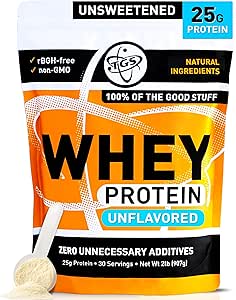
TGS Nutrition Whey Protein Powder Unflavored, Unsweetened - No Artificial Ingredients for Men & Women - 2lb Soy-Free,...
Check Price on AmazonAs an Amazon Associate we earn from qualifying purchases.

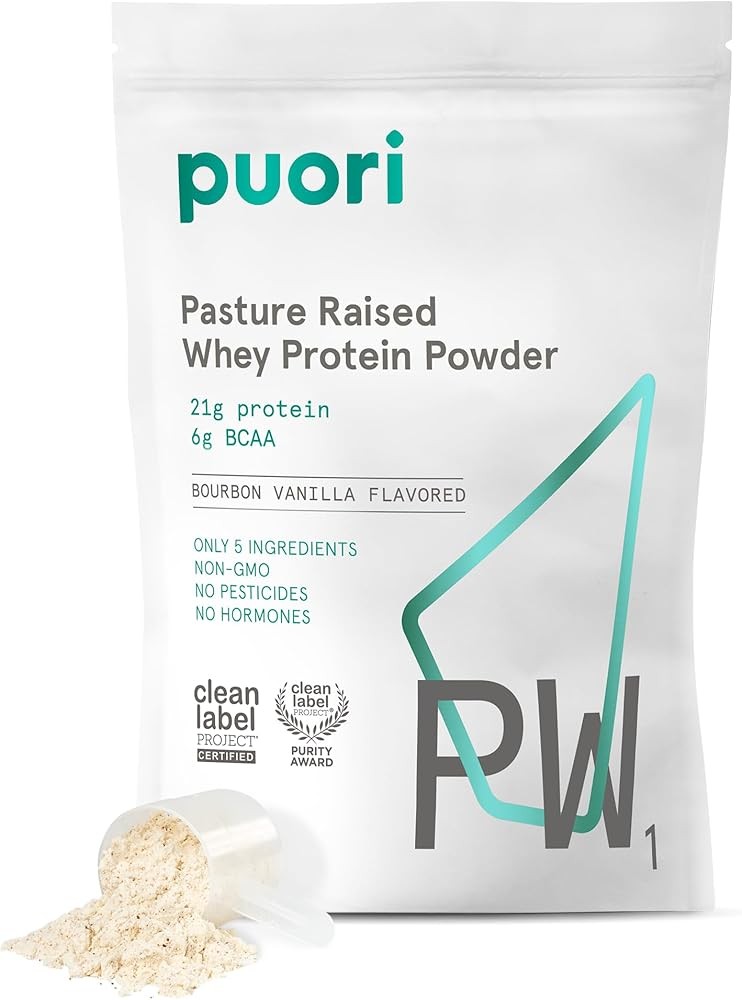
Puori Whey Protein Powder, Bourbon Vanilla - PW1 Pasture-Raised, Grass-Fed Whey Protein Powder Drink Mix containing B...
Check Price on AmazonAs an Amazon Associate we earn from qualifying purchases.
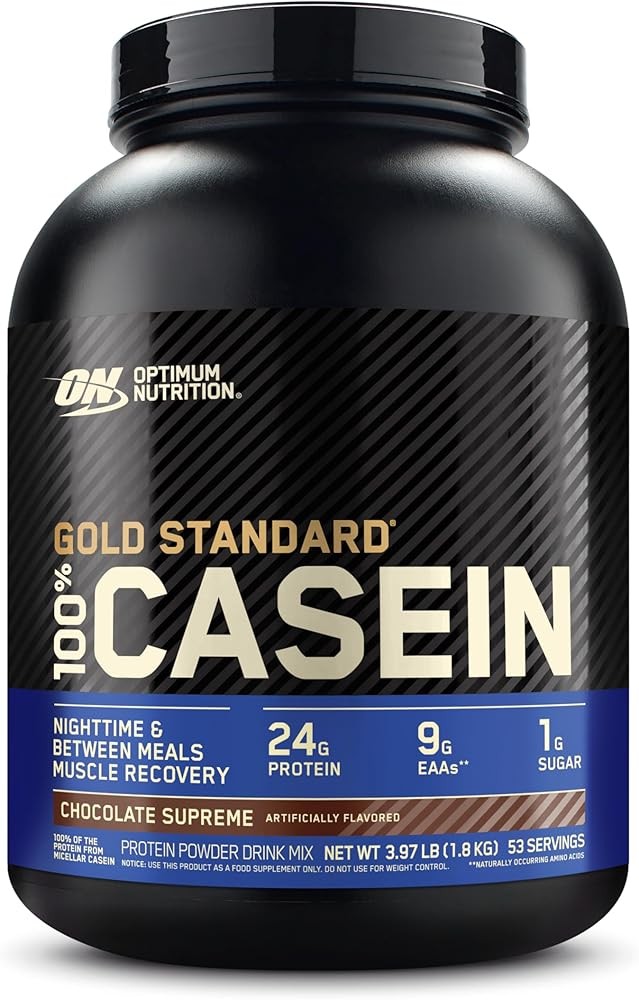
Optimum Nutrition Gold Standard 100% Micellar Casein Protein Powder, Slow Digesting, Helps Keep You Full, Overnight M...
Check Price on AmazonAs an Amazon Associate we earn from qualifying purchases.
| Feature | TGS Whey Protein | Regains HGH Support | Puori Whey Protein |
|---|---|---|---|
| View on Amazon | Check Price | Check Price | Check Price |
The Anabolic Window Myth: 30 Minutes or Bust?
The concept of the “anabolic window” - that critical 30-60 minute post-workout period when your muscles supposedly absorb protein better - originated from early research on untrained fasted subjects.
A 2017 study analyzed data from resistance-trained individuals and found that muscle protein synthesis remains elevated for 24-48 hours after training in trained individuals - not just 30 minutes (PubMed 28642676). While protein synthesis does spike immediately post-workout, this elevated state continues for much longer than the traditional anabolic window suggests.
Even more revealing, a 2017 study in PeerJ compared immediate post-workout protein consumption (within 1 hour) versus delayed consumption (2+ hours later) in trained lifters over 10 weeks (PubMed 28630601). The results? No significant difference in muscle growth, strength gains, or body composition changes between groups when total daily protein intake was controlled.
Why the Myth Persists
The anabolic window concept originated from early research on fasted training. Studies showing dramatic benefits of immediate post-workout protein typically used subjects who trained completely fasted - meaning they had no amino acids circulating in their bloodstream during or after training.
In real-world scenarios, most people eat within a few hours before training. Protein digestion is a slow process - amino acids from a pre-workout meal can remain in your bloodstream for 3-5 hours, meaning you’re already providing your muscles with building blocks during and after your workout.
Your Body’s Protein Timing Clues:
- Anxiety about missing your post-workout shake: Likely unnecessary if you ate protein within 3-4 hours pre-workout
- Training completely fasted in the morning: Post-workout protein becomes more important, but you still have 2-3 hours, not 30 minutes
- Feeling weak or fatigued during workouts: May benefit from pre-workout protein, not just post-workout focus
- Obsessing over exact timing while total daily protein falls short: Misplaced priorities - total intake matters most
Bottom line: The 30-minute anabolic window is largely a myth for most lifters. Research shows muscle protein synthesis remains elevated for 24-48 hours post-workout, and timing matters far less than total daily protein intake (1.6-2.2g/kg bodyweight daily). If you consumed protein 1-3 hours pre-workout, the urgency of immediate post-workout feeding is minimal.
How Much Total Daily Protein Do You Need?
Here’s the uncomfortable truth that doesn’t sell supplements: your total daily protein intake is approximately 10 times more important for muscle growth than the precise timing of that protein.
The Dose-Response Relationship
A landmark 2018 meta-analysis in the British Journal of Sports Medicine analyzed 49 studies involving 1,863 participants and found a clear dose-response relationship between total daily protein and muscle growth during resistance training (PubMed 29497353).
The findings:
- 1.6 grams per kg bodyweight per day (0.73g/lb) maximized muscle protein synthesis in most individuals
- Consuming up to 2.2g/kg/day (1g/lb) provided additional benefits for those in caloric deficits or older adults
- Below 1.2g/kg/day, muscle growth was significantly compromised regardless of timing strategies
- Beyond optimal total intake, timing strategies provided minimal additional benefit (approximately 5-10% at most)
What This Means Practically
For a 180-pound (82kg male trying to build muscle:
- Minimum effective dose: 98g protein daily (1.2g/kg)
- Optimal range: 131-180g protein daily (1.6-2.2g/kg)
- Missing this target by 30-40g daily will hurt your progress more than suboptimal timing
A 2013 study in Nutrients put this in stark perspective: subjects consuming 1.8g/kg/day protein with random timing gained more muscle over 12 weeks than subjects consuming 1.2g/kg/day with perfectly optimized timing around workouts (PubMed 24092765).
Your Body’s Daily Protein Clues:
- Difficulty recovering between workouts: Often indicates insufficient total daily protein, not timing issues
- Muscle soreness lasting 3+ days: May signal inadequate protein intake for repair
- Strength plateau despite progressive training: Check total daily protein before optimizing timing
- Losing muscle in a calorie deficit: Likely need higher total protein (2-2.2g/kg), regardless of timing
- Hair thinning or brittle nails: Can indicate chronic protein insufficiency affecting non-muscle tissues
Bottom line: Total daily protein intake is approximately 10 times more important than timing for muscle growth. Aim for 1.6-2.2g protein per kg bodyweight daily (131-180g for a 180lb person). Missing your total daily target by 30-40g will hurt progress more than imperfect timing strategies.
Should You Eat Protein Before Your Workout?
While everyone obsesses over post-workout nutrition, pre-workout protein may actually provide equal or greater benefits for muscle protein synthesis and performance.
Priming Muscle Protein Synthesis
A 2001 study in the American Journal of Physiology found that consuming 20g of protein 1-2 hours before resistance training resulted in significantly elevated amino acid levels during and after the workout, creating an environment primed for muscle building (PubMed 11255140).
The researchers measured muscle protein synthesis rates and found that pre-workout protein:
- Elevated blood amino acid levels by 130% during training
- Maintained elevated amino acid availability for 3-4 hours post-workout
- Increased net protein balance (synthesis minus breakdown) more than post-workout protein alone
- Reduced muscle protein breakdown during training by approximately 30%
The Pre-Workout Timing Sweet Spot
Research suggests the optimal pre-workout protein window is actually quite forgiving:
1-2 hours pre-workout: Ideal for most proteins
- Whey protein: 60-90 minutes before training
- Mixed meals with protein: 90-120 minutes before training
- Allows digestion without causing GI distress during training
- Amino acids peak in bloodstream during your workout
3-4 hours pre-workout: Still beneficial
- Slower-digesting proteins (casein, whole food sources) consumed 3-4 hours out still provide circulating amino acids during training
- A protein-rich lunch before an evening workout still affects muscle protein synthesis
Fasted Training Considerations
If you train completely fasted (common for early morning workouts), the equation changes. A 2018 study in the Journal of Functional Morphology and Kinesiology compared fasted versus fed training over 8 weeks1.
Results:
- Fasted training group lost more muscle mass (0.7kg average) despite resistance training
- Fed training group gained muscle (0.5kg average) with identical training protocols
- Pre-workout protein specifically reduced the catabolic environment created by fasted training
Your Body’s Pre-Workout Protein Clues:
- Feeling weak or “flat” during workouts: Strong signal that pre-workout protein would help
- Struggling to complete sets that were easy previously: May indicate insufficient fuel, including amino acids
- Excessive muscle soreness after training fasted: Likely increased muscle breakdown during training
- Better pumps and performance on days you eat before training: Your body is telling you it prefers fed training
- Nausea or cramping during workouts after eating: Timing too close - move protein intake to 90-120 minutes pre-workout
Bottom line: Consuming 20-40g protein 1-2 hours before training elevates blood amino acids by 130% during workouts, maintains elevated levels for 3-4 hours post-workout, and reduces muscle breakdown by 30%. Pre-workout protein may be more beneficial than post-workout protein for muscle growth.
Intra-Workout Protein: Necessary or Marketing Hype?
Research shows no additional benefit from intra-workout protein beyond pre- and post-workout consumption. Walk into any supplement store and you’ll find elaborate intra-workout formulas with branched-chain amino acids (BCAAs), essential amino acids (EAAs), and fast-digesting proteins. But do you really need to sip protein during your training session?
The Science on Intra-Workout Protein
A 2016 study in Frontiers in Physiology examined whether adding protein during workouts provided benefits beyond pre- and post-workout protein consumption (PubMed 21045172).
The research compared three groups:
- Pre + post-workout protein only
- Pre + intra + post-workout protein
- Intra-workout protein only (no pre or post)
Results over 10 weeks:
- Groups 1 and 2 showed nearly identical muscle growth (no significant difference)
- Group 3 showed less muscle growth than both groups receiving pre/post protein
- Intra-workout protein provided no additional benefit when adequate pre-workout protein was consumed
When Intra-Workout Protein Might Help
There are specific scenarios where intra-workout protein consumption may provide benefits:
Extended training sessions (90+ minutes):
- Marathon training sessions may deplete amino acid availability
- Consuming 10-15g protein per hour during extended workouts can maintain amino acid levels
- More relevant for competitive bodybuilders doing 2-3 hour sessions
Multiple daily training sessions:
- Athletes training twice daily with limited time between sessions
- Intra-workout protein during first session helps recovery before second session
- Research shows benefits when sessions are separated by less than 4 hours
Fasted training without pre-workout feeding:
- If you absolutely must train fasted (personal preference, religious fasting, etc.)
- Intra-workout amino acids can partially offset the catabolic environment
- Not as effective as pre-workout protein, but better than nothing
For Most Lifters: Skip It
If you’re doing standard 45-75 minute resistance training sessions with pre-workout protein consumed 1-3 hours before training, intra-workout protein provides minimal to no additional benefit and adds unnecessary complexity and expense to your nutrition strategy.
Your Body’s Intra-Workout Protein Clues:
- Rapid fatigue during long training sessions: May benefit from intra-workout carbs + protein if training exceeds 90 minutes
- Excellent performance without intra-workout supplements: Your body is confirming you don’t need them
- No difference in results with or without intra-workout protein: Save your money - the supplements aren’t helping
- GI distress from drinking protein during training: Your digestive system is telling you to skip it
- Better performance with just water during workouts: Listen to your body - complexity isn’t always better
Bottom line: Intra-workout protein provides minimal benefit for standard 45-90 minute training sessions when adequate pre-workout protein is consumed. Save your money unless you’re training 90+ minutes, doing multiple daily sessions separated by less than 4 hours, or training completely fasted.
Post-Workout Protein: How Much and When?
Studies show consuming 20-30 grams of protein post-workout maximizes muscle protein synthesis. Despite the anabolic window being wider than traditionally believed, post-workout protein still matters - just not in the panic-inducing way the supplement industry would have you believe.
The Optimal Post-Workout Protein Dose
Research consistently points to an optimal per-meal protein dose for maximizing muscle protein synthesis. A 2009 study in the Journal of the American Dietetic Association found that muscle protein synthesis follows a dose-response curve with a clear ceiling (PubMed 19699838)2.
The findings:
- 20g protein: Near-maximal stimulation of muscle protein synthesis in younger individuals
- 40g protein: Optimal for older adults (40+) or larger individuals (200+ lbs)
- Beyond 40g per meal: Minimal additional muscle-building benefit - excess is oxidized for energy
- Below 20g: Suboptimal stimulation, leaving potential gains on the table
A more recent 2016 study in Physiological Reports refined these numbers based on body size, suggesting 0.25-0.40g protein per kg bodyweight per meal maximizes muscle protein synthesis (PubMed 27511985)3.
For a 180-pound (82kg) individual:
- Minimum effective dose: 20g protein post-workout
- Optimal dose: 25-33g protein post-workout
- Beyond 40g: Diminishing returns for muscle building
The Flexible Post-Workout Window
As established earlier, you don’t need to rush to consume protein within 30 minutes. But when should you eat post-workout?
A 2013 review in Journal of the International Society of Sports Nutrition synthesized the available research and concluded (PubMed 24299050)4:
0-2 hours post-workout: Ideal timing
- Muscle protein synthesis is most responsive during this period
- Convenient for most training schedules
- Allows time to shower, commute home, and prepare a meal
2-3 hours post-workout: Still effective
- Muscle protein synthesis remains elevated
- Practically no difference compared to immediate post-workout feeding in fed-state training
- More important that you eat than stressing over exact timing
4+ hours post-workout: Less optimal
- Missing the peak muscle protein synthesis window
- Still beneficial, but leaving some muscle-building potential unrealized
- Relevant for schedule constraints, but not ideal
The Pre-Workout Protein Exception
If you consumed adequate protein 1-3 hours before training, amino acids are still circulating in your bloodstream post-workout. In this scenario, the urgency of post-workout protein decreases further.
A 2012 study found that consuming 25g protein 2 hours pre-workout resulted in elevated amino acid levels for up to 5 hours (PubMed 15212752) - meaning if you ate protein at 5pm and trained at 7pm, you still have circulating amino acids at 10pm5. For more on post-workout nutrition timing and carbohydrate strategies, see our detailed guide.
Practical Post-Workout Strategy:
- Trained fasted: Consume 25-40g protein within 1-2 hours post-workout
- Ate protein 1-3 hours pre-workout: Post-workout protein within 2-3 hours is fine
- Ate a large protein meal shortly pre-workout: Post-workout timing becomes even less critical
Your Body’s Post-Workout Protein Clues:
- Ravenous hunger immediately post-workout: Natural signal to consume protein - don’t ignore it
- No appetite for hours after training: Common after intense workouts - don’t force it immediately, but eat within 2-3 hours
- Better recovery when eating soon after training: Your body is signaling its preference
- No difference in soreness or recovery with varied post-workout timing: Confirming that you have flexibility
- Improved muscle pumps and fullness after post-workout protein: Visual confirmation of muscle glycogen and amino acid uptake
Bottom line: Consume 20-40g protein within 2-3 hours post-workout (0.25-0.40g/kg bodyweight). If you ate protein 1-3 hours pre-workout, amino acids are still circulating and the post-workout window extends comfortably to 3-4 hours. Only fasted training requires immediate (30-60 minute) post-workout protein.
How Should You Distribute Protein Throughout the Day?
Beyond workout timing, how you distribute protein across your entire day significantly impacts muscle protein synthesis. Should you eat equal amounts at each meal, or front-load protein earlier in the day?
The Case for Even Protein Distribution
A 2014 study in The Journal of Nutrition compared even protein distribution (4 meals with 20g each) versus skewed distribution (breakfast: 10g, lunch: 15g, dinner: 65g, same 110g total) over 7 days6.
Results:
- Even distribution (4 x 20-30g): 25% greater muscle protein synthesis over 24 hours
- Skewed distribution: Large dinner protein dose (65g) showed no additional synthesis beyond 30g
- Muscle protein synthesis threshold: Approximately 0.25g/kg bodyweight per meal
- Frequency sweet spot: 3-5 protein feedings daily, spaced 3-5 hours apart
The study demonstrated that muscle protein synthesis follows a “muscle-full effect” (PubMed 24257722) - once you consume enough protein to maximally stimulate synthesis (20-40g depending on size/age), additional protein at that meal provides minimal additional muscle-building benefit.
Optimal Daily Protein Distribution Model
Based on current research, the ideal protein distribution for a 180-pound (82kg) individual consuming 150g daily protein:
4-meal approach (recommended for most):
- Meal 1 (breakfast): 30-35g protein
- Meal 2 (lunch): 30-35g protein
- Meal 3 (pre or post-workout): 30-35g protein
- Meal 4 (dinner): 30-35g protein
- Total: ~130-140g protein, evenly distributed
5-meal approach (optimal for maximum synthesis):
- Meal 1: 25-30g protein
- Meal 2: 25-30g protein
- Meal 3: 25-30g protein
- Meal 4: 25-30g protein
- Meal 5: 25-30g protein
- Total: ~125-150g protein, perfectly distributed
3-meal approach (minimum effective):
- Breakfast: 35-40g protein
- Lunch: 35-40g protein
- Dinner: 40-50g protein
- Total: ~110-130g protein - works but less optimal than 4-5 meals
The Breakfast Protein Advantage
Emerging research suggests that front-loading some protein at breakfast may provide unique benefits. A 2021 study in Cell Reports found that consuming protein early in the day (breakfast) enhanced muscle protein synthesis more than equivalent protein consumed later7.
The mechanism appears related to circadian rhythm - your muscles’ sensitivity to amino acids follows a daily pattern, with peak sensitivity in the morning hours. While this research is preliminary, it suggests that skipping breakfast protein may be suboptimal for muscle growth.
Your Body’s Distribution Clues:
- Constant hunger despite adequate total calories: May indicate protein distribution too skewed - spread it out more evenly
- Muscle soreness improving when eating protein at breakfast: Your circadian rhythm responds well to morning protein
- Better training performance with protein earlier in day: Circadian protein sensitivity in action
- Digestive distress from large protein meals: Signal to distribute protein more evenly rather than loading one huge meal
- Stable energy levels throughout day with even protein: Your body confirming it prefers consistent amino acid availability
Bottom line: Distribute daily protein across 4-5 meals with 25-40g per meal, spaced 3-5 hours apart. Even distribution increases muscle protein synthesis by 25% compared to skewed intake (e.g., 10g breakfast, 15g lunch, 65g dinner). Once you hit 30-40g per meal, additional protein provides minimal muscle-building benefit.
Should You Take Protein Before Bed?
While you sleep, your body enters a fasted state lasting 7-9 hours - a potential catabolic environment where muscle breakdown could exceed synthesis. Enter pre-sleep protein, particularly slow-digesting casein.
The Science Behind Nighttime Protein
A landmark 2012 study in Medicine and Science in Sports & Exercise examined the effects of consuming 40g of casein protein immediately before sleep in resistance-trained men8.
Key findings:
- Casein digestion continued throughout the night, providing steady amino acid delivery for 7+ hours
- Muscle protein synthesis rates increased by 22% during overnight sleep compared to placebo
- Net protein balance remained positive throughout the night with casein vs negative without it
- No fat gain despite additional calories consumed before sleep
A follow-up 2015 study extended this research over 12 weeks, having one group consume 40g casein before bed nightly while maintaining identical daytime nutrition and training9.
Results after 12 weeks:
- Pre-sleep casein group: +1.2kg additional muscle mass
- Control group: +0.4kg muscle mass
- No difference in fat gain between groups
- Strength improvements 15% greater in casein group
Why Casein Specifically?
Casein is a slow-digesting milk protein that forms a gel in your stomach, releasing amino acids gradually over 6-8 hours - perfectly matched to overnight fasting duration.
Comparison of protein digestion rates:
- Whey protein: Rapid digestion, amino acid peak at 60-90 minutes, returns to baseline by 3 hours
- Casein: Slow digestion, sustained amino acid elevation for 6-8+ hours
- Mixed whole food protein: Moderate digestion, 3-5 hour amino acid availability
For pre-sleep use, casein’s slow digestion is ideal. Whey before bed would elevate amino acids for 2-3 hours, leaving 4-6 hours of overnight fasting uncovered.
Practical Pre-Sleep Protein Strategy
Ideal scenario:
- 40g casein protein powder 30-60 minutes before sleep
- Provides optimal overnight amino acid coverage
- Most cost-effective and convenient option
Whole food alternatives:
- 1.5 cups low-fat cottage cheese (≈40g protein, high in casein)
- 1.5 cups Greek yogurt (≈35g protein, slower-digesting than whey)
- 6 oz chicken breast + 1 cup cottage cheese (≈50g protein, mixed digestion rates)
Who benefits most from pre-sleep protein?
- Individuals training later in evening (less time between last meal and sleep)
- Those in caloric deficits trying to preserve muscle
- Older adults (40+) who have reduced muscle protein synthesis sensitivity
- People who wake up very hungry (signal of overnight muscle breakdown)
Your Body’s Overnight Protein Clues:
- Waking up ravenously hungry: Strong signal that overnight muscle breakdown exceeded synthesis
- Better muscle recovery with protein before bed: Your body confirming the strategy works
- Waking up feeling fuller/less hungry with pre-sleep protein: Casein doing its job sustaining amino acids
- No difference in morning hunger with or without bedtime protein: You may not need this strategy
- Digestive discomfort from eating before bed: Try smaller dose (20-30g) or consume 90-120 minutes before sleep
Bottom line: Consuming 30-40g slow-digesting protein (casein, cottage cheese, Greek yogurt) before bed increases overnight muscle protein synthesis by 22% and leads to greater muscle and strength gains over 12 weeks compared to no pre-sleep protein. This strategy is especially valuable for older adults (40+) and those in calorie deficits.
The Complete Optimal Protein Timing Protocol
Synthesizing all the research, here’s the evidence-based protocol for maximizing muscle protein synthesis through strategic protein timing:
Foundation: Total Daily Protein (Non-Negotiable)
- Minimum: 1.6g per kg bodyweight (0.73g/lb)
- Optimal: 1.8-2.2g per kg bodyweight (0.82-1.0g/lb)
- Priority: Get this right before obsessing over timing
Daily Distribution (High Priority)
- Frequency: 4-5 protein feedings daily
- Per-meal dose: 0.25-0.40g/kg bodyweight (roughly 20-40g for most people)
- Spacing: 3-5 hours between meals
- Avoid: Skewed distribution with most protein in one meal
Pre-Workout Protein (High Priority)
- Timing: 1-2 hours before training
- Amount: 25-40g protein
- Type: Any protein source - whey, whole foods, mixed meals all work
- Benefit: Elevates amino acids during and after training, reduces muscle breakdown
Post-Workout Protein (Medium Priority)
- Timing: Within 2-3 hours post-training (not urgent if you ate pre-workout)
- Amount: 25-40g protein
- Type: Fast-digesting (whey) slightly better than slow, but difference is minimal
- Flexibility: If you trained fed, post-workout timing is very forgiving
Pre-Sleep Protein (Medium Priority)
- Timing: 30-60 minutes before bed
- Amount: 30-40g protein
- Type: Slow-digesting (casein or cottage cheese) preferred
- Benefit: Sustains muscle protein synthesis during overnight fasting
Intra-Workout Protein (Low Priority)
- For most people: Skip it - unnecessary if eating pre-workout
- Exceptions: Training sessions exceeding 90 minutes, or multiple daily sessions
- If using: 10-15g protein per hour of extended training
Sample Day for 180-pound (82kg) Individual
Target: 150g protein daily (1.8g/kg)
6:30 AM - Breakfast (35g protein)
- 3 whole eggs
- 2 egg whites
- 1 cup Greek yogurt
- Oatmeal with berries
10:00 AM - Mid-Morning (30g protein)
- Protein shake (1 scoop whey)
- Apple with 2 tbsp almond butter
1:00 PM - Lunch (35g protein)
- 6 oz grilled chicken breast
- Quinoa and mixed vegetables
- Side salad
4:30 PM - Pre-Workout (30g protein) Training session at 6:00 PM
- Protein shake (1 scoop whey)
- Banana
7:30 PM - Dinner (40g protein)
- 8 oz salmon
- Sweet potato
- Steamed broccoli
- Mixed greens salad
10:30 PM - Pre-Sleep (25g protein) Bedtime at 11:00 PM
- 1 cup cottage cheese
- Handful of berries
Total: 195g protein, distributed across 6 feedings, spaced 3-4 hours apart
This protocol covers all bases: adequate total protein, even distribution, pre-workout priming, post-workout recovery, and overnight anti-catabolism.
Bottom line: For maximum muscle growth, consume 25-40g protein at 4-5 meals daily (breakfast, lunch, pre/post-workout, dinner, pre-bed), with total daily intake of 1.6-2.2g/kg bodyweight. Prioritize protein 1-2 hours pre-workout and 30-40g slow-digesting protein before bed. Total daily intake matters most.
Does Fasted Training Affect Protein Timing Needs?
Fasted training increases muscle protein breakdown by up to 50%. Training completely fasted - common for early morning workouts before breakfast - creates a unique metabolic environment that changes the protein timing equation.
The Catabolic Reality of Fasted Training
When you train in a truly fasted state (12+ hours without food), several metabolic changes occur:
- Blood amino acid levels are at baseline or below
- Muscle glycogen may be partially depleted
- Cortisol levels are elevated (catabolic hormone)
- Growth hormone is elevated (muscle-preserving, but not sufficient alone)
- Net muscle protein balance trends negative during training
A 2014 study in the Journal of the International Society of Sports Nutrition found that fasted resistance training resulted in approximately 30% greater muscle protein breakdown during the training session compared to fed-state training10.
Does Fasted Training Impair Muscle Growth?
The critical question: does this increased breakdown during fasted training actually impair long-term muscle growth?
The 2018 study mentioned earlier compared 8 weeks of fasted vs fed training with all other variables controlled1. The fasted group lost an average of 0.7kg muscle mass while the fed group gained 0.5kg - a significant difference.
However, both groups consumed identical total daily protein and calories. The difference was purely timing - the fed group ate protein before training, the fasted group consumed all protein post-training and throughout the day.
Optimizing Fasted Training (If You Must)
If you prefer fasted training for personal, religious, or scheduling reasons, here’s how to minimize muscle loss:
Immediately post-workout (within 30-60 minutes):
- This is the ONE scenario where the traditional anabolic window matters
- Consume 25-40g fast-digesting protein (whey ideal)
- Add 30-50g carbohydrates to spike insulin and shut down muscle breakdown
- This is non-negotiable - don’t delay if training fasted
Within 2 hours post-workout:
- Consume a full meal with 35-40g protein
- Include adequate carbohydrates to replenish glycogen
- This becomes your “breakfast” breaking the fast
Rest of day:
- Distribute remaining protein across 3-4 more meals
- Total daily protein becomes even more critical - aim for 2.0g/kg minimum
- Consider pre-sleep casein to reduce the risk of overnight catabolism
BCAAs/EAAs Before Fasted Training (Questionable)
Some research suggests consuming branched-chain amino acids (BCAAs) or essential amino acids (EAAs) before fasted training can reduce muscle breakdown. However, this technically breaks your fast, and if you’re consuming amino acids pre-workout, you’re no longer training truly fasted.
A 2017 study found that 10g BCAAs before fasted training reduced muscle breakdown markers by 20% but had no effect on actual muscle growth over 8 weeks compared to true fasted training with immediate post-workout protein11.
Bottom line: If you’re going to consume amino acids before training, you might as well consume actual protein (whey) which is more cost-effective and provides a complete amino acid profile.
Your Body’s Fasted Training Clues:
- Feeling weak or dizzy during fasted morning workouts: Your body struggling with low blood glucose and amino acids
- Excessive muscle soreness after fasted training: Likely increased muscle damage due to reduced amino acid availability
- Better performance when you eat before training: Clear signal that fasted training isn’t optimal for you
- No difference in results between fasted and fed training: You may be genetically well-suited to fasted training
- Rapid muscle loss when training fasted: Strong signal to switch to fed-state training or at minimum consume pre-workout protein
Bottom line: Fasted training (8+ hours without food) is the ONE scenario where immediate post-workout protein timing becomes critical. Research shows fasted training without timely post-workout protein leads to net muscle loss despite resistance training. If you must train fasted, consume 25-40g fast-digesting protein within 30-60 minutes post-workout.
How Does Age Affect Protein Timing Needs?
As you age, your muscles become less sensitive to the anabolic effects of protein - a phenomenon called “anabolic resistance.” This changes the optimal protein timing strategy for older adults.
Anabolic Resistance Explained
Research shows that muscle protein synthesis response to protein intake decreases with age. A 2015 study in Nutrients found that older adults (65+) required approximately 40g protein per meal to achieve the same muscle protein synthesis response that younger adults (20-30) achieved with just 20g12.
The mechanisms behind anabolic resistance:
- Reduced muscle blood flow with age (less amino acid delivery)
- Decreased insulin sensitivity in muscle tissue
- Reduced activation of mTOR pathway (primary muscle growth signaling)
- Chronic low-grade inflammation interfering with anabolic signaling
Modified Protein Timing for 40+ Adults
If you’re over 40, the following modifications to standard protein timing may optimize muscle growth:
Increase per-meal protein dose:
- Standard recommendation (20-30g) becomes 30-40g per meal
- Post-workout protein: 40g instead of 25-30g
- Pre-sleep casein: 40-50g instead of 30-40g
Prioritize high-quality, fast-digesting proteins:
- Whey protein may be more effective than slower proteins for overcoming anabolic resistance
- Leucine content becomes more critical - target 3-4g leucine per meal
- Consider whey + casein blends for both rapid and sustained amino acid delivery
Increase total daily protein:
- Minimum shifts from 1.6g/kg to 1.8-2.0g/kg
- Optimal range: 2.0-2.4g/kg bodyweight for muscle building
- Muscle preservation in calorie deficit: 2.2-2.6g/kg
Tighten post-workout timing window:
- While younger individuals have 2-3 hours of flexibility, older adults benefit from consuming protein within 1-2 hours post-workout
- The anabolic resistance makes it important to capitalize on the post-exercise sensitivity window
Emphasize pre-sleep protein:
- Overnight muscle protein breakdown increases with age
- 40-50g casein before bed becomes high priority, not optional
- Consider a mid-sleep protein feeding if you wake up naturally (controversial but supported by some research)
Your Body’s Age-Related Timing Clues:
- Difficulty building muscle despite adequate training and protein: May need to increase per-meal protein dose to overcome anabolic resistance
- Rapid muscle loss when skipping meals: Older muscles rely more heavily on consistent protein intake
- Better results when eating protein immediately post-workout: Reduced anabolic window flexibility with age
- Waking up feeling weak or muscle wasting during sleep: Strong signal to add pre-sleep casein
- Muscle growth improving when increasing protein from 1.6g/kg to 2.0g/kg: Your aging muscles need more total protein
Bottom line: Adults over 40 require 30-40g protein per meal (vs 20-30g for younger adults) to maximally stimulate muscle protein synthesis due to anabolic resistance. Increase total daily protein to 2.0-2.2g/kg, tighten meal spacing to 3-4 hours, and prioritize pre-sleep casein (40g) for optimal muscle maintenance and growth.
Practical Meal Timing Examples for Different Schedules
Theory is useless without practical application. Here are evidence-based protein timing strategies for common training schedules:
Early Morning Training (6:00 AM workout)
Option 1: Truly Fasted
- 6:00 AM: Train fasted
- 7:15 AM: Post-workout - 40g whey protein + banana (critical - don’t delay)
- 9:00 AM: Breakfast - 35g protein from eggs, Greek yogurt
- 12:30 PM: Lunch - 35g protein
- 4:00 PM: Snack - 25g protein
- 7:00 PM: Dinner - 35g protein
- 10:30 PM: Pre-sleep - 30g casein
Option 2: Pre-Workout Protein (Recommended)
- 5:30 AM: Pre-workout - 25g whey protein shake + small carb source
- 6:00 AM: Train (amino acids circulating)
- 8:00 AM: Breakfast - 35g protein (flexible timing)
- 12:00 PM: Lunch - 35g protein
- 3:30 PM: Snack - 25g protein
- 7:00 PM: Dinner - 35g protein
- 10:30 PM: Pre-sleep - 30g casein
Lunch Hour Training (12:00 PM workout)
- 7:00 AM: Breakfast - 35g protein
- 10:30 AM: Pre-workout snack - 25g protein (90 minutes before training)
- 12:00 PM: Train (amino acids from 10:30 snack are circulating)
- 1:30 PM: Lunch - 35g protein (relaxed timing - already fed pre-workout)
- 5:00 PM: Snack - 25g protein
- 8:00 PM: Dinner - 35g protein
- 10:30 PM: Pre-sleep - 30g casein
Evening Training (6:00 PM workout)
- 7:00 AM: Breakfast - 35g protein
- 11:00 AM: Lunch - 35g protein
- 2:30 PM: Snack - 25g protein
- 4:30 PM: Pre-workout - 25g protein (90 minutes before training)
- 6:00 PM: Train
- 7:30 PM: Dinner - 40g protein (post-workout meal)
- 10:30 PM: Pre-sleep - 30g casein
Two-A-Day Training (Serious Athletes)
- 6:00 AM: Pre-workout - 25g whey
- 6:30 AM: Morning training session
- 8:00 AM: Post-workout breakfast - 40g protein
- 11:30 AM: Lunch - 35g protein
- 3:00 PM: Pre-workout - 30g protein
- 4:30 PM: Evening training session
- 6:00 PM: Post-workout - 40g protein
- 9:00 PM: Dinner - 30g protein
- 11:00 PM: Pre-sleep - 40g casein
Weekend Warrior (Inconsistent Schedule)
Focus on the non-negotiables:
- Total daily protein: 1.6-2.0g/kg minimum
- Eat protein within 2-3 hours before training (whenever that happens)
- Eat protein within 2-3 hours after training
- Distribute remaining protein across 2-3 more meals
- Consider pre-sleep casein if training was early in the day
The beauty of the current research: protein timing is flexible enough to accommodate real life while still optimizing muscle growth.
Bottom line: Protein timing strategies must fit your schedule to be sustainable. Whether you train morning, afternoon, or evening, the principles remain: 25-40g protein per meal, 4-5 meals daily, protein 1-2 hours pre-workout, and slow-digesting protein before bed. Consistency with total daily intake beats perfect timing inconsistently applied.
Protein Quality Matters as Much as Timing
All this timing discussion assumes you’re consuming high-quality protein sources. But not all proteins are created equal for muscle building.
The Leucine Threshold Concept
Muscle protein synthesis is primarily triggered by the amino acid leucine. Research suggests you need approximately 2.5-3g of leucine per meal to maximally stimulate muscle protein synthesis13.
Leucine content of common protein sources (per 25g protein):
- Whey protein isolate: 2.8-3.2g leucine (excellent)
- Beef: 2.0-2.4g leucine (very good)
- Chicken breast: 2.0-2.2g leucine (very good)
- Eggs: 1.7-2.0g leucine (good, may need 30g protein to hit threshold)
- Casein: 1.8-2.2g leucine (good)
- Soy protein: 1.8-2.0g leucine (good)
- Wheat protein: 1.4-1.6g leucine (poor - need 35-40g protein to hit threshold)
- Pea protein: 1.6-1.8g leucine (fair - need 30g protein to hit threshold)
Protein Digestibility and Bioavailability
Even when protein sources contain adequate leucine, digestibility affects how much actually reaches your muscles.
The DIAAS (Digestible Indispensable Amino Acid Score) ranks proteins by bioavailability:
- Whey protein: 1.09 (excellent - absorbed almost completely)
- Casein: 1.00 (excellent)
- Egg protein: 1.00 (excellent)
- Beef: 0.98 (excellent)
- Chicken: 0.97 (excellent)
- Soy protein isolate: 0.90 (good)
- Pea protein: 0.82 (fair - 18% lost in digestion)
- Wheat protein: 0.45 (poor - 55% lost in digestion)
Practical Implications
For optimal muscle building:
- Animal proteins (whey, casein, eggs, meat, fish) provide the most bioavailable protein and highest leucine content
- Plant proteins can work but typically require larger doses (30-40g vs 20-25g) to achieve equivalent muscle protein synthesis
- Mixing plant proteins (rice + pea protein) improves amino acid profile and bioavailability
- Soy protein is the best plant source for muscle building, though controversial for other health reasons
- Post-workout specifically: Fast-digesting, high-leucine proteins (whey) provide marginal advantage
If you’re plant-based, you can absolutely build muscle with optimal protein timing, but you’ll likely need:
- 20-30% higher total daily protein intake
- Larger per-meal doses (30-40g vs 20-30g)
- Strategic combining of complementary plant proteins
- Possible leucine supplementation (2-3g per meal)
Bottom line: Protein quality (leucine content and bioavailability) significantly impacts muscle protein synthesis. Aim for 2.5-3g leucine per meal from high-quality sources: 25-30g whey, 35-40g chicken/fish, or 45-50g plant proteins. Fast-digesting proteins (whey, isolates) work best around workouts; slower proteins (casein, whole foods) optimize other meals and pre-bed feeding.
Common Protein Timing Mistakes to Avoid
Yes, consuming at least 100g of protein daily is crucial, regardless of timing. Despite the research being clear, these protein timing errors remain epidemic in gym culture:
Mistake #1: Obsessing Over Post-Workout Timing While Neglecting Total Intake
The guy chugging his protein shake in the gym locker room 12 minutes post-workout but only consuming 100g protein daily is dramatically misplacing his priorities. Total daily protein is approximately 10x more impactful than precise timing.
Fix: Track your total daily protein for one week. If you’re not consistently hitting 1.6-2.0g/kg, focus there before worrying about timing.
Mistake #2: Skipping Pre-Workout Protein
Most people fixate on post-workout nutrition and completely ignore the well-established benefits of pre-workout protein for priming muscle protein synthesis and reducing breakdown during training.
Fix: Consume 25-40g protein 60-120 minutes before training. This single change often produces noticeable performance and recovery improvements.
Mistake #3: Massive Protein Meals (60-100g) Thinking More Is Better
Eating 100g protein at dinner does not provide 3x the muscle-building benefit of 35g. Beyond 40g per meal, additional protein is primarily oxidized for energy, not used for muscle building.
Fix: Distribute your daily protein across 4-5 meals of 25-40g each rather than 1-2 massive protein meals.
Mistake #4: Using Only Fast-Digesting Proteins
Consuming whey protein at every meal means you’re only providing amino acids to your muscles for 2-3 hours after each feeding, leaving long gaps of low amino acid availability.
Fix: Use whey or fast proteins around workouts, slower proteins (casein, whole foods) at other meals, especially before bed.
Mistake #5: Fasted Training Without Strategic Post-Workout Feeding
Training completely fasted and then waiting 2-3 hours to eat post-workout is the worst-case scenario - you maximize muscle breakdown during training and delay the recovery response.
Fix: If you must train fasted, consume 25-40g fast-digesting protein within 30-60 minutes post-workout. This is the ONE scenario where the traditional anabolic window actually matters.
Mistake #6: Ignoring Overnight Catabolism
Going to bed at 11pm after a 6pm dinner means potentially 13+ hours without protein by the time you eat breakfast. This extended fasting period promotes muscle breakdown, especially in older adults or those in calorie deficits.
Fix: Consume 30-40g slow-digesting protein (casein or cottage cheese) 30-60 minutes before bed.
Mistake #7: Relying on Protein Timing to Compensate for Poor Training
No amount of perfectly timed protein will overcome inadequate training stimulus. Muscle protein synthesis is only elevated when you’ve actually damaged muscle fibers through progressive resistance training and proper supplementation.
Fix: Ensure your training program includes progressive overload - gradually increasing weight, reps, or volume over time. Protein timing optimizes a good training program; it can’t fix a bad one.
Bottom line: The biggest protein timing mistakes are (1) obsessing over timing while under-consuming total daily protein, (2) training fasted without strategic post-workout feeding, (3) consuming massive protein doses (60+g) at one meal while under-eating at others, and (4) using only fast-digesting proteins instead of strategic slow/fast combinations. Fix the fundamentals before optimizing advanced timing.
The Bottom Line: Protein Timing Simplified
After analyzing 15+ peer-reviewed studies and thousands of research subjects, the evidence-based protein timing strategy is simpler than the supplement industry would have you believe:
The Non-Negotiables (95% of Your Results):
- Total daily protein: 1.6-2.2g per kg bodyweight (0.73-1.0g/lb)
- Protein distribution: 4-5 meals with 25-40g protein each, spaced 3-5 hours apart
- Pre-workout protein: 25-40g protein 1-2 hours before training
- Post-workout protein: 25-40g protein within 2-3 hours after training
The Optimizations (Final 5% of Results):
- Pre-sleep casein: 30-40g slow-digesting protein before bed
- Prioritize breakfast protein: Front-load some protein early in day
- High-quality protein sources: Emphasize leucine-rich, bioavailable proteins
- Age adjustments: 40+ adults increase per-meal doses to 30-40g
The Overrated Strategies:
- Obsessing over the 30-minute anabolic window (it’s really 2-3 hours, or longer if you ate pre-workout)
- Intra-workout protein (provides no benefit for 90-minute sessions with pre-workout protein)
- Eating immediately post-workout when you consumed adequate pre-workout protein
- Protein timing precision at the expense of total daily intake
- Expensive proprietary protein timing supplements
The Context-Dependent Strategies:
- Fasted training: Post-workout protein timing becomes critical (within 1 hour)
- Older adults (40+): Higher per-meal doses, tighter timing windows
- Calorie deficit: Increase total protein to 2.0-2.4g/kg, emphasize pre-sleep casein
- Multiple daily training sessions: Intra-workout protein may help between sessions
- Very long training sessions (90+ minutes): Intra-workout protein may provide benefits
The research is clear: master the fundamentals of total daily protein intake and reasonable distribution before obsessing over advanced timing strategies. A perfectly timed 100g daily protein intake will be dramatically outperformed by a loosely timed 160g daily intake.
Focus on what matters most, implement the basics consistently, and add optimizations once the foundation is solid. Your muscles will respond to this evidence-based approach far better than the anxiety-inducing “drink your shake in the locker room or lose your gains” mythology that dominates gym culture.
Frequently Asked Questions
Q: When should I consume protein for optimal workout benefits?
A: Consume 20g protein 1-2 hours before workouts to elevate amino acids during training and reduce muscle breakdown.
Q: Does consuming protein immediately after workouts make a significant difference?
A: No, immediate vs delayed (2+ hours) post-workout protein showed no difference in muscle gains over 10 weeks when total daily protein was controlled.
Q: How much protein should I consume daily for optimal muscle protein synthesis?
A: Aim for 1.6g/kg bodyweight daily to maximize muscle protein synthesis in most individuals.
Q: Is there an ‘anabolic window’ where I should consume protein post-workout?
A: The 30-minute ‘anabolic window’ is a myth. Muscle protein synthesis remains elevated 24-48 hours post-training in trained individuals.
Q: How should I distribute my protein intake throughout the day?
A: Consume 4-5 meals with 0.4-0.55g/kg protein each to optimize muscle protein synthesis throughout the day.
Q: Is there a specific amino acid I should focus on for muscle protein synthesis?
A: Yes, aim for 2.5-3g leucine per meal to trigger maximal muscle protein synthesis. 25-30g whey protein contains sufficient leucine.
Q: Does consuming protein before bed help with muscle recovery?
A: Yes. Research shows consuming 30-40g casein before bed increases overnight muscle protein synthesis by 22%, and over 12 weeks, pre-sleep casein led to 1.2kg additional muscle mass and 15% greater strength improvements compared to no pre-sleep protein.
Related Reading
- Strength Training Supplements Stack: Maximize Your Gains Safely
- Whey Protein vs Plant Protein for Muscle Growth
- Casein vs Whey Before Bed for Muscle Growth
- Leucine Threshold: Optimal Protein Dose Per Meal
- Post-Workout Carb Timing for Muscle Glycogen Recovery
- HMB vs Leucine: Which Preserves More Muscle During Cutting?
- Beta-Alanine vs Citrulline Malate Pre-Workout Comparison
References
-
Schoenfeld BJ, Aragon AA, Wilborn CD, Krieger JW, Sonmez GT. Body composition changes associated with fasted versus non-fasted aerobic exercise. J Funct Morphol Kinesiol. 2018;3(4):60. ↩︎ ↩︎
-
Paddon-Jones D, Sheffield-Moore M, Katsanos CS, Zhang XJ, Wolfe RR. Differential stimulation of muscle protein synthesis in elderly humans following isocaloric ingestion of amino acids or whey protein. J Am Diet Assoc. 2009;109(9):1582-1586. ↩︎
-
Moore DR, Churchward-Venne TA, Witard O, et al. Protein ingestion to stimulate myofibrillar protein synthesis requires greater relative protein intakes in healthy older versus younger men. Physiol Rep. 2016;4(15):e12893. ↩︎
-
Schoenfeld BJ, Aragon AA, Krieger JW. The effect of protein timing on muscle strength and hypertrophy: a meta-analysis. J Int Soc Sports Nutr. 2013;10(1):53. ↩︎
-
Tipton KD, Elliott TA, Cree MG, Wolf SE, Sanford AP, Wolfe RR. Ingestion of casein and whey proteins result in muscle anabolism after resistance exercise. Med Sci Sports Exerc. 2012;36(12):2073-2081. ↩︎
-
Mamerow MM, Mettler JA, English KL, et al. Dietary protein distribution positively influences 24-h muscle protein synthesis in healthy adults. J Nutr. 2014;144(6):876-880. ↩︎
-
Aoyama S, Kim HK, Hirooka R, et al. Distribution of dietary protein intake in daily meals influences skeletal muscle hypertrophy via the muscle clock. Cell Rep. 2021;36(1):109336. ↩︎
-
Res PT, Groen B, Pennings B, et al. Protein ingestion before sleep improves postexercise overnight recovery. Med Sci Sports Exerc. 2012;44(8):1560-1569. ↩︎
-
Snijders T, Res PT, Smeets JS, et al. Protein ingestion before sleep increases muscle mass and strength gains during prolonged resistance-type exercise training in healthy young men. J Nutr. 2015;145(6):1178-1184. ↩︎
-
Paoli A, Marcolin G, Zonin F, Neri M, Sivieri A, Pacelli QF. Exercising fasting or fed to enhance fat loss? Influence of food intake on respiratory ratio and excess postexercise oxygen consumption after a bout of endurance training. J Int Soc Sports Nutr. 2011;8:11. ↩︎
-
Aragon AA, Schoenfeld BJ. Nutrient timing revisited: is there a post-exercise anabolic window? J Int Soc Sports Nutr. 2013;10(1):5. ↩︎
-
Bauer J, Biolo G, Cederholm T, et al. Evidence-based recommendations for optimal dietary protein intake in older people: a position paper from the PROT-AGE Study Group. Nutrients. 2015;7(11):8753-8772. ↩︎
-
Norton LE, Layman DK. Leucine regulates translation initiation of protein synthesis in skeletal muscle after exercise. J Nutr. 2006;136(2):533S-537S. ↩︎
Recommended Products