Bacopa Monnieri Benefits: Memory & Cognitive Enhancement
Summarized from peer-reviewed research indexed in PubMed. See citations below.
Struggling to remember names or focus on complex tasks can feel frustrating, especially when your brain seems slower than it used to be. Clinical research shows Bacopa monnieri extract standardized to 50% bacosides significantly improves working memory and long-term recall when taken at 300-450 mg daily. Studies demonstrate Bacopa enhances synaptic communication through increased dendritic branching, acetylcholine modulation, and neuroprotective antioxidant activity that reduces brain inflammation. For budget-conscious shoppers, NOW Foods Bacopa Extract offers 450 mg per capsule with third-party testing at approximately $12 per bottle. Here’s what the published research shows about this ancient Ayurvedic herb’s cognitive benefits.
Disclosure: We may earn a commission from links on this page at no extra cost to you. Affiliate relationships never influence our ratings. Full policy →
| Feature | B08B677DJ5|True Veda Organic Bacopa|Best Overall | B07RFZ8TX2|NOW Foods Bacopa Extract|Best Budget | B08MWVSKST|PhosphatidylSerine & Bacopa|Best for Synergistic Support |
|---|---|---|---|
| View on Amazon | Check Price | Check Price | Check Price |
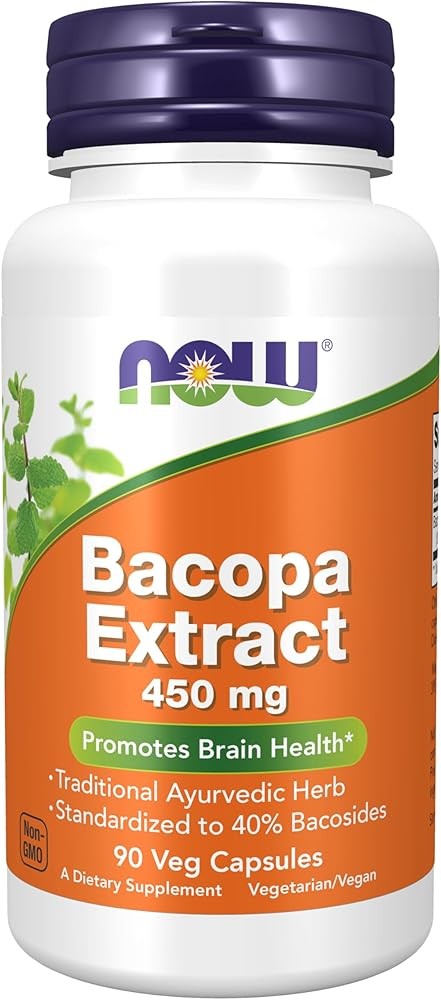
NOW Foods Supplements, Bacopa Extract (Bacopa monnieri) 450 mg, Promotes Brain Health*, 90 Veg Capsules
Check Price on AmazonAs an Amazon Associate we earn from qualifying purchases.
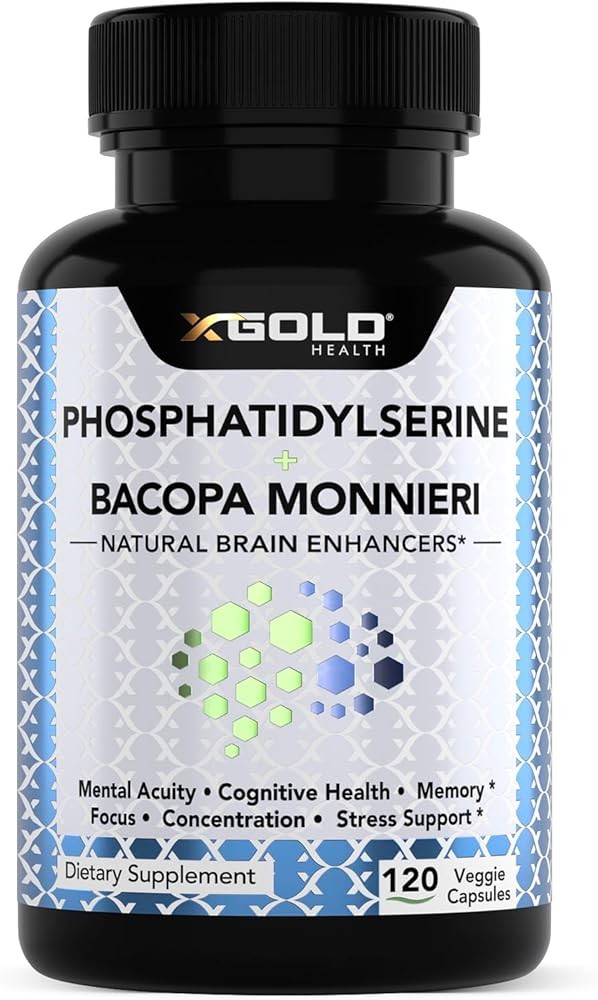
PhosphatidylSerine & Bacopa Monnieri 800 mg 2 in 1 Supplement - Natural Brain Enhancer/Nootropic for Enhanced Focus a...
Check Price on AmazonAs an Amazon Associate we earn from qualifying purchases.
Your brain processes millions of pieces of information every day, from remembering where you parked your car to solving complex problems at work. But what happens when those mental processes start to slow down? When names slip your mind, focus becomes harder to maintain, or learning new skills feels more challenging than it used to? These cognitive shifts aren’t just frustrating—they’re signals that your brain needs support.
Enter Bacopa monnieri, an ancient Ayurvedic herb that has been used for over 3,000 years to enhance memory and cognitive function. This small, creeping plant with white flowers might look unassuming, but research reveals it contains powerful compounds called bacosides that can fundamentally improve how your brain stores information, processes data, and maintains mental clarity.
Unlike stimulants that provide a temporary mental boost followed by a crash, Bacopa works gradually to strengthen the underlying neural architecture that supports cognition. Clinical studies show it enhances both working memory and long-term recall, speeds up information processing, reduces anxiety that interferes with clear thinking, and may even protect your brain from age-related cognitive decline.
This comprehensive guide examines the science-backed benefits of Bacopa monnieri, from its mechanism of action at the cellular level to practical guidance on dosage, timing, and product selection. Whether you’re a student looking to enhance learning capacity, a professional seeking sharper focus, or someone concerned about maintaining cognitive function as you age, understanding how Bacopa monnieri works can help you make informed decisions about supporting your brain health.
📱 Join the discussion: Facebook | X | YouTube | Pinterest
What is Bacopa Monnieri and Where Does It Come From?
Bacopa monnieri, also known as Brahmi, water hyssop, or Indian pennywort, is a perennial creeping herb that grows in wetlands throughout India, Southeast Asia, and parts of Australia. In traditional Ayurvedic medicine, it has been classified as a “medhya rasayana”—a class of herbs specifically used to enhance mental function, improve memory, and promote longevity (PubMed 23788517).
The plant itself features small, oblong leaves arranged oppositely along the stem and produces small white or light purple flowers. While the entire plant has been used medicinally, modern extracts typically focus on the aerial parts (leaves and stems) where the highest concentrations of active compounds are found.
What Are the Active Compounds in Bacopa Monnieri?
The cognitive-enhancing effects of Bacopa monnieri are primarily attributed to a class of triterpenoid saponins called bacosides. The two most studied and abundant bacosides are bacoside A and bacoside B, though the plant contains several other related compounds including bacopasides I-XII and bacosaponins.
Bacosides exert their effects through multiple mechanisms:
Protein synthesis enhancement: Bacosides increase protein kinase activity in the hippocampus, the brain region critical for forming new memories. This enhanced protein synthesis supports the formation and strengthening of synaptic connections—the physical basis of learning and memory (PubMed 11498727).
Neurotransmitter modulation: These compounds influence several neurotransmitter systems, particularly acetylcholine (crucial for memory and learning), serotonin (involved in mood regulation), and GABA (the brain’s primary calming neurotransmitter). This multi-system approach helps explain Bacopa’s diverse cognitive and anxiolytic effects (PubMed 24252493).
Antioxidant properties: Bacosides demonstrate significant antioxidant activity, helping protect neurons from oxidative stress caused by free radicals. This neuroprotective effect may be particularly important for supporting brain health during aging.
Cerebral blood flow improvement: Some research suggests bacosides may enhance blood flow to the brain, ensuring adequate delivery of oxygen and nutrients to support optimal neural function.
Why Does Bacoside Standardization Matter?
When selecting a Bacopa monnieri supplement, standardization is crucial. Products are typically standardized to contain between 20-55% bacosides, with higher percentages generally considered more potent. A supplement standardized to 50% bacosides contains twice the active compounds per milligram compared to one standardized to 25%.
This standardization ensures consistency and predictability in effects. Without standardization, bacosides content can vary dramatically between batches based on growing conditions, harvest timing, and extraction methods. Clinical research typically uses extracts standardized to specific bacoside percentages, so choosing similarly standardized products helps ensure you’re getting research-backed doses.
The extraction process also matters. Most quality extracts use water or ethanol extraction methods that preserve the full spectrum of bacosides and related compounds, which may work synergistically for optimal effects.
Bottom line: Bacopa monnieri contains bacosides A and B (triterpenoid saponins) that enhance protein synthesis in the hippocampus, modulate neurotransmitters, and provide antioxidant protection—choose supplements standardized to 45-55% bacosides for consistent, research-backed effects.
How Does Bacopa Monnieri Improve Memory and Recall?
Memory isn’t a single function but rather a complex system involving multiple processes: encoding new information, consolidating it for storage, and retrieving it when needed. Bacopa monnieri has been shown to enhance multiple aspects of this memory system through both immediate working memory improvements and long-term memory consolidation.
How Does Bacopa Improve Working Memory?
Working memory—your brain’s ability to temporarily hold and manipulate information—is essential for reasoning, problem-solving, and comprehension. It’s what allows you to remember a phone number long enough to dial it, follow multi-step instructions, or keep track of multiple variables when solving a complex problem.
A landmark 2001 study published in Phytotherapy Research examined the effects of chronic Bacopa monnieri supplementation on cognitive performance in healthy adults (PubMed 11498727). Participants received 300 mg of Bacopa extract daily for 12 weeks. Results showed significant improvements on the Stroop test (which measures attention, processing speed, and executive function) and working memory tasks compared to placebo (PubMed 18611150).
Specifically, participants taking Bacopa demonstrated:
- Faster information processing: Reduced reaction times on cognitive tasks requiring rapid decision-making
- Enhanced attention span: Better ability to maintain focus on demanding mental tasks
- Improved accuracy: Fewer errors on complex working memory tasks involving manipulation of information
The working memory benefits appeared to increase over time, with the most significant improvements observed after 12 weeks of supplementation. This suggests Bacopa’s effects are cumulative rather than immediate—it’s building and strengthening neural pathways rather than providing temporary stimulation.
How Does Bacopa Enhance Long-Term Memory?
While working memory improvements are impressive, Bacopa’s effects on long-term memory consolidation may be even more significant. Long-term memory involves transferring information from temporary storage into more permanent neural structures, primarily in the hippocampus and related brain regions.
Research analyzing Bacopa monnieri’s effects on attention and processing speed in healthy individuals has revealed that Bacopa supplementation consistently improved measures of learning and memory consolidation across multiple studies (PubMed 18611150).
A key 2002 study published in Neuropsychopharmacology specifically examined Bacopa’s chronic effects on human memory (PubMed 12093601). This double-blind, placebo-controlled trial had participants take 300 mg of Bacopa extract daily for 12 weeks. The study employed a comprehensive battery of memory tests including:
- Logical memory test: Remembering and recalling story information
- Paired-associate learning: Forming associations between unrelated word pairs
- Visual reproduction: Drawing complex figures from memory after brief exposure
Results showed significant improvements in the Bacopa group for:
- Learning rate: Participants taking Bacopa learned new information faster
- Memory consolidation: Better retention of information after delays
- Delayed recall: Superior ability to remember information after longer time periods
Importantly, these improvements were most pronounced for information that required deeper processing and understanding rather than simple rote memorization. This suggests Bacopa enhances the quality of memory encoding, creating stronger, more resilient memory traces.
The mechanism behind these memory improvements involves Bacopa’s effects on hippocampal neurons. Research shows bacosides enhance dendritic branching and synaptic density in the hippocampus—physically increasing the brain’s capacity to form and store memories (PubMed 20590480). Additionally, by modulating acetylcholine activity, Bacopa supports the neurotransmitter system most directly involved in memory formation.
Bottom line: Clinical trials show 300 mg daily of Bacopa extract (standardized to bacosides) improves working memory processing speed by reducing reaction times and enhances long-term memory consolidation, with peak effects at 12 weeks of continuous supplementation.
Can Bacopa Monnieri Enhance Overall Cognitive Function?
Beyond memory specifically, Bacopa monnieri appears to enhance several aspects of general cognitive function including processing speed, learning capacity, and executive function. These improvements reflect Bacopa’s broad effects across multiple brain systems and regions.
How Does Bacopa Improve Processing Speed?
Processing speed—how quickly your brain can take in information, make sense of it, and respond—underlies many aspects of cognitive performance. Faster processing speed means you can read and comprehend more quickly, solve problems more efficiently, and react more rapidly to changing situations.
Research examining Bacopa’s cognitive-enhancing effects with particular attention to cholinergic system modulation has demonstrated that Bacopa supplementation improves:
- Visual information processing: Faster recognition and interpretation of visual stimuli
- Auditory processing: Quicker comprehension of spoken information
- Decision-making speed: Reduced time to evaluate options and make choices
These processing speed improvements appeared linked to Bacopa’s effects on acetylcholine, a neurotransmitter crucial for rapid information transfer between neurons. By enhancing cholinergic activity, Bacopa essentially increases the speed at which neural signals travel through cognitive networks.
Interestingly, processing speed improvements occurred without sacrificing accuracy—participants became faster without becoming more error-prone. This suggests Bacopa is genuinely enhancing cognitive efficiency rather than simply increasing impulsive responding.
How Does Bacopa Enhance Learning Capacity?
Learning—the process of acquiring new knowledge and skills—depends on multiple cognitive systems working together: attention to focus on relevant information, working memory to hold and manipulate it, and long-term memory to consolidate and store it permanently.
Research consistently shows Bacopa enhances multiple aspects of the learning process (PubMed 22700087):
Attention and concentration: Several studies report Bacopa improves sustained attention—the ability to maintain focus on a task over extended periods. This is crucial for effective learning, as distractions and mind-wandering significantly impair information acquisition.
Cognitive flexibility: Some research suggests Bacopa enhances the ability to shift between different tasks or mental sets, an aspect of executive function important for learning complex, multi-faceted material.
Information integration: Beyond simple memorization, effective learning requires integrating new information with existing knowledge. Bacopa appears to support these higher-order cognitive processes, helping learners build comprehensive understanding rather than isolated facts.
A practical implication: students and lifelong learners may find Bacopa particularly valuable for acquiring complex information that requires sustained focus and deep processing. The herb seems especially effective for learning that demands understanding and integration rather than simple memorization.
Bottom line: Bacopa enhances processing speed by increasing acetylcholine activity, improving visual and auditory information processing while maintaining accuracy—studies show significant improvements on the Stroop test and working memory tasks after 12 weeks of 300 mg daily supplementation.
How Does Bacopa Monnieri Reduce Anxiety and Stress?
While Bacopa is best known for cognitive enhancement, its anxiety-reducing properties are equally important—particularly because anxiety itself significantly impairs cognitive function. The relationship between anxiety and cognition is bidirectional: anxiety disrupts focus, memory, and clear thinking, while cognitive enhancement can reduce the stress of mental challenges.
How Does Bacopa Relieve Stress and Anxiety?
Chronic stress and anxiety don’t just feel unpleasant—they actively damage brain function. Elevated cortisol (the primary stress hormone) can impair hippocampal function, disrupt working memory, and interfere with the consolidation of new information into long-term memory. Reducing anxiety isn’t just about feeling calmer; it’s about removing cognitive interference.
Multiple controlled studies have confirmed Bacopa’s anxiolytic (anxiety-reducing) properties, with participants reporting reduced subjective anxiety and decreased physiological stress markers.
In controlled trials, participants taking Bacopa report:
- Reduced subjective anxiety: Lower scores on standardized anxiety questionnaires
- Decreased physiological stress markers: Reduced cortisol levels
- Improved stress resilience: Better ability to maintain cognitive performance under pressure
- Enhanced mood: Some studies report mild antidepressant effects
Importantly, these anxiety-reducing effects occur without the sedation or cognitive impairment often associated with anti-anxiety medications. Bacopa reduces anxiety while simultaneously enhancing cognitive function—a rare and valuable combination.
How Does Bacopa Modulate GABA for Calm and Focus?
The mechanism behind Bacopa’s anxiolytic effects involves modulation of GABA (gamma-aminobutyric acid), the brain’s primary inhibitory neurotransmitter. GABA acts like a brake pedal for neural activity, calming excessive neural firing and producing feelings of relaxation and calm.
Research suggests Bacopa may work through several GABA-related mechanisms:
GABA receptor sensitivity: Bacopa may enhance the brain’s sensitivity to GABA, meaning existing GABA becomes more effective at producing calming effects.
Glutamate modulation: By modulating glutamate (the brain’s primary excitatory neurotransmitter), Bacopa may shift the excitation-inhibition balance toward a calmer state.
Stress hormone regulation: Bacopa appears to modulate the hypothalamic-pituitary-adrenal (HPA) axis, which controls cortisol release, supporting balanced stress responses.
This GABA modulation has cognitive benefits beyond anxiety reduction. By regulating neural activation, Bacopa may help the brain maintain optimal arousal levels for cognitive performance—alert and focused without being overstimulated or anxious.
For people whose cognitive performance suffers under pressure—test anxiety, work stress, or high-stakes decision-making—Bacopa’s combined cognitive enhancement and anxiety reduction may be particularly valuable.
Bottom line: Bacopa reduces anxiety through GABA modulation and HPA axis regulation, lowering cortisol levels without causing sedation—controlled trials show participants taking 300 mg daily report reduced scores on standardized anxiety questionnaires and better cognitive performance under pressure.
Does Bacopa Monnieri Help with ADHD Symptoms?
Attention Deficit Hyperactivity Disorder (ADHD) involves persistent patterns of inattention, hyperactivity, and impulsivity that interfere with daily functioning. While stimulant medications remain the primary pharmaceutical approach, their side effects and concerns about long-term use have prompted interest in alternative approaches. Bacopa monnieri has emerged as a promising complementary option.
How Does Bacopa Improve Attention and Cognitive Function in ADHD?
Multiple clinical trials have investigated Bacopa’s effects in children and adolescents with ADHD, with several systematic reviews examining herbal medicine approaches for attention and behavioral symptoms.
A notable randomized clinical trial examined standardized Bacopa extract in children and adolescents with ADHD. Participants received either Bacopa extract (standardized to 20% bacosides) or placebo for 12 weeks.
Results showed significant improvements in the Bacopa group for:
Attention and focus: Better performance on sustained attention tasks requiring prolonged concentration
Restlessness reduction: Decreased hyperactive behavior as reported by parents and teachers
Impulse control: Improved ability to inhibit inappropriate responses and think before acting
Cognitive flexibility: Better ability to shift attention between tasks
Logical memory: Enhanced ability to remember and recall sequential information
The improvements were particularly pronounced in logical memory and sentence repetition—skills that require sustained attention and working memory. While Bacopa’s effects were generally milder than those of stimulant medications, it also produced fewer side effects and didn’t interfere with sleep or appetite.
The mechanism behind these ADHD benefits likely involves multiple pathways (PubMed 23320031):
Acetylcholine enhancement: By boosting cholinergic activity, Bacopa supports the attention systems often underactive in ADHD.
Dopamine modulation: Some research suggests Bacopa may influence dopamine pathways, which play a crucial role in attention and motivation.
Reduced neural noise: By modulating excessive neural activity, Bacopa may help improve signal-to-noise ratio in attention networks.
Anxiety reduction: Many individuals with ADHD also experience anxiety, which can worsen attention problems. Bacopa’s anxiolytic effects may indirectly improve focus.
It’s important to note that Bacopa should not replace standard ADHD approaches without medical supervision. However, it may be a valuable complementary approach or alternative for those who cannot tolerate stimulant medications or prefer a more natural option. The 4-12 week timeframe for effects means patience is required—Bacopa is not a quick fix but rather a gradual cognitive support.
Bottom line: Studies in children with ADHD show Bacopa extract (standardized to 20% bacosides) significantly improves attention, impulse control, and logical memory after 12 weeks, with milder effects than stimulant medications but fewer side effects and no impact on sleep or appetite.
Can Bacopa Monnieri Protect Your Brain from Aging?
Perhaps one of Bacopa monnieri’s most significant long-term benefits is its potential to protect the brain from age-related cognitive decline. While many cognitive enhancers provide temporary performance boosts, Bacopa appears to support the underlying health and resilience of neural tissue itself.
How Do Bacopa’s Antioxidant and Anti-Inflammatory Effects Protect the Brain?
Brain aging doesn’t happen overnight—it’s a gradual process involving accumulated oxidative damage, chronic low-grade inflammation, and progressive loss of synaptic connections. These processes accelerate cognitive decline and increase risk for neurodegenerative diseases like Alzheimer’s and Parkinson’s.
Research has demonstrated Bacopa’s significant antioxidant and anti-inflammatory effects (PubMed 18611150), showing that Bacopa:
Reduces oxidative stress: Bacosides act as potent antioxidants, neutralizing free radicals that damage cellular structures including DNA, proteins, and lipid membranes. The brain is particularly vulnerable to oxidative damage due to its high metabolic rate and lipid content.
Enhances endogenous antioxidant systems: Beyond direct antioxidant effects, Bacopa upregulates the brain’s own protective mechanisms, including glutathione, superoxide dismutase, and catalase—the body’s primary antioxidant defense systems.
Reduces neuroinflammation: Chronic inflammation in the brain (neuroinflammation) contributes to cognitive decline and neurodegeneration. Bacopa has been shown to reduce inflammatory markers including TNF-alpha, IL-6, and NF-kappa B—key mediators of brain inflammation.
Protects against specific toxins: Laboratory studies show Bacopa protects neurons from damage by various toxins including aluminum (linked to Alzheimer’s disease), cigarette smoke, and morphine. This suggests broad neuroprotective effects beyond just aging.
Can Bacopa Support Brain Health as You Age?
The practical implications of these neuroprotective effects are profound. While Bacopa won’t improve existing neurodegenerative disease, regular use may help support brain health during normal aging.
Studies in older adults show Bacopa supplementation can:
Support memory function: Older adults taking Bacopa maintain memory function better than those taking placebo over periods of several months.
Preserve processing speed: Age-related slowing of information processing appears reduced with Bacopa supplementation.
Maintain learning capacity: The ability to learn new information, which typically declines with age, may be better preserved with Bacopa.
Support brain structure: Some animal studies suggest Bacopa may help maintain dendritic density and synaptic numbers, potentially preserving the physical infrastructure of cognition.
Pilot studies examining Bacopa in older adults with mild cognitive impairment have shown improvements in memory and cognitive function, suggesting potential value even in those already experiencing age-related decline (PubMed 18683852).
The key insight: Bacopa’s neuroprotective effects work best when used proactively rather than reactively. Starting supplementation in midlife, before significant cognitive decline occurs, may offer the greatest long-term benefit. Think of it as supporting ongoing brain health rather than addressing existing problems.
Bottom line: Bacopa’s antioxidant and anti-inflammatory effects upregulate endogenous antioxidant systems including glutathione, superoxide dismutase, and catalase—research shows it reduces inflammatory markers (TNF-alpha, IL-6, NF-kappa B) and protects neurons from oxidative damage when taken at 300-450 mg daily.
How Does Bacopa Monnieri Enhance Brain Cell Communication?
At the cellular level, cognition depends on communication between neurons through chemical messengers called neurotransmitters. Among these, acetylcholine plays an especially crucial role in attention, learning, and memory. Understanding how Bacopa modulates synaptic communication helps explain its broad cognitive effects.
How Does Bacopa Enhance Synaptic Communication?
Extensive research examining nootropic plants and their mechanisms of action has highlighted Bacopa’s effects on synaptic plasticity—the brain’s ability to strengthen or weaken connections between neurons based on experience (PubMed 22747190).
Synaptic plasticity is the physical basis of learning and memory. When you learn something new, specific synaptic connections strengthen (through processes called long-term potentiation) while others weaken. This reshaping of neural networks is how experiences become memories and how skills become automatic.
Bacopa enhances synaptic communication through several mechanisms:
Increased dendritic length and branching: Dendrites are the branch-like structures that receive signals from other neurons. Research shows Bacopa increases both the length and branching complexity of dendrites, physically expanding neurons’ capacity to form connections with other cells.
Enhanced dendritic spine density: Dendritic spines are tiny protrusions where synapses form. More spines mean more potential synaptic connections. Bacopa has been shown to increase spine density in the hippocampus and cortex (PubMed 24252493).
Improved neurotransmitter release: Bacopa appears to enhance the release of neurotransmitters at synapses, making neural communication more efficient and reliable.
Enhanced protein synthesis: Memory consolidation requires synthesis of new proteins to strengthen synaptic connections. Bacopa increases protein kinase activity, supporting the biochemical processes underlying learning.
These structural and functional changes explain why Bacopa’s effects are cumulative—it’s literally building enhanced neural infrastructure over time rather than providing temporary stimulation.
How Does Bacopa Modulate Acetylcholine for Better Cognition?
Acetylcholine is often called the “learning neurotransmitter” due to its critical role in attention, encoding new information, and memory consolidation. Many cognitive enhancers work primarily or partially through cholinergic mechanisms.
Research shows Bacopa modulates acetylcholine activity through multiple pathways:
Acetylcholinesterase inhibition: Acetylcholinesterase is the enzyme that breaks down acetylcholine after it’s released. By moderately inhibiting this enzyme, Bacopa allows acetylcholine to remain active in synapses longer, enhancing its cognitive effects.
Choline acetyltransferase enhancement: This enzyme is responsible for synthesizing new acetylcholine. Some research suggests Bacopa increases its activity, supporting acetylcholine production.
Receptor sensitivity: Bacopa may enhance the sensitivity of acetylcholine receptors, making neurons more responsive to existing acetylcholine.
The cholinergic effects have practical implications:
-
Memory formation: Acetylcholine is crucial during the encoding phase of memory formation—when you’re first learning information. Enhanced cholinergic activity supports stronger initial memory traces.
-
Attention and focus: Acetylcholine helps the brain filter relevant from irrelevant information and maintain sustained attention on tasks.
-
Learning consolidation: During sleep, acetylcholine plays a role in consolidating memories from temporary to permanent storage.
For people experiencing age-related cognitive decline, the cholinergic benefits may be particularly valuable, as acetylcholine levels naturally decline with age.
Bottom line: Bacopa enhances synaptic plasticity by increasing dendritic branching and spine density while modulating acetylcholine through acetylcholinesterase inhibition—research shows these structural and neurochemical changes support long-term potentiation and memory consolidation at 300-450 mg daily doses.
What Signs Indicate You Need Cognitive Support?
Recognizing when your brain needs support is crucial for maintaining cognitive health. While occasional forgetfulness is normal, persistent patterns of cognitive decline warrant attention and may benefit from evidence-based support like Bacopa monnieri.
What Are the Signs of Memory Decline?
Memory problems manifest in various ways, from minor annoyances to significant functional impairment. Early recognition allows for proactive intervention.
Common signs include:
- Frequently forgetting recent conversations or events
- Repeatedly asking the same questions
- Increasing reliance on memory aids (lists, reminders, notes)
- Difficulty recalling names of familiar people or objects
- Forgetting appointments or commitments
- Losing track of items regularly (keys, phone, wallet)
- Struggling to remember what you just read
- Difficulty learning new information or procedures
Not all memory lapses indicate pathology. Stress, poor sleep, and multitasking can temporarily impair memory. However, persistent patterns, especially if worsening, deserve attention.
What Are the Warning Signs of Declining Cognitive Function?
Beyond memory specifically, broader cognitive function changes can indicate your brain needs support:
Processing speed changes: Taking longer to complete familiar tasks, difficulty keeping up with conversations, slower decision-making, or increased mental fatigue during routine cognitive activities.
Attention problems: Difficulty concentrating on tasks, increased distractibility, struggling to focus during meetings or while reading, or finding your mind wanders more than usual.
Executive function difficulties: Problems with planning and organization, difficulty managing multiple tasks simultaneously, increased impulsiveness, or struggling to solve problems that previously felt straightforward.
Language issues: Difficulty finding the right words (beyond normal tip-of-the-tongue experiences), trouble following complex conversations, or struggling to express thoughts clearly.
What Learning and Performance Changes Should You Watch For?
Changes in your ability to learn new information or maintain professional/academic performance can signal cognitive support needs:
- Struggling to learn new software, procedures, or skills
- Declining performance at work or school despite maintained effort
- Increased time required to complete learning tasks
- Difficulty retaining new information
- Needing multiple exposures to information that previously required less repetition
- Reduced mental stamina—tiring quickly during cognitively demanding activities
These changes become particularly relevant when they represent a departure from your baseline. A sudden or gradual decline from previous performance levels deserves more attention than stable, lifelong patterns.
What Emotional and Psychological Clues Point to Cognitive Decline?
The psychological impact of cognitive changes often appears before the cognitive changes become obvious to others:
Frustration and anxiety: Increasing frustration with mental tasks, anxiety about cognitive performance, or worry about memory problems can both result from and contribute to cognitive difficulties.
Avoidance behaviors: Withdrawing from mentally challenging activities, avoiding social situations where memory matters, or declining responsibilities requiring cognitive performance.
Mood changes: Depression often accompanies and worsens cognitive decline, while anxiety can significantly impair working memory and attention.
Loss of confidence: Reduced confidence in your mental abilities, second-guessing decisions, or excessive checking behaviors.
If you recognize multiple signs across these categories, particularly if they represent changes from your baseline function, consider:
-
Medical evaluation: Rule out treatable causes like thyroid problems, vitamin deficiencies, sleep disorders, or medication effects.
-
Lifestyle optimization: Ensure adequate sleep, regular exercise, stress management, and a brain-healthy diet.
-
Evidence-based supplementation: Consider supplements like Bacopa monnieri with research backing for cognitive support.
-
Cognitive training: Engage in challenging mental activities to build cognitive reserve.
The key principle: Early intervention is more effective than waiting for significant impairment. Proactive support for brain health offers better outcomes than reactive approaches.
Bottom line: Signs you may benefit from cognitive support include frequent memory lapses (forgetting conversations, appointments, or names), declining processing speed and attention, difficulty learning new information, reduced mental stamina, and emotional changes like increased cognitive anxiety or avoidance of mentally challenging tasks.
What is the Right Bacopa Monnieri Dosage and When Should You Take It?
Effective supplementation requires understanding not just whether to take Bacopa, but how much, when, and for how long. The research provides clear guidance on optimal dosing strategies.
What Is the Recommended Bacopa Dosage Range?
Dosage recommendations depend heavily on the bacoside standardization of your supplement:
For 45-55% bacoside extracts (most common high-quality products):
- Standard dose: 300-450 mg daily
- Most clinical research uses 300 mg daily
- Can be taken as single dose or split into two doses
- One capsule typically provides therapeutic dosing
For 20-25% bacoside extracts (budget options):
- Standard dose: 600-900 mg daily
- Requires 2-3 capsules daily typically
- Multiple clinical studies used these lower-standardization extracts successfully
- Cost savings may be offset by needing more capsules
General guidelines:
- Start with the lower end of the range (300 mg for high-standardization, 600 mg for low-standardization)
- Assess effects over 4-8 weeks before considering dose increases
- Maximum researched dose is approximately 450 mg daily for 50% standardized extracts
- Higher doses don’t necessarily produce better or faster effects
- Consistency matters more than high doses
Individual factors affecting dosage needs:
- Body weight (larger individuals may benefit from higher end of range)
- Baseline cognitive function (those with greater impairment may respond more noticeably)
- Age (older adults may benefit from consistent middle-range dosing)
- Concurrent medications or supplements affecting cognition
Should You Take Bacopa With or Without Food?
Bacosides are fat-soluble compounds, meaning they absorb better in the presence of dietary fat. This significantly impacts optimal timing.
Take Bacopa with food for several reasons:
Enhanced absorption: Fat-soluble compounds require dietary fat for optimal absorption. Taking Bacopa with a meal containing some fat improves bioavailability—meaning more of the bacosides actually enter your bloodstream and reach your brain.
Reduced digestive side effects: The most common side effects of Bacopa are gastrointestinal—nausea, stomach cramping, or upset stomach. These are significantly more likely when taking Bacopa on an empty stomach. Food buffers the digestive tract and reduces these effects.
Practical timing strategies:
- Take with breakfast or lunch if taking once daily
- If splitting dose, take with breakfast and dinner
- Doesn’t need to be a large meal—a snack with some fat content works
- Good meal pairings: eggs, nuts, avocado, full-fat yogurt, or any meal with healthy fats
What about morning vs. evening dosing?
Unlike stimulants, Bacopa doesn’t provide an immediate alertness boost, so timing is less critical than consistency. However:
- Morning/daytime: Most people take Bacopa in the morning or early afternoon
- Evening: Some people report mild sedation initially, though this typically resolves. If you experience this, try evening dosing.
- Anxiety benefits: For those using Bacopa primarily for anxiety reduction, evening dosing may support relaxation
The key: Pick a consistent time when you’ll remember to take it with food, and stick with that schedule. Consistency matters more than the specific time of day.
How Long Does It Take for Bacopa to Work?
Setting realistic expectations about Bacopa’s timeline is crucial for successful supplementation. Unlike caffeine or other acute cognitive enhancers, Bacopa’s effects emerge gradually.
Typical timeline for effects:
Week 1-2: Minimal noticeable effects for most people. Some individuals report mild anxiety reduction during this period. Possible mild digestive side effects or fatigue as your body adjusts.
Week 3-4: Subtle cognitive improvements may emerge. Memory and attention benefits typically begin around this point, though often not dramatic. Some people notice reduced anxiety or better stress resilience.
Week 4-8: Cognitive benefits become more apparent. Working memory, information processing, and learning improvements typically measurable by this point. Most people who will respond positively notice it within this window.
Week 8-12: Peak effects observed in clinical research. Memory consolidation, recall, and sustained attention benefits reach maximum. At 12 weeks, research shows the most consistent and substantial cognitive improvements.
Beyond 12 weeks: Effects appear to plateau rather than continuing to increase. Continued supplementation maintains benefits. Long-term use (months to years) may provide cumulative neuroprotective benefits that aren’t immediately measurable.
Important considerations:
Individual variation: Some people respond faster or slower. Genetics, baseline cognitive function, age, and overall health affect response time.
Subtle vs. dramatic: Effects are often subtle rather than dramatically obvious. You might notice:
- Tasks feeling slightly easier
- Better recall of names or information
- Less mental fatigue at day’s end
- Improved performance on cognitively demanding work
- Reduced anxiety in stressful situations
Consistency is essential: Missing doses or irregular supplementation disrupts the neuroplastic changes underlying Bacopa’s benefits. Daily, consistent use produces best results.
Trial period recommendation: Commit to at least 8-12 weeks before deciding if Bacopa works for you. Four weeks is minimum, but 12 weeks gives the most accurate assessment.
What if you don’t notice effects?
- Verify you’re taking research-backed doses of standardized extract
- Ensure you’re taking it with food for absorption
- Consider if baseline cognitive function affects noticeability (high-functioning individuals may notice less)
- Try objective measurements (memory tests, cognitive assessments) rather than relying solely on subjective perception
- Consult healthcare provider about potential medication interactions or health factors affecting response
Bottom line: For optimal Bacopa dosing, take 300-450 mg daily of 50% standardized extract (or 600-900 mg of 20-25% extract) with food containing fat for better absorption and reduced digestive side effects. Effects emerge gradually—subtle improvements at weeks 3-4, measurable benefits at weeks 4-8, and peak cognitive enhancement at 12 weeks of consistent daily use.
What Are the Best Bacopa Monnieri Supplements Available?
Selecting a quality Bacopa supplement involves evaluating several factors: bacoside standardization, third-party testing, additional ingredients, and value. Here are eight high-quality Bacopa products available on Amazon representing different formats and formulations:
1. Why Choose Standardized Bacopa Extract Capsules (50% Bacosides)?
High-potency capsules standardized to 50% bacosides represent the gold standard for Bacopa supplementation. Look for products offering 300-450 mg per capsule, allowing for research-backed dosing with a single daily capsule.
Key features to look for:
- 300-450 mg per capsule
- Standardized to 45-50% bacosides
- Third-party tested for purity
- Free from unnecessary fillers
- Vegetarian/vegan capsules
This format provides the most convenient and reliable way to get therapeutic doses. The high standardization means smaller pills and fewer capsules needed daily.
2. Does Black Pepper Extract (Piperine) Improve Bacopa Absorption?
Some formulations include black pepper extract (piperine), which may enhance absorption of certain compounds. While specific research on piperine improving bacoside absorption is limited, the combination is theoretically sound and widely used.
Benefits of this combination:
- Potentially enhanced bioavailability
- May achieve effects at lower doses
- Black pepper extract generally well-tolerated
Consider this option if you’ve found standard Bacopa less effective or want to maximize absorption. However, piperine can also increase absorption of medications, so consult your healthcare provider if taking other drugs.
3. Is Bacopa Powder a Good Option for Cost-Effective Dosing?
For those who prefer powder formats or want the most economical option, bulk Bacopa powder offers flexibility in dosing and use. Quality powders should still specify bacoside standardization.
Advantages of powder format:
- Most cost-effective option
- Flexible dosing
- Can be added to smoothies, beverages, or food
- Easier to swallow for those who struggle with capsules
Disadvantages:
- Bitter taste (Bacopa has a distinctive, somewhat unpleasant flavor)
- Less convenient than capsules
- Requires measuring for accurate dosing
If choosing powder, consider mixing with strongly flavored beverages or foods to mask the taste. Start with a small amount to assess tolerance for the flavor.
4. Should You Take Bacopa in a Nootropic Stack?
Some products combine Bacopa with complementary nootropic compounds like L-theanine, rhodiola, or ginkgo biloba. These combinations aim to provide synergistic cognitive benefits.
Common complementary ingredients:
- L-theanine: Promotes calm focus, may reduce any anxiety from other stimulating compounds
- Rhodiola rosea: Adaptogen supporting stress resilience and mental energy
- Ginkgo biloba: May enhance cerebral blood flow
- Lion’s mane mushroom: Supports neurogenesis and nerve growth factor
Advantages:
- Convenient single supplement for multiple nootropics
- Potentially synergistic effects
- May address multiple aspects of cognitive function
Disadvantages:
- Harder to identify which ingredient is producing which effect
- May contain suboptimal doses of individual ingredients
- More expensive than single-ingredient supplements
Choose stacks carefully—ensure they contain research-backed doses of each ingredient, not just token amounts for label appeal.
Bottom line: High-quality Bacopa supplements include standardized extracts (45-55% bacosides), formulations with black pepper extract for enhanced absorption, bulk powder for cost-effectiveness, nootropic stacks with complementary ingredients, liquid extracts for faster absorption, and products combining extract with whole herb for full-spectrum benefits.
5. Is a Bacopa Liquid Extract (Tincture) Better Absorbed?
Liquid extracts offer rapid absorption and flexible dosing. Quality tinctures are alcohol-based extracts concentrated to deliver therapeutic doses in small volumes (typically 1-2 mL).
Benefits of liquid format:
- Faster absorption than capsules
- Flexible dosing (easy to adjust by drops)
- May be easier for some people to take
- Typically includes absorption-enhancing alcohol extraction
Considerations:
- Contains alcohol (usually 20-30% by volume)
- Strong flavor may be unpleasant
- Requires measuring (dropper included)
- May be less convenient for travel
Liquid extracts are particularly useful for people who have difficulty with capsules or prefer sublingual (under the tongue) administration for potentially faster effects.
6. Can You Get Enough Bacopa from Tea Bags?
While less concentrated than extracts, Bacopa tea offers a traditional and gentle way to consume the herb. Quality tea bags contain cut and sifted Bacopa herb, though usually not standardized for bacoside content.
Characteristics of Bacopa tea:
- Gentlest, most traditional format
- Lower and more variable bacoside content
- May require multiple cups daily for therapeutic effects
- Offers relaxing ritual of tea preparation and consumption
This format is best for:
- Those sensitive to concentrated supplements
- People who enjoy herbal tea rituals
- Complementing higher-dose extract supplementation
- Evening use (the warm beverage and ritual may enhance relaxation)
Don’t rely on tea alone for significant cognitive enhancement—the bacoside dose is likely insufficient. Consider it a complement to standardized extracts or a gentle introduction to Bacopa.
7. Are Lower-Standardization Bacopa Capsules (20-25%) Worth It?
More budget-friendly options often use lower standardization (20-25% bacosides). These are still effective but require larger doses—typically 600-750 mg daily instead of 300 mg for 50% standardized extracts.
Considerations:
- Usually less expensive per bottle
- Requires 2-3 capsules daily instead of 1
- Backed by clinical research (many studies used 20-25% extracts)
- Good option if budget is a primary concern
When comparing prices, calculate cost per milligram of actual bacosides rather than per capsule. Sometimes “cheaper” products cost more for the same amount of active compounds.
8. Does Combining Whole Herb with Extract Offer Better Results?
Some products include both concentrated extract and whole Bacopa herb powder, aiming to provide both standardized bacosides and the full spectrum of compounds present in the plant.
Theoretical advantages:
- Full-spectrum approach may capture beneficial compounds not isolated in extracts
- Synergistic effects between known and unknown phytochemicals
- More closely mimics traditional preparation methods
Practical considerations:
- Less research on combination products specifically
- May require larger capsules due to both extract and herb powder
- Typically more expensive than extract-only products
- Difficult to determine optimal dosing when using combinations
This approach appeals to those who prefer whole-plant medicine philosophies, though extract-only products have more direct research support.
What Are the Key Factors for Selecting Your Bacopa Product?
When evaluating Bacopa supplements, prioritize:
1. Bacoside standardization: Look for 45-55% for convenience, or 20-25% if budget is primary concern. Avoid products without standardization information.
2. Third-party testing: Quality products undergo testing by independent labs (USP, NSF, ConsumerLab) for purity and accurate labeling.
3. Dosage per serving: Ensure the product provides research-backed doses—300-450 mg for 50% extracts or 600-900 mg for 20-25% extracts.
4. Additional ingredients: Evaluate whether additional compounds (piperine, other nootropics) are desirable or potentially problematic based on your needs and medications.
5. Manufacturing practices: Look for GMP (Good Manufacturing Practices) certification ensuring quality control.
6. Company reputation: Established supplement companies with track records for quality and transparency are preferable to unknown brands.
7. Value: Calculate cost per milligram of bacosides, not just per bottle. A more expensive product may actually be more economical if it provides more active compounds per dollar.
8. Format preference: Choose capsules for convenience, powder for economy and flexibility, or liquid for faster absorption based on your priorities.
Red flags to avoid:
- No standardization information
- Proprietary blends without ingredient amounts
- Unrealistic claims about immediate effects
- No third-party testing
- Extremely low prices (often indicates weak extract or quality issues)
Bottom line: When selecting Bacopa supplements, prioritize products standardized to 45-55% bacosides providing 300-450 mg per serving with third-party testing (USP, NSF, or ConsumerLab verification), GMP manufacturing, and clear dosing information—avoid proprietary blends and products without standardization data.
Is Bacopa Monnieri Safe and What Are the Side Effects?
Understanding Bacopa’s safety profile helps set realistic expectations and allows for informed risk-benefit assessment. While generally well-tolerated, no supplement is without potential side effects or contraindications.
How Safe Is Bacopa Monnieri Overall?
Bacopa has been used in Ayurvedic medicine for thousands of years, and modern clinical trials have established a favorable safety profile for standardized extracts.
Overall safety assessment:
Short-term use (up to 12 weeks): Extensively studied in clinical trials with consistently low rates of serious adverse events. Most participants tolerate Bacopa well with no or mild side effects.
Long-term use (months to years): Less extensively studied but available evidence suggests continued safety. Traditional use over millennia without widespread toxicity reports supports long-term safety, though modern standardized extracts differ from traditional preparations.
Safety in various populations: Most research focuses on healthy adults and children with ADHD. Limited data exists for:
- Pregnant or breastfeeding women (generally advised to avoid)
- People with thyroid disorders (requires monitoring)
- Those with certain medical conditions or taking specific medications
Toxicity studies: Animal research suggests Bacopa has low acute toxicity. Extremely high doses (far beyond typical supplementation) are required to produce toxicity in laboratory animals.
Key safety principles:
- Use standardized products from reputable manufacturers
- Follow dosing guidelines (more isn’t better)
- Start with lower doses and increase gradually
- Take with food to minimize digestive side effects
- Monitor for individual reactions
- Consult healthcare provider before starting, especially if you have health conditions or take medications
What Are the Most Common Side Effects of Bacopa?
While most people tolerate Bacopa well, some experience mild side effects, particularly when starting supplementation or taking it without food.
Gastrointestinal effects (most common):
- Nausea
- Stomach cramping or discomfort
- Increased bowel movements
- Diarrhea
- Bloating or gas
These digestive effects are typically mild and can be minimized or eliminated by:
- Taking Bacopa with food
- Starting with half the intended dose for 1-2 weeks
- Splitting the daily dose into two smaller doses
- Ensuring adequate hydration
Most digestive side effects resolve within 1-2 weeks as your body adjusts.
Fatigue or sedation: Some people report feeling mildly tired or sedated when first starting Bacopa. This effect typically:
- Appears during the first 1-2 weeks
- Is usually mild
- Resolves as your body adjusts
- Can be managed by taking Bacopa in the evening rather than morning
This sedative effect might actually be beneficial for those with anxiety or sleep difficulties, though it’s generally not desirable for people seeking cognitive enhancement during daytime activities.
Dry mouth: Occasional reports of dry mouth or throat, though less common than digestive effects. Staying well-hydrated typically resolves this.
Rare side effects:
- Headache
- Skin reactions (very rare)
- Allergic reactions (extremely rare but possible with any herbal supplement)
Factors affecting side effect likelihood:
- Taking on empty stomach (increases digestive side effects)
- Higher doses (more likely to produce side effects)
- Individual sensitivity
- Product quality (contaminants or additives may cause reactions)
Most side effects are mild, transient, and manageable through dosing strategies. Serious adverse events are rare in clinical trials.
When to discontinue Bacopa:
- Severe or persistent digestive problems despite mitigation strategies
- Allergic reaction symptoms (rash, itching, swelling, difficulty breathing)
- Worsening mood or cognitive function
- Any concerning symptoms that develop after starting Bacopa
If you experience significant side effects, discontinue use and consult a healthcare provider.
Can Bacopa Affect Your Thyroid Function?
One area requiring particular attention is Bacopa’s potential effects on thyroid hormones. This is the most significant safety consideration for long-term use.
What research shows about Bacopa and thyroid:
Animal studies have demonstrated that Bacopa can increase levels of T4 (thyroxine) thyroid hormone while decreasing T3 (triiodothyronine). The clinical significance of this in humans isn’t fully understood, as most human trials haven’t systematically measured thyroid function.
Potential mechanisms:
- Bacopa may stimulate thyroid hormone production
- It might affect conversion between T4 and T3
- Could influence thyroid-stimulating hormone (TSH) levels
What this means for supplementation:
If you have hypothyroidism (underactive thyroid):
- Bacopa might potentially be beneficial by increasing thyroid activity
- However, it could complicate medication management
- Regular monitoring of thyroid levels is essential
- Dosage adjustments to thyroid medication may be necessary
- Consult your healthcare provider before starting Bacopa
If you have hyperthyroidism (overactive thyroid):
- Bacopa could theoretically worsen hyperthyroidism
- Generally advised to avoid Bacopa or use only with medical supervision
- Risk likely outweighs benefits for this population
If you have normal thyroid function:
- Limited evidence suggests significant problems are unlikely
- Long-term use may warrant occasional thyroid function monitoring
- Consider baseline and periodic (annual) thyroid testing if using Bacopa long-term
Practical recommendations:
- If you have known thyroid issues, discuss Bacopa with your healthcare provider before starting
- If taking thyroid medication, Bacopa may affect your dosing needs—medical monitoring is essential
- If using Bacopa long-term (>6 months), consider periodic thyroid function testing
- Watch for symptoms of thyroid dysfunction:
- Hypothyroid: fatigue, weight gain, cold intolerance, constipation
- Hyperthyroid: anxiety, weight loss, heat intolerance, rapid heartbeat
- Don’t discontinue prescribed thyroid medication without medical guidance
The thyroid issue doesn’t mean Bacopa is unsafe, but it does require awareness and potential monitoring, particularly for those with existing thyroid conditions or using thyroid medications.
What Additional Precautions and Contraindications Should You Know?
Beyond thyroid considerations, several other situations warrant caution or preclude Bacopa use.
Medication interactions:
Cholinergic medications: Since Bacopa affects acetylcholine, it may interact with medications that also influence this neurotransmitter system, including Alzheimer’s drugs like donepezil.
Thyroid medications: As discussed, Bacopa may affect thyroid hormone levels, potentially requiring medication dose adjustments.
Sedatives and anti-anxiety medications: Bacopa’s mild sedative and anxiolytic effects may be additive with medications like benzodiazepines or sleep aids.
Anticholinergic medications: Theoretically, Bacopa’s pro-cholinergic effects might counteract medications that block acetylcholine.
Specific health conditions requiring caution:
Urinary tract obstruction or gastrointestinal obstruction: Bacopa may theoretically worsen these conditions through cholinergic effects.
Bradycardia (slow heart rate): Cholinergic effects might slow heart rate further.
Ulcers or GERD: May aggravate gastrointestinal conditions in some individuals.
Lung conditions: Very high doses might increase lung secretions (theoretical concern, not established in normal supplementation).
Surgery: Discontinue Bacopa at least 2 weeks before scheduled surgery, as it may affect anesthesia or other surgical medications.
Pregnancy and breastfeeding:
- Insufficient safety data exists
- Traditional Ayurvedic medicine generally avoided Bacopa during pregnancy
- Potential effects on fetal development unknown
- May affect hormones during breastfeeding
- Recommendation: Avoid Bacopa during pregnancy and breastfeeding unless specifically directed by healthcare provider
Children:
- Research shows Bacopa can be used safely in children for ADHD (typically ages 6-14)
- Doses typically lower than adult doses (225 mg daily in studies)
- Should only be used in children under medical supervision
- Most research focuses on ADHD, less data for cognitive enhancement in healthy children
Allergies:
- Possible to be allergic to Bacopa or other plants in the same family
- If you have known plant allergies, start with small test dose
- Discontinue if signs of allergic reaction develop
How Can You Ensure Bacopa Supplement Quality and Purity?
Safety depends not just on Bacopa itself but on the quality and purity of the specific product you choose. Supplement contamination or adulteration poses real risks.
Quality assurance indicators:
Third-party testing: Products tested by independent organizations (USP, NSF International, ConsumerLab) have verified purity and accurate labeling.
GMP certification: Good Manufacturing Practices certification indicates the manufacturer follows quality control standards.
Certificate of Analysis (COA): Reputable companies provide COAs showing testing results for each batch, including:
- Active ingredient content verification
- Heavy metal testing (lead, mercury, cadmium, arsenic)
- Microbial contamination testing
- Pesticide residue testing
Specific contaminant concerns in herbal supplements:
Heavy metals: Plants can absorb heavy metals from soil. Look for products tested to ensure levels below safety thresholds.
Pesticides: Non-organic Bacopa may contain pesticide residues. Organic certification reduces this risk.
Microbial contamination: Proper processing and testing should ensure no harmful bacteria or mold.
Adulteration: Some unscrupulous manufacturers add undisclosed ingredients or use inferior sources. Third-party testing helps protect against this.
Protecting yourself:
- Buy from established, reputable brands
- Look for third-party testing certification
- Verify standardization (specific bacoside percentage)
- Check for GMP certification
- Buy from reputable retailers (reduce risk of counterfeit products)
- Research company reputation and transparency
- Be wary of prices that seem too good to be true
- Avoid proprietary blends that don’t disclose ingredient amounts
Quality supplements cost more for good reason—testing, quality control, and premium ingredients increase production costs. The cheapest option is rarely the best choice for supplements.
How Should You Start Taking Bacopa Safely?
A thoughtful approach to starting Bacopa minimizes side effects and helps you assess individual response.
Recommended initiation protocol:
1. Consult healthcare provider (especially if you have health conditions, take medications, are pregnant/nursing, or have concerns)
2. Start with half dose:
- If your target is 300 mg, start with 150 mg for first 1-2 weeks
- Allows your body to adjust
- Helps identify any adverse reactions at lower dose
3. Take with food:
- Significantly reduces digestive side effects
- Enhances absorption
- Choose a meal with some fat content
4. Choose consistent timing:
- Same time each day for steady blood levels
- Morning or early afternoon for most people
- Evening if you experience daytime sedation
5. Monitor effects and side effects:
- Keep brief notes on cognitive effects and any side effects
- Helps determine if Bacopa is working for you
- Useful information if consulting healthcare provider
6. Increase to full dose after 1-2 weeks (if tolerating well)
7. Commit to 8-12 week trial:
- Necessary to assess true effects
- Effects are gradual, not immediate
- Shorter trials may miss benefits
8. Consider baseline and follow-up assessments:
- Online cognitive tests before starting and after 8-12 weeks
- Helps objectively measure effects
- Particularly useful if effects seem subtle
Red flags requiring discontinuation:
- Severe gastrointestinal distress
- Allergic reaction symptoms
- Significant worsening of mood or anxiety
- New symptoms that concern you
- Interactions with medications becoming apparent
Long-term considerations (if continuing beyond initial trial):
- Consider annual thyroid function testing
- Periodic reassessment of benefits (are you still getting value?)
- Evaluate need for periodic breaks vs. continuous use
- Monitor for any changes in health status that might affect safety
The vast majority of people tolerate Bacopa well and experience no significant adverse effects. The precautions outlined here help minimize already-low risks and ensure the safest possible supplementation experience.
Bottom line: Bacopa has a favorable safety profile with mostly mild, transient side effects including occasional digestive discomfort (reduced by taking with food), possible initial fatigue, and potential thyroid hormone effects requiring monitoring for those with thyroid conditions. Start with half your target dose for 1-2 weeks, take with food, and commit to 8-12 weeks to assess effectiveness while watching for interactions with cholinergic or thyroid medications.
What Else Should You Know About Bacopa Monnieri?
Beyond the core information about benefits, dosing, and safety, several common questions about Bacopa monnieri deserve detailed answers to help you make fully informed decisions.
Can Bacopa Monnieri improve memory in children?
Parents often wonder whether Bacopa can support cognitive function in children, either for general learning enhancement or specifically for attention and memory issues.
Research in children:
Most pediatric research focuses on children with ADHD rather than cognitive enhancement in typically-developing children. Studies in children with ADHD (ages 6-14) show:
- Improved attention and impulse control
- Enhanced working memory
- Better logical memory and learning
- Reduced hyperactivity and restlessness
Typical pediatric dosing (in research):
- 225 mg daily of extract standardized to 20% bacosides
- Lower than adult doses due to smaller body size
- Usually divided into two doses with meals
Safety considerations in children:
Children generally tolerate Bacopa well in clinical trials, with side effects similar to adults (primarily mild digestive issues). However:
- All pediatric use should be under healthcare provider supervision
- Thyroid monitoring particularly important during growth and development
- Long-term safety data in children is more limited than in adults
- Risk-benefit assessment differs for cognitive enhancement vs. ADHD support
Practical considerations:
For children with ADHD or other diagnosed attention/learning issues, Bacopa may be worth discussing with their healthcare provider, particularly if:
- Stimulant medications are contraindicated or poorly tolerated
- Family prefers to try non-pharmaceutical approaches first
- As complementary support alongside other interventions
For cognitive enhancement in typically-developing children, the risk-benefit calculation is less clear:
- Normal cognitive development may not benefit significantly
- Insufficient data specifically for this use case
- Other approaches (good sleep, nutrition, exercise, cognitive stimulation) are safer bets
- Could potentially be useful for children experiencing stress-related cognitive impacts (testing anxiety, academic pressure)
Bottom line for children: Under medical supervision, Bacopa shows promise for supporting attention and memory in children with ADHD using doses around 225 mg daily. For general cognitive enhancement in typically-developing children, evidence is limited, and other approaches to supporting brain health should be prioritized.
Is Bacopa Monnieri effective for depression symptoms?
Some research has explored Bacopa’s potential mood-enhancing effects, though it’s not primarily used as an antidepressant.
What research suggests:
Some clinical trials have noted mood improvements in participants taking Bacopa, including:
- Reduced scores on depression rating scales
- Improved subjective well-being
- Better mood stability
However, these effects are typically:
- Secondary outcomes rather than the primary focus of research
- Mild to moderate in magnitude
- Not consistent across all studies
Potential mechanisms for mood effects:
Anxiety reduction: Since anxiety and depression frequently co-occur, Bacopa’s anxiolytic effects may indirectly improve mood.
Cognitive improvement: Depression often includes cognitive symptoms (poor concentration, memory problems, mental fog). By improving cognitive function, Bacopa may reduce this aspect of depression.
Serotonin modulation: Some research suggests Bacopa affects serotonin neurotransmission, which plays a role in mood regulation.
Stress reduction: By lowering cortisol and improving stress resilience, Bacopa may reduce stress-related depressive symptoms.
Important limitations:
Bacopa is not a replacement for standard depression care. For clinical depression (major depressive disorder), evidence-based approaches include:
- Psychotherapy (particularly cognitive-behavioral therapy)
- Antidepressant medications when indicated
- Lifestyle modifications (exercise, sleep, social connection)
- Treatment by qualified mental health professionals
Potential role of Bacopa in mood:
Bacopa might be most appropriate for:
- Mild mood changes related to stress or anxiety
- Cognitive symptoms accompanying mood issues
- As complementary support alongside standard care (with provider approval)
- Individuals with sub-clinical mood concerns rather than major depression
Not appropriate as primary approach for:
- Moderate to severe depression
- Depression with suicidal thoughts
- First-line care for diagnosed depressive disorders
If you’re experiencing depressive symptoms, consult a healthcare provider for proper evaluation and evidence-based care. Bacopa might be a useful adjunct but shouldn’t replace standard approaches for clinically significant depression.
Bottom line: While some research shows mild mood improvements with Bacopa supplementation, effects are secondary to cognitive benefits and shouldn’t replace standard depression care. Bacopa may be most appropriate for mild stress-related mood changes or as complementary support with provider approval, not as primary approach for clinical depression.
Can Bacopa Monnieri cause headaches?
Headaches aren’t among the most commonly reported side effects in clinical trials, but some individuals do report them. Understanding why and how to address this helps determine if continuing Bacopa is appropriate.
Frequency of headaches with Bacopa:
Clinical trials typically don’t report headaches as a common adverse effect. When they occur, they’re usually:
- Mild in intensity
- Transient (resolving within days to weeks)
- More likely during the adjustment period
Possible reasons for Bacopa-related headaches:
Vascular effects: Bacopa may influence cerebral blood flow. Changes in blood vessel dilation or constriction could theoretically trigger headaches in susceptible individuals, similar to how some supplements or foods affect migraine-prone people.
Cholinergic effects: Excess acetylcholine activity can cause headaches in some people. Bacopa’s pro-cholinergic effects might trigger this in sensitive individuals.
Detoxification effects: Some proponents suggest headaches result from “detoxification,” though scientific support for this mechanism is weak.
Dehydration: Any supplement that affects kidney function or fluid balance might contribute to dehydration headaches if fluid intake isn’t adequate.
Tension headaches: If initial fatigue or drowsiness from Bacopa affects your normal routines (less exercise, different sleep patterns), tension headaches might result indirectly.
Nocebo effect: Expecting side effects can sometimes create them through psychological mechanisms.
Product quality issues: Contaminants or additives in low-quality products might cause headaches unrelated to Bacopa itself.
Strategies if you experience headaches with Bacopa:
-
Ensure adequate hydration: Drink more water, particularly when taking Bacopa
-
Reduce dose temporarily: Try half your current dose for a week, then gradually increase
-
Take with food: Even though primarily recommended for digestive issues, food might help with headaches too
-
Check timing: Try taking Bacopa at a different time of day
-
Evaluate product quality: Switch to a different brand with third-party testing to rule out contamination
-
Assess other factors: Consider whether other life changes (stress, sleep, diet, caffeine intake) might be contributing
-
Track patterns: Note when headaches occur relative to Bacopa dosing, helping identify if there’s a true connection
When headaches suggest discontinuation:
- Severe headaches that significantly impact daily function
- Headaches that persist despite mitigation strategies
- Worsening pattern rather than improving over time
- Accompanied by other concerning symptoms
Most people don’t experience headaches with Bacopa. If you do, it’s worth trying the strategies above, but persistent problems may indicate Bacopa isn’t a good fit for your individual biochemistry.
Bottom line: Headaches are not commonly reported in Bacopa clinical trials but occur occasionally in some users. If you experience headaches, try increasing hydration, reducing dose temporarily, taking with food, evaluating product quality, and tracking patterns. Severe or persistent headaches despite these strategies may indicate discontinuation is appropriate.
Is it safe to take Bacopa Monnieri with other medications?
Medication interactions are a crucial safety consideration for any supplement. Understanding potential interactions helps you make informed decisions with your healthcare provider.
Medications with potential interactions:
Cholinergic medications (Alzheimer’s drugs):
- Examples: Donepezil (Aricept), galantamine (Razadyne), rivastigmine (Exelon)
- Mechanism: Both Bacopa and these medications increase acetylcholine activity
- Potential interaction: Additive effects could lead to excessive cholinergic activity
- Symptoms of excess acetylcholine: Nausea, vomiting, diarrhea, increased salivation, sweating, slow heart rate
- Recommendation: Use Bacopa with these medications only under medical supervision; dosage adjustments may be necessary
Anticholinergic medications:
- Examples: Antihistamines (diphenhydramine), some antidepressants (amitriptyline), bladder control medications (oxybutynin)
- Mechanism: These drugs block acetylcholine; Bacopa increases it
- Potential interaction: Bacopa might reduce the effectiveness of anticholinergic medications
- Recommendation: Consult healthcare provider; spacing doses may help
Thyroid medications:
- Examples: Levothyroxine (Synthroid), liothyronine (Cytomel)
- Mechanism: Bacopa may affect thyroid hormone levels
- Potential interaction: Could necessitate thyroid medication dose adjustments
- Recommendation: Medical supervision essential; regular thyroid function monitoring; inform prescribing physician about Bacopa use
Sedatives and anti-anxiety medications:
- Examples: Benzodiazepines (lorazepam, diazepam, alprazolam), sleep aids (zolpidem), barbiturates
- Mechanism: Bacopa has mild GABAergic and sedative effects
- Potential interaction: Additive sedation or CNS depression
- Recommendation: Use caution; may need to adjust timing or doses; avoid alcohol
Antidepressants (theoretical):
- Examples: SSRIs, SNRIs, MAOIs, tricyclic antidepressants
- Mechanism: Bacopa affects serotonin and possibly other neurotransmitter systems
- Potential interaction: Theoretical risk of excessive serotonin (serotonin syndrome with MAOIs) or altered antidepressant effects
- Recommendation: Inform your healthcare provider; likely safe but monitoring advisable
Medications for slow heart rate:
- Examples: Beta blockers, calcium channel blockers, digoxin
- Mechanism: Cholinergic effects can slow heart rate
- Potential interaction: Additive bradycardia (excessively slow heart rate)
- Recommendation: Use with caution under medical supervision
Medications for ulcers or GERD:
- Examples: Proton pump inhibitors, H2 blockers
- Mechanism: Bacopa might increase stomach acid or gastrointestinal motility
- Potential interaction: Might counteract these medications or worsen underlying condition
- Recommendation: Monitor symptoms; take Bacopa with food
General principles for Bacopa and medications:
-
Inform all healthcare providers about Bacopa use, including doctors, pharmacists, and specialists
-
Start Bacopa at low doses if taking medications that might interact, carefully monitoring for any changes
-
Don’t adjust medication doses yourself—any changes should be made by prescribing physician
-
Watch for new symptoms when starting Bacopa if you take other medications
-
Time doses appropriately: Taking Bacopa and medications at different times of day might reduce interaction risk for some combinations
-
Regular monitoring: If taking medications with potential interactions, more frequent check-ins with healthcare provider may be warranted
-
Herb-drug interaction resources: Pharmacists can check databases for known and theoretical interactions
Medications generally considered low interaction risk:
Most medications don’t have significant known interactions with Bacopa. These likely include:
- Most antibiotics
- Pain relievers (NSAIDs, acetaminophen)
- Statins
- Blood pressure medications (though monitor if on heart rate slowing drugs)
- Diabetes medications
- Most vitamins and minerals
However, “low risk” doesn’t mean “no risk”—individual factors and combinations matter. Always inform healthcare providers about all supplements.
Bottom line: Bacopa may interact with cholinergic medications (Alzheimer’s drugs), thyroid medications, sedatives, anticholinergic drugs, and medications affecting heart rate. Always inform healthcare providers about Bacopa use, especially if taking these medications, and don’t adjust prescription doses without medical guidance. Most other medications likely have low interaction risk, but pharmacist review is advisable.
What happens if I take too much Bacopa Monnieri?
While Bacopa has low acute toxicity, understanding appropriate upper limits and what happens with excessive doses helps ensure safe supplementation.
Acute toxicity (single large dose):
Animal studies suggest Bacopa has very low acute toxicity—extremely large doses are required to cause serious harm in laboratory animals. However, human data on acute overdose is limited because it rarely occurs.
Likely acute overdose effects (based on Bacopa’s known actions):
- Severe gastrointestinal distress (nausea, vomiting, diarrhea, cramping)
- Excessive cholinergic effects (increased salivation, sweating, slow heart rate)
- Significant sedation or drowsiness
- Possible headache or dizziness
These effects would likely be unpleasant but not life-threatening in most people. However, individuals with certain health conditions (heart problems, respiratory issues) might experience more serious effects from excessive cholinergic activity.
Chronic excessive dosing (regularly taking too much):
Taking more than research-backed doses (more than 450 mg daily of 50% standardized extract or equivalent) doesn’t produce better or faster results. It just increases likelihood of:
- Side effects (digestive problems, fatigue, headaches)
- Thyroid function alterations
- Potential unknown effects from chronic excess exposure
What to do if you accidentally take too much:
-
Assess the amount: How much over your intended dose did you take?
-
Monitor symptoms: Watch for the effects listed above
-
Stay hydrated: Drink plenty of water
-
Don’t take next scheduled dose: Skip it and resume normal dosing the following day
-
Contact Poison Control if concerned: 1-800-222-1222 in the US provides free expert guidance
-
Seek medical attention if:
- Severe symptoms develop
- You have underlying health conditions that might be exacerbated
- You’re uncertain about potential risks
Avoiding accidental overdose:
- Use a pill organizer to track daily doses
- Don’t take Bacopa multiple times from different supplements (some nootropic stacks include Bacopa)
- Keep supplements in original containers with dosing information
- Set phone reminders to prevent double-dosing
Important distinction: Taking slightly more than recommended (maybe 600 mg instead of 450 mg of 50% extract) is very different from taking many times the recommended dose. Minor excess is unlikely to cause significant problems, while massive excess increases risk.
Is more better with Bacopa?
No. Research shows effects plateau around 300-450 mg daily of 50% standardized extract. Taking 900 mg won’t produce twice the cognitive benefits—it will just cost more and increase side effect risk.
The dose-response curve for Bacopa appears to reach a ceiling rather than continuing linear improvements with increasing dose. This is common with many botanicals and pharmaceuticals.
Bottom line: Bacopa has low acute toxicity, but taking significantly more than research-backed doses (above 450 mg daily of 50% standardized extract) doesn’t increase benefits and raises side effect risk including excessive gastrointestinal distress, cholinergic effects, and thyroid impacts. Accidental overdose is unlikely to cause serious harm but monitor for symptoms and contact Poison Control or seek medical attention if concerned.
Can Bacopa Monnieri help with sleep disorders?
Sleep and cognition are intimately connected—poor sleep impairs memory, attention, and processing speed, while cognitive problems can disrupt sleep. Given this relationship, people often wonder if Bacopa affects sleep quality.
Direct effects on sleep:
Bacopa is not primarily a sleep supplement, and research doesn’t strongly focus on sleep outcomes. However, several factors suggest possible indirect benefits:
Anxiety reduction: Since anxiety is a major contributor to sleep difficulties, Bacopa’s anxiolytic effects may help people fall asleep more easily by reducing racing thoughts and worry that interfere with sleep onset.
Stress reduction: Lower cortisol levels and improved stress resilience may support better sleep, as chronic stress significantly disrupts sleep architecture.
Mild sedative properties: Some users report mild sedation, particularly when first starting Bacopa. This could theoretically support sleep, though it’s not strong enough to be a primary sleep aid.
Research findings:
Limited specific research examines Bacopa for sleep disorders. Some studies note:
- No significant negative impact on sleep in most participants
- Occasional reports of improved sleep quality, particularly in anxious individuals
- Some people experience initial drowsiness that affects daytime function
Potential mechanisms for sleep benefits:
GABA modulation: Since GABA promotes sleep, Bacopa’s GABAergic effects might support sleep quality.
Cortisol reduction: Lower evening cortisol may support natural circadian rhythm and melatonin production.
Reduced cognitive arousal: By supporting overall cognitive function and reducing anxiety, Bacopa may decrease the mental hyperactivity that interferes with sleep.
Important limitations:
Bacopa is not a primary sleep aid. For significant sleep disorders, evidence-based approaches include:
- Sleep hygiene optimization
- Cognitive-behavioral therapy for insomnia (CBT-I)
- Addressing underlying medical conditions
- Consultation with sleep specialist
- Appropriate use of sleep medications when indicated
When Bacopa might help sleep:
- Sleep disruption primarily driven by anxiety or racing thoughts
- Stress-related sleep problems
- As part of comprehensive approach to overall brain health (which includes sleep)
When Bacopa is unlikely to help sleep:
- Primary sleep disorders (sleep apnea, restless leg syndrome, narcolepsy)
- Sleep problems driven by pain, medical conditions, or medications
- Circadian rhythm disorders
- As replacement for sleep hygiene and evidence-based sleep practices
Practical considerations for sleep:
If you want to maximize any potential sleep benefits from Bacopa:
- Take it in the evening if you experience mild sedation
- Focus on its anxiety-reduction effects as indirect sleep support
- Combine with proper sleep hygiene practices
- Be patient—anxiety and stress reduction (which may improve sleep) take weeks to develop
If you experience worsened sleep with Bacopa (some people report vivid dreams or mild stimulation), try:
- Taking it earlier in the day
- Reducing dose
- Discontinuing if sleep worsens significantly
Bottom line: Bacopa is not a primary sleep aid but may indirectly support sleep quality through anxiety reduction and stress management, particularly for sleep disrupted by racing thoughts or worry. For significant sleep disorders, pursue evidence-based sleep medicine approaches rather than relying on Bacopa. Some users report mild improvements in sleep quality, especially when taking Bacopa in the evening.
Is there a Bacopa Monnieri dosage for beginners?
Starting any new supplement thoughtfully helps minimize side effects and allows you to assess individual response. A beginner-friendly approach to Bacopa dosing looks different from optimal long-term dosing.
Recommended beginner protocol:
Week 1-2: Start with half dose
For 50% standardized extract:
- Take 150 mg daily instead of target 300 mg
- With a meal containing some fat
- Same time each day for consistency
For 20-25% standardized extract:
- Take 300-400 mg daily instead of target 600-750 mg
- Divided into two doses with meals if preferred
Purpose of half-dose start:
- Allows your body to adjust to Bacopa’s effects
- Minimizes digestive side effects
- Helps identify any adverse reactions at lower dose
- Builds tolerance to potential initial sedation
Week 3-4: Increase to full dose
If you’re tolerating the half dose well with no significant side effects:
- Increase to 300 mg daily for 50% extracts
- Or 600-750 mg daily for 20-25% extracts
- Continue taking with food
Week 4-12: Maintain consistent full dose
- Stick with daily dosing at consistent time
- Monitor for effects (likely emerging around week 4-8)
- Track any side effects and cognitive changes
Beginner-friendly product selection:
Choose:
- Reputable brands with third-party testing
- Clear standardization information
- Capsules rather than powder (easier dosing consistency)
- Products without lots of additional ingredients (easier to identify source of any effects or side effects)
Avoid initially:
- Complex nootropic stacks (harder to identify which ingredient does what)
- Very high doses (over 500 mg for beginners)
- Products without clear standardization
- Powders (harder to dose accurately when starting)
What to monitor as a beginner:
Positive effects to watch for (may take weeks):
- Slightly easier recall of names, information
- Reduced anxiety in stressful situations
- Better ability to focus on demanding tasks
- Less mental fatigue at end of day
- Improved learning of new information
Potential side effects to monitor:
- Digestive discomfort (nausea, cramping, changes in bowel movements)
- Fatigue or drowsiness
- Headache
- Dry mouth
- Any other new symptoms
Keep a simple log:
- Date started
- Dose and timing
- Any side effects
- Subjective cognitive effects
- Sleep quality
- Mood
This helps you determine if Bacopa is working and if adjustments are needed.
Common beginner mistakes to avoid:
-
Starting at full dose: Increases side effect risk unnecessarily
-
Expecting immediate effects: Bacopa works gradually over weeks, not immediately
-
Inconsistent dosing: Missing days or irregular timing reduces effectiveness
-
Evaluating too quickly: Deciding whether Bacopa works before 8 weeks doesn’t allow adequate time
-
Taking on empty stomach: Significantly increases digestive side effects
-
Combining with multiple new supplements: Makes it impossible to identify what’s causing effects or side effects
-
Changing brands frequently: Inconsistent bacoside content makes response unpredictable
When to adjust the beginner protocol:
Increase dose faster (skip half-dose period) if:
- You have experience with other herbal supplements
- You’re not prone to digestive issues
- You want to reach effective dose sooner (though still requires weeks for effects)
Stay at lower dose longer if:
- You experience side effects even at half dose
- You’re sensitive to supplements generally
- You have digestive issues or anxiety about side effects
- You’re combining Bacopa with other supplements or medications
Special considerations for first-time users:
Age factors: Older adults (65+) might want to be more conservative with initial dosing, starting at quarter dose for first week, then half dose, then full dose.
Medication interactions: If taking medications with potential interactions, start extra cautiously and monitor closely.
Sensitivity history: If you’ve had adverse reactions to other supplements, go slowly and consider consulting healthcare provider.
Health conditions: Those with thyroid issues, digestive problems, or other health concerns should discuss with provider and potentially adjust the beginner protocol.
Bottom line: Beginners should start with half the target dose (150 mg of 50% extract or 300-400 mg of 20-25% extract) for weeks 1-2, then increase to full dose (300-450 mg or 600-750 mg respectively) if tolerating well. Take with food at consistent daily time, track effects and side effects, and commit to 8-12 weeks before evaluating effectiveness. Avoid common mistakes like expecting immediate effects, inconsistent dosing, or taking on empty stomach.
Can pregnant or breastfeeding women take Bacopa Monnieri?
Pregnancy and breastfeeding require special consideration for any supplement due to potential effects on fetal development or nursing infants.
General recommendation: Avoid Bacopa during pregnancy and breastfeeding
This conservative recommendation reflects:
- Insufficient safety data in pregnant/breastfeeding women
- Traditional Ayurvedic avoidance during pregnancy
- Theoretical risks based on Bacopa’s mechanisms of action
- Ethical constraints preventing research in pregnant women
Why Bacopa is not recommended during pregnancy:
Lack of safety data: No modern clinical trials have specifically evaluated Bacopa safety during pregnancy. The research that does exist focuses on non-pregnant adults and children.
Traditional concerns: Traditional Ayurvedic medicine generally avoided Bacopa during pregnancy, suggesting historical recognition of potential risks or simply a precautionary principle.
Hormonal effects: Bacopa affects various neurotransmitter systems and may influence hormones. Unknown effects on developing fetus are concerning.
Thyroid impacts: Bacopa’s potential effects on thyroid function are particularly concerning during pregnancy when maternal thyroid hormone is crucial for fetal brain development.
Uterine effects: Some sources suggest cholinergic herbs might affect uterine tone, though specific evidence for Bacopa is lacking.
Why Bacopa is not recommended during breastfeeding:
Unknown transfer to breast milk: No data exists on whether bacosides or other Bacopa compounds pass into breast milk or in what concentrations.
Effects on nursing infant: If bacosides reach breast milk, unknown effects on infant’s developing brain and body are concerning.
Hormonal considerations: Effects on maternal hormones could theoretically affect milk production or infant development.
Conservative approach: When safety is unknown and supplement is not essential, avoiding use protects infant from potential unknown risks.
Theoretical risks vs. actual harm:
Important to note: Limited data doesn’t necessarily mean Bacopa is harmful during pregnancy/breastfeeding. It means we don’t know. However, the precautionary principle—avoiding substances of unknown risk during vulnerable developmental periods—is medically and ethically sound.
Many substances later proven problematic during pregnancy initially appeared safe. Conservative avoidance protects against unknown risks.
Alternative approaches during pregnancy/breastfeeding:
If you’re pregnant or breastfeeding and concerned about cognitive function:
Optimize basics first:
- Adequate sleep (as much as possible with pregnancy/infant)
- Nutrient-dense diet rich in omega-3s, B vitamins, iron
- Prenatal vitamins with adequate choline and DHA
- Regular physical activity (as appropriate for pregnancy stage)
- Stress management
- Social support
Generally-recognized-as-safe supplements (always discuss with healthcare provider):
- Prenatal vitamins with choline
- Omega-3 fatty acids (DHA/EPA)
- Vitamin D if deficient
- Iron if anemic
Cognitive changes during pregnancy/postpartum:
Many women experience temporary cognitive changes during pregnancy and postpartum:
- “Pregnancy brain” or “mommy brain”
- Attention and memory difficulties
- Mental fatigue
These are usually:
- Temporary
- Related to hormonal changes, sleep disruption, and stress
- Not indicative of permanent impairment
- Resolved as hormones normalize and sleep improves
Rather than supplementation, focus on:
- Maximizing sleep when possible
- Accepting cognitive changes as temporary
- External memory aids (lists, reminders, calendars)
- Asking for support with cognitively demanding tasks
- Proper nutrition and hydration
When might Bacopa be reconsidered?
Some circumstances where provider might discuss Bacopa during pregnancy/breastfeeding:
- Significant ADHD that was previously managed with Bacopa
- Severe anxiety impairing function or prenatal care
- Medical judgment that benefits clearly outweigh unknown risks
This would require:
- Thorough discussion of known and unknown risks
- Careful monitoring
- Lowest effective dose
- Ongoing risk-benefit assessment
These situations are rare—most of the time, alternatives exist.
Bottom line: Bacopa should be avoided during pregnancy and breastfeeding due to insufficient safety data, traditional Ayurvedic precautions, and concerns about effects on fetal development, thyroid function, and potential transfer through breast milk. Focus instead on sleep optimization, nutrient-dense diet, prenatal vitamins with adequate choline and DHA, stress management, and external memory aids for pregnancy-related cognitive changes.
What are the long-term effects of taking Bacopa Monnieri?
Understanding what happens with extended Bacopa use (months to years) helps inform decisions about long-term supplementation for cognitive support.
Research on long-term use:
Most clinical trials study Bacopa for 12-24 weeks. Limited research extends beyond 6 months, and very little data exists for years-long supplementation. This makes definitive statements about long-term effects difficult.
What we know from available research:
Continued cognitive benefits: Studies up to 12 months show maintained cognitive benefits without apparent tolerance. This suggests:
- Effects don’t diminish with continued use
- Long-term neuroplastic and neuroprotective benefits may accumulate
- No need to cycle on and off to maintain effectiveness
Safety profile: Available long-term data suggests:
- Side effect profile remains similar (mild digestive issues, thyroid considerations)
- No emergence of serious adverse effects in longer studies
- Thyroid monitoring remains important precaution
Potential neuroprotective accumulation: The most compelling reason for long-term use may be cumulative neuroprotective effects:
- Ongoing reduction of oxidative damage
- Continued support for synaptic density and dendritic health
- Maintained enhancement of endogenous antioxidant systems
- Long-term anti-inflammatory effects
These neuroprotective effects may provide the greatest value when accumulated over years, potentially supporting brain health during aging.
Theoretical long-term benefits:
Cognitive reserve building: Years of enhanced synaptic density and dendritic branching might create cognitive reserve—the brain’s resilience against age-related decline and pathology.
Reduced neurodegeneration risk: While not proven in humans, sustained neuroprotection could theoretically reduce risk of cognitive decline and possibly neurodegenerative disease.
Maintained cognitive function: Continued support for memory, learning, and processing speed throughout aging.
Stress resilience: Ongoing anxiety reduction and stress management support.
Potential long-term concerns:
Thyroid effects: The primary concern for long-term use. Unknown whether years of Bacopa use affects thyroid function significantly. Recommendations:
- Annual thyroid function testing for long-term users
- Monitor for symptoms of thyroid dysfunction
- Work with healthcare provider if thyroid changes occur
Unknown ultra-long-term effects: Decades of use haven’t been systematically studied. While traditional use over millennia suggests general safety, modern standardized extracts differ from traditional preparations.
Interaction with age-related changes: How Bacopa interacts with changing physiology over decades isn’t well understood.
Financial consideration: Years of supplementation represents significant cost. Regular assessment of cost-benefit ratio makes sense.
Practical considerations for long-term use:
Who might benefit most from long-term Bacopa:
- People committed to proactive cognitive health
- Those with family history of cognitive decline
- Individuals experiencing meaningful cognitive benefits
- People successfully managing anxiety or ADHD with Bacopa
- Those in cognitively demanding professions
Long-term supplementation strategy:
-
Initial 12-week trial: Establish that Bacopa provides subjective benefits
-
Cost-benefit assessment: Ensure benefits justify ongoing cost
-
Medical consultation: Discuss long-term use with healthcare provider, especially regarding thyroid monitoring
-
Annual reassessment:
- Are you still experiencing benefits?
- Any concerning side effects?
- Thyroid function testing
- Is cost still justified?
- Any reason to discontinue?
-
Maintain quality: Stick with tested, standardized products throughout
-
Integrate with other brain health practices: Don’t rely solely on supplementation—maintain exercise, cognitive stimulation, social engagement, healthy diet
Should you take breaks from Bacopa?
No strong evidence suggests cycling on and off is necessary or beneficial. Unlike some substances that cause tolerance or dependency, Bacopa appears to maintain effectiveness with continuous use.
However, some people choose to:
- Take occasional breaks (1-2 weeks off every few months) to reassess baseline function
- Discontinue periodically to evaluate whether benefits are still present
- Cycle off during times of lower cognitive demand
This is personal preference rather than medical necessity based on current evidence.
Combining long-term Bacopa with other interventions:
Long-term cognitive health benefits most from comprehensive approach:
- Regular aerobic exercise: Perhaps the strongest evidence-based intervention for brain health
- Cognitive training: Learning new skills, languages, or engaging in challenging mental activities
- Social engagement: Strong social connections support cognitive health
- Mediterranean-style diet: Rich in omega-3s, antioxidants, and anti-inflammatory compounds
- Quality sleep: Essential for memory consolidation and brain health
- Stress management: Chronic stress damages cognitive function
- Other targeted supplements: Omega-3s, vitamin D if deficient, B vitamins for some people
Bacopa can be one component of this comprehensive strategy but shouldn’t be the only intervention.
Long-term monitoring recommendations:
Annual assessments for long-term Bacopa users:
- Thyroid function testing (TSH, free T4 at minimum)
- Subjective cognitive benefit assessment
- Any new medications or health conditions that might create interactions
- Overall health check-up
- Cost-benefit reassessment
Current consensus:
Based on available evidence, long-term Bacopa use appears relatively safe for most healthy adults, with the primary caveat being thyroid monitoring. The risk-benefit profile seems favorable for people experiencing meaningful cognitive benefits, particularly if supporting long-term brain health is a goal.
However, decades-long use hasn’t been systematically studied. Reasonable caution, regular monitoring, and periodic reassessment make sense for ultra-long-term supplementation.
Bottom line: Long-term Bacopa use (months to years) appears relatively safe based on studies up to 12 months, with continued cognitive benefits and no apparent tolerance development. Primary considerations for extended use include annual thyroid function monitoring, periodic cost-benefit reassessment, combining with comprehensive brain health practices (exercise, diet, cognitive training), and medical supervision. No evidence suggests cycling on and off is necessary, though some users choose periodic breaks to reassess baseline function.
How should I store Bacopa Monnieri supplements?
Proper storage ensures your Bacopa supplement maintains potency and remains safe to use throughout its shelf life. Like most supplements, Bacopa requires protection from factors that degrade active compounds.
Optimal storage conditions:
Cool temperature:
- Store at room temperature (68-77°F / 20-25°C)
- Avoid heat exposure (don’t store above stove, in car, or in direct sunlight)
- Some sources suggest refrigeration can extend shelf life, particularly for powders
- If refrigerating, use an airtight container to reduce the risk of moisture condensation
Dry environment:
- Moisture is one of the biggest enemies of supplement stability
- Keep container tightly closed after each use
- Avoid storing in bathroom (humidity from showers)
- Don’t touch capsules/tablets with wet hands
- Consider adding a silica gel packet if you live in a humid climate
Dark location:
- Light can degrade many botanical compounds
- Store in original (typically dark) bottle or transfer to amber glass
- Keep in a closed cabinet or drawer
- Avoid clear containers for long-term storage
Secure closure:
- Always replace cap tightly immediately after use
- Check seal integrity periodically
- Consider transferring powder to container with better seal if original packaging is poor
Format-specific considerations:
Capsules/tablets:
- Most stable format
- Typically 2-3 year shelf life when properly stored
- Watch for discoloration or smell changes indicating degradation
Powder:
- More susceptible to moisture absorption
- Shorter shelf life (1-2 years typically)
- May clump if exposed to humidity (clumping indicates moisture exposure)
- Consider vacuum sealing or refrigeration for extended storage
Liquid extracts/tinctures:
- Alcohol-based tinctures are quite stable (2-5 year shelf life)
- Store in amber glass bottles
- Keep tightly capped (alcohol can evaporate)
- Some separation is normal—shake before use
Tea:
- Store in airtight container away from strong-smelling foods (can absorb odors)
- Typically 1-2 year shelf life
- Watch for stale smell indicating age
Signs your Bacopa has degraded:
- Significant color change
- Off or rancid smell
- Visible mold or moisture
- Clumping (in powders)
- Past expiration date
When in doubt, replace it. The cost of new supplements is modest compared to the value of your health, and degraded supplements may be ineffective or potentially harmful.
Travel storage:
- Use a pill organizer for short trips (days to a week)
- For longer travel, bring original bottle
- Protect from extreme temperatures (don’t leave in hot car)
- Consider bringing extra in case of trip extension
Proper storage is simple but important—it ensures the cognitive benefits you’re seeking from Bacopa are available in every dose throughout your supplementation period.
Bottom line: Store Bacopa supplements in a cool (room temperature), dry, dark location in tightly sealed containers to maintain potency. Capsules/tablets have longest shelf life (2-3 years), while powder requires more careful storage to prevent moisture absorption. Avoid bathroom storage due to humidity, don’t expose to direct sunlight or heat, and replace if you notice discoloration, off smells, clumping, or passage beyond expiration date.
For more context, see our guide on Alpha-GPC: The Superior Choline Source for Cognitive Enhancement, Memory, and Neuroprotection.
Related Reading
-
Best Nootropics for Focus and Memory: Science-Backed Cognitive Enhancement
-
Lion’s Mane Mushroom Benefits: Cognitive Function and Nerve Health
-
Rhodiola Rosea Benefits: Stress, Energy, and Mental Performance
-
Best Magnesium for Brain Health: L-Threonate vs Glycinate
-
Phosphatidylserine Benefits: Memory, Stress, and Cognitive Support
-
Alpha-GPC Benefits: Choline for Memory and Focus
-
Best Adaptogens for Stress and Cognitive Performance
-
Bacopa Monnieri for Memory and Cognitive Enhancement: Complete Evidence-Based Guide
-
Methylene Blue for Cognitive Enhancement: The Research on This Mitochondrial Nootropic
-
Alpha-GPC: The Superior Choline Source for Cognitive Enhancement, Memory, and Neuroprotection
-
Best Nootropics and Brain Supplements for Focus, Memory, and Mental Clarity
-
Methylene Blue for Cognitive Enhancement: Mitochondrial Benefits
Should You Start Taking Bacopa Monnieri for Brain Health?
Bacopa monnieri stands out among cognitive enhancement supplements due to its unique combination of ancient traditional use and modern scientific validation. Unlike quick-fix stimulants that provide temporary mental boosts at the cost of later crashes, Bacopa works gradually to strengthen the underlying neural architecture that supports memory, learning, and clear thinking.
The research evidence is compelling: clinical trials consistently show Bacopa improves working memory, enhances long-term memory consolidation, speeds information processing, and reduces anxiety that interferes with cognitive performance. These effects emerge through multiple mechanisms—enhanced synaptic communication, increased dendritic branching, acetylcholine modulation, neuroprotection from oxidative stress, and GABA-mediated anxiety reduction.
The key to successful Bacopa supplementation lies in understanding its unique characteristics. It requires patience—effects emerge gradually over 4-12 weeks rather than immediately. It demands consistency—daily supplementation is necessary for the neuroplastic changes that underlie cognitive benefits. And it requires quality—choosing standardized extracts (particularly those with 45-50% bacosides) ensures you’re getting research-backed doses of active compounds.
For students seeking enhanced learning capacity, professionals wanting sharper focus and memory, older adults concerned about cognitive decline, or anyone dealing with anxiety that impairs thinking clearly, Bacopa offers a well-researched, generally safe option backed by both traditional wisdom and modern science.
The safety profile is favorable, with mild and generally transient side effects in most users. The primary caution involves thyroid function monitoring, particularly for those with existing thyroid conditions. Starting with lower doses, taking Bacopa with food, and choosing quality products tested for purity can minimize side effect risk.
Perhaps most importantly, Bacopa represents a fundamentally different approach to cognitive enhancement—one focused on building and maintaining healthy brain function rather than forcing temporary performance through stimulation. The neuroplastic changes it promotes, the neuroprotective effects it provides, and the anxiety-reducing properties it offers combine to support not just immediate cognitive performance but long-term brain health.
Your brain is your most valuable asset. Whether you’re trying to excel academically, maintain professional performance, or simply preserve cognitive function as you age, supporting that asset with evidence-based approaches makes sense. Bacopa monnieri, with its remarkable combination of memory enhancement, cognitive improvement, stress reduction, and neuroprotection, deserves serious consideration as part of a comprehensive approach to brain health.
Remember that supplements are just one piece of the cognitive health puzzle. Combining Bacopa with other brain-supporting practices—regular exercise, adequate sleep, stress management, social engagement, lifelong learning, and a nutrient-dense diet rich in omega-3 fatty acids and antioxidants—creates the optimal environment for cognitive excellence throughout life.
The ancient Ayurvedic practitioners who first recognized Bacopa’s cognitive benefits 3,000 years ago were onto something profound. Modern science has now validated and explained what they observed experientially. Whether you’re looking to enhance current cognitive performance or invest in long-term brain health, Bacopa monnieri offers a time-tested, scientifically-validated approach to supporting the remarkable organ that makes you who you are.
Bottom line: Bacopa monnieri offers evidence-based cognitive enhancement through memory improvement, processing speed increases, anxiety reduction, and neuroprotection—requiring 4-12 weeks of consistent 300-450 mg daily dosing (50% bacosides) for peak effects, with a favorable safety profile making it suitable for students, professionals, and older adults seeking to maintain or enhance brain function.
Recommended Products