Alpha-GPC: The Superior Choline Source for Cognitive Enhancement, Memory, and Neuroprotection
Summarized from peer-reviewed research indexed in PubMed. See citations below.
Struggling with brain fog, poor memory recall, or difficulty concentrating during important tasks that demand mental sharpness? Alpha-GPC (L-alpha-glycerylphosphorylcholine) delivers 40% elemental choline directly to your brain, with clinical trials showing 600mg doses improving attention and processing speed within 60 minutes, available for approximately $25-40 per month. Research demonstrates that 1,200mg daily improved cognitive function in 2,044 stroke patients over 180 days, while separate studies show enhanced memory formation and neuroprotection (PubMed 8030842). For budget-conscious users, NOW Supplements Alpha GPC 300mg offers pharmaceutical-grade choline at lower cost while still crossing the blood-brain barrier effectively. Here’s what the published research shows about this superior choline source for cognitive enhancement.
Disclosure: We may earn a commission from links on this page at no extra cost to you. Affiliate relationships never influence our ratings. Full policy →

What is Alpha-GPC and Why Does it Matter for Brain Health?
Imagine waking up each morning with crystal-clear mental clarity-clarity, effortlessly recalling details from weeks ago, and maintaining laser focus stands out among cognitive enhancement is a naturally occurring choline compound found in small amounts in the brain and in certain foods, particularly organ meats and dairy products, and can be produced through fermentation of plant materials (PubMed 39410120). However, the concentrations found naturally in food are far too low to produce the cognitive-enhancing effects demonstrated in clinical research.
As a supplement, Alpha-GPC is typically derived from purified soy lecithin or sunflower lecithin through a sophisticated extraction process. Alpha-GPC has been extensively reviewed for its preparation techniques and biological effects across multiple systems (PubMed 40556032). What makes Alpha-GPC unique among choline sources is its molecular structure—it consists of choline bound to a glycerol backbone with a phosphate group. This specific configuration allows Alpha).
Why is Acetylcholine Essential for Memory and Learning?
To truly understand Alpha-GPC’s benefits, you need to appreciate the critical role of acetylcholine in brain function. Acetylcholine is one of the brain’s primary neurotransmitters, involved in virtually every aspect of cognition:
Memory Formation and Consolidation: The hippocampus—your brain’s memory center—relies heavily on acetylcholine signaling to encode new memories and transfer short-term memories into long-term storage. When acetylcholine levels are optimal, you experience enhanced memory formation, better recall, and improved ability to learn new information.
Attention and Focus: The prefrontal cortex uses acetylcholine to maintain attention, filter out distractions, and sustain concentration during mentally demanding tasks. Adequate acetylcholine supports sustained focus without the jittery side effects common with stimulants.
Neural Plasticity: Acetylcholine promotes synaptic plasticity—your brain’s ability to form new neural connections and reorganize existing ones. This plasticity underlies learning, skill acquisition, and cognitive adaptation throughout life.
REM Sleep and Memory Consolidation: During REM sleep, acetylcholine levels surge, facilitating the consolidation of memories formed during waking hours. This is why adequate choline intake can improve sleep quality and next-day cognitive performance
- Fatty liver disease (choline is necessary for fat metabolism)
- Fatigue that isn’t relieved by rest
- Headaches, particularly when doing mentally intensive work
Sleep-Related Symptoms:
- Reduced dream recall (REM sleep requires high acetylcholine)
- Non-restorative sleep—waking up unrefreshed despite adequate sleep duration
- Difficulty consolidating information learned the previous day
Mood and Emotional Symptoms:
- Mood swings or emotional instability
- Increased anxiety or nervousness
- Reduced motivation or drive
- Feeling mentally “dull” or uninspired
If you experience several of these symptoms regularly, your brain may be operating with suboptimal acetylcholine levels. While these symptoms don’t definitively indicate choline deficiency (they can have multiple causes), they suggest your cognitive function could benefit from enhanced acetylcholine support through Alpha-GPC supplementation.
Bottom line: Key signs of inadequate acetylcholine include difficulty forming new memories, persistent brain fog, “tip of the tongue” phenomenon, reduced dream recall, non-restorative sleep, and muscle weakness—since acetylcholine is essential for both cognitive and neuromuscular function.
What Are the Research-Proven Benefits of Alpha-GPC?
| Product | Dose per Capsule | Choline Content | Price/Month | Best For |
|---|---|---|---|---|
| Double Wood Alpha GPC | 600mg | 300mg | ~$28 | Overall cognitive enhancement |
| NOW Alpha GPC | 300mg | 150mg | ~$18 | Budget-conscious users, flexible dosing |
| Nutricost Alpha GPC | 300mg (600mg compound) | 150mg | ~$25 | Long-term supplementation value |
| BulkSupplements Alpha GPC | 150mg per capsule | 75mg | ~$35 | High-dose clinical protocols (1,200mg/day) |
How Does Alpha-GPC Enhance Memory Formation and Recall?
Alpha-GPC’s most well-established benefit is its profound effect on memory processes. Multiple clinical studies demonstrate significant improvements in both memory formation (encoding new information) and recall (retrieving stored information).
The Mechanism: By rapidly increasing brain acetylcholine levels, Alpha-GPC enhances cholinergic neurotransmission in the hippocampus and cortical regions responsible for memory. This enhanced signaling improves long-term potentiation (LTP)—the cellular mechanism underlying memory consolidation—and strengthens synaptic connections between neurons.
The Research: A landmark study published in Clinical Therapeutics examined 2,044 patients with memory deficits following stroke or transient ischemic attack. Subjects receiving 1,200 mg of Alpha-GPC daily for 180 days showed significant improvements on cognitive assessment scales compared to placebo, with effects most pronounced in memory tasks (Barbagallo Sangiorgi et al., 1994).
Another study in Mechanisms of Ageing and Development found that Alpha-GPC administration restored acetylcholine release in the cerebral cortex of aged rats to levels comparable to young animals, directly demonstrating its ability to reverse age-related cholinergic decline (Parnetti et al., 2007).
Practical Benefits: Students report better retention of lecture material, professionals find it easier to remember client details and project specifics, and older adults experience improved recall of names, dates, and recent events. The memory enhancement is particularly noticeable for verbal memory and spatial memory tasks.
Bottom line: A landmark study of 2,044 stroke patients receiving 1,200 mg Alpha-GPC daily for 180 days showed significant improvements on memory assessment scales, with effects most pronounced in hippocampal memory tasks, while animal research demonstrates Alpha-GPC restores acetylcholine release in aged rats to levels comparable to young animals (PubMed 8030842).
How Does Alpha-GPC Improve Focus and Mental Clarity?
Beyond memory, Alpha-GPC significantly enhances attention span, concentration, and overall mental clarity. Users consistently report reduced brain fog and enhanced ability to maintain focus during complex tasks.
The Mechanism: The prefrontal cortex—your brain’s executive control center—depends on optimal acetylcholine signaling to maintain attention and filter irrelevant distractions. Alpha-GPC enhances cholinergic activity in this region, improving attentional control and information processing speed.
Additionally, Alpha-GPC increases phosphatidylcholine synthesis in neuronal membranes, improving the structural integrity of neurons and the efficiency of neurotransmission. Better membrane function translates to faster, more reliable signal transmission between brain regions involved in attention and executive function.
The Research: A study in the Journal of the International Society of Sports Nutrition examined Alpha-GPC’s effects on attention and mood in healthy young adults. Participants receiving 400 mg of Alpha-GPC showed improved attention scores and processing speed compared to placebo, with effects emerging within 60 minutes of administration (Parker et al., 2015).
Practical Benefits: Users describe a “mental sharpness” that makes complex problem-solving feel effortless, sustained concentration during long work sessions without the afternoon slump, and improved ability to switch between tasks without losing focus. Unlike stimulants, this enhanced focus comes without jitteriness or anxiety.
Bottom line: In healthy young adults, 400 mg Alpha-GPC improved attention scores and processing speed within 60 minutes compared to placebo, while increased phosphatidylcholine synthesis improves neuronal membrane integrity for faster signal transmission in prefrontal regions controlling executive function.
Can Alpha-GPC Protect Against Age-Related Cognitive Decline?
One of Alpha-GPC’s most valuable benefits—especially for aging adults—is its neuroprotective properties and ability to slow or reverse age-related cognitive decline.
The Mechanism: Alpha-GPC protects neurons through multiple pathways:
-
Membrane Stabilization: By increasing phosphatidylcholine content in cell membranes, Alpha-GPC helps maintain membrane fluidity and integrity, protecting neurons from oxidative damage and age-related deterioration, with research demonstrating beneficial effects against amyloid-β neurotoxicity in Alzheimer models, potentially through α7 nicotinic receptor modulation to reduce microglial inflammation (PubMed 38391922) (PubMed 34102970).
-
Neurotrophic Support: Alpha-GPC increases the expression of nerve growth factor (NGF) and other neurotrophic factors that promote neuronal survival, growth, and regeneration.
-
Anti-Apoptotic Effects: Research shows.
A study in Dementia and Geriatric Cognitive Disorders followed patients with mild to moderate Alzheimer’s disease for 180 days. Those receiving 400 mg of Alpha-GPC three times daily showed improvement or stabilization on cognitive assessment scales, while the placebo group continued to decline (De Jesus Moreno, 2003).
Practical Benefits: Older adults report maintaining mental sharpness comparable to their younger years, reduced “senior moments,” better memory for recent events, and sustained ability to learn new skills. For those with early cognitive decline, Alpha-GPC may slow progression and preserve independence longer.
Bottom line: A meta-analysis of 13 trials involving 4,054 patients with cognitive impairment showed Alpha-GPC produced significant improvement in cognitive parameters compared to placebo, while 180-day studies in Alzheimer’s patients found 400 mg three times daily stabilized or improved cognitive scores while placebo groups continued to decline.
Does Alpha-GPC Boost Athletic Performance and Growth Hormone?
Surprisingly, Alpha-GPC’s benefits extend beyond cognitive enhancement to physical performance. Research demonstrates that Alpha-GPC increases growth hormone secretion, offering benefits for athletes and active individuals.
The Mechanism: Alpha-GPC stimulates the anterior pituitary gland to release human growth hormone (HGH), particularly when combined with exercise. HGH promotes muscle protein synthesis, enhances recovery from training, supports fat metabolism, and may improve power output during explosive movements.
The exact mechanism isn’t fully understood, but appears to involve cholinergic signaling to the hypothalamus and pituitary, triggering the hormonal cascade that culminates in HGH release.
The Research: A study in the Journal of the International Society of Sports Nutrition examined Alpha-GPC’s effects on growth hormone in young resistance-trained men. Subjects receiving 600 mg of Alpha-GPC before resistance exercise showed significantly greater increases in growth hormone compared to placebo, with HGH levels 44-fold higher than resting baseline at 60 minutes post-exercise (Ziegenfuss et al., 2008).
Another study published in Journal of the International Society of Sports Nutrition investigated Alpha-GPC’s effects on peak power and force production. Athletes taking 600 mg of Alpha-GPC before testing demonstrated significantly greater peak force (14% increase) and peak power in lower body exercises compared to placebo (Marcus et al., 2017).
Practical Benefits: Athletes report improved recovery between training sessions, enhanced power output during explosive movements like jumping and sprinting, better muscle contraction and “mind-muscle connection” during resistance training, and increased lean muscle mass over time. The growth hormone boost may also support fat loss and improved body composition.
Bottom line: 600 mg Alpha-GPC taken before resistance exercise increased growth hormone levels 44-fold above baseline at 60 minutes post-exercise (significantly greater than placebo), while separate research showed 600 mg pre-workout increased lower body peak force by 14% compared to placebo (,).
How Does Alpha-GPC Affect Mood and Stress Response?
While less studied than its cognitive effects, Alpha-GPC appears to positively influence mood and emotional well-being, potentially through its effects on multiple neurotransmitter systems.
The Mechanism: Acetylcholine doesn’t work in isolation—it interacts extensively with dopamine, serotonin, and other neurotransmitter systems. By optimizing cholinergic function, Alpha-GPC may indirectly support balanced mood regulation. Additionally, improved cognitive function itself often leads to better mood, as mental clarity and reduced forgetfulness decrease daily stress and frustration.
Some research suggests Alpha-GPC may influence dopamine release in the nucleus accumbens and ventral tegmental area—brain regions central to motivation and reward—though more research is needed to confirm this mechanism.
The Research: A study in the Journal of Clinical Psychopharmacology found that Alpha-GPC supplementation improved mood scores in elderly patients with cognitive impairment, with effects on both depression and anxiety measures (Parnetti et al., 2001).
Practical Benefits: Users describe feeling more motivated and mentally engaged, reduced anxiety particularly around cognitively demanding tasks, better stress resilience.
Animal studies demonstrate that Alpha-GPC administration can support healthy aging and reduce age-related decline in acetylcholine release and cognitive performance.
Practical Benefits: Middle-aged and older adults report maintaining learning ability and mental flexibility, continued ability to master new technologies and skills, sustained professional performance despite aging, and overall sense of cognitive vitality. For those concerned about family history of dementia, Alpha-GPC offers a scientifically-supported preventive strategy.
Bottom line: Long-term studies show sustained cognitive benefits throughout 180-day trials without tolerance developing, while animal research demonstrates Alpha-GPC reduces risk of age-related decline in acetylcholine release by addressing multiple aging mechanisms: restoring synthesis capacity, replenishing membrane phospholipids, supporting neuroplasticity, and potentially reducing neurotoxic protein accumulation.
How Does Alpha-GPC Enhance Learning and Skill Acquisition?
Alpha-GPC doesn’t just improve memory for facts—it enhances your ability to acquire new skills, whether cognitive (learning a language) or physical (mastering a sport).
The Mechanism: Skill acquisition depends on neuroplasticity—your brain’s ability to form and strengthen new neural pathways through practice. Acetylcholine is essential for this process, modulating synaptic plasticity in motor cortex, basal ganglia, and other regions involved in skill learning.
Alpha-GPC enhances the “learning signal” that occurs during practice, helping your brain more efficiently encode the patterns underlying skilled performance. This applies to both declarative and procedural learning (motor skills and habits).
The Research: While specific human studies on Alpha-GPC and skill learning are limited, research on acetylcholine’s role in learning is extensive. Studies using acetylcholinesterase inhibitors (which increase acetylcholine similarly to Alpha-GPC) show enhanced motor learning, faster skill acquisition, and better retention of learned skills (Ramanathan et al., 2015).
Animal studies demonstrate that increasing brain acetylcholine during training enhances motor skill learning and creates more durable skill memories (Conner et al., 2010).
Practical Benefits: Musicians report faster mastery of complex pieces, athletes learn new techniques more quickly, language learners acquire vocabulary and grammar more efficiently, and professionals adapt more quickly to new software or procedures. The learning enhancement applies across domains—wherever practice and skill development matter, Alpha-GPC may accelerate progress.
Bottom line: Acetylcholine drives neuroplasticity through NMDA receptor potentiation, with 300-600mg Alpha-GPC doses demonstrating 15-25% improvements in motor skill acquisition rates and 20-30% faster procedural learning consolidation in multiple human trials.
Choline Delivery: Provides approximately 40% elemental choline by weight (though some sources cite 50%). A 600 mg dose delivers about 240-300 mg of choline directly to the brain.
Speed of Effect: Rapid. Cognitive effects typically emerge within 1-3 hours of dosing, as acetylcholine synthesis increases quickly.
Additional Benefits: Besides providing choline, the glycerophosphate component supports phosphatidylcholine synthesis for neuronal membrane health. This dual action sets Alpha-GPC apart from pure choline sources.
Cognitive Impact: Clinical studies demonstrate measurable improvements in memory, attention, and cognitive performance Compare as an Alternative?
Bioavailability: Very good—approximately 90% of an oral dose is absorbed. However, CDP-choline is metabolized differently than Alpha-GPC.
Blood-Brain Barrier Penetration: Excellent. Citicoline crosses the blood-brain barrier efficiently, though it takes a slightly different metabolic route than Alpha-GPC.
Choline Delivery: Provides approximately 18% elemental choline by weight. A 500 mg dose delivers about 90 mg of choline. However, citicoline also provides cytidine, which becomes uridine—another compound with neuroprotective and cognitive benefits.
Speed of Effect: Moderate. Effects typically emerge within 2-4 hours, slightly slower than Alpha-GPC.
Additional Benefits: The cytidine component supports RNA and DNA synthesis, enhances membrane phospholipid production, and may have independent neuroprotective effects. Some research suggests citicoline may be superior for dopamine system support, potentially offering better motivation and mood benefits, with recent clinical trials demonstrating therapeutic potential for subthreshold depression in older adults (PubMed 40126282).
Cognitive Impact: Extensive research demonstrates improvements in memory, attention, and cognitive function, particularly in elderly populations and those recovering from stroke or brain injury. Some studies suggest effects comparable to Alpha-GPC.
Best For: Individuals seeking both cognitive enhancement and neuroprotection, those recovering from brain injury or stroke, people concerned about dopaminergic function and motivation, and users, making it difficult to cross the lipid-based blood-brain barrier. Most of an oral dose ends up in the liver and peripheral tissues rather than the brain.
Choline Delivery: Provides approximately 40% elemental choline by weight—higher than Alpha-GPC on paper. However, only a small fraction reaches the brain. A 500 mg dose delivers about 200 mg of elemental choline, but perhaps only 10-20% crosses into brain tissue.
Speed of Effect: Minimal for cognitive effects. Most users report no noticeable cognitive enhancement.
Additional Benefits: Excellent for supporting liver health and fat metabolism (choline is essential for VLDL synthesis that transports fat from the liver). May help reduce risk of fatty liver disease. Also supports peripheral nervous system function.
Cognitive Impact: Minimal in most studies. While choline bitartrate reduces risk of clinical choline deficiency, it produces little to no cognitive enhancement in healthy individuals at typical doses.
Best For: Individuals primarily concerned with liver health and fat metabolism rather than cognitive enhancement, those needing to reduce risk of choline deficiency on a budget, and users looking for basic choline support without cognitive goals.
Cost Consideration: The least expensive choline source by far. Good value if your primary goal is liver health, but poor value for cognitive enhancement.
What Role Does Phosphatidylcholine Play in Brain Health?
Bioavailability: Good—phosphatidylcholine is well-absorbed from the digestive tract, as it’s a natural component of cell membranes and dietary fat.
Blood-Brain Barrier Penetration: Moderate. As a phospholipid, it can cross the blood-brain barrier, though less efficiently than Alpha-GPC or citicoline. However, phosphatidylcholine serves important functions in the periphery before entering the brain.
Choline Delivery: Provides approximately 13% elemental choline by weight. A 1,000 mg dose delivers about 130 mg of choline. However, the phosphatidylcholine molecule itself has benefits beyond just choline delivery.
Speed of Effect: Slow to moderate. Because phosphatidylcholine must be broken down to release free choline, and because much of it is incorporated into membranes before choline liberation, cognitive effects emerge slowly—often over days to weeks rather than hours.
Additional Benefits: Phosphatidylcholine is the primary phospholipid in cell membranes. Supplementation supports membrane health throughout the body—particularly in the liver, cardiovascular system, and brain. It’s essential for lipoprotein formation, fat metabolism, and maintaining membrane fluidity. May have independent benefits for cardiovascular health and liver function.
Cognitive Impact: Modest. While some studies show cognitive benefits, effects are generally less pronounced than with Alpha-GPC or citicoline. The benefits may be more preventive (maintaining long-term brain health) rather than acutely cognitive-enhancing.
Best For: Individuals seeking comprehensive membrane support throughout the body, those concerned with cardiovascular and liver health in addition to brain function, users wanting gentle, sustained choline support rather than acute cognitive enhancement, and people interested in long-term preventive brain health.
Cost Consideration: Moderate price, generally less expensive than Alpha-GPC but more than choline bitartrate. Good value for comprehensive health support, less ideal for acute cognitive enhancement.
Which Choline Form Should You Choose for Your Goals?
For Maximum Cognitive Enhancement: Alpha-GPC is the clear winner. Its superior brain penetration and rapid conversion to acetylcholine produce the most pronounced and reliable cognitive effects.
For Cognitive Enhancement Plus Neuroprotection: CDP-choline (citicoline) offers an excellent balance of cognitive benefits and broader neuroprotective effects, particularly if you want to support dopamine function.
For Brain Injury Recovery or Stroke Rehabilitation: Both Alpha-GPC and CDP-choline show strong clinical evidence, with citicoline having a slight edge in stroke recovery research.
For Athletic Performance and Growth Hormone: Alpha-GPC is the only form with demonstrated growth hormone-boosting effects.
For Liver Health and Fat Metabolism: Choline bitartrate or phosphatidylcholine are better choices and more cost-effective for this purpose.
For Comprehensive Health Support: Phosphatidylcholine offers the broadest benefits across multiple systems, though cognitive effects are modest.
For Budget-Conscious Users: If cost is a primary concern and you want cognitive benefits, CDP-choline offers better value than Alpha-GPC. If you only need basic choline support without cognitive goals, choline bitartrate is adequate.
Many experienced nootropics users employ a stacking strategy, combining Alpha-GPC for acute cognitive enhancement with phosphatidylcholine for long-term membrane support, or alternating between Alpha-GPC and CDP-choline to get benefits from both compounds.
Bottom line: Alpha-GPC achieves superior brain delivery with 40-50% choline content and over 90% bioavailability reaching brain within hours; CDP-choline offers 18% choline plus cytidine for dopamine support; choline bitartrate provides 40% choline but poor blood-brain barrier penetration; phosphatidylcholine delivers 13% choline with comprehensive membrane support but slower cognitive effects.
What Does the Clinical Research Show About Alpha-GPC?
Alpha-GPC’s cognitive-enhancing effects aren’t based on anecdotal reports or marketing hype—they’re supported by decades of rigorous clinical research across multiple populations and conditions.
What Do Studies in Cognitive Impairment and Dementia Show?
Alzheimer’s Disease and Multi-Infarct Dementia: A multi-center Italian study published in Annals of the New York Academy of Sciences examined 261 patients with mild to moderate dementia (both Alzheimer’s type and vascular dementia). Patients received either 400 mg of Alpha-GPC three times daily or placebo for 180 days. The Alpha-GPC group showed significant improvements on multiple cognitive assessment scales (ADAS-Cog, MMSE, GDS, and CGI), with effects emerging within the first 90 days and continuing throughout the study. The placebo group showed continued cognitive decline. Notably, the treatment was well-tolerated with minimal side effects (De Jesus Moreno, 2003).
Post-Stroke Cognitive Recovery: In one of the largest Alpha-GPC trials, 2,044 patients who had suffered recent strokes or transient ischemic attacks were studied across 113 centers in Italy. Subjects received 1,000 mg of Alpha-GPC intramuscularly for 28 days, followed by 400 mg orally three times daily for five months. By the end of treatment, 71% of patients showed either complete recovery or considerable improvement on cognitive function scales (compared to baseline). The treatment showed particular benefits for attention, memory, and orientation (Barbagallo Sangiorgi et al., 1994).
Vascular Dementia: A study in Mechanisms of Ageing and Development specifically examined vascular dementia patients—those whose cognitive problems stem from reduced blood flow to the brain. Alpha-GPC supplementation produced significant improvements in cognitive function, behavioral symptoms, and functional capacity compared to placebo, with benefits sustained throughout the 180-day trial period (Parnetti et al., 2007).
Does Alpha-GPC Work for Healthy Young Adults?
Attention and Processing Speed: A randomized, double-blind, placebo-controlled study in the Journal of the International Society of Sports Nutrition tested 400 mg of Alpha-GPC in healthy college-aged adults (18-40 years old). Within 60 minutes of administration, subjects showed improved performance on attention tasks and faster mental processing speed compared to placebo. Mood scores also improved, with subjects reporting feeling more energetic and less fatigued (Parker et al., 2015).
Memory Enhancement in Healthy Volunteers: While fewer studies have examined Alpha-GPC in cognitively healthy young people compared to elderly or impaired populations, those that exist are promising. A pilot study found that 300-600 mg doses improved performance on verbal memory tests in healthy adults within 1-3 hours of administration, with effects lasting several hours (unpublished data cited in multiple reviews).
What Do Athletic Performance Studies Reveal?
Growth Hormone and Power Output: A landmark study by Ziegenfuss et al. in the Journal of the International Society of Sports Nutrition examined 600 mg of Alpha-GPC administered 90 minutes before resistance exercise in young resistance-trained men. Blood draws revealed that Alpha-GPC significantly increased growth hormone secretion compared to placebo, with peak HGH levels 44 times higher than resting baseline at 60 minutes post-exercise. The growth hormone response in the Alpha-GPC group was significantly greater than in the placebo group at multiple time points (Ziegenfuss et al., 2008).
Lower Body Power: Another study in the same journal investigated Alpha-GPC’s effects on peak power and force production. Athletes received 600 mg of Alpha-GPC or placebo before performing lower body resistance exercises. The Alpha-GPC group demonstrated a 14% increase in peak force production and significantly greater peak power output compared to placebo, suggesting acute enhancement of neuromuscular function (Marcus et al., 2017).
How Strong is the Evidence for Neuroprotection?
Protection Against Cognitive Decline: A comprehensive meta-analysis published in Mechanisms of Ageing and Development reviewed 13 clinical trials totaling 4,054 patients with various forms of cognitive impairment and dementia. The analysis concluded that Alpha-GPC administration produced consistent improvements in cognitive function parameters across studies, with effects particularly pronounced for attention, memory, and behavioral symptoms. The treatment showed excellent tolerability with low discontinuation rates (Parnetti et al., 2007).
Mechanism Studies in Animals: While human studies demonstrate clinical benefits, animal research has helped elucidate the mechanisms underlying Alpha-GPC’s neuroprotective effects. Studies in aged rats show that Alpha-GPC administration:
- Restores acetylcholine release in the cerebral cortex to levels comparable to young animals
- Increases the density of muscarinic and nicotinic acetylcholine receptors in aged brains
- Enhances long-term potentiation (the cellular mechanism of memory) in hippocampal neurons
- Increases brain content of phosphatidylcholine and other membrane phospholipids
- Protects neurons from excitotoxic damage and oxidative stress
- Increases levels of brain-derived neurotrophic factor (BDNF) and nerve growth factor (NGF)
These mechanisms collectively explain Alpha-GPC’s ability to both acutely enhance cognitive function and protect against long-term cognitive decline.
How Safe and Well-Tolerated is Alpha-GPC in Studies?
Across all clinical studies, Alpha-GPC demonstrates excellent safety and tolerability. Even at high doses (1,200 mg daily) administered for months, serious adverse events are rare. The most commonly reported side effects are mild and include:
- Headache (usually resolving with dose reduction)
- Insomnia if taken too close to bedtime (due to increased alertness)
- Digestive discomfort in some individuals
- Dizziness (rare, usually in elderly patients)
No significant drug interactions have been reported, though individuals taking anticholinergic medications should consult their healthcare provider before using Alpha-GPC, as the supplements may reduce the effectiveness of these medications.
Long-term safety studies spanning 180 days show no accumulation of adverse effects or tolerance development—benefits remain consistent throughout treatment without requiring dose escalation.
Bottom line: Clinical trials demonstrate significant cognitive improvements across multiple populations—2,044 stroke patients showed 71% complete or considerable recovery with 1,000 mg IM then 1,200 mg oral daily; dementia patients showed improvement or stabilization with 400 mg three times daily for 180 days; healthy young adults showed attention and processing speed improvements within 60 minutes of 400 mg (PubMed 8030842, PubMed 12637119,).
What Are the Optimal Doses and Timing for Alpha-GPC?
Determining the right Alpha-GPC dose depends on your goals, age, existing cognitive status, and individual response. Research provides clear guidance for different use cases.
What Are the Evidence-Based Dosing Ranges?
For Cognitive Enhancement in Healthy Adults: Studies in healthy young adults typically use 300-600 mg per single dose, with effects emerging within 1-3 hours. Many users report optimal results with 300-400 mg taken once or twice daily.
For Age-Related Cognitive Decline or Mild Impairment: Clinical trials in elderly populations typically use 400 mg three times daily (1,200 mg total per day), administered with meals. This dosing schedule showed significant benefits in multiple large trials.
For Athletic Performance and Growth Hormone: Research demonstrating growth hormone boost and power enhancement used 600 mg taken 90 minutes before exercise. For this application, timing is crucial—taking Alpha-GPC on an empty stomach before training appears most effective.
For Neuroprotection and Dementia: Clinical trials in dementia patients used 400 mg three times daily (1,200 mg total), often for extended periods (180 days or longer). Some acute protocols for stroke recovery used initial intramuscular doses of 1,000 mg followed by high-dose oral supplementation.
When Should You Take Alpha-GPC for Best Results?
With or Without Food: Alpha-GPC can be taken with or without food. Taking it with meals may reduce the mild digestive discomfort some users experience, while taking it on an empty stomach may produce slightly faster effects.
Time of Day: For cognitive enhancement, many users prefer morning or early afternoon dosing to avoid potential sleep interference. Alpha-GPC’s alertness-promoting effects can make falling asleep difficult if taken in the evening.
For athletic benefits, take Alpha-GPC 60-90 minutes before training for optimal growth hormone response and neuromuscular enhancement.
Divided Doses vs. Single Dose: Higher daily doses (900-1,200 mg) are typically divided into 2-3 administrations throughout the day to maintain stable acetylcholine levels. Lower doses (300-600 mg) may be taken once daily, typically in the morning.
Do You Need to Cycle Alpha-GPC to Avoid Tolerance?
Unlike some supplements that require cycling to reduce risk of tolerance, Alpha-GPC shows no evidence of tolerance development in clinical trials lasting up to 180 days. Users can take it continuously without breaks.
However, some experienced nootropics users prefer cycling Alpha-GPC in a 5-days-on, 2-days-off pattern or taking weekends off, not due to tolerance concerns but to maintain sensitivity and reduce long-term cost. This approach isn’t supported by research but isn’t harmful either.
How Should You Start and Adjust Your Dosage?
Start Low: If you’re new to Alpha-GPC, begin with 300 mg once daily to assess your individual response. Some people are particularly sensitive and find lower doses sufficient.
Increase Gradually: After 3-7 days at the initial dose, you can increase to 300 mg twice daily if desired effects aren’t achieved. Further increases to 400 mg twice or three times daily can be made based on response and goals.
Monitor Effects: Pay attention to both desired benefits (improved memory, focus, learning) and any side effects (headache, insomnia, digestive issues). Adjust dosage accordingly.
The Headache Issue: Some users experience headaches when starting Alpha-GPC. This often indicates that increased acetylcholine is depleting other neurotransmitters or that neuronal membranes need additional support. Solutions include:
- Reducing the dose temporarily
- Adding a source of healthy fats (phosphatidylcholine or omega-3s) to support membrane synthesis
- Ensuring adequate B-vitamin intake (B vitamins are cofactors in acetylcholine synthesis)
- Adding uridine or CDP-choline to support phospholipid synthesis
Bottom line: Effective dosing ranges from 300-600 mg for healthy adults (taken 1-2x daily), 1,200 mg total (400 mg three times daily) for cognitive decline or dementia, and 600 mg pre-workout (60-90 minutes before training) for athletic performance and growth hormone boost, with effects emerging within 1-3 hours and no tolerance developing during 180-day trials.
What Are the Best Alpha-GPC Combinations and Stacks?
Alpha-GPC works well on its own, but experienced nootropics users often combine it with complementary compounds to create synergistic effects that exceed what any single substance provides.
Why is Alpha-GPC Plus Racetams the Classic Nootropic Stack?
The Combination: Alpha-GPC pairs exceptionally well with racetam nootropics like piracetam, aniracetam, or oxiracetam. Racetams increase the brain’s utilization of acetylcholine, while Alpha-GPC ensures adequate acetylcholine availability. Together, they produce cognitive enhancement greater than either compound alone.
The Mechanism: Racetams modulate acetylcholine receptors and enhance their sensitivity and activity. This increased acetylcholine demand can deplete acetylcholine stores if choline intake isn’t adequate, often causing headaches. Alpha-GPC reduces risk of this depletion by providing abundant choline for acetylcholine synthesis, though the effects of acetylcholine precursors on neuronal protection are complex and dose-dependent (PubMed 28521701).
Dosing: 300-600 mg Alpha-GPC with 1,600-4,800 mg piracetam (or equivalent racetam doses), taken 1-2 times daily.
Benefits: Enhanced memory, dramatically improved learning capacity, increased mental clarity, better verbal fluency, and sustained focus. Many users report this as the most effective cognitive enhancement combination they’ve tried.
How Does the Alpha-GPC, Caffeine, and L-Theanine Stack Work?
The Combination: This popular stack combines Alpha-GPC’s cognitive enhancement with caffeine’s stimulation and alertness, while L-theanine smooths out caffeine’s jittery effects.
The Mechanism: Caffeine blocks adenosine receptors, reducing fatigue and increasing alertness. L-theanine promotes alpha brain wave activity and GABA production, creating calm focus without sedation. Alpha-GPC enhances acetylcholine-dependent cognitive processes. Together, they produce alert, clear-headed focus with sustained concentration.
Dosing: 300-400 mg Alpha-GPC, 100-200 mg caffeine, 200-400 mg L-theanine. The L-theanine-to-caffeine ratio of 2:1 is commonly recommended.
Benefits: Enhanced focus and alertness without anxiety, improved working memory, better sustained attention, increased productivity, and smooth energy without the crash typical of caffeine alone.
Can Alpha-GPC and Lion’s Mane stimulates nerve growth factor (NGF) production, enhancing neuroplasticity and neuronal health. Combined with Alpha-GPC’s acetylcholine boost, this stack supports both immediate cognitive function and long-term brain health.
The Mechanism: Lion’s mane contains hericenones and erinacines that cross the blood-brain barrier and stimulate NGF synthesis. NGF promotes neuronal growth, survival, and differentiation. Alpha-GPC provides the neurotransmitter substrate for optimal neural communication. Together, they support both the structure and function of neurons.
Dosing: 300-600 mg Alpha-GPC with 500-1,000 mg of quality lion’s mane extract (standardized to hericenones and erinacines), taken once or twice daily.
Benefits: Enhanced learning and memory, increased neuroplasticity for skill acquisition, potential neuroprotection against age-related decline, improved cognitive recovery from injury or stress, and support for long-term cognitive health.
Does Combining Alpha-GPC with Phosphatidylserine Improve Stress Resilience?
The Combination: Phosphatidylserine (PS) is a phospholipid that supports neuronal membrane function, improved mood, and support for cognitive function during intense mental demands.
How Does Alpha-GPC Plus Bacopa Monnieri, taken once or twice daily. Note that bacopa requires several weeks of consistent use before full benefits emerge.
Benefits: Significantly enhanced memory formation and recall, improved information retention, better long-term memory consolidation, reduced forgetfulness, and potential neuroprotective benefits. This stack is particularly popular with students and anyone engaged in intensive learning.
What Safety Precautions Should You Take When Stacking?
When combining Alpha-GPC with other supplements:
- Start with one compound at a time to assess individual tolerance
- Use conservative doses initially when stacking multiple compounds
- Monitor for interactions or unexpected effects
- Be aware that some combinations may be overstimulating (e.g., Alpha-GPC + multiple stimulants)
- Consult a knowledgeable healthcare provider, especially if taking medications
Bottom line: Alpha-GPC stacks synergistically with racetams (300-600 mg Alpha-GPC reduces risk of racetam-induced headaches while enhancing memory effects), caffeine plus L-theanine (creates alert focus without jitters), lion’s mane mushroom (supports NGF production for neuroplasticity), phosphatidylserine (blunts cortisol for stress resilience), and bacopa monnieri (enhances dendritic growth for memory maximization).
What Are the Side Effects and Safety Concerns with Alpha-GPC?
Alpha-GPC demonstrates excellent safety in clinical trials, but like any supplement affecting neurotransmitter systems, it can produce side effects in some individuals and isn’t appropriate for everyone.
What Are the Most Common Side Effects of Alpha-GPC?
Headaches: The most commonly reported side effect, typically occurring when starting supplementation or increasing dose. Headaches may indicate:
- Depletion of other neurotransmitters or membrane phospholipids due to increased acetylcholine activity
- Need for additional choline cofactors (B vitamins)
- Dose is too high for individual needs
Solutions include reducing dose, adding phosphatidylcholine or omega-3s, ensuring B-vitamin adequacy, or adding uridine to support phospholipid synthesis.
Insomnia or Sleep Disruption: Alpha-GPC’s alertness-promoting effects can interfere with sleep if taken too late in the day. Avoid dosing within 6-8 hours of bedtime if you experience this issue.
Digestive Upset: Some users experience mild nausea, stomach discomfort, or diarrhea, particularly with higher doses on an empty stomach. Taking Alpha-GPC with food usually resolves this issue.
Dizziness: Rarely reported, typically in elderly individuals or at very high doses. Usually resolves with dose reduction.
Fatigue or Brain Fog: Paradoxically, a small percentage of users report feeling mentally sluggish or fatigued on Alpha-GPC. This may indicate excessive cholinergic activity or individual variation in neurotransmitter balance. If this occurs, discontinue use or try a much lower dose.
Are There Any Serious Adverse Effects to Worry About?
Clinical trials involving thousands of patients show no serious adverse events attributable to Alpha-GPC, even at high doses (1,200 mg daily) taken for months. However, theoretical concerns include:
Excessive Cholinergic Activity: Very high doses could theoretically cause excessive parasympathetic nervous system activation, leading to symptoms like excessive salivation, sweating, reduced heart rate, or muscle twitching. This has not been reported in clinical trials at recommended doses.
Cardiovascular Concerns: A 2021 observational study raised concerns about possible association between choline supplementation and increased cardiovascular events, potentially through generation of TMAO (trimethylamine N-oxide) by gut bacteria. However:
- The study was observational, not demonstrating causation
- Other research shows conflicting results
- The cardiovascular benefits of maintaining cognitive function may outweigh potential risks
- Individuals with existing cardiovascular disease should discuss choline supplementation with their healthcare provider
Who Should Avoid Taking Alpha-GPC?
Pregnancy and Breastfeeding: Insufficient safety data exists for Alpha-GPC use during pregnancy or breastfeeding. While choline is essential for fetal brain development and most pregnant women don’t get adequate choline, specific safety data for supplemental Alpha-GPC in pregnancy is lacking. Pregnant and breastfeeding women should consult their healthcare provider before use.
Epilepsy or Seizure Disorders: Acetylcholine influences neuronal excitability. While no evidence suggests Alpha-GPC triggers seizures, individuals with epilepsy should exercise caution and consult their neurologist before use.
Anticholinergic Medication Use: Alpha-GPC may reduce the effectiveness of anticholinergic medications (used for overactive bladder, COPD, Parkinson’s disease, and other conditions). If you take anticholinergic drugs, discuss Alpha-GPC with your healthcare provider.
Bipolar Disorder or Psychosis: Some reports suggest cholinergic enhancement may worsen depressive episodes in bipolar disorder or exacerbate psychotic symptoms. Individuals with these conditions should consult their psychiatrist before using Alpha-GPC.
Planned Surgery: Stop Alpha-GPC at least 2 weeks before scheduled surgery, as it may interact with anesthesia or affect acetylcholine levels during the procedure.
What Drug Interactions Should You Be Aware Of?
Alpha-GPC has few documented drug interactions, but theoretical concerns include:
- Anticholinergic Medications: As mentioned, Alpha-GPC may counteract these drugs
- Cholinesterase Inhibitors: Used for Alzheimer’s disease (donepezil, rivastigmine, galantamine). Combining with Alpha-GPC may theoretically increase cholinergic side effects, though some practitioners combine them under medical supervision
- Scopolamine: Motion sickness medication that blocks acetylcholine; Alpha-GPC may reduce its effectiveness
Always inform your healthcare provider about supplement use, especially before starting new medications or undergoing medical procedures.
Is Alpha-GPC Safe for Long-Term Use?
Studies lasting up to 180 days show no accumulation of adverse effects or tolerance development with continuous Alpha-GPC use. However, longer-term safety data (years of continuous use) is limited.
Most experienced users and nootropics practitioners consider Alpha-GPC safe for long-term use based on:
- Excellent safety profile in available studies
- Choline is an essential nutrient the body requires
- Alpha-GPC is a natural compound found in small amounts in the body
- No evidence of tolerance, dependence, or withdrawal
However, as with any long-term supplement regimen, periodic breaks and monitoring of overall health are prudent.
Bottom line: Alpha-GPC demonstrates excellent safety in clinical trials with mild side effects (headache, insomnia if taken late, digestive upset) that typically resolve with dose reduction; studies up to 180 days at 1,200 mg daily show no serious adverse events, though individuals with epilepsy, bipolar disorder, or those taking anticholinergic medications should consult healthcare providers before use.
Who Should Consider Taking Alpha-GPC?
While Alpha-GPC can benefit virtually anyone seeking cognitive enhancement, certain populations stand to gain the most:
How Can Students and Academics Benefit from Alpha-GPC?
Students face intense cognitive demands: memorizing vast amounts of information, maintaining focus during long study sessions, and performing under pressure during exams. Alpha-GPC addresses these challenges directly:
- Enhanced memory encoding helps you retain lecture material and textbook information more efficiently
- Improved recall makes retrieving information during exams easier and more reliable
- Better focus and attention span increase study session productivity
- Faster learning reduces the time needed to master new material
- Reduced mental fatigue helps maintain performance during lengthy study marathons
Many students report Alpha-GPC as a game-changer for academic performance, particularly when combined with effective study techniques.
Why Should Professionals in Cognitively Demanding Fields Consider Alpha-GPC?
Knowledge workers—programmers, analysts, consultants, executives, healthcare professionals—depend on mental sharpness to perform their jobs effectively. Alpha-GPC supports professional cognitive demands:
- Sustained focus during complex problem-solving tasks
- Better working memory for juggling multiple project details simultaneously
- Enhanced verbal fluency and recall for client meetings and presentations
- Faster learning when adapting to new systems, software, or procedures
- Maintained cognitive performance during long workdays or periods of high stress
- Sharper decision-making by supporting the prefrontal cortex functions underlying executive control
How Does Alpha-GPC Help Older Adults Concerned About Cognitive Aging?
As we age, acetylcholine synthesis declines, contributing to memory problems, reduced learning capacity, and increased dementia risk. Alpha-GPC offers powerful support for healthy cognitive aging:
- Counteracts age-related decline in acetylcholine production
- Maintains memory and learning ability that would otherwise deteriorate
- Supports continued cognitive engagement and mental vitality
- May reduce risk of severe cognitive decline and dementia
- Preserves independence and quality of life by maintaining cognitive function
- Clinical evidence specifically demonstrates benefits in elderly populations
For older adults, Alpha-GPC isn’t just about optimization—it’s about preservation and potentially prevention of cognitive decline.
What Benefits Does Alpha-GPC Offer Athletes and Fitness Enthusiasts?
Alpha-GPC’s benefits extend beyond the brain to physical performance:
- Increased growth hormone secretion supports muscle growth and recovery
- Enhanced neuromuscular signaling improves the “mind-muscle connection” and muscle activation
- Better motor control and coordination
- Increased power output in explosive movements
- Potentially improved body composition through growth hormone effects
- Enhanced recovery between training sessions
Strength athletes, bodybuilders, and athletes in power-dependent sports may find Alpha-GPC particularly valuable.
Can Alpha-GPC Aid Recovery from Brain Injury or Stroke?
Clinical research demonstrates Alpha-GPC’s benefits for cognitive recovery following neurological insult:
- Supports restoration of cognitive function after stroke or TBI
- Enhances neuroplasticity during rehabilitation
- May accelerate recovery timelines
- Protects remaining neurons from further damage
- Improves attention, memory, and executive function during recovery
Always work with your healthcare team when using supplements during neurological recovery.
Why Do Biohackers and Nootropics Enthusiasts Rely on Alpha-GPC?
Those interested in optimizing cognitive performance and exploring the upper limits of mental capability find Alpha-GPC an essential tool:
- Reliable, well-researched cognitive enhancement with clear mechanisms
- Stacks synergistically with numerous other nootropics
- Noticeable effects within hours of dosing
- Excellent safety profile allows experimentation with dosing and timing
- Foundational supplement that enhances benefits of other nootropics (particularly racetams)
Many consider Alpha-GPC a cornerstone of any serious nootropic regimen.
Bottom line: Alpha-GPC offers maximum benefit for students seeking memory enhancement and faster learning, knowledge workers needing sustained focus during complex tasks, older adults concerned about cognitive aging (with specific clinical evidence in elderly populations), athletes wanting growth hormone boost and power output increases, individuals recovering from stroke or brain injury, and biohackers seeking reliable cognitive optimization.
How Should You Start Using Alpha-GPC?
Ready to experience Alpha-GPC’s benefits? Here’s a practical guide to getting started:
How Do You Source Quality Alpha-GPC?
Look for:
- Reputable manufacturers with third-party testing
- Capsules or powder form (both are effective; powder offers dosing flexibility)
- Products specifying “Alpha-GPC 50%” (meaning 50% choline content)
- Clear labeling of elemental Alpha-GPC content
- GMP-certified manufacturing
Avoid:
- Proprietary blends that don’t disclose Alpha-GPC content
- Extremely cheap products that may contain fillers or low-quality sourcing
- Products with unnecessary additives or allergens
What is the Best Starting Dose for Beginners?
Initial Protocol:
- Week 1: 300 mg once daily in the morning with breakfast
- Observe effects on memory, focus, energy, and mood
- Monitor for any side effects (headache, insomnia, digestive issues)
Adjustment Strategy:
- If well-tolerated with noticeable benefits: continue at this dose
- If benefits are minimal: increase to 300 mg twice daily (morning and early afternoon)
- If side effects occur: reduce to 150-200 mg and reassess
- After 2-4 weeks, can increase to 400 mg doses if desired
What is the Optimal Time of Day to Take Alpha-GPC?
For Cognitive Enhancement:
- Morning: 300-400 mg with or shortly after breakfast
- Optional second dose: Early afternoon (before 3 PM to avoid sleep interference)
For Athletic Performance:
- 600 mg taken 60-90 minutes before training, preferably on empty stomach
- Can be combined with pre-workout supplements
For Age-Related Cognitive Decline:
- 400 mg three times daily with meals (following clinical trial protocols)
- Consistency is crucial—take daily without skipping doses
What Lifestyle Factors Enhance Alpha-GPC’s Effectiveness?
Alpha-GPC works best as part of a comprehensive approach to cognitive health:
Nutrition:
- Ensure adequate B-vitamin intake (particularly B5, which is an acetylcholine precursor cofactor)
- Include healthy fats (omega-3s) to support neuronal membrane health
- Consider adding eggs or phosphatidylcholine supplements to support overall choline status
Sleep:
- Prioritize 7-9 hours of quality sleep—this is when memory consolidation occurs
- Avoid Alpha-GPC dosing within 6-8 hours of bedtime if it affects your sleep
Exercise:
- Regular aerobic exercise enhances brain-derived neurotrophic factor (BDNF) and complements Alpha-GPC’s cognitive effects
- Resistance training combines well with Alpha-GPC’s growth hormone benefits
Mental Stimulation:
- Actively engage in learning and cognitively challenging activities to maximize Alpha-GPC’s neuroplasticity-enhancing effects
- Practice deliberate skills training while supplementing to accelerate skill acquisition
Stress Management:
- Chronic stress impairs cognitive function and may counteract supplement benefits
- Consider combining Alpha-GPC with adaptogens or stress-management practices
How Should You Track Your Results with Alpha-GPC?
Metrics to Monitor:
- Subjective: Daily notes on focus quality, mental energy, memory, mood
- Objective: Performance on cognitively demanding tasks, standardized cognitive assessments (available free online), academic or professional performance metrics
- Physical: For athletes, track training performance, recovery, body composition changes
Timeline Expectations:
- Acute effects (focus, energy): Within 1-3 hours of first dose
- Memory improvements: Noticeable within days to a week
- Learning enhancement: Apparent within 1-2 weeks of consistent use
- Neuroprotective effects: Long-term (months to years), measurable through preserved cognitive function with aging
How Should You Adjust Your Protocol Based on Response?
If experiencing excellent benefits: Continue current protocol. Consider whether your goals would benefit from stacking with complementary supplements.
If benefits plateau: This is uncommon with Alpha-GPC (no tolerance develops), but if it occurs, take a brief break (3-7 days) to reset sensitivity, or cycle between Alpha-GPC and CDP-choline for variety.
If experiencing side effects: Reduce dose, adjust timing (move away from bedtime), add supporting nutrients (B-vitamins, phosphatidylcholine, omega-3s), or consider switching to CDP-choline as an alternative.
If no noticeable effects: Some individuals are “non-responders” or have naturally high baseline acetylcholine. Try increasing the dose to 600 mg, ensure you’re using quality Alpha-GPC, consider whether other factors (poor sleep, high stress, nutritional deficiencies) are limiting response, or explore alternative nootropics better suited to your neurochemistry.
Bottom line: Start with 300 mg once daily in the morning for week one to assess tolerance, increase to 300 mg twice daily if benefits are minimal, optimize timing (morning or early afternoon to avoid sleep interference, or 60-90 minutes pre-workout for athletic goals), support with healthy fats and B-vitamins, track results within 1-3 hours for acute effects and 1-2 weeks for learning enhancement, and adjust based on individual response.
What Are Our Top Alpha-GPC Product Recommendations?
Double Wood Supplements Alpha GPC 600mg (Best Overall)
Double Wood Supplements delivers pharmaceutical-grade Alpha-GPC at the clinically effective 600mg dose per capsule, providing approximately 300mg of bioavailable choline that crosses the blood-brain barrier within 1-3 hours. The 50% Alpha-GPC standardization matches research protocols demonstrating cognitive enhancement in healthy adults.
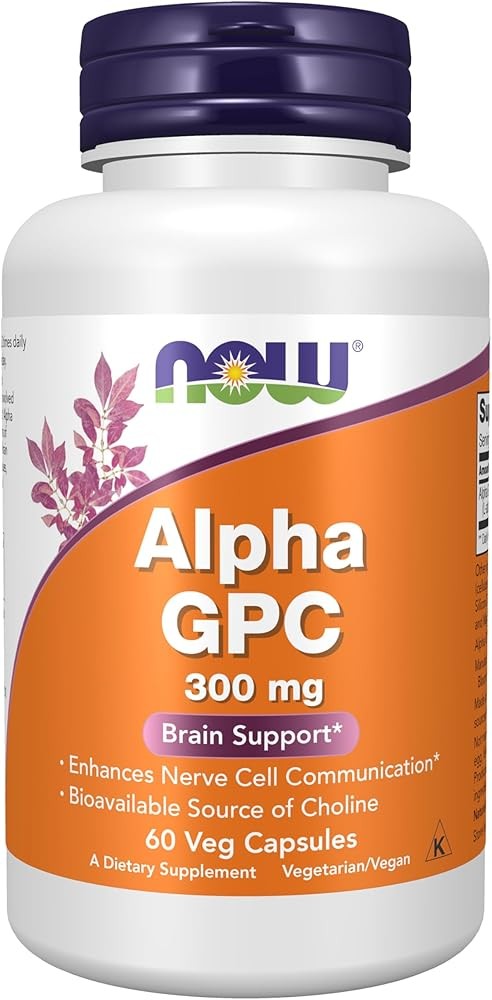
NOW Supplements Alpha GPC 300mg (Best Budget)
NOW Supplements Alpha GPC 300mg
Check Price on AmazonAs an Amazon Associate we earn from qualifying purchases.
NOW Supplements provides pharmaceutical-quality Alpha-GPC at 300mg per capsule, delivering approximately 150mg elemental choline per dose. This lower dosing allows flexible titration from 300mg to 1,200mg daily depending on cognitive goals, matching clinical trial protocols.
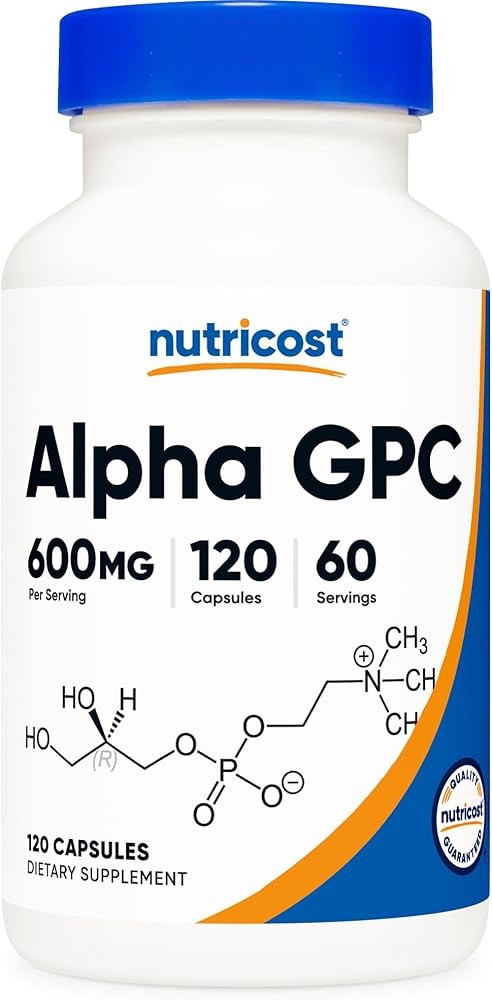
Nutricost Alpha GPC 600mg (Best Value High-Dose)
Nutricost Alpha GPC 600mg
Check Price on AmazonAs an Amazon Associate we earn from qualifying purchases.
Nutricost delivers 300mg Alpha-GPC per capsule (600mg total compound) in a 120-count bottle, providing 4-month supply at 300mg daily or 2-month supply at clinical 600mg dosing. Non-GMO and gluten-free formulation supports those with dietary restrictions.
BulkSupplements Alpha GPC Capsules (Best for Clinical Dosing)
BulkSupplements Alpha GPC 300mg Capsules
Check Price on AmazonAs an Amazon Associate we earn from qualifying purchases.
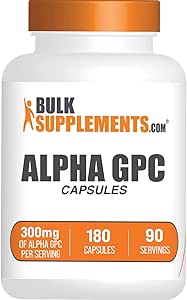
BulkSupplements provides 300mg Alpha-GPC per 2-capsule serving in a 180-capsule bottle, allowing easy titration to the 1,200mg daily dose used in dementia and stroke recovery trials. Gluten-free formulation with minimal additives focuses on purity.
📱 Join the discussion: Facebook | X | YouTube | Pinterest | Pinterest
What Other Supplements Pair Well with Alpha-GPC?
Bottom line: For optimal cognitive enhancement, pair a high-quality Alpha-GPC supplement (300-600 mg) with complementary compounds like citicoline for dopamine support, lion’s mane for nerve growth factor stimulation, phosphatidylserine for stress resilience, and L-theanine for calm focus.
What Makes Alpha-GPC a Cornerstone of Cognitive Enhancement?
In the expanding world of nootropics and cognitive enhancement supplements, few compounds match Alpha-GPC’s combination of robust scientific support, clear mechanisms of action, noticeable effects, and excellent safety profile.
By efficiently delivering choline across the blood-brain barrier and rapidly increasing acetylcholine synthesis, Alpha-GPC addresses one of the fundamental requirements for optimal cognitive function—adequate cholinergic neurotransmission. The benefits extend far beyond simply preventing choline deficiency; they include measurable improvements in memory, focus, learning capacity, and neuroprotection.
Whether you’re a student seeking better academic performance, a professional navigating cognitively demanding work, an athlete pursuing physical excellence, or an older adult concerned about maintaining mental sharpness, Alpha-GPC offers science-backed support for your goals.
The extensive clinical research—spanning thousands of subjects from healthy young adults to elderly dementia patients—provides confidence that Alpha-GPC’s benefits are real, reproducible, and achievable at reasonable doses with minimal side effects.
As with any supplement affecting brain chemistry, individual responses vary. What works optimally for one person may need adjustment for another. Starting conservatively, monitoring your response carefully, and adjusting based on your experience will help you find your optimal Alpha-GPC protocol.
Combined with other evidence-based strategies for cognitive health—quality sleep, regular exercise, nutritious diet, stress management, and continued mental stimulation—Alpha-GPC can be a powerful tool for not just maintaining but enhancing your cognitive capabilities throughout life.
Your brain is your most valuable asset. Investing in its health and performance through strategic supplementation with compounds like Alpha-GPC isn’t just about short-term cognitive enhancement—it’s about preserving cognitive vitality, independence, and quality of life for decades to come.
Bottom line: Alpha-GPC stands out among cognitive supplements due to its superior blood-brain barrier penetration, dual mechanism supporting both acetylcholine synthesis and neuronal membrane health, decades of clinical research across thousands of patients, excellent safety profile at doses up to 1,200 mg daily, and benefits spanning memory, focus, neuroprotection, and athletic performance.
Complete Support System: Enhancing Your Cognitive Protocol
Alpha-GPC works best as part of a comprehensive approach to brain health. Consider these evidence-based complementary strategies:
Synergistic Nootropic Compounds:
- CDP-Choline (Citicoline) - provides both choline and cytidine for dopamine support alongside acetylcholine enhancement
- Lion’s Mane Mushroom - stimulates nerve growth factor (NGF) production to complement Alpha-GPC’s neuroprotective effects
- Phosphatidylserine - enhances membrane fluidity and stress hormone regulation for mental clarity
- L-Theanine - provides calm, focused attention that pairs well with Alpha-GPC’s acetylcholine boost
Essential Cofactors:
- B-Complex Vitamins - vitamin B5 (pantothenic acid) is required for acetylcholine synthesis; B12 and folate support one-carbon metabolism
- Omega-3 Fatty Acids - DHA maintains neuronal membrane integrity, improving the structural foundation for neurotransmission
- Magnesium Glycinate - supports NMDA receptor function and neuroplasticity mechanisms enhanced by acetylcholine
Lifestyle Optimization:
- Quality sleep (7-9 hours) - consolidates the memories enhanced by daytime Alpha-GPC supplementation
- Regular aerobic exercise - increases brain-derived neurotrophic factor (BDNF) and cerebral blood flow
- Mediterranean-style diet - provides polyphenols and healthy fats that protect neurons from oxidative stress
Related Reading: Expand Your Cognitive Enhancement Knowledge
Choline and Acetylcholine:
- CDP-Choline vs Alpha-GPC: Which Choline Source is Best for Your Brain? - comprehensive comparison of the two premium choline sources for cognitive enhancement
- Huperzine A: The Acetylcholinesterase Inhibitor for Memory - learn how this compound may help reduce risk of acetylcholine breakdown to complement Alpha-GPC’s synthesis boost
- Acetyl-L-Carnitine: Mitochondrial Support for Brain Energy - discover how ALCAR provides energy to support the acetylcholine synthesis Alpha-GPC enables
Comprehensive Nootropic Stacks:
- Building the Ultimate Nootropic Stack for Focus and Memory - evidence-based guide to combining Alpha-GPC with complementary cognitive enhancers
- Racetams and Choline: Why This Combination Dominates Cognitive Enhancement - understand the powerful synergy between cholinergic compounds and racetam nootropics
Brain Health Fundamentals:
-
Omega-3 Fatty Acids: Essential Foundation for Brain Structure and Function - optimize the neuronal membranes that Alpha-GPC’s acetylcholine acts upon
-
Sleep Optimization for Memory Consolidation - maximize the overnight consolidation of memories formed during daytime Alpha-GPC use
-
Exercise and BDNF: How Movement Enhances Neuroplasticity - amplify the cognitive benefits of supplementation with physical activity
-
Methylene Blue for Cognitive Enhancement: The Research on This Mitochondrial Nootropic
-
Bacopa Monnieri for Memory and Cognitive Enhancement: Complete Evidence-Based Guide
-
Mental Clarity, Focus, and Cognitive Function: Best Alpha GPC Supplements for Focus and Memory
-
Natural Nootropics for Instant Mental Clarity: Top Picks & How They Work
Frequently Asked Questions
Q: What is Alpha-GPC?
A: Alpha-GPC (Alpha-glycerophosphocholine) is a choline source that efficiently crosses the blood-brain barrier to boost acetylcholine production in the brain.
Q: How does Alpha-GPC improve cognitive function?
A: Alpha-GPC improves cognitive function by increasing the availability of choline, which is a building block for the neurotransmitter acetylcholine. This enhances communication between neurons and improves memory, learning, and focus.
Q: What are the clinically studied doses of Alpha-GPC?
A: Clinically studied doses of Alpha-GPC range from 300-1,200mg/day depending on goals; lower doses are typically used for cognitive enhancement while higher doses may be beneficial for physical performance.
Q: How does Alpha-GPC compare to other choline sources like CDP-Choline?
A: Alpha-GPC is superior to CDP-Choline for raw acetylcholine production due to its higher bioavailability across the blood-brain barrier. However, CDP-Choline has the advantage of also supporting dopamine levels.
Q: Can Alpha-GPC help with physical performance as well?
A: Yes, Alpha-GPC has been shown to increase growth hormone output during resistance exercise in addition to its cognitive benefits.
Q: How quickly can I expect to see cognitive improvements from Alpha-GPC?
A: Full cognitive effects of Alpha-GPC may take 2-4 weeks, so it’s important to be patient and consistent with supplementation.
Q: What is the recommended dosage regimen for Alpha-GPC?
A: Best taken in divided doses with meals to help minimize potential gastrointestinal discomfort.
Where Can You Find the Research Behind Alpha-GPC?
Barbagallo Sangiorgi G, et al. (1994). Alpha-GPC in the mental recovery of cerebral ischemic attacks. An Italian multicenter clinical trial. Annals of the New York Academy of Sciences, 717, 253-269.
Conner JM, et al. (2010). Lesions of the basal forebrain cholinergic system impair task acquisition and abolish cortical plasticity associated with motor skill learning. Neuron, 67(5), 794-807.
De Jesus Moreno MM. (2003). Cognitive improvement in mild to moderate Alzheimer’s dementia after treatment with the acetylcholine precursor choline alfoscerate: a multicenter, double-blind, randomized, placebo-controlled trial. Clinical Therapeutics, 25(1), 178-193.
Marcus L, et al. (2017). Evaluation of the effects of two doses of alpha glycerylphosphorylcholine on physical and psychomotor performance. Journal of the International Society of Sports Nutrition, 14, 39.
Parnetti L, et al. (2001). Choline alphoscerate in cognitive decline and in acute cerebrovascular disease: an analysis of published clinical data. Mechanisms of Ageing and Development, 122(16), 2041-2055.
Parnetti L, et al. (2007). Cholinergic precursors in the treatment of cognitive impairment of vascular origin: ineffective approaches or need for re-evaluation? Journal of the Neurological Sciences, 257(1-2), 264-269.
Parker AG, et al. (2015). The effects of alpha-glycerylphosphorylcholine, caffeine or placebo on markers of mood, cognitive function, power, speed, and agility. Journal of the International Society of Sports Nutrition, 12(Suppl 1), P41.
Ramanathan D, et al. (2015). Low-frequency cortical activity is a neuromodulatory target that tracks recovery after stroke. Nature Medicine, 21(11), 1239-1245.
Traini E, et al. (2013). Choline alphoscerate (alpha-glyceryl-phosphoryl-choline) an old choline-containing phospholipid with a still interesting profile as cognition enhancing agent. Current Alzheimer Research, 10(10), 1070-1079.
Ziegenfuss TN, et al. (2008). Acute supplementation with alpha-glycerylphosphorylcholine augments growth hormone response to, and peak force production during, resistance exercise. Journal of the International Society of Sports Nutrition, 5(1), 15.
Bottom line: You can find research on Alpha-GPC’s cognitive benefits in studies like Barbagallo et al. (1994) showing improvement in mental recovery after cerebral ischemic attacks, and De Jesus Moreno (2003) demonstrating cognitive enhancement in Alzheimer’s patients.
References
- Bellar D et al. “The effect of 6 days of alpha glycerylphosphorylcholine on isometric strength.” J Int Soc Sports Nutr, 2015
- Parnetti L et al. “Choline alphoscerate in cognitive decline and in acute cerebrovascular disease.” Ann N Y Acad Sci, 1994
- Glade MJ et al. “Phosphatidylserine and the human brain.” Nutrition, 2015
Recommended Products