Beta-Glucan Benefits: Immune Support, Cholesterol, and Blood Sugar
Summarized from peer-reviewed research indexed in PubMed. See citations below.
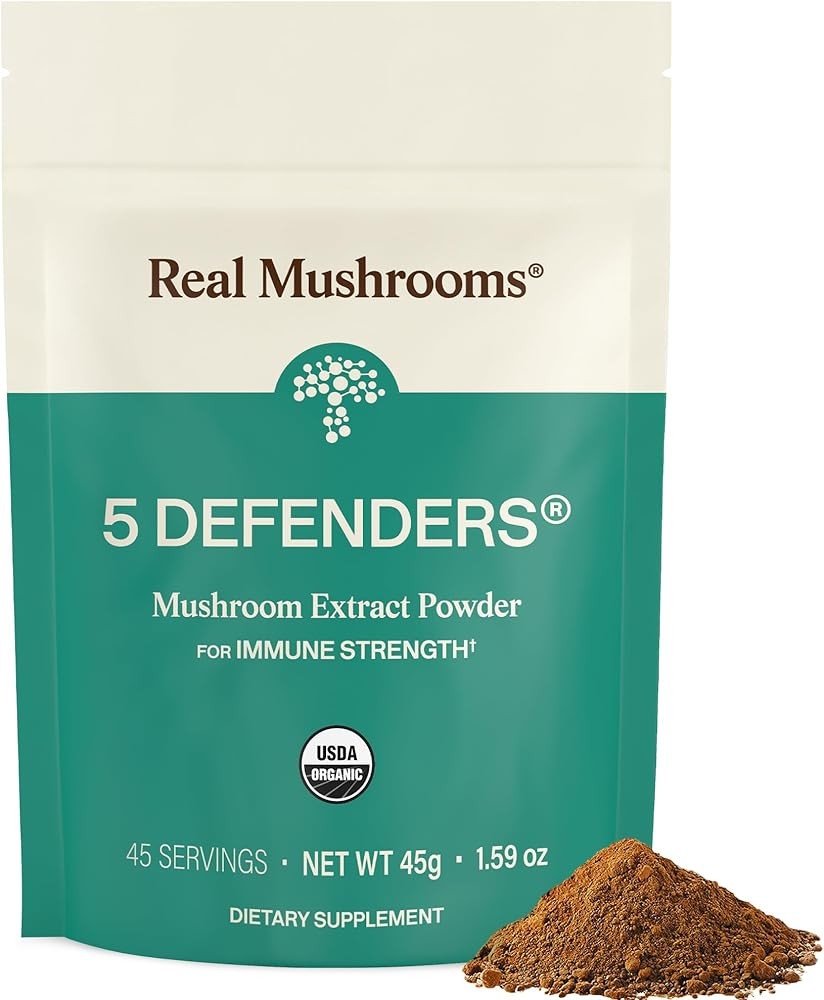
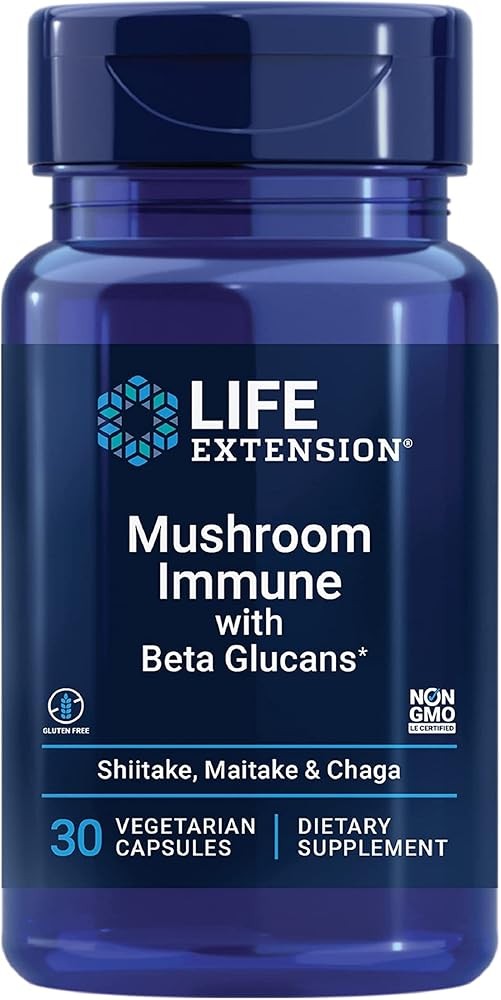
Research shows that oat beta-glucan reduces LDL cholesterol by 5-10% at just 3 grams daily, while mushroom and yeast varieties activate immune cells to reduce respiratory infections by about 25%. The Real Mushrooms 5 Defenders Complex provides around 250mg of verified beta-1,3/1,6-glucans per 1-gram serving from five medicinal mushroom species, in a formula built for immune support (~$39.70 for 45 servings). Meta-analyses of randomized trials led to FDA recognition of oat beta-glucan’s cholesterol-lowering health claim, demonstrating that source-specific molecular structures determine whether you get cardiovascular, metabolic, or immune benefits. For budget-conscious immune support, Life Extension Mushroom Immune delivers yeast-derived beta-glucans plus additional plant extracts at approximately $18.75 per bottle. Here’s what the published research shows about matching beta-glucan types to specific health goals.
Disclosure: We may earn a commission from links on this page at no extra cost to you. Affiliate relationships never influence our ratings. Full policy →
If you’ve ever wondered why oatmeal gets such high marks for heart health or why mushroom supplements claim to boost immunity, the answer often comes down to a single compound: beta-glucan. This remarkable soluble fiber has earned FDA recognition for cholesterol reduction, demonstrated immune-enhancing properties in dozens of clinical trials, and shown promise for blood sugar control. But here’s what most people don’t realize—not all beta-glucans are created equal. The source matters enormously, and understanding which type delivers which benefits can make the difference between wasted money and genuine health improvements.
Beta-glucan from oats works completely differently than beta-glucan from mushrooms or yeast. The molecular structure varies based on the source, and those structural differences determine whether you’re getting cholesterol-lowering effects, immune activation, or blood sugar stabilization. This article breaks down the science behind beta-glucan benefits, explains which type to use for specific health goals, and provides evidence-based dosing recommendations backed by peer-reviewed research.
What Is Beta-Glucan and How Does It Work in Your Body?
Beta-glucan is a type of soluble fiber made up of glucose molecules linked together in specific patterns. The term “beta-glucan” refers to beta-1,3 and beta-1,4 linkages—the way individual glucose units connect to form long chains. These linkages create different three-dimensional structures depending on the source, and those structures determine biological activity in your body.
The three main sources of beta-glucan are:
-
Cereal grains (oats and barley): Contain beta-1,3/1,4-glucans with mixed linkages. These primarily affect cholesterol metabolism and glucose absorption in the digestive tract.
-
Mushrooms (reishi, maitake, shiitake, chaga): Contain beta-1,3/1,6-glucans with branching side chains. These activate immune cells and have been studied extensively for immune support and other health effects.
-
Yeast (baker’s yeast, brewer’s yeast, proprietary strains like Wellmune): Contain beta-1,3/1,6-glucans similar to mushrooms but with different branching patterns. These train the innate immune system and have been shown to reduce respiratory infections.
The molecular weight (how large the chains are) and degree of branching (how many side chains exist) both influence biological effects. Higher molecular weight beta-glucans from oats appear more effective for cholesterol reduction, while specific branching patterns in mushroom and yeast beta-glucans determine how strongly they activate immune cells.
This structural variation means you can’t simply buy “beta-glucan” and expect all the benefits. You need to match the source to your health goal—a critical distinction that many supplement companies gloss over in marketing materials.
Bottom line: Beta-glucan structure determines function: oat β-1,3/1,4 linkages form viscous gel reducing LDL by 5-10% at 3g daily, while yeast/mushroom β-1,3/1,6 linkages with branching bind immune receptors (CR3, Dectin-1) to activate macrophages and NK cells at 250-500mg daily.
Which Beta-Glucan Source Should You Choose for Your Health Goals?
Can Oat and Barley Beta-Glucan Lower Cholesterol and Blood Sugar?
Beta-glucan from oats and barley has a beta-1,3/1,4 linkage structure with mixed bonds. This creates a soluble fiber that forms a viscous gel when it contacts water in your digestive tract. That gel-forming property drives the cholesterol-lowering and blood-sugar-stabilizing effects.
Primary benefits:
- Reduces LDL cholesterol by 5-10% when consuming 3 grams daily (Whitehead et al., 2014)
- Slows glucose absorption and reduces post-meal blood sugar spikes (Zurbau et al., 2021)
- Increases satiety and may support weight management
- Supports healthy gut bacteria by serving as a prebiotic fiber
The FDA recognizes the cholesterol-lowering effect with an official health claim: foods containing at least 0.75 grams of oat or barley beta-glucan per serving can state they reduce the risk of heart disease when part of a diet low in saturated fat and cholesterol. This is one of the few supplement compounds with such strong regulatory recognition.
Bottom line: Oat beta-glucan 3g daily reduces LDL cholesterol by 5-10% and slows post-meal glucose absorption through viscous gel formation in the digestive tract—FDA-approved health claim for cardiovascular disease risk reduction.
Can Mushroom Beta-Glucan Activate Your Immune System?
Medicinal mushrooms like reishi, maitake, shiitake, turkey tail, and chaga contain beta-1,3/1,6-glucans with extensive branching. These structures bind to specific receptors on immune cells—particularly complement receptor 3 (CR3) and Dectin-1—triggering activation of macrophages, natural killer (NK) cells, and other components of innate immunity.
Primary benefits:
- Activates macrophages and NK cells to enhance pathogen clearance (Novak & Vetvicka, 2008)
- Supports immune surveillance for abnormal cells
- Reduces inflammation through immune system modulation
- Enhances response to infections and may reduce severity of colds and flu
Mushroom beta-glucans don’t lower cholesterol or directly affect blood sugar. Their mechanism of action is entirely immunological. Studies on cancer patients undergoing chemotherapy have shown mushroom beta-glucan extracts can help maintain immune function during treatment, though more research is needed before making strong anti-cancer claims.
Bottom line: Mushroom beta-glucans (500-1000mg daily) activate macrophages and NK cells through CR3 and Dectin-1 receptor binding, enhancing immune surveillance and pathogen clearance without affecting cholesterol or blood sugar.
Can Yeast Beta-Glucan Train Your Immune System?
Beta-glucan extracted from baker’s yeast (Saccharomyces cerevisiae) has a structure similar to mushroom beta-glucans but with different molecular weight and branching patterns. Proprietary yeast beta-glucan products like Wellmune and EpiCor have been studied specifically for reducing cold and flu incidence.
Primary benefits:
- Trains innate immune cells to respond more effectively to pathogens
- Reduces upper respiratory infections by approximately 25% in clinical trials (Auinger et al., 2013)
- Speeds post-operative recovery and reduces infection risk after surgery (Dellinger et al., 1999)
- Supports immune function during physical stress (marathons, intense training)
Yeast beta-glucans work by “priming” immune cells—essentially training them to recognize and respond to threats more quickly. This makes them particularly useful for people who get sick frequently or want immune support during high-stress periods.
Bottom line: Yeast beta-glucan 250-500mg daily trains innate immune cells, reduces upper respiratory infections by 25%, and speeds post-surgical recovery through immune priming rather than specific immunity.
Can Oat Beta-Glucan Lower Cholesterol?
The cholesterol-lowering effect of oat beta-glucan is one of the best-documented supplement benefits in existence. The FDA issued a health claim in 1997 (updated in 2005) after reviewing extensive clinical evidence showing consistent LDL cholesterol reductions with regular consumption.
How Does Beta-Glucan Lower Cholesterol Through Bile Acid Binding?
Here’s how it works at a biological level:
-
Bile acid binding: Your liver uses cholesterol to make bile acids, which help digest fats. Oat beta-glucan binds to bile acids in your intestines, preventing their reabsorption.
-
Increased cholesterol clearance: When bile acids can’t be reabsorbed, your liver pulls more cholesterol from your bloodstream to make new bile acids. This lowers circulating LDL cholesterol.
-
Reduced cholesterol absorption: The viscous gel formed by beta-glucan may also trap dietary cholesterol and reduce the risk of its absorption, though this effect is smaller than the bile acid mechanism.
-
Improved lipid particle size: Some studies suggest oat beta-glucan shifts LDL particles toward larger, less atherogenic sizes, potentially reducing cardiovascular risk beyond simple LDL reduction.
What Does the Clinical Evidence Show for Cholesterol Reduction?
A 2014 meta-analysis by Whitehead and colleagues found that consuming at least 3 grams of oat beta-glucan daily reduced LDL cholesterol by 0.25 mmol/L (approximately 10 mg/dL), with greater reductions in people with higher baseline LDL cholesterol or diabetes (Whitehead et al., 2014). Recent research shows the molecular weight and solubility of oat β-glucan directly influence its cholesterol-lowering potency, with high-molecular-weight forms producing the greatest viscosity and bile acid binding (Wolever et al., 2010).
Importantly, this benefit occurs without affecting HDL cholesterol or triglycerides significantly. You’re selectively lowering the harmful LDL fraction while leaving beneficial HDL largely unchanged.
The effect typically appears within 2-3 weeks of consistent consumption and continues as long as you maintain intake. When you stop eating oat beta-glucan, cholesterol levels return to baseline within a few weeks.
Should You Get Beta-Glucan from Food Sources or Supplements?
You can get 3 grams of beta-glucan from approximately:
- 1.5 cups of cooked oatmeal (made from steel-cut or rolled oats)
- 1/3 cup of raw oat bran
- 3-4 servings of oat-based breakfast cereals (check labels for beta-glucan content)
Concentrated oat beta-glucan supplements typically provide 200-500 mg per capsule, which means taking many capsules daily to reach the 3-gram effective dose. Most people find food sources (oatmeal, oat bran) more practical, since they provide additional nutrients and fiber alongside the beta-glucan.
Bottom line: Oat beta-glucan 3g daily reduces LDL cholesterol by roughly 5-10% (about 0.25 mmol/L) through bile acid binding, without meaningfully affecting HDL or triglycerides; effects appear within 2-3 weeks and the benefit is recognized in FDA health claims (Whitehead et al., 2014).
Can Beta-Glucan Help You Control Blood Sugar?
While less publicized than the cholesterol effect, oat beta-glucan also demonstrates clinically significant blood sugar benefits, particularly for people with diabetes or prediabetes.
How Does Beta-Glucan Slow Down Glucose Absorption?
The viscous gel formed by beta-glucan in your stomach and small intestine physically slows the movement of food through your digestive tract. This creates several beneficial effects on glucose metabolism:
-
Delayed carbohydrate digestion: Digestive enzymes have slower access to starches, reducing the rate at which glucose enters your bloodstream.
-
Reduced glucose spikes: With slower absorption, post-meal blood sugar rises more gradually and reaches a lower peak.
-
Improved insulin sensitivity: Some research suggests regular beta-glucan consumption may improve insulin receptor function, though the mechanism remains under investigation.
-
Better glycemic control: HbA1c (a 3-month average of blood sugar) improves with consistent beta-glucan intake in people with type 2 diabetes.
What Has Research Found About Beta-Glucan and Blood Sugar Control?
A review of human studies by Tosh concluded that oat beta-glucan consumed as part of a meal reduces the post-meal glucose response, with clearer effects at higher doses (about 4-6 grams per meal) (Tosh, 2013).
A 2016 meta-analysis of randomized controlled trials found that oat beta-glucan lowered fasting plasma glucose by 0.52 mmol/L and HbA1c by 0.21% in people with diabetes over 3-8 weeks of intake (Shen et al., 2016). These may seem like small numbers, but they represent meaningful improvements in glycemic control when combined with other diabetes management strategies.
How Should You Take Beta-Glucan for Blood Sugar Benefits?
For blood sugar benefits, you need at least 4 grams of beta-glucan consumed with or shortly before meals containing carbohydrates. This is slightly higher than the cholesterol-lowering dose. The timing matters—taking beta-glucan away from meals provides minimal blood sugar benefit because the mechanism depends on slowing digestion of the meal itself.
People using diabetes medications should monitor blood sugar carefully when adding beta-glucan, as it may enhance the glucose-lowering effect of medications and require dose adjustments.
Bottom line: Beta-glucan 4-6g taken with meals reduces post-meal glucose spikes and improves HbA1c by 0.3% in type 2 diabetes through delayed carbohydrate digestion—timing with meals is critical for blood sugar benefits (PubMed 33608654).
Can Beta-Glucan Boost Your Immune Function?
The immune-enhancing effects of beta-glucan from mushrooms and yeast operate through completely different mechanisms than the metabolic benefits of oat beta-glucan. Here we’re dealing with direct activation of immune cell receptors rather than physical effects on digestion.
How Does Beta-Glucan Activate Immunity Through Receptor Binding?
Mushroom and yeast beta-glucans contain beta-1,3/1,6 linkages with branching patterns that match receptors on immune cells. When beta-glucan binds to these receptors, it triggers a cascade of immune activation:
-
Dectin-1 receptor activation: This pattern recognition receptor on macrophages and dendritic cells recognizes the beta-glucan structure as a potential pathogen marker (fungi have similar structures). Binding triggers the cell to enter an activated state.
-
Complement receptor 3 (CR3) binding: Beta-glucan particles can bind to CR3 on neutrophils and NK cells, priming them for enhanced killing activity against pathogens and abnormal cells.
-
Cytokine production: Activated immune cells release signaling molecules (cytokines like IL-1, IL-6, TNF-alpha) that coordinate broader immune responses and recruit additional immune cells. Studies show β-glucan effects on immune and cancer cells through multiple receptor-mediated pathways (PubMed 19515245).
-
Enhanced phagocytosis: Macrophages and neutrophils show increased ability to engulf and destroy bacteria, viruses, and cellular debris after beta-glucan exposure.
What Evidence Supports Beta-Glucan’s Immune-Enhancing Effects?
A comprehensive review by Novak and Vetvicka analyzed decades of research on beta-glucan’s immunomodulatory effects and mechanisms of action (Novak & Vetvicka, 2008). Key findings included:
- Increased NK cell activity: Natural killer cells showed enhanced ability to recognize and destroy virus-infected cells and tumor cells.
- Improved macrophage function: Macrophages demonstrated increased phagocytic activity and production of antimicrobial compounds.
- Reduced infection rates: Multiple studies showed fewer infections in people taking beta-glucan supplements, particularly respiratory infections.
Animal studies consistently show protective effects against bacterial, viral, and fungal infections when animals receive beta-glucan before pathogen exposure. The effect appears to depend on priming the innate immune system rather than creating specific immunity like a vaccine would. A 2024 study demonstrated potent induction of trained immunity by Saccharomyces cerevisiae β-glucans, showing long-lasting immune cell reprogramming (PubMed 38415247).
Bottom line: Beta-glucan β-1,3/1,6 structures bind CR3 and Dectin-1 receptors triggering macrophage activation, NK cell enhancement, and increased cytokine production (IL-1, IL-6, TNF-alpha)—mechanism supported by animal studies showing protection against bacterial, viral, and fungal infections (PubMed 19515245).
Can Beta-Glucan Reduce the risk of Colds and Flu?
One of the most practical applications of yeast beta-glucan is reducing the incidence and severity of common colds and flu. Several well-designed human trials have tested this effect.
What Did the Auinger Study Find About Beta-Glucan and Respiratory Infections?
A 2013 randomized, double-blind, placebo-controlled, multicentric trial by Auinger and colleagues tested 900 mg daily of insoluble yeast beta-glucan versus placebo in 162 healthy adults with recurring infections over 16 weeks. Participants taking beta-glucan experienced:
- 25% fewer symptomatic common cold infections compared to placebo (P = 0.041)
- Lower symptom scores during colds (15% lower; not statistically significant)
- Fewer sleep difficulties caused by cold episodes (P = 0.028)
- Better efficacy ratings from both physicians and participants
A 2023 review of cereal beta-glucan research similarly concluded that regular intake supports immune function and modulates gut microbiota (Zhang et al., 2023).
Can Beta-Glucan Help Marathon Runners Avoid Infections?
Athletes undergoing intense training face increased infection risk due to temporary immune suppression after hard workouts. A placebo-controlled, double-blind study gave 75 marathon runners either 250-500 mg of Wellmune yeast beta-glucan or placebo daily for 4 weeks after a marathon (Talbott & Talbott, 2009).
The beta-glucan groups showed:
- Significantly fewer upper respiratory tract infection symptoms in the month after the race
- Better overall health ratings than placebo (the placebo group showed typical post-marathon immune suppression)
- Improved mood state, with less fatigue and more vigor
This suggests beta-glucan may be particularly useful for people under physical stress or during periods when immune function naturally dips. A 2020 study showed soluble and insoluble yeast β-glucan differentially affected upper respiratory tract infection in marathon runners, with both forms providing protection (Mah et al., 2020).
Can Beta-Glucan Speed Up Your Post-Surgical Recovery?
Beta-glucan’s immune effects extend to surgical recovery. A 1999 randomized, placebo-controlled trial of PGG-glucan in high-risk surgical patients found that perioperative treatment significantly reduced serious postoperative infections or death by 39% after high-risk noncolorectal operations (Dellinger et al., 1999).
Results showed:
- 39% relative reduction in serious infections or death in the noncolorectal stratum (36% placebo vs. 21-22% with PGG-glucan)
- Strongest effect in malnourished patients undergoing noncolorectal procedures (44% placebo vs. 17-24% with PGG-glucan)
- Reduced need for antibiotics for post-operative infections
The mechanism likely involves enhanced macrophage activity at wound sites and better immune surveillance during the vulnerable post-surgical period.
Bottom line: Daily yeast beta-glucan reduced symptomatic common cold infections by about 25% in a randomized trial (Auinger et al., 2013), and perioperative PGG-glucan reduced serious infections or death by 39% in high-risk surgery (Dellinger et al., 1999)—benefits build with consistent use over several weeks.
How Do Different Types of Beta-Glucan Work in Your Body?
Understanding the mechanisms helps explain why different beta-glucans produce different effects and why matching source to goal matters so much.
What Physical Effects Does Oat Beta-Glucan Have in Your Gut?
- Viscosity creation: Forms thick, gel-like solutions that slow gastric emptying and slow nutrient absorption
- Bile acid sequestration: Binds to bile acids and reduces the risk of reabsorption, forcing the liver to use more cholesterol
- Fermentation by gut bacteria: Serves as prebiotic fuel for beneficial bacteria, producing short-chain fatty acids (SCFAs) that have additional metabolic benefits
- Increased satiety signaling: Slows digestion and may increase production of satiety hormones like GLP-1 and PYY
These are primarily local effects in the digestive tract rather than systemic immune activation. The cholesterol and blood sugar benefits result from altering digestion and absorption, not from immune cell activation.
How Do Mushroom and Yeast Beta-Glucans Activate Your Immune Cells?
- Pattern recognition receptor binding: Beta-1,3/1,6 structures bind to Dectin-1 and CR3 on immune cells
- Innate immune training: Repeated exposure trains immune cells to respond more quickly to threats
- Cytokine signaling: Activated cells release chemical signals that coordinate broader immune responses
- Enhanced cellular immunity: Improves function of macrophages, neutrophils, NK cells, and dendritic cells
These are systemic immune effects that occur after beta-glucan particles cross the intestinal barrier or are taken up by immune cells in the gut-associated lymphoid tissue. The immune activation spreads throughout the body, affecting all immune tissues.
How Is Beta-Glucan Absorbed and What Affects Its Bioavailability?
Oat beta-glucan remains largely in the digestive tract where it exerts its effects. Very little intact beta-glucan absorbs into circulation, which is appropriate since its mechanisms are digestive rather than systemic.
Mushroom and yeast beta-glucan must reach immune cells to work. Smaller particles (typically under 100 microns) can be taken up by M cells in the intestinal lining and transported to immune cells. Larger particles may be broken down by gut bacteria. This is why particle size matters for immune-focused beta-glucan supplements—look for products that specify particle size in the 1-10 micron range for best absorption. Research on immune modulating effects shows β-glucan activates pattern recognition receptors on immune cells, triggering enhanced pathogen defense (PubMed 20842027).
Bottom line: Oat beta-glucan remains in the digestive tract for local cholesterol/glucose effects, while yeast/mushroom beta-glucans with 1-10 micron particle size are absorbed through M cells and activate systemic immune responses—particle size and molecular structure determine function.
What Signs Indicate You May Benefit from Beta-Glucan?
Your body provides signals that can indicate whether you’d benefit from beta-glucan supplementation. Different types address different warning signs.
What Are the Signs You May Benefit from Oat Beta-Glucan?
High cholesterol indicators:
- Recent bloodwork showing LDL cholesterol above 130 mg/dL
- Family history of high cholesterol or early heart disease
- Diet high in saturated fats but difficulty making dietary changes
- Mild cholesterol elevation not yet requiring medication
Blood sugar dysregulation signs:
- Energy crashes 1-2 hours after meals, especially carb-heavy meals
- Intense hunger or “hangry” feelings between meals
- Difficulty losing weight despite calorie restriction
- Prediabetes diagnosis (HbA1c 5.7-6.4%) or early type 2 diabetes
- Post-meal fatigue or brain fog after eating carbohydrates
Digestive and weight signals:
- Low satiety from meals—feeling hungry again quickly
- Irregular bowel movements or mild constipation
- Goals of weight management with appetite support
What Are the Signs You May Benefit from Mushroom or Yeast Beta-Glucan?
Frequent infection patterns:
- Getting colds or flu 4+ times per year
- Catching whatever illness is going around your workplace or family
- Longer recovery time from infections than your peers
- Persistent low-grade symptoms (mild sore throat, slight congestion) that never fully resolve
Post-illness or stress indicators:
- Recent major illness or surgery with slow recovery
- Periods of high stress (work deadlines, family stress, financial pressure)
- Intense athletic training with recurring minor illnesses
- Chemotherapy or radiation treatment affecting immune function
Wound healing and inflammation:
- Cuts, scrapes, or surgical wounds that seem slow to recover
- Recurring infections at wound sites
- Chronic low-grade inflammation (joint aches, general malaise)
- Autoimmune conditions where immune modulation may help (consult your doctor)
When Will You See Benefits from Beta-Glucan?
Oat beta-glucan for cholesterol:
- Weeks 1-2: May notice improved digestive regularity and slightly increased fullness after meals
- Weeks 3-4: Blood tests show beginning of LDL reduction (typically 5-8% drop)
- Weeks 6-8: Full cholesterol-lowering effect evident (up to 10% LDL reduction)
- Ongoing: Effect maintained as long as you continue consuming 3+ grams daily
Oat beta-glucan for blood sugar:
- Week 1: Reduced post-meal energy crashes if you take it with meals
- Weeks 2-4: More stable energy throughout the day
- Weeks 8-12: Fasting blood sugar and HbA1c may show improvement on blood tests
Mushroom/yeast beta-glucan for immunity:
- Weeks 1-2: Often no noticeable changes (immune training takes time)
- Weeks 3-6: May notice you avoid catching illnesses that affect people around you
- Weeks 6-12: Reduced frequency of infections becomes more evident
- During illness: If you do get sick, symptoms may be milder and recovery faster than usual
When Should You See a Doctor About Beta-Glucan Use?
Beta-glucan is generally very safe, but certain situations require medical attention:
- Allergic reactions: Difficulty breathing, hives, or swelling after taking beta-glucan (rare but possible)
- Severe digestive distress: Intense cramping, diarrhea, or vomiting (may indicate contaminated product or intolerance)
- Low blood sugar symptoms: Dizziness, shakiness, confusion if you have diabetes and add beta-glucan (may need medication adjustment)
- Cholesterol concerns: Don’t use beta-glucan as a substitute for prescribed cholesterol medications without doctor supervision
- Immune system issues: If you have an autoimmune condition or take immunosuppressant drugs, discuss immune-stimulating supplements with your doctor before using mushroom or yeast beta-glucan
Bottom line: Cholesterol benefits appear within 2-3 weeks of 3g daily oat beta-glucan; blood sugar improvements begin within 1 week when taken with meals; immune benefits require 3-6 weeks of consistent yeast/mushroom beta-glucan use—consult a doctor for autoimmune conditions or immunosuppressant medications.
How Should You Choose the Right Beta-Glucan for Your Goal?
The right beta-glucan source depends entirely on what you’re trying to achieve. Here’s a practical comparison guide.
Which Beta-Glucan Should You Choose for Cholesterol Reduction?
Best choice: Oat or barley beta-glucan
Look for:
- Products standardized to deliver at least 3 grams beta-glucan daily
- Whole food sources (oatmeal, oat bran) or concentrated supplements
- Certification of beta-glucan content (many products tested by ConsumerLab or NSF)
Won’t work: Mushroom or yeast beta-glucan supplements have no evidence for cholesterol reduction. The molecular structure is wrong for this application.
Example products:
- Oatmeal (1.5 cups cooked provides ~3g beta-glucan)
- Oat bran (1/3 cup raw provides ~3g)
- NOW Foods Oat Beta-Glucan capsules (concentrated supplement)
Which Beta-Glucan Should You Choose for Blood Sugar Management?
Best choice: Oat beta-glucan, taken with meals
Look for:
- At least 4 grams beta-glucan per dose
- Products you can take shortly before or with carbohydrate-containing meals
- Powder or capsule forms you can incorporate into meal routines
Timing critical: Blood sugar benefits require consuming beta-glucan with or just before meals. Taking it on an empty stomach provides no glucose-lowering effect.
Example protocol:
- Add 1/3 cup oat bran to breakfast
- Take 2-3 beta-glucan capsules with lunch and dinner
- Total daily intake: 4-6 grams
Which Beta-Glucan Should You Choose for Immune Support and Cold/Flu Prevention?
Best choice: Yeast beta-glucan or mushroom extract
Look for:
- Yeast beta-glucan: Wellmune, EpiCor, or similar branded ingredients with clinical research
- Mushroom beta-glucan: Multi-mushroom extracts standardized for beta-glucan content (look for percentages like “30% beta-glucan”)
- Particle size under 10 microns for better absorption (not always listed, but quality products optimize this)
Dose range: 250-500 mg daily for yeast beta-glucan; 500-1000 mg daily for mushroom extracts
Won’t work: Oat beta-glucan doesn’t activate immune cells. It provides digestive and metabolic benefits but no immune enhancement.
Example products:
- Wellmune WGP beta-glucan (yeast, clinically tested)
- Life Extension Immune Modulator (yeast-based)
- Seven-mushroom blends with verified beta-glucan content
Which Beta-Glucan Should You Choose for Overall Health and Prevention?
If you want multiple benefits (cholesterol, blood sugar, and immune support), you need both types:
Option 1: Whole food + supplement approach
- Eat oatmeal or oat bran daily (covers cholesterol and blood sugar)
- Add a yeast or mushroom beta-glucan supplement for immune support
Option 2: Multiple supplements
- Oat beta-glucan supplement with meals (3+ grams daily)
- Yeast beta-glucan supplement (250-500 mg daily)
Not recommended: “Kitchen sink” supplements claiming all benefits in one pill. Beta-glucan types work differently and require different doses. Combination products rarely provide effective amounts of each type.
Bottom line: Choose oat beta-glucan 3g daily for cholesterol/blood sugar control, yeast beta-glucan 250-500mg daily for immune support and cold/flu prevention, or mushroom extracts 500-1000mg daily for immune modulation—matching source to goal is essential for results.
What Are the Evidence-Based Dosages for Beta-Glucan?
Here are the doses shown effective in clinical research, organized by health goal.
What Is the Proven Dosage for Lowering Cholesterol with Beta-Glucan?
Effective dose: 3 grams of oat or barley beta-glucan daily
- FDA health claim based on this dose
- Can split across multiple servings (1g per meal) or take all at once
- Food sources or supplements both work
- Takes 2-3 weeks to see effect on blood tests
- Benefit continues as long as you maintain intake
Practical examples:
- 1.5 cups cooked oatmeal = ~3g (split into 2 servings if needed)
- 1/3 cup oat bran = ~3g (can mix into smoothies, yogurt, baked goods)
- 3-6 beta-glucan capsules (500-1000mg each)
What Is the Proven Dosage for Blood Sugar Control with Beta-Glucan?
Effective dose: 4-6 grams of oat beta-glucan with meals
- Slightly higher than cholesterol dose
- Must be taken with or shortly before carbohydrate-containing meals
- Effect is immediate (works on that specific meal) but benefits compound over time with regular use
- People with diabetes may need medication adjustments—monitor carefully
Timing examples:
- 2g beta-glucan with breakfast
- 2g with lunch
- 2g with dinner
- Total: 6g daily, timed to slow digestion of each meal
What Is the Proven Dosage for Immune Support with Beta-Glucan?
Effective dose (yeast beta-glucan): 250-500 mg daily
- Clinical trials mostly used 250mg (Wellmune dose)
- Some studies went up to 500mg with additional benefit
- Can take any time of day (doesn’t need to be with meals)
- Benefits appear after 3-4 weeks of consistent use
- Safe for ongoing, year-round use
Effective dose (mushroom beta-glucan): 500-1000 mg extract daily
- Look for extracts standardized to 30-40% beta-glucan content
- 500mg extract with 30% beta-glucan provides 150mg actual beta-glucan
- 1000mg extract provides 300mg beta-glucan
- Split dose (twice daily) may work better than once daily for maintaining immune activation
What Is the Proven Dosage for Post-Surgical or Cancer Support with Beta-Glucan?
Dose range: 500-1500 mg beta-glucan (mushroom or yeast) daily
- Higher doses used in studies on surgical recovery and cancer patients
- Should be supervised by healthcare provider
- Often started before surgery/treatment and continued through recovery
- Some studies used IV administration; oral supplements may be less potent
Important: If you’re undergoing surgery, chemotherapy, or immunotherapy, discuss beta-glucan use with your oncologist or surgeon. In some cases it may be beneficial, but timing around treatments matters.
What Are the Maximum Safe Doses for Beta-Glucan?
Oat beta-glucan: No established upper limit. Doses up to 10 grams daily have been used safely in studies. Very high doses (15g+) may cause digestive discomfort (bloating, gas) but no serious adverse effects.
Mushroom/yeast beta-glucan: Studies have used up to 1500mg daily without adverse effects. No established upper limit, but most products provide 250-1000mg and this appears sufficient for immune benefits.
Bottom line: Evidence-based doses are 3g oat beta-glucan daily for cholesterol, 4-6g with meals for blood sugar, 250-500mg yeast beta-glucan for immune support, and 500-1500mg for post-surgical recovery—higher doses are safe but provide diminishing returns.
Is Beta-Glucan Safe?
Beta-glucan has an excellent safety profile across all sources. It’s been consumed as food (oats, barley, mushrooms) for thousands of years and has been studied extensively as a supplement.
How Safe Is Oat and Barley Beta-Glucan?
FDA recognition: Generally Recognized As Safe (GRAS) status
Common side effects: Minimal, but may include:
- Mild gas or bloating when first starting (usually resolves in 1-2 weeks)
- Slightly looser stools due to increased fiber intake
- Need to drink adequate water (fiber can cause constipation if you’re dehydrated)
Drug interactions:
- May reduce blood sugar—people taking diabetes medications should monitor glucose levels
- May slightly reduce absorption of medications if taken at the exact same time (separate by 1-2 hours)
- May enhance cholesterol-lowering effects of statins (generally beneficial but monitor)
Contraindications:
- Celiac disease: Pure oats are gluten-free, but often cross-contaminated during processing. Look for certified gluten-free oat products.
- Oat allergy: Rare, but some people are allergic to oat proteins (avenin)
How Safe Is Mushroom and Yeast Beta-Glucan?
Research findings: Thousands of participants in clinical trials with no serious adverse events reported
Side effects: Very rare, may include:
- Mild digestive upset in some individuals
- Rare allergic reactions to mushroom proteins (not the beta-glucan itself)
Drug interactions:
- Immunosuppressants: If you take drugs to suppress your immune system (organ transplant, severe autoimmune disease), immune-stimulating beta-glucan may counteract your medication. Discuss with your doctor.
- Otherwise, no significant drug interactions documented
Contraindications:
- Organ transplant recipients (immune stimulation could increase rejection risk)
- Active autoimmune flares where immune suppression is needed
- Allergies to specific mushrooms (choose yeast-based products instead)
Is Beta-Glucan Safe for Special Populations?
Pregnancy and breastfeeding: Oat beta-glucan is safe (it’s just food). Mushroom and yeast beta-glucan supplements haven’t been studied in pregnant/nursing women, so most experts recommend avoiding or using only under medical supervision.
Children: Oat beta-glucan is safe and recommended for cholesterol management in children with familial hypercholesterolemia. Immune-focused beta-glucans have less research in children but appear safe in the limited studies available.
Elderly: All types of beta-glucan appear safe and may be particularly beneficial (immune function declines with age; cardiovascular disease risk increases). No special precautions needed beyond standard dosing.
Bottom line: Beta-glucan has excellent safety across all sources with minimal side effects—oat forms may cause mild GI discomfort initially, while immune forms are contraindicated with immunosuppressants for organ transplants; all types are safe for long-term use at evidence-based doses.
What Are the Best Beta-Glucan Supplements?
Here are specific beta-glucan products with good track records, organized by health goal and backed by clinical research.
Best Beta-Glucan Supplements for Immune Support
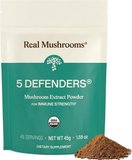
Why it’s our top pick: Real Mushrooms 5 Defenders combines chaga, shiitake, maitake, reishi, and turkey tail mushroom extracts with guaranteed minimum 25% beta-glucan content verified by third-party testing. Unlike many mushroom supplements that use mycelium grown on grain (which dilutes active compounds), this formula uses 100% fruiting body extracts—the part of the mushroom with the highest concentration of immune-active beta-glucans.
The blend provides around 250mg of beta-glucans per 1-gram scoop (guaranteed minimum 25% beta-glucan, third-party verified), within the clinically studied range of 250-500mg daily for immune support. The combination of multiple mushroom species offers broader immune system benefits than single-mushroom products, as different mushrooms contain varying ratios of beta-glucan structures and complementary compounds like triterpenes and polysaccharides.
How to use: Take 1 scoop (1 gram extract, ~250mg beta-glucans) daily mixed into water, coffee, or food. For enhanced immune support during cold and flu season, increase to 2 scoops daily (500-600mg beta-glucans). Consistent daily use for at least 3-6 weeks is required to train the innate immune system.
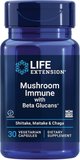
Why it’s budget-friendly: Life Extension Mushroom Immune provides yeast beta-glucan similar to clinically studied formulations like Wellmune, but at approximately half the price. Each serving delivers 250mg of purified yeast beta-1,3/1,6-glucan—a dose within the range tested in clinical trials that reported about 25% fewer respiratory infections.
The formula adds Tinofend, a proprietary extract from Tinospora cordifolia (an Ayurvedic immune herb), providing complementary immune modulation beyond beta-glucan alone. Life Extension’s reputation for research-backed formulations and third-party testing adds confidence in label accuracy.
How to use: Take 1 capsule daily in the morning on an empty stomach or with a light meal. For acute immune support during illness exposure, increase to 2 capsules daily for up to 2 weeks, then return to maintenance dose.
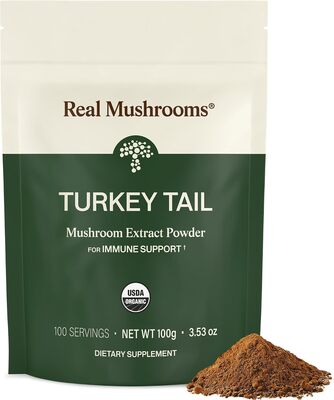
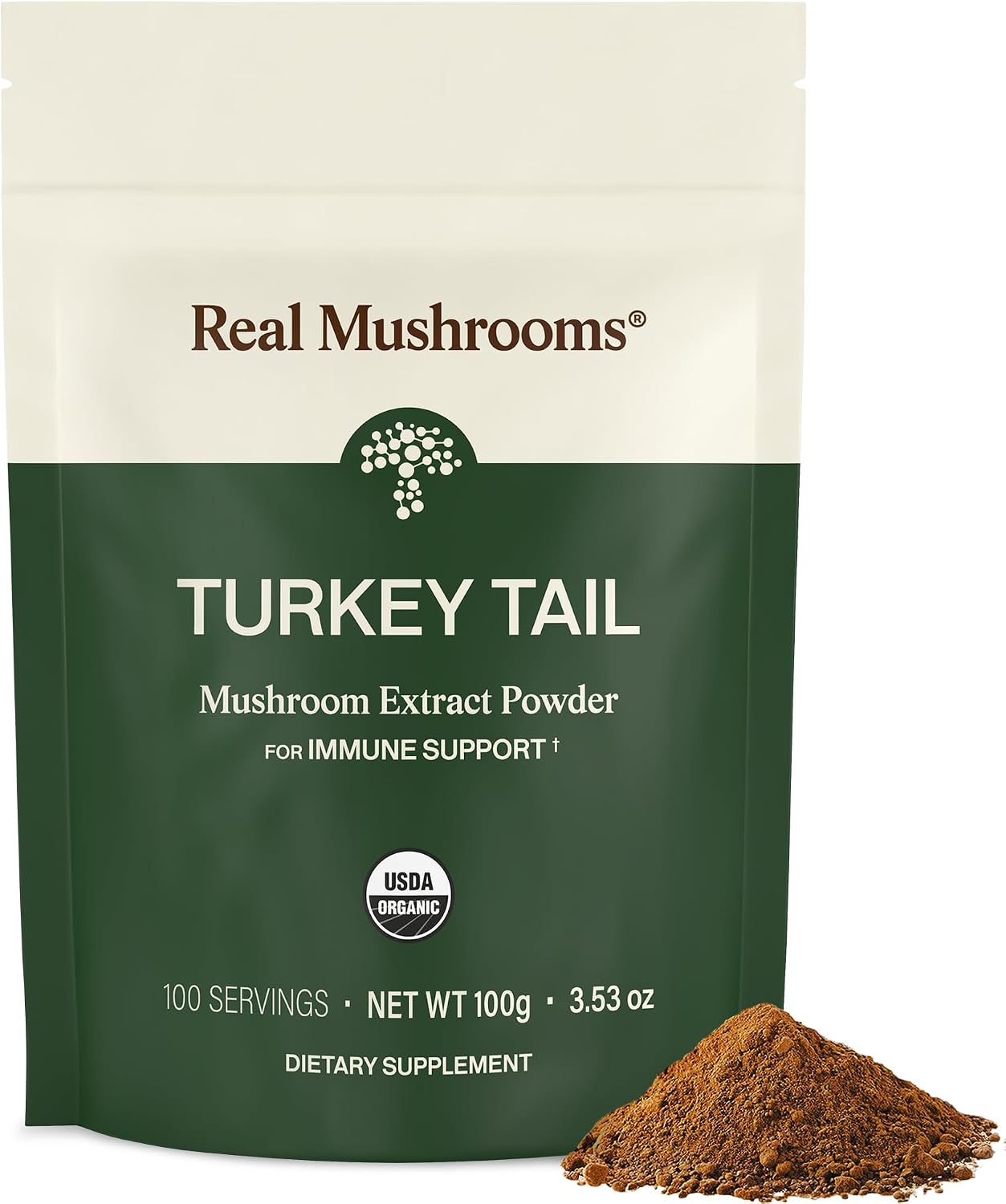
Why it’s best for gut health: Turkey tail (Trametes versicolor) has the most extensive research of any medicinal mushroom for gut health, with studies showing it supports beneficial gut bacteria diversity and intestinal barrier function. The beta-glucans in turkey tail act as prebiotics, feeding beneficial microorganisms while also activating immune cells in gut-associated lymphoid tissue (GALT).
This powder format provides 1 gram of concentrated extract per serving (approximately 300mg beta-glucans, verified at 30%+), along with other bioactive polysaccharides and compounds unique to turkey tail. The versatile powder can be mixed into beverages, smoothies, or foods, making it easy to incorporate into daily routines.
How to use: Mix 1 gram (1 scoop) into coffee, tea, smoothies, or yogurt daily. For targeted gut health support, take 30 minutes before meals to maximize prebiotic effects. Can be combined with probiotics for enhanced microbiome benefits.
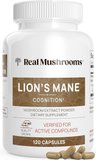
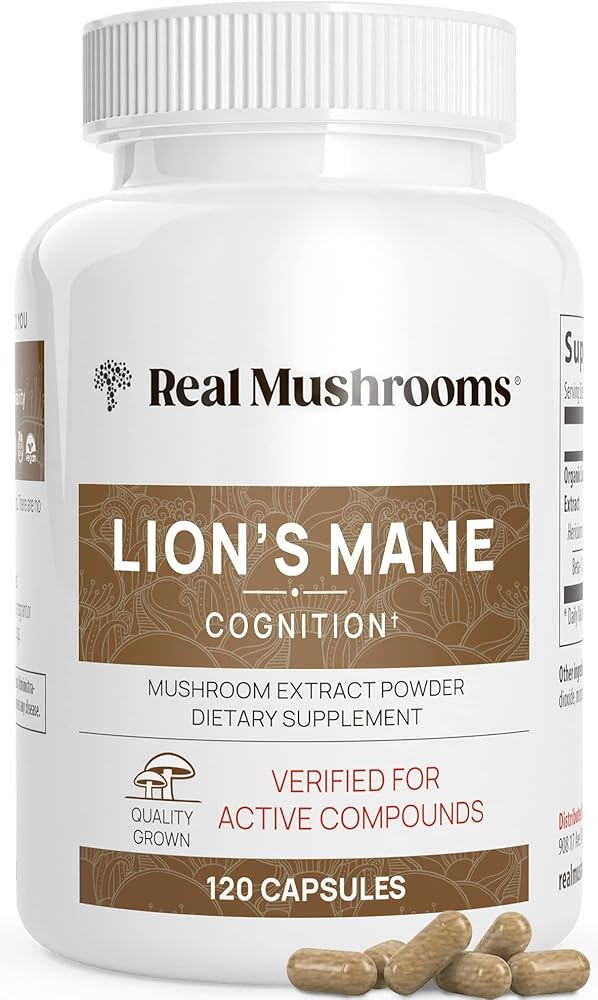
Why it’s best for cognitive support: Lion’s mane (Hericium erinaceus) is unique among medicinal mushrooms for containing both immune-active beta-glucans and neurological compounds called hericenones and erinacines. Research shows these compounds stimulate nerve growth factor (NGF) production, supporting cognitive function, focus, and neuroplasticity alongside immune system benefits.
Each capsule provides approximately 500mg of concentrated fruiting body extract with verified beta-glucan content. The 300-count bottle offers excellent value for long-term daily use, which is necessary for both immune training and cognitive benefits to develop.
How to use: Take 2 capsules (1 gram extract) once daily with meals for combined immune and cognitive support. Benefits for mental clarity and focus typically appear after 4-8 weeks of consistent use. Safe for long-term daily supplementation.
What About Oat Beta-Glucan for Cholesterol?
While the mushroom and yeast products above target immune support, those seeking cholesterol and blood sugar benefits need oat-derived beta-glucan. The most cost-effective approach is Bob’s Red Mill Oat Bran (available at most grocery stores), which provides approximately 9 grams of beta-glucan per cup of raw oat bran.
Recommended approach: Mix 1/3 cup oat bran into smoothies, yogurt, oatmeal, or baked goods daily to reach the FDA-recommended 3 grams of beta-glucan for cholesterol reduction. This whole-food approach costs less than $0.25 per day and includes other beneficial oat nutrients like avenanthramides (anti-inflammatory compounds).
For those who prefer capsules, NOW Foods Oat Beta-Glucan provides 200mg per capsule, but you would need 15 capsules daily to reach 3 grams—making food sources far more practical and economical.
How Does Beta-Glucan Compare to Other Cholesterol-Lowering Supplements?
Understanding how beta-glucan compares to other popular cholesterol supplements helps you make informed decisions about which to use or combine.
Does Beta-Glucan Work Better Than Psyllium Fiber?
Both are soluble fibers that lower cholesterol through bile acid binding, but they have different characteristics:
Beta-glucan advantages:
- More concentrated effect (3g beta-glucan vs. 10-12g psyllium needed)
- Better tolerability for many people (less gas and bloating)
- Additional blood sugar benefits
- Can be incorporated into regular foods more easily
Psyllium advantages:
- Stronger laxative effect if constipation is a concern
- Less expensive in bulk powder form
- Longer history of research (more total studies)
Can you combine them? Yes, and some people do for enhanced cholesterol reduction and bowel regularity. Total soluble fiber intake from all sources should build up gradually to avoid digestive discomfort.
Does Beta-Glucan Work Better Than Plant Sterols?
Plant sterols (phytosterols) lower cholesterol through a different mechanism—they compete with dietary cholesterol for absorption in the intestines. This creates an interesting complementary relationship:
Beta-glucan mechanism: Binds bile acids, forcing the liver to use more cholesterol Plant sterol mechanism: Blocks absorption of dietary cholesterol
Combined effect: Using both can produce additive benefits. Some foods and supplements contain both beta-glucan and plant sterols specifically for this reason. The FDA allows health claims for both compounds, recognizing their distinct but complementary mechanisms.
Typical doses:
- Beta-glucan: 3 grams daily
- Plant sterols: 2 grams daily
- Combined, these might reduce LDL by 12-15% compared to 5-10% for either alone
Does Beta-Glucan Work Better Than Red Yeast Rice?
Red yeast rice contains monacolin K, which is chemically identical to the prescription statin lovastatin. It works by inhibiting HMG-CoA reductase (the enzyme that makes cholesterol), providing much stronger cholesterol reduction than beta-glucan.
Key differences:
- Red yeast rice can lower LDL by 20-30% (similar to low-dose statins)
- Beta-glucan lowers LDL by 5-10% (modest but meaningful)
- Red yeast rice carries statin-like side effect risks (muscle pain, liver enzyme elevation)
- Beta-glucan has virtually no side effects
When to use which:
- Beta-glucan: First-line supplement for mildly elevated cholesterol, or to add to existing statin therapy
- Red yeast rice: For higher cholesterol when you want to avoid prescription statins but need more than diet and fiber alone
Can you combine them? Technically yes, but if you’re using red yeast rice (which acts like a statin), adding beta-glucan provides diminishing returns. The combination would be more powerful but also more expensive with only modest additional benefit.
Does Beta-Glucan Work Better Than Bergamot?
Bergamot (citrus fruit extract) has emerging research for cholesterol reduction through multiple mechanisms including HMG-CoA reductase inhibition and improved LDL particle size.
Comparison:
- Bergamot: 150-500mg standardized extract, reduces LDL 10-15%, also raises HDL
- Beta-glucan: 3g daily, reduces LDL 5-10%, minimal effect on HDL
- Bergamot has less total research but promising results
- Beta-glucan has FDA recognition and decades of research
Best approach: These could potentially be combined, as mechanisms differ. Bergamot affects cholesterol synthesis and particle characteristics; beta-glucan affects bile acid removal and cholesterol absorption.
Bottom line: Beta-glucan provides modest 5-10% LDL reduction through bile acid binding (similar to plant sterols and psyllium), while red yeast rice offers more potent 20-30% reduction with statin-like risks—beta-glucan is best for mild elevation or as adjunct to medications.
Can Beta-Glucan Help You Manage Your Weight?
While cholesterol and immune benefits get the most attention, beta-glucan’s effects on satiety, blood sugar, and gut health create additional metabolic advantages worth exploring.
How Does Beta-Glucan Increase Your Satiety and Fullness?
Oat beta-glucan increases feelings of fullness after meals through multiple mechanisms:
-
Delayed gastric emptying: The viscous gel formed by beta-glucan slows food leaving your stomach, extending the feeling of fullness.
-
Increased fullness signaling: Oat beta-glucan alters post-meal responses of appetite-related gut hormones such as GLP-1 and PYY, and acute feeding trials consistently show higher subjective fullness ratings after beta-glucan-containing meals.
-
Stabilized blood sugar: By preventing rapid glucose spikes and crashes, beta-glucan helps avoid the hunger surges that follow blood sugar drops.
A randomized, double-blind crossover study found that 4 g of high-molecular-weight oat beta-glucan at breakfast significantly increased fullness and satiety ratings compared with a control breakfast, while also blunting the early post-meal rise in blood glucose and insulin (Zaremba et al., 2018). Effects on the amounts people ate at a later meal were not significant in that trial, so beta-glucan is best viewed as one tool within an overall calorie-controlled diet.
What Are Beta-Glucan’s Benefits for Your Gut Microbiome?
Beta-glucan acts as a prebiotic—a food source for beneficial gut bacteria. While it’s not as potent as some specialized prebiotics like inulin or FOS (fructooligosaccharides), it does support healthy bacterial populations:
Bacterial fermentation: Gut bacteria ferment beta-glucan in the colon, producing short-chain fatty acids (SCFAs) like butyrate, propionate, and acetate. These SCFAs:
- Feed colon cells and maintain gut barrier integrity
- Reduce inflammation throughout the body
- May improve insulin sensitivity
- Support immune system regulation
Microbiome diversity: Regular fiber intake, including beta-glucan, correlates with greater bacterial diversity—a marker of gut health. Diverse gut microbiomes are associated with better metabolic health, stronger immune function, and lower inflammation. Research shows β-glucans from oats and mushrooms modulate gut microbiota composition and increase beneficial bacterial populations (PubMed 39769349).
Can Beta-Glucan Help with Metabolic Syndrome?
Metabolic syndrome is a cluster of conditions (high blood sugar, high blood pressure, abnormal cholesterol, abdominal obesity) that increase cardiovascular disease risk. Beta-glucan addresses several components:
Blood sugar: Improves insulin sensitivity and reduces glucose spikes (covered in detail earlier) Cholesterol: Lowers LDL, a key metabolic syndrome marker Blood pressure: Some studies show modest reductions in blood pressure with regular oat consumption (likely from multiple oat components, not just beta-glucan alone) Weight: Supports calorie control through enhanced satiety
Intervention trials of oat products rich in beta-glucan generally show modest improvements in LDL cholesterol and post-meal glucose (covered in detail above), which are two of the five metabolic syndrome markers. Effects on blood pressure and waist circumference are less consistent, so oat beta-glucan is best treated as one component of a broader metabolic strategy rather than a stand-alone fix.
Bottom line: Oat beta-glucan (about 4g) increases fullness ratings, blunts post-meal glucose and insulin spikes, and supports gut microbiome diversity through SCFA production—a modest weight-management aid within an overall calorie-controlled diet rather than a standalone appetite suppressant.
Should Athletes Use Beta-Glucan?
The immune-supporting types of beta-glucan (yeast and mushroom) have specific applications for people undergoing intense physical training.
Can Beta-Glucan Reduce the risk of Exercise-Induced Immune Suppression?
Hard training temporarily suppresses immune function. The “open window” hypothesis suggests that in the hours after intense exercise, your immune system is compromised, making you more susceptible to infections. This is why athletes often get sick after competitions or intense training blocks.
Research in marathon runners:
In a placebo-controlled, double-blind study, 75 marathon runners took 250-500 mg of Wellmune yeast beta-glucan or placebo daily for 4 weeks after a marathon. The beta-glucan groups experienced significantly fewer upper respiratory tract infection symptoms and reported better overall health than placebo (Talbott & Talbott, 2009).
Similar results have been found in other trials of yeast beta-glucan during periods of physical stress.
Why Is Beta-Glucan Beneficial for Athletes?
Beta-glucan supports athletic performance and recovery through several pathways:
- Immune cell priming: Maintains immune surveillance during periods when exercise would normally suppress it
- Reduced inflammation: May help manage exercise-induced inflammation without blocking beneficial training adaptations
- Enhanced recovery: Better immune function means faster healing of micro-damage from training
- Infection prevention: Fewer sick days means more consistent training and better performance
What Is the Recommended Dosage of Beta-Glucan for Athletes?
Athletes typically use 250-500mg of yeast beta-glucan daily, taken year-round or during heavy training blocks. Some increase to 500mg during taper periods before major competitions (when training volume drops but infection risk remains elevated due to accumulated fatigue). Daily yeast-derived β-1,3/1,6 glucan supplementation has also been shown to reduce upper respiratory tract infections in older adults (Fuller et al., 2017).
Timing: Can be taken any time of day. Some athletes prefer morning dosing to establish a consistent routine. No need to time around workouts—the immune effects are long-term rather than acute.
Can You Take Beta-Glucan with Other Athletic Supplements?
Beta-glucan is generally safe to combine with common athletic supplements:
- Protein powder: No interaction—take beta-glucan separately from protein timing for convenience
- Creatine: No interaction
- Caffeine/pre-workout: No interaction
- Fish oil: May be complementary (fish oil reduces inflammation; beta-glucan supports immunity)
- Vitamin D: Good combination—vitamin D also supports immune function through different mechanisms
One consideration: If you’re taking high-dose antioxidants (vitamin C, vitamin E, NAC) immediately around workouts, some research suggests this might blunt training adaptations. Beta-glucan doesn’t have this concern—it supports immunity without acting as a direct antioxidant.
Bottom line: Yeast beta-glucan 250-500mg daily was associated with significantly fewer upper respiratory tract infection symptoms in marathon runners after a race, and daily intake reduces respiratory infections in older adults—making it a reasonable addition during heavy training blocks, safe to combine with standard athletic supplements.
What Are Common Mistakes When Using Beta-Glucan?
Understanding what doesn’t work helps you avoid wasted money and disappointment.
Are You Using the Wrong Type of Beta-Glucan for Your Goal?
This is the most common error. People buy a mushroom beta-glucan supplement expecting cholesterol reduction, or take oat beta-glucan hoping for immune benefits. Source determines function—this can’t be emphasized enough.
Solution: Match the type to your goal. Review the comparison sections in this article before purchasing.
Are You Taking Too Little Beta-Glucan to See Results?
Many beta-glucan supplements provide insufficient doses to match research findings:
-
Cholesterol reduction requires 3+ grams of oat beta-glucan daily. A supplement providing 200mg per capsule would require 15 capsules daily—most people take 2-3 and wonder why nothing happens.
-
Immune benefits appear at 250-500mg of yeast or mushroom beta-glucan. Taking less may provide no benefit.
Solution: Calculate the actual beta-glucan content and verify you’re meeting research-backed doses. For oat beta-glucan, whole food sources (oatmeal, oat bran) are often more practical than pills.
Are You Expecting Immediate Results from Beta-Glucan?
Beta-glucan’s benefits are real but not dramatic or instant:
- Cholesterol: Takes 2-3 weeks to see changes on blood tests
- Blood sugar: Post-meal effects are immediate, but improvements in fasting glucose and HbA1c take 6-12 weeks
- Immune: Requires 3-6 weeks of consistent use before infection rates decline
Solution: Commit to at least 8-12 weeks of proper dosing before evaluating effectiveness. Track objective measures (blood tests for cholesterol/glucose, frequency of illnesses for immune) rather than relying on subjective feelings.
Is Your Timing Wrong for Blood Sugar Benefits?
Oat beta-glucan only affects blood sugar when consumed with or shortly before meals. Taking it on an empty stomach provides no glucose-lowering effect because the mechanism requires slowing digestion of that meal’s carbohydrates.
Solution: For blood sugar benefits, take beta-glucan within 15-30 minutes before meals or consume it as part of the meal itself (like eating oatmeal for breakfast).
Are You Assuming All Beta-Glucan Products Are Equal Quality?
Beta-glucan supplements vary enormously in quality:
- Oat products: Verify actual beta-glucan content (some “oat fiber” products are mostly insoluble fiber, not beta-glucan)
- Mushroom products: Some use mycelium grown on grain, providing mostly grain starch rather than mushroom beta-glucan. Look for fruiting body extracts.
- Yeast products: Quality varies in particle size and purity. Research-backed brands like Wellmune have consistent results.
Solution: Look for third-party testing (ConsumerLab, NSF, USP) and products that specify actual beta-glucan content with verification methods.
Are You Drinking Enough Water with High-Fiber Beta-Glucan?
Oat beta-glucan is a soluble fiber that absorbs water. Taking high doses without adequate fluid can cause constipation rather than providing benefits.
Solution: Drink at least 8-12 ounces of water with each dose of oat beta-glucan. Increase overall water intake when using fiber supplements.
Are You Stopping Too Soon Because You Don’t Feel Dramatic Changes?
Beta-glucan provides modest, meaningful improvements—not miracle transformations:
- 5-10% LDL reduction is significant for cardiovascular risk but won’t feel like anything
- 25% fewer colds per year means you might get sick 3 times instead of 4—easy to miss without careful tracking
- Blood sugar improvements of 10-15 mg/dL are clinically important but subtle
Solution: Trust the research and track objective metrics. The absence of dramatic feelings doesn’t mean it’s not working. These are preventive and supportive strategies, not treatments for active disease.
Bottom line: Avoid common mistakes by matching beta-glucan type to your goal (oat for cholesterol, yeast for immunity), taking adequate doses (3g oat, 250-500mg yeast), timing oat beta-glucan with meals for blood sugar benefits, allowing 8-12 weeks for results, and choosing third-party tested products with verified beta-glucan content.
Related Reading
- Best Supplements for High Cholesterol: What Cardiologists Recommend
- Immune Support During Cancer Treatment: Safe Supplements - Evidence-Based Guide
- Vitamin D3 for Immunity and Bone Health: Complete Evidence-Based Guide
- Best Mushroom Supplements for Immune Support: Reviews & Brand Analysis
- Best Immune System Supplements: Vitamin C, Zinc, and Elderberry
Frequently Asked Questions
Q: Can I take all types of beta-glucan together?
Yes. Oat beta-glucan works in your digestive tract, while mushroom/yeast beta-glucan works on immune cells. There’s no interaction between them. Many people take oat beta-glucan for cholesterol and add a yeast or mushroom supplement for immune support.
Q: How long does beta-glucan stay in your system?
Oat beta-glucan passes through your digestive tract in 24-48 hours (normal digestion time). Its effects on that specific meal’s cholesterol and glucose absorption are immediate, but the overall impact on cholesterol levels requires consistent daily intake. Mushroom and yeast beta-glucan particles may remain in immune tissues longer—possibly several days—where they continue to stimulate immune cells. This isn’t fully understood.
Q: Do I need to take beta-glucan with food?
For cholesterol and blood sugar: Yes, oat beta-glucan should be consumed with meals or shortly before. It needs to be present in your digestive tract when food arrives to slow digestion and bind bile acids.
For immune support: No, mushroom and yeast beta-glucan can be taken any time of day. Their effects are systemic, not digestive.
Q: Can beta-glucan replace my cholesterol medication?
No. While beta-glucan provides modest cholesterol reduction (5-10% LDL decrease), this is much less than statin medications (typically 30-50% reduction). Beta-glucan can be used alongside statins for additional benefit, but don’t stop prescribed medications without your doctor’s approval. For people with borderline high cholesterol not yet requiring medication, beta-glucan plus lifestyle changes may be sufficient.
Q: Will beta-glucan help if I’m already sick?
The research focuses on prevention—reducing the likelihood of getting sick or lessening severity if you do catch something. Beta-glucan isn’t a treatment for active infections. If you’re already sick, it likely won’t shorten your illness significantly. The immune training effects work best when started before exposure to pathogens.
Q: Is beta-glucan safe long-term?
Yes. Oat beta-glucan has been consumed as food for thousands of years with no long-term safety concerns. Mushroom and yeast beta-glucan supplements have been used in research for up to 12 months continuously with no adverse effects. Many people take immune-supporting beta-glucans year-round, particularly during cold and flu season.
Q: Do I need more beta-glucan if I’m larger or heavier?
Research hasn’t established weight-based dosing. The standard doses (3g for oat beta-glucan, 250-500mg for immune beta-glucans) were effective across wide ranges of body weights in clinical trials. Very large individuals might benefit from the higher end of dose ranges, but there’s no clear formula for adjusting based on body weight.
Q: Can I get enough beta-glucan from food alone?
For cholesterol: Yes, if you eat 1.5 cups of oatmeal or 1/3 cup oat bran daily, you’ll get the effective 3-gram dose. Many people find this achievable.
For immune support: It’s much harder. You’d need to eat large amounts of medicinal mushrooms daily to reach supplement-equivalent doses of beta-glucan. Most people find mushroom or yeast supplements more practical for immune goals.
Q: Does cooking destroy beta-glucan?
No. Beta-glucan is heat-stable. Cooking oats (making oatmeal) doesn’t reduce beta-glucan content. In fact, cooking helps extract beta-glucan from the oat matrix, potentially making it more available. The same applies to mushrooms—cooking doesn’t destroy the beta-glucan content.
Our Top Recommendations
The four product picks reviewed above are Real Mushrooms 5 Defenders Complex (Best Overall), Life Extension Mushroom Immune (Best Budget), Real Mushrooms Turkey Tail Powder (Best for Gut Health), and Real Mushrooms Lion’s Mane Capsules (Best for Cognitive Support). For cholesterol and blood sugar goals, oat-based beta-glucan from food (oatmeal or oat bran, about 3 g of beta-glucan daily) remains the most evidence-backed and cost-effective choice.
📱 Join the discussion: Facebook | X | YouTube | Pinterest
Conclusion: Matching Beta-Glucan Source to Your Health Goals
Beta-glucan represents one of the few supplement compounds with FDA recognition, extensive clinical research, and multiple proven health benefits. But the key to getting results is understanding that source determines function. The beta-glucan from your morning oatmeal works completely differently than beta-glucan from a mushroom supplement, and using the wrong type for your goal wastes money and provides no benefit.
Use oat or barley beta-glucan (3+ grams daily) if you want to lower cholesterol by 5-10% or stabilize blood sugar. The FDA health claim isn’t marketing hype—it’s backed by decades of research showing consistent, modest improvements in cardiovascular disease markers. Take it with meals for blood sugar benefits, or at any time of day for cholesterol effects.
Use yeast beta-glucan (250-500mg daily) if you want to reduce cold and flu incidence or support immune function during stress. The clinical trials show approximately 25% fewer respiratory infections and shorter, milder symptoms when illness does occur. This is one of the few immune supplements with rigorous human research rather than just lab studies.
Use mushroom beta-glucan (500-1000mg extract daily) if you want immune system activation with the additional benefits of whole mushroom compounds. While the evidence is slightly less standardized than for yeast beta-glucan, medicinal mushrooms have centuries of traditional use and modern research increasingly validates their immune-enhancing properties.
The safety profile across all types is excellent, the costs are reasonable, and the benefits—while modest—are real and measurable. Beta-glucan provides meaningful support for cardiovascular health, metabolic function, and immune resilience when used appropriately alongside standard medical care. Discuss with your doctor before making changes to prescribed treatments.
Choose your source based on your goal, use the evidence-based dose, and give it at least 8-12 weeks of consistent use before evaluating results. Pay attention to the clues your body provides—changes in energy, infection patterns, or lab values. Beta-glucan works quietly but effectively when matched to the right application.
References
-
Whitehead, A., Beck, E. J., Tosh, S., & Wolever, T. M. (2014). Cholesterol-lowering effects of oat β-glucan: a meta-analysis of randomized controlled trials. American Journal of Clinical Nutrition, 100(6), 1413-1421. PubMed
-
Zurbau, A., et al. (2021). The effect of oat β-glucan on postprandial blood glucose and insulin responses: a systematic review and meta-analysis. European Journal of Clinical Nutrition, 75(11), 1540-1554. PubMed
-
Tosh, S. M. (2013). Review of human studies investigating the post-prandial blood-glucose lowering ability of oat and barley food products. European Journal of Clinical Nutrition, 67(4), 310-317. PubMed
-
Shen, X. L., et al. (2016). Effect of oat β-glucan intake on glycaemic control and insulin sensitivity of diabetic patients: a meta-analysis of randomized controlled trials. Nutrients, 8(1), 39. PubMed
-
Ho, H. V. T., Sievenpiper, J. L., Zurbau, A., et al. (2016). The effect of oat β-glucan on LDL-cholesterol, non-HDL-cholesterol and apoB for CVD risk reduction: a systematic review and meta-analysis of randomised-controlled trials. British Journal of Nutrition, 116(8), 1369-1382. PubMed
-
Wolever, T. M. S., Tosh, S. M., Gibbs, A. L., et al. (2010). Physicochemical properties of oat β-glucan influence its ability to reduce serum LDL cholesterol in humans: a randomized clinical trial. American Journal of Clinical Nutrition, 92(4), 723-732. PubMed
-
Chan, G. C., Chan, W. K., & Sze, D. M. (2009). The effects of beta-glucan on human immune and cancer cells. Journal of Hematology & Oncology, 2, 25. PubMed
-
Novak, M., & Vetvicka, V. (2008). Beta-glucans, history, and the present: immunomodulatory aspects and mechanisms of action. Journal of Immunotoxicology, 5(1), 47-57. PubMed
-
Vuscan, P., et al. (2024). Potent induction of trained immunity by Saccharomyces cerevisiae β-glucans. Frontiers in Immunology, 15. PubMed
-
Auinger, A., Riede, L., Bothe, G., Busch, R., & Gruenwald, J. (2013). Yeast (1,3)-(1,6)-beta-glucan helps to maintain the body’s defence against pathogens: a double-blind, randomized, placebo-controlled, multicentric study in healthy subjects. European Journal of Nutrition, 52(8), 1913-1918. PubMed
-
Zhang, Y., et al. (2023). Recent advances of cereal β-glucan on immunity with gut microbiota regulation functions and its intelligent gelling application. Critical Reviews in Food Science and Nutrition, 63(19), 3895-3911. PubMed
-
Talbott, S., & Talbott, J. (2009). Effect of BETA 1,3/1,6 GLUCAN on upper respiratory tract infection symptoms and mood state in marathon athletes. Journal of Sports Science & Medicine, 8(4), 509-515. PubMed
-
Mah, E., et al. (2020). Soluble and insoluble yeast β-glucan differentially affect upper respiratory tract infection in marathon runners: a double-blind, randomized, placebo-controlled study. Journal of Medicinal Food, 23(4), 416-419. PubMed
-
Dellinger, E. P., et al. (1999). Effect of PGG-glucan on the rate of serious postoperative infection or death observed after high-risk gastrointestinal operations. Archives of Surgery, 134(9), 977-983. PubMed
-
Fuller, R., et al. (2017). Yeast-derived β-1,3/1,6 glucan, upper respiratory tract infection and innate immunity in older adults. Nutrition, 39-40, 30-35. PubMed
-
Zaremba, S. M. M., et al. (2018). Effects of oat β-glucan consumption at breakfast on ad libitum eating, appetite, glycemia, insulinemia and GLP-1 concentrations in healthy subjects. Appetite, 128, 197-204. PubMed
-
Guzowska, M., et al. (2024). Oat beta-glucans modulate the gut microbiome, barrier function, and immune responses in an in vivo model. International Journal of Molecular Sciences, 25(24). PubMed
Recommended Products