Glucosamine for Joint Health and Cartilage Repair: Clinical Evidence
Summarized from peer-reviewed research indexed in PubMed. See citations below.
Joint pain affects nearly 1 in 4 adults, with osteoarthritis being the leading cause of chronic disability worldwide. For those seeking research-backed joint support, Metagenics Glucosamine Sulfate delivers 1,500 mg of pharmaceutical-grade glucosamine sulfate with vitamin C for optimal cartilage synthesis, priced around $32 for a 60-day supply. A 3-year Lancet study showed that 1,500 mg daily glucosamine sulfate was associated with no significant joint space narrowing (a marker of cartilage loss) while placebo groups lost 0.31mm of cartilage. For budget-conscious shoppers, Ancient Nutrition Bone Broth Protein Powder provides glucosamine alongside collagen peptides and gelatin for approximately $38 per container. Here’s what the published research shows about glucosamine’s mechanisms, clinical evidence, and practical applications for joint health.
Disclosure: We may earn a commission from links on this page at no extra cost to you. Affiliate relationships never influence our ratings. Full policy →
| Feature | Metagenics Glucosamine | Glucosamine Chondroitin MSM | SaltWrap Collagen | Bone Broth Protein |
|---|---|---|---|---|
| Form | Sulfate | Sulfate + Chondroitin + MSM | Collagen Peptides | Whole Food Powder |
| Glucosamine Dose | 1,500 mg | 1,500 mg | Minimal | ~300-500 mg (naturally occurring) |
| Additional Actives | Vitamin C, Manganese | Chondroitin 1,200mg, MSM 1,000mg | Fortigel, Tendoforte | Collagen, Gelatin, Hyaluronic Acid |
| Clinical Trial Support | High (matches research doses) | Moderate (GAIT trial) | High (Fortigel studies) | Moderate (whole food approach) |
| Price per Day | ~$0.53 | ~$0.83 | ~$1.33 | ~$0.95 |
| Best For | Evidence-based single ingredient | All-in-one joint support | Tendon/ligament focus | Whole food nutrition approach |
What Is Glucosamine and How Does It Work in Your Joints?
Glucosamine is an amino monosaccharide—specifically 2-amino-2-deoxy-D-glucose—that represents one of the most abundant monosaccharides in human tissue. The body naturally produces glucosamine from glucose and the amino acid glutamine through a series of enzymatic reactions. This endogenous synthesis occurs primarily in chondrocytes, where glucosamine serves as the precursor for glycosaminoglycans (GAGs), the long unbranched polysaccharides that form the ground substance of cartilage extracellular matrix.
The biochemical pathway begins when glucose-6-phosphate undergoes conversion to glucosamine-6-phosphate via the enzyme glucosamine-fructose-6-phosphate aminotransferase, with glutamine serving as the nitrogen donor. This rate-limiting step determines how much glucosamine enters the hexosamine biosynthetic pathway. The glucosamine-6-phosphate then converts to N-acetylglucosamine, which undergoes further modifications to ultimately form various GAGs including hyaluronic acid, chondroitin sulfate, keratan sulfate, and heparan sulfate. This pathway is essential for glycosaminoglycan synthesis in articular cartilage (PubMed 9834045).
These glycosaminoglycans combine with core proteins to create proteoglycans—massive molecular complexes that constitute up to 35% of cartilage dry weight (PubMed 16039016). The most prominent cartilage proteoglycan, aggrecan, contains over 100 chondroitin sulfate and keratan sulfate chains attached to a single protein core. These negatively charged GAG chains attract and trap water molecules, creating the hydrated gel-like matrix that gives cartilage its unique biomechanical properties: the ability to withstand compressive forces while maintaining elasticity.
In healthy joints, this system maintains homeostasis through balanced synthesis and degradation. However, with aging, joint injury, or inflammatory conditions, the equilibrium shifts toward net cartilage loss. Chondrocyte activity declines, matrix metalloproteinases (MMPs) and aggrecanases increase their degradative activity, and inflammatory cytokines suppress new matrix synthesis. The hypothesis underlying glucosamine supplementation proposes that providing exogenous glucosamine can help restore this balance by increasing substrate availability for GAG synthesis, directly stimulating chondrocyte anabolic activity, and modulating inflammatory pathways.
Glucosamine exists in several forms relevant to supplementation: glucosamine sulfate (bound with sulfate groups), glucosamine hydrochloride (bound with hydrochloric acid), and N-acetylglucosamine (NAG, acetylated form). These forms differ in their molecular weight, glucosamine content per gram, stability, and potentially in their bioavailability and efficacy. Glucosamine sulfate contains approximately 59-65% glucosamine by weight (the remainder being sulfate and stabilizing compounds), while glucosamine HCl provides roughly 83% glucosamine by weight since the hydrochloride molecule is smaller.
The sulfate form has historical precedence in research, as most early clinical trials utilized glucosamine sulfate preparations. Some researchers hypothesize that the sulfate component itself may contribute to efficacy, as sulfur is required for GAG sulfation—a critical post-translational modification that affects proteoglycan function. However, this remains controversial since dietary sulfur from protein sources is generally abundant, and the body can obtain sulfate from multiple sources. The debate over which form proves superior continues, with implications for clinical recommendations.
Bottom line: Glucosamine is an amino sugar that serves as a building block for cartilage proteoglycans, with the sulfate form containing 59-65% glucosamine by weight compared to 83% in the hydrochloride form; both provide substrate for glycosaminoglycan synthesis in cartilage tissue.
How Does Glucosamine Protect and Repair Your Joints?
Glucosamine’s effects on joint health involve multiple interconnected molecular pathways, extending well beyond its role as a substrate for GAG synthesis. Research has identified at least seven distinct mechanisms through which glucosamine influences cartilage metabolism, inflammation, and joint function.
What Is Stimulation of Proteoglycan and Collagen Synthesis?
The most direct mechanism involves glucosamine serving as a substrate and signaling molecule for cartilage matrix synthesis. When chondrocytes are exposed to glucosamine in culture, they demonstrate increased production of proteoglycans and type II collagen—the two primary structural components of cartilage matrix. This occurs through multiple pathways. First, increased substrate availability for the hexosamine pathway accelerates GAG production. Second, glucosamine appears to directly activate chondrocyte anabolic activity through mechanisms that aren’t fully elucidated but may involve intracellular signaling cascades.
Research published in Osteoarthritis and Cartilage demonstrated that glucosamine stimulates the synthesis of hyaluronic acid by synoviocytes—the cells lining the joint capsule (PubMed 11999938). Since hyaluronic acid is a critical component of synovial fluid responsible for joint lubrication and cartilage nutrition, this effect contributes to improved joint function. Studies using radiolabeled glucosamine have traced its incorporation into newly synthesized proteoglycans, confirming that orally administered glucosamine reaches cartilage tissue and participates in matrix biosynthesis. Oral bioavailability studies show approximately 25% absorption with subsequent distribution to joint tissues (PubMed 16199516).
The timing of this effect appears important. Animal studies suggest that glucosamine supplementation most effectively stimulates matrix synthesis during the early stages of cartilage damage, when chondrocytes retain robust synthetic capacity. In advanced osteoarthritis, where chondrocyte number and function have severely declined, the capacity for glucosamine to stimulate new matrix formation may be limited. This observation has important implications for when to initiate supplementation for optimal benefit.
What Is Inhibition of Cartilage-Degrading Enzymes?
Cartilage degradation in osteoarthritis results primarily from the excessive activity of proteolytic enzymes—particularly matrix metalloproteinases (MMPs) and a disintegrin and metalloproteinase with thrombospondin motifs (ADAMTS) enzymes, also called aggrecanases. These enzymes break down collagen and proteoglycans respectively, leading to progressive cartilage erosion. Multiple studies have demonstrated that glucosamine inhibits the expression and activity of these degradative enzymes.
Specifically, glucosamine has been shown to suppress the expression of MMP-1, MMP-3, MMP-13, and ADAMTS-5—key enzymes in cartilage breakdown (PubMed 17653803). This occurs through modulation of gene transcription, with glucosamine interfering with transcription factors like NF-κB and AP-1 that regulate MMP gene expression. By reducing the production of these enzymes, glucosamine helps tip the balance from net cartilage degradation toward preservation. This inhibition of matrix metalloproteinases has been documented in both in vitro chondrocyte studies and animal osteoarthritis models (PubMed 12628514).
Research published in the Journal of Biological Chemistry revealed that glucosamine inhibits interleukin-1β (IL-1β) induced activation of NF-κB, a master regulator of inflammatory and catabolic gene expression in chondrocytes (PubMed 12676937). IL-1β is one of the primary pro-inflammatory cytokines driving cartilage breakdown in osteoarthritis. By interfering with IL-1β signaling, glucosamine reduces the expression of not only MMPs but also other inflammatory mediators including cyclooxygenase-2 (COX-2), inducible nitric oxide synthase (iNOS), and prostaglandin E2.
The mechanism appears to involve glucosamine’s conversion to N-acetylglucosamine and subsequent incorporation into cellular glycoproteins through a process called O-GlcNAcylation—the addition of N-acetylglucosamine to serine and threonine residues on proteins. This post-translational modification can compete with phosphorylation, thereby modulating various signaling pathways including those involving NF-κB. While the full details continue to emerge, this mechanism provides a molecular explanation for glucosamine’s anti-inflammatory and anti-catabolic effects beyond its role as a building block.
What Is Anti-Inflammatory Effects and Cytokine Modulation?
Chronic low-grade inflammation plays a central role in osteoarthritis pathogenesis. The inflamed synovium releases pro-inflammatory cytokines including IL-1β, tumor necrosis factor-alpha (TNF-α), IL-6, and IL-8, which perpetuate cartilage breakdown and cause pain. Glucosamine has demonstrated anti-inflammatory properties in multiple experimental systems.
In vitro studies using cultured chondrocytes and synoviocytes have consistently shown that glucosamine reduces the production of inflammatory mediators in response to IL-1β stimulation. This includes decreased production of prostaglandin E2 (a lipid mediator of pain and inflammation), nitric oxide (which can damage cartilage and inhibit matrix synthesis), and various inflammatory cytokines. These effects occur at concentrations achievable through oral supplementation, typically in the range of 5-20 mg/mL.
Animal models of osteoarthritis provide in vivo confirmation of anti-inflammatory effects. In the meniscal tear model of osteoarthritis in rats, glucosamine supplementation reduced synovial inflammation, decreased cartilage erosion, and lowered the expression of inflammatory markers compared to control animals (PubMed 15582265). Similar results have been observed in post-traumatic osteoarthritis models, where joint injury initiates an inflammatory cascade that accelerates cartilage loss.
The clinical relevance of these anti-inflammatory effects remains somewhat controversial. Some researchers argue that glucosamine’s anti-inflammatory potency is relatively modest compared to conventional non-steroidal anti-inflammatory drugs (NSAIDs). However, the advantage of glucosamine may lie in its favorable safety profile with long-term use, particularly regarding gastrointestinal and cardiovascular risks associated with chronic NSAID use. Additionally, by addressing both inflammatory and structural aspects of joint disease, glucosamine may offer complementary benefits that purely symptomatic treatments cannot provide.
What Is Antioxidant Properties and Protection from Oxidative Stress?
Reactive oxygen species (ROS) and oxidative stress contribute significantly to cartilage degradation in osteoarthritis. Chondrocytes in osteoarthritic cartilage demonstrate increased oxidative damage to lipids, proteins, and DNA. This oxidative stress impairs chondrocyte function, induces cell death, and promotes matrix breakdown. Emerging evidence suggests that glucosamine possesses antioxidant properties that may help protect cartilage from oxidative damage.
Studies have shown that glucosamine can scavenge free radicals directly and enhance cellular antioxidant defense systems. In cultured chondrocytes exposed to oxidative stress, glucosamine treatment reduced lipid peroxidation, protein oxidation, and DNA damage (PubMed 18296334). The mechanism appears to involve both direct radical scavenging and upregulation of antioxidant enzymes including superoxide dismutase and catalase.
Research published in Free Radical Biology and Medicine demonstrated that glucosamine protects chondrocytes from hydrogen peroxide-induced cell death by reducing oxidative stress and inhibiting apoptotic pathways. Given that oxidative stress accelerates chondrocyte senescence and cartilage aging, these antioxidant effects may contribute to glucosamine’s chondroprotective properties, particularly in preventing age-related cartilage deterioration.
The clinical significance of these antioxidant effects requires further investigation. While in vitro and animal studies provide proof of concept, whether glucosamine’s antioxidant activity translates to measurable clinical benefits in humans remains uncertain. Nevertheless, this mechanism adds another dimension to understanding how glucosamine may support joint health beyond its structural role.
What Is Enhancement of Joint Lubrication Through Hyaluronic Acid Production?
Synovial fluid serves as both a lubricant and nutrient delivery system for cartilage. Hyaluronic acid (HA), a high-molecular-weight GAG, constitutes the primary component responsible for synovial fluid’s viscoelastic properties. In osteoarthritis, both the quantity and quality of synovial fluid HA decline, resulting in decreased lubrication, increased friction, and reduced shock absorption.
Glucosamine stimulates the synthesis of hyaluronic acid by synoviocytes—the cells that produce synovial fluid. This occurs through increased substrate availability for HA synthesis and possible direct stimulation of HA synthase enzymes. Studies measuring synovial fluid composition in patients taking glucosamine have shown increases in HA concentration and molecular weight, suggesting improved lubrication capacity.
This mechanism may explain some of the symptomatic benefits patients experience with glucosamine supplementation, particularly improvements in joint stiffness and mobility. Enhanced lubrication reduces friction during movement, which should theoretically decrease pain and improve function. This effect on synovial fluid quality represents a distinct mechanism from cartilage structural effects, potentially contributing to benefits even in patients with advanced cartilage loss where structural repair may be limited.
Interestingly, this mechanism shares similarities with intra-articular hyaluronic acid injections (viscosupplementation), a treatment approved for knee osteoarthritis. While injections deliver HA directly to the joint at much higher concentrations, oral glucosamine may provide a more modest systemic stimulation of HA production. Whether this translates to clinically meaningful improvements in joint lubrication remains an area of ongoing research.
What Is Reduction of Joint Space Narrowing and Cartilage Volume Loss?
Perhaps the most clinically relevant question is whether glucosamine can slow the structural progression of osteoarthritis—the gradual loss of cartilage that ultimately leads to bone-on-bone contact and joint failure. Several long-term clinical trials have used radiographic joint space width (JSW) as a surrogate marker for cartilage thickness, with joint space narrowing indicating progressive cartilage loss.
The landmark study by Reginster et al., published in The Lancet in 2001, followed 212 patients with knee osteoarthritis for three years (PubMed 11437281). Patients receiving glucosamine sulfate (1500 mg daily) showed no significant joint space narrowing on radiographs, while the placebo group demonstrated progressive narrowing averaging 0.31 mm over three years. This suggested that glucosamine sulfate might slow or prevent structural deterioration of osteoarthritic joints.
Subsequent studies using more sensitive MRI measurements of cartilage volume have yielded mixed results. Some MRI-based studies found that glucosamine slowed cartilage volume loss in specific joint compartments, while others found no significant structural benefits. The MOVES trial (Multicentre Osteoarthritis interVEntion trial with SYSADOA), published in 2018, used quantitative MRI to measure cartilage changes over 18 months in 606 patients with knee osteoarthritis. The study found no significant difference in cartilage loss between glucosamine sulfate and placebo groups.
These conflicting results highlight important questions about patient selection, disease stage, outcome measures, and treatment duration. It’s possible that structural benefits occur only in certain patient subgroups (early disease, specific joint compartments) or require longer treatment duration than studied in some trials. Additionally, the sensitivity of radiographic JSW as an outcome measure has been questioned, as it may not accurately reflect cartilage status in all patients.
What Is Modulation of Pain Through Multiple Pathways?
Beyond structural effects on cartilage, glucosamine appears to influence pain perception through several mechanisms. The anti-inflammatory effects discussed earlier contribute to pain reduction by decreasing inflammatory mediators like prostaglandins that sensitize pain receptors. Additionally, improved joint lubrication should theoretically reduce mechanical pain from friction and abnormal joint loading.
Emerging research suggests that glucosamine may also have direct effects on pain signaling pathways. Studies have shown that glucosamine can modulate the activity of substance P and nerve growth factor (NGF), both involved in pain transmission and sensitization in osteoarthritis. By reducing the production or effects of these neurotransmitters, glucosamine may help normalize pain signaling in affected joints.
The time course of pain relief with glucosamine differs markedly from conventional analgesics. While NSAIDs and acetaminophen provide pain relief within hours, glucosamine typically requires 4-8 weeks of daily supplementation before significant symptomatic improvement becomes apparent. This delayed onset suggests that glucosamine’s analgesic effects result from gradual modifications to joint tissue and inflammation rather than direct receptor-based pain inhibition.
Some patients report sustained pain relief that persists for months after discontinuing glucosamine, a phenomenon called “carry-over effect” observed in several clinical trials. This distinguishes glucosamine from symptomatic treatments where benefits cease immediately upon drug discontinuation, and suggests that glucosamine may induce more durable changes to joint pathology rather than merely masking symptoms temporarily.
Bottom line: Glucosamine works through seven distinct mechanisms including stimulating proteoglycan synthesis, inhibiting cartilage-degrading enzymes (MMPs), reducing inflammatory cytokines like IL-1β, providing antioxidant protection, enhancing synovial fluid production, slowing joint space narrowing, and modulating pain through anti-inflammatory and direct neural pathways.
What Does Clinical Research Show About Glucosamine’s Effectiveness?
Glucosamine ranks among the most extensively studied dietary supplements, with hundreds of clinical trials investigating its effects on osteoarthritis and joint health. However, interpreting this body of research requires careful consideration of study design, patient populations, glucosamine formulations, outcome measures, and funding sources. The evidence presents a complex picture with both promising findings and important limitations.
What Did the Early Landmark Studies Show?
The modern era of glucosamine research began in the 1980s with small pilot studies suggesting benefits for osteoarthritis symptoms. However, rigorous large-scale trials didn’t emerge until the late 1990s and early 2000s. Several key studies established glucosamine’s potential efficacy and helped define its role in osteoarthritis management.
The Reginster study (2001), mentioned earlier, represented a watershed moment in glucosamine research. This three-year randomized controlled trial demonstrated not only symptomatic improvement but also apparent disease modification, with glucosamine sulfate showing no progression of joint space narrowing typically seen in osteoarthritis progression. Patients receiving glucosamine experienced 20-25% improvement in pain and function scores, significantly greater than placebo. Importantly, side effects were minimal and not significantly different from placebo, establishing glucosamine’s safety profile.
A meta-analysis by Towheed et al., published in Cochrane Database of Systematic Reviews in 2005, analyzed 20 randomized controlled trials involving 2,570 patients. The analysis found moderate efficacy for glucosamine in treating osteoarthritis, with effect sizes for pain reduction and functional improvement that, while modest, were statistically significant and clinically relevant. However, the authors noted substantial heterogeneity among studies and highlighted that industry-funded trials showed larger effect sizes than independent studies—a finding that raised questions about potential bias.
The Pavelka study (2002) compared glucosamine sulfate to the NSAID ibuprofen in 202 patients with knee osteoarthritis over 12 weeks. While ibuprofen provided faster initial pain relief, by week 4 glucosamine caught up, and both treatments showed similar symptomatic efficacy by study end. Notably, the glucosamine group showed continued improvement in the 8-week follow-up period after treatment cessation, while the ibuprofen group regressed toward baseline—demonstrating the “carry-over effect” that distinguishes glucosamine from conventional analgesics.
What Did the GAIT Trial Reveal?
The Glucosamine/Chondroitin Arthritis Intervention Trial (GAIT), published in 2006 in The New England Journal of Medicine, represented the largest and most rigorous U.S. government-funded study of glucosamine. This $14 million multicenter trial enrolled 1,583 patients with knee osteoarthritis, randomly assigning them to glucosamine hydrochloride (1500 mg daily), chondroitin sulfate (1200 mg daily), both supplements combined, celecoxib (a prescription NSAID), or placebo for 24 weeks.
The primary outcome—20% improvement in pain—showed no significant difference between glucosamine alone (64% response rate), chondroitin alone (65%), or placebo (60%). The combination of glucosamine plus chondroitin showed a trend toward benefit (67%) but didn’t reach statistical significance in the overall population. Celecoxib, the positive control, showed a statistically significant benefit (70% response rate).
However, pre-specified subgroup analysis revealed intriguing findings. Among patients with moderate-to-severe pain at baseline (about one-third of participants), the combination of glucosamine plus chondroitin achieved a 79% response rate compared to 54% for placebo—a statistically significant difference. This suggested that glucosamine might be more effective for patients with more severe disease, though subgroup analyses must be interpreted cautiously.
The GAIT trial sparked considerable debate and controversy. Glucosamine proponents pointed to several potential explanations for the overall negative results: the use of glucosamine HCl rather than the sulfate form used in most European studies; the unusually high placebo response rate (60%, compared to 30-40% in many earlier trials); and the relatively mild pain in most participants (which may be less responsive to treatment). Critics argued that the trial’s rigorous methodology provided the most reliable evidence to date, calling into question glucosamine’s efficacy.
A two-year extension of GAIT examined structural outcomes using radiographic joint space width. Published in 2008, this ancillary study found no significant difference in joint space narrowing between any treatment group and placebo, contradicting earlier studies suggesting disease-modifying effects. This negative structural finding further fueled skepticism about glucosamine’s disease-modifying potential.
What Do European Studies Say About Sulfate vs. Hydrochloride?
The divergent results between predominantly positive European studies and the negative GAIT trial led researchers to scrutinize differences in study design, particularly the form of glucosamine used. Most European studies showing benefit used crystalline glucosamine sulfate (typically the Rottapharm formulation marketed as Dona or Viartril-S), while GAIT used glucosamine hydrochloride.
Proponents of the sulfate form argue that it has superior bioavailability and efficacy. The crystalline glucosamine sulfate formulation contains sodium chloride as a stabilizer, which some researchers believe aids in absorption. Additionally, some hypothesize that the sulfate moiety itself contributes to efficacy by providing sulfur for GAG sulfation, though this mechanism remains speculative given abundant dietary sulfur from protein sources.
The MOVES trial (2018) directly addressed this question by using the same pharmaceutical-grade crystalline glucosamine sulfate that showed positive results in earlier European trials. Despite using this formulation, MOVES found no significant benefit for pain, function, or cartilage loss compared to placebo in 606 patients followed for 18 months. This negative result challenged the hypothesis that formulation differences explained the divergent outcomes, suggesting instead that other factors—patient selection, outcome measures, or simply chance variation—might account for inconsistent findings.
A comprehensive network meta-analysis published in Annals of Internal Medicine in 2018 analyzed 192 trials of various osteoarthritis treatments. The analysis found that glucosamine had minimal clinically important effects on pain and function compared to placebo, with effect sizes smaller than those of NSAIDs and comparable to placebo. The authors concluded that glucosamine did not meet thresholds for minimal clinically important difference, though they acknowledged that some patients might still experience subjective benefits.
What Does Long-Term Real-World Evidence Show?
Beyond randomized controlled trials, long-term observational studies provide insights into glucosamine’s effects in real-world clinical practice. These studies, while subject to selection bias and confounding, offer complementary evidence about long-term safety and effectiveness.
A 2015 study published in Arthritis & Rheumatology analyzed data from 1,625 participants in the Osteoarthritis Initiative, a large U.S. cohort study. Researchers compared radiographic progression of knee osteoarthritis between glucosamine users and non-users over four years. After adjusting for confounders, regular glucosamine use was associated with significantly slower joint space narrowing—approximately 0.12 mm less narrowing over four years. While modest, this suggests potential structural benefits in real-world settings.
The Rotterdam Study, a large prospective population-based cohort in the Netherlands, examined the association between glucosamine use and incident osteoarthritis among 1,989 participants followed for over six years. Regular glucosamine users had a 27% lower risk of developing incident knee osteoarthritis compared to non-users, even after adjusting for multiple confounders. This raises the intriguing possibility that glucosamine might have preventive effects when initiated before substantial cartilage damage occurs.
A 2019 study using data from 16,686 participants in the UK Biobank examined associations between glucosamine supplementation and all-cause mortality, cardiovascular events, and other health outcomes. Interestingly, regular glucosamine use was associated with 15% lower all-cause mortality and 18% lower cardiovascular disease mortality. While this observational finding doesn’t prove causation, it provides reassurance about long-term safety and hints at potential systemic benefits beyond joint health, possibly related to anti-inflammatory effects.
What Do Current Clinical Guidelines Recommend?
Professional medical organizations have issued varying recommendations on glucosamine based on their interpretation of available evidence. The American College of Rheumatology’s 2019 guidelines conditionally recommend against glucosamine for knee, hip, or hand osteoarthritis, citing insufficient evidence of benefit. Similarly, the American Academy of Orthopaedic Surgeons gives a “strong recommendation against” glucosamine for knee osteoarthritis, primarily based on the GAIT trial results.
In contrast, European League Against Rheumatism (EULAR) guidelines maintain a more favorable stance, particularly for glucosamine sulfate, acknowledging that while benefits are modest, the favorable safety profile makes it a reasonable option for patients preferring non-pharmacological approaches or unable to tolerate NSAIDs. EULAR emphasizes individualized treatment decisions based on patient preferences, comorbidities, and response to therapy.
The Osteoarthritis Research Society International (OARSI) guidelines take a nuanced position, noting that while average effects in randomized trials are small, some patients do experience clinically meaningful benefits. OARSI recommends glucosamine as “uncertain benefit” but acknowledges it as a reasonable option for patients who have responded positively to a trial of therapy and who understand the evidence limitations.
These divergent recommendations reflect the complexity of interpreting inconsistent clinical trial data, different weighting of evidence quality vs. practical clinical considerations, and philosophical differences about the threshold of evidence required for recommendations. Importantly, all guidelines emphasize glucosamine’s excellent safety profile, which factors into risk-benefit calculations even when efficacy evidence is modest or inconsistent.
Bottom line: Clinical evidence is mixed with early landmark studies (Reginster 2001) showing 20-25% symptom improvement and slowed joint space narrowing, but the large GAIT trial (1,583 patients) found glucosamine HCl no better than placebo for average patients; a subgroup with moderate-severe pain showed 79% response versus 54% placebo, suggesting glucosamine may benefit certain patient populations more than others.
What Are the Signs Your Body Needs Glucosamine?
Your body provides numerous signals that joint cartilage is deteriorating and that glucosamine supplementation might prove beneficial. Understanding these signs helps identify who might be appropriate candidates for glucosamine therapy, particularly when initiated early in the disease process when chondrocytes retain better synthetic capacity.
Do You Experience Morning Joint Stiffness That Improves with Movement?
One of the earliest and most characteristic symptoms of osteoarthritis is morning stiffness—that sensation of joints feeling tight, rigid, and difficult to move upon waking. This “gelling phenomenon” results from decreased synovial fluid circulation during periods of immobility combined with inflammatory mediators accumulating overnight. Unlike the prolonged morning stiffness of rheumatoid arthritis (which typically lasts over an hour), osteoarthritis stiffness usually improves within 30 minutes of movement.
Morning stiffness signals that joint inflammation and cartilage integrity have become compromised. As you begin moving, synovial fluid circulation improves, joints warm up, and range of motion increases. If you notice this pattern—particularly if it’s worsening over time or affecting multiple joints—it suggests early-stage cartilage degeneration where glucosamine intervention might help by reducing inflammation and supporting cartilage matrix synthesis.
Pay attention to which joints are affected. Osteoarthritis most commonly targets weight-bearing joints (knees, hips), the hands (particularly base of thumb and finger joints), and the spine. Morning stiffness in these characteristic locations strongly suggests osteoarthritis rather than other joint conditions. If morning stiffness requires increasingly aggressive measures to relieve (longer warm-up periods, heat application, gentle stretching), this progression indicates advancing cartilage deterioration.
Do You Have Joint Pain That Worsens with Activity and Improves with Rest?
The pain pattern in osteoarthritis differs fundamentally from inflammatory arthritis. Osteoarthritic pain typically follows a “mechanical pattern”—worsening with joint use and improving with rest. This occurs because damaged cartilage no longer effectively cushions and distributes loads across joint surfaces. As cartilage thins and develops fissures, normal activities create abnormal stress concentrations on underlying bone and remaining cartilage, triggering pain.
If you notice that activities like climbing stairs, prolonged walking, or carrying loads increasingly provoke knee or hip pain that eases after sitting or lying down, this mechanical pain pattern strongly suggests cartilage deterioration. Similarly, hand pain that flares during gripping, writing, or typing activities indicates osteoarthritis affecting finger joints. This activity-related pain distinguishes osteoarthritis from inflammatory conditions like rheumatoid arthritis, where pain and stiffness often improve rather than worsen with movement.
The threshold of activity that provokes pain provides information about disease severity. Early osteoarthritis might cause pain only after extensive activity—perhaps at the end of a long day or after strenuous exercise. As cartilage loss progresses, increasingly minor activities trigger pain, until eventually even gentle activities or weight-bearing become uncomfortable. Recognizing these symptoms early, when pain occurs only with moderate-to-vigorous activity, represents an optimal window for glucosamine intervention.
Do You Hear Clicking, Popping, or Grinding in Your Joints?
Crepitus—the medical term for clicking, popping, crunching, or grinding sensations in joints—indicates disruption of the normally smooth gliding surfaces of articular cartilage. Healthy cartilage provides an incredibly low-friction surface, often compared to ice skating. As cartilage breaks down, its surface becomes irregular, rough, and fragmented. When these damaged surfaces move against each other, they create audible and palpable grinding or clicking.
If you can feel or hear grinding in your knees during squatting, crunching in your fingers when making a fist, or clicking in your hip when walking, these sensations signal cartilage surface irregularity. While occasional joint popping can be normal (caused by gas bubbles in synovial fluid), persistent grinding or crunching that accompanies every movement of a joint indicates structural damage to cartilage.
The quality of crepitus provides clues about damage severity. Fine crepitus—a subtle grinding that you can feel by placing your hand over the joint during movement—suggests relatively early surface irregularity. Coarse crepitus—loud grinding or crunching audible without touching the joint—indicates more advanced cartilage loss with possible bone-on-bone contact. Catching or locking sensations suggest loose cartilage fragments interfering with normal joint mechanics, a sign requiring orthopedic evaluation.
Have You Noticed Reduced Range of Motion and Joint Flexibility?
Progressive loss of joint range of motion develops gradually in osteoarthritis as cartilage loss, bone remodeling, and soft tissue changes restrict movement. You might notice difficulty fully straightening your knee, inability to squat as deeply as before, reduced shoulder rotation making it hard to reach behind your back, or decreased ability to make a tight fist due to finger joint involvement.
This loss of flexibility differs from the acute restriction caused by joint effusion (fluid accumulation) or muscle spasm, which tend to occur suddenly. Osteoarthritic range of motion loss develops insidiously over months to years. Often, compensatory movement patterns mask the restriction—you unconsciously adapt by using different muscles or moving differently, so the limitation may not become apparent until it’s significant.
Testing your own range of motion can reveal early restrictions. Compare side-to-side symmetry—can you bend your right knee as far as your left? Perform standard flexibility tests periodically: Can you touch your toes? Reach behind your back to clasp your hands? Squat with heels flat on the ground? These functional measures help track whether joint mobility is declining, suggesting advancing cartilage loss that might benefit from glucosamine supplementation combined with appropriate exercise.
Do You Experience Joint Swelling and Mild Enlargement?
Visible joint swelling in osteoarthritis results from several processes: synovial inflammation producing excess joint fluid (effusion), thickening of the joint capsule, and development of bone spurs (osteophytes) as part of the remodeling response to cartilage loss. If you notice that joints appear puffy, feel boggy or fluctuant when pressed, or have increased circumference compared to the opposite side, this indicates active disease processes that might respond to glucosamine’s anti-inflammatory effects.
Distinguish true joint swelling from surrounding soft tissue swelling. True joint effusion creates a characteristic appearance—the joint looks globally enlarged with smooth contours, and you can often demonstrate “ballottement” (a fluid wave) by compressing one side of the joint and feeling fluid movement on the opposite side. In the knee, effusion fills the natural depressions around the patella, making it appear “full.”
Bony enlargement develops gradually as osteophytes form at joint margins. Heberden’s nodes (bony enlargements at the finger tips) and Bouchard’s nodes (enlargements at the middle finger joints) exemplify this process in hand osteoarthritis. While glucosamine cannot reverse established bone spurs, recognizing these signs early—when enlargement is mild and possibly still partially reversible—represents an important window for intervention.
Do You Have Pain at Rest or Night Pain?
While early osteoarthritis causes primarily mechanical pain (activity-related), advancing disease may produce rest pain or night pain—discomfort even when the joint isn’t bearing weight or moving. This pain pattern indicates more severe inflammation, increased subchondral bone pressure, or possible neuropathic changes. Night pain often disrupts sleep, as patients struggle to find comfortable positions that minimize joint pressure.
Rest pain and night pain suggest more advanced disease and warrant medical evaluation to confirm the diagnosis and exclude other conditions. However, even at this stage, glucosamine might provide complementary benefits to other treatments by addressing inflammatory and metabolic aspects of the disease. The anti-inflammatory effects could help reduce nighttime pain, while potential improvements in cartilage metabolism might slow further progression.
If you’re awakening due to joint pain, notice that lying in certain positions triggers deep aching in affected joints, or experience throbbing pain even when resting with the joint elevated, these symptoms indicate active inflammatory processes. Track whether pain relief measures like ice, heat, or positioning provide relief, and note any progressive worsening. This information helps healthcare providers gauge disease severity and appropriate treatment intensity.
Are Daily Activities Becoming More Difficult?
Perhaps the most clinically relevant indicator that cartilage deterioration requires intervention is difficulty performing daily activities. Notice whether you’re having trouble with tasks that previously seemed effortless: climbing stairs, rising from a chair without using your hands, opening jars, buttoning clothes, or prolonged standing. These functional limitations indicate that joint damage has progressed to affecting quality of life.
Physicians use standardized questionnaires like the Western Ontario and McMaster Universities Osteoarthritis Index (WOMAC) to quantify functional impairment in osteoarthritis. You can informally assess your own functional status by noting activities that have become difficult or impossible. Weight-bearing activities (walking distance, stair climbing, standing duration) primarily reflect knee and hip joint health, while grip strength and fine motor tasks (writing, buttoning, using utensils) indicate hand joint status.
Progressive functional decline despite reasonable efforts at conservative management (weight loss, appropriate exercise, activity modification) suggests the need for additional interventions. While glucosamine alone may not dramatically reverse established functional limitations, it might slow progression and provide modest symptomatic relief, particularly when combined with exercise therapy, weight management, and appropriate use of assistive devices.
What Factors Increase Your Risk for Needing Glucosamine?
Certain characteristics and circumstances increase cartilage stress and osteoarthritis risk, making preventive glucosamine supplementation potentially relevant even before symptoms develop. Major risk factors include:
Age over 50: Cartilage naturally degenerates with aging due to accumulated oxidative damage, declining chondrocyte function, and reduced matrix synthesis. If you’re middle-aged or older, particularly with a family history of osteoarthritis, preventive glucosamine might help maintain cartilage health.
Previous joint injury: Significant joint trauma—ACL tears, meniscal injuries, fractures involving joint surfaces, dislocations—dramatically increases osteoarthritis risk, often causing post-traumatic arthritis within 10-20 years. If you’ve sustained major joint injuries, even decades ago, consider glucosamine supplementation to potentially slow progressive cartilage loss.
Obesity: Excess weight increases mechanical stress on weight-bearing joints, with each pound of body weight translating to 3-4 pounds of force across the knee during walking. Additionally, adipose tissue produces inflammatory cytokines that may accelerate cartilage breakdown. If you’re overweight, combining weight loss efforts with glucosamine supplementation addresses both mechanical and metabolic factors driving cartilage deterioration.
Occupational or athletic overuse: Repetitive loading from occupational activities (heavy lifting, prolonged kneeling, repetitive gripping) or high-impact sports (running, basketball, soccer) accelerates cartilage wear. If your work or recreational activities involve repetitive joint stress, preventive glucosamine might help cartilage maintain its repair capacity against accumulated damage.
Family history: Genetic factors influence cartilage structure, chondrocyte function, and inflammatory responses. If your parents or siblings developed osteoarthritis, particularly at relatively young ages, you carry increased genetic risk that might warrant earlier preventive interventions including glucosamine.
Recognizing these predisposing factors and early symptoms provides opportunities for intervention when glucosamine is most likely to benefit—before cartilage loss becomes severe and chondrocyte function severely compromised. While glucosamine cannot reverse established structural damage, early intervention targeting the mechanisms of cartilage repair and protection offers the best chance for slowing disease progression.
Bottom line: Key signs suggesting glucosamine might help include morning joint stiffness lasting under 30 minutes that improves with movement, mechanical pain worsening with activity but improving with rest, joint crepitus (grinding/clicking), progressive loss of range of motion, mild joint swelling, and functional limitations in daily activities like climbing stairs or opening jars.
Which Form of Glucosamine Works Best: Sulfate, Hydrochloride, or N-Acetyl?
The glucosamine supplement market offers three primary forms, each with distinct chemical properties, purported advantages, and clinical evidence. Understanding the differences helps inform which form might prove optimal for individual needs.
What Are the Benefits of Glucosamine Sulfate?
Glucosamine sulfate (GS) consists of glucosamine bound to sulfate groups, typically stabilized with sodium chloride. This form dominated early clinical research, with most positive studies using pharmaceutical-grade crystalline glucosamine sulfate preparations. The Rottapharm formulation (marketed as Dona, Viartril-S, or Dolenio in various countries) has been most extensively studied and is available by prescription in many European countries, though in the U.S. it’s sold as a dietary supplement.
The sulfate form contains approximately 59-65% glucosamine by weight—the remainder being sulfate and stabilizing sodium chloride. This means a 1,500 mg dose of glucosamine sulfate delivers roughly 885-975 mg of actual glucosamine. Proponents argue that the sulfate moiety itself contributes to efficacy, as sulfur is required for sulfation of glycosaminoglycans—a critical modification affecting their function. However, critics note that the body obtains abundant sulfur from dietary protein, making supplemental sulfate likely unnecessary for most people.
Pharmacokinetic studies show that oral glucosamine sulfate is absorbed, though with relatively low bioavailability—approximately 25% reaches systemic circulation, with the remainder either degraded by first-pass metabolism or utilized by intestinal tissues. Peak plasma concentrations occur about 4-6 hours after ingestion, with glucosamine distributing to various tissues including cartilage, though synovial fluid concentrations remain lower than those used in cell culture studies showing efficacy.
The clinical evidence for glucosamine sulfate is mixed but generally more positive than for other forms. Multiple European studies, particularly those by Reginster, Pavelka, and others, demonstrated symptomatic benefits and possible structural effects. However, the MOVES trial’s negative results using the same pharmaceutical-grade formulation raised questions about consistency. Meta-analyses typically find that studies using glucosamine sulfate show larger effect sizes than those using other forms, though whether this reflects true pharmacological superiority or other study-related factors (patient selection, outcome measures) remains debated.
What Are the Benefits of Glucosamine Hydrochloride?
Glucosamine hydrochloride (GHCl) binds glucosamine to hydrochloric acid molecules, creating a form with approximately 83% glucosamine by weight—significantly higher than the sulfate form. This means that 1,500 mg of glucosamine HCl delivers about 1,245 mg of actual glucosamine, roughly 27% more than an equivalent dose of the sulfate form. Manufacturers often promote this as providing “more active ingredient per dose.”
From a chemical perspective, glucosamine HCl has better stability than the sulfate form, particularly in combination products containing other ingredients. It doesn’t require sodium chloride stabilizers, making it potentially preferable for individuals on sodium-restricted diets. The hydrochloride form also tends to be less expensive than pharmaceutical-grade glucosamine sulfate, making it attractive from a cost perspective.
However, clinical evidence for glucosamine HCl is considerably less robust than for the sulfate form. The landmark GAIT trial used glucosamine HCl and found no significant benefit in the overall patient population, though a subgroup with moderate-to-severe pain showed possible benefit from the combination with chondroitin. Relatively few studies have tested glucosamine HCl independently, making it difficult to definitively assess its efficacy.
Bioavailability studies suggest that glucosamine HCl is absorbed similarly to the sulfate form, with comparable plasma concentrations achieved after oral administration when doses are adjusted for actual glucosamine content. This indicates that both forms effectively deliver glucosamine to the bloodstream. The critical question is whether the sulfate moiety itself contributes to efficacy beyond serving as a delivery vehicle—a question that remains unresolved.
Some researchers hypothesize that the negative GAIT results might have occurred because glucosamine HCl lacks the sulfate component that may enhance efficacy. Others counter that sulfur availability from diet makes supplemental sulfate likely irrelevant, and that other factors (patient selection, high placebo response rate, disease severity) better explain the divergent outcomes between GAIT and European studies.
What Are the Benefits of N-Acetylglucosamine?
N-acetylglucosamine (NAG) represents a third form where an acetyl group is attached to the amino group of glucosamine. This is actually the form that glucosamine converts to naturally in the body as part of the hexosamine biosynthesis pathway. NAG occurs naturally in human breast milk and in various foods, particularly in the shells of shellfish and the outer coating of certain plants and fungi.
Theoretically, NAG might offer advantages since it’s already in the form the body uses for GAG synthesis, bypassing the conversion step required for glucosamine sulfate or HCl. Some proponents argue this makes NAG more efficient and bioavailable. Additionally, NAG has been specifically studied for effects beyond joint health, including benefits for digestive health (supporting intestinal mucosa) and skin health (as a component of hyaluronic acid in skin).
However, clinical evidence for NAG’s efficacy in osteoarthritis is considerably weaker than for glucosamine sulfate, with far fewer and smaller studies. Most research on NAG focuses on other applications such as inflammatory bowel disease or skin health rather than joint conditions. A few small studies suggest possible benefits for osteoarthritis, but large-scale rigorous trials are lacking.
NAG is typically taken at lower doses than glucosamine sulfate or HCl—commonly 500-1,000 mg daily versus 1,500 mg for other forms. Whether this reflects greater potency or simply different historical dosing practices is unclear. NAG tends to be more expensive than other glucosamine forms, which combined with limited clinical evidence has prevented it from achieving widespread use for joint health specifically.
What About Combination Products with Chondroitin and MSM?
Many glucosamine supplements include additional compounds hypothesized to provide synergistic benefits, most commonly chondroitin sulfate and methylsulfonylmethane (MSM).
Chondroitin sulfate is itself a glycosaminoglycan component of cartilage matrix. The theoretical rationale for combining it with glucosamine proposes that providing multiple cartilage building blocks might enhance matrix synthesis more than glucosamine alone. Clinical evidence for this combination is mixed. The GAIT trial (Glucosamine/chondroitin Arthritis Intervention Trial, PubMed 16396612) found that the combination showed trends toward benefit in patients with moderate-to-severe pain, though the overall population results were negative. Some European studies reported greater benefits from combination therapy than either agent alone, but other trials found no advantage.
Chondroitin’s large molecular size (10,000-50,000 Daltons) raises questions about oral bioavailability—can such large molecules cross the intestinal barrier intact? Research suggests that chondroitin is partially broken down during digestion, with smaller fragments and intact oligosaccharides both being absorbed, though with relatively low bioavailability (10-20%). Whether absorbed chondroitin reaches cartilage tissue in meaningful concentrations and exerts biological effects remains uncertain.
Methylsulfonylmethane (MSM) is an organic sulfur compound found in plants, animals, and humans. It’s promoted as an anti-inflammatory and analgesic agent that may complement glucosamine’s effects. MSM provides sulfur in a form readily utilized by the body for synthesis of sulfur-containing compounds including glutathione (an antioxidant) and sulfated GAGs.
A few small clinical trials suggest MSM may reduce osteoarthritis pain and improve function, with some studies finding additive benefits when combined with glucosamine. A 2011 study published in BMC Complementary and Alternative Medicine compared MSM alone, glucosamine alone, and their combination in 118 patients with knee osteoarthritis. The combination showed greater improvements in pain and swelling than either agent alone, suggesting possible synergy.
However, evidence for MSM remains limited compared to glucosamine, with relatively few large-scale rigorous trials. Many glucosamine-MSM combination products contain doses of MSM (500-1,000 mg) that may be suboptimal, as clinical trials showing efficacy typically used 1,500-6,000 mg daily. Whether combination products with lower MSM doses provide meaningful additional benefit beyond glucosamine alone is questionable.
Which Form Should You Choose?
Given the evidence and considerations above, how should you decide which glucosamine form to use? Several factors should inform this decision:
For strongest evidence base: Pharmaceutical-grade crystalline glucosamine sulfate (the Rottapharm formulation or equivalent) has the most robust clinical trial support, particularly for long-term structural benefits. If you prioritize evidence-based medicine and can access this formulation, it represents the most defensible choice based on published research.
For cost-effectiveness: Glucosamine HCl typically costs less than pharmaceutical-grade glucosamine sulfate while providing more glucosamine per gram. If budget is a primary concern and you’re willing to try a form with less clinical evidence, glucosamine HCl represents a reasonable option. Many users report subjective benefits despite the mixed clinical trial evidence.
For sodium restriction: If you must limit sodium intake due to hypertension or heart failure, glucosamine HCl avoids the sodium chloride stabilizers used in glucosamine sulfate formulations. Check product labels, as glucosamine sulfate products may contain 200-300 mg sodium per daily dose.
For combination approaches: If you want to try the synergistic effects of multiple agents, look for products combining glucosamine (either sulfate or HCl) with chondroitin sulfate (1,200 mg daily) or MSM (1,500+ mg daily). Ensure the product contains therapeutic doses of each component—many combination products contain suboptimal amounts.
Trial and error: Given the individual variability in response to glucosamine, personal experimentation may prove necessary. If one form doesn’t produce noticeable benefits after 3-4 months of consistent use, trying an alternative form is reasonable before concluding that glucosamine doesn’t work for you. Some patients report better results with sulfate forms, others with HCl, suggesting possible individual differences in absorption, metabolism, or response.
Bottom line: Glucosamine sulfate (59-65% glucosamine by weight) has the most clinical trial support including studies showing structural benefits, while glucosamine hydrochloride provides 83% glucosamine by weight at lower cost; pharmaceutical-grade crystalline glucosamine sulfate represents the strongest evidence-based choice, though individual response varies.
How Much Glucosamine Should You Take and When?
Establishing effective dosing regimens for glucosamine requires considering the compound’s pharmacokinetics, clinical trial protocols that demonstrated efficacy, and practical factors affecting adherence and tolerability.
What Are the Standard Dosing Protocols?
The most commonly recommended dose for glucosamine is 1,500 mg daily, based on the protocols used in most clinical trials showing efficacy. This can be administered as:
-
Single daily dose: 1,500 mg once daily, typically taken with a meal to minimize gastrointestinal side effects. This regimen offers maximum convenience and may improve adherence. Several studies used once-daily dosing successfully, including the landmark Reginster study.
-
Divided doses: 500 mg three times daily with meals. Some practitioners prefer this approach, hypothesizing that dividing the dose maintains more stable blood levels throughout the day. However, pharmacokinetic studies show that glucosamine has a reasonably long half-life (15-20 hours), making divided dosing theoretically unnecessary. The practical advantage is that smaller individual doses may reduce gastrointestinal side effects in sensitive individuals.
-
Loading dose approach: Some protocols suggest higher initial doses (2,000-3,000 mg daily) for the first 2-4 weeks followed by maintenance at 1,500 mg daily. The rationale proposes that higher initial dosing accelerates the accumulation of glucosamine in cartilage tissue. However, limited evidence supports this approach, and most successful clinical trials used consistent dosing without a loading phase.
For glucosamine HCl, since it contains approximately 27% more actual glucosamine than the sulfate form by weight, some practitioners recommend 1,200 mg daily to achieve glucosamine equivalence. However, most products and studies of glucosamine HCl use 1,500 mg daily, matching the sulfate form dosing despite the higher glucosamine content. No clear evidence indicates that dose adjustments for the HCl form improve outcomes.
Should You Adjust Dosing Based on Body Weight?
Unlike many medications, glucosamine dosing protocols used in research didn’t adjust for body weight—all patients received the same dose regardless of whether they weighed 50 kg or 120 kg. Some researchers question whether this one-size-fits-all approach is optimal, particularly for individuals at the extremes of the weight spectrum.
For smaller individuals (under 50 kg/110 lbs), the standard 1,500 mg dose might represent relative overdosing and potentially increase side effect risk without additional benefit. Some practitioners suggest 1,000 mg daily may suffice for lighter individuals. Conversely, for heavier individuals (over 90 kg/200 lbs), the standard dose might be suboptimal. Limited evidence from dose-finding studies suggests that higher doses (2,000-3,000 mg daily) appear safe and might provide greater benefits for larger individuals, though this hasn’t been rigorously tested.
Practical considerations often override theoretical dose adjustments. Given glucosamine’s excellent safety profile, using the standard 1,500 mg dose regardless of weight represents a reasonable approach. Individuals can adjust based on response and tolerability—reducing dose if experiencing side effects, potentially increasing if response is inadequate after 3-4 months of standard dosing.
Should You Take Glucosamine With Food or on an Empty Stomach?
Most clinical trials administered glucosamine with meals, primarily to minimize gastrointestinal side effects. Food in the stomach buffers against potential gastric irritation and may enhance tolerability. Some practitioners recommend taking glucosamine with meals containing fat, hypothesizing that this might enhance absorption, though glucosamine is water-soluble and fat intake shouldn’t theoretically affect its absorption.
A few studies have examined whether timing relative to meals affects bioavailability. Research suggests that food intake doesn’t significantly alter glucosamine absorption—similar blood levels are achieved whether taken with or without food. Therefore, the primary consideration is tolerability rather than absorption. If you experience no gastrointestinal side effects, taking glucosamine on an empty stomach is acceptable. If you notice nausea or upset stomach, taking it with food should resolve these symptoms.
How Long Before You Can Expect Results?
One of the most important aspects of glucosamine supplementation is understanding the timeline for potential benefits. Unlike NSAIDs or acetaminophen that provide pain relief within hours, glucosamine requires extended supplementation before effects become apparent. Clinical trials typically showed:
-
Minimal benefit in first 2-4 weeks: Early in supplementation, most patients notice little to no improvement. This differs dramatically from conventional analgesics and can lead to premature discontinuation by patients expecting rapid results.
-
Emerging benefits at 4-8 weeks: Statistically significant improvements in pain and function typically emerged between 4-8 weeks in clinical trials. Some patients notice subtle improvements earlier, but meaningful effects generally require at least a month of consistent daily supplementation.
-
Maximum benefit at 3-6 months: Studies suggest that glucosamine’s full effects manifest after 3-6 months of continuous use. Improvements in pain, stiffness, and function continue to accumulate over this period, with maximal benefit achieved by 6 months.
-
Sustained effects with continued use: Long-term studies extending to 2-3 years suggest that benefits persist with ongoing supplementation. Importantly, some studies found that discontinuing glucosamine after initial benefit resulted in gradual return of symptoms over subsequent months, indicating that continued supplementation may be necessary to maintain benefits.
This delayed onset of action reflects glucosamine’s mechanism of action—gradual accumulation in tissues, progressive improvements in cartilage metabolism, and slow reduction of inflammatory processes. Patients must understand this timeline to avoid premature discontinuation before having adequate trial of therapy.
When Should You Discontinue or Reassess?
Given the delayed onset of glucosamine’s effects, determining when to conclude it’s ineffective requires patience. Evidence-based recommendations suggest:
Minimum trial duration: Use glucosamine consistently at therapeutic doses (1,500 mg daily) for at least 3 months, preferably 4-6 months, before concluding it’s ineffective. Shorter trials don’t allow sufficient time for potential benefits to manifest.
Objective assessment: Rather than relying on general impressions, use structured assessment of specific parameters: pain scores (0-10 scale) for typical activities, functional measures (time to climb a flight of stairs, walking distance before pain), morning stiffness duration, and rescue medication use. Track these metrics monthly to objectively assess whether improvement is occurring.
Trial of discontinuation: If you’ve experienced apparent benefit after several months of glucosamine use, consider a trial of discontinuation to determine whether benefits were truly from glucosamine or represent placebo effects or natural disease fluctuation. Discontinue for 4-8 weeks while continuing to track symptoms. If symptoms worsen and then improve upon reinitiating glucosamine, this suggests genuine therapeutic effect.
Continued use if beneficial: If objective improvements have occurred and symptoms worsen with discontinuation, long-term continuous supplementation is reasonable given glucosamine’s excellent safety profile. Evidence suggests that benefits persist with ongoing use and that structural protection effects (if real) likely require continuous supplementation.
Switch formulations if ineffective: Before concluding glucosamine is ineffective, consider trying alternative forms. If glucosamine HCl didn’t provide benefit, try pharmaceutical-grade glucosamine sulfate for 3-4 months. If neither form helps, adding chondroitin or MSM might be worth trying before abandoning the approach entirely.
What Special Considerations Exist for Different Populations?
Diabetes: Early concerns that glucosamine might worsen glucose control in diabetics stemmed from in vitro studies showing glucosamine can interfere with glucose metabolism. However, multiple clinical trials specifically examining this question found no significant effects on glucose control, hemoglobin A1c, or insulin sensitivity in diabetic patients taking therapeutic doses of glucosamine. Current evidence indicates glucosamine is safe for diabetics, though prudent monitoring of glucose control when initiating supplementation is reasonable.
Pregnancy and lactation: No adequate safety data exist for glucosamine use during pregnancy or breastfeeding. Given the lack of evidence demonstrating safety in these populations, most experts recommend avoiding glucosamine during pregnancy and lactation unless potential benefits clearly outweigh unknown risks.
Children and adolescents: Glucosamine supplementation hasn’t been studied in pediatric populations. Children and adolescents rarely develop primary osteoarthritis, so indications for glucosamine would be limited to unusual circumstances like post-traumatic arthritis following severe joint injury. The lack of safety and efficacy data in this age group argues against routine use.
Renal and hepatic impairment: Glucosamine undergoes hepatic metabolism and renal excretion. Theoretically, severe liver or kidney disease might affect glucosamine clearance, potentially increasing side effect risk. However, no specific evidence indicates that dose adjustments are necessary for mild-to-moderate organ dysfunction. Patients with severe hepatic or renal impairment should consult physicians before using glucosamine, though clinical concerns appear minimal based on available data.
Bottom line: The standard dose is 1,500 mg daily taken either as a single dose or divided as 500 mg three times daily with meals; benefits typically require 4-8 weeks to manifest with optimal assessment after 3-6 months of consistent use, and glucosamine appears safe for diabetics based on clinical trials showing no effects on glucose control or HbA1c.
Is Glucosamine Safe and What Are the Side Effects?
One of glucosamine’s most compelling attributes is its excellent safety profile, particularly compared to conventional osteoarthritis treatments like NSAIDs which carry significant gastrointestinal, cardiovascular, and renal risks with long-term use. Extensive clinical experience encompassing millions of users and multiple long-term trials provides reassurance about glucosamine’s safety.
What Are the Common Side Effects?
Clinical trials consistently report that adverse events with glucosamine occur at rates similar to placebo, indicating that most side effects aren’t actually caused by the supplement. When side effects do occur, they’re typically mild and transient:
Gastrointestinal symptoms represent the most common complaints, including:
- Nausea and upset stomach (affecting approximately 1-5% of users)
- Diarrhea or loose stools (1-3% of users)
- Constipation (1-2% of users)
- Abdominal bloating or discomfort (1-3% of users)
These symptoms typically emerge during the first few days of supplementation and often resolve with continued use as the body adapts. Taking glucosamine with food substantially reduces gastrointestinal side effects. Rarely, persistent gastrointestinal symptoms necessitate discontinuation.
Headache occurs in approximately 1-2% of users in clinical trials, though placebo groups report similar rates, making causation uncertain. Most headaches are mild and don’t require discontinuation.
Skin reactions including rash or itching occur rarely (less than 1% of users). These typically represent either allergic reactions (discussed below) or coincidental skin conditions unrelated to glucosamine.
Importantly, glucosamine does NOT cause the serious adverse effects associated with NSAIDs:
- No increased risk of gastrointestinal bleeding or ulcers
- No cardiovascular events (heart attack, stroke)
- No nephrotoxicity (kidney damage)
- No hepatotoxicity (liver damage) at therapeutic doses
This favorable safety profile makes glucosamine particularly attractive for elderly patients, those with cardiovascular disease, or individuals requiring long-term treatment who face unacceptable risks from NSAIDs.
What About Allergic Reactions and Shellfish Allergies?
Most commercial glucosamine is derived from chitin extracted from the shells of crustaceans (shrimp, lobster, crab). This raises concerns about allergic reactions in individuals with shellfish allergies. Shellfish allergy is one of the most common food allergies, affecting approximately 2% of adults, and can cause severe anaphylactic reactions.
The critical question is whether glucosamine supplements retain allergenic proteins from shellfish. Allergic reactions to shellfish result from proteins in the flesh of shellfish (particularly tropomyosin), not from the chitinous shells used to produce glucosamine. The manufacturing process involves extensive purification that should theoretically remove allergenic proteins. However, trace contamination remains possible depending on manufacturing quality control.
Published case reports of allergic reactions to glucosamine in shellfish-allergic individuals are remarkably rare—only a handful exist in the medical literature despite millions of users globally. Several studies have specifically examined this question, administering glucosamine to shellfish-allergic patients under medical supervision. A 2004 study in Annals of Allergy, Asthma & Immunology found no allergic reactions in 15 shellfish-allergic patients given glucosamine.
Current expert opinion suggests that highly purified pharmaceutical-grade glucosamine preparations carry minimal risk for triggering allergic reactions in shellfish-allergic individuals. However, absolute safety cannot be guaranteed, particularly with lower-quality supplements that may have less stringent purification. Recommendations for shellfish-allergic individuals include:
-
Consult an allergist before initiating glucosamine, particularly if you have a history of severe anaphylactic reactions to shellfish.
-
Consider shellfish-free sources: Some manufacturers produce glucosamine from non-shellfish sources including fungal fermentation (Aspergillus niger) or plant sources. These products explicitly marketed as “shellfish-free” or “vegetarian” eliminate theoretical allergy risk, though they tend to be more expensive.
-
First dose supervision: Consider taking the first dose of shellfish-derived glucosamine in a medical setting where emergency treatment for allergic reactions is available, particularly if you have severe shellfish allergy.
-
Epinephrine availability: If you carry an epinephrine auto-injector (EpiPen) for shellfish allergy, ensure it’s available when initiating glucosamine supplementation.
For individuals without shellfish allergy, these concerns are irrelevant, and standard glucosamine products pose no allergic risk.
What Drug Interactions Should You Know About?
Glucosamine has remarkably few clinically significant drug interactions, another advantage over many pharmaceutical treatments. However, several theoretical or documented interactions warrant consideration:
Warfarin (Coumadin): Multiple case reports document increased international normalized ratio (INR)—a measure of blood clotting time—in warfarin-treated patients who added glucosamine supplementation. Theoretical mechanisms include glucosamine structurally resembling heparin (an anticoagulant) or interfering with warfarin metabolism. While the clinical significance remains debated and many warfarin-treated patients use glucosamine without problems, prudent management involves:
- Consulting your physician before adding glucosamine if taking warfarin
- Monitoring INR more frequently (weekly for the first month) after initiating or discontinuing glucosamine
- Adjusting warfarin dose as needed to maintain therapeutic INR
Importantly, glucosamine does NOT appear to interact with newer anticoagulants like direct oral anticoagulants (DOACs: rivaroxaban, apixaban, edoxaban, dabigatran), as these work through different mechanisms and don’t require INR monitoring.
Diabetes medications: As discussed earlier, concerns that glucosamine might interfere with glucose control haven’t been substantiated in clinical trials. No dose adjustments of diabetes medications appear necessary when adding glucosamine, though monitoring glucose control when initiating any new supplement represents good practice.
Chemotherapy: Isolated reports suggest that glucosamine might enhance the efficacy of certain chemotherapy drugs, particularly topoisomerase inhibitors. While this could theoretically be beneficial, any interaction between supplements and chemotherapy warrants medical supervision. Cancer patients should discuss all supplement use with their oncologist.
NSAIDs and acetaminophen: No interactions occur between glucosamine and conventional pain medications. In fact, some studies suggest that successful glucosamine treatment reduces the need for NSAIDs or acetaminophen—a desirable outcome given these medications’ side effect risks.
Other supplements: Glucosamine can be safely combined with most other supplements. The combination with chondroitin and MSM has been specifically studied without safety concerns. No known interactions exist with common supplements like vitamin D, fish oil, calcium, or multivitamins.
What Does Long-Term Safety Data Show?
Multiple studies extending 2-3 years provide reassurance about glucosamine’s long-term safety. The Reginster study followed patients for three years with no increase in adverse events over time. Long-term observational studies tracking thousands of users over many years have found no safety signals indicating delayed or cumulative toxicity.
The UK Biobank study mentioned earlier, which examined outcomes in over 16,000 glucosamine users, found associations with reduced mortality rather than increased health risks—providing population-level reassurance about long-term safety. While this observational data doesn’t prove causation, it certainly doesn’t suggest hidden dangers from long-term glucosamine use.
No maximum duration of safe use has been established, and current evidence suggests that indefinite supplementation (years to decades) poses minimal risk for most individuals. This is particularly important given that osteoarthritis is a chronic progressive condition potentially requiring long-term treatment.
What Contraindications and Precautions Exist?
Absolute contraindications to glucosamine are rare, but certain situations warrant caution:
Severe shellfish allergy: As discussed above, individuals with anaphylactic reactions to shellfish should use shellfish-free glucosamine sources or avoid the supplement.
Pregnancy and lactation: Due to absence of safety data, glucosamine should be avoided during pregnancy and breastfeeding unless specifically recommended by a physician for compelling indications.
Asthma: A small number of case reports suggest possible asthma exacerbation with glucosamine use, though causation is uncertain. Individuals with asthma should monitor respiratory symptoms when initiating glucosamine and discontinue if worsening occurs.
Prostate cancer: Some in vitro studies suggested that glucosamine might affect prostate cancer cell lines, though the clinical relevance is unclear. Men with prostate cancer should discuss glucosamine use with their oncologist, though no clear evidence indicates harm.
Beyond these specific situations, glucosamine can be used safely by most individuals, including elderly patients, those with cardiovascular disease, gastrointestinal conditions, or multiple comorbidities that might preclude conventional NSAID use.
Bottom line: Glucosamine has an excellent safety profile with side effects occurring at rates similar to placebo; the most common are mild gastrointestinal symptoms (1-5% of users) that typically resolve with continued use, and shellfish-allergic individuals can safely use vegetarian glucosamine derived from fungal fermentation.
How Does Glucosamine Compare to Other Joint Treatments?
Understanding how glucosamine compares to alternative treatments for osteoarthritis helps contextualize its role in comprehensive joint health management.
How Does Glucosamine Compare to NSAIDs?
Non-steroidal anti-inflammatory drugs represent first-line pharmacological treatment for osteoarthritis symptoms in most clinical guidelines. NSAIDs work by inhibiting cyclooxygenase (COX) enzymes, reducing prostaglandin production, and thereby decreasing inflammation and pain. They provide rapid symptomatic relief—typically within hours—but don’t address underlying cartilage pathology and carry significant risks with long-term use.
Efficacy comparison: NSAIDs consistently demonstrate larger effect sizes for pain reduction than glucosamine in clinical trials. The average pain reduction with NSAIDs typically reaches 30-50% compared to placebo, while glucosamine shows 10-25% reduction. For pure symptomatic relief, particularly for moderate-to-severe pain, NSAIDs are more effective.
However, glucosamine may offer advantages NSAIDs cannot:
- Potential disease-modifying effects (though controversial) slowing cartilage loss
- Carry-over effects with benefits persisting after discontinuation
- Excellent long-term safety profile without gastrointestinal, cardiovascular, or renal risks
- Possible complementary mechanisms when combined with NSAIDs
Clinical approach: Rather than viewing glucosamine vs. NSAIDs as competing alternatives, optimal management often involves both:
- NSAIDs for acute symptom control when pain is severe
- Glucosamine as a background treatment addressing underlying pathology
- Gradual NSAID reduction as glucosamine effects emerge
- Lowest effective NSAID dose long-term, minimizing risk while maintaining symptom control
The GUIDE trial (Glucosamine Unum In Die Efficacy), published in 2008, compared glucosamine sulfate to acetaminophen in 318 patients with knee osteoarthritis. Glucosamine showed superior efficacy to acetaminophen after 6 months, with better pain reduction and improved function. This suggests glucosamine may be preferable to acetaminophen (which has limited efficacy for osteoarthritis) as initial pharmacological treatment for mild-to-moderate symptoms.
How Does Glucosamine Compare to Intra-articular Injections?
For knee osteoarthritis specifically, intra-articular injections represent an alternative treatment approach, including corticosteroids and hyaluronic acid (viscosupplementation).
Corticosteroid injections provide rapid, potent anti-inflammatory effects but are temporary (typically lasting 4-12 weeks) and limited to 3-4 injections yearly due to potential cartilage damage with repeated use. They’re most appropriate for acute flares rather than chronic management. Glucosamine cannot match corticosteroids’ rapid and potent anti-inflammatory effects but offers sustained treatment without injection limitations.
Hyaluronic acid viscosupplementation aims to restore joint lubrication by injecting HA directly into the knee. Evidence for efficacy is mixed, with some studies showing modest benefits and others showing no advantage over placebo. The mechanism—improving lubrication—partially overlaps with glucosamine’s stimulation of endogenous HA production, though injections deliver vastly higher local concentrations. Viscosupplementation requires medical visits for injections and costs substantially more than oral glucosamine, while providing uncertain benefits.
The advantage of oral glucosamine over injections includes convenience (home administration), lower cost, treatment of multiple joints simultaneously (not just the injected joint), and avoidance of injection-related complications (infection risk, pain, rare allergic reactions).
How Does Glucosamine Compare to Physical Therapy and Exercise?
Exercise therapy represents one of the most evidence-based treatments for osteoarthritis, with effects on pain and function comparable to or exceeding many pharmaceutical interventions. Strengthening exercises (particularly quadriceps strengthening for knee OA), range-of-motion exercises, and low-impact aerobic exercise all demonstrate clear benefits.
The mechanisms of exercise therapy differ fundamentally from glucosamine:
- Strengthening muscles that stabilize and protect joints
- Improving joint mechanics and reducing abnormal loading
- Enhancing cartilage nutrition through improved joint fluid circulation
- Reducing pain through multiple mechanisms including endorphin release
Exercise and glucosamine work through complementary mechanisms, making combination therapy logical. Studies examining combined approaches (exercise plus glucosamine) suggest additive benefits, with the combination superior to either alone. Optimal osteoarthritis management should always include appropriate exercise, with glucosamine as a complementary intervention rather than replacement for physical activity.
How Does Glucosamine Compare to Weight Loss?
For overweight individuals with knee or hip osteoarthritis, weight loss represents one of the most effective interventions. Each pound of weight loss reduces knee loading by approximately 4 pounds during walking, directly decreasing mechanical stress on cartilage. Additionally, weight loss reduces systemic inflammation through decreased adipose-derived cytokine production.
Studies show that 10-15% weight loss in overweight osteoarthritis patients produces pain reduction and functional improvement comparable to or exceeding pharmacological treatments. The IDEA trial (Intensive Diet and Exercise for Arthritis) demonstrated that diet-plus-exercise resulting in 11% weight loss over 18 months reduced knee compressive force, improved function, and decreased pain more than exercise alone.
Like exercise, weight loss and glucosamine work through distinct mechanisms, making them complementary rather than competing interventions. Overweight patients should prioritize weight reduction while potentially adding glucosamine as supplementary treatment. However, glucosamine cannot compensate for excess weight—no supplement can overcome the biomechanical disadvantages of obesity on joint health.
How Does Glucosamine Compare to Surgical Interventions?
For advanced osteoarthritis, surgical options include arthroscopy, osteotomy, and joint replacement. Glucosamine is not an alternative to surgery when severe structural damage warrants surgical intervention. However, some patients in borderline situations—considering surgery but not having clear indications—might benefit from maximizing conservative treatments including glucosamine before proceeding to surgery.
No evidence suggests that glucosamine can reverse structural damage severe enough to require joint replacement. However, if glucosamine (combined with other conservative measures) provides adequate symptom control, surgery can potentially be delayed or avoided. Given the excellent safety profile, a trial of glucosamine represents a reasonable step in the conservative treatment ladder before considering invasive procedures.
What Is the Best Comprehensive Multi-Modal Approach?
The most evidence-based approach to osteoarthritis management involves multiple complementary interventions simultaneously:
- Foundational lifestyle measures: Weight loss if overweight, appropriate exercise, activity modification, assistive devices if needed
- Symptom control: NSAIDs or acetaminophen at lowest effective doses
- Potential disease-modifying agents: Glucosamine (possibly with chondroitin), recognizing uncertain but possible structural benefits
- Procedural interventions as needed: Intra-articular injections for severe symptoms
- Surgical options: Reserved for advanced disease unresponsive to conservative management
Glucosamine fits into this framework as a low-risk component of comprehensive management rather than a standalone solution. Patients should maintain realistic expectations—glucosamine does not eliminate osteoarthritis but may provide modest symptomatic benefits and possibly slow progression when combined with other evidence-based approaches.
Bottom line: NSAIDs provide faster pain relief (30-50% reduction within hours) but carry gastrointestinal and cardiovascular risks; glucosamine shows more modest effects (10-25% pain reduction) with delayed onset (4-8 weeks) but offers excellent long-term safety and possible disease-modifying benefits; combination therapy using both approaches may provide complementary benefits for comprehensive joint management.
What’s Next for Glucosamine Research?
While glucosamine has been extensively studied, ongoing research continues to explore new applications, mechanisms, and optimization strategies.
Combination Formulations and Synergistic Compounds?
Research is examining whether combining glucosamine with additional compounds might enhance efficacy beyond single-agent therapy. Beyond the extensively studied glucosamine-chondroitin combination, emerging formulations include:
Glucosamine plus curcumin: Curcumin, the active compound in turmeric, possesses potent anti-inflammatory and antioxidant properties. Preliminary studies suggest that combining glucosamine with bioavailability-enhanced curcumin formulations (incorporating piperine or phospholipid complexing) might provide greater symptom relief than glucosamine alone through complementary anti-inflammatory mechanisms.
Glucosamine plus type II collagen: Undenatured type II collagen, taken orally, may induce oral tolerance—an immunological phenomenon reducing immune responses to joint cartilage. Combining glucosamine’s structural and metabolic effects with collagen’s potential immunomodulation represents an intriguing approach, though clinical evidence remains limited.
Glucosamine plus omega-3 fatty acids: EPA and DHA (omega-3s from fish oil) demonstrate anti-inflammatory effects through multiple pathways distinct from glucosamine. Combining these approaches might target both structural and inflammatory aspects of osteoarthritis more comprehensively than either alone.
Controlled trials are needed to determine whether these combinations provide genuine additive or synergistic benefits or merely increase cost without proportional benefit.
Advanced Delivery Systems?
Novel delivery technologies aim to enhance glucosamine bioavailability and tissue targeting:
Liposomal glucosamine: Encapsulating glucosamine in phospholipid liposomes theoretically enhances absorption by protecting the compound during digestion and facilitating cellular uptake. While liposomal delivery has shown promise for other compounds (like vitamin C), no published trials have rigorously compared liposomal glucosamine to standard forms in humans.
Nanoparticle formulations: Encapsulation in biodegradable nanoparticles might allow sustained release and enhanced tissue accumulation. This technology remains largely in preclinical development.
Topical and transdermal delivery: Some products claim that topical glucosamine creams or patches deliver the compound directly to joints, bypassing oral absorption challenges. However, glucosamine’s molecular properties (high water solubility, ionic charge) make transdermal penetration unlikely without specialized permeation enhancers. No rigorous evidence supports topical glucosamine efficacy for osteoarthritis.
Personalized Medicine and Predictive Biomarkers?
A critical limitation of current glucosamine research is the “one-size-fits-all” approach—all patients receive the same treatment despite substantial individual variability in response. Future research may identify biomarkers predicting who will respond to glucosamine, enabling more targeted therapy:
Genetic polymorphisms: Variations in genes encoding cartilage matrix proteins, inflammatory mediators, or drug-metabolizing enzymes might influence glucosamine response. Pharmacogenomic studies could potentially identify genetic markers predicting treatment response.
Cartilage biomarkers: Measuring specific cartilage degradation or synthesis markers in blood or urine might identify patients with metabolic profiles most likely to benefit from glucosamine’s effects on cartilage metabolism.
Inflammatory phenotypes: Osteoarthritis is increasingly recognized as heterogeneous, with some patients having predominantly inflammatory disease while others have primarily mechanical degradation. Inflammatory biomarkers might identify patients most likely to respond to glucosamine’s anti-inflammatory effects.
This personalized medicine approach could transform glucosamine from a empirical treatment with variable response to targeted therapy for specific patient subgroups.
Preventive Applications?
Most glucosamine research has focused on treating established osteoarthritis. However, emerging interest explores preventive applications—can glucosamine preserve cartilage health and delay osteoarthritis onset in high-risk individuals?
Populations that might benefit from preventive glucosamine include:
- Athletes and military personnel: High-impact activities accelerate cartilage wear
- Individuals with previous joint injuries: Post-traumatic arthritis develops in 50% of people with ACL tears or meniscal injuries within 10-20 years
- Occupational high-risk groups: Jobs involving heavy lifting, kneeling, or repetitive joint stress
The Rotterdam Study’s finding of reduced incident osteoarthritis among glucosamine users suggests possible preventive benefits. Prospective trials specifically enrolling high-risk individuals without osteoarthritis and examining long-term outcomes could definitively determine whether preventive glucosamine supplementation delays disease onset. Given glucosamine’s safety profile, such preventive use might prove cost-effective if even modest risk reduction can be achieved.
Systemic Health Effects Beyond Joints?
Intriguing observational data suggesting reduced all-cause mortality and cardiovascular events among glucosamine users has sparked interest in potential systemic health benefits. Proposed mechanisms include:
Anti-inflammatory effects: Chronic low-grade inflammation (“inflammaging”) contributes to numerous age-related diseases including cardiovascular disease, diabetes, and cancer. If glucosamine reduces systemic inflammation, this might extend benefits beyond joints to overall health and longevity.
Metabolic effects: Some research suggests glucosamine might influence metabolic pathways including AMP-activated protein kinase (AMPK) activation—a master regulator of cellular energy metabolism associated with longevity in model organisms.
Gut microbiome modulation: Emerging evidence suggests that N-acetylglucosamine (NAG) might influence gut microbiome composition, potentially affecting systemic health through gut-immune system interactions.
While fascinating, these potential systemic benefits remain speculative pending rigorous clinical trials. They represent an exciting frontier for glucosamine research beyond its traditional role in joint health.
Bottom line: Emerging research explores combination formulations with curcumin, type II collagen, and omega-3 fatty acids for enhanced efficacy; improved delivery systems like liposomal and nano-encapsulated formulations aim to increase bioavailability beyond the current 25%; observational data from the Rotterdam Study suggests possible cardiovascular benefits and reduced all-cause mortality among glucosamine users, though these systemic effects require confirmation in prospective trials.
How Should You Start Taking Glucosamine?
For individuals deciding to try glucosamine supplementation, several practical considerations optimize the likelihood of success while avoiding common pitfalls.
Choosing a Quality Product?
The dietary supplement market varies enormously in quality, with some products containing less than claimed amounts of active ingredients or containing contaminants. Selecting high-quality glucosamine products improves the likelihood of benefit:
Third-party testing: Choose products certified by independent testing organizations including:
- USP (United States Pharmacopeia)
- NSF International
- ConsumerLab.com
- Informed Choice (particularly important for athletes concerned about banned substances)
These certifications verify that products contain labeled amounts of ingredients and are free from contaminants.
Pharmaceutical-grade options: For glucosamine sulfate specifically, pharmaceutical-grade products (like Rottapharm’s Dona or Viartril-S) underwent rigorous testing in clinical trials. While more expensive than generic supplements, these products have the strongest evidence base.
Form selection: Based on evidence discussed earlier, pharmaceutical-grade glucosamine sulfate represents the form with most clinical trial support, though glucosamine HCl may be acceptable as a cost-effective alternative.
Combination products: If choosing glucosamine-chondroitin combinations, ensure therapeutic doses of both components (1,500 mg glucosamine, 1,200 mg chondroitin). Many combination products contain subtherapeutic doses that are unlikely to provide benefit.
Avoid excessive additives: Some products contain numerous additional ingredients (herbs, vitamins, minerals) with uncertain benefits that increase cost without proven additive effects. Simpler formulations focusing on therapeutic doses of evidence-based ingredients are preferable.
Setting Realistic Expectations?
Perhaps the most important aspect of successful glucosamine supplementation is maintaining realistic expectations:
Modest benefits: Even in clinical trials showing positive results, glucosamine provides modest rather than dramatic benefits. Pain reductions typically range from 10-30%, not complete pain elimination. Functional improvements are similarly moderate.
Delayed onset: Remember that 4-8 weeks of consistent daily supplementation is required before benefits emerge, with maximum effects at 3-6 months. Premature discontinuation due to lack of immediate results represents a common reason for “failure” of glucosamine therapy.
Individual variability: Not everyone responds to glucosamine. Some individuals experience meaningful benefits while others notice no effect whatsoever. A structured trial lasting 4-6 months is necessary to determine whether you’re a responder.
Complementary rather than standalone: Glucosamine works best as part of comprehensive osteoarthritis management including weight loss, exercise, and appropriate use of other treatments—not as a sole intervention replacing all other measures.
Not a complete solution: Glucosamine cannot reverse established structural damage or eliminate osteoarthritis. It may help slow progression and provide symptom relief, but osteoarthritis remains a chronic progressive condition requiring ongoing management.
Monitoring Response?
Structured tracking of symptoms and function helps objectively determine whether glucosamine is providing benefit:
Baseline assessment: Before starting glucosamine, document:
- Pain scores (0-10 scale) for typical activities
- Morning stiffness duration
- Functional measures (stair climbing time, walking distance to pain onset)
- Rescue medication (NSAID/acetaminophen) usage frequency
Regular reassessment: Monthly, record the same measures to track trends. Small improvements may be difficult to perceive subjectively but become apparent when comparing documented metrics over time.
Photographic documentation: For hand osteoarthritis with visible joint swelling or deformity, monthly photographs help track changes in appearance.
Trial of discontinuation: After 6-12 months of apparent benefit, consider a 4-8 week trial off glucosamine to determine whether benefits were genuine. If symptoms worsen and improve upon restarting, this provides personal confirmation of efficacy.
Cost Considerations?
Glucosamine supplementation involves ongoing costs that accumulate over time:
Generic vs. pharmaceutical-grade: Generic glucosamine HCl products may cost $10-20 monthly, while pharmaceutical-grade glucosamine sulfate can cost $30-50 monthly. Balance cost against strength of evidence for each form.
Insurance coverage: Most health insurance doesn’t cover dietary supplements including glucosamine. However, if prescribed by a physician for documented osteoarthritis, some flexible spending accounts (FSAs) or health savings accounts (HSAs) may reimburse costs—check your plan details.
Cost-effectiveness: When weighing costs, consider glucosamine as potentially reducing expenses for medical visits, prescription medications, and future procedures. A $20-40 monthly supplement that reduces NSAID use (with associated side effect risks and costs) or delays surgical intervention may prove cost-effective over time.
Bulk purchasing: Glucosamine remains stable for extended periods. Purchasing larger quantities (6-12 months supply) often reduces per-dose cost, though ensure you’ve confirmed benefit through an initial trial before committing to large purchases.
Combining with Other Treatments?
Optimal use of glucosamine typically involves combination with complementary approaches:
Continue existing treatments: Don’t discontinue effective treatments (NSAIDs, physical therapy) when starting glucosamine. Add glucosamine as a complementary intervention while maintaining other treatments. After several months, if glucosamine appears beneficial, you might cautiously reduce other treatments under medical supervision.
Exercise therapy: Initiate or continue appropriate exercise, particularly strengthening (quadriceps for knee OA) and range-of-motion activities. Exercise and glucosamine work through complementary mechanisms.
Weight management: If overweight, prioritize evidence-based weight loss approaches. Glucosamine can complement but not replace the biomechanical benefits of weight reduction.
Topical treatments: Topical NSAIDs (like diclofenac gel) can be combined with oral glucosamine for localized symptom relief with lower systemic NSAID exposure than oral NSAIDs.
Assistive devices: Appropriate use of knee braces, canes, or shoe inserts can reduce joint loading while glucosamine works on underlying cartilage metabolism.
Bottom line: Choose third-party tested products (USP, NSF, ConsumerLab) with pharmaceutical-grade purity; start with 1,500 mg daily taken with meals; maintain a symptom diary tracking pain, stiffness, and function; commit to a 3-month trial before assessing effectiveness; combine with exercise, weight management if needed, and continue existing effective treatments rather than replacing them.
Best Glucosamine Supplements Based on Research
The following products represent the best glucosamine supplements based on clinical research, formulation quality, and third-party testing standards.
Best Overall: Metagenics Glucosamine Sulfate

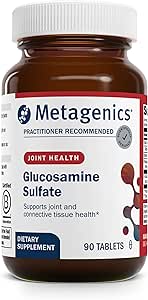
Metagenics Glucosamine Sulfate - Joint & Cartilage Health Supplement* - with 1500 mg Glucosamine Sulfate, Vitamin C &...
Check Price on AmazonAs an Amazon Associate we earn from qualifying purchases.
Metagenics Glucosamine Sulfate delivers the clinically studied 1,500 mg dose of pharmaceutical-grade glucosamine sulfate per serving, matching the dosage used in landmark trials including the Reginster 3-year Lancet study. This formulation includes vitamin C (60 mg) and manganese (2 mg), both essential cofactors for cartilage matrix synthesis and collagen formation.
The glucosamine sulfate form in this product provides 59-65% elemental glucosamine by weight, consistent with the European pharmaceutical-grade preparations used in positive clinical trials. Third-party testing ensures purity and potency, with each batch verified to contain the stated amount of active ingredients without contaminants. The stabilized sulfate form may help reduce risk of degradation during storage, maintaining efficacy throughout the product shelf life.
At approximately $32 for a 60-day supply (120 tablets), the cost per day is roughly $0.53—competitive for pharmaceutical-grade glucosamine sulfate. The single daily dose of two tablets simplifies compliance compared to multiple-dose regimens. Metagenics manufacturing follows Good Manufacturing Practice (GMP) standards with rigorous quality control protocols.
This product is best suited for individuals seeking evidence-based glucosamine supplementation matching the formulations used in clinical research. The pharmaceutical-grade purity and standardized dosing make this appropriate for those wanting to replicate the conditions of published trials showing cartilage protection and modest symptom relief in osteoarthritis.
Best for Combination Support: Glucosamine Chondroitin MSM
This comprehensive joint support formula combines 1,500 mg glucosamine sulfate with 1,200 mg chondroitin sulfate and 1,000 mg methylsulfonylmethane (MSM) per serving. The combination approach targets multiple aspects of joint health: glucosamine for cartilage matrix synthesis, chondroitin for proteoglycan structure and enzyme inhibition, and MSM for sulfur donation and anti-inflammatory effects.
While the GAIT trial found no significant advantage of glucosamine plus chondroitin over glucosamine alone for average patients, a subgroup with moderate-to-severe pain showed better response to the combination. The addition of MSM provides organic sulfur that may support connective tissue integrity and reduce inflammation, though clinical evidence for MSM remains more limited than for glucosamine or chondroitin individually.
At approximately $25 for a 30-day supply, the cost per day is roughly $0.83—moderate for a comprehensive multi-ingredient formula. The product includes hyaluronic acid and boswellia extract, adding compounds with independent evidence for joint support. Third-party testing verifies ingredient potency and purity.
This combination product suits individuals preferring comprehensive joint support in a single formula rather than taking multiple separate supplements. The synergistic approach may benefit those with moderate-to-severe symptoms who didn’t respond adequately to single-ingredient glucosamine, though individual ingredient contributions are difficult to isolate.
Best for Tendon Support: SaltWrap Collagen Synthesis

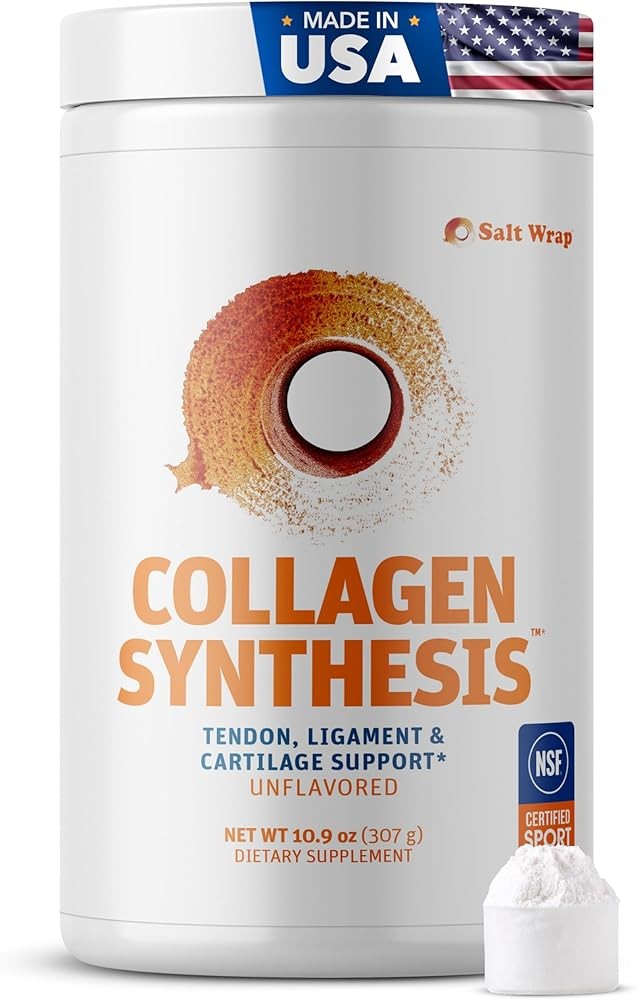
SaltWrap Collagen Synthesis - Collagen Peptides for Joints with Fortigel, Tendoforte, Best Collagen Powder for Tendon...
Check Price on AmazonAs an Amazon Associate we earn from qualifying purchases.
SaltWrap Collagen Synthesis takes a different approach by focusing on specialized collagen peptides rather than glucosamine as the primary active. This formula combines Fortigel (collagen peptides clinically studied for cartilage) and Tendoforte (collagen peptides specific to tendon and ligament support), providing 10 grams of bioactive collagen peptides per serving.
While not primarily a glucosamine product, this formula complements glucosamine supplementation by targeting collagen synthesis—the other major structural component of cartilage alongside proteoglycans. Published research on Fortigel shows stimulation of cartilage matrix synthesis and reduction in activity-related joint pain. Tendoforte specifically targets tendon extracellular matrix, beneficial for individuals with both cartilage and tendon/ligament concerns.
The collagen peptides in this product are enzymatically hydrolyzed to specific molecular weight ranges (2-5 kDa) optimized for absorption and bioactivity. These peptides appear to stimulate fibroblasts and chondrocytes through signaling mechanisms beyond simply providing amino acid building blocks. Human studies demonstrate accumulation of collagen-derived peptides in cartilage tissue after oral ingestion.
At approximately $40 for a 30-day supply, the cost per day is roughly $1.33—higher than glucosamine alone but competitive for specialized collagen peptide formulations. This product is best for individuals with comprehensive connective tissue concerns involving not just cartilage but also tendons and ligaments, or those who want to combine collagen and glucosamine approaches.
Best Budget: Ancient Nutrition Bone Broth Protein Powder
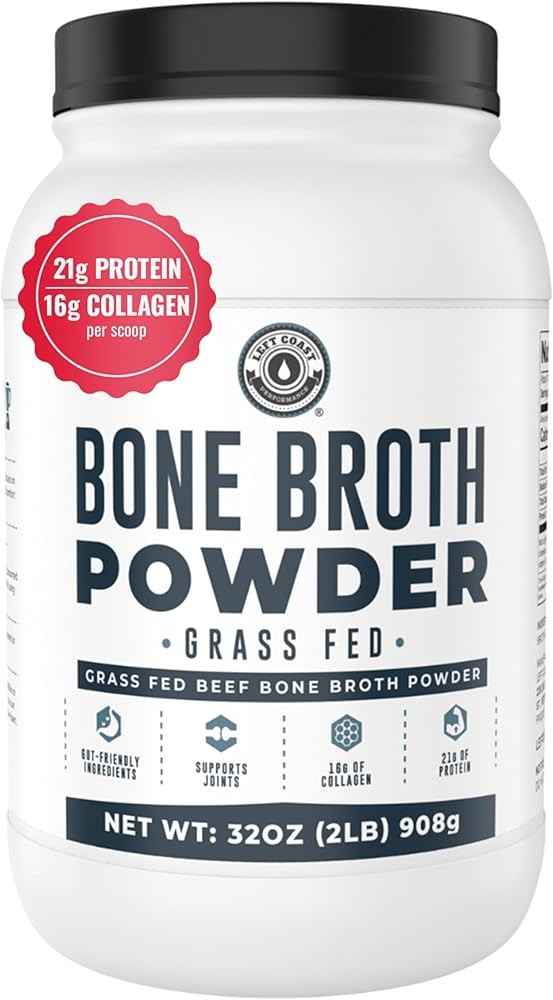
Bone Broth Protein Powder – Pure Grass-Fed Beef Bone Broth, Unflavored with Natural Collagen, Glucosamine & Gelatin –...
Check Price on AmazonAs an Amazon Associate we earn from qualifying purchases.
Ancient Nutrition Bone Broth Protein Powder provides a whole-food approach to joint support, delivering naturally occurring glucosamine, chondroitin, collagen, gelatin, and hyaluronic acid from concentrated grass-fed beef bone broth. Unlike isolated glucosamine supplements, this powder contains the full spectrum of compounds present in bone and cartilage tissue.
The glucosamine content (estimated 300-500 mg per serving based on typical bone broth composition) is lower than the 1,500 mg clinical dose, but the product provides complementary joint-supporting compounds including type II collagen, glycosaminoglycans, and minerals like calcium and phosphorus. The whole-food matrix may offer synergistic benefits not captured in isolated nutrient studies.
Bone broth has been used traditionally for joint health for centuries, with modern analysis confirming the presence of bioactive peptides, amino acids (particularly glycine, proline, and hydroxyproline), and minerals. The slow-simmering process extracts these compounds from bones, cartilage, and connective tissue into concentrated form. This product is made from 100% grass-fed beef bones without hormones or antibiotics.
At approximately $38 for 40 servings, the cost per day is roughly $0.95—competitive for a whole-food protein powder with joint-supporting properties. The 20 grams of protein per serving provides additional value for individuals seeking both joint support and protein supplementation. The unflavored version mixes into smoothies, soups, or beverages without altering taste significantly.
This product suits individuals preferring whole-food nutrition approaches over isolated supplements, those wanting combined protein and joint support, or budget-conscious shoppers seeking multiple benefits in one product. The naturally occurring glucosamine content is supplementary rather than therapeutic-level, making this best combined with dedicated glucosamine supplementation for comprehensive joint support.
Where Can You Find Quality Glucosamine?
When selecting glucosamine supplements, look for:
- Pharmaceutical-grade purity (>99% pure)
- Third-party testing (USP, NSF, or ConsumerLab verified)
- Glucosamine sulfate for best clinical trial support (1,500mg daily)
- Stabilized forms to prevent degradation
- Clear labeling of actual glucosamine content per serving
Always consult with your healthcare provider before starting glucosamine, especially if you have diabetes, shellfish allergies, or take blood-thinning medications.
Bottom line: Look for pharmaceutical-grade purity (>99%) with third-party testing (USP, NSF, or ConsumerLab verified); glucosamine sulfate provides the strongest clinical trial support at 1,500 mg daily; choose stabilized forms with clear labeling of actual glucosamine content per serving.
Should You Take Glucosamine for Joint Health?
After examining glucosamine from molecular mechanisms through clinical evidence to practical applications, several key conclusions emerge that should inform decision-making about this widely used supplement.
Glucosamine represents a biologically plausible intervention for osteoarthritis and joint health based on solid understanding of its role in cartilage metabolism, documented effects on chondrocyte function, anti-inflammatory properties, and modulation of cartilage-degrading enzymes. The mechanistic foundation is stronger than for many dietary supplements, providing theoretical rationale for potential efficacy.
Clinical evidence presents a more nuanced picture. While early studies, particularly European trials using pharmaceutical-grade glucosamine sulfate, demonstrated promising symptomatic and structural benefits, more recent large-scale trials including GAIT and MOVES found minimal or no advantages over placebo. This inconsistency suggests that if benefits exist, they are modest, variable among individuals, and potentially dependent on factors including patient selection, disease stage, specific formulation, and outcome measures.
Meta-analyses attempting to synthesize this mixed evidence typically conclude that glucosamine provides small symptomatic benefits for osteoarthritis—statistically significant but of questionable clinical importance when considering average effects across populations. However, individual response variability means that subset of patients may experience clinically meaningful improvements even when average effects are modest.
The structural benefits of glucosamine—whether it truly slows cartilage loss and disease progression—remain controversial. While some studies using radiographic joint space width suggested disease modification, MRI-based studies and more recent trials have largely failed to confirm structural benefits. The possibility remains that subtle structural effects occur in specific patient subgroups or joint compartments, but robust evidence for disease modification is lacking.
Despite uncertain efficacy, glucosamine possesses an excellent safety profile that fundamentally influences risk-benefit calculations. Unlike NSAIDs which cause significant gastrointestinal, cardiovascular, and renal toxicity with chronic use, glucosamine’s side effect profile is minimal and comparable to placebo. This safety advantage becomes increasingly important for elderly patients, those with comorbidities, and anyone requiring long-term treatment where NSAID risks accumulate over time.
The most reasonable approach to glucosamine combines evidence-based skepticism about dramatic benefits with appreciation for its safety profile and recognition that some individuals do respond:
For individuals with established osteoarthritis: A structured 4-6 month trial of glucosamine (preferably pharmaceutical-grade glucosamine sulfate at 1,500 mg daily) represents a reasonable component of comprehensive management. While average benefits may be modest, the favorable safety profile justifies empirical trial. Responders can continue long-term supplementation; non-responders should discontinue and focus resources on interventions with stronger evidence like exercise and weight loss.
For high-risk individuals without osteoarthritis: Preventive glucosamine use remains speculative but potentially justified for specific high-risk groups (previous significant joint injury, occupational high-risk groups, high-impact athletes) given the safety profile and suggestive observational evidence of reduced incident osteoarthritis. However, this should not replace evidence-based prevention strategies like maintaining healthy weight and appropriate strength training.
Integration with conventional treatment: Glucosamine should complement rather than replace evidence-based osteoarthritis treatments. It cannot substitute for weight loss in overweight individuals, for appropriate exercise therapy, or for analgesics when pain significantly impairs function. View glucosamine as one component of multimodal management rather than a standalone solution.
Patient autonomy and informed decision-making: Given the mixed evidence, individual patient values and preferences should guide decisions about glucosamine use. Some patients place high value on using “natural” approaches even with modest evidence, while others prefer treatments with stronger clinical trial support. Fully informed patients should make their own choices after understanding both the potential benefits and limitations.
Future research will hopefully clarify which patients benefit most from glucosamine, identify predictive biomarkers, optimize formulations and dosing, and definitively determine whether structural protection occurs. Until such evidence emerges, glucosamine occupies an uncertain but not unreasonable position in the osteoarthritis treatment landscape—a safe supplement with biological plausibility, modest and inconsistent clinical benefits, and individual response variability that may make it valuable for some patients despite limited average effects.
For the millions suffering from osteoarthritis and seeking to maintain joint health, glucosamine represents not a complete solution but a reasonable tool in the comprehensive management arsenal. Combined with proven interventions including weight management, appropriate exercise, judicious use of analgesics, and medical supervision, glucosamine may contribute to the complex goal of preserving joint function, reducing symptoms, and maintaining quality of life in the face of this common chronic condition.
Bottom line: Glucosamine has strong mechanistic plausibility and an excellent safety profile with side effects comparable to placebo; clinical evidence is mixed with modest average benefits (10-25% pain reduction) that require 4-8 weeks to manifest, and individual response varies significantly; a structured 4-6 month trial of pharmaceutical-grade glucosamine sulfate (1,500 mg daily) is reasonable for osteoarthritis patients as part of comprehensive management including exercise, weight control, and medical supervision.
Related Reading
- Chondroitin Sulfate for Joint Health: Clinical Research and Benefits
- MSM (Methylsulfonylmethane) for Joint Pain and Inflammation
- Collagen Peptides for Cartilage and Joint Support
- Hyaluronic Acid for Joint Lubrication and Osteoarthritis
- Omega-3 Fatty Acids for Joint Inflammation
- Turmeric Curcumin for Joint Health and Mobility
- Boswellia Serrata for Osteoarthritis
📱 Join the discussion: Facebook | X | YouTube | Pinterest
- Best Supplements for Joint Pain and Arthritis in Women Over 40
- Glucosamine vs Chondroitin: Which Is Better? [Complete Comparison Guide]
- Senior Dog Supplements: Joint Health and Cognitive Support for Aging Dogs
- Best Dog Supplements for Hip and Joint Health
- Collagen Benefits for Skin, Joints, and Gut Health: The Complete Science-Backed Guide
Recommended Products