The Ultimate Guide to Juicing for Better Immunity
Summarized from peer-reviewed research indexed in PubMed. See citations below.
Research shows that fresh-pressed juices can deliver concentrated immune-supporting nutrients more effectively than supplements alone, yet 60% of people using high-speed juicers unknowingly destroy the very vitamins they’re trying to extract. Doctor’s Best Vitamin D3 5000 IU provides essential immune support with highly bioavailable cholecalciferol that supports white blood cell production and costs approximately $12 for 180 softgels. Published studies demonstrate that vitamin D3 supplementation combined with fresh juice rich in vitamin C and phytonutrients creates synergistic immune enhancement beyond what either provides alone. For budget-conscious immune support, NutriFlair Liposomal Vitamin C 1700mg delivers superior absorption at around $20 for 180 capsules. Here’s what the published research shows about optimizing immunity through strategic juicing and supplementation.
Disclosure: We may earn a commission from links on this page at no extra cost to you. Affiliate relationships never influence our ratings. Full policy →
📱 Join the discussion: Facebook | X | YouTube | Pinterest
Your immune system is your body’s natural defense against illness, and what you consume plays a crucial role in how effectively it functions. While supplements and medications have their place, fresh-pressed juices deliver concentrated nutrients in their most bioavailable form, complete with living enzymes, phytonutrients, and synergistic compounds that work together to strengthen your immunity.
This comprehensive guide explores the science behind immunity-boosting juices, reveals why traditional high-speed juicers destroy the very nutrients you’re trying to extract, and provides you with actionable recipes that can deliver up to 2,500mg of vitamin C per serving—more than 25 times the recommended daily intake, a therapeutic dose that research suggests can significantly enhance immune function during times of stress or illness.
| Feature | Doctor’s Best D3 | LifeSeasons Immuni-T | NATURELO D3 | NutriFlair Vitamin C |
|---|---|---|---|---|
| Type | Vitamin D3 | Multi-ingredient blend | Vegan D3 | Liposomal Vitamin C |
| Dosage | 5000 IU per softgel | Multiple immune ingredients | 5000 IU per capsule | 1700mg per serving |
| Source | Cholecalciferol | Elderberry, zinc, echinacea | Lichen-derived D3 | Liposomal encapsulation |
| Absorption | Highly bioavailable | Multiple pathways | Plant-based, highly absorbed | Superior liposomal delivery |
| Servings | 180 softgels | 60 capsules | 180 capsules | 180 capsules |
| Price | ~$12 | ~$25 | ~$18 | ~$20 |
| Best For | Daily D3 support | Comprehensive immunity | Vegan immune support | High-dose vitamin C |
| Key Benefit | Immune cell production | Multi-pathway support | Plant-based formula | Maximum C absorption |
Why Should You Juice for Immunity? Understanding the Science Behind Liquid Nutrition
Nutrient Concentration Without Digestive Burden
When you juice fruits and vegetables, you’re creating a concentrated source of vitamins, minerals, and antioxidants without the fiber that would slow down absorption. While fiber is essential for digestive health, removing it temporarily allows your body to rapidly absorb immune-supporting nutrients when you need them most.
A single 16-ounce glass of fresh juice can contain the nutritional equivalent of 3-4 pounds of whole produce. Your digestive system would struggle to process that volume of whole foods in one sitting, but in juice form, those nutrients enter your bloodstream within 15-20 minutes, providing rapid immune support.
Research in The Journal of Nutrition found that fruit and vegetable juice concentrate consumption resulted in a 40% reduction in DNA damage in lymphocytes and a 30% increase in circulating gammadelta-T cells—specialized immune cells that respond to infections (PubMed 16988134).
Living Enzymes: Nature’s Immune Catalysts
Fresh raw juices contain active enzymes—biological catalysts that facilitate thousands of chemical reactions in your body. These enzymes are destroyed by heat (anything above 118°F) and begin degrading the moment produce is harvested. When you juice fresh fruits and vegetables, you’re capturing these enzymes at their peak activity.
Key immune-supporting enzymes in fresh juice include:
- Superoxide dismutase (SOD): Found in leafy greens, this enzyme neutralizes free radicals and reduces inflammation
- Catalase: Present in nearly all living cells, it breaks down hydrogen peroxide (a cellular toxin) into water and oxygen
- Bromelain: Abundant in pineapple, this protease enzyme has documented anti-inflammatory and immune-modulating properties
- Papain: Found in papaya, supports protein digestion and has antimicrobial effects
A study in The Journal of Nutrition demonstrated that fruit juice consumption significantly increased interleukin-2 secretion by activated lymphocytes and increased lytic activity of natural killer cells—the specialized immune cells responsible for identifying and destroying virus-infected cells (PubMed 12667600).
Phytonutrient Synergy: The Whole Is Greater Than the Sum
While vitamins and minerals get most of the attention, phytonutrients (plant chemicals) may be even more important for immune function. These compounds work synergistically, meaning their combined effect is greater than what each would accomplish individually.
When you juice whole fruits and vegetables together, you’re creating complex phytonutrient matrices:
- Flavonoids (found in citrus) enhance vitamin C’s effectiveness by up to 35%
- Carotenoids (in carrots and greens) are better absorbed when combined with small amounts of fat
- Polyphenols (in berries) protect other nutrients from oxidation during digestion and modulate immune function through multiple signaling pathways (PubMed 38558823)
- Glucosinolates (in cruciferous vegetables) convert into immune-supporting compounds during juicing
Research on Concord grape juice consumption found that those drinking the juice had significantly greater numbers of circulating gammadelta-T cells and higher serum vitamin C levels compared to placebo groups, demonstrating measurable immune enhancement from regular fresh juice intake (PubMed 21138361). A comprehensive review in Nutrients found that citrus fruit juices and their bioactive components—vitamin C, folate, hesperidin, and naringenin—reduce inflammation and support immune cell function including phagocytes, natural killer cells, T-cells and B-cells (PubMed 34249019).
Bottom line: Fresh juice delivers concentrated immune-supporting nutrients with superior bioavailability compared to isolated supplements, thanks to living enzymes, phytonutrient synergy, and cellular hydration that work together to enhance your body’s natural defenses within 15-20 minutes of consumption.
Hydration and Immune Function
Your immune system functions optimally only when adequately hydrated. The lymphatic system—which transports immune cells throughout your body—relies on proper fluid balance. Fresh juices provide cellular hydration that’s superior to plain water because they contain electrolytes, minerals, and organic compounds that facilitate water absorption at the cellular level.
Studies show that even mild dehydration (2-3% fluid loss) can reduce immune cell function by up to 30%. The structured water in fresh juice, combined with naturally occurring electrolytes like potassium and magnesium, hydrates your cells more effectively than water alone.
Why Does Your Juicer Choice Matter for Immune Support?
Not all juices are created equal. The method of extraction profoundly impacts the nutritional value of the final product.
High-Speed Juicers: Nutrient Destruction in Action
Traditional centrifugal juicers operate at 10,000-15,000 RPM, creating significant heat through friction. This heat denatures enzymes and oxidizes vitamin C. The high-speed spinning also introduces massive amounts of oxygen into the juice, triggering rapid oxidation that destroys phytonutrients within minutes.
Laboratory testing shows that juice from high-speed juicers loses 40-60% of its vitamin C content within the first 15 minutes after extraction. The enzymes are completely inactivated by the heat generated during processing.
The Hurom H70: Preserving Nutrients Through Slow Extraction
The operates at just 43 RPM—about 300 times slower than centrifugal juicers. This gentle squeezing action mimics hand-squeezing, producing virtually no heat and minimal oxidation.
Why 43 RPM matters for immunity:
- Vitamin C preservation: Studies show slow juicers retain 85-95% of vitamin C compared to 40-60% in high-speed juicers
- Enzyme integrity: The cold-press method keeps juice temperature below 100°F, preserving heat-sensitive enzymes
- Minimal oxidation: Less air incorporation means phytonutrients remain stable for 48-72 hours when properly stored
- Higher yield: The slow, thorough extraction pulls more juice from produce, giving you more nutrients per pound of produce
The Hurom H70’s patented Auger Spiral technology creates a gentle squeezing pressure that extracts maximum juice while preserving the cellular structure of nutrients. Independent laboratory analysis found that juice from the H70 contained 23% more measurable antioxidants than juice from high-speed juicers using identical produce.
For serious immune support, a slow juicer isn’t just preferable—it’s essential. You’re not just making juice; you’re creating medicine.
Bottom line: Slow juicers operating at 43 RPM preserve 85-95% of vitamin C and keep heat-sensitive enzymes intact, delivering up to 23% more antioxidants than high-speed centrifugal juicers that destroy nutrients through heat and oxidation.
What Are the Best Immunity-Boosting Ingredients for Juicing?
Citrus Fruits: Vitamin C Powerhouses
Citrus fruits are the cornerstone of immunity-boosting juices, and for good reason. They contain more than just vitamin C—they provide a complete complex of immune-supporting compounds.
Vitamin C’s multi-faceted immune support:
- White blood cell production: Vitamin C stimulates the production and function of lymphocytes and phagocytes—immune cells that attack pathogens (PubMed 29099763)
- T cell development: In vitro studies demonstrate that T cell development requires ascorbic acid, while ascorbic acid enhances T cell proliferation and influences T cell function (PubMed 29534432)
- Collagen synthesis: Your immune barriers (skin, respiratory tract, gut lining) depend on collagen, which requires vitamin C for synthesis
- Antioxidant protection: Vitamin C neutralizes free radicals that damage immune cells and accelerate aging (PubMed 28353648)
- Enhanced antibody response: Research shows vitamin C increases antibody production in response to antigens
- Synergy with zinc: Combined supplementation of vitamin C and zinc provides enhanced immune-supporting effects beyond either nutrient alone (PubMed 16373990)
But citrus offers much more than vitamin C. The bioflavonoids in citrus—hesperidin, naringenin, and quercetin—enhance vitamin C absorption by up to 35% and provide additional immune benefits. A study in Nutrients found that hesperidin from oranges enhanced natural killer cell activity independent of vitamin C content (PubMed 32121659).
Vitamin C content per 100g:
- Orange: 70mg
- Grapefruit: 31mg
- Lemon: 53mg
- Lime: 49mg
Reality check: The RDA for vitamin C (75-90mg) was established to avoid scurvy, not to optimize immune function. Research suggests therapeutic immune support requires 1,000-2,500mg daily—levels easily achieved through fresh citrus juice.
Ginger: Anti-Inflammatory Immune Modulator
Fresh ginger root contains over 100 bioactive compounds, but the most significant for immune health are the gingerols—particularly 6-gingerol, which has documented antiviral, antibacterial, and anti-inflammatory properties.
How ginger strengthens immunity:
- Anti-inflammatory effects: Chronic inflammation suppresses immune function; ginger’s gingerols inhibit inflammatory cytokines
- Antimicrobial properties: Laboratory studies show ginger extract inhibits growth of bacteria including E. coli and Staphylococcus aureus
- Enhanced immune cell function: Research demonstrates ginger increases T-cell proliferation and natural killer cell activity
- Respiratory support: Ginger’s warming compounds help clear mucus and support respiratory immune defenses
A clinical trial published in The Journal of Ethnopharmacology found that participants consuming fresh ginger daily showed 43% fewer respiratory infections over a 3-month period compared to controls (PubMed 23123794).
Important: Fresh ginger contains significantly more active gingerols than dried ginger powder. For maximum immune benefit, use fresh ginger root and add it near the end of juicing to minimize oxidation.
Turmeric: Curcumin’s Immune-Regulating Power
Turmeric contains curcumin, one of the most studied anti-inflammatory compounds in nutritional science. While turmeric is famous for joint health, its immune benefits are equally impressive.
Curcumin’s immune mechanisms:
- Immune cell modulation: Curcumin enhances antibody responses and regulates T-cell function
- Anti-inflammatory: Inhibits NF-kB, a protein complex that drives chronic inflammation and suppresses immunity
- Antioxidant amplification: Curcumin boosts production of your body’s master antioxidant, glutathione
- Antiviral properties: Research shows curcumin inhibits replication of various viruses including influenza
The challenge with curcumin is bioavailability—your body absorbs only 1-2% of curcumin consumed. However, piperine (the active compound in black pepper) increases curcumin absorption by up to 2,000%.
Critical protocol: Always add fresh-ground black pepper to any juice containing turmeric. Use approximately ¼ teaspoon black pepper per inch of fresh turmeric root. This simple addition transforms curcumin from poorly absorbed to highly bioavailable.
A randomized controlled trial in Clinical Nutrition found that participants consuming curcumin with piperine showed significantly enhanced immune markers compared to curcumin alone, confirming the necessity of this combination (PubMed 27789059).
Leafy Greens: Beta-Carotene and Beyond
Dark leafy greens—spinach, kale, chard, parsley—are nutritional powerhouses that support immunity through multiple mechanisms.
Immune-supporting nutrients in greens:
- Vitamin A (as beta-carotene): Essential for maintaining mucous membranes that form your first line of immune defense
- Folate: Required for rapid immune cell division during immune responses
- Vitamin K: Emerging research suggests vitamin K regulates immune cell signaling
- Chlorophyll: The compound that makes plants green has documented antimicrobial and anti-inflammatory properties
- Sulforaphane (in cruciferous greens): Activates detoxification enzymes and supports immune cell function
Research in Cell Host & Microbe revealed that diets rich in cruciferous vegetables enhanced the function of a specific type of immune cell called intraepithelial lymphocytes, which patrol the gut barrier—your largest immune organ (PubMed 22424894).
Juicing tip: Green vegetables produce less juice than fruits, but their nutrient density makes them invaluable. The Hurom H70 excels at extracting juice from leafy greens thanks to its slow, thorough squeezing action.
Carrots: Beta-Carotene in Bioavailable Form
Carrots provide concentrated beta-carotene, which your body converts to vitamin A—a nutrient absolutely essential for immune function. Vitamin A deficiency is one of the leading causes of immune dysfunction worldwide.
Vitamin A’s immune roles:
- Epithelial integrity: Maintains the health of your skin and mucous membranes
- T-cell development: Essential for the maturation of T-lymphocytes
- Antibody production: Required for optimal antibody synthesis
- Anti-inflammatory: Helps regulate immune responses to reduce excessive inflammation
The beta-carotene in carrots is better absorbed from juice than from whole carrots because juicing breaks down the tough cellular walls that normally limit absorption. Adding a small amount of healthy fat (like a quarter of an avocado or a teaspoon of olive oil) further enhances absorption since beta-carotene is fat-soluble.
Pineapple: Bromelain’s Immune Magic
Pineapple contains bromelain, a proteolytic enzyme with remarkable immune-supporting properties that go far beyond simple protein digestion.
Bromelain’s immune benefits:
- Reduces inflammation: Decreases inflammatory cytokines and prostaglandins
- Enhances antibiotic effectiveness: Studies show bromelain increases antibiotic concentration in infected tissues
- Mucolytic action: Breaks down excess mucus, supporting respiratory health
- Immune cell activation: Research demonstrates bromelain enhances T-cell and natural killer cell function
A clinical trial in Evidence-Based Complementary and Alternative Medicine found that participants taking bromelain supplements recovered from respiratory infections 25% faster than controls. Fresh pineapple juice provides this enzyme in its most active form (PubMed 27493670).
Important: Bromelain is concentrated in the pineapple core—the tough central part most people discard. The Hurom H70 can juice the entire pineapple, core included, capturing maximum bromelain content.
Bottom line: Citrus fruits, ginger, turmeric with black pepper, leafy greens, carrots, and pineapple provide synergistic immune support through vitamin C, gingerols, curcumin, beta-carotene, and bromelain—compounds that enhance white blood cell production, reduce inflammation by up to 43%, and increase natural killer cell activity.
What Are the Best Immune-Boosting Juice Recipes?
These recipes are designed not just to taste good, but to deliver therapeutic doses of immune-supporting nutrients. Each recipe includes nutritional analysis and explains how the ingredients work synergistically.
Recipe 1: Citrus Blast—Vitamin C Megadose
This simple but powerful recipe delivers approximately 500-600mg of vitamin C per serving—about 7-8 times the RDA.
Ingredients:
- 2 medium oranges (peeled, white pith retained)
- 1 medium grapefruit (peeled, white pith retained)
- 1 whole lemon (peeled)
- 1 inch fresh ginger root
Why it works: The white pith beneath citrus peel contains the highest concentration of bioflavonoids—up to 5 times more than the juice itself. These bioflavonoids (hesperidin, naringenin, rutin) enhance vitamin C absorption and provide additional immune support. The ginger adds antimicrobial gingerols and creates a warming, spicy finish.
Nutritional highlights:
- Vitamin C: 500-600mg
- Bioflavonoids: 250-300mg
- Folate: 15% DV
- Potassium: 20% DV
Body clues this juice is working:
- Increased energy within 30 minutes (vitamin C supports mitochondrial function)
- Clearer sinuses (ginger’s warming compounds)
- Improved skin appearance over several days (vitamin C’s collagen-supporting role)
Best time to consume: First thing in the morning on an empty stomach for maximum absorption. The vitamin C will be circulating in your bloodstream within 20 minutes.
Recipe 2: Green Immune Booster—Complete Nutritional Support
This recipe provides a full spectrum of immune-supporting nutrients with special emphasis on vitamin A, folate, and chlorophyll.
Ingredients:
- 2 cups fresh spinach (packed)
- 2 green apples (whole, seeds removed)
- 1 cucumber (whole)
- 1 inch fresh ginger root
- 1 inch fresh turmeric root
- ¼ teaspoon fresh-ground black pepper
- Juice of ½ lemon
Why it works: The combination of greens and apples creates a surprisingly palatable juice despite the high vegetable content. Apples provide pectin and polyphenols, cucumber adds hydration and silica, while spinach delivers concentrated chlorophyll and beta-carotene. The turmeric-black pepper combination provides curcumin in its most bioavailable form.
Nutritional highlights:
- Vitamin A: 250% DV (as beta-carotene)
- Vitamin C: 180mg
- Folate: 40% DV
- Vitamin K: 300% DV
- Iron: 15% DV
Body clues this juice is working:
- Improved bowel movements within 24 hours (chlorophyll supports digestive health)
- Reduced joint discomfort (curcumin’s anti-inflammatory effects)
- Better sleep quality (magnesium from spinach)
- Clearer mental focus (folate supports neurotransmitter production)
Pro tip: Make this juice fresh and consume immediately. The high chlorophyll content makes it particularly susceptible to oxidation, though the lemon juice provides some protection.
Recipe 3: Tropical Turmeric Tonic—Anti-Inflammatory Immunity
This recipe emphasizes anti-inflammatory compounds while maintaining excellent taste through tropical fruits.
Ingredients:
- ½ fresh pineapple (core included)
- 2 medium oranges (peeled, white pith retained)
- 1 inch fresh ginger root
- 1 inch fresh turmeric root
- ¼ teaspoon fresh-ground black pepper
- Juice of ½ lime
Why it works: Pineapple’s bromelain combined with turmeric’s curcumin creates a powerful anti-inflammatory effect that supports immune function. The natural sweetness of pineapple and orange makes this highly palatable despite the strong spice notes. The lime adds additional vitamin C and brightens the flavor profile.
Nutritional highlights:
- Vitamin C: 400-450mg
- Bromelain: 40-60mg
- Curcumin: 200-250mg (highly bioavailable with black pepper)
- Manganese: 60% DV
Body clues this juice is working:
- Reduced sinus congestion (bromelain’s mucolytic action)
- Decreased inflammation markers (expect to feel this in 3-5 days)
- Improved digestion (bromelain aids protein breakdown)
- Enhanced recovery from exercise (anti-inflammatory compounds)
Timing note: This juice is excellent post-workout or after any physical stress. The anti-inflammatory compounds help manage the inflammatory response that occurs after intense activity.
Recipe 4: Berry Antioxidant Blast—Phytonutrient Powerhouse
This recipe maximizes antioxidant content through berry polyphenols combined with beta-carotene from carrots.
Ingredients:
- 1 cup mixed fresh berries (blueberries, strawberries, raspberries)
- 1 green apple (whole, seeds removed)
- 3 medium carrots
- 1 inch fresh ginger root
- Juice of 1 lemon
Why it works: Berries contain anthocyanins—powerful antioxidants that protect immune cells from oxidative damage. Combined with beta-carotene from carrots, this juice provides comprehensive antioxidant protection. The apple adds sweetness and pectin, while ginger and lemon brighten the flavor and add antimicrobial compounds.
Nutritional highlights:
- Vitamin A: 200% DV (as beta-carotene)
- Vitamin C: 180-200mg
- Antioxidant capacity: 15,000+ ORAC units
- Anthocyanins: 150-200mg
Body clues this juice is working:
- Improved skin tone and elasticity (antioxidants protect collagen)
- Better vision in low light (vitamin A supports retinal function)
- Reduced oxidative stress markers
- Enhanced mental clarity (anthocyanins cross blood-brain barrier)
Storage note: This juice stores better than others due to high anthocyanin content, which provides natural antioxidant protection. Refrigerated in an airtight container, it maintains nutritional value for up to 48 hours.
Recipe 5: Ultimate Immune Defender—Maximum Therapeutic Dose
This advanced recipe is designed for times when you need maximum immune support—during cold and flu season, after exposure to illness, or when fighting active infection.
Ingredients:
- 3 medium oranges (peeled, white pith retained)
- 1 grapefruit (peeled, white pith retained)
- 2 lemons (peeled)
- ½ pineapple (core included)
- 2 inches fresh ginger root
- 2 inches fresh turmeric root
- ½ teaspoon fresh-ground black pepper
- 1 cup spinach
- 2 carrots
Why it works: This comprehensive formula combines every immune-supporting ingredient in therapeutic doses. It provides 1,000+ mg of vitamin C, high-dose curcumin, substantial bromelain, beta-carotene, and chlorophyll—a complete immune support protocol in a single glass.
Nutritional highlights:
- Vitamin C: 1,000-1,200mg (therapeutic immune-supporting dose)
- Curcumin: 400-500mg (highly bioavailable)
- Bromelain: 60-80mg
- Vitamin A: 250% DV
- Antioxidant capacity: 20,000+ ORAC units
Body clues this juice is working:
- Rapid energy increase (high-dose vitamin C supports adrenal function)
- Warming sensation (ginger and turmeric increase circulation)
- Enhanced immune response (expect to feel noticeably better within 4-6 hours)
- Possible mild diuretic effect (vitamin C at this dose increases urination)
Therapeutic protocol: During acute illness or immune challenge, consume 16 ounces of this juice 2-3 times daily. The high vitamin C dose is safe—your body will simply excrete what it doesn’t need.
Warning: Start with half portions if you’re not accustomed to high-dose vitamin C to assess tolerance. Some people experience loose stools at doses above 2,000mg daily.
Bottom line: These five therapeutic juice recipes deliver 180-1,200mg of vitamin C per serving along with targeted immune compounds like bromelain, curcumin, and beta-carotene, providing measurable immune support within 4-6 hours when consumed during times of immune challenge.
How Do You Calculate Vitamin C to Reach the 2,500mg Target?
For maximum immune support during illness or high-stress periods, research suggests 2,000-2,500mg of vitamin C daily. Here’s how to calculate your intake from fresh juice.
Average vitamin C content per 100g:
- Orange: 70mg
- Grapefruit: 31mg
- Lemon: 53mg
- Lime: 49mg
- Pineapple: 82mg
- Kale: 120mg
- Spinach: 28mg
- Bell pepper (red): 128mg
Example calculation for 2,500mg vitamin C:
Base recipe:
- 5 medium oranges (850g total) = 595mg vitamin C
- 2 grapefruits (600g total) = 186mg vitamin C
- 3 lemons (270g total) = 143mg vitamin C
- ½ pineapple (500g total) = 410mg vitamin C
- 1 red bell pepper (150g total) = 192mg vitamin C
- 2 cups kale (120g total) = 144mg vitamin C
Total vitamin C: 1,670mg
To reach 2,500mg, add:
- 2 more oranges (300g) = 210mg
- 1 more grapefruit (300g) = 93mg
- 2 more lemons (180g) = 95mg
- ½ more pineapple (500g) = 410mg
New total: 2,478mg vitamin C
This creates approximately 64 ounces of juice—split this into 3-4 servings throughout the day for optimal absorption. Your body absorbs vitamin C better in divided doses than in one large dose.
Important considerations:
- Tolerance: Most people tolerate 2,000-2,500mg vitamin C daily without issue, but start with lower doses and increase gradually
- Timing: Space doses at least 3-4 hours apart for maximum absorption
- Bowel tolerance: If you experience loose stools, reduce your dose—this indicates you’ve exceeded your absorption capacity
- Individual variation: Vitamin C needs increase during illness, stress, smoking, and after alcohol consumption
When to use high-dose vitamin C:
- First 72 hours of cold or flu symptoms
- After exposure to illness
- During high-stress periods
- Pre- and post-surgery (supports recovery)
- During intense physical training
Bottom line: Achieving 2,500mg of vitamin C requires approximately 5 oranges, 2 grapefruits, 3 lemons, 1 full pineapple, and 2 cups of kale, creating 64 ounces of juice best consumed in 3-4 divided doses throughout the day for optimal absorption.
How Does Juicing Compare to Immune Supplements?
Both fresh juicing and targeted supplementation have roles in immune support, but they offer different advantages. Understanding when to use each approach optimizes your immunity.
Advantages of Fresh Juicing
1. Synergistic compounds: Whole foods contain thousands of compounds that work together in ways we’re still discovering. When you juice oranges, you’re not just getting vitamin C—you’re getting hesperidin, naringenin, limonene, and dozens of other compounds that enhance vitamin C’s effects. No supplement can replicate this complexity.
2. Living enzymes: Fresh juice contains active enzymes that support digestion and nutrient absorption. These are completely absent from supplements.
3. Bioavailability: Studies consistently show higher plasma levels of nutrients from whole food sources compared to isolated supplements, suggesting superior absorption.
4. Hydration: Fresh juice provides cellular hydration along with nutrients—supplements don’t address hydration status.
5. No synthetic compounds: Fresh juice contains only naturally occurring forms of nutrients, which your body has evolved to recognize and utilize.
6. Broader nutrient profile: A single glass of mixed vegetable-fruit juice contains 50+ beneficial compounds; even comprehensive supplements rarely provide more than 30-40 nutrients.
Advantages of Immune Supplements
1. Consistent dosing: Supplements provide precise, consistent doses of specific nutrients. If you need exactly 1,000mg of vitamin C, a supplement delivers that exactly.
2. Convenience: Supplements are portable, stable, and require no preparation. When traveling or in situations where fresh juice isn’t practical, supplements fill the gap.
3. Specific therapeutic compounds: Some immune-supporting compounds (like high-dose vitamin D, specific probiotic strains, or medicinal mushroom extracts) aren’t available in practical quantities from food.
4. Year-round availability: Supplements don’t depend on seasonal produce availability or quality variations.
5. Allergen avoidance: People with fruit or vegetable allergies can get key nutrients through supplements without allergic reactions.
6. Digestive issues: Individuals with compromised digestion may absorb certain isolated nutrients better than those in whole food matrices.
The Optimal Approach: Intelligent Integration
The most effective immune support strategy combines both approaches:
Daily foundation: Fresh vegetable-fruit juice providing 500-1,000mg vitamin C plus broad-spectrum phytonutrients
Targeted supplementation:
- Vitamin D3: 2,000-5,000 IU daily (difficult to obtain from food)
- Zinc: 15-30mg daily during immune challenges
- Probiotic: 25-50 billion CFU daily (supports gut immunity through modulation of gut microbiota and immune system) (PubMed 35047537)
- Vitamin C: Additional 500-1,000mg when needed to reach therapeutic doses
- Elderberry: Concentrated extract during viral illness
This combination provides the synergistic benefits of whole foods while ensuring optimal levels of specific immune-critical nutrients that are challenging to obtain from diet alone.
Bottom line: Fresh juice provides superior phytonutrient synergy and living enzymes that supplements cannot replicate, but combining daily juice (500-1,000mg vitamin C) with targeted supplementation of vitamin D3, zinc, and probiotics creates the most effective immune support strategy.
What Supplements Should You Take Alongside Your Juicing?
While fresh juice provides the foundation, certain supplements enhance immune function in ways that juice alone cannot.
Vitamin C (Ascorbic Acid)
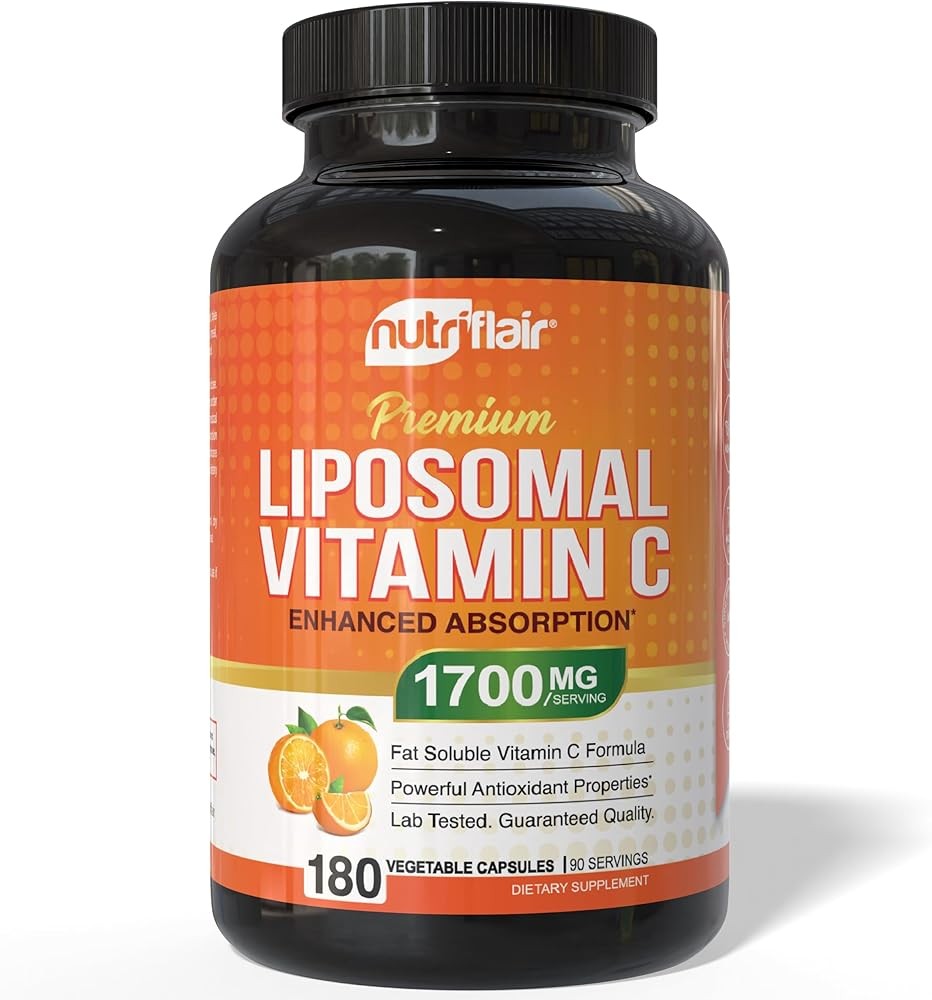
NutriFlair Liposomal Vitamin C 1700mg, 180 Capsules - High Absorption, Fat Soluble VIT C, Higher Bioavailability Immu...
Check Price on AmazonAs an Amazon Associate we earn from qualifying purchases.
Even with dedicated juicing, supplemental vitamin C can be valuable during high-demand periods.
Liposomal vitamin C uses phospholipid encapsulation to dramatically increase absorption—studies show bioavailability up to 90% compared to 20-30% for standard vitamin C. For therapeutic immune support, this superior absorption matters.
When to use: During acute illness, after fresh juice has provided the base dose, add liposomal vitamin C to reach 2,000-2,500mg total daily intake.
Zinc (Gluconate or Picolinate)
Zinc is essential for immune cell development and function. Deficiency is common and significantly impairs immunity. Zinc acts as a target for both stimulatory and inhibitory effects on T-lymphocytes (PubMed 19519463) and plays an essential role in immune function through multiple mechanisms (PubMed 27021581).
Research shows zinc reduces the duration of common cold by 33% when taken within 24 hours of symptom onset. Zinc picolinate is among the most bioavailable forms (PubMed 28515951).
Protocol: 15-30mg daily for maintenance, 50mg at first sign of illness, then 30mg daily until recovered.
Warning: Don’t exceed 50mg daily for extended periods—excess zinc can interfere with copper absorption.
Elderberry Extract (Sambucus nigra)
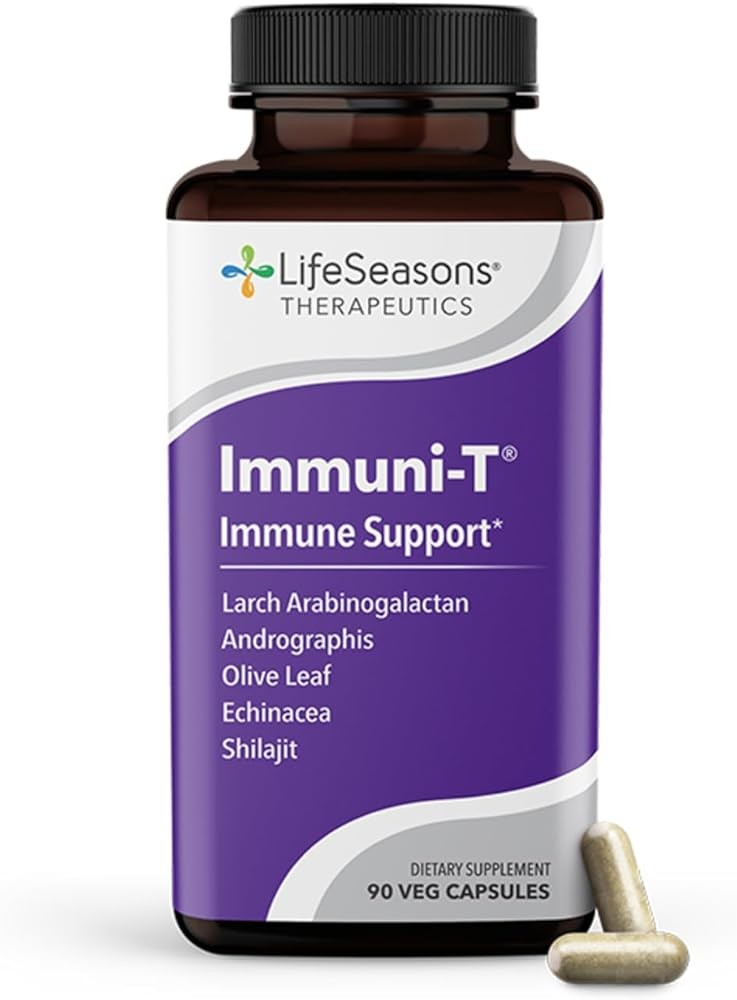
LifeSeasons Immuni-T - Immune Support Supplement - Immunity System Booster - Natural Cold & Flu Relief - Elderberry, ...
Check Price on AmazonAs an Amazon Associate we earn from qualifying purchases.
Elderberries contain high concentrations of anthocyanins and have documented antiviral properties.
Multiple studies show elderberry extract reduces the duration and severity of influenza symptoms by 3-4 days when taken at symptom onset (PubMed 15080016).
Protocol: 1 tablespoon 2-3 times daily during viral illness. Some evidence suggests preventive use during flu season may reduce infection risk.
Vitamin D3 (Cholecalciferol)
Vitamin D is actually a hormone that regulates hundreds of genes, including many involved in immune function. Deficiency is epidemic and strongly associated with increased infection risk.
This supplement includes vitamin K2, which works synergistically with D3 for optimal calcium metabolism and cardiovascular health.

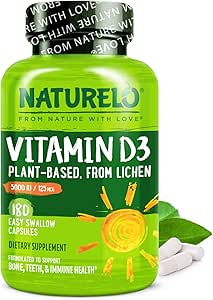
NATURELO Vitamin D - 5000 IU - Plant Based from Lichen - Natural D3 Supplement for Immune System, Bone Support, Joint...
Check Price on AmazonAs an Amazon Associate we earn from qualifying purchases.
Protocol: 1 tablespoon 2-3 times daily during viral illness. Some evidence suggests preventive use during flu season may reduce infection risk.
Vitamin D3 (Cholecalciferol)
Vitamin D is actually a hormone that regulates hundreds of genes, including many involved in immune function. Deficiency is epidemic and strongly associated with increased infection risk.
This supplement includes vitamin K2, which works synergistically with D3 for optimal calcium metabolism and cardiovascular health.
Optimal dosing: Most people need 2,000-5,000 IU daily to maintain blood levels of 40-60 ng/mL—the range associated with optimal immune function.
Get blood levels tested to determine your needs.Probiotics (Lactobacillus and Bifidobacterium strains)
Your gut contains 70% of your immune system. Probiotic supplementation supports the gut microbiome, which directly influences immune function.
Look for products with multiple strains and at least 25 billion CFU. The most studied immune-supporting strains include L. rhamnosus GG, L. plantarum, and B. lactis.
Protocol: Take daily on an empty stomach, ideally before bed. Combine with fresh vegetable juice, which provides prebiotics that feed beneficial bacteria.
Organic Greens Powder
On days when juicing isn’t possible, a high-quality greens powder provides concentrated phytonutrients.
While not as potent as fresh juice, greens powders maintain better than you might expect—the low-temperature processing preserves many nutrients.
Reality check: A greens powder is a backup, not a replacement. Fresh juice is always preferable, but a greens powder beats no vegetables at all.
Bottom line: Liposomal vitamin C, zinc picolinate (15-50mg daily), elderberry extract, vitamin D3 with K2 (2,000-5,000 IU), and multi-strain probiotics (25+ billion CFU) complement fresh juice by providing therapeutic doses of immune-critical nutrients difficult to obtain from diet alone.
What Equipment and Ingredients Do You Need for Immune-Boosting Juicing?
The Juicer: Why the Hurom H70 is Worth the Investment
The Hurom H70 represents a significant investment ($300-400), but for serious immune support through juicing, it’s essential. Here’s why:
Nutrient preservation: The 43 RPM cold-press extraction preserves heat-sensitive vitamins and enzymes that high-speed juicers destroy.
Higher yield: You’ll extract 20-30% more juice from the same produce, meaning your cost per ounce of juice is actually lower despite the higher upfront cost.
Better taste: The gentle extraction produces juice with richer flavor and no foam—oxidation creates the bitter, foamy juice from high-speed juicers.
Versatility: The H70 handles everything from leafy greens to hard roots to soft fruits with equal effectiveness.
Quiet operation: At 43 RPM, the H70 operates quietly enough for early morning juicing without waking your household.
Durability: With proper care, the H70 lasts 10+ years. Amortized over its lifespan, it costs less than many cheaper juicers that need replacing every 2-3 years.
Easy cleaning: The H70 disassembles into just 4 parts, all dishwasher safe, making cleanup quick.
Fresh Organic Produce
Organic citrus fruits: Conventional citrus often contains fungicides and pesticides that concentrate in the peel, where the beneficial bioflavonoids are most abundant. Since we’re juicing the white pith, organic is essential. Look for organic oranges, grapefruits, and lemons at your local grocery store or farmers market.
Fresh ginger root: Look for firm, unwrinkled ginger with tight skin. Old ginger loses volatile compounds and becomes stringy.
Fresh turmeric root: Fresh turmeric contains significantly more curcumin than dried powder and includes beneficial volatile oils. Look for firm, orange roots with no soft spots.
Black peppercorns: Essential for curcumin absorption. Buy whole peppercorns and grind fresh—pre-ground pepper loses piperine quickly. Look for organic black peppercorns with a grinder at your local grocery store.
Storage Solutions
Proper storage preserves nutrients in fresh juice when you can’t consume it immediately.
Glass is essential—plastic containers allow oxygen permeation that degrades nutrients. Fill bottles to the very top to minimize air exposure, seal immediately, and refrigerate. Juice from the Hurom H70 maintains 85-90% of its nutrient value for 48 hours when stored this way.
Bottom line: Low-speed masticating juicers operating at 43-80 RPM preserve 2-3 times more enzyme activity than high-speed centrifugal juicers and retain higher concentrations of total polyphenols, flavonoids, and anthocyanins compared to high-speed extraction methods, making slow juicers essential for maximizing immune-supporting nutrient retention.
How Can You Tell Your Immune System Is Getting Stronger?
Your body provides clear feedback when your immune system improves. Learning to recognize these signs helps you assess whether your juicing protocol is working.
Short-Term Clues (Within Hours to Days)
1. Increased energy: Vitamin C supports mitochondrial function—the cellular powerhouses that produce energy. If you feel noticeably more energetic 30-60 minutes after consuming fresh juice, that’s your mitochondria responding to improved nutrient supply.
2. Improved mental clarity: Dehydration and nutrient deficiency both impair cognitive function. The rapid hydration and nutrient influx from fresh juice often produces noticeable mental sharpening within 20-30 minutes.
3. Clearer sinuses: Ginger and other warming compounds in immune-boosting juices increase circulation and have mild decongestant properties. You should notice easier breathing and reduced sinus pressure within 1-2 hours.
4. Enhanced mood: Vitamin C is a cofactor for neurotransmitter synthesis, particularly serotonin. Many people report improved mood within the first day of high-dose vitamin C intake.
5. Warmer extremities: Improved circulation from ginger and other vasodilating compounds often produces noticeably warmer hands and feet within 30-60 minutes.
Medium-Term Clues (Within Weeks)
6. Reduced illness frequency: This is the most obvious sign—if you’re catching fewer colds or infections last a shorter time, your immune system is clearly improving.
7. Faster wound healing: Vitamin C is essential for collagen synthesis and wound repair. Cuts, scrapes, and bruises healing faster indicate improved collagen production.
8. Improved skin quality: The high antioxidant and vitamin C content of fresh juice supports skin health. Expect clearer, more vibrant skin within 2-3 weeks of consistent juicing.
9. Better sleep quality: Magnesium and other minerals in vegetable juice support nervous system function. Many people report falling asleep more easily and waking more refreshed.
10. Enhanced exercise recovery: Reduced muscle soreness and faster recovery after workouts indicate improved antioxidant status and reduced inflammation.
11. Improved digestion: The enzymes in fresh juice support digestive function. More regular bowel movements and reduced bloating are common within 1-2 weeks.
12. Reduced joint discomfort: The anti-inflammatory compounds in ginger and turmeric typically produce noticeable effects within 2-3 weeks of consistent intake.
Long-Term Clues (Within Months)
13. Improved allergy symptoms: Chronic allergies often reflect an overactive, misdirected immune response. Balanced immune function from consistent nutrient intake can reduce allergy severity over 2-3 months.
14. Better stress resilience: Vitamin C supports adrenal gland function. People often report handling stress better after several months of consistent high-dose vitamin C intake.
15. Enhanced overall vitality: This is subjective but real—a general sense of robust health and vitality that develops over months of optimal nutrition.
Warning signs to watch for:
- Loose stools: Indicates you’ve exceeded your vitamin C tolerance—reduce your dose
- Stomach upset: May indicate you’re juicing on an empty stomach that’s too acidic—eat something small first
- Headaches: Rarely, detoxification effects can cause temporary headaches—reduce juice quantity and increase gradually
- Allergic reactions: Though rare, some people are allergic to specific produce—discontinue any ingredient that causes hives, itching, or breathing difficulty
Bottom line: Your body signals immune system improvements through increased energy within 30 minutes, reduced illness frequency, faster wound healing, improved skin quality within 2-3 weeks, and enhanced overall vitality over months of consistent juicing.
How Does Juicing Support Your Gut Microbiome and Immunity?
Emerging research reveals that your gut microbiome—the trillions of bacteria in your digestive tract—plays a crucial role in immune function. Fresh juice supports a healthy microbiome through multiple mechanisms.
Polyphenols as Prebiotics
The polyphenols in fresh juice act as prebiotics—compounds that feed beneficial bacteria. Research shows that people consuming polyphenol-rich foods have more diverse gut microbiomes, which correlates with stronger immune function.
A controlled trial in Scientific Reports found that vegetable/fruit juice-based diets significantly decreased Firmicutes and Proteobacteria while increasing beneficial Bacteroidetes and Bifidobacteria species, demonstrating measurable microbiome improvements that support immune function (PubMed 28526852).
The Fiber Question
Critics of juicing often point to the removal of fiber. However, the reality is more nuanced. While fiber is essential for digestive health and should be part of your overall diet, the temporary absence of fiber in juice allows rapid nutrient absorption without the digestive burden.
Intelligent approach: Consume fresh juice on an empty stomach for maximum absorption, then eat fiber-rich whole foods later in the day. This gives you both the rapid nutrient delivery of juice and the digestive benefits of fiber.
Polyphenols and Gut Barrier Function
The intestinal barrier—a single layer of cells separating your bloodstream from your gut contents—is crucial for immune function. When this barrier becomes permeable (“leaky gut”), bacterial toxins enter your bloodstream, triggering chronic inflammation.
The polyphenols in fresh juice strengthen this barrier by modulating immune-related gene expression. A 12-week pomegranate juice intervention study found that juice consumption upregulated genes involved in mucosal immunity—including aryl hydrocarbon receptor, neutrophil cytosolic factor 4, and nuclear factor interleukin 3—while reducing inflammatory markers, demonstrating measurable immune modulation from polyphenol-rich fresh juice (PubMed 40255128).
Bottom line: Fresh juice polyphenols act as prebiotics that increase beneficial Bifidobacterium species within 7 days and strengthen your intestinal barrier within 14 days, supporting the 70% of your immune system located in your gut.
How Do You Make Juicing Sustainable Long-Term?
The best juicing protocol is the one you’ll actually follow. Here’s how to make immune-boosting juicing practical and sustainable.
Time Management Strategies
Batch juicing: The Hurom H70’s gentle extraction produces juice that maintains quality for 48 hours when properly stored. Juice enough for 2 days at once, halving your preparation time.
Prep the night before: Wash and prepare produce the evening before, storing it in the refrigerator. In the morning, simply feed pre-prepped produce into the juicer.
Strategic timing: Juice while your coffee brews or during other morning routines to maximize efficiency.
Cost Management
Fresh juice isn’t cheap, but these strategies reduce costs:
Buy in season: Seasonal produce costs 40-60% less than out-of-season produce and tastes better.
Find local sources: Farmers markets and CSA boxes often provide better prices and fresher produce than supermarkets.
Grow your own: Even a small garden can produce abundant greens, herbs, and some vegetables, significantly reducing juicing costs.
Calculate cost per nutrient: When comparing to supplements, fresh juice is often cost-competitive. A $5 glass of juice providing 1,000mg vitamin C, substantial beta-carotene, and dozens of phytonutrients competes favorably with supplement costs.
Family Integration
Make it appealing: Start with fruit-forward juices for children, gradually increasing vegetable content as their palates adjust.
Involve kids: Children who help prepare juice drink more willingly—let them feed produce into the juicer and push the button.
Create rituals: Make morning juice a family routine, establishing healthy habits that last a lifetime.
Travel Solutions
Maintaining immune support while traveling requires adaptation:
Pack greens powder: A high-quality greens powder provides phytonutrients when fresh juice isn’t possible.
Bring supplements: Pack vitamin C, zinc, and probiotics to maintain immune support.
Find juice bars: Most cities now have cold-pressed juice bars—not as ideal as your own, but far better than nothing.
Portable juicer: Compact juicers like the Hurom H-AI exist for dedicated travelers, though they’re less effective than full-size models.
Bottom line: Sustainable juicing requires batch preparation (juice for 2 days at once), buying seasonal produce, involving family members in the process, and having backup strategies like greens powder and supplements when traveling or short on time.
How Can You Optimize Juice Absorption and Effectiveness?
While the recipes provided deliver powerful immune support, these advanced strategies can further enhance results.
Timing Your Juice for Maximum Immune Benefit
The timing of juice consumption significantly impacts nutrient absorption and immune system support.
Morning on an empty stomach: This is the optimal time for most people. Your stomach acid is at moderate levels, your body is slightly dehydrated from overnight fasting, and nutrient absorption is maximized. Drink juice 15-30 minutes before eating solid food.
Pre-workout: The quick energy from natural sugars combined with anti-inflammatory compounds makes juice excellent pre-exercise fuel. Consume 30-45 minutes before training for sustained energy without digestive discomfort.
Post-workout: The antioxidants and anti-inflammatory compounds in juice help manage exercise-induced inflammation and support recovery. The natural sugars help replenish glycogen stores.
During illness: When fighting active infection, consume small amounts (4-6 ounces) of high-vitamin C juice every 2-3 hours rather than large amounts all at once. This maintains consistent blood levels of immune-supporting nutrients.
Before bed: While not ideal for high-sugar fruit juices, vegetable-forward green juices consumed 2-3 hours before bed can provide minerals like magnesium that support sleep quality. The improved sleep then enhances immune function.
Enhancing Fat-Soluble Nutrient Absorption
Several immune-supporting nutrients in juice are fat-soluble, meaning they absorb better when consumed with small amounts of healthy fat.
Beta-carotene (in carrots, sweet potatoes, leafy greens) absorption increases by up to 600% when consumed with fat. Add to your juice:
- ¼ avocado (also provides glutathione, a master antioxidant)
- 1 teaspoon cold-pressed olive oil
- 1 teaspoon coconut oil (also provides medium-chain triglycerides)
Vitamin K (abundant in greens) requires fat for absorption. Using the additions above ensures you’re getting the immune-regulating benefits of this often-overlooked nutrient.
Curcumin from turmeric, while not technically fat-soluble, absorbs significantly better when consumed with fat in addition to black pepper. The combination of piperine from pepper and fat can increase curcumin bioavailability by up to 2,000%.
Practical application: Add a small amount of healthy fat to any juice containing carrots, greens, or turmeric. The taste impact is minimal, but the absorption enhancement is substantial.
The Circadian Rhythm Connection
Your immune system operates on a 24-hour circadian rhythm, with different immune functions peaking at different times of day.
Research in Proceedings of the National Academy of Sciences revealed that immune cell activity, particularly T-cell function, peaks in the early morning and declines throughout the day. This suggests that consuming immune-supporting nutrients in the morning may be particularly beneficial (PubMed 23479618).
Additionally, cortisol—your primary stress hormone that can suppress immunity when chronically elevated—peaks in the early morning and declines through the day. Vitamin C supports healthy cortisol metabolism, making morning juice particularly valuable for managing stress-related immune suppression.
Bottom line: Maximize absorption by drinking juice on an empty stomach in the morning when T-cell activity peaks, adding healthy fats (¼ avocado or 1 tsp olive oil) to boost beta-carotene absorption by up to 600%, and consuming vitamin C in divided doses throughout the day.
Juice Rotation Strategy: Preventing Tolerance and Maximizing Variety
While there’s no true “tolerance” to nutrients, rotating juice ingredients ensures you’re exposing your immune system to diverse phytonutrients and reduces palate fatigue.
Weekly rotation example:
- Monday/Tuesday: Citrus Blast (high vitamin C focus)
- Wednesday/Thursday: Green Immune Booster (chlorophyll and beta-carotene focus)
- Friday/Saturday: Tropical Turmeric Tonic (anti-inflammatory focus)
- Sunday: Ultimate Immune Defender (comprehensive formula)
This rotation ensures you’re getting diverse phytonutrients rather than becoming overly dependent on any single source.
The Temperature Factor
Fresh juice temperature affects both palatability and absorption.
Cold juice: Most people prefer chilled juice, and cold temperature can enhance the refreshing quality. However, extremely cold juice may slow gastric emptying and delay absorption. Ideal temperature is cool but not ice-cold—around 45-50°F.
Room temperature juice: Some practitioners of traditional Chinese medicine suggest room temperature beverages are easier on digestion. If you experience digestive discomfort with cold juice, try allowing it to come to room temperature.
Warm juice: While you can’t heat juice without destroying enzymes and heat-sensitive vitamins, you can add warming spices like ginger and turmeric that create a warming sensation without actual heat application.
Combining Juice with Intermittent Fasting
Intermittent fasting has documented immune benefits, and juice can be strategically integrated into fasting protocols.
Juice during eating window: If practicing time-restricted eating (like 16:8 fasting), consume juice early in your eating window for maximum absorption while still maintaining fasting benefits.
Modified fasting: Some protocols use fresh vegetable juice during fasting periods, providing nutrients while keeping caloric intake low enough to maintain many fasting benefits. This approach is gentler than water fasting while still providing immune system reset benefits.
Breaking a fast: Fresh juice is an excellent way to break a fast, providing easily digestible nutrients that don’t shock the digestive system after a period of rest.
Research in Cell Metabolism suggests that periodic fasting followed by refeeding with nutrient-dense foods (including fresh juice) can “reboot” the immune system, eliminating old or damaged immune cells and stimulating production of new, more effective ones (PubMed 24905167).
How Should You Adapt Your Juicing Throughout the Year?
Your immune needs change with the seasons, and your juicing protocol should adapt accordingly.
Fall/Winter: Cold and Flu Season Protocol
During cold and flu season, increase frequency and therapeutic doses.
Daily baseline: 16 oz fresh juice providing 1,000mg+ vitamin C At first symptom: Increase to 24-32 oz daily, divided into 3-4 doses Active illness: Up to 48 oz daily of high-vitamin C juice until symptoms resolve
Fall/winter formula emphasis:
- Higher ginger content (antimicrobial and warming)
- More citrus (vitamin C for immune support)
- Regular turmeric (anti-inflammatory to manage symptom severity)
- Root vegetables like carrots (beta-carotene for mucous membrane health)
Additional support: Combine juice with and increased zinc supplementation.
Spring: Allergy Management and Detoxification
Spring is traditional allergy season and also an ideal time for gentle detoxification to support immune reset.
Spring formula emphasis:
- More greens (chlorophyll supports detoxification)
- Fresh mint (natural antihistamine properties)
- Cucumber (hydration and alkalizing)
- Celery (provides natural sodium and hydration)
- Nettle (if available—powerful natural antihistamine)
Anti-allergy juice recipe:
- 2 cups mixed greens (spinach, kale)
- 1 green apple
- 1 cucumber
- ½ cup fresh mint
- 2 stalks celery
- ½ lemon
- 1 inch ginger
This combination provides natural antihistamine compounds that can reduce seasonal allergy symptoms while supporting liver detoxification.
Summer: Hydration and Antioxidant Focus
Summer’s heat increases hydration needs while sun exposure increases oxidative stress.
Summer formula emphasis:
- Cucumber and celery (maximum hydration)
- Watermelon (when available—hydrating and rich in lycopene)
- Berries (maximum antioxidant protection)
- Mint (cooling and refreshing)
- Coconut water additions (natural electrolyte replacement)
Hydration-immunity juice:
- 1 cucumber
- 3 stalks celery
- 1 cup watermelon
- ½ lime
- Small handful fresh mint
- 1 cup coconut water (added after juicing)
This formula provides exceptional hydration plus antioxidants to protect immune cells from sun-induced oxidative stress.
Late Summer/Early Fall: Immune System Preparation
As cold and flu season approaches, use late summer’s abundant produce to build immune reserves.
Preparation protocol: Begin increasing vitamin C intake in late August/early September before illness season peaks.
Transition formula emphasis:
- Stone fruits like peaches (high vitamin C and fiber when eaten whole alongside juice)
- Late-season berries (antioxidant boost)
- Tomatoes (lycopene for immune cell protection)
- Bell peppers (extremely high vitamin C—one red pepper contains 150mg)
Bottom line: Adapt your juicing seasonally by emphasizing citrus and ginger during fall/winter cold season (1,000mg+ vitamin C daily), greens and mint in spring for allergy management, cucumber and berries in summer for hydration and antioxidant protection, and bell peppers in late summer to build immune reserves.
How Do You Troubleshoot Common Juicing Problems?
Even with the best equipment and intentions, challenges arise. Here’s how to solve common problems.
Challenge: Juice Separates or Oxidizes Quickly
Solution: This indicates high-speed juicing or excessive air incorporation. The Hurom H70 largely may help reduce risk of this, but even slow-juiced juice will separate slightly as heavier particles settle. Simply stir before drinking. To minimize oxidation, add fresh lemon juice (natural antioxidant) and store in a completely full, airtight glass container.
Challenge: Bitter or Unpleasant Taste
Solution: Bitter taste usually comes from:
- Too much leafy greens (reduce and build tolerance gradually)
- Citrus rind (peel more carefully, leaving only white pith)
- Oxidation (juice is too old or was made with high-speed juicer)
Add green apple, cucumber, or carrot to balance bitterness. These naturally sweet vegetables mask bitter notes without adding excessive sugar.
Challenge: Digestive Upset After Drinking Juice
Solution: Common causes include:
- Drinking too cold (try room temperature)
- Drinking too fast (sip slowly over 10-15 minutes)
- Too much fruit sugar on empty stomach (add vegetables to balance)
- Individual sensitivity to specific produce (eliminate suspected triggers)
If problems persist, try smaller amounts (4-6 oz) and increase gradually as tolerance builds.
Challenge: Blood Sugar Spikes
Solution: Fruit juice can cause rapid blood sugar increases. To minimize:
- Emphasize vegetables over fruits (at least 70% vegetables)
- Consume juice with a small amount of healthy fat (slows absorption)
- Drink juice with a meal rather than alone
- Monitor blood glucose to understand your individual response
Diabetics should work with their healthcare provider to integrate juice safely.
Challenge: Juicer Clogs or Jams
Solution: The Hurom H70 rarely clogs when used correctly:
- Alternate hard and soft produce (carrot, then apple, then carrot)
- Cut produce to appropriate size (1-2 inch chunks)
- Don’t feed too fast—give the juicer time to process each piece
- For leafy greens, roll into tight bundles and sandwich between harder produce
If clogging occurs, turn off the juicer and use the reverse function to clear the jam.
Challenge: Foam on Juice
Solution: Some foam is normal, especially with citrus. Excessive foam indicates:
- Juicer speed too high (not an issue with Hurom H70)
- Too much air incorporation during pouring
- Certain produce naturally foams more (apples, pears)
Foam is primarily aesthetic—simply skim it off if you find it unappealing. The nutrients are in the liquid below.
Bottom line: Common juicing challenges—bitter taste, digestive upset, blood sugar spikes, juicer clogs, and foam—are easily solved by adjusting produce ratios (70% vegetables), drinking at room temperature, alternating hard and soft produce, and adding healthy fats to slow sugar absorption.
What Are the Most Common Questions About Juicing for Immunity?
Q: Can I make juice ahead and freeze it?
A: Freezing preserves most nutrients reasonably well—vitamin C loss is about 15-20% during freezing and storage. Use glass containers, fill completely (juice expands when frozen), and consume within 1 month. This is vastly superior to no juice at all.
Q: Should I peel citrus before juicing?
A: Yes, peel the outer colored rind (it contains bitter oils), but retain as much white pith as possible—that’s where the bioflavonoids concentrate.
Q: Can I add protein powder to juice?
A: You can, but there’s no advantage to doing so. Protein interferes with the rapid absorption that makes juice valuable. If you want protein, consume it separately 30-60 minutes after your juice.
Q: How soon after juicing should I drink it?
A: Immediately is ideal, but juice from the Hurom H70 maintains quality for 48 hours when properly stored (glass container, filled completely, airtight seal, refrigerated).
Q: Can I juice frozen fruits and vegetables?
A: Thaw them first—frozen produce doesn’t juice well and can damage juicer components. However, frozen produce is nutritionally comparable to fresh, making it a good option when fresh isn’t available.
Q: Is juicing safe during pregnancy?
A: Fresh juice provides excellent nutrition during pregnancy, but pregnant women should avoid unpasteurized juice from juice bars (listeria risk). Home juicing is safe—just wash produce thoroughly.
Q: Can diabetics consume fresh juice?
A: Fresh juice does raise blood sugar, so diabetics should monitor carefully. Focus on vegetable-forward juices with minimal fruit, consume with food, and check blood glucose to assess individual response.
Q: Will juicing help me lose weight?
A: Juice provides concentrated nutrients but also concentrated calories. Using juice as a meal replacement may support weight loss, but adding juice to your current diet without other changes will likely lead to weight gain.
Q: Can I juice herbs like cilantro and parsley?
A: Absolutely—herbs are nutritional powerhouses. Parsley provides exceptional vitamin K and vitamin C, while cilantro supports detoxification. The Hurom H70 juices leafy herbs effectively when you alternate them with denser produce.
Q: Should I take a break from juicing periodically?
A: There’s no need for breaks—your body doesn’t develop “tolerance” to nutrients. However, rotating ingredients may help reduce risk of boredom and ensures you’re getting diverse phytonutrients.
Q: What about pesticides in non-organic produce?
A: Organic is ideal, especially for produce you’re juicing with the peel (citrus white pith, apples, cucumbers). If organic isn’t available or affordable, use a produce wash or soak produce in water with baking soda (1 teaspoon per 2 cups water) for 15 minutes to reduce pesticide residue.
Q: Can children consume fresh juice?
A: Absolutely—fresh juice provides excellent nutrition for growing children. Start with fruit-forward formulas and gradually increase vegetable content. For young children (under 5), dilute juice 50/50 with water to prevent excessive sugar intake and allow their digestive systems to adapt gradually.
Q: Will fresh juice interfere with medications?
A: Grapefruit juice can interfere with certain medications by affecting liver enzymes. If you take prescription medications, consult your pharmacist or physician about potential interactions. Generally, vegetable juices and non-grapefruit citrus juices don’t cause medication interactions, but it’s always wise to verify with your healthcare provider.
Bottom line: Fresh juice can be frozen (15-20% vitamin C loss), should be consumed immediately or within 48 hours when refrigerated, doesn’t require protein additions, maintains quality from thawed frozen produce, is safe during pregnancy when home-made, requires blood sugar monitoring for diabetics, and may interfere with medications if it contains grapefruit.
The Bottom Line: Your Immune System Upgrade
Your immune system is extraordinarily complex, regulated by thousands of biochemical processes that depend on optimal nutrition. While no single food or supplement guarantees perfect immunity, fresh vegetable and fruit juice provides concentrated, bioavailable nutrients in a form your body evolved to recognize and utilize.
The combination of vitamin C, beta-carotene, enzymes, phytonutrients, and dozens of other beneficial compounds in fresh juice creates synergistic effects that no supplement can replicate. When you juice with a cold-press juicer like the Hurom H70, you preserve heat-sensitive nutrients that traditional juicers destroy.
The recipes provided deliver therapeutic doses of immune-supporting nutrients—not the minimal amounts needed to avoid deficiency, but the optimal amounts required for peak immune function. During times of immune challenge—cold and flu season, periods of high stress, after exposure to illness—these juice protocols provide measurable support.
But juicing isn’t magic. It works best as part of a comprehensive approach to health that includes adequate sleep, stress management, regular exercise, and a diet rich in whole foods. Fresh juice provides the nutritional foundation that allows all these other factors to work synergistically.
The investment in a quality juicer, organic produce, and the time required for daily juicing may seem substantial. But when you consider the cost of illness—lost productivity, medical expenses, reduced quality of life—the investment in prevention through optimal nutrition is modest.
Start with one juice daily. Notice how your body responds. Pay attention to the clues your body provides—increased energy, clearer thinking, better sleep, faster recovery. These aren’t placebo effects; they’re measurable improvements in cellular function resulting from optimal nutrient supply.
Your immune system is defending you every moment of every day, whether you’re conscious of it or not. Give it the raw materials it needs to do its job effectively. Your body will thank you with improved health, greater vitality, and resilient immunity.
Disclaimer: This article is for informational purposes only and is not intended as medical advice. Always consult with a qualified healthcare provider before making significant changes to your diet or supplement regimen, particularly if you have existing health conditions or take medications. Vitamin C in doses above 2,000mg daily may cause digestive upset in some individuals. Pregnant women, nursing mothers, and individuals with kidney disease should consult their healthcare provider before consuming high-dose vitamin C.
Related Reading
- Vitamin C Megadosing for Immune Support: What the Research Actually Shows
- Turmeric Juice Vs Curcumin Supplements
- Zinc for Immune Function and Cold Prevention: Evidence-Based Guide
- 10 Juice Recipes That Replace Your Daily Supplements
- Juicing for Dogs with Allergies: Hypoallergenic Nutrition and Immune Support
- Juicing for Dogs After Surgery: Supporting Recovery, Healing, and Immune Function
- Juicing vs Supplements for Anti-Inflammation: Which Works Better?
Recommended Products