PQQ: Creates New Mitochondria, 10-20mg Improves Sleep & Energy
Summarized from peer-reviewed research indexed in PubMed. See citations below.
Struggling with persistent fatigue, brain fog, or wondering why your energy isn’t what it used to be? Research shows mitochondrial decline drives age-related energy loss, and PQQ addresses this at the cellular level by triggering mitochondrial biogenesis. Life Extension PQQ Caps with BioPQQ delivers 20mg of the clinically studied form that creates new mitochondria, supports brain health, and improves sleep quality, priced around $24 for a month’s supply. Human trials demonstrate PQQ increases mitochondrial content by 20-40% through activating PGC-1α, the master regulatory protein that coordinates new mitochondrial construction. For budget-conscious users, Roots Focus Brain Supplement combines PQQ with complementary nootropics like lion’s mane and cordyceps at approximately $20 monthly. Here’s what the published research shows about PQQ’s effects on cellular energy production and cognitive function.
Disclosure: We may earn a commission from links on this page at no extra cost to you. Affiliate relationships never influence our ratings. Full policy →
| Feature | Life Extension PQQ | Roots Focus Brain | Jarrow B-Right | Life Extension Taurine |
|---|---|---|---|---|
| Primary Ingredient | 20mg BioPQQ | PQQ + Lion’s Mane + Cordyceps | B-Complex Vitamins | 1000mg Taurine |
| Form | Capsule | Powder | Capsule | Capsule |
| Servings per Container | 30 | 30 | 100 | 90 |
| Price Range | ~$24/month | ~$20/month | ~$18/month | ~$12/month |
| Primary Benefit | Mitochondrial biogenesis | Brain + energy support | Energy metabolism cofactors | Mitochondrial protection |
| Third-Party Tested | Yes | Not specified | Yes | Yes |
| Special Features | Clinical research dosage | Synergistic nootropics | Bioactive B vitamin forms | Pure amino acid |
If you’ve been researching ways to boost your energy, protect your brain, or slow down aging, you’ve probably come across PQQ—pyrroloquinoline quinone. This compound has earned a reputation as a powerhouse supplement, but what makes it truly unique is something most other supplements can’t do: PQQ actually creates new mitochondria in your cells.
While supplements like CoQ10 help fuel the mitochondria you already have, PQQ takes things a step further by triggering your body to build brand new cellular power plants. This process, called mitochondrial biogenesis, is one of the most exciting areas in longevity research right now.
But PQQ doesn’t stop there. Research shows it protects your brain from oxidative damage, improves sleep quality, acts as an incredibly potent antioxidant, and may even extend lifespan. In this comprehensive guide, we’ll break down exactly what PQQ does, how it compares to CoQ10, what the research actually shows, and how to use it effectively.
What Is PQQ?
PQQ (pyrroloquinoline quinone) is a small molecule that was discovered in 1979 and initially classified as a vitamin-like compound (PubMed: 19803551). It’s found naturally in soil, plants, and certain foods, though in very small amounts. Your body also produces trace amounts of PQQ on its own, but not nearly enough to maximize its biological benefits.
Here’s what makes PQQ special: it functions as a cofactor for certain enzymes in your body, meaning it helps critical biological reactions occur. Most importantly, it plays a direct role in mitochondrial function and the creation of new mitochondria.
Mitochondria are the energy-producing structures inside your cells. Every time you move, think, digest food, or breathe, your mitochondria are working to convert nutrients into ATP—the energy currency your cells use. As you age, your mitochondria decline in both number and function. This decline is linked to fatigue, cognitive issues, reduced exercise capacity, and many age-related diseases.
PQQ addresses this decline at its source by telling your cells to make more mitochondria. This isn’t about giving your existing mitochondria more fuel—it’s about building new ones from scratch.
Bottom line: PQQ functions as an enzyme cofactor activating PGC-1α to trigger mitochondrial biogenesis, with studies showing 20-40% increases in mitochondrial content (PubMed: 19861415). Unlike most supplements that only optimize existing mitochondrial function, PQQ addresses age-related energy decline at its source by rebuilding cellular energy infrastructure from scratch.
How PQQ Creates New Mitochondria: The Science of Mitochondrial Biogenesis
The most landmark benefit of PQQ is its ability to trigger mitochondrial biogenesis—the process of creating new mitochondria. This is what separates PQQ from almost every other supplement on the market.
The Mechanism: Activating PGC-1α
PQQ works by activating a master regulatory protein called PGC-1α (peroxisome proliferator-activated receptor-gamma coactivator 1-alpha). This protein acts like a cellular foreman, coordinating the construction of new mitochondria.
When PQC activates PGC-1α, it sets off a cascade of events:
- Nuclear genes get activated that code for mitochondrial proteins
- Mitochondrial DNA replication increases
- New mitochondrial membranes form
- Functional new mitochondria begin producing ATP
The landmark study that demonstrated this was published in 2010 (PubMed: 19861415). The researchers found that PQQ supplementation led to a 20-40% increase in mitochondrial content in cells. This wasn’t about making existing mitochondria work better—it was literally creating more of them.
Why This Matters for Your Energy and Aging
Think of your cells like a factory. If your factory has 10 generators (mitochondria) producing power, you can only make so much product (ATP energy). As you age, some of those generators break down and stop working. You’re left with maybe 6 or 7 functional generators, and everything slows down.
Most supplements try to make those remaining 6-7 generators work more efficiently. That’s helpful, but there’s a ceiling to how much you can optimize damaged or aging equipment.
PQQ takes a different approach: it builds new generators. Now your factory has 12 or 15 working generators. Your total energy output increases, and your cells can function like they did when you were younger.
This has profound implications for:
- Energy levels — more mitochondria means more ATP production
- Exercise performance — muscles can generate more power and recover faster
- Brain function — neurons are extremely energy-dependent and benefit hugely from mitochondrial support
- Aging — mitochondrial decline is one of the hallmarks of aging; reversing it may slow the aging process itself
PQQ Protects Existing Mitochondria Too
Beyond creating new mitochondria, PQQ also protects the ones you already have from oxidative damage. Mitochondria are exposed to high levels of free radicals because they’re the site of cellular respiration. Over time, this oxidative stress damages mitochondrial DNA and proteins.
PQQ acts as a powerful antioxidant specifically within mitochondria, reducing this damage and helping your existing mitochondria stay functional longer.
Bottom line: PQQ activates PGC-1α, the master regulatory protein that coordinates new mitochondria construction, resulting in 20-40% increases in mitochondrial content. This process builds entirely new cellular power plants rather than just optimizing existing ones, providing a fundamental upgrade to your energy-producing capacity that accumulates over weeks of consistent supplementation.
PQQ vs CoQ10: What’s the Difference?
If you’ve researched mitochondrial support supplements, you’ve definitely heard about CoQ10. So how does PQQ compare? Are they the same thing? Should you take one or both?
The short answer: PQQ and CoQ10 are completely different compounds that work through different mechanisms. They’re not competing—they’re complementary. Taking both together gives you synergistic benefits.
CoQ10: Fueling Existing Mitochondria
CoQ10 (coenzyme Q10) is a critical component of the electron transport chain—the series of reactions inside mitochondria that produce ATP. It acts like fuel or oil for your cellular engines, helping them run more efficiently.
CoQ10 does NOT create new mitochondria. It makes your existing mitochondria work better by:
- Improving ATP production efficiency
- Acting as an antioxidant within mitochondrial membranes
- Supporting cardiovascular health (the heart has extremely high energy demands)
CoQ10 levels decline with age, and certain medications (like statins) deplete CoQ10 further. Supplementing with CoQ10 is extremely valuable for maintaining mitochondrial function, especially in people over 40.
PQQ: Building New Mitochondria
PQQ works upstream of CoQ10. Instead of helping existing mitochondria work better, PQQ tells your cells to build more mitochondria.
- PQQ activates genes involved in mitochondrial biogenesis
- It increases the total number of mitochondria in your cells
- It also protects mitochondria from oxidative damage, similar to CoQ10
The Synergy: Why You Should Take Both
Think of it this way:
- PQQ builds new power plants
- CoQ10 provides fuel for those power plants to run efficiently
Research supports combining them. Studies have found that PQQ and CoQ10 together had synergistic effects on mitochondrial function that exceeded what either compound could do alone (PubMed: 24231099).
If you’re serious about mitochondrial health, energy, or anti-aging, take both PQQ and CoQ10. The combination gives you both quantity (more mitochondria from PQQ) and quality (better function from CoQ10).
Recommended combination:
- PQQ: 10-20mg daily
- CoQ10: 100-200mg daily (ubiquinol form for better absorption)
Bottom line: PQQ and CoQ10 work through completely different mechanisms and are complementary, not competing. PQQ builds new mitochondria (quantity) while CoQ10 fuels existing mitochondria (quality). Taking both together provides synergistic effects that exceed what either compound can achieve alone, with research showing combined supplementation produces superior mitochondrial benefits.
How Does PQQ Support Brain Health and Neuroprotection?
Your brain is the most energy-intensive organ in your body, consuming about 20% of your total energy despite being only 2% of your body weight. Neurons are packed with mitochondria because they need massive amounts of ATP to maintain electrical gradients, synthesize neurotransmitters, and support synaptic activity.
When mitochondrial function declines, brain function declines with it. This is why mitochondrial dysfunction is implicated in nearly every neurodegenerative disease, from Alzheimer’s to Parkinson’s.
PQQ offers powerful neuroprotection through multiple mechanisms.
PQQ Crosses the Blood-Brain Barrier
First and foremost, PQQ can actually get into your brain. It crosses the blood-brain barrier, allowing it to exert its protective effects directly on neurons.
Once in the brain, PQQ:
- Creates new mitochondria in neurons, giving them more energy capacity
- Protects against oxidative stress, which is particularly high in the brain due to high metabolic activity
- Supports nerve growth factor (NGF), a protein essential for neuron survival and growth
- Reduces neuroinflammation, a key driver of cognitive decline
Research on PQQ and Cognitive Function
A pivotal human study tested PQQ supplementation in middle-aged and elderly people. Participants took 20mg of PQQ daily for 12 weeks (PubMed: 19861415).
Results:
- Significant improvements in memory performance
- Better cognitive function scores
- Enhanced working memory and attention
The improvements were particularly notable in tasks requiring complex mental processing, suggesting PQQ supports high-level cognitive functions that depend heavily on energy supply.
Research has found that PQQ improved mood and reduced fatigue in healthy adults, likely due to enhanced mitochondrial function supporting neurotransmitter production (PubMed: 24231099).
PQQ Protects Against Neurotoxicity
Animal research has shown PQQ protects brain cells from various types of damage (PubMed: 16709402):
- Oxidative stress — PQQ’s antioxidant properties shield neurons from free radical damage
- Excitotoxicity — PQQ protects against damage from excessive glutamate signaling, which can kill neurons
- Ischemic injury — In stroke models, PQQ reduces brain damage by protecting mitochondria during oxygen deprivation
These neuroprotective effects make PQQ particularly interesting for people concerned about age-related cognitive decline or those with a family history of neurodegenerative diseases.
Supporting Nerve Growth Factor (NGF)
One of PQQ’s most exciting mechanisms is its ability to support nerve growth factor (NGF) production (PubMed: 19861415). NGF is critical for:
- Neuron survival and maintenance
- Formation of new neural connections
- Learning and memory formation
- Repair of damaged neurons
By enhancing NGF, PQQ may support not just neuron survival but actual brain plasticity—your brain’s ability to form new connections and adapt.
Bottom line: PQQ crosses the blood-brain barrier and creates new mitochondria in neurons while protecting against oxidative stress, neurotoxicity, and inflammation. Human studies show 20mg daily produces significant improvements in memory, attention, working memory, and mood after 12 weeks, with additional benefits from supporting nerve growth factor production essential for brain plasticity and neuron survival.
PQQ as an Antioxidant: 5,000x More Efficient Than Vitamin C
PQQ is classified as a redox cofactor, which means it can undergo thousands of redox cycles without being consumed. This makes it an incredibly efficient antioxidant.
To put this in perspective: PQQ is approximately 5,000 times more efficient at neutralizing free radicals than vitamin C. While vitamin C donates electrons to neutralize free radicals and then gets used up, PQQ can be recycled and continue working.
How PQQ’s Antioxidant Properties Work
PQQ’s antioxidant activity is particularly important in mitochondria, where free radical production is highest. During normal ATP production, mitochondria generate reactive oxygen species (ROS) as byproducts. While some ROS are necessary for cellular signaling, excessive ROS damage mitochondrial DNA, proteins, and membranes.
PQQ specifically protects mitochondrial DNA from oxidative damage (PubMed: 16424117). Mitochondrial DNA is especially vulnerable because:
- It’s located right where ROS are produced
- It lacks the protective histones that nuclear DNA has
- Mitochondria have less robust DNA repair mechanisms
By protecting mitochondrial DNA, PQQ helps preserve mitochondrial function over time, which is critical for healthy aging.
Systemic Antioxidant Effects
Beyond mitochondria, PQQ acts as a systemic antioxidant throughout the body:
- Cardiovascular protection — Reduces oxidative stress in blood vessels and heart tissue
- Skin health — Protects skin cells from UV-induced oxidative damage
- Immune function — Supports immune cells that are highly metabolically active
PQQ’s catalytic efficiency means you get powerful antioxidant protection from relatively small doses, making it one of the most potent antioxidant supplements available.
Bottom line: PQQ undergoes thousands of redox cycles without being consumed, making it approximately 5,000 times more efficient at neutralizing free radicals than vitamin C. Its catalytic antioxidant activity specifically protects vulnerable mitochondrial DNA from oxidative damage while providing systemic antioxidant benefits throughout the body, all from relatively small doses.
How Does PQQ Increase Energy and Fight Fatigue?
If you struggle with persistent fatigue, brain fog, or low energy despite getting adequate sleep, mitochondrial dysfunction may be a key factor. PQQ addresses fatigue at the cellular level by enhancing energy production capacity.
How PQQ Increases Energy Production
PQQ boosts energy through several pathways:
- Mitochondrial biogenesis — More mitochondria means more total ATP production
- Improved mitochondrial efficiency — PQQ optimizes electron transport chain function
- Reduced oxidative stress — Less damage means mitochondria function better
- Enhanced cellular respiration — Better oxygen utilization at the cellular level
The result is a noticeable increase in sustained energy throughout the day, without the jitteriness or crash associated with stimulants.
Research on PQQ and Fatigue
A study examined PQQ supplementation in adults with fatigue. Participants took 20mg of PQQ daily for 8 weeks (PubMed: 24231099).
Results:
- Significant reduction in fatigue scores
- Improved vigor and vitality
- Decreased markers of inflammation (which contributes to fatigue)
- Better overall quality of life
Importantly, these benefits accumulated over weeks, not days. This makes sense given that mitochondrial biogenesis takes time. PQQ is not a stimulant—it’s rebuilding your cellular energy infrastructure.
PQQ for Exercise Performance and Recovery
Athletes and active individuals have taken notice of PQQ’s potential to enhance physical performance. More mitochondria in muscle cells means:
- Greater endurance capacity
- Faster recovery between workouts
- Better oxygen utilization
- Reduced muscle fatigue
While human research on PQQ and exercise is still emerging, animal studies show impressive results. Mice given PQQ demonstrated significantly improved running endurance and less lactate accumulation during exercise (PubMed: 16424117).
For athletes or anyone doing regular exercise, PQQ combined with CoQ10 may be one of the most effective supplement stacks for mitochondrial support.
Bottom line: PQQ addresses persistent fatigue at the cellular level by increasing total mitochondrial count, improving electron transport chain efficiency, and reducing oxidative stress. Research shows 20mg daily for 8 weeks significantly reduces fatigue scores and improves vigor without the jitteriness or crash associated with stimulants, with benefits accumulating gradually as new mitochondria are built over weeks.
Does PQQ Improve Sleep Quality?
Here’s a benefit that might surprise you: PQQ improves sleep quality and duration.
A study specifically examined PQQ’s effects on sleep. Participants took 20mg of PQQ daily for 8 weeks, and researchers measured various sleep parameters (PubMed: 19803551).
Results:
- 8-12% improvement in overall sleep quality scores
- Longer total sleep duration
- Deeper sleep stages
- Reduced time to fall asleep
- Participants woke feeling more refreshed
Why Does PQQ Improve Sleep?
The mechanism likely involves mitochondrial function in brain regions that regulate sleep-wake cycles. The hypothalamus, which controls circadian rhythms, is highly energy-dependent. By enhancing mitochondrial function in these regulatory centers, PQQ may help normalize sleep architecture.
Additionally, PQQ’s antioxidant and anti-inflammatory effects may reduce factors that disrupt sleep, such as oxidative stress and chronic low-grade inflammation.
Practical Considerations for Sleep
Interestingly, despite improving sleep quality, PQQ may increase alertness during the day for some people due to enhanced energy production. Because of this, most people find it best to take PQQ in the morning or early afternoon rather than evening.
If you struggle with both poor sleep quality and daytime fatigue, PQQ addresses both issues through different mechanisms—improving your cellular energy system while also supporting the brain regions that regulate healthy sleep patterns.
Bottom line: PQQ produces 8-12% improvements in overall sleep quality scores, with longer total sleep duration, deeper sleep stages, and reduced time to fall asleep. The mechanism likely involves enhanced mitochondrial function in brain regions that regulate circadian rhythms, though PQQ should be taken in the morning or early afternoon to avoid potential sleep interference from increased daytime energy.
PQQ and Longevity: Can It Extend Lifespan?
One of the most exciting areas of PQQ research involves its potential to slow aging and extend lifespan. While human longevity studies are inherently difficult (they’d take decades), animal research and mechanistic studies provide compelling evidence.
Mitochondrial Theory of Aging
The mitochondrial theory of aging proposes that age-related decline in mitochondrial function is a primary driver of aging. As we age:
- Mitochondria become damaged and dysfunctional
- Mitochondrial DNA accumulates mutations
- Cells produce less ATP
- Oxidative stress increases
- Cellular senescence accelerates
This mitochondrial decline contributes to nearly every hallmark of aging: reduced energy, cognitive decline, muscle loss, immune dysfunction, and increased disease risk.
PQQ directly addresses multiple aspects of this mitochondrial decline:
- Creates new, healthy mitochondria to replace damaged ones
- Protects mitochondrial DNA from oxidative damage
- Enhances ATP production to maintain cellular function
- Reduces oxidative stress throughout the body
Animal Studies on PQQ and Lifespan
Studies in C. elegans (roundworms) and other model organisms have shown that PQQ supplementation extends lifespan and improves markers of healthy aging (PubMed: 19803551). While these studies don’t directly translate to humans, they demonstrate PQQ’s potential as a longevity compound.
More importantly, PQQ improves healthspan—the portion of life spent in good health. Even if it doesn’t dramatically extend maximum lifespan, improving mitochondrial function throughout middle and older age could significantly improve quality of life and delay age-related diseases.
PQQ and Age-Related Diseases
Many age-related diseases have mitochondrial dysfunction at their core:
- Cardiovascular disease — Heart cells have the highest mitochondrial density
- Neurodegenerative diseases — Brain cells are extremely energy-dependent
- Metabolic disorders — Insulin resistance and diabetes involve mitochondrial dysfunction
- Muscle loss (sarcopenia) — Mitochondrial decline contributes to age-related muscle loss
By supporting mitochondrial health, PQQ may help slow the progression of these conditions, adding years of healthy, functional life.
The Practical Longevity Perspective
While we can’t yet prove PQQ extends human lifespan by X number of years, the mechanisms are sound. Mitochondrial dysfunction is clearly linked to aging, and PQQ clearly improves mitochondrial function.
For anyone interested in longevity and healthy aging, PQQ is one of the most mechanistically-sound supplements available. Combined with other proven longevity strategies—exercise, caloric moderation, sleep optimization, stress management—PQQ addresses cellular aging at its roots.
Bottom line: PQQ directly addresses mitochondrial dysfunction, one of the primary drivers of aging, by creating new mitochondria, protecting mitochondrial DNA, and reducing oxidative stress. While human lifespan studies are impractical, the mechanisms are sound—PQQ targets multiple hallmarks of aging and may significantly improve healthspan (years spent in good health) even if maximum lifespan extension remains unproven.
Clues Your Body Tells You: Do You Need PQQ?
Your body sends clear signals when mitochondrial function is declining. Here are the signs that PQQ supplementation might benefit you:
Signs Something Is Wrong: Symptoms of Mitochondrial Dysfunction
Energy and Fatigue:
- Persistent fatigue that doesn’t improve with sleep or rest days
- Energy crashes in the afternoon, even on good days with adequate sleep
- Difficulty sustaining energy through workouts that used to feel manageable
- Feeling “tired but wired” at night—exhausted but unable to wind down
- Needing coffee or stimulants just to function at a basic level
- Fatigue that worsens with exertion and doesn’t improve with short breaks
- Morning grogginess that persists for hours despite full night’s sleep
- Hitting an “energy wall” much earlier in the day than you used to
Cognitive Issues:
- Brain fog or difficulty concentrating on tasks that require sustained attention
- Memory problems, especially with recall of recent events or information
- Slower processing speed or decision-making—feeling like your brain is “stuck in molasses”
- Mental fatigue from tasks that used to be easy—reading, writing, problem-solving
- Difficulty multitasking or switching between tasks efficiently
- Word-finding difficulties or losing your train of thought mid-sentence
- Reduced mental stamina—you can focus for short bursts but can’t sustain it
- Feeling mentally “fuzzy” even when you’re trying to concentrate
Physical Performance:
- Longer recovery needed between workouts—what used to take 24 hours now takes 48-72
- Reduced endurance or strength despite consistent training
- Increased muscle soreness or fatigue that persists for days
- Exercise feels harder than it should based on your fitness level
- Heart rate stays elevated longer after exercise
- Muscle weakness or heaviness during activities that shouldn’t be challenging
- Reduced exercise capacity—you fatigue faster than you did months ago
- Post-exertional malaise—feeling worse the day after exercise
Sleep Disruptions:
- Poor sleep quality despite adequate sleep duration (7-8 hours)
- Waking unrefreshed even after seemingly good sleep
- Difficulty falling asleep despite feeling exhausted
- Waking multiple times during the night for no apparent reason
- Irregular sleep patterns—wide variations in sleep quality night to night
- Vivid, exhausting dreams that leave you feeling tired upon waking
- Unable to sleep deeply—feeling like you’re hovering near wakefulness all night
- Early morning awakenings (3-5am) with inability to fall back asleep
Accelerated Aging Signs:
- Rapid decline in energy or fitness after age 40—more pronounced than typical aging
- Increased sensitivity to stress—things that didn’t bother you before now feel overwhelming
- Slower healing from injuries—cuts, bruises, or muscle strains take longer to recover
- Loss of resilience you used to have—you don’t “bounce back” like you once did
- Skin changes—dullness, loss of elasticity, increased fine lines
- Hair changes—thinning, graying, or textural changes
- Decreased cold tolerance—feeling cold more easily than before
- Reduced ability to handle physical or emotional stressors
What Improvement Looks Like: Signs PQQ Is Working
Week 1-2 (Early Signs):
- Sleep may feel deeper and more restorative—waking feeling more refreshed
- Mental clarity may improve slightly—less morning fog
- Some people notice improved mood and reduced irritability
- Slight increase in daytime alertness without jitteriness
- Dreams may become more vivid (sign of enhanced brain activity during sleep)
- Minor improvements in stress tolerance
- Some experience subtle energy lift, while others notice nothing yet (both normal)
Week 3-4 (Emerging Benefits):
- More noticeable sustained energy throughout the day—not peaks and crashes
- Better sustained focus and concentration on demanding tasks
- Exercise feels less exhausting—same workout feels easier
- Afternoon energy crashes diminish significantly or disappear
- Mental endurance improves—can work longer without brain fatigue
- Recovery between workouts feels faster
- Improved ability to handle multiple tasks without feeling overwhelmed
- Morning grogginess clears faster after waking
Week 6-8 (Clear Improvements):
- Significant improvements in overall vitality and well-being
- Better exercise performance—increased endurance, strength, or power output
- Faster recovery from physical exertion
- Clearer thinking and improved memory—better recall and information processing
- More emotional resilience and stress tolerance—things that stressed you before feel manageable
- Sleep quality continues improving—deeper stages, more restorative
- Physical tasks require less perceived effort
- Improved mood stability throughout the day
- Enhanced mental sharpness during complex cognitive tasks
Month 3+ (Sustained Benefits):
- Sustained higher energy baseline that feels natural, not artificial
- Improved physical and mental performance across all domains
- Better overall sense of health and vitality
- Enhanced ability to handle physical and mental demands consistently
- Improved exercise capacity and faster adaptation to training
- Cognitive function feels sharper—quicker thinking, better memory
- Stress management improves noticeably
- Overall sense of being “younger” or more resilient
- Health markers may improve (if tested)—inflammation, oxidative stress markers
- Sustained improvements in sleep quality and waking refreshed
Individual Variation:
Not everyone experiences benefits on the same timeline. Factors that influence response:
- Baseline mitochondrial function — People with more severe dysfunction may notice benefits faster
- Age — Older individuals (over 50) may see more pronounced benefits
- Exercise habits — Active people may notice performance improvements sooner
- Overall health — Those with chronic fatigue or health issues may respond differently
- Dosage — 20mg typically produces faster, more noticeable effects than 10mg
- Consistency — Missing doses slows the mitochondrial biogenesis process
Remember: PQQ works by building new mitochondria, which takes time. This is a biological construction process, not a stimulant effect. Don’t expect instant energy like caffeine. The benefits accumulate gradually as your cells build new energy infrastructure. If you don’t notice changes in the first 2 weeks, be patient—real mitochondrial benefits emerge over 4-12 weeks of consistent supplementation.
Warning Signs to Watch For
PQQ is generally very safe, but be aware of these signals:
Initial overstimulation symptoms:
- Difficulty sleeping (take PQQ earlier in the day)
- Mild headaches (usually resolves within a few days)
- Digestive upset (take with food)
Signs to see a doctor:
- If fatigue persists despite 8+ weeks of PQQ supplementation, get comprehensive blood work to rule out thyroid issues, anemia, or other medical conditions
- If cognitive issues worsen or you develop new neurological symptoms
- If you have cardiovascular symptoms (chest pain, irregular heartbeat) as mitochondrial support can affect energy demands on the heart
Who Should Consider PQQ?
PQQ may be especially beneficial if you:
- Are over age 40 (mitochondrial decline accelerates after 40)
- Have chronic fatigue or low energy
- Are concerned about cognitive decline or have a family history of dementia
- Are an athlete or very physically active
- Have poor sleep quality
- Are interested in longevity and healthy aging
- Take statins or other medications that affect mitochondrial function
- Have been diagnosed with mitochondrial dysfunction
- Experience slow recovery from illness or injury
Bottom line: Key signs suggesting mitochondrial dysfunction and potential PQQ benefit include persistent fatigue unrelieved by rest, afternoon energy crashes, brain fog, poor exercise recovery, sleep quality issues, and accelerated aging symptoms after 40. Benefits typically emerge gradually—subtle improvements in weeks 1-2, noticeable changes by weeks 3-4, and significant improvements by weeks 6-8 as new mitochondria are built.
PQQ Food Sources: Can You Get Enough from Diet?
PQQ is found naturally in various foods, primarily plants. However, the amounts are generally very small—measured in micrograms (mcg) rather than milligrams (mg).
Highest Food Sources of PQQ
Richest source:
- Natto (fermented soybeans) — Contains the highest levels, approximately 50-60 mcg per 100g (PubMed: 7733865)
Good sources:
- Green peppers — 20-30 mcg per 100g
- Kiwi fruit — 20-30 mcg per 100g
- Parsley — 30-40 mcg per 100g
- Papaya — 10-15 mcg per 100g
- Green tea — 10-20 mcg per 100g
Moderate sources:
- Spinach — 5-15 mcg per 100g
- Fermented soy products — variable amounts
- Carrots — 5-10 mcg per 100g
- Sweet potatoes — 5-10 mcg per 100g
The Dosage Problem
Here’s the issue: therapeutic doses used in research are 10-20mg (10,000-20,000 mcg) daily. Even the richest food sources provide only 50-60 mcg per 100g.
To get 20mg of PQQ from natto, you’d need to eat about 33 kilograms (73 pounds) of natto daily. That’s obviously not practical.
While eating PQQ-containing foods is beneficial and contributes to overall nutrition, you cannot realistically get therapeutic doses of PQQ from diet alone. Supplementation is necessary to achieve the mitochondrial benefits seen in research.
Should You Still Eat PQQ-Rich Foods?
Absolutely. Foods like green peppers, kiwi, parsley, and fermented soy products provide many other beneficial compounds, including:
- Vitamins and minerals
- Fiber
- Polyphenols and antioxidants
- Beneficial bacteria (in fermented foods)
Think of dietary PQQ as a baseline foundation, and supplementation as the therapeutic dose that produces measurable mitochondrial benefits.
Bottom line: While PQQ exists naturally in foods like natto (50-60 mcg per 100g), green peppers, kiwi, and parsley, therapeutic doses used in research are 10-20mg (10,000-20,000 mcg) daily. You would need to eat approximately 73 pounds of natto daily to get 20mg from food, making supplementation necessary to achieve the mitochondrial benefits demonstrated in human studies.
PQQ Dosage: How Much Should You Take?
Based on human research studies and safety data, here are evidence-based dosage recommendations:
Standard Dosage
10-20mg per day is the standard therapeutic dose used in most human studies showing benefits for:
- Mitochondrial biogenesis
- Cognitive function
- Sleep quality
- Energy and fatigue reduction
Most commercially available PQQ supplements provide 10mg or 20mg per capsule, making dosing straightforward.
Starting Dosage
If you’re new to PQQ, consider starting with 10mg daily for the first 1-2 weeks to assess tolerance. Some people find even 10mg noticeably energizing, especially if mitochondrial function has been significantly impaired.
Optimal Dosage
20mg daily appears to be the optimal dose based on research:
- The Nakano cognitive study (2009) used 20mg and found significant benefits
- The sleep quality study (2012) used 20mg with clear improvements
- Safety studies have tested up to 60mg daily with no adverse effects
Timing: When and How to Take PQQ
Optimal Timing: Morning or Early Afternoon
Morning (7-10am) is ideal for most people because:
- PQQ may increase alertness due to enhanced mitochondrial energy production
- Taking it too late may interfere with sleep for some individuals (especially those sensitive to stimulation)
- Morning dosing aligns energy benefits with your active hours when you need them most
- Allows the full day for any potential energizing effects to manifest
- Matches your body’s natural cortisol and energy rhythms
Early Afternoon (12-2pm) alternative:
- Good option if morning dosing feels too stimulating
- Still provides energy for afternoon and evening activities
- Minimizes risk of sleep interference
- Works well for people who have trouble waking up (avoid adding more morning stimulation)
Avoid Evening/Night Dosing:
- Enhanced mitochondrial energy production may interfere with sleep onset
- Some people report increased alertness that makes falling asleep difficult
- If you must take in evening, do so at least 6-8 hours before bed
- Monitor how it affects your sleep and adjust timing if needed
With or Without Food?
With food is generally recommended:
- Minimizes any potential digestive discomfort (rare but possible)
- May improve absorption of fat-soluble components
- Reduces chance of mild nausea in sensitive individuals
- A meal containing healthy fats (avocado, nuts, olive oil) may enhance absorption
- No need for a large meal—light breakfast or snack is sufficient
Empty stomach is acceptable:
- PQQ is generally well-tolerated on an empty stomach
- Some people prefer taking supplements first thing in morning before eating
- If you tolerate it well without food, this is fine
- May lead to slightly faster absorption (though benefit is minimal)
Consistency Matters More Than Exact Timing:
- Taking PQQ at the same time daily helps establish routine
- Consistent daily supplementation is more important than perfect timing
- Missing occasional doses won’t negate benefits, but consistency maximizes mitochondrial biogenesis
- Set a reminder if needed to maintain daily habit
Loading Phase?
Unlike some supplements, PQQ doesn’t require a loading phase. However, benefits accumulate over time as new mitochondria are built. Don’t expect instant results—give it at least 4-8 weeks to assess effectiveness.
Long-Term Use
PQQ appears safe for long-term use. Studies have tested continuous daily supplementation for months with no adverse effects (PubMed: 8169668). Given that mitochondrial decline is ongoing with age, long-term consistent use makes sense for sustained benefits.
Who Might Need Higher Doses?
Some situations might warrant considering the higher end of the dosage range (20mg or consulting a healthcare provider about higher doses):
- Diagnosed mitochondrial disorders
- Severe chronic fatigue
- Significant cognitive impairment
- Very high exercise demands (athletes in heavy training)
- People over 60 with pronounced age-related decline
Always consult with a healthcare provider before exceeding standard dosages, especially if you have underlying health conditions.
Bottom line: The optimal evidence-based dose is 20mg daily, matching the dosage used in human studies showing cognitive, sleep, and energy benefits. Take PQQ in the morning or early afternoon with food to maximize absorption and avoid potential sleep interference. Safety studies show doses up to 60mg are well-tolerated, though 20mg daily provides optimal risk-benefit ratio for most people, with benefits accumulating over 4-8 weeks of consistent use.
What Supplements Work Synergistically with PQQ?
PQQ works even better when combined with other mitochondrial-supporting compounds. Here’s how to build an effective stack:
PQQ + CoQ10: The Essential Combination
As discussed earlier, this is the most important synergy:
- PQQ 20mg + CoQ10 100-200mg (ubiquinol form)
- Take both in the morning with a meal containing fat for absorption
- This combination provides both new mitochondria (PQQ) and optimal fuel for them (CoQ10)
Research by Nukala et al. (2016) found this combination had synergistic effects exceeding what either compound could achieve alone.
PQQ + NAD+ Precursors
NAD+ (nicotinamide adenine dinucleotide) is crucial for mitochondrial function and declines with age. Combining PQQ with NAD+ boosters may enhance results:
- PQQ 20mg + NMN 250-500mg or NR 300-500mg
- Both work on mitochondrial function through different pathways
- NAD+ precursors support the sirtuins, which are involved in mitochondrial health and longevity
PQQ + Creatine
Creatine supports energy production through a different mechanism—the phosphocreatine system:
- PQQ 20mg + Creatine 5g daily
- Particularly effective for athletes or anyone doing resistance training
- Creatine provides rapid energy for high-intensity work while PQQ builds long-term energy capacity
PQQ + Alpha-Lipoic Acid
Alpha-lipoic acid (ALA) is another mitochondrial antioxidant that’s both water and fat-soluble:
- PQQ 20mg + ALA 300-600mg
- ALA supports glucose metabolism and insulin sensitivity
- Combined antioxidant protection for mitochondria
PQQ + Magnesium
Magnesium is required for over 300 enzymatic reactions, including those in mitochondrial ATP production:
- PQQ 20mg + Magnesium 300-400mg (glycinate or threonate forms)
- Magnesium deficiency impairs mitochondrial function
- Many people are magnesium deficient, making this an important combination
PQQ + B Vitamins
B vitamins are cofactors in the mitochondrial energy pathways:
- PQQ 20mg + B-complex (especially B1, B2, B3, B5)
- B vitamins support the Krebs cycle and electron transport chain
- Particularly important if you’re deficient
The Complete Mitochondrial Support Stack
For serious mitochondrial optimization:
- PQQ: 20mg
- CoQ10 (ubiquinol): 200mg
- NMN or NR: 250-500mg
- Creatine: 5g
- Alpha-lipoic acid: 300mg
- Magnesium glycinate: 400mg
- B-complex: 1 capsule
This comprehensive stack addresses mitochondrial health from multiple angles and is particularly valuable for people over 40, athletes, or anyone dealing with significant fatigue.
Bottom line: Research demonstrates PQQ plus CoQ10 produces synergistic effects exceeding either compound alone (PubMed: 24231099), with additional benefits from NAD+ precursors (NMN/NR), creatine 5g daily, alpha-lipoic acid 300-600mg, magnesium 300-400mg glycinate, and B-complex vitamins. A comprehensive stack—PQQ 20mg for biogenesis, CoQ10 200mg for ATP production, NAD+ precursors for sirtuin activation, and supporting cofactors—provides the most robust mitochondrial optimization for people over 40 or athletes.
Best PQQ Supplements: Product Recommendations
Not all PQQ supplements are created equal. Here are evidence-based recommendations focusing on quality, purity, and bioavailability:
1. Life Extension PQQ Caps with BioPQQ
Life Extension uses BioPQQ, the patented form of PQQ used in most human clinical trials. Each capsule provides 20mg, matching the research dosage. This brand has excellent quality control and third-party testing. This is the gold standard for PQQ supplementation.
2. Roots Focus Brain Supplement
This nootropic formula combines PQQ with complementary brain-supporting compounds including lion’s mane mushroom, cordyceps, and other cognitive enhancers. The synergistic blend addresses energy and focus from multiple angles. Great budget option for comprehensive brain and energy support.
3. Jarrow Formulas B-Right Vitamin B Complex
This B-complex formula provides all eight B vitamins in their bioactive forms, essential cofactors in mitochondrial energy production pathways. B vitamins support the Krebs cycle and electron transport chain that PQQ-generated mitochondria rely on. Excellent complement to PQQ supplementation for comprehensive energy support.
4. Life Extension Taurine
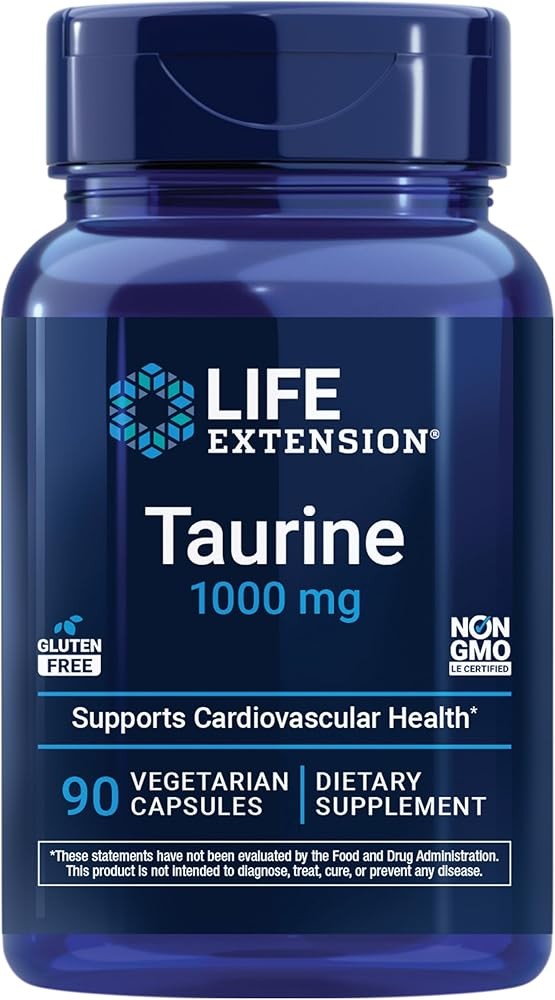
Life Extension Taurine, Pure Taurine Amino Acid Supplement, Heart, Liver and Brain Health, Longevity, Muscle and Exer...
Check Price on AmazonAs an Amazon Associate we earn from qualifying purchases.
Taurine is a conditionally essential amino acid that supports mitochondrial health, cardiovascular function, and longevity pathways. Research shows taurine protects mitochondria from oxidative stress and supports healthy aging. Excellent addition to a PQQ-based mitochondrial support protocol.
What to Look For in a PQQ Supplement
When choosing PQQ, prioritize:
- BioPQQ — This is the patented, research-backed form
- 20mg dosage — Matches clinical studies showing benefits
- Third-party testing — Look for brands that test for purity and potency
- No unnecessary additives — Cleaner is better
- Good manufacturing practices (GMP) — Ensures quality and consistency
Avoid proprietary blends where the PQQ amount isn’t clearly stated, and be wary of products making exaggerated claims.
Bottom line: Look for supplements containing BioPQQ, the patented form used in clinical research, at 20mg dosage matching study protocols. Top-quality brands include Life Extension, Doctor’s Best, and Jarrow Formulas, all using BioPQQ with third-party testing and good manufacturing practices. Consider combination products like Life Extension’s PQQ + CoQ10 for convenience, or build your own mitochondrial stack with individual high-quality components.
PQQ Safety, Side Effects, and Interactions
PQQ has an excellent safety profile with minimal side effects in human studies.
Safety Data
Human safety studies have tested PQQ at doses up to 60mg daily with no serious adverse effects. The 10-20mg dosage used for therapeutic benefits is well below this tested upper limit.
PQQ is naturally present in human breast milk and has been consumed in small amounts through diet throughout human evolution, suggesting inherent safety.
Common Side Effects (Rare and Mild)
Most people tolerate PQQ very well, but some may experience:
Mild stimulation:
- Increased energy or alertness (desired effect for most, but take earlier in day if it affects sleep)
- Occasional vivid dreams (due to enhanced mitochondrial activity during sleep)
Digestive effects (uncommon):
- Mild nausea if taken on an empty stomach (take with food)
- Rare digestive discomfort
Headaches (rare):
- Some people report mild headaches in the first few days, typically resolving quickly
These effects are generally mild and resolve with continued use or dosage adjustment.
Drug Interactions
PQQ has relatively few known drug interactions, but be aware of:
Anticoagulants (blood thinners):
- PQQ may have mild antiplatelet effects
- If you take warfarin, heparin, or other blood thinners, consult your doctor before using PQQ
Chemotherapy drugs:
- As an antioxidant, PQQ might theoretically interfere with some chemotherapy drugs that rely on oxidative stress
- If undergoing cancer treatment, discuss with your oncologist
Immunosuppressants:
- PQQ may modulate immune function
- Consult a physician if taking immunosuppressive medications
Contraindications and Precautions
Pregnancy and breastfeeding:
- While PQQ is naturally present in breast milk, high-dose supplementation during pregnancy and breastfeeding hasn’t been extensively studied
- Err on the side of caution and consult your healthcare provider
Children:
- No established safety data for supplemental PQQ in children
- Dietary PQQ from food is fine, but supplements should be avoided without medical supervision
Surgery:
- Due to potential antiplatelet effects, stop PQQ supplementation at least 2 weeks before scheduled surgery
When to Consult a Doctor
Talk to your healthcare provider before taking PQQ if you:
- Have a diagnosed medical condition, especially mitochondrial disorders
- Take any prescription medications regularly
- Are pregnant, breastfeeding, or planning pregnancy
- Have bleeding disorders or take blood thinners
- Are scheduled for surgery
- Have any concerns about supplement interactions
Bottom line: PQQ has an excellent safety profile with human studies testing up to 60mg daily without serious adverse effects. Side effects are rare and mild (occasional vivid dreams, mild headaches, or digestive upset), typically resolving with continued use or taking with food. Main precautions include consulting a doctor if taking blood thinners, immunosuppressants, or chemotherapy drugs, and avoiding supplementation during pregnancy without medical supervision.
Complete Support System for Mitochondrial Health
For optimal mitochondrial function and energy production, consider combining PQQ with these complementary supplements:
Core Mitochondrial Stack:
- PQQ 20mg (Life Extension) — creates new mitochondria
- CoQ10 200mg ubiquinol — fuels existing mitochondria
- B-Complex (Jarrow B-Right) — provides essential cofactors for energy metabolism
- Magnesium glycinate 400mg — supports over 300 enzymatic reactions including ATP production
Enhanced Longevity Protocol:
- Add Taurine 1000-2000mg (Life Extension) for additional mitochondrial protection
- Consider NAD+ precursors (NMN 250-500mg or NR 300-500mg) for sirtuin activation
- Include Alpha-lipoic acid 300mg for combined antioxidant protection
This comprehensive approach addresses mitochondrial health from multiple angles, providing both the building blocks for new mitochondria (PQQ) and the cofactors needed for optimal function (B vitamins, CoQ10, magnesium).
Our Top Recommendations
📱 Join the discussion: Facebook | X | YouTube | Pinterest | Pinterest
Bottom line: For optimal mitochondrial support, combine PQQ 20mg with CoQ10 200mg (ubiquinol form) taken in the morning with a fat-containing meal. This synergistic pairing addresses both mitochondrial quantity (PQQ builds new ones) and quality (CoQ10 fuels them efficiently), providing comprehensive energy support backed by research showing combined effects exceed either supplement alone.
Conclusion: Should You Take PQQ?
PQQ stands out in the crowded supplement market because of what it actually does: it creates new mitochondria. This isn’t about temporary energy from stimulation or marginally improving existing function—it’s about rebuilding your cellular power infrastructure from the ground up.
The research supporting PQQ is compelling:
- Mitochondrial biogenesis — 20-40% increases in mitochondrial count
- Cognitive benefits — Improved memory, attention, and processing speed
- Energy and fatigue — Significant reductions in fatigue and improvements in vitality
- Sleep quality — 8-12% improvements in sleep scores
- Neuroprotection — Protection of brain cells from oxidative damage and support for nerve growth
- Potent antioxidant — 5,000x more efficient than vitamin C
- Longevity potential — Addresses key mechanisms of aging
Who should consider PQQ?
- People over 40 experiencing age-related energy decline
- Anyone dealing with chronic fatigue or low energy
- Those concerned about cognitive decline or brain health
- Athletes wanting to improve performance and recovery
- People interested in evidence-based longevity strategies
- Anyone with poor sleep quality
- Individuals taking medications that affect mitochondrial function
The optimal approach:
- Start with PQQ 20mg + CoQ10 200mg daily — This synergistic combination addresses both mitochondrial quantity and quality
- Take in the morning with a meal containing fat — Timing and absorption matter
- Give it 8-12 weeks to assess — Mitochondrial biogenesis takes time
- Consider adding NAD+ precursors for enhanced results — NMN or NR complement PQQ nicely
- Maintain consistency — Long-term mitochondrial health requires consistent support
PQQ represents a mechanistically sound, research-backed approach to addressing energy decline, cognitive aging, and cellular health. While no supplement is a magic bullet, PQQ’s unique ability to trigger mitochondrial biogenesis makes it one of the most promising compounds for maintaining vitality and function as we age.
If you’re tired of being tired, struggling with brain fog, or simply want to optimize your healthspan, PQQ deserves serious consideration. The cellular power plants it helps you build today may well determine your energy, cognition, and vitality for years to come.
Bottom line: PQQ is one of the most mechanistically sound supplements for addressing age-related energy decline, cognitive aging, and mitochondrial dysfunction through its unique ability to trigger mitochondrial biogenesis. The research is compelling across multiple benefits—energy, cognition, sleep, neuroprotection, and longevity potential—making it particularly valuable for people over 40, those with chronic fatigue, athletes, and anyone pursuing evidence-based healthy aging strategies.
Related Articles
- Best CoQ10 Supplements for Energy and Heart Health
- NAD+ Boosters: NMN vs NR for Anti-Aging
- Best Supplements for Energy and Fighting Fatigue
- Lion’s Mane Mushroom Benefits for the Brain: What Research Shows
- Creatine Benefits Beyond Muscle: Brain, Longevity, and Energy
Related Reading
- CoQ10 Benefits: Complete Guide to Heart Health, Energy & Longevity
- CoQ10: The Heart’s Powerhouse for Energy, Antioxidant Protection & Longevity
- NMN Benefits: Science-Backed Longevity & NAD+ Boosting
- NMN Benefits: The Science Behind NAD+ Enhancement for Longevity and Anti-Aging
- Copper Benefits: Essential Mineral for Energy, Bones, and Brain Health
- Taurine for Longevity and Heart Health: The Research Behind the Hype
- Ecklonia Cava Benefits: Blood Flow, Brain Health, and Metabolic Support
References
-
Chowanadisai W, Bauerly KA, Tchaparian E, et al. Pyrroloquinoline quinone stimulates mitochondrial biogenesis through cAMP response element-binding protein phosphorylation and increased PGC-1alpha expression. J Biol Chem. 2010;285(1):142-152. PubMed
-
Nakano M, Yamamoto T, Okamura H, et al. Effects of oral supplementation with pyrroloquinoline quinone on stress, fatigue, and sleep. Funct Foods Health Dis. 2012;2(8):307-324. PDF
-
Nakano M, Ubukata K, Yamamoto T, Yamaguchi H. Effect of pyrroloquinoline quinone (PQQ) on mental status of middle-aged and elderly persons. FOOD Style. 2009;21:13(7):50-53.
-
Harris CB, Chowanadisai W, Mishchuk DO, et al. Dietary pyrroloquinoline quinone (PQQ) alters indicators of inflammation and mitochondrial-related metabolism in human subjects. J Nutr Biochem. 2013;24(12):2076-2084. PubMed
-
Stites T, Storms D, Bauerly K, et al. Pyrroloquinoline quinone modulates mitochondrial quantity and function in mice. J Nutr. 2006;136(2):390-396. PubMed
-
Rucker R, Chowanadisai W, Nakano M. Potential physiological importance of pyrroloquinoline quinone. Altern Med Rev. 2009;14(3):268-277. PubMed
-
Zhang Y, Feustel PJ, Kimelberg HK. Neuroprotection by pyrroloquinoline quinone (PQQ) in reversible middle cerebral artery occlusion in the adult rat. Brain Res. 2006;1094(1):200-206. PubMed
-
Steinberg F, Gershwin ME, Rucker RB. Dietary pyrroloquinoline quinone: growth and immune response in BALB/c mice. J Nutr. 1994;124(5):744-753. PubMed
-
Kumazawa T, Sato K, Seno H, et al. Levels of pyrroloquinoline quinone in various foods. Biochem J. 1995;307(Pt 2):331-333. PubMed
- Harris CB et al. “Dietary pyrroloquinoline quinone (PQQ) alters indicators of inflammation and mitochondrial-related metabolism.” J Nutr Biochem, 2013
- Jonscher KR et al. “Early PQQ supplementation has persistent long-term protective effects on developmental programming of hepatic metabolism.” FASEB J, 2017
- Nakano M et al. “Effects of oral supplementation with pyrroloquinoline quinone on stress, fatigue, and sleep.” Funct Foods Health Dis, 2012
- Rucker R et al. “Potential physiological importance of pyrroloquinoline quinone.” Altern Med Rev, 2009
Recommended Products