BPC-157 Peptide for Healing: Gut, Joints, and Tissue Repair
Summarized from peer-reviewed research indexed in PubMed. See citations below.
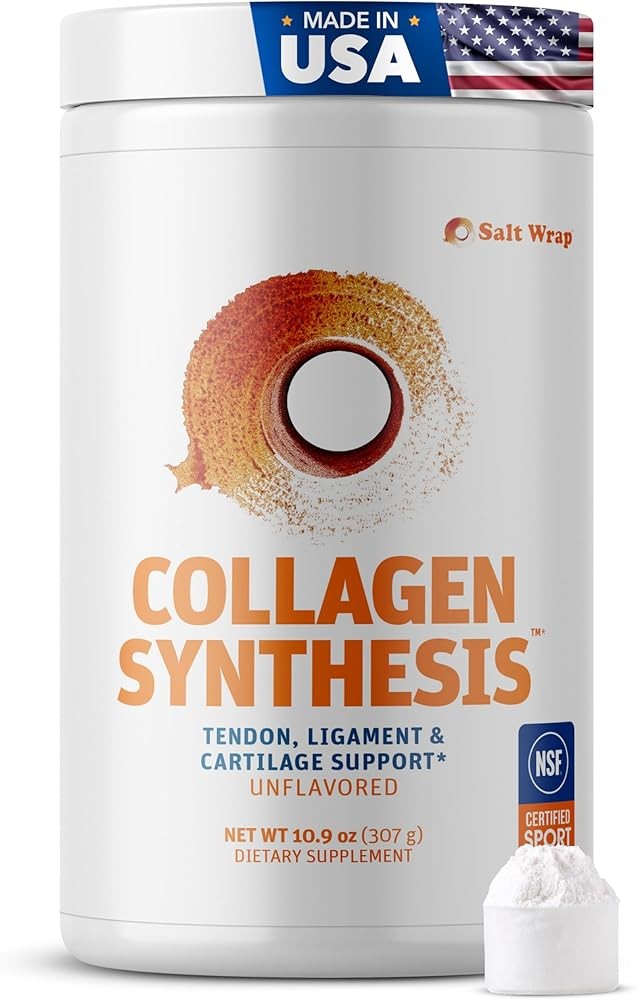
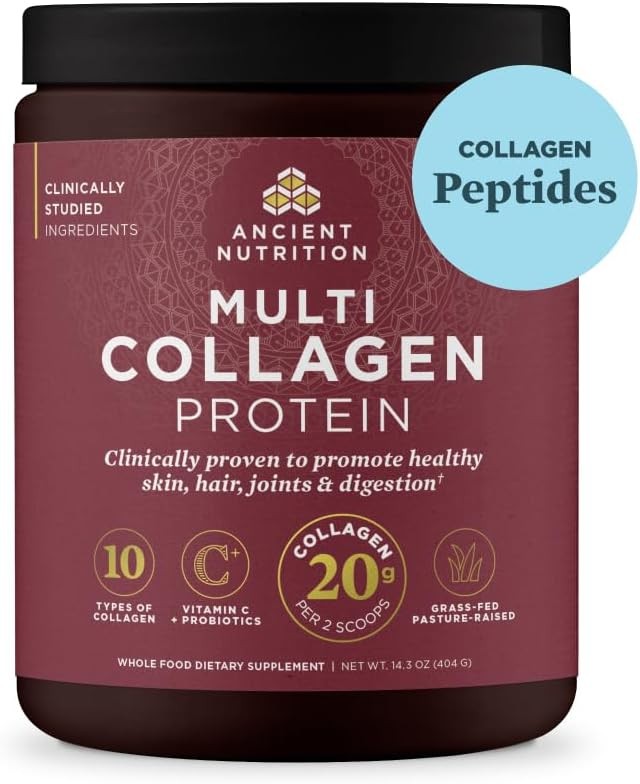
Chronic injuries, persistent gut issues, and stubborn tissue damage affect millions seeking effective healing solutions beyond conventional treatments. Published research on BPC-157, a synthetic peptide derived from gastric protective proteins, shows this 15-amino acid compound accelerates tissue repair through multiple mechanisms including VEGF upregulation and organized collagen synthesis. SaltWrap Collagen Synthesis (ASIN B081PBMGYJ, $52.19) is our Best Overall pick: patented Fortigel and Tendoforte collagen peptides studied for joint and tendon recovery, supplying the building blocks BPC-157 helps organize into functional tissue. Ancient Nutrition Hydrolyzed Multi Collagen Peptides, Unflavored (ASIN B0CT6NMTP9, $39.96) is the budget option, delivering 10 collagen types from four food sources. Here’s what the published research shows about BPC-157’s mechanisms and applications, and how collagen supplementation supports the peptide’s tissue-building effects.
Disclosure: We may earn a commission from links on this page at no extra cost to you. Affiliate relationships never influence our ratings. Full policy →
Our Top Recommendations

SaltWrap Collagen Synthesis combines two clinically researched collagen peptide forms specifically studied for musculoskeletal tissue repair. Fortigel has clinical data for joint cartilage support, while Tendoforte targets tendon and ligament health through specific bioactive peptide sequences. The formula provides type I and type III collagen, the primary structural proteins in tendons, ligaments, and connective tissue. When combined with BPC-157’s mechanisms of promoting organized collagen fiber alignment and enhanced synthesis, this product delivers the raw materials your body needs to build functional tissue rather than disorganized scar tissue.
Ancient Nutrition Hydrolyzed Multi Collagen Peptides provides 10 collagen types sourced from bovine, chicken, fish, and fermented eggshell membrane. This multi-source approach delivers a broader spectrum of amino acids and bioactive peptides than single-source collagen products, including eggshell membrane collagen with clinical data for joint comfort. The unflavored powder mixes into coffee, smoothies, or water without changing taste, making it easy to pair with a daily BPC-157 protocol.
✅ VEGF Upregulation: Increases vascular endothelial growth factor signaling, promoting angiogenesis (new blood vessel formation) in poorly vascularized tissues like tendons and ligaments
✅ Faster Tendon Healing: In a landmark rat study, BPC-157 restored transected Achilles tendon continuity by day 14 versus day 28 in controls, with stronger biomechanical properties and better-organized collagen (Chang et al., 2003)
✅ Gastric Ulcer Protection: Demonstrates potent cytoprotective effects on stomach lining, accelerating ulcer healing while protecting against NSAID-induced damage
✅ Dosing 250-500mcg Daily: Injectable subcutaneous administration for musculoskeletal injuries; oral capsules (500-1000mcg daily) for gut healing. Acute protocols typically run 4-6 week cycles with 2-4 week breaks; tendon protocols may extend to 8 weeks
✅ No FDA Approval: Available through research chemical suppliers only; extensive animal data but limited human clinical trials, requiring cautious approach and informed decision-making
✅ Multiple Mechanisms: Works through angiogenesis, growth factor modulation (IGF-1, VEGF), collagen synthesis enhancement, and inflammation reduction without immune suppression
Your body possesses remarkable healing capabilities, but sometimes it needs support to repair damaged tissues, recover stubborn injuries, or restore gut integrity. BPC-157, a synthetic peptide derived from a protective compound naturally found in your stomach, has emerged as one of the most promising healing agents in regenerative medicine. Research shows this peptide can accelerate healing of tendons, ligaments, muscles, and gastrointestinal tissues through multiple biological pathways.
Unlike conventional treatments that simply mask symptoms, BPC-157 appears to address the root causes of tissue damage by promoting angiogenesis (new blood vessel formation), modulating growth factors, and reducing inflammation. Athletes use it to recover from sports injuries faster, while others turn to it for chronic gut issues that haven’t responded to standard treatments.
This comprehensive guide examines the science behind BPC-157, its applications for gut and musculoskeletal healing, dosing protocols, safety considerations, and how it compares to other healing compounds. You’ll learn how this peptide works at the cellular level and whether it might be appropriate for your specific healing needs.
What Is BPC-157 and How Does It Work?
BPC-157 stands for Body Protection Compound-157, a pentadecapeptide consisting of 15 amino acids. Researchers isolated and synthesized this peptide from a protective protein found in human gastric juice. While your stomach naturally produces protective compounds, BPC-157 represents a stable, concentrated version designed to deliver therapeutic effects throughout the body.
Where Does BPC-157 Come From?
Your stomach secretes numerous protective factors that shield its lining from acid damage and promote healing of ulcers or erosions. Scientists discovered that one particular protein sequence showed especially powerful healing properties. They isolated this sequence, creating a synthetic peptide that maintains stability in the body far longer than the natural compound (PubMed 21548867).
This synthetic nature allows BPC-157 to survive digestion when taken orally and remain active in tissues when injected. The peptide’s small size enables it to cross biological barriers and reach injury sites throughout the body, from your gut lining to deep tendon tissues.
How Does BPC-157 Differ from Other Peptides?
The peptide landscape includes numerous compounds with healing properties, but BPC-157 stands out for several reasons:
Broad tissue effects: While some peptides target specific tissues (like thymosin beta-4 for muscle), BPC-157 demonstrates healing activity across multiple tissue types including gastrointestinal, musculoskeletal, nervous, and vascular tissues.
Stable structure: Many naturally occurring peptides degrade quickly in the body. BPC-157’s synthetic structure provides exceptional stability, allowing for sustained activity after administration.
Multiple mechanisms: Rather than working through a single pathway, BPC-157 influences numerous healing processes simultaneously, including growth factor expression, blood vessel formation, and inflammation modulation.
Cytoprotective effects: The peptide protects cells from various forms of damage, including toxic substances, oxidative stress, and physical trauma.
How Do You Know If You Need Enhanced Healing Support?
Your body sends clear signals when tissue healing becomes compromised or chronically slow:
Persistent gut issues: If you experience ongoing digestive problems despite dietary changes, including bloating, irregular bowel movements, food sensitivities, or diagnosed conditions like inflammatory bowel disease, your gut lining may need enhanced healing support.
Injuries that won’t recover: Tendon or ligament injuries that persist beyond expected recovery timelines, especially if you’ve tried conventional physical therapy and rest without full resolution, suggest impaired tissue repair mechanisms.
Chronic joint pain: Persistent joint discomfort that worsens with activity and doesn’t fully respond to anti-inflammatory treatments may indicate ongoing tissue damage exceeding your natural repair capacity.
Post-surgical slow recovery: If surgical incisions recover slowly, or if you experience prolonged inflammation and discomfort after procedures, your healing processes may benefit from additional support.
Recurring muscle strains: Athletes who repeatedly injure the same muscles or muscle groups despite adequate conditioning may have underlying healing deficits that reduce the risk of complete tissue restoration.
Leaky gut symptoms: Brain fog, skin issues, fatigue, and multiple food sensitivities that developed after antibiotic use, stress, or illness often point to intestinal permeability requiring comprehensive gut repair.
These signs don’t necessarily indicate you need BPC-157 specifically, but they suggest your body’s natural healing mechanisms may need support through peptides, nutrition, or other regenerative approaches.
Bottom line: BPC-157 is a synthetic 15-amino-acid peptide derived from a protective protein found in human gastric juice, with exceptional stability in the digestive tract and bloodstream. Research documents effects across multiple tissue types (gastrointestinal, musculoskeletal, vascular, nervous, and dermal) through overlapping mechanisms: VEGF-driven angiogenesis, growth factor modulation, nitric oxide stabilization, anti-inflammatory effects, and organized collagen synthesis.
How Does BPC-157 Promote Tissue Healing?
BPC-157 influences healing through multiple interconnected biological pathways rather than a single mechanism. Understanding these processes helps explain why research shows benefits across such diverse tissue types.
How Does BPC-157 Build New Blood Vessels?
One of BPC-157’s most significant effects involves promoting angiogenesis, the formation of new blood vessels. Healing tissues require abundant blood flow to deliver oxygen, nutrients, and immune cells while removing metabolic waste. Without adequate vasculature, healing stalls or produces low-quality scar tissue.
Research has demonstrated that BPC-157 significantly accelerates blood vessel formation in damaged tissues through VEGFR2 activation (PubMed 27847966). The peptide upregulates vascular endothelial growth factor (VEGF) signaling and activates both VEGF-dependent (VEGFR2-PI3K-Akt-eNOS) and VEGF-independent pathways to promote angiogenesis (PubMed 25995620).
This angiogenic effect explains BPC-157’s success with tendon injuries. Tendons naturally have poor blood supply, making them notoriously slow to recover. By promoting new vessel formation into tendon tissue through modulatory effects on angiogenesis in muscle and tendon healing (PubMed 20388964), BPC-157 delivers the resources these structures need for proper repair.
How Does BPC-157 Modulate Growth Factors?
Your body coordinates healing through growth factors, protein signals that tell cells when to proliferate, differentiate, or produce structural proteins. BPC-157 influences multiple growth factor pathways:
Fibroblast growth factor (FGF): This peptide stimulates fibroblast activity, the cells responsible for producing collagen and extracellular matrix proteins. Enhanced FGF signaling leads to stronger, more organized tissue repair.
Transforming growth factor-beta (TGF-β): BPC-157 modulates TGF-β activity, which regulates cell proliferation and extracellular matrix formation. Proper TGF-β balance reduces the risk of excessive scar tissue while ensuring adequate structural repair.
Epidermal growth factor (EGF): Particularly important for gut healing, EGF promotes epithelial cell growth and migration to close wounds in the intestinal lining.
Growth hormone receptor upregulation: BPC-157 enhances growth hormone receptor expression in tendon fibroblasts at both mRNA and protein levels (PubMed 25415472), amplifying the tissue’s responsiveness to endogenous growth hormone signals.
Studies show BPC-157 doesn’t simply increase growth factor levels indiscriminately. Instead, it appears to normalize their expression, increasing factors when too low and preventing excessive activity that could lead to fibrosis or abnormal tissue growth.
What Role Does Nitric Oxide Play in BPC-157’s Effects?
Nitric oxide (NO) plays crucial roles in healing, including blood vessel dilation, immune function, and cell signaling. BPC-157 modulates the nitric oxide system in ways that promote healing while preventing excessive inflammation.
Research indicates BPC-157 stabilizes nitric oxide production by protecting endothelial nitric oxide synthase (eNOS) from damage while preventing overproduction from inducible nitric oxide synthase (iNOS) during acute inflammation. This balanced approach maintains the benefits of NO signaling without the tissue damage excessive nitric oxide can cause.
This pathway helps explain BPC-157’s cardiovascular protective effects and its ability to promote healing even in tissues damaged by reduced blood flow.
How Does BPC-157 Reduce Inflammation and Protect Cells?
While some inflammation supports healing by clearing damaged tissue and activating repair processes, chronic or excessive inflammation impairs recovery. BPC-157 demonstrates sophisticated anti-inflammatory effects that reduce harmful inflammation while preserving beneficial immune responses.
The peptide reduces pro-inflammatory cytokine production, including TNF-alpha, IL-1beta, and IL-6, molecules that drive chronic inflammation and tissue destruction. Studies show these effects occur through multiple pathways, including modulation of the cyclooxygenase and nuclear factor-kappa B (NF-κB) systems.
BPC-157’s cytoprotective properties extend beyond inflammation control. Research demonstrates the peptide protects cells from various insults including alcohol toxicity, NSAIDs damage, oxidative stress, and heavy metal exposure. These protective effects prove particularly valuable for gut healing, where the intestinal lining faces constant exposure to potentially harmful substances.
How Does BPC-157 Enhance Collagen Synthesis?
Proper healing requires not just new tissue formation but organized structural arrangement. BPC-157 enhances both aspects of this process.
The peptide increases collagen synthesis, particularly Type I collagen, the primary structural protein in tendons, ligaments, skin, and bone. Studies show BPC-157 upregulates genes encoding collagen production while also enhancing the enzymes responsible for proper collagen cross-linking.
Beyond simply making more collagen, BPC-157 influences how new tissue organizes. Research on tendon healing demonstrates that BPC-157 promotes tendon outgrowth, cell survival, and cell migration through FAK-paxillin pathway activation (PubMed 21030672), resulting in better aligned collagen fibers compared to untreated controls, producing stronger, more functional repairs rather than disorganized scar tissue.
This organized healing extends to gut tissue, where BPC-157 helps restore normal intestinal architecture rather than simply filling damaged areas with generic scar tissue.
Bottom line: BPC-157 accelerates tissue repair through interconnected mechanisms: VEGFR2-mediated angiogenesis in poorly vascularized tissues, upregulation of FGF/TGF-beta/EGF growth factors, eNOS-stabilized nitric oxide signaling, reduced pro-inflammatory cytokines (TNF-alpha, IL-1beta, IL-6), and enhanced type I collagen synthesis with FAK-paxillin pathway activation for organized fiber alignment.
How Does BPC-157 Support Gut Healing and Intestinal Barrier Repair?
Your gastrointestinal tract represents one of your body’s largest interfaces with the outside world. The intestinal lining must simultaneously allow nutrient absorption while blocking toxins, pathogens, and undigested food particles. When this barrier becomes compromised, systemic health consequences often follow.
What Is Leaky Gut?
The intestinal barrier consists of a single layer of epithelial cells connected by tight junction proteins. These junctions control what passes between cells from your intestinal contents into your bloodstream. Various factors can damage these junctions, including:
Chronic stress: Elevated cortisol directly increases intestinal permeability by altering tight junction protein expression.
Poor diet: High sugar intake, processed foods, and excessive alcohol consumption damage the gut lining and alter the protective mucus layer.
Medications: NSAIDs like ibuprofen, antibiotics, proton pump inhibitors, and other common drugs can compromise intestinal barrier integrity.
Infections: Pathogenic bacteria, parasites, and yeasts can directly damage the intestinal lining while triggering inflammation that further impairs barrier function.
Toxins: Pesticides, heavy metals, and industrial chemicals interfere with tight junction proteins and damage epithelial cells.
When intestinal permeability increases beyond normal levels, larger molecules including food proteins, bacterial components, and toxins can enter your bloodstream. Your immune system recognizes these as foreign invaders, triggering systemic inflammation and immune activation.
How Does BPC-157 Restore Gut Barrier Function?
Research on BPC-157’s effects on intestinal health spans several decades, with studies demonstrating multiple mechanisms of gut protection and repair:
Epithelial cell proliferation: BPC-157 stimulates intestinal epithelial cells to multiply and migrate to damaged areas, filling in erosions and ulcers more rapidly than normal healing processes allow.
Tight junction repair: The peptide upregulates expression of tight junction proteins including occludin, claudins, and zonula occludens (ZO) proteins, physically restoring barrier integrity at the cellular level.
Mucus layer enhancement: BPC-157 increases production of protective mucus that shields the intestinal lining from acid, digestive enzymes, and potentially harmful bacteria.
Blood flow restoration: By promoting angiogenesis, the peptide ensures healing intestinal tissue receives adequate oxygen and nutrients, particularly important in inflammatory bowel disease where blood flow may be compromised.
Anti-inflammatory effects: BPC-157 reduces inflammatory cytokine production in gut tissue, interrupting the cycle of inflammation that reduces the risk of healing in chronic conditions.
Research on intestinal anastomosis (surgical connection of bowel segments) demonstrates BPC-157’s therapeutic potential. Rats treated with BPC-157 showed significantly improved healing of ileoileal anastomosis, with better tensile strength and reduced inflammation compared to controls (PubMed 17713731). The peptide-treated animals also had lower rates of anastomotic leakage, a serious surgical complication.
Can BPC-157 Help with Inflammatory Bowel Disease?
Inflammatory bowel disease (IBD), including Crohn’s disease and ulcerative colitis, involves chronic inflammation and ulceration of the digestive tract. These conditions cause significant morbidity and often resist conventional treatment.
Animal studies examining BPC-157 in IBD models show remarkable results. Research using chemically-induced colitis (a model for ulcerative colitis) found that BPC-157 treatment reduced inflammatory markers, decreased ulcer formation, and preserved intestinal barrier function significantly better than standard anti-inflammatory treatments (PubMed 22300085).
One particularly interesting study examined BPC-157’s effects on cysteamine-induced colitis and colon anastomosis healing in rats (PubMed 24304574). Animals receiving the peptide showed:
- Significantly reduced macroscopic damage scores compared with untreated controls
- Decreased inflammatory infiltration in intestinal tissue
- Lower levels of pro-inflammatory cytokines including TNF-alpha and IL-6
- Preservation of intestinal tight junction proteins
- Reduced bacterial translocation from the gut to systemic circulation
The peptide demonstrated these benefits whether administered before injury (protective effect) or after damage occurred (therapeutic effect), suggesting utility both for prevention and treatment (PubMed 24304574).
While human clinical trials remain limited, case reports and anecdotal evidence from clinicians using BPC-157 off-label for IBD patients describe improvements in symptoms, reduced inflammation markers, and enhanced quality of life. These observations, while not constituting definitive proof, align with the extensive animal research.
How Does BPC-157 Speed Up Ulcer Recovery?
BPC-157 earned its name from studies showing its remarkable ability to recover gastric ulcers. Research demonstrates the peptide accelerates healing of ulcers throughout the gastrointestinal tract, from stomach to colon (PubMed 21548867).
Studies examining gastric ulcer healing found BPC-157 comparable or superior to standard treatments like ranitidine (Zantac) and omeprazole (Prilosec), but through different mechanisms. While acid-blocking drugs reduce ulcer formation by decreasing stomach acid, BPC-157 actively promotes tissue repair and protects the stomach lining from various damaging agents.
Research shows BPC-157 protects against ulcer formation from:
- NSAIDs (aspirin, ibuprofen, naproxen)
- Alcohol
- Stress-induced damage
- Helicobacter pylori infection
- Excessive stomach acid
The peptide’s protective effects extend beyond simply preventing ulcer formation. Studies show it accelerates healing of existing ulcers compared with untreated controls, with better-quality tissue repair and reduced scarring.
What Are the Signs of Gut Barrier Dysfunction?
Your body provides numerous signals when intestinal barrier integrity becomes compromised:
Digestive symptoms: Bloating, gas, irregular bowel movements, cramping, or discomfort after eating often indicate gut lining issues, especially when these symptoms persist despite dietary modifications.
Food sensitivities: Development of multiple food sensitivities or intolerances, particularly to foods you previously tolerated, suggests increased intestinal permeability allowing food proteins to trigger immune responses.
Brain fog and cognitive issues: Many people with leaky gut experience mental cloudiness, difficulty concentrating, or mood changes related to inflammatory molecules and bacterial components entering circulation from the damaged gut.
Skin problems: Acne, eczema, rosacea, or other inflammatory skin conditions often trace back to gut barrier dysfunction, as systemic inflammation from the leaky gut manifests in skin tissue.
Chronic fatigue: Persistent tiredness despite adequate sleep may stem from the immune system’s constant activation by substances leaking from the damaged gut, draining energy reserves.
Autoimmune conditions: Increased intestinal permeability is implicated in numerous autoimmune diseases, as foreign proteins entering circulation can trigger antibody production that cross-reacts with your own tissues.
Nutritional deficiencies: A damaged gut absorbs nutrients poorly, potentially leading to deficiencies even with adequate dietary intake, particularly of minerals and fat-soluble vitamins.
These signs warrant comprehensive gut healing approaches that may include BPC-157 alongside dietary modifications, probiotics, and other supportive interventions.
Bottom line: BPC-157 restores intestinal barrier function through epithelial cell proliferation, tight junction protein upregulation, mucus layer enhancement, and reduced inflammation. Research demonstrates significant benefits for inflammatory bowel disease, ulcer healing throughout the GI tract, and protection against NSAID-induced gut damage.
How Does BPC-157 Accelerate Tendon and Ligament Healing?
Athletes and active individuals face constant mechanical stress on connective tissues. When damage outpaces natural repair capacity, chronic injuries develop that resist conventional treatment. BPC-157 has generated significant interest in sports medicine for its potential to accelerate healing of these notoriously stubborn injuries.
Why Are Tendons and Ligaments Difficult to Repair?
Tendons and ligaments face unique healing challenges that explain why injuries to these structures often become chronic:
Poor blood supply: Unlike muscle tissue with abundant blood vessels, tendons and ligaments have limited vascularity. This sparse blood supply means fewer nutrients, oxygen, and immune cells reach damaged areas, dramatically slowing healing.
High mechanical demands: These structures transmit forces between muscles and bones or stabilize joints, subjecting them to constant mechanical stress even during normal activity. Complete rest proves impractical for most people, meaning healing occurs under ongoing mechanical load.
Specialized cell populations: Tendons and ligaments consist primarily of fibroblasts specialized for collagen production. These cells turn over slowly and respond less robustly to healing signals compared to other tissue types.
Biomechanical complexity: Proper tendon and ligament function requires not just tissue continuity but highly organized collagen fiber alignment. Random scar tissue formation restores continuity but not optimal mechanical properties.
These factors explain why tendon and ligament injuries often take months to recover, frequently result in reinjury, and may never fully return to pre-injury function.
How Does BPC-157 Speed Up Connective Tissue Repair?
Research on BPC-157 for tendon and ligament healing shows the peptide addresses multiple obstacles to proper repair:
Angiogenesis in avascular tissue: BPC-157’s ability to promote new blood vessel formation proves especially valuable in poorly vascularized tendons. Studies show the peptide stimulates capillary ingrowth into tendon tissue, delivering the resources needed for proper healing.
Enhanced fibroblast activity: The peptide upregulates fibroblast proliferation and collagen synthesis, increasing the cellular machinery available for tissue repair.
Organized collagen deposition: Rather than random scar tissue formation, research shows BPC-157 promotes organized collagen fiber alignment that better approximates normal tissue structure and mechanical properties.
Growth factor upregulation: BPC-157 increases expression of growth factors crucial for connective tissue healing, including IGF-1, VEGF, and growth hormone receptors in tendon cells.
A landmark study examined BPC-157’s effects on Achilles tendon healing in rats (PubMed 14554208). Researchers surgically transected the tendon, then treated animals with either BPC-157 or saline. The peptide-treated group showed:
- Complete restoration of tendon continuity by day 14 versus day 28 in controls - roughly twice the healing speed
- Superior biomechanical properties including greater load to failure and stiffness
- Better organized collagen fiber architecture with superior formation of fibroblasts, reticulin and collagen
- Increased vascular density in healing tissue
- Higher expression of collagen type I genes
Similar research on other tendon and ligament models consistently demonstrates accelerated healing with BPC-157 treatment, including studies on:
- Medial collateral ligament tears (knee) - showing improved ligament healing in rat models (PubMed 20225319)
- Quadriceps tendon detachment and muscle-to-bone reattachment (PubMed 39861766)
- Skin wound and burn healing (PubMed 34267654)
- Muscle-tendon junction injuries - with BPC-157 serving as therapy for disabled myotendinous junctions (PubMed 34829776)
What Injuries Can BPC-157 Help With?
These research findings translate to practical applications for specific injuries athletes and active individuals commonly face:
Achilles tendinopathy: This overuse injury causes pain and dysfunction in the Achilles tendon, often resisting conventional treatment. BPC-157 may accelerate healing by improving blood flow to the affected area and enhancing collagen remodeling.
Tennis elbow (lateral epicondylitis): Characterized by pain and inflammation where forearm tendons attach to the outer elbow, this condition often becomes chronic. The peptide’s ability to promote organized tendon healing and reduce inflammation offers potential benefits.
Rotator cuff injuries: Whether from acute tears or chronic degeneration, rotator cuff damage significantly impairs shoulder function. BPC-157’s effects on tendon healing and vascularization may support recovery, particularly for partial tears or tendinopathy.
Patellar tendinopathy (jumper’s knee): Common in athletes performing jumping activities, this condition involves pain and dysfunction in the patellar tendon. Research on tendon healing suggests BPC-157 could accelerate recovery and potentially reduce the risk of progression to more severe damage.
Plantar fasciitis: While technically involving fascia rather than tendon, this painful foot condition may respond to BPC-157’s tissue healing properties, particularly given research showing effects on various connective tissue types.
ACL and MCL injuries: Knee ligament injuries often require surgical repair for complete tears. BPC-157 might support healing of partial tears or accelerate recovery after reconstruction surgery.
Can BPC-157 Help with Muscle Healing?
Beyond connective tissue, research demonstrates BPC-157’s effects on muscle healing after injury:
Muscle crush injuries: Studies show BPC-157 accelerates recovery from muscle contusions (bruising), common in contact sports. The peptide reduces hematoma formation, decreases inflammation, and speeds return of muscle function.
Muscle-tendon junction healing: The interface where muscle transitions to tendon represents a common injury site. BPC-157 promotes healing at this junction, which faces unique biomechanical challenges.
Protection from corticosteroid muscle damage: Athletes sometimes receive corticosteroid injections for injuries, but these drugs can impair muscle healing. Research shows BPC-157 protects against corticosteroid-induced muscle damage and may even counteract some negative effects.
Improved muscle recovery: While less extensively studied than tendon healing, anecdotal reports from athletes suggest BPC-157 accelerates recovery between training sessions, potentially through enhanced blood flow, reduced inflammation, and optimized growth factor signaling.
Does BPC-157 Support Joint Health?
Emerging research suggests BPC-157 may benefit joint health beyond its effects on surrounding tendons and ligaments:
Cartilage preservation: Preliminary studies indicate BPC-157 may protect cartilage cells (chondrocytes) from inflammatory damage and support cartilage matrix synthesis, though this area requires more research.
Synovial fluid optimization: The peptide’s anti-inflammatory effects may improve the quality of synovial fluid, the lubricating substance within joints.
Bone-tendon interface healing: Research shows BPC-157 promotes healing where tendons attach to bone (enthesis), important for many common injuries and surgical repairs.
What Are the Signs You Need Enhanced Musculoskeletal Healing?
Your body clearly signals when connective tissue healing requires support:
Pain persisting beyond normal healing timelines: Most acute soft tissue injuries should show significant improvement within 4-6 weeks. Pain persisting beyond this timeframe suggests impaired healing.
Morning stiffness: Joints or tendons that feel stiff and painful when you first wake up, requiring 30+ minutes of movement to loosen, often indicate ongoing inflammation and incomplete healing.
Pain with specific movements: If particular movements consistently trigger pain in the same location, especially movements that load specific tendons or ligaments, incomplete tissue repair likely persists.
Weakness in affected areas: Chronic injuries often result in measurable strength deficits. If an injured side remains noticeably weaker months after injury, healing may be inadequate.
Swelling that won’t resolve: Persistent swelling around joints or tendons indicates ongoing inflammation, suggesting the healing process has stalled or become dysfunctional.
Decreased range of motion: If flexibility or range of motion remains limited long after the acute injury phase, scar tissue formation or incomplete healing may be restricting normal movement patterns.
Recurring injuries: Repeatedly injuring the same area, especially with less severe trauma than the original injury, strongly suggests the tissue never fully healed and remains structurally compromised.
These signs warrant comprehensive evaluation and potentially enhanced healing support through peptides, physical therapy, nutritional optimization, or other interventions.
Bottom line: BPC-157 accelerates connective tissue repair through angiogenesis in poorly vascularized tendons, enhanced fibroblast activity, organized collagen deposition, and growth factor upregulation. In the landmark rat study, treated Achilles tendons regained continuity twice as fast as controls, with superior biomechanical properties and better-organized tissue structure.
What Is the Optimal BPC-157 Dosage and Administration?
BPC-157 exists in a regulatory gray area, available as a “research chemical” but not approved for human use by regulatory agencies. Understanding dosing protocols requires synthesizing animal research, theoretical pharmacology, and anecdotal reports from those using the peptide off-label.
How Much BPC-157 Should You Take?
Research studies and practical use suggest effective dosages in the range of 200-1000 mcg daily, with most people finding benefits at 250-500 mcg per day.
Body weight considerations: While rodent studies use doses scaled by body weight (typically 10 mcg/kg), direct weight-based translation to humans likely overestimates required doses. Most human users report benefits at 3-5 mcg/kg daily, lower than direct animal-to-human scaling would suggest.
Injury severity: More severe or chronic injuries may benefit from higher doses within the effective range, while minor injuries might respond to lower doses.
Route of administration: Oral and injectable forms may require different dosing due to bioavailability differences, though research suggests both routes produce systemic effects.
Should You Take BPC-157 Orally or by Injection?
BPC-157’s stability allows it to survive stomach acid and digestive enzymes, making oral administration viable unlike many peptides that must be injected.
Oral administration:
- Dosage: 250-500 mcg taken on an empty stomach, typically twice daily
- Method: Capsules or tablets, held under the tongue briefly before swallowing to enhance absorption
- Advantages: Convenient, non-invasive, may provide concentrated effects in the GI tract for gut healing
- Disadvantages: Lower bioavailability compared to injection, though still effective
Injectable administration:
- Dosage: 250-500 mcg daily, often split into two injections
- Method: Subcutaneous injection (similar to insulin administration) using insulin syringes
- Location: Can inject near injury sites (locally) or in abdominal fat (systemically)
- Advantages: Higher bioavailability, potentially faster effects, ability to target local areas
- Disadvantages: Requires injection supplies and technique, minor discomfort
Local vs. systemic injection: Some users inject near injury sites believing this delivers higher peptide concentrations to damaged tissue. Research shows BPC-157 produces systemic effects regardless of injection location, but local injection may provide additional concentrated effects. For gut healing, systemic injection or oral administration proves necessary.
When Should You Take BPC-157?
Most protocols divide daily doses into two administrations:
Morning and evening: Taking half the daily dose upon waking and the other half before bed provides consistent peptide levels throughout the 24-hour cycle.
Pre and post-workout: Athletes sometimes time doses around training, taking BPC-157 before and after workouts to maximize its effects during periods of tissue stress and subsequent recovery.
Empty stomach considerations: For oral administration, taking BPC-157 on an empty stomach (at least 30 minutes before eating) optimizes absorption. Injectable forms don’t face this limitation.
Should You Cycle BPC-157 or Use It Continuously?
Opinions differ on whether BPC-157 requires cycling (periods of use followed by breaks) or can be used continuously:
Cycling protocols: Many users follow 4-6 week cycles with 2-4 week breaks. This approach aims to:
- Reduce the risk of potential tolerance or receptor downregulation
- Assess whether healing has progressed enough to discontinue use
- Provide cost breaks, as peptides can be expensive
- Reduce any theoretical long-term risks from continuous use
Continuous use: Some people, particularly those with chronic gut issues, use BPC-157 continuously for months. Arguments for continuous use include:
- No strong evidence of tolerance development in research
- Ongoing conditions may require sustained support
- The peptide’s gastric origin suggests safety for extended use
- Research studies showing benefits often use continuous administration
The optimal approach likely depends on individual circumstances. Acute injuries may require only 4-8 weeks of use, while chronic conditions might benefit from longer durations with periodic assessment.
How Do You Store BPC-157?
Injectable BPC-157 typically comes as lyophilized (freeze-dried) powder requiring reconstitution:
Reconstitution process:
- Add bacteriostatic water (typically 2-3ml) to the peptide vial
- Let water run down the vial side rather than directly onto powder
- Gently swirl (don’t shake) until powder completely dissolves
- Resulting solution contains a known concentration (e.g., 250 mcg per 0.5ml if 2mg powder mixed with 4ml water)
Storage requirements:
- Lyophilized powder: Store in freezer (-20°C) for long-term storage (6+ months) or refrigerator (4°C) for shorter periods
- Reconstituted solution: Keep refrigerated (4°C), use within 30 days with bacteriostatic water or within 7-10 days with sterile water
- Protect from light and heat, which degrade the peptide
Can You Combine BPC-157 with Other Supplements?
Some users stack BPC-157 with complementary compounds to enhance healing:
TB-500 (Thymosin Beta-4): Another peptide with tissue healing properties, often combined with BPC-157. TB-500 particularly enhances muscle healing and reduces inflammation. Typical protocol: 2-5mg TB-500 twice weekly plus daily BPC-157.
Collagen peptides: Oral collagen supplements (10-20g daily) provide raw materials for tissue repair while BPC-157 enhances the healing processes that incorporate collagen into new tissue.
Growth hormone secretagogues: Compounds that increase growth hormone, such as ipamorelin or CJC-1295, may synergize with BPC-157’s effects on tissue healing. These require more careful consideration due to broader systemic effects.
Anti-inflammatory support: Natural anti-inflammatories like curcumin (particularly bioavailable forms) or omega-3 fatty acids may complement BPC-157’s healing effects.
Vitamin C and minerals: Vitamin C is essential for collagen synthesis, while minerals like zinc and copper serve as cofactors in healing processes.
How Should You Monitor Safety While Using BPC-157?
While BPC-157 demonstrates an excellent safety profile in research, prudent monitoring includes:
Baseline and follow-up assessments: Document injury status with photos, measurements of range of motion, pain scales (1-10), and functional tests before starting BPC-157, then reassess every 2-4 weeks.
Digestive changes: Note any changes in bowel habits, appetite, or digestive comfort, particularly when using oral administration or treating gut issues.
Injection site reactions: Check for excessive redness, swelling, or pain at injection sites beyond normal minor irritation.
Blood pressure monitoring: Some research suggests BPC-157 affects the nitric oxide system, which influences blood pressure. Occasional blood pressure checks ensure no unexpected changes.
Professional consultation: Working with a knowledgeable healthcare provider allows for more sophisticated monitoring and integration with other treatments, though finding providers experienced with peptides may prove challenging.
Bottom line: Most users find effective results at 250-500 mcg daily, administered either orally (on empty stomach) or via subcutaneous injection. Protocols typically involve 4-6 week cycles with 2-4 week breaks for acute injuries, though chronic conditions may require longer continuous use. Both oral and injectable routes produce systemic effects, with oral administration particularly convenient for gut healing.
Is BPC-157 Safe? What Are the Side Effects?
BPC-157’s safety record in animal research appears remarkably clean, with minimal adverse effects even at doses far exceeding therapeutic ranges. However, human clinical trial data remains limited, creating uncertainty about long-term safety.
What Do Animal Studies Show About BPC-157 Safety?
Numerous studies examined BPC-157’s toxicity profile:
Acute toxicity: Studies administering very high doses (thousands of times therapeutic doses) found no lethal dose and minimal adverse effects. Animals tolerated doses up to 10,000 mcg/kg (thousands of times the typical human dose) without significant toxicity (PubMed 30915550).
Chronic administration: Long-term studies giving BPC-157 continuously for months showed no organ damage, no changes in blood chemistry, and no behavioral abnormalities. Histological examination of tissues revealed normal architecture without fibrosis, inflammation, or cellular abnormalities.
Reproductive safety: Studies in pregnant animals found no teratogenic (birth defect-causing) effects and no impact on fertility or pregnancy outcomes.
Carcinogenicity: No cancer development occurred in long-term animal studies, and some research suggests BPC-157 may actually protect against certain types of cancer development, though this area requires more investigation.
What Side Effects Do Humans Experience with BPC-157?
Anecdotal reports from humans using BPC-157 describe very few side effects:
Injection site reactions: Mild redness, slight swelling, or minor discomfort at injection sites, similar to other subcutaneous injections. These effects typically resolve within hours.
Digestive changes: Some users report changes in appetite or bowel habits, though these often normalize with continued use and may reflect beneficial changes in gut function rather than adverse effects.
Headaches: Occasionally reported, particularly when starting BPC-157, possibly related to changes in nitric oxide levels or vascular effects. Usually mild and transient.
Fatigue or energy changes: Some users report feeling more tired initially, while others note increased energy. These subjective effects vary significantly between individuals.
Dizziness: Rarely reported, potentially related to blood pressure changes from nitric oxide modulation.
The overall pattern suggests BPC-157 produces few significant side effects in most users, aligning with the animal safety data.
What Are the Theoretical Concerns About BPC-157?
Despite positive safety data, several theoretical concerns warrant consideration:
Long-term human effects: Animal studies provide valuable safety data, but decades of human use data doesn’t exist for BPC-157. Unknown long-term effects remain possible, particularly in vulnerable populations.
Cancer considerations: While BPC-157 shows anti-cancer properties in some research, its promotion of angiogenesis (new blood vessel formation) could theoretically support tumor growth if cancerous cells were present. Anyone with current or previous cancer should exercise extreme caution.
Growth factor effects: BPC-157’s upregulation of various growth factors could theoretically influence cell proliferation in unpredictable ways, though no evidence of abnormal growth has emerged from animal studies.
Quality and purity concerns: As a research chemical not subject to pharmaceutical regulation, BPC-157 quality varies significantly between suppliers. Contaminated or impure products pose risks beyond the peptide itself.
Drug interactions: Limited data exists on how BPC-157 interacts with medications. Theoretical concerns include interactions with blood thinners (due to effects on blood vessels), blood pressure medications (due to nitric oxide effects), and NSAIDs (since BPC-157 affects some of the same pathways).
Who Should Avoid BPC-157?
Certain populations should avoid BPC-157 or use it only under medical supervision:
Pregnancy and breastfeeding: Despite animal safety data, pregnant or nursing women should avoid BPC-157 due to insufficient human safety data during these vulnerable periods.
Active cancer: Anyone with current cancer should not use BPC-157 without oncologist consultation due to theoretical concerns about angiogenesis supporting tumor growth.
Recent cancer history: Those in cancer remission should discuss peptide use with their oncologist, weighing potential benefits against theoretical risks.
Cardiovascular conditions: While BPC-157 shows cardiovascular protective effects in research, people with serious heart conditions should consult cardiologists before use due to effects on blood vessels and blood pressure.
Bleeding disorders: BPC-157’s effects on blood vessel formation and potential interactions with clotting pathways warrant caution in those with bleeding disorders or taking anticoagulants.
Children: No safety data exists for pediatric use. Children should not use BPC-157 except possibly under specialized medical supervision for serious conditions.
Scheduled surgery: Discontinue BPC-157 at least 2-4 weeks before planned surgery due to unknown effects on bleeding, wound healing, and potential interactions with anesthesia.
Bottom line: BPC-157 demonstrates an excellent safety profile in animal studies with no lethal dose found and minimal adverse effects even at doses thousands of times higher than therapeutic ranges. Human users report very few side effects, primarily mild injection site reactions and occasional digestive changes. However, limited long-term human data and quality control challenges in the research chemical market warrant caution and careful supplier selection.
When Should You Stop BPC-157 and Seek Medical Care?
BPC-157 is experimental, and self-monitoring rules matter. Stop using it and contact a clinician promptly if you experience any of the following: signs of infection at an injection site (spreading redness, warmth, pus, fever); severe or worsening pain rather than improvement; new chest pain, palpitations, or fainting (given the peptide’s effects on nitric oxide and blood vessels); unexpected swelling or bleeding; a severe allergic-type reaction (hives, facial swelling, trouble breathing); or no improvement at all after 4-6 weeks of a consistent protocol, which means the diagnosis or approach needs professional review rather than a dose increase.
Also plan around medical events: stop BPC-157 at least 2-4 weeks before any scheduled surgery, tell your anesthesiologist and surgeon about any peptide use, and do not use it while pregnant, breastfeeding, or treating active cancer. If you compete in sanctioned sport, remember that WADA prohibits BPC-157 and it can trigger doping sanctions.
How Do You Find Quality BPC-157?
The research chemical status of BPC-157 creates quality control challenges:
Testing and verification: Reputable suppliers provide third-party testing certificates verifying peptide purity and identity. Look for high-performance liquid chromatography (HPLC) and mass spectrometry testing showing >98% purity.
Acetate vs. arginate salt: BPC-157 comes as either acetate or arginate salt. Research uses both forms, with no clear evidence of superiority. The acetate form appears more common and may have slightly better stability.
Sterility for injectable products: Injectable BPC-157 must be sterile. Look for suppliers providing sterility testing results, and use sterile technique during reconstitution and injection.
Storage and handling: Peptides degrade with improper storage. Ensure suppliers ship frozen or with cold packs, and store as directed immediately upon receipt.
Beware of extremely low prices: Legitimate peptide synthesis and testing cost money. Suspiciously cheap BPC-157 likely indicates poor quality, contamination, or underdosing.
Legal considerations: BPC-157’s legal status varies by jurisdiction. In the US, it’s legal to possess for research purposes but not approved for human consumption. Some countries classify it differently. Understand your local laws.
How Does BPC-157 Compare to Other Healing Compounds?
BPC-157 exists within a broader landscape of healing-promoting compounds, both conventional and experimental. Understanding how it compares to alternatives helps determine the best approach for specific situations.
How Does BPC-157 Compare to Collagen Supplements?
Collagen supplements provide raw materials (amino acids) for tissue repair, while BPC-157 stimulates the cellular processes that build new tissue:
Mechanism differences: Collagen supplements supply glycine, proline, and hydroxyproline, amino acids particularly abundant in connective tissue. After digestion, these building blocks become available for your body to incorporate into new collagen. BPC-157, conversely, activates fibroblasts and enhances the cellular machinery that synthesizes collagen, increases growth factors that signal healing, and promotes blood vessel formation to deliver nutrients.
Complementary effects: These compounds work through different mechanisms, making them highly complementary. Collagen provides building materials while BPC-157 enhances the construction process. Using both together may produce synergistic effects superior to either alone.
Research comparison: Collagen supplement research shows benefits for skin, joints, and connective tissue, though effect sizes tend to be modest. BPC-157 demonstrates more dramatic healing effects in research but with less human clinical trial data. For tendon and ligament healing specifically, BPC-157 shows stronger effects in animal models.
Practical use: Collagen supplementation (10-20g daily) offers a safe, legal, well-researched option for supporting tissue health with minimal risk. BPC-157 provides more targeted healing effects but with regulatory uncertainty and higher cost. Many people use both concurrently for maximum benefit.
How Does BPC-157 Compare to TB-500?
TB-500, another healing peptide popular in sports medicine and veterinary use, shows similar yet distinct properties from BPC-157:
Mechanism overlap and differences: Both peptides promote angiogenesis, reduce inflammation, and accelerate tissue healing. However, TB-500 particularly excels at reducing inflammation and shows stronger effects on muscle healing, while BPC-157 demonstrates broader tissue specificity including pronounced gut healing effects.
Migration and differentiation: TB-500 promotes cell migration to injury sites and may influence stem cell differentiation, effects less prominent with BPC-157. This makes TB-500 potentially more effective for diffuse muscle injuries.
Dosing differences: TB-500 typically requires higher doses (2-10mg) given less frequently (twice weekly), while BPC-157 uses lower doses (0.25-0.5mg) given daily. This makes BPC-157 more cost-effective for many users.
Safety profiles: Both show excellent safety in animal research. TB-500 has slightly more human use history through veterinary applications, but neither has extensive human clinical trial data.
Synergistic use: Many clinicians and athletes combine BPC-157 and TB-500, using daily BPC-157 (250-500 mcg) with twice-weekly TB-500 (2-5mg). This combination addresses healing through multiple mechanisms and may produce superior results for significant injuries.
Choosing between them: For gut-specific issues, BPC-157 is clearly preferable. For muscle injuries, TB-500 might offer advantages. For tendon and ligament injuries, both show benefits, with BPC-157 having more specific research support. Cost considerations often favor BPC-157.
How Does BPC-157 Compare to Growth Hormone?
Growth hormone (GH) and its primary mediator insulin-like growth factor-1 (IGF-1) promote tissue growth and repair throughout the body:
Mechanism comparison: Growth hormone acts systemically, affecting metabolism, protein synthesis, and tissue growth across all organ systems. It upregulates IGF-1 production, which mediates many growth hormone effects. BPC-157’s mechanisms are more specific to tissue healing, without the broad metabolic effects of GH.
Specificity: BPC-157 targets healing processes without significantly affecting blood sugar, overall growth, or metabolism. Growth hormone influences all these systems, producing more widespread effects beyond healing.
Safety differences: Growth hormone carries more significant risks and side effects including blood sugar dysregulation, insulin resistance, edema, joint pain, carpal tunnel syndrome, and potentially increased cancer risk with long-term use. BPC-157 demonstrates a cleaner safety profile with minimal side effects.
Cost and access: Pharmaceutical growth hormone requires prescription and costs thousands monthly. BPC-157 costs a fraction as much but exists in regulatory gray areas. Growth hormone secretagogues (peptides that stimulate natural GH release like ipamorelin or CJC-1295) fall between these extremes.
Research quality: Growth hormone benefits from decades of clinical research and FDA approval for specific conditions. BPC-157 research is mostly preclinical (animal studies) with limited human data.
Practical applications: For targeted healing of specific injuries, particularly tendons and gut issues, BPC-157 offers excellent benefit-to-risk ratio. For broader tissue building or medical conditions like growth hormone deficiency, pharmaceutical GH has established roles under medical supervision.
How Does BPC-157 Compare to PRP?
PRP involves concentrating growth factors from your own blood and injecting them into injured tissues:
Mechanism differences: PRP delivers concentrated growth factors (PDGF, TGF-β, VEGF, and others) directly to injury sites, essentially jump-starting healing processes. BPC-157 stimulates your body to produce and respond to these growth factors while also promoting angiogenesis and reducing inflammation.
Administration: PRP requires blood draw, processing, and injection procedures performed by medical professionals, typically costing hundreds to thousands of dollars per treatment. BPC-157 can be self-administered as simple subcutaneous injections or taken orally.
Research support: PRP has substantial clinical research for tendon and ligament injuries, showing modest but significant benefits in many studies. Results vary considerably based on preparation methods and injury types. BPC-157 has impressive animal research but minimal human clinical trials.
Tissue specificity: PRP primarily benefits musculoskeletal injuries where it can be locally injected. BPC-157 shows both local and systemic effects, making it viable for gut healing where PRP would be impractical.
Combining approaches: Some practitioners use both, giving PRP injections for targeted local effects while using BPC-157 systemically to enhance overall healing capacity.
Practical considerations: PRP’s main advantages are medical supervision, established clinical use, and legal clarity. BPC-157 offers convenience, lower cost, and broader tissue applicability but with regulatory uncertainty.
How Does BPC-157 Compare to Stem Cell Therapies?
Stem cell treatments deliver cells capable of differentiating into various tissue types to promote healing:
Mechanism comparison: Stem cell therapies provide actual cells that can become specialized tissue types and secrete growth factors locally. BPC-157 doesn’t deliver cells but enhances your existing cells’ healing capabilities and may influence endogenous stem cell activity.
Cost difference: Stem cell procedures typically cost thousands to tens of thousands of dollars. BPC-157 costs under $100 monthly for most protocols.
Invasiveness: Stem cell therapies require cell harvesting (from bone marrow or fat tissue) and injection procedures under medical supervision. BPC-157 involves simple subcutaneous injections or oral administration.
Evidence base: Stem cell therapy research shows mixed results, with some studies demonstrating benefits for specific injuries while others show minimal effects beyond placebo. Regulatory status varies by country and cell source. BPC-157 has consistent animal research showing benefits but limited human trials.
Safety considerations: Stem cell therapies carry risks including infection, immune reactions, and unpredictable cell behavior. BPC-157 shows minimal adverse effects in research.
Application scope: Stem cell therapies target severe degenerative conditions or major injuries where tissue replacement is needed. BPC-157 suits a broader range of injuries from minor to severe, with particular strength in enhancing natural healing processes.
What Natural Alternatives Work with BPC-157?
Several natural compounds support tissue healing and may complement or partially substitute for BPC-157:
Curcumin: The active compound in turmeric demonstrates anti-inflammatory and tissue protective effects through multiple pathways. Bioavailable forms (with piperine or as phytosome preparations) show benefits for joint health and gut healing. Typical dose: 500-1000mg highly bioavailable curcumin daily.
Omega-3 fatty acids: EPA and DHA from fish oil reduce inflammation and support tissue healing. Research shows benefits for muscle recovery, joint health, and inflammatory bowel disease. Dose: 2-4g combined EPA+DHA daily.
Vitamin C: Essential for collagen synthesis and tissue repair. Vitamin C deficiency severely impairs healing, while optimal doses support recovery. Consider high-quality vitamin C supplements for optimal absorption. Dose: 1-3g daily for healing support.
Zinc and copper: These minerals serve as cofactors in numerous healing processes including collagen cross-linking and wound closure. Balance is important—excessive zinc depletes copper. Dose: 15-30mg zinc with 1-2mg copper daily.
Bone broth: Provides collagen, amino acids, and minerals in a whole-food form. While less concentrated than supplements, bone broth offers nutrients in natural ratios with excellent bioavailability. Consumption: 1-2 cups daily.
Glucosamine and chondroitin: Traditional joint health supplements with modest research support for cartilage health. Less impressive than BPC-157 for acute injuries but may support long-term joint health.
These natural approaches offer safer, legal alternatives with solid research support, though generally producing more modest effects than peptides like BPC-157 for acute injuries.
Bottom line: The honest comparison: collagen supplements (10-20g daily) are safe, legal, well-researched, and provide raw materials, while BPC-157’s animal data suggest stronger and broader healing effects with far less human evidence and real regulatory risk. TB-500 leans toward muscle and inflammation; BPC-157 has the broader tissue record including gut. Growth hormone and PRP are medical treatments with clinical data but higher cost and side-effect profiles. For most people, the evidence-based choice starts with collagen, nutrition, physical therapy, and medical care - with BPC-157 reserved for informed, cautious experimentation under professional guidance.
Legal Status and Quality Sourcing: Navigating the Gray Area
BPC-157 exists in legal ambiguity, classified as a research chemical rather than an approved pharmaceutical. Understanding this landscape helps navigate sourcing and use responsibly.
What Is the Legal Status of BPC-157?
United States: BPC-157 is not FDA-approved for human or veterinary use. It’s legal to purchase and possess for research purposes but not for human consumption. It’s not classified as a controlled substance, making possession legal, but selling it “for human consumption” violates FDA regulations. Many suppliers sell it labeled “for research purposes only.”
European Union: Status varies by country. Generally not approved for medical use but not prohibited for research purposes. Some countries have more restrictive policies on peptides generally.
Australia: Therapeutic Goods Administration (TGA) hasn’t approved BPC-157. Importing it may require permits and declaring it for research purposes.
Canada: Health Canada hasn’t approved BPC-157 for therapeutic use. Similar to the US, it exists in a gray area where research chemical purchase is possible but human consumption not officially sanctioned.
Anti-doping regulations: World Anti-Doping Agency (WADA) prohibits BPC-157 under the category of growth factors and related substances. Athletes subject to drug testing should avoid it, as it can result in sanctions if detected.
This legal ambiguity means users assume responsibility for their choices, as medical oversight and quality control protections applicable to pharmaceuticals don’t apply.
What Should You Look for When Buying BPC-157?
The research chemical market includes reputable suppliers and questionable vendors. Quality varies dramatically, affecting both safety and effectiveness:
Third-party testing: Legitimate suppliers provide certificates of analysis (COA) from independent laboratories showing:
- Identity verification (confirming the product is actually BPC-157)
- Purity testing (ideally >98% purity via HPLC)
- Sterility testing for injectable products
- Heavy metal testing
- Endotoxin testing
Request these documents before purchasing. Suppliers unwilling to provide testing documentation should be avoided.
Manufacturing practices: While research chemicals aren’t subject to pharmaceutical Good Manufacturing Practice (GMP) regulations, better suppliers follow similar protocols. Look for suppliers who discuss their manufacturing standards, quality control procedures, and testing protocols.
Form and presentation: BPC-157 comes as:
- Lyophilized (freeze-dried) powder for injection (requires reconstitution)
- Pre-made solutions (less common, shorter shelf life)
- Capsules or tablets for oral use
- Nasal sprays (less common)
Injectable powder offers the longest shelf life and most flexibility in dosing. Oral capsules provide convenience but may have lower bioavailability.
Storage and shipping: Peptides degrade with heat exposure. Reputable suppliers ship frozen or with cold packs and provide storage instructions. If a supplier ships peptides at room temperature without cold packs, quality is questionable.
Acetate vs. arginate salt: BPC-157 is typically sold as either BPC-157 acetate or BPC-157 arginate. Both appear in research, with no clear evidence of superiority. Acetate form may have slightly better stability. Either is acceptable if properly manufactured.
Price reality check: Legitimate peptide synthesis, testing, and quality control cost money. Extremely low prices suggest poor quality, underdosing, or contamination. Conversely, very high prices don’t guarantee quality. Research typical market prices and be skeptical of outliers in either direction.
Red flags indicating poor suppliers:
- No third-party testing available
- Unwilling to answer questions about manufacturing or testing
- Wildly inconsistent pricing
- Poor packaging or damaged products
- No proper storage instructions
- Overpromising language or miracle-style claims
- Shipping peptides warm without cold packs
What About Oral BPC-157 Products?
Oral BPC-157 formulations have emerged as convenient alternatives to injections:
Capsule products: Various suppliers offer BPC-157 in capsule form, typically 250-500 mcg per capsule. While convenient, considerations include:
- Bioavailability may be lower than injection, though BPC-157’s stability suggests significant oral absorption
- Difficult to verify dosing without independent testing
- Often more expensive per microgram than injectable powder
- Quality varies significantly between brands
BPC-157 capsules are available from various research chemical suppliers, though verify current availability and third-party testing status before purchasing.
Sublingual formulations: Some products suggest holding BPC-157 under the tongue before swallowing to enhance absorption through oral mucosa. While theoretically plausible, no research confirms superior bioavailability from this method.
Nasal sprays: Less common but emerging, nasal BPC-157 sprays theoretically deliver peptide through nasal mucosa. This route might offer good bioavailability while avoiding injections, though research on this administration method is limited.
How Do You Inject BPC-157?
Using injectable BPC-157 requires basic supplies and proper technique:
Required supplies:
- Insulin syringes (typically 0.5ml or 1ml with 28-31 gauge needles)
- Bacteriostatic water for reconstitution (or sterile water for shorter-term use)
- Alcohol swabs for injection site cleaning
- Proper disposal container for used needles
Reconstitution process:
- Remove protective caps from peptide vial and bacteriostatic water vial
- Clean both rubber tops with alcohol swabs
- Draw desired amount of bacteriostatic water into syringe (typically 2-3ml)
- Inject water slowly down the side of the peptide vial (avoid spraying directly onto powder)
- Gently swirl (never shake) until powder completely dissolves
- Calculate concentration (mg of peptide ÷ ml of water = mg/ml)
Injection technique:
- Choose injection site (abdomen, thigh, or near injury for local administration)
- Clean site with alcohol swab
- Pinch skin to create a small fold
- Insert needle at 45-90 degree angle into subcutaneous tissue
- Slowly inject solution
- Remove needle and apply gentle pressure if needed
- Dispose of syringe in sharps container
Safety practices:
- Always use sterile technique
- Never reuse needles or syringes
- Rotate injection sites to reduce the risk of irritation
- Store reconstituted solution refrigerated
- Check for contamination (cloudiness, particles, color change) before each use
- Discard reconstituted solution after 30 days with bacteriostatic water (sooner with sterile water)
Should You Work with a Doctor When Using BPC-157?
While BPC-157 is typically used without medical supervision due to its research chemical status, documentation and professional guidance offer benefits:
Self-documentation:
- Record baseline injury status, pain levels, functional limitations
- Take photos of visible injuries
- Track doses, timing, and any effects (positive or adverse)
- Measure objective progress (range of motion, strength, pain scores)
- Document any side effects or unexpected reactions
Working with healthcare providers: Finding providers knowledgeable about peptides can be challenging, but some integrative medicine doctors, sports medicine specialists, or anti-aging clinicians have experience. Benefits include:
- Professional injury assessment and diagnosis
- Integration with other treatments
- Monitoring for interactions with medications
- More sophisticated outcome tracking
- Medical documentation if adverse effects occur
Informed consent to yourself: Given the research chemical status and limited human safety data, carefully consider:
- Are you comfortable using a compound without long-term human safety data?
- Have you researched your specific condition and BPC-157’s relevant research?
- Do you understand the legal status in your jurisdiction?
- Have you verified product quality through testing documentation?
- Are you prepared to monitor for adverse effects and discontinue if needed?
This self-informed consent process helps ensure you’re making educated decisions about your health.
Bottom line: BPC-157 exists in a legal gray area as a research chemical without FDA approval. Quality varies dramatically between suppliers, making third-party testing verification essential. Look for certificates of analysis showing >98% purity, sterility testing for injectables, and proper cold-chain shipping. The research chemical status means users assume responsibility for informed decision-making without pharmaceutical regulatory protections.
Practical Protocols: Putting It All Together
Understanding BPC-157’s mechanisms, benefits, and dosing allows creation of practical protocols for specific situations:
What Is the Best BPC-157 Protocol for Gut Healing?
Goal: Restore intestinal barrier integrity, reduce inflammation, recover erosions or ulcers
BPC-157 dosing:
- Oral: 500 mcg twice daily on empty stomach (morning and evening)
- Alternative: Subcutaneous injection 250-500 mcg daily (if oral form not tolerated or for potentially faster effects)
- Duration: Minimum 4-6 weeks, potentially 3-6 months for chronic conditions
Complementary support:
- L-glutamine: 5-10g twice daily to support enterocyte health and tight junction integrity
- Zinc carnosine: 75mg twice daily for additional gut lining protection
- Collagen peptides: 10-20g daily to provide building blocks for tissue repair
- Omega-3 fatty acids: 2-4g EPA+DHA daily for anti-inflammatory effects
- Probiotic: Multi-strain formula with 25-50 billion CFU to support healthy gut microbiome
Dietary modifications:
- Reduce or reduce inflammatory foods (processed foods, excess sugar, alcohol)
- Consider temporary elimination of common triggers (gluten, dairy, soy) while healing
- Emphasize nutrient-dense whole foods, bone broth, cooked vegetables
- Adequate protein intake (0.7-1g per pound body weight) for tissue repair
Monitoring progress:
- Track digestive symptoms daily (bowel habits, bloating, pain, etc.)
- Note improvements in food tolerances
- Monitor systemic symptoms (energy, brain fog, skin issues)
- Consider stool testing or inflammation markers (C-reactive protein) at baseline and 8-12 weeks
Expected timeline:
- Weeks 1-2: May notice reduced acute symptoms (less bloating, more regular bowel movements)
- Weeks 4-6: Significant improvement in food tolerances and systemic symptoms
- Weeks 8-12: Substantial healing of barrier function, reduced inflammation markers
- Chronic conditions may require 3-6 months for complete resolution
What Is the Best BPC-157 Protocol for Tendon Injuries?
Goal: Accelerate healing, restore structural integrity, return to full function
BPC-157 dosing:
- Subcutaneous injection: 250-500 mcg daily
- Injection location: Can inject near injury site (within 1-2 inches) for potential local effects, though systemic injection also effective
- Duration: 4-8 weeks for acute injuries, potentially longer for chronic tendinopathy
Complementary support:
- Collagen peptides: 15-20g daily, particularly Type I collagen
- Vitamin C: 1-2g daily for collagen synthesis (take with collagen for best effect)
- Curcumin: 500-1000mg bioavailable form for anti-inflammatory effects
- Consider TB-500: 2-5mg twice weekly for synergistic effects (optional, increases cost)
Physical therapy and loading:
- Phase 1 (Weeks 1-2): Relative rest, gentle range of motion, avoid painful activities
- Phase 2 (Weeks 3-4): Progressive loading, isometric exercises, pain-free movement
- Phase 3 (Weeks 5-8): Eccentric loading protocols, gradual return to activity
- Work with physical therapist familiar with tendon rehabilitation for optimal protocol
Monitoring progress:
- Pain levels with specific movements (track on 0-10 scale)
- Strength testing of affected area (compare to uninjured side)
- Range of motion measurements
- Functional tests relevant to your activities
- Consider ultrasound imaging at baseline and 8 weeks for objective tissue assessment
Expected timeline:
- Weeks 1-2: Reduction in acute pain and inflammation
- Weeks 3-4: Notable improvement in function, increased tolerance for activity
- Weeks 6-8: Significant healing, approaching normal function
- Full return to high-level activity: 8-12 weeks for most injuries
What Is the Best BPC-157 Protocol for Muscle Injuries?
Goal: Accelerate muscle healing, reduce recovery time between training sessions
BPC-157 dosing:
- Subcutaneous injection: 250-500 mcg daily
- Timing: Post-workout or before bed to align with natural recovery processes
- Duration: 4-6 weeks for injury recovery, some athletes use continuously during intense training periods
Complementary support:
- Protein: 0.8-1.2g per pound body weight for muscle repair
- Creatine monohydrate: 5g daily for muscle recovery and performance
- Omega-3 fatty acids: 2-3g daily to reduce exercise-induced inflammation
- Magnesium: 300-500mg daily for muscle function and recovery
- Consider branched-chain amino acids (BCAAs): 5-10g around training
Training modifications:
- For injury recovery: Reduce training volume/intensity in affected areas while maintaining conditioning elsewhere
- For performance enhancement: Can maintain normal training with potentially reduced recovery time
- Ensure adequate sleep (7-9 hours) for optimal recovery
- Consider deload weeks every 4-6 weeks to reduce the risk of overtraining
Monitoring:
- Track workout performance (strength, endurance, volume capacity)
- Monitor recovery markers (morning heart rate, grip strength, mood)
- Note muscle soreness duration and intensity
- Assess injury healing progress with functional tests
Expected effects:
- Acute injuries: Faster resolution of hematomas, quicker return of function
- Training recovery: Reduced muscle soreness, potentially increased training capacity
- Timeline: Effects often noticeable within 1-2 weeks, with optimal benefits at 4-6 weeks
What Is the Best BPC-157 Protocol for Post-Surgical Recovery?
Goal: Accelerate incision healing, reduce complications, faster return to function
BPC-157 dosing:
- Ideally begin pre-operatively if possible (1-2 weeks before surgery)
- Post-operative: 250-500 mcg daily via subcutaneous injection
- Duration: Continue for 6-8 weeks post-surgery or until complete healing
Complementary support:
- Vitamin C: 1-2g daily for collagen synthesis and wound healing
- Zinc: 30mg daily (with 2mg copper to reduce the risk of imbalance) for wound closure
- Vitamin A: 10,000-25,000 IU daily short-term for epithelial healing (avoid if pregnant)
- Protein: Increased intake (1-1.2g per pound body weight) for tissue repair
- Bromelain: 500mg between meals for anti-inflammatory effects and swelling reduction
Important considerations:
- Discuss with surgeon before use, though finding surgeons knowledgeable about BPC-157 may be challenging
- Discontinue 2 weeks before surgery if surgeon prefers (theoretical bleeding concerns, though not documented)
- Can resume immediately post-operatively
- Monitor incision closely for any signs of infection or complications
- Follow all post-operative instructions from surgical team
Expected benefits:
- Faster incision healing with better scar quality
- Potentially reduced post-operative pain and inflammation
- Earlier return to normal function
- Possibly lower complication rates (based on animal surgery research)
Bottom line: BPC-157 protocols vary by condition. For gut healing, use 500 mcg orally twice daily for 4-6 weeks minimum. For tendon injuries, inject 250-500 mcg daily near the injury site for 4-8 weeks combined with progressive physical therapy. For muscle recovery, inject 250-500 mcg post-workout or before bed. All protocols benefit from complementary nutrition including collagen, vitamin C, and anti-inflammatory support.
Future Research Directions and Emerging Applications
BPC-157 research continues to expand, revealing new potential applications and mechanisms:
Can BPC-157 Help with Neurological Issues?
Emerging research suggests BPC-157 may benefit neurological health:
Traumatic brain injury: Animal studies show BPC-157 reduces brain swelling, protects neurons from oxidative damage, and improves functional outcomes after experimental brain injury through brain-gut axis mechanisms (PubMed 27138887). Mechanisms involve reducing inflammation, promoting new blood vessel formation in damaged brain areas, and protecting the blood-brain barrier.
Stroke recovery: Preliminary research indicates BPC-157 may reduce infarct size (area of damaged tissue) in stroke models and improve neurological recovery. Effects appear to involve enhanced angiogenesis and neuroprotection.
Brain-gut axis recovery: BPC-157 demonstrates the ability to recover brain-gut axis and gut-brain axis function, with behavioral findings including anxiolytic, anticonvulsive, and antidepressant effects (PubMed 37242459).
Peripheral nerve healing: Studies on nerve crush injuries demonstrate BPC-157 accelerates nerve regeneration and functional recovery, potentially applicable to conditions like carpal tunnel syndrome or nerve damage from injuries.
These applications remain experimental, requiring substantial additional research before clinical recommendations can be made.
Can BPC-157 Support Cardiovascular Health?
Research shows several cardiovascular protective effects:
Blood pressure regulation: BPC-157 influences nitric oxide pathways that control blood vessel tone. Animal studies show protective effects against both hypertension (high blood pressure) and hypotension (low blood pressure), suggesting a regulatory rather than simply increasing or decreasing effect.
Vascular pathway activation: BPC-157 promptly activates particular collateral pathways to maintain blood flow, demonstrating unique vasoprotective mechanisms (PubMed 36200148).
Heart attack protection: In models of cardiac ischemia (reduced blood flow to heart muscle), BPC-157 reduces damage and improves recovery, likely through promoting coronary blood vessel formation and protecting cardiac muscle cells.
Arrhythmia prevention: Some research indicates BPC-157 may stabilize heart rhythm disturbances, though mechanisms remain unclear.
Vascular healing: The peptide promotes healing of blood vessel damage, potentially applicable to conditions like atherosclerosis or vascular injuries.
Can BPC-157 Protect the Liver?
Studies demonstrate BPC-157’s hepatoprotective properties:
Toxin protection: The peptide protects liver cells from various toxins including alcohol, acetaminophen, and industrial chemicals in animal models.
Fatty liver disease: Preliminary research suggests BPC-157 may reduce liver fat accumulation and inflammation in metabolic dysfunction-associated steatotic liver disease (MASLD, formerly called NAFLD).
Cirrhosis prevention: In models of liver fibrosis and cirrhosis, BPC-157 reduced scar tissue formation and preserved liver function.
These effects likely stem from anti-inflammatory properties, promotion of liver cell regeneration, and protection against oxidative stress.
Can BPC-157 Help with Bone Healing?
Limited research hints at bone health benefits:
Fracture healing: Studies show BPC-157 accelerates bone fracture healing in animal models, potentially through promoting blood vessel formation into healing bone and enhancing osteoblast (bone-building cell) activity.
Bone density: Some evidence suggests BPC-157 may influence bone density, though this area needs substantial additional research.
Joint preservation: Effects on cartilage and synovial tissue suggest potential applications in osteoarthritis prevention or treatment.
Can BPC-157 Improve Skin Healing?
BPC-157’s tissue healing properties extend to skin:
Wound healing: Research demonstrates accelerated closure of skin wounds with better quality scar formation. Some cosmetic medicine practitioners use BPC-157 topically or via injection for post-procedure healing.
Burn recovery: Animal studies show reduced damage and faster healing of burn injuries with BPC-157 treatment.
Wound healing enhancement: BPC-157 enhances alkali-burn wound healing in vivo and promotes proliferation, migration, and angiogenesis in vitro through VEGF-a upregulation and improved granulation tissue formation (PubMed 25995620).
Anti-aging potential: Through promoting collagen synthesis and angiogenesis, BPC-157 theoretically offers skin rejuvenation effects, though research in this area remains preliminary.
These emerging applications highlight BPC-157’s versatility but require caution—most evidence comes from animal studies, with human applications still largely experimental.
Related Reading
- BPC-157 Dosing: Protocols for Gut, Tendon, and Muscle Healing
- Best Peptide Supplements: BPC-157, Collagen Peptides, and What the Research Shows
- Collagen Benefits for Skin, Joints, and Gut Health
- Is Collagen Worth Taking? What the Research Shows
- Best Supplements for Gut Health: Probiotics, Prebiotics, and Digestive Enzymes
- Probiotics for Gut Health: Strain-Specific Guide
Frequently Asked Questions
How long does it take for BPC-157 to work?
Timelines depend on what you are treating, based on the protocols in this guide: reduced acute symptoms (bloating, pain, inflammation) can appear within 1-2 weeks; tendon and ligament improvements are typically measurable at 3-4 weeks with full benefits around 6-8 weeks; gut barrier restoration usually needs 4-6 weeks minimum, and chronic gastrointestinal or musculoskeletal conditions may require 3-6 months. If nothing has improved after 4-6 weeks of consistent use, stop and get professional evaluation instead of increasing the dose.
Who should consider taking BPC-157?
The people most often discussed as candidates are those with chronic tendon or ligament injuries that have not responded to conventional treatment, athletes recovering from musculoskeletal injuries, and individuals with persistent gut complaints such as post-NSAID damage or suspected intestinal barrier dysfunction. The same research base argues for caution: BPC-157 is not FDA-approved, human trials are scarce, supplier quality varies, and people who are pregnant, breastfeeding, treating active cancer, or taking anticoagulants should not use it. Anyone considering it should review the safety section above and ideally work with a clinician.
Conclusion: BPC-157’s Place in Your Healing Strategy
BPC-157 represents a promising tool in regenerative medicine, with extensive animal research demonstrating healing effects across multiple tissue types. Its ability to promote angiogenesis, modulate growth factors, reduce inflammation, and enhance collagen synthesis provides mechanisms to address healing challenges conventional medicine often struggles with.
For gut healing, particularly conditions like leaky gut, inflammatory bowel disease, or ulcers resistant to standard treatment, BPC-157’s protective and regenerative effects on the intestinal lining offer genuine hope. The peptide’s gastric origin and extensive research on gastrointestinal protection provide strong theoretical foundation for these applications.
Musculoskeletal injuries, especially tendon and ligament damage notorious for slow, incomplete healing, may benefit from BPC-157’s ability to promote blood vessel formation into poorly vascularized tissues while enhancing organized collagen deposition. Athletes and active individuals facing chronic injuries that resist conventional treatment find this application particularly appealing.
However, several important caveats apply. Human clinical trial data remains limited, meaning long-term safety, optimal dosing, and true effectiveness in humans involve some uncertainty. The regulatory gray area creates quality control challenges, requiring careful supplier selection and third-party testing verification. Legal status varies by jurisdiction and evolving regulations could affect availability.
BPC-157 works best not as a standalone intervention but integrated into comprehensive healing strategies including:
- Proper nutrition with adequate protein, vitamins, and minerals
- Appropriate physical therapy and progressive loading for musculoskeletal injuries
- Dietary modifications and gut-supportive nutrients for intestinal healing
- Adequate sleep and stress management to optimize natural healing processes
- Patience and realistic expectations about healing timelines
The decision to use BPC-157 involves weighing compelling animal research and anecdotal evidence against limited human data and regulatory uncertainty. For those with stubborn injuries or gut issues that haven’t responded to conventional treatment, the peptide’s strong safety profile in animal research and minimal reported side effects in human use may justify careful, informed experimentation.
As research progresses and hopefully human clinical trials emerge, our understanding of BPC-157’s true potential and limitations will clarify. For now, it remains a promising but experimental tool in the healing arsenal, offering hope for conditions that conventional medicine addresses imperfectly while requiring users to make informed decisions about their willingness to work in medicine’s frontier territories.
Your body possesses remarkable healing intelligence. BPC-157 doesn’t replace that intelligence but may enhance it, giving your natural repair mechanisms the support they need to overcome obstacles and restore tissue integrity. Whether you choose to explore this peptide or focus on well-established healing approaches, the goal remains the same: returning to full, pain-free function and optimal health.
Recommended Products