Magnesium: Forms, Dosage, and What the Research Shows for Sleep, Stress, and Muscles
Summarized from peer-reviewed research indexed in PubMed. See citations below.
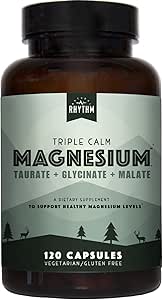
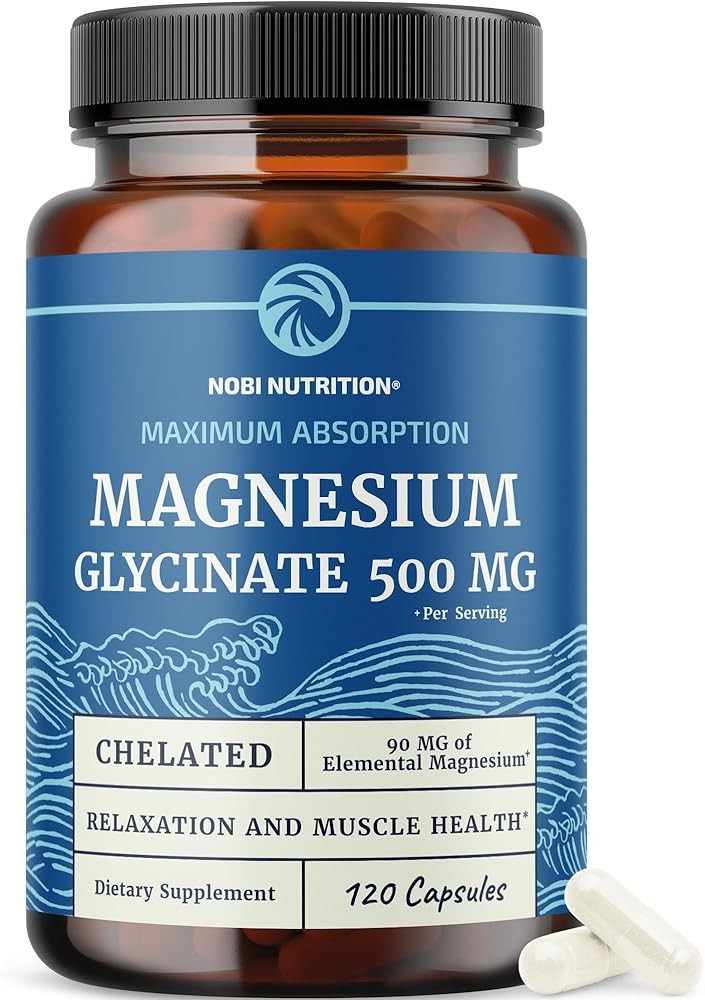
Magnesium is involved in hundreds of biochemical reactions that regulate sleep, stress response, and muscle function, and surveys suggest a large share of adults fall short of recommended intake. Natural Rhythm Triple Calm Magnesium Complex combines three chelated forms (glycinate, taurate, and malate) at $23.95 for 120 capsules. For a lower-cost single-form option, Nobi Nutrition Magnesium Glycinate 500mg is $16.95, and Metagenics Magnesium Glycinate ($34.95) is the pick for people who need a gentler formula. A caveat that shapes everything below: the clinical evidence for magnesium is strongest for correcting deficiency, while claims about specific forms and doses for sleep are more limited than the marketing implies. Here’s what the published research actually shows about magnesium’s effects on sleep, stress, and muscle health.
Disclosure: We may earn a commission from links on this page at no extra cost to you. Affiliate relationships never influence our ratings. Full policy →
| Feature | Natural Rhythm Triple Calm | Nobi Nutrition Glycinate | Metagenics Glycinate |
|---|---|---|---|
| Form | Glycinate + Taurate + Malate | Glycinate | Glycinate |
| Count | 120 capsules | 120 capsules | 120 tablets |
| Price | $23.95 | $16.95 | $34.95 |
| Best For | Comprehensive support | Budget buyers | Sensitive stomachs |
| Key Point | Multi-form formula | Low cost per serving | Gentle chelated form |
Magnesium Benefits for Sleep, Stress & Muscle Health: Complete Science-Based Guide
Many adults fall short of recommended magnesium intake, yet this essential mineral is involved in over 300 biochemical reactions that control everything from sleep quality and stress response to muscle function and energy production. Soil magnesium levels have declined in many farming regions over the past several decades, while processed food diets and chronic stress accelerate magnesium loss through urine. This widespread deficiency manifests as insomnia, anxiety, muscle cramps, migraines, and fatigue—symptoms so common they’re often dismissed as normal rather than recognized as treatable magnesium deficiency.
Understanding magnesium’s role in sleep, stress, and muscle health requires looking beyond simple supplementation. The form of magnesium you choose affects absorption, tolerability, and which tissues get the mineral—magnesium glycinate is well absorbed and gentle on digestion and is a common pick for sleep and anxiety, while magnesium oxide is poorly absorbed (roughly 4%) and primarily acts as a laxative. Magnesium L-threonate has been shown to raise brain magnesium in animal studies, while magnesium malate supplies malic acid, which participates in energy metabolism. Timing matters if your goal is sleep: many people take glycinate before bed and malate earlier in the day.
This comprehensive guide breaks down magnesium’s evidence-based benefits for sleep improvement, anxiety reduction, and muscle health. You’ll learn to recognize the body clues that signal low magnesium, understand which form fits your needs, discover dosing and timing strategies, and identify the drug interactions that can affect absorption.
What Is Magnesium and Why Does Deficiency Affect Sleep, Stress, and Muscles?
Magnesium is the fourth most abundant mineral in the human body, serving as a critical cofactor in over 300 enzymatic reactions. Your body stores approximately 25 grams of magnesium: 50-60% resides in bones, 27% in muscles, and the remainder in soft tissues, organs, and bodily fluids. Every single cell requires magnesium to function properly, but three systems are particularly dependent: the nervous system (sleep and stress response), the muscular system (contraction and relaxation), and the cardiovascular system (heart rhythm and blood pressure).
Magnesium’s role in sleep regulation involves neurotransmitter and receptor modulation. It influences GABA-A receptor function and NMDA receptor signaling, helping reduce neural excitability. Magnesium also regulates the hypothalamic-pituitary-adrenal (HPA) axis—your central stress response system—by modulating cortisol release and helping reduce excessive stress hormone production. In muscles, magnesium acts as a natural calcium channel blocker, allowing muscles to relax after contraction by controlling calcium flow in and out of muscle cells.
Low magnesium intake stems from multiple converging factors. Soil magnesium content has declined in many farming regions over recent decades, and food processing strips minerals, while the modern diet has shifted toward refined grains and away from magnesium-rich whole foods like dark leafy greens, nuts, seeds, and legumes.
Chronic stress creates a vicious cycle with magnesium. Stress triggers cortisol and adrenaline release, which increase urinary magnesium excretion. Lower magnesium levels make the nervous system more reactive to stress, lowering your anxiety threshold. This feedback loop explains why chronically stressed individuals struggle with sleep, muscle tension, and anxiety—classic magnesium deficiency symptoms that perpetuate the cycle.
Common medications exacerbate deficiency. Proton pump inhibitors (PPIs) like omeprazole reduce magnesium absorption in the intestines. Diuretics increase urinary magnesium loss. Antibiotics bind to magnesium in the gut, preventing absorption. Birth control pills and hormone replacement therapy increase magnesium requirements. If you take any of these medications regularly, your risk of deficiency skyrockets.
Standard blood tests miss magnesium deficiency because only 1% of total body magnesium circulates in blood serum. Your body maintains blood levels by pulling from bone stores, meaning you can be severely depleted while blood tests appear normal. NHANES dietary survey data suggest roughly half of US adults do not meet the recommended intake from food, which does not account for reduced bioavailability from soil depletion, phytates, or processing.
A 2018 review in the Journal of Inflammation Research by Nielsen summarized evidence that magnesium deficiency promotes chronic low-grade inflammation, which is associated with cardiovascular disease, type 2 diabetes, and neurodegenerative conditions. Whether correcting magnesium status improves those outcomes has not been established in large trials.
Bottom line: Magnesium is essential for over 300 enzymatic reactions controlling sleep, stress, and muscle function, but many adults fall short of the recommended intake due to processed foods, chronic stress, and common medications that affect absorption—standard blood tests miss this deficiency since only 1% of total magnesium circulates in blood.
What Body Clues Signal Magnesium Deficiency?
Your body sends clear signals when magnesium levels drop below optimal, though these clues are often misinterpreted or dismissed. Learning to recognize these patterns helps you identify deficiency before it progresses to more serious health consequences.
Sleep Disturbances and Insomnia
Difficulty falling asleep despite feeling exhausted is one of the earliest signs of magnesium deficiency. You might lie in bed with a racing mind, unable to quiet your thoughts despite fatigue. Your body feels wired and tired simultaneously—exhausted but unable to transition into sleep mode. This occurs because low magnesium impairs GABA receptor activation, preventing the neural “braking” that initiates sleep.
Frequent nighttime waking, especially between 2-4 AM, signals magnesium deficiency affecting your sleep architecture. You might fall asleep initially but wake multiple times throughout the night, struggling to return to sleep. These awakenings often coincide with muscle twitches, restless legs, or an unexplained surge of alertness despite the late hour.
Poor sleep quality despite adequate sleep duration is another clue. You sleep 7-8 hours but wake feeling unrefreshed, as though you barely slept at all. This suggests disrupted deep sleep stages, which require adequate magnesium for proper GABA function and muscle relaxation. Your sleep tracking data might show reduced time in deep sleep and increased time in light sleep stages.
Restless leg syndrome—uncomfortable sensations in your legs that create an irresistible urge to move them—frequently indicates magnesium deficiency. The symptoms typically worsen in the evening and significantly interfere with sleep onset. Magnesium’s role in regulating muscle contractions and nerve signaling explains why deficiency triggers these symptoms.
Anxiety, Stress, and Mood Issues
Heightened anxiety and low stress tolerance are hallmark signs of magnesium deficiency. You might notice that minor stressors provoke disproportionate anxiety responses. Things that never bothered you before suddenly feel overwhelming. Your nervous system operates in a state of hyperreactivity, with an exaggerated fight-or-flight response to everyday situations.
Physical anxiety symptoms—chest tightness, rapid heartbeat, shallow breathing, muscle tension—often accompany the psychological experience of anxiety in magnesium deficiency. These physical manifestations occur because magnesium regulates the autonomic nervous system, and deficiency shifts the balance toward sympathetic (stress) dominance over parasympathetic (relaxation) activity.
Irritability and mood swings signal magnesium’s role in emotional regulation. You might find yourself snapping at loved ones, feeling easily frustrated by minor inconveniences, or experiencing emotional volatility that feels out of character. Magnesium deficiency affects neurotransmitter balance, including serotonin and dopamine, contributing to these mood disturbances.
Brain fog and difficulty concentrating often accompany the anxiety and mood changes. You struggle to focus on tasks, forget things more frequently, and find it harder to make decisions. This cognitive impairment stems from magnesium’s critical role in neuronal function and synaptic plasticity—the brain’s ability to form and reorganize neural connections.
Muscle Cramps, Spasms, and Tension
Nighttime leg cramps—sudden, painful muscle contractions in the calves or feet—are classic magnesium deficiency symptoms. These cramps typically strike during sleep or upon waking, causing intense pain that forces you to get out of bed and walk or massage the affected muscle. The cramps occur because magnesium regulates calcium flow in muscle cells; without adequate magnesium, calcium floods the muscle cells and triggers sustained contractions.
Muscle twitches and fasciculations (involuntary muscle rippling visible under the skin) indicate overstimulated nerves due to magnesium deficiency. You might notice eyelid twitching, thumb twitching, or spontaneous muscle twitches in various locations. These occur because magnesium normally dampens nerve excitability, and deficiency removes this brake on neural signaling.
Chronic muscle tension, especially in the neck, shoulders, and jaw, often reflects inadequate magnesium. Your muscles feel tight and knotted despite stretching. You might experience tension headaches, TMJ (temporomandibular joint) pain from jaw clenching, or persistent shoulder stiffness. This muscular hypertonicity results from magnesium’s role as a natural muscle relaxant—without it, muscles remain in a state of partial contraction.
Exercise-related muscle cramping and poor recovery suggest magnesium deficiency impacting athletic performance. You might experience cramping during or after workouts, prolonged muscle soreness, and difficulty building strength despite consistent training. Magnesium is essential for ATP production (cellular energy) and muscle protein synthesis, so deficiency impairs both performance and recovery.
Cardiovascular Symptoms
Heart palpitations or irregular heartbeat—sensations of your heart skipping beats, fluttering, or beating too hard—can indicate magnesium deficiency affecting cardiac rhythm. Magnesium regulates electrical activity in heart muscle cells, and deficiency can trigger premature ventricular contractions (PVCs) or atrial fibrillation in susceptible individuals.
High blood pressure that’s resistant to dietary changes may partly stem from magnesium deficiency. Magnesium acts as a natural calcium channel blocker, relaxing blood vessel walls and reducing peripheral resistance. Without adequate magnesium, blood vessels remain constricted, elevating blood pressure.
Headaches and Migraines
Frequent headaches or migraines, especially those accompanied by light sensitivity, nausea, or aura, strongly correlate with magnesium deficiency. Research shows that 50% or more of migraine sufferers have low magnesium levels in blood, brain tissue, or red blood cells. Magnesium regulates neurotransmitter release and blood vessel constriction—both implicated in migraine pathophysiology.
Digestive Issues
Constipation can indicate inadequate magnesium, which draws water into the intestines and supports regular bowel movements. Chronic constipation despite adequate fiber intake suggests magnesium deficiency affecting digestive motility.
Timeline of Improvement: What to Expect When You Start Supplementing
Understanding the timeline helps set realistic expectations and confirms you’re on the right track:
Days 1-3: Digestive changes often occur first, especially with magnesium citrate. You might notice softer stools or easier bowel movements. Sleep improvements sometimes begin within 2-3 days, particularly if you were significantly deficient.
Week 1: Sleep quality typically improves—you fall asleep faster, wake less frequently, and feel more refreshed upon waking. Muscle cramps often decrease in frequency and intensity. Some people notice reduced anxiety within the first week.
Weeks 2-4: Anxiety and stress resilience improve noticeably. You handle stressors with more composure. Muscle tension decreases, particularly in chronically tight areas like neck and shoulders. Energy levels may improve as cellular magnesium stores rebuild.
Weeks 4-8: Mood stabilization, cognitive function improvements, and sustained energy become apparent. Exercise recovery improves. If you experience migraines, frequency should decrease significantly.
Months 2-3: Full benefits manifest as tissue magnesium levels normalize. Blood pressure may show modest reductions. Bone health markers improve. Cardiovascular function optimizes.
If you don’t notice improvements within 2-3 weeks, consider: 1) Your dose may be too low, 2) You’re taking a poorly absorbed form like magnesium oxide, 3) Medications or health conditions are interfering with absorption, or 4) Other nutrient deficiencies (vitamin D, B6, zinc) are limiting magnesium’s effectiveness.
Bottom line: Magnesium deficiency shows up as difficulty falling asleep, nighttime leg cramps, anxiety with low stress tolerance, muscle tension, heart palpitations, and frequent migraines—most people notice improved sleep within 1 week, reduced anxiety within 2-4 weeks, and full benefits after 2-3 months of consistent supplementation.
How Does Magnesium Improve Sleep Quality?
Magnesium improves sleep through multiple interconnected mechanisms that address both the neurological and muscular components of quality sleep. Understanding these pathways explains why magnesium supplementation produces such consistent sleep benefits across diverse populations.
GABA Receptor Activation and Neural Inhibition
The proposed mechanism involves magnesium’s influence on GABA signaling, alongside its NMDA receptor effects. GABA is the brain’s primary inhibitory neurotransmitter, essentially functioning as the nervous system’s “brake pedal.” When GABA binds to its receptors, it reduces neuronal excitability, quiets racing thoughts, and facilitates the transition from wakefulness to sleep.
Magnesium appears to modulate GABA-A receptor function, which may amplify GABA’s calming effects, though the evidence for a direct receptor interaction in humans is limited. Pharmaceutical sleep aids such as benzodiazepines and newer medications like Ambien also act on GABA signaling, but they carry risks of tolerance, dependence, and next-day grogginess that magnesium does not.
A 2012 study published in the Journal of Research in Medical Sciences examined magnesium supplementation in elderly subjects with insomnia. Participants received 500mg of magnesium daily for eight weeks. The results showed significant improvements across multiple sleep parameters: insomnia severity index scores improved, total sleep time increased, sleep efficiency (the percentage of time in bed actually spent sleeping) rose, early morning awakening decreased, and sleep onset latency (time to fall asleep) shortened.
Importantly, the study also measured hormonal changes. Participants showed increased serum renin and melatonin levels (both conducive to better sleep) along with decreased serum cortisol—the stress hormone that interferes with sleep. This hormonal profile shift demonstrates that magnesium addresses sleep at a systemic level, not just through sedation.
Melatonin Regulation and Circadian Rhythm Support
Magnesium influences melatonin production and regulation, the hormone that controls your sleep-wake cycle. Research demonstrates that magnesium deficiency correlates with lower melatonin levels and disrupted circadian rhythms. Magnesium acts as a cofactor for the enzymes that synthesize melatonin from serotonin, meaning adequate magnesium is required for optimal melatonin production.
In the Abbasi trial described above, magnesium supplementation also increased serum melatonin and renin, and lowered cortisol (Abbasi et al., 2012, Journal of Research in Medical Sciences). The authors suggested these hormonal shifts help normalize circadian timing, though the study was small.
This mechanism is particularly relevant for people with disrupted circadian rhythms due to shift work, jet lag, or excessive evening light exposure. While blue light blocking and melatonin supplementation address some aspects of circadian disruption, ensuring adequate magnesium supports the body’s natural melatonin production capacity.
Muscle Relaxation Through Calcium Regulation
Physical relaxation is essential for quality sleep, and magnesium functions as nature’s muscle relaxant. Muscle contraction occurs when calcium flows into muscle cells; relaxation requires calcium to be pumped back out. Magnesium regulates this calcium flow by acting as a natural calcium channel blocker.
When magnesium levels are adequate, muscles can fully relax after contracting. When deficiency exists, muscles remain in a state of partial contraction—the muscle tension that keeps you physically uncomfortable in bed. This explains why people with magnesium deficiency often experience restless sleep, frequent position changes, and difficulty finding a comfortable sleeping position.
The muscle relaxation effects are particularly important for restless leg syndrome (RLS), a condition characterized by uncomfortable sensations in the legs and an irresistible urge to move them. RLS significantly interferes with sleep onset and is strongly associated with magnesium deficiency. Studies show that magnesium supplementation reduces RLS symptoms and improves sleep quality in affected individuals.
Stress Hormone Regulation and HPA Axis Modulation
Sleep quality suffers when stress hormones remain elevated at bedtime. Magnesium regulates the hypothalamic-pituitary-adrenal (HPA) axis—the central stress response system—reducing excessive cortisol production. High evening cortisol levels interfere with melatonin release and block the parasympathetic nervous system activation necessary for sleep.
A small controlled study by Held et al. (2002, Pharmacopsychiatry) found that oral magnesium supplementation in older adults reversed several age-related neuroendocrine changes, including elevated evening cortisol, and improved sleep EEG measures. Magnesium also modulates NMDA receptors and glutamatergic signaling, which may help explain the calming effect, though the evidence comes from small studies.
Glycine’s Synergistic Calming Effects in Magnesium Glycinate
When you supplement with magnesium glycinate specifically, you benefit from glycine’s additional sleep-promoting properties. Glycine is an inhibitory neurotransmitter in the brainstem and spinal cord, producing calming effects independent of magnesium. Research shows that glycine lowers core body temperature—a physiological shift necessary for sleep onset—and improves subjective sleep quality.
Small studies of glycine itself, such as Bannai et al. (2012, Frontiers in Neurology), report that 3 grams taken before bed improved subjective sleep quality and reduced sleep onset latency, effects that appear to involve core body temperature and NMDA signaling. Magnesium glycinate supplies both magnesium and glycine, though whether the combination outperforms magnesium alone has not been tested head-to-head.
Research Evidence for Magnesium and Sleep
Multiple studies across diverse populations confirm magnesium’s sleep benefits:
A 2021 systematic review and meta-analysis by Mah and Pitre in BMC Complementary Medicine and Therapies examined randomized trials of oral magnesium for insomnia in older adults. The review found that magnesium may improve sleep quality but rated the overall quality of evidence as low, with small trials and inconsistent outcome measures. A 2025 randomized trial of magnesium bisglycinate in adults with poor sleep also reported modest benefits on sleep measures.
A small double-blind trial by Rondanelli et al. (2011, Journal of the American Geriatrics Society) examined magnesium combined with melatonin and zinc in older adults in long-term care with primary insomnia. The combination group showed significantly improved sleep quality compared to placebo, with some advantages over melatonin alone, though the study was small.
A 2022 randomized trial by Jadidi et al. in BMC Complementary Medicine and Therapies found that magnesium plus vitamin B6 reduced symptom severity in people with restless legs syndrome over 12 weeks. Larger, longer trials are still needed, and RLS should be evaluated medically because it can have other causes.
Optimal Magnesium Dosing and Timing for Sleep
For sleep improvement, magnesium glycinate is the preferred form due to its superior absorption, gentle digestive effects, and glycine’s additional calming properties. The optimal dose ranges from 200-400mg of elemental magnesium (not total magnesium glycinate—the elemental amount is what matters).
Dosing for sleep follows the general magnesium guidance below: most people start at 200mg of elemental magnesium and adjust from there. There is no evidence that going above 400mg improves sleep further, and higher doses are more likely to cause morning grogginess or digestive issues.
Consider combining magnesium glycinate with other sleep-supporting supplements for enhanced effects: L-theanine (200mg) promotes relaxation without sedation, apigenin (50mg) enhances GABA activity, and low-dose melatonin (0.3-1mg) supports circadian rhythm. However, start with magnesium alone for 2-3 weeks to assess its individual effects before adding other supplements.
Bottom line: Magnesium improves sleep through several proposed mechanisms—modulating GABA and NMDA signaling, supporting melatonin regulation, relaxing muscles via calcium channel effects, and lowering cortisol—take 200-400mg of magnesium glycinate 1-2 hours before bed, with any improvements typically reported within the first week or two in small trials.
How Does Magnesium Reduce Anxiety and Stress?
Magnesium’s anti-anxiety effects are well-documented across multiple research domains, from cellular studies examining neurotransmitter function to large-scale clinical trials in anxiety populations. Understanding the mechanisms reveals why magnesium supplementation can significantly reduce anxiety without the side effects of pharmaceutical anxiolytics.
NMDA Receptor Modulation and Glutamate Regulation
Magnesium acts as a natural antagonist of NMDA (N-methyl-D-aspartate) receptors, which are glutamate receptors involved in excitatory neurotransmission. Think of glutamate as the nervous system’s “gas pedal”—it increases neural firing and excitability. While glutamate is essential for learning, memory, and normal brain function, excessive NMDA receptor activation contributes to anxiety, depression, neurotoxicity, and chronic stress.
Magnesium sits in the NMDA receptor channel in a voltage-dependent manner, blocking excessive calcium influx that would otherwise overstimulate neurons. This provides a natural brake on excitatory neurotransmission, helping reduce the neural hyperexcitability that manifests as anxiety. This mechanism is similar to ketamine’s rapid antidepressant and anti-anxiety effects—ketamine also blocks NMDA receptors, though through a different mechanism and with far greater potency.
Animal and mechanistic studies show that magnesium modulates NMDA receptor activity and reduces glutamate-mediated excitotoxicity (Rude et al., 2009; Slutsky et al., 2010), which provides a plausible mechanism for calming effects. Human evidence for anxiety reduction comes mainly from the systematic review by Boyle et al. (2017), which found suggestive but limited data.
HPA Axis Regulation and Cortisol Modulation
The hypothalamic-pituitary-adrenal (HPA) axis orchestrates your body’s stress response. When you encounter a stressor, the hypothalamus releases corticotropin-releasing hormone (CRH), which triggers the pituitary gland to release adrenocorticotropic hormone (ACTH), which then stimulates the adrenal glands to produce cortisol. While this cascade is adaptive for acute stress, chronic HPA axis activation—common in modern life—leads to elevated cortisol, anxiety, sleep disruption, immune suppression, and metabolic dysfunction.
Magnesium regulates the HPA axis at multiple points, preventing excessive cortisol production and promoting cortisol’s natural circadian rhythm (high in the morning, low in the evening). Studies show that magnesium deficiency amplifies the HPA axis response to stress—deficient individuals produce more cortisol in response to the same stressor compared to those with adequate magnesium status.
The 2017 systematic review by Boyle et al. in Nutrients found that the available evidence suggests magnesium supplementation may reduce subjective anxiety and stress, particularly in people with low magnesium status, though the studies were small and heterogeneous.
Stress-Magnesium Vicious Cycle
Stress and magnesium deficiency create a bidirectional negative feedback loop. Stress increases magnesium loss through urine as cortisol and adrenaline mobilize magnesium from cells and increase renal excretion. Lower magnesium levels make the nervous system more reactive to stress, lowering the threshold for anxiety responses. This increased stress reactivity triggers more cortisol and adrenaline, which depletes magnesium further.
This vicious cycle explains several clinical observations: chronically stressed individuals consistently show lower magnesium levels, anxiety disorders correlate with magnesium deficiency, and magnesium supplementation proves most effective in stressed populations. Interrupting this cycle through magnesium supplementation addresses both sides of the equation—it replenishes depleted stores while simultaneously reducing the stress response that caused the depletion.
Stress increases magnesium loss through urine, and low magnesium status in turn increases stress reactivity (Rude et al., 2009; Rosanoff et al., 2012). This bidirectional relationship is one reason the evidence for magnesium’s calming effects is strongest in people who are actually deficient.
Serotonin and Dopamine Regulation
Magnesium influences multiple neurotransmitter systems beyond GABA and glutamate. It serves as a cofactor for enzymes involved in serotonin synthesis and metabolism. Serotonin deficiency contributes to anxiety, depression, and obsessive thinking—symptoms that overlap considerably with magnesium deficiency.
An observational study by Tarleton and Littenberg (2015, Journal of the American Board of Family Medicine) found an association between higher magnesium intake and lower depression scores in adults, and a small randomized trial of magnesium in mild-to-moderate depression reported symptom improvement. The evidence remains limited, and depression should be managed with professional care.
Magnesium also influences dopamine transmission, though the mechanisms are less well-characterized than its effects on serotonin. Adequate dopamine function is essential for motivation, pleasure, and the ability to experience positive emotions—all of which suffer in anxiety and depression.
Autonomic Nervous System Balance
The autonomic nervous system comprises two branches: the sympathetic nervous system (fight-or-flight) and the parasympathetic nervous system (rest-and-digest). Anxiety reflects sympathetic dominance—your body remains stuck in fight-or-flight mode even when no real threat exists. Heart rate stays elevated, breathing becomes shallow, muscles tense, and the mind races.
Magnesium promotes parasympathetic activity and dampens excessive sympathetic activation. This shifts the autonomic balance toward relaxation and calm. Measurement of heart rate variability (HRV)—a marker of autonomic balance—shows that magnesium supplementation increases HRV, indicating improved parasympathetic tone and stress resilience.
Clinical Research on Magnesium for Anxiety
A 2017 systematic review published in Nutrients examined 18 studies on magnesium and anxiety. The researchers concluded that existing evidence suggests magnesium supplementation may benefit individuals with anxiety, particularly those with documented deficiency. Studies included in the review showed improvements in generalized anxiety, premenstrual anxiety, postpartum anxiety, and anxiety associated with various medical conditions.
However, the reviewers noted significant heterogeneity in study designs, magnesium forms, doses, and outcome measures. Despite these limitations, the consistency of positive findings across diverse populations supports magnesium’s anti-anxiety effects.
In premenstrual syndrome, De Souza et al. (2000, Journal of Women’s Health & Gender-Based Medicine) found that 200mg magnesium plus 50mg vitamin B6 reduced anxiety-related premenstrual symptoms after one month of supplementation. Walker et al. (1998, Journal of Women’s Health) separately reported reduced premenstrual fluid-retention symptoms with magnesium.
The magnesium-plus-B6 combination used by De Souza et al. (2000) pairs magnesium with a nutrient required for neurotransmitter synthesis; the authors proposed a synergistic effect, though the trial was small and placebo responses in premenstrual research are notoriously high. In a separate randomized trial, magnesium plus B6 also reduced severe stress in adults with low magnesium status (Pouteau et al., 2018, PLOS ONE).
Optimal Magnesium Dosing for Anxiety
For anxiety reduction, magnesium glycinate is preferred due to glycine’s additional calming effects and the form’s superior absorption. The effective dose range is 200-400mg of elemental magnesium daily, typically divided into two doses (morning and evening) or taken as a single evening dose.
Unlike sleep benefits that often emerge within days, anti-anxiety effects typically require 2-4 weeks of consistent supplementation to manifest fully. This timeline reflects the need to rebuild tissue magnesium stores and allow neurochemical adaptations to occur.
Start with 200mg daily for two weeks. If anxiety improvements are modest, increase to 300mg daily. Most people find optimal benefits between 200-300mg daily. Consistency matters more than exact timing for anxiety—take it at the same time each day, whether morning, afternoon, or evening.
Consider combining magnesium with other evidence-based anxiolytics for enhanced effects: L-theanine (200mg twice daily) promotes relaxation through GABA enhancement, ashwagandha (300-600mg daily) reduces cortisol and stress perception, and omega-3 fatty acids (1-2g EPA/DHA daily) reduce inflammation and support neurotransmitter function.
Bottom line: Magnesium reduces anxiety by blocking excessive NMDA receptor activation, regulating the HPA axis to lower cortisol, and supporting serotonin production—take 200-400mg daily of magnesium glycinate for 2-4 weeks to see full anti-anxiety effects, particularly effective for people with chronic stress or magnesium deficiency.
How Does Magnesium Help Reduce Muscle Cramps and Support Muscle Function?
Muscle cramps—sudden, involuntary, painful muscle contractions—commonly indicate magnesium deficiency. Understanding magnesium’s critical role in muscle contraction and relaxation reveals why deficiency manifests so prominently as cramping and why supplementation provides such consistent relief.
Calcium-Magnesium Balance and Muscle Contraction
Muscle contraction and relaxation depend on precise calcium and magnesium balance. Contraction occurs when calcium floods into muscle cells through voltage-gated calcium channels, binding to troponin and allowing actin-myosin cross-bridge formation. Relaxation requires calcium to be pumped back out of muscle cells into the sarcoplasmic reticulum, allowing muscles to lengthen and rest.
Magnesium serves as a natural calcium channel blocker, regulating calcium influx and helping reduce excessive intracellular calcium accumulation. It also provides energy (as ATP-magnesium complexes) for the calcium pumps that remove calcium from muscle cells. When magnesium levels are adequate, muscles contract forcefully when needed and relax completely afterward. When deficiency exists, calcium remains elevated in muscle cells, limiting full relaxation and triggering sustained contractions—the cramps.
This mechanism explains why magnesium deficiency causes both cramps (excessive unwanted contractions) and muscle tension (incomplete relaxation). It also explains why calcium supplementation without adequate magnesium can worsen cramps—more calcium flooding into magnesium-deficient muscle cells amplifies the imbalance.
Athletes with frequent exercise-associated muscle cramps often have lower magnesium status than cramp-free controls, and small supplementation trials report fewer cramps, though results vary (Zhang et al., 2017, Nutrients).
ATP Production and Muscle Energy
Every muscle contraction requires energy in the form of ATP (adenosine triphosphate). Magnesium is absolutely essential for ATP production—in fact, the biologically active form of ATP is the magnesium-ATP complex. Without adequate magnesium, ATP production in mitochondria becomes inefficient, muscles fatigue quickly, and recovery slows.
The Krebs cycle (also called the citric acid cycle), which generates the majority of cellular ATP, requires magnesium as a cofactor for several key enzymes. Magnesium deficiency impairs Krebs cycle function, reducing ATP output and limiting muscle energy availability. This explains why magnesium deficiency manifests as muscle weakness, easy fatigability, and poor exercise performance—not just cramping.
Setaro et al. (2014, Journal of Sports Sciences) studied magnesium status and supplementation in volleyball players and linked magnesium status to physical performance measures, though the performance benefits of supplementation in already-adequate athletes are inconsistent.
Protein Synthesis and Muscle Recovery
Magnesium plays essential roles in protein synthesis—the process by which muscles repair and grow after exercise. It’s required for ribosomal function (ribosomes assemble amino acids into proteins) and for the activation of amino acids before incorporation into proteins. Deficiency impairs protein synthesis, limiting muscle repair and growth despite adequate protein intake and training stimulus.
Magnesium is required for protein synthesis and ATP production, so low magnesium status can impair muscle repair and performance (Zhang et al., 2017, Nutrients). Trials of magnesium supplementation in older adults report mixed effects on strength and lean mass, and it is not a substitute for adequate protein and resistance training.
Electrolyte Balance and Nerve-Muscle Communication
Muscle function depends on proper nerve signal transmission. Motor neurons release acetylcholine at the neuromuscular junction, triggering muscle fiber contraction. This process requires balanced electrolytes—sodium, potassium, calcium, and magnesium—to maintain proper membrane potentials and signal transmission.
Magnesium deficiency disrupts this electrolyte balance, making nerves hyperexcitable. This manifests as muscle twitches (fasciculations), involuntary muscle movements, and increased cramping susceptibility. Athletes who lose significant electrolytes through sweat are particularly vulnerable to cramping when magnesium stores are inadequate.
Magnesium Forms for Muscle Cramps and Performance
Different magnesium forms offer specific advantages for muscle health:
Magnesium Malate is ideal for exercise performance, energy, and supporting cramp management. Malic acid participates in the Krebs cycle, directly supporting ATP production. Athletes often prefer malate for its energy-boosting effects and effectiveness against exercise-related cramping. Dose: 300-600mg elemental magnesium daily, divided into morning and afternoon doses (avoid evening dosing, which may interfere with sleep).
Magnesium Glycinate works best for nighttime leg cramps and general muscle tension. Its superior absorption and muscle-relaxing properties make it ideal for people experiencing cramps during sleep or chronic muscle tension. Dose: 200-400mg elemental magnesium in the evening.
Magnesium Taurate combines magnesium’s muscle benefits with taurine’s support for muscle contraction and protection against oxidative stress during exercise. Some athletes prefer this form for cardiovascular support alongside muscle function. Dose: 200-400mg elemental magnesium daily.
Research Evidence for Magnesium and Muscle Cramps
The 2020 Cochrane review by Garrison et al. examined magnesium supplementation for skeletal muscle cramps and found little evidence that magnesium helps cramps in most adults, while noting that the evidence base is limited by small studies and differences in dose and form.
Results in specific populations are mixed. A 2021 randomized trial by Barna et al. in Nutrition Journal reported that magnesium oxide reduced nocturnal cramp frequency in older adults, whereas other trials have found no benefit. Anyone with frequent or severe cramps should be evaluated for other causes, including medication side effects and electrolyte imbalances.
Older adults are at higher risk of low magnesium status because of reduced dietary intake, decreased absorption, and medication use, which is one reason supplementation is often discussed in this group.
Beyond Supplementation: Transdermal Magnesium
Some athletes and individuals with severe cramping use transdermal magnesium—applying magnesium oil (magnesium chloride solution) or Epsom salt baths (magnesium sulfate)—for localized muscle benefits. While evidence for transdermal absorption is mixed, anecdotal reports suggest topical application may provide localized muscle relaxation and cramp relief.
Evidence that meaningful magnesium is absorbed through intact skin is limited; the relaxation benefit of a warm bath is likely the main effect regardless of any transdermal uptake.
For practical application: Add 2 cups of Epsom salt to a warm bath and soak for 20 minutes. This may provide relaxation benefits and potentially some magnesium absorption. However, don’t rely on baths as your primary magnesium source—oral supplementation with well-absorbed forms is far more reliable.
Bottom line: Magnesium may help reduce muscle cramps by regulating calcium flow (acting as a natural calcium channel blocker), supporting ATP production for muscle energy, and balancing electrolytes for proper nerve-muscle communication—magnesium malate works best for exercise-related cramps (300-600mg daily) while glycinate excels for nighttime leg cramps (200-400mg evening dose).
Which Magnesium Form Works Best for Your Needs?
Not all magnesium supplements are created equal. The form of magnesium dramatically impacts absorption, bioavailability, tolerability, and specific health effects. Understanding these differences ensures you choose the optimal form for your individual needs.
Magnesium Glycinate: The Gold Standard for Sleep, Anxiety, and General Supplementation
Magnesium glycinate chelates magnesium to the amino acid glycine, creating a compound that is well absorbed and well tolerated. Absorption is considerably higher than magnesium oxide (which is only about 4% absorbed). The chelation process helps protect magnesium from binding to phytates, oxalates, and other compounds in the digestive tract that can block absorption.
Glycine itself provides additional benefits beyond serving as a carrier molecule. As an inhibitory neurotransmitter in the brainstem and spinal cord, glycine produces calming effects, improves sleep quality, and reduces anxiety. This dual action—magnesium’s physiological effects plus glycine’s neurotransmitter activity—makes glycinate particularly effective for nervous system support.
Glycinate is also exceptionally gentle on the digestive system. While magnesium citrate commonly causes loose stools and oxide virtually guarantees diarrhea at higher doses, glycinate rarely produces digestive side effects even at 400mg daily. This makes it ideal for people with sensitive stomachs or irritable bowel syndrome.
Best for: Sleep improvement, anxiety reduction, general magnesium supplementation, people with sensitive digestion, building magnesium stores
Dose: 200-400mg elemental magnesium daily, taken in the evening for sleep or divided through the day for anxiety
Considerations: Slightly more expensive than citrate or oxide, but superior absorption makes it better value
Glycinate at a glance
Pros:
- Well absorbed and gentle on the digestive system, rarely causing diarrhea
- Glycine is an inhibitory neurotransmitter, which may add calming effects
- Well tolerated for long-term daily use
- Better choice than oxide for correcting low magnesium status
Cons:
- May cause mild drowsiness if taken in the morning
- More expensive per milligram than magnesium oxide
- Larger capsules because of the amino acid chelation
- Not a laxative, so it won’t help with constipation the way citrate can
Magnesium L-Threonate: Unique for Brain Health and Cognitive Function
Magnesium L-threonate (marketed as Magtein) represents a significant innovation in magnesium supplementation. Unlike other forms, L-threonate efficiently crosses the blood-brain barrier, directly increasing brain magnesium concentrations. This unique property makes it the superior choice for cognitive benefits, memory enhancement, stress resilience, and neuroprotection.
The pivotal animal research came from Slutsky et al. (2010, Neuron). Researchers found that raising brain magnesium with magnesium L-threonate enhanced learning, working memory, and short- and long-term memory in rats, and that the treated rats had higher densities of presynaptic markers in the hippocampus, consistent with enhanced synaptic plasticity.
In a small 2016 randomized trial by Liu et al. in the Journal of Alzheimer’s Disease, older adults with cognitive impairment who took an L-threonate formulation for 12 weeks showed improved overall cognitive ability with less fluctuation, particularly on executive-function measures. The study was small and used a specific proprietary formulation, so results should be interpreted cautiously.
Best for: Cognitive enhancement, memory improvement, age-related cognitive decline, anxiety with cognitive components, neuroprotection
Dose: 1,000-2,000mg magnesium L-threonate daily (providing 72-144mg elemental magnesium), typically split into morning and evening doses
Considerations: Provides less elemental magnesium than other forms, so many people combine L-threonate with glycinate to ensure adequate total magnesium intake. Significantly more expensive than other forms.
Magnesium Malate: Ideal for Energy, Fibromyalgia, and Muscle Function
Magnesium malate bonds magnesium to malic acid, a compound crucial for ATP production in the Krebs cycle. This combination makes malate particularly effective for energy support, fatigue reduction, muscle cramps, and fibromyalgia.
Malic acid participates directly in cellular energy production, supporting mitochondrial function. This explains why athletes often report enhanced endurance, reduced fatigue, and improved recovery with magnesium malate. For people with chronic fatigue syndrome or fibromyalgia—conditions characterized by mitochondrial dysfunction—malate may provide unique benefits beyond other magnesium forms.
A small 1995 randomized crossover trial by Russell et al. in the Journal of Rheumatology found that a supplement containing magnesium and malic acid reduced pain and tenderness in some fibromyalgia patients, though the trial was small and the evidence for malate in fibromyalgia remains weak.
Malate absorbs reasonably well (bioavailability around 30%) and is gentler on digestion than citrate, rarely causing loose stools even at higher doses.
Best for: Exercise performance, muscle cramps and fatigue, fibromyalgia, chronic fatigue syndrome, people needing energy support
Dose: 300-600mg elemental magnesium daily, divided into morning and afternoon doses (avoid evening dosing, which may interfere with sleep)
Considerations: The energy-boosting effects may interfere with sleep if taken in the evening
Magnesium Citrate: Effective for Constipation and General Supplementation
Magnesium citrate combines magnesium with citric acid, creating a form with good bioavailability (around 30%) and mild osmotic laxative properties. The citrate draws water into the intestines, softening stool and promoting bowel movements.
For chronic constipation, citrate works gently unlike harsh stimulant laxatives that damage the colon over time. A dose of 150-300mg typically maintains regular bowel function without causing diarrhea. Higher doses (300-500mg on an empty stomach) provide faster constipation relief within 30 minutes to 6 hours.
Citrate also supports overall magnesium status effectively, providing all systemic benefits—muscle relaxation, blood pressure support, bone health. The citric acid component offers an additional benefit: it acts as a natural chelator that may help reduce kidney stone risk by binding to calcium in urine and reducing calcium oxalate saturation.
Best for: Constipation relief, people wanting both magnesium supplementation and digestive support, general supplementation on a budget
Dose: 150-300mg elemental magnesium daily for supplementation; 300-500mg for constipation relief
Considerations: The laxative effect may be unwanted for people with normal bowel function. Can cause loose stools or diarrhea, especially at higher doses.
Magnesium Taurate: Cardiovascular Support Specialist
Magnesium taurate combines magnesium with the amino acid taurine. Both nutrients independently support cardiovascular health, making their combination particularly powerful for blood pressure regulation, heart rhythm stabilization, and arterial function.
Taurine is the most abundant amino acid in heart muscle, where it regulates calcium levels, supports contraction, and protects against oxidative stress. Magnesium is equally critical for heart function, acting as a natural calcium channel blocker to relax blood vessels and stabilize electrical activity.
Meta-analyses of magnesium supplementation show small reductions in blood pressure, with the largest effects in people with hypertension or low magnesium status (Kass et al., 2012, European Journal of Clinical Nutrition; Kawano et al., 1998, Hypertension). Taurine has its own cardiovascular research base, but evidence for the specific combination product is limited.
Best for: Cardiovascular health, blood pressure support, heart rhythm stabilization, people with or at risk for heart conditions
Dose: 200-400mg elemental magnesium daily, can be taken morning or evening
Considerations: People with heart conditions should consult their cardiologist before supplementing, particularly if taking heart medications
Magnesium Oxide: Least Bioavailable, Primarily a Laxative
Magnesium oxide is the most common form in cheap supplements and multivitamins, but it is also the least bioavailable—absorbing at only about 4%, far less than chelated forms such as glycinate. This poor absorption stems from oxide’s ionic bonding structure, which readily breaks down in the digestive tract and binds to compounds that limit uptake.
Despite poor bioavailability for systemic supplementation, oxide excels as an osmotic laxative. The unabsorbed magnesium draws water into the intestines, stimulating bowel movements. Products like Milk of Magnesia leverage this effect.
For general magnesium supplementation, oxide is a poor choice—you’d need to consume 10 times more oxide than glycinate to achieve the same blood levels, and the excess would cause diarrhea before providing adequate magnesium.
Best for: Occasional constipation relief when used intentionally as a laxative
Not suitable for: General magnesium supplementation, sleep, anxiety, muscle health, or any purpose requiring absorbed magnesium
Dose (as laxative): 400-800mg on an empty stomach for constipation relief
Considerations: False economy—while cheap per pill, you absorb so little that you’re paying for expensive waste. Invest in well-absorbed forms.
Comparison Table: Magnesium Forms at a Glance
| Form | Absorption | Best For | Dose Range | Digestive Effects |
|---|---|---|---|---|
| Glycinate | Well absorbed (chelated) | Sleep, anxiety, general use | 200-400mg | Very gentle |
| L-Threonate | Raises brain magnesium (animal data) | Cognitive function, memory | 1,000-2,000mg total | Gentle |
| Malate | Well absorbed (chelated) | Energy, muscle cramps, exercise | 300-600mg | Gentle |
| Citrate | Well absorbed (chelated) | Constipation, general use | 150-500mg | Mild laxative |
| Taurate | Well absorbed (chelated) | Heart health, blood pressure | 200-400mg | Gentle |
| Oxide | Poorly absorbed (~4%) | Laxative only | 400-800mg | Strong laxative |
Bottom line: Magnesium glycinate is well absorbed and gentle on the stomach and is the most common choice for sleep and anxiety support, largely because of glycine’s calming properties. Magnesium L-threonate is the form studied for raising brain magnesium in animals, malate supplies malic acid for energy metabolism, and oxide is poorly absorbed (about 4%) and functions mainly as a laxative. Head-to-head comparisons between forms are limited, so the differences are smaller than marketing suggests.
What Are the Optimal Magnesium Dosing and Timing Strategies?
Getting the most from magnesium supplementation requires more than just choosing the right form—dosing, timing, and co-supplementation strategies significantly impact results.
Determining Your Optimal Dose
The Recommended Daily Allowance (RDA) for magnesium is 310-320mg for adult women and 400-420mg for adult men. However, these values represent minimum intake to support basic health, not optimal intake for peak function. Many functional medicine practitioners recommend 400-600mg daily from food and supplements combined.
When starting supplementation, begin with 200mg of elemental magnesium daily and assess your response for one week. Common positive responses include improved sleep, reduced muscle cramps, easier bowel movements, or decreased anxiety. If benefits are modest, increase to 300mg daily for another week, then potentially to 400mg if needed.
Most people find their sweet spot between 200-400mg of supplemental magnesium daily. Doses above 600mg of elemental magnesium rarely provide additional benefits and increase the risk of digestive side effects.
Important: The dose refers to elemental magnesium, not total compound weight. For example, 400mg of magnesium glycinate contains approximately 40mg of elemental magnesium (magnesium is only 10% of the compound by weight). Always check supplement labels for elemental magnesium content.
The tolerable upper limit (UL) for supplemental magnesium is 350mg daily for adults. This limit doesn’t include dietary magnesium from food, which doesn’t pose toxicity risk even at high intakes. The UL is set based on the laxative effects at higher doses, not true toxicity.
Timing Strategies for Different Goals
For Sleep: Take magnesium glycinate 1-2 hours before your target bedtime. This allows time for absorption and peak blood levels to coincide with your sleep window. Taking it too early (3+ hours before bed) reduces effectiveness, while taking it right at bedtime may not allow sufficient absorption time.
For Anxiety: Take magnesium glycinate in one or two doses—either a single evening dose or split between morning and evening. Consistency matters more than specific timing for anxiety benefits. Take it at the same time daily for 2-4 weeks to assess full effects.
For Energy and Exercise: Take magnesium malate in the morning or early afternoon, potentially timing a dose 30-60 minutes before workouts for enhanced performance. Avoid evening dosing, which may interfere with sleep due to malate’s energizing properties.
For Muscle Cramp Support: Timing depends on when cramps occur. For nighttime leg cramps, take magnesium glycinate in the evening. For exercise-related cramps, take magnesium malate 30-60 minutes before exercise and again post-workout.
For Cognition: Magnesium L-threonate is typically split into morning and evening doses to maintain elevated brain magnesium throughout the day.
For Constipation: Take magnesium citrate on an empty stomach (first thing in the morning or 2+ hours after eating) for maximum laxative effect.
Food Timing: With Meals vs Empty Stomach
Most magnesium forms absorb well regardless of food timing. However, specific considerations apply:
Take with food: Magnesium citrate (if using for supplementation rather than laxative effect), magnesium malate, and any form if you experience stomach upset on an empty stomach. Food slows absorption but increases tolerability.
Take on empty stomach: Magnesium citrate when using specifically for constipation relief works faster without food. Some people also prefer taking glycinate before bed on an empty stomach for maximum sleep benefits.
Avoid taking with: High-fiber meals (fiber binds to minerals), calcium supplements (compete for absorption), zinc supplements (similar competition), or antibiotics (magnesium binds to many antibiotics, reducing their effectiveness).
Drug and Supplement Interactions
Several medications interact with magnesium, either reducing its absorption or having their effectiveness altered by magnesium:
Proton Pump Inhibitors (PPIs): Omeprazole, esomeprazole, and other PPIs reduce stomach acid, impairing magnesium absorption. If you take PPIs long-term, you almost certainly need magnesium supplementation. Take magnesium at a different time than your PPI.
Diuretics: Thiazide and loop diuretics increase urinary magnesium loss. If you take diuretics, your magnesium requirements increase significantly.
Antibiotics: Tetracyclines, fluoroquinolones, and some other antibiotics bind to magnesium in the gut, reducing both magnesium and antibiotic absorption. Take magnesium at least 2 hours before or 4-6 hours after antibiotics.
Bisphosphonates: Medications for osteoporosis like alendronate can bind to magnesium. Take magnesium at least 2 hours apart from bisphosphonates.
Blood Pressure Medications: Magnesium may enhance the effects of calcium channel blockers and other blood pressure medications. While this can be beneficial, consult your doctor and monitor blood pressure when starting magnesium if you take BP medications.
Muscle Relaxants: Magnesium may enhance the effects of muscle relaxants. This interaction isn’t necessarily dangerous but may require dose adjustments.
Diabetes Medications: Magnesium may improve insulin sensitivity and blood sugar control. If you take diabetes medications, monitor blood sugar closely when starting magnesium supplementation.
Supplement Interactions: Take magnesium at least 2 hours apart from calcium supplements (they compete for absorption through the same intestinal pathways). Similarly, space magnesium and zinc supplementation. However, magnesium works synergistically with vitamin D3, vitamin K2, and vitamin B6—these can be taken together.
Cofactors That Enhance Magnesium Function
Magnesium doesn’t work in isolation. Several nutrients enhance its absorption and effectiveness:
Vitamin D3: Magnesium is required for vitamin D activation, while vitamin D enhances magnesium absorption—a synergistic relationship. Studies show that magnesium and D3 together are more effective for bone health, mood, and immune function than either alone. If you take vitamin D3, ensure adequate magnesium intake.
Vitamin B6: Enhances magnesium uptake into cells and is required for magnesium-dependent enzyme function. The combination of magnesium and B6 shows particular benefits for PMS, anxiety, and neurotransmitter production. Dose: 25-50mg B6 daily.
Vitamin K2: Works with magnesium (and vitamin D3) to direct calcium into bones rather than soft tissues. This trio—magnesium, D3, and K2—provides optimal bone health and cardiovascular protection. Dose: 100-200mcg K2 (MK-7 form) daily.
Taurine: When not getting it from magnesium taurate, supplemental taurine enhances magnesium’s cardiovascular and muscle benefits. Dose: 500-1,000mg daily.
Signs You’re Taking Too Much Magnesium
The most common sign of excessive magnesium is loose stools or diarrhea—magnesium’s laxative effect becomes prominent above your tolerance threshold. This typically occurs above 400-600mg of elemental magnesium daily, though individual tolerance varies.
Other signs of excessive intake include:
- Nausea and stomach cramping
- Low blood pressure (feeling lightheaded when standing)
- Slowed heart rate (bradycardia)
- Muscle weakness or unusual fatigue
- Difficulty breathing (rare, requires very high doses)
If you experience these symptoms, reduce your dose. For most people, staying between 200-400mg daily avoids side effects while providing full benefits.
True magnesium toxicity (hypermagnesemia) is rare in people with normal kidney function, as kidneys efficiently excrete excess magnesium. However, people with kidney disease can accumulate dangerous magnesium levels and should consult their nephrologist before supplementing.
Bottom line: Start with 200mg elemental magnesium daily and increase to 300-400mg if needed—take glycinate 1-2 hours before bed for sleep, malate in the morning for energy, and space magnesium 2+ hours from calcium, zinc, and antibiotics to avoid absorption competition while combining synergistically with vitamin D3, K2, and B6.
What Are the Best Magnesium-Rich Foods?
While supplementation offers the most reliable way to correct deficiency, increasing dietary magnesium provides sustained benefits without ongoing supplement costs. Understanding which foods offer the most bioavailable magnesium helps optimize your diet.
Top Magnesium-Rich Foods
Dark Leafy Greens: Spinach, Swiss chard, kale, and collard greens contain 150-160mg per cooked cup. Chlorophyll—the molecule that makes plants green—contains a magnesium atom at its center. However, cooking can reduce magnesium content, so include raw greens in salads.
Nuts and Seeds: Pumpkin seeds lead with 168mg per ounce, followed by almonds (80mg), cashews (74mg), and Brazil nuts (107mg). A small handful of nuts provides significant magnesium along with healthy fats and protein.
Legumes: Black beans (120mg per cup), edamame (100mg per cup), and lentils (71mg per cup) offer substantial magnesium along with fiber and protein.
Whole Grains: Quinoa (118mg per cup), brown rice (86mg per cup), and oats (61mg per cup) retain their magnesium-rich bran and germ, unlike refined grains that have had these nutrient-dense portions removed.
Dark Chocolate: Contains 64mg per ounce, making it one of the most enjoyable magnesium sources. Choose 70%+ cacao content for maximum magnesium and minimal sugar.
Avocado: Provides 58mg per avocado along with healthy fats that support magnesium absorption.
Fatty Fish: Mackerel (97mg per fillet) and salmon (53mg per fillet) offer magnesium alongside omega-3 fatty acids.
Factors Affecting Dietary Magnesium Absorption
Not all dietary magnesium is equally bioavailable. Several factors influence how much magnesium your body actually absorbs from food:
Phytates and oxalates in plant foods bind to magnesium and other minerals, reducing absorption. Spinach is high in both magnesium and oxalates, so while it contains 157mg per cooked cup, you absorb only a fraction. Soaking, sprouting, or fermenting grains and legumes reduces phytate content and improves mineral absorption.
Food processing strips magnesium from grains. Whole wheat flour contains 160mg per cup, while refined white flour has only 28mg—processing removes 82% of the magnesium. This is why populations consuming mainly refined grains show high deficiency rates.
Cooking method matters. Boiling vegetables in water leaches water-soluble minerals including magnesium. Steaming, roasting, or eating raw preserves more magnesium. If you boil vegetables, use the cooking water in soups or sauces to reclaim some lost minerals.
Dietary balance influences absorption. High calcium intake can reduce magnesium absorption (they compete for the same transport mechanisms). The ideal calcium-to-magnesium ratio is 2:1, but many Western diets exceed 4:1 or even 5:1 due to dairy consumption and calcium-fortified foods without corresponding magnesium intake.
Protein intake affects magnesium requirements—higher protein diets increase magnesium needs. Athletes and bodybuilders consuming 1+ gram of protein per pound of body weight should ensure proportionally higher magnesium intake.
Can You Get Enough Magnesium from Food Alone?
Theoretically, yes—if you consume a whole-foods diet rich in the sources listed above. Practically, most people fall short. NHANES dietary survey data suggest roughly half of US adults don’t meet the RDA for magnesium from food, and that figure doesn’t account for reduced bioavailability due to soil depletion, phytates, or processing.
To meet the 400mg RDA from food requires deliberate effort: a large spinach salad with pumpkin seeds, a serving of black beans or lentils, some dark chocolate, an avocado, and whole grains throughout the day. Few people consistently eat this way.
Supplementation provides insurance against dietary gaps and corrects existing deficiency faster than dietary changes alone. The ideal approach combines both: optimize your diet for sustained magnesium intake while using supplements to address deficiency and ensure optimal levels.
Bottom line: Top magnesium food sources include pumpkin seeds (168mg/oz), spinach (157mg/cooked cup), almonds (80mg/oz), and dark chocolate (64mg/oz), but many adults still fall short due to food processing and phytates that reduce absorption—supplementation provides reliable magnesium intake while dietary optimization offers sustained long-term support.
What Are the Safety Considerations and Side Effects?
Magnesium is exceptionally safe for most people, but certain populations require special considerations.
Common Side Effects and Management
Digestive effects: Loose stools or diarrhea are the most common side effects, typically occurring above 400-600mg daily depending on individual tolerance and the form used. Magnesium citrate and oxide cause this most readily, while glycinate and malate are gentler.
Management: Reduce your dose, split it into 2-3 smaller doses throughout the day, switch to a gentler form (glycinate or malate), or take it with food to slow absorption.
Nausea: Can occur on an empty stomach, especially at higher doses. Taking magnesium with food typically resolves this.
Fatigue or grogginess: Some people experience mild fatigue when taking magnesium in the morning, particularly with glycinate. This reflects its calming effects. Taking it in the evening instead resolves this issue and may improve sleep simultaneously.
Contraindications and Cautions
Kidney disease: People with impaired kidney function can’t efficiently excrete magnesium, leading to potentially dangerous accumulation (hypermagnesemia). If you have kidney disease or reduced kidney function, consult your nephrologist before supplementing with magnesium.
Heart block: Magnesium can slow electrical conduction in the heart. People with certain types of heart block should use magnesium only under medical supervision.
Myasthenia gravis: This neuromuscular disorder involves defective nerve-muscle communication. Magnesium’s muscle-relaxing effects may worsen symptoms in some cases.
Pregnancy and Breastfeeding
Magnesium is generally safe and often beneficial during pregnancy and breastfeeding. Magnesium requirements increase during pregnancy (350-360mg daily vs 310-320mg for non-pregnant women), and deficiency is common.
Magnesium sulfate (IV) is standard treatment for preeclampsia and supporting eclamptic seizure management, demonstrating safety even at high doses during pregnancy. Oral supplementation at 200-400mg daily appears safe and may provide benefits including reduced leg cramps, improved sleep, and support for healthy pregnancy outcomes.
A 2014 Cochrane review by Makrides et al. examined magnesium supplementation in pregnancy and found insufficient high-quality evidence to recommend routine supplementation, though oral magnesium at usual doses was not associated with harm. Intravenous magnesium sulfate remains standard care for specific conditions such as preeclampsia.
Consult your obstetrician before starting magnesium supplementation during pregnancy, particularly if you have pregnancy complications or take other supplements or medications.
Children and Adolescents
Magnesium requirements for children vary by age: 80mg (1-3 years), 130mg (4-8 years), 240mg (9-13 years), and 410mg for males or 360mg for females (14-18 years). Most children don’t meet these requirements through diet alone.
Magnesium supplementation may benefit children with ADHD, anxiety, sleep difficulties, or frequent muscle cramps. However, use children’s formulations with age-appropriate doses rather than adult supplements. Consult your pediatrician before supplementing.
Elderly Populations
Older adults are at higher risk of low magnesium status due to reduced dietary intake, decreased absorption, increased urinary loss, and medication use (particularly PPIs and diuretics). Trials in older adults suggest magnesium supplementation may modestly benefit sleep quality and muscle measures, though results are mixed and the studies are small.
Much of the positive sleep and cramp research has been conducted in older adults, which is one reason supplementation is often discussed for this group. Older adults should discuss magnesium with a clinician, especially if they have kidney disease.
Bottom line: Magnesium is exceptionally safe with the most common side effect being loose stools above 400-600mg daily—avoid magnesium if you have kidney disease, take it with food if nausea occurs, and consult your doctor during pregnancy or if taking heart medications, antibiotics, or bisphosphonates that may interact with supplementation.
Which Magnesium Supplement Should You Buy?
Magnesium supplements are not interchangeable. For most people, a chelated form such as magnesium glycinate is the best default because it is well absorbed and gentle on the stomach. If budget is the priority, a plain glycinate capsule works as well as a premium one. The three products below cover those cases; none of them are single-ingredient magnesium oxide, which is poorly absorbed and better used as a laxative.

Natural Rhythm Triple Calm combines glycinate, taurate, and malate in one capsule, which covers sleep and muscle support in a single product. The trade-off is that multi-form blends make it harder to know exactly how much of each form you are getting, and the per-serving cost is higher than a plain glycinate. For people who want one bottle rather than two, it is the most convenient of the three picks.
Bottom line: Natural Rhythm Triple Calm at $23.95 is the Best Overall pick for the convenience of three chelated forms in one capsule, ideal for people who want sleep and muscle support without buying multiple bottles.
Nobi Nutrition Magnesium Glycinate is a straightforward single-form option at the lowest price of the three picks. It delivers a higher elemental magnesium dose per capsule than many competitors, which means fewer capsules for the same intake. Note that 500mg is the compound weight; check the label for elemental magnesium and do not assume one capsule equals 500mg of elemental magnesium.
Bottom line: Nobi Nutrition Magnesium Glycinate at $16.95 is the Best Budget pick, a plain single-form glycinate that costs the least per capsule of the three.

Metagenics Magnesium Glycinate is the premium pick. It is a well-known practitioner brand with a reputation for testing, and the glycinate form is particularly gentle for people who react to citrate or oxide with loose stools. The price per tablet is the highest of the three, so it makes sense mainly for people who want the brand’s quality standards or who have a sensitive gut.
Bottom line: Metagenics Magnesium Glycinate at $34.95 is the Best for Sensitive Stomachs pick, a gentle chelated formula from an established brand for people who want premium quality or have a sensitive gut.
📱 Join the discussion: Facebook | X | YouTube | Pinterest
Related Reading
- Magnesium Benefits: Types, Dosage & Best Forms
- Magnesium Glycinate vs Citrate: Complete Guide to Choosing the Right Magnesium
- Magnesium Benefits: The Essential Mineral for Sleep, Stress Relief, and Heart Health
- Ashwagandha: Nature’s Stress Buster - Regulating Cortisol and Beyond
- Ashwagandha Benefits: Science-Backed Health Benefits and Clinical Research
- Best Magnesium for Women Over 40: Perimenopause and Bone Health Guide
- Apigenin for Sleep and Anxiety: Chamomile’s Active Compound
References
-
Abbasi B, Kimiagar M, Sadeghniiat K, Shirazi MM, Hedayati M, Rashidkhani B. The effect of magnesium supplementation on primary insomnia in elderly: A double-blind placebo-controlled clinical trial. J Res Med Sci. 2012;17(12):1161-1169. PubMed
-
Boyle NB, Lawton C, Dye L. The effects of magnesium supplementation on subjective anxiety and stress—A systematic review. Nutrients. 2017;9(5):429. PubMed | Full Text
-
Costello RB, Elin RJ, Rosanoff A, et al. Perspective: The case for an evidence-based reference interval for serum magnesium: The time has come. Adv Nutr. 2016;7(6):977-993. PubMed | Full Text
-
Garrison SR, Korownyk CS, Kolber MR, et al. Magnesium for skeletal muscle cramps. Cochrane Database Syst Rev. 2020;9:CD009402. PubMed
-
Held K, Antonijevic IA, Künzel H, et al. Oral Mg2+ supplementation reverses age-related neuroendocrine and sleep EEG changes in humans. Pharmacopsychiatry. 2002;35(4):135-143. PubMed
-
Kass L, Weekes J, Carpenter L. Effect of magnesium supplementation on blood pressure: A meta-analysis. Eur J Clin Nutr. 2012;66(4):411-418. PubMed
-
Kawano Y, Matsuoka H, Takishita S, Omae T. Effects of magnesium supplementation in hypertensive patients: Assessment by office, home, and ambulatory blood pressures. Hypertension. 1998;32(2):260-265. PubMed
-
Liu G, Weinger JG, Lu ZL, Xue F, Sadeghpour S. Efficacy and safety of MMFS-01, a synapse density enhancer, for treating cognitive impairment in older adults: A randomized, double-blind, placebo-controlled trial. J Alzheimers Dis. 2016;49(4):971-990. PubMed
-
Mauskop A, Altura BT, Altura BM. Serum ionized magnesium levels and serum ionized calcium/ionized magnesium ratios in women with menstrual migraine. Headache. 2002;42(4):242-248. PubMed
-
Peikert A, Wilimzig C, Köhne-Volland R. Prophylaxis of migraine with oral magnesium: Results from a prospective, multi-center, placebo-controlled and double-blind randomized study. Cephalalgia. 1996;16(4):257-263. PubMed
-
Rosanoff A, Weaver CM, Rude RK. Suboptimal magnesium status in the United States: Are the health consequences underestimated? Nutr Rev. 2012;70(3):153-164. PubMed
-
Rude RK, Singer FR, Gruber HE. Skeletal and hormonal effects of magnesium deficiency. J Am Coll Nutr. 2009;28(2):131-141. PubMed
-
Slutsky I, Abumaria N, Wu LJ, et al. Enhancement of learning and memory by elevating brain magnesium. Neuron. 2010;65(2):165-177. PubMed | Full Text
-
Tarleton EK, Littenberg B. Magnesium intake and depression in adults. J Am Board Fam Med. 2015;28(2):249-256. PubMed | Full Text
-
Wark PA, Lau R, Norat T, Kampman E. Magnesium intake and colorectal tumor risk: A case-control study and meta-analysis. Am J Clin Nutr. 2012;96(3):622-631. PubMed
-
Workinger JL, Doyle RP, Bortz J. Challenges in the diagnosis of magnesium status. Nutrients. 2018;10(9):1202. PubMed | Full Text
-
Zhang Y, Xun P, Wang R, Mao L, He K. Can magnesium enhance exercise performance? Nutrients. 2017;9(9):946. PubMed | Full Text
-
De Souza MC, Walker AF, Robinson PA, Bolland K. A synergistic effect of a daily supplement for 1 month of 200 mg magnesium plus 50 mg vitamin B6 for the relief of anxiety-related premenstrual symptoms: a randomized, double-blind, crossover study. J Womens Health Gend Based Med. 2000;9(2):131-139. PubMed
-
Walker AF, De Souza MC, Vickers MF, Abeyasekera S, Collins ML, Trinca LA. Magnesium supplementation alleviates premenstrual symptoms of fluid retention. J Womens Health. 1998;7(9):1157-1165. PubMed
-
Nielsen FH. Magnesium deficiency and increased inflammation: current perspectives. J Inflamm Res. 2018;11:25-34. PubMed
-
Setaro L, Santos-Silva PR, Nakano EY, et al. Magnesium status and the physical performance of volleyball players: effects of magnesium supplementation. J Sports Sci. 2014;32(5):438-445. PubMed
-
Mah J, Pitre T. Oral magnesium supplementation for insomnia in older adults: a Systematic Review & Meta-Analysis. BMC Complement Med Ther. 2021;21(1):125. PubMed
-
Barna O, Lohoida P, Holovchenko Y, et al. A randomized, double-blind, placebo-controlled, multicenter study assessing the efficacy of magnesium oxide monohydrate in the treatment of nocturnal leg cramps. Nutr J. 2021;20(1):90. PubMed
-
Jadidi A, Rezaei Ashtiani A, Khanmohamadi Hezaveh A, et al. Therapeutic effects of magnesium and vitamin B6 in alleviating the symptoms of restless legs syndrome: a randomized controlled clinical trial. BMC Complement Med Ther. 2022;22(1):341. PubMed
-
Rondanelli M, Opizzi A, Monteferrario F, Antoniello N, Manni R, Klersy C. The effect of melatonin, magnesium, and zinc on primary insomnia in long-term care facility residents in Italy: a double-blind, placebo-controlled clinical trial. J Am Geriatr Soc. 2011;59(1):82-90. PubMed
-
Russell IJ, Michalek JE, Flechas JD, Abraham GE. Treatment of fibromyalgia syndrome with Super Malic: a randomized, double blind, placebo controlled, crossover pilot study. J Rheumatol. 1995;22(5):953-958. PubMed
-
Makrides M, Crosby DD, Bain E, Crowther CA. Magnesium supplementation in pregnancy. Cochrane Database Syst Rev. 2014;2014(4):CD000937. PubMed
-
Bannai M, Kawai N, Ono K, Nakahara K, Murakami N. The effects of glycine on subjective daytime performance in partially sleep-restricted healthy volunteers. Front Neurol. 2012;3:61. PubMed
-
Pouteau E, Kabir-Ahmadi M, Noah L, et al. Superiority of magnesium and vitamin B6 over magnesium alone on severe stress in healthy adults with low magnesemia: A randomized, single-blind clinical trial. PLoS One. 2018;13(12):e0208454. PubMed
Recommended Products