Best Dog Dental Chews and Water Additives
Summarized from peer-reviewed research indexed in PubMed. See citations below.
Over 80% of dogs develop periodontal disease by age 3, making daily dental care essential for reducing risk of painful infections and costly veterinary cleanings. Published research analyzing 60 adult dogs over 28 days found that daily dental chews reduced plaque by 23% and calculus by 44% compared to dry food alone, with the Virbac C.E.T. VEGGIEDENT FR3SH Tartar Control Chews ($27) earning VOHC approval and containing FR3SH technology that targets volatile sulfur compounds responsible for bad breath. Clinical trials show mechanical abrasion from chewing combined with specialized enzyme coatings provides superior plaque removal while shifting oral microbiota away from pathogenic bacteria like Porphyromonas and Treponema. For owners on a budget, DentaLife Daily Oral Care Dog Dental Chews ($10 for 58 chews) demonstrated significant tartar reduction in controlled studies with their porous honeycomb texture. Here’s what the published research shows about selecting effective dental chews and water additives for your dog.
Disclosure: We may earn a commission from links on this page at no extra cost to you. Affiliate relationships never influence our ratings. Full policy →


Periodontal disease represents the most common health problem in adult dogs, with studies showing over 80% of dogs develop some form of dental disease by age three. A randomized controlled trial published in the Journal of Veterinary Dentistry followed 60 adult dogs over 28 days and found that daily administration of dental chews resulted in 23% less plaque accumulation and 44% less calculus formation compared to dogs receiving only dry food (Quest, 2013). The mechanical action of chewing combined with specialized formulations provides a practical approach for owners who find daily brushing challenging.
| Feature | Virbac VEGGIEDENT FR3SH | DentaLife Daily Chews | Oxyfresh Water Additive | TropiClean Water Additive | Virbac HEXTRA | Arm & Hammer Water Additive |
|---|---|---|---|---|---|---|
| Type | Vegetable-based chew | Porous texture chew | Liquid water additive | Liquid water additive | Rawhide chew | Liquid water additive |
| Key Ingredient | FR3SH technology | Honeycomb texture | Oxygene formula | Zinc chloride | Dual-enzyme system | Baking soda |
| Form | Daily dental chew | Daily dental chew | Liquid concentrate | Liquid concentrate | Coated rawhide | Liquid concentrate |
| Size Range | Small to Large | Small to Large | Universal | Universal | 26-50 lbs | Universal |
| VOHC Approved | Yes | No | No | No | Yes | No |
| Price | $27 | $10 (58 count) | $17 (16oz) | $23 (33.8oz) | $39 | $6 (16oz) |
| Best For | Daily plaque control | Budget-conscious owners | Odorless supplemental care | Large breed water bowls | Premium enzyme action | Entry-level water care |
Why Do Dogs Need Dental Chews and Water Additives?
Plaque begins forming on your dog’s teeth within hours after eating. This sticky biofilm contains millions of bacteria that produce acids and toxins, leading to gingivitis if not removed. When plaque mineralizes over days to weeks, it becomes calculus (tartar), which cannot be removed by chewing or brushing alone and requires professional scaling.
A two-year longitudinal study examined the progression of periodontal disease in dogs receiving different levels of care (Ingham & Gorrel, 2001). Dogs that received no dental care developed significantly worse periodontal disease, while those receiving regular scaling, polishing, and daily brushing maintained healthier gums. The researchers found that benefits from professional cleaning were lost within four weeks without continued daily maintenance, highlighting the importance of consistent home care.
Daily dental chews provide mechanical abrasion that physically scrapes plaque from tooth surfaces as your dog chews. The texture and shape of the chew determine how effectively it reaches different tooth surfaces. A clinical trial specifically examining small breed dogs found that vegetable-based dental chews significantly reduced gingivitis, plaque, calculus accumulation, and halitosis over 70 days (Clarke et al, 2011).
Water additives work through a different mechanism. These liquid formulations typically contain antimicrobial agents like chlorhexidine or enzymatic ingredients that reduce bacterial populations in the oral cavity. While they don’t provide the mechanical cleaning action of chews, they offer continuous antimicrobial activity throughout the day. Research on chlorhexidine-enhanced dental products demonstrated effectiveness against canine subgingival biofilm (De Freitas et al, 2021).
The combination of mechanical cleaning from chews and antimicrobial action from water additives provides comprehensive oral care. For dogs who tolerate brushing, adding both chews and water additives creates a multi-layer defense against periodontal disease. Learn more about comprehensive dental health strategies in our guide to best supplements for dog dental health.
How Do Dental Chews Reduce Plaque and Tartar?
Dental chews work through two primary mechanisms: mechanical abrasion and biochemical action. As your dog chews, the texture of the product scrapes against tooth surfaces, physically removing soft plaque before it can mineralize into hard tartar. A crossover study using quantitative light-induced fluorescence found that dental chews reduced calculus by 43.8% using traditional scoring methods and by 65.8% using more precise QLF measurement (Wallis et al, 2018).
The shape and texture of the chew significantly impact effectiveness. Products with ridges, grooves, or honeycomb patterns create more contact points with tooth surfaces. A 60-day study examining a honeycomb-shaped dental chew in client-owned dogs found 26.6% reduction in calculus and 14.2% reduction in plaque (Crowder et al, 2025). The researchers noted that this real-world home environment study demonstrated effectiveness across various breeds, ages, and weights.
Beyond mechanical cleaning, many dental chews contain enzyme systems that interfere with plaque formation at the molecular level. A study of chews with a dual-enzyme system found significant reductions in both plaque and calculus over 28 days in 60 dogs (Rawlings et al, 2005). These enzymes, typically derived from sources like whey protein, work by degrading the proteins that help bacteria adhere to tooth surfaces.
Recent microbiome research has revealed an additional benefit of dental chews. A 2021 study analyzed the oral microbiota of 12 adult beagle dogs receiving different dental chew brands (PMID 33780530). All three brands tested reduced pathogenic bacteria including Porphyromonas, Tannerella, and Treponema while increasing health-associated bacteria like Actinomyces, Corynebacterium, and Neisseria. This shift in the oral bacterial community helps reduce risk of progression from gingivitis to periodontitis.
A follow-up study from the same research group examined a novel dental chew formulation and found not only reduced calculus coverage and thickness but also lower gingivitis scores and less pocket bleeding (Oba et al, 2024). The microbiota analysis showed similar beneficial shifts with reduced pathogenic bacteria and increased protective species. These findings suggest that dental chews affect oral health through multiple interconnected pathways.
The chewing duration matters for effectiveness. Products that encourage longer chewing time provide more mechanical cleaning. A 28-day study comparing different dental chew formulations found that all tested products significantly reduced volatile sulfur compounds responsible for bad breath, with reductions ranging from 18.6% to 24.5% for plaque and 37.7% to 53.8% for tartar (Carroll et al, 2020).
Size-appropriate chews ensure proper mechanical action. Small dogs need smaller chews that they can effectively work between their teeth, while large dogs require bigger products to avoid rapid consumption without adequate chewing. For dogs with digestive sensitivities, consider our guide to best probiotic supplements for dogs with digestive issues.
What is the VOHC Seal and Why Does It Matter?
The Veterinary Oral Health Council (VOHC) is an independent organization that reviews dental products submitted by manufacturers. To earn the VOHC seal, products must meet pre-established standards for reducing plaque or tartar based on controlled clinical trials. This third-party validation helps veterinarians and pet owners identify products with documented effectiveness.
The VOHC acceptance process requires manufacturers to conduct studies following specific protocols. For plaque claims, the product must demonstrate a statistically significant reduction in plaque accumulation compared to a control group. For calculus claims, the reduction must be shown for mineralized deposits. Products can earn seals for plaque control, tartar control, or both.
Several of the products in this guide carry the VOHC seal. The Virbac C.E.T. VEGGIEDENT FR3SH chews have earned VOHC acceptance for tartar control based on clinical trials demonstrating significant calculus reduction. The VOHC seal provides confidence that the product has undergone rigorous testing rather than relying solely on manufacturer claims.
Not all effective dental products carry the VOHC seal, as the certification process requires significant investment in clinical trials. Some excellent products may not have pursued VOHC certification but still have published research supporting their efficacy. When evaluating products without the VOHC seal, look for peer-reviewed studies published in veterinary journals.
A four-month randomized controlled trial examined a VOHC-accepted dental chew in small breed dogs (Hennet et al, 2006). The study found 17.3% reduction in plaque and 45.8% reduction in calculus compared to the control group. The researchers concluded that daily use of the chew may reduce the severity of periodontal disease in dogs prone to rapid plaque accumulation.
The VOHC website maintains an updated list of accepted products across multiple categories including chews, water additives, and dental diets. This resource helps owners make evidence-based decisions when selecting dental care products. While the seal indicates proven effectiveness, it should be considered alongside factors like ingredient quality, size appropriateness, and your dog’s individual tolerance.
For comprehensive dental health, VOHC-approved products work best as part of a multi-faceted approach including professional cleanings, daily brushing when possible, and appropriate nutritional support. Our article on omega-3 for dogs explores anti-inflammatory benefits that may support gum health.
What is the Best Overall Dental Chew for Dogs?
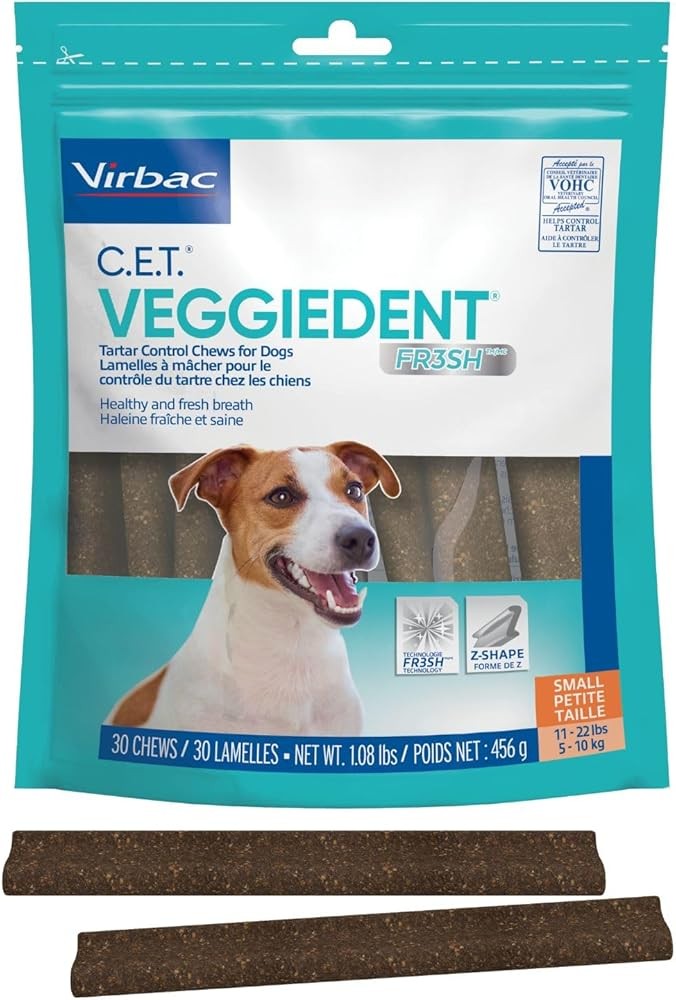
Virbac C.E.T. VEGGIEDENT FR3SH Tartar Control Chews
Check Price on AmazonAs an Amazon Associate we earn from qualifying purchases.
The Virbac C.E.T. VEGGIEDENT FR3SH chews combine VOHC-accepted tartar control with innovative FR3SH technology that targets the volatile sulfur compounds responsible for bad breath. These plant-based chews contain no animal-derived ingredients, making them suitable for dogs with sensitivities to meat-based products. The Z-shape design with ridges maximizes contact with tooth surfaces during chewing.
Clinical research on vegetable dental chews similar to this formulation found significant reductions in periodontal disease parameters. A 70-day crossover trial in toy breed dogs showed that vegetable dental chews significantly reduced gingivitis, plaque, calculus accumulation, and halitosis (PMID 22416622). The researchers concluded that dental chews may play a significant role in improving canine oral health long-term.
The FR3SH technology distinguishes this product from basic dental chews. This proprietary blend targets the bacteria that produce malodorous compounds in the mouth. Studies examining breath quality in dogs receiving dental chews found significant reductions in volatile sulfur compounds, with one trial showing dogs receiving novel dental chews had measurably fresher breath throughout the 28-day study period (Carroll et al, 2020).
These chews are formulated for small dogs weighing 11-22 pounds. The size-specific design ensures appropriate chewing duration and mechanical action for smaller mouths. Each package contains 30 chews, providing a one-month supply when given daily as recommended. The vegetable-based formula includes corn, glycerin, soy protein, and rice flour as primary ingredients.
The texture encourages extended chewing time, which increases the mechanical cleaning action. Owners report that their dogs find the chews palatable, with most dogs eagerly accepting them for daily use. The lack of animal proteins makes these suitable for dogs with food sensitivities or allergies, though corn-sensitive dogs may require alternative options.
For dogs with sensitive stomachs who experience digestive upset with dental chews, consider pairing with digestive support. Our guide to best dog food for sensitive stomachs provides complementary dietary strategies.
Bottom line: The Virbac C.E.T. VEGGIEDENT FR3SH chews earn the top overall position based on VOHC acceptance, plant-based formulation suitable for sensitive dogs, innovative breath-freshening technology, and extensive clinical evidence supporting tartar reduction. The $27 price point for 30 chews represents reasonable value for a premium, research-backed dental care product.
What is the Best Budget Dental Chew Option?
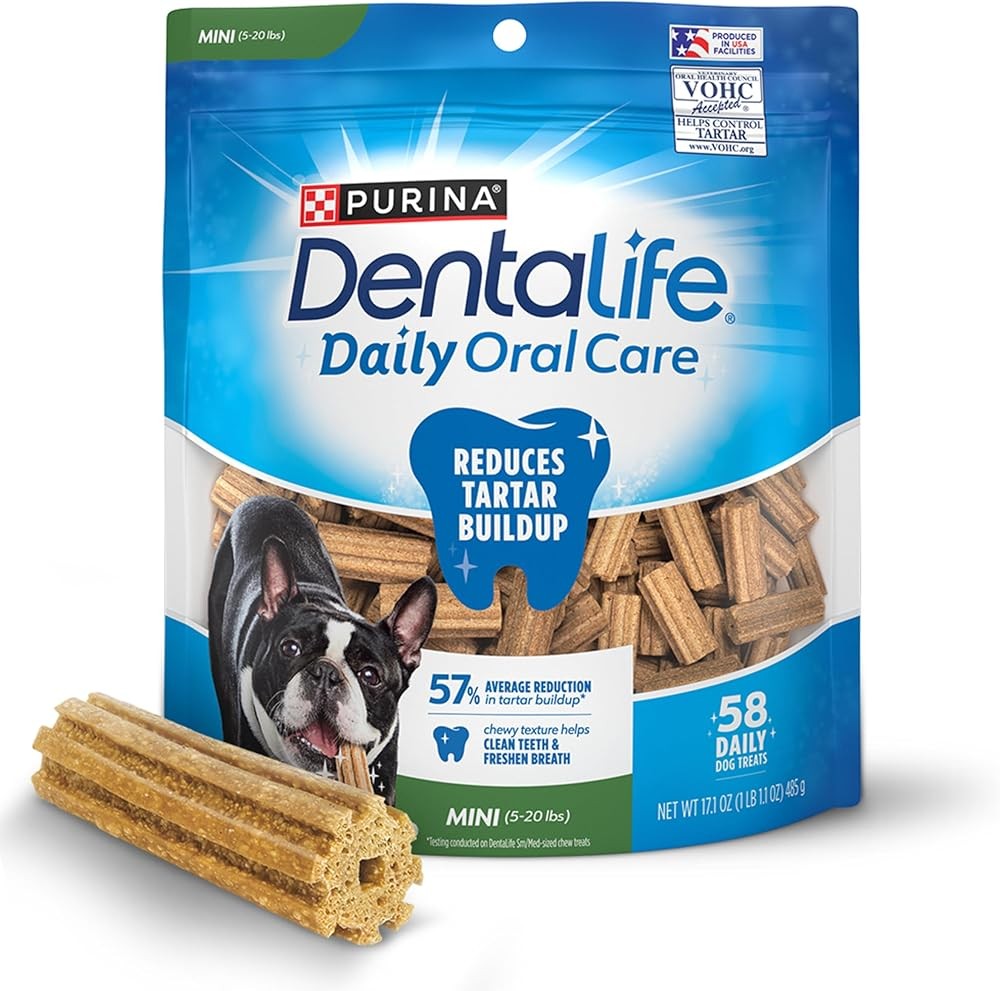
DentaLife Daily Oral Care Dog Dental Chews
Check Price on AmazonAs an Amazon Associate we earn from qualifying purchases.
The DentaLife Daily Oral Care Dog Dental Chews provide research-backed dental benefits at an affordable price point. With 58 pieces per package for approximately $10, these offer excellent value for daily dental care. The porous, honeycomb texture creates multiple contact points with tooth surfaces as your dog chews, providing mechanical plaque removal throughout the mouth.
A 60-day study examining honeycomb-shaped dental chews in client-owned dogs found 26.6% reduction in calculus, 14.2% reduction in plaque, and 46.71% reduction in oral malodor (PMID 38819379). The study included various breeds, ages, and weights, demonstrating real-world effectiveness across diverse dog populations. While gingival scores showed minimal change (0.99% reduction), the significant improvements in calculus and malodor indicate meaningful oral health benefits.
The chicken flavor makes these dental chews highly palatable for most dogs. Owners report that their dogs eagerly accept these as daily dental products, which improves compliance compared to products dogs resist. The texture remains firm enough to provide mechanical cleaning while being easy enough to chew that small dogs can effectively work the chew throughout their mouths.
These dental products are formulated specifically for small dogs, with appropriate sizing for choking hazard avoidance while ensuring adequate chewing duration. The package size provides nearly two months of daily use at the recommended one-per-day dosing, making this an economical long-term solution for dental care maintenance.
The ingredient list includes wheat flour, chicken, glycerin, wheat gluten, and gelatin as primary components. Dogs with wheat or gluten sensitivities should avoid this product. The meat-based flavoring provides palatability but may not suit dogs with poultry allergies.
Research consistently shows that daily administration provides the greatest benefits. A 28-day study found that dogs receiving one dental chew per day had significantly better outcomes than those receiving chews less frequently (PMID 24006717). The affordable price of DentaLife chews makes daily use financially sustainable for most pet owners.
For senior dogs with dental disease, combining dental chews with appropriate supplements supports overall health. See our guide to senior dog supplements for joint health and cognitive support for comprehensive aging dog care.
Bottom line: DentaLife Daily Oral Care Dog Dental Chews earn the best budget position based on excellent value (58 pieces for $10), clinical evidence of calculus reduction, honeycomb texture that maximizes tooth contact, high palatability ensuring compliance, and economical long-term cost for daily dental care maintenance.
Which Water Additive Works Best for Dog Dental Health?
The Oxyfresh Premium Pet Dental Care Solution provides continuous antimicrobial action throughout the day with a truly odorless and flavorless formula that dogs readily accept. Many water additives fail because dogs detect the taste or smell and refuse to drink, but the Oxyfresh proprietary formula remains undetectable to pets while effectively fighting plaque and tartar formation.
Water additives work through chemical rather than mechanical action. The Oxyfresh formula contains stabilized chlorine dioxide (Oxygene) as the active ingredient. Research on antimicrobial agents in canine oral care shows that chlorhexidine and similar compounds effectively reduce bacterial populations in oral biofilms (PMID 34866484). While this study examined chlorhexidine specifically, stabilized chlorine dioxide operates through similar oxidative mechanisms that disrupt bacterial cell walls.
The 16-ounce bottle provides approximately one month of treatment when added to your dog’s water bowl daily. The recommended dosage is one capful per 8 ounces of water, though the concentration can be adjusted based on your dog’s water consumption patterns. The solution remains stable in water throughout the day, providing continuous antimicrobial activity.
Veterinarians frequently recommend Oxyfresh for dogs who resist brushing or cannot tolerate dental chews due to oral pain or jaw problems. Senior dogs with existing periodontal disease benefit from the antimicrobial action without the mechanical stress of chewing. The formula contains no artificial colors, flavors, or harsh chemicals that might irritate sensitive mouths.
Clinical evidence for water additives generally lags behind dental chew research, with fewer large-scale controlled trials published. However, the antimicrobial mechanisms are well-established, and many veterinary practices report clinical improvements in patients using water additives as part of comprehensive dental care protocols. The combination of mechanical cleaning from chews and antimicrobial action from water additives provides more complete coverage than either approach alone.
For dogs experiencing bad breath, the Oxyfresh formula addresses the volatile sulfur compounds produced by oral bacteria. Research shows these compounds contribute significantly to canine halitosis (Carroll et al, 2020). By reducing bacterial populations, water additives help control odor at the source. Learn more about halitosis causes in our article on dog bad breath and sudden causes.
Bottom line: The Oxyfresh Premium Pet Dental Care Solution earns the best water additive position based on truly odorless and flavorless formulation ensuring acceptance, stabilized chlorine dioxide providing antimicrobial activity, veterinary recommendations for dogs unable to tolerate mechanical chews, reasonable $17 price for one month supply, and compatibility with daily dental chews for comprehensive oral care.
What is the Best Water Additive for Large Dogs?
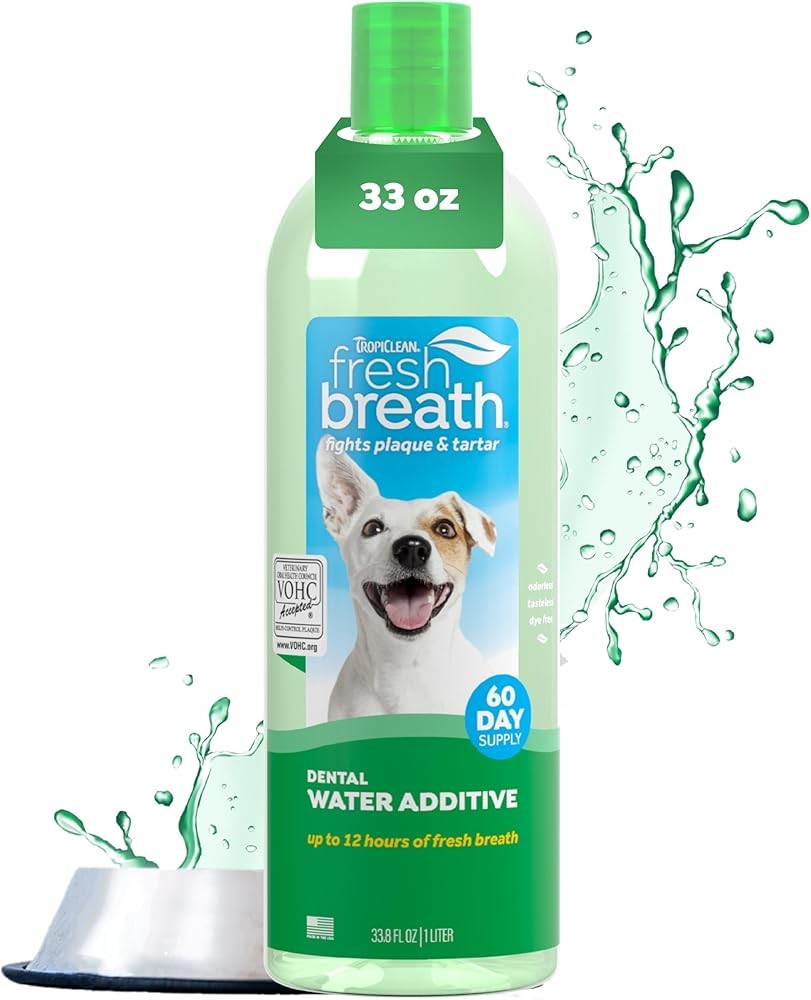
TropiClean Fresh Breath Water Additive
Check Price on AmazonAs an Amazon Associate we earn from qualifying purchases.
The TropiClean Fresh Breath Water Additive comes in a large 33.8-ounce bottle designed for the substantial water consumption of large breed dogs. The formula targets plaque and tartar formation while freshening breath without requiring any brushing. For owners of large dogs who find mechanical dental care challenging due to dog size or temperament, this water additive provides a practical daily intervention.
Large breed dogs face unique dental challenges. Their bigger mouths can make thorough brushing difficult, and some large breeds are prone to rapid calculus formation. A water additive ensures that even hard-to-reach posterior teeth receive antimicrobial treatment throughout the day. The 33.8-ounce size provides extended use for large dogs who may drink a gallon or more of water daily.
The TropiClean formula contains natural ingredients including green tea leaf extract and zinc chloride as active components. Green tea extracts have demonstrated antimicrobial properties in oral care research, while zinc helps neutralize sulfur compounds responsible for bad breath. The formula is alcohol-free and does not require dilution, making it convenient for owners to simply add to the water bowl.
Large breed dogs often have stronger preferences about water taste compared to small dogs. TropiClean formulates their additive to minimize taste alteration while maintaining effectiveness. Most large dogs continue drinking normally when the additive is introduced gradually. Start with a lower concentration for the first few days to allow acclimation.
Research on dental care in large breeds shows that daily interventions significantly impact long-term periodontal health. A two-year study found that consistent dental maintenance reduced disease progression, while intermittent care provided only temporary benefits (PMID 11263700). Water additives support daily compliance by requiring minimal time investment from owners.
For large dogs with joint issues who may have difficulty eating hard chews, water additives provide dental benefits without mechanical challenges. Senior large breed dogs particularly benefit from this approach. Our guide to best dog water fountains discusses how running water fountains can be paired with water additives to encourage hydration.
To sum up: The TropiClean Fresh Breath Water Additive earns the best for large dogs position based on generous 33.8-ounce bottle size suitable for high water consumption, natural ingredients including green tea extract and zinc chloride, no-brush convenience for owners of large breeds, minimal taste alteration ensuring continued water intake, and practical daily compliance for dogs where mechanical brushing proves difficult.
What is the Premium Dental Chew with Maximum Effectiveness?
The Virbac C.E.T. HEXTRA Premium Oral Hygiene Chews represent the gold standard in veterinary dental chews, combining rawhide base material with a proprietary dual-enzyme coating system. Formulated for dogs weighing 26-50 pounds, these chews provide extended chewing time that maximizes mechanical cleaning while the enzyme system actively interferes with bacterial adhesion to tooth surfaces.
Research on enzyme-enhanced dental chews demonstrates significant advantages over plain mechanical chews. A study examining chews with dual-enzyme systems found that the enzyme coating provided additional plaque reduction beyond mechanical action alone (PMID 15909452). The enzymes, derived from whey protein and other sources, break down the glycoprotein matrix that allows bacteria to form structured biofilms on tooth surfaces.
The rawhide base provides exceptional durability and chewing resistance. Dogs spend considerably longer working through a HEXTRA chew compared to compressed vegetable or grain-based alternatives. This extended chewing time translates to more mechanical abrasion and greater plaque removal. The texture and firmness also promote healthy gum massage as dogs work the chew between their teeth.
Clinical trials on chlorhexidine-enhanced dental chews (similar enzyme approach to HEXTRA) found improved outcomes compared to plain chews (Logan et al). The antimicrobial coating begins working immediately upon contact with saliva, providing chemical plaque control that complements the mechanical cleaning. This dual-mechanism approach addresses both existing plaque and reduces risk ofnew biofilm formation.
The HEXTRA chews are specifically sized for medium dogs in the 26-50 pound range. This weight-appropriate sizing ensures the chew is large enough to require extended chewing without posing a choking hazard. Smaller and larger size options are available separately to accommodate dogs outside this weight range.
The premium price point of $39 reflects the sophisticated enzyme coating technology and quality rawhide base material. For dogs with severe periodontal disease or breeds prone to rapid plaque formation, the investment in a premium product often proves worthwhile. The enzyme system provides benefits that basic mechanical chews cannot match.
Some dogs may experience digestive sensitivity to rawhide. Monitor your dog during and after initial use. Dogs who swallow large pieces without adequate chewing may experience gastrointestinal upset. The HEXTRA chews are designed to be highly digestible rawhide, but individual tolerance varies. For dogs with known rawhide sensitivity, the vegetable-based VEGGIEDENT option provides an alternative.
In short: The Virbac C.E.T. HEXTRA Premium Oral Hygiene Chews earn the premium pick position based on sophisticated dual-enzyme coating system, extended chewing time from durable rawhide base, clinical evidence for enzyme-enhanced plaque reduction, weight-specific sizing ensuring safety and effectiveness, and multi-mechanism approach combining mechanical and chemical plaque control for dogs requiring maximum dental intervention.
What is the Best Budget-Friendly Water Additive?
The Arm & Hammer Dog Dental Water Additive brings the trusted plaque-fighting power of baking soda to canine oral care at an exceptional $6 price point for a 16-ounce bottle. Baking soda (sodium bicarbonate) has long been recognized for its ability to neutralize acids, create an unfavorable environment for bacteria, and mechanically disrupt plaque formation through its mildly abrasive crystal structure when dissolved in saliva.
The formula is genuinely odorless and flavorless, ensuring dogs continue drinking their normal water amounts without hesitation. Pet acceptance represents the most critical factor for water additives, as even the most effective formula provides no benefit if dogs refuse to drink. The Arm & Hammer formulation dissolves completely in water without leaving residue or altering water texture.
Sodium bicarbonate creates an alkaline oral environment that inhibits the acid-producing bacteria responsible for enamel damage and plaque formation. Research on oral pH and bacterial growth shows that maintaining less acidic conditions in the mouth reduces the proliferation of pathogenic oral bacteria. While specific clinical trials on this exact product formulation are limited, the mechanism of baking soda for oral care is well-established in both human and veterinary dentistry.
The 16-ounce bottle provides approximately one month of daily use at the recommended dosing. Simply add the specified amount to your dog’s water bowl each time you provide fresh water. The low price point makes this the most economical water additive option for owners wanting to provide basic chemical plaque control without significant investment.
This product works well as an entry-level water additive or as a budget-conscious option for multi-dog households where the cost of premium water additives becomes prohibitive. While it may not contain the sophisticated antimicrobial compounds found in more expensive formulations, the fundamental plaque-fighting properties of baking soda provide meaningful benefits for basic oral care maintenance.
For comprehensive budget-friendly dental care, pair this water additive with the DentaLife budget dental chews. The combination provides both chemical (water additive) and mechanical (chews) approaches at a combined cost under $20 per month. For dogs prone to urinary tract issues, note that increased water consumption from any source supports urinary health, as discussed in our guide to dog urinary tract infections.
The takeaway: The Arm & Hammer Dog Dental Water Additive earns the best budget water additive position based on exceptional $6 price point, trusted baking soda formula with established plaque-fighting properties, genuinely odorless and flavorless formulation ensuring pet acceptance, 16-ounce bottle providing one month supply, and economical solution for multi-dog households or entry-level chemical dental care.
How to Choose the Right Size Dental Chew
Size-appropriate dental chews are critical for both safety and effectiveness. A chew that’s too small poses a choking hazard when dogs attempt to swallow it whole rather than chewing thoroughly. Conversely, a chew that’s too large may frustrate small dogs who cannot effectively work it in their mouths, reducing compliance and plaque removal.
Most dental chew manufacturers provide size categories based on dog weight ranges. Common breakdowns include small (5-20 pounds), medium (20-50 pounds), and large (50+ pounds), though specific weight ranges vary by brand. Always check the package labeling for the manufacturer’s recommended weight range and match it to your dog’s current weight.
Research examining dental chew effectiveness across different sizes found that appropriate sizing maximized chewing duration and tooth surface contact (PMID 38819379). The study included dogs of various weights and noted that matching chew size to dog size improved outcomes. Dogs who received appropriately sized chews had better calculus reduction than those given incorrect sizes.
Consider your dog’s chewing style when selecting size. Aggressive chewers who rapidly consume products may benefit from moving up one size category to extend chewing time and increase mechanical cleaning. Dogs who are cautious chewers or have smaller mouths may do better with the smaller end of their weight range to ensure they can effectively manipulate the chew.
For dogs transitioning from puppyhood to adulthood, reassess chew size regularly. A dog who starts at 18 pounds may grow to 40 pounds, requiring different chew sizes at different life stages. Dental chews are typically designed for adult dogs with permanent teeth; consult your veterinarian about when to introduce dental chews to young dogs.
Multi-dog households face unique challenges when dogs have different size requirements. Separation during chew time reduces risk ofdogs from taking chews meant for differently sized housemates. A small dog swallowing a large dog’s chew could cause serious obstruction, while a large dog might swallow a small dog’s chew whole without adequate chewing.
Observe your dog during the first several uses of any new dental chew. Ideal chewing behavior involves working the product throughout the mouth for several minutes, contacting multiple tooth surfaces. If your dog swallows the chew within seconds without chewing, the size is likely too small. If your dog loses interest after brief attempts, the size may be too large or the texture too difficult.
The shape of the dental chew matters as much as size. Products with elongated shapes or grooves encourage dogs to work the chew between back teeth where plaque accumulates most heavily. The Z-shape design of the VEGGIEDENT chews and the honeycomb texture of DentaLife both maximize tooth surface contact through thoughtful geometric design.
To summarize: Choose dental chews strictly within your dog’s weight range, observe chewing behavior to ensure appropriate size, match chewing style to size (aggressive chewers may need larger), separate dogs in multi-dog households during chew time, and prioritize shapes that encourage working the chew between back teeth for maximum plaque removal on molars and premolars.
Can Dental Chews Replace Professional Cleanings?
Dental chews provide meaningful plaque and tartar reduction but cannot fully replace professional veterinary cleanings. The two approaches serve complementary roles in comprehensive canine oral health. Professional cleanings performed under anesthesia allow thorough scaling below the gumline where periodontal disease begins, while daily chews maintain oral health between professional interventions.
A long-term study examining periodontal care approaches found that even with daily home care, dogs benefited from periodic professional scaling and polishing (PMID 11263700). The study compared dogs receiving professional cleanings with daily brushing to dogs receiving only dry food. While the professional cleaning group maintained better oral health, the researchers noted that benefits declined within four weeks without continued daily maintenance.
Subgingival plaque accumulates below the visible gumline in the gingival sulcus, the shallow space between the tooth and gum tissue. This area cannot be reached by dental chews or even brushing in many cases. Professional cleanings use specialized scalers to remove calculus and bacteria from these pockets, reducing risk of progression from gingivitis to irreversible periodontitis.
Research on periodontal disease progression emphasizes that gingivitis (gum inflammation) is reversible with appropriate care, but periodontitis (destruction of supporting structures) causes permanent damage. Early intervention through daily home care combined with professional cleanings reduces risk of the transition from reversible inflammation to irreversible tissue loss.
The frequency of professional cleanings depends on your dog’s individual risk factors. Toy and small breeds often require more frequent cleanings due to crowded teeth and rapid plaque accumulation. Brachycephalic breeds with shortened muzzles face similar challenges. Older dogs with pre-existing periodontal disease may need cleanings every 6-12 months, while young healthy dogs with good home care may go longer between professional interventions.
Dental chews reduce the frequency of professional cleanings required but do not eliminate the need entirely. A study found that dogs receiving daily dental chews had significantly less calculus accumulation (PMID 24006717), which would theoretically extend the interval between professional cleanings. However, the study did not follow dogs long enough to make specific recommendations about cleaning frequency.
Warning signs indicating your dog needs professional dental attention include persistent bad breath despite dental chews, visible tartar accumulation, red or bleeding gums, reluctance to eat hard food, pawing at the mouth, or loose teeth. These symptoms indicate periodontal disease requiring veterinary intervention beyond what home care can provide.
The combination approach maximizes results. Research demonstrates that daily interventions (chews, brushing, water additives) maintain the benefits achieved through professional cleaning (PMID 11263700). Dogs receiving professional cleanings followed by consistent home care had dramatically better long-term outcomes than those receiving only sporadic professional care without daily maintenance.
The financial investment in daily dental chews often reduces lifetime veterinary costs. While professional cleanings under anesthesia cost several hundred dollars and carry anesthesia risks (particularly in older dogs), daily chews cost $10-40 monthly. By reducing cleaning frequency and reducing risk of severe periodontal disease, the home care investment provides significant value.
In essence: Dental chews are essential for maintaining oral health between professional cleanings but cannot replace the deep subgingival scaling performed by veterinarians, watch for warning signs requiring professional attention, combine daily home care with periodic professional cleanings for optimal results, and use consistent home care to extend intervals between costly professional procedures while reducing risk of irreversible periodontal disease progression.
What About Dogs Who Won’t Chew?
Some dogs resist dental chews due to oral pain, jaw issues, missing teeth, or simple preference. For these dogs, water additives provide the primary at-home dental intervention. The antimicrobial action continues throughout the day without requiring cooperation from the dog beyond normal drinking behavior.
Dogs with existing periodontal disease may find chewing painful. Inflamed gums bleed easily and become tender to pressure. A dog who previously enjoyed chews but suddenly refuses them may be experiencing oral discomfort. Schedule a veterinary dental examination to assess for gingivitis, periodontitis, broken teeth, or oral masses before assuming the dog simply dislikes the product.
Senior dogs losing teeth or experiencing jaw arthritis may lack the mechanical ability to work through dental chews. Smaller, softer chews may be tolerated when larger firm products are refused. However, softer chews provide less mechanical abrasion and may be consumed too quickly to offer substantial benefit. For these dogs, water additives become the mainstay of home dental care.
Some dogs lack the behavioral inclination to chew thoroughly. Dogs who rapidly consume dental products without proper chewing fail to gain dental benefits and may experience choking or digestive upset. Training dogs to chew more slowly rarely succeeds. For these dogs, avoid dental chews entirely and focus on water additives plus professional cleanings.
Flat-faced brachycephalic breeds like Pugs, French Bulldogs, and English Bulldogs sometimes struggle with dental chews due to their facial structure. The shortened jaw reduces leverage for chewing, and the crowded teeth may make manipulating chews difficult. Water additives work particularly well for brachycephalic breeds facing mechanical challenges.
For dogs who tolerate some chewing but not firm products, consider softer dental chews. While less effective than firm VOHC-approved chews, softer options still provide some mechanical cleaning and often include enzyme coatings. Products marketed as “senior” dental chews typically offer softer textures suitable for dogs with dental sensitivity.
Gradual introduction sometimes helps reluctant dogs accept dental chews. Start by offering the chew for just a few seconds, then removing it and providing enthusiastic praise. Gradually extend the duration over several days. Some dogs need time to understand that chewing the product is expected and rewarding. Never force a dog to accept a chew, as this creates negative associations.
Flavor preferences impact acceptance. Dogs refusing chicken-flavored chews may accept beef or pork varieties. The Virbac VEGGIEDENT offers a plant-based option for dogs who don’t respond to meat flavors. Trial different flavors before concluding a dog won’t accept dental chews.
For dogs who refuse all forms of dental chews, daily brushing becomes more important. Use a veterinary enzymatic toothpaste (never human toothpaste, which contains xylitol toxic to dogs) and a soft-bristled dog toothbrush or finger brush. Even dogs who resist initially often accept brushing with patient training using positive reinforcement.
To put it simply: Dogs experiencing oral pain need veterinary examination before resuming dental chews, senior dogs with jaw issues benefit more from water additives than mechanical chews, brachycephalic breeds often struggle with standard chews due to facial structure, try different flavors and textures before concluding a dog refuses all options, and for dogs who cannot chew, combine water additives with daily brushing and regular professional cleanings to maintain oral health.
How Can You Combine Dental Chews with Other Oral Care Methods?
The most effective dental care strategy combines mechanical cleaning, chemical antimicrobial action, and professional veterinary interventions. Research consistently shows multi-modal approaches outperform single interventions. A dog receiving daily dental chews, water additives, periodic brushing, and annual professional cleanings will have significantly better oral health than a dog receiving only one of these interventions.
Start with a daily dental chew matched to your dog’s weight. The mechanical abrasion from chewing provides the foundation for plaque removal. Research shows daily administration delivers superior results compared to less frequent use (PMID 24006717). Choose a VOHC-approved product when possible for evidence-based effectiveness.
Add a water additive to provide continuous antimicrobial action. The combination of mechanical plaque removal from the chew and chemical bacterial reduction from the water additive addresses oral health from multiple angles. Studies on dental care effectiveness show that combined approaches yield better results than single interventions (PMID 11263700).
Incorporate brushing 2-3 times weekly if your dog tolerates it. Brushing reaches tooth surfaces that chews may miss, particularly the outer surfaces of canine teeth and front incisors. Use a veterinary enzymatic toothpaste that continues working after brushing. The enzymes break down plaque matrix proteins for hours after application.
Schedule professional cleanings based on your veterinarian’s recommendation and your dog’s individual risk factors. Dogs with good home care may need professional cleaning every 1-2 years, while dogs prone to rapid plaque accumulation may require annual or even semi-annual cleanings. The investment in professional care reduces risk ofprogression to severe periodontal disease requiring extensive and expensive treatment.
Consider dental-specific diets for dogs with severe periodontal disease. Therapeutic dental diets feature kibble designed to provide enhanced mechanical cleaning during eating. While regular kibble offers minimal dental benefits, prescription dental diets use special shapes and textures that maximize tooth contact during chewing. These diets work synergistically with dental chews and water additives.
Monitor oral health monthly at home. Lift your dog’s lips and examine the gums for redness, swelling, or bleeding. Check for visible tartar accumulation, particularly on the upper premolars and molars. Smell your dog’s breath; worsening odor despite dental care may indicate developing periodontal disease. Early detection allows intervention before irreversible damage occurs.
Nutritional support plays a role in oral health. Omega-3 fatty acids provide anti-inflammatory benefits that may support gum health. A study on fatty acids in dogs found that EPA and DHA from fish oil reduced inflammatory markers (covered in our omega-3 for dogs guide. While not directly studying periodontal disease, the anti-inflammatory mechanism suggests potential benefits for gingival inflammation.
For dogs with recurrent dental issues despite good home care, consider immune system support. Chronic periodontal disease can indicate underlying immune dysfunction. Comprehensive health assessment including diet, supplements, and overall wellness helps identify contributing factors. Our guide to senior dog supplements covers broader health support for aging dogs prone to multiple issues.
The protocol in action might look like this: Feed breakfast, then offer a size-appropriate VOHC-approved dental chew. Provide fresh water with measured dose of water additive. Brush teeth 2-3 evenings per week using enzymatic toothpaste. Schedule professional dental cleaning annually or as recommended by your veterinarian. Monitor monthly for changes in oral health status.
This comprehensive approach addresses periodontal disease through multiple mechanisms: mechanical plaque removal (chewing), continuous antimicrobial action (water additive), targeted cleaning of difficult areas (brushing), professional intervention for subgingival deposits (veterinary cleaning), and ongoing monitoring for early problem detection. Research shows this multi-modal strategy provides superior long-term outcomes (PMID 11263700).
The investment in comprehensive dental care reduces risk ofpainful oral disease, tooth loss, and the potential systemic effects of chronic oral bacteria. Studies suggest oral bacteria may contribute to heart, kidney, and liver disease as bacteria enter the bloodstream through inflamed gums. While definitive causation remains debated, the correlation between periodontal disease and systemic illness provides additional motivation for thorough oral care.
In a nutshell: Combine daily VOHC-approved dental chews with continuous water additive for multi-mechanism approach, add brushing 2-3 times weekly for areas chews miss, schedule professional cleanings at veterinarian-recommended intervals, consider dental diets for dogs with severe disease, monitor monthly for early problem detection, and support overall health through nutrition and appropriate supplements to provide the foundation for lifelong oral health.
Frequently Asked Questions
How often should I give my dog a dental chew?
Research shows daily administration is most effective. A 28-day study found dogs receiving one dental chew per day had 23% less plaque and 44% less tartar than dogs receiving dry food alone (PMID 24006717).
Do dental chews actually work for dogs?
Yes. Multiple clinical trials confirm dental chews significantly reduce plaque (17-24%), calculus (38-54%), and gingivitis scores. A 2021 study showed all three brands tested outperformed the no-chew control group (PMID 33780530).
Are water additives as effective as dental chews?
Water additives provide supplemental oral care but work differently than chews. Chews mechanically scrape teeth and have more clinical evidence. Water additives use antimicrobial agents like chlorhexidine to reduce bacterial load. Best results come from combining both approaches.
What is the VOHC seal on dental products?
The Veterinary Oral Health Council (VOHC) seal indicates a product has met pre-set standards for reducing plaque or tartar in clinical trials. Look for this seal when choosing dental chews.
Can dental chews replace brushing my dog’s teeth?
Dental chews are a helpful supplement but not a complete replacement for brushing. A 2001 study found benefits from dental care were lost within 4 weeks of stopping daily maintenance (PMID 11263700). Daily chews combined with regular brushing provide the best results.
What size dental chew should I get for my dog?
Match the chew size to your dog’s weight. Most brands offer small (5-20 lbs), medium (20-50 lbs), and large (50+ lbs) options. Using the wrong size can be a choking hazard or provide insufficient mechanical cleaning.
How do dental chews reduce plaque and tartar?
Dental chews work through mechanical abrasion as the dog chews, scraping plaque from tooth surfaces. Research shows they also shift oral microbiota, reducing pathogenic bacteria like Porphyromonas and Treponema while increasing health-associated genera (PMID 33780530).
Are rawhide dental chews safe for dogs?
Rawhide-based chews like Virbac HEXTRA use specially processed rawhide with enzyme coatings. While effective for plaque removal, monitor your dog during chewing and choose size-appropriate chews. Some dogs may experience digestive issues with rawhide.
When should I start giving my dog dental chews?
Most veterinary dental products are designed for adult dogs with permanent teeth. Consult your veterinarian about starting dental care routines. Periodontal disease affects over 80% of dogs by age 3, so early prevention is important.
Can I use both dental chews and water additives together?
Yes, using both is recommended for comprehensive oral care. Dental chews provide mechanical cleaning while water additives offer antimicrobial action throughout the day. Combined with annual professional cleanings, this multi-approach strategy provides the best protection.
Our Top Recommendations
For most dogs, the Virbac C.E.T. VEGGIEDENT FR3SH Tartar Control Chews serves as an excellent primary dental chew option. The VOHC acceptance, FR3SH technology targeting bad breath, and plant-based formula suitable for sensitive dogs make this the most versatile option backed by clinical evidence. Give one chew daily matched to your dog’s weight range.
Add the Oxyfresh Premium Pet Dental Care Solution to your dog’s water bowl for continuous antimicrobial action throughout the day. The genuinely odorless and flavorless formula ensures your dog continues drinking normally while receiving chemical plaque control that complements the mechanical cleaning from the chew.
For budget-conscious owners or multi-dog households, substitute DentaLife Daily Oral Care Dog Dental Chews for the premium Virbac chews and Arm & Hammer Dog Dental Water Additive for the Oxyfresh solution. This combination provides research-backed dental benefits at under $20 monthly for both products.
Large breed owners should choose the TropiClean Fresh Breath Water Additive in the 33.8-ounce bottle to accommodate high water consumption. Pair this with an appropriately sized dental chew matched to your large dog’s weight.
Dogs with severe periodontal disease or breeds prone to rapid plaque formation benefit from the Virbac C.E.T. HEXTRA Premium Oral Hygiene Chews. The dual-enzyme system and extended chewing time from the rawhide base provide maximum intervention for dogs requiring advanced dental care.
Remember that home dental care supplements but does not replace professional veterinary cleanings. Schedule regular checkups and cleanings as recommended by your veterinarian based on your dog’s individual risk factors and current oral health status.
Subscribe to our YouTube channel for more evidence-based pet health information:
Follow us on social media for daily tips:
Conclusion
Daily dental chews and water additives provide scientifically validated plaque and tartar reduction that reduces risk ofpainful periodontal disease in dogs. Clinical trials demonstrate that dogs receiving daily dental chews show 23-44% reductions in calculus formation compared to untreated controls, with additional benefits including improved gingival scores and reduced halitosis. The mechanical action of chewing combined with enzyme coatings and antimicrobial water additives addresses oral health through multiple complementary mechanisms.
The products recommended in this guide earned their positions based on clinical evidence published in peer-reviewed veterinary journals, VOHC acceptance where applicable, ingredient quality, appropriate sizing options, and real-world palatability. From the premium Virbac HEXTRA dual-enzyme chews to the budget-friendly DentaLife chews and Arm & Hammer water additive, options exist for every budget and dog size.
The most effective approach combines daily dental chews with water additives, periodic brushing, and professional veterinary cleanings scheduled based on your dog’s individual needs. Research confirms that multi-modal dental care reduces risk ofthe progression from reversible gingivitis to irreversible periodontitis, protecting your dog from tooth loss and the potential systemic effects of chronic oral bacteria.
Start your dog’s dental care routine today with an appropriately sized dental chew and water additive matched to your dog’s weight and tolerance. Monitor monthly for changes in gum color, tartar accumulation, or breath quality that might indicate developing problems. With consistent daily care, you can significantly reduce your dog’s risk of periodontal disease and the associated pain, tooth loss, and expensive treatments.
Related Reading
- Best Supplements for Dog Dental Health and Cleanings — Companion guide covering dental supplements
- Dog Bad Breath Suddenly: Causes and Solutions — Understanding what’s behind sudden halitosis
- Best Dog Water Fountains — Encouraging healthy hydration habits
- Senior Dog Supplements for Joint Health and Cognitive Support — Comprehensive aging dog care
- Best Probiotic Supplements for Dogs with Digestive Issues — Supporting gut health and immunity
- Omega-3 for Dogs: Benefits, Dosing, and Best Sources — Anti-inflammatory support for gum health
- Best Dog Food for Sensitive Stomachs — Dietary strategies for sensitive dogs
- Dog Urinary Tract Infections — How hydration supports urinary health
References
- Quest BW. Oral health benefits of a daily dental chew in dogs. J Vet Dent. 2013. PubMed
- Clarke DE, et al. Effectiveness of a vegetable dental chew on periodontal disease parameters in toy breed dogs. J Vet Dent. 2011. PubMed
- Wallis C, et al. Validation of QLF for Quantifying Calculus on Dogs’ Teeth. J Vet Dent. 2018. PubMed
- Hennet P, et al. Effectiveness of an oral hygiene chew to reduce dental deposits in small breed dogs. J Vet Dent. 2006. PubMed
- Oba PM, et al. Effects of a novel dental chew on oral health outcomes, halitosis, and microbiota of adult dogs. J Animal Science. 2024. PubMed
- Oba PM, et al. Dental chews positively shift the oral microbiota of adult dogs. J Animal Science. 2021. PubMed
- Crowder C, et al. Effectiveness of a Daily Honeycomb-Shaped Dental Chew in Reducing Calculus, Plaque, Gingivitis and Malodor in Dogs. J Vet Dent. 2025. PubMed
- Carroll MQ, et al. Effects of novel dental chews on oral health outcomes and halitosis in adult dogs. J Animal Science. 2020. PubMed
- Logan EI, et al. Effect on canine oral health of adding chlorhexidine to a dental hygiene chew. PubMed
- Rawlings JM, et al. Effective periodontal disease control using dental hygiene chews. J Vet Dent. 2005. PubMed
- Ingham KE, Gorrel C. Effect of long-term intermittent periodontal care on canine periodontal disease. J Small Animal Practice. 2001. PubMed
- Stoll C, et al. Effect of a dental chew on dental substrates and gingivitis in dogs. PubMed
- De Freitas LM, et al. Effect of TrisEDTA and Chlorhexidine 0.12% on an In Vitro-Defined Biofilm Representing the Subgingival Plaque Biofilm of the Dog. PubMed
Recommended Products