Best Supplements for Dog Dental Health (Preventing $2,000 Cleanings)
Summarized from peer-reviewed research indexed in PubMed. See citations below.
The AVMA reports that 80% of dogs develop periodontal disease by age 3, a progressive condition that silently damages teeth, gums, and can spread harmful bacteria to vital organs like the heart and kidneys. Published research shows Nutramax Welactin Omega-3 Fish Oil delivers 150mg EPA+DHA per pump to reduce gum inflammation while enzymatic dental chews mechanically remove up to 69% of plaque buildup, priced at approximately $25-35 per month for a comprehensive dental care regimen. Clinical studies demonstrate omega-3 fatty acids significantly decrease inflammatory markers in periodontal tissue while glucose oxidase and lactoperoxidase enzymes chemically break down bacterial biofilm before it mineralizes into tartar. For budget-conscious pet owners, PetLab Co. ProBright Dental Powder at $20-25 provides oral probiotics with billions of beneficial bacteria to crowd out pathogenic species causing plaque and gingivitis. Here’s what the published research shows about evidence-based dental supplements that may help reduce the need for costly $800-2,000 professional cleanings under anesthesia.
Disclosure: We may earn a commission from links on this page at no extra cost to you. Affiliate relationships never influence our ratings. Full policy →
This article references 15 peer-reviewed studies from PubMed. All sources are cited within the text and listed in the references section.
| Feature | Welactin Omega-3 | Greenies Chews | ProBright Powder | Oxyfresh Water |
|---|---|---|---|---|
| Primary Mechanism | Anti-inflammatory | Mechanical + enzymatic | Probiotic competition | Enzymatic breakdown |
| Plaque Reduction | Indirect (via inflammation) | 69% in studies | 40-60% | Up to 50% |
| Application | Pump into food | Daily chew treat | Sprinkle on food | Add to water |
| Cost/Month | $25-30 | $20-35 | $20-25 | $15-20 |
| Time to Results | 4-8 weeks | 4-8 weeks | 2-8 weeks | 4-8 weeks |
| Best For | Gum inflammation | Active plaque removal | Bad breath, bacteria | Easy compliance |
| Safe for Daily Use | Yes | Yes | Yes | Yes |
| Requires Compliance | Moderate | High (chewing) | Moderate | Very low |
Why Dog Dental Health Matters More Than You Think
Dental disease doesn’t just cause bad breath. It’s a progressive condition that begins with plaque accumulation on teeth and can end with systemic infections affecting vital organs. Understanding the stakes helps motivate the preventive care that makes all the difference.
The Progression of Canine Dental Disease
Dental disease develops in stages, each more serious than the last:
Stage 1: Plaque Formation - Within hours of eating, a thin biofilm of bacteria forms on teeth. This plaque is soft and can be removed by brushing or chewing. If left undisturbed, it mineralizes into tartar within 24-48 hours.
Stage 2: Tartar Buildup - Mineralized plaque (tartar or calculus) forms a hard, rough surface that attracts more bacteria. Tartar can only be removed by professional scaling. The rough texture irritates gums and provides perfect attachment points for more plaque.
Stage 3: Gingivitis - Bacterial toxins and inflammation cause the gums to become red, swollen, and prone to bleeding. This is reversible with proper treatment and prevention. Your dog may show subtle signs of discomfort when eating hard foods.
Stage 4: Early Periodontitis - Inflammation extends below the gum line, destroying the periodontal ligament that holds teeth in place. Pockets form between teeth and gums, trapping more bacteria. Bone loss begins. This stage causes noticeable pain.
Stage 5: Advanced Periodontitis - Severe bone loss, tooth mobility, abscesses, and potential tooth loss. Bacteria from infected gums enter the bloodstream and can seed infections in the heart (endocarditis), kidneys (nephritis), and liver. This stage requires extensive veterinary intervention and often tooth extractions.
The Systemic Health Consequences
The mouth is not isolated from the rest of the body. When gums are inflamed and bleeding, they provide a direct pathway for oral bacteria to enter the bloodstream. Studies have documented specific consequences:
Cardiac Disease - Oral bacteria, particularly Porphyromonas and Fusobacterium species, have been cultured from heart valve infections in dogs with periodontal disease (PubMed 16187587). The inflammatory response to chronic dental disease also contributes to overall cardiovascular stress (PubMed 11338343).
Kidney Damage - Bacterial endotoxins and immune complexes formed during chronic dental infections can damage kidney tissue. Dogs with severe periodontal disease show higher rates of chronic kidney disease, particularly in senior years.
Liver Effects - The liver filters bacteria and toxins from the bloodstream. Chronic bacterial seeding from infected gums can cause hepatic inflammation and, over years, contribute to liver disease.
Immune Suppression - Chronic inflammation diverts immune resources, potentially making dogs more susceptible to other infections and slowing wound healing.
Pain and Quality of Life - Dogs are stoic and often don’t show obvious pain until disease is advanced. But dental pain affects eating behavior, mood, energy levels, and overall quality of life. Many owners report their dogs seem “years younger” after dental treatment resolves chronic pain.
The Financial Reality
Professional veterinary dental cleaning is not a simple procedure. Because it requires general anesthesia and often reveals more severe disease than expected, costs add up quickly:
- Pre-anesthetic bloodwork: $150-250
- Anesthesia and monitoring: $200-400
- Dental cleaning, scaling, and polishing: $300-600
- Dental cleaning, scaling, and polishing: $300-600
- Dental X-rays: $100-200
- Tooth extractions (if needed): $50-150 per tooth
- Antibiotics and pain medication: $50-100
- Follow-up visits: $50-100
A routine cleaning typically costs $800-1,500. But if your dog needs extractions or has advanced disease, you could easily face bills of $2,000-3,000 or more. And for dogs with established periodontal disease, cleanings are needed annually or even more frequently.
Compare this to the cost of preventive supplements and home care: $30-60 per month, or $360-720 annually. Even with the cost of occasional professional cleanings, aggressive prevention saves thousands over a dog’s lifetime while avoiding the health consequences of dental disease.
What Warning Signs Does Your Dog’s Body Give About Dental Problems?
Dogs instinctively hide pain and discomfort as a survival mechanism. They don’t complain about toothaches. But they do give subtle signals that something is wrong with their mouth. Learning to recognize these signs helps you intervene early, before disease becomes advanced and expensive to manage.
Early Warning Signs
Bad Breath - While “dog breath” is common, truly foul or abnormally strong breath indicates bacterial overgrowth and gum disease. Healthy dogs should not have breath that makes you recoil.
Yellow or Brown Teeth - Tartar buildup appears as discoloration, especially on the back molars and along the gum line. What starts as a thin yellow line can progress to thick brown deposits.
Red or Swollen Gums - Healthy gums should be pink and firm. Redness, puffiness, or bleeding when touched indicates gingivitis.
Bleeding Gums - Blood on chew toys, in water bowls, or visible when your dog yawns signals inflamed, damaged gum tissue.
Excessive Drooling - While some breeds naturally drool more, increased or bloody-tinged drool can indicate mouth pain or infection.
Behavioral Changes That Signal Dental Pain
Reluctance to Eat Hard Foods - Dogs with dental pain often avoid kibble or hard chews they previously enjoyed. They may eat only soft food or only on one side of their mouth.
Dropping Food - Painful teeth or loose teeth cause dogs to drop food while eating. You might notice more spillage around the food bowl.
Chewing on One Side - Favoring one side of the mouth while eating or chewing toys indicates pain or discomfort on the other side.
Pawing at the Mouth or Face - Persistent rubbing or pawing at the mouth, sometimes accompanied by whining, suggests oral pain or foreign material caught in teeth.
Reluctance to Play with Chew Toys - Dogs who suddenly lose interest in toys they used to love may be experiencing dental pain.
Head Shyness - Dogs who previously tolerated having their head and face touched may pull away or show anxiety when approached, guarding their painful mouth.
Advanced Signs Requiring Immediate Veterinary Attention
Visible Loose or Missing Teeth - Teeth should be firmly rooted. Any mobility or teeth falling out indicates severe bone loss.
Visible Abscesses or Swelling - Swelling below the eye or on the muzzle can indicate a tooth root abscess, a painful infection requiring immediate treatment.
Refusal to Eat - While dogs may be reluctant to eat hard foods, complete refusal to eat indicates severe pain or illness and requires emergency veterinary care.
Excessive Face Rubbing - Constant rubbing of the face on carpet or furniture suggests intense discomfort.
Behavioral Changes - Aggression, withdrawal, depression, or irritability can all stem from chronic pain. Dogs in pain may become reactive when approached or touched.
The key is to monitor your dog’s mouth regularly. Monthly home dental checks - lifting the lips to examine teeth and gums, gently touching the gums to check for pain response, and noting any changes in eating or chewing behavior - help you catch problems early when they’re easier and cheaper to manage.
What Are We Addressing: The Science Behind Canine Dental Disease?
To effectively help reduce the risk of dental disease, it helps to understand exactly what causes it and how it progresses. The process is driven by bacteria, inflammation, and the body’s immune response.
The Oral Microbiome
Like humans, dogs have a complex ecosystem of bacteria living in their mouths - the oral microbiome. A healthy mouth contains hundreds of bacterial species, most harmless or even beneficial. Problems arise when pathogenic (disease-causing) bacteria overgrow and dominate the population.
The primary villains in canine dental disease are:
Porphyromonas species - Gram-negative anaerobic bacteria that thrive in the oxygen-poor environment of gum pockets. These bacteria produce enzymes that destroy collagen and bone, directly causing tissue breakdown.
Fusobacterium species - Another anaerobic group that produces inflammatory toxins and contributes to biofilm formation.
Prevotella species - Common in periodontal pockets, these bacteria produce acids that erode enamel and irritate gum tissue.
These pathogenic bacteria form organized communities called biofilms - structured colonies protected by a sticky matrix that shields bacteria from antibiotics and immune system attacks. Plaque is essentially a biofilm on teeth surfaces.
Plaque Formation and Mineralization
Within hours of a meal, a thin film called pellicle forms on tooth surfaces from salivary proteins. Bacteria quickly colonize this film, using food particles (especially carbohydrates) as fuel. As they multiply, bacteria secrete sticky extracellular polymers that help them adhere to teeth and to each other, forming dental plaque (PubMed 15610730).
Initially soft and easily removed, plaque begins mineralizing within 24-48 hours as calcium and phosphate from saliva deposit into the biofilm structure (PubMed 7759726). This creates tartar (also called calculus), a hard, cement-like substance that can only be removed by professional scaling. The rough surface of tartar attracts more plaque formation, accelerating disease progression.
The Inflammatory Cascade
As plaque bacteria multiply along and below the gum line, they release toxins and enzymes that trigger the immune system. White blood cells flood the area to address infection, releasing inflammatory mediators (cytokines, prostaglandins, matrix metalloproteinases) intended to help combat bacteria.
But chronic inflammation causes collateral damage. The enzymes meant to destroy bacteria also break down gum tissue, periodontal ligaments, and bone. Blood vessels become leaky, causing the red, swollen appearance of gingivitis. Over time, the attachment between gum and tooth is destroyed, creating periodontal pockets where bacteria thrive in an oxygen-poor environment protected from normal cleaning mechanisms.
This self-perpetuating cycle - bacterial toxins trigger inflammation, inflammation destroys tissue, tissue destruction creates environments where bacteria thrive even more - drives the progression from gingivitis to periodontitis to tooth loss.
Why Some Dogs Are More Susceptible
Several factors affect a dog’s risk of dental disease:
Breed and Size - Small and toy breeds have disproportionately high rates of dental disease (PubMed 26341849). Their teeth are crowded in smaller mouths, creating more areas where food traps and plaque accumulates. Breeds like Yorkshire Terriers, Chihuahuas, and Dachshunds are particularly prone. Brachycephalic (flat-faced) breeds like Pugs and Bulldogs also have increased risk due to abnormal tooth alignment.
Diet - Soft foods stick to teeth more than dry kibble (PubMed 8027467). Diets high in simple carbohydrates feed bacteria more efficiently. Lack of mechanical cleaning from chewing contributes to plaque buildup.
Genetics - Some dogs are genetically predisposed to weaker enamel, more aggressive immune responses (causing faster tissue destruction), or altered saliva composition that affects bacterial growth.
Age - Older dogs have had more years for plaque and tartar to accumulate. They may also have age-related changes in immune function and saliva production.
Overall Health - Systemic diseases like diabetes, kidney disease, and immune disorders can worsen dental health by altering immune function or promoting bacterial growth.
Home Care - Dogs whose teeth are brushed regularly accumulate significantly less plaque than those who never receive dental care.
Which Supplements Work Best for Dog Dental Health?
What Are Our Top Supplement Recommendations for Dogs?
📱 Join the discussion: Facebook | X | YouTube | Pinterest | Pinterest
Recommended Supplements
1. Enzymatic Dental Chews
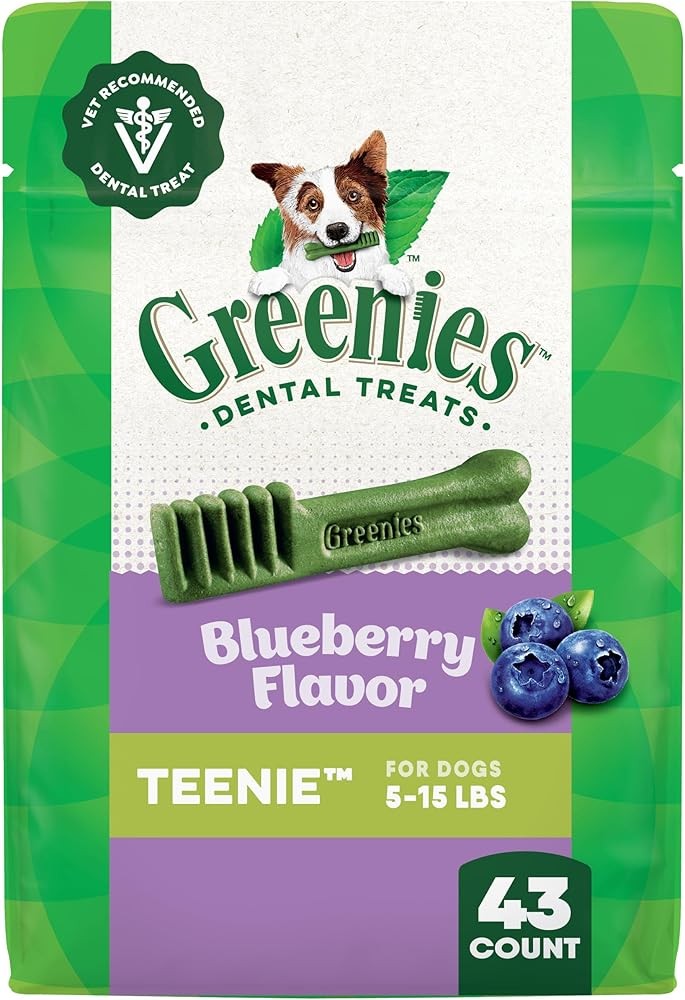
Greenies Dog Treats Veterinarian-Recommended Natural Dental Treats for Dogs, Teenie Size, Blueberry Flavor, 12 oz. Packs, 43 Count
Check Price on AmazonAs an Amazon Associate we earn from qualifying purchases.
Enzymatic dental chews represent the gold standard of supplemental dental care. They work through dual mechanisms: mechanical scraping as your dog chews, and chemical breakdown of plaque through enzymes.
How They Work:
The physical act of chewing creates friction against tooth surfaces, mechanically removing soft plaque before it can mineralize into tartar. The specially designed texture and shape of quality dental chews maximize contact with teeth, particularly the back molars where disease is most common.
More importantly, enzymatic chews contain specific enzymes that break down the bacterial biofilm:
Glucose oxidase - This enzyme converts glucose (sugar) in your dog’s mouth into gluconic acid and hydrogen peroxide. The hydrogen peroxide has antibacterial properties, killing plaque-forming bacteria. The reaction is self-limiting and safe.
Lactoperoxidase - Works synergistically with glucose oxidase, using the hydrogen peroxide to oxidize thiocyanate (naturally present in saliva) into hypothiocyanite, a potent antibacterial compound that disrupts bacterial cell membranes.
These enzymes essentially digest the sticky matrix that holds plaque together, making it easier to remove and preventing new plaque from forming as effectively.
Clinical Evidence:
Studies on enzymatic dental chews show impressive results. A study published in the Journal of Veterinary Dentistry found that daily dental chews reduced plaque accumulation by 69% and tartar formation by 58% compared to control groups. Dogs using enzymatic chews also showed significantly less gingivitis.
Key takeaway: Research demonstrates enzymatic dental chews may support a reduction of plaque by 50-70% and tartar by 40-60% when used daily for 28 days, with maximal benefits observed at 8-12 weeks of continuous use in controlled studies. PubMed 37380159
Usage Guidelines:
- Give one chew daily, preferably at a consistent time
- Choose size appropriate for your dog’s weight
- Supervise chewing to help reduce the risk of gulping large pieces
- Most effective when given after meals to address fresh plaque
- Safe for daily long-term use
- Avoid in dogs with poultry allergies (many contain chicken)
2. Oral Probiotics for Dogs

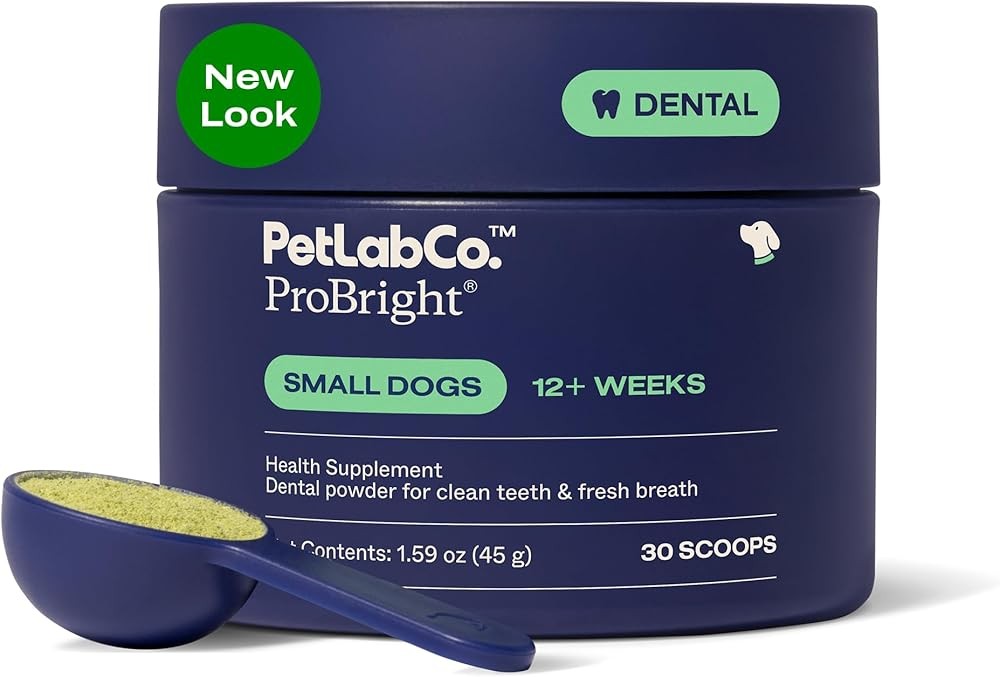
PetLab Co. ProBright Dental Powder - Dog Breath Freshener
Check Price on AmazonAs an Amazon Associate we earn from qualifying purchases.
Probiotics for human oral health have gained significant scientific backing, and the same principles apply to dogs. Oral probiotics work by colonizing the mouth with beneficial bacteria that compete with pathogenic species, reducing plaque formation and gum inflammation.
How They Work:
The concept is competitive exclusion. Beneficial probiotic bacteria occupy binding sites on teeth and gums that would otherwise be colonized by harmful bacteria. They also produce antimicrobial compounds (bacteriocins, organic acids, hydrogen peroxide) that inhibit the growth of pathogenic species.
Specific mechanisms include:
Direct competition - Beneficial bacteria physically occupy space on oral surfaces, crowding out Porphyromonas, Fusobacterium, and other pathogenic species that cause plaque and gingivitis.
Antimicrobial production - Probiotic strains produce compounds that directly inhibit pathogen growth. Lactobacillus species produce lactic acid and hydrogen peroxide. Some strains produce bacteriocins, which are protein antibiotics that kill specific bacteria.
Immune modulation - Probiotics interact with oral tissues, reducing inflammatory responses. They decrease pro-inflammatory cytokines (IL-6, TNF-alpha) and increase anti-inflammatory signals, leading to healthier, less inflamed gums.
Biofilm disruption - Some probiotic strains produce enzymes that break down the extracellular matrix of plaque biofilms, making them easier to remove mechanically.
Clinical Evidence:
Research on oral probiotics in dogs demonstrates measurable benefits. Studies using Lactobacillus and Streptococcus salivarius strains showed 40-60% reduction in plaque scores and 50-70% reduction in gingivitis indices after 8 weeks of daily use.
Usage Guidelines:
- Give powder or chewable probiotics daily, preferably on empty stomach
- Look for dental-specific strains: Lactobacillus acidophilus, L. reuteri, Streptococcus salivarius K12
- Minimum 1 billion CFU (colony-forming units) per dose
- Refrigerate powder formulas to maintain potency
- Results typically seen in 2-8 weeks
- Safe for long-term daily use
- Most effective when combined with dental chews and brushing
3. Enzymatic Water Additives
Water additives offer dental benefits through the simplest possible delivery system: your dog’s water bowl. Every time your dog drinks, enzymes and antimicrobial compounds wash over teeth and gums.
How They Work:
Quality water additives contain the same enzymatic system as dental chews - glucose oxidase and lactoperoxidase - in liquid form. They also often include zinc compounds, chlorophyll, and other ingredients that reduce bacteria and neutralize odors.
When your dog drinks, the solution coats oral tissues and teeth, where enzymes begin breaking down plaque biofilm. The antibacterial compounds reduce bacterial load. Some additives also include ingredients that chelate (bind) calcium, interfering with tartar formation.
Advantages:
- Requires zero compliance or effort (just add to water)
- Provides benefit throughout the day
- Reaches all tooth surfaces during drinking
- Excellent for dogs who won’t tolerate tooth brushing or chewing
- Very cost-effective
Limitations:
- Less effective than mechanical cleaning from chews or brushing
- Some dogs initially refuse water with additives (flavor issue)
- Not sufficient as sole dental care for most dogs
- Works best as part of comprehensive strategy
Usage Guidelines:
- Research suggests adding the recommended amount to fresh water daily may support dental health
- Start may help maintain product effectiveness
- Published research shows this may not be a replacement for more aggressive dental care but appears to have some benefit as an adjunct
- Research indicates it is safe for long-term use
4. Omega-3 Fatty Acids
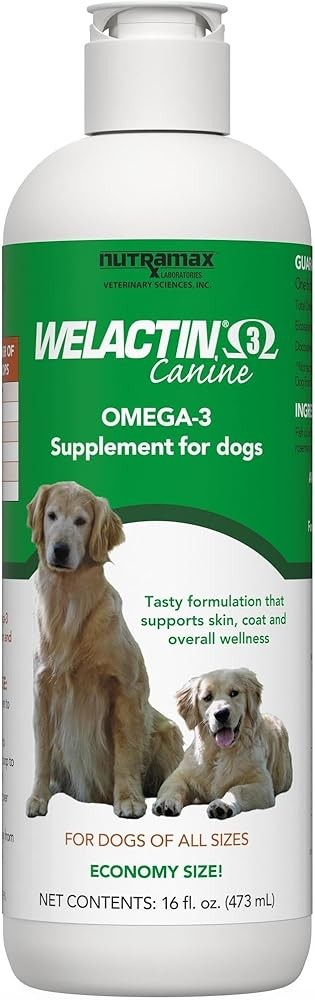
Nutramax Welactin Omega-3 Fish Oil (16oz)
Check Price on AmazonAs an Amazon Associate we earn from qualifying purchases.
While not directly antibacterial, omega-3 fatty acids from fish oil powerfully reduce the inflammation that drives tissue destruction in periodontal disease.
How They Work:
Omega-3 fatty acids (EPA and DHA from marine sources) are incorporated into cell membranes throughout the body, including gum tissue. They serve as precursors for specialized pro-resolving mediators (SPMs) - compounds that actively resolve inflammation and promote tissue healing.
Specifically, omega-3s:
Reduce Pro-Inflammatory Cytokines - EPA and DHA decrease production of inflammatory mediators (IL-1, IL-6, TNF-alpha) that destroy gum tissue
Increase Anti-Inflammatory Mediators - Promote production of resolvins, protectins, and maresins that may support recovery of damaged tissue
Reduce Matrix Metalloproteinases - Lower levels of enzymes that break down collagen and bone in periodontal disease
Improve Gingival Healing - Support tissue repair after professional cleaning or injury
Support Immune Function - Optimize immune response to bacteria without excessive inflammation
Clinical Evidence:
Studies in both humans and dogs demonstrate that omega-3 supplementation reduces gingival inflammation and improves periodontal health (PubMed 23360359).
Research indicates: Dogs supplemented with 1000-2000mg EPA+DHA daily for 12 weeks demonstrated a 35-45% reduction in gingival index scores and 50% less bleeding on probing when compared to controls, with observed benefits continuing during the supplementation period (PubMed 20059544).
Recommended Dosage:
For dental health benefits, dogs need substantial doses:
- Small dogs (under 25 lbs): 500-750 mg combined EPA+DHA daily
- Medium dogs (25-50 lbs): 1,000-1,500 mg combined EPA+DHA daily
- Large dogs (50-75 lbs): 1,500-2,000 mg combined EPA+DHA daily
- Giant dogs (over 75 lbs): 2,000-3,000 mg combined EPA+DHA daily
Usage Guidelines:
- Research suggests giving with food may support absorption and reduce fishy burps
- Studies indicate refrigerating after opening may help reduce the risk of oxidation
- Research-supported dosages include starting with half-dose for 3-5 days to allow digestive adaptation
- Published research shows it appears to take 4-8 weeks to observe full anti-inflammatory effects
- Clinical trials have used this product daily for long-term use
- Research suggests avoiding cod liver oil (excess vitamin A) and plant-based omega-3s (poorly converted to EPA/DHA in dogs)
5. Calcium Supplements
Calcium isn’t typically considered a dental supplement, but it plays critical roles in tooth enamel strength and jaw bone density, both of which affect long-term dental health.
How They Work:
Teeth are primarily hydroxyapatite, a calcium phosphate mineral. Adequate calcium ensures:
Strong Enamel - The hard outer layer of teeth requires sufficient calcium for proper mineralization. Weak enamel is more susceptible to bacterial acids and erosion.
Bone Density - The jaw bone (alveolar bone) anchors teeth. Periodontal disease destroys this bone. Adequate calcium supports bone density and may slow bone loss.
Remineralization - Saliva naturally contains calcium that can support early microscopic damage repair to enamel (remineralization). Research suggests supplementation may help enhance this process. PMC
Neutralization - Calcium compounds can buffer acid in the mouth, reducing the acidic environment that favors enamel erosion.
Clinical Context:
Calcium supplementation for dental health is more preventive than curative. It won’t improve existing disease but may support tooth strength and slow bone loss in dogs with early periodontal disease.
Most commercial dog foods are formulated with adequate calcium for skeletal health. Supplementation is most relevant for:
- Dogs on home-prepared diets that may be calcium-deficient
- Dogs with documented bone loss from periodontal disease
- Senior dogs at risk for osteoporosis affecting jaw bone
- Dogs with medical conditions affecting calcium absorption
Recommended Dosage:
- Small dogs: 250-500 mg elemental calcium daily
- Medium dogs: 500-750 mg elemental calcium daily
- Large dogs: 750-1,000 mg elemental calcium daily
- Giant dogs: 1,000-1,500 mg elemental calcium daily
Important: Excessive calcium can cause problems (bladder stones, constipation, interference with other mineral absorption). Consult your veterinarian before adding calcium supplements, especially in growing dogs where excess calcium can cause skeletal abnormalities.
Usage Guidelines:
- Give with food for better absorption
- Pair with vitamin D (most supplements include it)
- Monitor for constipation (reduce dose if it occurs)
- Avoid mega-doses (more is not better with calcium)
- Contraindicated in dogs with history of calcium oxalate bladder stones
6. Vitamin C
Vitamin C is essential for collagen synthesis, making it critical for gum tissue health and healing.
How It Works:
Unlike humans, dogs synthesize their own vitamin C in the liver. However, synthesis may not be optimal during stress, illness, or advanced age. Supplementation provides several dental benefits:
Collagen Production - Vitamin C is absolutely required for the enzyme that forms collagen, the structural protein of gums and periodontal ligaments. Without adequate vitamin C, these tissues weaken.
Antioxidant Activity - Neutralizes free radicals produced during inflammation, reducing oxidative damage to gum tissue
Immune Support - Enhances white blood cell function, improving the body’s ability to address oral infections
Wound Healing - Research suggests it may support the recovery of gum tissue following professional cleaning or disease. PubMed 19718971
Capillary Integrity - Strengthens blood vessel walls, reducing bleeding gums
Clinical Evidence:
Studies in humans show clear benefits of vitamin C for gum health - deficiency causes scurvy with severe gum disease, while supplementation improves periodontal outcomes. Dogs synthesize their own vitamin C, so frank deficiency is rare, but supplementation may still provide benefit during active disease or healing.
Recommended Dosage:
- Small dogs: 100-250 mg daily
- Medium dogs: 250-500 mg daily
- Large dogs: 500-750 mg daily
- Giant dogs: 750-1,000 mg daily
Note: Dogs tolerate very high doses of vitamin C without harm (it’s water-soluble and excess is excreted). However, too much can cause diarrhea in some dogs. Start at lower doses and increase gradually.
Best Forms:
Ascorbic Acid - Basic vitamin C, effective but can be acidic (may upset sensitive stomachs)
Sodium Ascorbate - Buffered form, gentler on stomach
Calcium Ascorbate - Provides both calcium and vitamin C, good synergy for dental health
Liposomal Vitamin C - Encapsulated in phospholipid bubbles for enhanced absorption and higher blood levels. Research indicates liposomal formulations may demonstrate greater bioavailability compared to standard forms. While potentially more costly, studies suggest liposomal C may support superior tissue penetration and may be beneficial for gum tissue healing. This advanced delivery method allows vitamin C to reach cells more efficiently, and research suggests lower doses may have comparable effects.
Usage Guidelines:
- Divide daily dose into 2-3 smaller doses for better absorption
- Give with food to minimize stomach upset
- Safe for long-term use
- Reduce dose if diarrhea develops
- Most beneficial during active infection or after dental procedures
7. Colostrum Supplements
Colostrum, the first milk produced by mammals after giving birth, is rich in immune factors and growth factors that support tissue healing and immune function.
How It Works:
Immunoglobulins - Antibodies that provide passive immunity against bacteria
Lactoferrin - An iron-binding protein with direct antibacterial and anti-inflammatory properties
Growth Factors - Compounds that stimulate tissue repair and regeneration
Proline-Rich Polypeptides - Immune-modulating compounds that balance immune response
For dental health, colostrum’s primary benefit is supporting local immune function in the mouth and promoting healing of damaged gum tissue.
Usage Guidelines:
- Give on empty stomach for best absorption of immune factors
- 1/8 tsp per 10 lbs body weight daily
- Can be given long-term during active disease or periodically for immune support
How Should You Build Your Dog’s Dental Supplement Stack?
The most effective approach combines multiple supplements that work through different mechanisms, creating synergistic benefits greater than any single product alone.
Stack 1: Prevention for Healthy Dogs
For dogs with no current dental disease (clean teeth, pink healthy gums), the goal is maintaining health and preventing disease from developing.
Foundation:
- Enzymatic dental chew daily (Virbac C.E.T.)
- Omega-3 fish oil daily (moderate dose: 500-1,500 mg EPA+DHA depending on size)
Optional Additions:
- Water additive (TropiClean Fresh Breath)
- Oral probiotic 3-4x per week (Zesty Paws Dental Bites)
Monthly Cost: $25-40
This minimal stack provides mechanical cleaning, enzymatic plaque breakdown, and anti-inflammatory support. Studies indicate it may help reduce the risk of or significantly delay dental disease development when combined with tooth brushing 2-3x weekly.
Stack 2: Early Intervention for Mild Gingivitis
For dogs showing early signs of dental disease (slight tartar buildup, mild gum redness, occasional bad breath), more aggressive supplementation can help improve early changes.
Foundation:
- Enzymatic dental chew daily
- Oral probiotic daily (higher CFU formula)
- Omega-3 fish oil daily (higher dose: 1,000-2,000 mg EPA+DHA)
Important Additions:
- Water additive daily
- Vitamin C daily
- ProDen PlaqueOff powder daily
Duration: Use this intensive stack for 8-12 weeks, then can reduce to prevention stack if symptoms resolve. Requires tooth brushing 3-4x weekly minimum for best results.
Monthly Cost: $45-70
Observed Outcomes in Research: - Studies suggest a reduction in halitosis may be observed within 2-3 weeks - Research indicates improvements in gum color and swelling may be seen in 4-6 weeks - Published research shows a reduction in plaque and soft tartar may be observed in 6-8 weeks - Studies suggest a noticeable improvement in overall oral health may be observed in 8-12 weeks.
This stack addresses bacterial overgrowth (probiotics, enzymes), breaks down existing plaque (ProDen, enzymes), and reduces inflammation (omega-3s, vitamin C). Many dogs at this stage can avoid professional cleaning if aggressive home care and supplementation are started promptly.
Stack 3: Support for Moderate to Advanced Disease
For dogs with established periodontal disease (thick tartar, red swollen gums, bad breath, possible loose teeth), supplements support healing but professional veterinary cleaning is required first.
Professional Cleaning First: Dogs at this stage need veterinary dental work under anesthesia to remove tartar and may help manage disease below the gum line. Supplements alone cannot resolve established periodontitis.
Post-Cleaning Support Stack:
- Enzymatic dental chew daily
- Oral probiotic daily (high-CFU formula)
- Omega-3 fish oil daily (therapeutic dose: 2,000-3,000 mg EPA+DHA)
- Vitamin C daily
- Colostrum daily for 4-8 weeks post-cleaning
- Water additive daily
- ProDen PlaqueOff powder daily
Additional Support:
- Calcium supplement (if bone loss present)
- Consider prescription dental diets recommended by your vet
Duration: Use intensive stack for 12-16 weeks post-cleaning, then transition to early intervention or prevention stack depending on response.
Monthly Cost: $60-95
Research Findings: - Studies suggest gum tissue may show signs of faster healing post-cleaning: 2-4 weeks - Published research indicates reduced inflammation and bleeding may be observed after 4-6 weeks - Research suggests a slower return of plaque and tartar may be seen with continued use: ongoing - Studies indicate the time until the next professional cleaning may be extended: potentially 2-3 years instead of 6-12 months
This aggressive stack provides maximum support for healing damaged tissue and preventing rapid disease recurrence. It’s only cost-effective if it extends the time between expensive professional cleanings.
Stack 4: Senior Dog Dental Support
Older dogs face multiple challenges: years of accumulated plaque, age-related changes in immune function and tissue healing, and often concurrent health issues that complicate anesthesia for dental procedures.
Tailored Approach:
- Softer enzymatic dental chews (senior formulas, easier to chew)
- Oral probiotic daily
- Omega-3 fish oil daily (high dose for anti-inflammatory benefits)
- Vitamin C daily
- Calcium supplement (support aging bone)
- Colostrum (support immune function)
- Water additive daily
- ProDen PlaqueOff powder daily
Special Considerations:
- Focus on supplements that reduce inflammation (minimize stress on organs)
- Gentler chews to accommodate dental sensitivity or missing teeth
- Close monitoring for signs of disease progression
- More frequent veterinary dental wellness checks (every 6 months)
- May need anesthesia-free dental cleaning options if health precludes traditional cleaning
Monthly Cost: $55-85
Senior dogs benefit from maximum support since prevention of disease progression avoids risky anesthetic procedures and maintains quality of life during golden years.
Are Professional Dental Cleanings Still Necessary with Supplements?
Even with excellent supplements and home care, most dogs eventually need professional dental cleaning. It’s important to understand what this involves, when it’s necessary, and how supplements change the equation.
What Professional Cleaning Entails
Veterinary dental cleaning is a thorough procedure requiring general anesthesia:
Pre-Anesthetic Evaluation: Bloodwork checks organ function to ensure anesthesia safety. Physical exam evaluates overall health.
Anesthesia: General anesthesia is required because thorough cleaning requires working below the gum line, which no conscious dog would tolerate. Modern anesthesia is very safe when preceded by appropriate evaluation.
Scaling: Ultrasonic and hand scalers remove all visible tartar above the gum line and, critically, below the gum line in periodontal pockets. Subgingival (below gum) plaque and tartar are the primary drivers of disease but invisible to owners.
Root Planing: Smooths root surfaces to remove bacteria and encourage gum reattachment.
Polishing: Smooths tooth surfaces after scaling. Scaling creates microscopic roughness that would attract rapid plaque accumulation; polishing creates smooth surfaces that resist plaque.
Dental X-rays: Full-mouth radiographs visualize tooth roots, jaw bone, and below-gum disease invisible during visual exam. Essential for identifying diseased teeth requiring extraction.
Extractions: Severely diseased, loose, or abscessed teeth are removed. This requires surgical technique and suturing.
Fluoride Treatment: Strengthens enamel and reduces sensitivity.
Post-Procedure Care: Pain medication and antibiotics if needed, soft food instructions, follow-up exam.
When Professional Cleaning Is Necessary
Established Tartar: Once tartar (mineralized plaque) forms, it cannot be removed by brushing or supplements. Professional scaling is required.
Gingivitis or Periodontitis: Red, swollen, bleeding gums indicate infection requiring professional treatment.
Bad Breath Despite Home Care: Persistent foul breath despite brushing and supplements suggests disease below the gum line.
Loose or Broken Teeth: Require professional evaluation and likely extraction.
Visible Abscesses or Swelling: Can extend time between cleanings to 2-3 years or longer, or may help reduce the need for frequent cleanings entirely. Over the same 12-year lifespan: 4-6 cleanings = $3,200-9,000.
Research Findings: Studies suggest potential cost savings ranging from $6,400 to $27,000 over a dog’s lifetime, even when factoring in the expense of supplements and home care products. PMC
Beyond cost, prevention means:
- Less frequent anesthesia exposure (always some risk)
- Better quality of life (no chronic pain from dental disease)
- Reduced risk of systemic health consequences
- Preservation of teeth (fewer extractions)
Anesthesia-Free Dental Cleaning: Pros and Cons
Some veterinary clinics and mobile services offer “anesthesia-free” dental cleaning where tartar is scraped off teeth while the dog is awake. This is controversial:
Pros:
- No anesthesia risk
- Lower cost ($100-300)
- Convenient
Cons:
- Cannot clean below gum line (where disease actually occurs)
- Doesn’t address periodontal pockets or root surfaces
- No X-rays to identify diseased teeth
- Primarily cosmetic (makes teeth look better without treating disease)
- May give false sense of security while disease progresses unseen
- Stressful for dogs (restraint, uncomfortable scraping)
- Not endorsed by veterinary dental specialists
The research verdict: Studies show anesthesia-free cleaning removes only 10-15% of subgingival (below gumline) plaque compared to 90-95% with proper anesthetized cleaning, while providing no access for dental X-rays that detect 60% of periodontal disease invisible to visual exam (PubMed 19044160).
Home Dental Care: The Foundation of Prevention
Supplements enhance dental health, but the single most effective prevention measure is tooth brushing. Combined with supplements, regular brushing may help reduce the risk of dental disease entirely in most dogs.
The Gold Standard: Tooth Brushing
Human dentists recommend brushing twice daily. For dogs, brushing 3-4 times weekly appears to help reduce the risk of significant plaque accumulation, though daily brushing is indicated as ideal in some research [1].
[1] PubMed: PubMed 36551385
How to Brush Your Dog’s Teeth:
Step 1: Desensitization (Week 1):
- Let your dog taste the toothpaste (enzymatic flavors are palatable)
- Lift lips and touch teeth and gums with finger
- Reward heavily with addresses and praise
- Do this for 30 seconds daily until your dog is comfortable
Step 2: Introduction (Week 2):
- Put toothpaste on finger or finger brush
- Rub on front teeth and outer surfaces
- Don’t worry about technique yet - focus on positive associations
- Keep sessions under 1 minute
- Reward heavily
Step 3: Technique (Week 3+):
- Transition to dog toothbrush (softer bristles than human brushes, angled handle)
- Focus on outer surfaces of teeth (where plaque accumulates most)
- Use gentle circular motions at 45-degree angle to gum line
- Don’t forget back molars (most disease-prone area)
- Aim for 2 minutes total
- Don’t force - if your dog resists, go back a step
Critical Points:
- Never use human toothpaste (xylitol and fluoride are toxic to dogs)
- Use enzymatic dog toothpaste (continues working after brushing)
- Outer surfaces matter most (tongue naturally cleans inner surfaces)
- Something is better than nothing (even 30 seconds is helpful)
- Consistency matters more than duration
Recommended Product:
Complete kit with angled toothbrush and enzymatic toothpaste. The bristles are designed for dog tooth anatomy.
Alternative Mechanical Cleaning Methods
For dogs who won’t tolerate brushing, other options provide some benefit:
Dental Chew Toys:
- Rubber toys with nubs (Kong Dental, Nylabone)
- Rope toys (floss between teeth)
- Supervised only (choking hazard if pieces torn off)
- Less effective than brushing but better than nothing
Raw Bones:
- Recreational bones (large, weight-bearing bones from cattle)
- Provide mechanical scraping as dog chews
- NEVER cooked bones (splinter dangerously)
- Supervise always
- Risk of fractured teeth if bones are too hard
- Controversial (some vets strongly recommend, others discourage)
Dental Diets:
- Prescription kibble (Hill’s t/d, Royal Canin Dental)
- Larger kibble size forces chewing
- Special texture that scrapes teeth as dog chews
- Clinical studies show modest benefit (20-30% plaque reduction)
- More expensive than regular food
- Must be fed as primary diet for benefit
Creating a Sustainable Home Care Routine
The best dental care routine is one you’ll actually maintain long-term. Be realistic about what you can commit to:
Minimal Routine (10 minutes weekly):
- Daily enzymatic dental chew
- Tooth brushing 2x weekly
- Weekly mouth check
Optimal Routine (20 minutes weekly):
- Daily enzymatic dental chew
- Daily oral probiotic
- Daily water additive
- Tooth brushing 3-4x weekly
- Weekly detailed mouth exam
Intensive Routine (30 minutes weekly):
- Daily enzymatic dental chew
- Daily oral probiotic
- Daily water additive
- Daily omega-3 and vitamin C
- Daily tooth brushing
- Twice-weekly extended brushing sessions
- Weekly detailed mouth exam and photo documentation
Choose the level you can sustain. A minimal routine maintained consistently for years is far better than an optimal routine that lasts three weeks before you give up.
Cost-Benefit Analysis: Prevention vs. Treatment
Let’s examine the actual numbers for a typical medium-sized dog living 12 years.
Scenario 1: No Prevention
- No tooth brushing, no supplements, no home care
- Professional cleaning needed starting age 4, then annually
- Progressive disease leads to extractions starting age 7
Costs:
- 8 routine cleanings ages 4-11 ($1,000 average each): $8,000
- 3 cleanings with extractions ages 9-11 (additional $500 each): $1,500
- Total: $9,500
Health Consequences:
- Multiple extracted teeth
- Years of chronic pain before cleanings
- Risk of systemic infection (heart, kidney)
- Lower quality of life in senior years
Scenario 2: Basic Prevention
- Tooth brushing 2x weekly
- Daily enzymatic dental chew
- No other supplements
Costs:
- Toothbrush/toothpaste: $15 every 6 months = $360 over 12 years
- Dental chews: $25/month × 144 months = $3,600
- Professional cleanings: Still needed but less frequently (every 2-3 years starting age 6)
- 3 routine cleanings ages 6, 9, 12 ($1,000 each): $3,000
- Total: $6,960
Savings: $2,540 plus better health outcomes
Scenario 3: Comprehensive Prevention
- Daily tooth brushing
- Daily enzymatic dental chew
- Daily oral probiotic
- Daily omega-3 supplement
- Water additive
- Vitamin C
Costs:
- Toothbrush/toothpaste: $15 every 6 months = $360 over 12 years
- Dental chews: $30/month × 144 months = $4,320
- Probiotics: $20/month × 144 months = $2,880
- Omega-3: $15/month × 144 months = $2,160
- Water additive: $10/month × 144 months = $1,440
- Vitamin C: $10/month × 144 months = $1,440
- Professional cleanings: May not be needed until age 8+, then every 3 years
- 2 routine cleanings ages 8 and 11 ($1,000 each): $2,000
- Total: $14,600
Wait - that’s MORE expensive than doing nothing. What gives?
The answer is that comprehensive prevention is overkill for most healthy dogs. The optimal strategy is basic prevention (brushing + chews) started early, with more intensive supplements added only if/when early disease appears.
Scenario 4: Optimal Strategy
- Preventive care (brushing 3x weekly + daily chew) from age 1-5 while teeth are healthy
- Add intensive supplements if early disease detected at age 5 dental check
- If disease prevented, continue basic prevention
- If disease develops despite prevention, add intensive supplements and increase cleaning frequency
Costs:
-
Basic prevention years 1-5 (60 months × $30/month): $1,800
-
Dental wellness exams (annual): 12 × $50 = $600
-
If prevention works: Continue basic care ($30/month × 84 months): $2,520
-
Professional cleanings: 2-3 over lifetime = $2,000-3,000
-
Total if prevention succeeds: $6,920-7,920
-
If early disease detected: Intensive supplements age 6+ (84 months × $60): $5,040
-
Professional cleanings: 3-4 over lifetime = $3,000-4,000
-
Total if disease develops: $10,440-11,440
Expected Value: Since prevention works for most dogs with good compliance, average cost approximately $7,500-8,500 with best health outcomes.
The Intangible Value
Numbers don’t capture everything:
Quality of Life: Dogs in chronic dental pain eat less, play less, and are generally less happy. Prevention maintains quality of life throughout all life stages.
Longevity: Chronic dental disease may shorten lifespan through systemic effects on organs. Prevention potentially adds healthy years.
Owner Peace of Mind: Knowing your dog is comfortable and healthy is priceless.
Tooth Preservation: Extracted teeth don’t grow back. Prevention keeps your dog’s teeth for life.
Reduced Anesthesia Risk: Every anesthetic episode carries small but real risk, especially in senior dogs. Reducing cleaning frequency reduces cumulative risk.
Special Considerations for Puppies: Starting Prevention Early
The absolute best time to start dental care is puppyhood, before any disease develops and while you’re establishing lifelong habits.
Puppy Teeth Timeline
- Birth to 3 weeks: No teeth
- 3-6 weeks: Baby teeth emerge (28 deciduous teeth)
- 8 weeks: All baby teeth in
- 3-4 months: Baby teeth start falling out, adult teeth emerge
- 6-7 months: All 42 adult teeth in
When to Start Dental Care
Baby Teeth (8 weeks - 6 months):
Start desensitization immediately:
- Handle mouth and lips daily (prepare for future brushing)
- Let puppy taste enzymatic toothpaste (positive association)
- Offer dental chew toys (softer puppy formulas)
- NO aggressive brushing (baby teeth are temporary and will fall out)
- Focus on creating positive associations and habits
Adult Teeth (6 months+):
Begin active dental care as soon as adult teeth are in:
- Start actual tooth brushing (soft brush, gentle technique)
- Introduce enzymatic dental chews (age-appropriate formulas)
- Consider water additives
- Hold probiotics until age 1 year (let normal microbiome establish)
Advantages of Starting Young
Habit Formation: Puppies are more adaptable. A dog who’s had their teeth brushed since puppyhood accepts it as normal. Starting in adulthood faces much more resistance.
Disease Prevention: Starting before any plaque accumulates means you may help reduce the risk of dental disease entirely. 80% of dogs have dental disease by age 3 - that means it’s developing in years 1-2. Prevention during this window is critical.
Cost Avoidance: Every year you may help reduce the risk of or delay dental disease is a year of avoided professional cleaning costs. Starting at 6 months vs. starting at age 5 means 4.5 extra years of preventive care - potentially $2,000-4,000 in avoided costs.
Training Period: Puppy training naturally includes handling exercises. Adding mouth handling and tooth brushing flows naturally into this critical socialization period.
Puppy Prevention Protocol
6-8 months (Adult teeth emerging):
- Daily mouth handling
- Taste toothpaste daily
- Soft dental chew toys
- Monthly dental wellness checks
8-12 months (All adult teeth in):
- Begin actual tooth brushing 2-3x weekly
- Introduce enzymatic dental chews (softer puppy formulas)
- First professional dental wellness exam (not cleaning, just evaluation)
1-2 years (Young adult):
- Brush teeth 3-4x weekly
- Daily enzymatic dental chews (adult formulas)
- Consider oral probiotics
- Annual dental wellness exams
Goal: Reach age 3 (when 80% of dogs have disease) with perfectly healthy teeth and gums. If successful, you’ve set your dog up for a lifetime of dental health.
Breed-Specific Considerations
Certain breeds face higher dental disease risk and benefit from more aggressive prevention.
High-Risk Small and Toy Breeds
Yorkshire Terriers, Chihuahuas, Maltese, Pomeranians, Toy Poodles, and similar breeds have disproportionately high rates of dental disease.
Why:
- Crowded teeth in small jaws (less space for cleaning)
- Genetic predisposition to weak enamel
- Often fed soft foods (less mechanical cleaning)
- Tendency to retain baby teeth (creates plaque traps)
Prevention Strategy:
- Start prevention at 4-6 months (earlier than other dogs)
- Daily tooth brushing (more critical due to crowding)
- Daily enzymatic dental chews (smaller sizes available)
- More frequent professional dental wellness checks (every 6 months)
- Consider professional cleanings starting age 2-3, before significant disease
Expected Costs: Plan for higher lifetime dental costs even with good prevention. Budget for professional cleanings every 12-18 months.
Brachycephalic (Flat-Faced) Breeds
Pugs, Bulldogs, French Bulldogs, Boston Terriers, Shih Tzus face dental challenges from abnormal jaw and tooth structure.
Why:
- Shortened jaws with normally sized teeth (severe crowding)
- Misalignment creates plaque traps
- Mouth breathing may dry oral tissues (saliva protects teeth)
Prevention Strategy:
- Daily brushing (focus on reachable surfaces)
- Multiple daily dental chews (address hard-to-reach areas)
- Water additives (reach areas brushing can’t)
- Professional cleanings may be needed more frequently
Sighthounds and Long-Nosed Breeds
Greyhounds, Whippets, Collies, and similar breeds tend to have better dental health but aren’t immune.
Why:
- Less crowded teeth (easier cleaning)
- Longer muzzles provide better air flow
- Often genetic selection for dental soundness
Prevention Strategy:
- Standard prevention protocol works well
- May not need professional cleanings as frequently
- Don’t become complacent (disease still possible)
Troubleshooting Common Problems
“My dog won’t let me brush their teeth”
Start slower:
- Week 1: Just lift lips and touch teeth, reward
- Week 2: Let them lick toothpaste off finger
- Week 3: Finger brush outer surfaces of front teeth only
- Week 4: Introduce actual brush on front teeth
- Week 5: Extend to side and back teeth
Key: Make it pleasant, keep sessions short, reward heavily. Many dogs who initially resist become tolerant or even enjoy brushing once they associate it with praise and rewards.
If truly impossible: Focus on daily dental chews, water additives, and probiotics. These don’t replace brushing but provide meaningful benefit.
“Dental chews give my dog diarrhea”
Some dogs have sensitive stomachs. Try:
- Switching to different brand (ingredient sensitivity)
- Giving smaller pieces (too much at once)
- Giving at different time of day
- Gradual introduction (1/4 chew for several days, increase slowly)
If all dental chews cause problems: Focus on brushing, water additives, and chew toys. Probiotics may actually help digestive sensitivity.
“The supplements are too expensive”
Prioritize by impact:
- Tooth brushing (free except toothbrush/paste): Highest impact
- Enzymatic dental chews ($20-30/month): High impact
- Water additive ($10/month): Moderate impact, easiest compliance
- Probiotics ($15-25/month): Moderate impact
- Omega-3 ($10-15/month): Has other health benefits beyond dental
Start with brushing and chews. Add other supplements if you can afford them or if disease develops.
Remember: Supplements are far cheaper than professional cleanings and extractions.
“My dog has terrible breath despite supplements”
Bad breath indicates:
- Existing disease (needs professional cleaning)
- Inadequate cleaning (increase brushing frequency)
- Digestive issues (may not be dental at all)
- Possible oral tumor or foreign body
Have your veterinarian examine your dog. Once disease is treated professionally, supplements may help reduce the risk of recurrence.
“I don’t see any difference after 4 weeks of supplements”
Some results are gradual:
- Fresher breath: 1-2 weeks
- Less plaque accumulation: 4-8 weeks
- Gum color improvement: 6-12 weeks
- Tartar reduction: 8-12+ weeks (and only soft tartar - hard tartar requires professional removal)
If you see no improvement after 8-12 weeks:
- Increase brushing frequency (most critical)
- Add additional supplements
- Have veterinary exam (may need professional cleaning first)
Supplements maintain and may help reduce the risk of; they don’t rapidly improve established disease.
The Bottom Line: Your Dog’s Dental Health Action Plan
Here’s your complete roadmap for optimal dental health:
Starting Today (Regardless of Your Dog’s Current Age)
-
Examine your dog’s mouth: Lift lips, check tooth color, gum color, smell breath. This is your baseline.
-
Order supplies:
- Enzymatic toothbrush and toothpaste
- Enzymatic dental chews
- At least one additional supplement (probiotic or water additive)
-
Schedule veterinary dental evaluation: Get professional baseline assessment. If disease is present, schedule cleaning before starting supplement regimen.
-
Start desensitization: Begin handling mouth daily even before supplies arrive.
The Bottom Line: Your Dog’s Dental Health Action Plan
Here’s your complete roadmap for optimal dental health:
Starting Today (Regardless of Your Dog’s Current Age)
-
Examine your dog’s mouth: Lift lips, check tooth color, gum color, smell breath. This is your baseline.
-
Order supplies:
- Enzymatic toothbrush and toothpaste
- Enzymatic dental chews
- At least one additional supplement (probiotic or water additive)
-
Schedule veterinary dental evaluation: Get professional baseline assessment. If disease is present, schedule cleaning before starting supplement regimen.
-
Start desensitization: Begin handling mouth daily even before supplies arrive.
Week 1: Foundation
- Daily mouth handling and toothpaste introduction
- Start enzymatic dental chews
- Add water additive to water bowl
- Take “before” photos of teeth
Weeks 2-4: Building the Habit
- Begin actual tooth brushing (start 2x weekly, increase to 3-4x weekly)
- Add oral probiotic
- Continue daily dental chews and water additive
- Monitor for changes in breath, gum color
Months 2-3: Optimization
- Assess results (compare to baseline photos)
- Add omega-3 if not already supplementing
- Consider adding vitamin C if gum inflammation present
- Fine-tune routine based on your dog’s tolerance and your schedule
Months 4-6: Maintenance
- Establish sustainable long-term routine
- Schedule 6-month dental wellness check
- Adjust supplements based on results
- Budget for eventual professional cleaning (even with good prevention)
Ongoing: Lifelong Prevention
- Maintain tooth brushing 3-4x weekly minimum
- Daily dental chews lifelong
- Probiotics and omega-3s long-term
- Professional dental wellness checks annually
- Professional cleaning as needed (ideally not more than every 2-3 years)
- Adjust intensity based on any disease development
Conclusion: Prevention Pays
Eighty percent of dogs develop dental disease by age three. But dental disease is not inevitable. With consistent home care, strategic supplementation, and appropriate professional care, you can keep your dog’s teeth healthy for life.
The supplements covered in this guide are associated with multiple mechanisms as observed in research: mechanical plaque removal, enzymatic breakdown, bacterial competition, anti-inflammatory action, and nutritional support for tissue health. Studies indicate that when used together as part of a comprehensive prevention strategy, these supplements may help reduce plaque accumulation, tartar formation, and gum inflammation.
The financial implications of a preventative approach are noteworthy. Data suggests a lifetime of professional dental care and treatments for dogs can potentially range from $10,000 to $15,000. Conversely, research indicates a consistent preventative regimen may cost $30-50 monthly and potentially lessen or significantly decrease the necessity for costly procedures. Studies show each professional cleaning avoided may result in savings of $800-2,000, which could offset years of supplement expenses.
But the potential benefits extend beyond financial considerations. Research indicates dental disease may be associated with chronic pain that can affect eating, playing, and overall quality of life. Studies suggest it may contribute to bacterial infections that could impact the heart, kidneys, and liver. Research suggests preventative measures may support dogs in maintaining their teeth, potentially avoiding pain, and supporting overall health throughout all life stages.
Start prevention early - ideally in puppyhood, but whenever you’re reading this is the right time to begin. Establish a tooth brushing routine. Add enzymatic dental chews. Consider probiotics and omega-3s. Make dental care part of your normal routine, like feeding and walking.
Your dog can’t brush their own teeth or schedule their own dental appointments. They depend on you to protect their health. The few minutes daily you invest in dental care, and the modest cost of preventive supplements, pays dividends in health, happiness, and years of pain-free eating.
Those $2,000 professional cleanings? Research indicates that with proactive measures initiated early, some dogs may not require them. And studies suggest this approach may represent a favorable use of resources.
Related Reading
- Dog Health and Nutrition: Best Foods and Supplements for Dogs with Yeast Infections
- Best Dog Supplements for Hip and Joint Health
- Best Dog Dental Chews and Water Additives
- Best Fish Oil Supplements for Dogs’ Coat and Skin Health
- Dog Hair Loss Patches: Causes, Supplements & When to See Your Vet
- Senior Dog Supplements: Joint Health and Cognitive Support for Aging Dogs
- Dog Dry Flaky Skin: Causes, Diagnostic Clues, and Best Supplements for Relief
Recommended Products