Best Beta-Alanine Supplements (2026): 40-80% Carnosine Boost
Summarized from peer-reviewed research indexed in PubMed. See citations below.
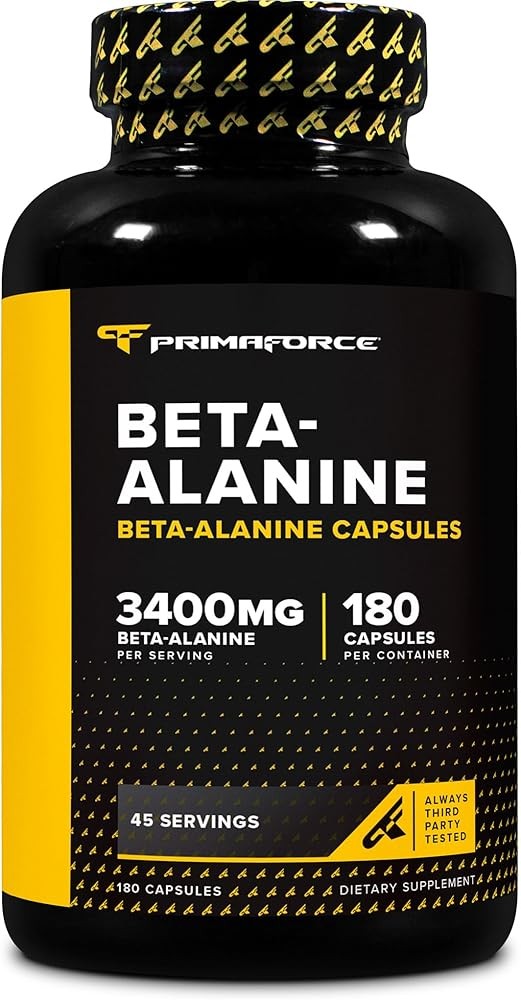
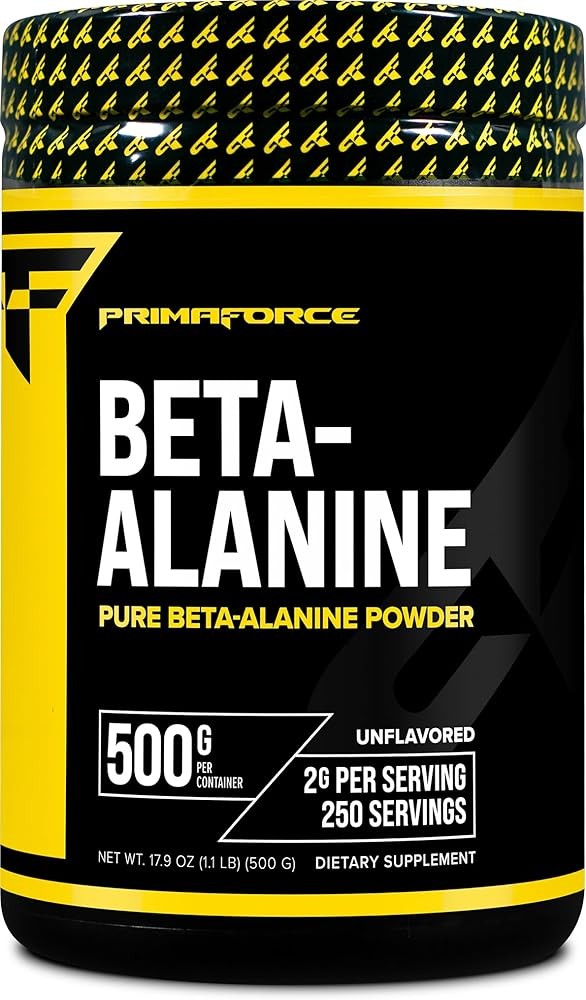
If you have ever felt that intense muscle burn force you to stop mid-set despite your mind screaming to keep going, hydrogen ion accumulation is the culprit shutting down performance during high-intensity efforts. Primaforce Beta Alanine Capsules deliver 850mg of beta-alanine per capsule with 180 capsules (45 servings at 3.4g) for $14.99, providing research-backed doses in a convenient format that minimizes the characteristic tingling sensation through divided dosing. Chronic supplementation substantially elevates muscle carnosine (up to 80% in some studies) and is most consistent in improving efforts lasting 60-240 seconds (Derave et al., 2010; Hobson et al., 2012). For budget-conscious athletes, Primaforce Beta Alanine Powder offers 500 grams of pure beta-alanine for $17.99, delivering exceptional value at approximately $0.036 per gram with roughly 156 servings per container. Here’s what the published research shows about beta-alanine’s role in buffering capacity, optimal dosing protocols, and synergistic supplement stacks.
Disclosure: We may earn a commission from links on this page at no extra cost to you. Affiliate relationships never influence our ratings. Full policy →
Why Does Beta-Alanine Deserve a Spot in Your Supplement Stack?
If you have ever hit a wall during a high-intensity workout — that moment when your muscles burn so intensely that you are forced to stop despite your mind screaming to keep going — you have experienced the accumulation of hydrogen ions (H+) overwhelming your body’s natural buffering systems. Beta-alanine supplementation is one of the most effective strategies to push back that wall.
By serving as the rate-limiting precursor to carnosine — a powerful intracellular pH buffer concentrated in your fast-twitch muscle fibers — beta-alanine supplementation can raise muscle carnosine levels substantially (by up to 80% in some studies) over several weeks, directly increasing your capacity to neutralize the acid that shuts down performance during intense efforts (Derave et al., 2010).
This is not speculation or marketing hype. Beta-alanine is one of the most well-researched sports nutrition supplements available, supported by multiple meta-analyses and a formal position stand from the International Society of Sports Nutrition (ISSN). The ISSN position stand concludes that 4-6 grams per day of beta-alanine for at least 2-4 weeks improves exercise performance, with the most pronounced effects in efforts lasting 1-4 minutes (Trexler et al., 2015).
In this comprehensive guide, we cover exactly how beta-alanine works at the molecular level, what the research actually shows (and what it does not), how to dose it correctly, what that tingling sensation really means, the best products to buy, and how to stack it intelligently with creatine and citrulline malate.
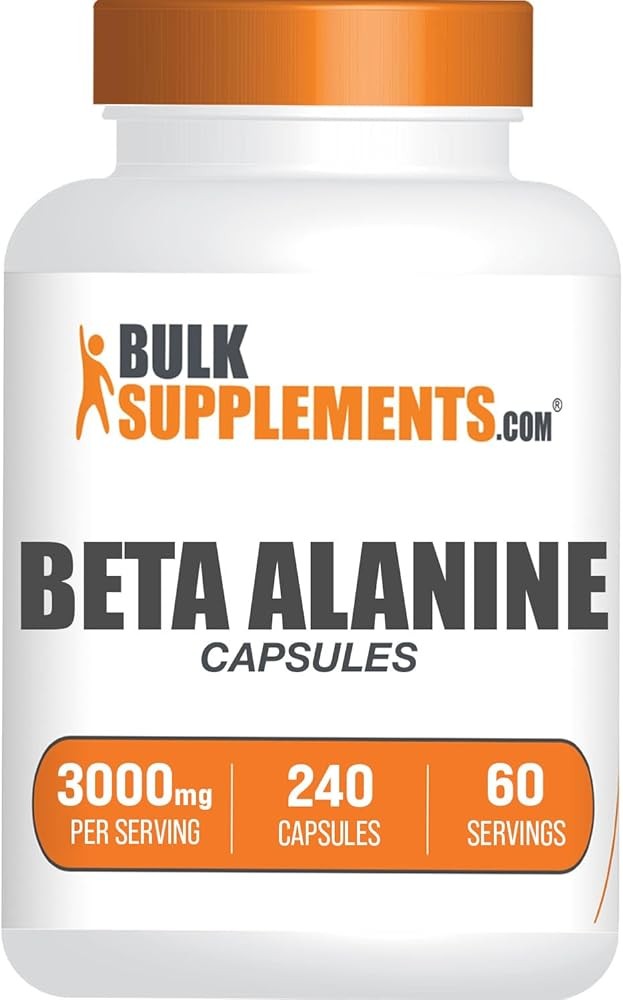
| Feature | Primaforce Capsules | Primaforce Powder | BulkSupplements Capsules |
|---|---|---|---|
| Form | Capsules (850mg each) | Unflavored powder | Capsules (750mg each) |
| Serving Size | 4 capsules (3.4g) | ~3.2g (about 1/2 scoop) | 4 capsules (3g) |
| Servings | 45 | ~156 | 60 |
| Cost per Gram | ~$0.098 | ~$0.036 | ~$0.111 |
| Facility/Testing | NSF-certified GMP facility, third-party tested | Quality-assured manufacturing | cGMP-compliant facility, gluten-free |
| Best For | Convenient divided dosing | Lowest cost per dose | Purity-focused capsule buyers |
| Price | $14.99 | $17.99 | $19.96 |
📱 Join the discussion: Facebook | X | YouTube | Pinterest
Bottom line: Chronic beta-alanine supplementation substantially elevates muscle carnosine (up to 80% in some trials) and the evidence is strongest for high-intensity efforts lasting 60-240 seconds: the Hobson 2012 meta-analysis found improvements in exercise capacity in that window, and the Saunders 2017 meta-analysis reported a significant overall effect across 40 studies and 1,461 participants.
How Does Beta-Alanine Work at the Biochemical Level?
Beta-Alanine Is the Rate-Limiting Step for Carnosine
Carnosine (beta-alanyl-L-histidine) is a dipeptide synthesized inside muscle cells by the enzyme carnosine synthase (also called ATPGD1). This enzyme combines two amino acids: beta-alanine and L-histidine. However, these two substrates are not equally available in the body.
L-histidine exists in relatively high concentrations in muscle tissue and blood plasma, readily available from dietary protein. Beta-alanine, on the other hand, is present in very low concentrations and has a higher K(m) value with carnosine synthase, meaning the enzyme requires more of it to work efficiently (Derave et al., 2010). This makes beta-alanine the rate-limiting factor — carnosine synthase is essentially sitting idle, waiting for more beta-alanine to show up.
When you supplement with beta-alanine, you flood the system with the missing ingredient. Carnosine synthase can now run at full capacity, and muscle carnosine concentrations climb steadily. Research shows that chronic beta-alanine supplementation substantially increases muscle carnosine — by up to 80% in some studies — over 4-10 weeks (Sale et al., 2010; Derave et al., 2010).
Why Not Just Take Carnosine Directly?
This is one of the most common questions, and the answer highlights a critical piece of biology. When you ingest carnosine as a supplement, it is rapidly broken down in the bloodstream by the enzyme carnosinase (specifically CN1, or serum carnosinase). Very little intact carnosine ever reaches muscle tissue.
Beta-alanine, by contrast, is absorbed intact in the small intestine, enters the bloodstream, and is taken up by muscle cells via a specific beta-alanine transporter (TauT/PAT1). Once inside the muscle cell, carnosine synthase combines it with the abundant histidine already present, and carnosine is built where it is needed — inside the muscle fiber, safe from circulating carnosinase.
This is why beta-alanine supplementation works and direct carnosine supplementation does not — you need the raw material delivered to the factory floor, not the finished product dropped into a shredder.
Carnosine as an Intracellular pH Buffer
The primary performance benefit of elevated muscle carnosine comes from its role as a hydrogen ion (H+) buffer. Here is the step-by-step process:
- During high-intensity exercise, your muscles rely heavily on anaerobic glycolysis for ATP production
- Glycolysis produces pyruvate, which is converted to lactate and releases H+ ions
- H+ ions accumulate, causing intracellular pH to drop from ~7.0 toward 6.5 or lower
- Low pH inhibits phosphofructokinase (a key glycolytic enzyme), impairs calcium release from the sarcoplasmic reticulum, and disrupts actin-myosin cross-bridge cycling
- You experience this as “the burn” — that deep muscular fatigue and inability to maintain force output
Carnosine has a pKa of 6.83, which places it perfectly in the physiological buffering range of exercising muscle. Its imidazole ring on the histidine residue directly binds H+ ions, preventing them from accumulating and delaying the pH crash that causes fatigue.
In Type II (fast-twitch) muscle fibers, which are heavily recruited in sprinting, high-rep resistance training, and intervals, carnosine is concentrated at much higher levels than in slow-twitch fibers (Derave et al., 2010). This explains why beta-alanine is most effective for activities that produce large amounts of H+ quickly.
Carnosine’s Additional Roles Beyond Buffering
While pH buffering is the primary mechanism behind beta-alanine’s ergogenic effects, carnosine serves several other important biological functions:
- Antioxidant activity: Carnosine can directly scavenge reactive oxygen species and protect cells from oxidative damage (Boldyrev et al., 2013)
- Anti-glycation agent: Carnosine inhibits formation of advanced glycation end-products (AGEs) by reacting with protein carbonyls (Reddy et al., 2005)
- Metal ion chelation: Carnosine binds transition metals such as copper and iron, reducing their ability to catalyze reactions that produce damaging hydroxyl radicals (Boldyrev et al., 2013)
- Calcium sensitivity regulation: Emerging research suggests carnosine may influence calcium handling in muscle fibers, potentially contributing to maintained contractile function under acidic conditions
These additional roles mean that elevated muscle carnosine from beta-alanine supplementation may support not just performance but also recovery and long-term muscle health.
Bottom line: Beta-alanine is the rate-limiting substrate for carnosine synthesis, and supplementation bypasses that bottleneck: carnosine’s imidazole group has a pKa of 6.83, placing it in the exact pH range reached during glycolytic exercise, and it is concentrated in the fast-twitch fibers that produce the most H+.
What Body Clues Indicate You Could Benefit from Beta-Alanine?
Your body provides several signals that suggest beta-alanine supplementation could meaningfully improve your training outcomes. Pay attention to these patterns:
Signs Your Body Could Use More Carnosine
- Premature fatigue during efforts lasting 1-4 minutes: If you consistently fade during 400m-1500m runs, 500m rows, or sets lasting 30-90 seconds, your intracellular buffering capacity may be a primary limiter
- Intense burning during sets of 8-15 reps: That deep muscular burn during moderate-to-high rep training is a direct sign of H+ accumulation — exactly what carnosine buffers
- Difficulty maintaining pace in middle-distance efforts: If the second half of your 800m or 2000m effort feels dramatically harder than the first, acidosis is likely the culprit
- Slow recovery between interval sets: If you need excessive rest between high-intensity intervals before you can repeat similar output, your muscles are struggling to clear the acidic environment
- “Hitting a wall” at the end of circuits or CrossFit workouts: The accumulation of metabolic byproducts during sustained high-intensity work is precisely what carnosine mitigates
- Better performance early in workouts but significant drop-off later: When fatigue from accumulated acid production compounds over multiple sets, higher carnosine reserves delay this cascade
What Improvement Looks Like After Loading
Once you have sufficiently loaded carnosine (typically 4-8 weeks of consistent supplementation), expect these changes:
-
More reps before failure: Where you previously hit 10 reps on a set, you may get 11-13 before the burn forces you to stop
-
Less intense burning sensation: The burn does not disappear entirely, but it takes longer to reach and feels less overwhelming
-
Better second-half performance in intervals: Your 4th and 5th intervals look more like your 1st and 2nd, with smaller drop-offs in power or pace
-
Maintained intensity at the end of workouts: Your last set feels closer to your first set in terms of work capacity
-
Faster perceived recovery between sets: You feel ready to go again sooner because the acid clears more efficiently
-
Greater total training volume: Over a full session, you accumulate more total work, which is a primary driver of hypertrophy and conditioning adaptations
Timeline of Changes: What to Expect Week by Week
Understanding the timeline may help reduce the risk of unrealistic expectations and premature abandonment of beta-alanine supplementation:
Week 1: You will notice paresthesia (tingling) after doses, but no performance benefit yet. Muscle carnosine is beginning to rise, but concentrations are not yet high enough to meaningfully impact buffering capacity. The tingling confirms absorption but has nothing to do with muscle buffering.
Weeks 2-3: Carnosine is steadily building in muscle tissue. Some athletes report a subtle feeling of being able to “push a little harder” during intense efforts, though measurable performance gains are typically not yet statistically significant in studies at this timepoint.
Week 4: First measurable performance gains appear. Most clinical trials show statistically significant improvements in exercise capacity beginning at the 4-week mark. You should start noticing more reps, better interval performance, and a delay in that deep burning sensation.
Weeks 8-12: Peak carnosine saturation and full benefits. Muscle carnosine concentrations reach their plateau, and the full ergogenic effect of beta-alanine supplementation is realized. This is when the 2.85% average improvement across exercise measures (and often much larger individual improvements) becomes fully apparent.
After stopping supplementation: Muscle carnosine does not drop immediately. In a 16-week washout study, muscle carnosine remained elevated at 4 weeks (+59%) and 8 weeks (+35%) after stopping, and was no longer statistically different from baseline from week 12 onward (Yamaguchi et al., 2021). This slow washout means occasional breaks will not immediately erase your gains.
Warning Signs to Watch For
Beta-alanine is remarkably safe, but pay attention to these situations:
- Severe paresthesia that is genuinely uncomfortable: Scale back to smaller, more frequent doses or switch to a sustained-release formula. The tingling is harmless but should not be distressing.
- GI distress at high doses: Taking more than 1.6g in a single dose on an empty stomach can occasionally cause mild nausea. Always split doses and take with food if sensitive.
- No improvement after 8+ weeks of consistent dosing: If you train exclusively with very short-duration maximal efforts (<60 seconds) or purely aerobic endurance (>25 minutes continuous), beta-alanine may not be targeting your performance limiter.
Key takeaway: If you fade during efforts lasting 1-4 minutes, feel intense burning in sets of 8-15 reps, or struggle to hold pace in middle-distance intervals, hydrogen ion accumulation is likely a limiter for you. That is exactly the profile beta-alanine targets, and consistent daily dosing typically produces measurable changes within 4-8 weeks.
What Does the Research Actually Show About Beta-Alanine?
Beta-alanine has been studied more rigorously than most sports supplements. Here is what the best evidence tells us.
Hobson Meta-Analysis: The Foundational Evidence
The landmark meta-analysis by Hobson and colleagues (2012) examined 15 published studies encompassing 360 participants, 57 exercise measures, and 23 different exercise tests. The key findings:
- Beta-alanine improved exercise outcomes significantly more than placebo (p = 0.002), with a median effect size of 0.374 versus 0.108 for placebo
- The strongest effects were on exercises lasting 60-240 seconds (p = 0.001) — the sweet spot where acidosis is the primary performance limiter
- No significant effect on exercises lasting less than 60 seconds (p = 0.312), where the phosphocreatine system dominates and acidosis has not yet accumulated sufficiently
- Median total dose across studies was 179 grams, typically achieved over 4-10 weeks of daily supplementation
This meta-analysis established that beta-alanine works specifically for efforts in the “glycolytic window” where H+ buffering matters most.
Saunders Systematic Review and Meta-Analysis
The largest and most comprehensive meta-analysis to date, by Saunders and colleagues (2017), analyzed 40 studies with 65 exercise protocols and 1,461 total participants. Key findings:
- Overall significant effect size of 0.18 (95% CI: 0.08-0.28) in favor of beta-alanine
- Within exercises lasting 0.5-10 minutes, effects were larger for exercise capacity tasks such as time to exhaustion (effect size 0.50; 95% CI 0.25-0.75) than for performance tasks such as time trials (0.11)
- Exercise duration significantly moderated effects (p = 0.004), with the clearest benefits in the glycolytic window
- Subgroup analysis showed no moderating effect of training status (p = 0.559)
- Co-supplementation with sodium bicarbonate produced the largest effect versus placebo (0.43; 95% CI 0.22-0.64)
An effect size of 0.18 may sound small, but the median improvement reported in the Hobson 2012 meta-analysis was 2.85% across exercise measures. In a 4-minute event like the 1500m run, a 2.85% improvement could mean roughly a 7-second gain — the difference between qualifying and not qualifying at most competitive levels.
The ISSN Position Stand
The International Society of Sports Nutrition published its official position stand on beta-alanine in 2015. Their conclusions:
- Four weeks of beta-alanine supplementation (4-6 g/day) significantly augments muscle carnosine concentrations, acting as an intracellular pH buffer
- Beta-alanine supplementation improves exercise performance, with more pronounced effects in open-ended tasks/time trials lasting 1-4 minutes
- Daily supplementation with 4-6 g for at least 2-4 weeks improves exercise performance
- The only reported side effect is paresthesia, which can be attenuated with divided lower doses (1.6 g) or sustained-release formulas
- Beta-alanine appears safe in healthy populations at recommended doses
This position stand represents the consensus of leading sports nutrition researchers and remains the reference point for beta-alanine supplementation guidelines (Trexler et al., 2015).
Georgiou Meta-Analysis: Maximal Intensity Exercise
A 2024 meta-analysis by Georgiou and colleagues specifically examined beta-alanine’s effects on maximal-intensity exercise in trained young men. Analyzing 18 studies with 331 participants:
- Overall significant effect size of 0.39 (95% CI: 0.09-0.69; p = 0.01) favoring beta-alanine
- Significant effects at 4 weeks of supplementation (effect size 0.34) and during maximal efforts lasting 4-10 minutes (effect size 0.55)
- Larger effects with higher daily doses of 5.6-6.4g (effect size 0.35)
This confirms that beta-alanine is not just for beginners — it provides measurable benefits even for well-trained athletes pushing the boundaries of their performance.
Hoffman: Military and Tactical Performance
Hoffman and colleagues (2015) reviewed the evidence on beta-alanine in military and tactical settings:
- Recent studies in military personnel provide direct evidence that beta-alanine enhances combat-specific performance, most relevant for high-intensity activities lasting 60-300 seconds
- The gains seen in competitive athletes appear to translate to physiological demands common to military training
- Limited preliminary evidence suggests beta-alanine may also support cognitive function and resilience during highly stressful situations
This review is particularly relevant for tactical athletes, first responders, and anyone whose performance under fatigue has real-world consequences beyond the gym.
Sport-Specific Evidence
Combat sports: A 2023 systematic review of clinical trials in combat athletes found that strength, power, total exercise work capacity, and combat-specific performance parameters were all significantly improved with beta-alanine supplementation (p < 0.05).
CrossFit and HIFT: High-intensity functional training involves repeated glycolytic efforts with incomplete recovery — the exact profile beta-alanine targets. The 2023 combat-sports review and the broader 60-240 second exercise window cover the effort durations typical of HIFT-style workouts.
Rowing: A 2013 trial in 20 well-trained rowers found chronic beta-alanine (6.4g/day for 4 weeks) was very likely beneficial to 2,000m time-trial performance (about 6.4 seconds faster than placebo), with acute sodium bicarbonate adding a small additional benefit.
Cycling: The evidence is strongest for cycling time trials of 4km (roughly 4-6 minutes), where the glycolytic contribution is highest and buffering capacity directly impacts performance.
Swimming: Middle-distance swimming events (100m-400m) show consistent benefits from beta-alanine supplementation, aligning with the 1-4 minute exercise duration sweet spot.
When Beta-Alanine Does NOT Work Well
Honesty about limitations strengthens the evidence for where beta-alanine does work:
- Very short maximal efforts (<60 seconds): Powerlifting singles, 40-yard dashes, and short sprints rely primarily on phosphocreatine stores, not glycolysis. There is minimal H+ accumulation to buffer.
- Purely aerobic endurance (>25 minutes continuous): Marathon running, long-distance cycling at steady state, and ultra-endurance events operate below the lactate threshold where acidosis is not the primary limiter. That said, some evidence suggests beta-alanine may help with surges and kick finishes in longer events.
- Low-intensity exercise: Walking, casual cycling, and recreational activity simply do not produce enough metabolic acidosis for carnosine to make a meaningful difference.
The evidence shows: Meta-analyses covering 40+ studies and 1,461 participants report a significant overall effect of beta-alanine (effect size 0.18; 95% CI 0.08-0.28), with the most consistent benefits in exercises lasting 60-240 seconds. The ISSN position stand supports 4-6 g/day for at least 2-4 weeks, and benefits extend to trained athletes, military personnel, and sport-specific applications in combat sports, rowing, cycling, and swimming.
What Are CarnoSyn and SR CarnoSyn, and Do They Matter?
What Is CarnoSyn?
CarnoSyn is the patented, branded form of beta-alanine manufactured by Natural Alternatives International (NAI). It is the most extensively studied form of beta-alanine in existence, backed by more than 55 peer-reviewed clinical studies. The vast majority of the positive research we have discussed used CarnoSyn as the supplemental source.
What the CarnoSyn patent provides is a guarantee of purity and quality control. While generic beta-alanine can vary in purity, contain contaminants, or have inconsistent particle sizing that affects absorption, CarnoSyn undergoes rigorous third-party testing and quality assurance processes. It also holds GRAS (Generally Recognized as Safe) status from the FDA.
Does this mean generic beta-alanine does not work? No. Beta-alanine is beta-alanine — the molecule is identical. However, CarnoSyn provides a higher level of confidence in what you are actually getting, and the clinical evidence base specifically applies to this form. If a product carries the CarnoSyn logo, you know the beta-alanine inside has the same quality profile as what was used in those 55+ studies.
SR CarnoSyn: Sustained Release Technology
SR CarnoSyn (Sustained Release CarnoSyn) is an advanced delivery form that uses a sustained-release matrix to slow the absorption of beta-alanine over several hours. This provides two major advantages:
-
Reported reduction in paresthesia: Research indicates that because the beta-alanine enters the bloodstream gradually rather than in a spike, the MrgprD receptor activation in the skin appears to be lower. Studies suggest this may allow for higher daily doses (up to 6.4g) with minimal tingling, which may be particularly relevant for individuals who experience discomfort from paresthesia.
-
Higher achievable daily doses: Because paresthesia is no longer the limiting factor, research suggests athletes may be able to consume more beta-alanine per day, potentially supporting faster and greater carnosine loading.
SR CarnoSyn received GRAS affirmation in 2017 and is available in both tablet and powder forms. Studies show it produces equivalent or superior carnosine loading compared to immediate-release beta-alanine at the same total daily dose, with significantly less paresthesia.
Generic Beta-Alanine vs. CarnoSyn: Does It Matter?
For most people, the practical difference comes down to quality assurance:
- If budget is your primary concern, reputable generic beta-alanine from established supplement manufacturers (like BulkSupplements or Nutricost) will almost certainly raise your carnosine levels effectively
- If you want the exact form used in clinical research, look for the CarnoSyn or SR CarnoSyn logo on the label
- If paresthesia bothers you and you want higher daily doses, SR CarnoSyn is the best option
The molecule itself is identical. The difference is in manufacturing quality control, testing, and the sustained-release delivery technology of SR CarnoSyn.
Bottom line: Research indicates CarnoSyn is a patented form of beta-alanine that has been utilized in over 55 clinical trials, with documented quality and purity; SR CarnoSyn employs sustained-release technology which studies suggest may reduce paresthesia and allow for higher daily dosages up to 6.4g with minimal tingling sensations; research shows generic beta-alanine from reputable manufacturers may also effectively raise carnosine levels when cost is a significant factor.
How Should You Dose Beta-Alanine for Optimal Results?
Standard Daily Protocol (Most Common)
- Dose: Research has utilized 3.2-6.4 grams per day.
- Divided into: Studies have used 4 servings of 0.8-1.6g each, spread throughout the day.
- Duration: Research suggests initial observations may be noted after a minimum of 4 weeks; full carnosine saturation may take 8-12 weeks.
- Timing: Published research indicates timing does NOT appear to be related to exercise — it has been used with meals or snacks throughout the day.
Accelerated Loading Protocol
- Dose: 6.4 grams per day
- Divided into: 4 servings of 1.6g each
- Duration: 4 weeks for rapid carnosine loading
- Purpose: Research suggests this dosage may support reaching performance-enhancing carnosine levels more quickly than 3.2g/day.
- Caveat: Studies indicate that higher dosages are associated with more paresthesia unless using a sustained-release formula such as SR CarnoSyn.
Maintenance Protocol (After Loading)
Some researchers have explored whether a lower “maintenance dose” can sustain elevated carnosine after an initial loading phase. While specific maintenance protocols are still being refined, the evidence suggests:
- Continuing at 1.6-3.2g/day after an 8-12 week loading phase can maintain elevated carnosine levels
- Completely stopping results in a gradual decline of muscle carnosine, with levels no longer statistically different from baseline from week 12 onward after a 16-week washout (Yamaguchi et al., 2021)
- Research suggests maintaining a consistent intake of beta-alanine may be a practical approach — studies indicate beta-alanine is generally well-tolerated with long-term use, and consistent supplementation appears to be a straightforward strategy.
Critical Dosing Truth: Timing Does NOT Matter
This is one of the most misunderstood aspects of beta-alanine supplementation. Research indicates beta-alanine does not need to be taken pre-workout. Unlike caffeine, which studies show produces acute effects within 30-60 minutes, research suggests beta-alanine works exclusively through chronic carnosine loading over weeks.
Taking beta-alanine 30 minutes before your workout provides zero additional benefit to that specific session compared to taking it with breakfast, lunch, and dinner. What matters is hitting your total daily dose consistently, every single day, for weeks on end.
Many pre-workout supplements include beta-alanine primarily for the tingling sensation, which makes users “feel” the product working. While there is nothing wrong with getting some of your daily beta-alanine from a pre-workout, do not rely on it as your sole source unless the pre-workout contains at least 1.6-3.2g per serving and you take it daily (including rest days).
Dosing with Food
Taking beta-alanine with food slows its absorption and reduces paresthesia. This is a simple strategy to minimize tingling without needing a sustained-release formula. A meal containing carbohydrates appears to be most effective at moderating absorption rates, likely through insulin-mediated effects on amino acid uptake.
The practical takeaway: Use 3.2-6.4g of beta-alanine per day, divided into 4 smaller doses of 0.8-1.6g, for a minimum of 4 weeks. Timing relative to your workout does not matter — benefits come from chronic carnosine loading over weeks, not acute pre-workout effects. Paresthesia is minimized with divided doses, food, or sustained-release formulas.
What Is the Tingling Sensation (Paresthesia) and Is It Harmful?
What Is Paresthesia?
Paresthesia is the tingling, prickling, or itching sensation that many people experience after taking beta-alanine. It typically affects the face, ears, neck, back of the hands, and sometimes the scalp and chest. It begins 15-20 minutes after ingestion and lasts 60-90 minutes.
The Actual Mechanism (It Is Not What You Think)
Contrary to popular belief and some supplement marketing, beta-alanine paresthesia is not caused by histamine release. Research by Liu and colleagues (2012) identified the actual mechanism:
- Beta-alanine activates MrgprD (Mas-related G-protein coupled receptor member D), a receptor expressed on a specific subpopulation of sensory C-fiber neurons in the skin
- These neurons exclusively innervate the skin and respond to beta-alanine, heat, and mechanical stimuli
- Critically, these neurons do not respond to histamine — the itch/tingle pathway is entirely histamine-independent
- Intradermal injection of beta-alanine produces itch and tingling without wheal or flare (the redness and swelling that characterize histamine responses)
This distinction matters because it confirms paresthesia is a direct, localized nerve activation, not an immune or allergic response. It is a benign sensory phenomenon with no underlying tissue damage or inflammation.
Is Paresthesia Harmful?
No. Multiple systematic reviews and the ISSN position stand indicate that paresthesia is the only consistently reported side effect associated with beta-alanine, and the evidence shows it is benign. A 2019 systematic risk assessment covering 101 human and 50 animal studies found no adverse effects at recommended doses, aside from a small rise in the liver enzyme ALT that stayed within normal clinical reference ranges.
How to Minimize Paresthesia
If the tingling bothers you:
- Consider dividing your daily intake into 4+ smaller servings (0.8g each is often below the tingling threshold for many individuals)
- Consuming it with food, particularly meals containing carbohydrates, may slow absorption
- Research has investigated SR CarnoSyn (sustained-release formulation), which releases beta-alanine gradually and may reduce paresthesia
- A gradual increase may be helpful: Some studies have used a starting dose of 1.6g/day, increasing by 0.8g every few days as tolerance develops
- Studies suggest avoiding a single large pre-workout dose: This practice may maximize tingling sensations due to the concentrated amount.
The Psychological Angle
Some athletes actually enjoy the paresthesia. They interpret the tingling as confirmation that their supplement is “working” or as a pre-workout activation signal. While the tingling has absolutely nothing to do with muscle buffering or performance benefits (it is purely a skin-nerve phenomenon), there is no harm in using it as a psychological cue if it helps you get fired up for training.
Key takeaway: Beta-alanine paresthesia is a harmless tingling sensation caused by activation of MrgprD receptors on sensory skin neurons (Liu et al., 2012). It lasts 60-90 minutes, has no relationship to muscle buffering or efficacy, and is not an allergic or histamine-mediated response. Divided doses, food, or sustained-release formulas minimize it.
What Supplements Stack Best with Beta-Alanine?
Beta-alanine works through a specific mechanism (intracellular H+ buffering via carnosine), which means it complements supplements that work through different mechanisms. Here are the best-supported combinations.
Beta-Alanine + Creatine Monohydrate: The Gold Standard Stack
This is the most well-studied supplement combination in sports nutrition, and for good reason. The mechanisms are perfectly complementary:
- Beta-alanine (via carnosine): Buffers H+ ions to delay acidosis during high-intensity work
- Creatine monohydrate: Regenerates ATP for sustained power output and phosphagen system support
Multiple studies have examined this combination and found additive benefits. Creatine improves maximal strength and power output, while beta-alanine extends time to exhaustion in the moderate-intensity range. Together, they address different but complementary energy system limitations.
For a detailed head-to-head comparison of these two supplements, see our guide on creatine vs. beta-alanine for performance.
How to combine: Take your standard daily beta-alanine dose (3.2-6.4g in divided doses) alongside 3-5g of creatine monohydrate daily. No special timing coordination needed — both work through chronic loading.
Beta-Alanine + Sodium Bicarbonate: Dual-Layer Buffering
This combination provides pH buffering at two different levels:
- Beta-alanine (via carnosine): Intracellular buffering inside the muscle fiber
- Sodium bicarbonate: Extracellular buffering in the blood and interstitial fluid
By supporting buffering both inside and outside the cell, co-supplementation offers a more comprehensive approach to managing exercise-induced acidosis. In a 2011 crossover trial, 20 men performed cycling capacity tests at 110% of peak power: beta-alanine alone improved time to exhaustion by 12.1%, and adding sodium bicarbonate pushed that to 16.2% (the extra ~4% was not statistically significant, though magnitude-based inference suggested a ~70% probability of a meaningful difference). A systematic review by Gilsanz and colleagues concluded that co-supplementation appears to enhance buffering capacity and performance, recommending it for high-intensity efforts lasting 30 seconds to 10 minutes.
How to combine: Standard daily beta-alanine dosing plus 0.2-0.3g/kg of sodium bicarbonate taken 60-90 minutes before high-intensity training. Note: sodium bicarbonate can cause GI distress; start with lower doses and assess tolerance.
Beta-Alanine + Citrulline Malate: Buffer + Blood Flow
This stack targets two different aspects of high-intensity exercise performance:
- Beta-alanine: Buffers acidosis to delay fatigue
- Citrulline malate: Enhances nitric oxide production for improved blood flow, oxygen delivery, and metabolite clearance
Better blood flow means faster clearance of lactate and other metabolic byproducts from working muscle, while higher carnosine means better buffering of the H+ ions produced during the work itself. This creates a synergistic effect where both the production and removal of fatigue-causing metabolites are addressed.
How to combine: Research indicates daily beta-alanine supplementation can be combined with 6-8g of citrulline malate taken 30-60 minutes before training for synergistic benefits.
Beta-Alanine + Caffeine: Timing Considerations
Both beta-alanine and caffeine are common ingredients in pre-workout supplements, but they work through fundamentally different timescales:
- Caffeine: Acute stimulant effect — take 30-60 minutes before exercise
- Beta-alanine: Chronic loading effect — timing relative to exercise is irrelevant
There are no known negative interactions between the two. However, if your pre-workout contains beta-alanine, research suggests you may need additional beta-alanine throughout the day to potentially reach a total daily intake of 3.2–6.4g.
Bottom line: Research suggests beta-alanine may support synergistic effects when combined with creatine monohydrate (ATP regeneration + H+ buffering), sodium bicarbonate (dual-layer intracellular and extracellular buffering producing additive +14% improvement), citrulline malate (buffering + enhanced blood flow), and caffeine (studies indicate no interactions, complementary mechanisms), with no special timing coordination needed since studies show beta-alanine appears to work through chronic loading rather than acute effects.
What Are the Most Common Beta-Alanine Myths?
Despite strong evidence supporting beta-alanine, several persistent myths continue to circulate in fitness communities. Let us set the record straight.
Myth 1: “Beta-Alanine Works Because of the Tingle”
WRONG. Research indicates the paresthesia (tingling) may be caused by activation of MrgprD receptors on sensory neurons in the skin. It appears to be a separate phenomenon from carnosine’s buffering action in muscle tissue. Studies suggest beta-alanine in a form that produces zero tingling (like SR CarnoSyn in small divided doses) may yield similar performance results. The tingle may indicate the supplement was absorbed, but published research shows it has no relationship whatsoever to how well your muscles are buffering H+ ions.
Myth 2: “You Need to Take It Pre-Workout for It to Work”
WRONG. Research suggests beta-alanine may support muscle carnosine levels with consistent use over weeks and months, rather than through immediate effects. Studies indicate taking it 30 minutes before a workout does not appear to provide a benefit to that session compared to taking it with breakfast. What appears to matter is consistent daily intake to help maintain carnosine stores. Many individuals use beta-alanine pre-workout, potentially due to the tingling sensation, which may create a perceived association between timing and effectiveness.
Myth 3: “Beta-Alanine Builds Muscle Directly”
WRONG. Research does not indicate beta-alanine stimulates muscle protein synthesis, increases testosterone, or directly causes hypertrophy. Studies suggest beta-alanine may support increased work capacity during high-rep training, potentially allowing for more total reps and sets before fatigue. This greater training volume is a well-established factor in muscle growth, according to research. The effect appears to be indirect: beta-alanine may enable more work, and more work may drive more adaptation.
Myth 4: “The Tingling Means You Are Having an Allergic Reaction”
WRONG. Research indicates paresthesia from beta-alanine is not an allergic reaction. Liu and colleagues (2012) showed it is a direct activation of MrgprD receptors on sensory nerves in the skin, independent of histamine, with no wheal, no flare, and no swelling. It is comparable to the pins-and-needles feeling when a foot falls asleep.
Myth 5: “All Beta-Alanine Is the Same Quality”
MOSTLY WRONG. The beta-alanine molecule itself is identical regardless of source. However, purity and manufacturing quality can vary between manufacturers, which is why third-party testing matters. CarnoSyn is the patented, branded form used in much of the published research, but generic beta-alanine from reputable manufacturers is a legitimate option. Products from unknown sources carry more uncertainty about purity.
Myth 6: “Beta-Alanine Damages Your Kidneys or Liver”
WRONG. A comprehensive 2019 systematic risk assessment examined all available human and animal data on beta-alanine safety. The researchers found that while there was a small, statistically detectable increase in alanine aminotransferase (a liver marker), all values remained well within normal clinical reference ranges both before and after supplementation. No adverse effects on kidney function were detected in the studies. The research indicated that beta-alanine supplementation at recommended doses does not appear to have adverse effects on those consuming it (Dolan et al., 2019).
Myth 7: “You Can Load Carnosine by Eating More Meat”
RESEARCH SUGGESTS A DIETARY APPROACH, BUT MAY BE CHALLENGING. Meat (especially chicken breast and beef) does contain carnosine, and higher meat consumption has been associated with modest increases in muscle carnosine levels. However, research indicates that the quantities required to achieve results comparable to supplemental beta-alanine dosing are substantial. Studies suggest that consuming several pounds of chicken breast daily may be needed to achieve a carnosine-boosting effect similar to that observed with 3.2g of supplemental beta-alanine. Published research shows supplementation appears to be a more practical and cost-effective approach.
The evidence shows: The most pervasive beta-alanine myths are that tingling indicates effectiveness (false — it is unrelated to muscle buffering), that it must be taken pre-workout (false — timing does not matter), that it directly builds muscle (false — it increases work capacity that drives adaptation), that tingling is an allergic reaction (false — it is benign nerve activation), and that all beta-alanine is identical quality (false — third-party testing matters).
Who Should (and Should Not) Use Beta-Alanine Supplements?
Great Candidates for Beta-Alanine
- CrossFit athletes and HIFT practitioners: Workouts involve sustained high-intensity efforts with significant glycolytic demands — exactly where beta-alanine shines
- HIIT and interval training enthusiasts: Repeated bouts of high-intensity work with incomplete recovery between sets create massive H+ accumulation
- Middle-distance runners (800m-1500m): These events fall squarely in the 1-4 minute window where beta-alanine has the strongest evidence
- Swimmers (100m-400m events): Same optimal duration window, with high glycolytic demands
- Combat sports athletes (boxing, MMA, wrestling, judo): Rounds of high-intensity grappling and striking produce extreme metabolic acidosis. A 2023 systematic review confirmed significant performance improvements in this population
- Rowers (500m-2000m): Rowing is among the most metabolically demanding sports, and beta-alanine has shown consistent benefits
- Cyclists doing time trials and track events: Particularly events lasting 2-6 minutes where buffering capacity is a primary limiter
- Anyone doing high-rep resistance training (8-20+ reps per set): If your sets regularly last 30-90 seconds, beta-alanine directly addresses the acidosis that stops your sets
- Tactical athletes (military, law enforcement, firefighters): Hoffman’s research specifically demonstrated benefits for combat performance under physical stress
Less Ideal Candidates for Beta-Alanine
- Powerlifters focused on singles and doubles: Sets lasting under 10-15 seconds rely almost entirely on the phosphocreatine system, with minimal glycolytic contribution and negligible H+ accumulation. Creatine monohydrate is a much better investment for pure strength athletes.
- Ultra-endurance athletes (marathoners, ultra-runners, Ironman triathletes): Events lasting multiple hours operate almost entirely below the lactate threshold where acidosis is not a significant performance limiter. Carbohydrate availability and mitochondrial function matter far more.
- Low-intensity recreational exercisers: Casual gym-goers, walkers, and yoga practitioners simply do not generate the intensity needed to benefit from enhanced buffering capacity.
Safety and Special Populations
- Safe for ages 18+: Well-studied in adult populations of all ages, including older adults
- Long-term use: No evidence of harm from prolonged supplementation
- Pregnancy and nursing: Insufficient data — best to avoid until more research is available
- Children: Not enough research — consult a pediatrician
Bottom line: Research suggests beta-alanine may be most supportive for athletes engaged in high-intensity efforts lasting 60-240 seconds, including weightlifters performing 8-15 rep sets, CrossFit/HIIT athletes, middle-distance runners and swimmers, combat sport athletes, team sport players with repeated sprints, and tactical athletes; studies indicate it may provide minimal benefit for pure powerlifters, ultra-endurance athletes, or those doing exclusively low-intensity exercise, and published research shows it appears to be safe for daily use with only harmless paresthesia as the sole reported effect.
Which Beta-Alanine Products Are Best?
When choosing a beta-alanine supplement, prioritize these factors: CarnoSyn certification (indicating use of the patented, clinically studied form), dosage per serving (you want enough to make hitting your daily 3.2-6.4g target convenient), purity and third-party testing, and value per gram.
Primaforce Beta Alanine Capsules

Primaforce Beta Alanine Capsules deliver 850mg of beta-alanine per capsule, making it easy to divide your daily dose into smaller servings throughout the day to minimize the characteristic tingling. Each container provides 180 capsules (45 servings at 3.4g per day) for $14.99, and the product is made in an NSF-certified GMP facility with third-party testing. This capsule format suits those who prefer pre-measured servings over scooping powder.
Primaforce Beta Alanine Powder

Primaforce Beta Alanine Powder provides 500 grams of pure, unflavored beta-alanine for $17.99. At a standard 3.2g daily dose that is roughly 156 servings, or about $0.12 per day, making it the most economical option in this guide. The powder format offers maximum flexibility for dividing doses and mixes easily into shakes or water.
BulkSupplements Beta-Alanine Powder

BulkSupplements Beta-Alanine Capsules deliver 750mg per capsule (4 capsules = 3,000mg per serving) in a 240-count bottle (60 servings) for $19.96. The product is made in a cGMP-compliant facility, is gluten-free, and contains no added fillers. It is the pick for buyers who want a capsule format with a verified manufacturing standard at a reasonable price.
The practical takeaway: Choose a product that makes hitting 3.2-6.4g daily in divided doses easy. Primaforce Capsules are our best overall pick for pre-dosed convenience from an NSF-certified GMP facility ($14.99); Primaforce Powder is the best budget option at about $0.12 per day ($17.99 for 500g); BulkSupplements Capsules offer a cGMP-made, gluten-free capsule alternative ($19.96 for 240 count).
How Do You Integrate Beta-Alanine into Your Training?
Sample Daily Protocol
For a 3.2g/day standard protocol:
- Breakfast: 0.8g beta-alanine with food
- Lunch: 0.8g beta-alanine with food
- Pre-workout or afternoon snack: 0.8g beta-alanine
- Dinner: 0.8g beta-alanine with food
For a 6.4g/day accelerated loading protocol:
- Breakfast: 1.6g beta-alanine with food
- Lunch: 1.6g beta-alanine with food
- Afternoon: 1.6g beta-alanine with snack
- Dinner: 1.6g beta-alanine with food
Combining with a Full Supplement Stack
A comprehensive performance stack for athletes in the 1-10 minute effort range might include:
- Beta-alanine: 3.2-6.4g/day in divided doses (chronic loading)
- Creatine monohydrate: 3-5g/day (chronic loading)
- Citrulline malate: 6-8g 30-60 min pre-workout (acute effect)
- Caffeine: 3-6mg/kg 30-60 min pre-workout (acute effect)
- Quality protein powder: To support muscle protein synthesis and recovery
- Electrolytes: For hydration during training
For comprehensive post-workout recovery, ensure adequate protein and carbohydrate intake to support the increased training volume that beta-alanine enables.
Rest Days
Yes, take beta-alanine on rest days. Since it works through chronic carnosine loading and not acute effects, daily consistency is essential. Skipping rest days slows your carnosine accumulation and may help reduce the risk of you falling short of optimal saturation levels.
Cycling On and Off
Beta-alanine does not require cycling. There is no evidence of tolerance development, receptor downregulation, or diminishing returns from continuous use. However, the slow washout of muscle carnosine means that taking a few weeks off occasionally will not immediately erase your gains: levels stayed elevated at 8 weeks after stopping in the washout study. Some athletes take a 4-week break every 16-20 weeks, but this is personal preference rather than a physiological necessity.
Bottom line: Integrate beta-alanine by taking 0.8-1.6g doses 4 times daily with meals for a minimum 4-week loading phase, continuing indefinitely as part of your supplement stack, combining with creatine and citrulline malate for synergistic effects, and tracking performance metrics like reps to failure, interval times, and subjective fatigue levels to quantify the 2-3% improvements that typically manifest after 4-8 weeks of consistent supplementation.
What Are the Most Common Questions About Beta-Alanine?
What are the benefits of beta alanine?
Beta-alanine raises muscle carnosine, which buffers the hydrogen ions that accumulate during high-intensity exercise. Meta-analyses show consistent benefits for efforts lasting 60-240 seconds: more repetitions before failure, better interval performance, and delayed fatigue in the glycolytic range. The ISSN position stand concludes that 4-6g/day for at least 2-4 weeks improves exercise performance, with the most pronounced effects in efforts lasting 1-4 minutes.
Is beta alanine safe?
Yes for healthy adults at recommended doses. A 2019 systematic risk assessment covering 101 human and 50 animal studies found paresthesia (tingling) was the only reported side effect, with a small rise in the liver enzyme ALT that stayed within normal clinical reference ranges. The ISSN position stand likewise concludes beta-alanine appears safe in healthy populations at recommended doses. There is limited data for pregnancy and nursing, so those groups should avoid it until more research exists.
How does beta alanine work?
Beta-alanine is the rate-limiting precursor for carnosine synthesis in muscle. Supplementing raises muscle carnosine, and carnosine’s imidazole ring (pKa 6.83) binds hydrogen ions in the exact pH range reached during glycolytic exercise. That buffering action delays the pH drop that inhibits muscle contraction, so high-intensity efforts can be sustained longer. It works through chronic loading over weeks, not acute pre-workout effects.
Who should avoid beta alanine?
Beta-alanine appears safe in healthy adults at recommended doses (4-6g/day), and the only consistently reported side effect is harmless paresthesia. There is limited data for pregnancy and nursing, so those groups should avoid it until more research exists. People with pre-existing liver or kidney conditions should check with a doctor first, given the small ALT increase observed in the 2019 risk assessment, and anyone who cannot tolerate the tingling can use divided doses or sustained-release formulas.
What are the signs beta alanine is working?
The most common indicator observed in research related to beta-alanine supplementation is the characteristic tingling sensation (paresthesia) reported within 15-20 minutes of ingestion. Studies have shown performance markers associated with beta-alanine include the ability to complete additional repetitions during high-intensity sets, delayed onset of muscle fatigue during interval training, and observed improvements in recovery between workout sessions. Athletes in research have reported enhanced performance in exercises lasting 60-240 seconds after 2-4 weeks of consistent supplementation at 3.2-6.4 grams daily (PubMed 22270875).
How long should I use beta alanine?
Plan on at least 4 weeks of consistent daily dosing at 3.2-6.4g before judging results, since muscle carnosine builds gradually; full saturation typically takes 8-12 weeks. No cycling is required. If you stop, carnosine washes out slowly (levels remain elevated for 8+ weeks), so short breaks do not erase gains. If you see no change after 8+ weeks of consistent use and your training is purely aerobic or very short maximal efforts, beta-alanine may not be targeting your limiter.
In summary: Beta-alanine needs 4+ weeks of daily loading at 3.2-6.4g to produce measurable effects, works through chronic carnosine accumulation rather than acute dosing, is safe in long-term use with no cycling required, stacks well with creatine and sodium bicarbonate, and shows the clearest benefits for high-intensity efforts lasting 1-4 minutes.
Is Beta-Alanine Supplementation Worth It?
If your training involves sustained high-intensity efforts lasting 1-10 minutes — whether that is sets of 8-20 reps, interval training, middle-distance events, combat sports rounds, or CrossFit workouts — beta-alanine is one of the most evidence-based, cost-effective supplements available.
The research is consistent across multiple meta-analyses totaling thousands of participants: 3.2-6.4 grams per day for 4+ weeks appears to support increased muscle carnosine, observed improvements in exercise capacity, and enhanced performance in the glycolytic intensity range. The median improvement of 2.85% may not appear substantial, but studies suggest it translates to real, perceptible differences in training — more reps, better intervals, delayed fatigue, and ultimately greater total work that may drive adaptation over time (PMID 27797728).
At pennies per day for quality powder, with an excellent safety profile confirmed by systematic review, and with the backing of the International Society of Sports Nutrition’s formal position stand, beta-alanine represents one of the best return-on-investment supplements in sports nutrition alongside creatine monohydrate.
Start with 3.2g/day in divided doses, be patient through the first 4 weeks as carnosine builds, and let your improved performance over weeks 4-12 speak for itself.
The evidence shows: Beta-alanine benefits athletes who train at high intensities for 1-4 minutes, with a significant overall effect across 40+ studies and 1,461 participants (effect size 0.18) and a median improvement of 2.85% reported in the Hobson meta-analysis. The safety profile is strong — paresthesia is the only consistently reported side effect — and at roughly $0.12-0.35 per day it is one of the cheapest supplements in sports nutrition.
Complete Support System for High-Intensity Performance
Beta-alanine works best as part of a comprehensive approach to maximizing performance in high-intensity efforts. Research suggests combining beta-alanine with complementary supplements and strategies can support enhanced training adaptations and recovery. Consider these evidence-based additions to your performance protocol:
Synergistic Supplements: Studies indicate creatine monohydrate complements beta-alanine by regenerating ATP while carnosine buffers H+ ions, providing dual-mechanism performance support. Research shows citrulline malate enhances blood flow for improved oxygen delivery and metabolite clearance. Published evidence suggests sodium bicarbonate provides extracellular buffering to complement beta-alanine’s intracellular action, with combined supplementation showing additive benefits.
Nutrition Timing: Research indicates consuming adequate protein (1.6-2.2g/kg/day) supports the increased training volume that beta-alanine enables. Studies show strategic carbohydrate intake around training sessions maximizes glycogen stores for sustained high-intensity work. Published evidence suggests proper hydration and electrolyte balance maintains performance during metabolically demanding efforts.
Recovery Protocols: Research shows quality sleep (7-9 hours nightly) supports muscle carnosine synthesis and training adaptations. Studies indicate active recovery between high-intensity sessions clears metabolic byproducts more effectively. Published evidence suggests periodized training programs that cycle intensity help reduce overtraining while maximizing the performance benefits of elevated muscle carnosine.
Related Reading
References
Boldyrev AA, Aldini G, Derave W. “Physiology and pathophysiology of carnosine.” Physiological Reviews, 93(4):1803-1845, 2013. PubMed | PMID: 24137022 | DOI
Fernández-Lázaro D, Fiandor EM, García JF, et al. “Beta-alanine supplementation in combat sports: evaluation of sports performance, perception, and anthropometric parameters and biochemical markers — a systematic review of clinical trials.” Nutrients, 15(17):3755, 2023. PubMed | PMID: 37686787
Derave W, Everaert I, Beeckman S, Baguet A. “Muscle carnosine metabolism and beta-alanine supplementation in relation to exercise and training.” Sports Medicine, 40(3):247-263, 2010. PubMed | PMID: 20199122 | DOI
Dolan E, Swinton PA, Painelli VS, et al. “A systematic risk assessment and meta-analysis on the use of oral beta-alanine supplementation.” Advances in Nutrition, 10(3):452-463, 2019. PubMed | PMID: 30980076 | DOI
Reddy VP, Garrett MR, Perry G, Smith MA. “Carnosine: a versatile antioxidant and antiglycating agent.” Science of Aging Knowledge Environment, 2005(18):pe12, 2005. PubMed | PMID: 15872311 | DOI
Hobson RM, Harris RC, Martin D, et al. “Effect of beta-alanine, with and without sodium bicarbonate, on 2000-m rowing performance.” International Journal of Sport Nutrition and Exercise Metabolism, 23(5):480-487, 2013. PubMed | PMID: 23535873
Hobson RM, Saunders B, Ball G, Harris RC, Sale C. “Effects of beta-alanine supplementation on exercise performance: a meta-analysis.” Amino Acids, 43(1):25-37, 2012. PubMed | PMID: 22270875 | DOI
Hoffman JR, Landau G, Stout JR, et al. “Beta-alanine supplementation and military performance.” Amino Acids, 47(12):2463-2474, 2015. PubMed | PMID: 26206727 | DOI
Liu Q, Sikand P, Ma C, et al. “Mechanisms of itch evoked by beta-alanine.” Journal of Neuroscience, 32(42):14532-14537, 2012. PubMed | PMID: 23077038 | DOI
Gilsanz L, López-Seoane J, Jiménez SL, Pareja-Galeano H. “Effect of beta-alanine and sodium bicarbonate co-supplementation on the body’s buffering capacity and sports performance: a systematic review.” Critical Reviews in Food Science and Nutrition, 63(21):5080-5093, 2023. PubMed | PMID: 34882489 | DOI
Ashtary-Larky D, Candow DG, Forbes SC, et al. “Effects of creatine and beta-alanine co-supplementation on exercise performance and body composition: a systematic review.” Nutrients, 17(13):2074, 2025. PubMed | PMID: 40647180
Sale C, Saunders B, Harris RC. “Effect of beta-alanine supplementation on muscle carnosine concentrations and exercise performance.” Amino Acids, 39(2):321-333, 2010. PubMed | PMID: 20091069 | DOI
Sale C, Saunders B, Hudson S, Wise JA, Harris RC, Sunderland CD. “Effect of beta-alanine plus sodium bicarbonate on high-intensity cycling capacity.” Medicine and Science in Sports and Exercise, 43(10):1972-1978, 2011. PubMed | PMID: 21407127 | DOI
Saunders B, Elliott-Sale K, Artioli GG, et al. “Beta-alanine supplementation to improve exercise capacity and performance: a systematic review and meta-analysis.” British Journal of Sports Medicine, 51(8):658-669, 2017. PubMed | PMID: 27797728 | DOI
Yamaguchi GC, Nemezio K, Schulz ML, et al. “Kinetics of muscle carnosine decay after beta-alanine supplementation: a 16-wk washout study.” Medicine and Science in Sports and Exercise, 53(5):1079-1088, 2021. PubMed | PMID: 33148972 | DOI
Trexler ET, Smith-Ryan AE, Stout JR, et al. “International Society of Sports Nutrition position stand: beta-alanine.” Journal of the International Society of Sports Nutrition, 12:30, 2015. PubMed | PMID: 26175657 | DOI
Georgiou GD, Antoniou K, Antoniou S, et al. “Effect of beta-alanine supplementation on maximal intensity exercise in trained young male individuals: a systematic review and meta-analysis.” International Journal of Sport Nutrition and Exercise Metabolism, 34(6):397-412, 2024. PubMed | PMID: 39032921
Recommended Products