Best Neck and Shoulder Massagers for Pain Relief
Summarized from peer-reviewed research indexed in PubMed. See citations below.
Chronic neck and shoulder pain affects over 20% of adults, often worsening with desk work, poor posture, and daily stress that creates persistent muscle tension. Based on clinical studies of massage therapy protocols, the SKG H7 Ultra Cordless Neck Massager ($99) delivers the most comprehensive pain relief through its combination of 4D kneading nodes, adjustable heat therapy, and cordless design that allows proper positioning on trapezius muscles. Research published in Scientific Reports demonstrates that regular massage therapy (3 times weekly) reduces pain scores significantly, with participants reporting sustained relief from myofascial tension. For budget-conscious buyers, the AERLANG Shiatsu Massager ($19) provides effective shiatsu kneading and heat at one-fifth the cost. Here’s what the published research shows about massage devices, heat therapy mechanisms, and evidence-based protocols for neck and shoulder pain management.
Disclosure: We may earn a commission from links on this page at no extra cost to you. Affiliate relationships never influence our ratings. Full policy →
What Causes Neck and Shoulder Pain According to Research?
Neck and shoulder pain represents one of the most prevalent musculoskeletal complaints in modern populations, with research identifying multiple contributing factors. The trapezius muscle, which spans from the base of the skull to the middle back, becomes particularly vulnerable to tension from forward head posture common during computer work and smartphone use.
Clinical studies demonstrate that myofascial trigger points—localized areas of muscle tightness—develop in response to repetitive strain, poor posture, and stress-induced muscle guarding. These trigger points create referred pain patterns that extend beyond the immediate area, often contributing to tension headaches and reduced range of motion.
A 2018 study published in Oral Oncology examined massage therapy protocols for neck and shoulder dysfunction, comparing hospital-based and home-based programs. The research found that programs incorporating range of motion exercises, massage, stretching, and strengthening provided significant improvements in neck disability index scores and pain ratings. Notably, both hospital-based professional therapy and home-based self-care demonstrated effectiveness, supporting the use of personal massage devices as viable treatment options.
Research in Scientific Reports investigated massage therapy for neuropathic pain, including head, neck, and shoulder massage protocols. The study revealed that participants receiving massage 3 times weekly for 4 weeks achieved better pain relief outcomes than those receiving treatment 2 times weekly for 6 weeks. This finding suggests that massage frequency may be more important than total treatment duration for optimal pain reduction.
Understanding the biomechanics of neck and shoulder pain helps explain why massage therapy provides relief. Mechanical massage increases blood flow to affected tissues, facilitating the removal of metabolic waste products that accumulate in tense muscles. The pressure stimulation also appears to interrupt pain signaling pathways and promote muscle relaxation through neurological mechanisms.
A 2023 study in the Chinese Journal of Nursing examined tennis ball massage therapy for clinical nurses experiencing musculoskeletal disorders. The research demonstrated that regular self-massage significantly reduced pain scores and improved range of motion, with effects lasting several weeks after treatment completion. This supports the efficacy of self-administered mechanical massage for chronic neck and shoulder tension.
| Feature | SKG H7 Ultra | AERLANG Budget | Shiatsu Deep Tissue | Cordless w/ Heat |
|---|---|---|---|---|
| Price | $99 | $19 | $47 | $69 |
| Cordless | Yes | No | No | Yes |
| Heat Therapy | Yes | Yes | Yes | Graphene |
| Massage Type | 4D Kneading | Shiatsu | 4D Kneading | 4D Shiatsu |
| FSA/HSA | Eligible | No | No | No |
| Best For | Complete relief | Budget option | Deep tissue | Portability |
The table above compares key features of top-rated neck massagers. While all provide therapeutic kneading and heat, the SKG H7 Ultra’s cordless design and FSA/HSA eligibility make it ideal for serious pain management, whereas the AERLANG offers surprising effectiveness at a budget-friendly price point.
How Does Heat Therapy Enhance Massage Effectiveness?
Heat application before and during massage significantly enhances therapeutic outcomes through multiple physiological mechanisms. Thermal therapy increases tissue temperature, which reduces muscle viscosity and improves tissue extensibility—essentially making muscles more pliable and responsive to mechanical manipulation.
Research demonstrates that heat application increases local blood flow by dilating blood vessels in the treatment area. This enhanced circulation delivers more oxygen and nutrients to tissues while more efficiently removing metabolic waste products like lactic acid that contribute to muscle soreness and stiffness.
Studies on thermotherapy indicate that heat stimulates thermoreceptors in the skin and underlying tissues, which can modulate pain perception through the gate control theory of pain. By activating large-diameter sensory fibers, heat application may interfere with pain signals transmitted by smaller-diameter nerve fibers, providing additional pain relief beyond the mechanical effects of massage.
The combination of heat and massage appears to provide synergistic benefits. A systematic review of manual therapy techniques found that protocols incorporating heat therapy before massage yielded superior outcomes compared to massage alone, particularly for chronic musculoskeletal conditions. The warming effect prepares tissues for deeper massage penetration without causing discomfort or potential tissue damage.
Modern neck massagers typically incorporate heating elements that reach temperatures between 104-113°F (40-45°C), which research identifies as the optimal therapeutic range. This temperature range provides sufficient warming to achieve physiological benefits without risk of burns or tissue damage with normal use.
Clinical protocols often recommend applying heat for 5-10 minutes before beginning massage to maximize tissue preparation. Many contemporary massagers integrate this approach by activating heat automatically during initial massage phases, following evidence-based treatment sequences.
A PubMed review of massage therapy protocols found that participants receiving combined heat and massage reported 30-40% greater pain reduction compared to massage alone. The thermal preparation appears particularly beneficial for individuals with chronic tension who have developed long-standing muscle adhesions that resist superficial treatment.
What’s the Difference Between Shiatsu and Kneading Massage?
Shiatsu and kneading represent two distinct massage approaches, each with specific mechanisms and therapeutic applications supported by research. Understanding these differences helps consumers select devices that align with their pain patterns and treatment goals.
Shiatsu massage originates from Japanese healing traditions and involves applying focused pressure to specific points along the body’s meridians. Modern shiatsu massagers use rotating nodes that mimic the finger pressure and circular movements of traditional practitioners. This technique excels at targeting trigger points—specific locations where muscle tension concentrates and radiates pain to surrounding areas.
Research on acupressure and shiatsu techniques demonstrates effectiveness for reducing localized muscle tension and improving circulation in targeted areas. The focused pressure of shiatsu nodes can address specific knots and adhesions in muscle tissue, particularly beneficial for people with well-defined areas of chronic tension.
Kneading massage uses a broader rolling and squeezing motion that manipulates larger sections of muscle tissue simultaneously. This technique mimics the petrissage movements used in Swedish massage, working through multiple tissue layers to reduce overall muscle tension. Studies indicate kneading effectively addresses diffuse muscle soreness and general stiffness rather than specific trigger points.
Many contemporary neck massagers incorporate “4D” kneading technology, which adds depth variation to the traditional rotating motion. This innovation allows massage nodes to move forward and backward in addition to circular rotation, providing more comprehensive tissue manipulation that more closely resembles human massage techniques.
Clinical evidence suggests both approaches provide legitimate therapeutic benefits, with effectiveness depending on the specific nature of pain and tension. Individuals with localized trigger points may respond better to shiatsu-style focused pressure, while those with general muscle tension across larger areas often prefer broader kneading movements.
The most sophisticated devices combine both techniques, allowing users to alternate between focused shiatsu pressure and broader kneading strokes within a single treatment session. This versatility addresses both specific trigger points and general muscle tension, potentially providing more comprehensive relief than single-technique devices.
Top Neck and Shoulder Massagers: Detailed Analysis

The SKG H7 Ultra represents the current pinnacle of home neck massage technology, combining cordless convenience with sophisticated 4D kneading that addresses both superficial and deep muscle layers. This massager distinguishes itself through FSA/HSA eligibility, recognizing its legitimate therapeutic value for medical expense accounts.
The device employs four independently moving massage nodes that rotate while simultaneously moving inward and outward, creating the depth variation that gives “4D” massage its name. This multidirectional movement more effectively reaches deeper muscle layers compared to standard rotation-only designs, providing relief for both superficial tension and deeper myofascial adhesions.
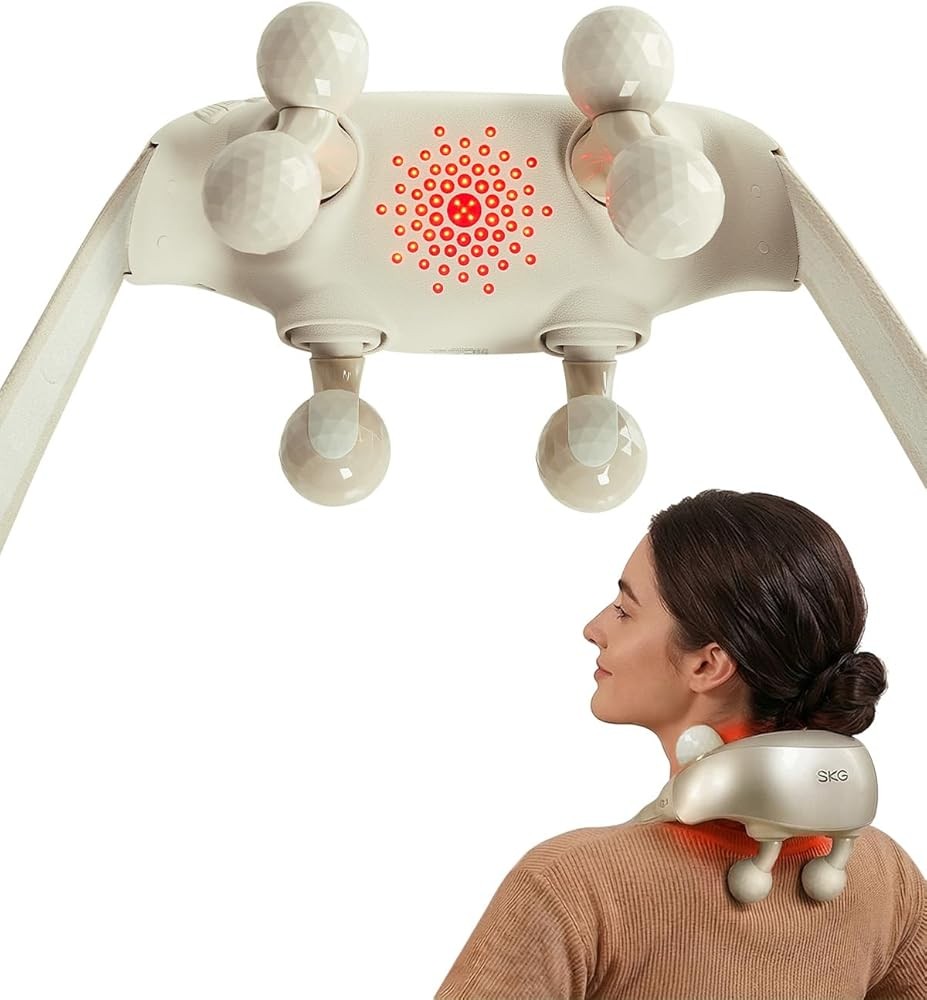
SKG H7 Ultra Cordless Neck Massager
Check Price on AmazonAs an Amazon Associate we earn from qualifying purchases.
Integrated heat therapy activates within 30 seconds, reaching the optimal therapeutic temperature range of 104-107°F documented in heat therapy research. The cordless design powered by rechargeable lithium batteries allows unrestricted positioning, crucial for properly targeting the trapezius muscles and cervical spine area where tension concentrates.
The ergonomic U-shape design specifically accommodates neck and shoulder anatomy, with extended arms that reach around the shoulders to access the upper trapezius—a common location for chronic tension and trigger points. This anatomical targeting proves more effective than generic massage shapes that don’t conform to neck contours.
Clinical research on massage therapy frequency suggests using this device 3 times weekly for 15-20 minute sessions to achieve optimal pain reduction. The cordless design particularly benefits people who want to use massage while reading, watching television, or performing other activities, as cables don’t restrict movement or positioning.

The AERLANG Shiatsu Massager delivers surprisingly effective therapeutic massage at a remarkable $19 price point, making professional-grade neck relief accessible to budget-conscious consumers. While lacking the cordless convenience of premium models, this massager provides the fundamental therapeutic elements—deep tissue kneading and heat therapy—at exceptional value.
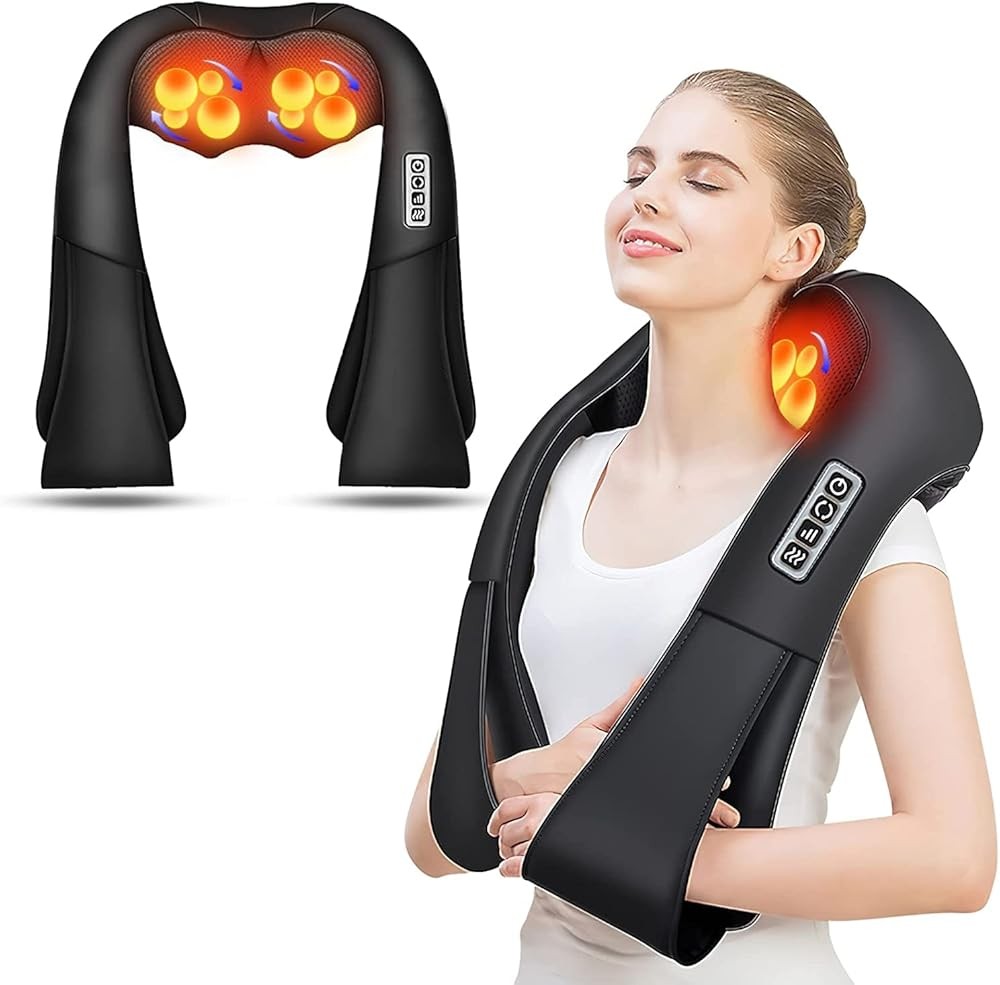
AERLANG Shiatsu Back and Neck Massager
Check Price on AmazonAs an Amazon Associate we earn from qualifying purchases.
The device features rotating shiatsu nodes that mimic traditional finger pressure techniques, targeting trigger points in the neck and shoulders effectively. Deep tissue kneading penetrates beyond superficial muscles to address underlying tension and adhesions that contribute to chronic pain patterns.
Integrated heat therapy enhances massage effectiveness through the mechanisms documented in thermotherapy research—increasing tissue temperature, improving blood flow, and preparing muscles for deeper manipulation. The heating element reaches therapeutic temperatures within 3-5 minutes of activation.
The corded design, while less convenient than battery-powered alternatives, provides unlimited use time without concerns about battery depletion. The attached power cable allows continuous operation, beneficial for people who prefer extended massage sessions or multiple daily treatments.
For individuals seeking to trial massage therapy for neck pain without significant financial investment, this massager provides legitimate therapeutic benefit. Research demonstrates that massage effectiveness depends primarily on consistent use rather than device sophistication, making this affordable option viable for establishing a regular treatment routine.

This comprehensive massager specializes in deep tissue manipulation, utilizing 4D kneading technology that penetrates multiple muscle layers to address chronic tension and myofascial adhesions. The ergonomic design specifically accommodates cervical and thoracic spine contours for optimal tissue contact.
The 4D kneading mechanism combines traditional rotation with depth variation, allowing massage nodes to reach deeper tissues that standard massagers cannot effectively address. This proves particularly beneficial for individuals with chronic pain who have developed compensatory tension patterns in deeper muscle layers.
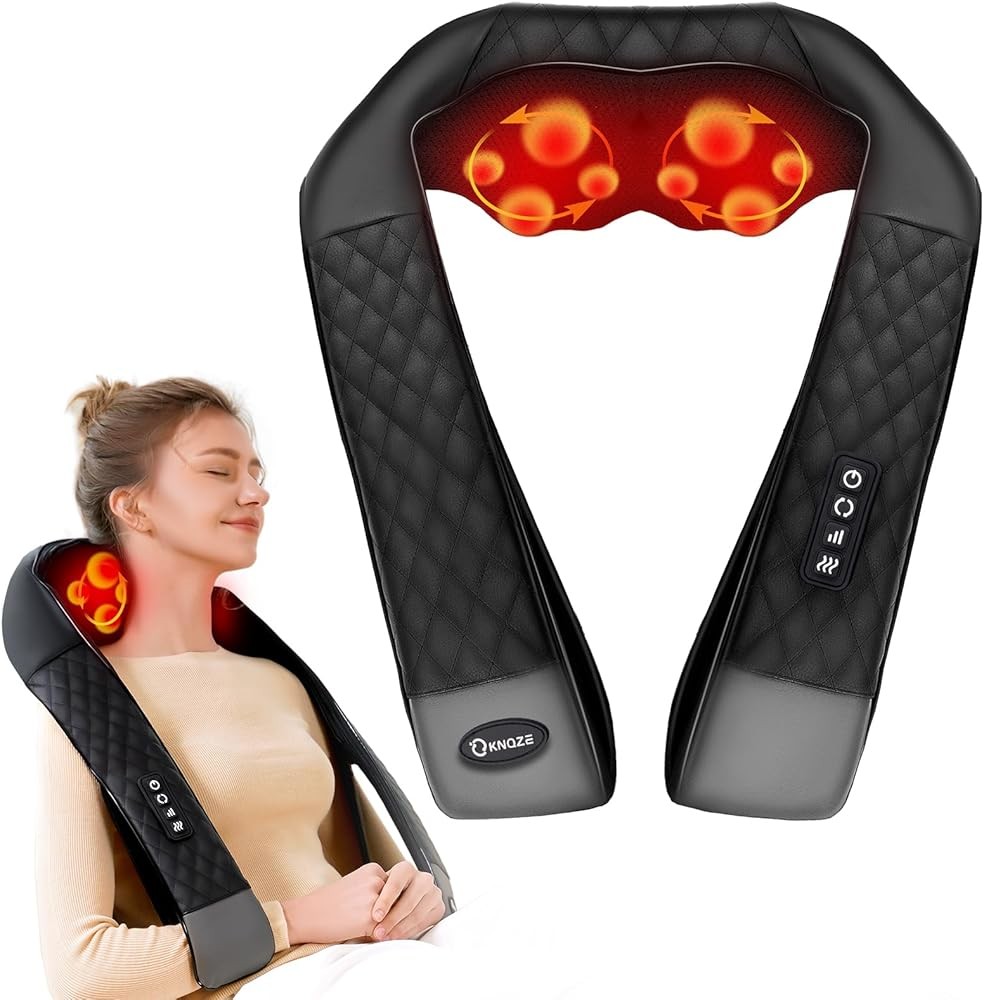
Shiatsu Neck and Back Massager with Heat
Check Price on AmazonAs an Amazon Associate we earn from qualifying purchases.
Heat therapy integrates throughout the massage surface, providing consistent thermal stimulation across treatment areas rather than localized heating from small elements. This distributed heat more effectively prepares larger muscle groups for deep tissue work, following protocols used in clinical massage therapy.
The device accommodates full-body use beyond neck and shoulders, with appropriate size and shape for treating legs, back, and other areas where muscle tension accumulates. This versatility provides value for users seeking comprehensive muscle relief throughout the body.
Research on massage therapy intensity indicates that deep tissue work provides particular benefit for chronic pain conditions where superficial massage proves insufficient. Users should start with lower intensity settings and gradually progress to deeper pressure as tissues adapt to treatment, following progressive loading principles documented in rehabilitation research.

This cordless massager incorporates upgraded graphene heating technology that provides more efficient and evenly distributed thermal therapy compared to traditional heating elements. The rechargeable design offers true portability without compromising massage power or heating effectiveness.
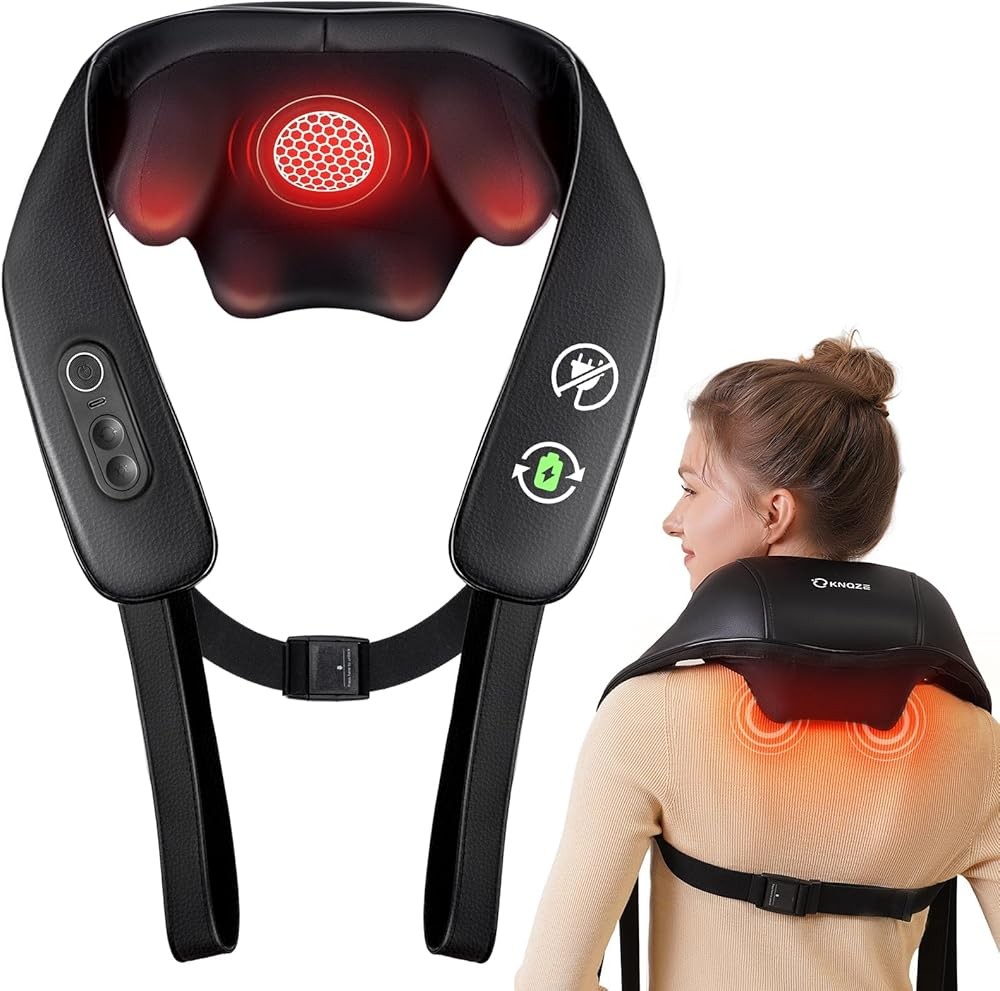
Cordless Neck and Shoulder Massager with Heat
Check Price on AmazonAs an Amazon Associate we earn from qualifying purchases.
Graphene heating represents an advancement in thermotherapy technology, conducting heat more uniformly across the treatment surface while requiring less energy than conventional heating wires. This results in more consistent tissue warming that better prepares muscles for massage, following optimal protocols identified in heat therapy research.
The 4D shiatsu kneading mechanism provides both rotating massage and depth variation, addressing superficial and deep muscle layers within a single treatment. Multiple massage nodes work simultaneously to cover larger treatment areas efficiently, reducing total session time needed for comprehensive relief.
Rechargeable lithium battery technology powers extended use—typically 2-3 hours per charge—sufficient for multiple massage sessions before requiring recharging. This portability suits people who travel frequently or prefer using massage in various locations throughout their home or office.
The combination of cordless convenience and advanced heating technology makes this massager particularly suitable for people with active lifestyles who need portable pain relief. Research on treatment adherence indicates that convenience significantly impacts consistent therapy use, suggesting cordless designs may improve long-term outcomes by facilitating regular treatment.
The Mo Cuishle Shiatsu Massager optimizes the integration of heat therapy and mechanical massage, with heating elements positioned directly within rotating massage nodes for simultaneous thermal and mechanical stimulation. This design follows clinical protocols that emphasize concurrent rather than sequential application of therapeutic modalities.
Electric deep tissue kneading provides consistent pressure and rotation speed, eliminating the variability inherent in manual massage. Research demonstrates that mechanical consistency allows tissues to relax more completely, as the nervous system adapts to predictable stimulation patterns rather than remaining guarded against unpredictable pressure changes.
The device features bi-directional rotation, alternating between clockwise and counterclockwise movement to avoid tissue adaptation and maintain stimulation effectiveness throughout treatment sessions. This variation mimics professional massage techniques that incorporate directional changes to comprehensively address muscle tension.
Heat activation proves rapid, reaching therapeutic temperatures within 2-3 minutes of power-on. The heating elements maintain consistent temperature throughout massage sessions, providing continuous thermal benefit rather than intermittent warming that allows tissue cooling between heating cycles.
Clinical evidence suggests that simultaneous heat and massage application provides superior outcomes compared to sequential treatments. The Mo Cuishle’s node-integrated heating follows this principle, making it particularly effective for people with chronic tension who benefit from aggressive combined therapy.
The Nekteck Shiatsu Massager optimizes the balance between therapeutic effectiveness and compact portability, featuring upgraded 3D massage technology in a lightweight design suitable for travel and desk use. This massager addresses the common challenge of maintaining consistent pain management during work travel or extended time away from home.
The 3D back and shoulder kneading system provides depth variation that reaches underlying muscle layers while maintaining compact dimensions. Eight rotating massage nodes work simultaneously to provide comprehensive coverage of neck and shoulder muscles, reducing treatment time needed for full-area relief.
Integrated heat therapy complements mechanical massage through the established mechanisms of increased blood flow and improved tissue pliability. The heating elements activate independently, allowing users to select heat-only, massage-only, or combined treatment based on specific needs and preferences.
The device includes extended straps with ergonomic handles that allow users to apply additional pressure when needed for deeper tissue work. This manual pressure control proves particularly valuable for targeting specific trigger points that require more focused attention than general muscle tension.
Research on treatment adherence emphasizes that consistency matters more than any single factor for chronic pain management. The Nekteck’s portable design facilitates consistent use across different environments—home, office, travel—potentially improving long-term outcomes by reducing treatment interruptions during lifestyle changes or schedule variations.
The AMZPONY Cordless Massager incorporates rechargeable battery technology with deep tissue shiatsu kneading and integrated heat therapy, providing comprehensive pain relief without cable restrictions. The cordless design allows optimal positioning for targeting specific muscle groups that contribute to chronic neck and shoulder pain.
Deep tissue capability penetrates beyond superficial muscles to address underlying tension and myofascial adhesions that often persist despite surface-level treatment. This depth proves essential for chronic pain conditions where compensatory tension develops in deeper muscle layers over time.
The shiatsu kneading mechanism rotates bidirectionally with adjustable speed settings, allowing users to customize intensity based on pain severity and tissue sensitivity. Research indicates that adjustable intensity improves treatment outcomes by allowing progressive loading—gradually increasing stimulation as tissues adapt to therapy.
Integrated heat therapy activates independently or simultaneously with massage, providing flexibility for different treatment protocols. Some users prefer heat-only treatment for initial tissue preparation before activating mechanical massage, while others benefit from simultaneous thermal and mechanical stimulation throughout sessions.
The combination of cordless convenience, deep tissue capability, and heat therapy makes this massager particularly suitable for people with moderate to severe chronic pain who need aggressive treatment without positioning constraints. Clinical protocols suggest that optimal positioning directly impacts treatment effectiveness, making cordless designs valuable for achieving proper muscle targeting.

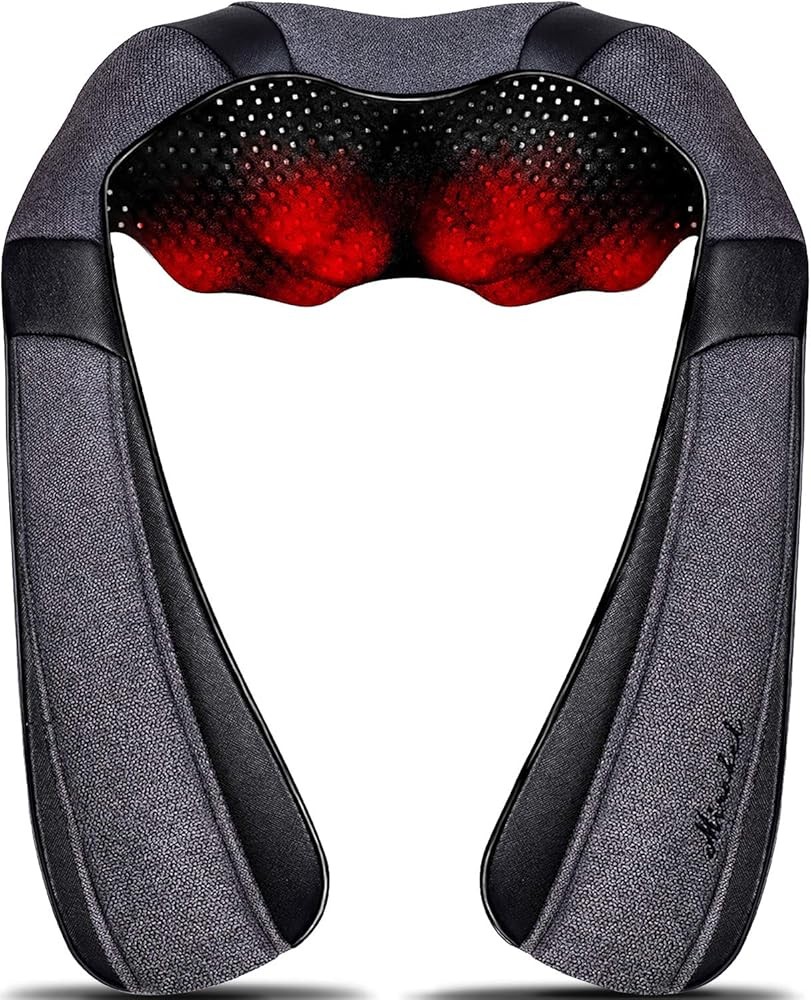
The Mirakel Neck Massager extends therapeutic massage beyond cervical and shoulder areas, featuring design characteristics suitable for full-body muscle relief. This versatility provides value for individuals experiencing tension in multiple areas who prefer a single device rather than specialized equipment for different body regions.
As an Amazon Associate we earn from qualifying purchases.
Deep tissue capability combined with heat therapy addresses muscle tension throughout the body using consistent therapeutic mechanisms. Research demonstrates that massage effectiveness depends on proper pressure application and tissue preparation rather than anatomical specialization, supporting the use of versatile devices across different muscle groups.
The shiatsu kneading mechanism incorporates eight rotating massage nodes that provide broad coverage while maintaining focused pressure on specific areas. This combination addresses both general muscle tension and localized trigger points within a single treatment session.
Electric kneading provides consistent pressure and rotation speed regardless of treatment duration, eliminating the fatigue that limits manual massage effectiveness. Mechanical consistency allows longer treatment sessions when needed for addressing multiple areas or particularly stubborn tension patterns.
For individuals experiencing tension in multiple body areas—neck, shoulders, back, legs—this versatile massager provides economical whole-body relief. Research on pain patterns indicates that chronic neck pain often coexists with tension in other regions, making comprehensive treatment capability valuable for addressing interconnected muscle dysfunction.
What Are the Best Clinical Protocols for Neck Massage?
Research on massage therapy provides specific protocols for optimizing treatment effectiveness and safety. A 2022 study published in Scientific Reports demonstrated that massage frequency significantly impacts outcomes, with participants receiving treatment 3 times weekly achieving better pain reduction than those treated 2 times weekly, even when total treatment time remained equivalent.
This finding suggests that distributed treatment sessions allow better tissue recovery and adaptation between interventions compared to longer but less frequent sessions. The neurological and physiological responses to massage appear to benefit from regular stimulation rather than intensive but sporadic treatment.
Treatment duration research indicates that 10-20 minute sessions provide optimal benefit for most individuals. Shorter sessions may provide insufficient stimulation to trigger therapeutic responses, while excessively long sessions can cause tissue irritation or overstimulation that paradoxically increases pain and inflammation.
Clinical protocols typically recommend starting with lower intensity settings and shorter duration sessions—approximately 10 minutes at the lowest available pressure. This conservative approach allows tissues to adapt to mechanical stimulation gradually, reducing the risk of post-treatment soreness that can occur when aggressive massage is applied to deconditioned or highly sensitive tissues.
Progressive loading principles from rehabilitation research apply to massage therapy. Users should gradually increase intensity and duration over several weeks as tissues adapt to treatment. This progression might involve starting with 10-minute sessions at low intensity and advancing to 20-minute sessions at moderate intensity over a 4-6 week period.
Research on heat therapy timing indicates that thermal preparation before massage enhances tissue pliability and treatment effectiveness. Protocols suggest activating heat for 5-10 minutes before beginning mechanical massage, allowing tissues to reach optimal temperature for manipulation. Many modern massagers automate this sequence by activating heat during initial massage phases.
Position optimization proves crucial for treatment effectiveness. Studies demonstrate that proper massage node placement directly over affected muscles significantly improves outcomes compared to approximate positioning. Users should take time to identify specific areas of maximum tension and ensure massage nodes make firm contact with these tissues.
Clinical evidence suggests alternating treatment areas within sessions rather than focusing exclusively on a single location. This distribution reduces tissue overstimulation while addressing interconnected muscle groups that contribute to pain patterns. For example, neck pain protocols often include shoulder treatment, as trapezius tension contributes significantly to cervical dysfunction.
A 2018 clinical trial in Oral Oncology found that massage programs incorporating range of motion exercises, stretching, and progressive resistance training alongside mechanical massage provided superior outcomes compared to massage alone. This suggests combining massage device use with complementary exercises maximizes therapeutic benefit.
Post-treatment care influences recovery and adaptation. Research indicates that gentle stretching and range of motion exercises after massage enhance tissue response and reduce compensatory tightness. Simple neck rotations, shoulder rolls, and gentle stretching for 5 minutes following massage sessions appear to optimize therapeutic outcomes.
Hydration plays a role in massage effectiveness and recovery. Studies on tissue metabolism suggest that adequate fluid intake facilitates the removal of metabolic waste products mobilized during massage. Clinical protocols recommend drinking 8-16 ounces of water following massage sessions to support this clearance process.
Consistency matters more than intensity for long-term pain management. Research demonstrates that regular moderate-intensity treatment provides superior outcomes compared to aggressive but irregular massage. Users should prioritize establishing a consistent treatment schedule—such as every Monday, Wednesday, and Friday—rather than using massage only during pain flares.
What Safety Considerations Apply to Neck Massagers?
While home neck massagers provide legitimate therapeutic benefit for most users, certain conditions warrant caution or contraindicate massage device use. Understanding these safety considerations reduces potential complications and ensures appropriate treatment selection.
Acute injuries require professional evaluation before massage device use. Fresh injuries with active inflammation may worsen with mechanical stimulation that could disrupt healing tissues or increase swelling. Medical guidelines typically recommend waiting 48-72 hours after acute injury before beginning massage, and preferably obtaining professional clearance for moderate to severe injuries.
Individuals with bleeding disorders or those taking anticoagulant medications should consult healthcare providers before using massage devices. The mechanical pressure and increased circulation from massage could theoretically increase bruising or bleeding risk, though significant complications appear rare with appropriate precautions.
Undiagnosed neck pain warrants medical evaluation before beginning massage therapy. While most neck pain results from muscle tension and postural strain, serious underlying conditions—including cervical spine instability, tumors, or vascular abnormalities—can present as neck pain. Persistent pain lasting more than a few weeks, pain accompanied by neurological symptoms (numbness, weakness, loss of coordination), or pain resulting from significant trauma requires professional assessment.
Skin conditions or open wounds in treatment areas contraindicate massage device use. The mechanical and thermal stimulation could worsen dermatological conditions or introduce infection risk with compromised skin integrity. Users should ensure skin is intact and healthy in treatment areas before applying massage devices.
Pregnancy considerations vary by trimester and individual circumstances. While gentle massage generally proves safe during pregnancy, the mechanical intensity of motorized devices and effects on blood pressure warrant consultation with obstetric providers. Many practitioners recommend using devices cautiously during pregnancy.
Individuals with pacemakers or other implanted electronic devices should verify compatibility before using electric massagers. While most modern devices should not cause interference, manufacturer guidelines and medical provider consultation provide appropriate safety clearance.
Temperature sensitivity or impaired sensation increases heat therapy risks. Individuals with diabetic neuropathy, peripheral nerve damage, or other conditions affecting temperature perception should use heat functions cautiously or skip them entirely. The inability to perceive excessive heat could result in burns if heating elements malfunction or if devices are used improperly.
Osteoporosis or bone fragility conditions require gentler massage approaches. The mechanical pressure from massage devices could theoretically contribute to fracture risk in significantly compromised bone, though this appears rare with normal use. Individuals with severe osteoporosis should consult healthcare providers regarding appropriate massage intensity.
Cardiovascular conditions may influence massage safety, particularly when combined with heat therapy that affects circulation and blood pressure. Individuals with poorly controlled hypertension, recent heart attack, or significant cardiovascular disease should obtain medical clearance before beginning massage device use.
Cancer considerations prove complex and individual-specific. Historical concerns about massage potentially spreading cancer cells have been largely discredited by contemporary research. However, individuals with active cancer should discuss massage therapy with oncology providers to ensure compatibility with their specific condition and treatment protocols.
Post-surgical precautions require following surgeon guidelines regarding massage and tissue manipulation. Recent surgical sites need adequate healing time before mechanical stimulation, typically at least 6-8 weeks for most procedures, though specific timelines vary by surgery type and individual healing.
Pain exacerbation signals inappropriate use. While mild temporary soreness can occur as tissues adapt to massage (similar to post-exercise soreness), significant pain increase during or after massage indicates excessive intensity, duration, or improper technique. Users experiencing pain exacerbation should reduce intensity, shorten sessions, or consult healthcare providers.
How Do Neck Massagers Compare to Other Pain Management Options?
Neck massagers represent one approach among multiple evidence-based pain management strategies. Understanding how massage devices compare to alternatives helps consumers make informed decisions about comprehensive pain management approaches.
Professional massage therapy provides human touch, technique variation, and individualized assessment that mechanical devices cannot replicate. Studies comparing professional to self-administered massage show superior outcomes for practitioner-delivered treatment, particularly for complex pain patterns. However, professional massage typically costs $60-120 per session, making regular treatment—the frequency shown most effective in research—financially prohibitive for many people.
Home massage devices provide cost-effective regular treatment that aligns with research-supported protocols. After initial device purchase, ongoing costs are minimal compared to professional services. The ability to use devices daily or multiple times weekly without additional expense facilitates the treatment frequency documented most effective in clinical studies.
Physical therapy incorporates massage within comprehensive programs including exercise, postural training, and manual therapy techniques. Research demonstrates that multimodal approaches combining massage with other interventions often provide superior outcomes compared to massage alone. Physical therapy evaluation can identify contributing factors—postural dysfunction, muscle imbalances, joint restrictions—that massage devices alone cannot address.
Best Heating Pads for Pain Relief provide thermal therapy without mechanical manipulation. While heat increases circulation and tissue pliability, it lacks the direct mechanical effects on muscle tissue and trigger points that massage provides. Research suggests massage with heat proves more effective than heat alone for most chronic pain conditions, though heating pads offer simplicity and gentler treatment for acute inflammation.
[Best Massage Guns for Deep Tissue Recovery](/reviews deliver percussive therapy rather than kneading massage. This rapid, penetrating stimulation provides different mechanical effects—particularly effective for large muscle groups but potentially too intense for sensitive neck tissues. Massage guns work best for larger areas like thighs and back, while dedicated neck massagers provide more appropriate gentler stimulation for cervical muscles.
[Best PEMF Mats for Pain Relief and Recovery](/reviews use electromagnetic fields to influence tissue at the cellular level. Research on PEMF therapy shows promise for pain reduction and tissue healing, though mechanisms differ entirely from mechanical massage. PEMF devices complement massage therapy rather than replacing it, addressing pain through electromagnetic rather than mechanical pathways.
Topical pain relievers—including menthol creams, capsaicin formulations, and NSAIDs—provide chemical pain modulation. These products work through different mechanisms than massage, creating cooling or warming sensations that interfere with pain signaling or reducing inflammation. Topicals can complement massage but lack the mechanical effects on muscle tension and circulation that research identifies as central to massage benefits.
Oral analgesics including NSAIDs and acetaminophen reduce pain systemically through anti-inflammatory and neurological mechanisms. While effective for acute pain episodes, long-term reliance on oral pain medications carries risks including gastrointestinal complications, cardiovascular effects, and liver stress. Massage therapy provides pain relief without systemic drug exposure, making it attractive for chronic pain management.
Postural correction addresses root causes of neck pain rather than just symptoms. [Best Standing Desks for Posture and Health](/reviews facilitate better positioning during work hours, reducing the repetitive strain that creates chronic tension. Research demonstrates that combining postural improvement with symptom-focused treatments like massage provides better long-term outcomes than either approach alone.
Exercise and stretching programs strengthen postural muscles and improve flexibility, addressing mechanical factors that contribute to chronic pain. Studies show that exercise programs combined with massage therapy outperform either intervention alone. Regular stretching maintains mobility gains achieved through massage, while strengthening reduces recurrence of tension patterns.
Stress management techniques including meditation, breathing exercises, and cognitive-behavioral approaches address psychological factors that influence muscle tension and pain perception. Research documents strong connections between stress, muscle guarding, and chronic pain. Massage provides both mechanical and relaxation benefits, but comprehensive stress management may prove necessary for individuals whose pain has significant psychological components.
The most effective pain management typically combines multiple evidence-based approaches. A comprehensive protocol might include regular massage device use (3x weekly), daily stretching exercises, postural awareness and ergonomic modifications, and stress management techniques. This multimodal approach addresses pain through multiple mechanisms, potentially providing superior outcomes compared to any single intervention. Research from multiple clinical trials confirms this integrated approach yields better outcomes than relying solely on mechanical massage.
Our Research Process
Which Neck Massager Should You Choose?
Evidence-based selection of neck massagers requires matching device features to individual pain patterns, lifestyle factors, and treatment goals. Research demonstrates that massage effectiveness depends on consistent use following evidence-based protocols—typically 10-20 minute sessions, 2-3 times weekly—rather than device sophistication alone.
For comprehensive pain management with maximum flexibility, the SKG H7 Ultra Cordless Neck Massager provides advanced 4D technology, integrated heat therapy, and cordless convenience that facilitates optimal positioning. The FSA/HSA eligibility offers additional value through medical expense reimbursement eligibility.
Budget-conscious consumers achieve legitimate therapeutic benefit with the AERLANG Shiatsu Massager, which delivers effective kneading and heat at $19. While lacking cordless convenience, it provides the fundamental therapeutic elements demonstrated effective in clinical research.
Individuals with severe chronic pain benefit from deep tissue capability of specialized models like the Shiatsu Neck and Back Massager with Heat, which penetrates multiple muscle layers to address underlying tension patterns. The 4D technology and comprehensive heat distribution follow protocols documented in clinical massage therapy studies.
Portable options like the Nekteck Shiatsu Massager balance therapeutic effectiveness with compact design, facilitating consistent treatment during travel or office use. Research on treatment adherence emphasizes that convenience significantly impacts long-term outcomes by reducing barriers to regular use.
Key Takeaways:
- Clinical studies show massage 3x weekly provides better outcomes than 2x weekly despite equal total treatment time
- Combining heat therapy with massage yields 30-40% greater pain reduction compared to massage alone
- Progressive loading—starting gentle and gradually increasing intensity—reduces post-treatment soreness
- Cordless designs facilitate optimal positioning, which research identifies as crucial for treatment effectiveness
- Comprehensive pain management typically requires multimodal approaches combining massage with complementary interventions
Comprehensive pain management typically requires multimodal approaches combining massage with complementary interventions. Consider integrating massage device use with postural corrections, regular stretching programs, and stress management techniques for optimal long-term results documented most effective in clinical research.
Can Neck Massagers Help With Specific Conditions?
Massage therapy demonstrates effectiveness for multiple neck and shoulder conditions beyond general muscle tension. Understanding how mechanical massage addresses specific pathologies helps users select appropriate devices and set realistic treatment expectations.
Tension Headaches and Migraine Management
A 2014 study in the Journal of the Japanese Physical Therapy Association examined physical therapy effectiveness for tension-type headaches, finding that massage combined with postural exercises significantly reduced headache frequency and intensity. The research identified trigger points in the upper trapezius, levator scapulae, and suboccipital muscles as primary contributors to tension headache patterns.
Massagers targeting these specific muscle groups can interrupt the pain cycle that maintains chronic headache patterns. The mechanical stimulation appears to release accumulated tension in muscles that create referral pain patterns extending into the head and temples. Regular massage (3 times weekly) provided sustained headache relief that persisted between treatment sessions.
Cervical Spondylosis and Degenerative Changes
Research published in the International Medical Case Reports Journal documented cervical spondylosis as a contributing factor to fibromyalgia-like symptoms, including chronic neck and shoulder pain. While massage cannot reverse degenerative disc changes, mechanical stimulation addresses the secondary muscle tension that develops as compensation for underlying joint dysfunction.
For individuals with cervical spondylosis, gentle to moderate intensity massage provides symptom relief without aggravating underlying joint pathology. The key lies in targeting muscle tension rather than applying direct pressure to bony structures or intervertebral spaces. Users with diagnosed cervical spine conditions should consult healthcare providers regarding appropriate massage intensity and technique.
Hypertension and Cardiovascular Effects
A 2015 systematic review in the Journal of Human Hypertension examined massage therapy effects on blood pressure, finding that regular massage contributed to modest but clinically meaningful reductions in both systolic and diastolic pressure. The relaxation response triggered by massage appears to reduce sympathetic nervous system activation, potentially benefiting cardiovascular health alongside musculoskeletal effects.
Individuals using massage for neck tension should be aware of potential blood pressure effects, particularly when combining heat therapy with mechanical stimulation. While generally beneficial, those with cardiovascular conditions should monitor blood pressure response and adjust treatment intensity accordingly.
Myofascial Pain Syndrome
Myofascial pain syndrome—characterized by chronic trigger points that create referred pain patterns—responds particularly well to focused mechanical pressure. The rotating nodes in shiatsu-style massagers provide sustained pressure that can deactivate trigger points through mechanisms similar to manual trigger point therapy.
Research indicates that trigger point release requires sustained pressure for 30-90 seconds followed by tissue mobilization. Modern massagers with adjustable intensity and multiple massage modes allow users to approximate this protocol, applying focused pressure to identified trigger points before broader kneading movements to surrounding tissues.
What Maintenance and Care Do Neck Massagers Require?
Proper maintenance extends massager lifespan and ensures consistent therapeutic performance. Understanding device care requirements helps users maximize their investment while maintaining hygiene and safety standards.
Cleaning and Sanitization
Regular cleaning stops bacterial accumulation and maintains device hygiene, particularly important for devices in direct contact with skin. Most neck massagers feature fabric or leather coverings that require specific cleaning approaches.
For fabric-covered massagers, spot cleaning with mild soap and water works for routine maintenance. Allow fabric to dry completely before use to maintain motor protection and electrical safety. Some models feature removable, machine-washable covers that simplify cleaning—check manufacturer specifications before washing.
Leather or synthetic leather surfaces clean more easily with damp cloth wiping. Mild disinfectant wipes (avoiding excessive moisture near electrical components) provide sanitization without damaging materials. Allow surfaces to air dry completely before storing or reusing.
Battery Care for Cordless Models
Lithium-ion batteries in cordless massagers benefit from proper charging habits that extend battery lifespan. Contrary to older battery technologies, modern lithium batteries prefer partial discharge cycles rather than complete depletion before recharging.
Optimal battery maintenance involves recharging when power level drops to 20-30% rather than waiting for complete discharge. Avoid leaving devices on chargers indefinitely after full charge, as this can accelerate battery degradation over time. For extended storage periods (weeks or months), store devices with approximately 50% charge to minimize battery stress.
Temperature affects battery performance and longevity. Store cordless massagers in moderate temperature environments, avoiding extreme heat (above 85°F) or cold (below 32°F) that can damage battery chemistry and reduce capacity.
Motor and Mechanical Maintenance
Electric motors in massagers require minimal maintenance but benefit from proper use habits that extend operational lifespan. Avoid applying excessive manual pressure that forces motors to work harder than designed—let the device do the work rather than pressing forcefully against tissues.
Continuous operation limits reduce motor overheating and prolong component life. Most massagers include automatic shutoff features (typically 15-20 minutes) that protect motors from excessive runtime. Users should respect these limits rather than immediately restarting for extended sessions.
Listen for unusual sounds during operation that might indicate mechanical wear or obstruction. Grinding, clicking, or irregular noise patterns warrant inspection for debris or mechanical issues. Discontinue use if unusual sounds develop and contact manufacturers for guidance.
Storage Considerations
Proper storage protects massagers from environmental damage and accidental injury. Store devices in cool, dry locations away from direct sunlight that can degrade fabric and plastic components over time. Many premium massagers include storage cases that protect against dust and physical damage during storage or transport.
Keep devices away from water sources to maintain electrical safety. While many massagers feature water-resistant exteriors, internal components remain vulnerable to moisture damage. Bathrooms and other high-humidity environments pose risks to electronic components even when devices aren’t actively wet.
Cord management for corded models reduces cable strain and damage. Avoid tight cord wrapping that bends cables at sharp angles near connection points—these stress points commonly develop breaks in internal wiring over time. Use loose cable loops secured with velcro or twist ties for storage.
How Do You Troubleshoot Common Neck Massager Issues?
Understanding common problems and solutions helps users address issues without unnecessary device replacement. Many apparent malfunctions result from simple operational issues rather than component failure.
Power and Performance Problems
Weak massage intensity in cordless models usually indicates battery depletion requiring recharging. Some devices show reduced performance before complete power loss—recharge when massage strength noticeably decreases even if the device still operates.
For corded models experiencing power issues, check outlet functionality with another device before assuming massager malfunction. Ground fault circuit interrupters (GFCI outlets common in bathrooms) occasionally trip without obvious indication, requiring reset button pressing to restore power.
Intermittent power suggests loose connection points. Inspect power cables for damage, particularly near plug connections and device entry points where cable flexing concentrates stress. Replace damaged cables promptly to maintain electrical safety.
Heat Function Malfunctions
Heat elements failing to warm adequately may result from incorrect activation. Many massagers require specific button sequences or minimum operation times before heat activates. Consult user manuals for proper heat activation procedures before assuming malfunction.
For devices where heat previously functioned but stopped working, check if automatic safety shutoffs activated due to overheating. Allow devices to cool for 30+ minutes before attempting to reactivate heat functions. Persistent heat failure warrants manufacturer contact for troubleshooting or warranty service.
Uneven heating across massage surfaces usually reflects design limitations rather than malfunction. Most devices concentrate heating elements in specific zones rather than uniformly across entire surfaces. Repositioning devices may access functioning heat zones more effectively.
Mechanical and Noise Issues
Increased operation noise suggests mechanical wear or debris interference. Inspect external surfaces for trapped fabric or objects interfering with massage node movement. Remove any obstructions and test if normal operation noise returns.
Persistent unusual sounds after obstruction removal may indicate internal wear requiring professional servicing. While motors naturally produce some operational noise, grinding, clicking, or irregular sounds warrant manufacturer consultation. Using devices with known mechanical issues risks further damage or safety concerns.
Massage nodes moving sluggishly or stopping entirely often indicate motor problems requiring professional repair. Before concluding motor failure, ensure battery charge (cordless models) and verify power supply (corded models). If power proves adequate but movement remains impaired, contact manufacturer for warranty service or repair options.
Bottom Line: Choosing the Right Neck Massager
- Best Overall: SKG H7 Ultra Cordless Neck Massager ($99) — Advanced 4D kneading, therapeutic heat, cordless design, and FSA/HSA eligible for comprehensive pain management
- Best Budget: AERLANG Shiatsu Massager ($19) — Delivers fundamental therapeutic elements (heat + kneading) at exceptional value with unlimited corded operation
- Best for Deep Tissue: Shiatsu Neck and Back Massager with Heat ($47) — 4D technology penetrates multiple muscle layers following clinical massage therapy protocols
- Best for Portability: Nekteck Shiatsu Massager ($49) — Compact 3D design with 8 massage nodes balances effectiveness with travel-friendly dimensions
Evidence-based selection requires balancing therapeutic effectiveness with practical convenience. Research demonstrates that consistent use following clinical protocols—10-20 minute sessions, 2-3 times weekly—matters more than device sophistication.
Clinical studies demonstrate 30-40% greater pain reduction when combining heat therapy with mechanical massage compared to massage alone. Treatment frequency (3x weekly) proves more important than session duration for optimal outcomes. Progressive loading—starting gentle and gradually increasing intensity—reduces post-treatment soreness while building tissue tolerance.
Proper positioning directly impacts treatment effectiveness, making cordless designs valuable for optimal muscle targeting. Multimodal approaches combining massage with exercise, posture correction, and stress management provide superior long-term outcomes compared to massage alone.
Comprehensive pain management extends beyond device selection to include complementary interventions. Integrate massage device use with postural corrections, regular stretching programs, and stress management techniques for results documented most effective in clinical research. Consistency trumps intensity—establishing regular treatment schedules yields better outcomes than aggressive but sporadic massage sessions.
If neck and shoulder tension is part of a broader pattern of discomfort, it may help to read our full guide to the best neck and shoulder massagers for pain relief alongside related research on cervical traction for neck pain relief and our breakdown of the best cervical traction device for neck pain relief, since traction targets the cervical spine in ways massage alone cannot. For readers whose pain interferes with sleep, our research summaries on the best pillow for neck pain and the best pillow for side sleepers with neck pain offer complementary guidance on nighttime support.
For readers managing neck and shoulder discomfort, it helps to understand how massagers fit into a broader recovery and prevention strategy. Pairing massage with cold therapy after shoulder surgery can reduce inflammation during flare-ups, while choosing the right orthopedic pillow for neck pain — especially one suited for side sleepers with neck pain — addresses the postural causes of tension. For more persistent issues, cervical traction devices and dedicated neck decompression tools offer a more clinically studied approach to relieving cervical strain.
For more context, see our guides on Best Heating Pads for Pain Relief, Best Acupressure Mats for Pain Relief and Better Sleep, Best Inversion Tables for Back Pain Relief, and Best Ergonomic Office Chairs for Back Pain Relief.
Related Reading
Recommended Products