15 Best Metabolism Boosters Ranked: Caffeine +150 Cal/Day, Berberine -2kg
Summarized from peer-reviewed research indexed in PubMed. See citations below.
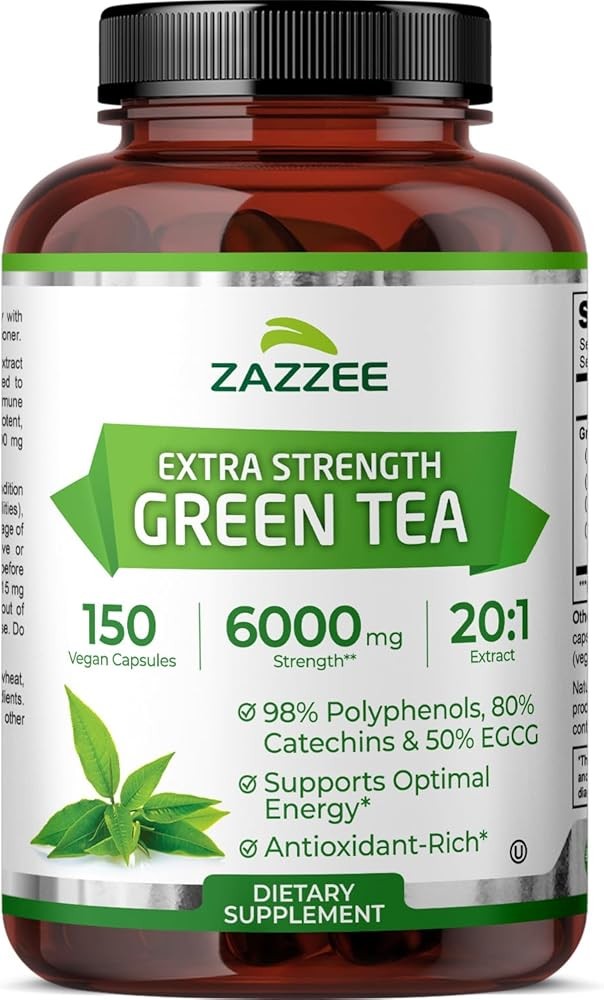
Most people struggling with stubborn weight gain despite caloric restriction discover that metabolism supplements deliver far less dramatic results than marketing promises suggest. The Lemme Burn Metabolism Supplement bundles several thermogenic and metabolic ingredients at $39.99 for a 30-day supply. Like all multi-ingredient blends, this specific formula has no clinical trials of its own, and the realistic ceiling for this class of product is roughly 50-150 extra calories burned per day, per the ingredient evidence reviewed below. For budget-conscious buyers, Zazzee Extra Strength Green Tea Extract (20:1, 50% EGCG, 150 vegan capsules) delivers a studied EGCG dose at $24.97. Here’s what the published research shows about metabolism supplements and their actual metabolic impact.
Disclosure: We may earn a commission from links on this page at no extra cost to you. Affiliate relationships never influence our ratings. Full policy →
Watch Our Video Review
Bottom line: Watch our video review for a visual breakdown of the top metabolism booster supplements ranked by clinical evidence strength.
| Feature | Lemme Burn | Veracity Ignite | Zazzee Green Tea |
|---|---|---|---|
| Primary Mechanism | AMPK activation + thermogenesis | GLP-1 boosting + appetite control | COMT inhibition + fat oxidation |
| Key Active Compounds | Caffeine, EGCG, berberine analogues | Natural GLP-1 boosters + thermogenic blend | 50% EGCG, 98% polyphenols, 80% catechins |
| Dosing Frequency | 2 capsules daily | 2 capsules before meals | 1 capsule daily with food |
| Best For | Multi-pathway metabolism support | Appetite control + weight management | Budget thermogenic support |
| Price | $39.99 / 30 days | Per current listing | $24.97 / 150 caps |
What Does the Metabolism Supplement Industry Not Want You to Know?
Every year, Americans spend over $6 billion on weight loss supplements, and “metabolism boosters” represent one of the most popular categories. The marketing is relentless and the promises are extravagant: “torch belly fat,” “supercharge your metabolism,” “burn calories while you sleep.” The language is designed to make you believe that a capsule can fundamentally transform the rate at which your body burns energy.
Here is the truth that most supplement companies would rather you not hear: the most potent metabolism-boosting supplements on the planet add roughly 50 to 150 extra calories of daily energy expenditure. That is the equivalent of eating one fewer cookie. Or walking for 15 to 20 minutes. The entire metabolic “boost” from even the best-studied thermogenic ingredients can be negated by a single extra handful of trail mix.
Does that mean every metabolism supplement is worthless? No. Some ingredients have real, replicated clinical data behind them. Caffeine genuinely increases metabolic rate. Green tea catechins augment fat oxidation. Berberine produces meaningful changes in glucose and lipid metabolism that rival some prescription medications. Capsaicin activates thermogenic pathways. These effects are real. They are also small.
The problem is not that these supplements do nothing. The problem is the gap between what they actually do and what people expect them to do. If you think a metabolism booster is going to let you eat whatever you want and still lose weight, you are going to be disappointed. If you understand that it might contribute a modest 3-8% increase in energy expenditure as one small component of a comprehensive approach that includes diet, exercise, and lifestyle optimization, then you have the right expectations.
This article is going to rank 15 metabolism-related supplements into three evidence tiers. We will give you specific numbers from clinical trials – actual calories burned, percentage increases in metabolic rate, effect sizes from meta-analyses. We will tell you which ingredients have data and which are running on hype. And we will be honest about the fact that the single most effective “metabolism booster” is not a supplement at all. It is building muscle, sleeping well, eating enough protein, and moving more throughout your day.
Bottom line: Most metabolism supplements add only 50-150 calories per day of energy expenditure – the equivalent of a single cookie or 15-20 minutes of walking – though some ingredients like caffeine, green tea extract, berberine, and capsaicin have genuine clinical support.
What Are the Signs Your Metabolism May Need Attention?
Before we get into the science and supplement rankings, it is worth talking about something most metabolism articles skip entirely: how do you actually know if your metabolic rate is suboptimal? Your body gives you signals. Most people just do not know how to read them.
1. You are always cold. Not just “I prefer warm weather” cold, but genuinely cold hands and feet even in temperate environments. Thyroid hormones are the master regulators of metabolic rate, and even subclinical hypothyroidism can reduce heat production noticeably.
2. Fatigue that sleep does not fix. If you are getting 7-8 hours and still dragging through the afternoon, your cells may not be producing energy efficiently. Mitochondrial function, thyroid output, and iron status all converge on this symptom.
3. Stubborn weight gain on a reasonable diet. I am not talking about someone eating 3,000 calories and wondering why the scale is climbing. I mean the person eating 1,600-1,800 calories, exercising 3-4 times per week, and still watching the number go up. That pattern warrants metabolic investigation.
4. Constipation that persists despite adequate fiber and water. Your gut motility is partly driven by metabolic rate. A sluggish metabolism often means sluggish digestion. If transit time is consistently slow, it may be more than a dietary issue.
5. Brain fog and poor concentration. Your brain is the most metabolically demanding organ in your body, consuming roughly 20% of your resting energy despite being only 2% of body weight. When overall metabolic efficiency drops, cognitive function often goes with it.
6. Dry skin and brittle hair. These are classic signs of thyroid dysfunction, but they can also reflect broader metabolic insufficiency. Your body triages energy, and when resources are scarce, cosmetic maintenance is the first thing to be deprioritized.
7. You cannot lose weight even in a clear caloric deficit. If you have tracked your intake meticulously, confirmed a genuine deficit, and the scale has not moved in 4-6 weeks, something metabolic may be off. Adaptive thermogenesis, hormonal shifts, and water retention can all mask fat loss, but persistent plateau warrants a deeper look.
8. Sugar and carb cravings that feel compulsive. When your cells are not efficiently converting glucose to energy, your brain interprets this as an energy crisis and demands more fuel – particularly fast-acting carbohydrates. This is different from occasionally wanting dessert. This is the feeling that you need sugar.
9. Slow recovery from exercise. If mild workouts leave you sore for days, or you are not adapting to training stimuli the way you used to, your metabolic recovery systems may be underperforming. This intersects with sleep, nutrition, and hormonal status.
10. Low resting heart rate combined with low energy. In athletes, a low resting heart rate is a sign of cardiovascular fitness. In sedentary or moderately active individuals who also feel fatigued, it can indicate a downregulated metabolism, particularly if accompanied by other symptoms on this list.
If you recognize three or more of these signs, the first step is not a supplement. It is bloodwork. Get your thyroid panel (TSH, free T3, free T4), fasting glucose, hemoglobin A1c, iron/ferritin, and vitamin D checked. A supplement cannot fix a thyroid disorder or iron deficiency. But once medical causes are ruled out or addressed, the strategies in this article become relevant.
Bottom line: If you experience three or more warning signs (persistent cold hands and feet, unexplained fatigue despite 7-8 hours sleep, stubborn weight gain on 1,600-1,800 calories daily, brain fog, or compulsive carb cravings), get bloodwork first – check TSH, free T3, free T4, fasting glucose, HbA1c, iron/ferritin, and vitamin D to rule out thyroid dysfunction or iron deficiency before trying supplements.
How Does Metabolism Actually Work?
The word “metabolism” gets thrown around constantly in supplement marketing, but most people do not actually understand what it means in physiological terms. Your total daily energy expenditure (TDEE) – the total number of calories your body burns in 24 hours – is composed of four distinct components.
What Is Your Basal Metabolic Rate and Why Does It Matter?
Your basal metabolic rate is the energy your body expends simply to stay alive. Breathing, circulating blood, maintaining body temperature, synthesizing proteins, running your brain – all of this happens whether you move or not. BMR accounts for the majority of your daily calorie burn, typically 60-75% of the total.
BMR is primarily determined by factors you cannot easily change: body size, lean muscle mass, age, sex, and genetics. A 200-pound man with significant muscle mass will have a BMR of roughly 1,800-2,000 calories per day. A 130-pound woman with average body composition might have a BMR of 1,200-1,400 calories. The biggest modifiable factor in BMR is lean muscle mass – each pound of muscle burns approximately 6-7 calories per day at rest, compared to about 2 calories per pound of fat tissue. This is meaningful but not dramatic: gaining 10 pounds of muscle (a substantial achievement requiring months of dedicated training) increases your BMR by roughly 60-70 calories per day.
How Many Calories Does Digesting Food Burn?
Your body expends energy digesting, absorbing, and metabolizing the food you eat. This is called the thermic effect of food, and it accounts for roughly 10% of your TDEE on average. However, TEF varies dramatically by macronutrient. Protein has a TEF of 20-30%, meaning that if you eat 100 calories of protein, your body uses 20-30 of those calories just processing it. Carbohydrates have a TEF of 5-10%, and fat has a TEF of only 0-3%. This is one reason why high-protein diets have a metabolic advantage – you literally burn more calories digesting protein than digesting the same number of calories from fat.
How Much Does Daily Movement Affect Your Calorie Burn?
NEAT encompasses all the energy you expend moving throughout the day that is not deliberate exercise: walking to your car, fidgeting, standing, gesturing while you talk, taking the stairs, doing household chores. Research by Dr. James Levine at the Mayo Clinic has shown that NEAT can vary by up to 2,000 calories per day between two people of similar size. This is not a typo. The difference in daily energy expenditure between a desk-bound office worker and an active agricultural worker can exceed 1,500 calories from NEAT alone. This makes NEAT arguably the most important and most underappreciated component of metabolism for weight management.
How Many Calories Does Exercise Actually Burn?
Deliberate, structured exercise – your gym sessions, runs, cycling, and swimming – accounts for only about 5-10% of total daily energy expenditure for most people. Even someone who exercises intensely for an hour burns perhaps 300-600 calories in that session, which is a relatively small fraction of their total daily expenditure. Exercise matters enormously for health, body composition, and cardiovascular fitness. But from a pure calorie-burning perspective, it is less impactful than most people assume.
Why Do Supplements Only Impact a Small Fraction of Your Metabolism?
Here is the critical insight: metabolism booster supplements primarily target the smallest components of your energy expenditure. They might increase TEF slightly, or bump up thermogenesis by a small percentage of BMR. The effect is real but operates on a narrow slice of your total burn. Meanwhile, NEAT – which you can increase dramatically simply by being more active throughout your day – offers 10 to 20 times more potential impact than any supplement.
Bottom line: Your total daily energy expenditure consists of BMR (60-75%), NEAT (15-30%), TEF (10%), and exercise (5-10%) – metabolism supplements primarily impact only the smallest components, while increasing daily movement through NEAT offers 10-20 times more calorie-burning potential than any pill.
Which Metabolism Supplements Have the Strongest Clinical Evidence?
These four ingredients have the most robust, replicated clinical data supporting genuine effects on metabolic rate, energy expenditure, or metabolic health markers. “Strongest evidence” does not mean “dramatic effects.” It means the effects are real, statistically significant, and have been confirmed across multiple independent trials.
Bottom line: The four Tier 1 metabolism supplements – caffeine, green tea extract (EGCG), capsaicin, and berberine – each have multiple independent clinical trials confirming real but modest effects on energy expenditure, fat oxidation, or metabolic health markers.
How Much Does Caffeine Increase Your Metabolic Rate?
Caffeine is the single most well-studied thermogenic compound in existence, and it remains the most reliably effective metabolism booster available without a prescription. Its mechanisms are well understood: caffeine antagonizes adenosine receptors, stimulates the sympathetic nervous system, and elevates catecholamine release (particularly norepinephrine and epinephrine), which activate thermogenesis and increase the rate at which your body burns calories.
The numbers are clear. A landmark 1989 study by Dulloo et al. found that repeated administration of 100 mg caffeine (roughly one cup of coffee) at 2-hour intervals over a 12-hour period increased energy expenditure by 150 kcal in lean subjects and 79 kcal in post-obese subjects [1]. Single doses of 100 mg increased resting metabolic rate by 3-4% over a 150-minute period. Higher doses produce larger effects: 200-400 mg of caffeine can increase metabolic rate by 5-8% for 2-3 hours after ingestion.
A separate study by Acheson et al. found that a single dose of 8 mg/kg caffeine (approximately 600 mg for a 75 kg person) increased energy expenditure by 13% and doubled the rate of fat oxidation [2]. A 2022 systematic review and meta-analysis across 94 studies confirmed a statistically significant effect of caffeine on fat metabolism, both at rest and during exercise, though the overall effect size was classified as small [3].
The major limitation is tolerance. Regular caffeine consumers develop tolerance to its metabolic effects within days to weeks. The thermogenic boost seen in acute studies does not persist at the same magnitude in habitual coffee drinkers. Cycling caffeine – alternating weeks on and off – may help maintain the metabolic effect, though this strategy is not well studied in long-term trials.
Practical dosing: 100-400 mg per day, ideally cycled (2 weeks on, 1 week off) to minimize tolerance. Avoid consumption after 2 PM to protect sleep quality, which itself is a major metabolic factor. Individual sensitivity varies enormously; some people are fast caffeine metabolizers (CYP1A2 gene variant) and clear it rapidly, while slow metabolizers experience prolonged effects and more side effects at lower doses.
Bottom line: Caffeine increases metabolic rate by 3-11% for several hours, adding 79-150 extra calories per day, but regular users develop tolerance within days to weeks – cycling caffeine (2 weeks on, 1 off) may help maintain effectiveness.
How Effective Is Green Tea Extract for Metabolism?
Green tea extract owes its metabolic effects primarily to epigallocatechin-3-gallate (EGCG), the most pharmacologically active catechin, which constitutes over 50% of the total catechin content in most green tea products. EGCG inhibits catechol-O-methyltransferase (COMT), an enzyme that degrades norepinephrine. By slowing norepinephrine breakdown, EGCG prolongs sympathetic nervous system activation and thermogenesis. This effect is synergistic with caffeine, which is why green tea extract is often more effective than isolated EGCG.
The meta-analysis data tells a nuanced story. A systematic review examining 15 studies with 499 participants found that EGCG supplementation increased energy expenditure by approximately 158 kJ/day (about 38 kcal/day) compared to placebo, with a simultaneous reduction in respiratory quotient indicating enhanced fat oxidation [4]. A study by Dulloo et al. in healthy men found that green tea extract containing 270 mg EGCG and 150 mg caffeine increased 24-hour energy expenditure by 4% compared to caffeine alone, and fat oxidation was 41% of total energy expenditure for green tea compared to 33% for caffeine alone [5].
However, the story gets more complicated with longer-term use. A study by Janssens, Hursel, and Westerterp-Plantenga found that long-term green tea extract supplementation did not significantly affect fat absorption, resting energy expenditure, or body composition in adults. The Hursel and Westerterp-Plantenga meta-analysis (2009) concluded that catechin-caffeine mixtures had a “small positive effect” on weight loss and weight maintenance, with ethnicity being a significant moderator – effects were more pronounced in Asian populations, possibly due to differences in COMT enzyme activity and habitual caffeine intake [6].
The safety caveat is important. The US Pharmacopeia reviewed more than 200 cases involving green tea products and identified 27 reports of liver damage considered possibly or likely caused by green tea extract. Four patients required liver transplantation. The risk appears highest when concentrated extracts are taken on an empty stomach. This does not mean green tea extract is dangerous for most people, but it does mean you should take it with food and discontinue immediately if you experience symptoms of liver stress (dark urine, yellowing skin, upper right abdominal pain, unusual fatigue).
Practical dosing: 250-500 mg EGCG per day, standardized to contain at least 45% EGCG. Always take with food. A product combining EGCG with naturally occurring caffeine (as in whole green tea extract) is likely more effective than isolated EGCG.
Bottom line: Green tea extract (EGCG) adds approximately 38-100 calories per day when combined with caffeine and works by prolonging norepinephrine activity, but over 200 cases of liver injury have been reported – always take with food and discontinue if you experience liver-related symptoms.
Does Capsaicin Really Boost Metabolism?
Capsaicin, the compound responsible for the burning sensation in chili peppers, activates transient receptor potential vanilloid 1 (TRPV1) receptors in both the gut and brown adipose tissue, triggering thermogenesis and increasing energy expenditure. The mechanism is direct: capsaicin literally makes your body produce more heat, which requires burning calories.
A 2020 systematic review and meta-analysis found that capsaicinoids/capsinoids significantly increased resting metabolic rate by 33.99 kcal/day compared to placebo, with concurrent increases in fat oxidation and decreases in respiratory quotient [7]. The Ludy, Moore, and Mattes (2012) critical review and meta-analysis confirmed that capsaicin augments energy expenditure and enhances fat oxidation, especially at high doses, though the magnitude was classified as small [8]. Importantly, capsaicin also appears to suppress appetite – it reduces orexigenic sensations, increases satiety, and decreases energy intake, which may contribute as much to weight management as the thermogenic effect itself.
Dose matters significantly. The meta-analysis found that capsaicin had no significant effect on energy expenditure at low or intermediate doses – the thermogenic benefit appears primarily at high doses. Capsule form supplements taken for longer durations showed more considerable influence on resting metabolic rate than shorter interventions.
The challenge with capsaicin is practical tolerability. The doses that produce meaningful thermogenic effects also produce significant gastrointestinal discomfort in many people. Capsiate, a non-pungent capsaicin analog found in sweet peppers, offers similar TRPV1 activation without the burning sensation, though the evidence base for capsiate is smaller.
Practical dosing: 2-6 mg capsaicinoids per day, preferably from standardized cayenne pepper extract in capsule form (enteric-coated if available to reduce GI irritation). Start at the lower end and titrate up. Taking with food reduces gastric discomfort.
Bottom line: Capsaicin increases resting metabolic rate by approximately 34 calories per day at high doses (2-6 mg capsaicinoids) by activating heat-producing TRPV1 receptors, though the thermogenic benefit appears primarily at higher doses that may cause GI discomfort.
How Does Berberine Compare to Metformin for Metabolism?
Berberine is a bioactive alkaloid extracted from several plants including barberry, goldenseal, and Oregon grape. It has emerged as one of the most interesting metabolic supplements in recent years, primarily because its effects on blood glucose and lipid metabolism are comparable to the prescription drug metformin – a claim that is actually supported by head-to-head clinical trials.
The metabolic data is impressive for a supplement. A meta-analysis of 12 randomized controlled trials found that berberine treatment significantly decreased body weight by 2.07 kg and BMI by 0.47 kg/m2, with waist circumference reduced by 1.08 cm [9]. A larger 2024 meta-analysis of 23 articles confirmed significant reductions in body weight (0.88 kg), BMI (0.48 kg/m2), and waist circumference (1.32 cm) [10]. But weight loss is arguably not even berberine’s most important metabolic effect.
The comparison with metformin is where berberine gets genuinely interesting. A systematic review found that berberine’s hypoglycemic effect was similar to metformin, but berberine was superior for lipid metabolism – producing greater reductions in triglycerides and total cholesterol [11]. In a 12-week trial, daily supplementation with 1.5 g berberine achieved a 23% decrease in triglycerides and 12.2% decrease in total cholesterol. For people with metabolic syndrome, insulin resistance, or prediabetes, berberine addresses multiple metabolic pathways simultaneously: it activates AMPK (the same pathway activated by metformin and exercise), improves insulin sensitivity, reduces hepatic glucose output, and modulates gut microbiota.
The metabolic rate effect of berberine is indirect but meaningful. Rather than directly increasing thermogenesis like caffeine or capsaicin, berberine improves the efficiency of glucose and lipid metabolism, reduces insulin resistance (which is itself a driver of weight gain), and promotes a more favorable metabolic milieu. The clinical outcomes – reduced body weight, improved lipid profiles, better glycemic control – are among the most robust for any supplement in the metabolic space.
Practical dosing: 500 mg three times daily (1,500 mg/day total), taken before meals. Effects on weight are most pronounced at doses above 1 g/day maintained for at least 8 weeks. Berberine has relatively poor bioavailability, so splitting the dose across three administrations is important. GI side effects (cramping, diarrhea, constipation) are common but usually mild and transient.
Critical warning: Berberine inhibits several CYP450 enzymes and can significantly alter blood levels of many prescription medications, similar to grapefruit. If you take any prescription drugs, consult your physician before adding berberine.
Bottom line: Berberine at 1,500 mg/day (500 mg 3x daily before meals) reduces body weight by 0.88-2.07 kg across meta-analyses (PMID 32690176) while achieving 23% triglyceride reduction and 12.2% cholesterol reduction, but it inhibits CYP450 enzymes and requires physician consultation if you take any prescription medications.
Which Metabolism Supplements Have Moderate Evidence?
These ingredients have clinical support, but the evidence is less consistent, the effect sizes are smaller, or the quality of available studies is lower than Tier 1. They may be worth considering as part of a broader strategy, but expectations should be appropriately modest.
Bottom line: Tier 2 supplements – L-carnitine, CLA, chromium picolinate, and MCT oil – have some clinical support for modest body composition effects, but the evidence is less consistent than Tier 1, effect sizes shrink or disappear in high-quality studies, and expectations should be kept appropriately modest.
Does L-Carnitine Help You Burn More Fat?
L-carnitine is an amino acid derivative essential for transporting long-chain fatty acids into the mitochondria for beta-oxidation. The theoretical rationale is straightforward: if you increase carnitine availability, you should increase the rate at which your cells burn fat for energy. The reality is more complicated.
The largest meta-analysis to date, encompassing 37 RCTs with 2,292 participants, found that L-carnitine supplementation significantly decreased body weight by 1.21 kg, BMI by 0.24 kg/m2, and fat mass by 2.08 kg [12]. An updated meta-analysis of 43 RCTs reported similar results: weight reduction of 1.13 kg, BMI decrease of 0.36 kg/m2, and fat mass reduction of 1.16 kg [13]. A dose-response analysis found that 2,000 mg per day provides the maximum effect.
However, when the analysis was restricted to only high-quality RCTs, the effect was reduced to body weight alone – the fat mass and BMI effects disappeared. Subgroup analysis also revealed that L-carnitine’s anti-obesity effects were significant only in overweight and obese subjects, not in normal-weight individuals. This suggests that L-carnitine may help people who are metabolically compromised but offers little to those who are already metabolically healthy.
Practical dosing: 2,000 mg (2 g) per day, ideally split into two doses. L-carnitine L-tartrate is the most commonly studied form for body composition. Take with a carbohydrate-containing meal, as insulin helps drive carnitine into muscle cells. Effects take 8-12 weeks to manifest.
Bottom line: L-carnitine supplementation at 2,000 mg daily reduces body weight by 1.21 kg and fat mass by 2.08 kg in overweight individuals, but effects disappear when restricted to high-quality studies only and do not occur in normal-weight people.
Does CLA Actually Work for Fat Loss?
CLA is a group of naturally occurring trans fats found primarily in dairy products and grass-fed beef. It gained popularity as a body composition supplement based on animal studies showing dramatic fat loss – but the human data tells a more subdued story.
A meta-analysis by Whigham et al. found that CLA at a dose of 3.2 g/day produced a modest loss in body fat, with an average difference of approximately 0.09 kg per week compared to placebo. A comprehensive systematic review of long-term supplementation found that CLA produced approximately 1.33 kg of additional fat loss compared to placebo, though the magnitude was described as having “uncertain clinical relevance” [14]. A more recent 2023 meta-analysis was even more cautious: when examining only high-quality studies, CLA failed to significantly change fat mass or body fat percentage, though it did produce small increases in fat-free mass and decreases in body weight and BMI [15].
The mechanism involves CLA’s interaction with PPAR-gamma receptors and its effects on lipid metabolism enzymes, but the translation from the dramatic animal study results to the modest human findings has been consistently disappointing.
Practical dosing: 3.2-6.4 g per day, split across meals. Use a product providing a mix of the c9,t11 and t10,c12 isomers, as the t10,c12 isomer appears to be primarily responsible for body composition effects. Note that CLA can worsen insulin sensitivity in some individuals and may increase inflammatory markers, particularly at higher doses.
Bottom line: CLA at 3.2 g/day produces approximately 1.33 kg of additional fat loss compared to placebo over 12+ weeks, but when restricted to high-quality studies, it fails to significantly change fat mass or body fat percentage.
How Effective Is Chromium Picolinate for Weight Loss?
Chromium is a trace mineral involved in insulin signaling, and chromium picolinate is the most commonly supplemented form. The theoretical basis for its metabolic effects centers on improving insulin sensitivity and glucose metabolism, which could indirectly affect body composition and reduce carbohydrate cravings.
The evidence is underwhelming for weight loss specifically. A Cochrane review found that when results from various doses (200-1,000 mcg) were pooled, participants taking chromium picolinate lost approximately 1 kg more than placebo, but the clinical relevance was considered debatable [16]. A systematic review by Onakpoya et al. found a relatively small effect on body weight and concluded that the overall quality of evidence was low [17]. A 2023 dose-response meta-analysis found that chromium supplementation had no significant effect on BMI, body weight, waist circumference, or fat mass overall, though subgroup analysis showed some benefit for fat mass reduction in subjects over age 55 [18].
Where chromium shows more promise is in glucose metabolism. In patients with type 2 diabetes or inadequate glycemic control, chromium supplementation at doses above 200 mcg/day improved HbA1c and fasting plasma glucose. This makes chromium more relevant for metabolic health than for weight loss per se.
Practical dosing: 200-1,000 mcg per day as chromium picolinate. Most relevant for individuals with insulin resistance, prediabetes, or carbohydrate cravings. Evidence does not support use for weight loss in metabolically healthy individuals.
Bottom line: Chromium picolinate produces approximately 1 kg more weight loss than placebo, but a 2023 dose-response meta-analysis found no significant effect on BMI, body weight, waist circumference, or fat mass overall – it’s most relevant for glucose metabolism in people with insulin resistance rather than weight loss.
What Are the Benefits of MCT Oil for Metabolism?
Medium-chain triglycerides are fats with 6-12 carbon chain lengths that bypass normal fat digestion and are transported directly to the liver via the portal vein, where they are rapidly oxidized for energy or converted to ketones. This unique metabolic pathway means MCTs are burned for energy more efficiently than long-chain fats and are less likely to be stored as body fat.
A meta-analysis of 13 RCTs (n=749) found that compared to long-chain triglycerides (LCTs), MCTs decreased body weight by 0.51 kg, waist circumference by 1.46 cm, and hip circumference by 0.79 cm, along with reductions in total body fat, subcutaneous fat, and visceral fat. Research demonstrates that MCTs stimulate thermogenesis to a greater degree than LCTs, with excess dietary energy as MCT being stored with lesser efficiency. A meta-analysis of satiety studies found that MCT ingestion significantly decreased ad libitum energy intake compared to LCTs in laboratory conditions.
The practical limitation is that MCT oil is a calorie-dense fat (approximately 115 calories per tablespoon). If you simply add MCT oil to your existing diet without replacing other fat sources, you are adding calories, which will negate any thermogenic benefit. The research showing benefits compared MCTs to LCTs in isocaloric conditions – meaning the MCTs replaced other fats rather than being added on top.
Practical dosing: 15-30 mL (1-2 tablespoons) per day, used as a replacement for other cooking oils or fats rather than an addition. Start with 5 mL and increase gradually to avoid GI distress (cramping, diarrhea). C8 (caprylic acid) MCT oil is the most ketogenic and rapidly metabolized form.
Bottom line: MCT oil at 15-30 mL (1-2 tablespoons) daily decreases body weight by 0.51 kg, waist circumference by 1.46 cm, and hip circumference by 0.79 cm compared to long-chain triglycerides (meta-analysis of 13 RCTs, n=749), but only when used as a replacement for other dietary fats (115 calories per tablespoon) rather than added on top of existing intake.
Which Metabolism Supplements Are Overhyped or Potentially Dangerous?
These ingredients are either poorly supported by clinical evidence, have effect sizes too small to be clinically meaningful, or carry safety risks that outweigh their modest benefits. You will find all of them in popular fat burner supplements. Most of them do not deserve to be there.
Bottom line: Tier 3 supplements (garcinia cambogia with 0.88 kg weight loss and 200+ liver injury cases, green coffee bean extract with retracted studies, forskolin with only 4 RCTs, bitter orange raising blood pressure/heart rate, and apple cider vinegar with questionable evidence quality) are either poorly supported, carry safety risks outweighing benefits, or have effect sizes too small to be clinically meaningful despite aggressive marketing.
Does Garcinia Cambogia Actually Cause Weight Loss?
Garcinia cambogia is perhaps the most overhyped weight loss supplement in history, propelled to fame by television endorsements and aggressive marketing rather than clinical evidence. The active compound, hydroxycitric acid (HCA), theoretically inhibits citrate lyase, an enzyme involved in fat synthesis.
The reality is damning. The most comprehensive meta-analysis found a small, barely statistically significant difference in weight loss favoring HCA over placebo: -0.88 kg (95% CI: -1.75, -0.00) [19]. Note that the confidence interval essentially touches zero. A scoping review of 14 studies concluded that all failed to demonstrate a clinically significant decrease in weight or BMI [20]. One well-designed RCT by Heymsfield et al. concluded bluntly that garcinia cambogia “failed to produce significant weight loss and fat mass loss beyond that observed with placebo” [21].
To make matters worse, more than 200 adverse events of liver injury resulting from garcinia consumption have been identified in the literature [22]. The risk-to-benefit ratio here is unacceptable. The metabolic effect is essentially zero, and the safety profile includes rare but serious hepatotoxicity.
Our recommendation: avoid entirely. There is no justification for taking garcinia cambogia given the negligible efficacy and documented liver toxicity risk.
Bottom line: Garcinia cambogia produces only a barely statistically significant 0.88 kg weight loss (with confidence interval touching zero), all studies failed to demonstrate clinically significant effects, and over 200 cases of liver injury have been reported – avoid entirely.
Is Green Coffee Bean Extract Effective for Weight Loss?
Green coffee bean extract surged in popularity after being featured on daytime television, with claims of effortless weight loss. The active compound, chlorogenic acid, has antioxidant properties and may influence glucose metabolism.
A 2023 systematic review and meta-analysis found a mean difference of -2.47 kg in body weight between green coffee extract and placebo (95% CI: -4.23 to -0.72) [23]. On the surface, this looks promising. However, the study quality is poor across the board: trial durations were only 4-12 weeks, sample sizes were small, the dose of chlorogenic acid varied wildly from 81 to 400 mg, and the most frequently cited positive trial in this area was later retracted due to data integrity concerns. There is no clear mechanism by which chlorogenic acid would meaningfully increase metabolic rate, and the modest weight loss observed may simply reflect the caffeine content of the extracts.
Practical assessment: May provide marginal benefit, but the evidence quality is too low to recommend with confidence. If you want the benefits of chlorogenic acid, just drink regular coffee.
Bottom line: A 2023 meta-analysis found green coffee extract produced -2.47 kg weight loss compared to placebo, but study quality is poor across the board, the most cited positive trial was retracted due to data integrity concerns, and there’s no clear metabolic mechanism beyond caffeine content.
Does Forskolin Boost Metabolism?
Forskolin activates adenylate cyclase, which increases intracellular cyclic AMP (cAMP), a signaling molecule involved in lipolysis and thermogenesis. The theoretical pathway is sound. The clinical data is not.
Only a handful of human studies exist. The most cited trial, by Godard et al. (2005), found that forskolin supplementation in overweight men decreased body fat percentage and fat mass compared to placebo, with concurrent increases in lean body mass and serum testosterone [24]. However, a study in overweight women found that forskolin did not promote weight loss but may have helped mitigate weight gain [25]. With only 4 RCTs in the literature and inconsistent results between sexes, the evidence is insufficient to recommend forskolin for metabolism boosting.
Practical assessment: Interesting mechanism, inadequate evidence. More research is needed before this can be recommended.
Bottom line: Only four RCTs exist on forskolin with inconsistent results between sexes – one study showed decreased body fat in men but a study in women found no weight loss promotion – insufficient evidence to recommend.
Is Bitter Orange Safe for Metabolism Boosting?
Bitter orange extract contains synephrine, a compound structurally similar to ephedrine (the banned stimulant). After ephedra was removed from the market in 2004 due to cardiovascular deaths, supplement manufacturers quickly pivoted to bitter orange as an “ephedra alternative.”
The safety picture is contested. One meta-analysis found that synephrine tends to raise blood pressure and heart rate with prolonged use, and found no evidence that it facilitates weight loss [26]. Conversely, a review by Stohs et al. claimed that approximately 30 human studies showed no cardiovascular effects at commonly used doses [27]. The discrepancy likely reflects dose-dependent effects and the difference between synephrine alone versus synephrine combined with other stimulants (which is how it is most commonly sold).
The metabolic effect – increased resting metabolic rate and energy expenditure – does appear to be real, but the magnitude is small and the safety margin is narrow. Products containing synephrine have been found to contain amounts much higher than what is listed on the label, creating additional risk.
Our recommendation: avoid, especially if you have any cardiovascular risk factors. The risk-benefit ratio does not favor supplementation when caffeine provides a better-studied thermogenic effect with a more established safety profile.
Bottom line: Bitter orange (synephrine) raises blood pressure and heart rate with prolonged use (meta-analysis PMID 36235672), produces minimal weight loss, products contain undisclosed amounts exceeding labels, and it structurally resembles ephedrine (banned in 2004 after 150+ deaths) – avoid entirely, especially if you have hypertension, heart disease, arrhythmias, or take MAO inhibitors.
Does Apple Cider Vinegar Boost Metabolism?
Apple cider vinegar (ACV) has become one of the most popular “metabolism hacks” on social media, with claims ranging from fat burning to blood sugar regulation. The active component is acetic acid.
A 2024 meta-analysis found that daily ACV intake significantly reduced body weight, BMI, and waist circumference in randomized controlled trials, with the most apparent benefits at 30 mL/day for up to 12 weeks in overweight or obese individuals. However, the most widely cited recent RCT (a 2024 study in Lebanese adolescents) has drawn significant scrutiny from the scientific community for improbable data characteristics and statistically extreme effect sizes that some researchers have called into question [28].
The proposed mechanisms – enhanced fat oxidation, improved insulin sensitivity, increased mitochondrial activity from acetic acid – are plausible but not well established. The practical limitation is tolerability: drinking 30 mL of vinegar daily is unpleasant, can damage tooth enamel, and may cause esophageal irritation.
Practical assessment: Unlikely to harm you in small amounts (diluted in water, rinsed with water afterward to protect teeth), but the metabolic effects are marginal at best and the quality of supporting evidence is questionable. Do not rely on ACV as a metabolic strategy.
Bottom line: A 2024 meta-analysis found daily apple cider vinegar intake reduced body weight, BMI, and waist circumference at 30 mL/day for up to 12 weeks, but the most widely cited recent study has drawn scrutiny for improbable data, and drinking 30 mL of vinegar daily can damage tooth enamel and cause esophageal irritation.
What Are the Biggest Metabolism Myths?
The metabolism supplement industry thrives on misconceptions. Here are the most pervasive myths and what the science actually says.
Do Overweight People Really Have Slower Metabolisms?
This is the single most common metabolism myth and it is largely false. Research consistently shows that overweight and obese individuals actually have higher basal metabolic rates than lean individuals, because larger bodies require more energy to maintain. The variation in BMR between people of similar size, age, and sex is only about 200-300 calories per day. While genuine metabolic conditions like hypothyroidism exist (affecting roughly 5% of the population), they typically account for only 5-15 pounds of weight gain, not the 50-100 pounds many people attribute to a “slow metabolism.”
Does Eating Small Frequent Meals Speed Up Metabolism?
This myth is based on the thermic effect of food and the idea that eating more often keeps your “metabolic fire burning.” The research does not support this. Total TEF over a day is determined by total calorie and macronutrient intake, not meal frequency. Six 300-calorie meals produce the same total TEF as two 900-calorie meals with the same macronutrient composition. Multiple studies have confirmed that meal frequency has no independent effect on metabolic rate or weight loss when total intake is controlled.
Does Starvation Mode Really Shut Down Your Metabolism?
The concept of “starvation mode” – the idea that eating too few calories will cause your metabolism to crash and make you gain weight – is dramatically overstated. Yes, adaptive thermogenesis is real: prolonged caloric restriction does reduce metabolic rate. But the reduction is typically 5-15% below predicted values, not the catastrophic metabolic shutdown that internet fitness culture would have you believe. Furthermore, there is no calorie intake level at which your body stops losing weight while in a genuine energy deficit. The rate of loss slows, but it does not stop or reverse. The Biggest Loser study is often cited as proof of “metabolic damage,” but follow-up research shows that metabolic rate eventually normalizes, though it may take longer than 12 weeks in some individuals.
Do Negative-Calorie Foods Actually Exist?
The claim that celery, cucumber, or other low-calorie foods require more energy to digest than they contain has never been supported by any published research. While these foods are extremely low in calories and have a relatively high TEF as a percentage of their caloric content, the absolute number of calories burned digesting them is trivially small. Eating celery does not create a caloric deficit. It just does not add many calories.
Can a Detox or Juice Cleanse Reset Your Metabolism?
Juice cleanses, detox teas, and metabolic reset programs have zero scientific basis. Your liver and kidneys “detox” your body continuously. There is no toxin accumulation that needs to be flushed, no metabolic reset button that gets pressed by drinking green juice for a week. These programs “work” only because they create a severe caloric deficit, and any weight lost is primarily water and glycogen that returns immediately upon resuming normal eating.
Does Your Metabolism Really Slow Down After Age 30?
A landmark 2021 study published in Science by Pontzer et al. analyzed metabolic data from over 6,400 people and found that metabolic rate, adjusted for body composition, remains stable from age 20 to 60 [29]. The decline after 60 is only about 0.7% per year. The perceived metabolic slowdown in middle age is almost entirely attributable to decreased physical activity (especially NEAT) and loss of muscle mass – both of which are preventable with resistance training and an active lifestyle.
Can Supplements Compensate for a Poor Diet?
No amount of green tea extract, caffeine, or berberine can compensate for a consistent caloric surplus. If you eat 500 calories more than you burn each day, a supplement that increases expenditure by 100 calories still leaves you in a 400-calorie surplus. The math is unforgiving. Supplements can contribute a small edge within the context of an otherwise sound dietary and exercise program. They cannot replace the fundamentals.
Bottom line: Common metabolism myths – slow metabolism causes weight gain, eating frequently speeds metabolism, starvation mode shuts down fat loss, metabolism tanks after age 30 – are largely false according to research, while the real factors are muscle mass loss, decreased activity, and caloric surplus.
What Lifestyle Factors Actually Boost Metabolism More Than Supplements?
If you take nothing else from this article, take this: the most effective “metabolism boosters” are not supplements. They are behaviors. The following lifestyle factors have a far greater impact on your metabolic rate and body composition than any pill or powder.
Bottom line: The most effective metabolism boosters are not pills but behaviors – resistance training, increasing daily movement (NEAT), optimizing sleep, eating adequate protein, and cold exposure each have a far greater impact on metabolic rate and body composition than any supplement.
How Does Building Muscle Affect Your Resting Metabolic Rate?
Building and maintaining muscle is the single most effective long-term strategy for supporting metabolic rate. Each pound of muscle burns approximately 6-7 calories per day at rest – a modest number in isolation. But the cumulative effect is significant. A person who gains 15 pounds of muscle over several years of consistent training increases their BMR by roughly 90-105 calories per day, every day, for life, including days they do not train. Moreover, resistance training produces an “afterburn effect” (excess post-exercise oxygen consumption, or EPOC), during which metabolic rate remains elevated for 24-48 hours post-training. Heavy compound exercises like squats, deadlifts, and bench press produce the greatest EPOC response.
Perhaps more importantly, resistance training preserves muscle mass during caloric restriction. Dieting without resistance training results in significant lean tissue loss – up to 25-30% of total weight lost can be muscle. This muscle loss reduces BMR and makes weight regain more likely. Combining a moderate caloric deficit with resistance training shifts the ratio dramatically in favor of fat loss while preserving metabolic rate.
Bottom line: Building muscle through resistance training is the most effective long-term metabolic strategy – each pound of muscle burns 6-7 calories daily at rest, and 15 pounds of muscle adds 90-105 calories per day for life, while also preserving metabolic rate during caloric restriction.
How Much Can NEAT Increase Your Metabolism?
If NEAT can vary by 2,000 calories per day between individuals of similar size, then increasing your daily movement is, by far, the most powerful metabolic lever available to you. Practical strategies include:
- Walking 8,000-10,000 steps per day (roughly 300-500 extra calories burned compared to a sedentary day)
- Standing instead of sitting (burns roughly 0.15 extra calories per minute – that is about 50 extra calories per hour)
- Taking the stairs, parking farther away, doing household chores actively – every bit of non-exercise movement adds up
- Walking meetings, desk treadmills, or simply pacing while on phone calls
The beauty of NEAT is that it does not require willpower in the way that formal exercise does. Small structural changes to your daily routine can produce outsized effects.
Bottom line: Non-exercise activity thermogenesis (NEAT) can vary by up to 2,000 calories per day between people of similar size, making it the most powerful metabolic lever available – walking 8,000-10,000 steps daily burns 300-500 extra calories compared to sedentary behavior.
How Does Sleep Affect Metabolism?
Sleep deprivation is a metabolic disaster. Research shows that inadequate sleep (fewer than 6-7 hours per night) produces measurable hormonal shifts: leptin (the satiety hormone) decreases by approximately 18%, while ghrelin (the hunger hormone) increases by roughly 28%, leading to a 24% increase in subjective hunger [30]. Sleep-restricted subjects consumed an additional 328 calories per day from snacks alone, primarily from carbohydrates. Chronic short sleep also impairs insulin sensitivity, reduces growth hormone secretion (which is critical for body composition), and increases cortisol – all of which create a hormonal environment that favors fat storage.
Getting 7-9 hours of quality sleep per night is worth more for your metabolism than any supplement discussed in this article. This is not an exaggeration.
Bottom line: Sleep deprivation (fewer than 6-7 hours nightly) decreases leptin by 18%, increases ghrelin by 28%, produces a 24% increase in hunger, and leads to an extra 328 calories per day from snacks alone – getting 7-9 hours of quality sleep matters more for metabolism than any supplement.
How Does Protein Intake Affect Metabolism?
Increasing protein intake is a direct way to boost your metabolic rate through the thermic effect of food. Protein has a TEF of 20-30%, compared to 5-10% for carbohydrates and 0-3% for fat [31]. On a practical level, if you eat 200 grams of protein per day (800 calories), your body uses 160-240 of those calories just digesting and processing the protein. Replace 400 calories of your daily fat intake with 400 calories of protein, and you burn an additional 70-100 calories per day through TEF alone – comparable to or exceeding the effect of most metabolism supplements.
High protein intake also supports muscle protein synthesis (especially when combined with resistance training), promotes satiety, and reduces muscle loss during caloric restriction. A protein intake of 1.6-2.2 g per kilogram of body weight per day is well supported for individuals engaged in resistance training.
Bottom line: Protein has a thermic effect of 20-30% compared to 5-10% for carbohydrates and 0-3% for fat – replacing 400 calories of dietary fat with 400 calories of protein burns an additional 70-100 calories per day through digestion alone, comparable to most metabolism supplements.
Can Cold Exposure Boost Metabolism?
Brief exposure to cold temperatures activates brown adipose tissue (BAT), which burns calories to generate heat through non-shivering thermogenesis. Research shows that regular cold exposure (cold showers, cold water immersion, or simply spending time in cooler environments) can increase BAT activity and energy expenditure. The effect is modest – typically 100-200 extra calories per day during acute cold exposure – but it represents another behavioral tool that rivals or exceeds most supplements in magnitude.
Bottom line: Regular cold exposure (cold showers, cold water immersion, cooler environments) activates brown adipose tissue and increases energy expenditure by 100-200 calories per day during acute exposure, rivaling or exceeding most metabolism supplements in magnitude.
What Are the Safety Concerns with Metabolism Supplements?
The metabolism supplement category carries some significant safety concerns that are often glossed over in product marketing. If you take any prescription medications or have underlying health conditions, this section is essential reading.
Bottom line: Metabolism supplements carry significant safety risks: green tea extract linked to 200+ liver injury case reports (27 possibly or likely caused by the extract, with four requiring transplantation), berberine inhibiting CYP450 enzymes (altering blood levels of warfarin, metformin, statins), and stimulant combinations producing additive cardiovascular effects (total caffeine-equivalent load should not exceed 400 mg/day) – anyone on prescription medications or with cardiovascular disease must consult physician before use.
Why Is Combining Multiple Stimulant Supplements Dangerous?
Many commercial “fat burner” supplements combine caffeine with synephrine, yohimbine, and other stimulant compounds. This practice is dangerous. The combination of multiple sympathomimetic agents can produce additive effects on heart rate and blood pressure, increasing the risk of cardiac arrhythmias, stroke, and sudden cardiac events. The risk is amplified in individuals with undiagnosed cardiovascular conditions, which are disturbingly common – the American Heart Association estimates that nearly half of American adults have some form of cardiovascular disease.
If you use a stimulant-based metabolism supplement, do not stack it with additional caffeine from coffee, pre-workout supplements, or energy drinks. The total caffeine-equivalent stimulant load from all sources should not exceed 400 mg per day for most adults.
Bottom line: Combining multiple stimulant compounds (caffeine, synephrine, yohimbine) produces additive effects on heart rate and blood pressure, increasing risk of cardiac arrhythmias and stroke – total caffeine-equivalent stimulant load should not exceed 400 mg per day, and nearly half of American adults have undiagnosed cardiovascular disease.
What Are the Liver Risks of Green Tea Extract?
As discussed earlier, concentrated green tea extracts have been linked to over 200 cases of liver injury, including cases requiring liver transplantation [8]. The risk factors include:
- Taking extracts on an empty stomach (fasted-state supplementation increases hepatotoxicity risk)
- Very high EGCG doses (above 800 mg/day)
- Combining green tea extract with other supplements that stress the liver (acetaminophen, kava, high-dose niacin)
- Individual genetic susceptibility (some people metabolize catechins poorly)
Take green tea extract with food, start with a low dose, and monitor for symptoms of liver stress.
Bottom line: Concentrated green tea extracts have been linked to over 200 cases of liver injury including four liver transplantations – highest risk occurs when taking extracts on an empty stomach, at very high EGCG doses (above 800 mg/day), or when combining with other liver-stressing supplements.
What Drug Interactions Does Berberine Have?
Berberine is a potent inhibitor of multiple cytochrome P450 enzymes (CYP2D6, CYP2C9, CYP3A4) and P-glycoprotein. This means it can significantly alter the blood levels of many prescription medications, including:
- Blood thinners (warfarin) – increased bleeding risk
- Diabetes medications (metformin, sulfonylureas) – risk of hypoglycemia
- Blood pressure medications – risk of excessive blood pressure lowering
- Statins – increased statin blood levels and muscle damage risk
- Immunosuppressants (cyclosporine, tacrolimus) – altered drug levels
Do not take berberine with any prescription medication without consulting your physician. This is not a blanket legal disclaimer – it is a genuine clinical safety concern.
Bottom line: Berberine inhibits multiple cytochrome P450 enzymes (CYP2D6, CYP2C9, CYP3A4) and can significantly alter blood levels of blood thinners, diabetes medications, blood pressure drugs, statins, and immunosuppressants – never combine with prescription medications without physician consultation.
What Are the Cardiac Risks of Bitter Orange?
Synephrine should be avoided entirely by anyone with hypertension, heart disease, arrhythmias, or a family history of sudden cardiac death. It should never be combined with MAO inhibitors, and caution is warranted when combined with any other stimulant. The structural similarity to ephedrine – which was banned after being linked to over 150 deaths – should give pause.
Bottom line: Synephrine (bitter orange) should be avoided entirely by anyone with hypertension (raises BP/HR per PMID 36235672), heart disease, arrhythmias, or family history of sudden cardiac death – never combine with MAO inhibitors or other stimulants (additive cardiovascular risk), and note it structurally resembles ephedrine which FDA banned in 2004 after linking to 150+ deaths and cardiovascular events.
What Are the Best Metabolism Booster Products?
For those who want to incorporate evidence-based metabolism support into their routine, here are specific products that match the dosing and quality standards discussed in the clinical research.
Comprehensive metabolism support supplements:

Multi-ingredient formula containing AMPK activators and thermogenic compounds. Combines several evidence-based metabolism pathways in a single supplement for convenient daily support.
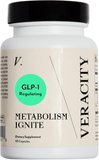
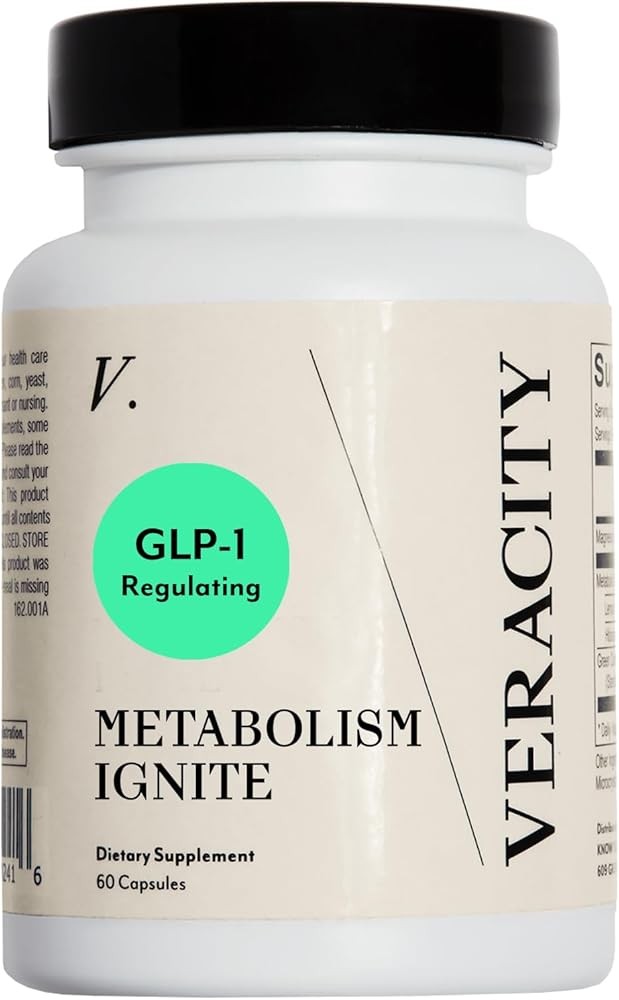
GLP-1 boosting formula that reduces appetite and cravings while supporting metabolic rate. Contains natural ingredients clinically shown to support weight management and energy expenditure.
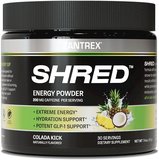
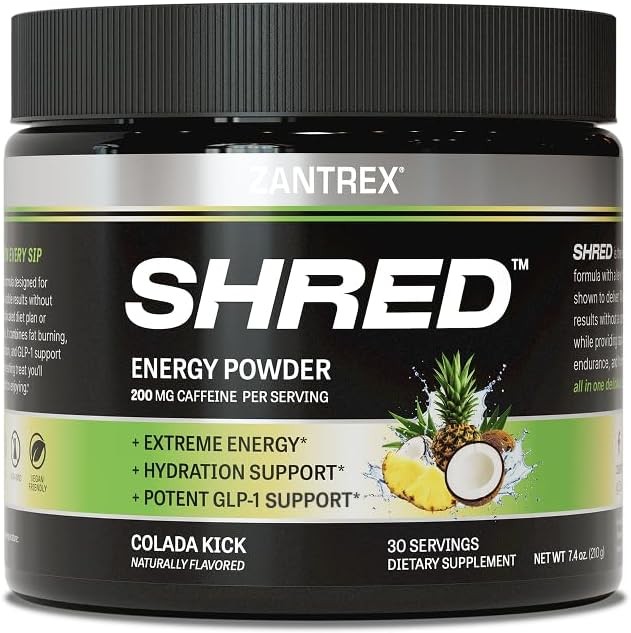
Clean energy drink powder with GLP-1 support, combining appetite control with thermogenic effects. Provides metabolism support with convenient powder format for mixing into water or beverages.

Extra strength green tea extract standardized to 50% EGCG (epigallocatechin gallate), 98% polyphenols, and 80% catechins. Provides 6,000 mg green tea equivalent per capsule for maximum thermogenic and fat oxidation support with 5-month supply.
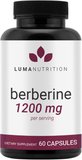
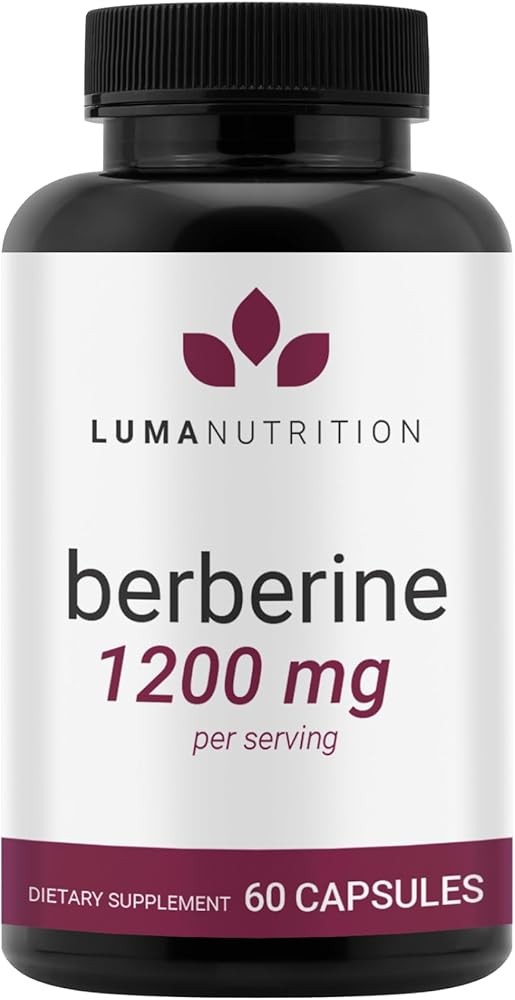
Berberine HCl supplement providing 1,200 mg per serving in vegan capsules, matching the dosing used in the berberine meta-analyses discussed above. Third-party tested with a transparent certificate of analysis. For Tier 1 individual supplements:
Swanson Caffeine 200mg – Simple, no-filler caffeine capsules at a well-studied dose. Easy to split for 100 mg dosing.
Swanson Green Tea Extract – Standardized EGCG content from a GMP-certified manufacturer. Take with meals to minimize liver risk.
Swanson Berberine 400mg – Pharmaceutical-grade berberine from a reputable brand with third-party testing. Take one capsule three times daily (1,200 mg total), which is slightly below the 500 mg three times daily (1,500 mg) dose used in most trials; three capsules plus food achieves the studied range.
Swanson Cayenne Pepper 450mg – Standardized cayenne extract in capsule form to avoid the oral burn.
For Tier 2 individual supplements:
Swanson L-Carnitine 500mg – The L-tartrate form used in most body composition studies. Take two per day with carbohydrate-containing meals.
Bottom line: For evidence-based metabolism support, consider comprehensive formulas like Lemme Burn or Veracity Metabolism Ignite for multi-pathway support, or build your own stack with Tier 1 individual supplements (caffeine 100-400mg, green tea extract 250-500mg EGCG, berberine 1,500mg daily, cayenne 2-6mg capsaicinoids) from GMP-certified manufacturers with third-party testing.
What Are the Correct Doses for Each Metabolism Supplement?
| Supplement | Effective Dose | Expected Effect | Evidence Tier | Key Notes |
|---|---|---|---|---|
| Caffeine | 100-400 mg/day | +79-150 kcal/day (3-11% metabolic increase) | Tier 1 | Tolerance develops; cycle 2 weeks on, 1 off |
| Green Tea Extract (EGCG) | 250-500 mg EGCG/day | +38-100 kcal/day (4% increase with caffeine) | Tier 1 | Take with food; monitor liver health |
| Capsaicin | 2-6 mg capsaicinoids/day | +34 kcal/day RMR increase | Tier 1 | GI discomfort common; use enteric-coated |
| Berberine | 500 mg 3x daily | -2 kg weight, -23% triglycerides | Tier 1 | Major drug interactions; consult physician |
| L-Carnitine | 2,000 mg/day | -1.2 kg weight, -2.1 kg fat mass | Tier 2 | Effects only in overweight individuals |
| CLA | 3.2-6.4 g/day | -1.3 kg fat over 12+ weeks | Tier 2 | May worsen insulin sensitivity |
| MCT Oil | 15-30 mL/day | -0.5 kg vs. LCT; increased thermogenesis | Tier 2 | Replace other fats, do not add calories |
| Chromium | 200-1,000 mcg/day | ~1 kg weight loss; improves glucose metabolism | Tier 2 | Best for insulin-resistant individuals |
| Garcinia Cambogia | N/A | Clinically insignificant | Tier 3 | Avoid – hepatotoxicity risk, no benefit |
| Green Coffee Bean | 200-400 mg CGA/day | Possibly -2.5 kg; poor study quality | Tier 3 | Better off drinking regular coffee |
| Forskolin | 250 mg (10% forskolin) 2x/day | Inconsistent across studies | Tier 3 | Insufficient evidence |
| Bitter Orange | N/A | Small metabolic increase; safety concerns | Tier 3 | Avoid – cardiac risk, especially with stimulants |
| Apple Cider Vinegar | 15-30 mL/day | Marginal; questionable evidence quality | Tier 3 | Protect tooth enamel; dilute in water |
Bottom line: Tier 1 supplements (caffeine, green tea extract, capsaicin, berberine) offer 34-150 extra calories per day or meaningful metabolic health improvements at studied doses, while Tier 2 options produce smaller effects, and Tier 3 ingredients should generally be avoided due to poor evidence or safety concerns.
Related Reading
- Best Thermogenic Supplements for Fat Loss: Complete Research Review
- Natural GLP-1 Supplements: Can Berberine and Yerba Mate Mimic Ozempic?
- CLA for Weight Loss: Does Conjugated Linoleic Acid Actually Work?
- L-Carnitine for Weight Loss and Energy Production: The Complete Science-Backed Guide
- Berberine for Blood Sugar and Weight Loss: Complete Research Review
- Best Appetite Suppressant Supplements That Are Safe and Evidence-Based
- Berberine for Blood Sugar and Weight Loss: Complete Research Review
References
-
Dulloo AG, Geissler CA, Horton T, et al. “Normal caffeine consumption: influence on thermogenesis and daily energy expenditure in lean and postobese human volunteers.” American Journal of Clinical Nutrition. 1989;49(1):44-50. PMID: 2912010
-
Acheson KJ, Zahorska-Markiewicz B, Pittet P, et al. “Caffeine and coffee: their influence on metabolic rate and substrate utilization in normal weight and obese individuals.” American Journal of Clinical Nutrition. 1980;33(5):989-997. PMID: 7369170
-
Guest NS, VanDusseldorp TA, Nelson MT, et al. “Does caffeine increase fat metabolism? A systematic review and meta-analysis.” International Journal of Sport Nutrition and Exercise Metabolism. 2023;33(2):112-120. PMID: 36495873
-
Kapoor MP, Sugita M, Fukuzawa Y, et al. “Physiological effects of epigallocatechin-3-gallate (EGCG) on energy expenditure for prospective fat oxidation in humans: A systematic review and meta-analysis.” Journal of Nutritional Biochemistry. 2017;43:1-10. PMID: 27883924
-
Dulloo AG, Duret C, Rohrer D, et al. “Efficacy of a green tea extract rich in catechin polyphenols and caffeine in increasing 24-h energy expenditure and fat oxidation in humans.” American Journal of Clinical Nutrition. 1999;70(6):1040-1045. PMID: 10584049
-
Hursel R, Viechtbauer W, Westerterp-Plantenga MS. “The effects of green tea on weight loss and weight maintenance: a meta-analysis.” International Journal of Obesity. 2009;33(9):956-961. PMID: 19597519
-
Zsiborás C, Mátics R, Hegyi P, et al. “The effect of capsaicinoids or capsinoids in red pepper on thermogenesis in healthy adults: A systematic review and meta-analysis.” Phytotherapy Research. 2021;35(3):1352-1365. PMID: 33063385
-
Ludy MJ, Moore GE, Mattes RD. “The effects of capsaicin and capsiate on energy balance: critical review and meta-analyses of studies in humans.” Chemical Senses. 2012;37(2):103-121. PMID: 22038945
-
Asbaghi O, Ghanbari N, Shekari M, et al. “The effect of berberine supplementation on obesity parameters, inflammation and liver function enzymes: A systematic review and meta-analysis of randomized controlled trials.” Clinical Nutrition ESPEN. 2020;38:43-49. PMID: 32690176
-
Xiong P, Niu L, Talaei S, et al. “The effect of berberine supplementation on obesity indices: A dose-response meta-analysis and systematic review of randomized controlled trials.” Complementary Therapies in Clinical Practice. 2020;39:101113. PMID: 32379652
-
Li MF, Zhou XM, Li XL. “The effect of berberine on polycystic ovary syndrome patients with insulin resistance (PCOS-IR): a meta-analysis and systematic review.” Evidence-Based Complementary and Alternative Medicine. 2018.
-
Talenezhad N, Mohammadi M, Ramezani-Jolfaie N, et al. “Effects of l-carnitine supplementation on weight loss and body composition: A systematic review and meta-analysis of 37 randomized controlled clinical trials with dose-response analysis.” Clinical Nutrition ESPEN. 2020;37:9-23. PMID: 32359762
-
Pooyandjoo M, Nouhi M, Shab-Bidar S, et al. “The effect of (L-)carnitine on weight loss in adults: a systematic review and meta-analysis of randomized controlled trials.” Obesity Reviews. 2016;17(10):970-976. PMID: 27335245
-
Onakpoya IJ, Posadzki PP, Watson LK, et al. “The efficacy of long-term conjugated linoleic acid (CLA) supplementation on body composition in overweight and obese individuals: a systematic review and meta-analysis of randomized clinical trials.” European Journal of Nutrition. 2012;51(2):127-134. PMID: 21990002
-
Asbaghi O, Shimi G, Kelishadi MR, et al. “The effects of conjugated linoleic acid supplementation on anthropometrics and body composition indices in adults: a systematic review and dose-response meta-analysis.” British Journal of Nutrition. 2024;131(3):389-401. PMID: 37671495
-
Tian H, Guo X, Wang X, et al. “Chromium picolinate supplementation for overweight or obese adults.” Cochrane Database of Systematic Reviews. 2013;11:CD010063. PMID: 24293292
-
Onakpoya I, Posadzki P, Ernst E. “Chromium supplementation in overweight and obesity: a systematic review and meta-analysis of randomized clinical trials.” Obesity Reviews. 2013;14(6):496-507. PMID: 23495911
-
Fazelian S, Bagheri F, Asghari S, et al. “Effects of chromium supplementation on body composition in patients with type 2 diabetes: A dose-response systematic review and meta-analysis of randomized controlled trials.” Journal of Trace Elements in Medicine and Biology. 2024;81:127336.
-
Onakpoya I, Hung SK, Perry R, et al. “The use of Garcinia extract (hydroxycitric acid) as a weight loss supplement: a systematic review and meta-analysis of randomised clinical trials.” Journal of Obesity. 2011;2011:509038. PMID: 21197150
-
Efficacy of Garcinia Cambogia (HCA) in reducing body weight in overweight and obese adults: A scoping review. Auctores. 2023.
-
Heymsfield SB, Allison DB, Vasselli JR, et al. “Garcinia cambogia (hydroxycitric acid) as a potential antiobesity agent: a randomized controlled trial.” JAMA. 1998;280(18):1596-1600. PMID: 9820262
-
Hepatotoxicity of dietary supplements containing Garcinia gummi-gutta (L.) N. Robson. Pharmaceutical Biology. 2025. PMID: 41262061
-
Asbaghi O, Sadeghian M, Rahmani S, et al. “Chlorogenic acid in green bean coffee on body weight: a systematic review and meta-analysis of randomized controlled trials.” Systematic Reviews. 2023;12:163. PMID: 37616254
-
Godard MP, Johnson BA, Richmond SR. “Body composition and hormonal adaptations associated with forskolin consumption in overweight and obese men.” Obesity Research. 2005;13(8):1335-1343. PMID: 16129715
-
Henderson S, Magu B, Rasmussen C, et al. “Effects of coleus forskohlii supplementation on body composition and hematological profiles in mildly overweight women.” Journal of the International Society of Sports Nutrition. 2005;2(2):54-62. PMID: 18500958
-
Shara M, Stohs SJ, Smadi MM. “Safety evaluation of p-synephrine following 15-day oral administration to healthy subjects: a clinical study.” Phytotherapy Research. 2018. See also: The Safety and Efficacy of Citrus aurantium (Bitter Orange) Extracts and p-Synephrine: A Systematic Review and Meta-Analysis. Nutrients. 2022;14(19):4019. PMID: 36235672
-
Stohs SJ, Preuss HG, Shara M. “A review of the human clinical studies involving Citrus aurantium (bitter orange) extract and its primary protoalkaloid p-synephrine.” International Journal of Medical Sciences. 2012;9(7):527-538. PMID: 22991491
-
Improbable data characteristics and extreme effects of apple cider vinegar on weight loss. BMJ Nutrition, Prevention and Health. 2025. PMID: 40771528
-
Pontzer H, Yamada Y, Sagayama H, et al. “Daily energy expenditure through the human life course.” Science. 2021;373(6556):808-812. PMID: 34385400
-
Spiegel K, Tasali E, Penev P, Van Cauter E. “Brief communication: sleep curtailment in healthy young men is associated with decreased leptin levels, elevated ghrelin levels, and increased hunger and appetite.” Annals of Internal Medicine. 2004;141(11):846-850. PMID: 15583226
-
Westerterp KR. “Diet induced thermogenesis.” Nutrition and Metabolism. 2004;1(1):5. See also: Halton TL, Hu FB. “The effects of high protein diets on thermogenesis, satiety and weight loss: a critical review.” Journal of the American College of Nutrition. 2004;23(5):373-385. PMID: 15466943
What Are the Most Common Questions About Metabolism?
Who should avoid metabolism boosters?
People with cardiovascular disease, hypertension, arrhythmias, or family history of sudden cardiac death should avoid stimulant-based metabolism supplements containing caffeine, synephrine, or yohimbine. Pregnant and nursing women should avoid most metabolism supplements due to limited safety data. Anyone taking prescription medications should consult their physician before using berberine, as it inhibits CYP450 enzymes and can alter drug blood levels. Green tea extract should be avoided by people with liver disease or elevated liver enzymes. Those with anxiety disorders or panic attacks may experience worsening symptoms from caffeine-containing metabolism boosters.
What are the signs a metabolism booster is working?
Evidence-based signs include a modest increase in body temperature shortly after taking stimulant-based supplements, slight increases in heart rate (5-10 beats per minute) with caffeine or capsaicin, increased energy and alertness from caffeine within 30-60 minutes, and improved exercise performance with sustained use. For berberine, you may see improvements in fasting blood glucose after 4-8 weeks of use. However, if you are expecting dramatic fat loss or major weight changes from metabolism supplements alone, you will be disappointed – the effects are modest (50-150 extra calories burned per day at best) and work best when combined with diet and exercise.
How long should I trial a metabolism supplement before judging it?
Give each ingredient its clinical trial duration before evaluating it: caffeine effects are immediate but tolerance develops, so cycle it 2 weeks on and 1 week off; green tea extract and capsaicin show measurable effects within 2-4 weeks; berberine’s glucose and lipid improvements appear at 4-8 weeks and its weight effect was measured over 8-12 week trials; L-carnitine trials ran 8-12 weeks. A reasonable protocol is to trial one supplement stack for 8-12 weeks, measure waist circumference and fasting glucose at baseline and at 8 weeks, and stop anything that produces no measurable change in that window. Discontinue immediately and see a doctor for jaundice, dark urine, upper-right abdominal pain, chest pain, palpitations, or unusual fatigue.
Recommended Products