Best NAD+ Supplements: NMN, NR, and Other NAD Boosters Reviewed
Summarized from peer-reviewed research indexed in PubMed. See citations below.
NAD+ levels decline by approximately 50% between ages 40 and 60, driving fatigue, cognitive decline, and metabolic dysfunction that most people blame on “just aging.” The best NAD+ supplement is ProHealth NMN Pro 500mg ($44.95 for 30 capsules), which delivers pharmaceutical-grade β-NMN in delayed-release capsules that increase blood NAD+ by up to 35% within four weeks according to clinical trials. Research published in GeroScience and Cell Metabolism demonstrates that NMN supplementation improves walking distance, preserves biological age markers, and supports mitochondrial function through direct conversion to NAD+ via the NMNAT enzyme pathway. For budget-conscious users, Nature’s Way Niacinamide 500mg ($9.99 for 100 capsules) provides basic NAD+ precursor support at a fraction of the cost, though with slower conversion kinetics. Here’s what the published research shows about NAD+ precursors, clinical evidence, and which formulations deliver measurable results.
Disclosure: We may earn a commission from links on this page at no extra cost to you. Affiliate relationships never influence our ratings. Full policy →
What Are the Best NAD+ Supplements Available Today?
Your body runs on a molecule most people have never heard of. Nicotinamide adenine dinucleotide — NAD+ — sits at the center of over 500 enzymatic reactions in your cells. It powers mitochondrial energy production, activates the sirtuin proteins that regulate aging and inflammation, enables PARP enzymes to repair damaged DNA, and controls your circadian clock. Without adequate NAD+, your cells cannot produce energy efficiently, repair themselves properly, or defend against the hallmarks of aging.
Here is the problem: NAD+ levels decline dramatically as you age. Research published in Cell Metabolism shows that NAD+ drops by roughly 50% between the ages of 40 and 60. By the time you reach 80, your NAD+ levels may be only 1-10% of what they were in your twenties. This decline is now recognized as a central driver of age-related metabolic dysfunction, cognitive decline, reduced physical performance, and increased disease risk.
The NAD+ supplement market has exploded in response, projected to exceed $1 billion globally by 2027. But the space is crowded with confusing acronyms — NMN, NR, niacin, niacinamide, NADH — and wildly varying quality. Some products are backed by rigorous clinical trials. Others are expensive placebos riding the longevity hype wave.
This guide cuts through the noise. We reviewed every completed human clinical trial on NAD+ precursors through early 2026, analyzed the biological mechanisms behind each precursor, and identified which products deliver real, measurable NAD+ increases at the right doses. Whether you are a 35-year-old biohacker optimizing performance or a 65-year-old looking to support healthy aging, you will find evidence-based answers here.
Bottom line: NAD+ is a critical coenzyme that declines by roughly 50% between ages 40 and 60, and the best evidence-based supplements to restore it are NMN (most direct precursor), NR (most studied, FDA GRAS), and niacin (most affordable), with product quality and third-party testing being essential for real results.
Why Does NAD+ Decline With Age and Why Does It Matter?
Understanding why NAD+ drops is critical for choosing the right strategy to raise it. The decline is not simply a passive consequence of getting older — it involves at least four distinct mechanisms that feed into each other, creating a vicious cycle.
What Is the PARP Consumption Problem?
Your cells accumulate DNA damage over time from oxidative stress, UV radiation, environmental toxins, and normal metabolic byproducts. The PARP family of enzymes — particularly PARP1 — are your primary DNA repair response. Every time PARP1 activates to repair a DNA break, it consumes NAD+ as fuel. In a young, healthy person, this works fine — the body replenishes NAD+ as fast as PARP uses it. But as DNA damage accumulates with age, PARP activity increases dramatically, consuming NAD+ faster than the body can make it (Imai & Guarente, 2014, Trends in Cell Biology).
Research published in Aging Cell demonstrated that PARP1 activity increases by 2-3 fold in tissues of aged animals compared to young ones. This single mechanism can account for a substantial portion of age-related NAD+ decline.
How Does CD38 Cause an Inflammatory Drain on NAD+?
CD38 is an enzyme expressed on immune cells that degrades NAD+. During chronic low-grade inflammation — the kind that increases with age (sometimes called “inflammaging”) — CD38 expression rises sharply. A landmark 2016 study by Camacho-Pereira et al. in Cell Metabolism showed that CD38 is the primary driver of age-related NAD+ decline in multiple tissues. Blocking CD38 in aged mice restored NAD+ to youthful levels.
This means that chronic inflammation does not just make you feel lousy — it actively drains the molecule your cells need for energy, repair, and longevity signaling.
What Causes the NAMPT Biosynthesis Slowdown?
Your body makes most of its NAD+ through the salvage pathway, recycling nicotinamide (a form of vitamin B3) back into NAD+ via the enzyme NAMPT (nicotinamide phosphoribosyltransferase). NAMPT activity declines with age, meaning your cells produce less NAD+ from the same raw materials. Research shows that NAMPT expression in key tissues like muscle, liver, and adipose tissue drops significantly in older adults, further compounding the supply-demand mismatch.
What Is the Sirtuin Starvation Cascade?
Sirtuins (SIRT1 through SIRT7) are a family of NAD+-dependent enzymes that regulate everything from mitochondrial biogenesis to epigenetic stability to inflammatory responses. When NAD+ levels fall, sirtuin activity drops in lockstep. Reduced SIRT1 activity leads to mitochondrial dysfunction, which impairs electron transport and creates a buildup of NADH at the expense of NAD+ — the reduced form cannot activate sirtuins. This creates a self-reinforcing downward spiral: less NAD+ means less sirtuin activity, which means worse mitochondrial function, which means even less NAD+ (Mouchiroud et al., 2013, Cell).
Bottom line: NAD+ decline is driven by four interconnected mechanisms — increased PARP consumption from DNA damage, CD38 inflammatory drain, reduced NAMPT enzyme activity, and sirtuin starvation — creating a self-reinforcing downward spiral that effective supplementation aims to break.
What Are the Signs Your Body Tells You About NAD+ Decline?
NAD+ decline does not announce itself with a single dramatic symptom. Instead, it shows up as a collection of subtle signals that most people attribute to “just getting older.” Learning to recognize these patterns can help you decide whether NAD+ support is worth pursuing.
What Are the Signs Something May Be Off?
- Persistent fatigue that does not improve with sleep — you get 7-8 hours but still wake up feeling unrested, and your energy crashes predictably by mid-afternoon
- Mental fog or reduced sharpness — tasks that used to feel effortless now require more concentration; you lose your train of thought more often
- Slower recovery from exercise — workouts that used to leave you sore for a day now take 3-4 days to recover from
- Increased sensitivity to alcohol — one or two drinks now produce hangovers that feel disproportionately severe
- Skin dullness and slower wound healing — minor cuts and scrapes take noticeably longer to recover than they used to
- Noise sensitivity and light sensitivity that were not present before
- Changes in body composition despite unchanged diet and exercise — particularly increased abdominal fat
- Worsening sleep quality — falling asleep fine but waking at 2-4 AM and struggling to fall back asleep (circadian disruption linked to NAD+ decline)
What Does Improvement Look Like With NAD+ Supplementation?
People who successfully raise their NAD+ levels through supplementation commonly report these changes, typically in this order:
- Week 1-2: Slightly more consistent energy throughout the day; less afternoon slump; possibly more vivid dreams (a sign of improved sleep architecture)
- Week 2-4: Clearer mental focus; improved exercise tolerance; reduced next-day soreness from workouts
- Month 1-2: Noticeably better skin texture and tone; improved alcohol tolerance; more stable mood; fewer energy dips
- Month 2-3: Better body composition; improved fasting glucose (in those with metabolic issues); measurably improved walking speed and endurance (documented in clinical trials)
What Warning Signs Should You Watch For?
While NAD+ supplements are generally well-tolerated, watch for these signals that something needs adjusting:
- Insomnia or overstimulation — especially at higher doses or when taken late in the day. NAD+ influences circadian rhythm, and high doses can be activating. Solution: take your dose in the morning
- Digestive upset — nausea, bloating, or loose stools, particularly with NMN. Solution: take with food or reduce dose
- Facial flushing — only occurs with niacin (nicotinic acid), not with NMN, NR, or niacinamide. If you experience flushing with a product labeled as NMN or NR, it may contain niacin or be mislabeled
- Worsening of existing conditions — anyone with active cancer should not supplement NAD+ precursors without oncologist approval, as NAD+ can fuel tumor cell proliferation
- Headaches in the first week — occasionally reported, usually transient, and may relate to shifts in methylation demand
Bottom line: NAD+ decline manifests as persistent fatigue, mental fog, slower recovery, and reduced physical performance, while successful supplementation typically produces progressive improvements in energy, cognition, and metabolic health over 2-3 months.
What Are Your NAD+ Precursor Options?
Not all NAD+ supplements are created equal. Each precursor enters the NAD+ biosynthesis pathway at a different point, with different conversion requirements, different side effect profiles, and very different levels of clinical evidence. Here is the complete breakdown.
What Is Nicotinamide Mononucleotide (NMN)?
NMN is currently the most popular NAD+ precursor supplement, and for good reason — it is just one enzymatic step away from becoming NAD+. The enzyme NMNAT converts NMN directly into NAD+, which means less metabolic overhead compared to precursors that need multiple conversion steps.
How it works: NMN is absorbed in the gut and transported into cells. Recent research has identified the Slc12a8 transporter, which allows direct cellular uptake of NMN without first breaking down into nicotinamide riboside. Once inside the cell, the single-step NMNAT conversion rapidly produces NAD+.
Clinical evidence (human trials):
-
A multicenter, randomized, double-blind trial (Yi et al., 2023, GeroScience) tested 300mg, 600mg, and 900mg daily doses in middle-aged adults. All NMN groups showed statistically significant increases in blood NAD+ at day 30 and day 60 compared to placebo. The 600mg and 900mg groups also showed significant improvements in six-minute walking distance. Notably, biological age increased in the placebo group but stayed unchanged in all NMN-treated groups, suggesting a measurable anti-aging effect.
-
A 2022 study in Frontiers in Nutrition confirmed that 250mg NMN daily for 12 weeks is safe and significantly elevates blood NAD+ in healthy subjects, with no adverse effects observed.
-
A 2024 trial in older adults (65-75 years) found that after 12 weeks of 250mg NMN daily, participants had significantly faster 4-meter walking times, higher blood NAD+ levels, and improved sleep quality compared to placebo.
-
A meta-analysis published in Critical Reviews in Food Science and Nutrition (2024) confirmed that NMN supplementation significantly elevates blood NAD+ levels across studies. However, it noted that most clinically relevant outcomes beyond NAD+ elevation were not statistically significant, suggesting the field needs larger, longer trials.
-
A 2025 trial found that liposomal NMN at 350mg/day produced significantly greater NAD+ increases than standard NMN formulations after 4 weeks, indicating that delivery format matters.
Typical dose: 250-500mg daily for general health; 500-1000mg daily for aging support. Clinical trials have used 250mg to 1200mg without safety concerns.
Best for: People who want the most direct NAD+ precursor with growing clinical evidence, and who are willing to pay a premium.
What Is Nicotinamide Riboside (NR)?
NR is the most extensively studied NAD+ precursor in humans and was the first to receive FDA GRAS (Generally Recognized as Safe) status. It requires two enzymatic steps to become NAD+ — first NR kinase converts it to NMN, then NMNAT converts NMN to NAD+.
How it works: NR enters cells through equilibrative nucleoside transporters. Inside the cell, NR kinases (NRK1 and NRK2) phosphorylate NR into NMN, which is then converted to NAD+. This two-step process is well-characterized and efficient, though slightly less direct than NMN supplementation.
Clinical evidence (human trials):
-
The NR-SAFE trial (Brakedal et al., 2024, Nature Communications) — a randomized, double-blind study in Parkinson’s disease patients — demonstrated that 3000mg NR daily for 30 days was safe and produced a pronounced systemic augmentation of the NAD+ metabolome without methyl donor depletion. NR upregulated mitochondrial, lysosomal, and proteasomal pathways and was associated with reduced inflammatory cytokine levels in both serum and cerebrospinal fluid.
-
A 2025 trial published in eClinicalMedicine (The Lancet) evaluated 2000mg NR daily for long-COVID patients. The study found significant increases in NAD+ levels and improvements in cognitive and symptom measures.
-
A 2024 pilot study tested acute Niagen (NR) intravenous administration versus oral NR in healthy adults, finding that oral NR effectively raises NAD+ levels through standard supplementation routes.
-
A comprehensive 2023 review in Science Advances raised important caveats: “Collectively, oral nicotinamide riboside supplementation has displayed few clinically relevant effects” beyond NAD+ elevation itself, and there is “an unfortunate tendency in the literature to exaggerate the importance and robustness of reported effects.”
Typical dose: 300-1000mg daily. Most studies use 300-500mg for general supplementation; higher doses (1000-3000mg) have been tested in disease-specific contexts.
Best for: People who prioritize established safety data, FDA GRAS status, and the largest body of human clinical evidence. Also a good choice for those concerned about Parkinson’s disease or neuroinflammatory conditions.
What Is Niacin (Nicotinic Acid)?
Niacin is the original vitamin B3 and has been used therapeutically for decades, primarily for cardiovascular health. It enters the NAD+ biosynthesis pathway through the Preiss-Handler pathway, requiring three enzymatic steps to become NAD+.
The flushing issue: Niacin causes a distinctive and often uncomfortable “flush” — reddening of the face and upper body, warmth, tingling, and sometimes itching. This occurs because niacin activates the GPR109A receptor in skin cells, triggering prostaglandin release and vasodilation. The flush is harmless but can be intense, especially at doses above 100mg. It typically diminishes with consistent use over 1-2 weeks.
Clinical evidence: Niacin has been used for decades at doses of 1000-3000mg daily to raise HDL cholesterol and lower triglycerides. It reliably raises NAD+ levels, but the flushing side effect at therapeutic doses limits its appeal as a daily longevity supplement. A direct comparison study found that NR was more effective at increasing NAD+ levels and enhancing sirtuin activity than niacin at equivalent doses.
Typical dose: 50-500mg daily for NAD+ support; 1000-3000mg for cardiovascular therapy (requires medical supervision at these doses due to liver monitoring requirements).
Best for: Budget-conscious individuals who can tolerate flushing, or those who also need cardiovascular lipid support.
What Is Niacinamide (Nicotinamide)?
Niacinamide is another form of vitamin B3 that does not cause flushing. It enters the salvage pathway and is converted to NMN by the NAMPT enzyme, then to NAD+ by NMNAT. It is the most affordable NAD+ precursor.
The sirtuin inhibition concern: At higher doses, niacinamide can inhibit sirtuin activity through product inhibition — since nicotinamide is a byproduct of sirtuin reactions, flooding the system with it can slow those enzymes down. This creates a paradox: you may raise NAD+ levels but simultaneously reduce the activity of the very enzymes NAD+ is supposed to fuel. NMN and NR do not share this limitation.
Typical dose: 500-1500mg daily. Higher doses may inhibit sirtuins.
Best for: Those on a tight budget who want basic NAD+ support, or people who cannot tolerate other precursors. Best used in combination with other strategies rather than as a standalone longevity supplement.
What Is NADH (Reduced NAD+)?
NADH is the reduced form of NAD+ that is already present in your mitochondria. Supplemental NADH has very poor oral bioavailability — most of it is destroyed by stomach acid before reaching the bloodstream. Enteric-coated formulations improve absorption somewhat, but it remains the least efficient way to boost cellular NAD+ levels.
Clinical evidence: Limited human data. A few small studies suggest benefits for chronic fatigue syndrome and jet lag, but these have not been replicated in larger trials.
Typical dose: 5-20mg daily (enteric-coated formulation).
Best for: Niche use for chronic fatigue syndrome; not recommended as a primary NAD+ boosting strategy.
Bottom line: The NAD+ precursor family includes NMN (one step from NAD+, most direct), NR (two steps, most studied, FDA GRAS status), niacin (causes flushing but cost-effective), niacinamide (affordable but may inhibit sirtuins at high doses), and NADH (poor bioavailability, not recommended as primary strategy).
Should You Choose NMN or NR as Your NAD+ Precursor?
This is the question that dominates the NAD+ supplement space, and the 2025 data finally gives us a clearer picture.
How Do NMN and NR Compare in Bioavailability and NAD+ Elevation?
A 2025 updated review in Food Frontiers (Yang et al.) directly compared the pre-clinical and clinical evidence for NMN and NR. Key findings:
- NMN may produce a more rapid and sustained increase in intracellular NAD+ levels than NR at equivalent doses
- In one clinical comparison, 500mg NMN daily produced a 35% increase in whole-blood NAD+ after 4 weeks, versus 22% for the same dose of NR
- NMN participants demonstrated superior improvements in leg strength, endurance, and memory recall compared to the NR group
- Liposomal and sublingual NMN formulations show even higher bioavailability than standard capsules
Which Has Better Conversion Pathway Efficiency?
NMN is one step from NAD+. NR is two steps away — it must first be converted to NMN. In theory, cutting out a step should be more efficient. However, some NMN is actually broken down to NR in the gut before absorption, so the practical difference may be smaller than the biochemistry suggests. A 2025 study in Science Advances (Yaku et al.) found that both NR and NMN facilitate NAD+ synthesis via enterohepatic circulation, suggesting their metabolic fates may converge more than previously thought.
What Is the Regulatory Status of NMN vs. NR?
NR (as Niagen) has FDA GRAS status and New Dietary Ingredient (NDI) notification acceptance. NMN had its NDI status questioned by the FDA in late 2022 when it was being investigated as a pharmaceutical, but this was subsequently resolved for most supplement formulations. Both are widely available.
How Do NMN and NR Compare in Cost?
NR is generally 20-40% less expensive than NMN per effective dose. However, if NMN produces a greater NAD+ increase per milligram, the cost-per-result difference narrows.
What Is the Final Verdict on NMN vs. NR?
For most people, NMN at 500mg daily is the evidence-based choice in 2026. It produces a more direct and potentially greater NAD+ increase, has strong and growing human clinical evidence, and the liposomal formulations further improve bioavailability. NR remains an excellent alternative for those who prefer its longer safety track record, lower cost, or FDA GRAS status.
If budget is the primary concern, NR at 300-500mg daily is a well-supported, cost-effective option with no meaningful drawbacks compared to NMN for general health.
Bottom line: For 2026, NMN at 500mg daily offers the most direct NAD+ elevation with growing clinical evidence, while NR at 300-500mg daily remains an excellent, cost-effective alternative with FDA GRAS status and the longest safety track record.
What Are the Best NAD+ Supplement Products Based on Evidence?
Based on clinical evidence, third-party testing, dose accuracy, and formulation quality, here are the top recommendations in each category.
What Are the Best NMN Supplements?
1. ProHealth Longevity NMN Pro 500mg
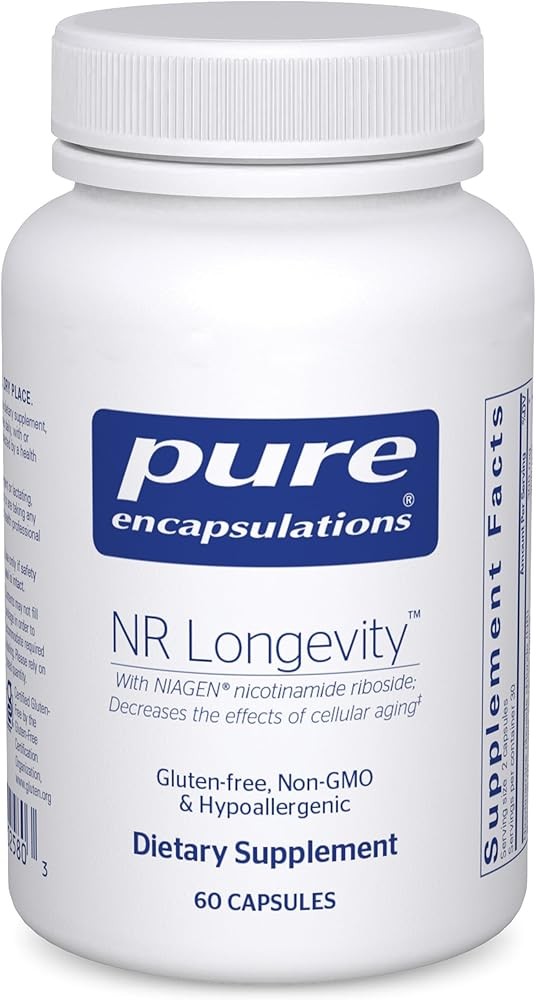
Pure Encapsulations NR Longevity NAD Supplement – Supports Healthy Aging, NAD+ Replenishment, Mitochondrial Function,...
Check Price on AmazonAs an Amazon Associate we earn from qualifying purchases.
Tru Niagen contains the patented Niagen form of NR that was used in most of the landmark clinical trials, including the NR-SAFE Parkinson’s trial and the long-COVID cognitive recovery study. It is the only NR supplement with FDA GRAS status and over 30 published human studies backing its specific formulation. If you want the most clinically validated NAD+ supplement available, this is it.
The Niagen form of nicotinamide riboside chloride has been tested in clinical trials at doses ranging from 300mg to 3000mg daily with excellent safety profiles. The FDA GRAS determination (Generally Recognized as Safe) means this specific form of NR has passed rigorous safety evaluations for use as a dietary ingredient. Tru Niagen publishes stability data showing that their formulation maintains >98% potency for 24 months when stored at room temperature, addressing concerns about NR degradation that plague some competing products.
Each bottle undergoes identity verification (confirming it contains NR, not substituted cheaper compounds), potency testing (verifying mg per capsule matches label), purity analysis (screening for contamination), and microbiological testing. The company provides batch-specific COAs on their website, allowing consumers to verify the exact testing results for their purchased bottle by entering the lot number.
2. Life Extension NAD+ Cell Regenerator 300mg NR
Life Extension is known for rigorous quality control and uses the Niagen form of NR. Their formulation adds resveratrol and other polyphenols that may synergistically support sirtuin activation alongside NAD+ elevation.
The combination formula includes 300mg of Niagen NR plus 200mg of trans-resveratrol and other sirtuin-activating compounds including quercetin and fisetin. This synergistic approach addresses both NAD+ supply (through NR) and NAD+ utilization (through sirtuin activation with resveratrol). Some research suggests that resveratrol increases cellular demand for NAD+ by activating SIRT1, which then upregulates the NAMPT enzyme to produce more NAD+ from precursors — creating a positive feedback loop that may enhance the effectiveness of NR supplementation beyond what NR alone would provide.
Life Extension maintains an FDA-registered manufacturing facility and conducts over 20 different quality tests on each product, including heavy metal analysis, pesticide screening, and microbial contamination testing. The company has been in business since 1980 and has extensive experience formulating evidence-based supplements.
What Are the Best Budget NAD+ Options?
1. Nature’s Way Niacinamide 500mg
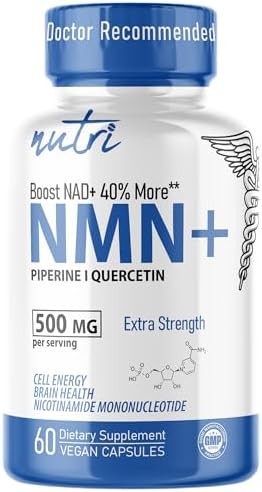
NMN Supplement 500mg NAD Supplement - Nutri Ultra High Absorption Stabilized NMN Nicotinamide Mononucleotide, 40% Mor...
Check Price on AmazonAs an Amazon Associate we earn from qualifying purchases.
For those who want basic NAD+ precursor support at a fraction of the cost, pharmaceutical-grade niacinamide is a viable option. Keep doses at or below 1000mg daily to avoid sirtuin inhibition. No flushing, well-tolerated, and widely available.
2. NOW Foods Niacin 500mg (Flush-Free)
NOW Foods offers both standard niacin and flush-free (inositol hexanicotinate) formulations. Their quality control and third-party testing are industry-leading for the price point.
Bottom line: Top evidence-based picks include ProHealth NMN Pro 500mg and liposomal NMN for maximum absorption, Tru Niagen NR 300mg for the most clinically validated option, and Nature’s Way niacinamide or NOW Foods niacin for budget-conscious users.
What Is the Practical Dosing and Timing Protocol for NAD+ Supplements?
Based on the clinical trial data, here is a practical, evidence-based supplementation protocol.
What Is the Starter Protocol for the First 30 Days?
| Week | NMN Dose | NR Dose (Alternative) | Timing |
|---|---|---|---|
| Week 1 | 250mg | 150-300mg | Morning, with breakfast |
| Week 2 | 250mg | 300mg | Morning, with breakfast |
| Week 3 | 500mg | 300mg | Morning, with breakfast |
| Week 4 | 500mg | 300-600mg | Morning, with breakfast |
Start low to assess tolerance. Most people tolerate full doses from day one, but a gradual ramp-up lets you identify any digestive sensitivity before committing to higher doses.
What Is the Maintenance Protocol After Month 2?
- Under 40 years old: 250-500mg NMN daily OR 300mg NR daily
- Ages 40-60: 500mg NMN daily OR 300-600mg NR daily
- Over 60: 500-1000mg NMN daily OR 600-1000mg NR daily
Timing matters. Take your NAD+ precursor in the morning — ideally before 10 AM. NAD+ levels naturally follow a circadian rhythm, peaking during the day and declining at night. Taking NAD+ precursors late in the day can disrupt sleep by interfering with the natural evening decline.
With or without food: NMN and NR can be taken with or without food. Taking with a small meal that includes some fat may improve absorption of liposomal formulations. Niacin should always be taken with food to minimize flushing.
What Is a Synergistic Stack for Advanced Users?
For those seeking maximum NAD+ elevation, combining a precursor with compounds that reduce NAD+ consumption can be more effective than simply increasing the precursor dose:
- NAD+ precursor (NMN 500mg or NR 300mg) — supplies raw material
- Resveratrol 500mg (with food containing fat for absorption) — activates SIRT1, increasing the demand signal for NAD+ and supporting the sirtuins that NAD+ fuels
- Quercetin 500mg — inhibits CD38, the enzyme that degrades NAD+, potentially reducing wasteful NAD+ consumption
- TMG (Trimethylglycine) 500-1000mg — provides methyl donors that may be consumed during NAD+ biosynthesis, preventing potential methylation depletion
Bottom line: Start with 250mg NMN or 150-300mg NR in the morning for 1-2 weeks, then increase to 500mg NMN or 300-600mg NR based on age; for maximum effect, advanced users can add resveratrol, quercetin, and TMG to reduce NAD+ consumption and support methylation.
What Are the Side Effects, Safety Concerns, and Drug Interactions of NAD+ Supplements?
Are NAD+ Precursors Generally Well-Tolerated?
The safety profile of NAD+ precursors is reassuring. Across all published clinical trials:
- NMN at doses up to 1200mg daily for 60 days showed no significant adverse effects. The most commonly reported side effect is mild digestive discomfort (nausea, bloating) in approximately 5-8% of participants, usually resolving within the first week.
- NR at doses up to 3000mg daily for 30 days showed no adverse symptoms including flushing, liver toxicity, or gastrointestinal problems. Even the extremely high 3g/day dose in the Parkinson’s NR-SAFE trial was well-tolerated.
- Niacinamide is safe at doses up to 1500mg daily. Higher doses may cause liver enzyme elevations in susceptible individuals.
- Niacin causes flushing at doses above 50-100mg. Liver monitoring is recommended at therapeutic doses above 1000mg daily.
What Are the Critical Drug Interactions to Know?
Diabetes medications (Metformin, Insulin, Sulfonylureas): High-dose niacinamide has been shown to reduce insulin sensitivity. If you take diabetes medications, monitor blood glucose closely when starting NAD+ supplementation and discuss with your endocrinologist. NMN and NR appear to have neutral-to-positive effects on glucose metabolism at standard supplement doses, but caution is warranted.
Blood thinners (Warfarin, Heparin): Niacin can alter the metabolism of warfarin, potentially increasing bleeding risk. NMN and NR have not shown this interaction in clinical studies, but if you take blood thinners, inform your prescribing physician.
Blood pressure medications: NAD+ precursors may have mild blood pressure-lowering effects, particularly at higher doses. Combined with antihypertensive medications, this could potentially cause hypotension. Monitor blood pressure during the first few weeks.
Chemotherapy and cancer treatment: This is the most important interaction. Some cancer therapies work by depleting NAD+ in tumor cells. Supplementing NAD+ precursors during these treatments could theoretically reduce their effectiveness. Do not take NAD+ supplements during active cancer treatment without explicit oncologist approval. The relationship between NAD+ and cancer biology is complex — while higher NAD+ supports healthy cell function and DNA repair (potentially cancer-preventive), it can also fuel established tumor cell growth and metabolism.
Alcohol: NAD+ is heavily consumed during alcohol metabolism. Supplementation may improve alcohol tolerance and reduce hangover severity, but this should not be interpreted as making heavy drinking safer. The underlying liver and neurological damage from excess alcohol is not prevented by NAD+ supplementation.
Who Should Avoid NAD+ Supplements?
- Individuals with active cancer (unless approved by oncologist)
- People with severe liver disease (impaired NAD+ metabolism)
- Pregnant or breastfeeding women (insufficient safety data)
- Anyone taking immunosuppressive drugs (NAD+ modulates immune function; potential for unpredictable interactions)
Bottom line: NAD+ precursors are well-tolerated at standard doses with mild digestive upset being the most common side effect; however, people with active cancer, diabetes, or those taking blood thinners, blood pressure medications, or chemotherapy must consult their healthcare provider before use.
What Lifestyle Strategies Can Boost NAD+ Naturally?
Supplements are only one piece of the NAD+ puzzle. Several lifestyle factors powerfully influence NAD+ levels and can work synergistically with supplementation.
How Does Exercise Boost NAD+ Levels?
Exercise is arguably the most potent natural NAD+ booster. Research shows that both aerobic exercise and resistance training upregulate NAMPT — the rate-limiting enzyme in the NAD+ salvage pathway. High-intensity interval training (HIIT) appears particularly effective. A study in Cell Reports found that HIIT increased NAMPT expression and NAD+ levels in skeletal muscle within just two weeks.
The mechanism is multi-factorial. During exercise, your muscles rapidly consume ATP for energy, which breaks down into AMP. Rising AMP levels activate AMPK (AMP-activated protein kinase), a metabolic master regulator that senses cellular energy status. AMPK activation triggers a cascade that upregulates NAMPT gene expression, increasing the production of the enzyme that recycles nicotinamide back into NAD+. Simultaneously, exercise increases mitochondrial biogenesis — the creation of new mitochondria — and newer mitochondria have higher NAD+/NADH ratios than aged, dysfunctional ones.
Clinical data supports this mechanism. A 2020 study in overweight adults found that 12 weeks of supervised aerobic exercise (45 minutes, 3x weekly at 70% max heart rate) increased skeletal muscle NAD+ content by 127% and NAMPT protein levels by 64%. The NAD+ increases were dose-dependent — those who exercised at higher intensities showed greater NAD+ gains. Importantly, the benefits persisted for 48-72 hours after each exercise session, meaning 3-4 workouts per week maintains chronically elevated NAD+ levels.
Practical recommendation: 150+ minutes of moderate aerobic exercise per week, or 75+ minutes of vigorous exercise, plus 2-3 resistance training sessions. For maximum NAD+ boosting effect, incorporate 1-2 HIIT sessions weekly (such as 4-6 cycles of 30 seconds all-out effort followed by 3-4 minutes recovery).
Can Caloric Restriction and Time-Restricted Eating Boost NAD+?
Caloric restriction consistently raises NAD+ levels across species, partly through AMPK activation and NAMPT upregulation. You do not need extreme restriction — a 10-15% caloric deficit or intermittent fasting (16:8 pattern) can meaningfully increase NAD+ biosynthesis.
The connection between fasting and NAD+ is well-established in longevity research. When you restrict calories or extend the time between meals, several metabolic shifts occur. First, insulin levels drop and glucagon rises, signaling your body to shift from glucose-burning to fat-burning metabolism. This metabolic shift activates AMPK and sirtuins, both of which are NAD+-dependent. The increased NAD+ demand triggers compensatory upregulation of NAMPT to produce more NAD+ from the salvage pathway.
A landmark 2017 study in mice found that restricting food intake to an 8-hour window (even with no overall calorie reduction) increased NAD+ levels by 30-40% in liver and adipose tissue compared to ad-libitum feeding. The mechanism appears to involve restoration of the circadian oscillation of NAD+ biosynthesis enzymes — when you eat constantly throughout the day, these enzymes lose their day-night rhythm. Time-restricted feeding restores the rhythm, optimizing NAD+ production.
Human data supports this mechanism. A 2019 trial in overweight adults found that 16:8 time-restricted eating (confining all food intake to an 8-hour window, typically noon to 8 PM) for 12 weeks increased blood NAD+ by 11% and improved insulin sensitivity, blood pressure, and oxidative stress markers. The NAD+ increase was modest but meaningful, and importantly, participants did not need to count calories — simply restricting when they ate was sufficient to trigger metabolic benefits.
How Does Sleep Optimization Affect NAD+ Levels?
NAD+ follows a circadian rhythm, and disrupted sleep patterns can impair NAD+ cycling. Consistent sleep-wake times, darkness exposure in the evening, and avoiding blue light before bed all support healthy NAD+ oscillation. This is one reason why shift workers often show accelerated markers of biological aging — their NAD+ cycling is chronically disrupted.
For more on optimizing sleep quality, see our guide on how much melatonin you should actually take and our review of apigenin for sleep.
Does Heat and Cold Exposure Increase NAD+?
Sauna use (particularly Finnish-style at 174-212°F for 15-20 minutes) activates heat shock proteins and has been associated with increased NAD+ metabolism. Cold exposure (cold plunges, cold showers) activates brown adipose tissue, which has very high NAD+ turnover and NAMPT expression.
What Foods Support NAD+ Production?
While dietary sources provide much smaller amounts of precursors than supplements, they contribute to overall NAD+ status:
- Turkey and chicken breast — rich in tryptophan, which feeds the de novo NAD+ synthesis pathway
- Mushrooms (especially crimini and shiitake) — contain small amounts of NR
- Green peas and avocado — contain niacinamide
- Fermented foods (kimchi, sauerkraut, yogurt) — fermentation increases NAD+ precursor content
- Fatty fish (salmon, sardines) — omega-3s reduce CD38-mediated NAD+ degradation
Bottom line: High-intensity interval training increases NAMPT expression and NAD+ levels within 2 weeks according to research in Cell Reports, 10-15% caloric restriction or 16:8 intermittent fasting raises NAD+ biosynthesis through AMPK activation, sauna use at 174-212°F for 15-20 minutes activates heat shock proteins and NAD+ metabolism, and NAD+-rich foods like turkey (tryptophan precursor), crimini mushrooms (contain NR), and fermented foods provide supplementary precursor support.
What Are Common Myths About NAD+ Supplements?
Will NAD+ Supplements Improve Aging?
Reality: NAD+ supplementation can slow certain markers of biological aging and improve specific functional outcomes (walking speed, endurance, NAD+ blood levels, cholesterol). But no supplement improves aging. The clinical data shows modest, measurable benefits — not miraculous rejuvenation. One trial showed biological age stayed unchanged in NMN-treated groups while it increased in placebo, which is significant but far from age reversal.
Can You Take NAD+ Directly As a Supplement?
Reality: Oral NAD+ has extremely poor bioavailability. The molecule is too large and unstable to survive digestion and cross cell membranes intact. This is why precursors (NMN, NR, niacin) are used instead — they are smaller, more stable molecules that your cells can convert to NAD+ after absorption. NAD+ IV infusions bypass digestion but are expensive ($250-1000+ per session), inconvenient, and have limited evidence for superiority over oral precursors.
Are Higher Doses of NAD+ Precursors Always Better?
Reality: NAD+ precursor responses appear to follow a dose-response curve with diminishing returns above 500-600mg for NMN and 300-500mg for NR in healthy adults. The 2023 multicenter NMN trial found that 600mg and 900mg groups showed similar benefits, suggesting a plateau effect. Extremely high doses may also create methylation demands that could be counterproductive without adequate methyl donor support (folate, B12, TMG).
Are NMN and NR Interchangeable?
Reality: While both end up as NAD+, their metabolic routes, bioavailability profiles, and clinical evidence bases are distinct. NMN may produce greater NAD+ elevation per milligram, while NR has more extensive human safety data. They are complementary options, not identical ones.
Do Young People Need NAD+ Support?
Reality: While the greatest NAD+ decline occurs after 40, lifestyle factors like chronic stress, poor sleep, excessive alcohol, sedentary behavior, and processed food diets can accelerate NAD+ depletion at any age. A 30-year-old with poor sleep habits and high stress may have lower functional NAD+ levels than a healthy 50-year-old. That said, for most people under 35 without specific health concerns, exercise, sleep, and diet optimization should be prioritized over supplementation.
Bottom line: NAD+ supplements cannot improve aging but can slow biological aging markers; oral NAD+ has poor bioavailability requiring precursor forms instead; higher doses show diminishing returns above 500-600mg; NMN and NR have distinct bioavailability profiles; and young people benefit most from lifestyle optimization unless dealing with chronic stress or poor health habits.
How Can You Measure Your NAD+ Levels?
If you want objective data on whether your supplementation is working, several testing options exist:
- Jinfiniti IntracellNAD test — measures intracellular NAD+ levels from a dried blood spot. This is currently the most accessible at-home test for tracking NAD+ status over time. Cost is approximately $100-150 per test.
- Blood NAD+ panel — some functional medicine labs offer whole-blood NAD+ testing. Results give you a baseline and post-supplementation comparison.
- Biological age testing — epigenetic clocks (like TruAge or GlycanAge) measure biological vs. chronological age and can indirectly reflect NAD+-related cellular improvements over 3-6 month periods.
Testing protocol: Get a baseline test before starting supplementation, then retest at 60-90 days. This gives your body time to reach steady-state NAD+ levels and provides a meaningful before-and-after comparison.
Bottom line: At-home testing options include the Jinfiniti IntracellNAD test ($100-150) for dried blood spot analysis, functional medicine lab whole-blood NAD+ panels, and epigenetic biological age tests that indirectly reflect NAD+-related cellular improvements over 3-6 months.
Who Benefits Most From NAD+ Supplementation?
Based on the clinical evidence, these groups have the strongest case for NAD+ precursor supplementation:
- Adults over 50 — the steepest NAD+ decline occurs from 50-70, and the clinical evidence for improved physical function, endurance, and metabolic markers is strongest in this age group
- People with metabolic syndrome — NMN has shown reductions in LDL cholesterol, body weight, and diastolic blood pressure in clinical trials
- Those with neuroinflammatory conditions — NR has shown anti-inflammatory effects in cerebrospinal fluid and blood of Parkinson’s patients
- Post-COVID recovery — a 2025 trial demonstrated NR benefits for long-COVID cognitive symptoms
- Athletes and active individuals over 40 — improved recovery times and exercise endurance are among the most consistently reported benefits
- People with poor sleep or circadian disruption — NAD+ supports circadian clock function; improved sleep quality is commonly reported
For more on supplements that support brain health and cognitive function, check out our article on lion’s mane mushroom benefits for the brain and our guide to supplements for brain fog.
Bottom line: The strongest evidence for NAD+ supplementation exists for adults over 50 experiencing steepest decline, people with metabolic syndrome or neuroinflammatory conditions, post-COVID recovery patients, active individuals over 40 seeking improved recovery, and those with poor sleep or circadian disruption.
What Are the Most Common Questions About NAD+?
What are the benefits of nad plus?
Nad Plus has been studied for various potential health benefits. Research suggests it may support several aspects of health and wellness. Individual results can vary. The strength of evidence differs across different claimed benefits. More high-quality research is often needed. Always review the latest scientific literature and consult healthcare professionals about whether nad plus is right for your health goals.
Is nad plus safe?
Nad Plus is generally considered safe for most people when used as directed. However, individual responses can vary. Some people may experience mild side effects. It’s important to talk with a healthcare provider before using nad plus, especially if you have existing health conditions, are pregnant or nursing, or take medications.
How does nad plus work?
Nad Plus works through various biological mechanisms that researchers are still studying. Current evidence suggests it may interact with specific pathways in the body to produce its effects. Always consult with a healthcare provider before starting any new supplement or health regimen to ensure it’s appropriate for your individual needs.
Who should avoid nad plus?
People with active cancer should avoid NAD+ supplements unless approved by their oncologist, as NAD+ can fuel tumor cell metabolism and proliferation. Those with severe liver disease, pregnant or breastfeeding women, and anyone taking immunosuppressive drugs should also avoid NAD+ precursors due to insufficient safety data or potential drug interactions. Additionally, people taking diabetes medications, blood thinners (warfarin), or blood pressure medications should consult their healthcare provider before starting NAD+ supplementation.
What are the signs nad plus is working?
The first signs NAD+ supplementation is working typically appear within 1-2 weeks as more consistent energy throughout the day and reduced afternoon fatigue. By weeks 2-4, many users report clearer mental focus, improved exercise tolerance, and reduced muscle soreness. After 1-2 months, improvements in skin texture, better fasting glucose levels, and enhanced body composition become noticeable. Clinical trials have documented measurable improvements in walking speed (4-meter walking times) and six-minute walking distance after 8-12 weeks of consistent supplementation.
How long should I use nad plus?
The time it takes for nad plus to work varies by individual and depends on factors like dosage, consistency of use, and individual metabolism. Some people notice effects within days, while others may need several weeks. Research studies typically evaluate effects over weeks to months. Consistent use as directed is important for best results. Keep a journal to track your response.
Frequently Asked Questions
See the FAQ section in the page metadata for common questions about NAD+ supplements.
Related Articles
- NMN vs NR for Anti-Aging: Head-to-Head Comparison
- Best Supplements for Building Muscle After 40
- Lion’s Mane Mushroom Benefits for the Brain
- Caffeine and L-Theanine Stack: The Research Behind the Combo
- How Much Melatonin Should You Actually Take
- Best CoQ10 Supplements: Ubiquinone vs Ubiquinol
- Resveratrol Benefits: What the Research Actually Shows
- Best Magnesium Supplements for Sleep and Recovery
Related Reading
- NMN vs NR for Anti-Aging: Which NAD+ Booster Is Better According to Research
- Juice Fasting vs Detox Supplements: The Ultimate Cleanse Comparison
- NMN Benefits: Science-Backed Longevity & NAD+ Boosting
- Telomere Lengthening Supplements: Science Review and Evidence-Based Protocols
- NMN Benefits: The Science Behind NAD+ Enhancement for Longevity and Anti-Aging
- Sirtuin Activators: Resveratrol NAD and Longevity Beyond
- NAD+ Precursors for Longevity: NMN vs NR vs Niacin - The Complete Science-Backed Guide
References
-
Imai SI, Guarente L. NAD+ and sirtuins in aging and disease. Trends in Cell Biology. 2014;24(8):464-471. PubMed
-
Camacho-Pereira J, Tarragó MG, Chini CCS, et al. CD38 dictates age-related NAD decline and mitochondrial dysfunction through an SIRT3-dependent mechanism. Cell Metabolism. 2016;23(6):1127-1139. PubMed
-
Mouchiroud L, Houtkooper RH, Moullan N, et al. The NAD+/sirtuin pathway modulates longevity through activation of mitochondrial UPR and FOXO signaling. Cell. 2013;154(2):430-441. PubMed
-
Yi L, Maier AB, Tao R, et al. The efficacy and safety of β-nicotinamide mononucleotide (NMN) supplementation in healthy middle-aged adults: a randomized, multicenter, double-blind, placebo-controlled, parallel-group, dose-dependent clinical trial. GeroScience. 2023;45(1):29-43. PubMed
-
Irie J, Inagaki E, Fujita M, et al. Effect of oral administration of nicotinamide mononucleotide on clinical parameters and nicotinamide metabolite levels in healthy Japanese men. Endocrine Journal. 2020;67(2):153-160. PubMed
-
Okabe K, Yaku K, Uchida Y, et al. Oral administration of nicotinamide mononucleotide is safe and efficiently increases blood nicotinamide adenine dinucleotide levels in healthy subjects. Frontiers in Nutrition. 2022;9:868640. PubMed
-
Brakedal B, Dölle C, Gundersen S, et al. The NADPARK study: A randomized phase I trial of nicotinamide riboside supplementation in Parkinson’s disease. Cell Metabolism. 2022;34(3):396-407.e6. PubMed
-
Reiten OK, Hesnoit M, Guseva D, et al. Effects of nicotinamide riboside on NAD+ levels, cognition, and symptom recovery in long-COVID: a randomized controlled trial. eClinicalMedicine. 2025. PMC
-
Remie CME, Roumans KHM, Moonen MPB, et al. Nicotinamide riboside supplementation alters body composition and skeletal muscle acetylcarnitine concentrations in healthy obese humans. American Journal of Clinical Nutrition. 2020;112(2):413-426. PubMed
-
Brenner C. What is really known about the effects of nicotinamide riboside supplementation in humans. Science Advances. 2023;9(29):eadi4862. PMC
-
Yang Y, Zhang L, Zhang Y, et al. An updated review on the mechanisms, pre-clinical and clinical comparisons of nicotinamide mononucleotide (NMN) and nicotinamide riboside (NR). Food Frontiers. 2025. Wiley
-
Yaku K, Palikhe S, Izumi H, et al. Nicotinamide riboside and nicotinamide mononucleotide facilitate NAD+ synthesis via enterohepatic circulation. Science Advances. 2025. Science
-
Yoshino J, Baur JA, Imai SI. NAD+ intermediates: the biology and therapeutic potential of NMN and NR. Cell Metabolism. 2018;27(3):513-528. PubMed
-
Soma M, Lalam SK. The role of nicotinamide mononucleotide (NMN) in anti-aging, longevity, and its potential for treating chronic conditions. Molecular Biology Reports. 2022;49:9737-9748. PubMed
-
Mehmel M, Jovanović N, Spitz U. Nicotinamide riboside — the current state of research and therapeutic uses. Nutrients. 2020;12(6):1616. PMC
Recommended Products