Phosphatidylcholine for Brain Health and Liver Function: Complete Evidence-Based Guide
Summarized from peer-reviewed research indexed in PubMed. See citations below.
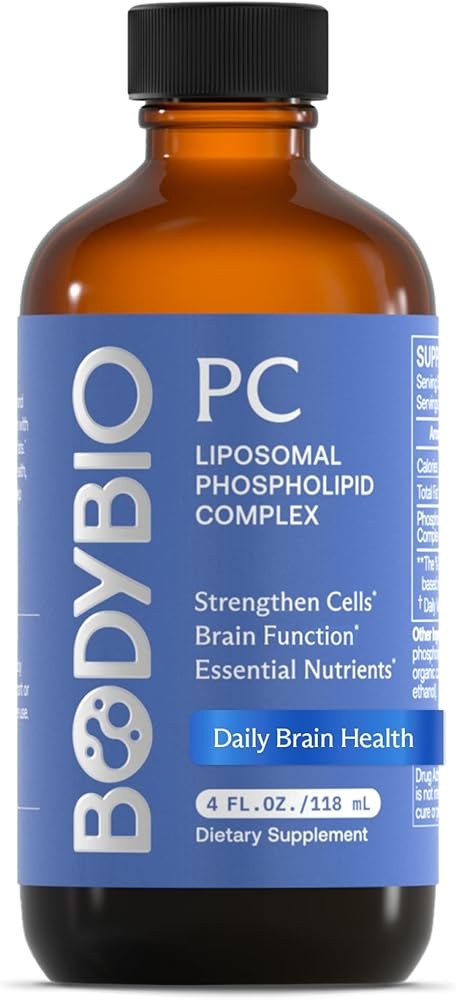
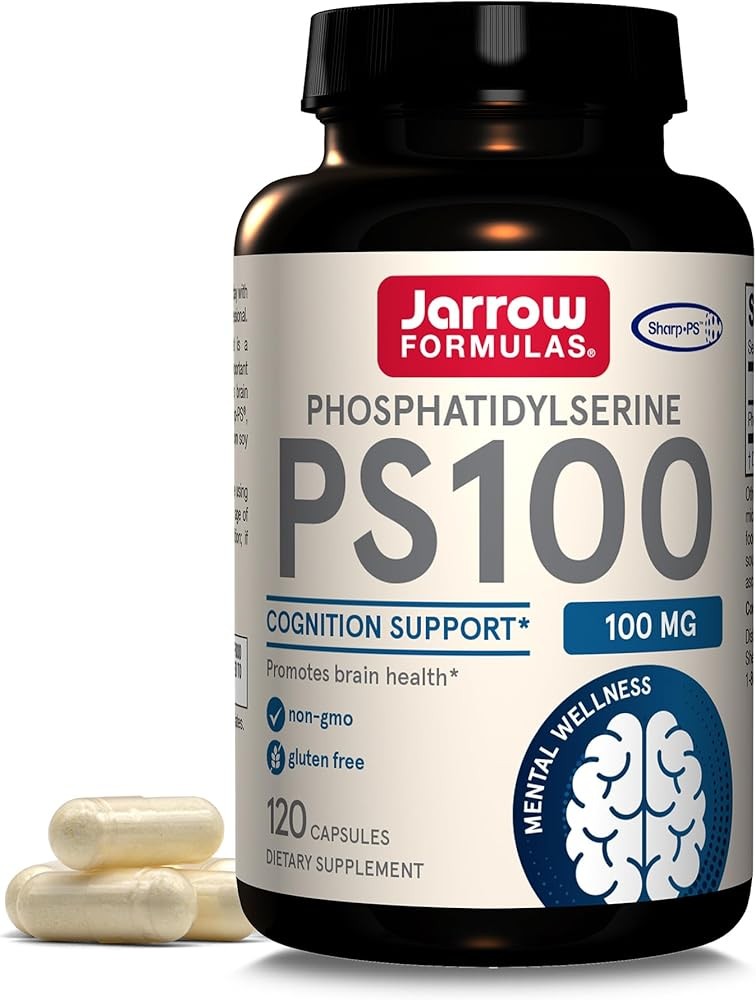
Phosphatidylcholine makes up 50% of liver lipid content and 40% of brain lipid content, making it the most abundant phospholipid in human cell membranes. BodyBio PC provides 1,200mg of highly purified phosphatidylcholine per serving from non-GMO sunflower lecithin at approximately $40 for a 30-day supply. Research supports its dual action: large real-life studies of its polyenyl form in NAFLD (over 2,800 patients) show improved liver function tests, and the Framingham cohort data link adequate choline status to better cognitive performance. Jarrow Formulas PS100 offers budget-friendly phospholipid support at $15 for 120 capsules. Here’s what the published research shows about phosphatidylcholine’s role in acetylcholine synthesis, membrane integrity, and hepatic fat metabolism.
Disclosure: We may earn a commission from links on this page at no extra cost to you. Affiliate relationships never influence our ratings. Full policy →
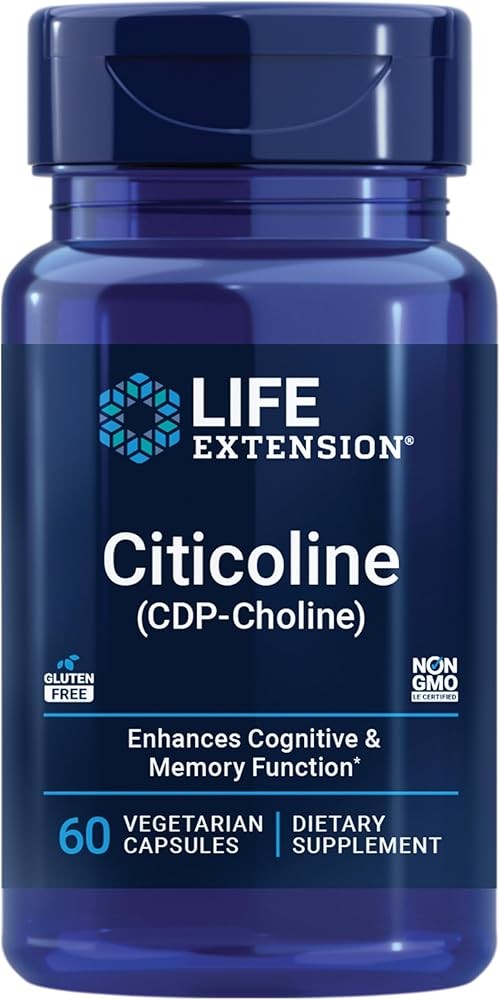
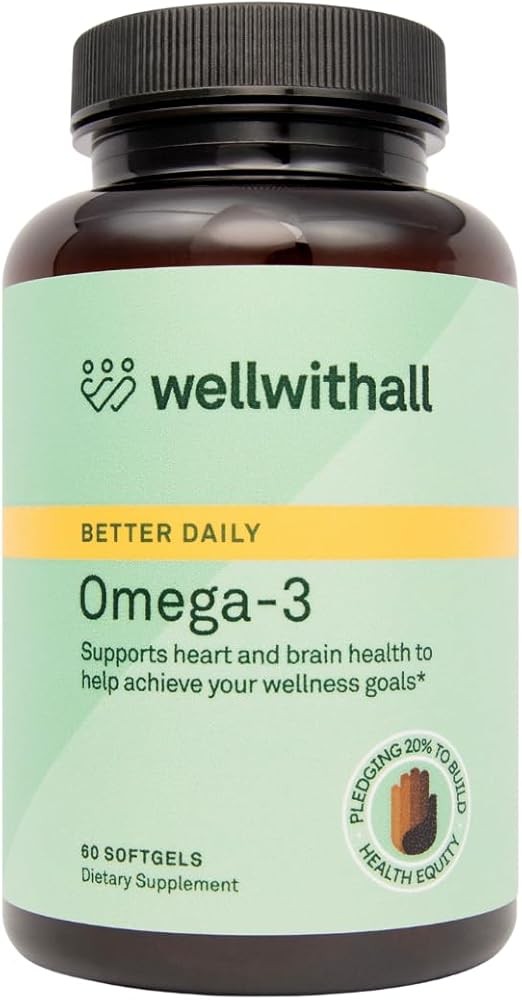
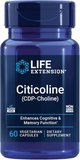
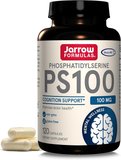
| Feature | BodyBio PC | Life Extension CDP-Choline | Omega-3 Fish Oil | Jarrow PS100 |
|---|---|---|---|---|
| Primary Ingredient | Phosphatidylcholine (PC) | Citicoline (CDP-Choline) | EPA/DHA Omega-3s | Phosphatidylserine (PS) |
| Dosage per Serving | 1,200mg PC | 250mg CDP-Choline | 450mg EPA, 300mg DHA | 100mg PS |
| Form | Liquid softgels from sunflower lecithin | Capsules | Softgels | Capsules |
| Servings per Container | 30-day supply | 60 capsules | Varies by size | 120 capsules |
| Price Range | ~$40/month | ~$18 for 60 caps | ~$20-30/month | ~$15 for 120 caps |
| Third-Party Tested | Yes | Yes | Yes | Yes |
| Primary Benefit | Brain & liver dual support | Cognitive enhancement | Membrane support | Budget phospholipid support |
| Source | Non-GMO sunflower | Synthetic citicoline | Wild-caught fish | Sunflower-derived |
Phosphatidylcholine is one of the most versatile nutrients in your body. It’s the primary phospholipid in cell membranes, making up about 50% of the lipid content in your liver and 40% in your brain. Unlike trendy supplements with limited research, phosphatidylcholine has decades of clinical evidence supporting its role in both cognitive function and liver health.
What makes PC unique is its dual action. In your brain, it serves as the primary dietary source of choline for acetylcholine synthesis—the neurotransmitter critical for memory, learning, and focus. In your liver, it’s essential for fat metabolism, bile production, and protecting hepatocytes from damage. If you’re dealing with fatty liver disease, cognitive decline, or simply want to optimize both organs simultaneously, phosphatidylcholine deserves serious consideration.
This guide breaks down the mechanisms, clinical evidence, dosing protocols, and practical recommendations based on current research.
What Is Phosphatidylcholine and How Does It Work?
Phosphatidylcholine is a phospholipid—a molecule composed of two fatty acids, a phosphate group, and a choline head group. It’s the most abundant phospholipid in human cell membranes and plays structural and functional roles throughout your body.
The molecular structure matters: PC consists of a glycerol backbone attached to two fatty acids (usually one saturated, one unsaturated), a phosphate group, and a choline molecule. This amphipathic structure—part water-soluble, part fat-soluble—allows PC to form the lipid bilayers that surround every cell in your body.
Your body can synthesize some phosphatidylcholine endogenously through the Kennedy pathway, which combines choline with diacylglycerol. However, dietary intake significantly influences PC levels, especially in the liver and brain. When dietary choline is insufficient, your liver cannibalizes its own PC stores, leading to hepatic dysfunction. The role of PC and its relative phosphatidylethanolamine in health and disease is the subject of a 2017 review in Biochimica et Biophysica Acta (PMID: 28411170).
Phosphatidylcholine vs. choline: While PC contains choline, they’re not interchangeable. When you consume PC, digestive enzymes break it down into glycerophosphocholine, free choline, and fatty acids. The bioavailability differs significantly—PC provides a more sustained release of choline compared to free choline supplements, which can cause rapid spikes and potential side effects like fishy body odor at high doses.
The two primary pathways where PC exerts its effects are:
-
The CDP-choline pathway (also called the Kennedy pathway): This is the main route for PC biosynthesis in most tissues. It requires choline, CTP (cytidine triphosphate), and diacylglycerol.
-
The PEMT pathway (phosphatidylethanolamine N-methyltransferase): This liver-specific pathway can produce PC from phosphatidylethanolamine using S-adenosylmethionine as a methyl donor. About 30% of hepatic PC comes from this pathway, but genetic variations in PEMT (particularly common in premenopausal women) can impair this process.
Bottom line: Phosphatidylcholine is your body’s most abundant membrane phospholipid, synthesized through the Kennedy and PEMT pathways but heavily dependent on dietary intake. Unlike free choline supplements that cause rapid spikes, PC provides sustained choline release, making it essential for both brain acetylcholine synthesis and liver fat metabolism without the fishy odor side effects common with high-dose choline bitartrate.
How Does Phosphatidylcholine Support Brain Health?
Your brain is approximately 60% fat by dry weight, and phosphatidylcholine is a critical component of neuronal membranes, myelin sheaths, and neurotransmitter systems. Here’s how PC supports cognitive function:
Acetylcholine Synthesis and Cholinergic Neurotransmission
The most well-established mechanism is PC’s role as a choline donor for acetylcholine synthesis. Acetylcholine is the primary neurotransmitter involved in memory formation, learning, attention, and muscle control.
The pathway: Phosphatidylcholine → Choline → Acetyl-CoA + Choline → Acetylcholine (via choline acetyltransferase)
A 1982 double-blind, placebo-controlled crossover study in Neurology (PMID: 6287359) gave healthy older adults lecithin—the concentrated dietary source of phosphatidylcholine—for 5 weeks and found no significant change in memory or learning tests. That null result in healthy, choline-adequate subjects is important context: PC’s cognitive effects appear in people with low choline status or cognitive impairment, not in well-nourished young cohorts. The Framingham Offspring Cohort data (see below) is where the population-level evidence sits.
The Framingham Offspring Study, which tracked 1,391 participants over 10 years, found that higher dietary choline intake was associated with better cognitive performance and lower odds of white-matter hyperintensity (PMID: 22071706). While this study measured total dietary choline rather than isolated PC, it underscores the importance of adequate choline for brain aging.
Clinical evidence in cognitive decline: The most direct clinical test of lecithin in dementia came from a 1985 double-blind, placebo-controlled trial in Journal of Neurology, Neurosurgery & Psychiatry (PMID: 3897460). Patients with Alzheimer’s disease received high-dose lecithin, the natural phosphatidylcholine concentrate, and the trial found no significant benefit over placebo on the primary cognitive outcomes. That negative result, like the 1982 healthy-elderly study, argues against lecithin as a dementia intervention in advanced disease. More recent research suggests that PC’s benefits are most pronounced in individuals with existing choline deficiency or early cognitive impairment, rather than healthy young adults.
Neuronal Membrane Integrity and Fluidity
Cell membranes aren’t static barriers—they’re dynamic structures where membrane fluidity affects receptor function, signal transduction, and synaptic plasticity. Phosphatidylcholine, particularly when it contains polyunsaturated fatty acids (PUFAs) like DHA, maintains optimal membrane fluidity.
The closest human RCT on phospholipid-form omega-3s and brain function is a 2013 randomized, double-blind, placebo-controlled trial in Clinical Interventions in Aging (PMID: 24098072), which found that krill oil—whose omega-3s are esterified to phosphatidylcholine—improved measures of brain function and mood in older adults. The phospholipid form of the fatty acids appears to matter for uptake into neuronal membranes.
The aging brain problem: As you age, membrane PC content declines, replaced by more rigid lipids like sphingomyelin. This reduces membrane fluidity, impairs receptor sensitivity, and contributes to cognitive decline. Supplemental PC may partially reverse this age-related rigidification.
Myelin Sheath Support
Myelin—the fatty insulation around nerve fibers—is about 70-80% lipids, with PC comprising a significant portion. Proper myelination is essential for fast signal transmission and neuronal health.
While most myelin research focuses on galactocerebroside and other sphingolipids, PC plays a supporting role. Animal work on choline-deficient diets consistently shows that myelination and nerve conduction depend on adequate choline and phospholipid availability, with supplementation reversing the deficits.
Implications for neurodegenerative diseases: Demyelination is a hallmark of multiple sclerosis and plays a role in Alzheimer’s and Parkinson’s disease. While PC isn’t a treatment for these conditions, maintaining adequate choline stores may support myelin maintenance.
Neuroprotection and Anti-Inflammatory Effects
Phosphatidylcholine exhibits neuroprotective properties through several mechanisms:
Antioxidant effects: PC can modulate oxidative stress by maintaining mitochondrial membrane integrity. Phospholipids with polyunsaturated fatty acids are the main cellular targets of lipid peroxidation, and keeping membrane PC pools well stocked is part of how cells limit that damage.
Anti-inflammatory signaling: PC influences the production of pro-inflammatory cytokines. PC-derived signaling lipids (lysophosphatidylcholine, LPC) act as natural anti-inflammatory messengers, and PC deficiency shifts the membrane phospholipid profile in a way that favors inflammatory signaling.
Blood-brain barrier integrity: The blood-brain barrier relies on tight junctions between endothelial cells, which require intact lipid membranes. PC deficiency can compromise BBB integrity, potentially increasing neuroinflammation.
Bottom line: Phosphatidylcholine supports brain health through four primary mechanisms: donating choline for acetylcholine synthesis (improving memory and learning), maintaining neuronal membrane fluidity (reversing age-related rigidification), supporting myelin sheath integrity (faster nerve conduction), and providing neuroprotection through antioxidant and anti-inflammatory effects. The practical read of the brain literature: benefits show up in choline-deficient or cognitively impaired populations, not in healthy young adults, and the largest human datasets (Framingham) show choline status tracking cognitive performance across the whole population.
How Does Phosphatidylcholine Support Liver Health?
Your liver contains the highest concentration of phosphatidylcholine in your body—about 50% of total membrane phospholipids. This isn’t coincidental; the liver’s metabolic functions depend critically on PC.
Non-Alcoholic Fatty Liver Disease (NAFLD) and Steatosis Reversal
NAFLD affects approximately 25% of the global population and is strongly associated with obesity, insulin resistance, and metabolic syndrome. Phosphatidylcholine plays a central role in hepatic fat metabolism.
The mechanism: PC is required for the assembly and secretion of very-low-density lipoproteins (VLDL), which export triglycerides from the liver. When PC levels are inadequate, triglycerides accumulate in hepatocytes, causing steatosis—the same failure seen when choline is deficient during parenteral nutrition (PMID: 7590654). Additionally, PC regulates the enzyme PEMT, which is critical for maintaining hepatic PC pools.
Clinical evidence: The strongest human data come from the MANPOWER and related real-life studies (Maev et al., BMJ Open Gastroenterology, 2020), which followed thousands of NAFLD patients in routine Russian practice. In the largest cohort (over 2,800 patients), polyenylphosphatidylcholine (PPC, the PC form enriched with polyunsaturated fatty acids) given as adjunctive therapy was associated with improvement in liver function tests—ALT and AST trending toward normal—compared with baseline (PMID: 32337059).
A companion 2020 study from the same group (PMID: 32095253) evaluated PPC in NAFLD patients with cardiometabolic comorbidities and found improvement in steatosis markers, with the greatest relative gains in patients with mild-to-moderate fat accumulation rather than advanced steatosis.
Mechanism of fat reduction: PC enhances the activity of carnitine palmitoyltransferase 1 (CPT1), the rate-limiting enzyme for mitochondrial fatty acid oxidation. This shifts the liver from fat storage to fat burning. Additionally, PC supplementation increases PPAR-α expression, further promoting fatty acid oxidation. For comprehensive liver support, traditional formulas like YHK combine hepatoprotective herbs that work synergistically with PC’s membrane-protective effects.
Bile Production and Fat Emulsification
Bile is approximately 20% phosphatidylcholine, which acts as an emulsifier to break down dietary fats and enable fat-soluble vitamin absorption. Inadequate PC can lead to bile insufficiency, contributing to fat malabsorption, gallstones, and digestive issues.
The classic Digestive Diseases and Science work on bile acid malabsorption (Mansbach et al., 1980, PMID: 7371473) documented how fat digestion breaks down when bile salts are insufficient and how phospholipid supplementation supports fat absorption in those patients.
Gallstone prevention: Cholesterol gallstones form when bile becomes supersaturated with cholesterol due to insufficient PC and bile acids. Animal studies suggest that PC supplementation can reduce cholesterol saturation in bile, potentially lowering gallstone risk.
Hepatocyte Membrane Repair and Protection
Liver cells face constant oxidative stress from detoxification processes. PC maintains hepatocyte membrane integrity and supports membrane repair after toxic insults.
Alcohol-induced liver damage: The landmark animal evidence is Lieber’s 1994 baboon study in Gastroenterology (PMID: 8276177): baboons fed a high-fat, alcohol-containing liquid diet developed progressive fatty liver and fibrosis, and PC supplementation protected against fibrosis and cirrhosis development. Human trials of PPC in alcoholic hepatitis have shown improvements in liver enzymes and fat content, though the data are less consistent than the animal work. A 2009 mouse study in Hepatology added another piece: PPC protected PPARα-null mice from alcoholic liver disease by attenuating oxidative stress (PMID: 19398233).
The hepatoprotection literature goes back further than many people realize: Jaeschke’s 1987 study in Chemico-Biological Interactions (PMID: 3690721) showed that phosphatidylcholine liposomes protected mouse liver against toxin-induced injury, and the silybin-PC complex (silipide) shown in the same era to be hepatoprotective against CCl4, ethanol, and paracetamol (acetaminophen) injury (PMID: 1287266).
Carbon tetrachloride (CCl4) studies: While CCl4 isn’t a common human toxin, it’s used in research to model liver injury. Multiple studies show that PC pretreatment significantly reduces CCl4-induced fibrosis, inflammation, and hepatocyte death in rodents.
Inflammation and Fibrosis Reduction
Chronic liver inflammation leads to fibrosis and eventually cirrhosis. Phosphatidylcholine exhibits anti-inflammatory and anti-fibrotic properties in the liver.
The fibrosis mechanism is best documented at the cell level: Cao and Lieber’s 2002 studies showed that DLPC—the active component of PPC—reduces TGF-β1-induced collagen production in hepatic stellate cells, the primary drivers of liver fibrosis, by inhibiting the p38 MAPK pathway (PMIDs: 12381518, 12024107). While this doesn’t reverse established fibrosis, it may slow progression.
Mechanism: PC modulates the NF-κB signaling pathway, reducing the production of pro-inflammatory cytokines like TNF-α and IL-1β. It also influences TGF-β signaling, which drives fibrogenesis.
Bottom line: Phosphatidylcholine is essential for liver health, comprising 50% of hepatic membrane phospholipids and playing critical roles in VLDL assembly, bile production, and hepatocyte protection. The large MANPOWER-cohort data (PMID 32337059) show PPC as adjunctive therapy in over 2,800 NAFLD patients improved liver function tests (ALT/AST trending toward normal), and cell-level work (PMID 12381518) shows DLPC, PPC’s active component, inhibits TGF-β1-driven collagen production in hepatic stellate cells—the fibrosis pathway.
What Are the Signs of Phosphatidylcholine Deficiency?
Your body provides clear signals when phosphatidylcholine levels are inadequate. Recognizing these symptoms can help you identify potential deficiency before it progresses to serious organ dysfunction.
Signs Something Is Wrong
Cognitive symptoms:
- Brain fog and poor concentration: Difficulty focusing on tasks, frequent mind-wandering, inability to sustain attention during conversations or reading
- Memory lapses: Forgetting where you placed items, struggling to recall names or recent events, losing your train of thought mid-sentence
- Slow mental processing: Taking longer to solve problems, feeling like your thinking is sluggish, difficulty multitasking
- Word-finding difficulties: Tip-of-the-tongue phenomena becoming more frequent, struggling to express thoughts clearly
Liver-related symptoms:
- Elevated liver enzymes on blood work: ALT and AST creeping above normal range (particularly ALT > 30-40 U/L)
- Right upper quadrant discomfort: Dull ache or fullness under the right rib cage, especially after fatty meals
- Fat malabsorption signs: Pale, bulky, foul-smelling stools that float; oily residue in toilet; undigested fat in stool
- Fatty liver diagnosis on imaging: Ultrasound or CT showing increased hepatic echogenicity or attenuation
- Fatigue after eating: Feeling exhausted after meals, particularly high-fat meals
General symptoms:
- Elevated homocysteine levels: Since PC synthesis requires methylation, deficiency can impair the methionine-homocysteine cycle
- Muscle weakness: Acetylcholine is required for neuromuscular junction function
- Fishy body odor: Paradoxically, this can indicate impaired PC synthesis, causing choline to be shunted to trimethylamine production
High-risk populations:
- Postmenopausal women (due to reduced estrogen, which activates PEMT)
- Vegetarians and vegans (low dietary PC intake)
- Heavy alcohol consumers (alcohol depletes hepatic PC)
- Individuals with MTHFR mutations (impaired methylation affects PC synthesis)
- People with NAFLD or metabolic syndrome
Bottom line: Phosphatidylcholine deficiency manifests through cognitive symptoms (brain fog, memory lapses, slow mental processing, word-finding difficulties), liver dysfunction (elevated ALT/AST above 30-40 U/L, right upper quadrant discomfort, fat malabsorption with pale floating stools, fatty liver on imaging), and systemic issues (elevated homocysteine, muscle weakness, fishy body odor). High-risk groups include postmenopausal women, vegetarians/vegans, heavy alcohol consumers, MTHFR mutation carriers, and those with NAFLD or metabolic syndrome.
What Improvement Looks Like
When you optimize phosphatidylcholine status through diet or supplementation, you’ll notice progressive improvements:
Week 1-2:
- Improved digestion of fats: Less bloating after meals containing oils, nuts, avocado, or fatty fish
- Clearer thinking: Subtle reduction in afternoon brain fog
- Better sleep quality: Acetylcholine influences REM sleep; adequate levels can improve sleep architecture
Week 3-4:
- Enhanced focus and concentration: Easier to sustain attention during work or reading
- Improved word recall: Fewer instances of forgetting names or words
- Reduced upper abdominal discomfort: Less pressure or fullness in the liver area
- More energy after meals: Less postprandial fatigue
Month 2-3:
- Measurable memory improvements: Better recall of recent events, shopping lists, or conversations
- Processing speed gains: Quicker problem-solving, faster mental math
- Improved liver enzyme markers: ALT and AST trending downward if elevated
- Reduced liver size on imaging: In NAFLD patients, potential reduction in hepatic fat content
Month 4-6:
- Sustained cognitive performance: Consistent focus and memory throughout the day
- Normalized liver enzymes: ALT and AST in optimal range (<25 U/L)
- Improved lipid panels: Better HDL/LDL ratios due to improved hepatic lipoprotein metabolism
- Enhanced stress resilience: Better cortisol regulation (PC influences adrenal function)
Bottom line: Phosphatidylcholine supplementation shows progressive improvements starting with better fat digestion and clearer thinking within 1-2 weeks, enhanced focus and reduced liver discomfort by weeks 3-4, measurable memory gains and declining liver enzymes (ALT/AST) by months 2-3, and sustained cognitive performance with normalized liver enzymes below 25 U/L by months 4-6. The timeline follows plasma choline normalization (1-4 weeks), increased brain phospholipid content (1-3 months), and long-term metabolic improvements (6-12 months).
Warning Signs to Watch For
While PC is generally safe, certain symptoms warrant medical attention:
Immediate medical evaluation needed:
- Severe right upper quadrant pain: Could indicate gallstones, acute hepatitis, or liver abscess
- Jaundice (yellowing of skin or eyes): Sign of significant liver dysfunction or bile duct obstruction
- Dark urine with pale stools: Indicates bile flow obstruction
- Sudden confusion or personality changes: Could indicate hepatic encephalopathy in severe liver disease
- Rapid cognitive decline: Memory loss affecting daily function requires neurological evaluation
Discuss with your doctor:
- Persistent elevated liver enzymes despite PC supplementation: May indicate more serious liver disease requiring further workup
- Worsening memory despite adequate choline intake: Could indicate Alzheimer’s disease or other neurodegenerative conditions
- Fishy body odor while taking PC supplements: May indicate trimethylaminuria (fish odor syndrome) or TMAO overproduction
- Digestive distress from PC supplements: Nausea, diarrhea, or bloating may require dose adjustment or form change
Bottom line: Seek immediate medical evaluation for severe right upper quadrant pain, jaundice (yellowing skin/eyes), dark urine with pale stools, sudden confusion, or rapid cognitive decline affecting daily function. Discuss with your doctor if liver enzymes remain elevated despite PC supplementation, memory worsens despite adequate choline intake, fishy body odor develops while taking PC (indicating possible trimethylaminuria or TMAO overproduction), or digestive distress occurs requiring dose adjustment.
Timeline of Changes
Short-term (1-4 weeks):
- Plasma choline levels normalize
- Improved acetylcholine synthesis
- Enhanced fat digestion
- Subtle cognitive improvements
Medium-term (1-3 months):
- Increased brain phospholipid content (measurable on MR spectroscopy)
- Reduced hepatic fat content in NAFLD
- Measurable improvements on memory tests
- Normalized liver enzymes in mild hepatic dysfunction
Long-term (6-12 months):
- Sustained cognitive performance improvements
- Potential reduction in dementia risk markers
- Reversal of mild-to-moderate hepatic steatosis
- Improved overall metabolic health
Bottom line: Phosphatidylcholine benefits follow a predictable timeline: short-term (1-4 weeks) plasma choline normalization and improved acetylcholine synthesis, medium-term (1-3 months) increased brain phospholipid content measurable on MR spectroscopy and reduced hepatic fat in NAFLD, and long-term (6-12 months) sustained cognitive improvements with potential dementia risk reduction and reversal of mild-to-moderate hepatic steatosis. The progressive timeline reflects the gradual incorporation of PC into cell membranes and metabolic pathways.
How Does Phosphatidylcholine Compare to Other Choline Sources?
Not all choline sources are created equal. Understanding the differences between PC and other choline compounds helps optimize your supplementation strategy.
Phosphatidylcholine vs. Free Choline (Choline Bitartrate/Chloride)
Absorption and bioavailability: Free choline supplements like choline bitartrate are rapidly absorbed in the small intestine, leading to high peak plasma levels but also rapid clearance. PC, by contrast, is broken down more slowly, providing sustained choline release.
Pharmacokinetic work on choline forms (Mödinger et al., 2019, PMID: 31652561) confirms that the chemical form of choline strongly affects its absorption and clearance: free choline (as in bitartrate) produces a sharp early plasma peak followed by rapid clearance, while phospholipid-bound choline is broken down more slowly in the gut, giving a more gradual and sustained rise in plasma choline.
Side effect profile: High-dose choline bitartrate (>3 g daily) commonly causes fishy body odor due to gut bacterial conversion of choline to trimethylamine (TMA). PC is less likely to cause this effect at equivalent choline doses, possibly because phospholipid structure protects choline from bacterial degradation in the gut.
Liver specificity: PC is more efficiently taken up by the liver via specific phospholipid transporters (Mdr2/MDR3), making it superior for hepatic applications like NAFLD.
Bottom line: Phosphatidylcholine provides sustained choline release compared to choline bitartrate’s sharp early peak (pharmacokinetics, PMID 31652561), causes less fishy body odor because the phospholipid structure protects choline from gut bacterial conversion to trimethylamine, and offers superior liver uptake via Mdr2/MDR3 phospholipid transporters. For NAFLD and liver health, PC is the clear winner; for budget choline supplementation without liver-specific goals, bitartrate may suffice despite the odor risk.
Phosphatidylcholine vs. Alpha-GPC (L-Alpha Glycerylphosphorylcholine)
Alpha-GPC is a choline-containing compound marketed primarily for cognitive enhancement and athletic performance.
Choline content: Alpha-GPC is about 40% choline by weight, while PC is about 13-15% choline. However, milligram-for-milligram comparisons are misleading because the compounds have different mechanisms.
Brain penetration: Alpha-GPC readily crosses the blood-brain barrier and directly increases brain acetylcholine levels. Small trials in athletes and older adults have reported acute effects on power output and growth hormone with 600 mg doses, though the effect sizes are modest and the trials were small.
Cognitive effects: For acute cognitive enhancement or athletic performance, alpha-GPC may be superior. For long-term brain health and membrane support, PC is likely more beneficial.
Liver effects: Alpha-GPC doesn’t provide the structural phospholipid support that PC does for hepatic membranes. If your goal is liver health, PC is the clear choice.
Cost: Alpha-GPC is significantly more expensive than PC. A typical 300 mg alpha-GPC dose costs $0.50-1.00, while an equivalent choline dose from PC costs $0.15-0.30.
Bottom line: Alpha-GPC offers superior acute cognitive enhancement and athletic performance (small athlete trials report acute power and growth-hormone effects at 600mg doses) due to better blood-brain barrier penetration and 40% choline content versus PC’s 13-15%, but costs 3-4x more ($0.50-1.00 vs $0.15-0.30 per dose) and provides no hepatic membrane support. Choose alpha-GPC for pre-workout cognitive boost or athletic performance; choose PC for long-term brain health, liver support, and cost-effectiveness.
Phosphatidylcholine vs. CDP-Choline (Citicoline)
CDP-choline (cytidine diphosphate choline) is a precursor to both PC and acetylcholine synthesis.
Mechanism: CDP-choline provides both choline and cytidine. The cytidine component is converted to uridine, which enhances PC synthesis via the Kennedy pathway. This dual action theoretically makes CDP-choline more efficient for boosting brain PC levels.
Clinical evidence for cognition: Secades’ 2016 pharmacological review in Revista de Neurologia (PMID: 28417449) synthesizes the CDP-choline trial literature and concludes modest cognitive benefits in cerebrovascular cognitive impairment, with the best data in vascular dementia and post-stroke cognitive deficits rather than Alzheimer’s disease. A 2023 systematic review and meta-analysis in Nutrients (PMID: 36678257) examined citicoline for dementia prevention and progression and found the evidence insufficient to support firm conclusions either way.
Brain vs. liver: CDP-choline is primarily studied for brain health, not liver function. For NAFLD or hepatic support, PC has more robust evidence.
Dosing and cost: Effective CDP-choline doses are 500-2,000 mg daily. Like alpha-GPC, it’s considerably more expensive than PC.
Practical choice: For cognitive enhancement alone, CDP-choline and alpha-GPC may offer advantages. For dual brain and liver support, PC is more cost-effective and has broader evidence.
Bottom line: CDP-choline provides both choline and cytidine (converted to uridine), enhancing PC synthesis via the Kennedy pathway with modest cognitive benefits in vascular dementia per the Secades 2016 review (PMID 28417449), but is primarily studied for brain health with limited liver evidence. At 500-2,000mg daily and higher cost than PC, CDP-choline suits cognitive impairment cases, while phosphatidylcholine remains the most cost-effective choice for dual brain and liver support with broader clinical evidence.
Comparison Table: Choline Sources
| Compound | Choline Content | Best For | Typical Dose | Cost (per day) |
|---|---|---|---|---|
| Phosphatidylcholine | 13-15% | Liver health, sustained choline release, membrane support | 1,200-2,400 mg | $0.30-0.60 |
| Choline Bitartrate | 41% | Budget choline supplementation | 500-1,000 mg | $0.10-0.20 |
| Alpha-GPC | 40% | Acute cognitive boost, athletic performance | 300-600 mg | $0.50-1.00 |
| CDP-Choline | 18% | Cognitive impairment, neuroprotection | 500-1,000 mg | $0.60-1.20 |
| Egg yolks (food) | Varies | Whole-food source with other nutrients | 3-4 yolks | $0.50-1.00 |
Bottom line: Phosphatidylcholine offers the best value ($0.30-0.60/day) for dual brain and liver support with sustained choline release, while choline bitartrate is the budget option ($0.10-0.20/day) with fishy odor risk, alpha-GPC excels for acute cognitive boost and athletic performance ($0.50-1.00/day), CDP-choline targets cognitive impairment and neuroprotection ($0.60-1.20/day), and egg yolks provide whole-food PC with lutein and other nutrients. Choose based on primary goal: liver health and long-term brain support (PC), budget supplementation (bitartrate), pre-workout performance (alpha-GPC), or vascular dementia (CDP-choline).
Can You Get Enough Phosphatidylcholine From Food Alone?
Food Sources of Phosphatidylcholine
Highest sources:
- Egg yolks: The richest dietary source, providing approximately 680 mg PC per large egg yolk. Eggs also provide lutein, zeaxanthin, and other beneficial compounds.
- Beef liver: Contains about 350 mg PC per 3 oz serving, plus high amounts of vitamin A, B12, and iron.
- Chicken liver: Similar to beef liver, approximately 300 mg PC per 3 oz.
- Soybeans and soy lecithin: Whole soybeans provide about 200 mg PC per cup; soy lecithin supplements are concentrated PC sources.
- Sunflower seeds: About 60 mg PC per ounce.
- Salmon: Provides approximately 75 mg PC per 3 oz serving, plus omega-3 fatty acids.
- Milk and dairy: Lower amounts, approximately 30-40 mg per cup.
Total choline (which includes PC and other forms): The Institute of Medicine recommends 550 mg total choline daily for adult men and 425 mg for adult women (increased to 450 mg during pregnancy and 550 mg during lactation). However, these recommendations are based on preventing deficiency, not optimizing function.
Can You Get Enough from Food Alone?
For brain health: Consuming 2-3 egg yolks daily plus moderate amounts of meat and fish can provide 400-800 mg of phosphatidylcholine, likely sufficient for basic cognitive function in healthy individuals.
For liver health (NAFLD treatment): The therapeutic doses used in clinical trials (1,800-2,700 mg daily) are difficult to achieve through diet alone. You’d need to consume 6-9 egg yolks daily, which most people find impractical and may raise concerns about total fat intake.
Genetic factors: Individuals with PEMT polymorphisms (particularly rs12325817) have impaired endogenous PC synthesis and may require higher dietary intake. Premenopausal women with these variants are at high risk for choline deficiency. Choline is officially classified as an essential nutrient by the Institute of Medicine (PMID: 19906248), and the specific polymorphisms that alter individual choline requirements are mapped in a 2014 FASEB Journal study (PMID: 24671709).
Practical recommendation: For general health maintenance, a diet rich in eggs, organ meats, and fish can provide adequate PC. For therapeutic applications (NAFLD, cognitive decline, high-dose nootropic use), supplementation is necessary.
Lecithin as a Phosphatidylcholine Source
Lecithin is a mixture of phospholipids, with PC typically comprising 20-30% of total lecithin. Soy lecithin and sunflower lecithin are the most common forms.
Soy lecithin:
- Most widely available and least expensive
- Typically provides 20-25% PC by weight
- May be GMO unless specified non-GMO or organic
- Some individuals react to soy proteins (though lecithin is mostly fat, trace proteins may remain)
Sunflower lecithin:
- Non-GMO, soy-free alternative
- Typically provides 20-30% PC by weight
- Generally more expensive than soy lecithin
- Preferred for those with soy sensitivities
Dosing lecithin for equivalent PC: If a study used 1,200 mg pure PC, you’d need approximately 4,000-6,000 mg of lecithin to achieve equivalent PC content. Always check the supplement facts panel for actual PC content.
Bottom line: Egg yolks are the richest dietary PC source (roughly 600-700mg per yolk), but the doses used in NAFLD studies (1,800-2,700mg daily) would require 6-9 egg yolks or supplementation. For brain health maintenance, 2-3 egg yolks plus meat and fish provide a meaningful amount of dietary PC. Lecithin supplements contain 20-30% PC by weight (requiring 4,000-6,000mg lecithin for 1,200mg PC equivalent); sunflower lecithin is non-GMO and soy-free but more expensive than soy lecithin. Individuals with PEMT genetic variants (common in premenopausal women) have impaired endogenous synthesis and require higher dietary or supplemental intake.
How Much Phosphatidylcholine Should You Take Daily?
For Cognitive Function and Neuroprotection
General brain health (prevention):
- Dose: 400-900 mg phosphatidylcholine daily
- Timing: Take with meals containing fat to enhance absorption
- Duration: Ongoing for sustained benefit
- Expected outcomes: Subtle improvements in focus, memory, and processing speed; most pronounced in individuals over 50 or with dietary choline insufficiency
Cognitive decline or early dementia:
- Dose: 900-1,200 mg phosphatidylcholine daily, or 500-1,000 mg CDP-choline
- Timing: Divided into two doses (morning and early afternoon) to maintain stable choline levels
- Duration: Minimum 12 weeks to assess benefit; continue indefinitely if helpful
- Expected outcomes: Modest improvements in verbal memory, attention, and daily function in mild cognitive impairment
Students and cognitive performance:
- Dose: 300-600 mg alpha-GPC before cognitively demanding tasks, or 400-800 mg phosphatidylcholine daily
- Timing: Alpha-GPC acutely (1-2 hours before exams/studying); PC daily for long-term support
- Expected outcomes: Enhanced focus, working memory, and mental stamina
For Liver Health and NAFLD
Mild NAFLD or prevention:
- Dose: 1,200-1,800 mg phosphatidylcholine daily (or 4,000-6,000 mg lecithin standardized to 30% PC)
- Timing: Divided into two doses with meals
- Duration: Minimum 6 months; continue long-term if effective
- Expected outcomes: Gradual reduction in liver enzymes, improved liver stiffness scores, reduced hepatic fat on imaging
Moderate-to-severe NAFLD:
- Dose: 2,400-2,700 mg phosphatidylcholine daily (or polyenylphosphatidylcholine specifically)
- Timing: Three divided doses with meals
- Duration: 6-12 months minimum
- Expected outcomes: 20-30% reduction in hepatic fat content, normalization of liver enzymes, improvement in liver histology
Alcoholic liver disease:
- Dose: 1,800-2,700 mg polyenylphosphatidylcholine (PPC) daily
- Timing: Divided doses with meals
- Duration: Long-term; discontinuing alcohol is essential for PC to be effective
- Expected outcomes: Reduced progression to fibrosis/cirrhosis, improved liver enzyme markers
Bile insufficiency and fat malabsorption:
- Dose: 1,500-2,000 mg phosphatidylcholine daily
- Timing: With meals, especially those containing fat
- Expected outcomes: Improved fat absorption, reduced steatorrhea, better fat-soluble vitamin status
Combined Brain and Liver Protocol
If you’re targeting both cognitive and hepatic health:
- Dose: 1,800-2,400 mg phosphatidylcholine daily
- Timing: 800-1,200 mg with breakfast, 600-800 mg with lunch, 400-600 mg with dinner
- Form: Phosphatidylcholine complex or lecithin standardized to PC content
- Additional support: Combine with B-complex vitamins (especially B6, B12, folate) to support methylation; consider 500-1,000 mg TMG (trimethylglycine) to reduce TMAO production
Safety and Upper Limits
The Institute of Medicine has not established a tolerable upper intake level (UL) for phosphatidylcholine or choline due to insufficient data on adverse effects. However, practical limits exist:
Choline upper limit: 3,500 mg total choline daily (from all sources) is generally considered safe, though some individuals experience fishy body odor at doses above 1,000-1,500 mg.
Phosphatidylcholine: Doses up to 4,500 mg PC daily have been used in clinical trials without serious adverse effects. The most common side effects are:
- Gastrointestinal: Nausea, diarrhea, loose stools (usually dose-dependent and transient)
- Fishy body odor: Less common with PC than free choline, but can occur at high doses
- Increased TMAO: Discussed in detail below
Contraindications:
- Pregnancy/lactation: Generally considered safe; choline requirements increase during these periods
- Trimethylaminuria (fish odor syndrome): Avoid high-dose choline compounds
- Parkinson’s disease: High-dose choline may worsen symptoms in some patients (theoretical concern based on acetylcholine-dopamine balance)
Bottom line: For brain health prevention use 400-900mg daily; for cognitive decline use 900-1,200mg daily divided doses; for mild NAFLD use 1,200-1,800mg daily; for moderate-to-severe NAFLD use 2,400-2,700mg daily in three divided doses. Combined brain and liver protocol: 1,800-2,400mg daily split across meals with B-complex vitamins and TMG. Doses up to 4,500mg daily are safe per clinical trials, with gastrointestinal effects being most common. Contraindications include trimethylaminuria and possibly Parkinson’s disease.
Which Phosphatidylcholine Supplement Is Best?
What Are Our Top Phosphatidylcholine Picks?
📱 Join the discussion: Facebook | X | YouTube | Pinterest
Recommended Supplements

Phosphatidylcholine Forms: What to Look For
Standard phosphatidylcholine (from lecithin):
- Most common and affordable form
- Typically 20-30% PC by weight if from lecithin, 35-50% if concentrated
- Look for “phosphatidylcholine complex” on labels
- Adequate for most applications
Polyenylphosphatidylcholine (PPC):
- Enriched with polyunsaturated fatty acids (linoleic acid, linolenic acid)
- Better studied for liver applications, particularly NAFLD and alcoholic liver disease
- More expensive than standard PC
- Brand example:
Sunflower lecithin vs. soy lecithin:
- Sunflower: Non-GMO, allergen-free, slightly higher PC content (25-35%)
- Soy: Less expensive, widely available, may be GMO unless specified
- Quality: Both are effective; choose based on dietary preferences and budget
Liposomal phosphatidylcholine:
- PC encapsulated in liposomes for enhanced absorption
- Theoretical advantage for bioavailability, but limited clinical data
- Significantly more expensive
- May be beneficial for individuals with malabsorption issues
Top Supplement Recommendations
Best overall value:
- Non-GMO sunflower lecithin
- 1,200 mg per softgel, providing approximately 400 mg PC
- Excellent value for daily maintenance
- Take 3 softgels daily for 1,200 mg PC equivalent
Best for liver health (NAFLD):
- Polyenylphosphatidylcholine (PPC) formulation
- 900 mg per 3-softgel serving
- Enriched with PUFA for enhanced hepatic benefit
- Take 2 servings daily (1,800 mg) for therapeutic liver support
Best concentrated PC:
- While this is CDP-choline rather than pure PC, it’s excellent for brain health
- 250 mg per capsule
- Highly bioavailable choline source for cognitive enhancement
- Take 2-4 capsules daily
Best budget option:
- Pure soy lecithin powder
- Approximately 20-25% PC by weight
- Mix 1-2 tablespoons (15-30g) into smoothies for 3,000-7,500 mg lecithin (600-1,875 mg PC equivalent)
- Most cost-effective for high-dose liver protocols
Best for cognitive performance:
- 300 mg alpha-GPC per capsule
- Rapid cognitive effects for focus and memory
- Take 1-2 capsules before mentally demanding tasks
- Combine with PC for long-term brain health
Best whole-food alternative:
- Each yolk provides 680 mg phosphatidylcholine
- Includes lutein, zeaxanthin, omega-3s, and other nutrients
- Most bioavailable and nutrient-dense source
- Consume 2-4 yolks daily
What to Avoid
Red flags on supplement labels:
- No PC content listed: If a lecithin product doesn’t specify PC percentage, assume low quality
- Soy lecithin without non-GMO certification: Likely made from GMO soybeans
- Proprietary blends: Makes it impossible to know actual PC dosage
- Fillers and additives: Look for minimal ingredients; avoid products with artificial colors, sweeteners, or unnecessary excipients
Bottom line: Standard phosphatidylcholine from lecithin (20-30% PC) works for most applications; polyenylphosphatidylcholine (PPC) enriched with PUFAs is best for NAFLD; sunflower lecithin is non-GMO and allergen-free versus cheaper soy lecithin; liposomal PC may benefit malabsorption but costs more with limited data. Best overall value is NOW Foods Sunflower Lecithin; best for liver health is Life Extension PhosphoPlex PPC; avoid products without listed PC content, proprietary blends, or unnecessary fillers.
The TMAO Concern: Should You Worry?
One of the most discussed controversies around choline supplementation is the production of trimethylamine N-oxide (TMAO), a metabolite associated with increased cardiovascular disease risk in some studies.
The TMAO Pathway
When you consume choline (including from PC), gut bacteria can convert it to trimethylamine (TMA). TMA is absorbed and oxidized in the liver by flavin-containing monooxygenase 3 (FMO3) to form TMAO. The gut-microbiota route of TMAO production was established in a 2011 Nature study showing gut flora metabolism of phosphatidylcholine promotes cardiovascular disease (PMID: 21475195). Elevated TMAO levels have been associated with atherosclerosis, heart attack, and stroke in observational studies.
A 2013 study in New England Journal of Medicine found that higher plasma TMAO levels correlated with increased cardiovascular events (PMID: 23614584). However, the relationship is complex and likely confounded by diet quality and gut microbiome composition.
Does Phosphatidylcholine Raise TMAO More Than Other Sources?
The nuance: Phosphatidylcholine appears to produce less TMAO than equivalent doses of free choline. The phospholipid structure means PC is partially broken down before gut bacteria can convert it to TMA, and the portion that reaches the colon as intact PC is a less efficient TMA substrate than free choline.
Mechanism: The phospholipid structure of PC may protect choline from bacterial degradation in the colon, leading to more efficient absorption in the small intestine.
Individual Variation in TMAO Production
Microbiome differences: Not everyone produces high TMAO in response to choline. Your gut bacterial composition determines TMA production. Vegans and vegetarians produce significantly less TMAO from choline than omnivores, likely because their microbiomes lack TMA-producing bacteria (PMID: 23614584). A 2017 randomized controlled trial confirmed that the TMAO response to choline-containing foods varies among healthy men and is driven by gut microbiota composition (PMID: 27377678).
FMO3 polymorphisms: Genetic variants in the FMO3 enzyme affect TMAO production. Some individuals are “high producers,” others “low producers.”
Mitigating TMAO Production
Strategies to reduce TMAO while supplementing PC:
-
Use phosphatidylcholine rather than free choline: PC produces less TMAO than choline bitartrate or chloride.
-
Supplement with DMB (3,3-dimethyl-1-butanol): This compound, found in some olive oils and balsamic vinegar, inhibits bacterial TMA production. Not yet available as a standalone supplement, but consuming extra virgin olive oil with PC may help.
-
Take TMG (trimethylglycine/betaine): 500-1,000 mg TMG daily can reduce choline’s conversion to TMA by providing an alternative methyl donor. is a reliable option.
-
Probiotics: Certain strains may reduce TMA-producing bacteria. Lactobacillus plantarum and Bifidobacterium strains show promise, though research is preliminary.
-
Reduce red meat intake: Red meat (especially L-carnitine) is a stronger TMAO inducer than choline. Limiting red meat while supplementing PC may mitigate cardiovascular risk.
-
Consume resveratrol: This polyphenol may inhibit FMO3 activity, reducing TMAO formation. Found in red wine and.
Balancing Benefits and Risks
The bottom line on TMAO: While elevated TMAO is a potential concern, the clinical evidence for phosphatidylcholine’s benefits—particularly for liver health—outweighs theoretical cardiovascular risks for most individuals. The populations most likely to benefit from PC (NAFLD patients, older adults with cognitive decline) face immediate health risks that PC addresses.
Practical approach:
- If you have existing cardiovascular disease, monitor TMAO levels if supplementing high-dose PC (some labs offer TMAO testing)
- Use PC rather than free choline to minimize TMAO production
- Combine PC with TMG and a Mediterranean-style diet rich in polyphenols
- Work with a healthcare provider to balance benefits and risks
Bottom line: Phosphatidylcholine produces less TMAO than equivalent choline bitartrate because the phospholipid structure protects choline from gut bacterial degradation. Individual TMAO production varies by microbiome composition (vegans produce less than omnivores) and FMO3 genetic variants. Mitigation strategies include using PC over free choline, taking 500-1,000mg TMG daily, consuming probiotics (Lactobacillus plantarum, Bifidobacterium), reducing red meat intake, and adding resveratrol or extra virgin olive oil (contains DMB that inhibits TMA production). For NAFLD and cognitive decline patients, PC benefits likely outweigh cardiovascular TMAO concerns.
Can You Combine Phosphatidylcholine With Other Supplements?
PC often works synergistically with other compounds, enhancing overall benefits.
For Brain Health
PC + B-Complex Vitamins: Choline metabolism requires B6, B12, and folate (especially methylfolate for those with MTHFR variants). Combining PC with a quality B-complex enhances methylation and reduces homocysteine.
Recommendation:
PC + Omega-3 Fatty Acids (EPA/DHA): DHA integrates into phospholipid membranes, working synergistically with PC to maintain membrane fluidity. This combination is particularly potent for brain aging.
Recommendation: (2,000 mg omega-3 daily)
PC + Lion’s Mane Mushroom: Lion’s mane stimulates nerve growth factor (NGF) production, complementing PC’s role in acetylcholine synthesis and membrane support. Excellent for cognitive longevity.
Recommendation: Lion’s Mane 1,000-2,000 mg daily
PC + Uridine: Uridine enhances PC synthesis via the Kennedy pathway. This combination may be superior to PC alone for increasing brain PC levels.
Recommendation: Uridine monophosphate 250-500 mg daily (available as sublingual tablets)
For Liver Health
PC + Milk Thistle (Silymarin): Milk thistle protects hepatocytes from oxidative damage and inflammation, while PC provides structural support. This combination is evidence-based for NAFLD and alcoholic liver disease.
Recommendation: (750 mg silymarin daily)
PC + N-Acetylcysteine (NAC): NAC boosts glutathione, the liver’s master antioxidant, complementing PC’s membrane-protective effects. Excellent for toxic liver injury.
Recommendation: NAC 600-1,200 mg twice daily
PC + Berberine: Berberine improves insulin sensitivity and activates AMPK, addressing the metabolic drivers of NAFLD. PC provides the structural support for fat export.
Recommendation: (500 mg three times daily)
PC + Vitamin E (Tocotrienols): Tocotrienols (especially gamma and delta forms) reduce hepatic inflammation and fibrosis in NAFLD. The combination with PC addresses both structure and inflammation.
Recommendation: Mixed tocotrienols 300-400 mg daily
Full Stack Protocols
Brain Optimization Stack:
- Phosphatidylcholine: 800-1,200 mg daily
- Alpha-GPC or CDP-Choline: 300-500 mg daily (for acute cognitive boost)
- Omega-3 (EPA/DHA): 2,000 mg daily
- Lion’s Mane: 1,000-2,000 mg daily
- B-Complex: 1 capsule daily
- Magnesium L-Threonate: 2,000 mg daily (for brain magnesium levels)
NAFLD Reversal Stack:
- Phosphatidylcholine: 2,000-2,400 mg daily
- Berberine: 500 mg three times daily
- Milk Thistle: 750 mg silymarin daily
- Omega-3: 2,000-3,000 mg daily
- Vitamin E (tocotrienols): 300 mg daily
- NAC: 600 mg twice daily
- Lifestyle: Low-carb diet, resistance training 3x/week, 7+ hours sleep
Bottom line: Phosphatidylcholine synergizes with B-complex vitamins (enhances methylation), omega-3 fatty acids (membrane fluidity), lion’s mane (NGF production), and uridine (Kennedy pathway PC synthesis) for brain health. For liver health, combine PC with milk thistle (hepatocyte protection), NAC (glutathione boost), berberine (insulin sensitivity/AMPK activation), and vitamin E tocotrienols (reduced inflammation/fibrosis). Brain optimization stack: PC 800-1,200mg + alpha-GPC/CDP-choline 300-500mg + omega-3 2,000mg + lion’s mane 1,000-2,000mg + B-complex + magnesium L-threonate. NAFLD reversal stack: PC 2,000-2,400mg + berberine 1,500mg/day + milk thistle 750mg + omega-3 2,000-3,000mg + tocotrienols 300mg + NAC 1,200mg/day.
Who Should Take Phosphatidylcholine?
Strong evidence for benefit:
- Adults over 50 concerned about cognitive aging
- Individuals with diagnosed NAFLD or elevated liver enzymes
- People with family history of dementia or Alzheimer’s disease
- Those with PEMT genetic variants (common in premenopausal women)
- Vegetarians/vegans with low dietary choline intake
- Heavy alcohol consumers (though alcohol cessation is essential)
- Individuals with bile insufficiency or fat malabsorption
- Students and professionals seeking cognitive enhancement
Uncertain or limited evidence:
- Healthy young adults with adequate dietary choline (likely minimal benefit)
- Advanced cirrhosis (PC won’t reverse severe fibrosis)
- Severe dementia (benefits are modest in late-stage disease)
Should avoid or use caution:
- Individuals with trimethylaminuria (fish odor syndrome)
- Those at high cardiovascular risk without medical supervision (TMAO concern)
- Parkinson’s disease patients (theoretical concern about acetylcholine-dopamine balance)
Bottom line: Strong evidence supports phosphatidylcholine for adults over 50 with cognitive aging concerns, NAFLD or elevated liver enzymes, family history of dementia, PEMT genetic variants (common in premenopausal women), vegetarians/vegans with low dietary intake, bile insufficiency, or fat malabsorption. Limited benefit for healthy young adults with adequate dietary choline, advanced cirrhosis, or severe dementia. Avoid or use caution if you have trimethylaminuria, high cardiovascular risk without medical supervision (TMAO concern), or Parkinson’s disease (theoretical acetylcholine-dopamine balance concern).
How Do You Start a Phosphatidylcholine Protocol?
Week 1-2: Baseline and Initiation
Before starting:
- Get baseline lab work: CMP (liver enzymes ALT/AST), lipid panel, homocysteine (optional)
- Track cognitive function: Do a simple memory test (e.g., digit span, word list recall) to have a baseline
- Note digestive symptoms: Track bloating, steatorrhea, abdominal discomfort
Starting dose:
- Begin with 400-800 mg PC daily to assess tolerance
- Take with meals to minimize GI side effects
- Choose your form: lecithin softgels, PC complex, or concentrated PC
Monitor:
- Digestive tolerance (nausea, loose stools)
- Any fishy body odor (rare at this dose)
- Subtle changes in mental clarity
Week 3-4: Dose Optimization
Increase to therapeutic dose:
- For brain health: 800-1,200 mg daily
- For liver health: 1,800-2,400 mg daily
- Divide doses across meals (e.g., 800 mg breakfast, 600 mg lunch, 600 mg dinner)
Add synergistic supplements:
- B-complex vitamin (morning)
- Omega-3 fish oil (with meals)
- TMG if concerned about TMAO (500 mg daily)
Monitor:
- Mental clarity improvements
- Digestive symptom changes
- Energy levels after meals
Month 2-3: Evaluation and Adjustment
Assess progress:
- Repeat cognitive tests (word recall, focus duration)
- Notice changes in brain fog, memory, or concentration
- Track any physical symptoms (liver discomfort, fat digestion)
Optional: Retest labs at 3 months (if using for liver health):
- ALT/AST (should be trending downward)
- Lipid panel (may show improved HDL/LDL ratio)
- Consider liver ultrasound or FibroScan if NAFLD diagnosis
Adjust protocol:
- If no benefit and tolerance is good, consider increasing dose (up to 2,400-3,000 mg PC)
- If excellent results, maintain current dose
- If GI side effects persist, try switching to liposomal PC or reduce dose
Month 4-6: Long-Term Maintenance
Continue protocol if beneficial:
- Maintain effective dose indefinitely for ongoing benefit
- PC is safe for long-term use based on available evidence
Periodic monitoring:
- Annual liver enzymes (if using for hepatic health)
- Track cognitive performance subjectively
- Adjust based on life changes (diet, stress, medications)
Optimize further:
- Fine-tune complementary supplements
- Address lifestyle factors (sleep, stress, exercise)
- Consider cycling higher doses (e.g., 2,400 mg for 3 months, then 1,200 mg maintenance)
Bottom line: Start with 400-800mg PC daily weeks 1-2 to assess tolerance, getting baseline labs (ALT/AST, lipid panel, homocysteine) and cognitive tests (digit span, word recall) before beginning. Weeks 3-4 increase to therapeutic dose (800-1,200mg brain health; 1,800-2,400mg liver health) divided across meals, adding B-complex, omega-3, and TMG if TMAO-concerned. Months 2-3 evaluate progress by repeating cognitive tests and optional lab retesting (ALT/AST should trend downward), adjusting dose up to 2,400-3,000mg if no benefit or switching to liposomal PC if GI issues persist. Months 4-6 maintain effective dose long-term with annual liver enzyme monitoring and lifestyle optimization.
What Are the Common Myths About Phosphatidylcholine?
Myth 1: “Phosphatidylcholine and lecithin are the same thing.”
Reality: Lecithin is a complex mixture of phospholipids (PC, PE, PI, PA) plus neutral lipids. PC typically makes up 20-30% of lecithin by weight. When studies use “pure phosphatidylcholine,” it’s concentrated to 35-90% PC. Always check labels for actual PC content.
Myth 2: “All choline sources are equivalent for brain and liver health.”
Reality: Choline bitartrate, alpha-GPC, CDP-choline, and PC have different absorption kinetics, bioavailability, and tissue distribution. PC provides sustained choline release and structural phospholipid support that free choline doesn’t offer.
Myth 3: “High choline intake causes heart disease due to TMAO.”
Reality: The TMAO-cardiovascular link is observational and confounded by dietary patterns. PC produces less TMAO than free choline, and benefits for liver health likely outweigh cardiovascular risks for most people. Mitigation strategies (TMG, probiotics, reduced red meat) can minimize TMAO production.
Myth 4: “You can’t get enough phosphatidylcholine from food.”
Reality: For general maintenance, 2-3 egg yolks daily plus organ meats and fish can provide adequate PC (600-800 mg). However, therapeutic doses for NAFLD (1,800-2,700 mg) require supplementation.
Myth 5: “Phosphatidylcholine is a definitive solution for Alzheimer’s disease.”
Reality: PC may help with early cognitive decline and memory in older adults, but it is not a definitive solution for Alzheimer’s. Benefits are modest and most pronounced in early-stage impairment or prevention.
Myth 6: “More is always better with phosphatidylcholine.”
Reality: Doses above 3,000 mg daily offer diminishing returns and increase risk of side effects (GI distress, fishy odor). The therapeutic window is 1,200-2,700 mg for most applications.
Myth 7: “Soy lecithin is dangerous because of phytoestrogens.”
Reality: Lecithin is primarily fat with minimal protein; phytoestrogen content is negligible. Soy lecithin is safe for men and women. If concerned, use sunflower lecithin instead.
Bottom line: Lecithin contains only 20-30% PC (not the same as pure PC); different choline sources have different absorption kinetics and tissue distribution; PC produces less TMAO than free choline with benefits likely outweighing cardiovascular risks; 2-3 egg yolks daily provides adequate PC (600-800mg) for maintenance but therapeutic NAFLD doses (1,800-2,700mg) require supplementation; PC is not a definitive solution for Alzheimer’s but may help early cognitive decline; doses above 3,000mg offer diminishing returns with increased side effects; soy lecithin is safe (negligible phytoestrogens) or use sunflower lecithin if concerned.
What Side Effects and Drug Interactions Should You Know About?
Common Side Effects
Gastrointestinal (most common):
- Nausea (usually dose-dependent and transient)
- Diarrhea or loose stools
- Bloating or abdominal discomfort
- Increased bowel movements
Mitigation: Start with low doses (400 mg), gradually increase, take with meals, consider switching to liposomal PC.
Body odor:
- Fishy or amine-like body odor (less common with PC than free choline)
- Usually occurs above 2,000 mg choline equivalent
Mitigation: Reduce dose, switch to PC from free choline, add TMG, improve gut microbiome health with probiotics.
Other:
- Sweating (rare)
- Dizziness (rare)
- Headache (rare, possibly due to rapid increases in acetylcholine)
Drug Interactions
Anticholinergic medications:
- Drugs like diphenhydramine, scopolamine, and tricyclic antidepressants block acetylcholine receptors
- PC may theoretically reduce effectiveness of anticholinergics
- Clinical significance: Low, but monitor for reduced drug efficacy
Cholinesterase inhibitors (Alzheimer’s medications):
- Donepezil (Aricept), rivastigmine (Exelon), galantamine (Razadyne) increase acetylcholine by blocking its breakdown
- Combining with PC (which increases acetylcholine synthesis) may enhance effects
- Clinical significance: Potentially beneficial, but monitor for excessive cholinergic effects (nausea, diarrhea, muscle cramps)
Lipid-lowering medications:
- PC influences hepatic lipoprotein metabolism
- May have additive effects with statins or fibrates
- Clinical significance: Likely beneficial; PC may improve lipid profiles
Methotrexate:
- This medication can deplete choline and folate
- PC supplementation may reduce methotrexate side effects
- Clinical significance: Potentially protective, but consult oncologist if using methotrexate for cancer
No known interactions:
- Blood thinners (warfarin, aspirin)
- Blood pressure medications
- Diabetes medications (though berberine combinations may enhance glucose-lowering effects)
When to Discontinue
Stop PC supplementation and consult a physician if you experience:
- Severe or persistent nausea/vomiting
- Severe diarrhea leading to dehydration
- Allergic reaction (rash, hives, difficulty breathing)
- Jaundice or dark urine (unlikely related to PC, but requires immediate medical attention)
- Worsening of Parkinson’s symptoms (theoretical risk)
Bottom line: Common side effects include gastrointestinal issues (nausea, diarrhea, bloating—dose-dependent and transient), fishy body odor above 2,000mg choline equivalent, and rarely sweating or headache. Mitigate by starting at 400mg, gradual increase, taking with meals, switching to liposomal PC, adding TMG, or using probiotics. Drug interactions: may reduce anticholinergic medication effectiveness (low clinical significance); may enhance cholinesterase inhibitors (donepezil, rivastigmine, galantamine—monitor for excessive cholinergic effects); may have additive beneficial effects with statins/fibrates; may protect against methotrexate depletion. Discontinue if severe nausea/vomiting, severe diarrhea, allergic reaction, jaundice, or worsening Parkinson’s symptoms occur.
What Is the Future of Phosphatidylcholine Research?
Emerging areas of investigation include:
Precision dosing based on genetics: PEMT and MTHFR polymorphisms affect PC metabolism. Future protocols may use genetic testing to personalize choline recommendations.
Microbiome modulation to reduce TMAO: Research into probiotics or small molecules (like DMB) that selectively inhibit TMA-producing bacteria could make high-dose choline safer for cardiovascular health.
NAFLD treatment guidelines: As NAFLD becomes increasingly prevalent, PC may earn a place in clinical guidelines alongside lifestyle modification and medications like pioglitazone.
Combination therapies: Stacking PC with uridine, omega-3s, and other membrane precursors for targeted neuroregeneration in aging and neurodegenerative disease.
Liposomal and targeted delivery: Enhanced bioavailability formulations that maximize liver or brain uptake while minimizing systemic exposure and TMAO production.
Bottom line: Future phosphatidylcholine research includes precision dosing based on PEMT/MTHFR genetic polymorphisms, microbiome modulation using probiotics or DMB to selectively inhibit TMA-producing bacteria (reducing TMAO cardiovascular risk), potential inclusion in NAFLD clinical treatment guidelines alongside lifestyle modification and pioglitazone, combination therapies stacking PC with uridine and omega-3s for neuroregeneration in aging and neurodegenerative disease, and enhanced bioavailability formulations (liposomal, targeted delivery) maximizing liver/brain uptake while minimizing TMAO production.
Conclusion: Should You Take Phosphatidylcholine?
Phosphatidylcholine is one of the most well-researched and versatile supplements available. With decades of evidence supporting its use for both brain and liver health, it deserves consideration for anyone over 50, anyone with NAFLD or elevated liver enzymes, and anyone seeking to optimize cognitive function.
Key takeaways:
-
Dual benefits: PC uniquely supports both cognitive function (via acetylcholine and membrane integrity) and liver health (via fat metabolism and membrane repair).
-
Strong evidence for NAFLD: Clinical trials consistently show that 1,800-2,700 mg daily reduces hepatic fat content and improves liver enzymes in NAFLD patients.
-
Modest but meaningful cognitive effects: PC improves memory and attention in older adults, particularly those with existing choline insufficiency or mild cognitive impairment.
-
Dosing matters: 400-900 mg daily for brain health maintenance; 1,800-2,700 mg daily for therapeutic liver support.
-
Form matters: Phosphatidylcholine (from lecithin or concentrated PC) is superior to free choline for sustained release and lower TMAO production. Sunflower lecithin is preferable for non-GMO, allergen-free supplementation.
-
TMAO is manageable: While TMAO production is a consideration, PC produces less than free choline, and combining with TMG, probiotics, and dietary modification mitigates risk.
-
Safety profile is excellent: PC has been used in clinical trials at doses up to 4,500 mg daily without serious adverse effects. GI side effects are the most common and usually resolve with dose adjustment.
Final recommendation: If you’re over 50, have NAFLD, or notice signs of cognitive decline, phosphatidylcholine is worth trying. Start with 800-1,200 mg daily from a quality source like sunflower lecithin or concentrated PC complex. Give it 8-12 weeks to assess benefit. For liver health, scale up to 1,800-2,400 mg daily and work with your physician to monitor liver enzyme trends.
Phosphatidylcholine won’t reverse advanced dementia or cirrhosis, but it can meaningfully support brain aging and liver function when used appropriately. Combined with a nutrient-dense diet, regular exercise, and adequate sleep, PC is a valuable tool for long-term health optimization.
Related Articles
- Best Nootropics and Brain Supplements for Focus, Memory, and Mental Clarity
- Berberine for Blood Sugar and Weight Loss: Complete Research Review
- Best Supplements for Gut Health: Complete Guide
- CoQ10 Benefits, Dosage, and Side Effects: Complete Evidence-Based Guide
- Best Supplements for Type 2 Diabetes Blood Sugar Control: What Studies Show
Related Reading
- Alpha-GPC: The Superior Choline Source for Cognitive Enhancement, Memory, and Neuroprotection
- YHK Liver Therapy: Chinese Herbal Formula for Liver Health and Detoxification
- Mental Clarity, Focus, and Cognitive Function: Best Lion’s Mane Mushroom Supplements for Brain Health
- Bacopa Monnieri for Memory and Cognitive Enhancement: Complete Evidence-Based Guide
- Phosphatidylserine: The Brain Phospholipid That Slashes Cortisol and Rebuilds Your Memory
- Copper Benefits: Essential Mineral for Energy, Bones, and Brain Health
- Best Brain Health Supplements for Young Adults: Preventative Nootropics Guide
References
-
Drachman DA, Glosser G, Fleming P, Longenecker G. Memory decline in the aged: treatment with lecithin and physostigmine. Neurology. 1982;32(9):944-950. PMID: 6287359. PubMed
-
Little A, Levy R, Chuaqui-Kidd P, Hand D. A double-blind, placebo controlled trial of high-dose lecithin in Alzheimer’s disease. J Neurol Neurosurg Psychiatry. 1985;48(8):736-742. PMID: 3897460. PubMed
-
Poly C, Massaro JM, Seshadri S, et al. The relation of dietary choline to cognitive performance and white-matter hyperintensity in the Framingham Offspring Cohort. Am J Clin Nutr. 2011;94(6):1584-1591. PMID: 22071706. PubMed
-
Konagai C, Yanagimoto K, Hayamizu K, et al. Effects of krill oil containing n-3 polyunsaturated fatty acids in phospholipid form on human brain function: a randomized controlled trial. Clin Interv Aging. 2013;8:579-585. PMID: 24098072. PubMed
-
van der Veen JN, Kennelly JP, Wan S, et al. The critical role of phosphatidylcholine and phosphatidylethanolamine metabolism in health and disease. Biochim Biophys Acta Biomembr. 2017;1859(9):1558-1572. PMID: 28411170. PubMed
-
Zeisel SH, da Costa KA. Choline: an essential nutrient for public health. Nutr Rev. 2009;67(11):615-623. PMID: 19906248. PubMed
-
da Costa KA, Corbin KD, Niculescu MD, Galanko JA, Zeisel SH. Identification of new genetic polymorphisms that alter the dietary requirement for choline and vary in their distribution across ethnic and racial groups. FASEB J. 2014;28(7):2970-2978. PMID: 24671709. PubMed
-
Buchman AL, Dubin MD, Moukarzel AA, et al. Choline deficiency: a cause of hepatic steatosis during parenteral nutrition that can be reversed with intravenous choline supplementation. Hepatology. 1995;22(5):1399-1403. PMID: 7590654. PubMed
-
Maev IV, Samsonov AA, Palgova LK, et al. Effectiveness of phosphatidylcholine as adjunctive therapy in improving liver function tests in patients with non-alcoholic fatty liver disease and metabolic comorbidities: real-life observational study from Russia. BMJ Open Gastroenterol. 2020;7(1):e000368. PMID: 32337059. PubMed
-
Maev IV, Samsonov AA, Palgova LK, et al. Effectiveness of phosphatidylcholine in alleviating steatosis in patients with non-alcoholic fatty liver disease and cardiometabolic comorbidities (MANPOWER study). BMJ Open Gastroenterol. 2020;7(1):e000341. PMID: 32095253. PubMed
-
Mansbach CM 2nd, Newton D, et al. Fat digestion in patients with bile acid malabsorption but minimal steatorrhea. Dig Dis Sci. 1980;25(8):675-682. PMID: 7371473. PubMed
-
Lieber CS, Robins SJ, Li J, et al. Phosphatidylcholine protects against fibrosis and cirrhosis in the baboon. Gastroenterology. 1994;106(1):152-159. PMID: 8276177. PubMed
-
Jaeschke H, Werner C, Wendel A. Disposition and hepatoprotection by phosphatidyl choline liposomes in mouse liver. Chem Biol Interact. 1987;62(2):101-112. PMID: 3690721. PubMed
-
Conti M, Malandrino S, Magistretti MJ. Protective activity of silipide on liver damage in rodents. Jpn J Pharmacol. 1992;60(4):315-321. PMID: 1287266. PubMed
-
Okiyama W, Tanaka N, Nakajima T, et al. Polyenylphosphatidylcholine protects against alcoholic liver disease in PPARα-null mice by attenuating oxidative stress. Hepatology. 2009;50(6):1236-1246. PMID: 19398233. PubMed
-
Cao Q, Mak KM, Lieber CS. DLPC decreases TGF-beta1-induced collagen mRNA by inhibiting p38 MAPK in hepatic stellate cells. Am J Physiol Gastrointest Liver Physiol. 2002;283(5):G1051-G1061. PMID: 12381518. PubMed
-
Cao Q, Mak KM, Lieber CS. Dilinoleoylphosphatidylcholine blocks transforming growth factor-beta1-mediated collagen accumulation in cultured hepatic stellate cells. J Lab Clin Invest. 2002;109(5):639-651. PMID: 12024107. PubMed
-
Mödinger Y, Schön C, Wilhelm M, Hals PA. Plasma kinetics of choline and choline metabolites after a single dose of SuperbaBoost krill oil or choline bitartrate in healthy volunteers. Nutrients. 2019;11(10):2548. PMID: 31652561. PubMed
-
Secades JJ. Citicoline: pharmacological and clinical review, 2016 update. Rev Neurol. 2016;63(S03):S1-S73. PMID: 28417449. PubMed
-
Bonvicini M, Travaglini S, Lelli D, et al. Is citicoline effective in preventing and slowing down dementia? A systematic review and a meta-analysis. Nutrients. 2023;15(2):386. PMID: 36678257. PubMed
-
Wang Z, Klipfell E, Bennett BJ, et al. Gut flora metabolism of phosphatidylcholine promotes cardiovascular disease. Nature. 2011;472(7341):57-63. PMID: 21475195. PubMed
-
Tang WH, Wang Z, Levison BS, et al. Intestinal microbial metabolism of phosphatidylcholine and cardiovascular risk. N Engl J Med. 2013;368(17):1575-1584. PMID: 23614584. PubMed
-
Cho CE, Taesuwan S, Malysheva OV, et al. Trimethylamine-N-oxide (TMAO) response to animal source foods varies among healthy young men and is influenced by their gut microbiota composition: a randomized controlled trial. Mol Nutr Food Res. 2017;61(1):1600324. PMID: 27377678. PubMed
Recommended Products