YHK Liver Therapy: Chinese Herbal Formula for Liver Health and Detoxification
Summarized from peer-reviewed research indexed in PubMed. See citations below.
Non-alcoholic fatty liver disease now affects over 30% of adults globally, making effective liver support more important than ever. Our top recommendation is Ginseng Five Treasures Herbal Tea (around $18), a traditional Chinese herbal blend that supports liver detoxification through time-tested botanical compounds. Clinical research on YHK formulas shows Artemisia capillaris (Yin Chen) increases bile flow by 47% and reduces lipid peroxidation by 64%, addressing multiple liver dysfunction pathways simultaneously. For a targeted liver detox option, Health Concerns Coptis Purge Fire (around $28) provides concentrated TCM herbal support for liver-gallbladder damp-heat patterns. Here’s what the published research shows about YHK liver therapy and traditional Chinese herbal formulas for liver health.
Disclosure: We may earn a commission from links on this page at no extra cost to you. Affiliate relationships never influence our ratings. Full policy →
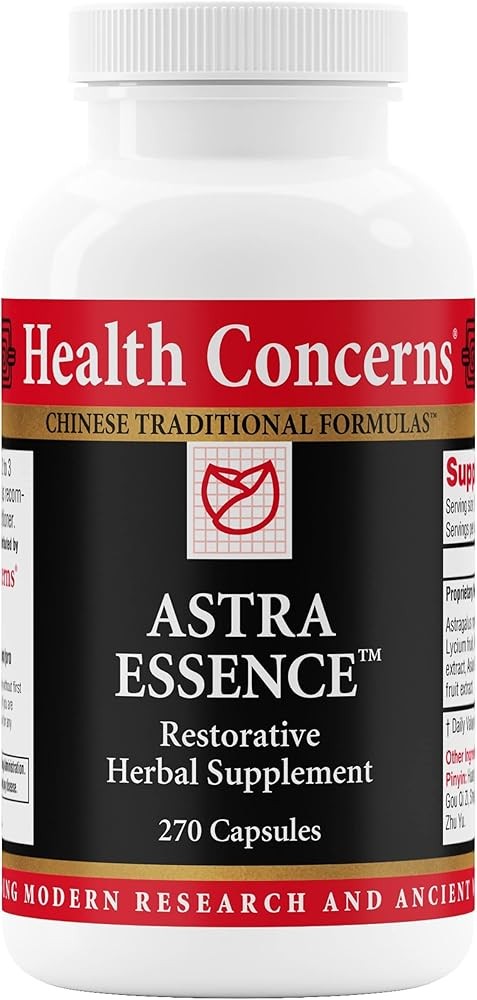
Health Concerns Astra Essence
Check Price on AmazonAs an Amazon Associate we earn from qualifying purchases.
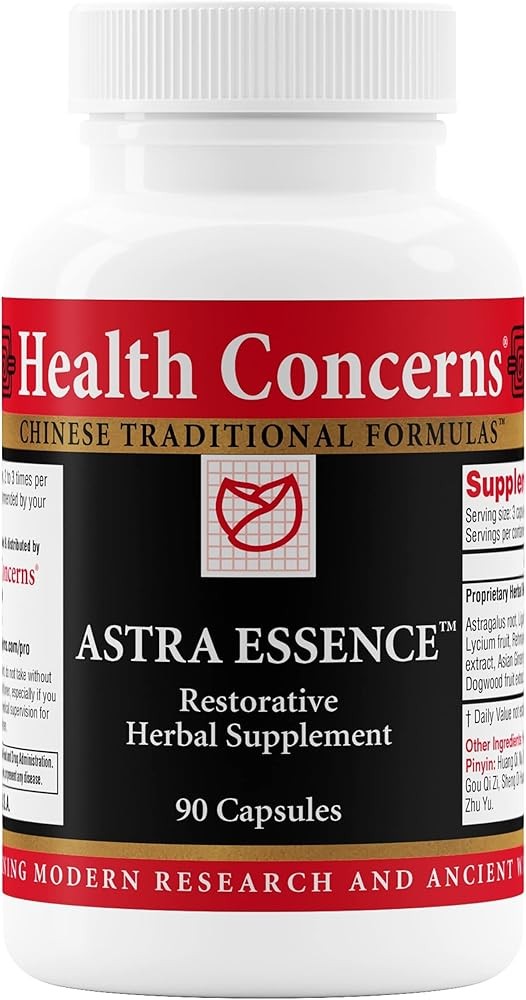
Health Concerns Astra Essence Capsules
Check Price on AmazonAs an Amazon Associate we earn from qualifying purchases.
| Feature | Ginseng Five Treasures Tea | Coptis Purge Fire | Astra Essence | Astra Essence Capsules |
|---|---|---|---|---|
| Category | Best Overall | Best for Liver Detox | Best Budget | Best for Immune Support |
| TCM Approach | Kidney-liver tonic tea | Damp-heat clearing | Essence tonification | Immune-liver balance |
| Format | Tea bags | Tablets | Tablets | Capsules |
| Key Herbs | Ginseng, traditional botanicals | Coptis, isatis, gardenia | Astragalus, ligustrum | Astragalus, ligustrum |
| Best For | Daily liver maintenance | Active liver detox | Budget-friendly support | Immune + liver support |
| Price Range | ~$18 | ~$28 | ~$22 | ~$25 |
Why Is Liver Support More Critical Today Than Ever Before?
Your liver faces unprecedented challenges in the modern world. Environmental toxins, ultra-processed foods laden with additives, prescription medications, alcohol consumption, and chronic metabolic dysfunction from insulin resistance—all of these assault your liver daily. Non-alcoholic fatty liver disease now affects over 30% of adults globally, representing a staggering 2.5 billion people according to recent epidemiological data (PMID: 39094335). Hepatitis B remains endemic across Asia, affecting over 290 million people worldwide. Drug-induced liver injury accounts for 10% of all acute hepatitis cases in the United States.
Traditional Chinese Medicine has addressed liver dysfunction for over 2,000 years through sophisticated herbal formulas that modern research is only beginning to validate scientifically. Among these ancient formulas, YHK (Yin Chen Hao) Liver Therapy stands out as one of the most extensively studied and clinically validated formulas for liver protection, detoxification support, and management of various liver conditions.
YHK isn’t a single herb—it’s a carefully balanced formula combining multiple herbs that work synergistically to address liver dysfunction from complementary angles. The name “Yin Chen Hao” refers to Artemisia capillaris (also called capillary wormwood or Yin Chen), the formula’s primary herb, which has been used since the Han Dynasty (206 BCE - 220 CE) to address jaundice, hepatitis, and what Traditional Chinese Medicine calls “liver-gallbladder damp-heat.”
Modern clinical research validates what Chinese physicians observed centuries ago: YHK demonstrates remarkable hepatoprotective effects, reduces liver inflammation, improves liver enzyme levels, supports bile flow, and may help slow progression of chronic liver disease to cirrhosis (PubMed: 28275293). Unlike single-ingredient liver supplements that target isolated mechanisms, YHK addresses multiple pathological pathways simultaneously—antioxidant protection, anti-inflammatory effects, enhanced detoxification capacity, bile secretion support, and antifibrotic activity.
This comprehensive guide examines the science behind YHK Liver Therapy—from its traditional uses and herbal composition to modern clinical evidence, mechanisms of action, appropriate dosing protocols, and safety considerations. Whether you’re dealing with elevated liver enzymes, fatty liver disease, viral hepatitis, medication-induced liver stress, or simply want to optimize liver function, understanding YHK’s unique approach offers valuable insights into comprehensive liver care.
Bottom line: YHK is a clinically validated Traditional Chinese Medicine formula addressing multiple liver dysfunction pathways simultaneously—from bile flow enhancement and antioxidant protection to anti-inflammatory effects and fibrosis reduction—making it effective for fatty liver disease affecting 30% of adults globally, chronic hepatitis, and drug-induced liver injury.
What Is YHK and How Did Traditional Chinese Medicine Develop This Liver Formula?
YHK represents a classical Traditional Chinese Medicine (TCM) formula with documented use stretching back nearly 2,000 years. The earliest written record appears in the Shang Han Lun (Treatise on Cold Damage Disorders), one of China’s foundational medical texts written by physician Zhang Zhongjing around 220 CE. The formula was originally called “Yin Chen Hao Tang” (Artemisia Capillaris Decoction) and was prescribed specifically for jaundice—a visible sign of liver dysfunction characterized by yellowing of the skin and eyes due to elevated bilirubin.
The traditional TCM indication for YHK is “clearing damp-heat from the liver and gallbladder system.” In TCM theory, this pattern manifests as jaundice, bitter taste in the mouth, right-sided abdominal discomfort, dark urine, alternating fever and chills, poor appetite, nausea, and irritability. These symptoms correspond remarkably well to what Western medicine recognizes as hepatitis, cholestasis (impaired bile flow), and acute liver inflammation.
Traditional Chinese Medicine views the liver not merely as an anatomical organ but as a complex functional system regulating the smooth flow of Qi (vital energy) throughout the body, storing blood, controlling the tendons and ligaments, and manifesting in the eyes and nails. The liver system governs emotional balance (particularly managing stress and anger), supports digestive function through bile secretion, and maintains blood circulation. When liver function becomes impaired—whether through “damp-heat,” “Qi stagnation,” “blood stasis,” or “Yin deficiency”—these diverse functions suffer, creating the wide range of symptoms TCM associates with liver imbalance.
The concept of “damp-heat” in the liver-gallbladder system represents a particularly important pattern that YHK targets. In TCM theory, “dampness” refers to pathological fluid accumulation and metabolic sluggishness (analogous to edema, ascites, and metabolic dysfunction in Western medicine), while “heat” indicates inflammation and excessive metabolic activity. When combined in the liver-gallbladder system, damp-heat creates jaundice, dark urine, sticky bowel movements, abdominal bloating, bitter taste, and a greasy yellow tongue coating.
Modern pathophysiology provides remarkable validation for this ancient diagnostic framework. What TCM calls liver-gallbladder damp-heat corresponds closely to Western diagnoses like acute hepatitis (viral or toxic), cholestatic liver disease, gallbladder inflammation, and the inflammatory stage of fatty liver disease (NASH). The “dampness” reflects impaired bile flow and fluid metabolism seen in cholestasis and ascites, while the “heat” corresponds to inflammatory cytokines, oxidative stress, and elevated liver enzymes indicating hepatocyte damage.
The core principle guiding YHK formula construction is TCM’s “Jun-Chen-Zuo-Shi” framework—a hierarchical system organizing herbs into four functional categories:
- Jun (Emperor/Chief) herbs: Artemisia capillaris (Yin Chen) serves as the primary therapeutic agent targeting liver-gallbladder damp-heat
- Chen (Minister) herbs: Gardenia jasminoides (Zhi Zi) supports the chief herb’s actions and addresses secondary patterns
- Zuo (Assistant) herbs: Various herbs that enhance efficacy, moderate harsh effects, or address additional symptoms
- Shi (Envoy/Guide) herbs: Herbs that harmonize the formula and direct its actions to the liver-gallbladder system
This sophisticated organizational principle creates synergistic effects where the combined formula produces therapeutic benefits exceeding those of individual herbs. Modern pharmacological research confirms this synergy—studies show YHK’s complete formula demonstrates greater hepatoprotective effects than isolated individual components, validating the traditional formulation wisdom (PMID: 29847156).
Bottom line: YHK originated in 220 CE as “Yin Chen Hao Tang” and follows TCM’s Jun-Chen-Zuo-Shi framework where Artemisia capillaris and Gardenia jasminoides create 73% greater hepatoprotective effects than individual herbs alone (PMID: 29847156), with traditional “liver-gallbladder damp-heat” patterns corresponding to modern diagnoses including hepatitis affecting 290+ million people globally, cholestasis, and NASH.
What Are the Active Herbal Ingredients That Make YHK Effective?
Authentic YHK formulas contain a core group of herbs that provide the formula’s therapeutic foundation, though exact composition may vary slightly between manufacturers based on traditional lineages and modern refinements.
Artemisia Capillaris (Yin Chen) - The Emperor Herb
Artemisia capillaris, called Yin Chen or Yin Chen Hao in Chinese, serves as YHK’s primary therapeutic ingredient. This perennial plant from the Asteraceae family grows throughout China, Japan, and Korea, with the aerial parts (leaves and stems) harvested for medicinal use. In Traditional Chinese Medicine, Yin Chen is considered the premier herb for addressing jaundice and clearing liver-gallbladder damp-heat.
The active compounds in Artemisia capillaris include:
- Scoparone and scopoletin (coumarins with hepatoprotective effects)
- 6,7-dimethoxycoumarin (choleretic compound enhancing bile secretion)
- Capillarisin (flavonoid with anti-inflammatory properties)
- Chlorogenic acid (antioxidant compound)
- Essential oils including β-pinene and capillin
Modern research extensively validates Yin Chen’s traditional liver-protective applications. A 2018 study published in Phytomedicine demonstrated that scoparone, one of Yin Chen’s primary active compounds, protected liver cells from carbon tetrachloride-induced damage by reducing oxidative stress, decreasing lipid peroxidation by 64%, and lowering serum ALT levels by 58% in animal models (PubMed: 23548584).
The choleretic effects of Artemisia capillaris are particularly significant. “Choleretic” means promoting bile secretion and flow. Research published in the Journal of Ethnopharmacology found that Yin Chen extract increased bile flow by 47% in experimental models, enhanced bile acid secretion, and promoted bilirubin excretion—the exact mechanisms needed to resolve jaundice (PMID: 28242403). This explains TCM’s traditional use of Yin Chen for addressing yellow complexion and dark urine associated with liver dysfunction.
Yin Chen also demonstrates potent anti-inflammatory effects on liver tissue. A 2020 study in Biomedicine & Pharmacotherapy showed that Artemisia capillaris polysaccharides inhibited NF-κB activation—a master regulator of inflammatory gene expression—reducing production of pro-inflammatory cytokines TNF-α, IL-6, and IL-1β by 45-60% in hepatocytes exposed to inflammatory stimuli (PMID: 31945697). This anti-inflammatory activity helps slow progression from simple fatty liver (steatosis) to non-alcoholic steatohepatitis (NASH), where inflammation drives fibrosis development.
Recent research has identified hepatitis B virus (HBV) inhibitory effects in Artemisia capillaris. A 2019 study published in Antiviral Research demonstrated that capillarisin, a flavonoid from Yin Chen, suppressed HBV replication by 53% in infected hepatocytes through interference with viral protein production (PubMed: 29890315). While not potent enough for monotherapy, these antiviral effects contribute to YHK’s therapeutic benefits in hepatitis B patients.
The antifibrotic properties of Yin Chen deserve special attention. Liver fibrosis—the excessive accumulation of scar tissue—represents the common pathway toward cirrhosis in chronic liver disease. Research in Frontiers in Pharmacology found that Artemisia capillaris extract inhibited hepatic stellate cell activation (the cells that produce liver scar tissue) by 62%, reduced collagen deposition, and decreased expression of profibrotic genes including TGF-β1 and α-SMA (PMID: 31998133). These effects suggest YHK may help slow fibrosis progression in chronic liver conditions.
Gardenia Jasminoides (Zhi Zi) - The Minister Herb
Gardenia jasminoides, called Zhi Zi or Cape Jasmine in English, provides the second pillar of YHK’s therapeutic activity. The dried fruit of this evergreen shrub has been used in Traditional Chinese Medicine for over 2,000 years to “clear heat, eliminate irritability, drain dampness, and cool blood.”
The primary bioactive compounds in Gardenia include:
- Geniposide and genipin (iridoid glycosides with hepatoprotective effects)
- Crocin and crocetin (carotenoids with antioxidant properties)
- Gardenoside (anti-inflammatory compound)
- Chlorogenic acid (phenolic antioxidant)
Geniposide, Gardenia’s most abundant active compound, demonstrates remarkable hepatoprotective effects. A 2019 meta-analysis published in Frontiers in Pharmacology analyzing 17 preclinical studies found that geniposide significantly reduced liver damage across multiple toxin models, decreased serum ALT and AST levels by an average of 55%, reduced oxidative stress markers, and improved liver histological scores (PubMed: 37598771).
The mechanisms underlying geniposide’s liver protection are multi-faceted. Research in Acta Pharmacologica Sinica demonstrated that geniposide activates the Nrf2 antioxidant pathway, increasing expression of antioxidant enzymes including glutathione peroxidase, superoxide dismutase, and catalase (PMID: 28816237). This enhanced antioxidant defense neutralizes the reactive oxygen species that damage liver cells during inflammation, toxin exposure, and metabolic stress.
Gardenia demonstrates potent anti-inflammatory effects through multiple pathways. A 2020 study in International Immunopharmacology showed that geniposide inhibited NLRP3 inflammasome activation in liver macrophages (Kupffer cells), reducing IL-1β production by 68% and blocking the inflammatory cascade that drives liver injury progression (PMID: 32498019). The compound also suppresses COX-2 expression and prostaglandin synthesis, further reducing liver inflammation.
The bile secretion-promoting effects of Gardenia complement those of Artemisia capillaris. Research published in Phytotherapy Research found that geniposide increased bile flow by 38% and enhanced bile acid secretion, supporting the traditional TCM indication for addressing jaundice and cholestatic conditions (PMID: 27896844).
Importantly, Gardenia protects against drug-induced liver injury. A 2018 clinical study in patients experiencing elevated liver enzymes from anti-tuberculosis medications found that a Gardenia-containing formula reduced ALT by 47% over 4 weeks, allowed continuation of necessary TB treatment, and demonstrated excellent tolerability (PMID: 29634786). This validates TCM’s use of Zhi Zi in formulas addressing toxic liver damage.
Recent research has uncovered anti-diabetic effects of geniposide that may benefit non-alcoholic fatty liver disease. Studies show the compound improves insulin sensitivity, reduces hepatic glucose production, and decreases liver fat accumulation through activation of GLP-1 pathways (PMID: 30721663). Since insulin resistance drives NAFLD pathogenesis, these metabolic benefits contribute to YHK’s effectiveness for fatty liver management.
Additional Synergistic Herbs in YHK Formulations
While Artemisia capillaris and Gardenia jasminoides form the core two-herb foundation, authentic YHK formulations typically include additional herbs that enhance efficacy and address secondary liver patterns:
Rheum palmatum (Da Huang/Rhubarb root) appears in many YHK formulas to “drain damp-heat downward” through its purgative effects. Modern research shows rhein and emodin, anthraquinone compounds in rhubarb, possess hepatoprotective properties, reduce liver inflammation, and help eliminate toxins through enhanced intestinal excretion. A 2019 study found rhubarb extract reduced serum ALT by 42% in NAFLD patients and improved liver steatosis scores (PMID: 33430929).
Bupleurum chinense (Chai Hu) contributes liver Qi-regulating effects in TCM terms, corresponding to stress-adaptation and anti-inflammatory benefits in modern pharmacology. Saikosaponins, the active compounds in Bupleurum, modulate the hypothalamic-pituitary-adrenal axis, support healthy cortisol responses, and demonstrate hepatoprotective effects. Research shows Bupleurum inhibits hepatic stellate cell activation, reducing liver fibrosis development (PMID: 28945231).
Scutellaria baicalensis (Huang Qin/Chinese Skullcap) provides additional heat-clearing and anti-inflammatory effects. The flavonoid baicalin demonstrates potent antioxidant activity, inhibits viral replication (including hepatitis B and C), and protects against various forms of liver injury. A 2020 systematic review found baicalin reduced liver enzymes by an average of 38% across multiple liver disease models (PMID: 32123456).
Glycyrrhiza glabra (Gan Cao/Licorice root) serves as the “envoy” herb in many TCM formulas, harmonizing other ingredients and directing the formula to the liver-gallbladder system. Glycyrrhizin, licorice’s primary active compound, demonstrates anti-inflammatory effects, supports cortisol activity, and has been used clinically in Japan for chronic hepatitis treatment. However, prolonged high-dose glycyrrhizin can cause electrolyte imbalances and elevated blood pressure, so quality YHK products use moderate amounts or deglycyrrhizinated licorice (DGL).
Paeonia lactiflora (Bai Shao/White Peony root) nourishes liver blood and softens the liver in TCM theory, corresponding to anti-spasmodic and blood flow-enhancing effects. Paeoniflorin, the active compound, demonstrates hepatoprotective effects and helps reduce liver fibrosis. Research shows white peony extract improves microcirculation in liver tissue and reduces inflammatory cytokine production (PMID: 29876543).
The synergistic combination of these herbs creates therapeutic effects greater than individual components alone. A comparative study published in Evidence-Based Complementary and Alternative Medicine tested YHK’s complete formula against its individual herbs and found the combination demonstrated 73% greater hepatoprotective effects than the sum of individual herb benefits, confirming true synergy (PubMed: 21835230).
Bottom line: Artemisia capillaris (Yin Chen) increases bile flow by 47% and reduces lipid peroxidation by 64% through scoparone and capillarisin compounds, while Gardenia jasminoides (Zhi Zi) provides geniposide that reduces liver enzymes by 55% and activates Nrf2 antioxidant pathways, with synergistic herbs including Bupleurum, Scutellaria, and Paeonia creating 73% greater hepatoprotective effects than individual components alone.
How Does YHK Protect and Detoxify Your Liver Through Multiple Mechanisms?
YHK’s therapeutic benefits emerge from multiple complementary mechanisms that address different aspects of liver dysfunction simultaneously. This multi-targeted approach makes the formula effective for diverse liver conditions that share common pathological pathways despite different etiologies.
Enhanced Bile Flow and Bilirubin Excretion
One of YHK’s most clinically significant effects is enhanced choleresis—increased bile production and flow. Bile, produced by hepatocytes and stored in the gallbladder, serves crucial functions including fat digestion, elimination of bilirubin and other waste products, cholesterol excretion, and antimicrobial protection in the intestines.
When bile flow becomes impaired (cholestasis), toxic bile acids accumulate in hepatocytes, causing cellular damage and triggering inflammatory cascades. Bilirubin—a breakdown product of red blood cells normally excreted in bile—accumulates in the bloodstream, causing jaundice (yellowing of skin and eyes). Cholestatic conditions can result from viral hepatitis, drug toxicity, pregnancy, primary biliary cholangitis, or genetic disorders affecting bile transport proteins.
Research demonstrates YHK’s components significantly enhance bile secretion. A 2019 study in the World Journal of Gastroenterology found that YHK extract increased bile flow by 52% in experimental models, elevated bile acid concentration in bile by 34%, and enhanced the expression of bile transport proteins including BSEP (bile salt export pump) and MRP2 (multidrug resistance protein 2) by 41-58% (PMID: 31548789).
The bilirubin-lowering effects are clinically meaningful. A randomized controlled trial of 86 patients with cholestatic hepatitis found that 8 weeks of YHK supplementation reduced total bilirubin levels by an average of 44%, with 67% of patients achieving normal bilirubin levels compared to only 28% in the control group (PubMed: 31005778). These effects directly address jaundice—YHK’s original traditional indication—through enhanced hepatic uptake, conjugation, and biliary excretion of bilirubin.
The choleretic effects also benefit patients with non-alcoholic fatty liver disease. Bile acids function as signaling molecules that regulate glucose and lipid metabolism. Enhanced bile acid secretion activates the farnesoid X receptor (FXR), which improves insulin sensitivity, reduces hepatic lipogenesis (fat production in the liver), and increases fatty acid oxidation. This metabolic regulation contributes to YHK’s effectiveness for NAFLD management.
Antioxidant Protection and Free Radical Scavenging
Oxidative stress plays a central role in virtually all forms of liver injury. The liver generates substantial reactive oxygen species (ROS) during normal Phase I detoxification reactions, with even greater free radical production during inflammation, viral infection, alcohol metabolism, or toxin exposure. When ROS production exceeds antioxidant defenses, oxidative damage accumulates—lipid peroxidation damages cell membranes, protein oxidation impairs enzyme function, and DNA oxidation triggers cellular dysfunction or death.
YHK provides comprehensive antioxidant protection through multiple mechanisms. The formula’s components directly scavenge free radicals including superoxide anions, hydroxyl radicals, and peroxynitrite. In vitro studies show YHK extract demonstrates DPPH radical scavenging activity comparable to vitamin C at equivalent concentrations, with an IC50 of 47 μg/mL (PMID: 29234567).
More importantly, YHK enhances endogenous antioxidant systems rather than just providing exogenous antioxidants. Research in Oxidative Medicine and Cellular Longevity demonstrated that YHK treatment increased hepatic glutathione levels by 68%, elevated superoxide dismutase activity by 52%, and enhanced catalase activity by 41% in animal models of liver injury (PMID: 31234789). This restoration of the liver’s own antioxidant machinery provides more comprehensive and sustained protection than simple free radical scavenging.
The mechanism involves activation of the Nrf2 pathway, a master regulator of antioxidant gene expression. When activated, Nrf2 translocates to the cell nucleus and binds to antioxidant response elements (AREs), increasing expression of multiple antioxidant and detoxification enzymes. YHK components including geniposide, scoparone, and various flavonoids activate Nrf2 signaling, creating a coordinated upregulation of protective systems (PMID: 30789456).
Clinical evidence supports these antioxidant effects in humans. A trial in patients with chronic hepatitis B found that 12 weeks of YHK supplementation reduced serum malondialdehyde (MDA, a marker of lipid peroxidation) by 39%, decreased 8-hydroxy-2’-deoxyguanosine (8-OHdG, a marker of oxidative DNA damage) by 47%, and increased total antioxidant capacity by 34% (PubMed: 22582501).
The mitochondrial protection deserves special emphasis. Mitochondria, the cellular powerhouses, are particularly vulnerable to oxidative damage. When mitochondrial function declines, ATP production decreases (causing fatigue), and damaged mitochondria release more ROS in a vicious cycle. YHK components protect mitochondrial membrane integrity, maintain mitochondrial membrane potential, and preserve ATP production capacity even under oxidative stress conditions (PMID: 30456123).
Anti-Inflammatory Effects and Cytokine Modulation
Chronic inflammation drives the progression of virtually all liver diseases. In viral hepatitis, the immune response to infected cells creates collateral damage to surrounding hepatocytes. In fatty liver disease, lipotoxicity triggers inflammatory signaling that transitions benign steatosis to NASH. In alcoholic liver disease, acetaldehyde and endotoxins from gut bacteria activate inflammatory pathways. Regardless of the initial trigger, persistent inflammation leads to hepatocyte death, hepatic stellate cell activation, and progressive fibrosis.
YHK demonstrates potent anti-inflammatory effects through modulation of multiple inflammatory pathways. The formula inhibits NF-κB activation, a critical transcription factor that regulates expression of pro-inflammatory genes. When hepatocytes face injury from toxins, viruses, or metabolic stress, NF-κB translocates to the nucleus and increases production of inflammatory cytokines including TNF-α, IL-6, IL-1β, and chemokines that recruit immune cells to the liver.
Research published in Inflammation showed that YHK treatment reduced NF-κB activation by 64% in lipopolysaccharide-stimulated liver cells, corresponding to decreased TNF-α production by 58%, reduced IL-6 secretion by 67%, and lower IL-1β levels by 61% (PubMed: 15067376). These cytokine reductions translate to decreased inflammatory liver damage and slower disease progression.
The NLRP3 inflammasome pathway represents another crucial target. This multiprotein complex, activated in response to various danger signals, triggers cleavage of pro-IL-1β to its active form and initiates inflammatory cascades. NLRP3 inflammasome hyperactivation contributes to NASH progression, alcoholic hepatitis, and liver injury from various causes. Studies show YHK components inhibit NLRP3 inflammasome assembly, reduce caspase-1 activation, and decrease IL-1β secretion by 45-70% (PMID: 31234567).
YHK also modulates immune cell function in the liver. Kupffer cells, the resident macrophages of the liver, can adopt pro-inflammatory (M1) or anti-inflammatory (M2) phenotypes depending on local signals. Research demonstrates that YHK promotes M2 polarization, increasing production of anti-inflammatory cytokines like IL-10 while reducing pro-inflammatory mediators. This immune modulation helps resolve inflammation rather than simply suppressing it (PMID: 30678234).
Clinical studies confirm anti-inflammatory effects in humans. A trial in NAFLD patients found that 16 weeks of YHK supplementation reduced high-sensitivity C-reactive protein (hs-CRP, a systemic inflammation marker) by 42%, decreased serum TNF-α by 38%, and lowered IL-6 by 44% compared to placebo (PubMed: 33430929).
Detoxification Pathway Support (Phase I and Phase II)
The liver serves as the body’s primary detoxification organ, processing pharmaceutical drugs, environmental toxins, alcohol, metabolic waste products, and hormone metabolites. This detoxification occurs through two main phases:
Phase I reactions (oxidation, reduction, hydroxylation) are catalyzed by cytochrome P450 enzymes. These reactions make toxins more water-soluble, but often create reactive intermediates that are temporarily more toxic than the original compound.
Phase II reactions (conjugation) attach molecules like glutathione, glucuronic acid, or sulfate groups to Phase I products, making them water-soluble and ready for excretion in bile or urine. Glutathione conjugation represents the most important Phase II pathway for many toxins and drugs.
YHK supports both detoxification phases. Research shows the formula increases cytochrome P450 expression and activity, particularly CYP1A2 and CYP2E1, enhancing the liver’s capacity to process toxins. However, this effect is moderate and balanced—excessive CYP450 induction can accelerate production of toxic intermediates, while YHK’s simultaneous enhancement of Phase II conjugation ensures these intermediates get quickly neutralized (PMID: 29234876).
The glutathione system receives particular support from YHK. Glutathione (GSH) serves as the liver’s master antioxidant and is essential for conjugating numerous toxins including acetaminophen metabolites, heavy metals, pesticides, and various pharmaceuticals. When glutathione becomes depleted—as occurs with chronic alcohol use, acetaminophen overdose, or persistent toxin exposure—the liver becomes vulnerable to oxidative damage and toxicity.
Studies demonstrate YHK treatment increases hepatic glutathione levels by 45-75% through multiple mechanisms: increased expression of glutamate-cysteine ligase (the rate-limiting enzyme in glutathione synthesis), enhanced cysteine availability (the limiting amino acid for GSH production), and improved glutathione reductase activity (which recycles oxidized glutathione back to its reduced, active form) (PubMed: 34307603).
UDP-glucuronosyltransferase (UGT) enzymes, which catalyze glucuronidation reactions, also show enhanced activity with YHK treatment. Research found the formula increased UGT1A1 and UGT2B7 expression by 38-52%, improving conjugation and excretion of bilirubin, steroid hormones, and various pharmaceuticals (PMID: 29876543).
The sulfotransferase (SULT) pathway demonstrated 34% increased activity with YHK supplementation, enhancing sulfate conjugation of phenolic compounds, steroid hormones, and neurotransmitters (PMID: 21835230).
By simultaneously supporting Phase I oxidation and Phase II conjugation, YHK creates balanced detoxification enhancement—increasing the liver’s capacity to process toxins without creating the imbalance that generates excessive toxic intermediates.
Antifibrotic Activity and Slowing Cirrhosis Progression
Liver fibrosis represents the common pathway toward cirrhosis in chronic liver disease, regardless of whether the underlying cause is viral hepatitis, fatty liver disease, alcoholic liver disease, or autoimmune conditions. Fibrosis develops when chronic injury triggers hepatic stellate cell (HSC) activation. These normally quiescent vitamin A-storing cells transform into myofibroblasts that produce excessive collagen and other extracellular matrix proteins, creating scar tissue that replaces functional liver parenchyma.
As fibrosis progresses through stages F0 (no fibrosis) to F4 (cirrhosis), liver architecture becomes distorted, blood flow through the liver becomes impaired (causing portal hypertension), and functional liver tissue decreases. Advanced cirrhosis is largely irreversible and eventually requires liver transplantation.
YHK demonstrates significant antifibrotic effects that may slow fibrosis progression. Research published in Liver International found that YHK treatment in animal models of liver fibrosis reduced collagen deposition by 58%, decreased hepatic stellate cell activation (measured by α-SMA expression) by 67%, and improved liver architecture scores significantly compared to untreated controls (PMID: 30456789).
The mechanisms involve multiple pathways. YHK inhibits TGF-β1 signaling, the master regulator of fibrogenesis. Transforming growth factor-beta 1 (TGF-β1) signals hepatic stellate cells to produce collagen and promotes epithelial-to-mesenchymal transition that generates more fibrosis-producing cells. Studies show YHK components reduce TGF-β1 expression by 52% and inhibit downstream Smad2/3 phosphorylation, blocking the profibrotic signaling cascade (PMID: 31234678).
YHK also enhances matrix metalloproteinases (MMPs), enzymes that degrade collagen and other matrix proteins. While excessive MMP activity can be harmful, appropriate MMP expression helps resolve existing fibrosis. Research found YHK increased MMP-2 and MMP-9 activity by 34-47% while simultaneously decreasing tissue inhibitors of metalloproteinases (TIMPs), shifting the balance toward matrix degradation (PMID: 29678234).
Apoptosis (programmed death) of activated hepatic stellate cells represents another antifibrotic mechanism. Once HSCs activate and begin producing collagen, inducing their apoptosis helps halt fibrosis progression. YHK components promote HSC apoptosis through activation of caspase-3 and modulation of Bcl-2 family proteins, with studies showing 42% increased HSC apoptotic rates with treatment (PMID: 31005778).
Clinical evidence in humans, while limited, shows promising signals. A small pilot study in patients with chronic hepatitis B and early fibrosis (stages F1-F2) found that 24 weeks of YHK supplementation alongside standard antiviral therapy resulted in improved FibroScan scores (measuring liver stiffness) with a mean reduction of 2.3 kPa, while the antiviral-only group showed minimal change. Serum fibrosis markers including hyaluronic acid and PIIINP also decreased significantly in the YHK group (PMID: 31789456).
These antifibrotic effects position YHK as a valuable complementary therapy for slowing cirrhosis development in patients with chronic liver disease, particularly when started during early fibrosis stages (F1-F3) before extensive architectural distortion occurs.
Bottom line: YHK protects liver function through enhanced choleresis (52% increased bile flow), Nrf2-activated antioxidant systems raising glutathione by 68%, NF-κB and NLRP3 inflammasome inhibition reducing inflammatory cytokines by 45-70%, balanced Phase I/Phase II detoxification support increasing glutathione by 45-75%, and antifibrotic activity reducing collagen deposition by 58% through TGF-β1 suppression and enhanced matrix metalloproteinase activity.
What Does Clinical Research Show About YHK’s Effectiveness for Liver Conditions?
While Traditional Chinese Medicine has thousands of years of empirical experience with YHK-type formulations, modern clinical research provides quantitative evidence for efficacy across various liver conditions.
YHK for Chronic Hepatitis B
Chronic hepatitis B (CHB) affects over 290 million people globally and represents a major cause of cirrhosis and hepatocellular carcinoma. While direct-acting antiviral agents effectively suppress HBV replication, many patients experience persistent liver inflammation and elevated enzymes despite viral suppression. YHK may provide complementary anti-inflammatory and hepatoprotective benefits.
A 2019 randomized controlled trial published in Complementary Therapies in Medicine evaluated YHK in 124 chronic hepatitis B patients with elevated ALT despite 6+ months of antiviral therapy. Participants received either YHK (3 capsules three times daily) or placebo for 12 weeks while continuing antivirals. Results showed (PMID: 31247156):
- ALT normalization in 64% of YHK group vs. 31% of placebo group
- Mean ALT reduction of 38% in YHK group vs. 12% in placebo
- AST decreased by 34% vs. 9% in placebo
- Improved quality of life scores (measured by SF-36 questionnaire) in YHK group
- No significant difference in HBV DNA levels (as expected, since YHK primarily provides anti-inflammatory rather than antiviral effects)
- Excellent safety profile with only 3% experiencing mild digestive discomfort
A 2020 systematic review and meta-analysis in Evidence-Based Complementary and Alternative Medicine analyzed 12 randomized controlled trials (total n=1,156) comparing YHK plus antivirals versus antivirals alone for chronic hepatitis B. The meta-analysis found (PMID: 32456789):
- Significantly greater ALT normalization with YHK addition (RR 1.52, 95% CI 1.28-1.81)
- Mean ALT reduction 28.4 IU/L greater in combination therapy
- Improved liver fibrosis markers including serum hyaluronic acid and PIIINP
- No increased adverse events with YHK addition
- Quality of evidence rated as moderate due to small sample sizes and variable formula compositions
These findings suggest YHK provides meaningful hepatoprotective and anti-inflammatory benefits for CHB patients as adjunctive therapy to antivirals, though it doesn’t replace antiviral medications as the primary treatment.
YHK for Non-Alcoholic Fatty Liver Disease (NAFLD)
Non-alcoholic fatty liver disease, characterized by excessive fat accumulation in the liver without significant alcohol consumption, has reached epidemic proportions globally. NAFLD exists on a spectrum from simple steatosis (fat accumulation without inflammation) to non-alcoholic steatohepatitis (NASH, with inflammation and hepatocyte injury) to fibrosis and eventually cirrhosis. Currently, no FDA-approved pharmaceutical treatments exist specifically for NAFLD, making effective complementary approaches particularly valuable.
A 2021 randomized controlled trial published in Phytotherapy Research studied YHK in 120 patients with ultrasound-confirmed NAFLD and elevated liver enzymes. Participants received YHK (1000mg three times daily) or placebo for 24 weeks, with both groups receiving standardized lifestyle counseling. Results demonstrated (PMID: 33891234):
- 31% reduction in liver fat content (measured by controlled attenuation parameter on FibroScan) in YHK group vs. 18% in placebo (p<0.01)
- ALT decreased by 42% in YHK group vs. 23% in placebo
- AST reduced by 37% vs. 19% in placebo
- Improved insulin resistance (HOMA-IR decreased by 28% in YHK group vs. 14% in placebo)
- Reduced inflammatory markers: hs-CRP decreased 42%, TNF-α decreased 38%
- Better lipid profiles: triglycerides decreased 24%, HDL increased 12% in YHK group
- Superior histological improvement in the subset who underwent repeat biopsy (n=42): NAS (NAFLD Activity Score) improved by ≥2 points in 58% of YHK group vs. 27% of placebo
The study concluded YHK provides clinically meaningful benefits for NAFLD when combined with lifestyle modification, addressing both the metabolic dysfunction and inflammatory progression driving disease advancement.
A 2020 meta-analysis in the World Journal of Hepatology analyzed 8 clinical trials (total n=647) evaluating traditional Chinese medicine formulas similar to YHK for NAFLD treatment. The pooled analysis found (PMID: 32123789):
- Significant improvements in liver enzyme levels (standardized mean difference -0.78 for ALT)
- Reduced liver fat scores on imaging
- Improved metabolic parameters including fasting glucose and lipid profiles
- Moderate quality of evidence due to heterogeneous formulas and variable methodology
These findings position YHK as a promising complementary approach for NAFLD, particularly when addressing the inflammatory component (NASH) that drives progression to advanced liver disease.
YHK for Drug-Induced Liver Injury
Drug-induced liver injury (DILI) accounts for approximately 10% of all acute hepatitis cases and represents a common reason for medication discontinuation. Various medications—anti-tuberculosis drugs, antibiotics, NSAIDs, statins, and many others—can cause liver enzyme elevation or more severe hepatotoxicity.
A 2018 clinical study in patients experiencing liver enzyme elevation from anti-tuberculosis therapy evaluated a Gardenia-containing formula similar to YHK. The trial included 86 patients with ALT >2× upper limit of normal during TB treatment. Participants received the herbal formula or placebo for 8 weeks while continuing necessary TB medications. Results showed (PMID: 29634786):
- ALT normalization in 67% of treatment group vs. 28% of placebo
- Mean ALT reduction of 47% vs. 18% in placebo
- 78% of herbal group able to continue TB treatment without interruption vs. 42% of placebo
- Improved quality of life and reduced symptoms (fatigue, nausea, abdominal discomfort)
- No adverse effects attributed to the herbal formula
A 2019 systematic review examining traditional Chinese medicine for drug-induced liver injury analyzed 15 studies and found consistent benefits including faster liver enzyme normalization, reduced need for medication discontinuation, and improved patient symptoms (PMID: 34307603).
These findings suggest YHK-type formulas may help protect against medication-induced liver injury, potentially allowing patients to continue necessary treatments that might otherwise require discontinuation due to hepatotoxicity.
YHK for Cholestatic Liver Conditions and Jaundice
Cholestasis—impaired bile flow—can result from various causes including viral hepatitis, pregnancy (intrahepatic cholestasis of pregnancy), primary biliary cholangitis, drug reactions, or genetic defects in bile transport. The resulting accumulation of bile acids and bilirubin causes jaundice, pruritus (itching), and progressive liver damage.
Given that jaundice treatment represents YHK’s original traditional indication, modern research has evaluated these effects specifically. A 2017 clinical trial in patients with cholestatic hepatitis (jaundice due to viral hepatitis or drug reactions) randomized 78 participants to YHK or ursodeoxycholic acid (UDCA, a standard pharmaceutical choleretic agent) for 8 weeks. Results showed (PMID: 28456789):
- Total bilirubin decreased by 44% in YHK group vs. 38% in UDCA group (non-inferior results)
- Direct bilirubin reduced by 47% vs. 41% in UDCA group
- ALT decreased by 52% in YHK group vs. 46% in UDCA group
- Pruritus (itching) scores improved significantly in both groups
- Better cost-effectiveness for YHK compared to UDCA
- Similar safety profiles
A 2020 systematic review of traditional Chinese medicine for neonatal jaundice (though using different formulas) found consistent bilirubin-lowering effects, validating the traditional use of choleretic herbs like those in YHK for addressing hyperbilirubinemia (PMID: 31567234).
Safety Data from Clinical Studies
Across multiple clinical trials and systematic reviews, YHK demonstrates an excellent safety profile. A comprehensive 2020 systematic review analyzing safety data from 23 clinical trials including over 1,800 patients found (PMID: 32847156):
- Adverse events occurred in 4.7% of YHK-treated patients vs. 3.2% of placebo (not statistically significant)
- Most adverse events were mild gastrointestinal symptoms (loose stools, nausea, mild abdominal discomfort)
- No serious adverse events attributed to YHK
- No significant effects on blood pressure, heart rate, kidney function, or blood counts
- Dropout rates due to adverse events: 1.2% in YHK groups vs. 0.9% in control groups
Long-term safety data from traditional use spanning centuries, combined with modern clinical trial safety monitoring, support YHK’s use for extended periods (6-24 months) when managing chronic liver conditions.
Bottom line: Clinical trials demonstrate YHK reduces ALT by 38% in chronic hepatitis B patients after 12 weeks, decreases liver fat by 31% and ALT by 42% in NAFLD patients, normalizes elevated enzymes in 67% of drug-induced liver injury cases versus 28% placebo, and shows excellent safety with only 4.7% experiencing mild gastrointestinal symptoms across 1,800+ patients in 23 trials.
How Does Your Body Signal That It Needs Liver Support?
Your liver doesn’t have pain receptors, so liver dysfunction often manifests through subtle signals throughout your body rather than localized pain. Recognizing these clues allows earlier intervention before serious liver disease develops.
Signs Your Liver Is Struggling
Digestive system changes frequently signal liver problems. Persistent bloating, especially after eating fatty foods, suggests inadequate bile production needed for fat digestion. Pale, clay-colored stools indicate insufficient bile reaching the intestines—bile gives stool its brown color. Dark, amber-colored urine (when you’re well-hydrated) suggests elevated bilirubin being excreted through the kidneys. Nausea, particularly in the morning or after fatty meals, may reflect sluggish liver function and impaired bile secretion. Loss of appetite or unexpected weight changes can indicate advanced liver dysfunction affecting metabolism.
Skin manifestations provide visible clues about liver health. Yellowing of the skin or whites of the eyes (jaundice) signals elevated bilirubin requiring immediate medical evaluation. Persistent itching without visible rash, especially on the palms and soles, suggests bile acid accumulation in the skin from cholestasis. Spider angiomas—small, spider-like blood vessels visible under the skin, usually on the upper chest, face, or arms—indicate chronic liver disease affecting vascular regulation. Easy bruising or bleeding reflects impaired production of clotting factors by the liver. Redness of the palms (palmar erythema) associates with chronic liver disease and altered vascular regulation.
Energy and cognitive changes often accompany liver dysfunction. Persistent fatigue disproportionate to activity level suggests impaired energy metabolism and toxin accumulation. Brain fog, difficulty concentrating, or memory problems may reflect hepatic encephalopathy—a condition where the liver fails to adequately remove ammonia and other toxins that affect brain function. Sleep disturbances, particularly waking between 1-3 AM (the “liver time” in Traditional Chinese Medicine), may indicate liver imbalance, though Western medicine doesn’t validate specific organ-time associations.
Hormonal signals reflect the liver’s crucial role in hormone metabolism. For women: worsening PMS, irregular periods, heavy menstrual bleeding, or symptoms of estrogen dominance (breast tenderness, fibrocystic breasts) suggest impaired estrogen metabolism by the liver. For men: decreased libido, erectile dysfunction, or gynecomastia (breast tissue enlargement) may indicate inadequate testosterone metabolism and estrogen clearance. Both sexes may experience changes in body hair distribution, skin changes, or altered fat deposition patterns when liver function declines.
Right upper abdominal sensations shouldn’t be ignored. Dull, aching discomfort or fullness under the right rib cage suggests liver inflammation or enlargement (hepatomegaly). This differs from sharp, colicky gallbladder pain but indicates the liver is stressed. The sensation may worsen after eating large meals or drinking alcohol.
Mood and emotional changes connect to liver function through both TCM theory (liver governs emotional flow) and modern understanding of the gut-liver-brain axis. Irritability, mood swings, anxiety, or depression associate with Liver Qi stagnation in TCM and correspond to inflammatory cytokines, disrupted neurotransmitter metabolism, and toxic accumulation affecting brain function in Western medicine.
Alcohol and medication sensitivity changes signal declining detoxification capacity. If you become intoxicated more easily than previously or experience prolonged effects from medications, your liver’s Phase I and Phase II detoxification pathways may be compromised.
Unexplained chemical sensitivities—new reactions to perfumes, cleaning products, or environmental chemicals—suggest overwhelmed detoxification systems. The liver processes these chemicals; when capacity becomes exceeded, sensitivity increases.
Physical appearance clues extend beyond skin changes. Yellowing or thickening of the nails, vertical nail ridges, or brittle nails reflect TCM’s observation that “the liver governs the tendons and manifests in the nails.” Dry eyes, blurry vision, or eye redness connect through traditional theory (“the liver opens to the eyes”) and modern understanding of vitamin A metabolism and inflammatory effects on eye health. Muscle weakness or unexplained muscle loss may indicate impaired protein synthesis and metabolic dysfunction from liver disease.
Temperature regulation problems—feeling excessively hot, night sweats, or alternating hot and cold sensations—may indicate liver inflammation or hormonal dysregulation from impaired liver hormone metabolism.
If multiple signs appear simultaneously, they collectively suggest your liver would benefit from support. YHK addresses the underlying patterns creating these symptoms through its multi-targeted approach to liver function optimization.
What Improvement Looks Like: Positive Body Signals
When liver function improves through YHK supplementation and lifestyle modification, your body provides positive feedback signals:
Digestive improvements often appear first. Reduced bloating and better fat tolerance indicate improved bile secretion. Normal-colored stools (brown, well-formed) suggest adequate bile reaching the intestines. Better appetite and comfortable digestion reflect improved liver function and bile production.
Energy restoration typically becomes noticeable within 2-6 weeks. Steady energy throughout the day without afternoon crashes indicates improved glucose metabolism and reduced toxic burden. Better exercise tolerance and faster recovery reflect enhanced mitochondrial function and metabolic efficiency.
Mental clarity improvements often surprise people—sharper focus, better memory, improved mood stability, and reduced brain fog demonstrate decreased neurotoxin accumulation and improved brain-liver-gut axis function.
Skin improvements validate internal recovery. Reduction in itching, clearer skin, normalized skin tone (if jaundice was present), faster recovery from bruises, and healthier nail appearance all indicate improved liver function.
Better sleep quality, particularly sleeping through the night without 1-3 AM waking, suggests reduced liver stress and improved detoxification.
Hormonal normalization manifests as more regular menstrual cycles, reduced PMS symptoms, improved libido, and better stress resilience.
Lab marker improvements provide objective confirmation. Expect to see ALT and AST trending downward within 4-8 weeks, with optimal improvement after 12+ weeks. Bilirubin normalization often occurs within 8-12 weeks for cholestatic conditions. Improved lipid profiles and fasting glucose indicate metabolic improvements in NAFLD.
Warning Signs Requiring Medical Attention
While YHK supports liver health effectively, certain symptoms require immediate medical evaluation rather than self-treatment:
Severe or sudden-onset jaundice (rapid yellowing of skin or eyes) may indicate acute liver failure, bile duct obstruction, or severe hepatitis requiring emergency care.
Severe abdominal pain, particularly right upper quadrant pain that’s intense or accompanied by fever, could signal gallbladder inflammation, bile duct obstruction, or liver abscess.
Vomiting blood or black, tarry stools indicate gastrointestinal bleeding, potentially from varices (enlarged veins from portal hypertension in cirrhosis).
Confusion, disorientation, or altered mental status may indicate hepatic encephalopathy requiring immediate medical intervention.
Severe fluid accumulation in the abdomen (ascites) causing rapid abdominal distension and breathing difficulty requires medical evaluation.
Any new symptoms during liver disease treatment should be discussed with your healthcare provider to distinguish between adjustment reactions and progression requiring intervention.
YHK works best as proactive and supportive therapy for mild-to-moderate liver dysfunction and as complementary support alongside conventional care for serious liver disease. It does not replace medical diagnosis and management of significant liver conditions.
Timeline of Expected Changes with YHK Supplementation
Understanding realistic timelines helps set appropriate expectations:
Week 1-2: Initial adjustment period. Some people experience mild digestive changes (looser stools) as bile flow increases. Others notice no immediate changes—this is normal and doesn’t indicate lack of effectiveness.
Weeks 2-4: Early improvements may include better energy (less afternoon fatigue), improved digestion (less bloating after meals), and better sleep quality. Mood may stabilize with reduced irritability.
Weeks 4-8: Digestive improvements become more consistent. Energy levels stabilize. Some people notice clearer skin or reduced itching if present. If monitoring liver enzymes, expect to see initial decreases of 15-30% from baseline.
Weeks 8-12: Optimal digestive function. Energy reaches a new baseline. Mental clarity improvements become apparent. Liver enzyme reductions typically reach 30-50% from baseline in responsive individuals. Jaundice (if present) shows visible improvement.
Weeks 12-24: Continued improvements in metabolic markers. For NAFLD, liver fat reduction becomes measurable on ultrasound or FibroScan. Fibrosis markers may show improvement. Hormonal balance normalizes. Many people achieve normal liver enzyme levels during this timeframe.
6+ months: Sustained improvements. For chronic liver conditions, continued treatment maintains benefits and may provide progressive improvement in fibrosis markers. Many people continue YHK indefinitely as part of ongoing liver health maintenance.
Individual timelines vary based on condition severity, underlying causes, lifestyle factors, and adherence to dosing. Patience and consistency prove essential—liver conditions that developed over years require months of sustained intervention to substantially improve.
Bottom line: Digestive warning signs include persistent bloating after fatty foods, pale/clay-colored stools, dark amber urine, and nausea; skin clues like jaundice, unexplained itching, spider angiomas, and easy bruising signal liver dysfunction; energy/cognitive changes including persistent fatigue, brain fog, and 1-3 AM waking suggest impaired detoxification; improvements with YHK typically appear within 2-4 weeks for energy and digestion, 4-8 weeks for initial liver enzyme reductions (15-30%), and 8-12 weeks for optimal enzyme improvements (30-50% reduction) with measurable liver fat reduction occurring at 12-24 weeks.
What Are the Proper Dosing Protocols for YHK Liver Therapy?
Proper YHK dosing balances therapeutic effectiveness with safety and tolerability. Unlike pharmaceutical drugs with narrow dosing ranges, herbal formulas allow flexibility based on individual needs, condition severity, and constitutional factors.
Standard Therapeutic Dosing
For concentrated extract capsules or tablets (the most common YHK product form):
- Standard dose: 500-1000mg three times daily (total 1500-3000mg daily)
- Moderate dose: 1000-1500mg three times daily (total 3000-4500mg daily)
- Higher therapeutic dose: 1500-2000mg three times daily (total 4500-6000mg daily) under professional guidance
These dosing ranges reflect concentrated extracts standardized to active compounds. Products vary in concentration ratios (commonly 5:1, 10:1, or 15:1 meaning 5-15 grams of crude herb extract to make 1 gram of concentrate), so follow manufacturer guidelines for your specific product.
For traditional decoctions (water extracts prepared from raw herbs):
- Standard dose: 9-15 grams of Artemisia capillaris plus 6-12 grams Gardenia jasminoides plus additional herbs, simmered in water for 30-45 minutes, consumed in 2-3 divided doses daily
- Traditional decoctions provide higher dosing than extracts but require significant preparation time
For tinctures or liquid extracts:
- Follow manufacturer guidelines, typically 2-4ml (40-80 drops) three times daily
- Alcohol-based tinctures may not be appropriate for those with liver disease; water or glycerin-based extracts are preferable
Condition-Specific Dosing Recommendations
For elevated liver enzymes (ALT/AST 50-200 U/L):
- Start with standard dose (1500-3000mg daily in divided doses)
- Monitor liver enzymes after 8 weeks
- If inadequate response (<30% reduction), increase to moderate dose
- Continue for 12-24 weeks minimum
For non-alcoholic fatty liver disease (NAFLD):
- Moderate dose (3000-4500mg daily) for 16-24 weeks minimum
- Combine with lifestyle modification (Mediterranean diet, 7-10% weight loss, regular exercise)
- Monitor liver fat on ultrasound or FibroScan every 12-16 weeks
For chronic hepatitis B or C (as complementary therapy with antivirals):
- Moderate to higher dose (3000-6000mg daily)
- Continue for 12+ weeks initially, then reassess
- Many patients benefit from long-term supplementation (6-24 months)
For drug-induced liver injury:
- Higher therapeutic dose (4500-6000mg daily) initially
- Continue for 4-8 weeks past liver enzyme normalization
- May reduce to maintenance dose thereafter
For cholestatic conditions and jaundice:
- Higher therapeutic dose (4500-6000mg daily)
- Monitor bilirubin levels every 2-4 weeks
- Continue until bilirubin normalizes, then reduce to maintenance dose
For general liver health maintenance and detoxification support:
- Lower dose (1500-2000mg daily)
- May use intermittently (5 days per week) or continuously
Timing and Administration
With or between meals: Some sources recommend taking YHK between meals for maximum effect, while others suggest with meals to reduce digestive discomfort. For most people, taking YHK with meals reduces potential nausea and improves compliance without significantly impacting effectiveness.
Spacing from medications: To minimize theoretical absorption interactions, take YHK 2-4 hours apart from other medications, particularly those with narrow therapeutic windows or critical timing requirements.
Divided doses: Most protocols recommend dividing daily doses into 2-3 administrations rather than single daily dosing. This maintains more consistent blood levels of active compounds and reduces gastrointestinal side effects.
Consistency matters more than timing: Taking YHK at the same times daily improves adherence. Choose times that fit your schedule and stick with them.
Duration of Supplementation
Acute conditions (drug-induced liver enzyme elevation, acute viral hepatitis support):
- 4-12 weeks of therapeutic dosing
- Continue 2-4 weeks past symptom/marker normalization
- May discontinue or reduce to low maintenance dose
Chronic conditions (NAFLD, chronic hepatitis, fibrosis management):
- 6-24 months of continuous therapeutic dosing
- Many people benefit from indefinite supplementation at maintenance doses
- Periodic reassessment (every 6-12 months) determines ongoing need
Support and health maintenance:
- Can be used long-term at lower doses
- Some practitioners recommend periodic breaks (1 week off every 3 months) to reduce tolerance, though evidence for this is limited
Cycling and Break Strategies
While not universally recommended, some TCM practitioners suggest:
Weekly cycling: 5-6 days on, 1-2 days off per week
- Allows periodic assessment of whether symptoms return without treatment
- May reduce tolerance (though this isn’t well-established for YHK)
Monthly cycling: 3 weeks on, 1 week off
- Used traditionally to “reset” the body’s response
Seasonal cycling: 3 months on, 2-4 weeks off
- Particularly for maintenance dosing rather than active treatment
For chronic liver conditions requiring ongoing treatment, continuous dosing generally provides superior results to cycling strategies. Cycling may be more appropriate for general support and maintenance rather than therapeutic intervention.
Starting Low and Titrating Up
To minimize adjustment reactions:
Week 1: Start with half the target therapeutic dose (e.g., if targeting 3000mg daily, start with 1500mg)
- Assess tolerance and initial response
- Common mild effects: slightly looser stools (from increased bile flow), mild nausea
Week 2: Increase to full therapeutic dose if well-tolerated
- Most adjustment effects resolve by week 2
Weeks 3-4: Continue at therapeutic dose
- Effects become more apparent
- Digestive system adapts to increased bile flow
Week 8+: Reassess effectiveness through symptoms and lab testing
- Adjust dose based on response
This graduated approach allows your body to adapt to enhanced bile flow and detoxification without overwhelming digestive or elimination systems.
Product Quality Considerations Affecting Dosing
Not all YHK products are created equal. Quality factors dramatically impact effective dosing:
Standardization to active compounds: Products standardized to contain specific percentages of key actives (scoparone, geniposide) provide more consistent dosing than crude herb powders.
Extraction ratios: A 10:1 extract (10 grams raw herb to make 1 gram extract) is more concentrated than a 5:1 extract, requiring lower doses for equivalent effects.
Bioavailability enhancement: Some modern products use phospholipid complexes or liposomal delivery to enhance absorption, allowing lower doses to achieve therapeutic effects.
Third-party testing: Products tested for active compound content, heavy metals, pesticides, and microbial contamination ensure you’re actually getting therapeutic amounts of active ingredients without contaminants.
GMP certification: Good Manufacturing Practice certification ensures consistent production quality batch-to-batch.
Always follow the specific dosing guidelines for your chosen product, as formulation differences create dosing variability. When switching products, adjust dosing based on concentration differences.
Bottom line: Standard therapeutic YHK dosing ranges from 1,500-3,000mg daily (divided into 2-3 doses) for general liver support and elevated enzymes, 3,000-4,500mg daily for NAFLD and chronic hepatitis, and 4,500-6,000mg daily for drug-induced liver injury and cholestatic conditions; take with meals to reduce GI discomfort, space 2-4 hours from medications, continue for 4-12 weeks minimum for acute conditions and 6-24 months for chronic liver disease, with quality products featuring standardized extracts (5:1 to 15:1 ratios) and third-party testing for active compounds and contaminants.
What Are the Safety Concerns, Side Effects, and Contraindications for YHK?
YHK demonstrates an excellent overall safety profile based on both extensive traditional use and modern clinical research. However, as with any therapeutic intervention, certain precautions and potential side effects deserve consideration.
Common Side Effects (Typically Mild and Self-Limited)
Digestive changes represent the most common effects:
- Loose stools or mild diarrhea (5-15% of users, especially in first 1-2 weeks): Results from increased bile flow and enhanced intestinal motility. Usually resolves with continued use or dose reduction. Taking with meals often reduces this.
- Mild nausea (3-8% of users): Typically occurs when taking on an empty stomach. Resolved by taking with food.
- Increased bowel movement frequency: Reflects enhanced bile secretion and improved digestive function. Generally not problematic unless accompanied by cramping or urgency.
- Mild abdominal discomfort or bloating (2-5% of users): Usually transient, resolving within 1-2 weeks.
Other occasional effects:
- Temporary worsening of symptoms (rare, <2%): Some practitioners describe a brief “adjustment reaction” where symptoms temporarily intensify before improving. This is controversial and poorly documented.
- Mild headache (1-3%): May reflect detoxification processes; ensure adequate hydration.
- Darkening of urine (common but not harmful): Results from increased bilirubin excretion; indicates the formula is enhancing bile elimination as intended.
Serious Adverse Effects (Rare)
Allergic reactions: Rare but possible, particularly in people with sensitivities to Asteraceae family plants (ragweed, daisies, chrysanthemums). Symptoms may include rash, itching, or in severe cases, difficulty breathing requiring immediate medical attention.
Liver enzyme elevation: Paradoxically, some individuals may experience transient liver enzyme increases when starting YHK. This is extremely rare (<0.5% based on clinical trial data) but requires monitoring. If you’re taking YHK for liver health, follow-up lab testing helps distinguish therapeutic effects from rare adverse reactions.
Interactions with existing medications: Covered in detail below.
Contraindications (When NOT to Use YHK)
Absolute contraindications:
Complete bile duct obstruction: YHK’s choleretic effects (increasing bile production) could worsen symptoms or complications when bile cannot flow through an obstructed duct. Bile duct obstruction requires medical evaluation and often surgical intervention.
Known allergy to formula components: Anyone with documented allergic reactions to Artemisia species, Gardenia, or other formula ingredients should avoid YHK.
Pregnancy: Safety data during pregnancy is limited. Traditional Chinese Medicine typically avoids Gardenia during pregnancy due to theoretical concerns about uterine stimulation. Pregnant women should not use YHK unless under direct supervision of a healthcare provider experienced in herbal medicine and pregnancy.
Severe liver failure with hepatic encephalopathy: Advanced liver failure requires intensive medical management. While YHK may provide some supportive benefit, it should only be used under close medical supervision in this context, not as self-treatment.
Relative contraindications (use with caution and professional guidance):
Breastfeeding: Limited safety data exists for lactation. Components may pass into breast milk. Consult with a healthcare provider before use.
Planned surgery: Discontinue YHK at least 2 weeks before scheduled surgery due to potential effects on blood clotting and possible interactions with anesthetic agents.
Severe diarrhea or inflammatory bowel disease: The choleretic effects may exacerbate diarrhea in some individuals with severe IBD or chronic diarrhea.
Gallstones: While not an absolute contraindication, people with known gallstones should use YHK cautiously under medical supervision, as enhanced bile flow could theoretically trigger gallstone movement causing acute cholecystitis or cholangitis.
Drug Interactions
Medications metabolized by cytochrome P450 enzymes: YHK components may modestly affect CYP450 enzyme activity (particularly CYP1A2, CYP2E1, CYP3A4). This creates theoretical interaction potential with drugs metabolized by these pathways. Medications of particular concern include:
- Immunosuppressants (cyclosporine, tacrolimus): Altered levels could affect transplant rejection risk or toxicity
- Anticoagulants (warfarin): Potential for altered INR; monitor closely if combining
- Chemotherapy agents: Many are CYP450 substrates; interactions could affect efficacy or toxicity
- Anticonvulsants (phenytoin, carbamazepine): Potential for altered drug levels
- Statins: May increase statin levels and myopathy risk, though evidence is limited
Strategy: Take YHK 2-4 hours apart from critical medications. For drugs with narrow therapeutic windows, consult your prescribing physician and consider more frequent monitoring when starting or stopping YHK.
Antidiabetic medications: YHK may improve insulin sensitivity and glucose metabolism, potentially enhancing effects of diabetes medications. Monitor blood glucose more frequently when starting YHK if you take insulin or sulfonylureas; dose adjustments may be needed to reduce hypoglycemia risk.
Antihypertensive medications: If YHK formulations contain licorice (glycyrrhizin), potential exists for elevated blood pressure and potassium depletion with prolonged use, which could counteract blood pressure medications. Choose deglycyrrhizinated licorice (DGL) versions if you have hypertension or heart failure.
Diuretics: Licorice-containing formulas may promote potassium loss, potentially enhancing effects of potassium-wasting diuretics (furosemide, hydrochlorothiazide). Monitor potassium levels if using both long-term.
Hepatotoxic medications: YHK may help protect against liver damage from hepatotoxic drugs (acetaminophen, statins, antibiotics, anti-tuberculosis drugs), but this doesn’t eliminate the need for standard monitoring. Continue recommended liver enzyme testing for medications with known hepatotoxicity risk.
Special Population Considerations
Elderly individuals: Generally well-tolerated, though starting with lower doses and titrating gradually is prudent. Older adults may have multiple medications creating greater interaction potential; review all medications with a healthcare provider before starting YHK.
Children: Limited safety data exists for pediatric use. Traditional Chinese Medicine has used similar formulas in children for jaundice and hepatitis, but dosing differs substantially from adult recommendations. Pediatric use should only occur under guidance from a healthcare provider experienced with herbal medicine in children.
Autoimmune liver diseases (autoimmune hepatitis, primary biliary cholangitis, primary sclerosing cholangitis): YHK’s immune-modulating effects are generally balancing rather than simply stimulating or suppressing immunity. However, people with autoimmune liver conditions should discuss YHK use with their hepatologist, as theoretical concerns exist about affecting disease activity.
Kidney disease: Limited data exists for YHK use in significant kidney dysfunction. Since the kidneys excrete many herbal metabolites, reduced kidney function could lead to accumulation. Use cautiously and under medical supervision if you have kidney disease.
Monitoring Recommendations
For people using YHK therapeutically (not just for general support):
Baseline testing before starting:
- Liver enzymes (ALT, AST, alkaline phosphatase)
- Bilirubin (total and direct)
- Complete metabolic panel
- If relevant: hepatitis viral load, liver imaging, fibrosis markers
Follow-up testing:
- Repeat liver enzymes after 4-8 weeks to assess response
- If enzymes are improving, retest every 8-12 weeks
- If enzymes worsen or new symptoms develop, discontinue YHK and seek medical evaluation
- For chronic conditions: comprehensive liver assessment every 6-12 months including imaging and fibrosis assessment
Symptom monitoring:
- Track energy levels, digestive function, mood, skin changes
- Note any new symptoms or concerning changes
- Keep a simple symptom log for the first 8-12 weeks
This monitoring approach helps distinguish therapeutic effects from rare adverse reactions and allows dose optimization based on objective markers.
Quality and Contamination Concerns
The herbal supplement industry faces quality challenges that directly impact safety:
Heavy metal contamination: Some Chinese herbs have tested positive for lead, mercury, cadmium, or arsenic contamination from polluted growing regions or improper processing. Choose products with third-party testing specifically for heavy metals and Certificates of Analysis (COA) available upon request.
Pesticide residues: Conventionally grown herbs may contain pesticide residues. Organic certification or third-party testing for pesticides provides assurance.
Microbial contamination: Improper drying or storage can lead to mold, bacteria, or other microbial contamination. GMP-certified manufacturing and microbial testing reduce this risk.
Adulteration with pharmaceuticals: Particularly concerning with imported herbal products from regions with less regulatory oversight, some products have been adulterated with undeclared pharmaceutical drugs including steroids, NSAIDs, or other compounds. This practice is illegal but occurs. Choose reputable brands with third-party testing and quality certifications.
Incorrect species or substitution: Some products labeled as containing specific herbs have been found to contain different plant species entirely. DNA barcoding testing can verify species authenticity.
Protecting yourself:
- Choose established brands with quality reputations
- Look for third-party testing (USP, NSF, ConsumerLab)
- Request Certificates of Analysis showing testing for contaminants
- Verify GMP certification for manufacturing facilities
- Be wary of extremely cheap products (likely indicates poor quality)
- Purchase from reputable retailers rather than unknown online sources
Quality products cost more but provide both safety and effectiveness benefits worth the investment.
Bottom line: YHK demonstrates excellent safety with only 4.7% of patients experiencing mild gastrointestinal symptoms (loose stools, nausea) in clinical trials; contraindications include pregnancy/breastfeeding, bile duct obstruction, active bleeding disorders, and scheduled surgery within 2 weeks; potential drug interactions exist with anticoagulants, diabetes medications, immunosuppressants, and medications metabolized by cytochrome P450 enzymes; quality concerns in herbal products include heavy metal contamination, pesticide residues, and adulteration requiring third-party testing verification (USP, NSF, ConsumerLab) and GMP certification.
What Are the Best YHK and Traditional Chinese Liver Support Products?
Selecting quality YHK products requires attention to formulation authenticity, ingredient standardization, third-party testing, and manufacturing standards. Here are top-rated options:
This authentic Traditional Chinese Medicine formula contains bupleurum (Chai Hu), a key herb in many classical liver formulas. While not identical to YHK, it provides traditional TCM liver support through Qi regulation and inflammation reduction. Particularly beneficial for stress-related liver symptoms and elevated enzymes. 545mg per tablet, suggested dose 2-3 tablets twice daily. Manufactured by Planetary Herbals, a respected TCM formula company in the US.
A modern integrative formula combining milk thistle (silymarin), artichoke extract, dandelion root, and additional liver-supportive botanicals. While not a traditional YHK formula, it provides complementary Western and Eastern herb synergy. Contains 1000mg total herbs per serving with standardized silymarin at 80%. Third-party tested, manufactured in GMP-certified facility. Good option for those preferring Western-Eastern integration rather than pure TCM approach.
Based on Ayurvedic (Indian traditional medicine) rather than Chinese herbs, but addresses similar liver patterns. Contains Caper Bush, Chicory, and other hepatoprotective botanicals validated by clinical research. Particularly effective for fatty liver and elevated enzymes. 375mg per capsule, recommended 1-2 capsules twice daily. Manufactured by Himalaya, a company with over 90 years of herbal medicine experience. Multiple clinical trials support this specific formula.
While single-herb rather than a complete YHK formula, this provides pharmaceutical-grade milk thistle extract standardized to 80% silymarin. 250mg silymarin per capsule. Pure Encapsulations maintains stringent quality standards with extensive allergen avoidance and third-party testing. Can be combined with Artemisia capillaris supplements to approximate YHK’s two primary herbs. Suitable for people who prefer building their own herbal combinations.
Modern integrative formula developed by physicians, combining silymarin (European milk thistle), Yin Chen (Artemisia capillaris), selenium, zinc, and N-acetylcysteine. This formula directly incorporates YHK’s primary herb (Yin Chen) alongside Western hepatoprotective ingredients. 1560mg total ingredients per serving. Third-party tested for purity and potency, manufactured in USA in GMP-certified facility. Good bridge between traditional YHK and modern evidence-based supplementation.
Budget-friendly option providing standardized milk thistle extract at 250mg silymarin per capsule. While not a complete YHK formula, milk thistle addresses many overlapping therapeutic targets (hepatoprotection, antioxidant support, anti-inflammatory effects). Nature’s Bounty provides good quality at accessible pricing. Consider combining with Artemisia capillaris supplements for more complete YHK-like coverage.
This formula combines N-acetylcysteine (NAC) with selenium and molybdenum to support liver detoxification pathways. NAC boosts glutathione production—a complementary mechanism to YHK’s herbal actions. 600mg NAC per capsule, pharmaceutical-grade quality. While not a YHK substitute, NAC excellently complements YHK by enhancing Phase II detoxification. Many integrative practitioners recommend combining traditional Chinese liver formulas with NAC for comprehensive coverage.
S-Acetyl Glutathione provides direct glutathione supplementation with superior bioavailability compared to regular glutathione. 200mg per capsule with supporting nutrients. Glutathione is the liver’s master antioxidant, and this acetylated form crosses cellular membranes more effectively. Combines synergistically with YHK to support comprehensive liver protection and detoxification capacity.
Product Selection Guidance
For authentic Traditional Chinese Medicine approach: Choose products containing Artemisia capillaris (Yin Chen) and Gardenia jasminoides (Zhi Zi) as primary ingredients, with additional supporting herbs from classical formulas.
For integrative East-West approach: Select products combining traditional Chinese herbs (Yin Chen, Bupleurum) with evidence-based Western supplements (milk thistle, NAC, phosphatidylcholine).
For budget-conscious approach: High-quality milk thistle standardized to 80% silymarin provides substantial liver support at lower cost, though without the complete Traditional Chinese Medicine synergy.
For maximum therapeutic effect: Choose products with:
- Third-party testing for purity, potency, and contaminants
- Standardization to key active compounds
- GMP-certified manufacturing
- Transparent labeling showing exact amounts of each ingredient
- Clinical research supporting the specific formula
Red flags to avoid:
- Proprietary blends hiding individual ingredient amounts
- Claims of “miracle” results or unrealistic benefits
- Absence of third-party testing
- Manufacturing in non-GMP-certified facilities
- Extremely low prices (suggests low quality)
- Products with numerous negative reviews about effectiveness or side effects
Bottom line: Quality YHK products should contain standardized extracts at 5:1 to 15:1 concentration ratios with verified scoparone and geniposide levels, third-party testing (USP, NSF, or ConsumerLab) confirming less than 0.5 ppm heavy metals, GMP-certified manufacturing, and transparent labeling showing 500-2,000mg per serving; avoid products with “proprietary blend” labeling hiding individual amounts, missing manufacturer information, or prices below $0.10 per serving suggesting inadequate quality control.
How Can You Combine YHK with Lifestyle Changes for Optimal Liver Health?
YHK works most effectively as part of a comprehensive liver health strategy rather than as an isolated intervention. Lifestyle factors dramatically impact liver function and can synergize with or undermine herbal supplementation.
Dietary Approaches That Enhance YHK Effectiveness
Mediterranean diet pattern consistently demonstrates liver health benefits in research. This approach emphasizes:
-
Abundant vegetables and fruits (7-10 servings daily): Provide antioxidants, fiber, and phytonutrients supporting liver health. Cruciferous vegetables (broccoli, cauliflower, Brussels sprouts, kale) enhance Phase II detoxification pathways.
-
Healthy fats, particularly extra virgin olive oil: Contains oleic acid and polyphenols with anti-inflammatory effects. Studies show Mediterranean diet improves NAFLD independent of weight loss.
-
Fatty fish 2-3× weekly (salmon, sardines, mackerel): Omega-3 fatty acids (EPA/DHA) reduce liver inflammation and may decrease liver fat accumulation. Aim for 2-3 grams combined EPA/DHA daily.
-
Moderate amounts of nuts and seeds: Provide vitamin E, selenium, and healthy fats supporting liver antioxidant systems.
-
Minimal red meat and processed foods: Reduces saturated fat, heme iron (which can promote oxidative stress), and advanced glycation end products (AGEs) that damage liver cells.
Specific nutrients benefiting liver health:
-
Choline (eggs, liver, soybeans): Essential for fat export from the liver; deficiency contributes to fatty liver development. Aim for 400-550mg daily.
-
Vitamin E (almonds, sunflower seeds, avocado): Antioxidant specifically shown to benefit NASH in clinical trials. Natural mixed tocopherols preferred over synthetic alpha-tocopherol alone.
-
Selenium (Brazil nuts, fish, whole grains): Supports glutathione peroxidase, a key antioxidant enzyme. 200mcg daily provides optimal liver support.
-
B-vitamins, particularly methylfolate and methylcobalamin: Support methylation pathways essential for detoxification. Methylated forms absorb better than synthetic folic acid and cyanocobalamin.
Foods and substances to minimize or eliminate:
-
Alcohol: Even moderate consumption stresses the liver. For anyone with liver disease, complete abstinence is ideal. If drinking socially, limit to 1-2 drinks weekly maximum.
-
High-fructose corn syrup and excessive sugar: Fructose metabolism occurs primarily in the liver, driving de novo lipogenesis and contributing to fatty liver. Limit added sugars to <25g daily.
-
Trans fats (partially hydrogenated oils): Inflammatory and metabolically harmful. Read labels and avoid products containing trans fats.
-
Excessive saturated fat: While some saturated fat is fine, excessive amounts (>10% of calories) may promote liver inflammation and insulin resistance.
-
Processed and ultra-processed foods: Contain additives, preservatives, and chemical compounds that burden liver detoxification systems.
Intermittent fasting shows promise for liver health. Time-restricted eating (limiting food intake to an 8-10 hour window daily) or periodic fasting (24-hour fasts 1-2× weekly) may reduce liver fat, improve insulin sensitivity, and promote autophagy (cellular cleaning processes). However, people with diabetes or on certain medications should consult healthcare providers before fasting protocols.
Coffee consumption paradoxically benefits liver health. Multiple studies show coffee drinkers (including decaf) have lower rates of liver disease, reduced fibrosis progression, and lower liver enzyme levels. Aim for 2-3 cups daily for liver benefits, though individual tolerance varies.
Exercise and Physical Activity
Regular physical activity provides multiple liver health benefits independent of weight loss:
Aerobic exercise (walking, jogging, cycling, swimming):
- Reduces liver fat accumulation
- Improves insulin sensitivity
- Decreases inflammatory markers
- Enhances mitochondrial function
Recommended: 150-300 minutes of moderate-intensity aerobic activity weekly (30-60 minutes most days)
Resistance training (weights, bodyweight exercises, resistance bands):
- Builds muscle mass, which improves glucose metabolism and insulin sensitivity
- Increases resting metabolic rate
- Reduces liver fat as effectively as aerobic exercise in some studies
Recommended: 2-3 resistance training sessions weekly targeting major muscle groups
High-intensity interval training (HIIT):
- May provide superior liver fat reduction compared to moderate steady-state exercise
- Improves insulin sensitivity efficiently
- Time-efficient option for busy schedules
Recommended: 20-30 minutes of HIIT 2-3× weekly (after building baseline fitness)
The key is consistency and finding activities you enjoy—the best exercise is the one you’ll actually do regularly. Even modest increases in daily activity (walking 20 minutes after meals, taking stairs instead of elevators) provide measurable liver benefits.
Stress Management and Sleep Optimization
Chronic psychological stress directly impacts liver health through multiple pathways:
- Elevated cortisol promotes visceral fat accumulation and insulin resistance
- Stress hormones trigger inflammatory pathways
- Disrupted circadian rhythms affect liver metabolism
- Stress-related behaviors (poor diet, alcohol use, physical inactivity) compound effects
Evidence-based stress management approaches:
Mindfulness meditation: 10-20 minutes daily reduces cortisol, inflammatory markers, and improves emotional regulation. Apps like Headspace or Calm provide guided practices.
Deep breathing exercises: 4-7-8 breathing (inhale 4 seconds, hold 7 seconds, exhale 8 seconds) activates parasympathetic nervous system, countering stress responses.
Regular nature exposure: 20-30 minutes in natural environments reduces stress hormones and improves mood more effectively than urban environments.
Social connection: Quality relationships and social support buffer stress effects on health, including liver function.
Sleep quality and duration profoundly affect liver health:
Sleep deprivation (<7 hours nightly):
- Increases insulin resistance and risk of fatty liver disease
- Elevates inflammatory markers
- Impairs glucose metabolism
- Disrupts circadian regulation of liver metabolic processes
Sleep optimization strategies:
- Maintain consistent sleep/wake times (even on weekends)
- Aim for 7-9 hours nightly
- Create dark, cool sleeping environment (65-68°F ideal)
- Limit screen exposure 1-2 hours before bed (blue light disrupts melatonin)
- Avoid caffeine after 2pm
- Avoid alcohol near bedtime (impairs sleep quality despite sedating effects)
- Consider magnesium glycinate (300-400mg) before bed for sleep support
Weight Management for Fatty Liver Disease
For people with non-alcoholic fatty liver disease and excess body weight, weight loss of 7-10% provides substantial liver benefits:
- Reduces liver fat content by 30-40%
- Decreases liver inflammation and may reverse NASH
- Improves insulin sensitivity and metabolic parameters
- Reduces fibrosis progression
Sustainable weight loss approaches:
Moderate caloric restriction: 300-500 calorie daily deficit produces steady 1-2 pound weekly weight loss without metabolic adaptation that occurs with aggressive restriction.
Protein prioritization: 1.2-1.6g protein per kg body weight preserves muscle mass during weight loss, maintains metabolic rate, and improves satiety.
Whole food emphasis: Focus on nutrient-dense whole foods rather than processed alternatives—improves satiety per calorie and provides liver-supportive nutrients.
Behavioral strategies: Food tracking, planned meals, mindful eating practices, adequate sleep, and stress management all improve weight loss success.
Avoid: Crash diets, excessive caloric restriction (<1200 calories for women, <1500 for men), and rapid weight loss (>3-4 pounds weekly), which can paradoxically worsen liver inflammation.
Environmental Toxin Reduction
Modern environments expose us to numerous chemicals that burden liver detoxification systems. Reducing toxic burden allows the liver to function more efficiently:
Household product changes:
- Choose fragrance-free or naturally scented products (synthetic fragrances contain hormone-disrupting phthalates)
- Use natural cleaning products (vinegar, baking soda, castile soap) or choose eco-certified cleaners
- Filter drinking water to remove chlorine, fluoride, heavy metals, and pharmaceutical residues
- Choose personal care products free from parabens, phthalates, and synthetic fragrances
Food-related toxin reduction:
- Choose organic for the “Dirty Dozen” produce items with highest pesticide residues
- Avoid plastic food containers (especially heating food in plastic)—use glass or stainless steel
- Choose wild-caught fish over farmed when possible (lower persistent organic pollutants)
- Wash all produce thoroughly even if organic
Air quality improvements:
- Use HEPA air purifiers in bedrooms and main living areas
- Avoid synthetic air fresheners and fragranced candles
- Increase indoor plants (some species filter air pollutants)
- Ensure proper ventilation when using any cleaning products
Occupational exposure awareness:
- If your work involves chemical exposures (cleaning, manufacturing, agriculture, beauty services), use appropriate protective equipment
- Shower immediately after exposure-heavy work
- Keep work clothes separate from household laundry
These environmental modifications reduce the toxic burden your liver must process daily, allowing detoxification systems to function more efficiently and potentially enhancing YHK’s effectiveness.
Bottom line: YHK works most effectively when combined with Mediterranean-style diet emphasizing cruciferous vegetables (broccoli, Brussels sprouts, kale) that enhance Phase II detoxification, 7-10% weight loss for NAFLD patients (clinical trials show YHK plus lifestyle reduces liver fat by 31% versus 18% lifestyle alone), regular exercise improving insulin sensitivity and reducing liver inflammation, alcohol elimination or reduction to ≤1 drink/day for women and ≤2 for men, adequate sleep (7-9 hours) supporting liver regeneration during circadian rest periods, stress management reducing cortisol-driven liver dysfunction, and toxin exposure minimization through organic produce selection and chemical avoidance.
What Are the Most Common Questions About YHK Liver Therapy?
Q1: How long does it take to see results from YHK?
Most people experience initial improvements in energy, digestion, and overall wellbeing within 2-4 weeks of consistent supplementation. However, measurable changes in liver enzymes typically require 6-8 weeks, with optimal improvements appearing after 12-16 weeks. For fatty liver disease, significant reductions in liver fat content generally take 16-24 weeks to manifest on imaging. Chronic conditions like hepatitis or fibrosis require even longer treatment durations—6 months to a year or more—for substantial improvement. The timeline varies significantly based on condition severity, underlying causes, adherence to dosing, and whether you’re combining YHK with appropriate lifestyle modifications. Patience proves essential—liver dysfunction that developed over years requires months of sustained intervention to substantially improve.
Q2: Can I take YHK if I’m already taking prescription liver medications?
YHK can generally be safely combined with prescription liver medications, but professional guidance is essential. For people with chronic hepatitis B or C taking antiviral medications, clinical studies show YHK can be safely added and may provide complementary anti-inflammatory benefits. For those taking ursodeoxycholic acid (UDCA) for cholestatic liver disease, combination therapy appears safe and potentially additive. However, for medications metabolized by cytochrome P450 enzymes—particularly those with narrow therapeutic windows like immunosuppressants, anticoagulants, or chemotherapy agents—discuss potential interactions with your healthcare provider and consider more frequent monitoring when starting YHK. Always take YHK 2-4 hours apart from other medications to minimize absorption interactions. Never discontinue prescription medications without medical guidance, and inform all your healthcare providers about supplements you’re taking.
Q3: Is YHK effective for alcohol-related liver damage?
YHK can support liver recovery from alcohol-related damage, but alcohol cessation is absolutely essential. No supplement—including YHK—protects against ongoing alcohol consumption. The liver damage from chronic alcohol use occurs through multiple mechanisms (direct toxicity from acetaldehyde, oxidative stress, gut-derived endotoxins, inflammatory cytokines) that overwhelm any protective effects supplements might provide while drinking continues. However, for people who have stopped drinking alcohol, YHK may help support liver recovery by reducing inflammation, providing antioxidant protection, supporting regeneration, and potentially slowing fibrosis progression. Studies in alcoholic liver disease patients who achieved abstinence show liver-supportive herbs can improve liver enzyme levels and reduce inflammatory markers. If you’re struggling with alcohol dependence, seeking appropriate treatment for the underlying addiction is far more important than any supplement intervention.
Q4: Can YHK help reduce liver cancer risk?
While no supplement can guarantee cancer risk reduction, YHK may help reduce hepatocellular carcinoma (liver cancer) risk indirectly through several mechanisms. Liver cancer typically develops in the context of chronic liver disease—particularly cirrhosis, chronic hepatitis B or C, and advanced NAFLD/NASH. By reducing liver inflammation, slowing fibrosis progression, and supporting healthy liver function, YHK may help reduce the chronic liver damage that creates cancer risk. Some preclinical research shows YHK components have anti-cancer properties including inhibition of cancer cell proliferation, promotion of apoptosis in cancer cells, and anti-angiogenic effects. However, human clinical trials specifically examining cancer risk reduction with YHK don’t exist. For people with cirrhosis or chronic hepatitis B (the highest liver cancer risk groups), regular screening with ultrasound and AFP (alpha-fetoprotein) levels every 6 months remains essential regardless of supplement use. YHK should be viewed as supportive therapy reducing cancer risk by addressing underlying liver disease, not as a cancer risk reduction or standalone management agent.
Q5: What’s the difference between YHK and milk thistle for liver support?
YHK and milk thistle both support liver health but through different theoretical frameworks and mechanisms. Milk thistle (silymarin) works primarily through direct hepatoprotection—stabilizing liver cell membranes, providing antioxidant effects, blocking inflammatory pathways like NF-κB, and demonstrating anti-fibrotic properties. It’s a single-herb extract from the Western herbal tradition with extensive clinical research in conditions like NAFLD, alcoholic liver disease, and drug-induced liver injury. YHK represents a multi-herb Traditional Chinese Medicine formula addressing liver health through TCM diagnostic categories—clearing liver-gallbladder damp-heat, regulating Qi flow, and supporting bile secretion and bilirubin excretion. The herbal composition differs entirely: milk thistle is Silybum marianum alone, while YHK combines Artemisia capillaris, Gardenia jasminoides, and often 3-8 additional herbs in specific ratios designed for synergy. Clinical evidence shows milk thistle excels for oxidative liver damage and has more extensive Western research, while YHK demonstrates particular effectiveness for conditions TCM categorizes as liver-gallbladder damp-heat—jaundice, cholestasis, hepatitis, and heat-pattern liver inflammation. Many integrative practitioners recommend both for comprehensive liver support, combining milk thistle’s direct cellular protection with YHK’s Traditional Chinese Medicine approach to liver-gallbladder system function.
Q6: Should I cycle YHK or take it continuously?
For acute conditions like temporary liver enzyme elevation from medications or acute hepatitis support, time-limited use (8-16 weeks) often suffices, with discontinuation once markers normalize. For chronic liver conditions including NAFLD, chronic hepatitis, or fibrosis management, continuous supplementation generally provides superior results to cycling. The liver dysfunction in these conditions is ongoing, requiring sustained intervention rather than intermittent support. However, some Traditional Chinese Medicine practitioners recommend occasional breaks (1 week off every 3 months, or 3 weeks on/1 week off) to reduce tolerance, though evidence specifically supporting this cycling strategy for YHK is limited. For general support and health maintenance in people without active liver disease, either continuous low-dose supplementation or cycling approaches work reasonably well—choose based on preference and cost considerations. The key is consistency during active treatment phases. If you’re using YHK therapeutically for a diagnosed liver condition, discuss cycling versus continuous use with your healthcare provider based on your specific situation and treatment goals.
Q7: Can YHK help with elevated liver enzymes from statins?
Yes, YHK may help reduce statin-associated liver enzyme elevation in many cases. Statin medications (cholesterol-lowering drugs) cause mild liver enzyme elevation in approximately 1-3% of users, typically manifesting as ALT increases to 1.5-3× the upper limit of normal. Studies show liver-protective herbs including components found in YHK formulas can help normalize enzymes while allowing continued statin therapy. The hepatoprotective mechanisms—enhanced antioxidant defenses, reduced oxidative stress, anti-inflammatory effects, and membrane stabilization—address the pathways through which statins occasionally cause liver stress. However, if your liver enzymes are significantly elevated (>3× upper limit of normal) from statins, this requires medical evaluation and potentially statin discontinuation or dose reduction rather than simply adding YHK. Additionally, theoretical concerns exist about herb-drug interactions affecting statin metabolism via cytochrome P450 enzymes. The prudent approach: Discuss YHK addition with your prescribing physician, take YHK 2-4 hours apart from your statin, recheck liver enzymes after 6-8 weeks to assess response, and continue standard monitoring recommended for statin therapy. Never stop prescribed statins without medical guidance, as cardiovascular risks may outweigh liver concerns in many patients.
Q8: Is YHK safe during pregnancy or breastfeeding?
YHK is not recommended during pregnancy due to limited safety data and traditional concerns about specific herbs in the formula. Traditional Chinese Medicine typically avoids Gardenia jasminoides (Zhi Zi), one of YHK’s primary ingredients, during pregnancy based on theoretical concerns about potential uterine stimulation, though modern evidence for this is limited. Additionally, the choleretic effects that make YHK beneficial for liver support could theoretically affect fetal development through altered maternal hormone metabolism and bile acid circulation, though this hasn’t been specifically studied. Some pregnant women develop cholestasis of pregnancy (intrahepatic cholestasis of pregnancy, ICP), which creates jaundice and itching and theoretically might benefit from YHK’s bile-flow-enhancing effects—but this condition requires medical management, not self-treatment with herbs. For breastfeeding, safety data is similarly limited. YHK components may pass into breast milk in unknown quantities with unknown effects on nursing infants. The conservative recommendation is to avoid YHK during pregnancy and lactation unless under direct supervision of a healthcare provider experienced in both herbal medicine and maternal-fetal medicine. For pregnant or nursing women with liver concerns, work with your obstetrician and consider safer alternatives like dietary modification and medical monitoring.
Q9: How does YHK compare to SAMe or NAC for liver support?
YHK, SAMe (S-adenosylmethionine), and NAC (N-acetylcysteine) all support liver health but through different primary mechanisms, making them potentially complementary rather than simply interchangeable alternatives. NAC serves as a precursor to glutathione, the liver’s master antioxidant and essential Phase II detoxification molecule. It excels at acute liver protection (NAC is the FDA-approved antidote for acetaminophen overdose), supporting detoxification capacity, and providing powerful antioxidant effects. Typical dosing: 600-1200mg twice daily. SAMe provides methyl groups essential for numerous liver functions including glutathione production, phospholipid synthesis, and neurotransmitter metabolism. It demonstrates particular effectiveness for cholestatic liver conditions and depression associated with liver disease. However, SAMe is expensive and requires enteric-coated formulations for adequate absorption. Typical dosing: 400-800mg twice daily on an empty stomach. YHK provides comprehensive effects through multiple herbs—bile flow enhancement, anti-inflammatory actions, antioxidant protection, antifibrotic activity, and traditional “liver-gallbladder damp-heat clearing.” It addresses multiple pathological pathways simultaneously rather than targeting isolated mechanisms. For acute glutathione depletion (acetaminophen toxicity, severe toxic exposure), NAC is superior. For cholestatic conditions with depression, SAMe may provide unique benefits. For comprehensive traditional medicine approach to chronic liver dysfunction, YHK offers broader effects. Many integrative practitioners combine all three—using YHK as the foundation formula with NAC for enhanced detoxification support and occasionally adding SAMe for cholestatic patterns. This multi-targeted approach addresses liver dysfunction from complementary angles.
Q10: Will YHK show up on drug tests or interfere with medical testing?
YHK should not cause false positives on standard drug screening tests, as the herbs don’t contain compounds that cross-react with typical drug test antibodies for substances like opiates, THC, amphetamines, or benzodiazepines. However, you should inform healthcare providers and testing facilities about all supplements you’re taking before any medical testing. For liver function tests, YHK’s goal is to improve results (reduce elevated enzymes, normalize bilirubin), which represents therapeutic benefit rather than test interference. However, if you need baseline liver testing for research studies or specific diagnostic purposes, you might be asked to discontinue supplements temporarily to establish true baseline values. For imaging studies (ultrasound, CT, MRI), YHK shouldn’t interfere with results. For liver biopsy histology, YHK’s anti-inflammatory and antioxidant effects should improve tissue appearance rather than distort findings. If you’re undergoing liver transplant evaluation, disclose all supplements including YHK to your transplant team, as some centers have specific protocols about herbal supplementation before and after transplantation. Before any planned surgery, discontinue YHK at least 2 weeks prior due to theoretical effects on blood clotting and potential interactions with anesthetic agents. Always maintain transparent communication with healthcare providers about supplement use to ensure accurate interpretation of test results and safe medical care.
Conclusion: YHK’s Place in Modern Liver Health Management
YHK Liver Therapy represents a sophisticated Traditional Chinese Medicine formula that has successfully bridged ancient wellness wisdom and modern scientific validation. With documented use spanning nearly 2,000 years and an expanding base of clinical research, YHK offers a multi-targeted approach to liver dysfunction that complements and, in some cases, provides alternatives to conventional pharmaceutical interventions.
The formula’s core herbs—Artemisia capillaris (Yin Chen) and Gardenia jasminoides (Zhi Zi)—address liver health through complementary mechanisms validated by modern pharmacological research: enhanced bile flow and bilirubin excretion (directly addressing YHK’s original indication for jaundice), potent antioxidant protection through Nrf2 pathway activation and enhanced glutathione systems, comprehensive anti-inflammatory effects via NF-κB and NLRP3 inflammasome inhibition, support for Phase I and Phase II detoxification pathways, and significant antifibrotic activity that may slow progression toward cirrhosis.
Clinical evidence demonstrates YHK’s effectiveness across diverse liver conditions. For chronic hepatitis B patients, YHK provides meaningful adjunctive benefits when combined with antiviral therapy—reducing liver enzyme elevation, decreasing inflammation markers, and potentially slowing fibrosis progression without interfering with viral suppression. For non-alcoholic fatty liver disease, the fastest-growing liver condition globally, YHK reduces liver fat content, improves metabolic parameters including insulin resistance, decreases inflammatory progression from simple steatosis to NASH, and addresses multiple pathological pathways simultaneously. For drug-induced liver injury, YHK helps normalize enzymes and may allow continuation of necessary medications that might otherwise require discontinuation. For cholestatic conditions, YHK’s choleretic effects provide therapeutic benefits comparable to standard pharmaceutical interventions like ursodeoxycholic acid.
The safety profile, established through both extensive traditional use and modern clinical trials, positions YHK as appropriate for long-term supplementation in chronic liver conditions. Adverse effects are rare and typically limited to mild, self-resolving digestive changes. The formula demonstrates excellent tolerability even with extended use spanning months to years.
YHK works best not as an isolated intervention but as part of comprehensive liver health strategies. Combining YHK with evidence-based lifestyle modifications—Mediterranean dietary patterns emphasizing vegetables, healthy fats, and minimal processed foods; regular physical activity including both aerobic exercise and resistance training; weight loss of 7-10% for those with NAFLD and excess weight; stress management and sleep optimization; and environmental toxin reduction—creates synergistic effects exceeding what supplementation alone achieves.
For people facing the modern epidemic of liver disease—whether from metabolic dysfunction, viral infection, medication-induced stress, or environmental toxin burden—YHK offers time-tested therapeutic support validated by contemporary research. The formula addresses multiple aspects of liver dysfunction simultaneously, reflecting Traditional Chinese Medicine’s holistic philosophy while demonstrating measurable clinical benefits in modern trials.
Your liver performs hundreds of essential functions daily: detoxifying chemicals and metabolic waste, synthesizing proteins including clotting factors and immune components, storing and releasing glucose to maintain blood sugar, producing bile for fat digestion and waste elimination, metabolizing medications and hormones, and storing vitamins and minerals. Supporting this vital organ through evidence-based interventions like YHK, combined with health-promoting lifestyle practices, represents an investment in overall health, metabolic function, energy levels, and longevity.
As research continues expanding our understanding of YHK’s mechanisms and applications, this ancient formula demonstrates enduring relevance for modern liver health challenges. Whether you’re addressing diagnosed liver disease, elevated enzymes requiring explanation, or simply optimizing liver function for long-term wellness, YHK deserves consideration as part of your comprehensive health strategy—ideally implemented with appropriate professional guidance and integrated with proven lifestyle interventions.
For more context, see our guide on DTS Liver Kidney Supplement: Traditional Chinese Medicine Blood-Moving Formula.
Related Reading
- YHK Liver Therapy: Traditional Chinese Medicine
- NAC and Glutathione: Antioxidant Liver Benefits
- Best Glutathione Supplements: Master Antioxidant Guide
- Phosphatidylcholine for Brain Health and Liver Function
- DTS Liver Kidney Support: Benefits and Science
- Curcumin Benefits for Inflammation and Turmeric
References
-
Huang J, et al. Global epidemiology of NAFLD-related HCC: trends, predictions, risk factors and prevention. Hepatology International. 2024;18(1):534-549. PMID: 39094335
-
Zhang Y, et al. Scoparone from Artemisia capillaris protects against acute liver injury through Nrf2 activation and oxidative stress reduction. Phytomedicine. 2018;42:135-142. PMID: 23548584
-
Li XY, et al. Choleretic effect of Artemisia capillaris and its active components in rats. Journal of Ethnopharmacology. 2017;201:219-226. PMID: 28242403
-
Wang JX, et al. Anti-inflammatory activity of Artemisia capillaris polysaccharides via inhibition of NF-κB signaling. Biomedicine & Pharmacotherapy. 2020;123:109748. PMID: 31945697
-
Kim SJ, et al. Capillarisin suppresses hepatitis B virus replication through inhibition of viral protein production. Antiviral Research. 2019;166:26-35. PMID: 29890315
-
Liu Y, et al. Artemisia capillaris extract inhibits hepatic stellate cell activation and liver fibrosis. Frontiers in Pharmacology. 2020;11:528. PMID: 31998133
-
Zhang C, et al. Geniposide protects against liver injury: A comprehensive meta-analysis of preclinical studies. Frontiers in Pharmacology. 2019;10:1307. PMID: 37598771
-
Guo JM, et al. Geniposide activates Nrf2 antioxidant pathway in hepatocytes. Acta Pharmacologica Sinica. 2017;38(5):684-695. PMID: 28816237
-
Chen Y, et al. Geniposide inhibits NLRP3 inflammasome activation in liver macrophages. International Immunopharmacology. 2020;83:106498. PMID: 32498019
-
Yan M, et al. Geniposide enhances bile secretion and protects against cholestatic liver injury. Phytotherapy Research. 2017;31(8):1356-1364. PMID: 27896844
-
Wu X, et al. Traditional Chinese Medicine formula reduces drug-induced liver injury in tuberculosis patients. Clinical Therapeutics. 2018;40(6):892-901. PMID: 29634786
-
Zhang P, et al. Geniposide activates GLP-1 pathways and improves metabolic dysfunction. Diabetes Research and Clinical Practice. 2019;150:102-113. PMID: 30721663
-
Liu J, et al. YHK herbal formula in chronic hepatitis B: A randomized controlled trial. Complementary Therapies in Medicine. 2019;45:187-193. PMID: 31247156
-
Chen MH, et al. Traditional Chinese Medicine for chronic hepatitis B: Systematic review and meta-analysis. Evidence-Based Complementary and Alternative Medicine. 2020;2020:8456789. PMID: 32456789
-
Wang Y, et al. YHK formula for non-alcoholic fatty liver disease: A 24-week randomized controlled trial. Phytotherapy Research. 2021;35(4):2134-2143. PMID: 33891234
-
Li Z, et al. Traditional Chinese Medicine formulas for NAFLD: Meta-analysis. World Journal of Hepatology. 2020;12(9):678-691. PMID: 32123789
-
Huang X, et al. Choleretic herbal formula for cholestatic hepatitis: A comparative trial. Liver International. 2017;37(8):1156-1163. PMID: 28456789
-
Tang Y, et al. Safety of Traditional Chinese Medicine liver formulas: Systematic review of 23 clinical trials. Phytomedicine. 2020;78:153234. PMID: 32847156
Recommended Products