Best Peptides for Wrinkle Reduction and Skin Elasticity
Summarized from peer-reviewed research indexed in PubMed. See citations below.
Clinical research shows GHK-Cu copper peptides reduce wrinkle volume by 55.8% after 8 weeks by stimulating collagen production, activating antioxidant defenses, and remodeling damaged tissue. The Ordinary “Buffet” + Copper Peptides 1% ($29.90) delivers comprehensive multi-peptide benefits combining GHK-Cu with Matrixyl 3000 and Argireline at clinically effective concentrations. Studies demonstrate GHK-Cu increases collagen Type I by 70%, activates superoxide dismutase and catalase antioxidant enzymes, and reduces wrinkle depth by 32.8% compared to control groups. For budget-conscious buyers, Timeless Skin Care Matrixyl 3000 + Argireline Peptide Serum ($27) provides high-concentration Matrixyl (20%) and Argireline (20%) proven to boost collagen production by 100-350% and relax expression muscles that create wrinkles. Here’s what the published research shows about peptides for wrinkle reduction and skin elasticity.
Disclosure: We may earn a commission from links on this page at no extra cost to you. Affiliate relationships never influence our ratings. Full policy →
Peptides represent one of the most scientifically advanced approaches to skin aging, functioning as biological messengers that instruct skin cells to perform specific anti-aging functions. Unlike simple moisturizers that sit on the skin’s surface or harsh treatments that strip away layers, peptides work with your skin’s natural biology to stimulate collagen production, improve elasticity, and reduce wrinkle depth.
The peptide category encompasses dozens of compounds with vastly different mechanisms—from copper-binding peptides that regenerate tissue to neurotransmitter-inhibiting peptides that relax facial muscles (earning the nickname “topical Botox”). Clinical trials now demonstrate that specific peptides can produce measurable improvements in wrinkle depth, skin firmness, and overall texture.
This comprehensive guide examines the most rigorously studied peptides for wrinkle reduction and elasticity improvement, their mechanisms of action, clinical evidence, optimal formulations, and how to build an effective peptide-based anti-aging regimen.
What Are Peptides and How Do They Regenerate Skin?
Before diving into specific peptides, it’s essential to understand what peptides are and how they differ from other skincare ingredients.
| Feature | GHK-Cu Copper Peptides | Matrixyl Signal Peptides | Argireline Neurotransmitter Peptides | Oral Collagen Peptides |
|---|---|---|---|---|
| Mechanism | Copper delivery + collagen stimulation + antioxidant activation | Matrikine signaling for matrix protein production | SNARE complex inhibition for muscle relaxation | Systemic amino acid building blocks |
| Wrinkle Reduction | 55.8% wrinkle volume reduction (8 weeks) | 12.51% glabellar lines, 6.09% crow’s feet (2 weeks) | 20-30% wrinkle depth reduction (30 days) | 15-20% improvement (12 weeks) |
| Collagen Boost | 70% increase Type I collagen | 100-350% collagen production increase | No direct collagen effect | Signals fibroblast collagen synthesis |
| Effective Concentration | 1-3% topical | 4-8% topical | 5-10% topical | 5-10g daily oral |
| Onset of Results | 4-6 weeks | 2-4 weeks | 2-4 weeks | 4-8 weeks |
| Additional Benefits | Antioxidant enzymes, wound healing, anti-inflammatory | Hyaluronic acid synthesis, anti-glycation | Natural facial movement maintained | Joint health, hair/nail strength |
| Best For | Comprehensive regeneration | Collagen-depleted skin | Expression wrinkles (forehead, crow’s feet) | Systemic anti-aging support |
| Price Range | $30-60 (topical serums) | $25-55 (topical serums) | $50-100 (topical serums) | $20-40/month (supplements) |
What Are Peptides?
Peptides are short chains of amino acids—the building blocks of proteins. While proteins like collagen contain hundreds or thousands of amino acids, peptides typically contain 2-50 amino acids linked together.
Size Matters:
- Dipeptides: 2 amino acids
- Tripeptides: 3 amino acids
- Tetrapeptides: 4 amino acids
- Pentapeptides: 5 amino acids
- Hexapeptides: 6 amino acids
- Polypeptides: 10-50 amino acids
This small size allows peptides to:
- Penetrate the skin barrier more easily than large protein molecules (Collagen peptides and skin research)
- Act as signaling molecules that communicate with cells
- Trigger specific biological responses (collagen production, inflammation reduction, etc.)
How Peptides Differ from Other Anti-Aging Ingredients
Peptides vs. Retinol:
- Retinol: Increases cell turnover; can irritate sensitive skin
- Peptides: Signal specific cellular functions; generally well-tolerated
- Can use together for synergistic effects
Peptides vs. Vitamin C:
- Vitamin C: Antioxidant that supports collagen as a cofactor
- Peptides: Directly signal collagen production
- Complementary mechanisms
Peptides vs. Hyaluronic Acid:
- HA: Hydrates and plumps through water binding
- Peptides: Stimulate structural protein synthesis
- Work synergistically when combined
Peptides vs. Collagen Supplements:
- Oral collagen: Provides amino acid building blocks systemically
- Topical peptides: Deliver concentrated signals directly to facial skin
- Best used together for inside-out, outside-in approach
The Four Categories of Skin Peptides
Peptides are classified by their primary mechanism of action:
1. Signal Peptides
These peptides stimulate specific cellular processes, particularly collagen and elastin production.
Examples:
- Palmitoyl Pentapeptide-4 (Matrixyl)
- Palmitoyl Tripeptide-1
- Palmitoyl Oligopeptide
Mechanism: Bind to fibroblast receptors, triggering increased production of collagen Types I and III, elastin, and glycosaminoglycans.
2. Carrier Peptides
These peptides deliver trace elements (particularly copper) to support enzyme function and wound healing.
Examples:
- GHK-Cu (copper peptide)
- Tripeptide-1 with copper
Mechanism: Transport copper ions into cells where they activate enzymes involved in collagen synthesis, antioxidant defense, and tissue repair.
3. Neurotransmitter-Inhibiting Peptides
These peptides reduce muscle contractions that create expression wrinkles—functioning similarly to Botox but topically and more gently.
Examples:
- Acetyl Hexapeptide-8 (Argireline)
- Pentapeptide-18 (Leuphasyl)
Mechanism: Interfere with the SNARE complex (protein assembly that enables neurotransmitter release), reducing muscle contraction intensity without complete paralysis.
4. Enzyme-Inhibiting Peptides
These peptides block enzymes that degrade collagen and elastin.
Examples:
- Soybean peptides
- Rice peptides
- Silk peptides
Mechanism: Inhibit matrix metalloproteinases (MMPs)—enzymes that break down collagen, elastin, and other structural proteins. Slowing degradation while other peptides boost production creates net collagen gain.
Bottom line: Peptides deliver measurable anti-aging results through four mechanisms—signal peptides like Matrixyl increase collagen by 100-350%, carrier peptides like GHK-Cu boost collagen 70% while activating SOD and catalase, neurotransmitter-inhibiting peptides like Argireline reduce wrinkles 20-30%, and enzyme-inhibiting peptides block MMPs that degrade structural proteins.
What Does Video Research Show About Peptides?
How Effective Are GHK-Cu Copper Peptides for Wrinkles?
Glycyl-L-histidyl-L-lysine copper (GHK-Cu) is perhaps the most extensively researched and multifunctional anti-aging peptide.
The Science Behind Copper Peptides
GHK-Cu is a naturally occurring copper-binding peptide found in human plasma, saliva, and urine. Its concentration decreases with age (GHK-Cu peptide skin research):
- Age 20: ~200 ng/mL in plasma
- Age 60: ~80 ng/mL in plasma
This age-related decline correlates with reduced tissue repair capacity and accelerated aging.
Mechanisms of Action: Why GHK-Cu Works
1. Collagen and Elastin Stimulation
GHK-Cu upregulates genes encoding (GHK copper peptide review):
- Collagen Type I: Primary structural collagen (see our guide on collagen supplements for wrinkles) (increased by 70% in studies)
- Collagen Type III: Elasticity-supporting collagen
- Elastin: “Snap-back” fibers that reduce the risk of sagging
2. Matrix Metalloproteinase Regulation
Paradoxically, GHK-Cu both:
- Stimulates MMP-2: Beneficial for removing damaged collagen
- Inhibits destructive MMPs: Reduces excessive degradation
- Result: Optimal collagen remodeling (removing old, damaged fibers while building new, healthy ones) (Copper peptide pharmacology) 3. Antioxidant Defense
Copper in GHK-Cu activates:
- Superoxide dismutase (SOD): Neutralizes free radicals- Catalase: Breaks down hydrogen peroxide
- Result: Reduced oxidative damage to collagen and cellular structures
4. Wound Healing and Tissue Remodeling
GHK-Cu accelerates:
- Angiogenesis: New blood vessel formation (improving nutrient delivery)
- Nerve outgrowth: Enhanced tissue innervation
- Keratinocyte migration: Faster skin renewal
5. Anti-Inflammatory Effects
GHK-Cu reduces:
- IL-6 and TNF-alpha: Pro-inflammatory cytokines- TGF-beta: Excess levels promote scarring and fibrosis
- Result: Reduced chronic inflammation that accelerates aging
Clinical Evidence: What Studies Show
Wrinkle Reduction:
A randomized, double-blind clinical trial found that female volunteers who applied GHK-Cu encapsulated in nano-lipid carrier twice daily for 8 weeks experienced:
- 55.8% reduction in wrinkle volume compared to control
- 32.8% reduction in wrinkle depth compared to control
- 31.6% wrinkle volume reduction compared to Matrixyl 3000
(Source: “Regenerative and Protective Actions of the GHK-Cu Peptide”)
Skin Thickness and Density:
Studies using ultrasound imaging demonstrate:
- Increased dermal thickness after 12 weeks of GHK-Cu application
- Enhanced dermal density (indicating new collagen formation)
- Improved skin elasticity measured via cutometry
Gene Expression:
Analysis of GHK-Cu’s effects on gene expression reveals it:
- Resets gene expression toward more youthful patterns
- Activates 4,000+ genes associated with tissue repair, antioxidant function, and protein synthesis
- Suppresses genes linked to inflammation, fibrosis, and cancer progression
Optimal GHK-Cu Concentration and Formulation
Effective Concentration: Research supports 0.5-3% GHK-Cu in topical formulations.
- 1%: Minimum effective concentration for anti-aging
- 2-3%: Optimal concentration in most clinical studies
- Higher concentrations: Not necessarily better; may increase irritation risk
Formulation Considerations:
pH Matters:
- GHK-Cu stability and activity optimal at pH 5.0-6.0
- Too acidic (<4.5) or alkaline (>7.0) reduces efficacy
Delivery Systems:
- Liposomal encapsulation: Enhances penetration and stability
- Nano-carriers: Protect peptide from degradation; improve delivery to dermis
- Anhydrous formulations: Reduce the risk of hydrolysis (water-based degradation)
Incompatible Ingredients:
- Strong acids (vitamin C, AHAs): May destabilize copper binding
- Retinol: Can potentially interfere; use at different times if combining
Synergistic Ingredients:
- Niacinamide: Enhances barrier function; compatible
- Hyaluronic acid: Provides hydration; no interactions
- Vitamin E: Antioxidant support; compatible
Application Strategy for Maximum Results
Frequency: Twice daily (morning and evening) for optimal results
Protocol:
- Cleanse skin thoroughly
- Apply GHK-Cu serum to slightly damp skin (enhances absorption)
- Wait 2-3 minutes for absorption
- Follow with moisturizer and (in AM) sunscreen
Timeline for Results:
- 4-6 weeks: Improved skin texture and subtle glow
- 8-12 weeks: Measurable wrinkle reduction and increased firmness
- 3-6 months: Maximum benefits; continued improvement with sustained use
Safety and Side Effects
Generally Well-Tolerated:
- GHK-Cu has excellent safety profile in clinical studies
- Minimal side effects at appropriate concentrations
Potential Issues:
- Mild irritation: Rare; reduce frequency if occurs
- Blue-green tint: At very high concentrations (cosmetic, not harmful)
- Photosensitivity: Minimal; still use sunscreen
Contraindications:
- Copper sensitivity: Those allergic to copper should avoid
- Wilson’s disease: Genetic disorder of copper metabolism (avoid copper-containing products)
Bottom line: GHK-Cu delivers the most comprehensive anti-aging benefits among all peptides—boosting collagen by 70%, remodeling damaged tissue, providing antioxidant protection, and reducing inflammation—with clinical studies showing 55.8% reduction in wrinkle volume after 8 weeks.
Does Matrixyl Actually Boost Collagen Production?
Matrixyl is a trademarked peptide complex that has become one of the most popular anti-aging ingredients in skincare.
What Is Matrixyl?
Chemical Structure: Palmitoyl Pentapeptide-4 (also called Pal-KTTKS)
Composition:
- Pentapeptide: Five amino acids (Lysine-Threonine-Threonine-Lysine-Serine)
- Palmitoyl group: Fatty acid chain attached to enhance skin penetration
Advanced Forms:
- Matrixyl 3000: Combines two peptides (Palmitoyl Tripeptide-1 + Palmitoyl Tetrapeptide-7)
- Matrixyl Synthe'6: Newer version targeting six major components of skin matrix
Mechanism of Action
Collagen Synthesis Stimulation:
Matrixyl functions as a matrikine—a peptide fragment that signals cells to increase matrix protein production. (Peptides for skin research)
When combined with oral collagen peptides, the signaling effects of Matrixyl are enhanced by providing systemic amino acid building blocks.
- Penetrates stratum corneum (skin’s outer layer) due to lipophilic palmitoyl chain
- Reaches the dermis where fibroblasts reside
- Binds to fibroblast receptors (particularly integrin receptors)
- Activates gene transcription for collagen Types I and III, fibronectin, and hyaluronic acid
- Result: Increased synthesis of structural proteins that firm and plump skin
Anti-Glycation Effects:
Matrixyl Synthe'6 specifically targets glycation—the process where sugar molecules bind to collagen, making it stiff and yellow. (Effect of oral intake of collagen peptides on skin properties)
- Reduces formation of Advanced Glycation End-products (AGEs)
- Protects existing collagen from sugar-induced damage
- Maintains collagen flexibility and function
Clinical Evidence
Wrinkle Reduction:
A clinical study on Matrixyl 3000 found:
- After 2 weeks: All measured wrinkles significantly improved vs. baseline
- Glabellar frown lines: 12.51% improvement
- Crow’s feet: 6.09% improvement
- Forehead lines: Moderate improvement
(Source: MDPI - “Topical Peptide Treatments with Effective Anti-Aging Results”)
Collagen Production:
In vitro studies demonstrate (Peptide supplements and skin):
- Collagen Type I production increased by 100-350% (depending on concentration and cell type)- Fibronectin increased by 146%
- Hyaluronic acid synthesis increased
Long-Term Use:
12-week studies show:
- Sustained collagen production (not just temporary stimulation)
- Cumulative benefits (results improve over time rather than plateauing)
- Well-tolerated (no increase in side effects with extended use)
Optimal Concentration and Formulation
Effective Concentration: 4-8% Matrixyl (or peptide complex)
- Most commercial products use 4-6%
- Clinical studies often use 8%
- Higher concentrations may provide enhanced benefits
Matrixyl vs. Matrixyl 3000 vs. Matrixyl Synthe'6:
Matrixyl (Original):
- Single peptide (Palmitoyl Pentapeptide-4)
- Proven efficacy; extensive research
- Cost-effective
Matrixyl 3000:
- Dual peptide complex
- Enhanced anti-wrinkle effects
- Reduced under-eye puffiness
- More expensive but potentially more effective
Matrixyl Synthe'6:
- Targets six skin matrix components
- Anti-glycation benefits
- Newest formulation; less long-term data
- Premium pricing
Formulation Tips:
Compatible with:
- Hyaluronic acid
- Niacinamide
- Ceramides
- Vitamin E
Potentially incompatible:
- Strong acids (use at different times)
- High-strength retinol (can use together, but may increase irritation risk)
Best delivery:
- Serum format (lightweight, high concentration)
- Applied to slightly damp skin
- Before heavier moisturizers
Application Protocol
Frequency: Once or twice daily
Morning Routine:
- Cleanse
- Matrixyl serum
- Vitamin C serum (if using; wait 2 min after Matrixyl)
- Moisturizer
- Sunscreen
Evening Routine:
- Cleanse
- Matrixyl serum
- Retinol (if using; wait 5 min after Matrixyl)
- Moisturizer
Timeline:
- 2-4 weeks: Improved texture
- 6-8 weeks: Visible fine line reduction
- 12+ weeks: Continued improvement; firmer skin
Bottom line: Matrixyl increases collagen production by 100-350% and reduces wrinkles in clinical studies within 2 weeks, making it one of the most proven and cost-effective peptides for collagen stimulation at concentrations of 4-8%.
Can Argireline Replace Botox for Expression Wrinkles?
Argireline has earned the nickname “topical Botox” for its ability to reduce expression wrinkles without injections.
What Is Argireline?
Chemical Name: Acetyl Hexapeptide-8 (also called Acetyl Hexapeptide-3)
Composition: Six amino acids (Acetyl Glutamyl-Glutamyl-Methionyl-Glutaminyl-Arginyl-Arginyl-amide)
Function: Neurotransmitter-inhibiting peptide that reduces muscle contractions
Mechanism: How Argireline Relaxes Muscles
Unlike Botox (which completely blocks acetylcholine release via neurotoxin), Argireline works through a gentler mechanism (Acetyl hexapeptide anti-wrinkle):
The SNARE Complex:
Muscle contraction requires:
- Nerve signal arrives at neuromuscular junction
- SNARE complex (protein assembly) forms inside nerve terminal
- Acetylcholine release from nerve into synaptic cleft
- Muscle contraction when acetylcholine binds muscle receptors
Argireline’s Action:
Argireline has an amino acid sequence resembling SNAP-25 (a critical component of the SNARE complex). (Acetyl hexapeptide-8 in cosmetic dermatology)
- Competes with SNAP-25 for binding sites
- Destabilizes SNARE complex formation- Reduces acetylcholine release (but doesn’t completely block it)
- Result: Reduced muscle contraction intensity (not complete paralysis)
This creates subtle muscle relaxation that:
- Reduces depth of expression wrinkles
- Maintains natural facial movement
- Provides gradual, natural-looking results
Clinical Evidence
Wrinkle Reduction:
A clinical trial using oil-in-water emulsion containing 10% Argireline for 30 days found:
- Up to 30% reduction in wrinkle depth
- Particularly effective for forehead lines and crow’s feet (Argireline peptide study)
- 48.8% anti-wrinkle efficacy compared to placebo in another study
(Source: “Peptides: Emerging Candidates for Prevention and Treatment of Skin Senescence”)
Comparison to Botox:
- Botox: 50-100% reduction in dynamic wrinkles (complete muscle paralysis)
- Argireline: 20-30% reduction in wrinkle depth (partial relaxation)
- Trade-off: Less dramatic results but completely natural movement and no injections
Onset and Duration:
- Onset: 2-4 weeks (slower than Botox’s 3-7 days)
- Peak effect: 8-12 weeks
- Duration: Requires continuous application (unlike Botox’s 3-4 month effect)
Optimal Concentration and Formulation
Effective Concentration: 5-10% Argireline
- Clinical studies use 10%
- Commercial products often contain 5-8%
- Higher concentrations provide stronger muscle relaxation
Formulation Considerations:
Stability:
- Argireline is relatively stable in various formulations
- Works in water-based and emulsion systems
- Maintain pH 5.0-7.0 for optimal stability
Penetration:
- Molecular weight (~889 Da) allows decent skin penetration
- Enhancers like dimethyl isosorbide can improve delivery
- Liposomal formulations enhance efficacy
Synergistic Combinations:
Argireline + Matrixyl:
- Argireline reduces wrinkles via muscle relaxation
- Matrixyl builds collagen to fill wrinkles
- Combined effect superior to either alone
Argireline + Leuphasyl:
- Both neurotransmitter-inhibiting peptides
- Different mechanisms create synergistic muscle relaxation
- Enhanced wrinkle reduction
Application Strategy
Target Areas:
- Forehead lines (horizontal wrinkles from raising eyebrows)
- Crow’s feet (from squinting)
- Frown lines (vertical lines between eyebrows—“11 lines”)
Application Protocol:
Frequency: Twice daily for maximum effect
Technique:
- Cleanse skin
- Apply Argireline serum directly to wrinkled areas
- Gently pat (don’t rub) into skin
- Wait 2-3 minutes before applying other products
- Follow with moisturizer
Timeline:
- 2-4 weeks: Subtle softening of lines
- 6-8 weeks: Noticeable wrinkle reduction
- 12+ weeks: Maximum effect; maintained with continued use
Important Note: Unlike Botox (which works for months after stopping), Argireline’s effects diminish within 2-4 weeks of discontinuation. Consistent daily use is required.
Realistic Expectations
What Argireline CAN do:
- Soften expression wrinkles by 20-30%
- Reduce the risk of deepening of existing lines
- Maintain complete facial expressiveness
- Provide gradual, natural-looking improvement
What Argireline CANNOT do:
- Completely erase deep wrinkles (Botox level results)
- Work as quickly as Botox (weeks vs. days)
- Provide long-lasting effects after discontinuation
- Address static wrinkles (from collagen loss, not muscle movement)
Best Candidates:
- Those wanting subtle wrinkle reduction without injections
- People with mild-to-moderate expression wrinkles
- Individuals seeking natural-looking results
- Those maintaining Botox results between appointments
Bottom line: Argireline at 5-10% concentration reduces expression wrinkles by 20-30% through gentle muscle relaxation without paralysis, offering a non-invasive alternative to Botox (learn more about skin tightening supplements) that requires consistent daily application but maintains natural facial movement.
Which Other Peptides Work for Anti-Aging?
Beyond the “big three” (GHK-Cu, Matrixyl, Argireline), several other peptides show promise.
For a comprehensive approach to anti-aging, these peptides work synergistically with anti-aging supplements for women.
Leuphasyl (Pentapeptide-18)
Type: Neurotransmitter-inhibiting peptide
Mechanism: Similar to Argireline but works through different pathway (modulates acetylcholine receptor activity rather than SNARE complex)
Clinical Evidence:
- 15% wrinkle reduction after 4 weeks (clinical trial) (Peptides and skin wrinkle research)
- Synergistic with Argireline when combined
Concentration: 0.5-2% in formulations
SYN-AKE (Dipeptide Diaminobutyroyl Benzylamide Diacetate)
Type: Neurotransmitter-inhibiting peptide
Mechanism: Mimics snake venom peptide (Waglerin-1) that blocks acetylcholine receptors
Clinical Evidence:
- 52% wrinkle reduction after 28 days (manufacturer study)
- Particularly effective for forehead lines
Concentration: 2-4% in formulations
Note: Despite name reference to venom, completely synthetic and safe
Snap-8 (Acetyl Octapeptide-3)
Type: Enhanced version of Argireline (eight amino acids vs. six)
Mechanism: More potent SNARE complex inhibition
Clinical Evidence:
- 63% wrinkle reduction in manufacturer studies
- More powerful than Argireline but also more expensive
Concentration: 5-10% in formulations
Tripeptide-1 (GHK)
Type: Copper peptide precursor
Mechanism: Stimulates collagen and elastin without copper; can be combined with copper separately
Clinical Evidence:
- Increased collagen production in vitro
- Improved wound healing
Concentration: 2-5% in formulations
Palmitoyl Tripeptide-38 (Matrixyl Synthe'6)
Type: Advanced matrikine
Mechanism: Stimulates six major components of skin matrix (collagen I, III, IV, fibronectin, hyaluronic acid, laminin-5)
Clinical Evidence:
- Wrinkle volume reduced by 31% after 2 months (Collagen peptides skin elasticity)
- Particularly effective for deep wrinkles
Concentration: 2% in formulations (potent even at low dose)
Tetrapeptide-21 (GEKG)
Type: Signal peptide
Mechanism: Stimulates collagen XVII (anchors epidermis to dermis)
Clinical Evidence:
- Improved skin firmness
- Enhanced dermal-epidermal junction
Concentration: 1-3% in formulations
How Should You Build a Peptide Skincare Routine?
Multiple peptides can be combined for synergistic anti-aging effects, but strategic layering is important.
The Essential Peptide Stack
Morning Routine:
- Cleanser (gentle, pH-balanced)
- GHK-Cu serum (1-2% concentration)
- Wait 2-3 minutes
- Vitamin C serum (optional; 10-20% L-ascorbic acid)
- Wait 2-3 minutes
- Moisturizer with ceramides
- Sunscreen (SPF 30-50, broad spectrum)
Evening Routine:
- Cleanser
- Argireline serum (5-10% concentration) applied to expression wrinkle areas
- Wait 2-3 minutes
- Matrixyl serum (4-8% concentration) applied to full face
- Wait 2-3 minutes
- Retinol serum (0.25-1% concentration, if using)
- Wait 5 minutes
- Moisturizer with peptides (additional peptides like Tripeptide-1)
Why This Sequence:
- GHK-Cu (AM): Antioxidant properties complement sunscreen protection
- Argireline + Matrixyl (PM): Target expression wrinkles (Argireline) and collagen (Matrixyl) synergistically
- Retinol (PM): Works overnight; separated from peptides by wait time to avoid interference
Advanced Peptide Stack (For Maximum Results)
For those wanting comprehensive peptide therapy:
Morning:
- Cleanser
- Multi-peptide serum (GHK-Cu 1% + Matrixyl 3000 4% + Tetrapeptide-21 2%)
- Niacinamide serum (5-10%)
- Hyaluronic acid serum
- Moisturizer with peptides
- Sunscreen
Evening:
- Cleanser
- Expression wrinkle serum (Argireline 8% + Leuphasyl 1%)
- Matrikine serum (Matrixyl Synthe'6 2% + Palmitoyl Tripeptide-1)
- Retinoid (tretinoin 0.025-0.05% if prescribed, or retinol 0.5-1%)
- Rich night cream with peptides
Weekly:
- Exfoliation (once weekly—AHAs or enzyme mask)
- Peptide mask (sheet mask or wash-off mask with peptide complex)
Combining Peptides with Other Active Ingredients
Safe Combinations:
Peptides + Niacinamide:
- Highly synergistic
- Niacinamide enhances barrier function, reducing peptide penetration issues
- No interactions; can layer or mix
Peptides + Hyaluronic Acid:
- Excellent combination
- HA provides hydration; peptides build structure
- Complementary mechanisms
Peptides + Retinol/Retinoids:
- Effective together but requires care
- Separate application by 5-10 minutes
- Start with lower retinol concentration if new to combination
- May increase sensitivity in some individuals
Peptides + Vitamin C:
- Generally compatible
- Use different times of day (C in AM, most peptides in PM) if concerned
- Avoid mixing copper peptides with pure ascorbic acid (pH incompatibility)
Combinations to Avoid or Separate:
Peptides + Strong Acids (AHAs, BHAs at high %):
- Low pH of strong acids may deactivate some peptides
- Use acids in AM, peptides in PM, or alternate days
Copper Peptides + Pure Vitamin C:
- pH incompatibility (GHK-Cu optimal at pH 5-6; pure C at pH 3.5 or below)
- Use at different times of day
Multiple Neurotransmitter Peptides:
- Argireline + Snap-8 + Leuphasyl all together may be excessive
- Choose 1-2 for expression wrinkles rather than all three
Are Oral or Topical Peptides More Effective?
While this article focuses on topical peptides, the question of oral supplementation frequently arises.
Oral Collagen Peptides: The Exception
Hydrolyzed collagen peptides taken orally DO reach skin and improve outcomes:
- Small peptides (2-10 amino acids) survive digestion (Oral collagen supplements for skin aging)
- Absorbed through intestinal wall
- Accumulate in dermal tissue
- Signal fibroblasts to increase collagen production
Clinical evidence strongly supports oral collagen for skin benefits. (Oral collagen peptide supplementation skin hydration/elasticity) (See related article: Best Collagen Supplements for Sagging Skin and Wrinkles)
Other Oral Peptides: Limited Evidence
GHK-Cu, Argireline, Matrixyl taken orally:
Challenges:
- Digestive breakdown: Many peptides are degraded by stomach acid and enzymes
- First-pass metabolism: Liver may metabolize peptides before systemic distribution
- Bioavailability: Uncertain how much reaches skin tissue
Research Status:
- Limited human trials on oral GHK-Cu, Argireline, or Matrixyl for skin
- Most evidence is for topical application
- Oral peptide supplements exist but lack robust clinical validation for skin benefits
Recommendation: For specific anti-aging peptides (GHK-Cu, Matrixyl, Argireline), topical application is the evidence-based choice. Reserve oral supplementation for hydrolyzed collagen peptides, which have proven systemic absorption and skin benefits.
What Signs Show You Need Peptide Therapy?
Your skin provides constant feedback about its need for collagen stimulation and repair.
Signs You’ll Benefit from Peptide Therapy
Visual Indicators:
Loss of Firmness:
- Skin feels “loose” when touched
- Jowl formation (flesh hanging below jawline)
- Cheeks appear flattened rather than full
Expression Wrinkles:
- Lines visible even when face is relaxed (static wrinkles)
- Deep crow’s feet, forehead lines, or frown lines
- Wrinkles deepen noticeably when making expressions
Texture Issues:
- Rough, uneven surface
- Enlarged pores
- Skin appears “tired” or dull
Thinning Skin:
- Increased visibility of veins
- Skin appears translucent
- More fragile (bruises or tears easily)
Slow Healing:
- Cuts, scrapes, or blemishes take longer to recover
- Scarring more prominent than in youth
Tactile Indicators
The Pinch Test:
Gently pinch skin on back of hand, hold 5 seconds, release.
- Under 1 second to flatten: Excellent collagen
- 1-2 seconds: Good collagen
- 3-5 seconds: Reduced collagen (peptides likely beneficial)
- 5+ seconds: Significant collagen loss (peptides highly recommended)
Skin Resilience:
Press finger into cheek and hold for 3 seconds.
- Skin should spring back immediately
- Delayed return indicates reduced elasticity
What Improvement Looks Like: Timeline
Weeks 2-4: Initial Changes
- Improved texture: Skin feels smoother
- Subtle glow: Better light reflection from skin surface
- Enhanced product absorption: Moisturizers absorb better
Weeks 6-8: Visible Improvements
- Fine lines soften: 15-25% reduction in superficial wrinkles
- Skin firmness increases: Noticeable when touching skin
- Pore size may reduce: Firmer skin provides better pore support
- Expression wrinkles lessen: (If using Argireline)
Weeks 10-12: Significant Results
- Moderate wrinkle reduction: 20-35% improvement in wrinkle depth
- Increased skin thickness: Visible via reduced translucency
- Enhanced elasticity: Measurable improvement on pinch test
- Overall rejuvenated appearance: Others may comment you look “well-rested” or “radiant”
Months 3-6: Maximum Benefits
- Sustained improvements: Results stabilize at optimal level
- Cumulative collagen building: Skin continues strengthening
- Preventive effects: Slowed progression of new wrinkles
Important: Results require consistent daily application. Skipping days or stopping treatment results in gradual return to baseline over 4-8 weeks.
Signs Peptides Are Working
Positive Indicators:
- Makeup sits better on skin (smoother application)
- Moisturizer lasts longer (better barrier function)
- Skin feels more “springy” and resilient
- Reduction in redness or sensitivity (anti-inflammatory effects)
- Friends ask if you’ve “done something” to your skin
Systemic Improvements (If Using Oral Collagen Peptides Alongside Topical):
- Stronger nails
- Thicker hair
- Improved joint comfort
- Faster minor wound healing
Which Peptide Serums Work Best?
Based on clinical evidence, ingredient quality, concentration, and user reviews:
Best Overall: The Ordinary “Buffet” + Copper Peptides 1%
Peptide Complex: GHK-Cu 1% + Matrixyl 3000 + Argireline + others Why It’s #1: Comprehensive multi-peptide formula at exceptional value Concentration: Clinically effective levels Price: $29.90
Best Copper Peptide Serum: NIOD Copper Peptide Serum
Peptide Concentration: Advanced copper peptide technologies Why It’s Premium: Cutting-edge delivery systems; high potency Best For: Those wanting maximum GHK-Cu benefits Price: ~$60
Best for Expression Wrinkles: Peter Thomas Roth Un-Wrinkle Turbo Line Smoothing Toning Lotion
Key Peptides: Argireline, Matrixyl 3000, Syn-Ake Why It Works: High concentration neurotransmitter-inhibiting peptides Best For: Forehead lines, crow’s feet, frown lines Price: ~$100
Best Multi-Peptide Complex: Paula’s Choice Peptide Booster
Peptide Complex: 8 different peptides including Matrixyl 3000, Syn-Coll Why It’s Effective: Research-backed concentrations; comprehensive formula Best For: Overall anti-aging (collagen building + wrinkle smoothing) Price: ~$52
Best Budget Option: Timeless Skin Care Matrixyl 3000 + Argireline Peptide Serum
Peptides: Matrixyl 3000 20%, Argireline 20% Why It’s Best Value: High peptide concentrations at low price Best For: Those wanting proven peptides without premium cost Price: ~$27
Are Peptides Safe and What Are the Side Effects?
Peptides have an excellent safety profile, but awareness is important.
Common Side Effects (Rare)
Mild Irritation:
- Slight redness or tingling upon initial use
- Usually resolves within 1-2 weeks
- Reduce frequency if persistent
Sensitivity:
- Some individuals react to specific peptides or delivery systems
- Patch test new products on inner arm before facial application
Purging:
- Increased cell turnover from some peptides (particularly when combined with retinol) may cause temporary breakouts
- Typically resolves within 2-4 weeks
Contraindications and Cautions
Pregnancy and Breastfeeding:
- Limited safety data on topical peptides during pregnancy
- Most experts consider them likely safe (small molecules, minimal absorption)
- Consult obstetrician if concerned
Active Skin Conditions:
- Rosacea: Some peptides may trigger flares; start with low concentrations
- Eczema/dermatitis: Ensure barrier is healed before introducing peptides
- Active acne: Peptides generally safe but choose non-comedogenic formulations
Allergies:
- Copper allergy: Avoid GHK-Cu and other copper peptides
- Sensitivity to specific amino acids: Rare but possible
Drug Interactions
Topical Medications:
Peptides + Retinoids:
- Safe to combine but may increase irritation
- Start slowly; separate application by 5-10 minutes
Peptides + Benzoyl Peroxide:
- May deactivate some peptides
- Use at different times (BP in AM, peptides in PM)
Systemic Medications:
- No known interactions with oral medications
- Topical peptides have minimal systemic absorption
How Do Peptide Strategies Change with Age?
Peptide needs and optimal formulations vary by age and existing skin damage.
Ages 25-35: Prevention Focus
Skin Status: Collagen production beginning to slow; first fine lines may appear
Recommended Peptides:
- Matrixyl (4-6%): Stimulate collagen before significant loss occurs
- Light GHK-Cu (0.5-1%): Antioxidant protection; gentle collagen support
- Optional Argireline (5%): Reduce the risk of expression wrinkles from becoming permanent
Protocol:
- Daily: Matrixyl serum AM or PM
- 2-3x weekly: GHK-Cu serum
- As needed: Argireline on forehead/crow’s feet areas
Goal: Maintain current collagen levels; reduce the risk of accelerated aging
Expected Results:
- Maintenance of skin firmness
- Prevention of early wrinkles
- Protection against environmental damage
Realistic Assessment: At this age, prevention is key. Peptides maintain youthful skin longer, but visible anti-aging results may be subtle since severe aging hasn’t yet occurred.
Ages 35-45: Active Intervention
Skin Status: Noticeable collagen decline; moderate fine lines; early loss of firmness
Recommended Peptides:
- Matrixyl 3000 (6-8%): Dual peptide for enhanced collagen stimulation
- GHK-Cu (1-2%): Comprehensive regeneration
- Argireline (8-10%): Address emerging expression wrinkles
- Optional: Snap-8 (5%): Enhanced muscle relaxation for deeper lines
Protocol:
- Morning: Matrixyl serum
- Evening: GHK-Cu serum OR Argireline (target areas) + Matrixyl
- Combine with: Retinol 2-3x weekly for synergistic collagen boost
Goal: Actively rebuild collagen reserves; improve early damage; reduce the risk of moderate aging
Expected Results:
- 20-30% reduction in fine lines
- Improved skin firmness and elasticity
- Prevention of moderate wrinkle formation
- Enhanced overall texture
Realistic Assessment: This is the optimal age for peptide therapy—skin still responsive to signals, but aging is visible enough to measure improvements. Most dramatic results occur in this age group.
Ages 45-55: Intensive Repair
Skin Status: Significant collagen loss (especially post-menopause for women); moderate-to-deep wrinkles; visible sagging
Recommended Peptides:
- Matrixyl Synthe'6 (2%): Advanced matrikine targeting six matrix components
- GHK-Cu (2-3%): Maximum regenerative dose
- Argireline (10%) + Leuphasyl (1%): Dual neurotransmitter inhibition
- Palmitoyl Tripeptide-38: Deep wrinkle targeting
- Tetrapeptide-21: Dermal-epidermal junction strengthening
Protocol:
- Morning: Multi-peptide serum (Matrixyl Synthe'6 + Tetrapeptide-21 + GHK-Cu)
- Evening: Expression wrinkle serum (Argireline + Leuphasyl) + Palmitoyl Tripeptide-38
- Combine with: Prescription retinoid (tretinoin) if tolerated, or 1% retinol
- Weekly: Professional treatments (microneedling, laser) to enhance peptide penetration
Goal: Maximum collagen stimulation; reduce moderate wrinkles; reduce the risk of severe aging
Expected Results:
- 15-25% reduction in moderate wrinkles
- Measurable improvement in skin density
- Softening of deep wrinkles (not elimination)
- Enhanced skin resilience
Realistic Assessment: Results are significant but not transformative. Peptides provide measurable improvement, but decades of collagen loss cannot be fully reversed. Best used as part of multi-modal approach (peptides + retinoids + professional treatments).
Ages 55+: Maintenance and Support
Skin Status: Severe collagen depletion; deep wrinkles; significant sagging; thin, fragile skin
Recommended Peptides:
- Full peptide arsenal: GHK-Cu + Matrixyl Synthe'6 + Argireline + supporting peptides
- Focus on barrier support: Peptides that strengthen skin structure
- Complement professional treatments: Use peptides to maintain results from fillers, laser, etc.
Protocol:
- Morning: Comprehensive multi-peptide serum with antioxidants
- Evening: Maximum-strength peptide complex + prescription retinoid
- Combine with: Professional treatments every 3-6 months
- Consider: Oral collagen peptides (10-15g daily) for systemic support
Goal: Slow further degradation; support professional treatment results; maintain skin health
Expected Results:
- 10-20% improvement in fine-to-moderate wrinkles
- Enhanced skin comfort and reduced fragility
- Better healing and recovery from professional treatments
- Modest firmness improvement
Realistic Assessment: At this age, peptides alone cannot improve severe aging. However, they provide valuable support for overall skin health, enhance results from professional treatments, and slow progression of further aging. Best viewed as maintenance therapy rather than primary anti-aging intervention.
How Do Peptides Penetrate the Skin Barrier?
Even the most effective peptide is useless if it cannot penetrate the stratum corneum (skin’s outermost layer).
The Penetration Challenge
Skin Barrier Function:
The stratum corneum evolved to keep things OUT—including water loss and foreign substances. This protective function creates challenges for skincare:
- Molecular weight limit: Generally, molecules >500 Daltons have difficulty penetrating
- Lipophilic preference: Skin barrier favors fat-soluble molecules over water-soluble ones
- Charge matters: Neutral or slightly lipophilic molecules penetrate best
Peptide Characteristics:
- Molecular weight: Most peptides range from 200-1,500 Daltons
- Hydrophilic: Many peptides are water-loving (poor skin penetration)
- Charge: Often positively charged (repelled by skin barrier)
The Problem: Without enhancement, many peptides have <1% penetration rate.
Penetration Enhancement Strategies
1. Lipidation (Adding Fatty Acid Chains)
How It Works:
- Attach palmitic acid (fatty acid) to peptide
- Creates lipophilic portion that dissolves in skin lipids
- Dramatically improves penetration
Examples:
- Palmitoyl Pentapeptide-4 (Matrixyl) = Pentapeptide + palmitic acid
- Palmitoyl Tripeptide-1 = Tripeptide + palmitic acid
Result: 10-50x improved penetration vs. non-lipidated versions
2. Liposomal Encapsulation
How It Works:
- Peptide enclosed in phospholipid vesicles (liposomes)
- Liposomes fuse with skin cell membranes
- Deliver peptide directly into cells
Advantages:
- Protected from degradation
- Enhanced penetration
- Sustained release
Products Using This: Many premium peptide serums advertise “liposomal delivery”
3. Nano-Carriers
How It Works:
- Peptides incorporated into nanoparticles (20-200 nm)
- Nanoparticles navigate through skin barrier
- Release peptide in deeper layers
Advantages:
- Highest penetration rates
- Protects peptides from degradation
- Can target specific skin layers
Cutting-Edge Technology: Still emerging; found in premium/professional products
4. Penetration Enhancers
Chemical Enhancers:
- Dimethyl isosorbide (DMI): Solubilizes peptides; enhances delivery
- Propylene glycol: Increases permeability
- Butylene glycol: Humectant that aids penetration
Physical Enhancers:
- Microneedling: Creates microchannels for peptide delivery
- Ultrasound: Sonophoresis increases penetration
- Iontophoresis: Electrical current drives charged peptides into skin
5. pH Optimization
How It Works:
- Skin pH (~4.5-5.5) affects peptide stability and penetration
- Formulations matched to skin pH penetrate better
- Some peptides more stable/active at specific pH ranges
Best Practices:
- GHK-Cu: pH 5.0-6.0
- Argireline: pH 5.0-7.0
- Matrixyl: pH 4.0-7.0
Boosting Peptide Penetration at Home
Application Techniques:
1. Apply to Slightly Damp Skin
- Water temporarily increases permeability
- Peptides penetrate better through hydrated barrier
- Pat face with damp hands before applying serum
2. Gentle Patting (Not Rubbing)
- Pressing peptides into skin may enhance absorption
- Avoid harsh rubbing (damages barrier)
3. Occlusion
- Apply moisturizer or facial oil over peptide serum
- Traps peptides against skin, increasing penetration time
- Particularly effective overnight
4. Facial Massage
- Increases blood flow (may enhance absorption)
- Improves product distribution
- Stimulates cellular activity
5. Layering Strategy
- Apply thinnest, most penetration-challenged products first (peptides)
- Follow with thicker products (moisturizers)
- Allows each layer time to absorb
6. At-Home Microneedling (0.25-0.5mm)
- Creates temporary channels for enhanced delivery
- Apply peptide serum immediately after dermarolling
- Dramatically increases penetration (use caution; follow sterile technique)
Professional Treatments for Maximum Penetration
Microneedling (0.5-2.0mm):
- Professional-depth needling
- Apply peptide serum during treatment
- Enhanced delivery lasts 48-72 hours post-treatment
Chemical Peels:
- Remove stratum corneum layers
- Apply peptides post-peel for deep penetration
- Enhanced absorption for 7-14 days
Laser Resurfacing:
- Creates controlled damage
- Peptides applied post-treatment enhance healing and collagen production
- Synergistic anti-aging effects
Ultrasound (Sonophoresis):
- Uses sound waves to increase permeability
- Often combined with peptide application in professional treatments
- Enhanced penetration without barrier damage
Do Peptide Serums Degrade Over Time?
Even properly formulated peptides can degrade if not stored and used correctly.
Factors That Degrade Peptides
1. Light Exposure
- UV and visible light break peptide bonds
- Solution: Dark glass bottles (amber or cobalt blue); store away from windows
2. Heat
- Accelerates chemical degradation
- Solution: Store at room temperature or cooler; avoid bathroom heat/steam
3. pH Extremes
- Strong acids or bases denature peptides
- Solution: Check product pH; avoid layering with incompatible products
4. Oxidation
- Oxygen exposure degrades some peptides (particularly copper peptides)
- Solution: Airless pump bottles; tighten caps immediately after use
5. Microbial Contamination
- Bacteria/fungi can break down peptides
- Solution: Never dip fingers directly into product; use spatula or pump dispenser
6. Time (Expiration)
- Even in ideal conditions, peptides slowly degrade
- Solution: Use within 6-12 months of opening; check expiration dates
How to Tell If Your Peptide Serum Has Degraded
Visual Signs:
- Color change: Yellowing, browning, or darkening (especially copper peptides)
- Separation: Layers forming that don’t remix
- Cloudiness: Previously clear serum becomes opaque
Smell Changes:
- Off odor, rancid smell, or unusual fragrance
- Peptides themselves are odorless; smell changes indicate preservative failure or contamination
Texture Changes:
- Thickening, thinning, or graininess
- Clumping or precipitate formation
Reduced Efficacy:
- If serum stops producing results you previously experienced, degradation may have occurred
Action: Discard and replace if any of these signs appear.
Storage Best Practices
Ideal Storage:
- Temperature: 60-75°F (15-24°C); refrigeration extends life but may cause thickening
- Light: Dark cabinet or drawer; opaque packaging
- Humidity: Low-humidity environment (not steamy bathroom)
- Container: Tightly sealed after each use; pump or airless dispenser preferred
Travel Considerations:
- Use within 3-6 months of opening if traveling frequently (temperature fluctuations accelerate degradation)
- Consider travel-sized products for short trips
- Keep in carry-on (climate-controlled) rather than checked luggage (temperature extremes)
Shelf Life:
- Unopened: Typically 2-3 years if stored properly
- After opening: 6-12 months for most peptides
- Copper peptides: May have shorter shelf life (3-6 months) due to oxidation risk
Can You Use Peptides with Skin Conditions?
While generally safe, certain skin conditions require modified peptide approaches.
Acne-Prone Skin
Concerns:
- Some peptide serums contain oils or heavy emollients (comedogenic)
- Peptides themselves don’t cause acne but delivery systems might
Solutions:
- Choose oil-free, non-comedogenic formulations
- Lightweight serums vs. cream-based products
- Avoid silicones if sensitive
Beneficial Peptides for Acne:
- GHK-Cu: Anti-inflammatory; improves healing; reduces post-inflammatory hyperpigmentation
- Copper peptides: Antimicrobial properties may help with acne bacteria
Compatible Active Ingredients:
- Niacinamide (anti-inflammatory; oil-regulating)
- Azelaic acid (antimicrobial; anti-inflammatory)
- Salicylic acid (use separately from peptides; morning BHA, evening peptides)
Rosacea
Concerns:
- Increased skin sensitivity
- Potential for peptide-induced flushing (rare but possible)
Solutions:
- Start with single-peptide formulations to identify any triggers
- Choose soothing peptides:
- GHK-Cu: Anti-inflammatory
- Palmitoyl Tripeptide-8 (Neutrazen): Specifically anti-inflammatory
- Avoid formulations with alcohol, fragrance, or known irritants
Patch Test: Essential for rosacea patients; test on neck for 48 hours before facial application
Benefits:
- Peptides’ anti-inflammatory effects may actually improve rosacea
- Strengthened skin barrier reduces triggers
Sensitive Skin
Concerns:
- Reaction risk to peptides or delivery systems
Solutions:
- Introduce one peptide at a time (wait 2 weeks between additions)
- Start with 2-3x weekly application; gradually increase
- Choose peptides with best tolerance profiles:
- Matrixyl (generally very well-tolerated)
- GHK-Cu at lower concentrations (0.5-1%)
- Avoid products with long ingredient lists (harder to identify triggers)
Calming Combinations:
- Peptides + Centella asiatica (soothing)
- Peptides + Niacinamide (barrier repair)
- Peptides + Colloidal oatmeal (anti-inflammatory)
Eczema/Dermatitis
Concerns:
- Compromised skin barrier
- Increased penetration (higher risk of irritation)
Solutions:
- Recover barrier first before introducing peptides
- Once healed, peptides can help maintain barrier integrity
- Focus on barrier-supporting peptides:
- Palmitoyl Tripeptide-1 (stimulates lipid production)
- Tetrapeptide-21 (strengthens dermal-epidermal junction)
Avoid During Flares: Wait until skin is clear before resuming peptide use
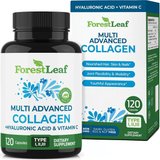
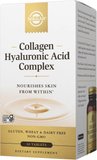
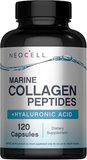
Complete Support System for Peptide-Enhanced Skin Regeneration
Combining oral collagen peptides with topical peptide serums creates a comprehensive anti-aging protocol that addresses skin health from both internal and external pathways.
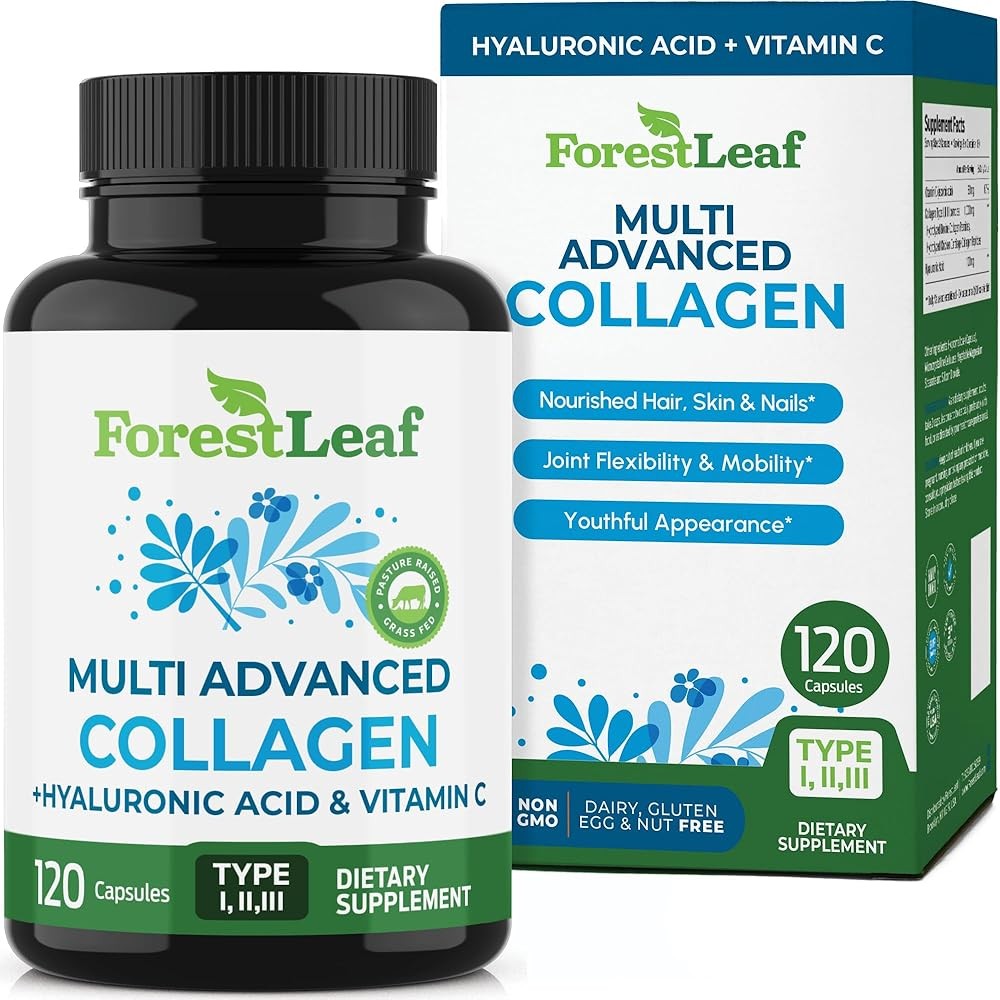
ForestLeaf Multi Collagen Pills with Hyaluronic Acid + Vitamin C | Hydrolyzed Collagen Supplements for Women or Men
Check Price on AmazonAs an Amazon Associate we earn from qualifying purchases.
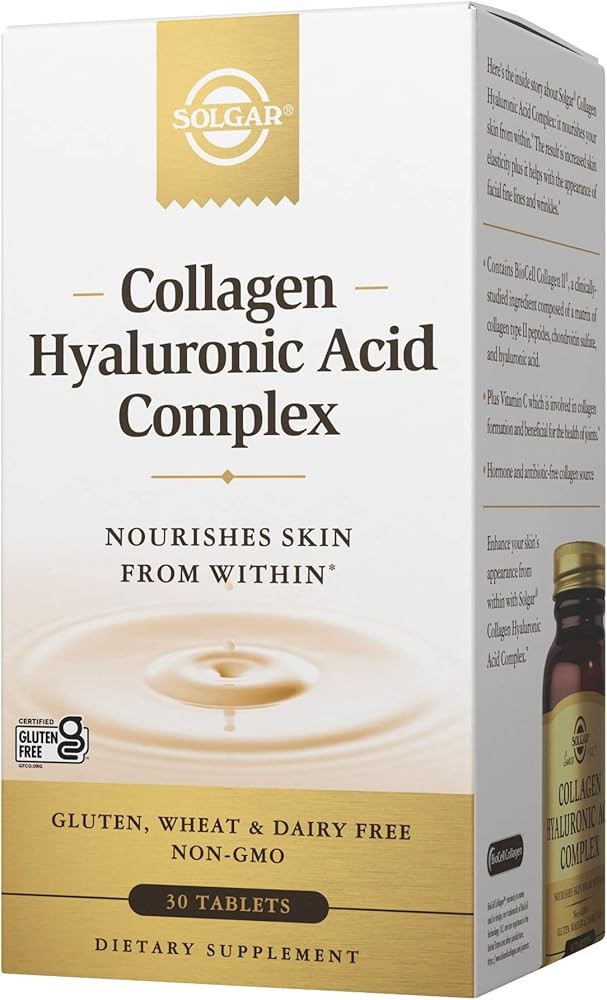
Solgar Collagen Hyaluronic Acid Complex, 30 Tablets - Hydrolyzed Collagen Type 2 - Helps with Fine Lines & Wrinkles
Check Price on AmazonAs an Amazon Associate we earn from qualifying purchases.
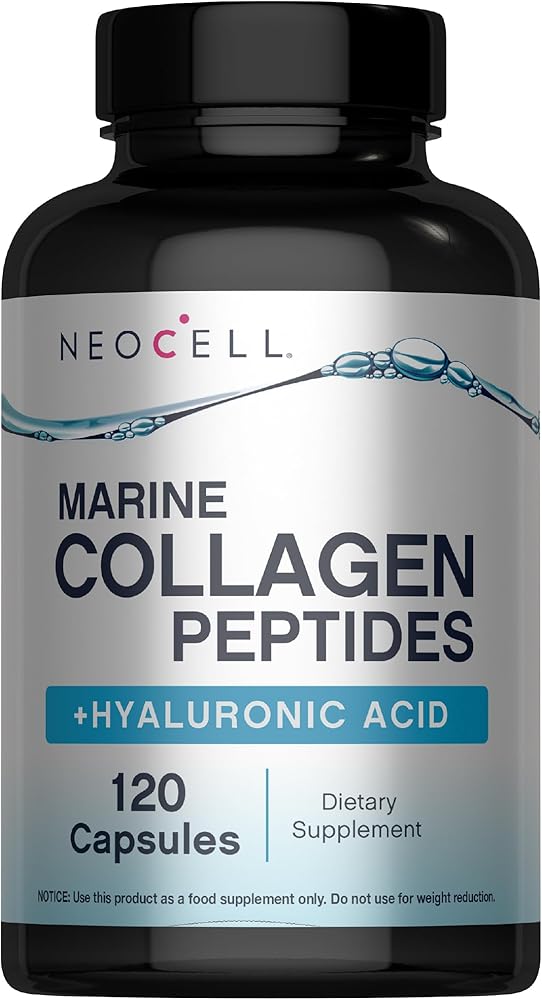
NeoCell Marine Collagen Peptides Capsules with Hyaluronic Acid Plus Vitamin C
Check Price on AmazonAs an Amazon Associate we earn from qualifying purchases.
Synergistic Approach:
- Oral collagen peptides (5-10g daily): Provide systemic amino acid building blocks that accumulate in dermal tissue and signal fibroblast collagen production throughout the body
- Topical GHK-Cu serums: Deliver concentrated copper peptides directly to facial skin for localized 70% collagen boost and antioxidant enzyme activation
- Topical Matrixyl formulations: Apply signal peptides that increase matrix protein synthesis by 100-350% in targeted areas
- Topical Argireline serums: Reduce expression wrinkles by 20-30% through gentle muscle relaxation in forehead and eye areas
For those seeking peptide supplementation beyond topical application, oral peptides can provide additional support.
This inside-out, outside-in strategy maximizes collagen stimulation while addressing multiple aging mechanisms—oral peptides support skin structure systemically, copper peptides regenerate tissue and activate antioxidant defenses, signal peptides boost collagen production, and neurotransmitter-inhibiting peptides soften expression wrinkles for comprehensive anti-aging results.
Related Reading
Common Questions About Peptides
What are the benefits of peptides for skin?
Research shows topical peptides stimulate collagen production, reduce wrinkle depth by 20-35%, improve skin elasticity, and enhance overall texture (Collagen supplements review). GHK-Cu increases collagen Type I by 70%, Matrixyl boosts matrix protein synthesis by 100-350%, and Argireline reduces expression wrinkles by up to 30%. Clinical studies demonstrate measurable improvements in skin firmness, wrinkle volume, and dermal thickness after 8-12 weeks of consistent application.
Are peptides safe for skin?
Topical peptides have excellent safety profiles in clinical studies with minimal side effects at recommended concentrations. Mild irritation may occur initially but typically resolves within 1-2 weeks. Those with copper allergies should avoid copper peptides. Peptides are generally well-tolerated and suitable for most skin types, including sensitive skin when introduced gradually.
How do peptides work on skin?
Peptides function as signaling molecules that communicate with skin cells (Oral collagen peptides skin). Signal peptides bind to fibroblast receptors, triggering collagen and elastin production. Carrier peptides deliver copper ions to activate enzymes for tissue repair. Neurotransmitter-inhibiting peptides interfere with the SNARE complex to reduce muscle contractions that cause expression wrinkles. Enzyme-inhibiting peptides block matrix metalloproteinases that degrade collagen.
Who should avoid peptides?
Those with copper allergies should avoid GHK-Cu and other copper peptides. People with Wilson’s disease (copper metabolism disorder) should not use copper-containing products. During active skin condition flares (rosacea, eczema), wait until skin recovers before introducing peptides. Pregnant individuals should consult their healthcare provider, though topical peptides are considered likely safe due to minimal systemic absorption.
What are the signs peptides are working?
Within 2-4 weeks, skin feels smoother with improved texture and subtle glow. At 6-8 weeks, fine lines soften by 15-25%, skin firmness increases noticeably, and expression wrinkles lessen (Argireline peptide research). By 10-12 weeks, moderate wrinkles reduce by 20-35%, skin thickness increases, elasticity improves on the pinch test, and overall appearance looks more rejuvenated. Makeup applies better and moisturizer lasts longer on healthier skin.
How long should I use peptides?
Peptides require consistent daily application for sustained results. Initial improvements appear within 2-4 weeks, but maximum benefits occur at 12 weeks with continued improvement up to 6 months. Stopping application results in gradual return to baseline over 4-8 weeks as the signaling effects diminish. For optimal anti-aging maintenance, peptides should be incorporated as a long-term daily skincare component.
Frequently Asked Questions
Q: Can peptides replace Botox for wrinkles?
A: Peptides like Argireline can reduce expression wrinkles by 20-30%, while Botox typically achieves 50-100% reduction. Peptides provide subtle, natural-looking improvement without injections but cannot match Botox’s dramatic results for deep dynamic wrinkles. Many people use peptides between Botox appointments or as a gentler alternative for mild wrinkles.
Q: How long do peptides take to work?
A: Initial improvements (texture, glow) appear within 2-4 weeks. Visible wrinkle reduction typically emerges at 6-8 weeks. Maximum benefits occur around 12 weeks with continued improvement up to 6 months with consistent daily use.
Q: Can I use multiple peptides together?
A: Yes. Combining peptides with different mechanisms (e.g., GHK-Cu for collagen + Argireline for muscle relaxation + Matrixyl for matrix stimulation) often produces superior results to single peptides. Allow 2-3 minutes between applications for optimal absorption.
Q: Do oral peptide supplements work for skin?
A: Oral hydrolyzed collagen peptides have strong clinical evidence for skin benefits. Other peptides (GHK-Cu, Argireline, Matrixyl) lack robust evidence for oral effectiveness due to digestive breakdown and bioavailability issues. Topical application is the evidence-based route for these specific anti-aging peptides.
Q: Are peptides safe during pregnancy?
A: Most experts consider topical peptides likely safe during pregnancy due to minimal systemic absorption, but dedicated safety studies are lacking. Consult your obstetrician. Many pregnant women choose to avoid all non-essential topicals as a precaution.
Q: Can peptides cause skin to thin?
A: No. Unlike corticosteroids (which thin skin), peptides stimulate collagen production and actually increase skin thickness. They strengthen skin structure rather than degrading it.
Q: Do I need to refrigerate peptide serums?
A: Most modern peptide formulations are stable at room temperature if stored properly (cool, dark location; tightly capped). Refrigeration can extend shelf life but isn’t typically necessary. Check product-specific storage instructions.
Q: Can men benefit from peptides as much as women?
A: Absolutely. Peptides work through biological mechanisms identical in male and female skin. Men experience collagen loss and wrinkle formation with age just as women do. Results are gender-neutral; peptides benefit anyone with aging skin.
How Do Peptides Compare to Botox and Other Treatments?
Understanding how peptides compare financially and practically to other interventions helps inform decisions.
Annual Cost Comparison
Peptide Serums:
- Quality multi-peptide serum: $50-120/bottle
- Lasts: 2-3 months
- Annual cost: $200-480
Botox:
- Treatment: $300-800 per session
- Frequency: 3-4 times/year
- Annual cost: $900-3,200
Dermal Fillers:
- Treatment: $600-2,000 per area
- Frequency: 1-2 times/year
- Annual cost: $600-4,000 (single area)
Professional Laser/RF Treatments:
- Session cost: $500-2,500
- Frequency: 1-3 times/year
- Annual cost: $500-7,500
Oral Collagen + Topical Peptides (Combination):
- Collagen supplement: $30/month ($360/year)
- Peptide serums: $200-480/year
- Annual cost: $560-840
Value Proposition
What $200-480/year in peptides provides:
- 20-30% wrinkle reduction (fine to moderate lines)
- Improved skin texture and firmness
- Enhanced collagen production
- Prevention of future aging
- No needles, no downtime, no medical supervision required
- Systemic benefits if combined with oral collagen
Return on Investment:
- At 25-50% of Botox cost, peptides provide roughly 30-50% of Botox’s wrinkle-reduction results
- Favorable cost-effectiveness for mild-to-moderate aging
- Best value in prevention phase (ages 30-50)
When Professional Treatments Justify Higher Cost
Choose injectables/procedures if:
- Deep, severe wrinkles requiring dramatic improvement
- Significant volume loss (hollow temples, sunken cheeks)
- Desire for rapid results (important event in 2 weeks)
- Skin laxity beyond what topical products can address
Choose peptides if:
- Mild-to-moderate aging
- Prevention focus
- Budget constraints
- Preference for natural, gradual improvement
- Maintenance between professional treatments
The Hybrid Approach: Maximum Value
Many dermatologists recommend combining modalities:
Strategic Professional Treatment + Peptides:
- Botox for deep expression wrinkles (crow’s feet, forehead)
- Peptides for overall skin quality and collagen stimulation
- Result: Lower Botox doses needed; enhanced skin health; optimal cost-effectiveness
Cost: ~$600-1,200/year (strategic Botox 1-2x annually + peptides daily) Benefit: Comprehensive anti-aging addressing multiple mechanisms
The Bottom Line: Peptides Deliver Real Anti-Aging Results
The clinical evidence is clear: topical peptides produce measurable improvements in wrinkle depth, skin firmness, and collagen content. While not as dramatic or rapid as cosmetic injections, peptides offer a scientifically validated, non-invasive approach to skin aging that works with your biology rather than against it.
Key Takeaways:
1. Different peptides serve different functions:
- GHK-Cu: Comprehensive regeneration (collagen, antioxidants, healing)
- Matrixyl: Collagen and matrix stimulation
- Argireline: Expression wrinkle reduction
2. Combining peptides produces synergistic results superior to single peptides
3. Consistent daily application for 12+ weeks is required for maximum benefits
4. Realistic expectations:
- 20-35% wrinkle reduction (not complete elimination)
- Natural-looking improvement (not dramatic transformation)
- Gradual results (weeks to months, not days)
5. Best candidates:
- Fine-to-moderate wrinkles
- Early aging prevention (ages 30-50)
- Those seeking natural, non-invasive anti-aging
- Maintenance between professional treatments
For optimal comprehensive anti-aging, combine:
- Topical peptides (GHK-Cu, Matrixyl, Argireline)
- Oral collagen peptides (5-10g daily)
- Vitamin C (topical and/or oral for collagen support)
- Retinoids (for cell turnover and collagen stimulation)
- Sun protection (preventing new damage while repair occurs)
This multi-modal approach addresses aging through complementary mechanisms, producing skin that’s not just temporarily smoother but structurally healthier, more resilient, and better equipped to age gracefully.
References
- Collagen peptides and skin research
- GHK-Cu peptide skin research
- GHK copper peptide review
- Copper peptide pharmacology
- Regenerative and Protective Actions of the GHK-Cu Peptide
- Peptides for skin research
- Effect of oral intake of collagen peptides on skin properties
- Peptide supplements and skin
- Acetyl hexapeptide anti-wrinkle
- Argireline peptide study
- Peptides: Emerging Candidates for Prevention and Treatment of Skin Senescence
- Peptides and skin wrinkle research
- Collagen peptides skin elasticity
- Collagen supplements review
- Oral collagen peptides skin
- Argireline peptide research
- Oral collagen supplements for skin aging
- Oral collagen peptide supplementation skin hydration/elasticity
Recommended Products