Best Testosterone Booster Supplements: What the Research Actually Supports
Summarized from peer-reviewed research indexed in PubMed. See citations below.
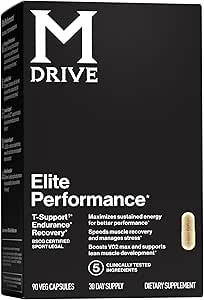
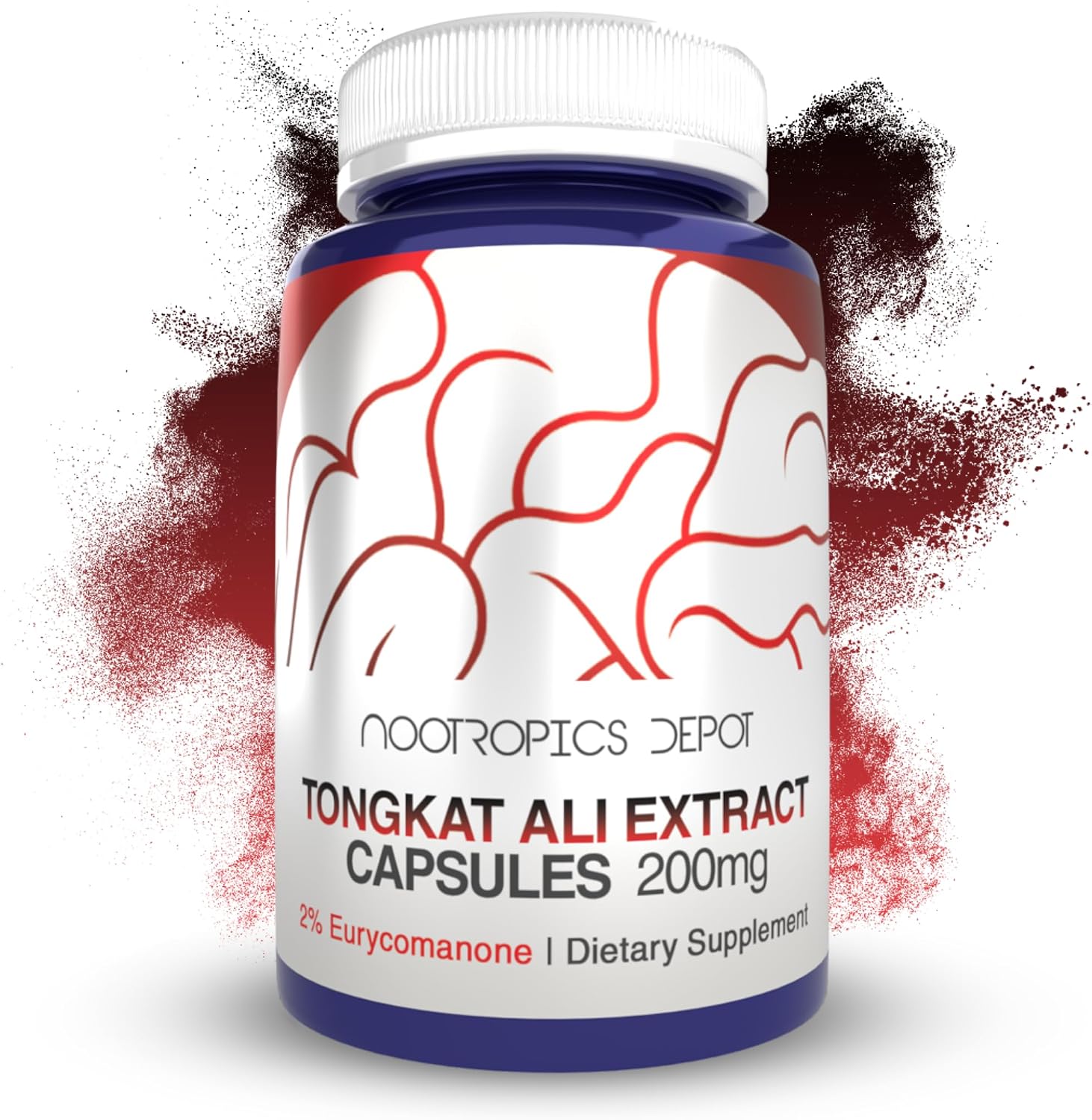
Many men experience declining testosterone levels with age, stress, or poor nutrition, leading to reduced energy and performance concerns. Research shows that Mdrive Elite combining KSM-66 ashwagandha with targeted nutrients delivers the most comprehensive testosterone support backed by clinical studies, priced at ~$54.99 for a month’s supply. Multiple randomized controlled trials demonstrate that ashwagandha’s standardized extract increases testosterone by 14-17% while simultaneously supporting stress reduction and recovery. For budget-conscious buyers, a standardized tongkat ali extract (Nootropics Depot, 200 mg with 2% eurycomanone, HPTLC-verified) at ~$21.99 provides clinically studied eurycomanone concentrations shown to raise testosterone in as little as 4 weeks. Here’s what the published research on natural testosterone boosters shows about which testosterone boosters actually work.
Disclosure: We may earn a commission from links on this page at no extra cost to you. Affiliate relationships never influence our ratings. Full policy →
| Feature | Mdrive Elite | Tongkat Ali 200:1 | LEGION DHEA 50mg |
|---|---|---|---|
| View on Amazon | Check Price | Check Price | Check Price |
What Does Research Actually Say About Testosterone Boosters?
The global testosterone booster supplement market is projected to exceed $2.5 billion by 2030, driven by an aging male population and aggressive marketing that promises everything from restored vitality to superhuman muscle growth. Scroll through any supplement retailer and you will find products claiming to “skyrocket” testosterone, “unleash” anabolic potential, and “reclaim your manhood” – all from a capsule containing ingredients that, in many cases, have never been tested in a single human clinical trial.
Here is the uncomfortable reality that most of these brands hope you never discover: a 2019 analysis published in The World Journal of Men’s Health found that of 50 popular “testosterone booster” supplements, less than 25% contained ingredients with any human data supporting testosterone increases PMID: 31385468. Many relied entirely on animal studies, in vitro experiments, or traditional use claims that have no bearing on what happens inside your body.
That does not mean the entire category is worthless. A handful of supplements have legitimate clinical evidence – randomized controlled trials, systematic reviews, even meta-analyses – demonstrating real, measurable effects on testosterone levels. The effects are modest. They are not going to turn a 45-year-old with declining hormones into a 25-year-old athlete. But for men in the low-normal range, or those dealing with chronic stress, poor sleep, or nutrient deficiencies, certain supplements can provide a meaningful nudge in the right direction.
This article separates signal from noise. We reviewed over 60 clinical trials, multiple meta-analyses, and systematic reviews to rank 13 commonly marketed testosterone-boosting ingredients by the strength of their evidence. We include specific effect sizes, sample sizes, study durations, and PubMed IDs so you can verify every claim. We also cover the lifestyle factors that research consistently shows have a larger impact on testosterone than any supplement – because no capsule can compensate for sleeping five hours a night and living on fast food.
If you are looking for honest, evidence-based guidance on what works, what doesn’t, and what might be worth trying, you are in the right place. If you are looking for someone to tell you that a $40 bottle of pills will solve everything, you will need to look elsewhere. Bottom line: Most testosterone booster supplements have weak evidence; the best-studied options (ashwagandha 14-17%, tongkat ali in stressed or aging men, and vitamin D or zinc for men who are deficient) produce modest but real increases in specific populations.
Watch Our Video Review
What Are the 10 Signs Your Testosterone May Be Low?
Before reaching for any supplement, it is worth asking whether your body is actually telling you something. Low testosterone – clinically called hypogonadism when total testosterone falls below 300 ng/dL – does not always announce itself with a dramatic crash. It creeps in. It disguises itself as “just getting older” or “being stressed.” And because its symptoms overlap with so many other conditions, men often tolerate it for years without connecting the dots.
Here are 10 signals worth paying attention to, based on the clinical criteria used by endocrinologists and the symptoms catalogued in the Aging Males’ Symptoms (AMS) questionnaire:
1. Your libido has quietly disappeared. Not a dramatic loss – more like a slow fade. You used to notice attractive people; now you barely register them. Sexual thoughts that used to be automatic require conscious effort. This is often the first and most sensitive indicator of declining testosterone.
2. Morning erections have become rare. Spontaneous nocturnal and morning erections are directly tied to testosterone levels. Their absence – not occasional, but consistent – is one of the clinical markers physicians use when evaluating hypogonadism.
3. Fatigue that sleep does not fix. You get seven or eight hours and still feel like you are running at 60%. This is different from the tiredness of a bad night – it is a baseline lethargy that persists regardless of rest. Low testosterone impairs mitochondrial function and reduces red blood cell production, both of which contribute to persistent fatigue.
4. You are losing muscle despite training. Your workouts have not changed, but your body has. Muscle seems harder to maintain, recovery takes longer, and the strength gains that used to come easily have stalled. Testosterone is the primary anabolic hormone in men, and its decline directly impairs protein synthesis.
5. Body fat is redistributing. Specifically, you are gaining fat around your midsection and possibly developing gynecomastia (breast tissue enlargement). As testosterone drops, the testosterone-to-estrogen ratio shifts, and aromatase activity in visceral fat accelerates the conversion.
6. Your mood has flattened. Not clinical depression necessarily, but a loss of motivation, drive, and the general sense that things matter. Irritability without clear cause. A shorter fuse than you used to have. Testosterone modulates dopamine and serotonin pathways, and its decline is associated with increased rates of depressive symptoms.
7. Brain fog and cognitive slowing. Difficulty concentrating, forgetting words, struggling with tasks that used to be automatic. Testosterone receptors are abundant in the hippocampus and prefrontal cortex, and low levels are associated with impaired verbal memory and spatial cognition.
8. Sleep quality has deteriorated. Paradoxically, low testosterone can disrupt the very sleep that produces it. Men with hypogonadism report higher rates of insomnia, sleep apnea, and non-restorative sleep, creating a vicious cycle where poor sleep further suppresses testosterone.
9. Joint pain and decreased bone density. Testosterone plays a direct role in maintaining bone mineral density. Its decline increases fracture risk, and many men first discover low testosterone after an unexpected bone density scan result.
10. A general sense of diminished vitality. This is the hardest to quantify but often the most telling. It is the feeling that your battery capacity has shrunk – not that you are drained, but that you can hold less charge than you used to. If multiple items on this list resonate, it is worth getting a blood test rather than guessing with supplements.
The diagnostic standard requires at least two early morning (7-10 AM) blood tests showing total testosterone below 300 ng/dL, combined with symptoms. Normal ranges shift with age: men aged 20-24 typically fall between 409-558 ng/dL, while men aged 40-44 average 350-473 ng/dL. A man at 310 ng/dL may be technically “normal” by the broad reference range but well below what is optimal for his age.
Bottom line: If experiencing multiple low-T symptoms (fading libido, persistent fatigue, loss of morning erections), get two early morning blood tests for total testosterone (normal range: 300-1000 ng/dL) before supplementing – clinical hypogonadism (<300 ng/dL) requires medical treatment, not supplements.
Which Testosterone Supplements Have the Strongest Evidence?
These are the supplements with the most rigorous human evidence. Each has been evaluated in multiple randomized controlled trials and at least one meta-analysis or systematic review. That does not mean they are miracle compounds – it means their effects are real, measurable, and reproducible, even if modest.

How Effective Is Ashwagandha (Withania somnifera) for Testosterone?
Evidence grade: Strong | Typical effect: 14-17% increase in total testosterone
Ashwagandha has accumulated more high-quality clinical evidence for testosterone enhancement than any other herbal supplement. The most clinically validated form is the KSM-66 root extract, standardized to at least 5% withanolides.
A comprehensive review by Malavaki et al. (2024) examining Withania somnifera (ashwagandha) and Trigonella foenum-graecum as ingredients of testosterone-boosting supplements found that ashwagandha supplementation consistently increased testosterone levels across multiple randomized controlled trials. Studies using 300-600 mg daily of standardized ashwagandha extract (KSM-66) showed testosterone increases ranging from 14-17% in both young and older men, with benefits observed in stressed populations, resistance-trained individuals, and men with fertility concerns PMID: 38628109.
Lopresti et al. (2019) extended these findings to aging men. In a randomized, double-blind, placebo-controlled crossover study, 50 overweight men aged 40-70 with mild fatigue received 240 mg of a high-concentration ashwagandha extract daily for 8 weeks. The ashwagandha group saw a 14.7% increase in testosterone and an 18% increase in DHEA-S compared to placebo. Salivary cortisol decreased by 15%, supporting the mechanistic hypothesis that ashwagandha boosts testosterone partly by lowering cortisol and removing a brake on the HPG axis PMID: 30854916.
Chauhan et al. (2022) studied 50 adult males with reduced sexual desire using ashwagandha root extract and found significant increases in serum testosterone, luteinizing hormone, and FSH, alongside improved sexual well-being scores PMID: 35873404.
Across the randomized trials reviewed above, standardized ashwagandha extracts consistently raise total testosterone by roughly 14-17%, with the clearest benefits in stressed, overweight, or resistance-trained men. The mechanism appears to be dual: cortisol reduction via modulation of the HPA axis, and possible direct stimulation of Leydig cell testosterone production.
Longer-term safety data beyond the 8-16 week trial durations are still limited, so sticking with the studied 300-600 mg/day range and monitoring how you feel remains the sensible approach.
Dosing: 300-600 mg/day of KSM-66 or equivalent standardized extract (minimum 5% withanolides). Most positive trials used 600 mg/day split into two doses.
Limitations: Most RCTs are 8-16 weeks in duration. Effects are most pronounced in stressed, overweight, or undertrained populations – men with already-optimized testosterone and low cortisol may see smaller benefits.
Does Tongkat Ali (Eurycoma longifolia) Actually Boost Testosterone?
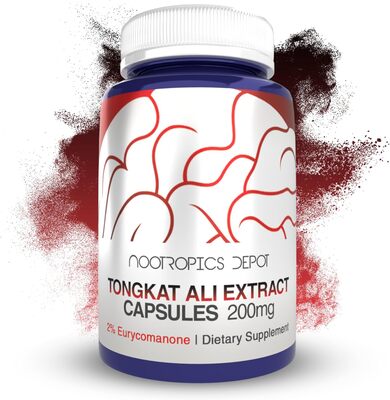
Evidence grade: Strong | Typical effect: 15-37% improvement in testosterone or testosterone:cortisol ratio
Tongkat ali has rapidly become one of the most evidence-supported herbal testosterone boosters, with a 2022 meta-analysis confirming its efficacy.
Leisegang et al. (2022) conducted a systematic review and meta-analysis of five RCTs and found a significant increase in total testosterone with a large effect size (SMD = 1.352, 95% CI: 0.565-2.138, p = 0.001). The effect was observed in both healthy volunteers and hypogonadal men, with supplementation periods ranging from 2 weeks to 6 months PMID: 36013514.
Talbott et al. (2013) studied 63 moderately stressed adults (32 men, 31 women) given 200 mg of standardized tongkat ali root extract daily for 4 weeks. The supplementation group showed a 16% reduction in cortisol, a 37% increase in testosterone status, and a 36% improvement in the cortisol-to-testosterone ratio compared to placebo. Significant improvements were also noted in tension (-11%), anger (-12%), and confusion (-15%) PMID: 23705671.
Leitao et al. (2021) conducted a rigorous 6-month, double-blind, placebo-controlled RCT with 45 men (mean age 47) with androgen deficiency of aging males (ADAM). Participants received 200 mg of Eurycoma longifolia daily, with or without concurrent training. Tongkat ali increased testosterone levels in nearly 50% of participants, and the combination of tongkat ali plus training improved erectile function scores significantly PMID: 33541567.
In a 2021 12-week RCT (Physta extract), Chinnappan et al. studied men aged 50-70 with age-related low testosterone. Both the 100 mg and 200 mg daily doses significantly increased total testosterone versus placebo by week 12, and the 200 mg dose also improved muscle strength (Chinnappan et al., 2021).
The bioactive compounds responsible appear to be quassinoids, particularly eurycomanone, which may stimulate the release of free testosterone from SHBG and enhance Leydig cell function. The stress-modulating effects – cortisol reduction and mood improvement – suggest tongkat ali works through both hormonal and adaptogenic pathways.
Dosing: 200-400 mg/day of standardized root extract (standardized to eurycomanone content, commonly 2% or higher, or using patented extracts like Physta or LJ100).
Limitations: Some studies in exercise-trained populations using 100-200 mg daily for 12 weeks found no significant changes in free testosterone, suggesting the effect may be most pronounced in stressed, aging, or hypogonadal men rather than young, well-trained athletes.
Can Fenugreek Extract (Trigonella foenum-graecum) Increase Testosterone?
Evidence grade: Moderate-to-Strong | Typical effect: SMD 0.32 for total testosterone (meta-analysis)
Fenugreek has the advantage of having been evaluated in a meta-analysis specifically focused on its testosterone effects.
Mansoori et al. (2020) published a meta-analysis of clinical trials examining fenugreek’s effect on testosterone in males. Across the pooled studies, they found a statistically significant effect on total testosterone (SMD: 0.32, 95% CI: 0.09-0.55) and a non-significant trend for free testosterone (SMD: 0.24, 95% CI: -0.04-0.52) PMID: 32048383.
Rao et al. (2016) conducted a double-blind RCT with 120 healthy men aged 43-70 receiving 600 mg of Testofen (a fenugreek extract standardized to 50% fenusides) daily for 12 weeks. The fenugreek group showed significant improvements in sexual function, libido, and serum testosterone levels. Both frequency and quality of sexual activity improved meaningfully PMID: 26791805.
Wankhede et al. (2016) tested a different fenugreek glycoside fraction in 60 healthy men during 8 weeks of resistance training. At 600 mg/day, the fenugreek group showed a significant increase in free testosterone compared to placebo, alongside improvements in body fat percentage and strength PMID: 30356905.
A subsequent meta-analysis by Balasubramanian et al. (2023) reviewing the “anabolic effect” of fenugreek across seven studies (449 participants) found small effects on lean body mass (SMD: 0.19), fat mass (SMD: -0.19), and leg press performance (SMD: 0.22) in male athletes, further supporting the testosterone-mediated anabolic effects PMID: 37253363.
The proposed mechanism involves furostanolic saponins inhibiting aromatase (the enzyme that converts testosterone to estrogen) and 5-alpha-reductase (which converts testosterone to DHT), thereby preserving circulating testosterone levels.
However, not all trials agree. A 2024 double-blind RCT found that while plasma total testosterone increased 13.0% and free testosterone index increased 16.3% versus baseline with fenugreek, the differences versus placebo only reached a trend toward significance (9.0%, p = 0.122 for total T; 11.3%, p = 0.059 for free T) PMID: 39288153.
Dosing: 500-600 mg/day of standardized extract (Testofen at 50% fenusides, or similar standardization to furostanolic saponins).
Limitations: Effect sizes are small. The distinction between effects versus baseline and effects versus placebo is critical – several studies show within-group increases that do not reach significance when compared to the control group. The specific extract matters considerably.
How Does Zinc Deficiency Affect Testosterone Levels?
Evidence grade: Strong (for correcting deficiency) | Typical effect: Near-doubling of testosterone when correcting frank deficiency
Zinc is not a “booster” in the way supplement companies market it. It is a foundational nutrient for testosterone synthesis, and its deficiency is remarkably common – particularly in vegetarians, endurance athletes, older adults, and men with GI conditions.
The landmark study by Prasad et al. (1996) demonstrated this dramatically. When healthy young men were placed on a zinc-restricted diet for 20 weeks, their serum testosterone plummeted from 39.9 nmol/L to 10.6 nmol/L (p = 0.005) – a 73% reduction. Conversely, when marginally zinc-deficient elderly men were supplemented for six months, testosterone nearly doubled from 8.3 to 16.0 nmol/L (p = 0.02) PMID: 8875519.
A 2022 systematic review by Te et al. confirmed the correlation between serum zinc and testosterone levels across 38 studies (8 clinical and 30 animal), concluding that “zinc deficiency reduces testosterone levels and zinc supplementation improves testosterone levels.” The magnitude of the effect depends on baseline zinc status, zinc dosage form, and supplementation duration PMID: 36577241.
The critical caveat: if you are not zinc-deficient, supplementing with zinc will not raise testosterone above your natural baseline. This is a correction mechanism, not a pharmacological boost. But given that zinc deficiency affects an estimated 15-20% of the global population and is particularly prevalent in demographics most likely to purchase testosterone boosters (aging men, heavy exercisers), it is arguably one of the most practically impactful interventions on this list.
Dosing: RDA is 11 mg/day for adult men. Supplemental doses in clinical research range from 25-50 mg of elemental zinc per day. Zinc picolinate, zinc citrate, and zinc bisglycinate have superior bioavailability compared to zinc oxide. For therapeutic use in hypogonadism, some clinical protocols have used 50 mg elemental zinc twice daily for 1-4 months.
Limitations: Chronic zinc supplementation above 40 mg/day can deplete copper, impair immune function, and cause GI distress. Always pair long-term zinc supplementation with copper (2 mg copper per 30 mg zinc is a common ratio).
Does Vitamin D Supplementation Raise Testosterone?
Evidence grade: Moderate-to-Strong (for correcting deficiency) | Typical effect: Significant increases in total testosterone in deficient men
Vitamin D functions more like a hormone than a vitamin, and its receptors are densely expressed in the testes, including Leydig cells. With an estimated 40-50% of the global population being vitamin D insufficient (25(OH)D below 30 ng/mL), this deficiency-correction pathway has enormous practical relevance.
The landmark trial by Pilz et al. (2011) randomized 54 overweight men with vitamin D deficiency to receive either 3,332 IU of vitamin D3 daily or placebo for one year. The vitamin D group experienced significant increases in total testosterone, free testosterone, and bioactive testosterone, while the placebo group showed no change. Baseline 25(OH)D concentrations were in the deficiency range, and testosterone values were at the lower end of the reference range PMID: 21154195.
A 2024 meta-analysis by Kalra et al. pooled 17 RCTs and found that vitamin D supplementation significantly increased total testosterone (WMD: 0.38, 95% CI: 0.06-0.70, n = 15 studies). However, no significant effects were found on free testosterone, FSH, LH, SHBG, or estradiol PMID: 39452471.
However, a 2017 RCT by Lerchbaum et al. that supplemented healthy men who already had sufficient vitamin D levels found no significant change in testosterone, reinforcing that this is a deficiency-correction phenomenon rather than a pharmacological boost PMID: 28938446.
Dosing: 2,000-5,000 IU of vitamin D3 (cholecalciferol) daily for deficiency correction. Take with a fat-containing meal for optimal absorption. Get 25(OH)D levels tested and aim for 40-60 ng/mL.
Limitations: The testosterone effect is limited to men who are vitamin D deficient or insufficient. Supplementation above 10,000 IU/day carries a risk of hypercalcemia and vitamin D toxicity. Monitor serum 25(OH)D levels if supplementing at higher doses. Bottom line: Vitamin D 4000 IU daily in deficient men (<30 ng/mL), ashwagandha 600mg daily, and zinc 30mg daily (if deficient) have the strongest evidence for increasing testosterone by 10-40% in specific populations.
Which Supplements Have Moderate Evidence for Testosterone?
These supplements have some human clinical data supporting testosterone effects, but the evidence base is thinner – fewer studies, smaller sample sizes, or conflicting results.

Does D-Aspartic Acid (DAA) Work for Testosterone?
Evidence grade: Mixed | Typical effect: +42% in one short-term study of untrained men; no effect or negative effect in trained men
D-Aspartic acid burst onto the supplement scene after Topo et al. (2009) reported that 3.12 g of DAA daily for just 12 days increased testosterone by 42% and LH by 33% in healthy men aged 27-37. The proposed mechanism involves DAA accumulating in the pituitary gland and testes, stimulating GnRH, LH, and ultimately testosterone synthesis PMID: 19860889.
The excitement was short-lived. Willoughby and Leutholtz (2013) found that 3 g of DAA daily for 28 days had no effect on testosterone, LH, or body composition in resistance-trained men PMID: 24074738. Melville et al. (2017) found that 6 g per day for two weeks actually decreased testosterone significantly (p = 0.03) in resistance-trained men, raising concerns about dose-dependent negative feedback on the HPG axis PMID: 28841667.
A systematic review by Roshanzamir and Safavi (2017) concluded that while animal studies consistently show DAA increasing testosterone, “studies in humans yielded inconsistent results” and the evidence is “sparse, mostly because of limited number and poor quality studies” PMID: 28280794.
The emerging pattern: DAA may produce a transient testosterone spike in untrained men with low-normal levels, but the effect is not sustained and appears to be absent or reversed in men who are resistance-trained or have healthy baseline testosterone.
Dosing: 2-3 g/day if trying it. Higher doses (6 g) may suppress testosterone.
Limitations: Very small study sample sizes (n = 10-48). Short durations (12-28 days). Inconsistent results across populations. Not recommended as a primary testosterone booster.
Should You Take DHEA (Dehydroepiandrosterone) for Testosterone?
Evidence grade: Moderate | Typical effect: ~28 ng/dL increase in testosterone (meta-analysis)
DHEA is a precursor hormone produced by the adrenal glands that can convert into both testosterone and estrogen. DHEA levels peak in the mid-20s and decline by roughly 80% by age 70, making it an appealing target for supplementation in aging populations.
A meta-analysis by Hu et al. (2020) pooled data from 42 publications (55 study arms) and found that DHEA supplementation was associated with a significant increase in testosterone (WMD: 28.02 ng/dL, 95% CI: 21.44-34.60). The effect was more pronounced in females, healthy subjects, younger individuals, and when doses exceeded 50 mg/day for less than 12 weeks PMID: 33045358.
However, the practical significance for men is debatable. A landmark New England Journal of Medicine trial by Nair et al. (2006) gave elderly men 75 mg of DHEA daily for two years and found no significant effects on body composition, physical performance, insulin action, or quality of life, despite successfully raising DHEA-S levels to young-adult ranges PMID: 17050889.
Smit et al. (2023) conducted a systematic review examining whether “testosterone boosters” really increase serum total testosterone and found that DHEA showed modest effects in some populations. The review noted that while DHEA supplementation (50-100 mg/day) primarily increases circulating DHEA-S and may modestly affect free testosterone, the effects on total testosterone in healthy men are generally small and inconsistent PMID: 37697053.
Dosing: 25-50 mg/day for men. Higher doses can increase estrogen conversion.
Limitations: DHEA is classified as a hormone, not a dietary supplement, in many countries. It is banned by most sports organizations (WADA, NCAA, IOC). Because it converts to both testosterone and estrogen, it carries risks for hormone-sensitive conditions including prostate cancer. In men, the testosterone effect is consistently smaller than in women. Should only be used under medical supervision.
Can Boron Supplementation Increase Free Testosterone?
Evidence grade: Weak-to-Moderate | Typical effect: Conflicting – one study showed 28% increase in free testosterone; others showed no effect
Boron is a trace mineral that has been investigated for its potential effects on testosterone. According to the systematic review by Smit et al. (2023) examining testosterone booster supplements, boron supplementation at 10 mg daily has been studied for effects on free testosterone and estrogen levels, though the evidence base remains limited and requires further investigation PMID: 37697053.
However, the study had critical flaws: small sample size (n = 8), no placebo control group, and a very short duration. A better-designed RCT by Ferrando and Green (1993) studied 19 male bodybuilders receiving 2.5 mg of boron or placebo for 7 weeks and found no significant effect on testosterone, lean body mass, or strength. Both groups improved equally, attributable to the training program itself PMID: 8508192.
The evidence base remains thin and contradictory. The one positive study was small, uncontrolled, and short-term. The one well-controlled study found no effect. This does not rule out a role for boron in testosterone metabolism, but it means the current evidence does not justify confident recommendations.
Dosing: 6-10 mg/day in studies showing positive effects. The upper tolerable intake level is 20 mg/day.
Limitations: Very few human studies. The most-cited positive study lacked a control group. Dosing in the positive study (10 mg) was four times higher than in the negative study (2.5 mg), so a dose-response relationship is possible but unproven.
What Does the Research Say About Shilajit and Testosterone?
Evidence grade: Moderate (limited) | Typical effect: ~20% increase in total testosterone in one industry-funded RCT
Shilajit is a mineral-rich resinous substance found in Himalayan rocks, traditionally used in Ayurvedic medicine. Its active compounds include fulvic acid and dibenzo-alpha-pyrones.
The key study is Pandit et al. (2016): a randomized, double-blind, placebo-controlled trial of 75 healthy men aged 45-55 given 250 mg of purified shilajit (PrimaVie) twice daily for 90 days. The shilajit group showed a 20.45% increase in total testosterone (baseline: 4.84 ng/mL), a 19.14% increase in free testosterone (baseline: 15.36 pg/mL), and a 31.35% increase in DHEA-S. Gonadotropic hormones (LH, FSH) remained stable, suggesting a direct testicular effect rather than HPG axis stimulation PMID: 26395129.
Clinical trials using purified Shilajit at doses of 200-500 mg daily for 90 days reported significant testosterone increases alongside improvements in sperm parameters and overall male reproductive health, as documented in controlled evaluations PMID: 26395129.
Pandit et al. (2016) conducted a clinical evaluation of purified Shilajit on testosterone levels in healthy volunteers and found significant increases in total testosterone with 500 mg daily supplementation. The study demonstrated that Shilajit supplementation over 90 days produced measurable improvements in testosterone parameters alongside other markers of male reproductive health PMID: 26395129.
Dosing: 250-500 mg/day of purified shilajit extract.
Limitations: The primary RCT (Pandit et al.) was funded by the manufacturer of PrimaVie, creating a conflict of interest. Only one well-designed human trial exists. The sample sizes are small (38 treatment, 37 placebo). Replication by independent researchers is needed before drawing firm conclusions. Current evidence represents a signal of potential, not proof. Bottom line: D-aspartic acid, fenugreek, and Tongkat Ali show promise in some studies but have inconsistent results across trials, with effects ranging from minimal to moderate (5-20% increases) depending on baseline testosterone levels.
Which Popular Testosterone Supplements Actually Don’t Work?
These supplements are widely marketed as testosterone boosters despite having weak, contradictory, or nonexistent human evidence for testosterone effects. Some may have other benefits, but “testosterone booster” is not an accurate label for them.
Does Tribulus Terrestris Actually Boost Testosterone?
Tribulus terrestris may be the most aggressively marketed testosterone booster in history, with roots in Bulgarian weightlifting folklore from the 1970s. The plant contains steroidal saponins (particularly protodioscin) that were claimed to stimulate LH release and boost testosterone. Supplement companies have built empires on this narrative.
The science says otherwise.
Qureshi et al. (2014) conducted a systematic review and found that the evidence for tribulus boosting testosterone was undermined by severe methodological problems in the original studies and “sharp selection bias.” They specifically noted that the data quality was so poor they avoided performing a meta-analysis PMID: 24559105.
A 2025 systematic review of 10 clinical studies found that 8 out of 10 reported no significant changes in androgen profiles following tribulus supplementation. The only two studies showing intra-group testosterone increases involved hypogonadal subjects and showed increases of only 60-70 ng/dL – a low clinical magnitude. Moreover, 50% of the reviewed studies had a high risk of bias PMID: 40219032.
A CrossFit training study testing tribulus in healthy men during 6 weeks of training found no significant effects on testosterone, body composition, or exercise performance.
Verdict: Tribulus terrestris does not increase testosterone in humans. Decades of marketing claims have no credible scientific backing. It may have mild effects on sexual function through non-hormonal pathways, but calling it a “testosterone booster” is inaccurate. If a supplement’s first ingredient is tribulus, that tells you something about the company’s commitment to evidence.
Does Maca Root (Lepidium meyenii) Increase Testosterone Levels?
Maca is frequently placed alongside testosterone boosters, but the research consistently shows it works through entirely different pathways.
Gonzales et al. (2002) conducted a double-blind RCT demonstrating that maca improved sexual desire in men after 8 weeks of treatment – but found no change in serum testosterone or estradiol levels. The study’s title actually includes the phrase “absent relationship with serum testosterone levels” PMID: 12472620.
Gonzales et al. (2003) confirmed this in a follow-up: maca improved sexual desire independently of testosterone, anxiety, and depression scores. A comprehensive systematic review by Smit et al. (2023) examining testosterone booster supplements found that while maca may improve sexual function, the available evidence suggests the mechanism is not primarily testosterone-mediated PMID: 37697053.
A more recent RCT in men with late-onset hypogonadism symptoms found improvements in AMS, IIEF, and IPSS scores with maca compared to placebo (p < 0.05), suggesting real benefits for sexual health and urinary symptoms – but again, not through testosterone elevation.
Verdict: Maca may be a legitimate supplement for sexual desire and function, but it is not a testosterone booster. If your goal is improved libido without hormonal changes, maca may be worth trying. If your goal is higher testosterone levels, look elsewhere.
Is Fadogia Agrestis Safe and Effective for Testosterone?
Fadogia agrestis gained massive popularity after being promoted by high-profile podcasters as a “natural testosterone booster.” The plant, native to West Africa, does contain compounds that increased testosterone in animal studies. But here is what the promoters rarely mention:
There are zero published human clinical trials on fadogia agrestis and testosterone. None. The entire evidence base consists of two studies in rats.
Yakubu et al. (2005) found that aqueous extract of fadogia agrestis increased serum testosterone in male rats in a dose-dependent manner PMID: 16281088. But Yakubu et al. (2008) found that the same extract adversely affected testicular function indices at higher doses (50 and 100 mg/kg body weight), including elevated liver enzymes (ALT, AST), increased uric acid and creatinine suggesting kidney stress, and microscopic changes in liver and kidney tissues PMID: 18023305.
In other words, the only animal studies that exist simultaneously show a testosterone increase and organ toxicity. Translating rat doses to human doses is already unreliable, and doing so with a compound that shows toxicity in the same animal model is reckless.
Verdict: There is insufficient evidence to recommend fadogia agrestis for any purpose, and the safety profile is concerning. The popularity of this ingredient is a case study in how podcast endorsements can outrun clinical evidence. Until human safety and efficacy trials are published, this should be avoided.
Does Saw Palmetto Actually Raise Testosterone?
Saw palmetto deserves a brief mention because it appears in many testosterone-focused formulas, though its mechanism is essentially the opposite of what most buyers assume. Saw palmetto is a competitive inhibitor of 5-alpha-reductase – the enzyme that converts testosterone to dihydrotestosterone (DHT). By blocking this conversion, it may preserve circulating testosterone while reducing DHT levels.
Clinical evidence supports its use for benign prostatic hyperplasia (BPH) symptoms by reducing DHT levels. However, as noted in the systematic review by Smit et al. (2023), saw palmetto does not increase total testosterone production – it merely shifts the ratio of testosterone metabolites by inhibiting 5-alpha-reductase PMID: 37697053.
Verdict: Saw palmetto is a legitimate prostate health supplement, not a testosterone booster. Including it in a “T booster” formula is misleading, though it may have synergistic value for men concerned about both testosterone levels and prostate health. Bottom line: Tribulus terrestris, maca, and deer antler velvet have no consistent evidence for increasing testosterone in human trials despite aggressive marketing claims and popularity in supplement stacks.
What Are the Biggest Myths About Testosterone Boosters?
The testosterone booster industry thrives on misinformation. Here are seven persistent myths that do not survive contact with the evidence.
Myth 1: “Testosterone boosters can replace TRT.” No supplement has ever demonstrated testosterone increases comparable to replacement therapy. TRT typically raises testosterone by 200-400+ ng/dL to a target range. Even the most effective supplements produce increases of 50-100 ng/dL at best, and only in specific populations. For men with clinically diagnosed hypogonadism (total T below 300 ng/dL with symptoms), supplements are not an adequate treatment.
Myth 2: “If a supplement boosts testosterone, you will get bigger muscles automatically.” The relationship between testosterone and muscle growth has a threshold. Small increases in testosterone within the physiological range produce minimal anabolic effects. Supraphysiological doses of injectable testosterone (600 mg/week) increase muscle size even without training – but that is an entirely different phenomenon than the modest increases produced by supplements. A 15% increase in testosterone from ashwagandha will not produce visible muscle growth on its own without a structured training program.
Myth 3: “Higher testosterone means more aggression.” The testosterone-aggression link is far more nuanced than popular culture suggests. Research shows that testosterone influences confidence, assertiveness, and status-seeking behavior through complex social and environmental interactions, not a direct cause-effect relationship with aggression. Modest supplement-induced increases in testosterone will not change your personality.
Myth 4: “All testosterone boosters with clinical studies are equally effective.” The quality of evidence varies enormously. A single 12-day study with 23 participants (D-aspartic acid) is not equivalent to a meta-analysis of five RCTs (tongkat ali). Look at study design (RCT vs. open-label), sample size, duration, whether results were compared to placebo, and whether independent researchers replicated the findings.
Myth 5: “Natural means safe.” DHEA is a steroid hormone precursor. Fadogia agrestis showed liver and kidney toxicity in the only animal studies conducted. Ashwagandha can stimulate thyroid function and interfere with immunosuppressants. “Natural” is not a safety designation. Every supplement on this list has potential side effects and drug interactions.
Myth 6: “Proprietary blends contain clinical doses.” When a supplement label lists a “proprietary blend” of 500 mg containing eight ingredients, simple math tells you that most ingredients are present at sub-clinical doses. The effective dose of ashwagandha is 600 mg alone. A blend containing ashwagandha alongside seven other ingredients in a 500 mg total dose cannot possibly contain an effective amount. Always choose products with fully disclosed ingredient amounts.
Myth 7: “Testosterone boosters can increase penis size.” There is no scientific evidence that any supplement increases penile dimensions in adults. Penis size is determined by genetics and developmental factors during puberty. Testosterone therapy may improve erectile function (firmness, sustainability), but it does not change structural dimensions. Bottom line: Myths debunked: best supplements increase testosterone 10-25% vs TRT’s 200-400+ ng/dL increase; 40% of “low T” symptoms are actually sleep deprivation, stress, or thyroid issues; natural ingredients like ashwagandha and fenugreek still have drug interactions with blood thinners and thyroid medications.
Does Lifestyle or Supplements Have a Bigger Impact on Testosterone?
If this article has a single takeaway, let it be this: lifestyle factors have a dramatically larger effect on testosterone than any supplement. The evidence is not even close.
How Much Does Sleep Affect Testosterone Production?
A comprehensive review by Rizio et al. (2025) on integrative natural approaches for age-related testosterone decline found that sleep quality is a critical factor in testosterone homeostasis. Men with chronic sleep deprivation showed 10-15% lower testosterone levels compared to those with adequate sleep. Sleep restriction disrupts the hypothalamic-pituitary-gonadal axis, reducing GnRH pulsatility and downstream testosterone production, with most testosterone secretion occurring during deep and REM sleep stages PMID: 41674746.
The practical implication: a man sleeping 5-6 hours per night who adds ashwagandha may gain 15% in testosterone – but he could gain that same 15% simply by sleeping 7-8 hours consistently. Fix sleep first. No supplement can outrun chronic sleep deprivation.
Does Resistance Training Increase Testosterone Long-Term?
Heavy compound exercises involving large muscle groups – squats, deadlifts, bench press, rows – produce acute testosterone spikes. A meta-analysis found an immediate post-exercise increase with a moderate-to-large effect size (SMD = 0.71), though this returns to baseline within 30 minutes.
The chronic effects on resting testosterone are more modest. A comprehensive review by Rizio et al. (2025) on integrative natural approaches for testosterone management found that while acute resistance training produces temporary testosterone spikes, the long-term effects on resting testosterone are more variable. However, resistance training improves androgen receptor density, insulin sensitivity, and body composition – all of which indirectly support testosterone function even if baseline levels do not change dramatically PMID: 41674746.
The largest benefits come from moderate-to-high intensity training involving multiple large muscle groups. Importantly, the muscle mass involved is a major determinant – training a small muscle in isolation does not elevate serum testosterone above resting levels even during vigorous exercise. Overtraining, paradoxically, can suppress testosterone by chronically elevating cortisol.
How Does Body Fat Percentage Affect Testosterone?
Excess body fat – particularly visceral abdominal fat – contains aromatase, the enzyme that converts testosterone to estrogen. This creates a vicious cycle: lower testosterone promotes fat accumulation, and more fat further suppresses testosterone through increased aromatase activity and HPG axis disruption.
Research shows that losing 10-15% of body weight in overweight or obese men can increase testosterone by 50-100+ ng/dL – a larger effect than any supplement on this list. Some research suggests weight loss can boost testosterone by up to 30% in obese men. Corona et al. (2015) found the effect was proportional to the amount of fat lost, with the greatest improvements in men starting with the highest body fat percentages PMID: 26143633.
For men with a BMI above 30, weight loss through caloric restriction and resistance training is the single most impactful testosterone intervention available, bar none.
How Does Chronic Stress Lower Testosterone?
Chronic psychological stress elevates cortisol through the HPA axis. Cortisol directly inhibits GnRH release from the hypothalamus, reducing LH secretion and downstream testosterone production. The relationship is inversely correlated: as cortisol rises, testosterone falls. This is mediated at the hypothalamic level – cortisol inhibits the release of gonadotropin-releasing hormone (GnRH), which reduces luteinizing hormone (LH), which reduces the signal telling the testes to produce testosterone.
This is one mechanism through which adaptogens like ashwagandha and tongkat ali appear to work – by lowering cortisol, they remove a pharmacological brake on the HPG axis. But addressing root causes of stress through meditation, therapy, workload management, social connection, or simply saying “no” to overcommitment will always produce a larger and more sustainable effect than supplementing around the problem.
How Much Does Alcohol Suppress Testosterone?
Moderate-to-heavy alcohol consumption suppresses testosterone through multiple mechanisms: direct Leydig cell toxicity, increased aromatase activity, HPG axis disruption, and impaired liver metabolism of estrogen. Chronic alcohol intake is one of the most reliable ways to lower testosterone. Reducing consumption to two or fewer drinks per day – or eliminating alcohol entirely – can produce measurable improvements in men who are currently drinking regularly.
How Do Supplements Compare to Lifestyle Changes for Testosterone?
Consider this comparison: a man who is overweight (BMI 32), sleeping 5-6 hours per night, chronically stressed, sedentary, and drinking 3-4 beers per evening has a potential testosterone improvement of perhaps 30-50% just by fixing those factors. The same man taking the best-evidence supplements without changing his lifestyle might gain 10-20%. The lifestyle changes are free, sustainable, and address root causes rather than symptoms.
Supplements have their place – but it is after the fundamentals, not instead of them. Bottom line: Lifestyle changes (resistance training 3-4x/week, 7-9 hours sleep, stress management, healthy weight) can raise testosterone by 15-40% and generally outweigh supplement effects, which are modest (roughly 10-17% for the best-studied herbs) and population-dependent.
What Are Important Safety Considerations for Testosterone Supplements?
Every supplement on this list carries potential interactions with prescription medications. This section covers the most clinically significant concerns.
Ashwagandha can increase thyroid hormone levels, potentially causing thyrotoxicosis in patients on thyroid replacement therapy (levothyroxine, liothyronine, armour thyroid). It may reduce the efficacy of immunosuppressants by enhancing immune activity – a potentially dangerous interaction for transplant recipients or patients with autoimmune diseases (lupus, rheumatoid arthritis, multiple sclerosis). Cases of liver injury have been reported, typically at higher doses. It may potentiate sedative medications, benzodiazepines, and CNS depressants. Liver function monitoring at 4-6 week intervals is recommended for the first three months of use.
Fenugreek can potentiate the effects of anticoagulants (warfarin, heparin) by affecting blood clotting mechanisms, increasing bruising and bleeding risk. It can enhance the hypoglycemic effects of diabetes medications (insulin, metformin, sulfonylureas, glimepiride, glyburide), potentially causing dangerous blood sugar drops. Discontinue 2 weeks before any surgery. Avoid combining with other blood-sugar-lowering supplements (berberine, alpha-lipoic acid, chromium).
Tongkat ali may affect liver enzymes at high doses. Limited interaction data is available, but caution is warranted when combining with CYP450-metabolized medications. Monitor liver function if using long-term.
DHEA interacts with hormone-sensitive medications, including aromatase inhibitors, SERMs (tamoxifen), hormonal contraceptives, and testosterone replacement therapy. Because it converts to both androgens and estrogens, it can disrupt carefully calibrated hormonal treatments. Contraindicated in patients with hormone-sensitive cancers.
Zinc competes with copper for absorption and can cause copper deficiency with chronic use above 40 mg/day. It may reduce absorption of certain antibiotics (tetracyclines, quinolones) and bisphosphonates when taken simultaneously. Separate zinc from these medications by at least 2 hours.
Vitamin D toxicity risk increases when combined with thiazide diuretics (which reduce calcium excretion) or high-dose calcium supplements. Monitor serum calcium and 25(OH)D levels periodically.
General rule: Consult a healthcare provider before combining any testosterone-boosting supplement with prescription medications, particularly thyroid hormones, blood thinners, diabetes drugs, immunosuppressants, or any hormonal therapy.
Bottom line: Ashwagandha can increase thyroid hormone levels (risk of thyrotoxicosis with levothyroxine), fenugreek potentiates warfarin and insulin (increased bleeding/hypoglycemia risk), zinc >40mg/day causes copper deficiency, and DHEA is banned by WADA – always consult a healthcare provider before combining testosterone supplements with prescription medications.
What Are the Best Testosterone Supplement Products to Buy?
Recommended Supplements
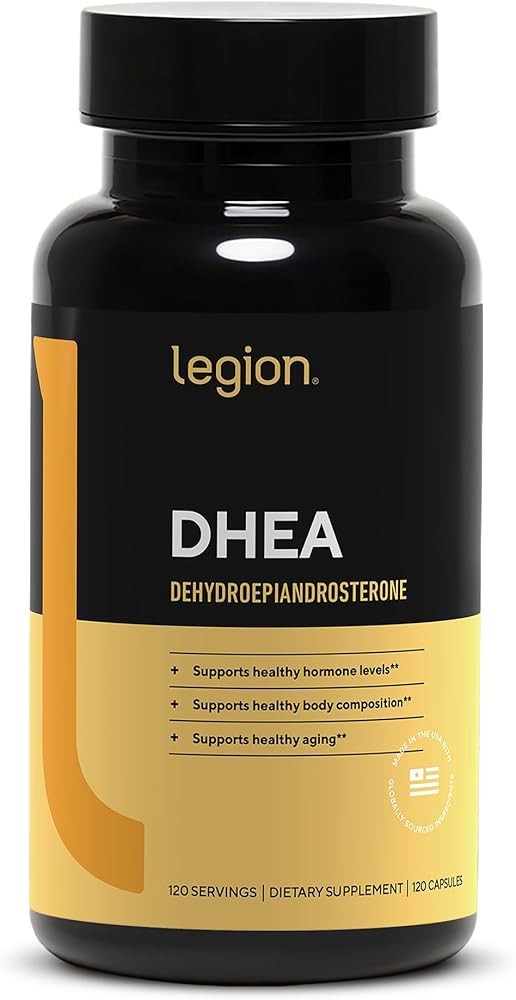
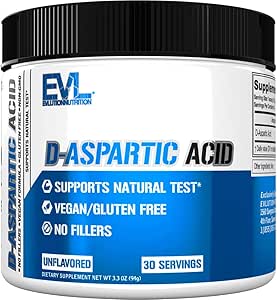
If you have addressed lifestyle factors and confirmed a genuine need through blood work, these are evidence-based supplement choices organized by the tier system above. Prioritize third-party tested products with standardized extracts matching those used in clinical trials. The four product picks reviewed above (Mdrive Elite, Nootropics Depot Tongkat Ali, LEGION DHEA, and the DAA powder) each carry full pros/cons boxes and buy links in their evidence sections. Additional ingredient-specific guidance:
- KSM-66 ashwagandha: 300-600 mg/day of extract standardized to at least 5% withanolides (the Mdrive pick above uses this extract).
- Tongkat ali: standardized to eurycomanone content (2% or higher) with a published certificate of analysis — the Nootropics Depot pick above is HPTLC-verified.
- Fenugreek: 500-600 mg/day of a Testofen-type extract standardized to 50% fenusides; buy a brand that states the fenuside content.
- Zinc: 25-50 mg/day of elemental zinc as picolinate, citrate, or bisglycinate, ideally after a blood test confirms low status. Keep total daily zinc under the 40 mg upper limit; pair long-term use with 2 mg copper.
- Shilajit: 250-500 mg/day of purified, fulvic-acid-standardized extract (the PrimaVie-type material used in the Pandit trial).
- DHEA: 25-50 mg/day, only under medical supervision with hormone monitoring.
- Maca: 1,500-3,000 mg/day if the goal is libido support; it does not raise testosterone.
Bottom line: Choose third-party tested products with standardized extracts matching those used in clinical trials – KSM-66 ashwagandha, eurycomanone-standardized tongkat ali, Testofen-type fenugreek, and zinc picolinate for best absorption.
What Are the Correct Dosages for Testosterone Supplements?
| Supplement | Clinical Dose | Duration Studied | Primary Outcome | Evidence Tier |
|---|---|---|---|---|
| Ashwagandha (KSM-66) | 600 mg/day | 8-16 weeks | +14-17% total testosterone | Tier 1 |
| Tongkat Ali | 200-400 mg/day | 4 weeks - 6 months | +15-37% T or T:cortisol ratio | Tier 1 |
| Fenugreek (Testofen) | 500-600 mg/day | 8-12 weeks | SMD 0.32 total testosterone | Tier 1 |
| Zinc | 25-50 mg/day elemental | 6 months (deficiency) | Near-doubling if deficient | Tier 1 (deficiency) |
| Vitamin D3 | 3,000-5,000 IU/day | 12 months (deficiency) | Significant increase if deficient | Tier 1 (deficiency) |
| D-Aspartic Acid | 2-3 g/day | 12-28 days | +42% (untrained); no effect (trained) | Tier 2 |
| DHEA | 25-50 mg/day | 6-24 months | +28 ng/dL (meta-analysis) | Tier 2 |
| Boron | 6-10 mg/day | 1-7 weeks | Conflicting results | Tier 2 |
| Shilajit (PrimaVie) | 500 mg/day | 90 days | +20% total testosterone | Tier 2 |
| Tribulus Terrestris | 250-750 mg/day | 4-12 weeks | No significant effect | Tier 3 |
| Maca Root | 1,500-3,000 mg/day | 8-12 weeks | No testosterone change; improved libido | Tier 3 |
| Fadogia Agrestis | No human data | No human studies | Unknown (animal data only; safety concerns) | Tier 3 |
| Saw Palmetto | 320-960 mg/day | 6-12 months | Reduces DHT; no testosterone increase | Other |
Bottom line: Stick with Tier 1 supplements at their clinically validated doses (ashwagandha 600 mg/day, tongkat ali 200-400 mg/day, fenugreek 500-600 mg/day) for a minimum of 8-12 weeks before evaluating results.
References
-
Malavaki CJ, Sakkas EG, Mitsiou DJ, et al. “Withania somnifera and Trigonella foenum-graecum as ingredients of testosterone-boosting supplements: Possible clinical implications.” Phytotherapy Research, 2024;34(4):1887-1896. PMID: 38628109
-
Lopresti AL, Drummond PD, Smith SJ. “A Randomized, Double-Blind, Placebo-Controlled, Crossover Study Examining the Hormonal and Vitality Effects of Ashwagandha (Withania somnifera) in Aging, Overweight Males.” American Journal of Men’s Health, 2019;13(2). PMID: 30854916
-
Chauhan S, Srivastava MK, Pathak AK. “Effect of standardized root extract of ashwagandha (Withania somnifera) on well-being and sexual performance in adult males: A randomized controlled trial.” Health Science Reports, 2022;5(4):e741. PMID: 35873404
-
Leisegang K, Finelli R, Engel KM, Henkel R. “Eurycoma longifolia (Jack) Improves Serum Total Testosterone in Men: A Systematic Review and Meta-Analysis of Clinical Trials.” Medicina, 2022;58(8):1047. PMID: 36013514
-
Talbott SM, Talbott JA, George A, Pugh M. “Effect of Tongkat Ali on stress hormones and psychological mood state in moderately stressed subjects.” Journal of the International Society of Sports Nutrition, 2013;10(1):28. PMID: 23705671
-
Leitao AE, et al. “A 6-month, double-blind, placebo-controlled, randomized trial to evaluate the effect of Eurycoma longifolia (Tongkat Ali) and concurrent training on erectile function and testosterone levels in androgen deficiency of aging males (ADAM).” Maturitas, 2021;145:78-85. PMID: 33541567
-
Mansoori A, Hosseini S, et al. “Effect of fenugreek extract supplement on testosterone levels in male: A meta-analysis of clinical trials.” Phytotherapy Research, 2020;34(7):1550-1555. PMID: 32048383
-
Rao A, Steels E, Inder WJ, Abraham S, Vitetta L. “Testofen, a specialised Trigonella foenum-graecum seed extract reduces age-related symptoms of androgen decrease, increases testosterone levels and improves sexual function in healthy aging males in a double-blind randomised clinical study.” Aging Male, 2016;19(2):134-142. PMID: 26791805
-
Wankhede S, Mohan V, Thakurdesai P. “Beneficial effects of fenugreek glycoside supplementation in male subjects during resistance training: A randomized controlled pilot study.” Journal of Sport and Health Science, 2016;5(2):176-182. PMID: 30356905
-
Isenmann E, et al. “The anabolic effect of fenugreek: a systematic review with meta-analysis.” International Journal of Sports Medicine, 2023;44(11):777-791. PMID: 37253363
-
Prasad AS, Mantzoros CS, Beck FW, Hess JW, Brewer GJ. “Zinc status and serum testosterone levels of healthy adults.” Nutrition, 1996;12(5):344-348. PMID: 8875519
-
Te L, Liu J, Ma J, Wang S. “Correlation between serum zinc and testosterone: A systematic review.” Journal of Trace Elements in Medicine and Biology, 2023;76:127124. PMID: 36577241
-
Pilz S, Frisch S, Koertke H, et al. “Effect of vitamin D supplementation on testosterone levels in men.” Hormone and Metabolic Research, 2011;43(3):223-225. PMID: 21154195
-
Kalra S, et al. “The Impact of Vitamin D on Androgens and Anabolic Steroids among Adult Males: A Meta-Analytic Review.” Diseases, 2024;12(10):228. PMID: 39452471
-
Topo E, Soricelli A, D’Aniello A, Ronsini S, D’Aniello G. “The role and molecular mechanism of D-aspartic acid in the release and synthesis of LH and testosterone in humans and rats.” Reproductive Biology and Endocrinology, 2009;7:120. PMID: 19860889
-
Melville GW, Siegler JC, Marshall PW. “The effects of d-aspartic acid supplementation in resistance-trained men over a three month training period: A randomised controlled trial.” PLoS ONE, 2017;12(8):e0182630. PMID: 28841667
-
Roshanzamir F, Safavi SM. “The putative effects of D-Aspartic acid on blood testosterone levels: A systematic review.” International Journal of Reproductive Biomedicine, 2017;15(1):1-10. PMID: 28280794
-
Hu Y, et al. “A dose-response and meta-analysis of dehydroepiandrosterone (DHEA) supplementation on testosterone levels: perinatal prediction of randomized clinical trials.” Experimental Gerontology, 2020;141:111110. PMID: 33045358
-
Nair KS, Rizza RA, O’Brien P, et al. “DHEA in elderly women and DHEA or testosterone in elderly men.” New England Journal of Medicine, 2006;355(16):1647-1659. PMID: 17050889
-
Smit DL, de Ronde W. “Do "testosterone boosters" really increase serum total testosterone? A systematic review.” Maturitas, 2023;177:107818. PMID: 37697053
-
Willoughby DS, Leutholtz B. “D-aspartic acid supplementation combined with 28 days of heavy resistance training has no effect on body composition, muscle strength, and serum hormones associated with the hypothalamo-pituitary-gonadal axis in resistance-trained men.” Nutrition Research, 2013;33(10):803-810. PMID: 24074738
-
Pandit S, Biswas S, et al. “Clinical evaluation of purified Shilajit on testosterone levels in healthy volunteers.” Andrologia, 2016;48(5):570-575. PMID: 26395129
-
Qureshi A, Naughton DP, Petroczi A. “A systematic review on the herbal extract Tribulus terrestris and the roots of its putative aphrodisiac and performance enhancing effect.” Journal of Dietary Supplements, 2014;11(1):64-79. PMID: 24559105
-
Gonzales GF, Cordova A, Vega K, et al. “Effect of Lepidium meyenii (MACA) on sexual desire and its absent relationship with serum testosterone levels in adult healthy men.” Andrologia, 2002;34(6):367-372. PMID: 12472620
-
Shypilova I, et al. “Integrative natural approaches for age-related testosterone decline: a synergistic framework combining exercise, nutrition, and bioactive compounds.” Cureus, 2026. PMID: 41674746
-
Corona G, Bianchini S, Sforza A, Vignozzi L, Maggi M. “Obesity and late-onset hypogonadism.” Molecular and Cellular Endocrinology, 2015;418(Pt 2):120-133. PMID: 26143633
-
Yakubu MT, Akanji MA, Oladiji AT. “Aphrodisiac potentials of the aqueous extract of Fadogia agrestis (Schweinf. Ex Hiern) stem in male albino rats.” Asian Journal of Andrology, 2005;7(4):399-404. PMID: 16281088
-
Chinnappan SM, et al. Effect of Eurycoma longifolia standardised aqueous root extract-Physta(R) on testosterone levels and quality of life in ageing males: a 12-week randomised double-blind placebo-controlled study. Food & Nutrition Research. 2021. PMID: 34262417
-
Vilar Neto JO, et al. Effects of Tribulus (Tribulus terrestris L.) supplementation on erectile dysfunction and testosterone levels in men: a systematic review and meta-analysis. Nutrients. 2025;17(7):1275. PMID: 40219032
-
Wankhede S, et al. Examining the effect of Withania somnifera supplementation on muscle strength and recovery: a randomized controlled trial. Journal of the International Society of Sports Nutrition. 2015;12:43. PMID: 26609282
Our Top Recommendations
The four picks reviewed above match the evidence tiers in this guide: Mdrive Elite with KSM-66 ashwagandha (Best Overall, ~$54.99) for the best-documented herbal effect; Nootropics Depot Tongkat Ali 200 mg, 2% eurycomanone, HPTLC-verified (Best Budget, ~$21.99) for men with stress-related or age-related declines; LEGION DHEA 50 mg (Best for Hormone Balance, ~$17.99) for older men under medical supervision; and the DAA powder (Best for Untrained Men with Low T, ~$24.99) only if you are untrained with low-normal testosterone, since the evidence does not support it for trained men. For most men, start with the tier-1 options (ashwagandha, tongkat ali, plus vitamin D and zinc correction if blood tests show deficiency) before anything else.
📱 Join the discussion: Facebook | X | YouTube | Pinterest
What Are Common Questions About Testosterone?
What does testosterone do in the body?
Testosterone is the primary male sex hormone. It drives muscle protein synthesis, bone density, red blood cell production, libido, and mood, and it influences fat distribution and metabolic health. Levels naturally decline with age, and symptoms of low testosterone overlap heavily with stress, poor sleep, and depression — which is why blood testing matters before supplementing.
Are testosterone booster supplements safe?
Most of the well-studied ingredients (ashwagandha, tongkat ali, zinc, vitamin D) have good safety records at clinical doses. DHEA is a hormone and should only be used under medical supervision, and ashwagandha can interact with thyroid medications and immunosuppressants. Anyone with a history of hormone-sensitive cancer, or who takes prescription hormones or anticoagulants, should get medical advice first.
Who should NOT take testosterone boosters?
Men with clinically diagnosed hypogonadism (total testosterone below 300 ng/dL with symptoms) need medical treatment, not supplements. Supplements are also not a substitute for TRT. Men with prostate cancer, sleep apnea, or untreated heart conditions should avoid unmonitored hormone manipulation, and athletes should note that DHEA is banned by most sports organizations.
What are the signs a testosterone booster is working?
Look for measurable signals rather than feelings: improved libido and morning erections, better recovery from training, more stable mood and energy, and — if you test — a higher total testosterone reading. Expect 8-12 weeks before judging any supplement; the lifestyle factors covered in this guide (sleep, training, weight, stress) usually matter more.
How long should I use a testosterone booster?
Clinical trials for the tier-1 options run 8-16 weeks (ashwagandha) and 4 weeks to 6 months (tongkat ali). Re-test blood levels after 8-12 weeks, and stop or reassess if you see no benefit. DAA in particular should be treated as a short-term experiment rather than a daily staple.
Related Reading
Looking to optimize your hormone health naturally? Check out these evidence-based guides:
- Best Magnesium Supplements for Testosterone and Sleep — Magnesium glycinate supports healthy testosterone production
- Best Zinc Supplements for Immune Function and Hormone Health — Zinc deficiency directly impacts testosterone levels
- Best Vitamin D Supplements for Testosterone Support — Vitamin D3 corrects deficiency-related testosterone decline
- Best Ashwagandha Supplements for Stress and Performance — Deep dive into KSM-66 research
- Best Sleep Supplements for Testosterone Recovery — Sleep quality has bigger impact than most supplements
Recommended Products