Glutamine vs Bcaa For Recovery: Which Is Better? [Complete Comparison Guide]
Summarized from peer-reviewed research indexed in PubMed. See citations below.
Athletes struggling with persistent muscle soreness and frequent illness during heavy training face a critical supplement choice. BCAAs (branched-chain amino acids) at 5-10g per dose provide the strongest evidence for reducing delayed-onset muscle soreness (DOMS) and muscle damage markers, with quality 2:1:1 ratio products costing $20-30 for 30 servings. Meta-analyses confirm BCAAs significantly reduce creatine kinase levels and perceived soreness at 24-72 hours post-exercise through leucine-mediated mTOR signaling. For budget-conscious athletes, L-glutamine powder at 5-10g daily costs just $0.10-0.15 per serving and excels at gut barrier repair and immune support during training blocks. Here’s what the published research shows about these two recovery supplements.
Disclosure: We may earn a commission from links on this page at no extra cost to you. Affiliate relationships never influence our ratings. Full policy →
Introduction

Walk into any supplement store or scroll through fitness forums and you will find heated debates about glutamine versus BCAAs for recovery. Both amino acid supplements have been staples in gym bags for decades, and both have legitimate research behind them. But they do fundamentally different things in your body, and knowing the difference can save you money while actually improving your recovery.
Here is the uncomfortable truth that the supplement industry does not want you to hear: if you already eat enough protein from whole food sources, neither BCAAs nor glutamine will dramatically transform your recovery. The people who benefit most from these supplements are those training at very high volumes, athletes in caloric deficits, people with gut health issues, or anyone whose protein intake is genuinely inadequate.
That said, there are real, evidence-based scenarios where each supplement shines. Glutamine has surprisingly strong data for gut health, immune defense during heavy training blocks, and recovery from illness. BCAAs – specifically the leucine component – are genuine triggers of muscle protein synthesis through the mTOR pathway, and meta-analyses show meaningful reductions in muscle soreness and damage markers.
This guide breaks down every aspect of both supplements: what they are biochemically, how they work, what the clinical trials actually show, who benefits most, and how to dose them properly. We also cover why essential amino acids (EAAs) may be superior to both, and which other recovery supplements are worth your money.
Watch Our Video Review
What Is Glutamine?
Glutamine is the most abundant free amino acid in the human body, making up roughly 60% of the free amino acid pool in skeletal muscle and about 20% of all circulating amino acids in the blood. It is classified as a “conditionally essential” amino acid, meaning your body can produce it under normal circumstances, but during periods of severe physical stress, trauma, illness, or extremely heavy training, your body’s demand for glutamine can outstrip its ability to synthesize it.
Chemical Structure and Forms
L-glutamine is a five-carbon amino acid with an amide functional group. It exists in two supplemental forms:
- L-Glutamine (free form): The natural form found in food and produced by your body. This is the most common and least expensive supplement form. It dissolves easily in water but is somewhat unstable in solution and sensitive to heat.
- L-Alanyl-L-Glutamine (peptide-bonded form): A dipeptide that is more stable in solution and may have slightly better absorption. Brands like Sustamine use this form. It costs more but may be worth it for intra-workout drinks that sit in water for extended periods.
Where Glutamine Comes From in Your Diet
You consume roughly 3-6 grams of glutamine daily from a typical diet. The richest food sources include:
- Beef: approximately 1.2g per 100g
- Chicken: approximately 1.0g per 100g
- Fish: approximately 0.9g per 100g
- Eggs: approximately 0.6g per 100g
- Dairy (milk, cheese): approximately 0.3-0.8g per 100g
- Tofu: approximately 0.6g per 100g
- White rice: approximately 0.3g per 100g
- Corn: approximately 0.4g per 100g
How Glutamine Works in Your Body
Glutamine plays roles in an extraordinary number of biological processes. Understanding these mechanisms explains why it matters for recovery:
1. Gut Barrier Integrity
Your intestinal lining is a single layer of epithelial cells held together by tight junction proteins. Glutamine is the primary fuel source for enterocytes (intestinal lining cells) and is essential for maintaining tight junction protein expression. When glutamine levels drop, intestinal permeability increases – what researchers and practitioners commonly refer to as “leaky gut.” A 2024 systematic review and meta-analysis of clinical trials (PMID: 39397201) found that glutamine supplementation at doses above 30g per day significantly reduced intestinal permeability, with the most pronounced effects seen in supplementation periods under 4 weeks. Exercise-induced intestinal permeability is a well-documented phenomenon, particularly in endurance athletes training in heat, and glutamine supplementation at 0.25-0.9g per kg body mass has been shown to reduce markers of intestinal permeability during running in the heat in a dose-dependent manner (PMID: 29058112).
2. Immune Cell Fuel
Lymphocytes, macrophages, and neutrophils all use glutamine at extremely high rates – in some cases faster than glucose. Glutamine is essential for lymphocyte proliferation and cytokine production, macrophage phagocytic and secretory activities, and neutrophil bacterial killing (PMID: 30360490). During heavy training, plasma glutamine levels can drop by 20-25%, which may contribute to the immunosuppression commonly observed in overtrained athletes. A 2024 study on combat-sport athletes found that three weeks of L-glutamine supplementation enhanced mucosal immunity (salivary IgA levels), improved hormonal status (testosterone-to-cortisol ratio), and reduced the rate of upper respiratory tract infections (PMID: 38193521).
3. Nitrogen Shuttle
Glutamine serves as the primary vehicle for transporting nitrogen between tissues. It carries two nitrogen atoms (one in its amino group, one in its amide group), making it the most important nitrogen carrier in the body. This is critical for maintaining nitrogen balance during recovery, supporting the synthesis of nucleotides (needed for cell division and repair), and preventing muscle catabolism during caloric restriction.
4. Glycogen Replenishment
Glutamine can be converted to glucose through gluconeogenesis in the liver and kidneys, and some evidence suggests it may enhance glycogen resynthesis after exercise, though this effect appears modest compared to adequate carbohydrate intake.
What Are BCAAs?
Branched-chain amino acids (BCAAs) are a group of three essential amino acids – leucine, isoleucine, and valine – that share a unique branched molecular structure. Unlike most amino acids, BCAAs bypass liver metabolism and are taken up directly by skeletal muscle, where they account for roughly 35% of the essential amino acids in muscle protein.
The Three BCAAs and What Each Does
Leucine is the star of the show. It is the most potent dietary activator of the mechanistic target of rapamycin complex 1 (mTORC1) signaling pathway, which is the master switch for muscle protein synthesis. Leucine directly binds to Sestrin2, a cellular sensor that inhibits mTORC1 when leucine levels are low. When leucine binds to Sestrin2, the inhibition is released and mTORC1 activates a phosphorylation cascade involving p70S6 kinase and 4E-BP1, which promote mRNA translation and ultimately drive new muscle protein creation (PMID: 37681443).
Isoleucine plays a role in glucose uptake into muscle cells independent of insulin, and contributes to energy production during exercise. It also supports immune function and hemoglobin production, though its effects are less dramatic than leucine’s.
Valine competes with tryptophan for transport across the blood-brain barrier. By reducing tryptophan entry into the brain, valine may help delay central fatigue during prolonged exercise (the “central fatigue hypothesis”). Valine also participates in energy production and tissue repair.
The 2:1:1 Ratio
Most quality BCAA supplements use a 2:1:1 ratio of leucine to isoleucine to valine. This mirrors the approximate ratio found naturally in muscle tissue and food sources. Research has consistently shown that this ratio outperforms higher-leucine ratios (like 8:1:1 or 10:1:1) because isoleucine and valine play synergistic roles. One study found that the 2:1:1 BCAA combination increased muscle protein synthesis more than leucine alone (even at equivalent leucine doses), suggesting the three BCAAs work together.
How BCAAs Work for Recovery
1. Leucine-Driven mTOR Activation and Muscle Protein Synthesis
The primary recovery mechanism of BCAAs is leucine’s activation of mTORC1. This stimulates muscle protein synthesis, which is the process of building new muscle proteins to repair exercise-induced damage. A minimum of approximately 2.5-3g of leucine per dose (the “leucine threshold”) appears necessary to maximally stimulate mTORC1 in young adults, with older adults potentially needing more. This is why a standard 5-10g BCAA dose at a 2:1:1 ratio (providing 2.5-5g leucine) can trigger a meaningful anabolic signal.
However – and this is a critical caveat – leucine can only signal the start of muscle protein synthesis. It cannot sustain it alone. Building muscle protein requires all nine essential amino acids as raw material. If the other six essential amino acids are not available (from recent food intake or from breaking down existing muscle), the mTOR signal fires but the actual construction process stalls. This is the central argument in Dr. Robert Wolfe’s landmark 2017 critique (PMID: 28852372), which concluded that the claim that BCAAs alone stimulate muscle protein synthesis in humans is essentially unwarranted without a complete amino acid supply.
2. Reduction in Muscle Damage Markers
Where BCAAs have more convincing evidence is in reducing markers of exercise-induced muscle damage. A 2024 systematic review and meta-analysis published in Sports Medicine - Open found that BCAA supplementation significantly attenuated creatine kinase (CK) levels (a blood marker of muscle damage) with medium effect sizes, and reduced muscle soreness with small but significant effect sizes immediately post-exercise and during the recovery period. A 2025 clinical trial (Meng, 2025) further demonstrated that post-exercise BCAA supplementation significantly reduced muscle soreness scores at 48 hours after resistance training and lowered serum IL-6 and CRP (inflammatory markers) at 24 hours.
3. Anti-Catabolic Effects
BCAAs, particularly leucine, can reduce muscle protein breakdown during exercise and caloric restriction. This anti-catabolic effect may be especially relevant for athletes cutting weight or training in a fasted state.
Head-to-Head Comparison: The Complete Breakdown
Comparison Table: Glutamine vs BCAAs at a Glance
| Feature | Glutamine | BCAAs |
|---|---|---|
| Type | Single conditionally essential amino acid | Three essential amino acids (leucine, isoleucine, valine) |
| Primary Mechanism | Gut barrier repair, immune fuel, nitrogen transport | Leucine-driven mTOR activation, MPS signaling |
| Best Evidence For | Gut health, immune support during heavy training | Reducing DOMS and muscle damage markers |
| Muscle Protein Synthesis | Minimal direct effect | Stimulates mTOR signaling (but needs all EAAs to sustain) |
| Gut Health | Strong evidence for intestinal barrier repair | No meaningful effect |
| Immune Function | Reduces URTI during heavy training blocks | Limited evidence |
| Muscle Soreness (DOMS) | Moderate evidence for reduction | Strong meta-analysis evidence for reduction |
| Typical Dose | 5-20g per day | 5-10g per day (2:1:1 ratio) |
| Cost per Serving | $0.10-0.20 (5g powder) | $0.50-1.00 (5-10g powder) |
| Common Forms | Powder, capsules | Powder (flavored), capsules |
| Taste | Nearly tasteless | Naturally bitter; flavored versions available |
| Safety | Extremely safe up to 30g/day | Extremely safe at standard doses |
| Who Benefits Most | Heavy trainers, endurance athletes, gut issues, caloric deficit | Athletes wanting faster DOMS recovery, fasted training |
Muscle Protein Synthesis
Winner: BCAAs (with major caveats)
Leucine is unquestionably the most potent dietary trigger for muscle protein synthesis. The science on this is robust – leucine activates mTORC1 and initiates the cascade that leads to new muscle protein creation. BCAAs at a 2:1:1 ratio have been shown to increase postprandial muscle protein synthesis rates both at rest and during recovery from resistance exercise (PMID: 37681443).
However, BCAAs alone are not sufficient to sustain muscle protein synthesis. A 2019 biochemical review (PMID: 31356595) concluded that isolated BCAA intake actually decreases muscle protein synthesis as well as protein breakdown in a net catabolic state. Why? Because building complete muscle proteins requires all nine essential amino acids. When you flood the system with only three of them, the body must break down existing muscle to harvest the other six. The mTOR signal fires, but the building cannot proceed without raw materials.
Glutamine has minimal direct effect on muscle protein synthesis, though it does support the nitrogen balance needed for overall protein metabolism.
Practical takeaway: If your goal is maximizing muscle protein synthesis, whole protein sources or EAA supplements are superior to BCAAs alone. A 25-30g serving of whey protein provides roughly 2.5g of leucine plus all other essential amino acids, including about 4-5g of glutamine. This is why the International Society of Sports Nutrition positions whole proteins and EAAs above isolated BCAAs for anabolic purposes.
Muscle Soreness and DOMS
Winner: BCAAs (modest advantage)
Delayed-onset muscle soreness (DOMS) peaks 24-72 hours after unaccustomed or eccentric-heavy exercise. Multiple meta-analyses have evaluated BCAA supplementation for DOMS:
- A 2017 meta-analysis of randomized clinical trials (PMID: 28870476) found that BCAA supplementation significantly reduced CK levels and muscle soreness after exercise-induced muscle damage.
- A 2024 meta-analysis in Sports Medicine - Open confirmed that BCAA supplementation attenuated CK levels with medium effects and muscle soreness with small effects, though there was no significant effect on muscle performance outcomes.
- A 2025 trial found post-exercise BCAA supplementation significantly reduced soreness at 48 hours and inflammatory markers (IL-6, CRP) at 24 hours after resistance training.
Glutamine also shows some benefit for DOMS but with less consistent evidence. One study found that L-glutamine supplementation preserved peak torque over 96 hours and significantly lowered muscle soreness over the same period following eccentric exercise, though it did not affect creatine kinase levels. Another study on professional basketball players (PMID: 34204359) found that the glutamine-supplemented group had significantly lower values of aspartate transaminase, creatine kinase, and myoglobin, suggesting reduced muscle damage.
Practical takeaway: BCAAs have a small but consistent edge for reducing perceived muscle soreness. The effect is real but modest – do not expect dramatic results. Both supplements are inferior to adequate total protein intake, proper sleep, and progressive training design.
Immune Function During Heavy Training
Winner: Glutamine (clear advantage)
This is where glutamine genuinely shines and BCAAs offer little competition. Heavy training loads – especially during overreaching phases, competition preparation, or high-volume endurance training – suppress immune function. The “open window” theory suggests that intense exercise creates a temporary period of immune vulnerability lasting several hours.
Glutamine supplementation during heavy training periods has been shown to:
-
Restore CD4+/CD8+ T-cell ratios that become suppressed during intense training (PMID: 25740264)
-
Enhance NK cell activity, which is critical for first-line defense against pathogens
-
Increase salivary IgA levels, which serve as the mucosal immune defense in the upper respiratory tract (PMID: 38193521)
-
Reduce the rate of upper respiratory tract infections (URTIs) in combat-sport athletes during intensive training camps
-
Improve the testosterone-to-cortisol ratio, suggesting better overall hormonal recovery
A systematic review and meta-analysis (PMID: 29784526) was more conservative, concluding that generally, glutamine supplementation had no significant effect on overall immune markers in broader athletic populations. However, the benefits appear most pronounced in athletes under genuinely heavy training stress – not recreational exercisers.
BCAAs have limited evidence for direct immune support, though some data suggests they may indirectly support immune function by reducing cortisol responses to exercise.
Gut Health
Winner: Glutamine (no contest)
Glutamine is the primary fuel source for intestinal epithelial cells and plays a direct role in maintaining the tight junction proteins that hold the gut barrier together. BCAAs have essentially no evidence for gut health benefits.
Key gut health evidence for glutamine:
- A 2024 systematic review and meta-analysis (PMID: 39397201) found that glutamine at doses above 30g per day significantly reduced intestinal permeability markers
- Glutamine at 0.25-0.9g/kg body mass reduced markers of intestinal permeability during running in the heat in a dose-dependent manner (PMID: 29058112)
- Glutamine modulates intestinal tight junction protein expression including claudins, occludin, and ZO-1 (PMID: 24965526)
- A randomized placebo-controlled trial (PMID: 30108163) found that glutamine dramatically improved all major endpoints in IBS patients with intestinal hyperpermeability following enteric infection
- Depletion of glutamine leads to villus atrophy, decreased tight junction protein expression, and increased intestinal permeability (PMID: 27749689)
If you are an athlete experiencing GI distress during training, bloating, or other digestive issues, glutamine is a much more evidence-based choice than BCAAs.
Nitrogen Balance and Anti-Catabolism
Slight edge: Glutamine for systemic nitrogen balance; BCAAs for acute muscle preservation
Glutamine carries two nitrogen atoms and is the body’s primary inter-organ nitrogen shuttle. During caloric restriction or heavy training, maintaining positive nitrogen balance is critical for preserving lean mass. Glutamine supplementation supports this process systemically.
BCAAs, particularly leucine, reduce muscle protein breakdown acutely through mTOR-mediated mechanisms and by competing with other amino acids for degradation pathways. During fasted training or caloric deficits, BCAA supplementation may provide a modest anti-catabolic benefit.
In practice, adequate total protein intake (1.6-2.2g per kg body weight) largely eliminates the need for supplemental nitrogen balance support. If you are eating enough protein, the marginal benefit of additional glutamine or BCAAs for anti-catabolism is minimal.
Clues Your Body Tells You: Signs of Poor Recovery
Your body communicates when recovery is failing long before you notice declining performance numbers. Learning to read these signals helps you decide whether glutamine, BCAAs, or something else entirely is what you need.
Physical Warning Signs
- Persistent muscle soreness beyond 72 hours: Normal DOMS peaks at 24-48 hours and should resolve within 72 hours. If you are still sore after 3-4 days, your recovery capacity is overwhelmed. This suggests inadequate protein intake, poor sleep, or overtraining.
- Recurring injuries and nagging joint pain: When recovery is inadequate, tendons and connective tissues bear the brunt. Repeated tweaks, strains, or chronic joint aches indicate insufficient recovery resources.
- Frequent illness: Getting sick more than 2-3 times per year, especially during heavy training blocks, suggests immunosuppression. This is where glutamine supplementation has the strongest case.
- GI distress during or after training: Bloating, cramping, runner’s diarrhea, or increased food sensitivities can indicate exercise-induced intestinal permeability. Glutamine directly addresses this.
- Elevated resting heart rate: A resting heart rate 5-10 beats above your baseline, especially upon waking, is one of the most reliable indicators of incomplete recovery.
- Poor sleep quality despite fatigue: Feeling exhausted but lying awake, waking frequently, or getting non-restorative sleep is a classic overtraining symptom linked to disrupted cortisol rhythms.
Performance Warning Signs
- Stalled or declining strength: If your working weights are stagnating or dropping over 2-3 weeks despite adequate training stimulus, recovery is the likely bottleneck.
- Decreased motivation and mental fog: This is not laziness – it is often a neurological sign of sympathetic nervous system overactivation from chronic under-recovery.
- Reduced grip strength: One of the earliest and most sensitive indicators of systemic fatigue. If the barbell feels heavier in your hands before you even start your work sets, take note.
- Increased perceived effort for the same workload: RPE creep (the same weight feeling harder week after week) is a direct indicator that recovery is not matching training demand.
When to Consider Glutamine Specifically
- You are training twice daily or more than 10 hours per week
- You experience GI symptoms during or after training
- You get sick frequently during heavy training blocks
- You are traveling for competitions (combined stress of travel and performance)
- You are on a caloric deficit while maintaining high training volume
When to Consider BCAAs Specifically
- Your muscle soreness consistently lasts beyond 48-72 hours
- You train fasted (morning sessions without breakfast)
- You are in a significant caloric deficit and worried about muscle loss
- You struggle to consume adequate protein from whole foods
- You need an intra-workout amino acid source
Clues Your Body Tells You: Signs of Improved Recovery
Once you optimize your recovery protocol – whether through glutamine, BCAAs, improved nutrition, better sleep, or all of the above – your body communicates improvement clearly.
What Improvement Looks Like: Week-by-Week Timeline
Week 1-2: The Earliest Signals
- Muscle soreness resolves within 24-48 hours instead of lingering for 3-4 days
- Sleep quality improves – you fall asleep faster and wake up feeling more refreshed
- Resting heart rate begins trending back toward baseline
- Energy levels in the afternoon improve (less of the post-lunch crash)
- Gut symptoms begin to ease if you are taking glutamine for intestinal issues
Week 2-4: Measurable Changes
- Strength numbers stabilize and begin trending upward again
- You can handle more training volume without excessive fatigue
- Grip strength feels normal – the barbell does not feel “extra heavy”
- Mood and motivation improve; you actually look forward to training
- Fewer headaches and less joint stiffness upon waking
Month 1-3: Systemic Adaptation
- Illness frequency drops noticeably (especially relevant for glutamine users)
- Body composition improvements become visible – better muscle definition, reduced puffiness
- Performance PRs return
- You can train harder and more frequently without overtraining
- Digestive health normalizes if GI issues were present
Red Flags That Mean You Need Medical Attention
Not all recovery problems are solved by supplements. See a healthcare professional if you experience:
- Persistent fatigue lasting more than 2-3 weeks despite adequate sleep and reduced training
- Unexplained weight loss (more than 5% body weight over a few weeks)
- Dark urine or significantly reduced urine output after training (possible rhabdomyolysis)
- Severe muscle pain that does not match your training (disproportionate soreness)
- Recurrent infections or wounds that heal slowly (may indicate underlying immune issues)
- Chest pain, severe shortness of breath, or irregular heartbeat during or after exercise
The BCAAs Are Overhyped Problem: An Honest Assessment
Let us be direct about something the supplement industry avoids discussing: for most people eating adequate protein, BCAAs are an expensive redundancy.
Why the Science Does Not Support BCAAs for Most People
Dr. Robert Wolfe’s influential 2017 review (PMID: 28852372) laid out the case clearly:
-
No human study has shown that orally ingested BCAAs alone stimulate muscle protein synthesis. The only two studies examining BCAAs alone (via intravenous infusion) actually found that BCAAs decreased both muscle protein synthesis and breakdown.
-
BCAAs cannot build muscle without all nine essential amino acids. If you take BCAAs in isolation without recent protein intake, the only source for the remaining six essential amino acids is the breakdown of your own muscle tissue. The mTOR signal fires, but net muscle building does not occur.
-
Any protein source providing at least 2.5g of leucine will activate mTOR just as effectively. A 25-30g serving of whey protein, 4 eggs, 120g of chicken breast, or a scoop of EAA supplement all hit the leucine threshold while providing complete amino acid profiles.
A 2019 biochemical review (PMID: 31356595) reinforced this, concluding that isolated BCAA intake cannot support an increased rate of muscle protein synthesis because the other essential amino acids rapidly become rate-limiting.
Where BCAAs Still Have a Legitimate Role
This does not mean BCAAs are useless. They have evidence-based applications in specific contexts:
- Fasted training: If you train first thing in the morning without eating, BCAAs can provide a quick leucine bolus to reduce muscle protein breakdown during the session
- Intra-workout during long sessions: For training sessions exceeding 90 minutes, sipping BCAAs can provide fuel and reduce central fatigue
- Caloric restriction: During aggressive cuts, supplemental BCAAs may provide modest anti-catabolic protection
- DOMS reduction: The meta-analysis data on BCAAs reducing muscle soreness and damage markers is genuine, even if the effect sizes are small to moderate
- Palatability and compliance: Many people find flavored BCAA drinks more appealing than plain water, leading to better hydration during training
Our Top Recommendations
📱 Join the discussion: Facebook | X | YouTube | Pinterest | Pinterest
The Bottom Line on BCAAs
If you eat 1.6-2.2g of protein per kg of body weight daily from varied sources, supplemental BCAAs are unlikely to provide meaningful additional benefit for muscle building. Your money is better spent on creatine, adequate whole food protein, and good sleep hygiene. But if you fall into one of the specific scenarios listed above, BCAAs have legitimate (if modest) applications.
Dosing Guide: How to Take Each Supplement
Glutamine Dosing Protocol
| Goal | Daily Dose | Timing | Duration |
|---|---|---|---|
| General recovery support | 5g per day | Post-workout or before bed | Ongoing |
| Heavy training blocks | 10-15g per day (split into 2-3 doses) | Pre-workout, post-workout, before bed | During heavy training phases |
| Gut health / intestinal permeability | 15-30g per day (split into 3 doses) | Morning, post-workout, before bed | 2-4 weeks, then maintain at 5-10g |
| Immune support during competition prep | 10-20g per day | Divided throughout the day | 2-4 weeks around competition |
| Weight-based dosing (evidence-based) | 0.3-0.5g per kg body weight | Divided doses | As needed |
Key dosing notes:
- Higher doses (above 20g per day) are well tolerated but should be split into multiple servings to maximize absorption
- Acute intakes of 20-30g appear to be without adverse effects in healthy adults (PMID: 18806122)
- One study found no harm from 28g per day for 14 consecutive days
- For gut health specifically, the 2024 meta-analysis found significant effects at doses above 30g per day for periods under 4 weeks
- L-glutamine is best taken on an empty stomach or with a small amount of food for optimal absorption
BCAA Dosing Protocol
| Goal | Daily Dose | Ratio | Timing | Duration |
|---|---|---|---|---|
| DOMS reduction | 5-10g per day | 2:1:1 | Post-workout (within 30 min) | Around training days |
| Fasted training support | 5-10g | 2:1:1 | 15-30 min pre-workout | Training days only |
| Intra-workout fuel | 5-10g | 2:1:1 | Sipped during training | Long sessions (90+ min) |
| Caloric deficit anti-catabolism | 10-20g per day | 2:1:1 | Split between pre and post workout | During cutting phases |
| Leucine threshold per dose | Minimum 2.5-3g leucine | – | Each serving | – |
Key dosing notes:
- Post-exercise supplementation appears more effective than pre-exercise for reducing DOMS and inflammatory markers (Meng, 2025)
- The 2:1:1 ratio (leucine:isoleucine:valine) is the most studied and recommended ratio
- At a 2:1:1 ratio, a 6g dose provides approximately 3g leucine, 1.5g isoleucine, and 1.5g valine
- If you are also consuming a protein shake post-workout, additional BCAAs are largely redundant since whey protein already contains ~25% BCAAs
Can You Take Both Together?
Yes. Glutamine and BCAAs work through completely different mechanisms and do not compete for absorption. A reasonable combined protocol for serious athletes:
- Pre-workout: 5g BCAAs (if training fasted)
- Post-workout: 5g glutamine + 5g BCAAs (or skip BCAAs if having a protein shake)
- Before bed: 5g glutamine
Side Effects and Safety
Glutamine Safety Profile
Glutamine is one of the safest supplements available. Your body already produces 40-80g per day endogenously, and your diet provides another 3-6g. Adding supplemental glutamine at standard doses is well within the body’s processing capacity.
Potential side effects at high doses (rare):
- Mild gastrointestinal discomfort (bloating, gas)
- Headache
- Nausea at very high single doses
Contraindications:
- Liver disease or hepatic encephalopathy: Glutamine is metabolized to glutamate and ammonia; impaired liver function can lead to ammonia accumulation
- Cancer patients: Some cancers use glutamine as fuel; supplementation should only be done under oncologist supervision
- Kidney disease: High-dose glutamine increases renal ammonia production; consult a nephrologist
- Reye syndrome or history of Reye syndrome
- Seizure disorders: Glutamine converts to glutamate, an excitatory neurotransmitter; discuss with neurologist
BCAA Safety Profile
BCAAs are also extremely safe at standard supplemental doses.
Potential side effects (uncommon):
- Gastrointestinal discomfort
- Fatigue or loss of coordination (typically only at very high doses)
- May affect blood sugar levels
Contraindications:
- Maple syrup urine disease (MSUD): Genetic inability to metabolize BCAAs – supplementation is dangerous
- ALS (amyotrophic lateral sclerosis): Some research suggests BCAAs may worsen symptoms
- Chronic alcoholism / liver cirrhosis: Impaired BCAA metabolism
- Pre-surgery: May affect blood sugar regulation; discontinue before elective surgery
- Pregnancy and breastfeeding: Insufficient safety data for supplemental doses
Drug Interactions to Watch
- Diabetes medications: BCAAs can affect blood sugar; monitor levels closely
- Levodopa (Parkinson’s disease): BCAAs compete with levodopa for transport across the blood-brain barrier and may reduce its effectiveness
- Corticosteroids: May deplete glutamine stores, potentially increasing the need for supplementation
- Thyroid hormones: Glutamine may interfere with absorption; separate by 2+ hours
- Diuretics: May affect electrolyte balance alongside high-dose amino acid supplementation
Cost Comparison: Real-World Pricing
| Product | Typical Price | Servings | Cost per Serving | Cost per Month |
|---|---|---|---|---|
| L-Glutamine Powder (1kg) | $20-30 | 200 (5g servings) | $0.10-0.15 | $3-4.50 (1 serving/day) |
| L-Glutamine Capsules (180ct) | $15-25 | 36 (5-cap servings) | $0.42-0.69 | $12.50-20.80 |
| BCAA Powder, flavored (30 servings) | $20-30 | 30 | $0.67-1.00 | $20-30 |
| BCAA Capsules (200ct) | $15-25 | 33 (6-cap servings) | $0.45-0.76 | $13.50-22.80 |
| Whey Protein (2lb) | $25-40 | 25-30 | $0.83-1.60 | $25-48 |
| EAA Powder (30 servings) | $25-35 | 30 | $0.83-1.17 | $25-35 |
The value comparison is clear: Glutamine powder is significantly cheaper than BCAAs on a per-serving basis. However, the best overall value for recovery is whey protein, which naturally contains roughly 5g of BCAAs and 4-5g of glutamine per 25g serving, along with all other essential amino acids. If budget is a concern, prioritize whole food protein and creatine (roughly $0.10 per 5g serving) before adding either glutamine or BCAAs.
Recommended Products
Here are quality options for both supplements:
Best Overall: Xtend Original BCAA Powder with Glutamine

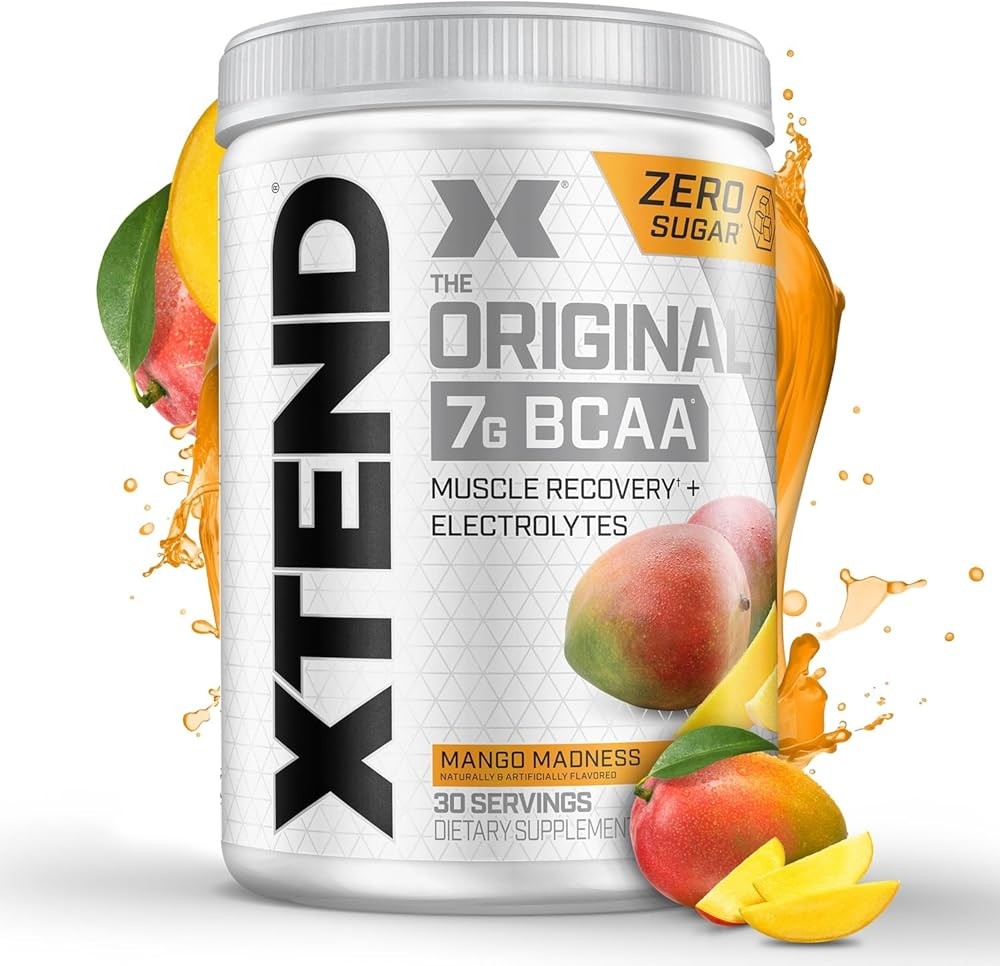
Xtend Original BCAA Powder, 7g BCAAs and 2.5g L-Glutamine for Muscle Recovery Hydration and Lean Muscle, Sugar Free I...
Check Price on AmazonAs an Amazon Associate we earn from qualifying purchases.
Xtend Original BCAA Powder combines 7g of BCAAs in a clinically studied 2:1:1 ratio with 2.5g of L-glutamine per serving, making it a comprehensive recovery formula. The added electrolytes support hydration during training, while the glutamine content addresses both muscle recovery and gut health. This is our top pick for athletes who want both BCAAs and glutamine in a single, well-formulated product.
Best Budget: Xtend Original BCAA with Glutamine

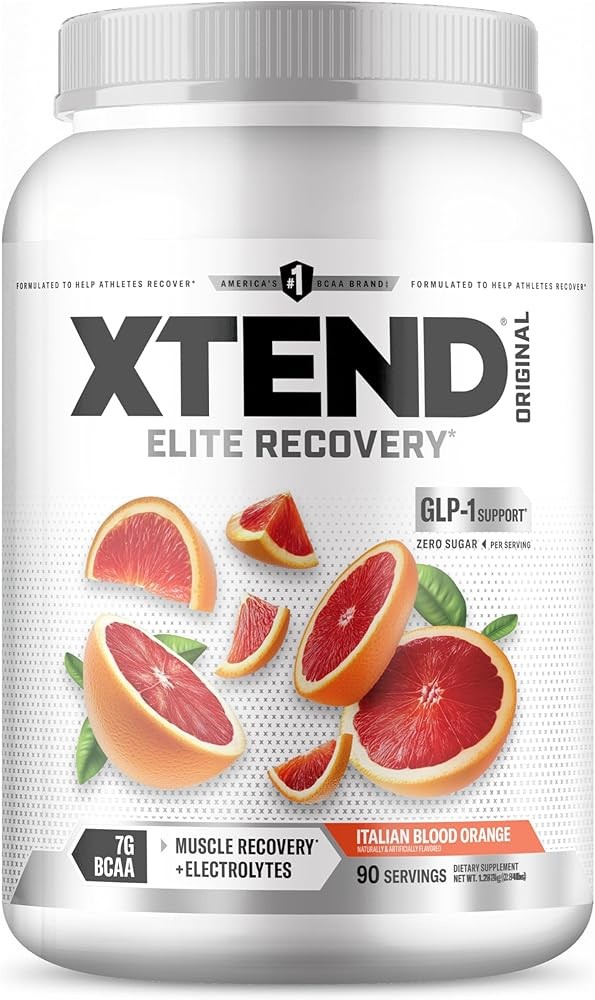
Xtend Original BCAA Powder 7g BCAA and 2.5g L-Glutamine, Sugar Free Post Workout Muscle Recovery Drink with Amino Aci...
Check Price on AmazonAs an Amazon Associate we earn from qualifying purchases.
This budget-friendly version of Xtend Original delivers 7g BCAAs plus 2.5g L-glutamine per serving at a lower price point. It provides the same core benefits as the premium version with electrolyte support for hydration. This is the best choice for athletes who want both amino acid types affordably.
Best for Complete Aminos: BodyHealth PerfectAmino Powder
BodyHealth PerfectAmino provides all nine essential amino acids including BCAAs in a pre-optimized ratio for maximum protein synthesis. This addresses the fundamental limitation of BCAA-only supplements by providing all the amino acids needed to actually build muscle protein. While more expensive, it delivers superior recovery support for serious athletes.
Best All-in-One Stack: Clean Nutra Creatine + BCAA Complex
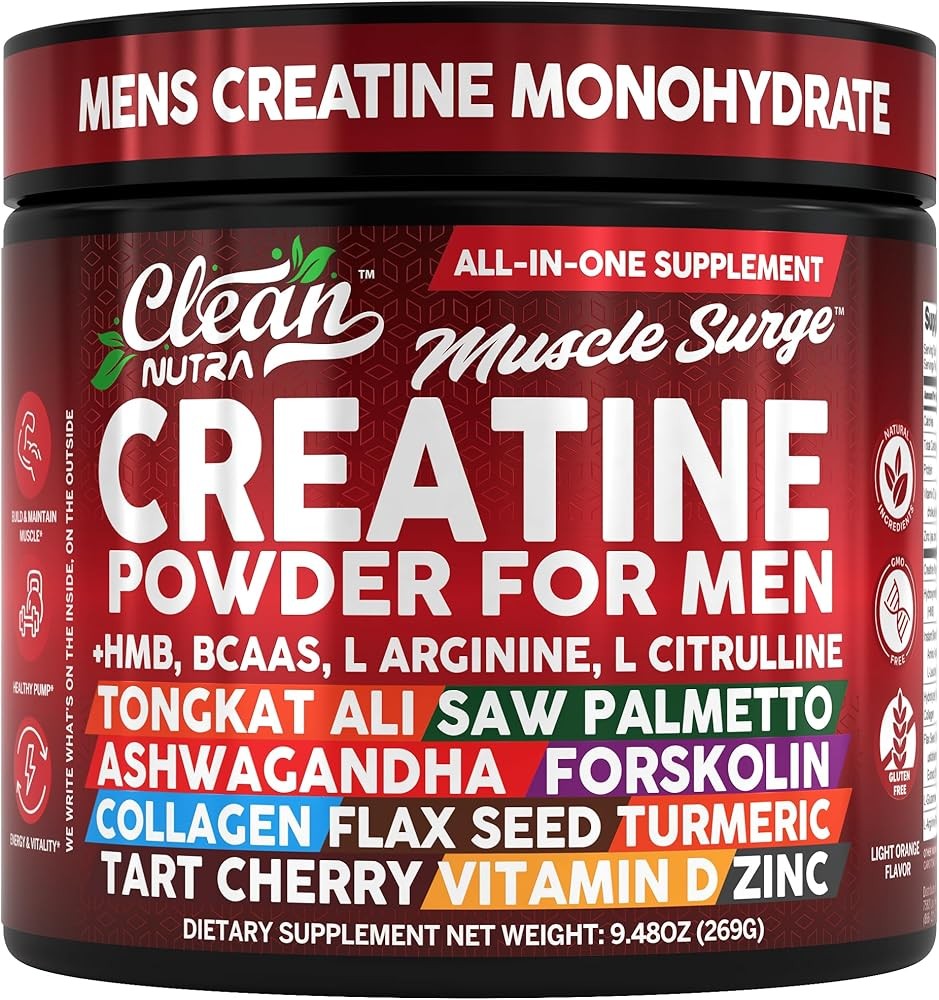
Clean Nutra Creatine Powder for Men + HMB BCAA L Arginine L Citrulline Tongkat Ali Saw Palmetto Ashwagandha Collagen ...
Check Price on AmazonAs an Amazon Associate we earn from qualifying purchases.
Clean Nutra combines creatine monohydrate with BCAAs, HMB, L-arginine, L-citrulline, and adaptogenic herbs (tongkat ali, ashwagandha) in a comprehensive recovery and performance stack. This all-in-one approach eliminates the need for multiple separate supplements, though individual ingredient doses may be lower than standalone products.
Beyond Glutamine and BCAAs: Other Recovery Supplements Worth Knowing
Neither glutamine nor BCAAs exist in a vacuum. Several other supplements have strong or emerging evidence for recovery, and understanding where they fit helps you build a smarter supplement stack.
Essential Amino Acids (EAAs): The Superior Alternative to BCAAs
EAA supplements contain all nine essential amino acids, including the three BCAAs. This addresses the fundamental limitation of BCAAs – the lack of the other six essential amino acids needed to actually build muscle protein.
The International Society of Sports Nutrition’s position stand on EAA supplementation (PMC10561576) affirmed that EAA supplementation supports skeletal muscle protein synthesis and performance. Research has shown that the stimulatory effect of BCAAs on muscle protein synthesis is less than the response to a complete essential amino acid source (PMID: 37681443). For a detailed comparison of these two supplements, see our article on BCAA vs EAA.
Typical EAA dose: 6-12g per serving, providing at least 2.5g leucine plus all other essential amino acids.
HMB (Beta-Hydroxy Beta-Methylbutyrate): The Leucine Metabolite
HMB is a metabolite of leucine – your body converts roughly 5% of dietary leucine into HMB. It has been studied for its anti-catabolic properties and potential to reduce exercise-induced muscle damage.
Evidence for HMB:
- An umbrella review of meta-analyses (PMC11724150) found that HMB supplementation may enhance muscle hypertrophy and strength, particularly in untrained individuals or during periods of high physical stress
- HMB appears to attenuate exercise-induced muscle damage and may enhance regenerative capacity
- However, recent well-controlled studies in trained individuals have shown no significant effect on muscle mass or strength
- HMB may be most useful during periods of muscle disuse (injury recovery, bed rest, sarcopenia) rather than for active athletes
Typical HMB dose: 3g per day, split into 1g doses three times daily. Our guide to the best HMB supplements covers this in more detail.
Citrulline Malate: The Blood Flow Enhancer
Citrulline malate combines the amino acid L-citrulline with malic acid (malate). It enhances nitric oxide production, which dilates blood vessels and improves blood flow to working muscles. This may support recovery through enhanced nutrient delivery and waste product removal.
Evidence for citrulline malate:
-
A systematic review and meta-analysis (PMID: 33308806) found that citrulline supplementation significantly reduced ratings of perceived exertion (RPE) and muscle soreness at 24 and 48 hours post-exercise
-
Citrulline may improve ammonia clearance and ATP production via the malate component
-
Evidence remains somewhat mixed, but the direction is positive for both performance and recovery
Typical dose: 6-8g of citrulline malate (2:1 ratio) pre-workout, or 3-6g of pure L-citrulline. For a full breakdown, see our article on citrulline malate for performance.
Tart Cherry Juice: The Natural Anti-Inflammatory
Tart cherry juice concentrate is one of the most interesting recovery aids in sports nutrition, backed by growing clinical evidence.
Evidence for tart cherry juice:
- A systematic review and meta-analysis (PMID: 33440334) found that tart cherry supplementation improved recovery from strenuous exercise, specifically enhancing maximal voluntary isometric contraction (MVIC) recovery and reducing inflammatory markers IL-6 and IL-8
- A 2025 systematic review (PMC11918606) further confirmed beneficial effects on muscular function and inflammatory biomarkers after exercise-induced muscle damage
- The anthocyanins in tart cherries increase expression of endogenous antioxidant enzymes while scavenging reactive oxygen species
- Timing matters: evidence consistently shows that consuming tart cherry for several days before exercise provides the greatest benefit for post-exercise recovery
Typical dose: 30ml of tart cherry concentrate (diluted in water) twice daily, starting 4-5 days before intense training or competition.
The Smart Recovery Stack (Ranked by Evidence and Value)
If you want to maximize recovery with supplements, here is how we would rank them by evidence quality and cost-effectiveness:
- Creatine monohydrate (5g/day) – strongest evidence of any supplement, dirt cheap, supports recovery through cellular energy. See our guide to the best creatine supplements.
- Whey protein (to reach 1.6-2.2g/kg/day total protein) – provides all amino acids including BCAAs and glutamine. Our protein powder guide covers the best options.
- Tart cherry juice concentrate – genuine anti-inflammatory and recovery benefits at moderate cost
- L-Glutamine (5-10g/day) – valuable for gut health, immune support during heavy training
- EAAs (6-12g around training) – superior to BCAAs if you need supplemental amino acids
- Citrulline malate (6-8g pre-workout) – improves blood flow, reduces soreness
- BCAAs (5-10g) – useful in specific contexts (fasted training, caloric deficit) but often redundant
Which Should You Choose? The Decision Framework
Choose Glutamine If:
- You train at very high volumes (10+ hours per week or twice daily) and experience frequent illness or chronic fatigue
- You have gut health issues – bloating, GI distress during exercise, food sensitivities, or diagnosed intestinal permeability
- You are an endurance athlete training in heat, where exercise-induced gut permeability is well documented
- You are preparing for competition and need to maintain immune function under peak training stress
- Budget is a concern – glutamine is 3-5x cheaper per serving than BCAAs
- You are recovering from illness or surgery and need to support immune function and tissue repair
- You are already eating adequate protein and getting enough BCAAs from whole food sources
Choose BCAAs If:
- You train fasted regularly and want to minimize muscle protein breakdown during sessions
- Muscle soreness is your primary concern and you want to reduce DOMS recovery time
- You are in a significant caloric deficit and want modest anti-catabolic protection
- You want a flavored intra-workout drink that also provides amino acids (many people use flavored BCAAs as a hydration enhancer)
- You struggle to eat enough protein from whole food sources and need a convenient amino acid supplement
- You enjoy long training sessions (90+ minutes) and want to reduce central fatigue
Choose Both If:
- You are a competitive athlete with high training demands and the budget to support a comprehensive supplement stack
- You have both muscle soreness issues and gut health concerns
- You are in an intensive training camp or overreaching phase where maximizing every recovery avenue matters
Choose Neither and Invest Elsewhere If:
-
You eat 1.6-2.2g of protein per kg body weight daily from varied sources and are not experiencing recovery issues
-
Your sleep, stress management, and nutrition fundamentals are not optimized – fix these first as they provide far more recovery benefit than any supplement
-
Budget is very tight – creatine monohydrate (5g/day at roughly $0.10/serving) offers dramatically more evidence-based recovery benefit per dollar than either glutamine or BCAAs
-
You are a recreational exerciser training 3-4 times per week at moderate intensity – your recovery demands are unlikely to require supplemental amino acids
A Practical Recovery Protocol
For those who want a concrete, actionable plan, here is a sample daily protocol that incorporates these supplements intelligently:
Training Day Protocol
Morning (if training fasted):
- 5g BCAAs 15-20 minutes before training
- OR skip BCAAs and have a protein-rich breakfast 60-90 minutes before training
During training (sessions over 60 minutes):
- Water with electrolytes
- Optional: 5g BCAAs sipped throughout (especially for 90+ minute sessions)
Post-workout (within 60 minutes):
- 25-30g whey protein (provides BCAAs + glutamine + all EAAs naturally)
- 5g L-glutamine (mix into protein shake or water)
- 5g creatine monohydrate
Before bed:
- 5g L-glutamine (supports overnight gut repair and immune function)
- Optional: 30ml tart cherry concentrate in water (anti-inflammatory support)
Rest Day Protocol
Morning:
- 5g L-glutamine with breakfast (gut health maintenance)
- 5g creatine monohydrate
Before bed:
- 5g L-glutamine
- Optional: tart cherry concentrate
During Heavy Training Blocks or Competition Prep
Increase glutamine to 15-20g per day split across 3-4 doses, particularly if you notice signs of immunosuppression (frequent illness, slow wound healing, persistent fatigue). Consider adding HMB at 3g per day if training load is exceptionally high and muscle soreness is a significant limiter.
Common Questions About Glutamine
What are the benefits of glutamine?
Glutamine has been studied for various potential health benefits. Research suggests it may support several aspects of health and wellness. Individual results can vary. The strength of evidence differs across different claimed benefits. More high-quality research is often needed. Always review the latest scientific literature and consult healthcare professionals about whether glutamine is right for your health goals.
Is glutamine safe?
Glutamine is generally considered safe for most people when used as directed. However, individual responses can vary. Some people may experience mild side effects. It’s important to talk with a healthcare provider before using glutamine, especially if you have existing health conditions, are pregnant or nursing, or take medications.
How much glutamine should I take?
The appropriate dosage of glutamine can vary based on individual factors, health goals, and the specific product formulation. Research studies have used different amounts. Always start with the lowest effective dose and follow product label instructions. Consult a healthcare provider for personalized dosage recommendations based on your specific needs.
What are the side effects of glutamine?
Most people tolerate glutamine well, but some may experience mild side effects. Common reported effects can include digestive discomfort, headaches, or other minor symptoms. Serious side effects are rare but possible. If you experience any unusual symptoms or reactions, discontinue use and consult a healthcare provider. Always inform your doctor about all supplements you take.
When should I take glutamine?
The optimal timing for taking glutamine can depend on several factors including its absorption characteristics, potential side effects, and your daily routine. Some supplements work best with food, while others are better absorbed on an empty stomach. Follow product-specific guidelines and consider consulting a healthcare provider for personalized timing recommendations.
Can I take glutamine with other supplements?
Glutamine is a topic of ongoing research in health and nutrition. Current scientific evidence provides some insights, though more studies are often needed. Individual responses can vary significantly. For personalized advice about whether and how to use glutamine, consult with a qualified healthcare provider who can consider your complete health history and current medications.
How long does glutamine take to work?
The time it takes for glutamine to work varies by individual and depends on factors like dosage, consistency of use, and individual metabolism. Some people notice effects within days, while others may need several weeks. Research studies typically evaluate effects over weeks to months. Consistent use as directed is important for best results. Keep a journal to track your response.
Who should not take glutamine?
Glutamine is a topic of ongoing research in health and nutrition. Current scientific evidence provides some insights, though more studies are often needed. Individual responses can vary significantly. For personalized advice about whether and how to use glutamine, consult with a qualified healthcare provider who can consider your complete health history and current medications.
Frequently Asked Questions
See the FAQ section in the page metadata for common questions about glutamine vs bcaa.
Additional Questions
Does cooking destroy glutamine in food? Heat degrades free-form glutamine, but protein-bound glutamine in meat, eggs, and dairy is more stable during cooking. You lose some glutamine through cooking, particularly with high-heat methods like grilling or frying, but boiling and stewing retain more. This is one argument for supplemental glutamine – the free-form powder is taken without heat exposure.
Should I cycle glutamine and BCAAs? There is no evidence that cycling either supplement is necessary. Your body does not develop tolerance to amino acids the way it might to stimulants. Continuous use at standard doses is safe and practical. However, some practitioners recommend periodic higher-dose glutamine phases (15-20g/day for 2-4 weeks) during heavy training blocks, returning to a maintenance dose of 5g/day during lighter periods.
Are BCAAs a waste of money if I drink a protein shake after training? Largely, yes. A 25-30g serving of whey protein provides approximately 5.5g of BCAAs (including about 2.5g of leucine) plus all other essential amino acids. Adding supplemental BCAAs on top of a protein shake provides minimal additional benefit for muscle protein synthesis. The exception would be if you specifically want BCAAs for the taste and hydration benefit during your workout before your post-workout shake.
What about BCAAs for women? Interesting emerging research suggests sex differences in BCAA response. One review noted that men appear to benefit more from leucine in terms of strength enhancement, while women may demonstrate greater improvements in muscle recovery parameters such as reduced DOMS. More research is needed, but BCAAs may be particularly useful for women focused on recovery rather than raw strength gains.
Is glutamine good for leaky gut? Yes, glutamine has the strongest evidence of any single supplement for supporting intestinal barrier integrity. It is the primary fuel for enterocytes, supports tight junction protein expression, and has been shown in clinical trials to reduce intestinal permeability. The dose needed for meaningful gut barrier effects appears to be higher than the standard 5g – research suggests 15-30g per day for active gut healing, with 5-10g per day for maintenance.
Can vegans get enough glutamine and BCAAs from diet alone? Plant proteins contain both glutamine and BCAAs but in lower concentrations than animal proteins. Vegans eating varied protein sources (legumes, soy, grains, nuts, seeds) typically get adequate amounts, but those training intensely may benefit more from supplementation than their omnivore counterparts. Both L-glutamine and BCAA supplements are available in vegan-friendly forms (derived from fermentation rather than animal sources).
How long does it take to notice effects from glutamine or BCAAs? BCAA effects on muscle soreness can be noticed within 1-2 training sessions. Glutamine’s gut health benefits typically take 1-2 weeks to become noticeable, while immune benefits may take 2-4 weeks of consistent use during heavy training to become apparent. Neither supplement produces dramatic overnight changes – they are incremental recovery tools, not performance-enhancing drugs.
Related Articles
- Bcaa vs Eaa: Which Is Better? [Complete Comparison Guide]
- Multivitamin vs Individual Supplements: Which Is Better? [Complete Comparison Guide]
- 5-Htp vs L-Tryptophan For Mood: Which Is Better? [Complete Comparison Guide]
- Apple Cider Vinegar vs Digestive Enzymes For Digestion: Which Is Better? [Complete Comparison Guide]
- Berberine vs Metformin For Blood Sugar: Which Is Better? [Complete Comparison Guide]
If you’re weighing glutamine against BCAAs for recovery, it’s worth considering how these amino acids fit into a broader supplement strategy—especially alongside options explored in our complete comparison guide and our breakdown of whether the best BCAA supplements are actually worth the investment. Recovery and performance don’t exist in isolation, so pairing amino acid support with a well-rounded strength training supplement stack and nutrition strategies like testosterone-boosting foods versus supplements can make a meaningful difference in long-term results. For those whose training demands extend into joint comfort, our guide to supplements for joint pain and arthritis in women over 40 offers complementary support worth considering.
For athletes looking to optimize their training stack, understanding how recovery supplements fit alongside other performance aids can make a real difference—our guide on building a strength training supplement stack breaks down how glutamine and BCAAs can complement other key nutrients. If you’re still weighing whether BCAAs are worth the investment, the BCAA worth-it analysis offers a closer look at the evidence. Recovery and hormonal balance often go hand in hand, so exploring testosterone-boosting foods versus supplements can round out your approach to muscle growth. Beyond physical performance, supporting cognitive recovery with the right nootropic supplements may help maintain focus during intense training cycles, and pairing that with a quality Lion’s Mane supplement could further support overall well-being.
For more context, see our guides on Creatine vs Beta-Alanine For Performance: Which Is Better? [Complete Comparison Guide], Whey Isolate vs Whey Concentrate: Which Is Better? [Complete Comparison Guide], Spirulina vs Chlorella: Which Is Better? [Complete Comparison Guide], and Whey Protein vs Casein Protein: Which Is Better? [Complete Comparison Guide].
Related Reading
- Bcaa vs Eaa: Which Is Better? [Complete Comparison Guide]
- Creatine vs Beta-Alanine For Performance: Which Is Better? [Complete Comparison Guide]
- Whey Isolate vs Whey Concentrate: Which Is Better? [Complete Comparison Guide]
- Creatine Monohydrate vs Creatine Hcl: Which Is Better? [Complete Comparison Guide]
- Spirulina vs Chlorella: Which Is Better? [Complete Comparison Guide]
- Whey Protein vs Casein Protein: Which Is Better? [Complete Comparison Guide]
- Glucosamine vs Chondroitin: Which Is Better? [Complete Comparison Guide]
References
- Wolfe RR. Branched-chain amino acids and muscle protein synthesis in humans: myth or reality? J Int Soc Sports Nutr. 2017;14:30. PubMed PMID: 28852372
- Jackman SR, et al. Branched-chain amino acid ingestion stimulates muscle myofibrillar protein synthesis following resistance exercise in humans. Front Physiol. 2017;8:390. PubMed PMID: 28638350
- Fouré A, Bendahan D. Is branched-chain amino acids supplementation an efficient nutritional strategy to alleviate skeletal muscle damage? A systematic review. Nutrients. 2017;9(10):1047. PubMed PMID: 28870476
- Rahimi MH, et al. Branched-chain amino acid supplementation and exercise-induced muscle damage in exercise recovery: A meta-analysis of randomized clinical trials. Nutrition. 2017;42:30-36. PubMed PMID: 28870476
- Fedewa MV, et al. Effect of branched-chain amino acid supplementation on muscle soreness following exercise: a meta-analysis. Int J Vitam Nutr Res. 2019;89(5-6):348-356. PubMed PMID: 33440334
- Meng K. Effect of Timing of Branched-Chain Amino Acid Supplementation on Muscle Recovery after Resistance Training in Healthy Males. Am J Mens Health. 2025;19(1). DOI: 10.1177/15579883251332731
- Arroyo-Cerezo A, et al. Branched-Chain Amino Acids Supplementation and Post-Exercise Recovery: An Overview of Systematic Reviews. J Am Nutr Assoc. 2024;43(3):246-256. PubMed PMID: 38241335
- Diaz Bergara J, Hoffer NV. Attenuating Muscle Damage Biomarkers and Muscle Soreness After an Exercise-Induced Muscle Damage with BCAA Supplementation: A Systematic Review and Meta-analysis. Sports Med Open. 2024;10(1):48.
- Church DD, et al. Essential amino acids and protein synthesis: insights into maximizing the muscle and whole-body response to feeding. Nutrients. 2020;12(12):3717. PubMed PMID: 33276485
- Jackman SR, et al. The effects of branched-chain amino acids on muscle protein synthesis, muscle protein breakdown and associated molecular signalling responses in humans: an update. Nutr Res Rev. 2023;1-14. PubMed PMID: 37681443
- Plotkin DL, et al. Isolated branched-chain amino acid intake and muscle protein synthesis in humans: a biochemical review. J Int Soc Sports Nutr. 2019;16(1):35. PubMed PMID: 31356595
- Cruzat V, et al. Glutamine: Metabolism and Immune Function, Supplementation and Clinical Translation. Nutrients. 2018;10(11):1564. PubMed PMID: 30360490
- Coqueiro AY, et al. Glutamine as an anti-fatigue amino acid in sports nutrition. Nutrients. 2019;11(4):863. PubMed PMID: 30999267
- Gleeson M. Dosing and efficacy of glutamine supplementation in human exercise and sport training. J Nutr. 2008;138(10):2045S-2049S. PubMed PMID: 18806122
- Song QH, et al. Glutamine supplementation and immune function during heavy load training. Int J Clin Pharmacol Ther. 2015;53(5):372-376. PubMed PMID: 25740264
- Khemtong C, et al. Supplementation of L-glutamine enhanced mucosal immunity and improved hormonal status of combat-sport athletes. J Int Soc Sports Nutr. 2024;21(1):2302399. PubMed PMID: 38193521
- Legault Z, et al. The influence of oral L-glutamine supplementation on muscle strength recovery and soreness following unilateral knee extension eccentric exercise. Int J Sport Nutr Exerc Metab. 2015;25(5):417-426. PubMed PMID: 25811544
- Raizel R, et al. Effect of glutamine supplementation on muscular damage biomarkers in professional basketball players. Nutrients. 2021;13(6):2073. PubMed PMID: 34204359
- Holecek M, et al. The effect of glutamine supplementation on athletic performance, body composition, and immune function: A systematic review and a meta-analysis of clinical trials. Clin Nutr. 2019;38(3):1076-1091. PubMed PMID: 29784526
- Soares ADN, et al. A systematic review and meta-analysis of clinical trials on the effects of glutamine supplementation on gut permeability in adults. Amino Acids. 2024;56(1):62. PubMed PMID: 39397201
- Pugh JN, et al. Glutamine supplementation reduces markers of intestinal permeability during running in the heat in a dose-dependent manner. Eur J Appl Physiol. 2017;117(12):2569-2577. PubMed PMID: 29058112
- Rao RK, Samak G. Role of glutamine in protection of intestinal epithelial tight junctions. J Epithel Biol Pharmacol. 2012;5(Suppl 1-M7):47-54. PubMed PMID: 24965526
- Zuhl M, et al. Glutamine and the regulation of intestinal permeability: from bench to bedside. Curr Opin Clin Nutr Metab Care. 2017;20(1):86-91. PubMed PMID: 27749689
- Zhou Q, et al. Randomised placebo-controlled trial of dietary glutamine supplements for postinfectious irritable bowel syndrome. Gut. 2019;68(6):996-1002. PubMed PMID: 30108163
- Jäger R, et al. International society of sports nutrition position stand: essential amino acid supplementation on skeletal muscle and performance. J Int Soc Sports Nutr. 2023;20(1):2263409. PMC: PMC10561576
- Trexler ET, et al. Citrulline and post-exercise performance: a systematic review and meta-analysis. J Strength Cond Res. 2019;33(12):e71. PubMed PMID: 33308806
- Doma K, et al. Tart cherry supplementation and recovery from strenuous exercise: a systematic review and meta-analysis. Int J Sport Nutr Exerc Metab. 2021;31(2):154-167. PubMed PMID: 33440334
- Silva LA, et al. HMB supplementation: clinical and athletic performance-related effects and mechanisms of action. J Am Coll Nutr. 2008;27(5):539-546. PubMed PMID: 20607321
Recommended Products