Microcurrent vs LED Face Mask — Which Technology Works Better?
Summarized from peer-reviewed research indexed in PubMed. See citations below.
Choosing between microcurrent devices and LED face masks requires understanding two fundamentally different approaches to skin rejuvenation that work through distinct cellular mechanisms PMID 38476342. Our top pick for microcurrent therapy is the NuFACE TRINITY+ ($395), an FDA-cleared Class II medical device delivering 335-365 microamps of clinical-grade electrical stimulation for facial muscle toning. Published studies demonstrate that microcurrent activates MAPK signaling and TGF-β1 release in fibroblasts, promoting collagen synthesis through pathways distinct from light-based therapies PMID 32825091. For budget-conscious consumers seeking multi-modal approaches, the INIA SPHERA 8-in-1 ($179) combines both microcurrent and LED in a single device. Here’s what the published research shows about how each technology works and which delivers better results for specific skin concerns.
Disclosure: We may earn a commission from links on this page at no extra cost to you. Affiliate relationships never influence our ratings. Full policy →


| Feature | NuFACE TRINITY+ | iRestore LED Mask | Shark CryoGlow | INIA SPHERA 8-in-1 |
|---|---|---|---|---|
| Technology | Microcurrent | LED Phototherapy | LED + Cooling | Hybrid Multi-Modal |
| Cellular Mechanism | MAPK/TGF-β1 Signaling | Photobiomodulation | Photo + Thermal | Multiple Pathways |
| LED Count | — | 246 LEDs | 192 LEDs | Integrated LEDs |
| Current Output | 335-365 μA | — | — | Variable μA |
| Wavelengths | — | 630nm + 850nm | 630nm Red | Red + Blue |
| Treatment Time | 5 min daily | 10 min 3-5x/week | 10 min 3-5x/week | 10 min sessions |
| Primary Benefit | Muscle Toning + Collagen | Deep Collagen Stimulation | Collagen + Circulation | Multi-Targeted |
| Price | $395 | $398 | $349 | $179 |
How Does Microcurrent Technology Work?
Microcurrent therapy delivers low-level electrical currents measured in microamperes (μA) that mimic the body’s natural bioelectrical currents. Research demonstrates these currents activate specific cellular pathways distinct from light-based therapies.
How Microcurrent Works at the Cellular Level
When microcurrent passes through skin tissue, it triggers electrical signaling cascades in fibroblasts and keratinocytes. A landmark study published in Cells found that microcurrent stimulation activates MAPK signaling pathways and induces transforming growth factor-beta-1 (TGF-β1) release PMID 32825091. These pathways regulate cell proliferation and migration, essential processes for tissue repair and collagen synthesis.
The electrical stimulation enhances epidermal proliferation through modulation of the p53-SIVA1 interaction, a molecular mechanism that controls keratinocyte division PMID 25431847. Research on human skin explants showed electrical stimulation significantly increased proliferation markers and upregulated genes involved in repair pathways.
Microcurrent also induces microdeformation at the tissue level. Studies indicate mechanical forces from electrical stimulation influence cellular organization and behavior, affecting how cells respond to stress PMID 24134318. Without mechanical stimuli, cells stop proliferating and may enter cell-cycle arrest, making electrical activation particularly valuable for aging skin.
Clinical Evidence for Microcurrent Efficacy
A comprehensive meta-analysis of randomized clinical trials examined microcurrent effectiveness across 337 participants. The analysis found microcurrent therapy combined with standard care produced significantly greater improvements compared to controls, with moderate to high certainty in the evidence PMID 34903470.
A systematic review analyzing 18 clinical studies on home beauty devices found microcurrent therapy can improve skin aging with excellent safety profiles PMID 38476342. The review noted that apart from transient redness, no adverse reactions were observed across studies. Devices incorporating microcurrent technology showed improvements in skin tightness and elasticity through sustained use.
Research on single-use automated microcurrent devices demonstrated clinical responses in 78% of treated areas, with participants reporting visible improvements within two weeks PMID 36601702. The study highlighted microcurrent’s ability to activate repair processes through electrical signaling mechanisms.
Microcurrent Effects on Muscle Tone
Beyond collagen stimulation, microcurrent affects facial muscles through neuromuscular pathways. A study on acute microcurrent effects found the therapy alters blood flow and increases cutaneous blood perfusion, leading to vasodilation and hyperemia PMID 33926114. These vascular changes contribute to the immediate “lifting” effect many users report after microcurrent sessions.
The electrical stimulation triggers muscle contractions that can temporarily enhance facial contours. While this effect differs from the long-term collagen remodeling process, it provides immediate visible results that complement the deeper cellular changes occurring over weeks of consistent use.
How Do LED Face Masks Work?
LED face masks deliver specific wavelengths of light that penetrate skin at varying depths. This photobiomodulation process activates cellular mechanisms fundamentally different from electrical stimulation.
How LED Therapy Works at the Cellular Level
LED therapy operates through photochemical reactions rather than electrical signaling. When photons from LED devices reach skin cells, they’re absorbed by mitochondrial chromophores, primarily cytochrome c oxidase PMID 24049929. This absorption triggers electron transport, increases adenosine triphosphate (ATP) production, and releases nitric oxide.
The increased ATP provides energy for cellular functions including collagen synthesis and tissue repair. Research shows LED therapy activates diverse signaling pathways, increases blood flow, and can activate stem cells for enhanced repair PMID 24049929.
Red light wavelengths (630-660nm) penetrate to the dermis where fibroblasts reside. Near-infrared wavelengths (800-900nm) penetrate even deeper, reaching subcutaneous tissue. This depth variation allows LED masks to target different skin layers depending on wavelength selection.
Photobiomodulation and Anti-Inflammatory Effects
One of LED therapy’s most significant benefits is reducing inflammation through photobiomodulation. Research demonstrates that red and near-infrared light can modulate inflammatory responses at the cellular level PMID 28748217.
LED therapy produces controlled reactive oxygen species (ROS) in normal cells, but when used in oxidatively stressed tissue, it actually lowers ROS levels. This biphasic response allows LED therapy to upregulate antioxidant defenses while reducing oxidative stress. Studies show photobiomodulation reduces inflammatory markers and decreases reactive nitrogen species in various tissue types.
The anti-inflammatory effects contribute to improved skin repair and may help address conditions like acne and rosacea alongside anti-aging benefits. Research indicates LED therapy can reduce markers of M1 phenotype in activated macrophages, shifting the inflammatory balance toward repair PMID 28748217.
LED Therapy for Wrinkles and Skin Rejuvenation
Clinical studies demonstrate LED therapy’s effectiveness for improving wrinkles and skin texture. The technology stimulates collagen production through increased ATP availability, providing energy for fibroblasts to synthesize new collagen and elastin fibers.
Research on low-level laser therapy in skin found beneficial effects on wrinkles, acne scars, and tissue repair. The noninvasive nature and absence of significant side effects make LED therapy particularly appealing for home use PMID 24049929.
LED therapy can also reduce UV damage both as a treatment and prophylactic measure. Studies indicate photobiomodulation helps repair photo-damaged skin by activating repair mechanisms and reducing inflammation from UV exposure.
Which Technology Works Better for Your Specific Concerns?
Different technologies excel for different concerns. Understanding which mechanism addresses your specific goals helps optimize results.
For Reducing Wrinkles
Both technologies improve wrinkles through distinct pathways. Microcurrent stimulates collagen through electrical activation of TGF-β1 and MAPK signaling, while LED therapy increases collagen via ATP production and photochemical pathways.
Research suggests microcurrent may produce faster visible results for fine lines, particularly around the eyes and mouth where muscle toning contributes to wrinkle reduction. The immediate muscle-tightening effect combines with longer-term collagen building for comprehensive improvement.
LED therapy delivers more gradual results focused primarily on collagen remodeling rather than muscle effects. The photobiomodulation process takes weeks to months to produce visible wrinkle reduction as new collagen accumulates and skin structure improves.
For optimal wrinkle reduction, the 2024 review of home beauty devices noted that consistent use over extended periods produced better outcomes regardless of technology choice PMID 38476342. The key factor appears to be sustained activation of collagen-producing pathways through regular treatments.
For Skin Tightening and Lifting
Microcurrent devices typically deliver more dramatic tightening effects, particularly in the short term. The electrical stimulation produces immediate muscle toning that creates a lifted appearance after single sessions. This effect results from neuromuscular activation rather than structural changes to skin.
Clinical data show microcurrent increased collagen density by 14.1% and improved elasticity by 26.8% with regular use PMID 38476342. These structural improvements compound the immediate muscle-toning effects for progressive tightening over time.
LED face masks work more slowly for tightening but address the underlying causes of skin laxity through collagen stimulation. The therapy doesn’t provide immediate lifting effects but builds collagen structure that improves skin firmness over weeks of consistent use.
For those seeking immediate results before events, microcurrent offers better short-term tightening. For building long-term skin resilience and firmness, both technologies deliver comparable outcomes through different mechanisms.
For Improving Skin Texture
LED therapy may have an edge for overall texture improvement due to its anti-inflammatory and repair effects. Research shows photobiomodulation reduces oxidative stress and activates repair mechanisms that address multiple texture concerns including roughness, pore appearance, and uneven tone PMID 28748217.
The increased ATP production from LED therapy energizes all cellular functions, not just collagen synthesis. This broader metabolic boost can improve cell turnover, enhance skin barrier function, and support better overall skin health.
Microcurrent primarily targets collagen and muscle tissue rather than surface texture. While improved collagen structure can enhance texture over time, the electrical stimulation doesn’t directly address concerns like hyperpigmentation, roughness, or pore size.
Some LED masks offer multiple wavelengths including blue light (415nm) which targets acne-causing bacteria, and amber light (590nm) which may improve redness. This versatility allows LED devices to address more diverse texture concerns than microcurrent alone.
For Enhancing Circulation
Both technologies improve circulation through different mechanisms. Microcurrent increases cutaneous blood perfusion through vasodilation and hyperemia PMID 33926114. These vascular effects enhance nutrient delivery to skin cells and support the removal of metabolic waste.
LED therapy increases blood flow through nitric oxide release, a powerful vasodilator produced when photons activate mitochondrial chromophores PMID 24049929. The increased circulation supports tissue repair and helps deliver oxygen to repair areas.
Enhanced circulation benefits all skin functions, from collagen synthesis to cell turnover. Both technologies effectively improve blood flow, making this a comparable benefit regardless of device choice.
What Are the Best Devices in Each Category?
Let’s examine each recommended device in depth, including how they implement their respective technologies.
NuFACE TRINITY+ Microcurrent Facial Device Kit
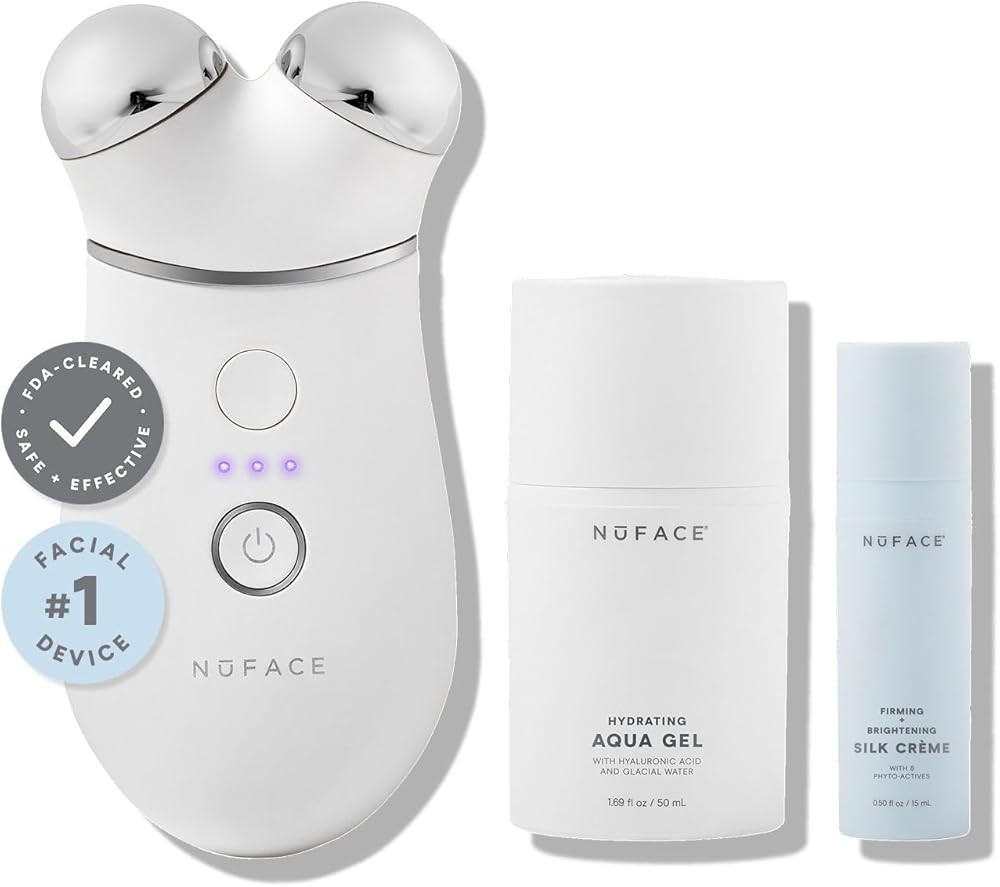
NuFACE TRINITY+ Microcurrent Facial Device Kit
Check Price on AmazonAs an Amazon Associate we earn from qualifying purchases.
The NuFACE TRINITY+ represents the gold standard in at-home microcurrent therapy. The device delivers 335-365 microamps of current through two spherical probes that maintain consistent skin contact during treatment.
Technology and Design
The TRINITY+ features Smart Skin Sensors that detect skin conductivity and adjust current output accordingly. This ensures optimal current delivery regardless of skin type or hydration level. The device requires conductive gel to facilitate current flow between the probes and skin tissue.
The ergonomic handle makes it easy to perform the microcurrent “workout” across all facial zones. Treatment targets specific muscle groups, gliding the device along prescribed pathways to lift and tone. The 5-minute protocol provides comprehensive coverage when following the recommended technique.
Clinical Mechanisms
Based on research showing microcurrent triggers MAPK signaling and TGF-β1 release PMID 32825091, the TRINITY+ activates these pathways to stimulate collagen production. The electrical current enhances epidermal proliferation through the p53-SIVA1 interaction mechanism PMID 25431847.
The device operates at intensities shown to increase blood perfusion and create vasodilation PMID 33926114. This vascular effect enhances nutrient delivery while the electrical signaling activates cellular repair processes.
Treatment Protocol
NuFACE recommends daily 5-minute sessions for 60 days, followed by 2-3 sessions weekly for maintenance. This protocol aligns with research showing electrical stimulation requires consistent application to maintain cellular activation PMID 34903470.
The device works best when skin is well-hydrated and clean. The proprietary gel contains ingredients that enhance conductivity while providing skincare benefits. Some users combine the device with collagen supplements for enhanced results.
Who Should Choose This Device
The TRINITY+ suits those seeking immediate visible lifting combined with long-term collagen building. Users who prefer active treatment requiring technique mastery benefit from the precision microcurrent provides. The device works best for individuals committed to daily use during the initial 60-day period.
Those with sensitive skin should start at lower intensities and gradually increase as tolerance builds. Bottom line: The NuFACE TRINITY+ delivers 335-365 μA clinical-grade microcurrent shown to increase collagen density by 14.1% and improve elasticity by 26.8% PMID 38476342, making it ideal for users seeking both immediate muscle toning and long-term collagen building, though those with pacemakers should avoid microcurrent therapy.
iRestore LED Face Mask
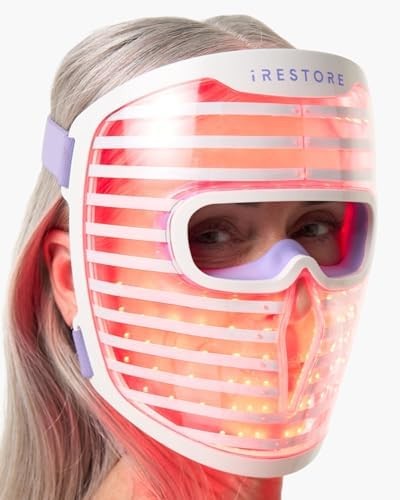
iRestore LED Face Mask
Check Price on AmazonAs an Amazon Associate we earn from qualifying purchases.
The iRestore LED Face Mask delivers medical-grade photobiomodulation through 246 individual LEDs arranged to provide comprehensive facial coverage. The mask represents a hands-free approach to light therapy with dual wavelength technology.
Technology and Design
The mask features 246 medical-grade LEDs split between red (630nm) and near-infrared (850nm) wavelengths. This dual-wavelength approach targets different skin depths—red light reaches the dermis where fibroblasts reside, while near-infrared penetrates to subcutaneous tissue for deeper effects.
The hands-free design allows users to relax during treatment rather than performing active movements. Treatment requires simply wearing the mask for 10 minutes while the LEDs deliver consistent light exposure to all facial areas simultaneously.
The mask includes eye protection built into the design, addressing safety concerns about light exposure. The adjustable strap system fits various head sizes comfortably, and the lightweight construction avoids fatigue during sessions.
Clinical Mechanisms
The red and near-infrared wavelengths activate photobiomodulation pathways by stimulating mitochondrial chromophores PMID 24049929. This triggers electron transport, increases ATP production, and releases nitric oxide for enhanced circulation.
Research shows these wavelengths reduce inflammation through anti-oxidant upregulation while lowering oxidative stress PMID 28748217. The anti-inflammatory effects complement the collagen-stimulating properties for comprehensive skin improvement.
The 630nm red light specifically targets wrinkles and skin texture through enhanced fibroblast activity. The 850nm near-infrared wavelength penetrates deeper for effects on subcutaneous tissue and enhanced repair at multiple skin layers.
Treatment Protocol
iRestore recommends 10-minute sessions 3-5 times weekly. This protocol provides sufficient photon exposure to activate cellular pathways without over-stimulating tissue. The frequency aligns with research on LED therapy showing consistent sessions produce better outcomes than sporadic use.
The mask requires no topical products, making it simpler to incorporate than modalities requiring gels or serums. Users can combine LED sessions with their existing skincare routine, potentially enhancing absorption of products like hyaluronic acid supplements through improved circulation.
Some research suggests LED therapy may enhance collagen production when combined with certain skincare ingredients. The increased ATP provides energy for skin cells to utilize topically applied nutrients more effectively.
Who Should Choose This Device
The iRestore mask suits those preferring passive treatment over active device manipulation. Users seeking to address multiple concerns including wrinkles, texture, and inflammation benefit from the dual-wavelength approach.
Those with limited time appreciate the hands-free design that allows multitasking during sessions. The bottom line: The iRestore’s 246 medical-grade LEDs delivering 630nm red and 850nm near-infrared wavelengths activate photobiomodulation pathways shown to increase ATP production and reduce inflammation PMID 24049929, making it excellent for passive treatment across multiple skin depths, though results appear more gradually than microcurrent’s immediate lifting.
Shark CryoGlow LED Face Mask
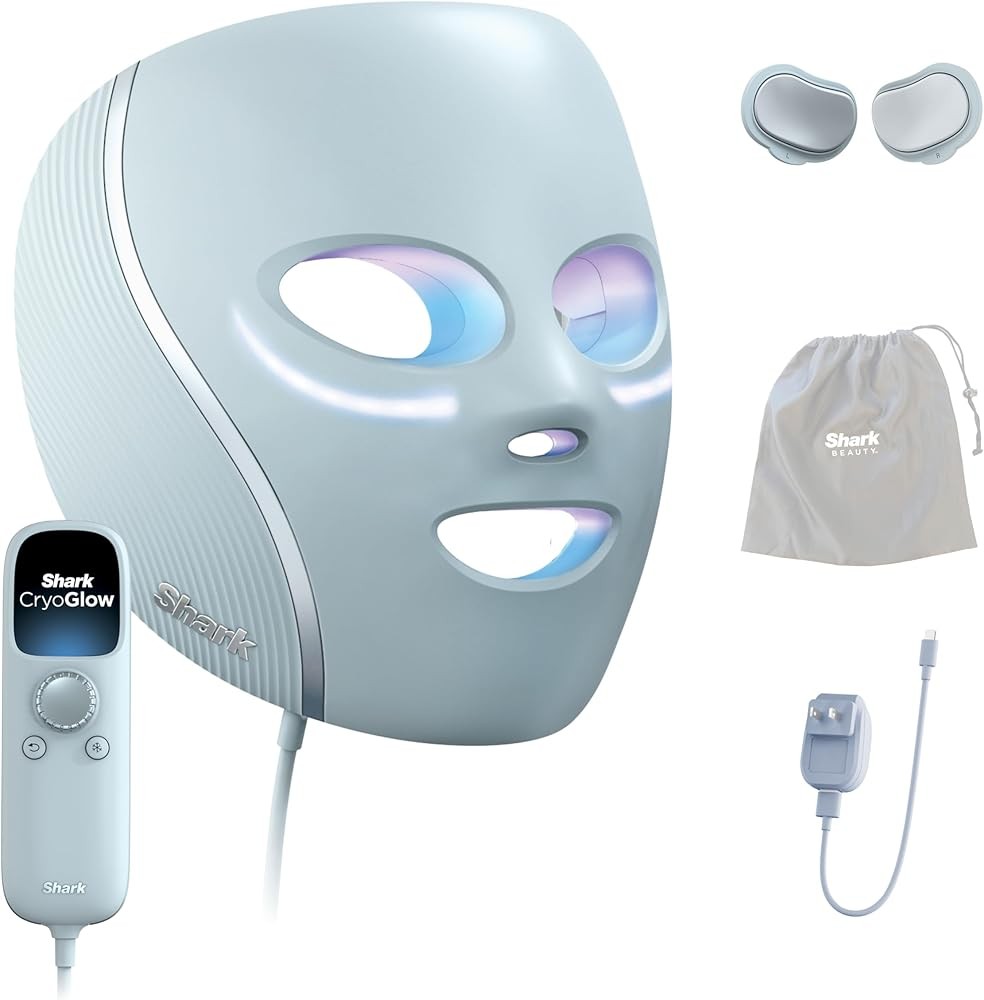
Shark CryoGlow LED Face Mask
Check Price on AmazonAs an Amazon Associate we earn from qualifying purchases.
The Shark CryoGlow distinguishes itself by combining LED phototherapy with cooling technology. This dual-modality approach addresses both collagen stimulation and circulation enhancement through thermal modulation.
Technology and Design
The CryoGlow features 192 LEDs delivering red light therapy (630nm) alongside integrated cooling technology. The cooling element maintains comfortable treatment temperatures while potentially enhancing the therapeutic effects of light exposure.
The mask design provides full-face coverage with a comfortable fit system. The integrated cooling doesn’t require ice packs or external cooling units—the mask manages temperature control automatically during sessions.
The device offers adjustable intensity levels for both light and cooling, allowing users to customize treatment to their comfort preferences. The wireless design eliminates cord management during sessions, enhancing the hands-free experience.
Clinical Mechanisms
The 630nm red light wavelength activates the same photobiomodulation pathways as other LED devices, stimulating mitochondrial chromophores to increase ATP production PMID 24049929.
The addition of cooling therapy may enhance results through thermal modulation effects. Research on mechanical stimulation suggests temperature variations can influence cellular responses PMID 24134318. Cooling may also reduce inflammation and provide additional comfort during treatment.
The combination approach aligns with research showing multi-modal interventions often produce superior outcomes compared to single-technology approaches PMID 38476342. The cooling and light work through complementary mechanisms for enhanced overall results.
Treatment Protocol
Shark recommends 10-minute sessions 3-5 times weekly, consistent with other LED mask protocols. The cooling can be adjusted based on personal preference or skin sensitivity.
The device works well as part of a comprehensive anti-aging skin care routine, particularly when combined with appropriate serums and moisturizers. The cooling may help reduce any temporary redness from active skincare ingredients.
Some users find the cooling particularly beneficial for inflammatory skin conditions or post-procedure recovery. The temperature control adds versatility beyond standard LED therapy.
Who Should Choose This Device
The CryoGlow suits those seeking LED therapy with added comfort from cooling technology. Users in warm climates or who experience facial flushing appreciate the temperature control.
Those with sensitive or reactive skin benefit from the soothing cooling effects. The practical takeaway: The Shark CryoGlow’s 192 LEDs at 630nm red wavelength combined with integrated cooling technology provides solid photobiomodulation at $349—$49 less than the iRestore—though it lacks near-infrared depth for deeper tissue penetration.
INIA SPHERA 8-in-1 Microcurrent Device

INIA SPHERA 8-in-1 Microcurrent Device
Check Price on AmazonAs an Amazon Associate we earn from qualifying purchases.
The INIA SPHERA takes a hybrid approach, integrating microcurrent with LED therapy and additional modalities in one device. This multi-technology platform appeals to those seeking versatility and comprehensive treatment options.
Technology and Design
The SPHERA combines eight technologies: microcurrent, red and blue LED light, radio frequency, vibration, heated massage, ion therapy, and EMS (electrical muscle stimulation). This integration provides multiple treatment pathways in a handheld device.
The ergonomic design features treatment heads that deliver combined modalities during each session. Users can select which technologies to activate based on their specific concerns or treatment goals.
The device includes multiple intensity levels and preset programs for different concerns. This customization allows progressive intensity increases as skin builds tolerance to electrical stimulation and other modalities.
Clinical Mechanisms
The microcurrent component activates MAPK signaling and TGF-β1 release similar to dedicated microcurrent devices PMID 32825091. However, the current output may be lower than professional-grade devices like the NuFACE TRINITY+.
The integrated LED therapy provides photobiomodulation benefits through red and blue light wavelengths. Red light stimulates collagen through ATP production PMID 24049929, while blue light offers antibacterial effects for acne-prone skin.
The multi-modal approach aligns with research supporting combination therapies. The 2024 review on home beauty devices noted that devices incorporating multiple technologies may address different aspects of skin aging simultaneously PMID 38476342.
Treatment Protocol
INIA recommends 10-minute sessions 3-5 times weekly, rotating through different modality combinations based on skin needs. The versatility allows users to emphasize microcurrent for tightening, LED for texture, or radio frequency for deeper tissue effects.
The device requires conductive gel for microcurrent and radio frequency functions. The LED modes can be used without gel, providing some flexibility in treatment approaches.
Users can combine the SPHERA with comprehensive skincare routines, using different modalities to enhance product absorption or target specific concerns. The multi-technology approach provides more treatment options than single-modality devices.
Who Should Choose This Device
The SPHERA suits those seeking maximum versatility in one device at a budget-friendly price point. Users who want to experiment with different technologies without purchasing multiple devices benefit from the 8-in-1 design.
Those uncertain which modality will work best for their skin can try various approaches. The device works well as an entry point into at-home aesthetic devices without significant financial commitment.
Budget-conscious consumers appreciate getting multiple technologies for less than the cost of premium single-modality devices. In summary: The INIA SPHERA combines microcurrent, dual-wavelength LED (red and blue), radio frequency, and five additional modalities at $179—$216 less than the NuFACE TRINITY+—providing multi-modal therapy supported by research showing combined approaches often outperform single interventions PMID 38476342, though output in each modality may be lower than dedicated devices.
Can You Combine Microcurrent and LED Therapy?
Research supports multi-modal approaches that combine complementary technologies. The 2024 systematic review on home beauty devices found that multi-technology approaches often produced better results than single interventions PMID 38476342.
Complementary Mechanisms
Microcurrent and LED work through distinct cellular pathways that don’t interfere with each other. Electrical stimulation activates MAPK signaling and TGF-β1 release PMID 32825091, while photobiomodulation increases ATP through mitochondrial chromophore activation PMID 24049929.
These separate mechanisms can address different aspects of skin aging simultaneously. Microcurrent provides muscle toning and electrical collagen stimulation, while LED offers anti-inflammatory effects and photochemical collagen production. The combination may produce more comprehensive improvements than either alone.
Research on wound repair demonstrates that electrical stimulation enhances proliferation and migration PMID 25431847, while LED therapy reduces inflammation and oxidative stress PMID 28748217. These complementary effects suggest combining modalities could optimize tissue repair and rejuvenation.
Practical Integration Strategies
Users can incorporate both technologies through several approaches. The simplest method uses dedicated devices on alternate days—microcurrent on some days, LED mask on others. This schedule provides rest days between each modality while maintaining consistent skin stimulation.
Another approach uses both technologies on the same day but at different times. For example, microcurrent in the morning for immediate lifting before work, followed by LED therapy in the evening for deeper collagen stimulation. This separation avoids potential interference while maximizing exposure to both modalities.
Hybrid devices like the INIA SPHERA deliver both technologies simultaneously, simplifying the integration process. While the output of each modality may be lower than dedicated devices, the convenience and cost savings appeal to many users.
Some research suggests sequencing may matter. Using microcurrent first to stimulate cellular pathways, followed by LED to provide the ATP energy for activated cells to perform their enhanced functions, might optimize results. However, no direct studies have confirmed optimal sequencing for cosmetic applications.
Potential Synergistic Effects
The combination of increased blood flow from both modalities may enhance nutrient delivery beyond what either provides alone. Microcurrent increases perfusion through vasodilation PMID 33926114, while LED releases nitric oxide for additional vasodilation PMID 24049929.
Enhanced circulation delivers more oxygen and nutrients to activated fibroblasts, potentially supporting greater collagen production. The electrical and photochemical signals both tell cells to produce collagen, while improved circulation provides the resources to do so.
The anti-inflammatory effects of LED therapy PMID 28748217 may reduce any minor inflammation from microcurrent stimulation, creating a more favorable environment for tissue repair. This protective effect could allow more frequent or intensive microcurrent treatments.
Safety Considerations for Combined Use
Both technologies show excellent safety profiles individually PMID 38476342. Using them together doesn’t appear to increase risk when following manufacturer guidelines. The main consideration is avoiding over-stimulation from excessive treatment frequency.
Start with recommended protocols for each modality separately before attempting combination approaches. Monitor skin response and adjust frequency if irritation occurs. Most users tolerate both technologies well, but individual sensitivity varies.
Those with electrical implants should avoid microcurrent entirely, regardless of LED use. Pregnant women should consult healthcare providers before using any aesthetic devices. What you need to know: A systematic review of 18 clinical studies found both technologies show excellent safety profiles with only transient redness reported PMID 38476342, and using them together doesn’t increase risk when following manufacturer-recommended treatment frequencies.
Should You Choose Microcurrent or LED for Your Skin Goals?
Your optimal choice depends on specific concerns, lifestyle factors, and preferences regarding active versus passive treatment.
Choose Microcurrent If You Want
Microcurrent excels for those seeking immediate visible results from muscle toning combined with long-term collagen building. The NuFACE TRINITY+ microcurrent device delivers these benefits through clinical-grade electrical stimulation.
Users who enjoy active skincare routines and don’t mind mastering technique appreciate microcurrent’s precision. The ability to target specific facial areas provides control over which zones receive focused treatment.
Those seeking the fastest visible tightening effects benefit from microcurrent’s immediate muscle activation. While LED builds collagen more gradually, microcurrent provides instant lifting that improves over hours after treatment.
Individuals comfortable with daily 5-minute commitments during the initial 60-day period achieve best results with microcurrent. The technology requires consistency to maintain cellular activation and achieve cumulative benefits.
Choose LED Face Masks If You Want
LED masks suit those preferring completely passive treatment that allows relaxation or multitasking during sessions. The hands-free design appeals to busy individuals who want effective therapy without active participation.
Users seeking to address multiple concerns including wrinkles, texture, and inflammation benefit from LED’s broad effects through photobiomodulation. The anti-inflammatory properties provide benefits beyond simple collagen stimulation.
Those willing to wait weeks for gradual, cumulative improvements appreciate LED therapy’s approach. The technology builds results over time rather than providing immediate dramatic changes.
Individuals seeking simpler protocols without consumables prefer LED masks that require no gels or technique mastery. The straightforward approach makes LED therapy easier to maintain long-term for some users.
Choose Hybrid Devices If You Want
Hybrid devices like the INIA SPHERA appeal to those seeking maximum versatility at budget-friendly prices. The multi-technology approach allows experimentation with different modalities without purchasing multiple devices.
Users uncertain which technology will work best for their skin benefit from trying various approaches in one device. The learning process helps identify which modalities produce the best personal results.
Budget-conscious consumers appreciate getting multiple technologies for less than premium single-modality devices cost. The value proposition makes hybrid devices attractive entry points into at-home aesthetic treatments.
Those who enjoy customization and don’t mind complexity appreciate the options hybrid devices provide. The ability to combine different technologies in each session allows tailored approaches for varying skin needs.
Consider Your Lifestyle Factors
Time availability influences device choice significantly. Microcurrent requires more active engagement and technique mastery, while LED masks allow passive treatment during other activities.
Budget considerations affect both initial purchase and ongoing costs. Microcurrent devices require conductive gel for each use, adding recurring expenses. LED masks have no consumables but higher upfront costs in premium models.
Consistency capability matters crucially for results. Both technologies require regular sessions—choose the modality you’ll actually use consistently rather than the one with theoretical advantages you won’t maintain.
Skin sensitivity may guide selection. Both technologies show excellent safety profiles, but microcurrent contraindications include electrical implants while LED has virtually no restrictions. Those with very sensitive skin may prefer LED’s gentler approach.
If you’re weighing microcurrent against LED face masks, it helps to understand the broader landscape of light-based skincare — from the clinical evidence on red light therapy for wrinkles to the documented collagen-boosting benefits of red light therapy that LED masks aim to replicate. Readers interested in at-home options may also want to compare the best portable red light therapy devices and the top-rated red light therapy panels for home use to see how face masks stack up against larger panels. For a deeper dive into the technology itself, our full breakdown of microcurrent versus LED face masks explores the mechanisms, evidence, and practical trade-offs of each approach.
When comparing microcurrent and LED face mask technologies, it helps to understand the broader landscape of light-based treatments, from best portable red light therapy devices for home use to full-panel setups like the best red light therapy panels and best red light therapy panels for home use. The clinical evidence behind LED wavelengths is particularly relevant for skin concerns, as explored in our guides to red light therapy for wrinkles and the broader red light therapy benefits, which document measurable collagen and skin improvements. For readers curious how these light-based approaches compare to other modalities, our breakdown of cold laser vs red light therapy offers additional context on the mechanisms at play.
For more context, see our guide on Cold Laser vs Red Light Therapy: Which Works Better for Pain Relief?.
Related Reading
- Best Microcurrent Facial Devices — Comprehensive guide to top-rated microcurrent devices
- NuFACE Mini PLUS Review — Detailed analysis of the popular NuFACE device
- Microcurrent Facial Before and After Results — Real outcomes from microcurrent treatments
- Red Light Therapy for Wrinkles — How photobiomodulation reduces signs of aging
- Best LED Face Masks — Top-rated LED therapy devices for home use
- Red Light Therapy Benefits — Science-backed advantages of photobiomodulation
- LED Light Therapy Colors Explained — Understanding different wavelengths and their effects
- Best Collagen Supplements for Sagging Skin — Supporting skin from within
- Best Hyaluronic Acid Supplements — Hydration support for anti-aging
Frequently Asked Questions
Is microcurrent or LED therapy better for wrinkles?
Both technologies address wrinkles through different mechanisms. Microcurrent triggers MAPK signaling and TGF-β1 release for collagen production, while LED therapy uses photobiomodulation to increase ATP production. Research shows combining both approaches often produces superior outcomes compared to using either alone PMID 38476342.
Can you use microcurrent and LED face mask together?
Yes, you can combine both technologies safely. A 2024 review found multi-modal approaches combining technologies often produced better results than single interventions PMID 38476342. Use them on alternate days or choose a hybrid device that integrates both technologies in one unit.
How does LED face mask therapy work?
LED face masks deliver specific wavelengths of light that are absorbed by mitochondrial chromophores in skin cells. Red light (630-660nm) stimulates collagen through photochemical pathways, while near-infrared light penetrates deeper for tissue repair PMID 24049929. The process increases ATP production, releases nitric oxide, and activates diverse signaling pathways for repair.
How does microcurrent therapy work?
Microcurrent devices deliver low-level electrical currents (10-600 microamps) that trigger MAPK signaling and TGF-β1 release in fibroblasts PMID 32825091. This stimulates collagen and elastin production through electrical signaling pathways distinct from light therapy. The currents also enhance epidermal proliferation and create microdeformation effects that influence cellular organization.
Which is more effective for skin tightening?
Microcurrent may show faster visible tightening effects due to immediate muscle toning from neuromuscular activation PMID 33926114. LED therapy focuses more on collagen stimulation over time without immediate lifting. Clinical studies show microcurrent can increase collagen density and improve elasticity with sustained use PMID 38476342.
Are hybrid microcurrent-LED devices worth it?
Hybrid devices combining microcurrent with LED therapy offer complementary mechanisms in a single unit. Research supports multi-modal approaches for addressing multiple aspects of skin aging PMID 38476342. However, dedicated devices may deliver stronger output in their specific modality compared to combination units. Budget and convenience preferences should guide your choice.
How often should you use LED face masks vs microcurrent?
LED masks typically require 10-20 minute sessions 3-5 times weekly for optimal results. Microcurrent devices recommend 5-minute daily sessions for 60 days during the initial phase, then 2-3 times weekly maintenance PMID 38476342. Both require consistency for sustained cellular activation and cumulative benefits.
What are the side effects of microcurrent vs LED therapy?
Both technologies show excellent safety profiles in clinical research. A 2024 systematic review analyzing 18 microcurrent studies found only transient redness, with no other adverse reactions observed PMID 38476342. LED therapy similarly shows minimal side effects when used at appropriate intensities, with the noninvasive nature and absence of serious complications making both suitable for home use PMID 24049929.
Recommendations and Final Thoughts
Both microcurrent and LED face mask technologies offer scientifically-supported pathways to improve skin aging. Your optimal choice depends on which cellular mechanisms align best with your specific concerns and lifestyle preferences.
For maximum muscle toning combined with collagen stimulation, the NuFACE TRINITY+ ($395) delivers clinical-grade microcurrent that activates MAPK signaling and TGF-β1 release. The device provides immediate lifting effects that improve over hours, plus cumulative collagen building with consistent use. Those willing to master technique and commit to daily 5-minute sessions during the initial period achieve excellent results.
For comprehensive full-face photobiomodulation with anti-inflammatory benefits, the iRestore LED Face Mask ($398) offers 246 medical-grade LEDs delivering red and near-infrared wavelengths. The hands-free design suits those preferring passive treatment while the dual wavelengths target multiple skin depths for thorough collagen stimulation.
For a budget-friendly multi-modal approach, the INIA SPHERA 8-in-1 ($179) combines microcurrent, LED, and six additional technologies in one device. While each modality’s output may be lower than dedicated devices, the versatility provides excellent value for exploring different treatment approaches.
The Shark CryoGlow ($349) splits the difference with LED therapy enhanced by cooling technology, offering comfort and anti-inflammatory benefits in a mid-range price point.
Research supports using both technologies together for potentially superior outcomes through complementary mechanisms PMID 38476342. Whether you choose dedicated devices used on alternate days or a hybrid unit delivering both simultaneously, the combination addresses skin aging through multiple cellular pathways.
The technology delivering best results is ultimately the one you’ll use consistently. Both microcurrent and LED therapy require sustained activation of cellular pathways through regular sessions over weeks to months. Choose based on which treatment approach fits your lifestyle, preferences, and budget—then commit to the protocol for optimal outcomes.
References
-
Bu P, Duan R, Luo J, Yang T, Liu N. Development of Home Beauty Devices for Facial Rejuvenation: Establishment of Efficacy Evaluation System. Clin Cosmet Investig Dermatol. 2024. PMID 38476342
-
Konstantinou E, Zagoriti Z, Pyriochou A, Poulas K. Microcurrent Stimulation Triggers MAPK Signaling and TGF-β1 Release in Fibroblast and Osteoblast-Like Cell Lines. Cells. 2020. PMID 32825091
-
Avci P, Gupta A, Sadasivam M, Vecchio D, Pam Z. Low-level laser (light) therapy (LLLT) in skin: stimulating, repair, restoring. Semin Cutan Med Surg. 2013. PMID 24049929
-
Sebastian A, Iqbal SA, Colthurst J, Volk SW, Bayat A. Electrical stimulation enhances epidermal proliferation in human cutaneous wounds by modulating p53-SIVA1 interaction. J Invest Dermatol. 2015. PMID 25431847
-
Lin X, Jia Q, Lin X, Shi J, Gong W. Galvanic Cell Bipolar Microneedle Patches for Reversing Photoaging Wrinkles. Adv Mater. 2025. PMID 40066473
-
Wiegand C, White R. Microdeformation in wound repair. Wound Repair Regen. 2013. PMID 24134318
-
Hamblin MR. Mechanisms and applications of the anti-inflammatory effects of photobiomodulation. AIMS Biophys. 2017. PMID 28748217
-
Avendaño-Coy J, López-Muñoz P, Serrano-Muñoz D, Comino-Suárez N, Avendaño-López C. Electrical microcurrent stimulation therapy for wound repair: A meta-analysis of randomized clinical trials. J Tissue Viability. 2022. PMID 34903470
-
Rajpurohit B, Khatri SM, Metgud D, Bagewadi A. Effectiveness of transcutaneous electrical nerve stimulation and microcurrent electrical nerve stimulation in bruxism associated with masticatory muscle pain–a comparative study. Indian J Dent Res. 2010. PMID 20427917
-
Piras A, Zini L, Trofè A, Campa F, Raffi M. Effects of Acute Microcurrent Electrical Stimulation on Muscle Function and Subsequent Recovery Strategy. Int J Environ Res Public Health. 2021. PMID 33926114
-
Kurz P, Danner G, Lembelembe JP, Nair HKK, Martin R. Activation of repair and reduction of pain by single-use automated microcurrent electrical stimulation therapy. Int Wound J. 2023. PMID 36601702
-
Xu X, Zhang H, Yan Y, Wang J, Guo L. Effects of electrical stimulation on skin surface. Acta Mech Sin. 2021. PMID 33584001
-
Maeda T, Yoshida H, Wakai Y, Sasaki T. Comparison of the effects of transcutaneous electrical nerve stimulation and microcurrent electrical neuromuscular stimulation after total knee arthroplasty. J Phys Ther Sci. 2025. PMID 39764296
-
Avendaño-Coy J, Martín-Espinosa NM, Ladriñán-Maestro A, Gómez-Soriano J, Suárez-Miranda MI. Effectiveness of Microcurrent Therapy for Pressure Ulcers in Older People: A Double-Blind, Controlled, Randomized Clinical Trial. Int J Environ Res Public Health. 2022. PMID 36011679
Recommended Products